
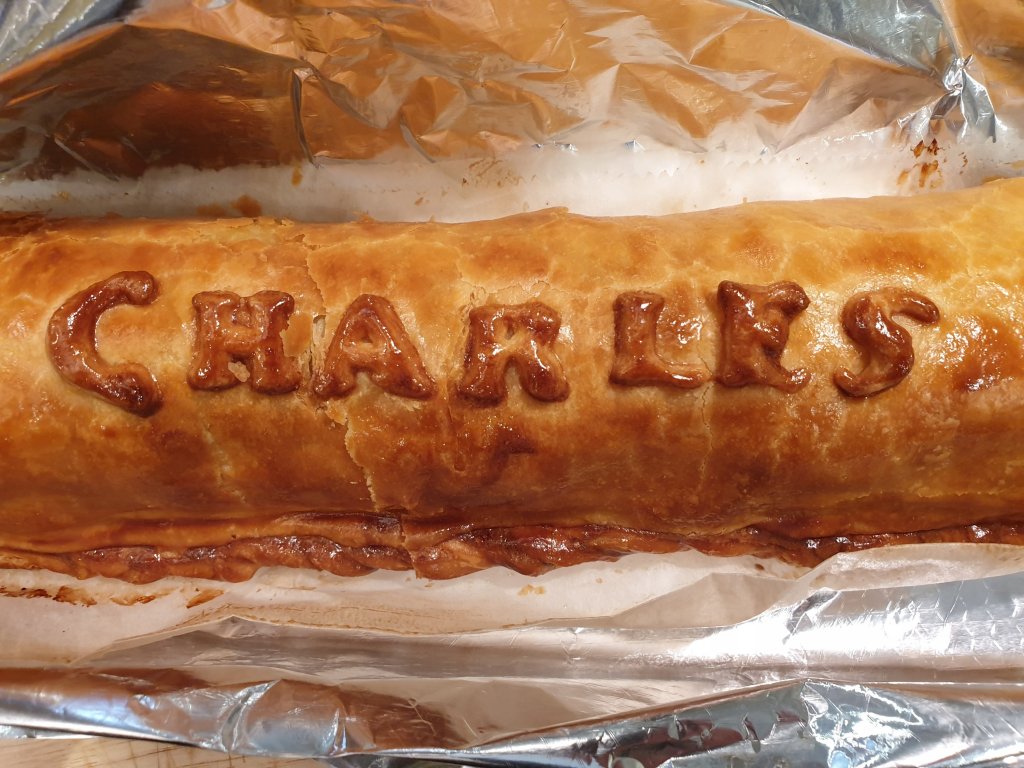
This was the perfect sausage roll:-
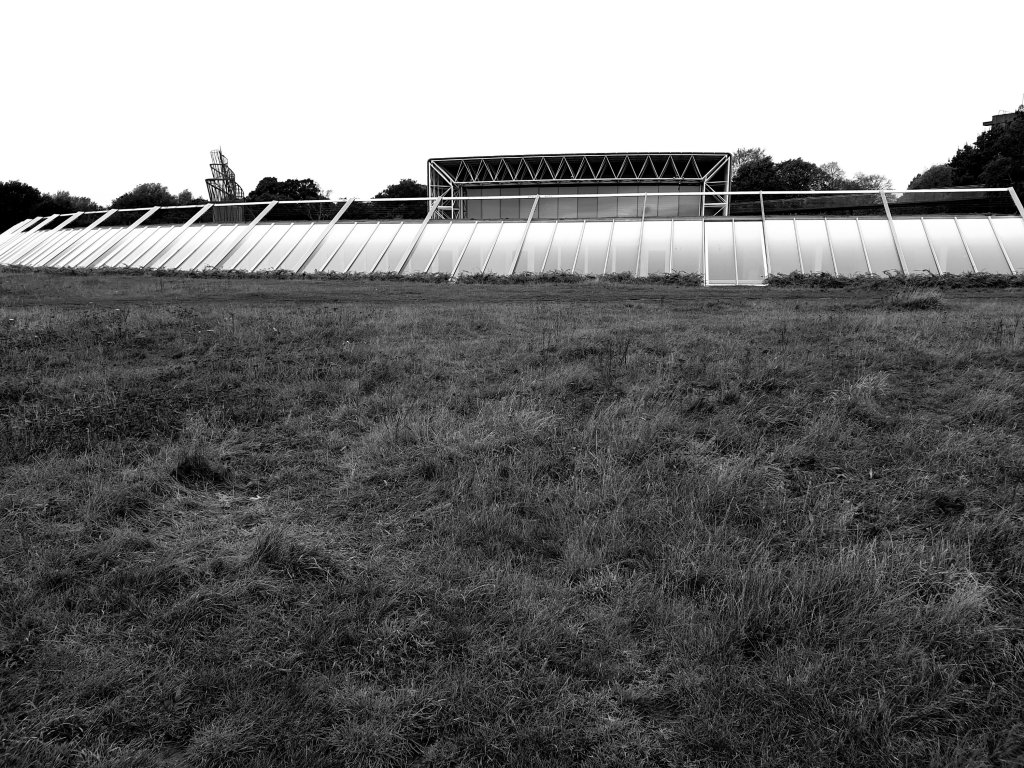
I got up at crack of dawn to go and see the Grayson Perry exhibition at the Sainsbury Centre, having missed it in Bath and York:-
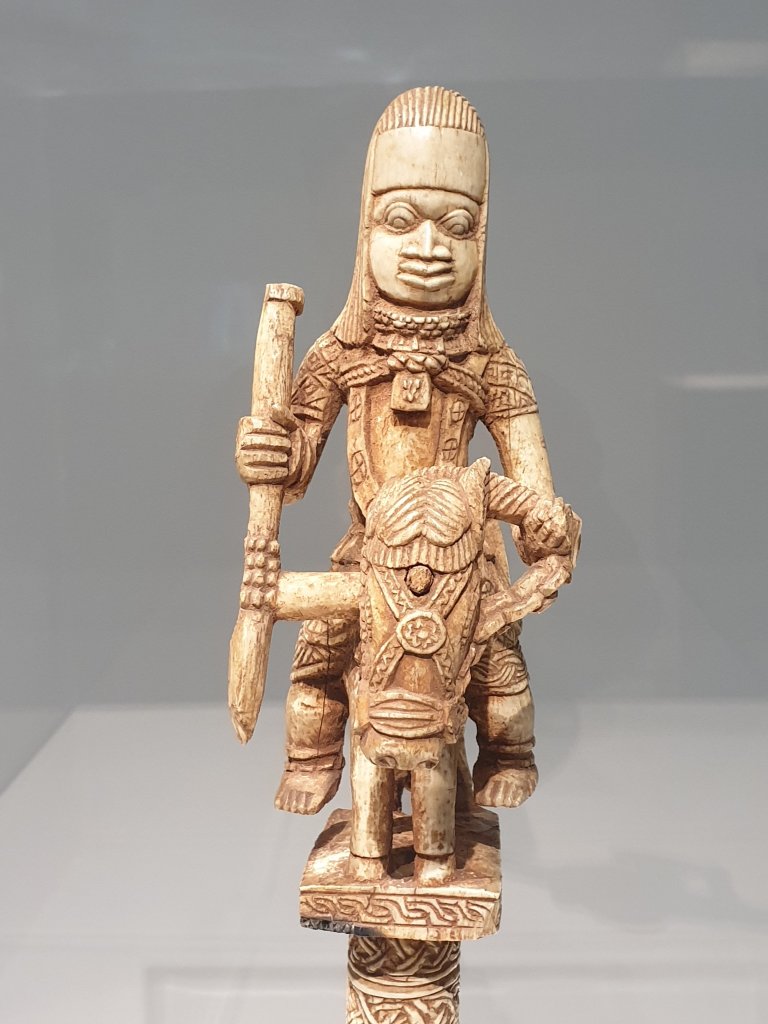
An ivory Royal Sceptre from Benin:-
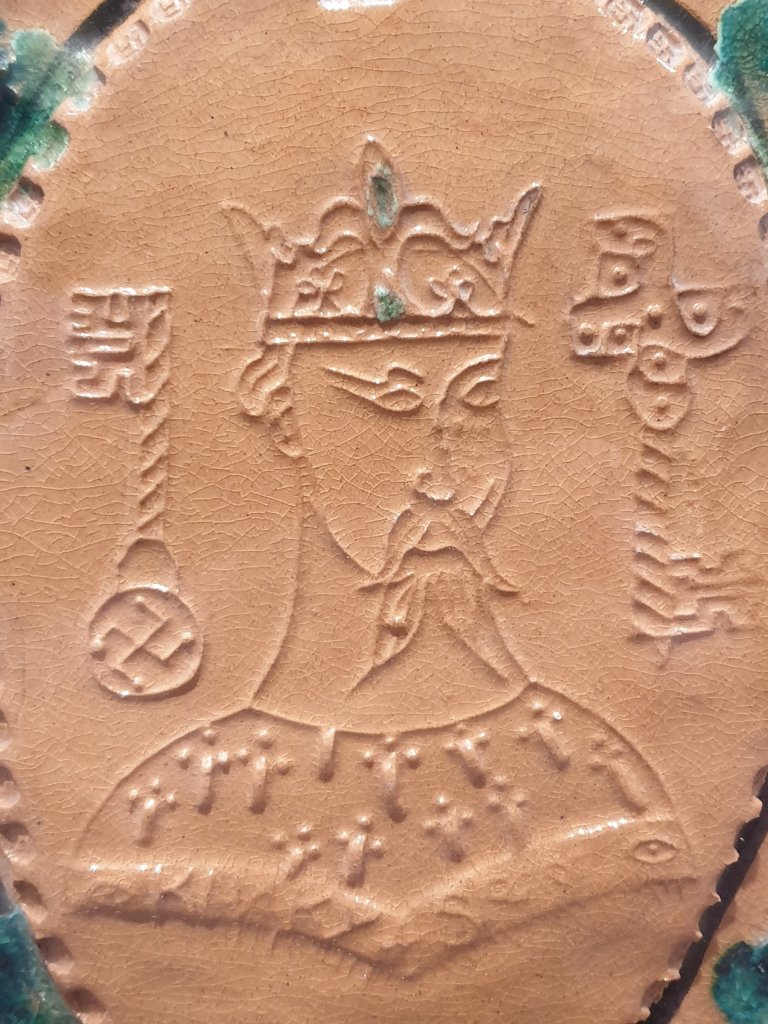
I hadn’t realised that Grayson Perry’s career goes back to the early 1980s, when he was already experimenting with a subversive attitude to folk pottery:-
I can imagine that the work didn’t go down too well in his pottery classes:-
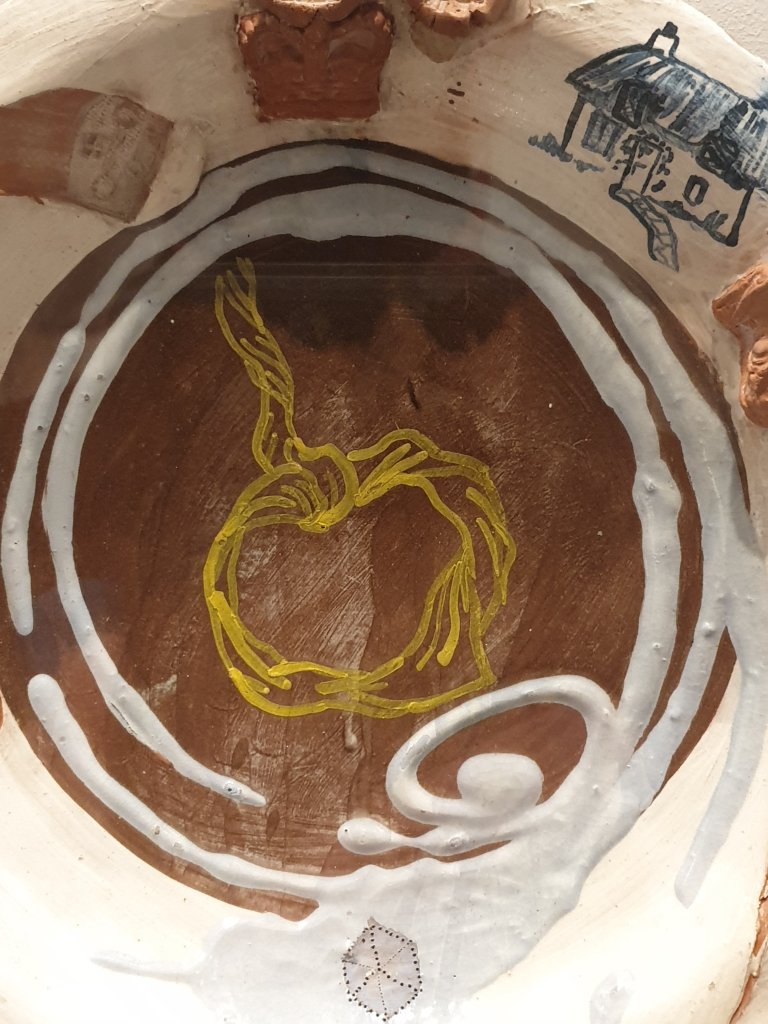
Sales Pitch (1987)
WITH YOUR HELP I CAN TAKE POTTERY INTO THE ARENA OF COMMENT AND IDEAS, DARE I SAY IT, FINE ART:-

Untitled (1987):-

A Design which Implies Significance (1992):-
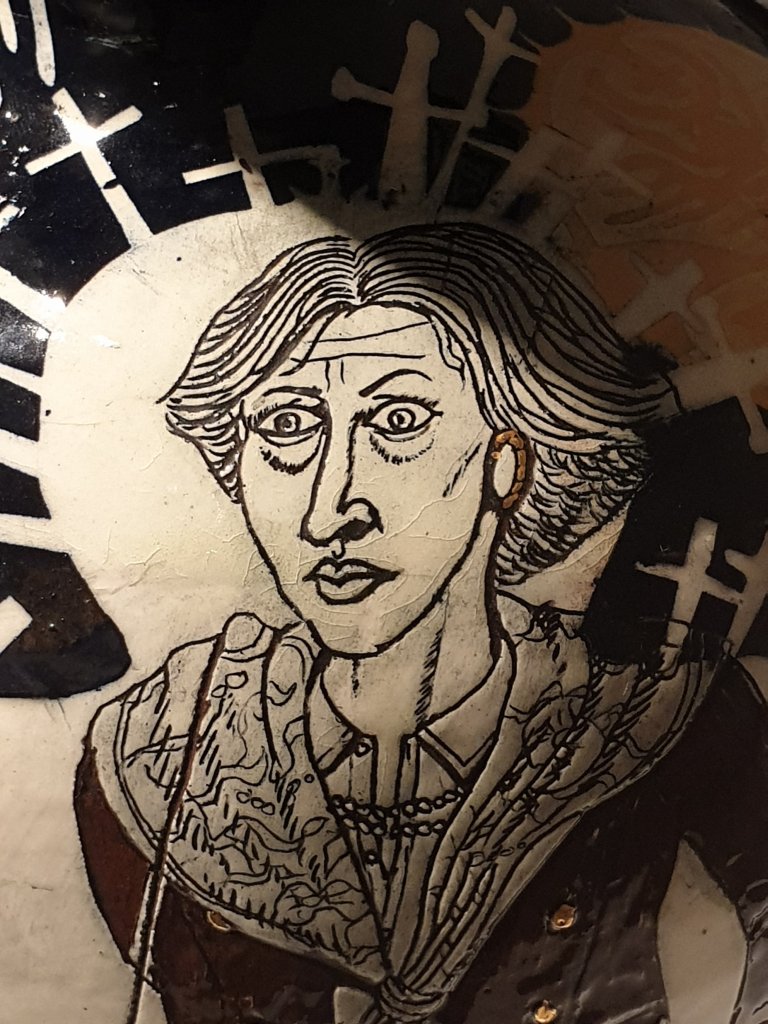
Artefact for People who have no identity (1994):-
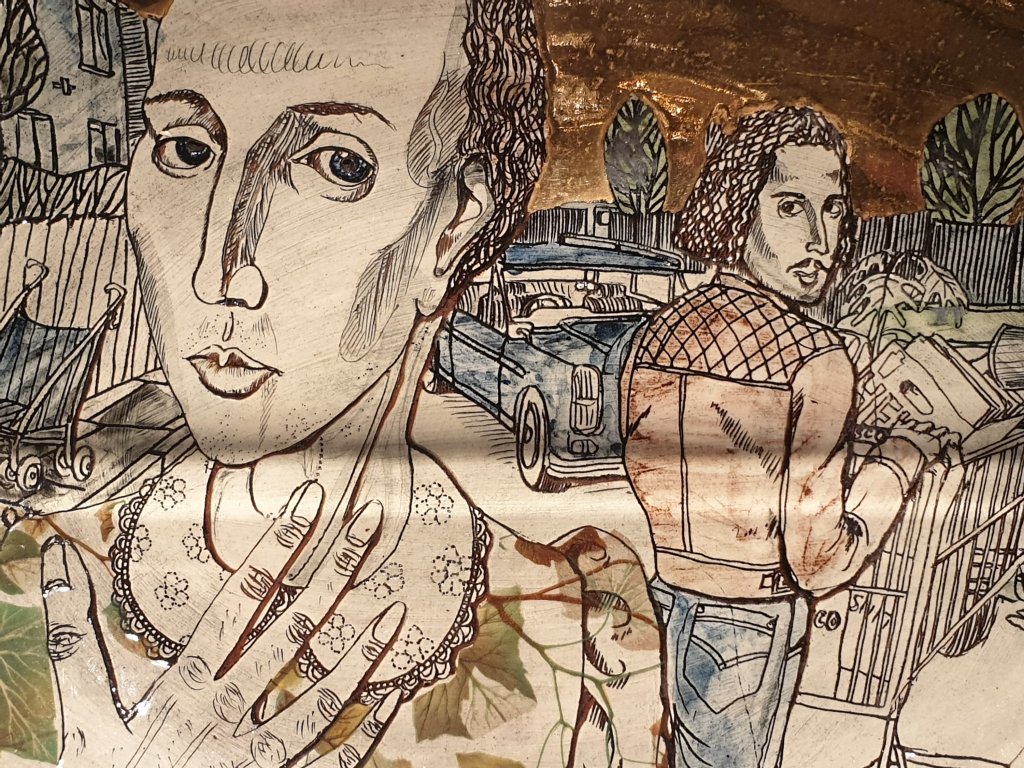
The exhibition made me appreciate much better his experimental attitude to the medium and how form was as important as content. Punk meets New Romantic.
In 1993/4, he was taken on by Anthony d’Offay and I suppose the rest is history.
I spent the afternoon on campus at Warwick University in preparation for a seminar on ‘Writing about Art Museums’.
I was impressed by the transformation of the campus from 1960s industrial utilitarian by Yorke Rosenberg Mardall in the style of St. Thomas’s Hospital to contemporary utopian ambition with the new Professor Lord Bhattacharyya Building by Cullinan Studio:-
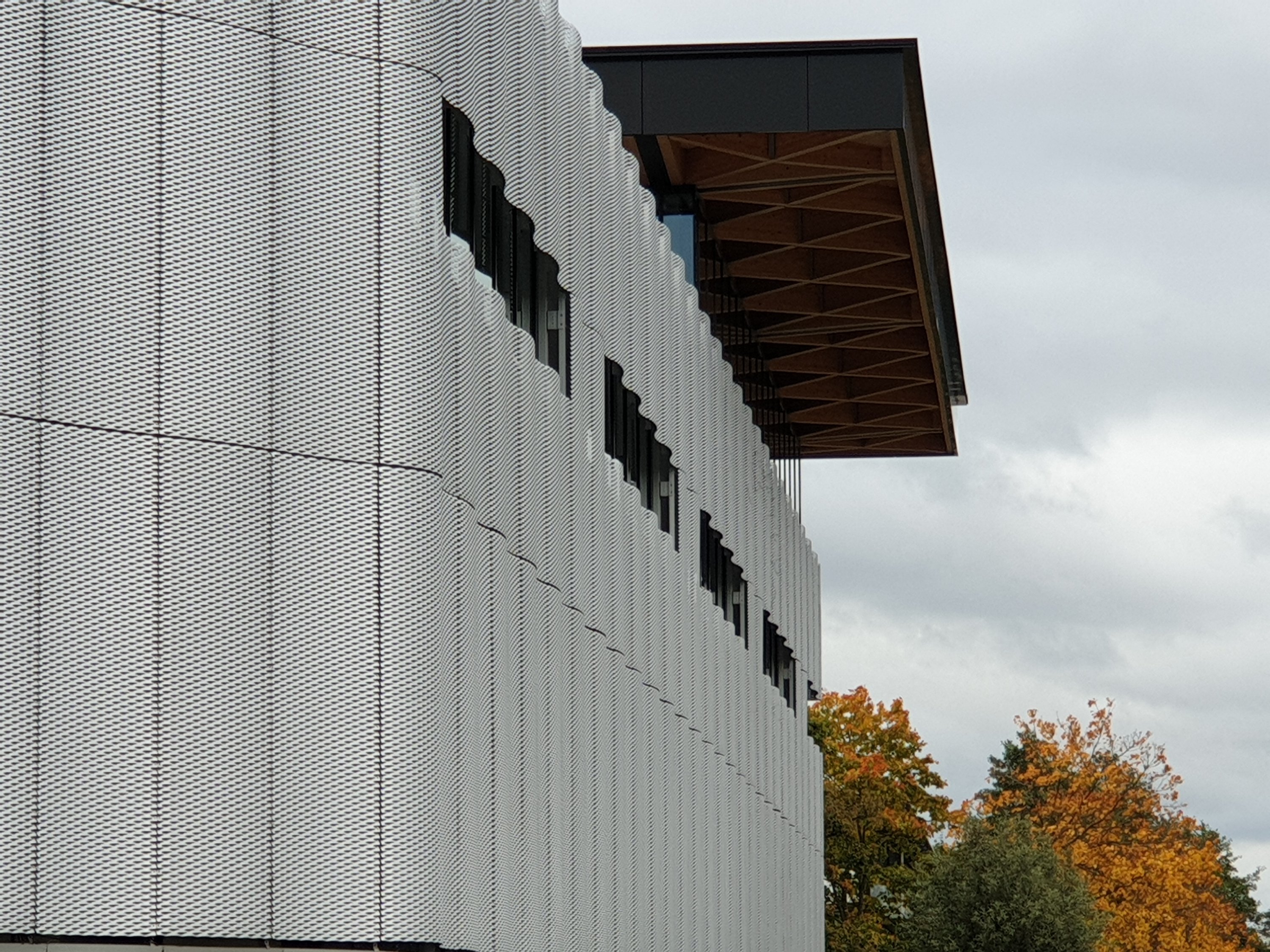
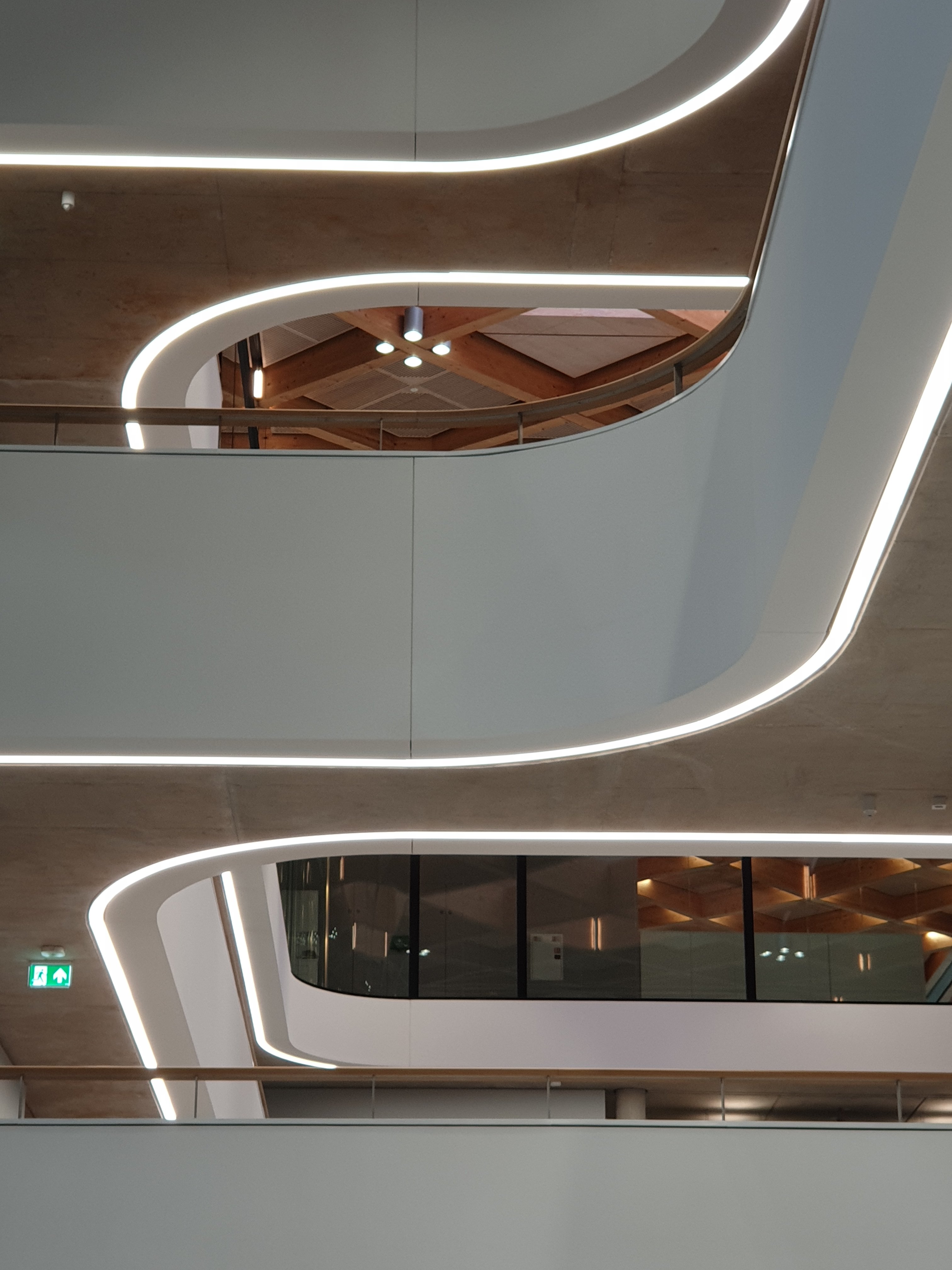
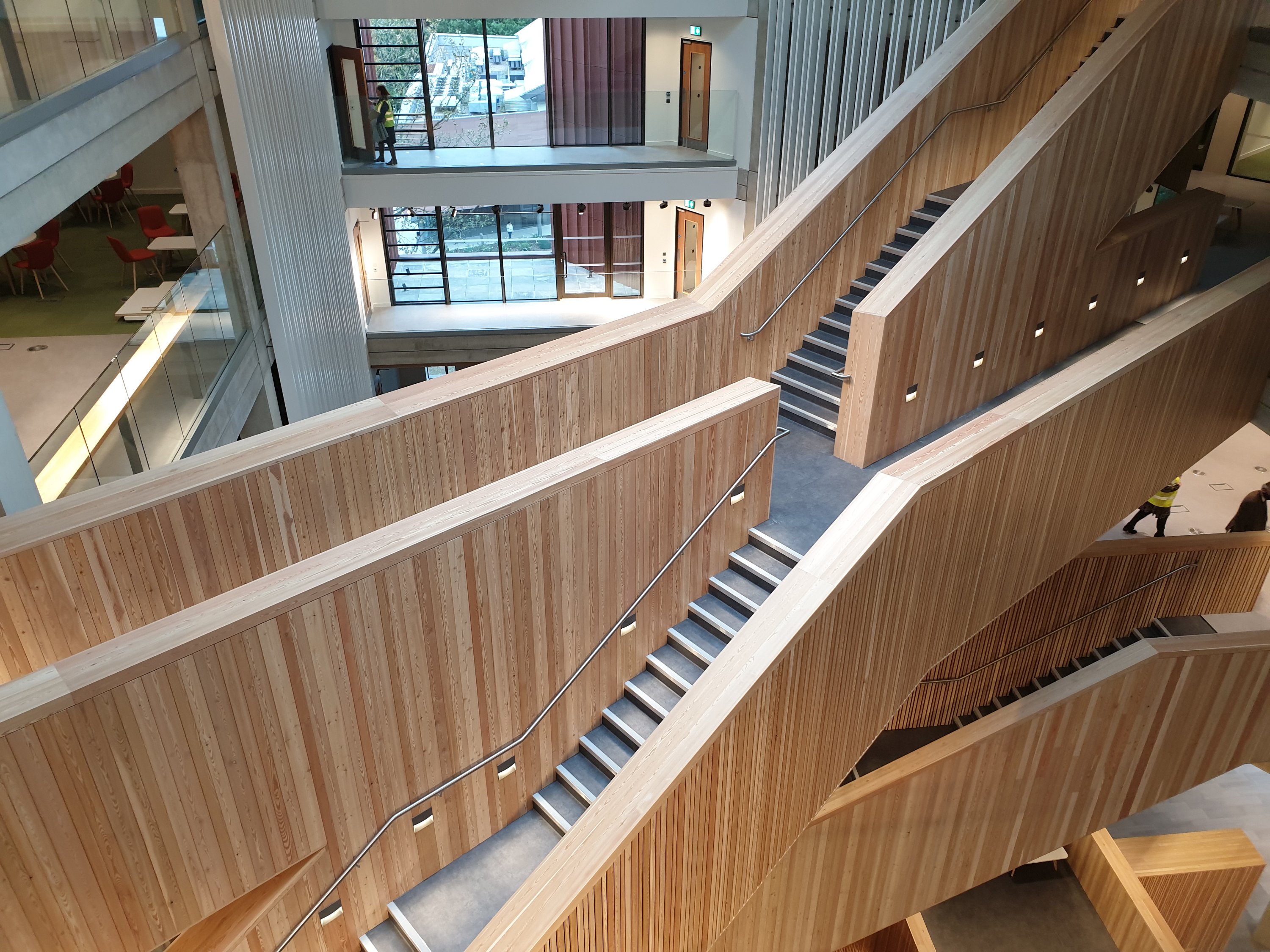
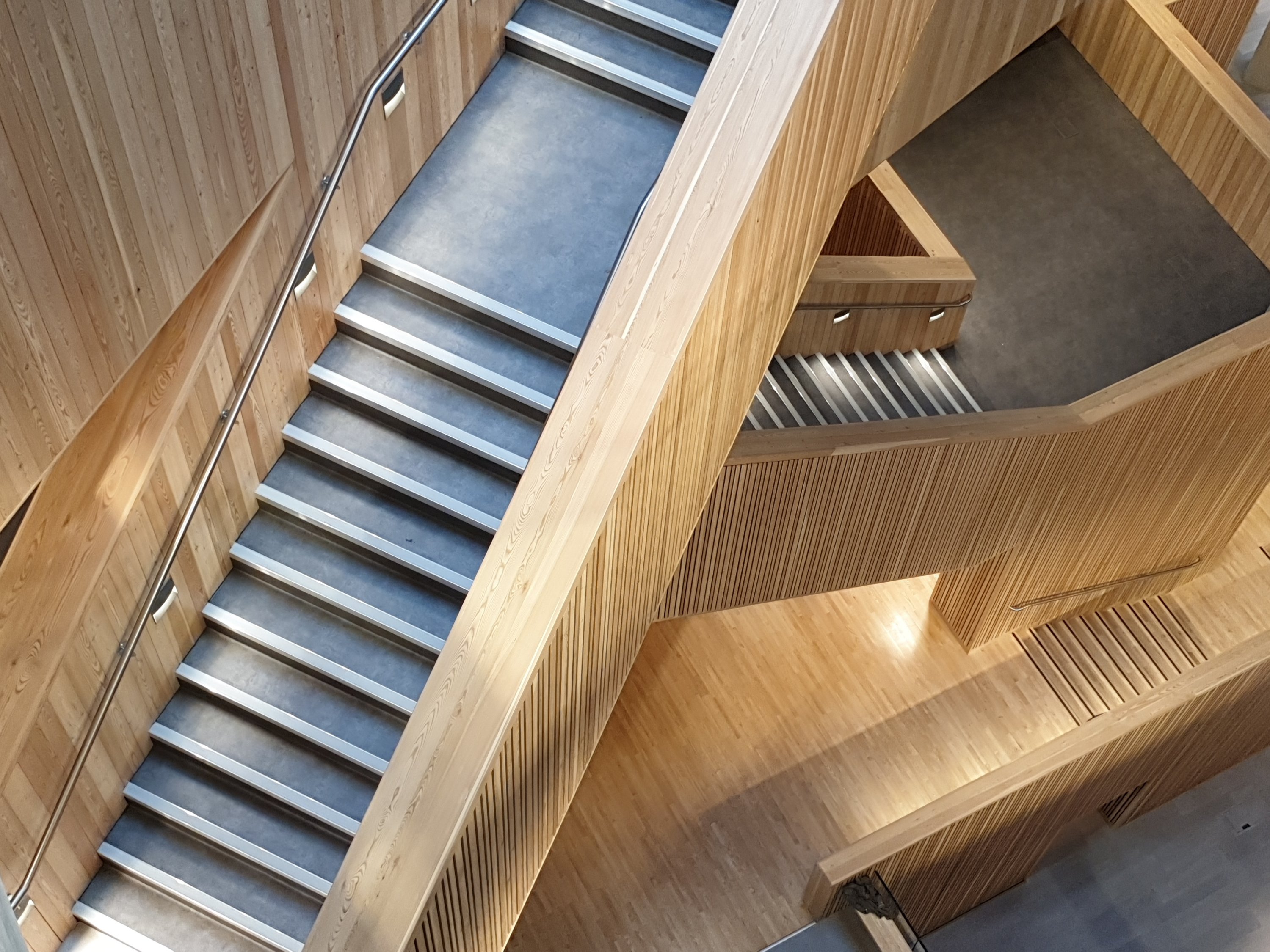
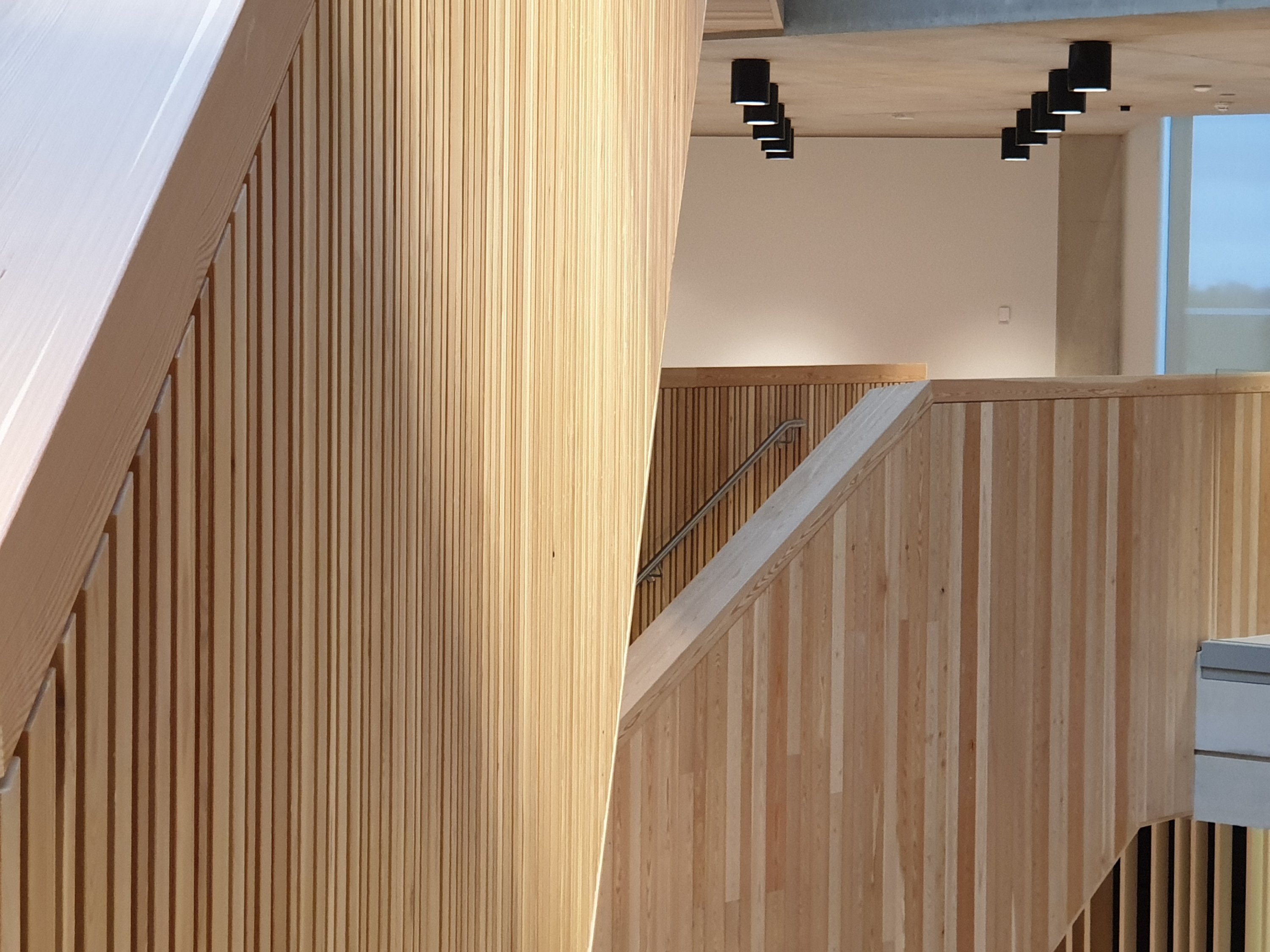
And, even more impressive, the new Faculty of Arts Building by Feilden Clegg Bradley:-

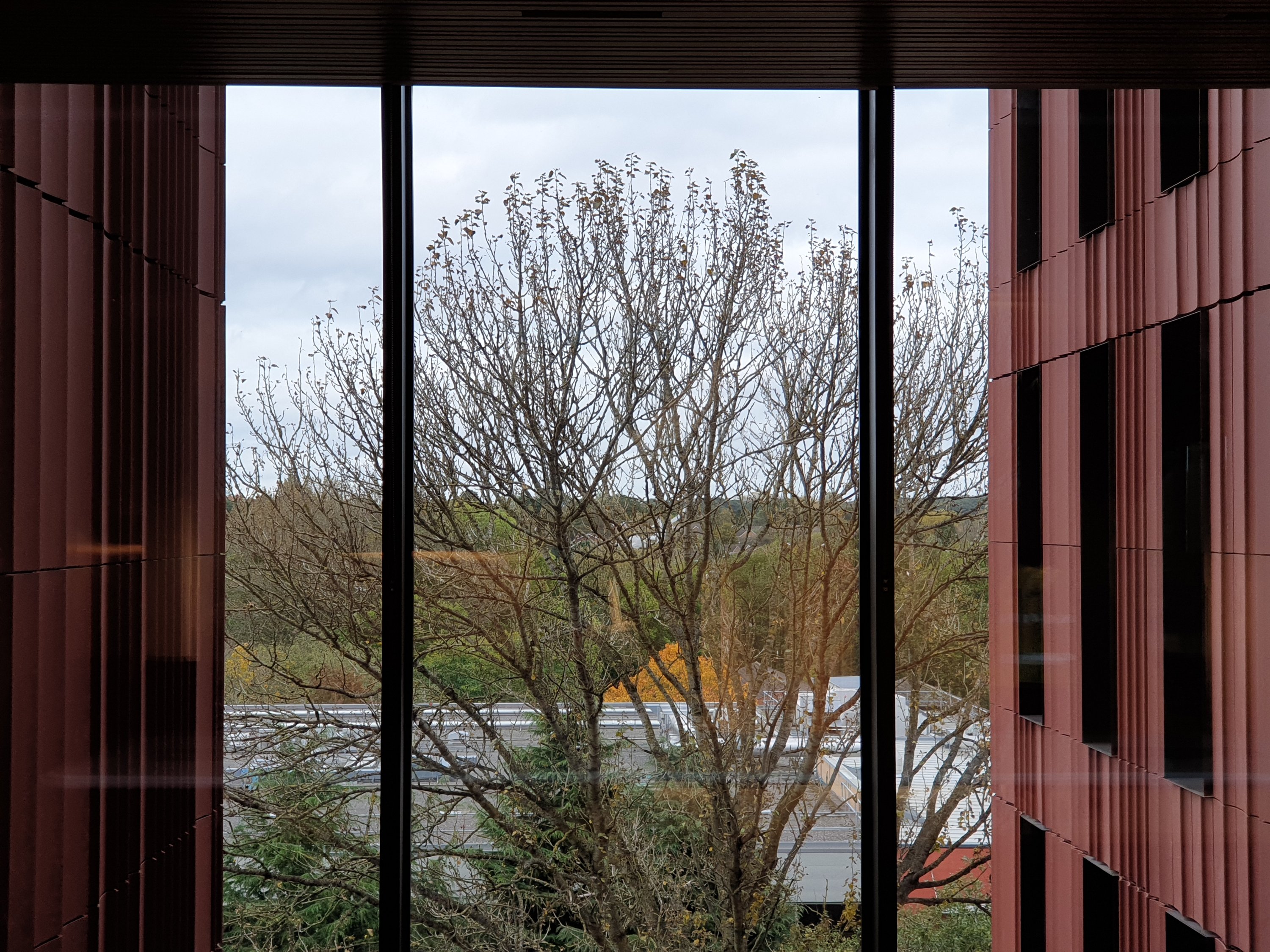
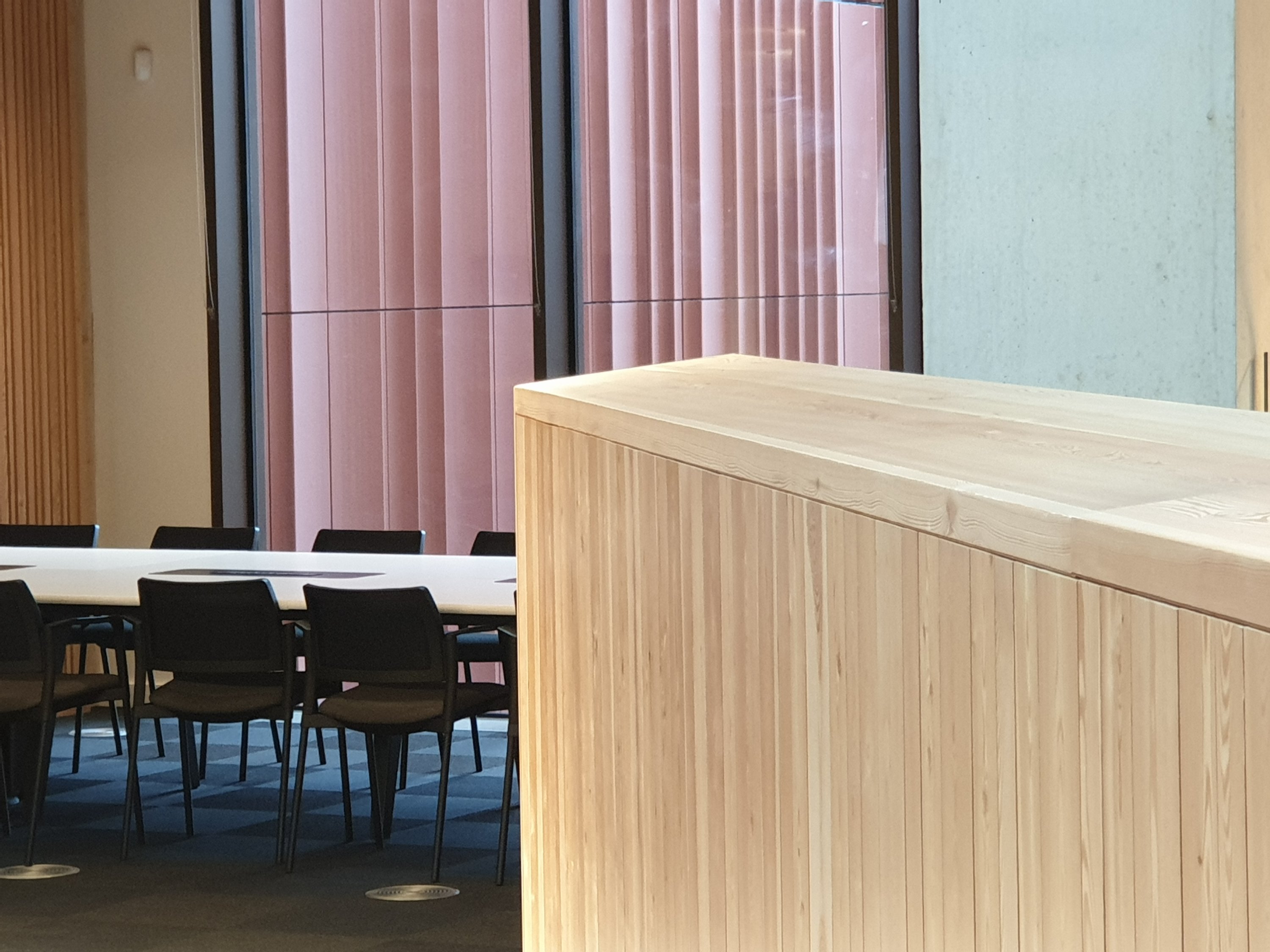
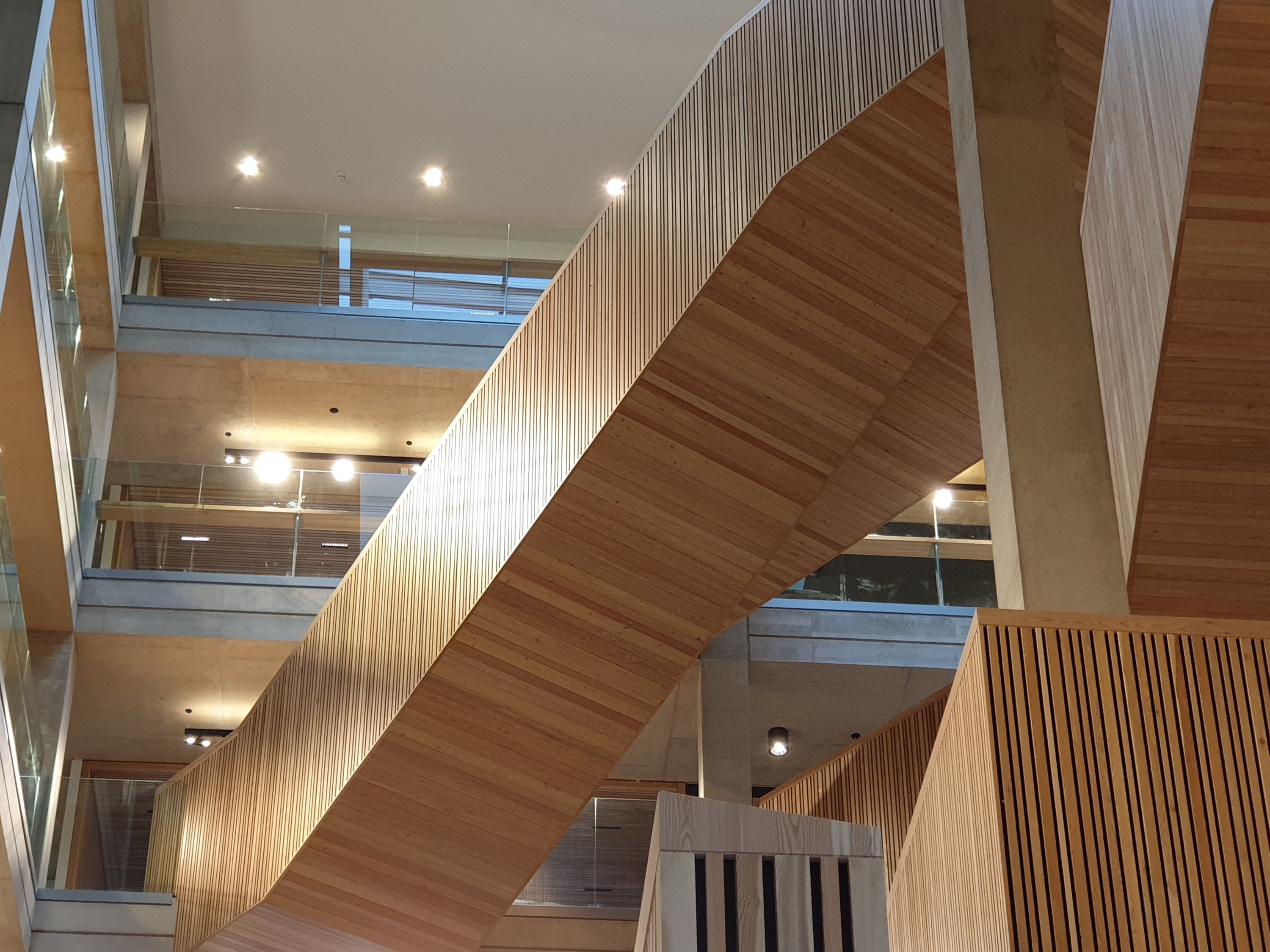
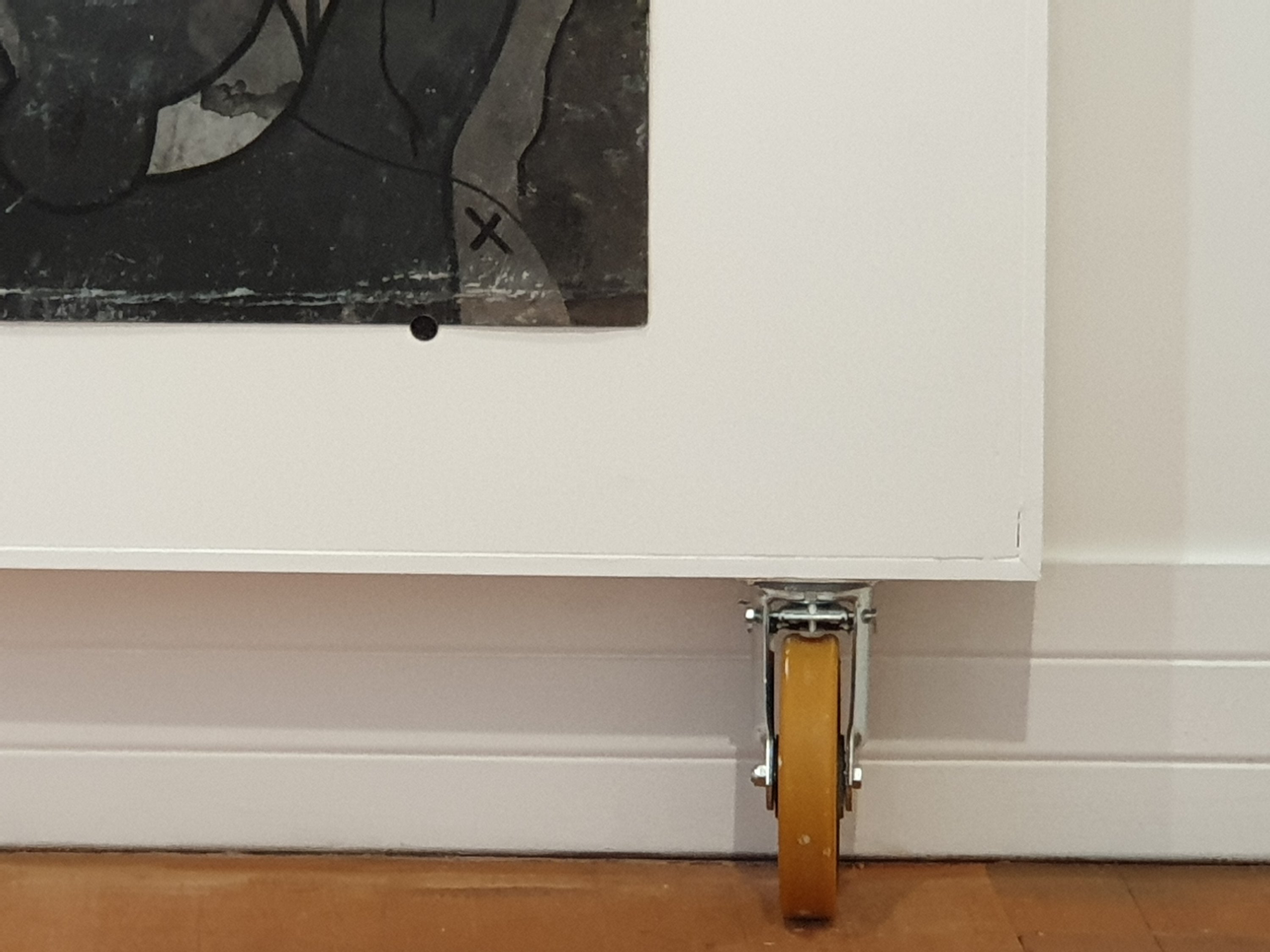
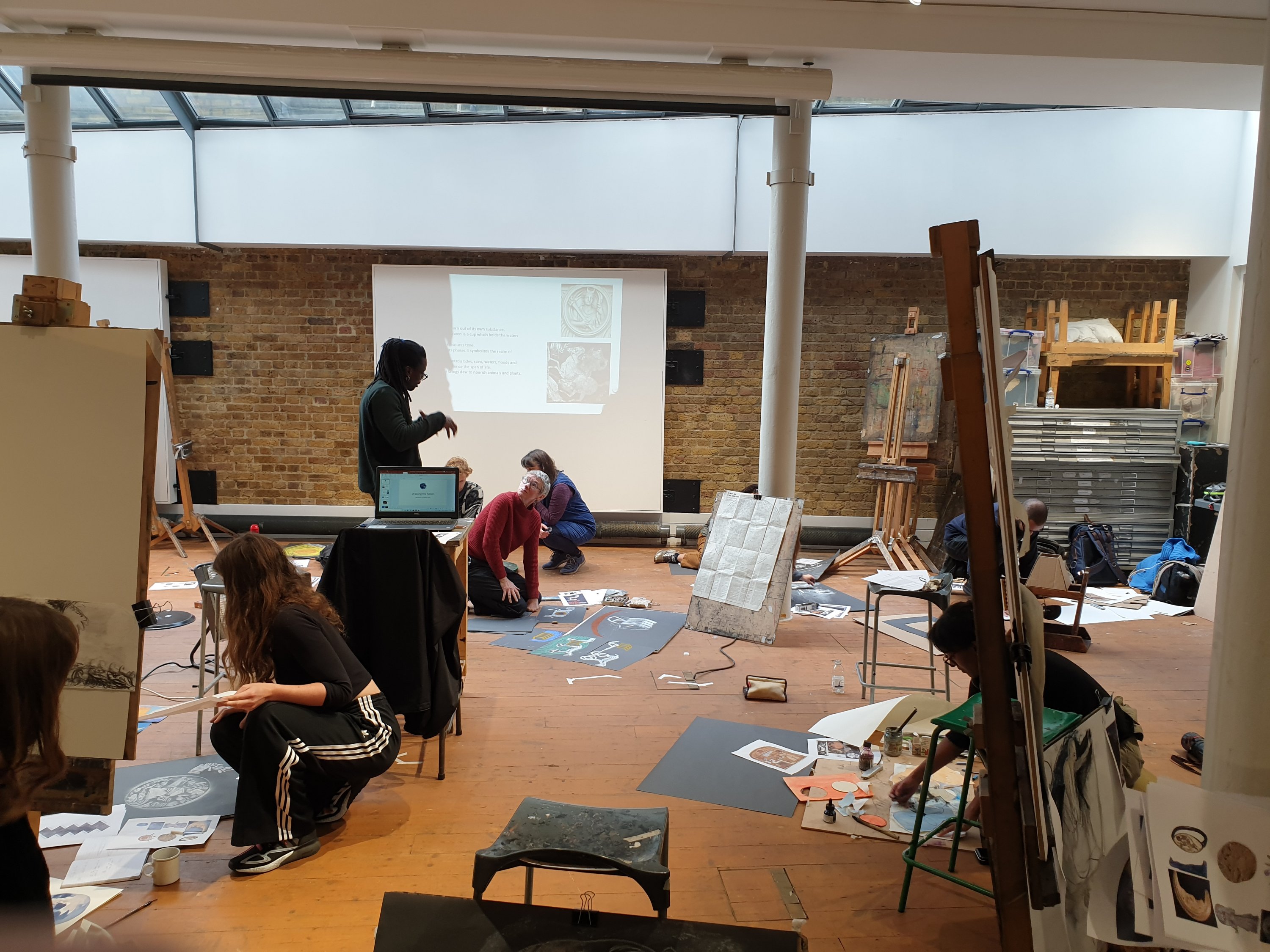
We just had an event to celebrate the completion of the Jan Shrem and Maria Manetti Shrem studios at the Royal Drawing School. Designed by Simon Hurst, a former student of the Prince’s Institute of Architecture, they make much better use of the ground floor, dividing it into two large teaching studios or, alternatively, using one – as now – as exhibition space. It has an ingenious system of heavy screens on industrial size wheels to increase available hanging space, inspired by the screens on which Hogarth’s Rake’s Progress hangs at the Sir John Soane’s Museum.
The new entrance:-
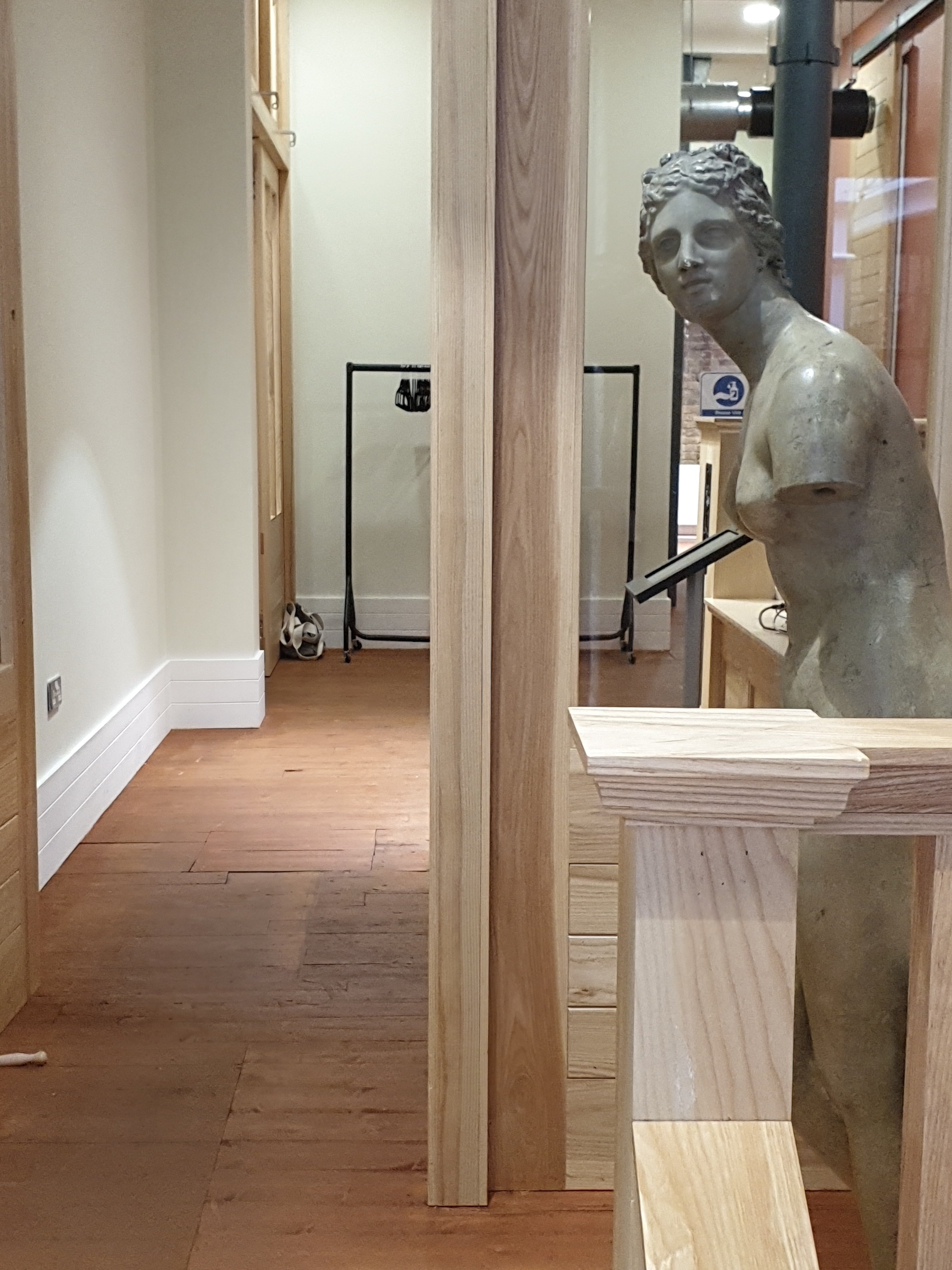
The rolling screens:-
And one of the two studio spaces:-
So, the City of London’s planning committee has unanimously rejected the plans to turn the Custom House into a luxury hotel, shortly after it turned down plans to building a monster tower block next door to the Bevis Mark’s synagogue. Maybe there is a glimmer of a change of heart, a recognition that it is not necessarily in the City’s own best interests to go on trampling on its history.
But what is the best way forward. A planning inquiry ? A long-drawn out and costly battle ? Is there not some way for Michael Gove and/or the Heritage Lottery Fund to intervene to encourage the architects and developers to come up with a more creative way forward ?
The keys would seem to be:-
• Making the Long Room into a proper public space
• Opening up the river frontage as SAVE recommends
• Treating it as an important architectural monument, not just as an asset ripe for conversion
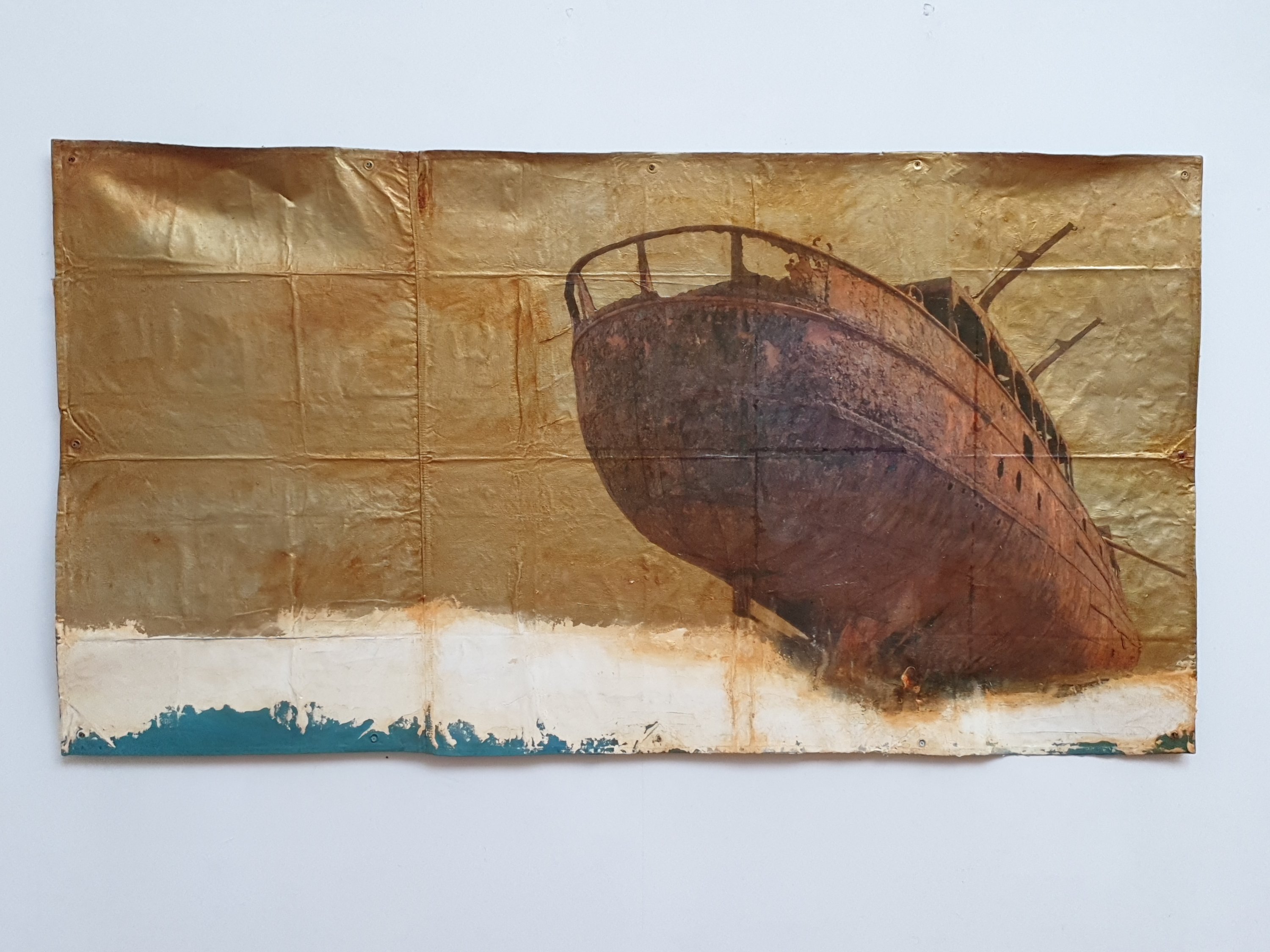
Attached is a film of Hughie O’Donoghue talking very interestingly about the work he did on Deptford Creek near his studio in Greenwich during lockdown, which looks like a new direction. And about his time at the National Gallery, the influence of late Titian and the reason for changes in taste. It will be good to see these works, plus his big rusty shipwrecks, in his exhibition at Marlborough Fine Art on November 9th.
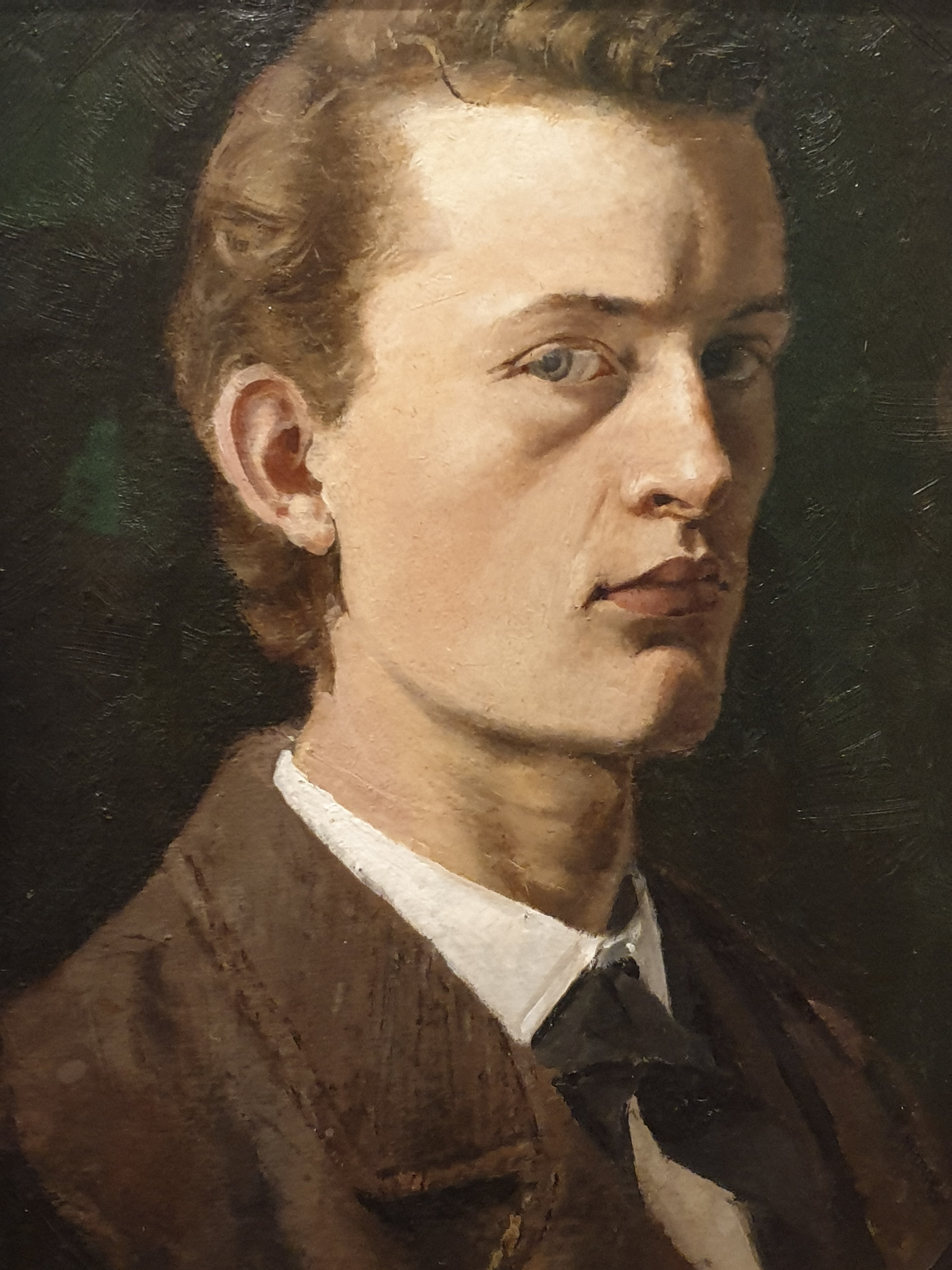
I forgot to post these of Munch. I was trying to track the changes in the way Munch portrayed himself.
As he was in 1881/2:-
1906:-

1930:-

1940:-
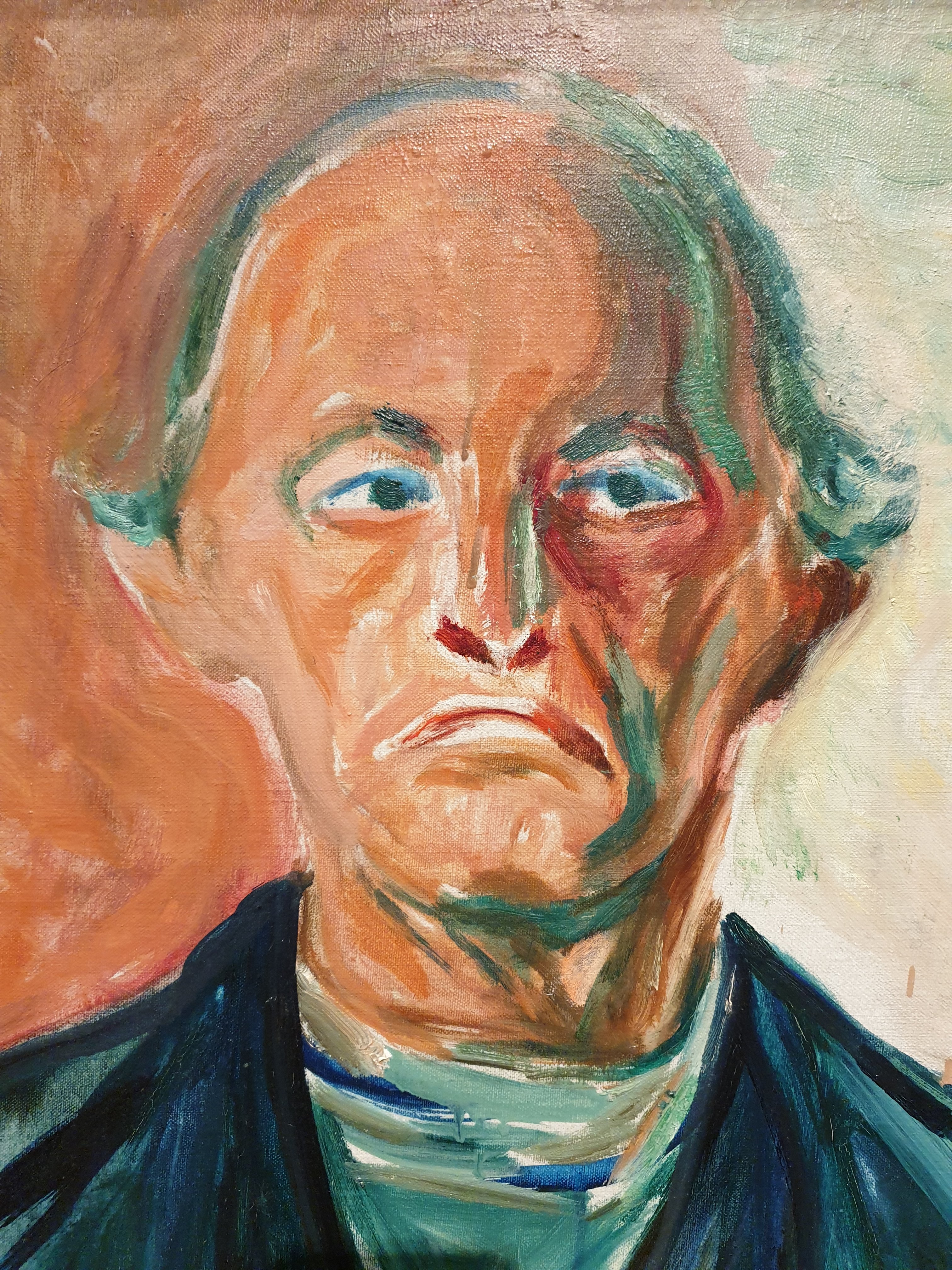
I’m rather relieved that I hadn’t read Oliver Wainwright’s excellent, but possibly over-critical review of the new Munch Museum, before I had written mine for the Burlington Magazine (not out for a month at least). I realise I was maybe influenced by the pleasures of there being so much exhibition space, and didn’t see its architectural form as one of civic surveillance, which once one has viewed it that way is hard to escape. I don’t think it will stop the museum being very popular: great artist, good location, so much to see, different ways of interpreting him; certainly well worth the trip to Oslo.
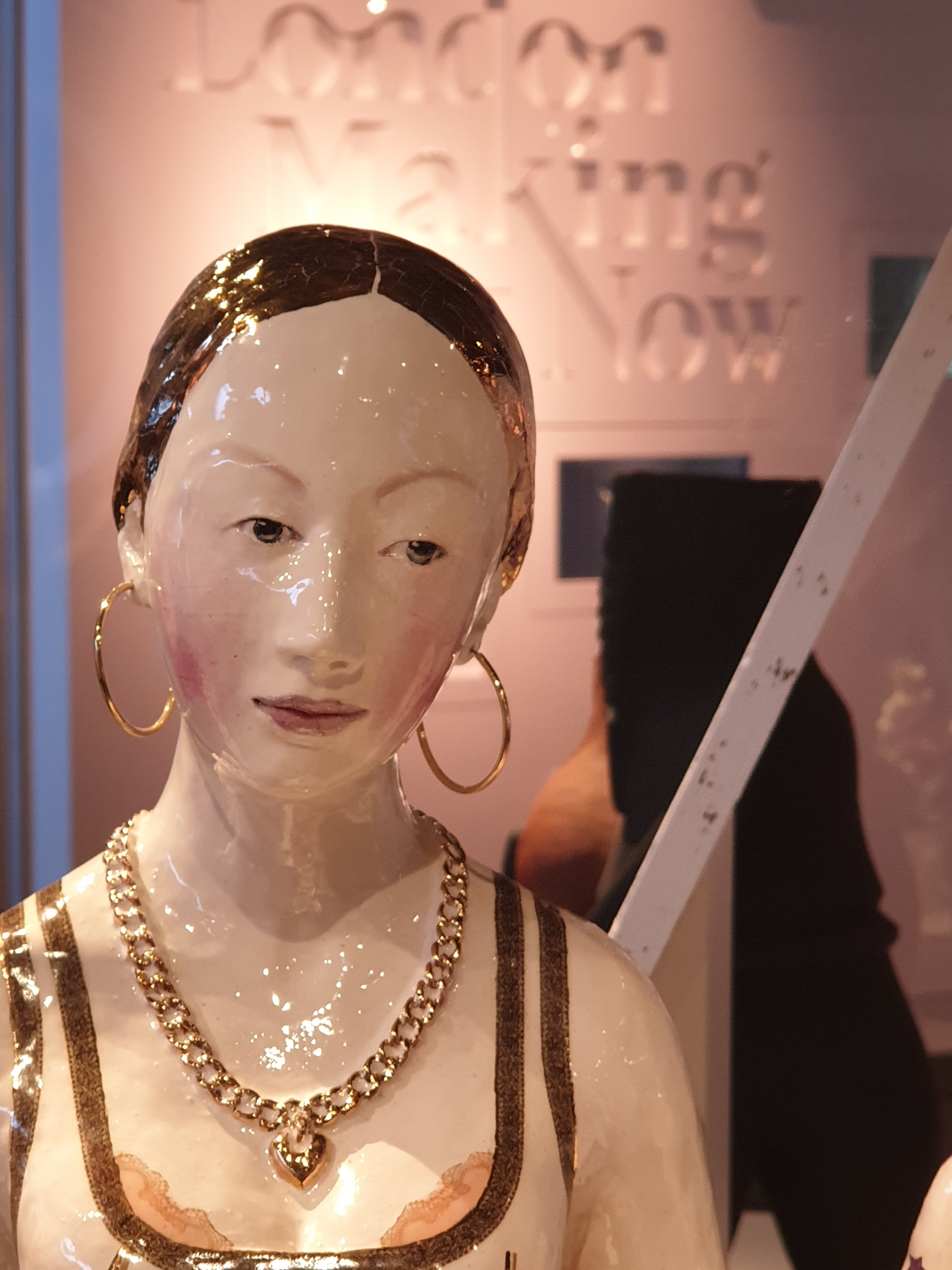
We went to see a small exhibition at the entrance of the Museum.of London about the way designers are influenced by their envirnonment:- Claire Partington whose work is influenced by porcelain figures in the V&A:-
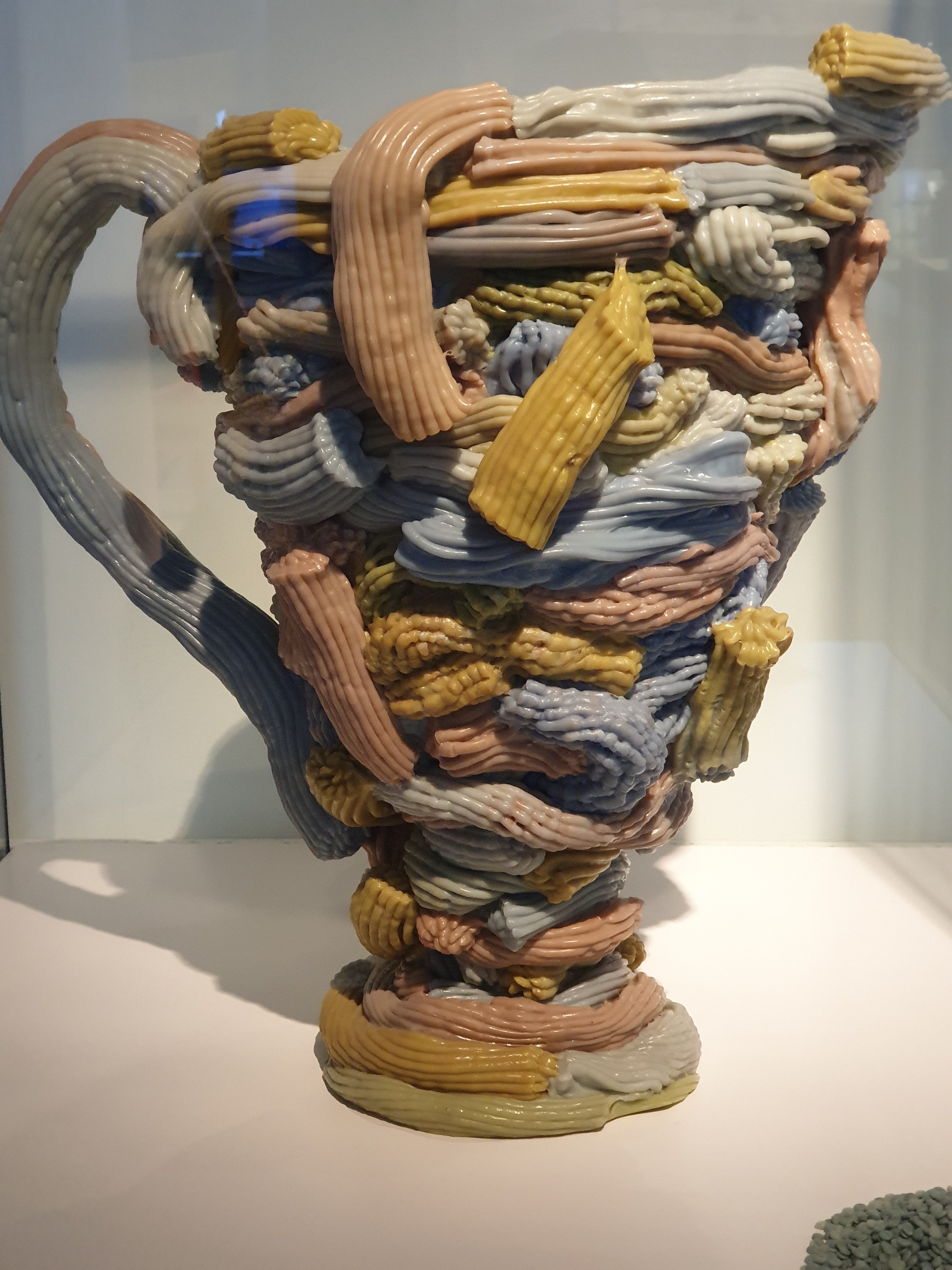
James Shaw, who makes neo-baroque pots from extruded plastic:-
Adi Toch, who makes brass vessels:-

And:-


You must be logged in to post a comment.