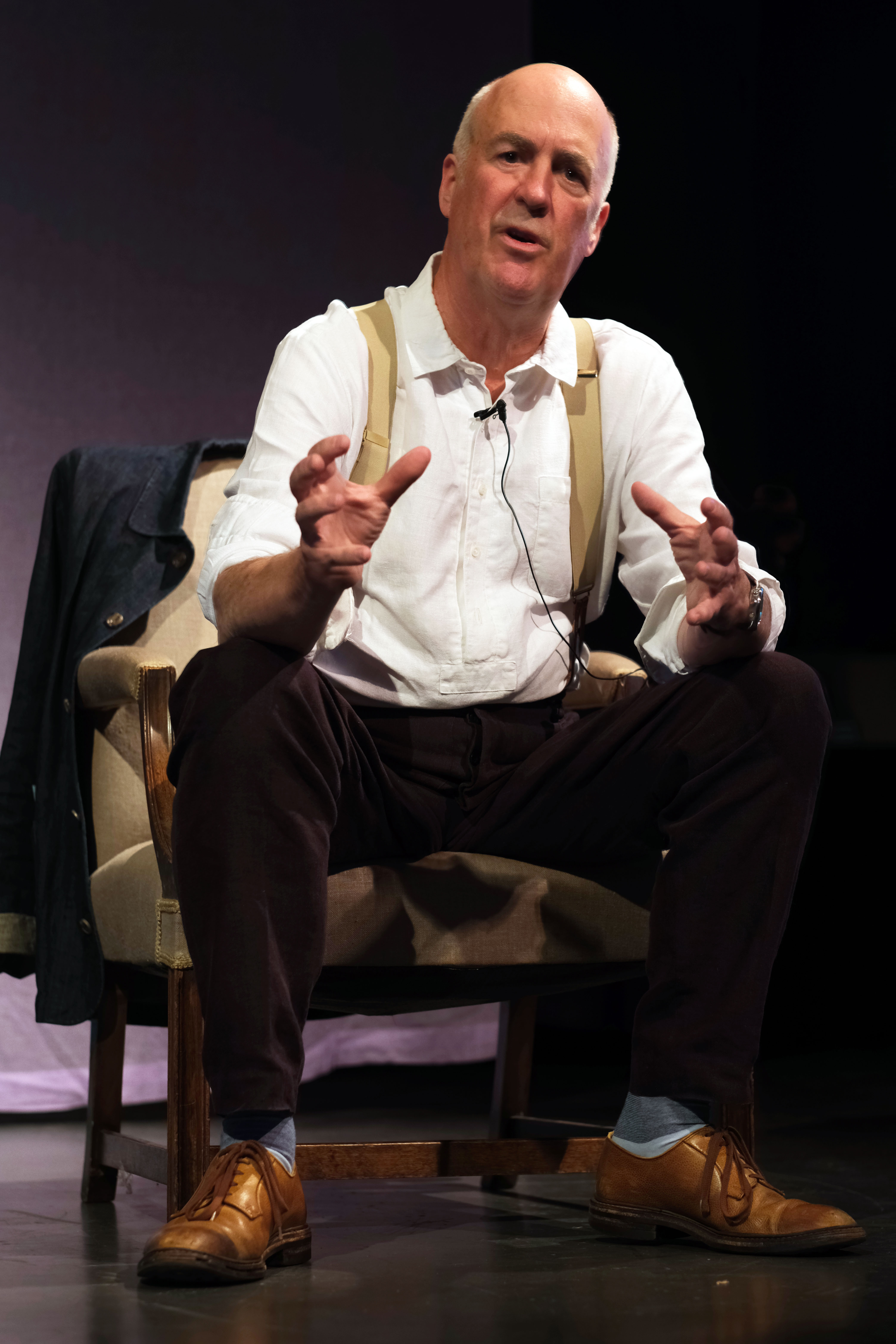
There are beautiful fritillaries in the garden. First, fritillaria meleagris, apparently one of only two species of check in nature alongside guinea fowl:-
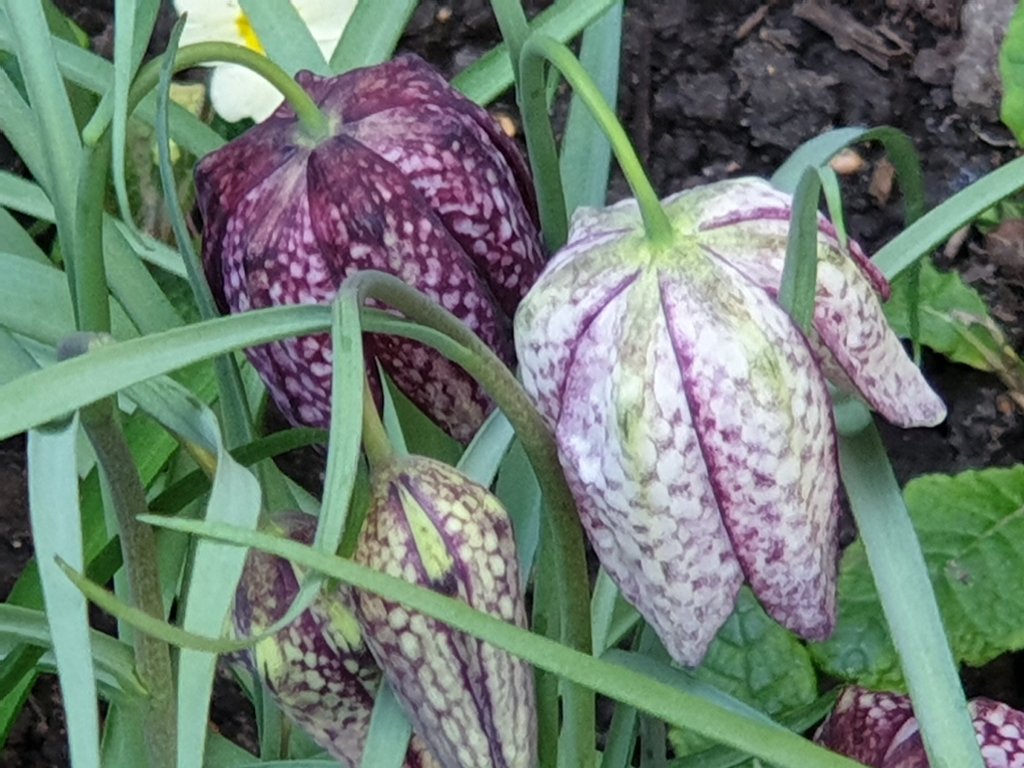
We’re not sure of the other (not apparently uva-vulpis):-
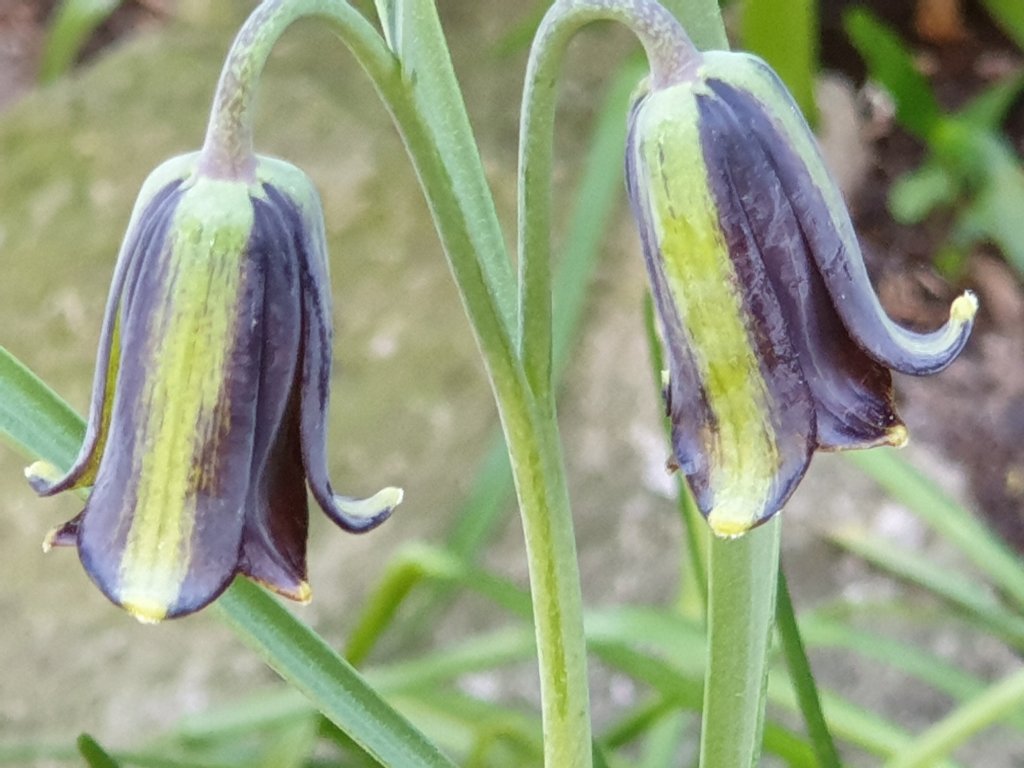
There are beautiful fritillaries in the garden. First, fritillaria meleagris, apparently one of only two species of check in nature alongside guinea fowl:-
We’re not sure of the other (not apparently uva-vulpis):-
More about changes in museums in the current issue of Art Newspaper as the reality of the post-COVID environment becomes clearer: cuts everywhere; redundancies; reorganisation; restitution. I was asked just now on a forthcoming Thames & Hudson podcast how COVID will influence the operation of museums and remembered the extent to which the 1950s was devoted to reconstruction: few new museum buildings; putting things out which had been in store; patching up old buildings. New ways of thinking and making better use of existing collections is not necessarily a bad idea.
https://www.theartnewspaper.com/news/uk-museums-covid-19-crisis-cuts
Maxwell Museums is a weekly newsletter produced by Maxwell Blowfield, a press officer at the British Museum. It looks like a good way to follow what is currently happening in museums and today carries an interview about my book and quite a bit else. It’s funny how it is assumed that life was easier in the past. I don’t remember it feeling like that at the time.
https://maxwellmuseums.substack.com/p/charles-saumarez-smith-interview
This is such a great project: that Grayson Perry has agreed to make a bell to celebrate the potential end of the pandemic and – let’s hope – the revival of the Whitechapel Bell Foundry as a proper working Foundry, using the skills of artists, not just a vacuous tourist attraction, funded by a New York venture capitalist and annexed to an upmarket hotel.
We just await Robert Jenrick’s verdict.
I had temporarily forgotten that the RIBA Journal had kindly said that they would reproduce the section of the book on ‘The Role of the Architect’ in which I have tried to summarise their changing role over time, based on the work that I had done in writing my case studies (43, unless I have miscounted). It’s necessarily a bit oversimplified and doesn’t include what I think of as the rogue element: Daniel Libeskind’s fine, symbolic Jewish Museum in Berlin; Zaha Hadid’s MAXXI National Museum of XXI Century Art in Rome.
Ed Jones has suggested I should have included Rafael Moneo’s building for the Museum of Fine Arts in Houston – admittedly a good model of exemplary galleries for its permanent collection and Alvaro Siza’s Galician Art Museum in Santiago da Compostella. The list of those I need to visit is growing longer every day.
This morning, you could have listened to my conversation with Ed Vaizey. This afternoon, you can read what his mother, Marina Vaizey, the former long-standing critic of the Sunday Times, thinks of my book, which I know is a bit parti pris because as Ed revealed, and as I already knew, she is an enthusiastic reader of, and occasional commentator on (vide her comments yesterday on the Guggenheim Museum), my blog. But she adds her own interesting perspectives on many of the buildings I’ve written about.
Thank you, Marina !
For those of you who are having a nice long lie-in, you might enjoy Ed Vaizey’s weekly podcast which this week – thank you, Ed – covers the topic of what is happening in museums, as well as my book.
I sometimes feel as I listen that I am walking on eggshells as I am expected to know vastly much more about issues such as restitution than I really do, but the podcast has one great virtue, which is that he gave me an opportunity to describe and promote this blog, as well as my book, and I enjoyed the opportunity, as is probably obvious, to deal with such a wide range of current issues, if only summarily, but more than I was able to in the book.
Or
We watched Ammonite last night, hoping to find out more about Mary Anning and her historically important discoveries of fossils on the beaches of Lyme Regis in the early nineteenth century and her rejection by the geological establishment in London. But, no, we had not read the blurb carefully enough. It is a very beautifully filmed, but 100% fictitious, account of a passionate affair she purportedly had with the smart young wife of an amateur paleontologist, who turns out from the reviews to have been a serious paleontologist herself. Great clothes, said to be historical, but possibly supplied by Old Town.
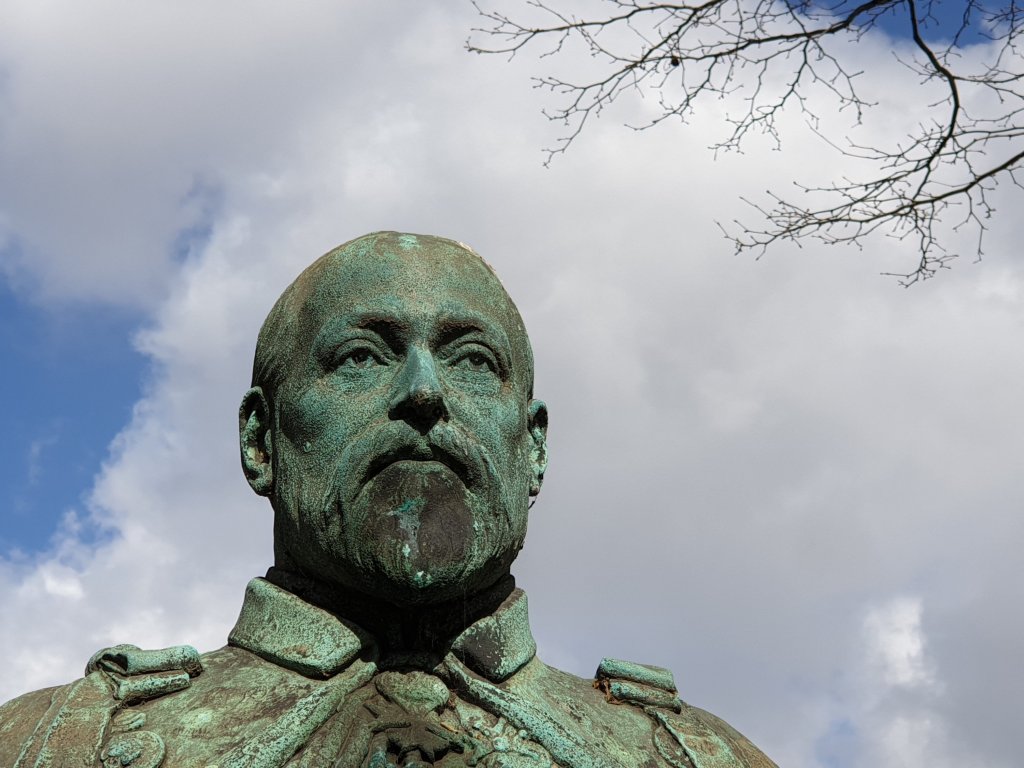
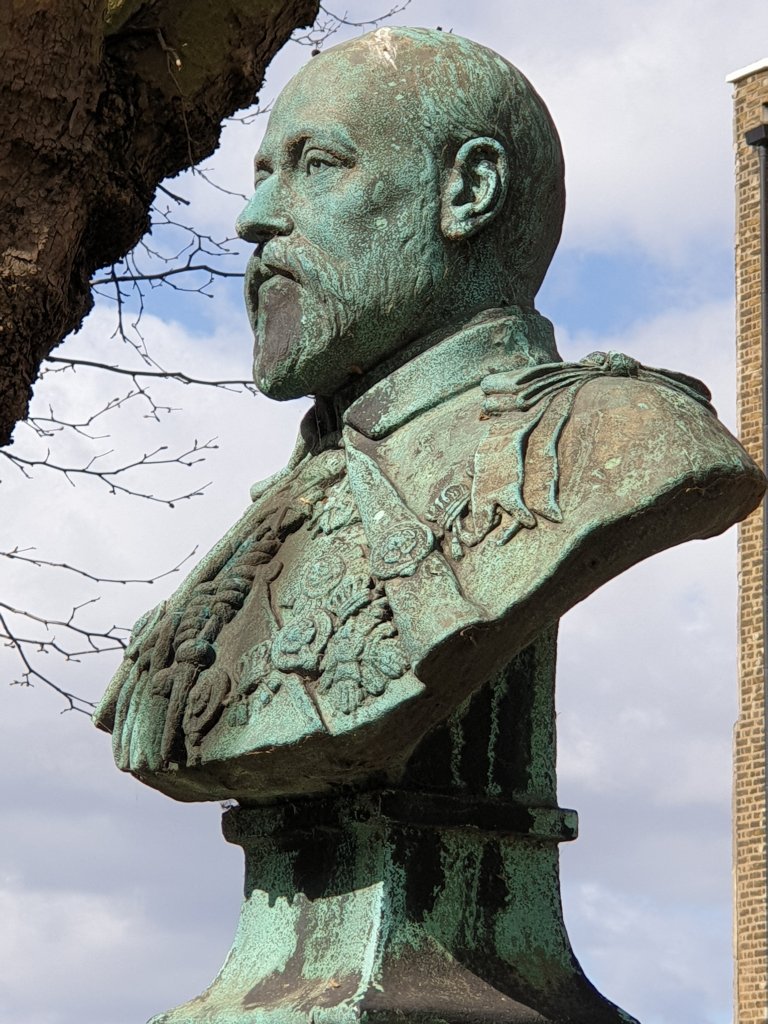
Funny thing. I had never noticed that there was quite a fine bust of Edward VII on the Mile End Road, not far from the statue of William Booth, but much less rhetorical. It was apparently ‘Erected by a few freemasons’ by a local firm, Harris and Sons of the Mile End Road. I hope it isn’t on the list of statues to be torn down, although he was certainly an Imperialist:-
I had an unexpectedly long chat with Robert Elms this morning about museums (https://www.bbc.co.uk/sounds/play/p098ppml) (I was on at about 10.35), starting with our joint experience of Tate Modern, which was so important in transforming people’s attitudes not just to museums, but to contemporary art more generally. We talked about the Museum of Modern Art, so incredibly important in the way it was about the modern and contemporary, originally more about exhibitions than establishing a collection, particularly when one remembers that it was started in 1929, only opening its new building on 53rd. Street ten years later. He was sceptical about the Guggenheim in Bilbao, as some people are, but it has certainly been extraordinarily successful in attracting visitors, not just to the museum, but to Bilbao more generally, and it has also always had an adventurous programme of exhibitions. Then, we talked about some of the museums I maybe should have included. I did think of including Kettle’s Yard and, in retrospect, maybe should have done: so important for its domestic setting and so influential in providing an alternative model for the display of art to the Fitzwilliam. And I now feel badly not having included Yorkshire Sculpture Park, which must have been very pioneering in the way that it showed art in the landscape. Maybe I can do a second edition.


You must be logged in to post a comment.