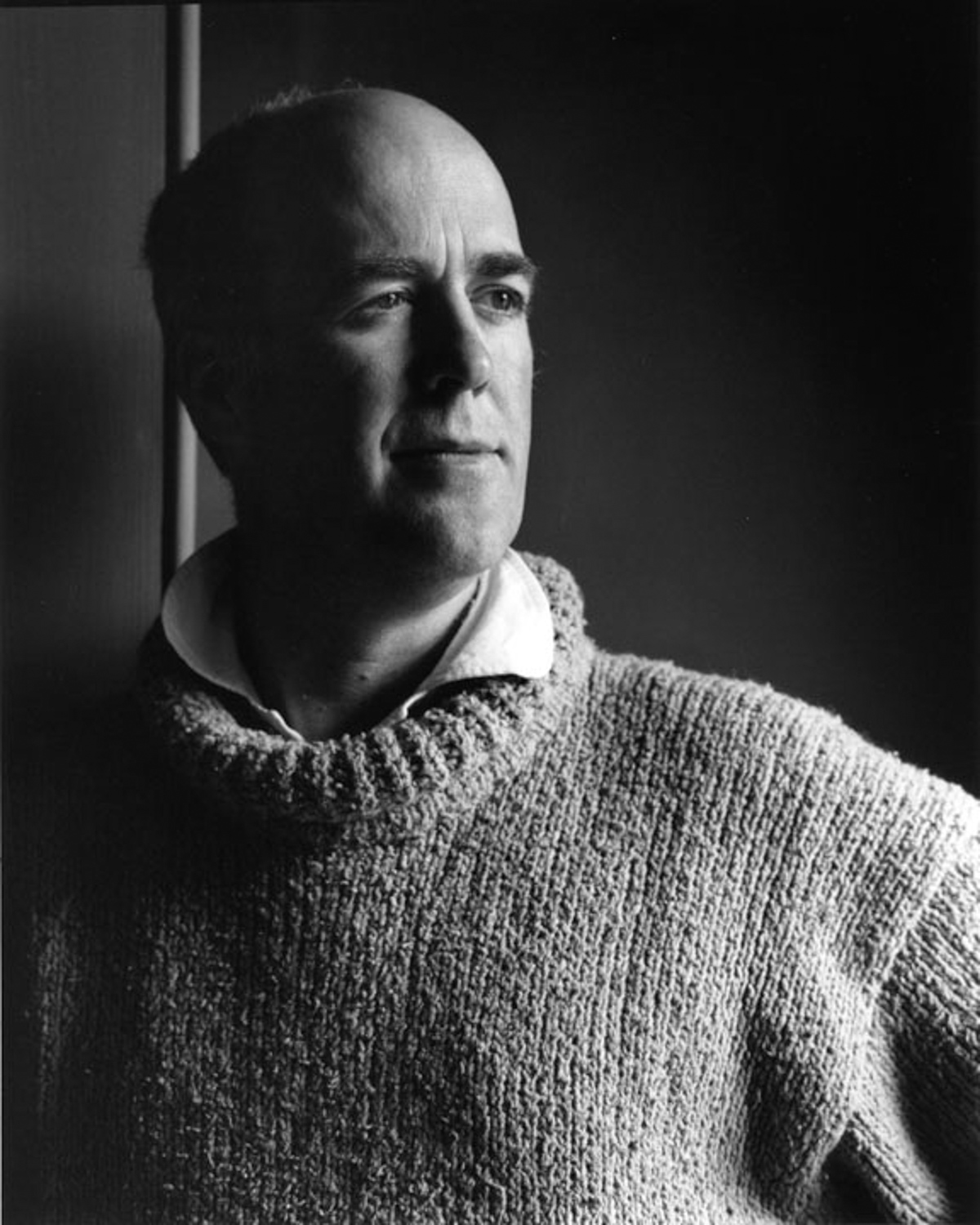
I went to the memorial event for Ted Cullinan, held at St. James’, Spanish Place, where his parents were parishioners, but it was scarcely religious, apart from singing Jerusalem, with much poetry, guitars and a stirring rendition of ‘He’ll be coming round the mountain’. As often, one learns a lot from a memorial service: the size of his family – children and grandchildren; their devotion to him; his gentle and passionate anarchy, which included driving through the pedestrian entrance at Tesco’s. Reading his obituaries, I wasn’t surprised that he had studied at Berkeley, California in the early 1960s, which helps explain his bicycling utopianism. ‘A libertarian socialist’ was how he described himself.
Category Archives: Uncategorized
Downing College
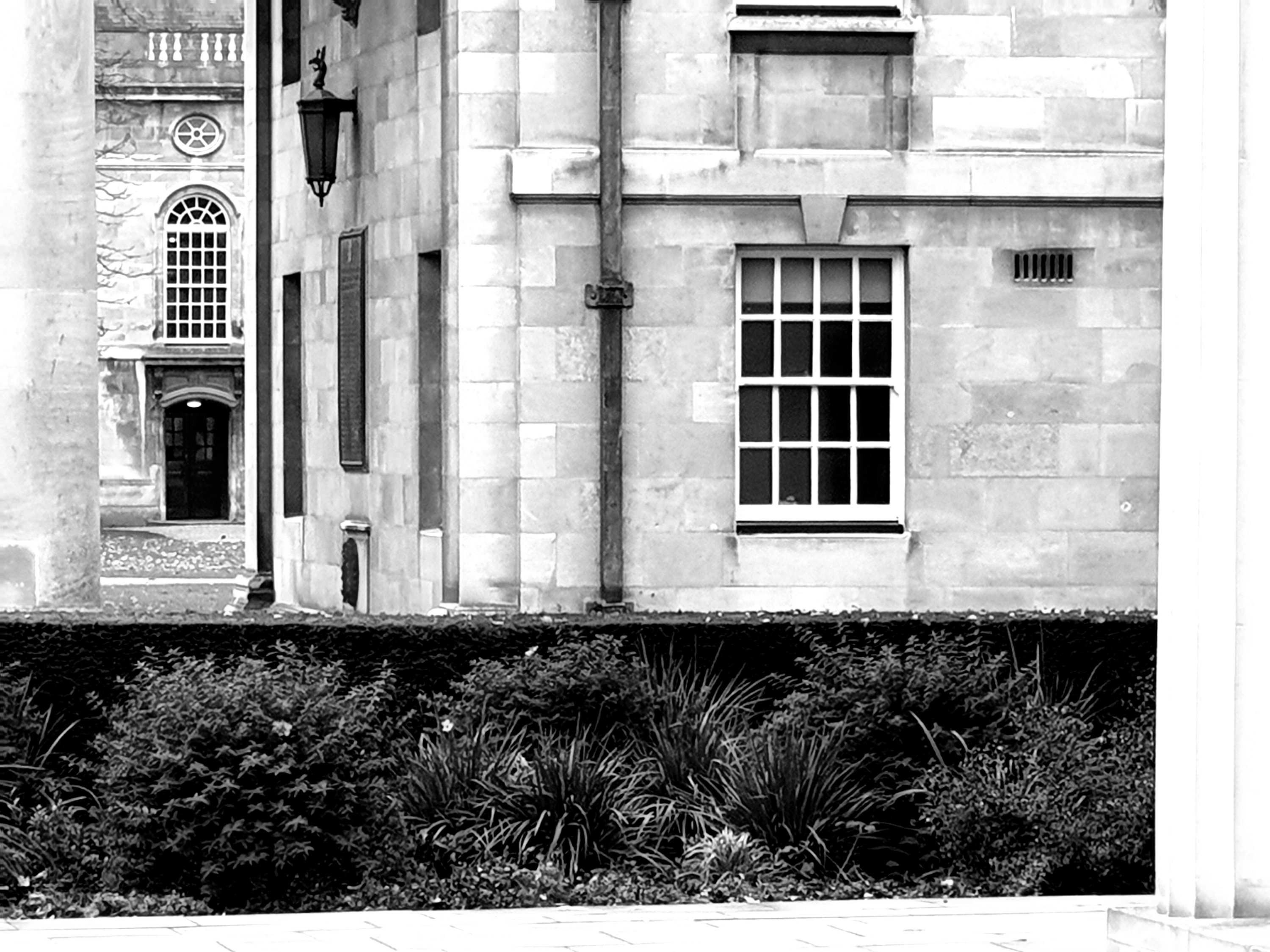
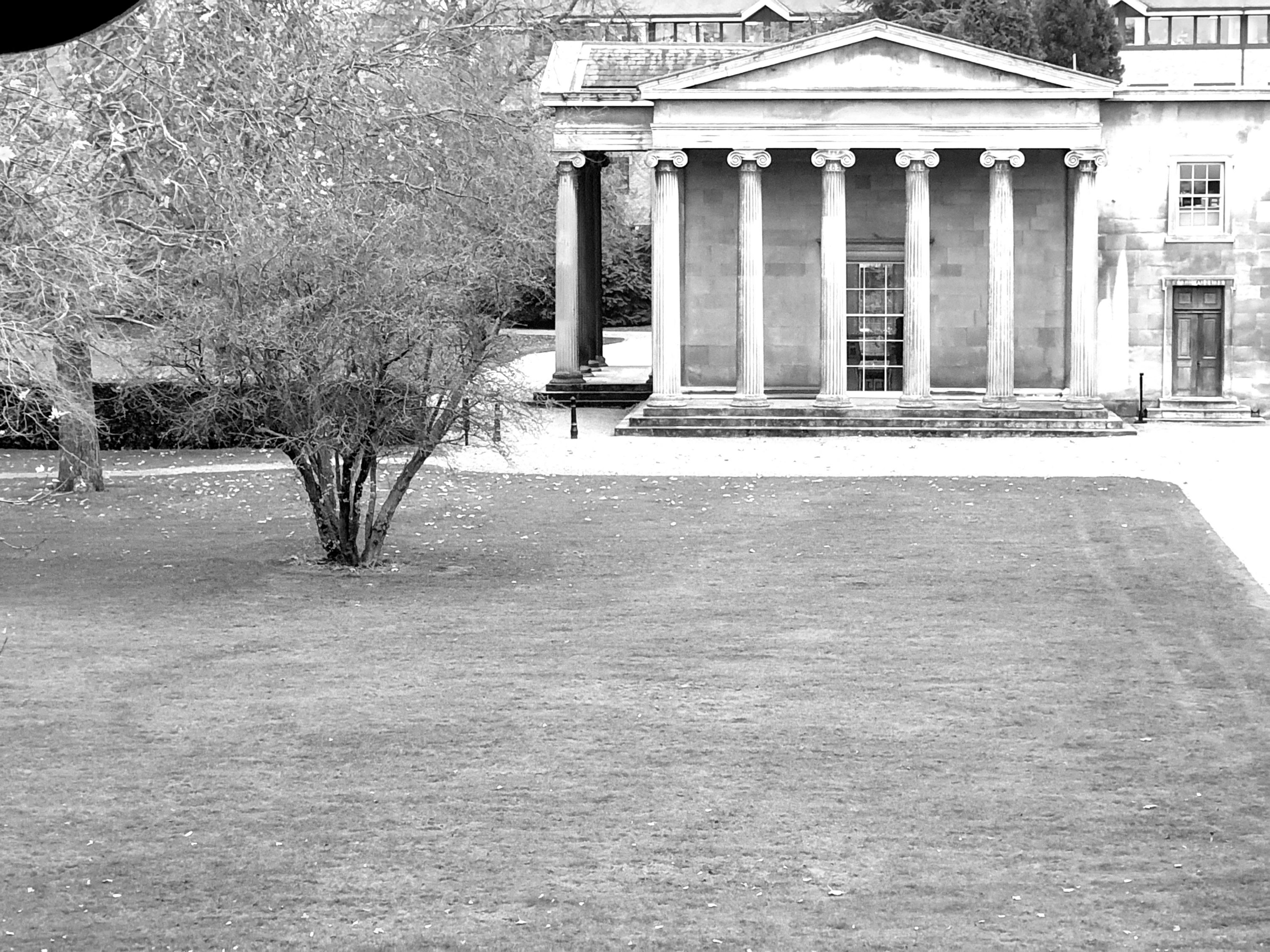
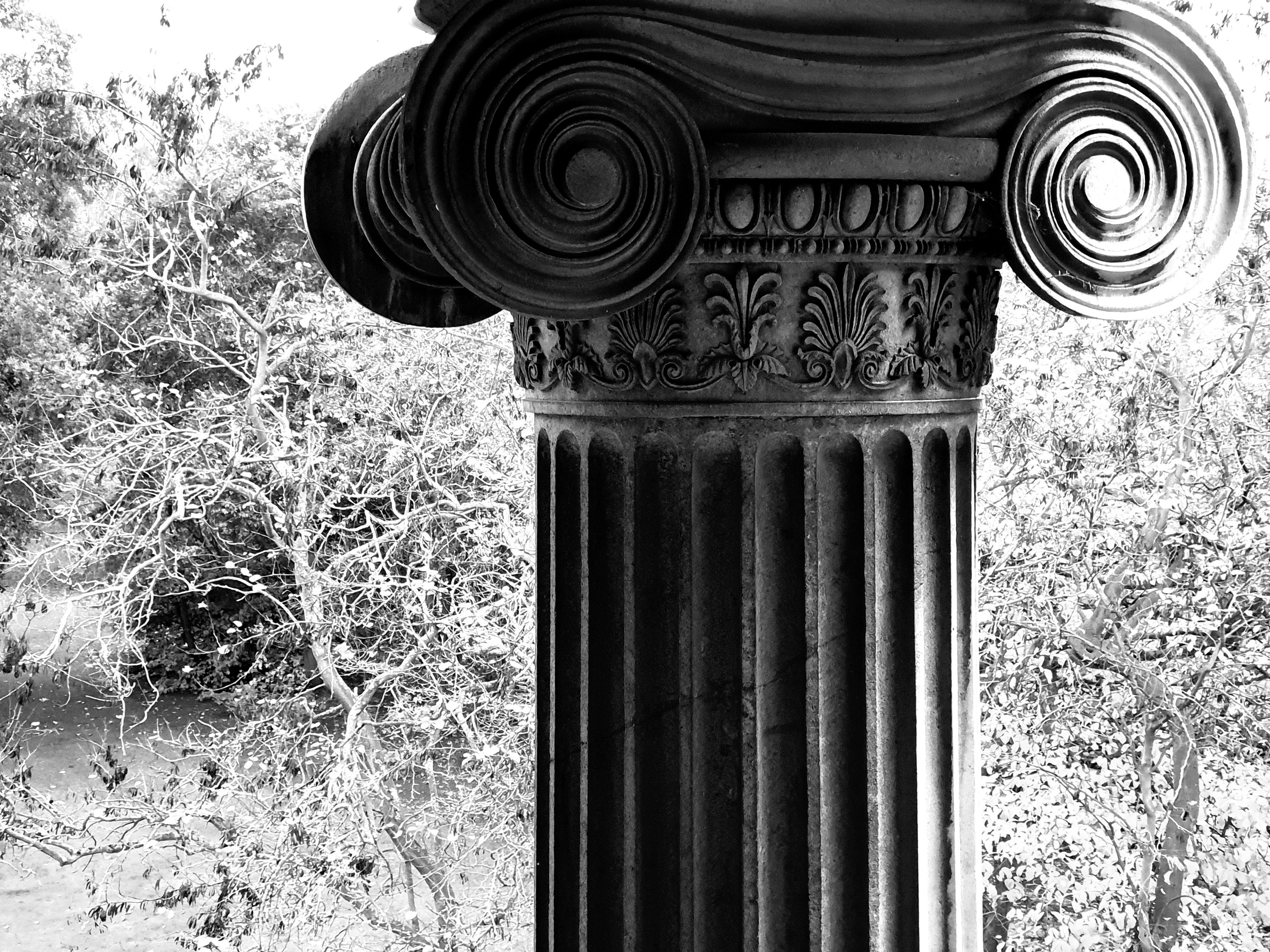
I feel that I should know Downing better than I do. I don’t ever remember setting foot in it as an undergraduate – too far from the centre, its main entrance set back unobtrusively off Regent Street, its campus private, its focus on medicine, law and engineering. But the fellows employed William Wilkins, then a young fellow of Caius, full of the fire of his recent study and explorations of Greece and Asia Minor; and the quality of Downing’s detailing is much more crisp and correct, more learned in an interesting way, than his later work on University College and the National Gallery:-
Late Hepworth
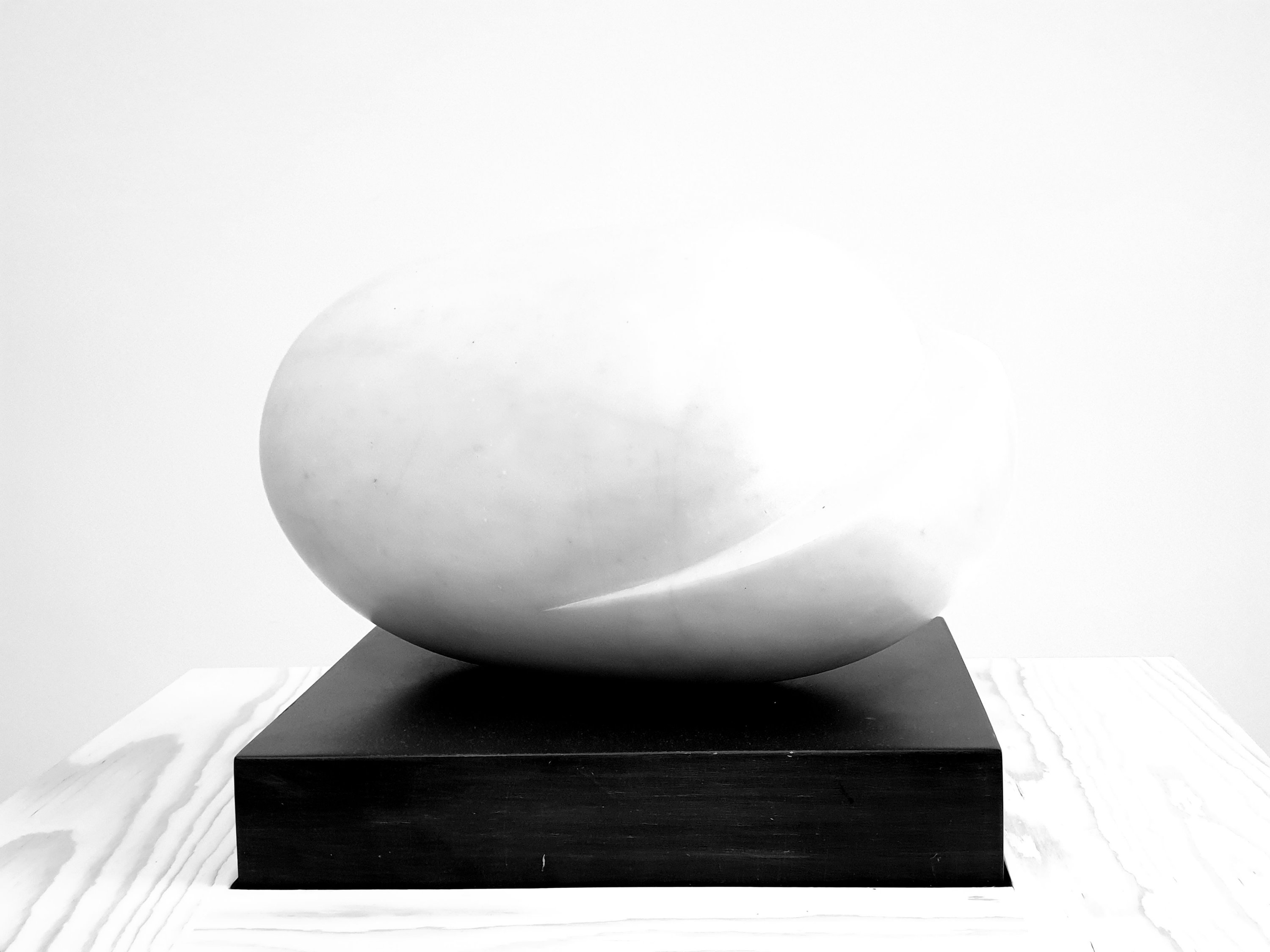
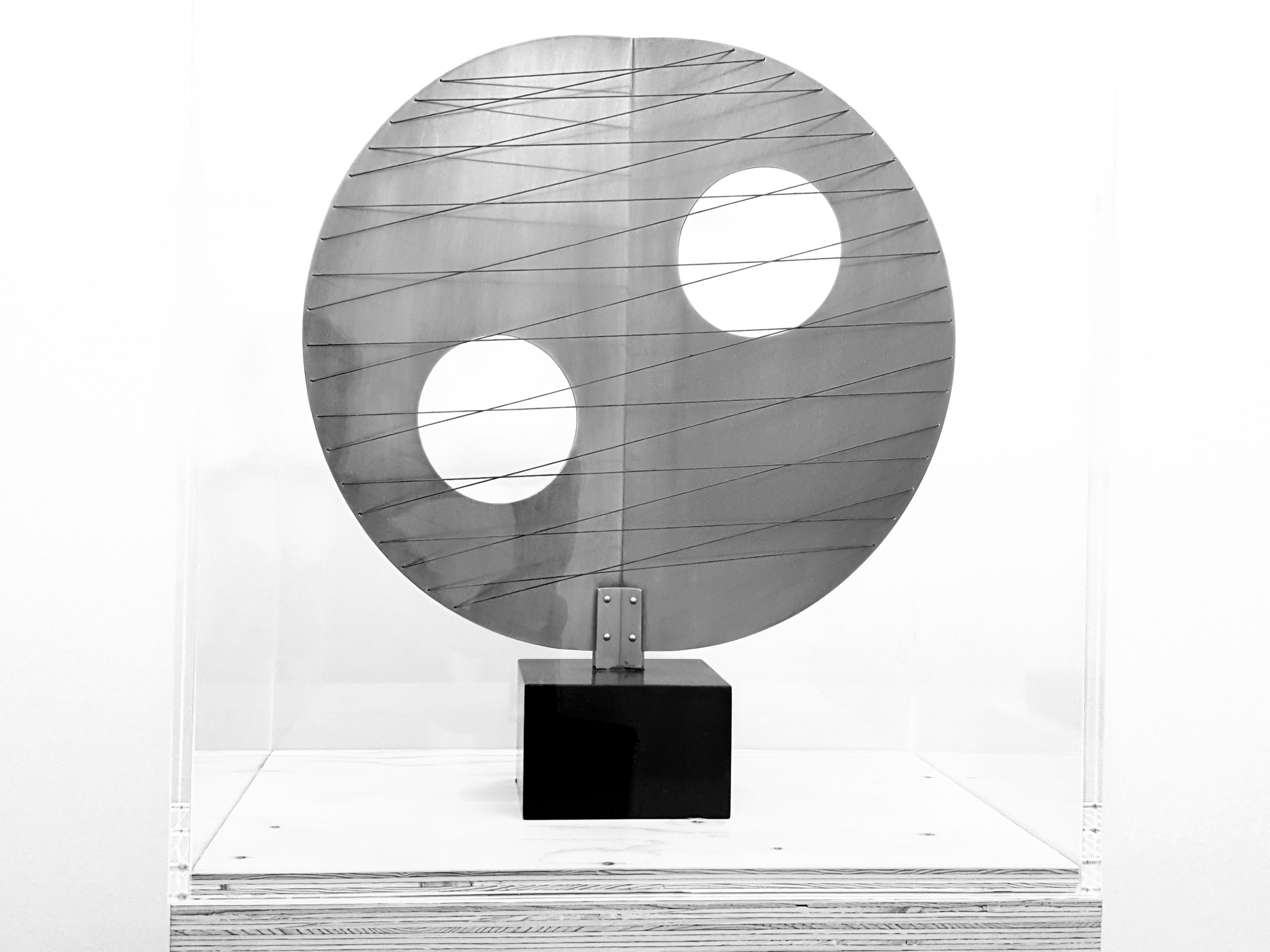
I went the the small exhibition in the very beautiful Heong Gallery in Downing College devoted to Hepworth’s late work, post-1956, when she was in her sixties, living on her own in St. Ives, suffering from cancer, but, at the same time, internationally well recognised, the subject of a solo exhibition at the Tate in 1968 and a monograph on her sculpture, edited by her son-in-law, Alan Bowness, in 1969.
Sphere with Inside and Outside Colour (1967):-
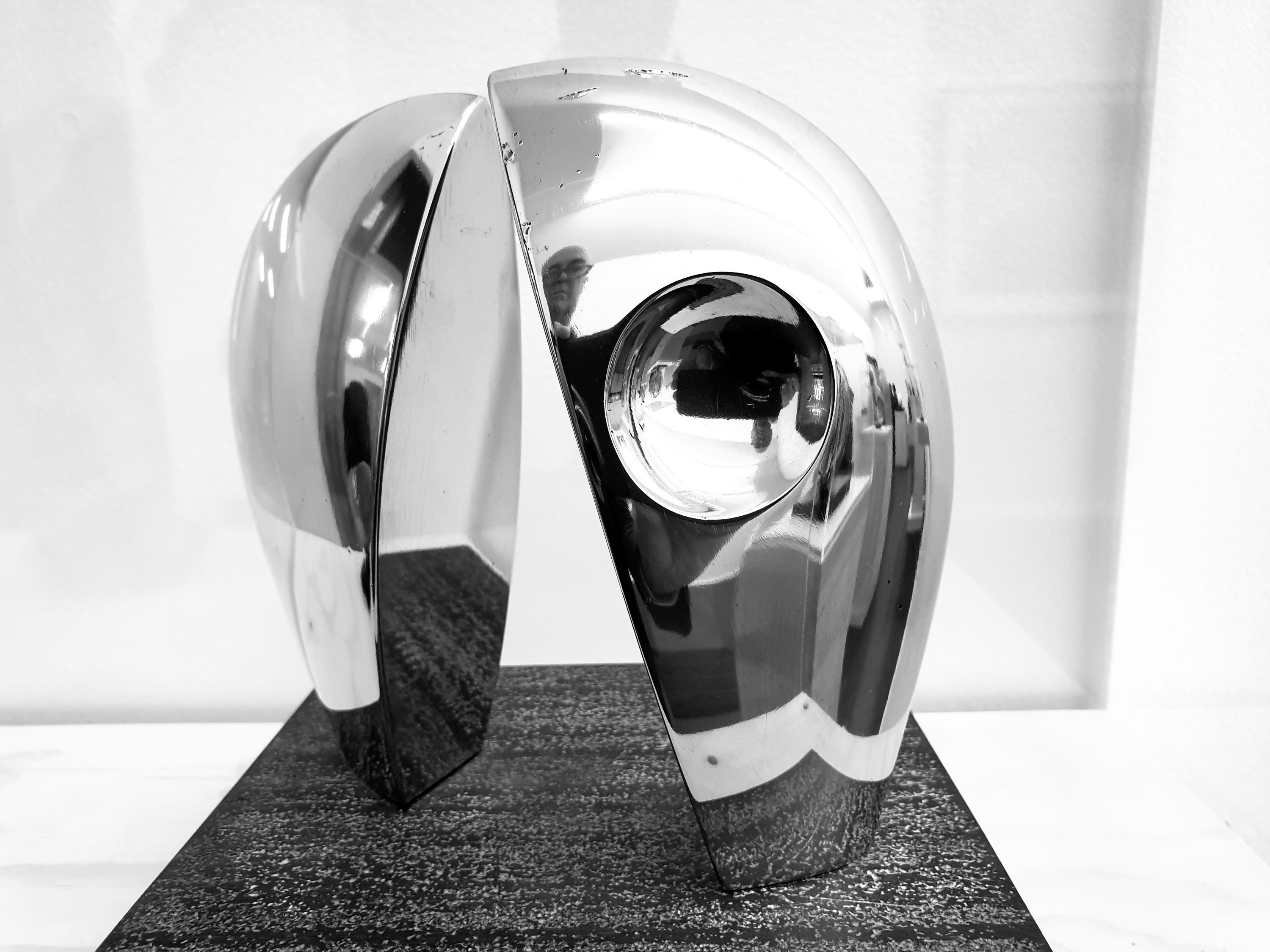
Two Forms (Divided Circle) (1969):-
Disc with Strings (Moon) (1969):-
The Hon. Godfrey Samuel (2)
Having failed to find much information online about the work of Godfrey Samuel as an architect in spite of the fact that he was a founder member of the architectural practice Tecton in 1932, designed a number of modernist houses in the 1930s, corresponded with Le Corbusier about how to get La Ville Radieuse translated in 1936, and was one of Corbusier’s hosts at the MARS exhibition on The Elements of Modern Architecture in January 1938, I have discovered that there is more, and unexpected, information about him in ThePeerage.com: born in 1904, so in his late twenties as a member of Tecton, he had been at Balliol before, I assume, being a student at the AA; a bachelor, he died in 1982 and left all his papers to the RIBA.
The Hon. Godfrey Samuel (1)
The other thing I learned last night was a bit more about the house which Godfrey Samuel of Tecton designed for Fritz Saxl, the Director of the Warburg Institute, and Gertrud Bing, his assistant and, one assumes, lover, although the house consisted of two apartments, separate but identical, one on top of the other. Samuel was a member of the MARS Group and, together with Elisabeth Benjamin, had been involved in work helping German Jewish refugees, which may have been how they met. The house wasn’t built, but he was responsible for the design of the Warburg Institute’s temporary library at Thames House, which Anstey showed bore some resemblances to Tecton’s gorilla house for London zoo. Not long afterwards, in 1937, Samuel and his partner, Valentine Harding, designed Overshot a half-modernist house on the outskirts of Oxford for Ellis Waterhouse’s mother, after the sale of their family house, Shotover, and which Waterhouse himself lived in after retiring from the Barber Institute in Birmingham.
Warburg Institute (1)
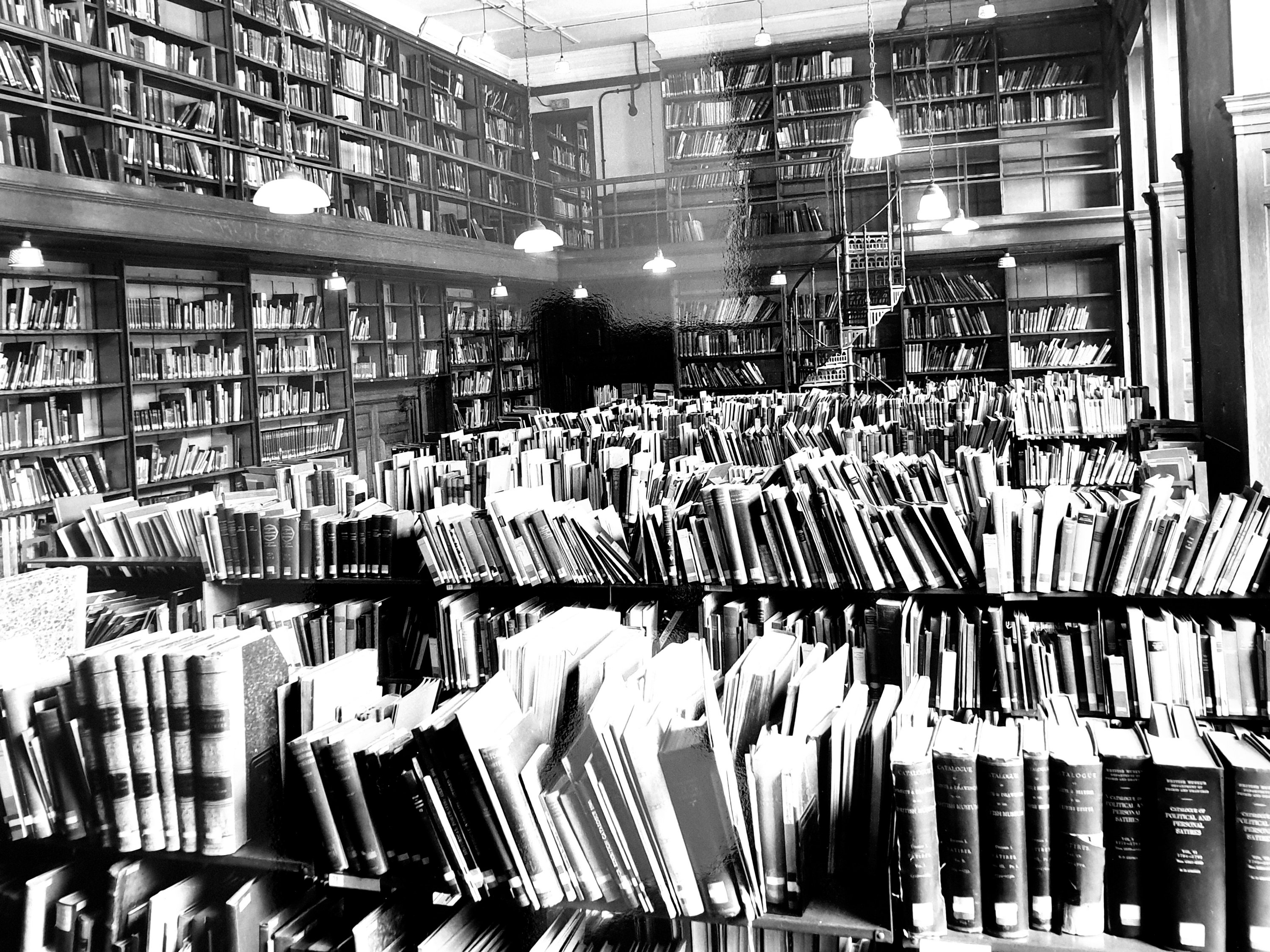
I went to a fascinating lecture by Tim Anstey of the Oslo School of Architecture about the different forms of the Warburg Institute Library: first, in the 1920s, next door to Warburg’s house, which originated the four floors of stacks from which books were fetched by an industrial system of elevators; then, flat, in Thames House, in space provided on a three-year lease in the 1930s by Lord Melchett, with furniture shipped from Hamburg; then in glorious, gothic confusion in the Imperial Institute, where Frances Yates did her research and Anthony Blunt was a research fellow; and then in a curious hybrid in a corner site in Woburn Square which combines Gertrud Bing’s liking for systematic, industrial order with (which I had not known) a desire to replicate the neo-Georgian character of the Fogg Art Museum, as required by Viscount Lee of Fareham as a condition of his support for the Courtauld Institute, which was planned to be next door.
This is the gothic disorder of the library when it was in South Kensington:-
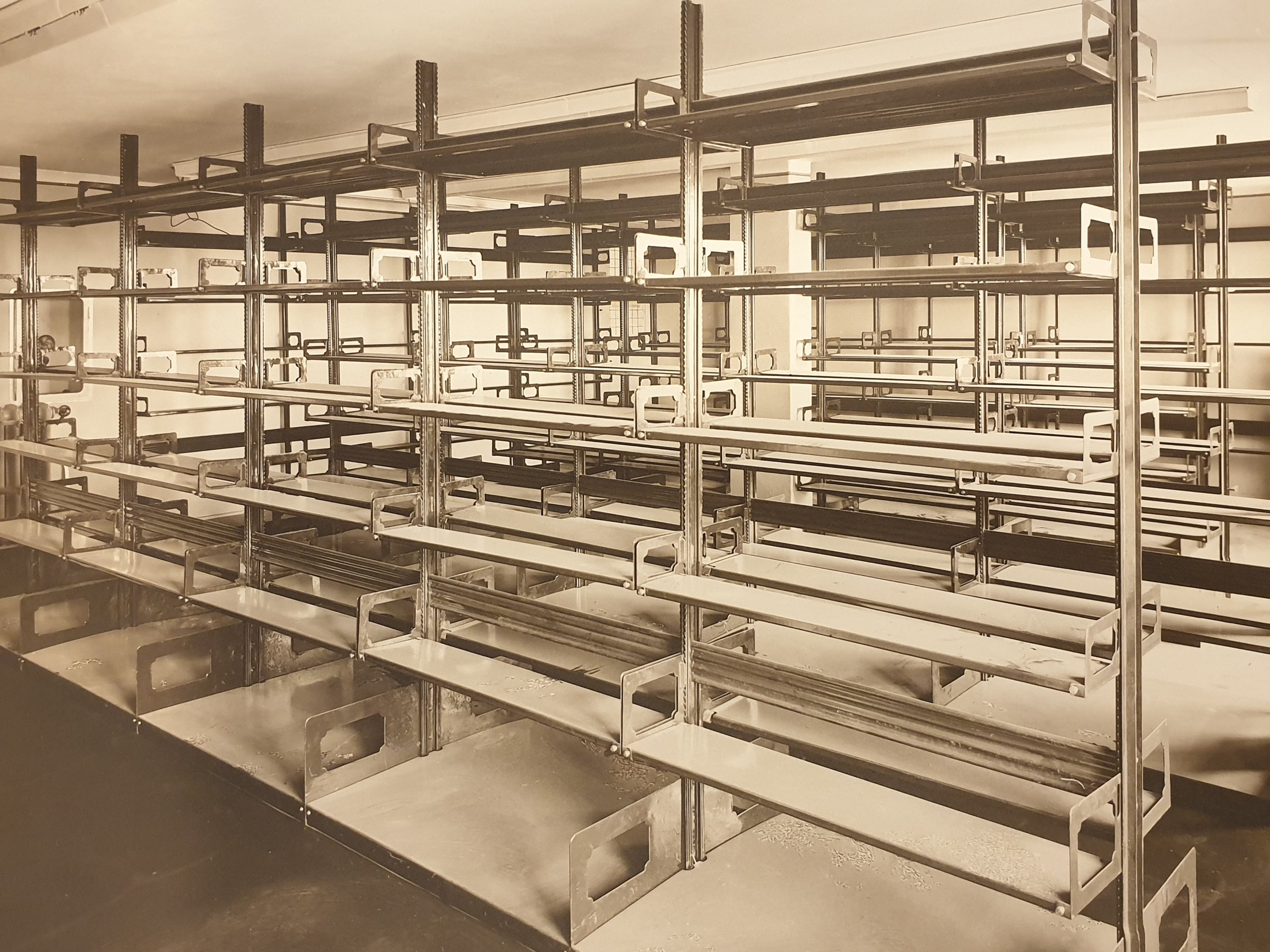
And these are the first floor book stacks before they were filled with books in 1958:-
Marina Abramović
We went to a talk by Marina Abramović last night: actually, it was more in the order of a performance, because she has a way of holding one’s attention which is deeply theatrical, based on her presence and the way she speaks, as much as what she says. What she demonstrated very clearly was how her performances have evolved from small-scale, one-off, 1970s happenings – the invitation to an audience in Naples to do what they liked to her naked body, which they did, the arrow pointed at her heart by her lover Ulay – to mass, public, therapeutic events, invitations to people to pay attention to who they are, filling football arenas with a participatory art event, a healer of men. It will be fascinating to observe the public’s response to her exhibition at the RA next year.
O’Mast
We watched O’Mast last night, a documentary about Neapolitan tailoring. I had not realised how seriously tailoring is taken in Naples, with a great number of elderly, experienced master tailors, who were willing to hold forth about the nature of their art and, most especially, the relationship it involves to their clients. The quality of their tailoring is often nearly invisible – and is expected to be – wilfully unobtrusive, everything still done by hand, as soft cloth is carefully shaped to the sitter, like a portrait.
Façadism
Another issue that I have not been paying attention to during the battle to save the Whitechapel Bell Foundry is the Gentle Author’s simultaneous campaign against façadism, which has now resulted in a very handsome and beautifully produced short book which illustrates a set of case studies.
The classic example of the genre is Wellington House in Waterloo Road, where only the façade was retained in the late 1970s. What the Gentle Author effectively demonstrates is how much more common this is becoming: keeping a façade only, while the rest of the building behind is radically redeveloped – often an unsatisfactory compromise, keeping only the vestige of the original historic building as the lipstick on the pig. It’s good that he has drawn this to everyone’s attention.
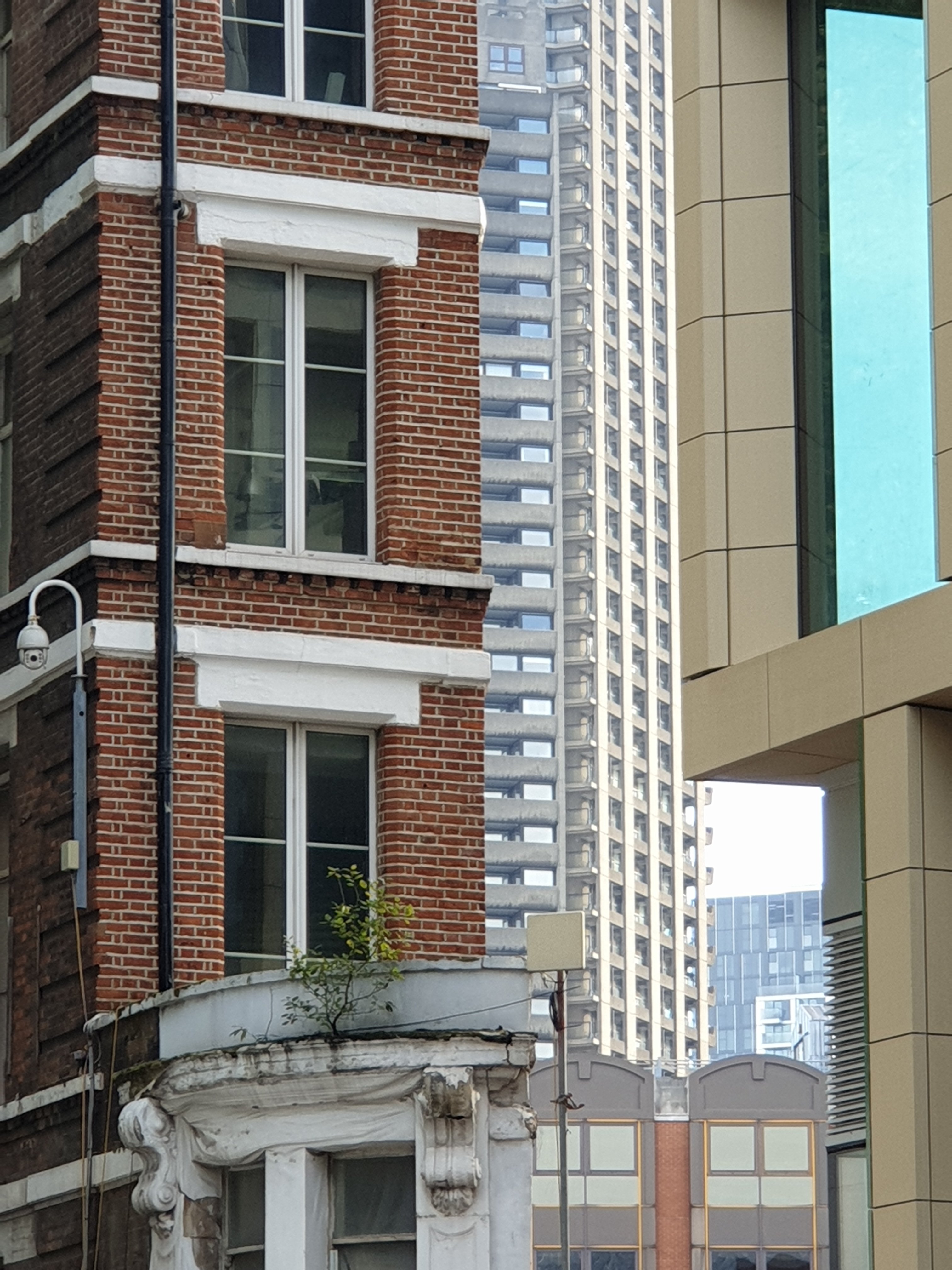
I thought I saw a good example last weekend (it turns out it was just an extra-thin building backing onto the underground line):-
Travelodge
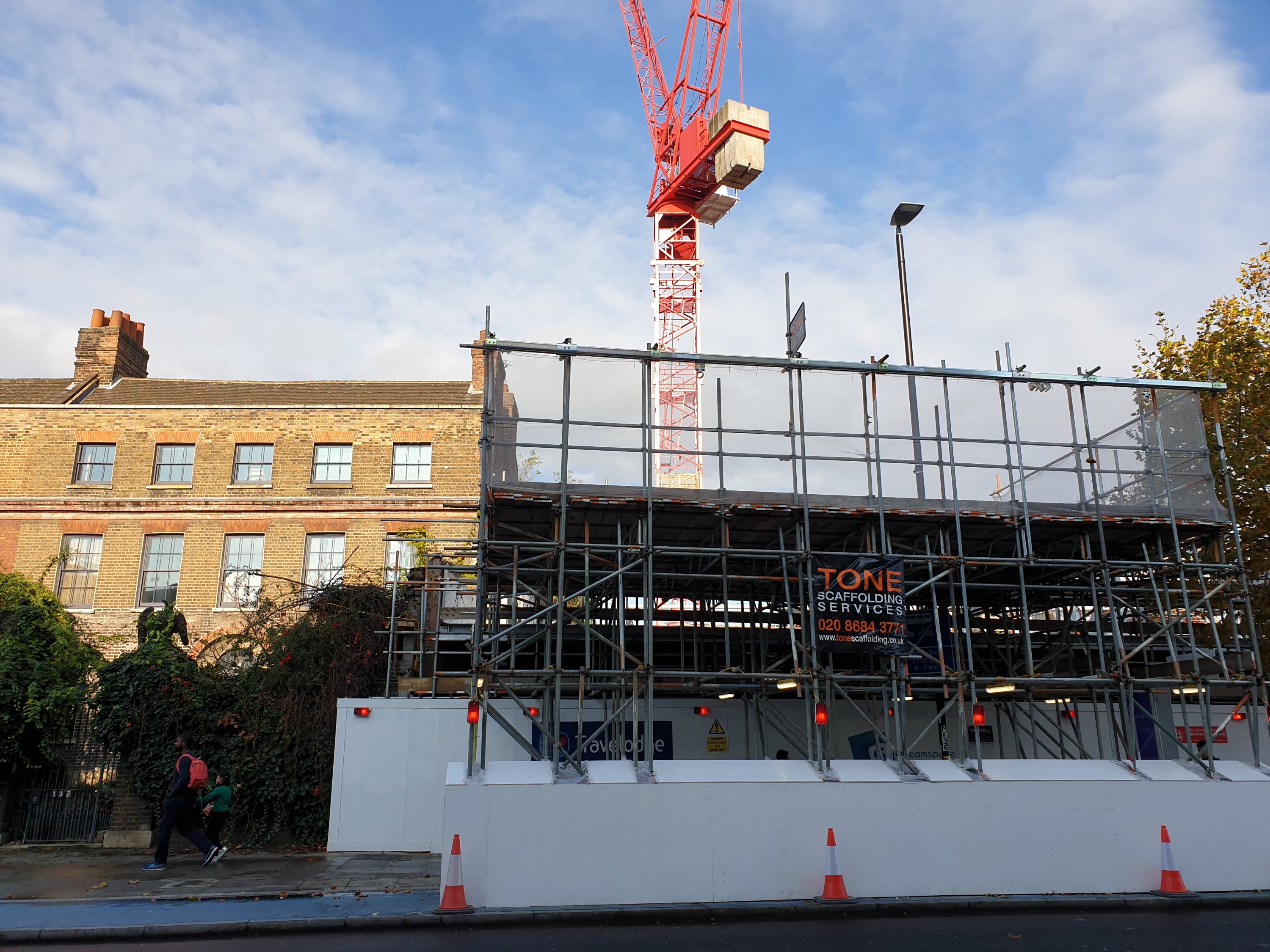
Because I have been focussing on the issues surrounding the development of the Whitechapel Bell Foundry, I have not been paying so much attention to the development of the new hotel nearly right next door to us. It was previously a branch of Topps Tiles, a big warehouse of zero architectural interest. The site, which is immense, was bought by Travelodge. They drew up plans which, to give them their due, were subject to close consultation with the local community, most especially the Spitalfields Trust, who gave detailed advice, which was followed, on the form and character of the street frontage, so that it included a run of small shops to help integrate the development with the street.
Well, half way through the construction, they have changed the scheme, so that the hotel entrance is on the street where there is no parking, thereby ignoring the advice they were given. Tower Hamlets as the local planning authority has not objected.
You can see the relevance of this to the Bell Foundry. One set of plans is approved to obtain planning permission. And then they are changed during construction. And Tower Hamlets watches complacently as the sense of history and local community is destroyed:-


You must be logged in to post a comment.