Whitechapel Bell Foundry (2)

I have now written to the Secretary of State as follows:-

Dear Secretary of State,

WHITECHAPEL BELL FOUNDRY

I am writing, as others are, to encourage you to call in the decision recently made by Tower Hamlets planning committee on the redevelopment of the Whitechapel Bell Foundry for review.

As you will probably be aware, this is an issue which has stirred deep passions both locally and internationally, because the Bell Foundry was the oldest company extant in Great Britain, still working in its eighteenth-century premises, which had been miraculously well-preserved and demonstrated what were essentially pre-industrial working practices.   Visiting it was quite unlike anything else I have experienced either in this country or abroad.

Historic England have argued that the architectural fabric will be preserved when it is turned into an upmarket, boutique hotel.   This is substantially true, apart from the demolition of the later rear section of the Foundry.   But the atmosphere, the history, the inherited skills, the sense of generation after generation inhabiting the same environment to cast Big Ben and the Liberty Bell:  these will be irreparably damaged and lost forever.

I very much hope that you will issue a holding direction so that the decision by Tower Hamlets planning committee, which was itself split and relied on the casting vote of its chairman, can be reviewed at the highest level.

Charles Saumarez Smith
Standard

The Millennium Dome

I realise that Rowan Moore’s excellent article about the Millennium Dome may be the first of many attempts to recover the circumstances which led to such a spectacular fiasco on its opening night and a generally disappointing and unmemorable experience for those who visited it.

There is one aspect of it which has maybe been completely forgotten, which was that, since the lottery had been established in 1993, Kenneth Baker had been making the case for the establishment of a Museum of British History to teach schoolchildren about the past through artefacts and experiential displays. I was part of a small working group which met regularly in offices in Manchester Square and I remember suggesting, and discussing, whether or not it could be in docklands. But, strangely, doclklands was regarded as too far from the centre in those days.

I sometimes wonder, as I did at the time, what would have happened if the two projects had joined up and the dome had become an exploration of British history and identity, instead of, as it turned out, a grand projet, without any galvanising and controlling idea.

https://www.theguardian.com/artanddesign/2019/dec/01/millennium-dome-20-years-on-new-labour?CMP=Share_AndroidApp_WordPress

Standard

Death in Venice

Before it fades from the memory, I want to remind myself of the deep pleasure of seeing the brilliant and beautiful – brilliant in every way – production of Death in Venice, which we saw last night at Covent Garden. For my generation, Visconti’s 1971 film, set to music from Mahler’s third and fifth symphony, was one of the most powerful and, I now realise, pioneering depictions of the love and admiration of a much older man for a young and handsome adolescent – homerotic, of course, but unconsummated. Mark Padmore’s depiction of Gustav von Aschenbach’s love (or is it lust ?) is much more restrained than I remember the film being, but just as powerful, as the plague comes to Venice and he stays on, only for the hope of seeing Tadzio and the occasional glance in his direction: a masterly and wholly admirable performance, helped by the beauty of Tadzio’s dancing.

Standard

Whitechapel Bell Foundry (1)

Following the decision by the Tower Hamlets Planning Committee to grant planning permission for the Whitechapel Bell Foundry to be turned into a boutique hotel, strenuous efforts are being made for the decision to be reviewed by the Secretary of State for Housing, Communities and Local Government, which can be done in exceptional circumstances, as we believe this to be. I hope you will consider writing, as suggested by the Gentle Author (see below). It is the last possible chance of saving and restoring the Chatsworth of industrial archaeology:-

https://spitalfieldslife.com/2019/12/01/a-letter-to-the-secretary-of-state/

Standard

Anselm Kiefer

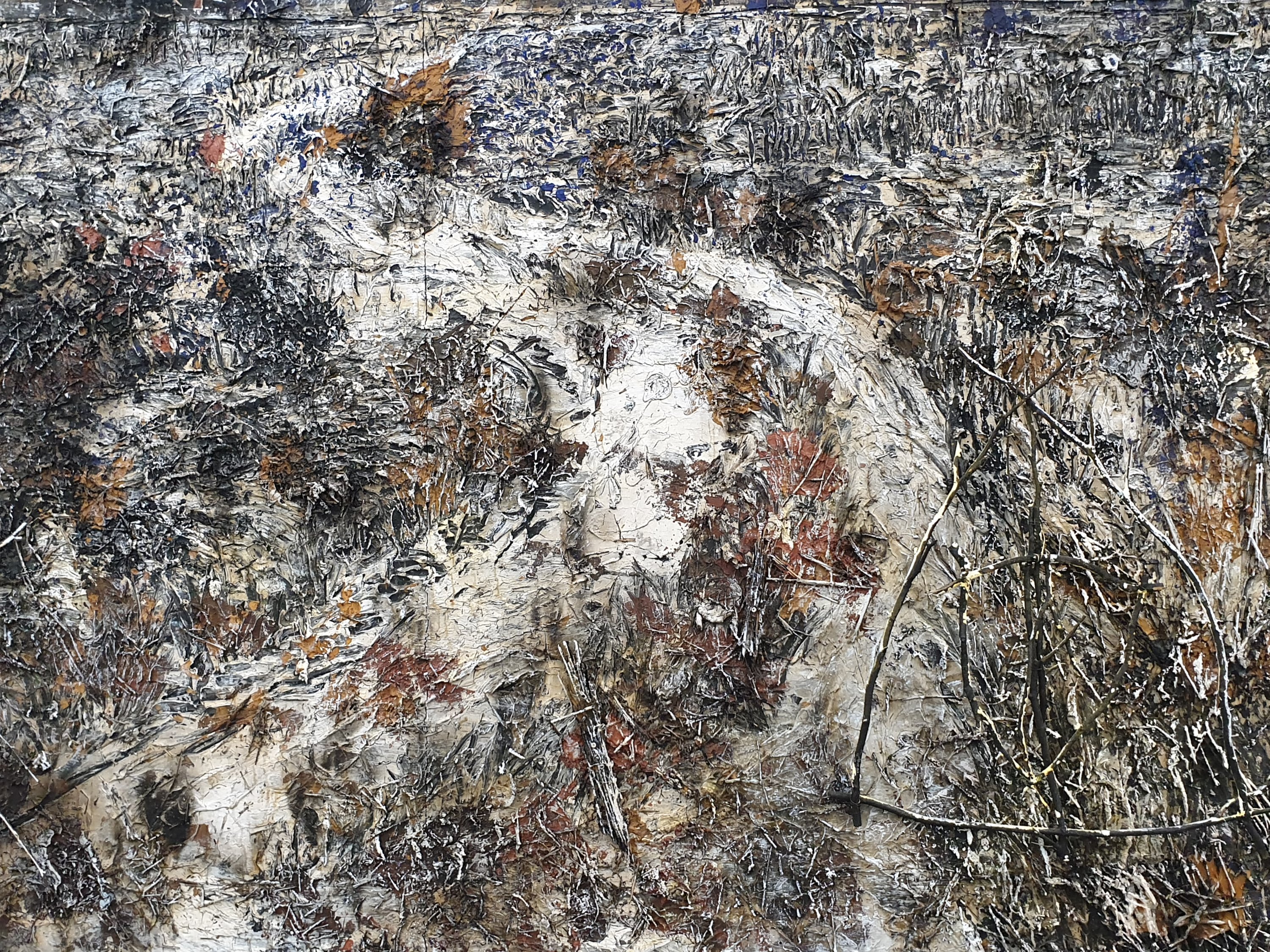
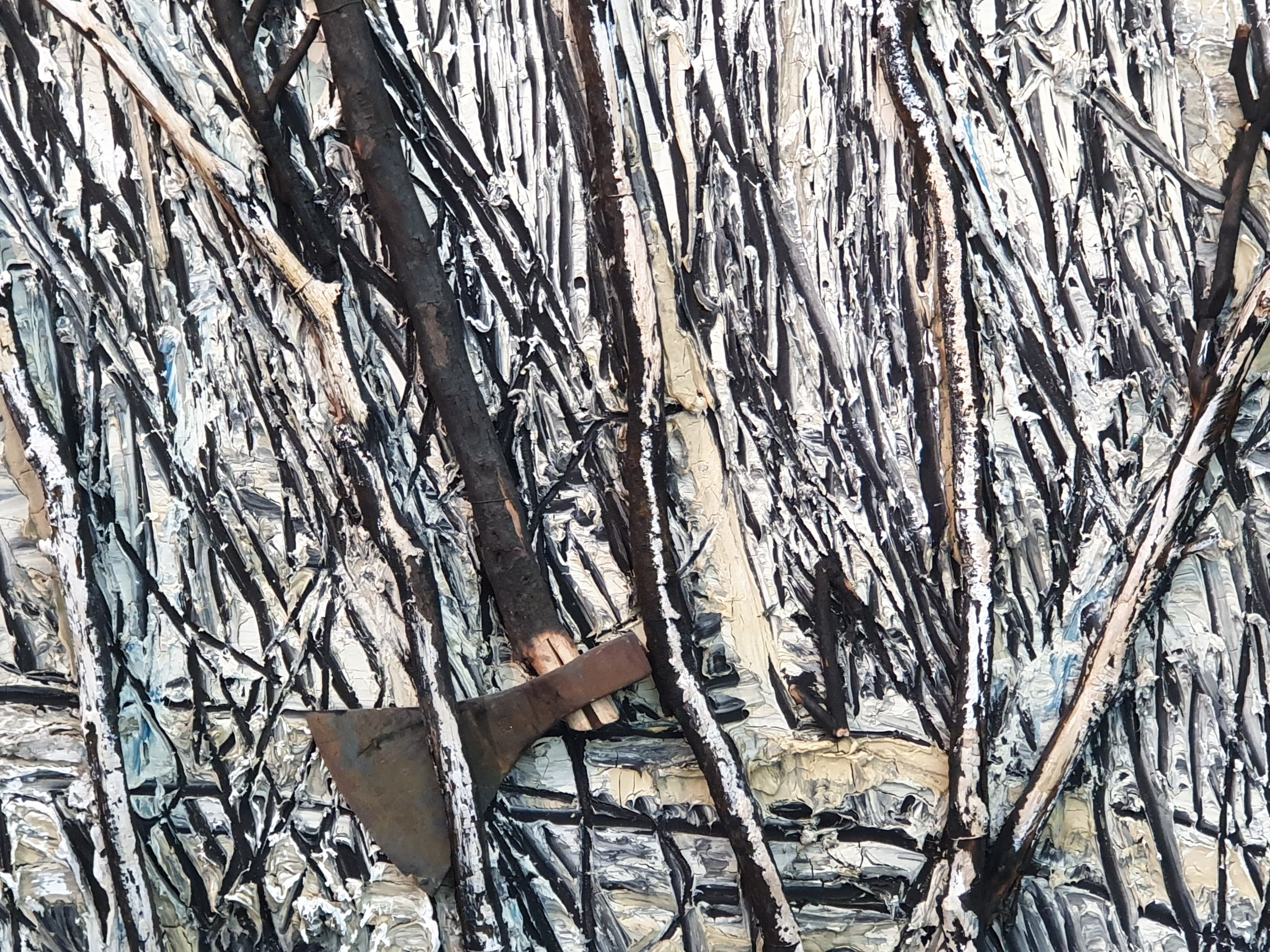
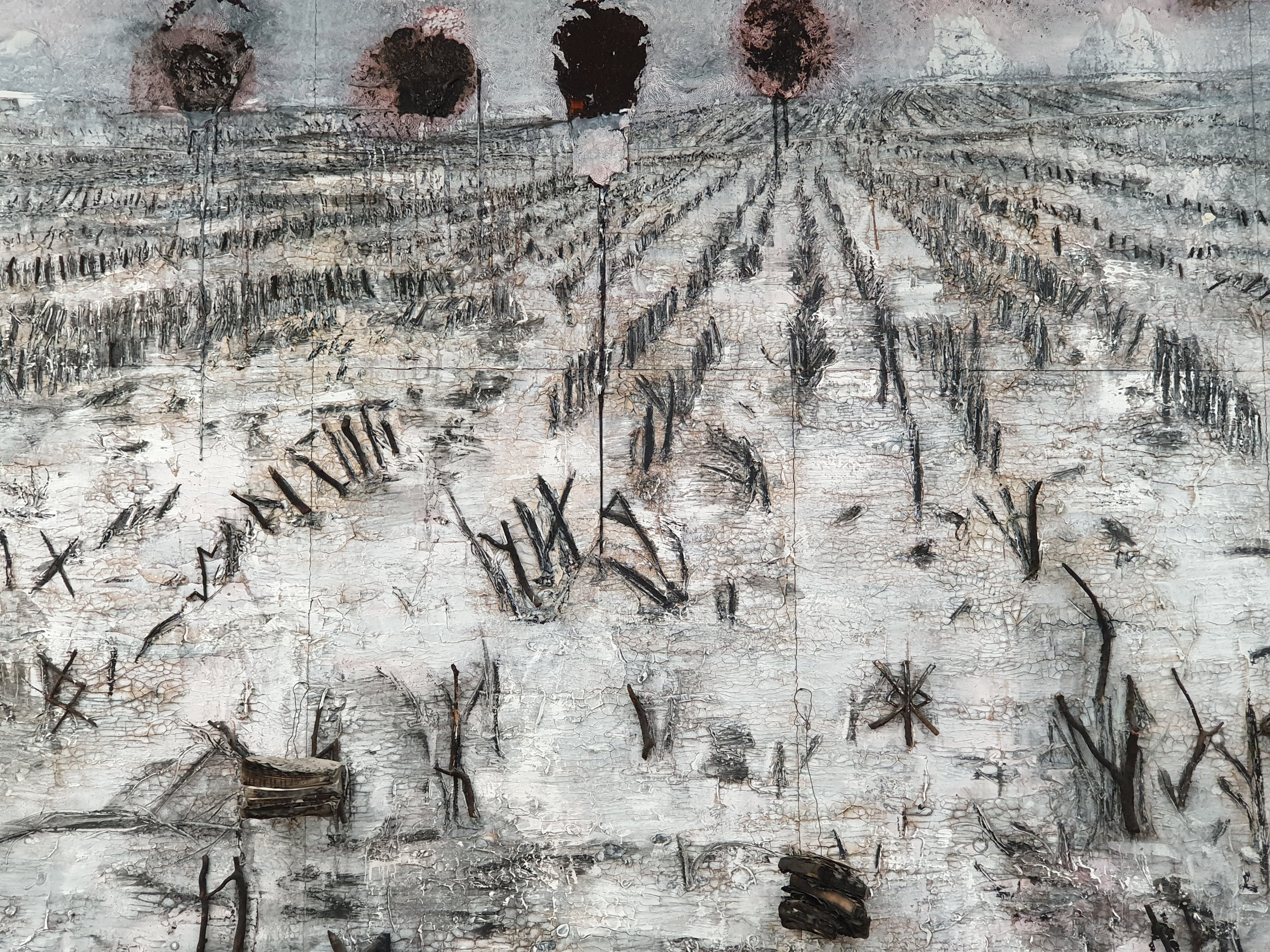
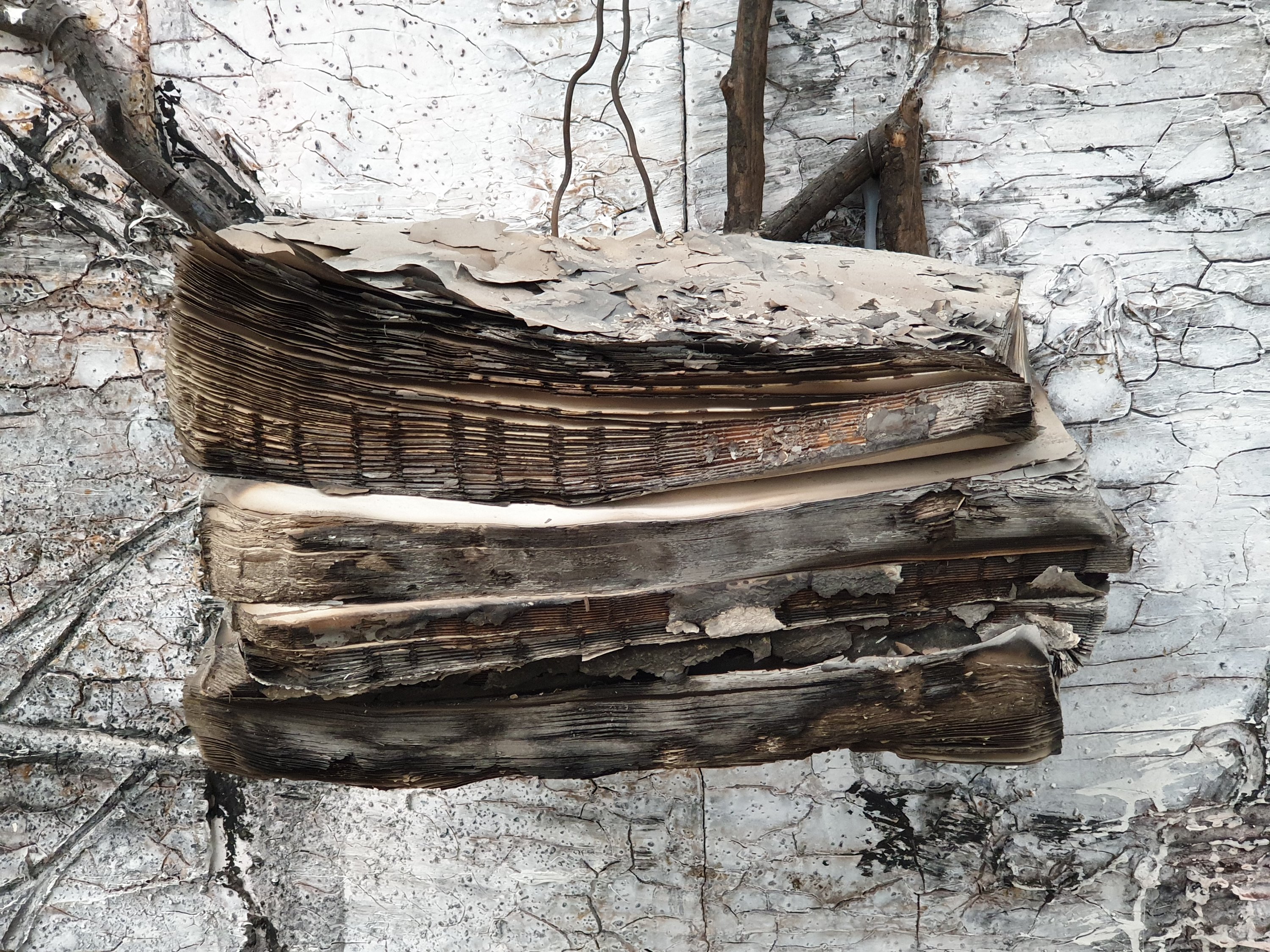
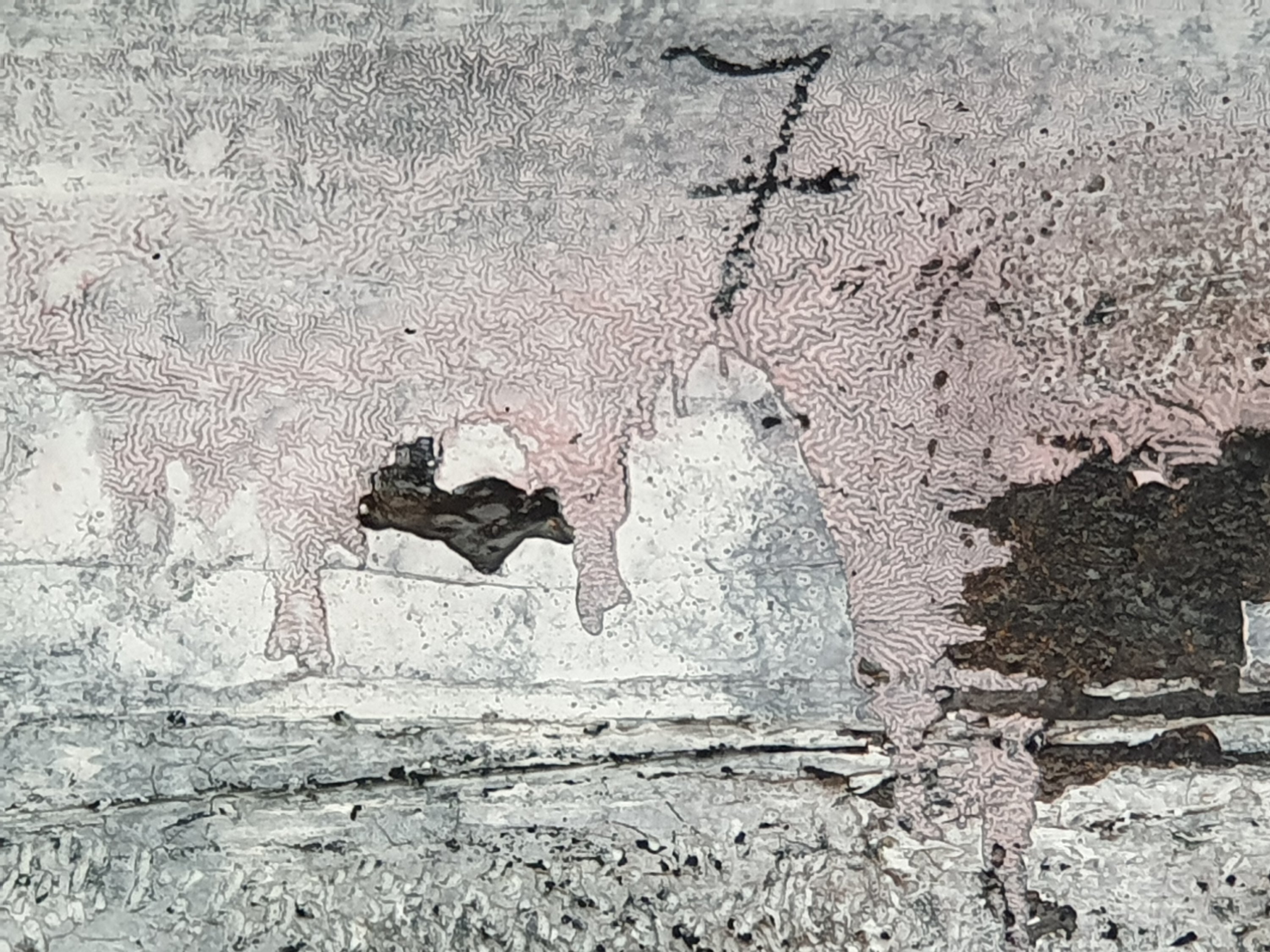
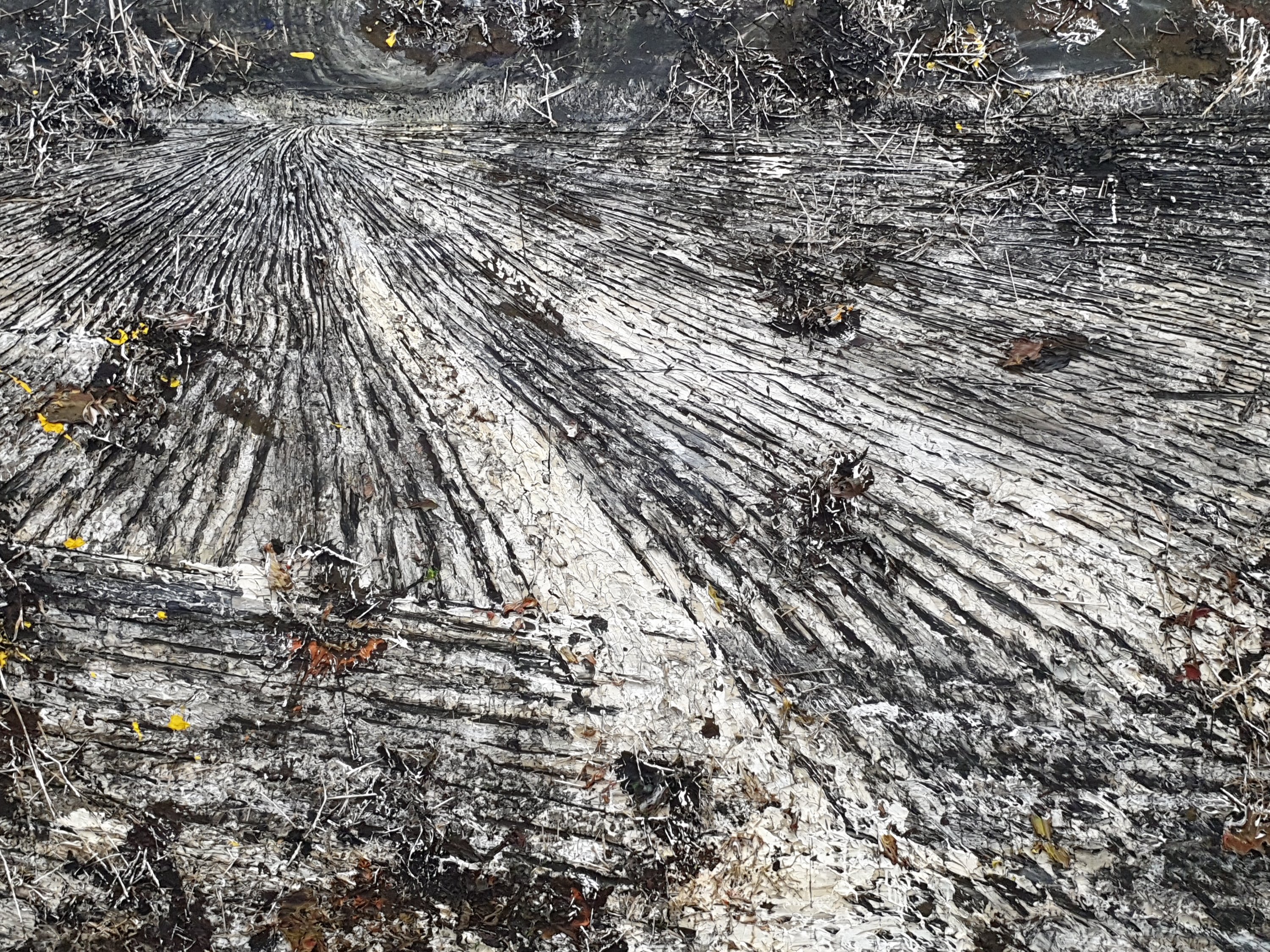
More epic, grand ruination (and rumination) in Anselm Kiefer’s latest exhibition at White Cube in Bermondsey.

Superstrings (2018):-

Superstrings (2018-19):-

Der Gordische Knoten (2019):-

Die Stuben Siegel, die geheime Offenbarung des Johannes (2019):-

Standard

The Artists Rifles

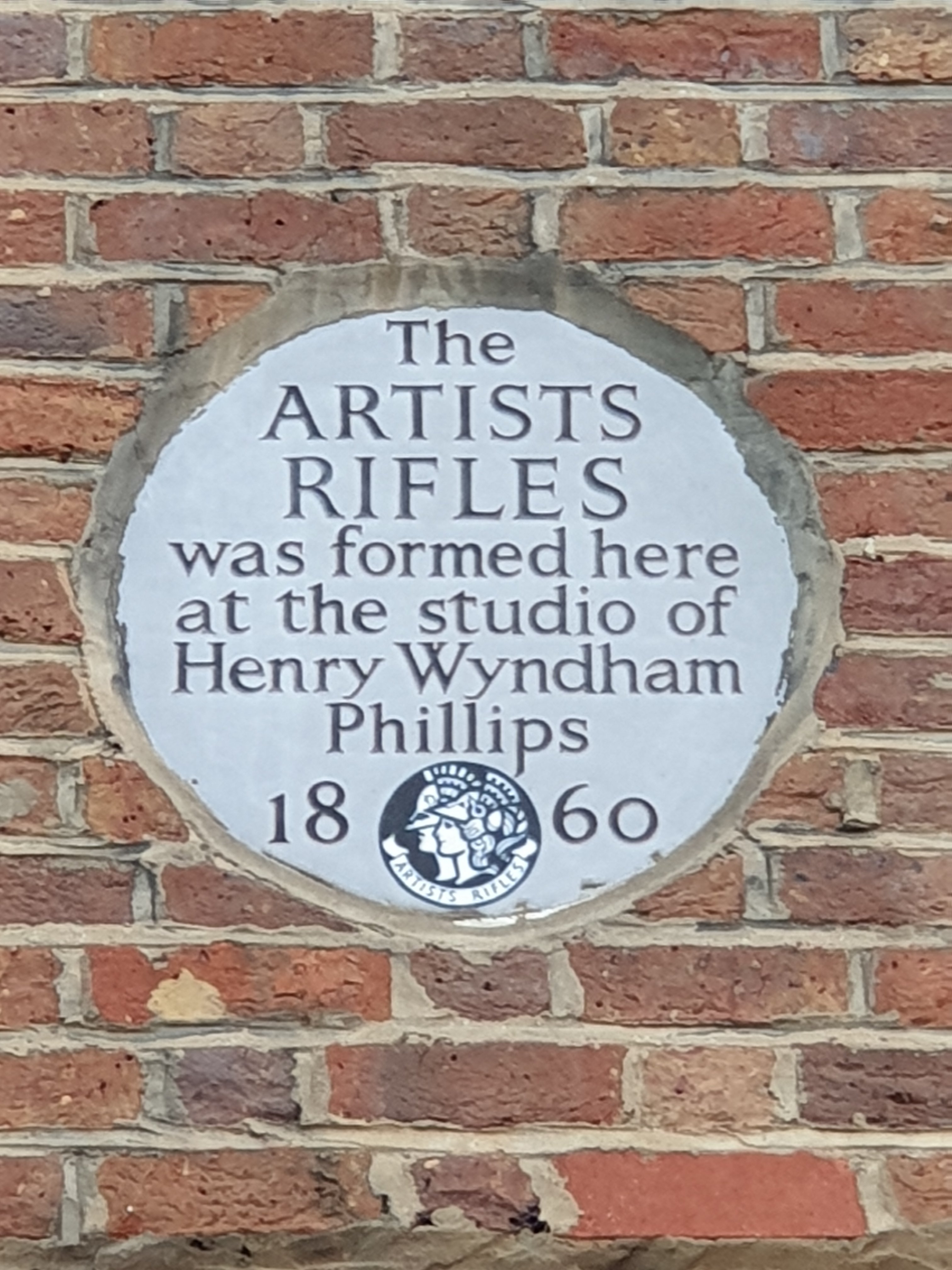
It’s odd how the sun makes one notice things one otherwise doesn’t. This afternoon I was walking up St. George Street when I noticed a roundel, which I must have walked past a thousand times, commemorating the founding of the Artists’ Rifle Brigade, which I had thought, and indeed it says in Wikipedia, was first established in Burlington House, but, at least according to the roundel, was first thought of in the painting rooms on the first floor of No.8, George Street by Henry Wyndham Phillips, younger son of Thomas, and Frederic Leighton:-

Standard

The role of the national museums

I was asked by Apollo to write a short opinion piece on some of the issues facing national museums, alongside one by Bendor Grosvenor. We did not confer, and it turns out that we would both like to share the national collections more widely and spread the funding more evenly across the country as a whole, rather than concentrating it in the capital cities:-

https://www.apollo-magazine.com/national-museums-uk-more-truly-national/

Standard

Frescoes from Florence

While on the subject of Carlo Scarpa, I had forgotten that he was responsible for the design of Frescoes from Florence, the exhibition at the Hayward Gallery held in 1969 as a thank-offering to the British for the help that they had given after the floods of 1966. He stayed at the Ritz, bought shoes from Lobb, and was taken by Stefan Buzas with whom he worked on the design of the exhibition to see the Soane Museum. ‘His lightning-quick eye made him understand the purpose of our visit, and the contact between two so closely related spirits was immediate’.

Standard

Carlo Scarpa’s Library

After the loss of a chunk of my library in a warehouse fire, I was touched to read what Carlo Scarpa’s brother said of his library after his death (he had over 1,000 works of fiction): ‘It was not just a library made up of books, but of relationships lived with friends, with conversations and exchanges of ideas and arguments with artists and men of letters, colleagues and friends, who used to drop by and for whom his house and library were open at all times and to everyone’.

Standard

Reynolds Stone

I was once gently chastised by Humphrey Stone for describing his father, the wood engraver, Reynolds Stone, as an Old Etonian, which he was, the son of an Eton master and the grandson as well, but now that Humphrey has written a short, but highly evocative and, not surprisingly, beautifully illustrated biography of his father, I can see that the description is annoying, if not irrelevant, when applied to someone who was such a thoughtful and intense craftsman. He was the designer, which I knew, of the bookplate of the London Library, but also, which I did not, of the Economist masthead, the New English Bible and the logo for Dolcis shoes, as well as multiple carved inscriptions, all of them intelligently well judged, based on Renaissance letter forms, which he learned originally from studying type at Cambridge University Press.

Standard