Whitechapel Bell Foundry (2)

I have been pondering the decision of the Survey of London not to get involved in the controversy surrounding the Whitechapel Bell Foundry, but, instead, to maintain a position of scholarly and academic neutrality. Its draft entry, due to be published in a two-volume publication in 2021, stops with its sale, not covering any of the recent controversy, in spite of it being so obviously relevant to current conservation politics.

There is a particular irony in this in that the Survey of London was set up 125 years ago by C.R. Ashbee to provide a better knowledge of historic buildings in order to save them. It was a campaigning organisation. It would be good if it can at the very least document the controversy for the historical record.

https://blogs.ucl.ac.uk/survey-of-london/2016/12/09/whitechapel-bell-foundry/
Standard

Whitechapel Bell Foundry (1)

I have gone quiet of late about the now long-ish saga of the fate of the Whitechapel Bell Foundry. To recap. It was sold by its long-standing owners, the Hughes family, to an east London property developer who flipped it at once at a handsome profit to a New York venture capitalist called Bippy Segal who runs a company called Raycliff Capital. They drew up plans to turn the site into a hotel, keeping only a small part at the front as a shrine to bell making. Meanwhile, the United Kingdom Historic Building Preservation Trust drew up plans to preserve the building as a whole as a Foundry, keeping its character and as much as possible of its historic fabric and original use fully intact. Historic England under advice of now departed official, Roger Bowdler, chose to support the Raycliff scheme, apparently ignorant of, or choosing to ignore, the alternative scheme. They told their Commissioners that it was a fait accompli.

Tower Hamlets makes a decision as to whether or not it will allow change of use on November 14th. It should not allow the development to happen, for the very simple legal reason that there is a viable alternative scheme which retains its original use in a way which is economically viable and will secure the character of one of the great surviving buildings of East London.

Standard

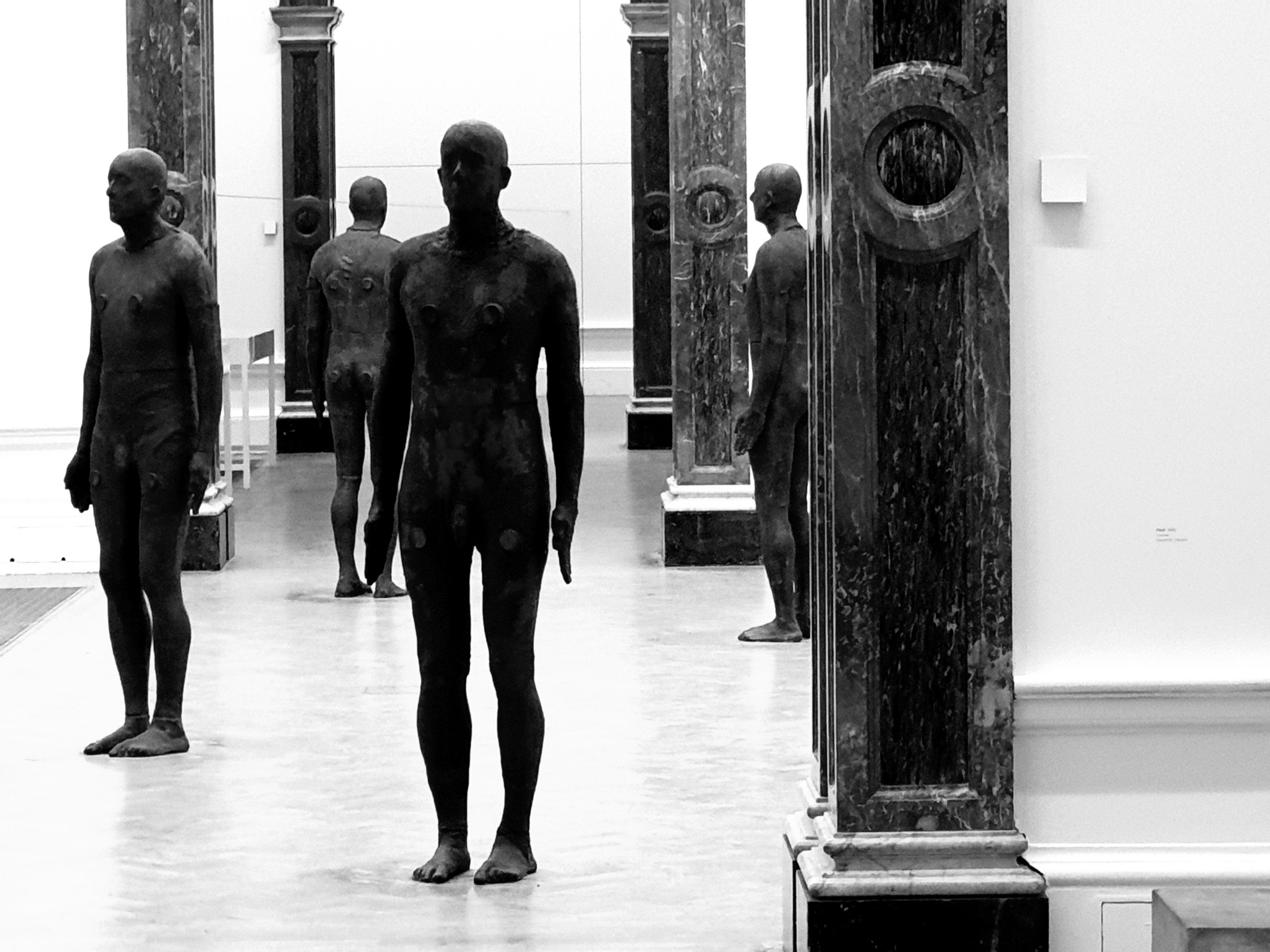
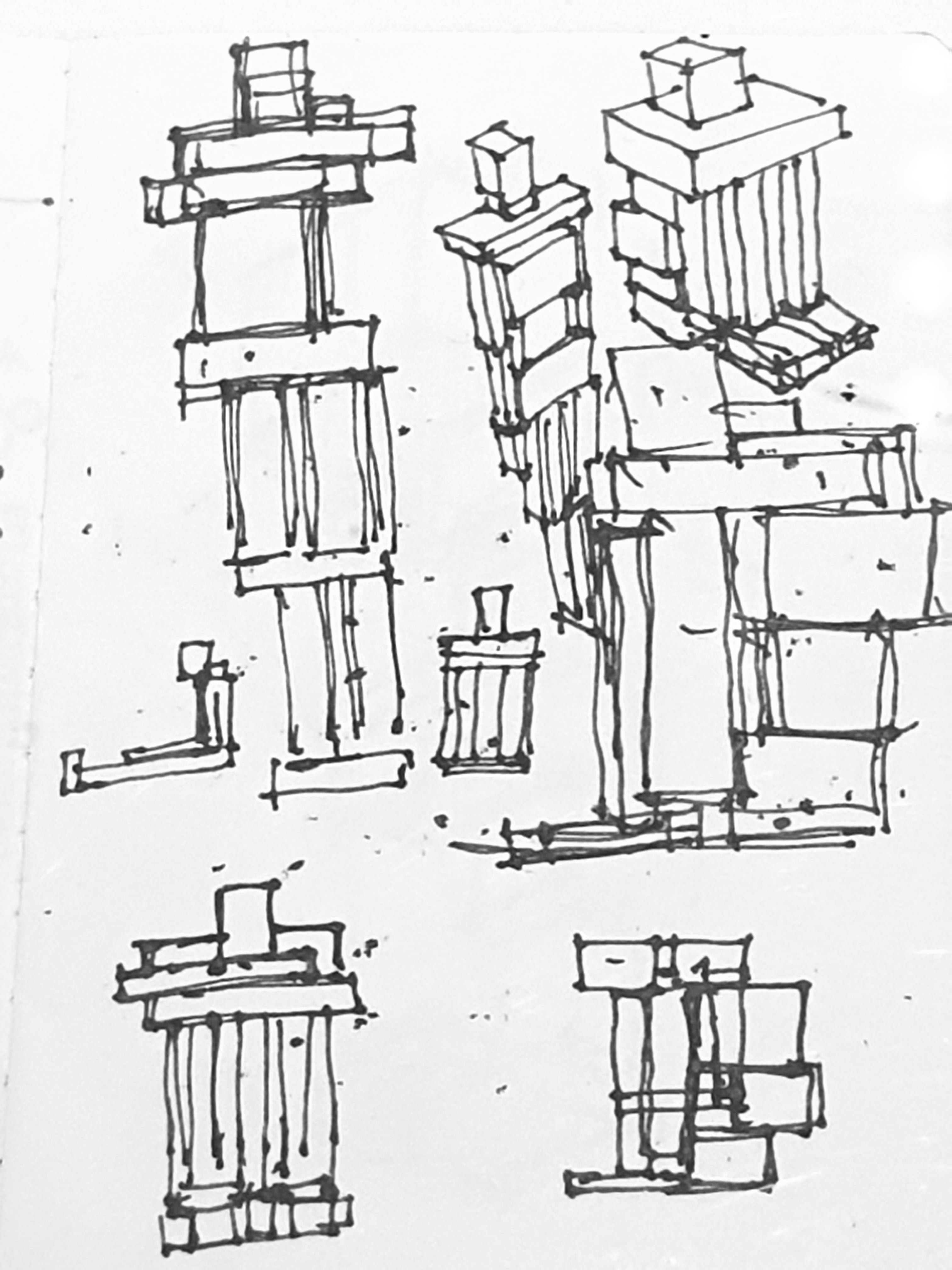
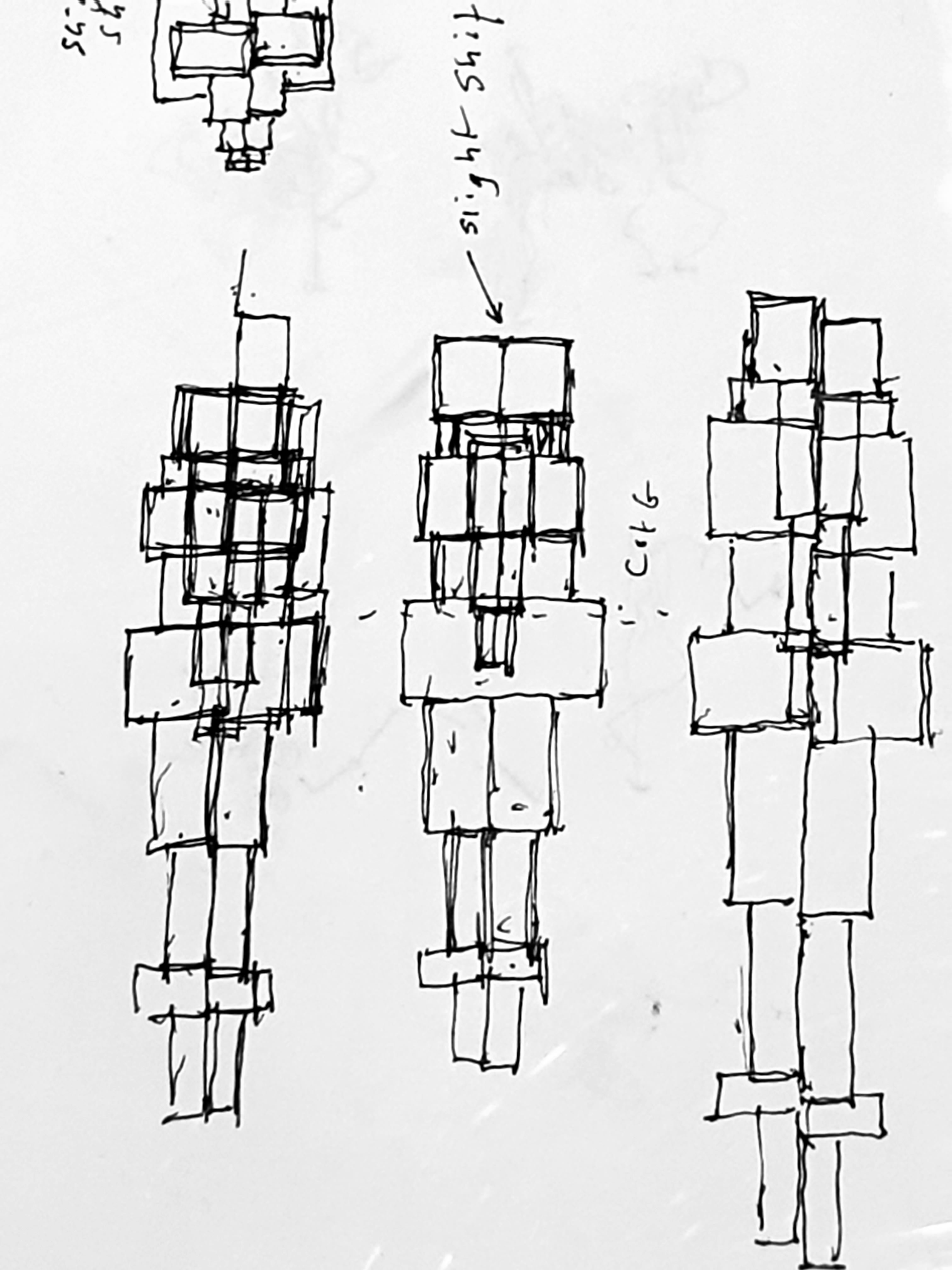
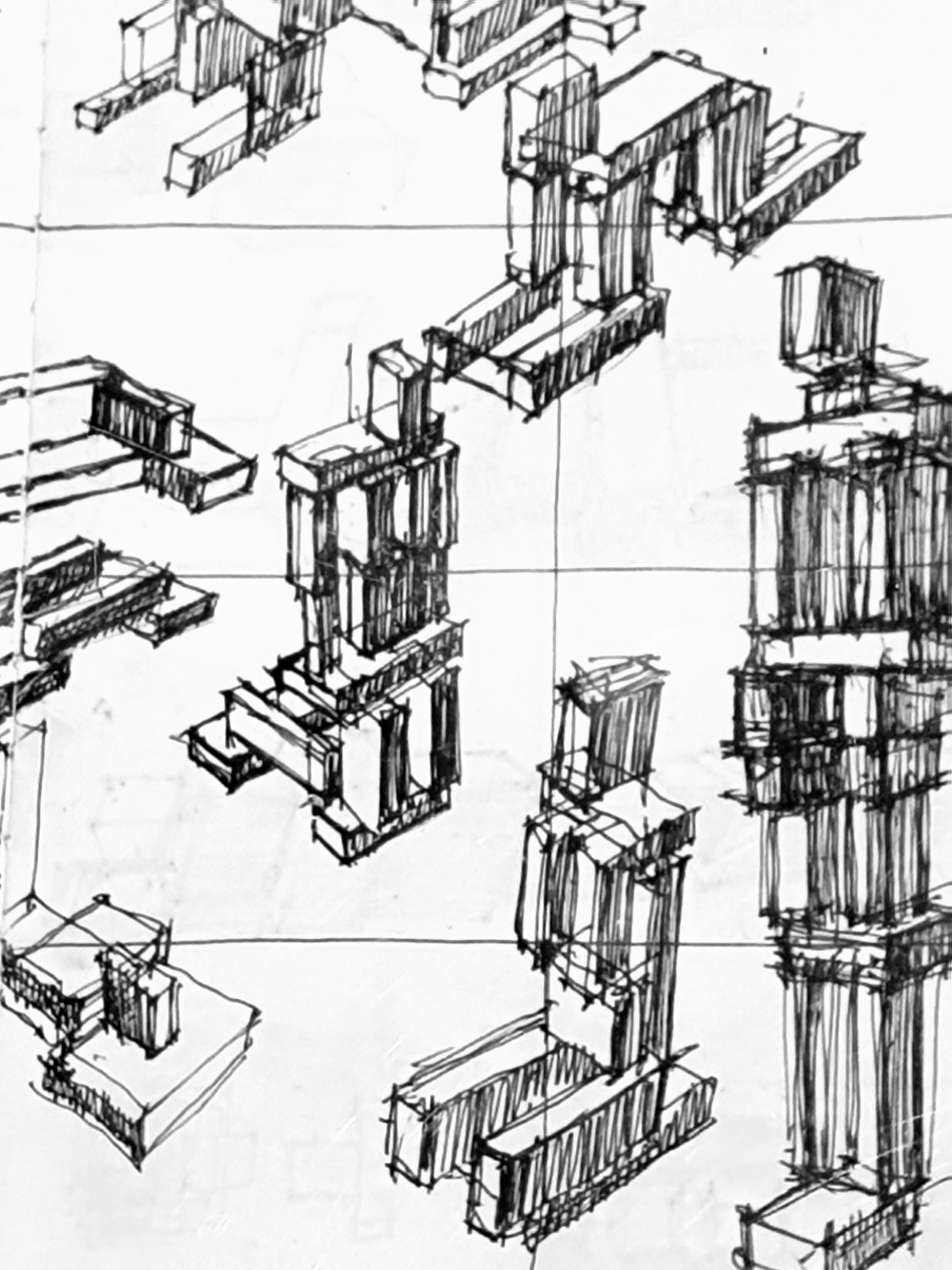
Antony Gormley

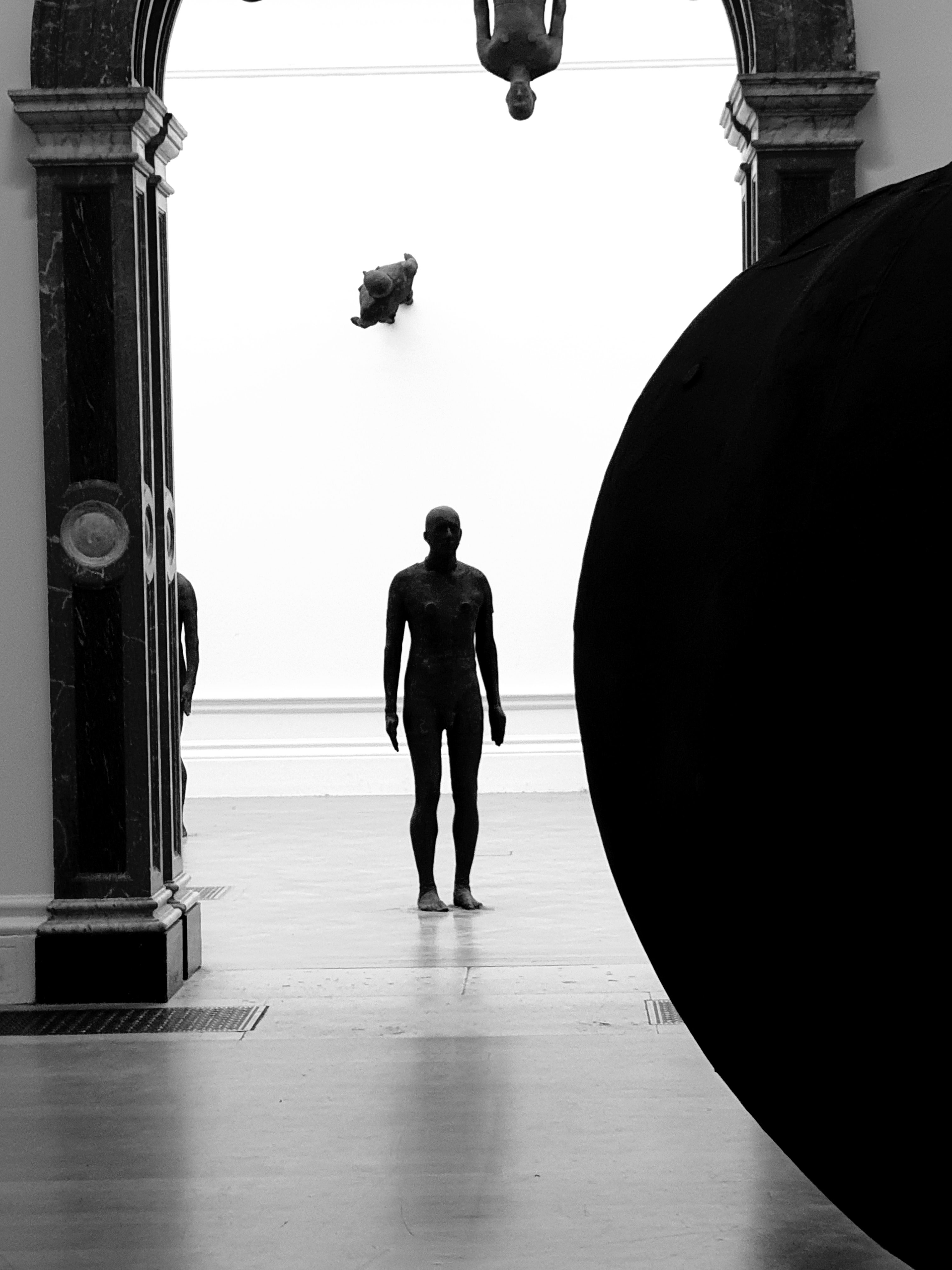
We went to see the Antony Gormley exhibition again, in order to be able to absorb and digest its mixture of a fascination with line drawing and invention and, at the same time, the physical materiality of the body, particularly obvious in the pleasure with which he explores the form of physical shapes in the room with two cases of notebooks and drawings:-

Standard

Nathalie Brooke

I strongly recommend this remarkable obituary of a clearly remarkable person, Nathalie Brooke née Benckendorff, who I knew only as the wheelchair-bound widow of Humphrey Brooke, the former Sectetary of the Royal Academy, who was forced to retire in murky circumstances in 1968. She would appear sometimes at exhibitions, but I had no idea, to my shame that a) she had lived so long and b) had had such an intellectually and socially formidable career, not least with the Centre for Policy Studies in its heyday, when conservatism was expected to have some intellectual content beyond coarseness, hectoring and bullying.

https://www.theartnewspaper.com/amp/feature/nathalie-brooke?__twitter_impression=true

Standard

Survey of London: Whitechapel

I went to a seminar last night in which Shahed Saleem discussed the glories of the Survey of London’s interactive map of Whitechapel which allows one to explore the history of every single building in the neighbourhood, including our local dry cleaners, which turns out to have had the headquarters of the Stepney Borough Communist Party upstairs, and the Passmore Edwards Library which has now been absorbed into the Whitechapel Gallery next door, but was originally open seven days a week till 10pm with a collection of Egyptian antiquities and weapons from Fiji attached. We had a discussion as to how far the Survey can, or should, document the changes proposed to the Whitechapel Bell Foundry. Its recent history post-closure and pre-development will be quickly forgotten, so I hope it can be documented while it’s fresh in people’s minds.

https://surveyoflondon.org/
Standard

Paris (2)

I walked back to the hotel:-

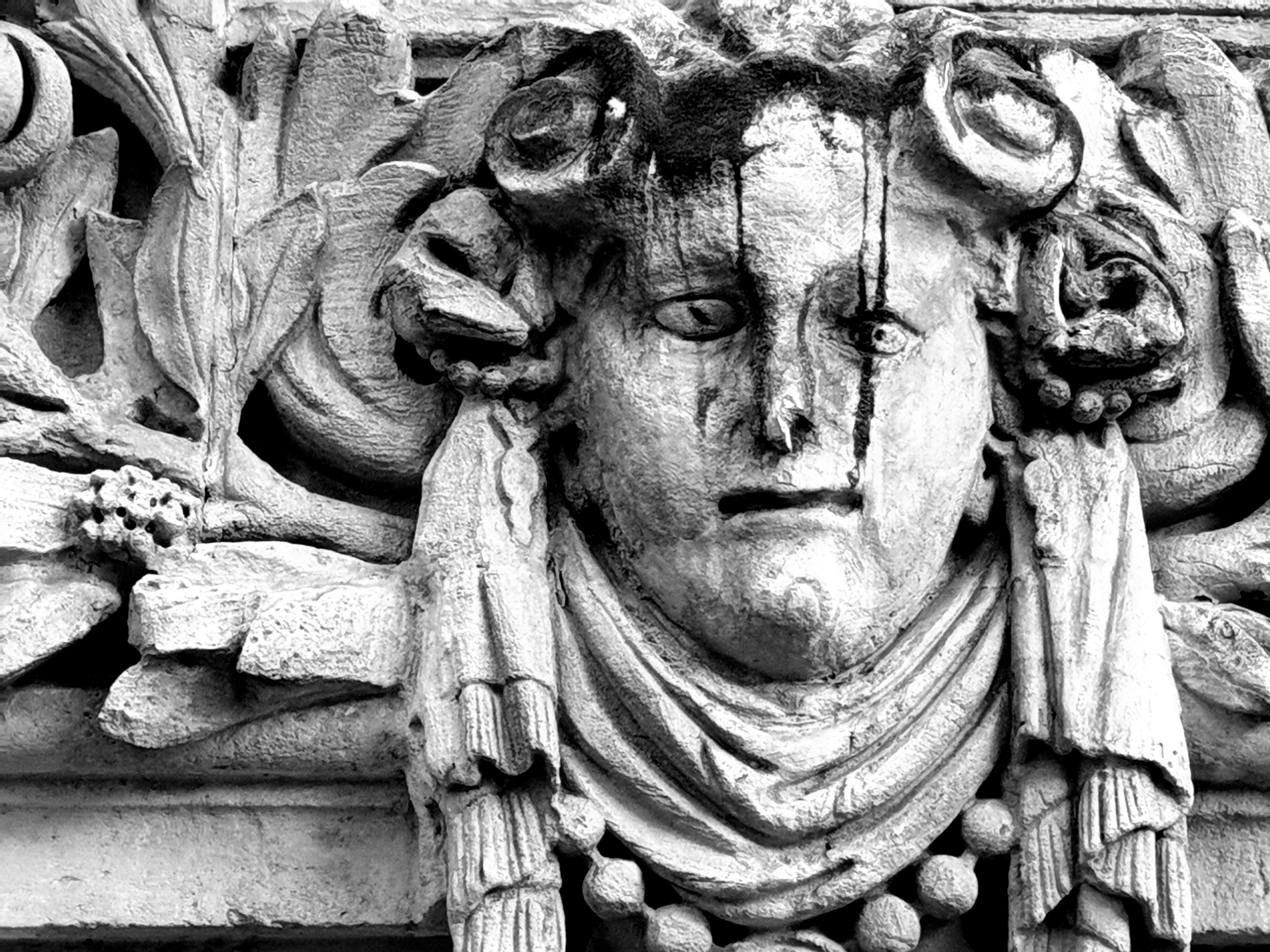
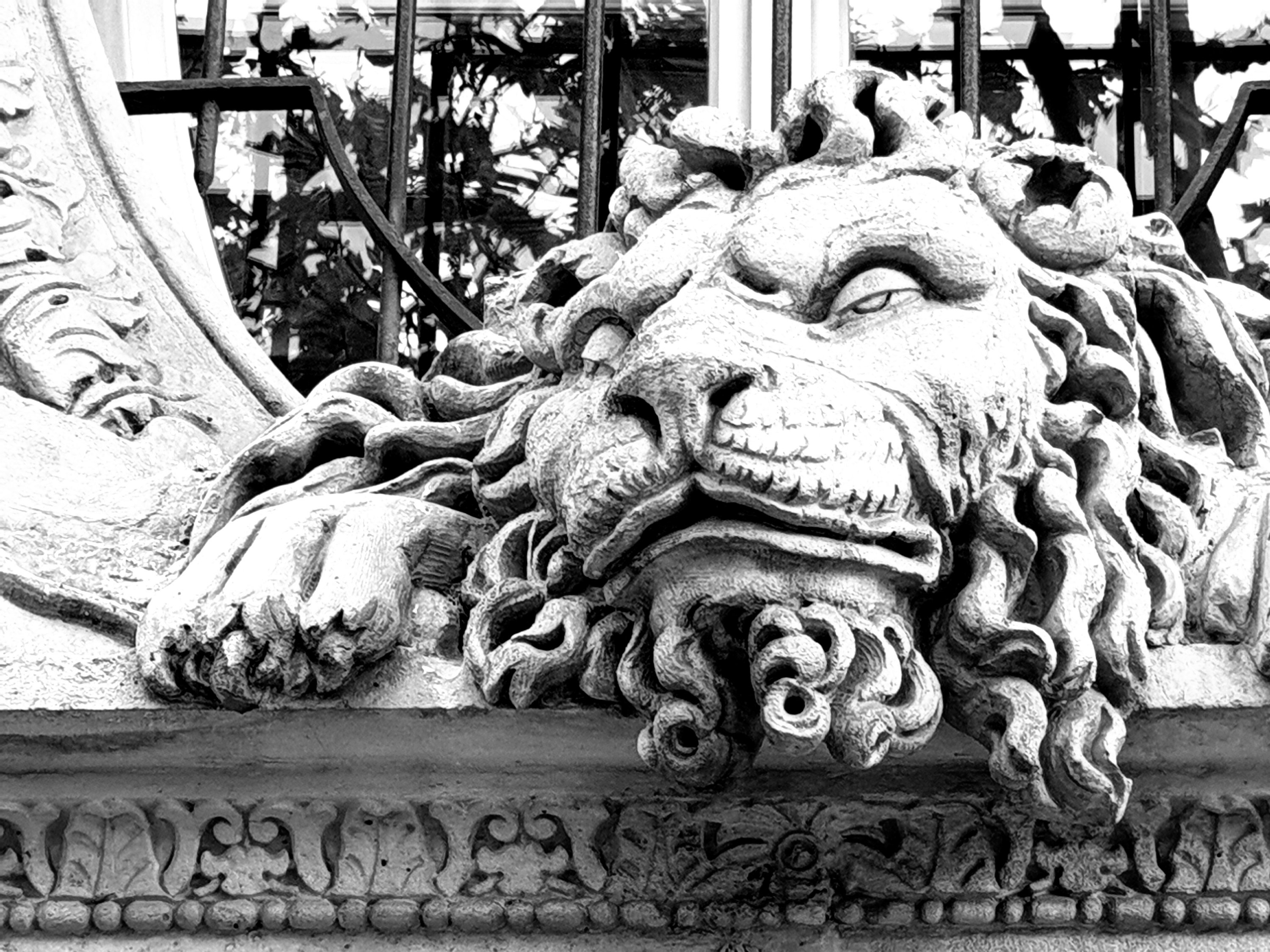
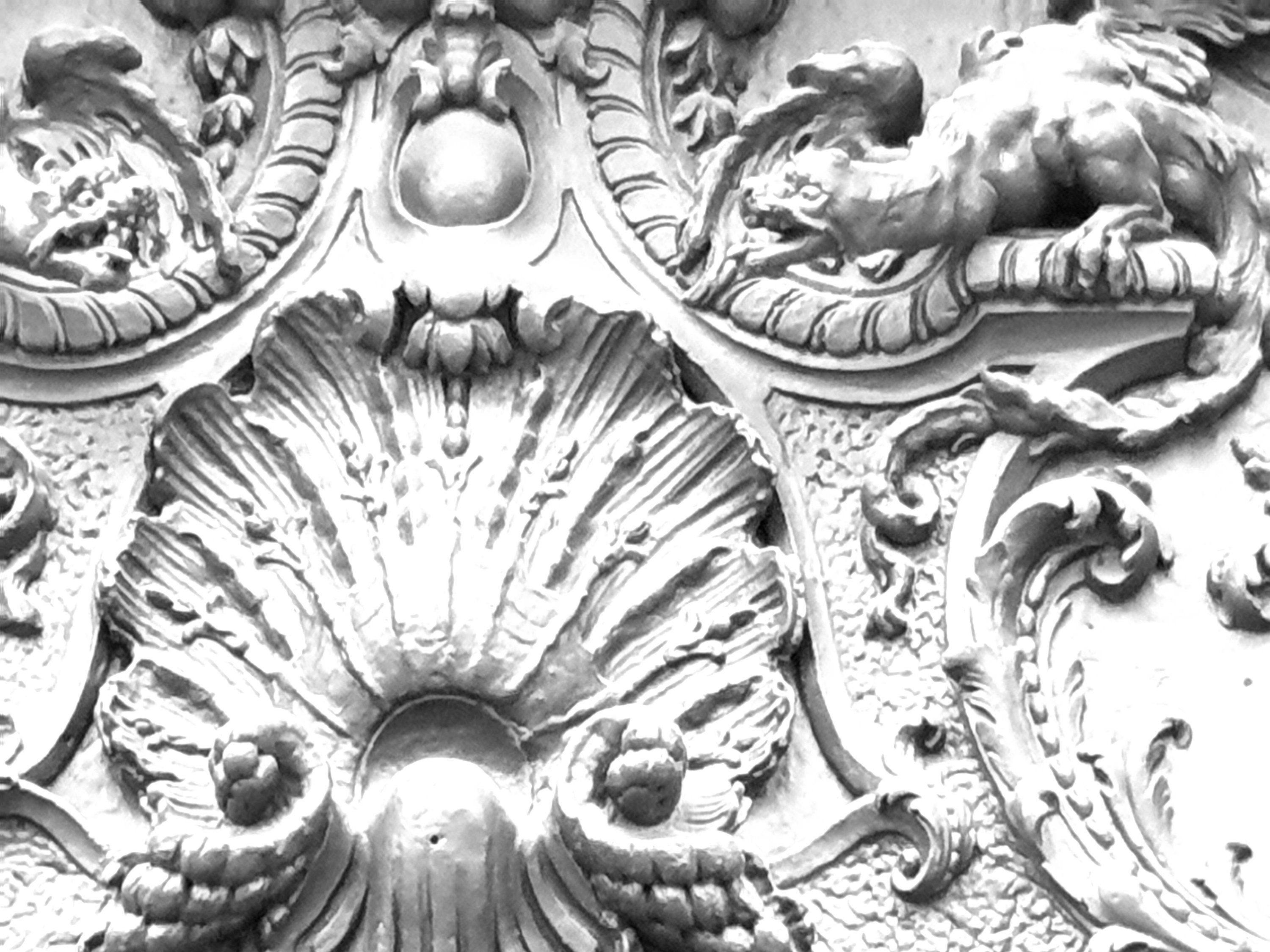
Past the Hôtel Fieubet, with its wild sculptural decoration on the Quai des Célestins:-

Through the Ile St-Louis, so marvellously quiet:-

Across to the left bank:-

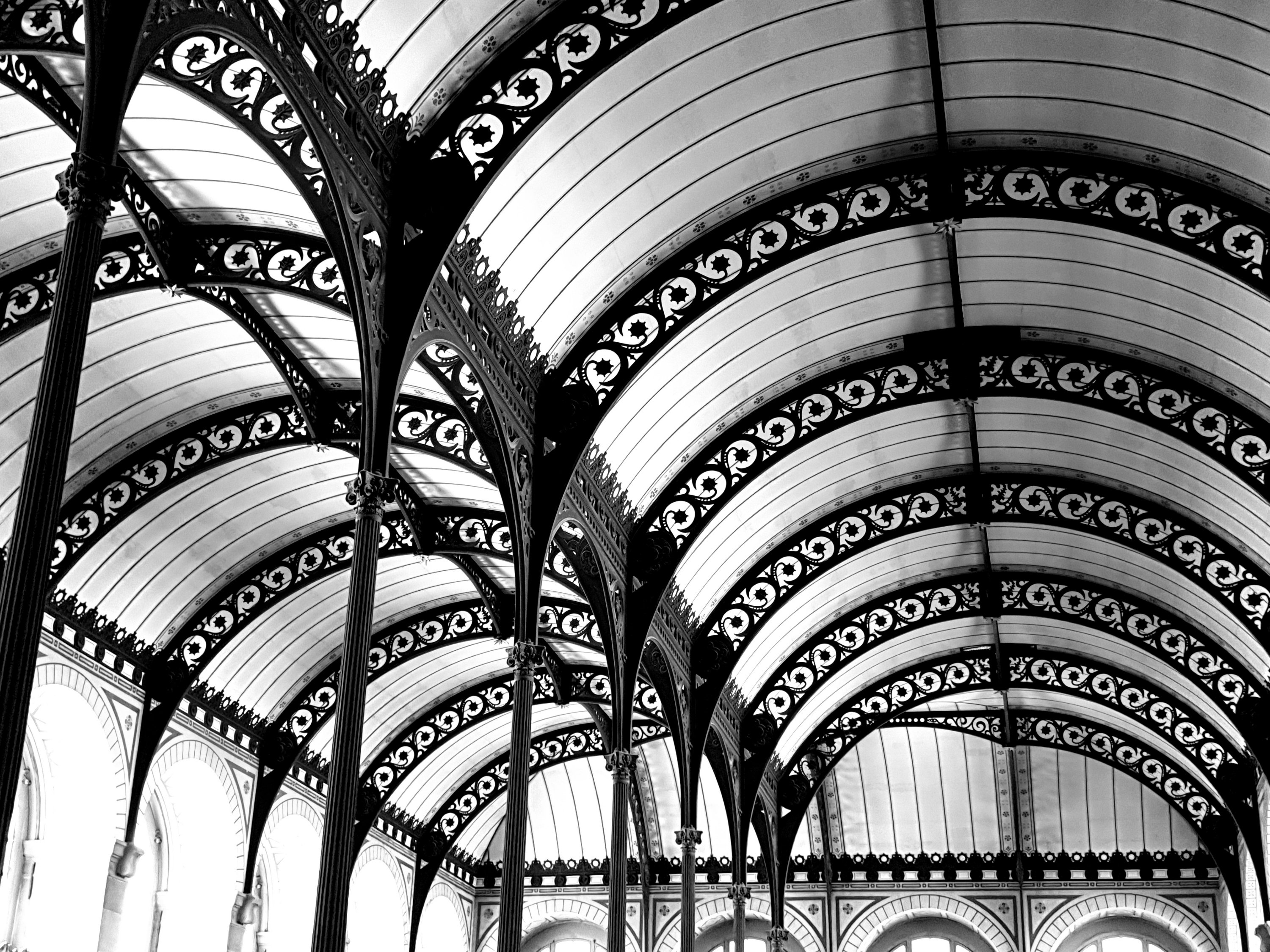
Miraculously, a librarian was willing to take us up to the reading room of the Bibliothèque Ste Geneviève, Labrouste’s great masterpiece:-

Standard

Paris (1)

Every time I go to Paris now, I am impressed by how much better the French have preserved their architecture and sense of history in the centre of the city – vastly much less demolition, still almost no skyscrapers, they have kept small shops. I photographed as I walked.

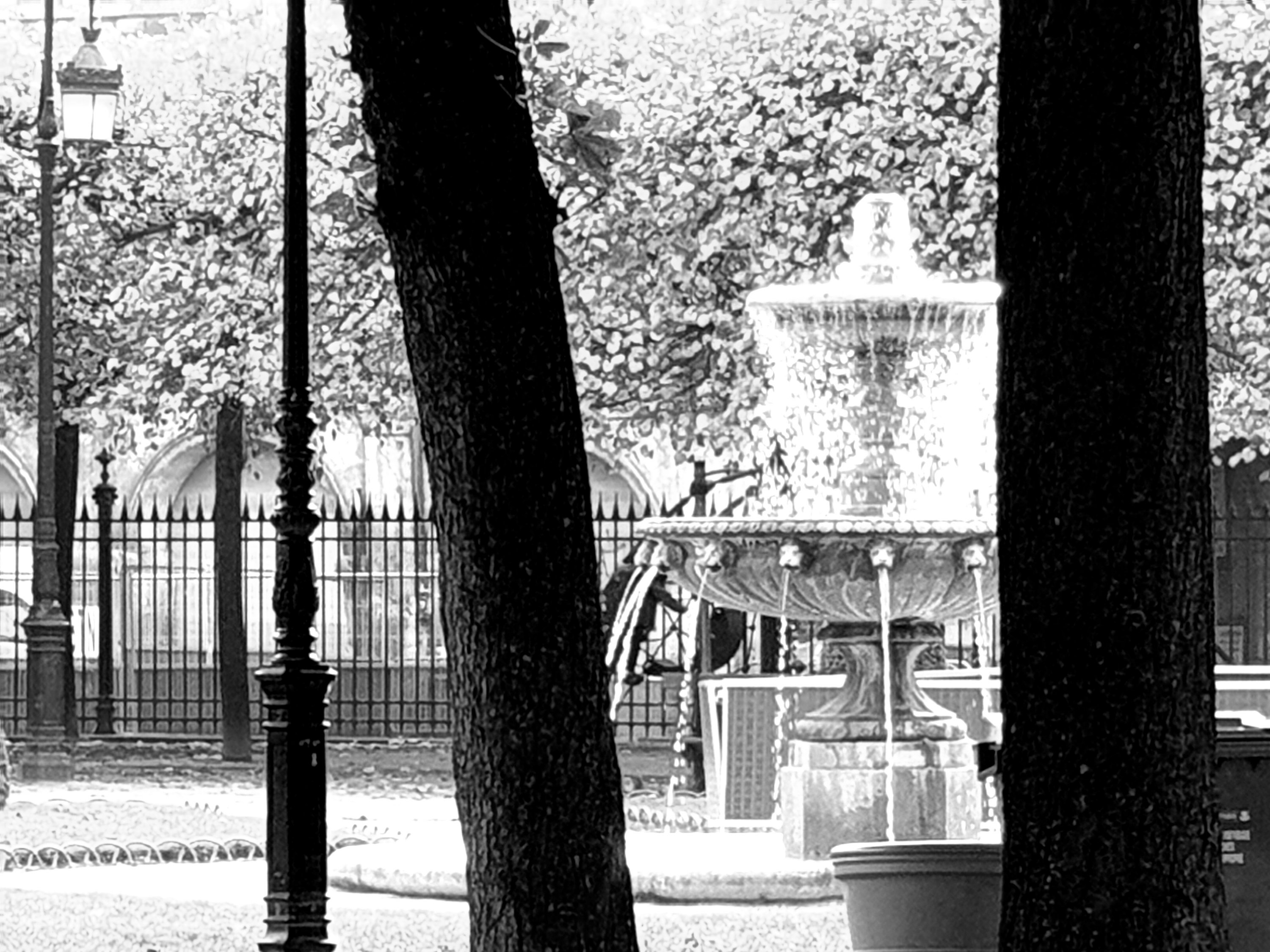
A fountain near the Centre Pompidou:-

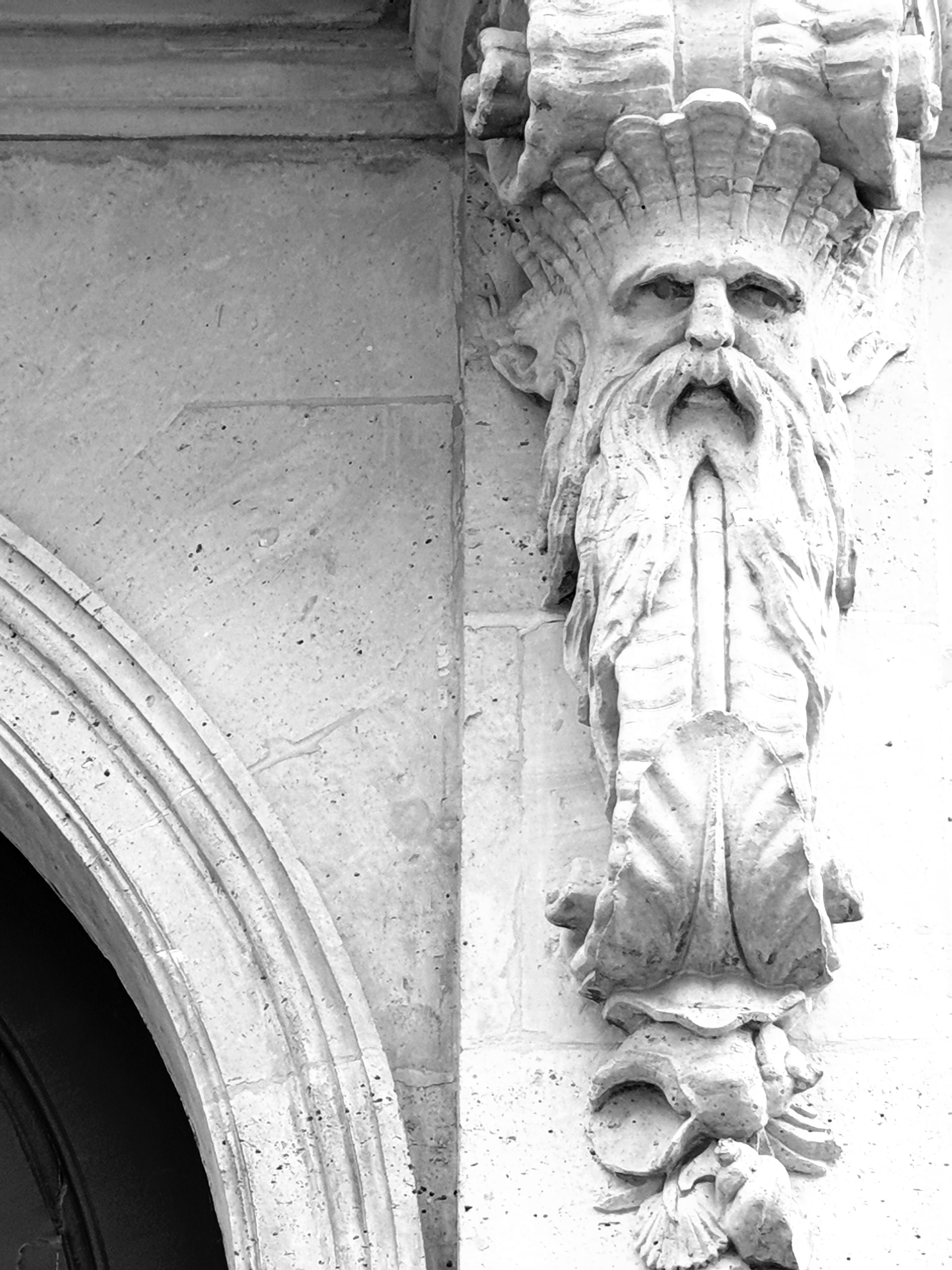
The detailing round multiple gateways guarding the cour d’honneur of a hotel particulier:-

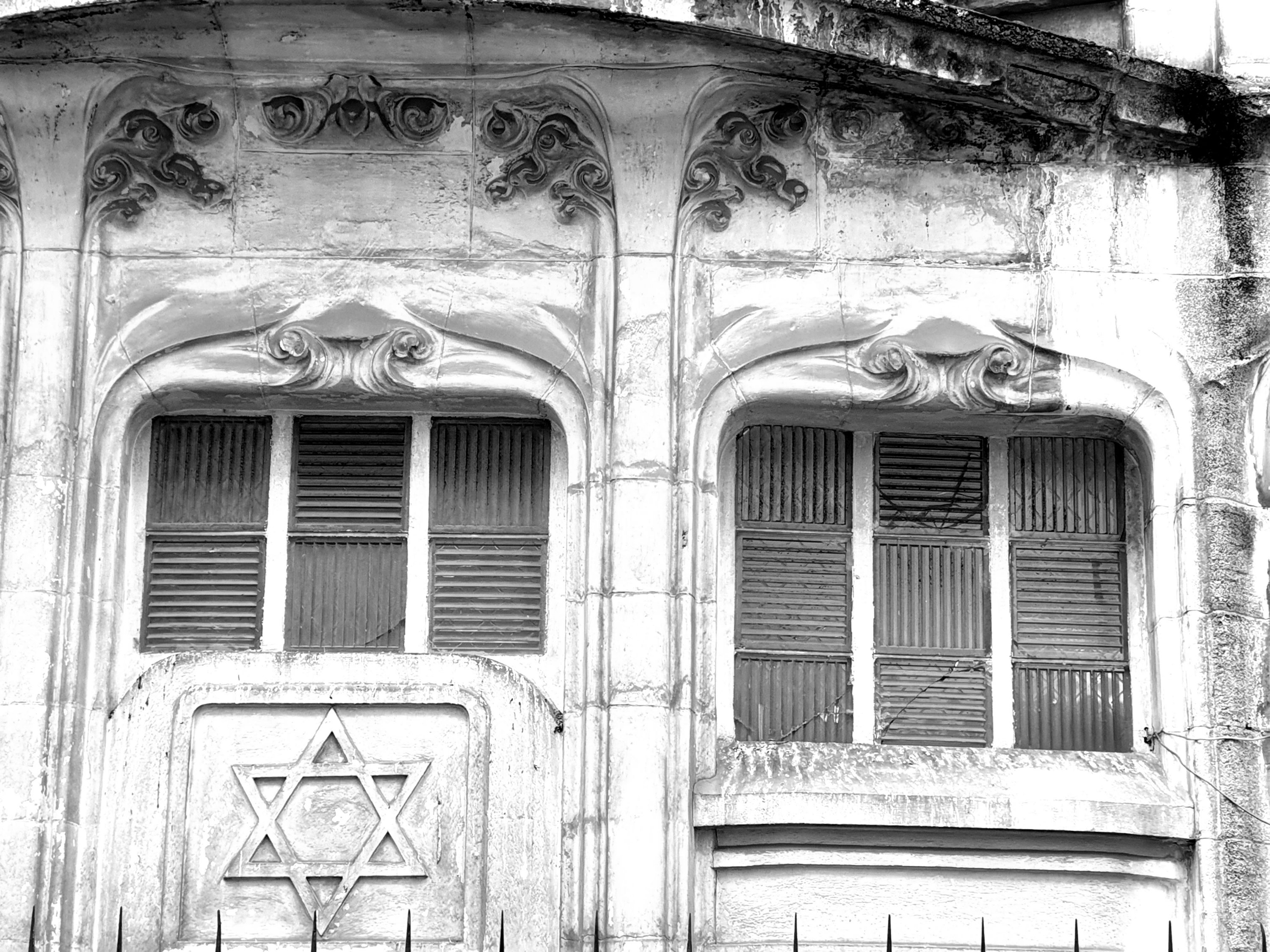
I walked past the Agoudas Hakehilos Synagogue in the Rue Pavée:-

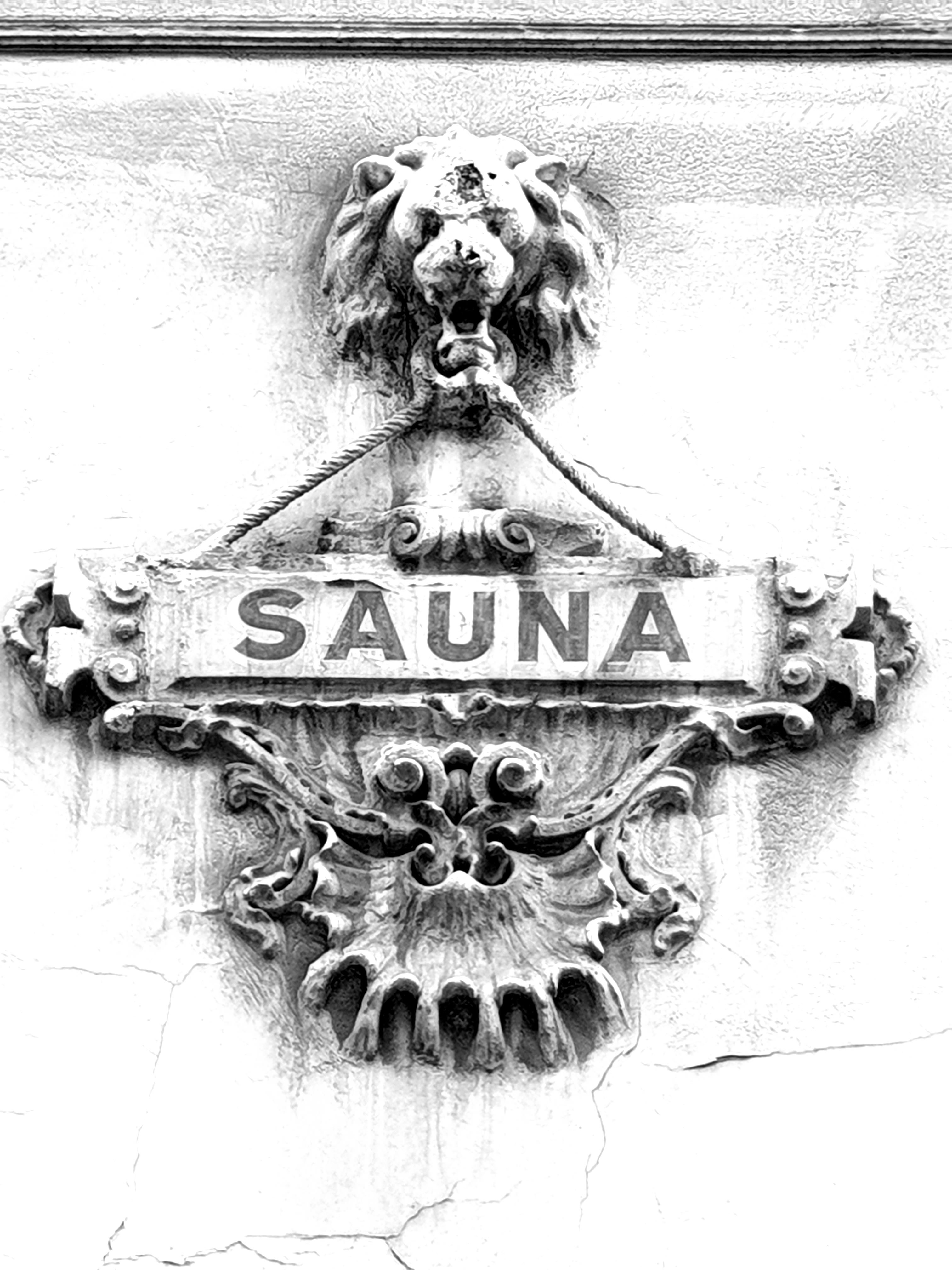
What was a sauna:-

To the Place des Vosges:-

Standard

Sainte-Chapelle

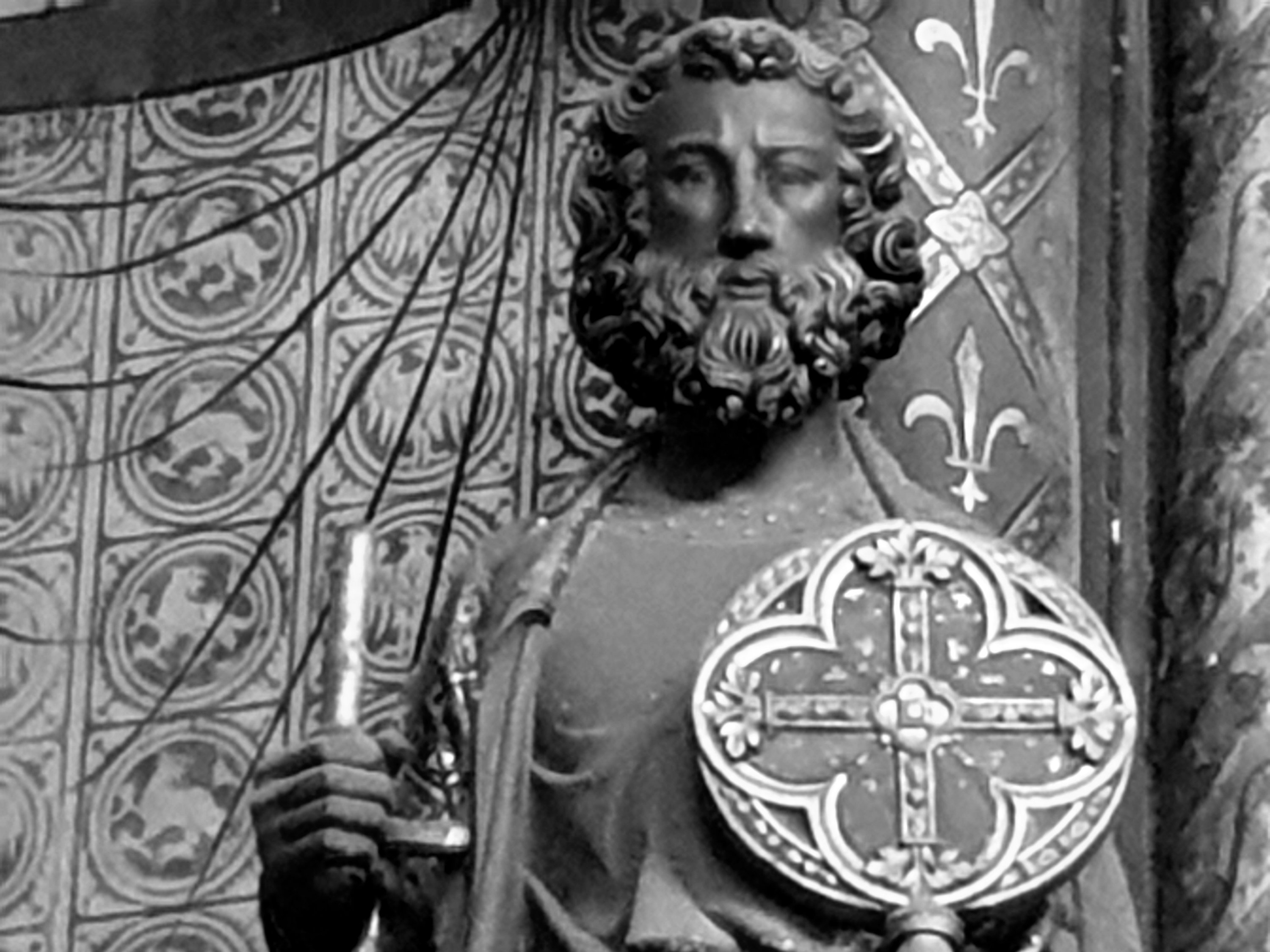
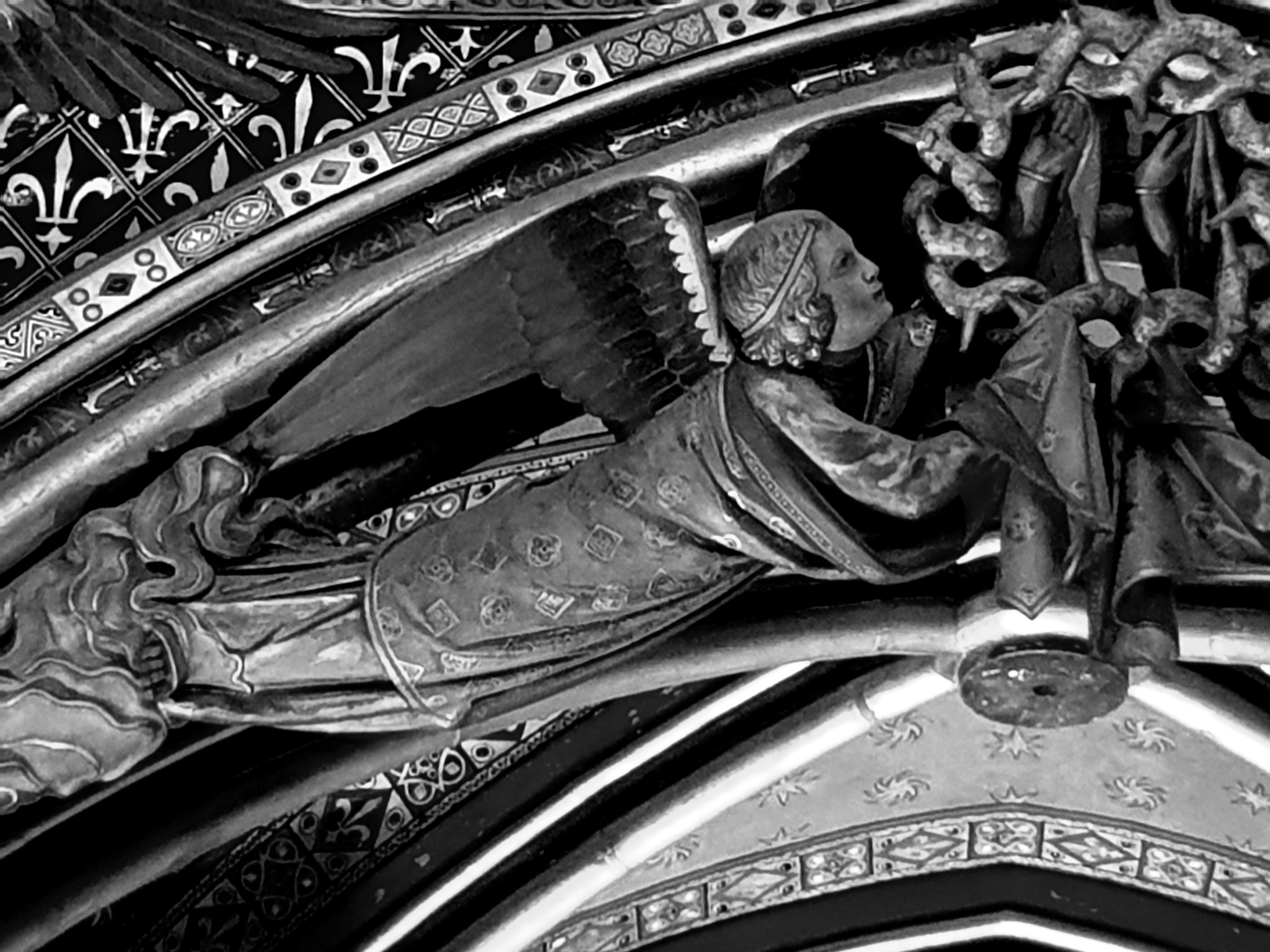
I wanted to see Sainte-Chapelle, which I haven’t for a long time, the Capetian jewel box built for Louis IX to house the holy relics he had bought from the Emperor Baldwin:-

Standard

Notre-Dame de Paris

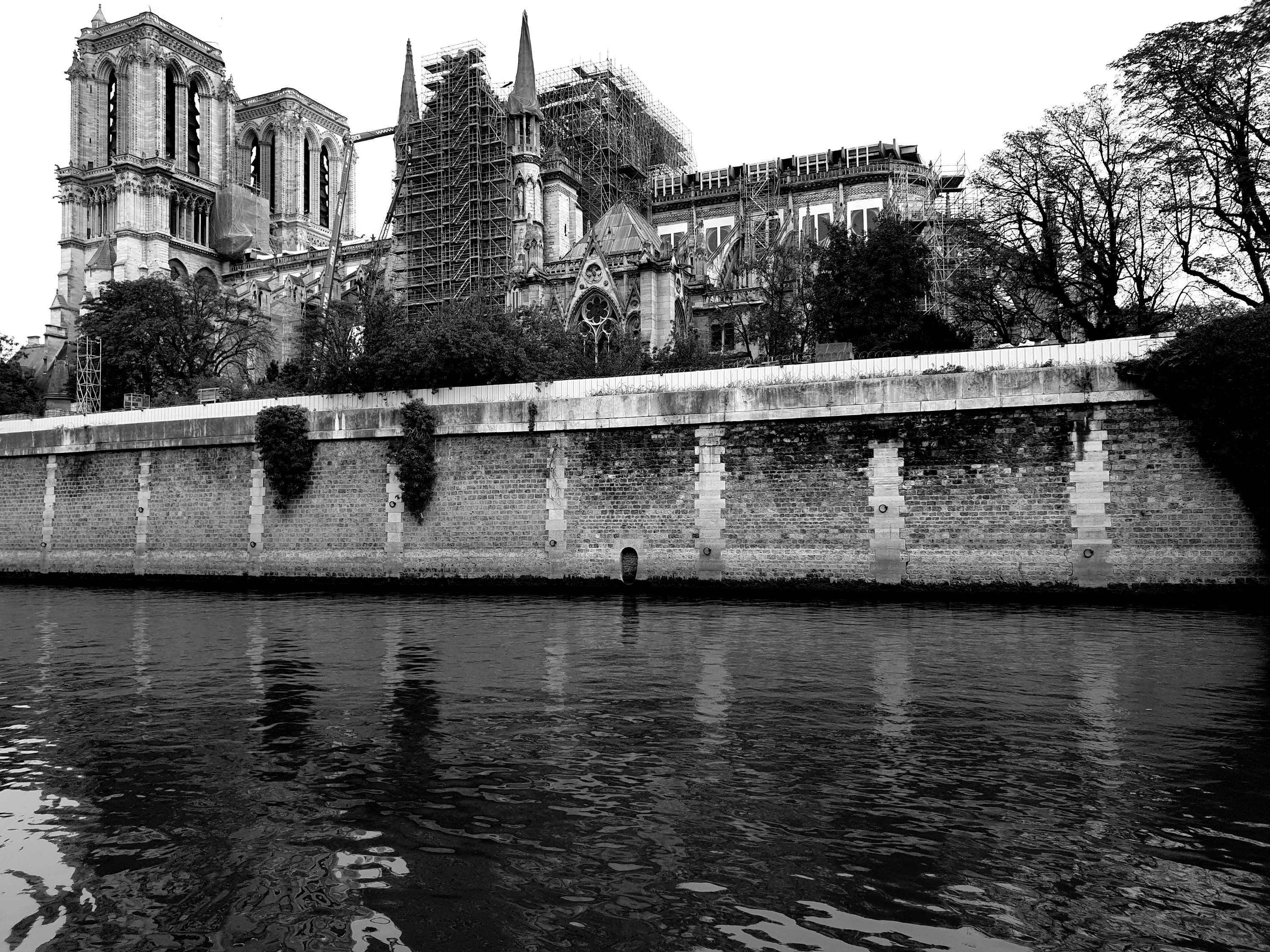
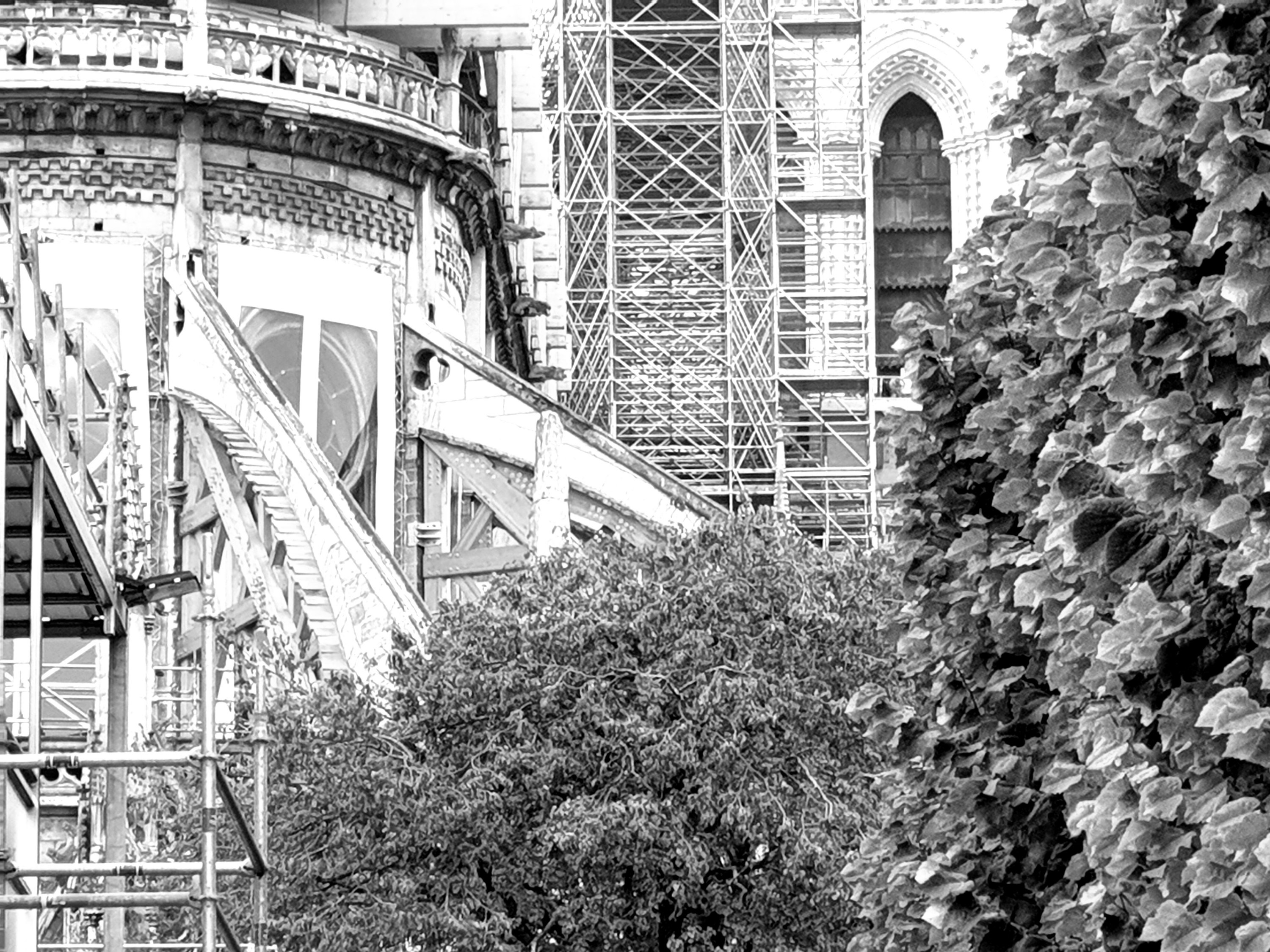
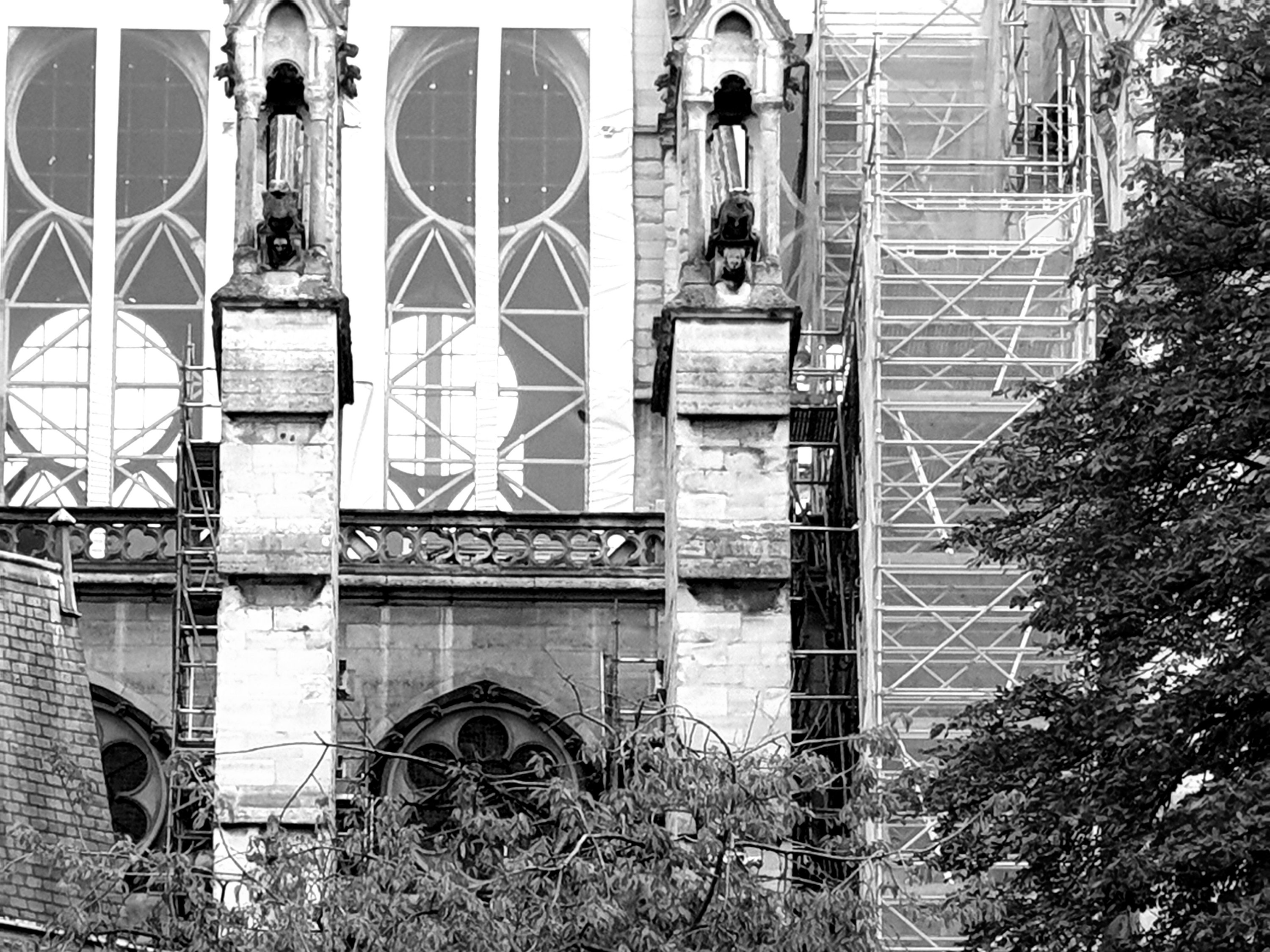
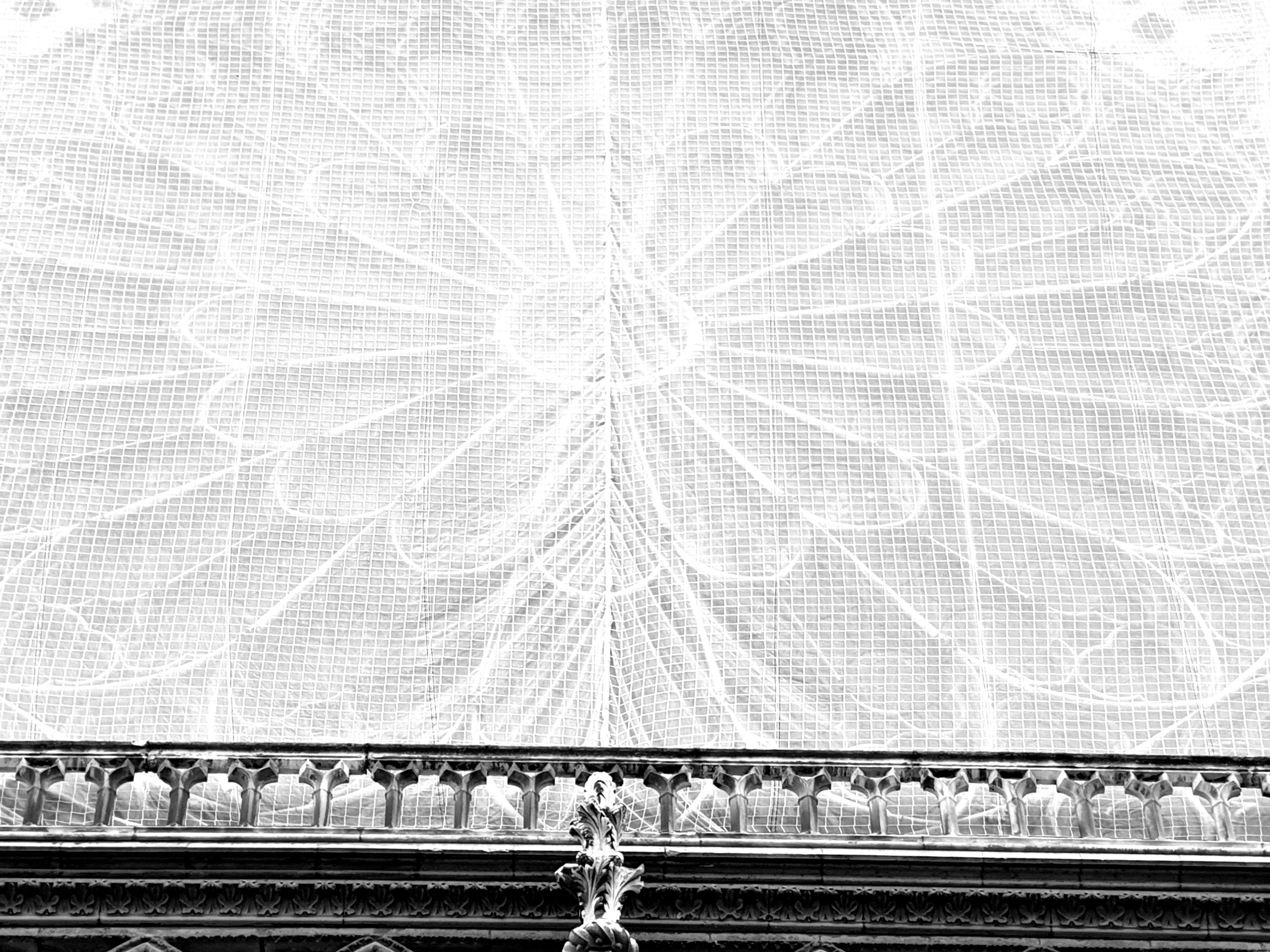
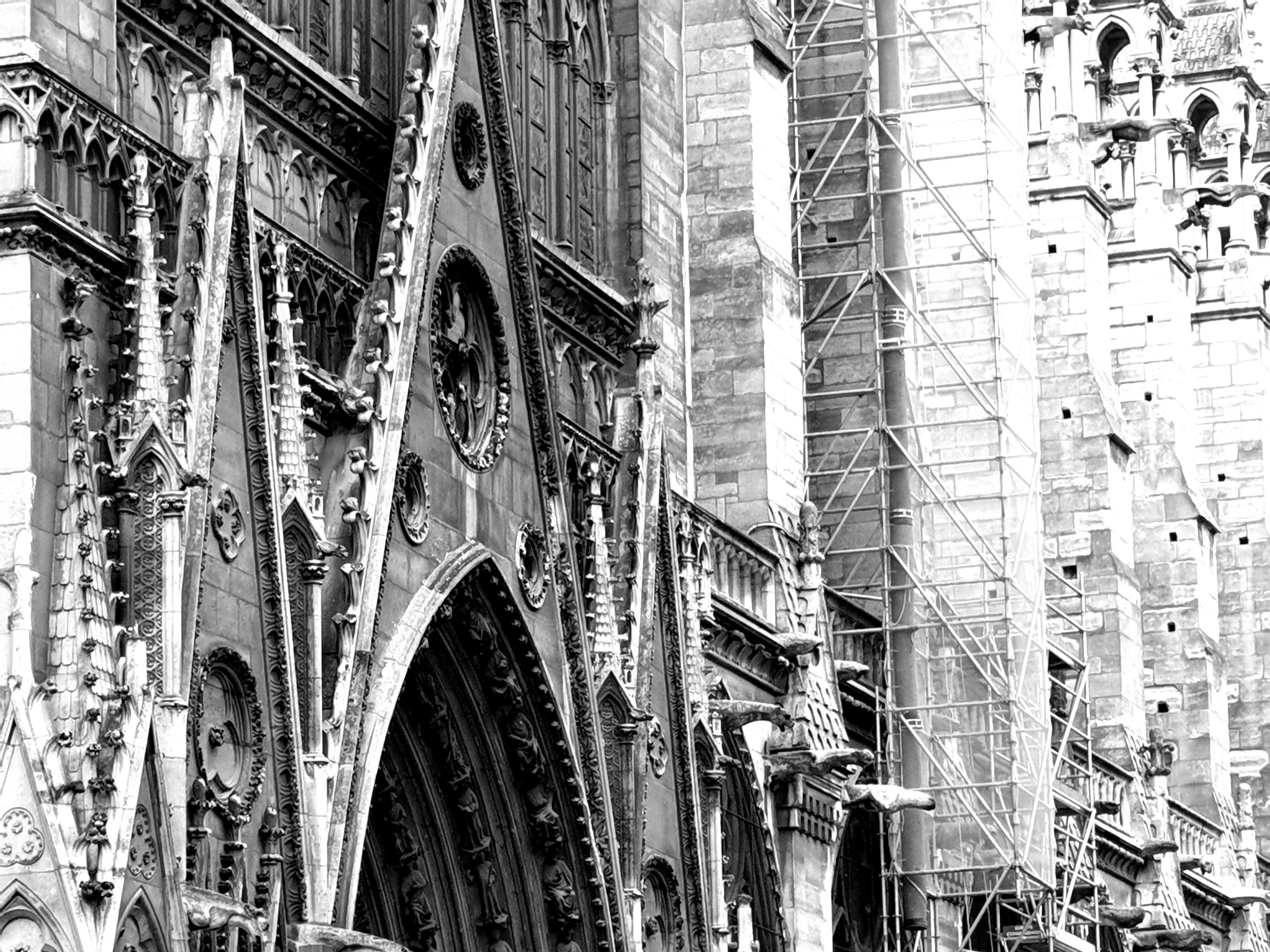
My first port-of-call was the battered hulk of Notre-Dame – its essential structure still finely intact, but its roof, clerestory windows and the glass of the rose window gone, its flying buttresses reinforced with what look like wood supports. It now seems slightly bonkers that contemporary architects were invited to put forward proposals for a new invention, when so much of it still survives, asking for sympathetic restoration:-

Standard

Leonardo da Vinci (2)

By chance, I stayed in the hotel, once called Hotel Rive Gauche, now da Vinci, where Vincenzo Peruggia, the man who stole the Mona Lisa, apparently stayed after he had removed it, wrapped up in his worker’s smock, on Monday 21st August 1911. He was in Room 603, on the roof, so that he could escape if need be, but instead he headed back to Italy to try and sell the painting, before being caught two years later in Florence offering it for sale. In an odd way, he, more than any art historian, is responsible for Leonardo’s fame.

Standard