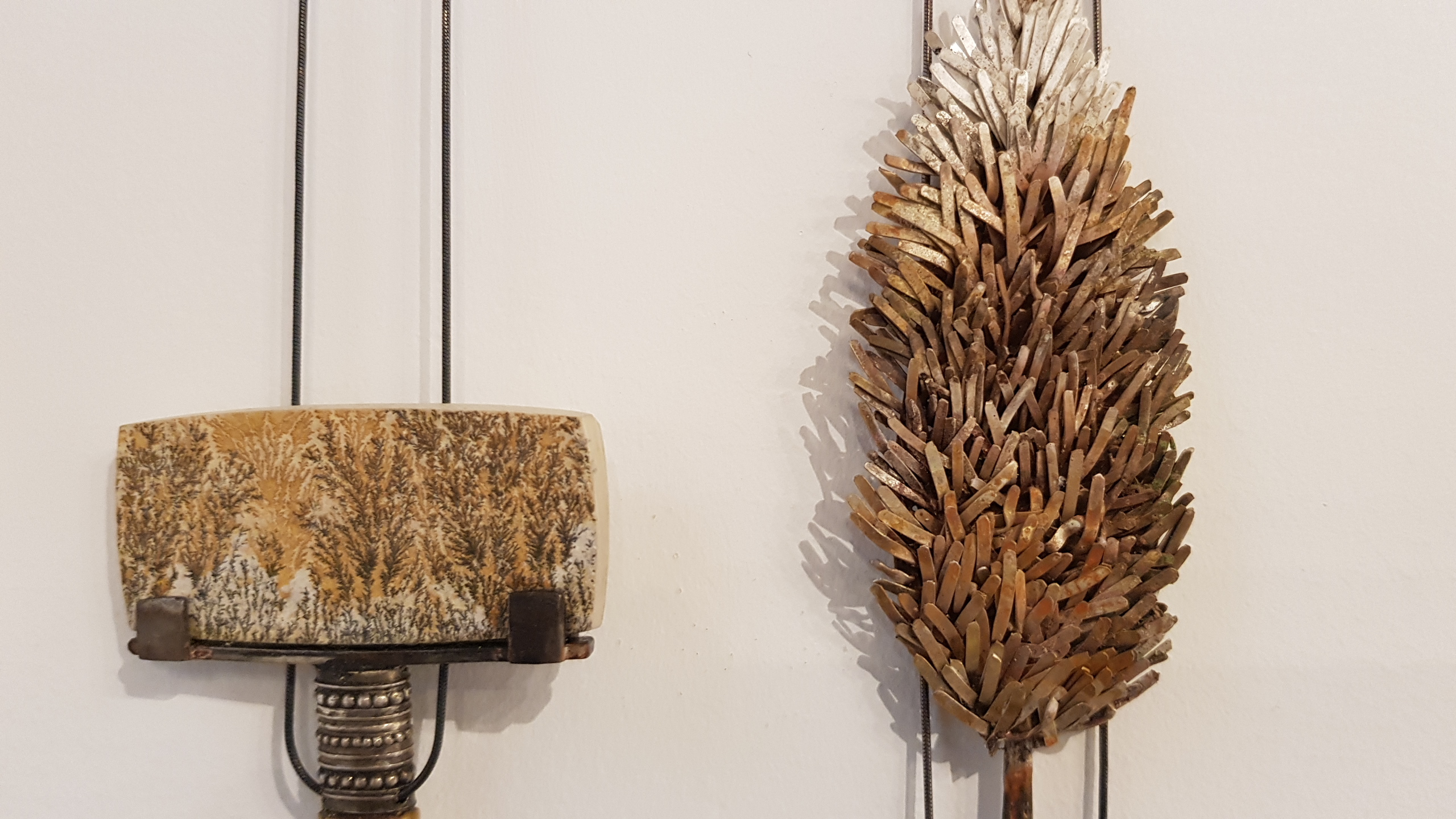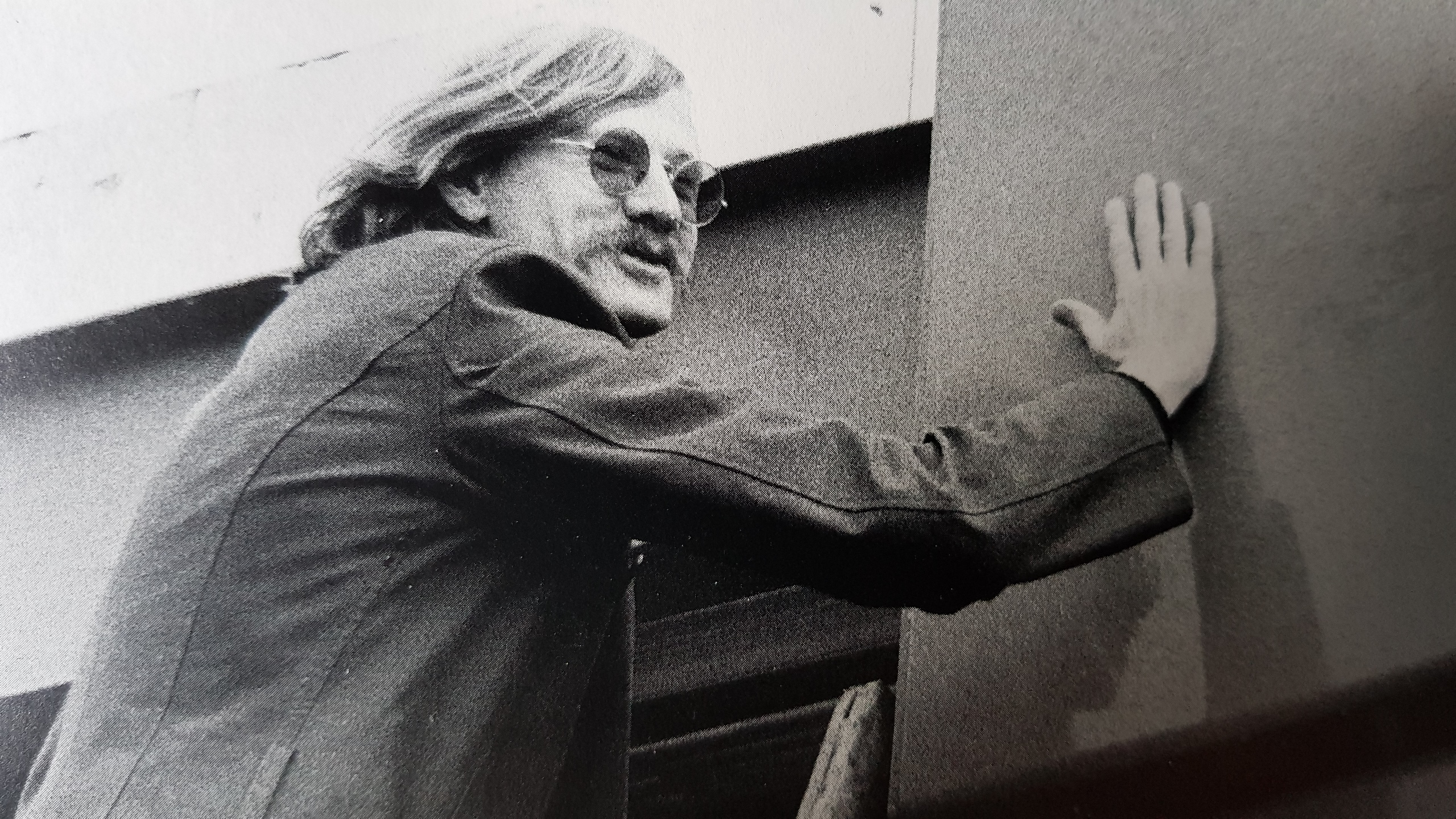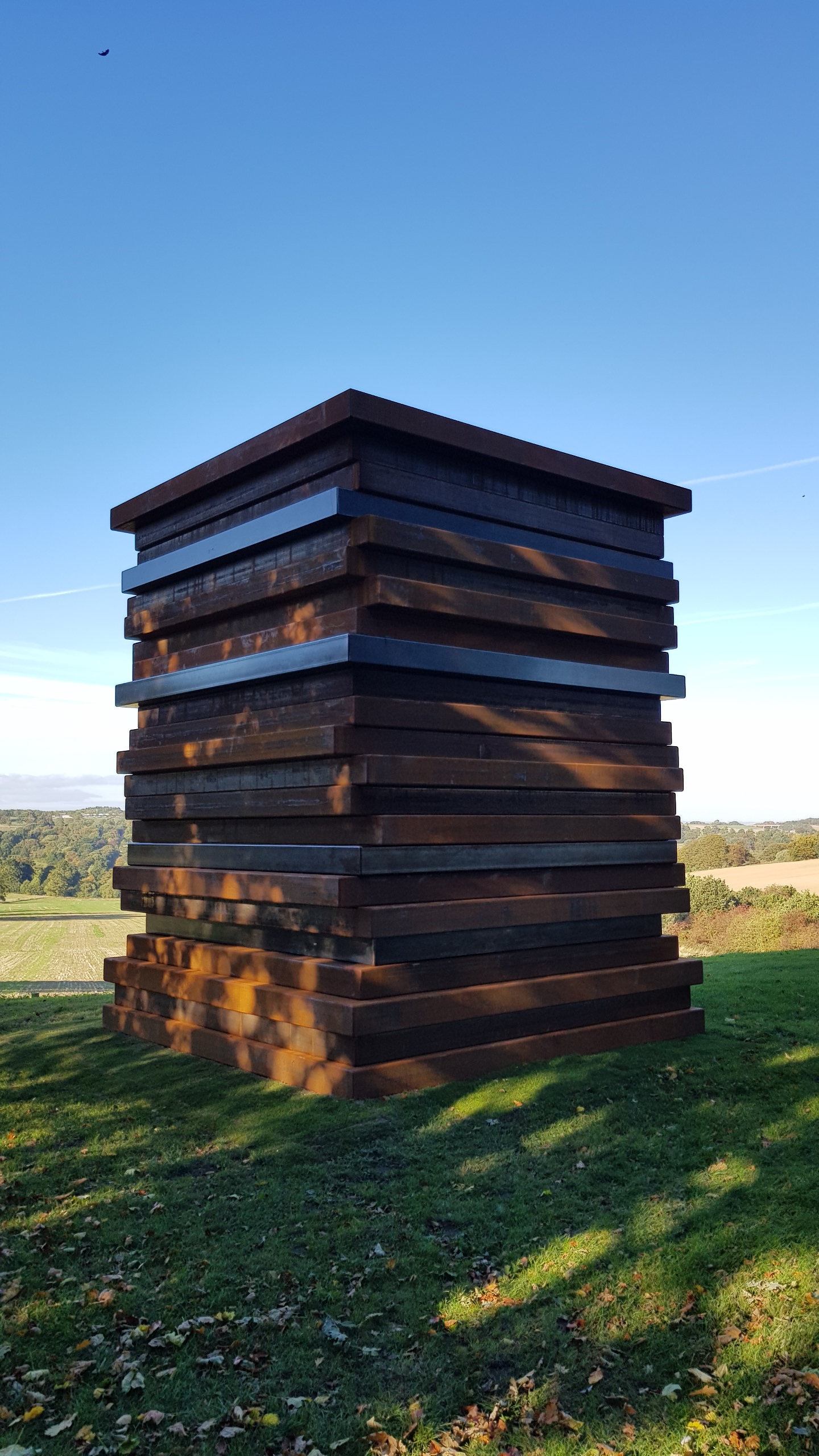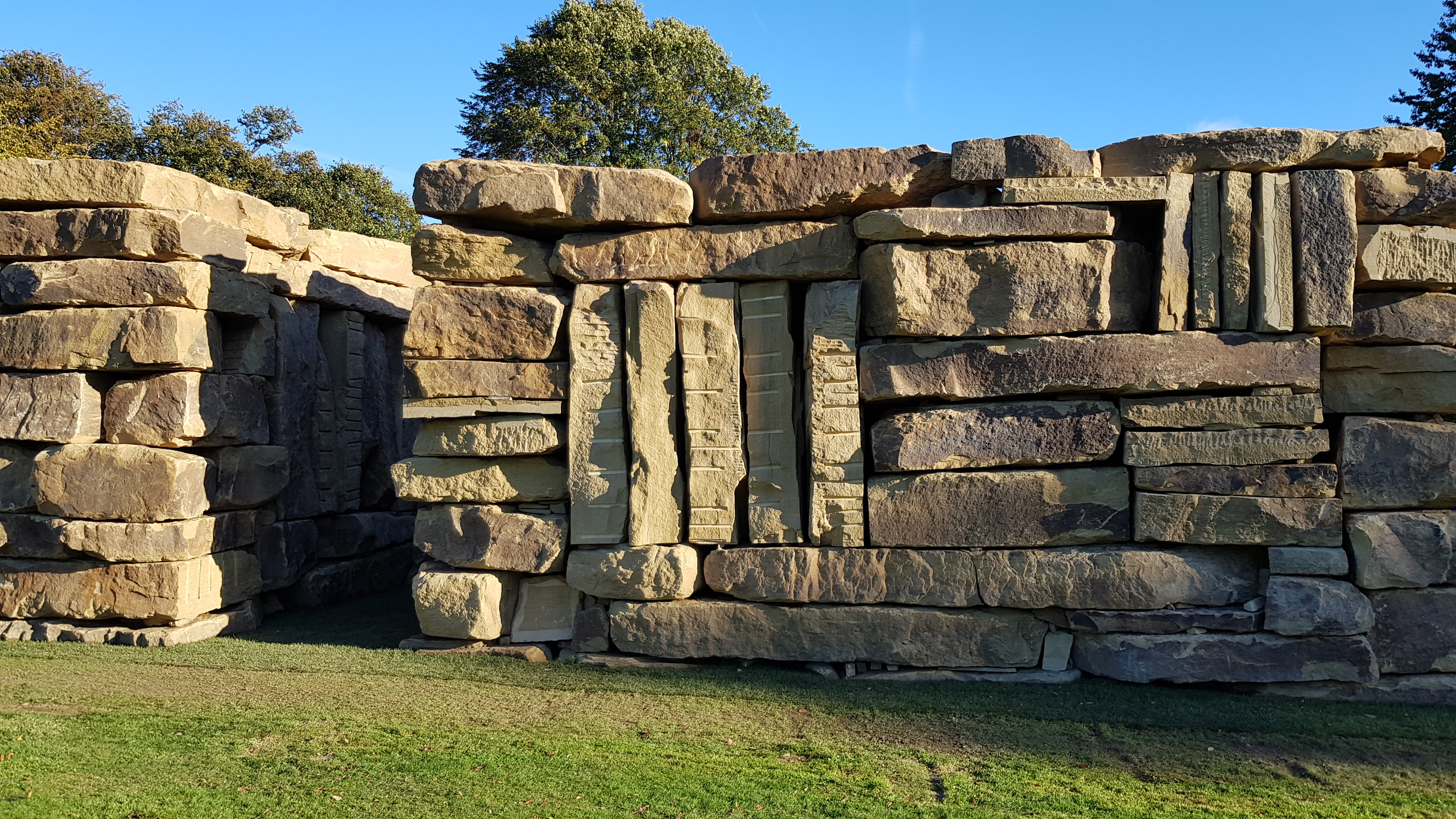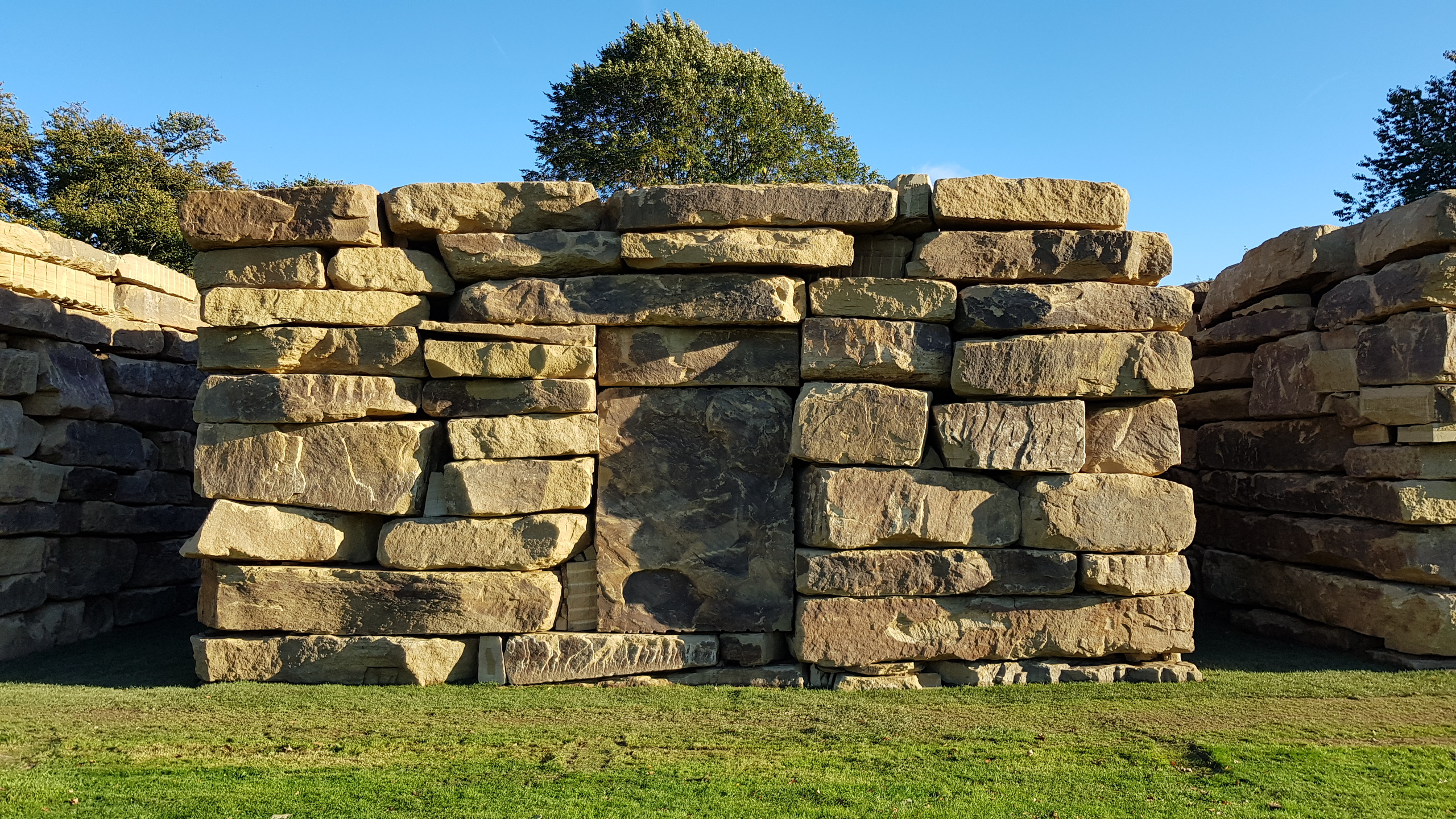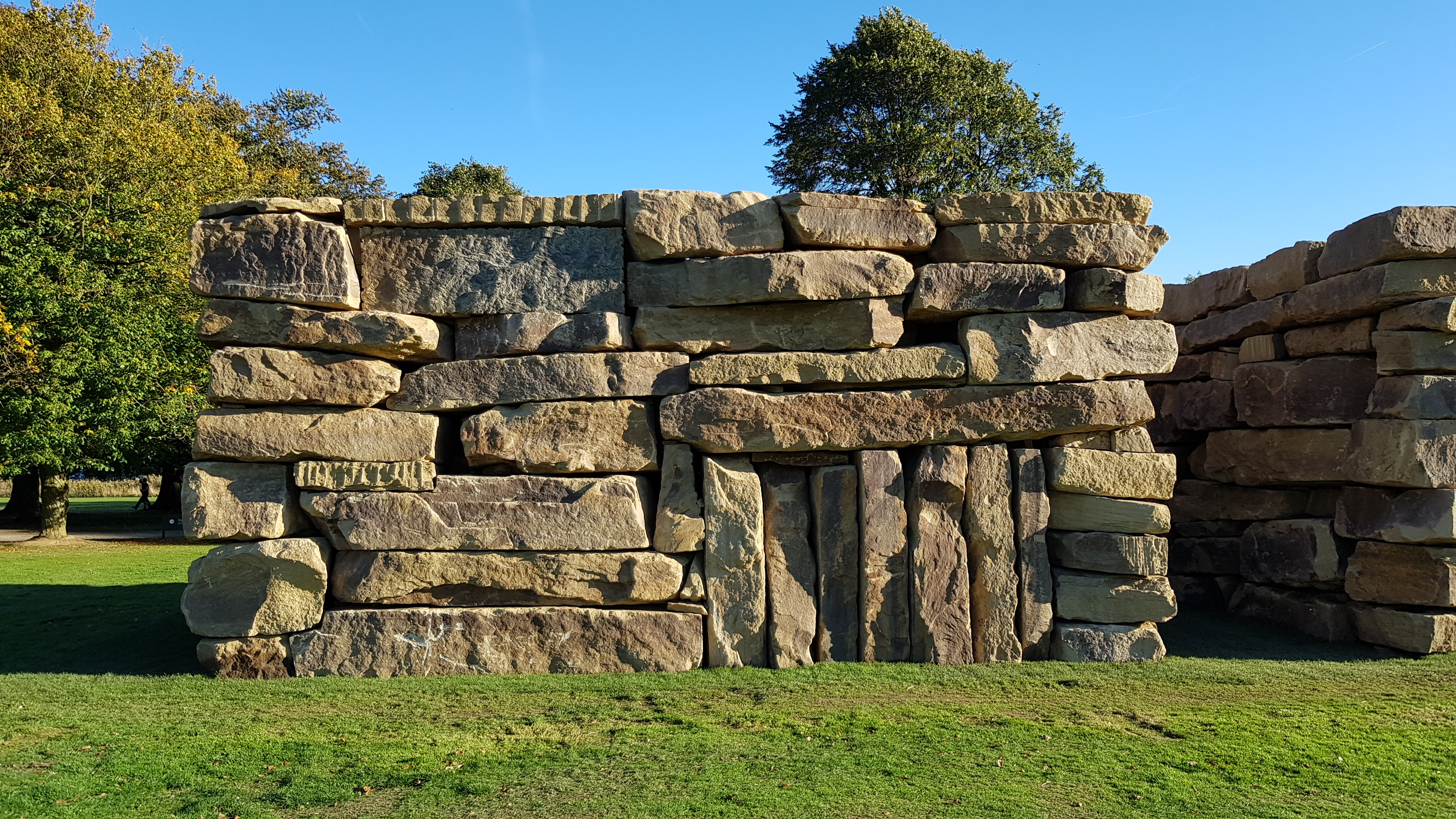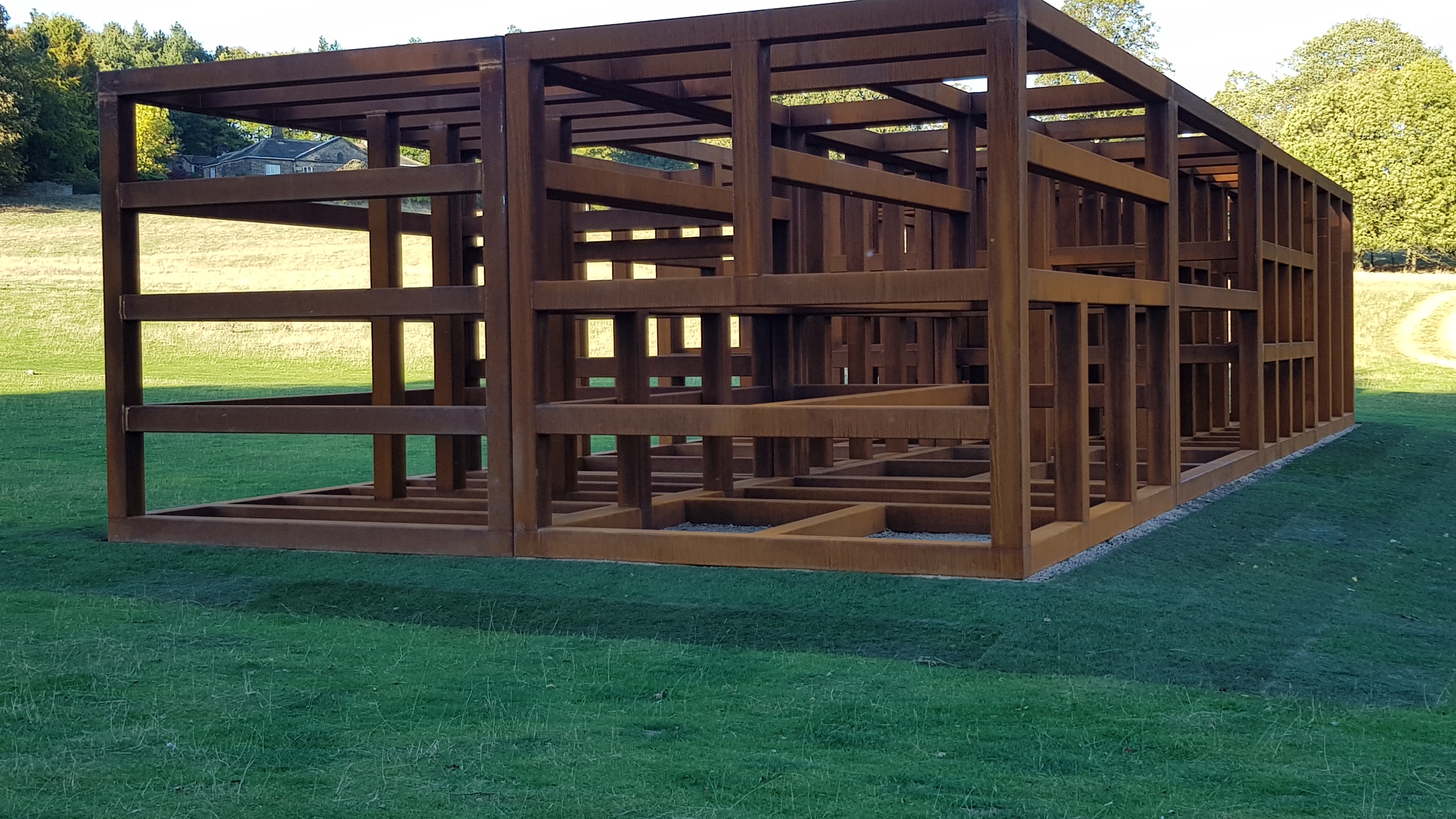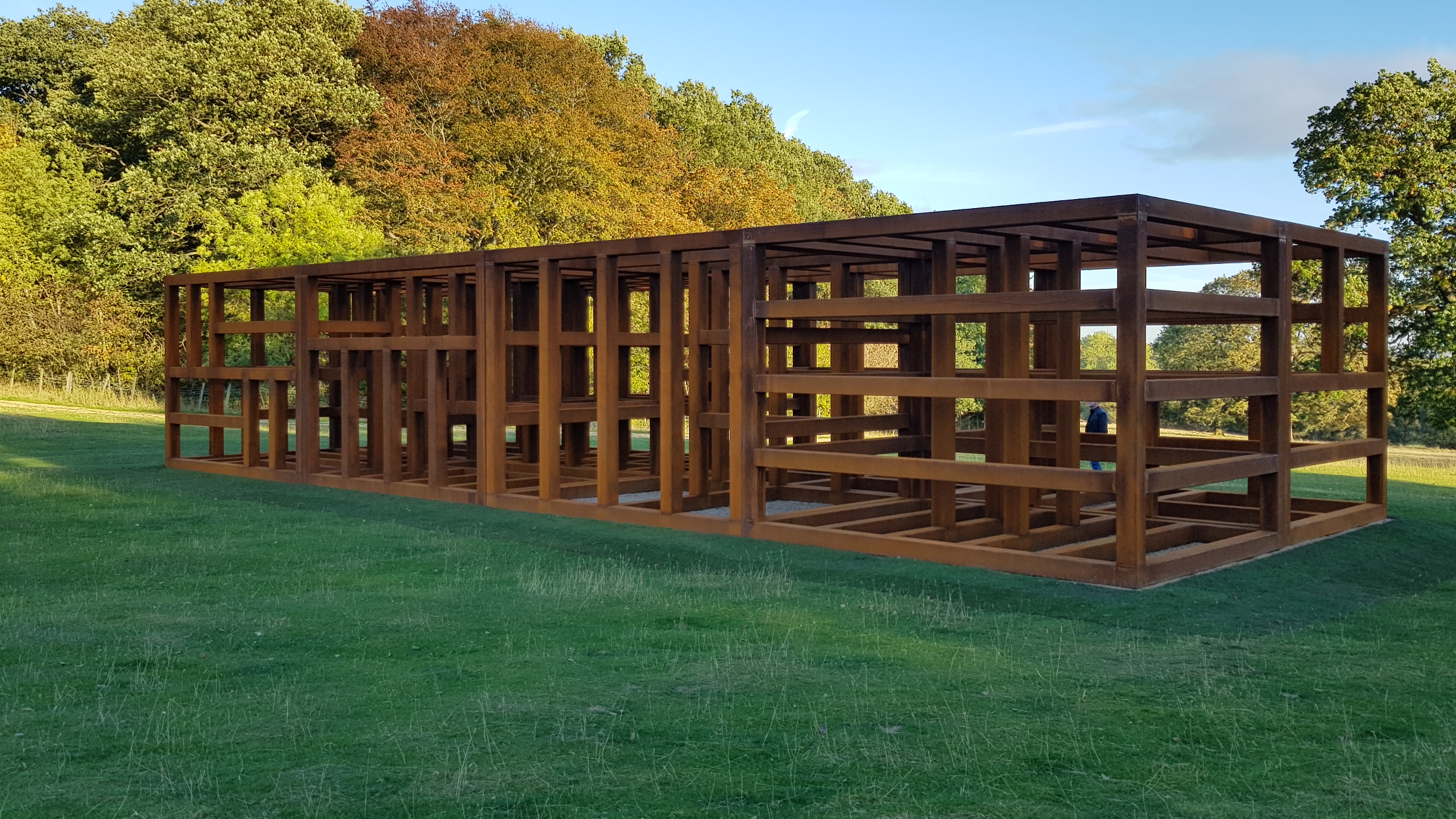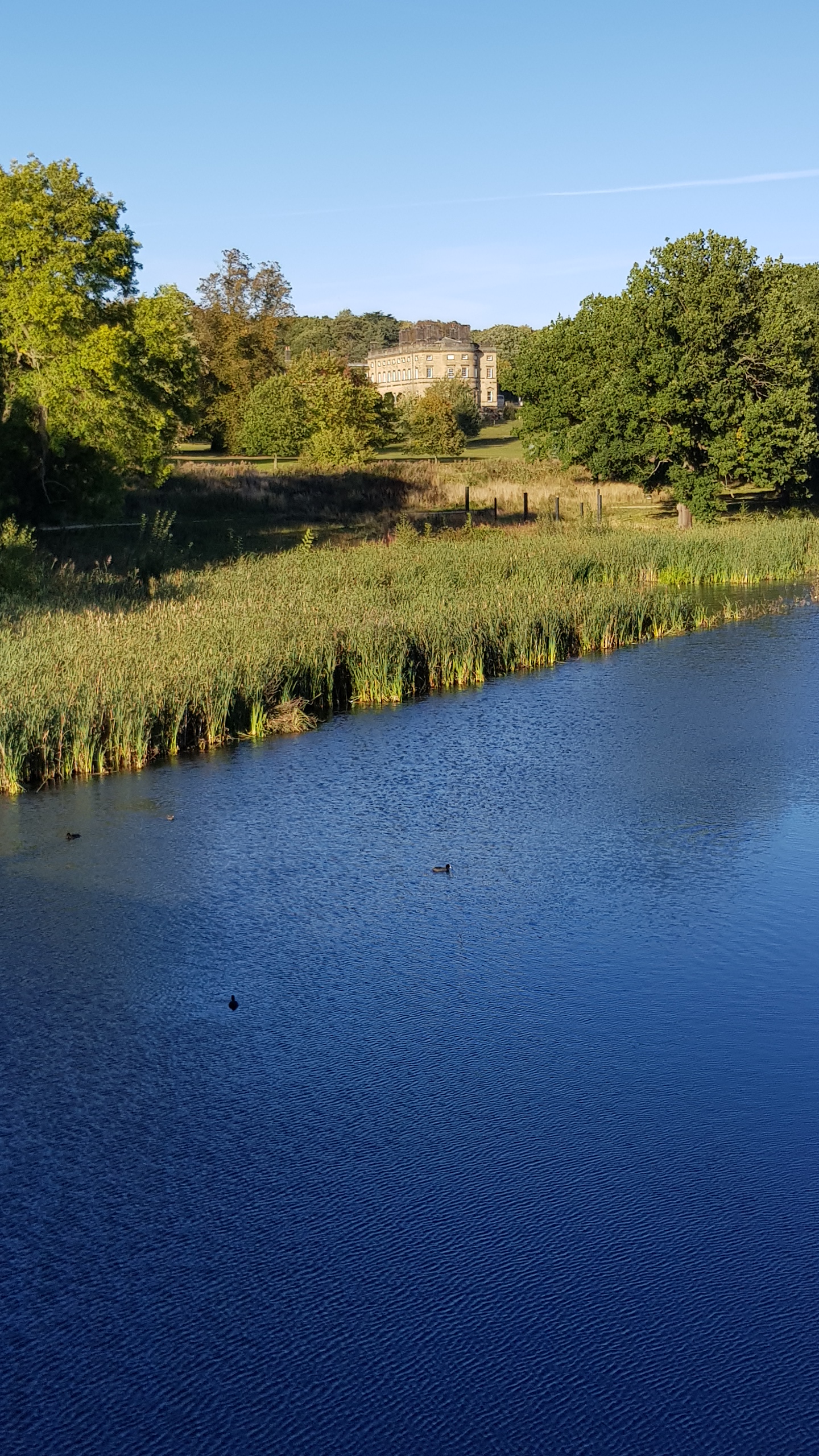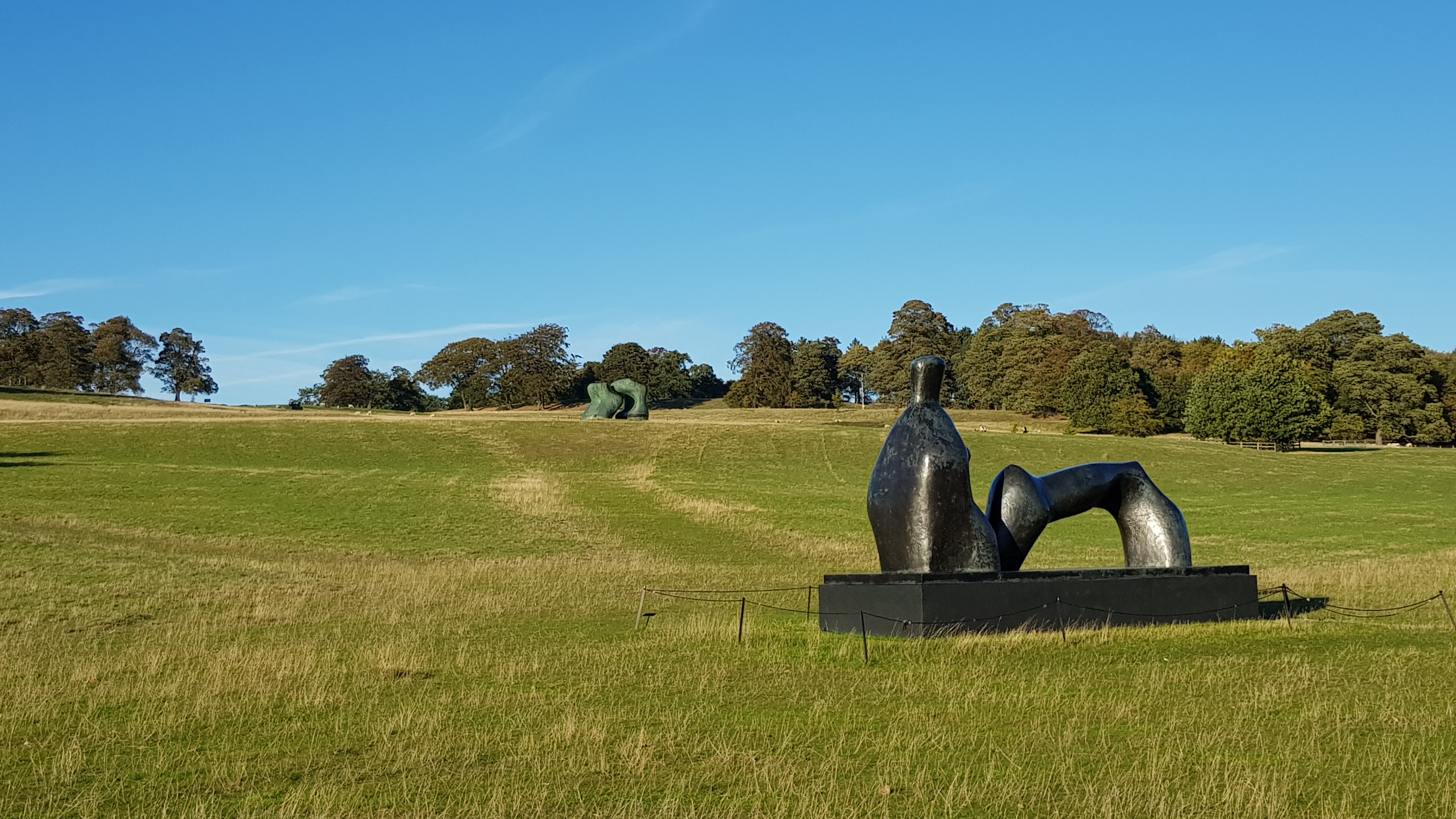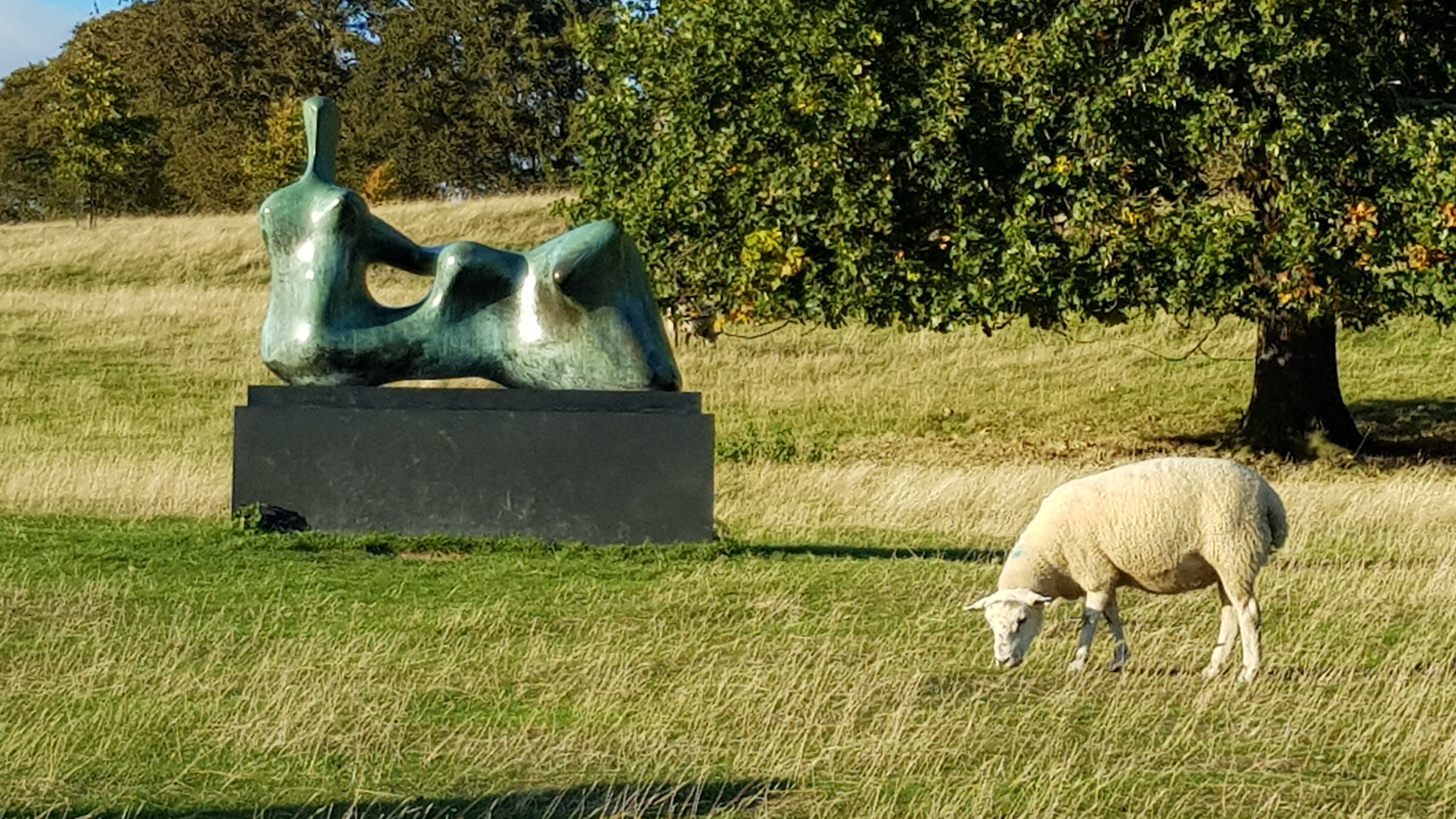
There was a brief moment of sunshine before the mist descended, as we contemplated the fields which lead down to the River Afon and the view of the trees beyond:-
Category Archives: Uncategorized
Barons Court
We had dinner last night in Barons Court, an area of the city I hardly know, apart from sitting in a traffic jam outside St. Paul’s Studios, the rundown group of purpose built artists’ studios, designed in 1891 by Frederick Wheeler for bachelor artists, just before the Hammersmith Flyover. They have grand arched windows at the front and good terracotta detailing:-
Fitz-George Avenue itself is unexpected. A plaque records its design by Delissa Joseph, who is mainly remembered for synagogues and campaigning for higher buildings and who built the street in open fields with a curve in the road:-
There’s a pillar box grown into a tree, like ingrown toenails:-
Olivier Bell (2)
Olivier Bell was buried today on the edge of the churchyard in St. Peter’s, Firle, where she had always planned to go, not believing in an afterlife. I learned, which I had not known when I wrote her obituary, that in the early part of the war, she acted as research assistant to Ludwig Burchard who had arrived in London in 1935 and announced the publication of a 6-volume Rubens catalogue in 1939 which became the Corpus Rubeniarum, now based in Antwerp and ever expanding in the scale of its published volumes. He was interned in the Isle of Man and she just carried on, living in Dover with Graham Bell. It was possibly this experience which gave her the intellectual precision, more than her unhappy childhood and education at the Courtauld Institute, which she later applied to her edition of Virginia Woolf’s Diary.
This is a picture of her in 1940:-
And when I knew her with Quentin Bell:-
Florence Deedes
A week or so ago, I was sent information about an item in an auction due to be held in Cirencester the following day. It was of a miniature believed to be of Florence Deedes, who married my great grandfather, William Saumarez Smith, in 1870. I thought I should put in a bid for it out of a sense of great grand filial duty. It turned out that the auction had already taken place, but the miniature was unsold, so I was able to acquire it surprisingly cheaply. It has now arrived, in perfect condition, still in its original case. It has scarcely been opened. There is no evidence whatsoever as to whether or not the identification is correct, but it seems an implausible identity to invent. Her father, the Rev. Lewis Deedes, had been vicar of Bramfield in Hertfordshire, which was local to Woodhall in Hertfordshire, a stronghold of the Abel Smiths, so I guess this is how they met.
I realise that these facts are of zero interest to anyone but me, but I find it intriguing the distant presence of a remote piece of family history and post it in case some of my Australian relations can tell me more about her:-
The Announcement
Just in case any of my loyal readers haven’t already heard, the attached news item had 279,000 readers:-
https://news.artnet.com/art-world/charles-saumarez-smith-blain-southern-1324928
I had forgotten about Bicester village. It’s funny what one is remembered for.
Fondazione Prada
The Fondazione Prada was even further out from the centre than the Bocconi University: like walking to Hoxton from Charing Cross. At least it has a jolly nice café, the Bar Luce, a reconstruction of an imagined 1950s bar by Wes Anderson:-
And a fairly impressive Gents as well:-
It’s a kind of post-industrial dream, oddly, unlike Corso Como to the north, stripped of all commerce:-
Bocconi University
Having heard Grafton Architects give the Annual Architecture Lecture at the RA (but about the Biennale, not their architecture), I was keen to see their biggest project, a private university in south Milan. It’s impressive, on a large scale, filling a city block with a set of free style, sculptural forms, in keeping with the idiom of 1950s Italian modernism in Milan:-
Pinacoteca di Brera
I wanted to see the Brera, which has been run for the last three years by James Bradburne, brought in as part of a cohort of international directors to modernise Italian museum practice.
The Brera was established on 15 August 1809 by Napoleon, no less, as a way of centralising the art treasures of northern Italy in a single location. He presides:-
James likes a slightly theatrical style of display with ample labels, more than is normal, written conversationally.
Ambrogio Lorenzetti:-

Two heavenly Bellinis. A Pieta (1460):-
And a Madonna and Child:-
And a late Mantegna (c.1485):-
Signorelli’s Flagellation (1482-5):-
More wonderful Crivelli’s, including an altarpiece from Camerino with a view of the city:-
And the broken pod of a broad bean:-
Milan
Although I have been to Milan several times, I hardly feel I know it. I wanted to see the Brera, so walked.
First stop was the military headquarters in the Via del Carmine, with its intriguing brutalist sculpture:-
The officers’ mess is in Ruggeri’s Palazzo Cusani (1719) next door:-
I liked the bombast of this late nineteenth-century house in the Via Borgonuovo:-
Then, I headed south to see the Torre Velasca, by BBPR, which was apparently criticised by the CIAM Congress in 1959 and regarded by Reyner Banham as representing the ‘Italian retreat from Modern Architecture’. Looks pretty modern to me:-
Last stop before a long, hot march into the suburbs was S. Nazaro. I never did find the Trivulzio Mausoleum:-
Museo del Castelvecchio
I stopped off in Verona to visit the Museo del Castelvecchio because it has such a central place in the history of postwar museum design, comprehensively renovated by Carlo Scarpa between 1959 and 1973 in a style which is deliberately abstract and ahistorical, with medieval sculptures displayed without surrounding context against plaster walls:-
S. Marta (early fourteenth century):-
The Virgin Mary Swooning, also from San Fermo, an anonymous but amazing artist described as the Master of Sant’ Anastasia:-
S. Martino and the Beggar by the Master of 1436:-
This is the vocabulary of concrete mixed with medievalism, which was very characteristic of 1950s Italy:-

Upstairs, the paintings are exhibited attached to metal rods suspended from floor to ceiling, a style which presumably influenced Lina Bo Bardi in São Paulo:-
There’s an exceptionally beautiful Carlo Crivelli of the Madonna of the Passion:-


You must be logged in to post a comment.