
I had never seen the remains of the old Victorian kitchen garden at Blackheath:-
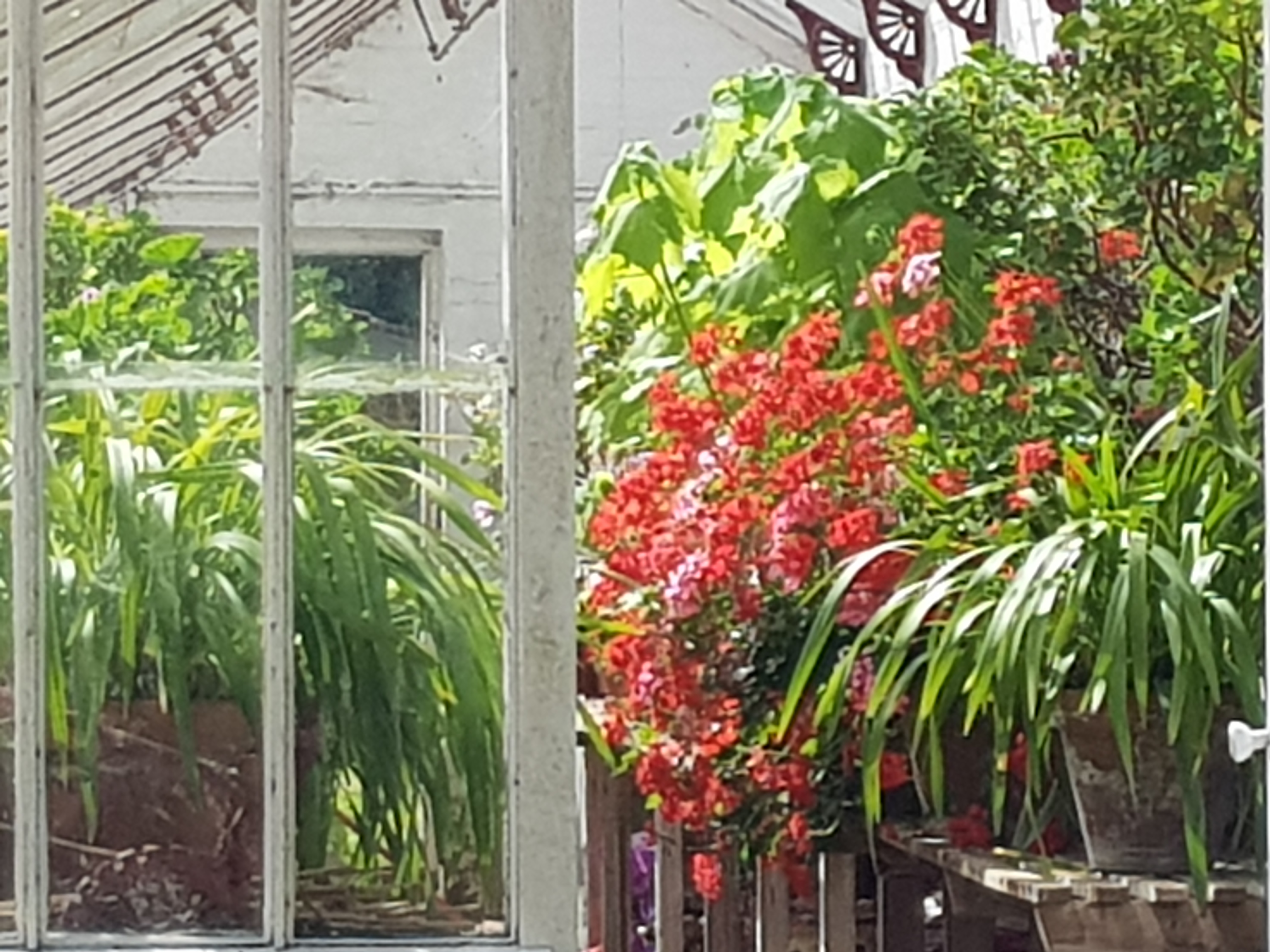
An old wooden water tank:-
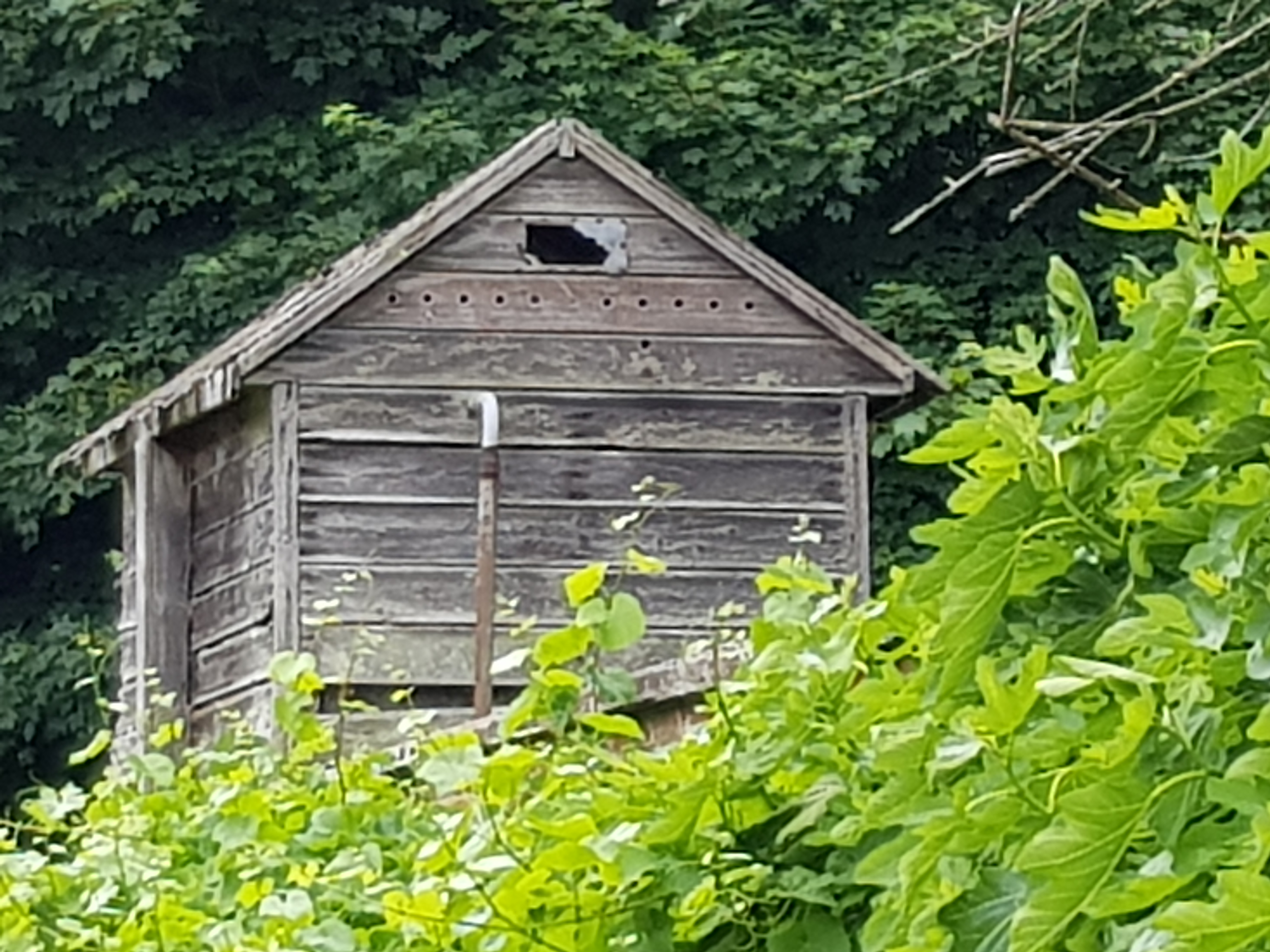
The entrance to one of the Victorian lodges:-
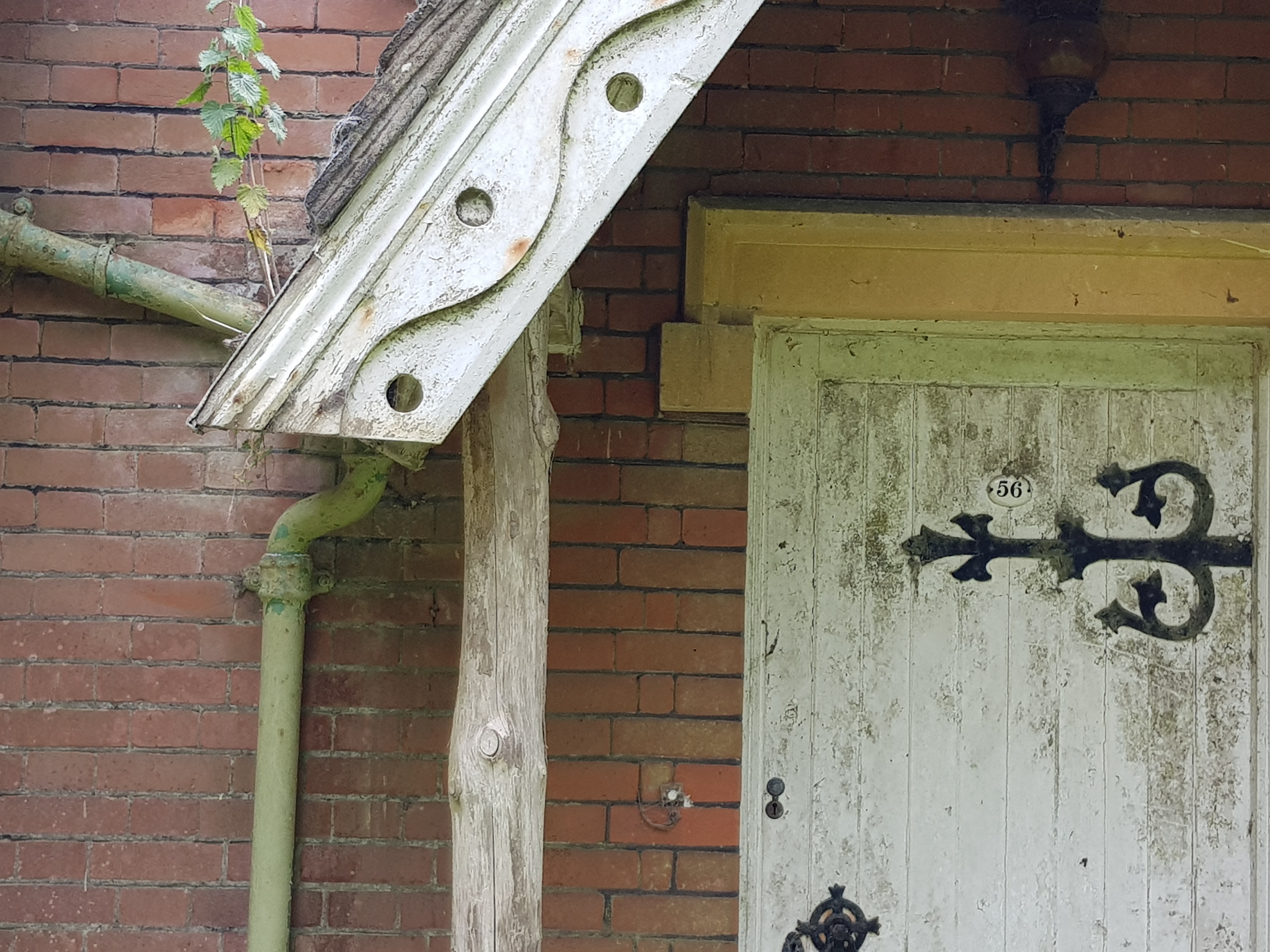
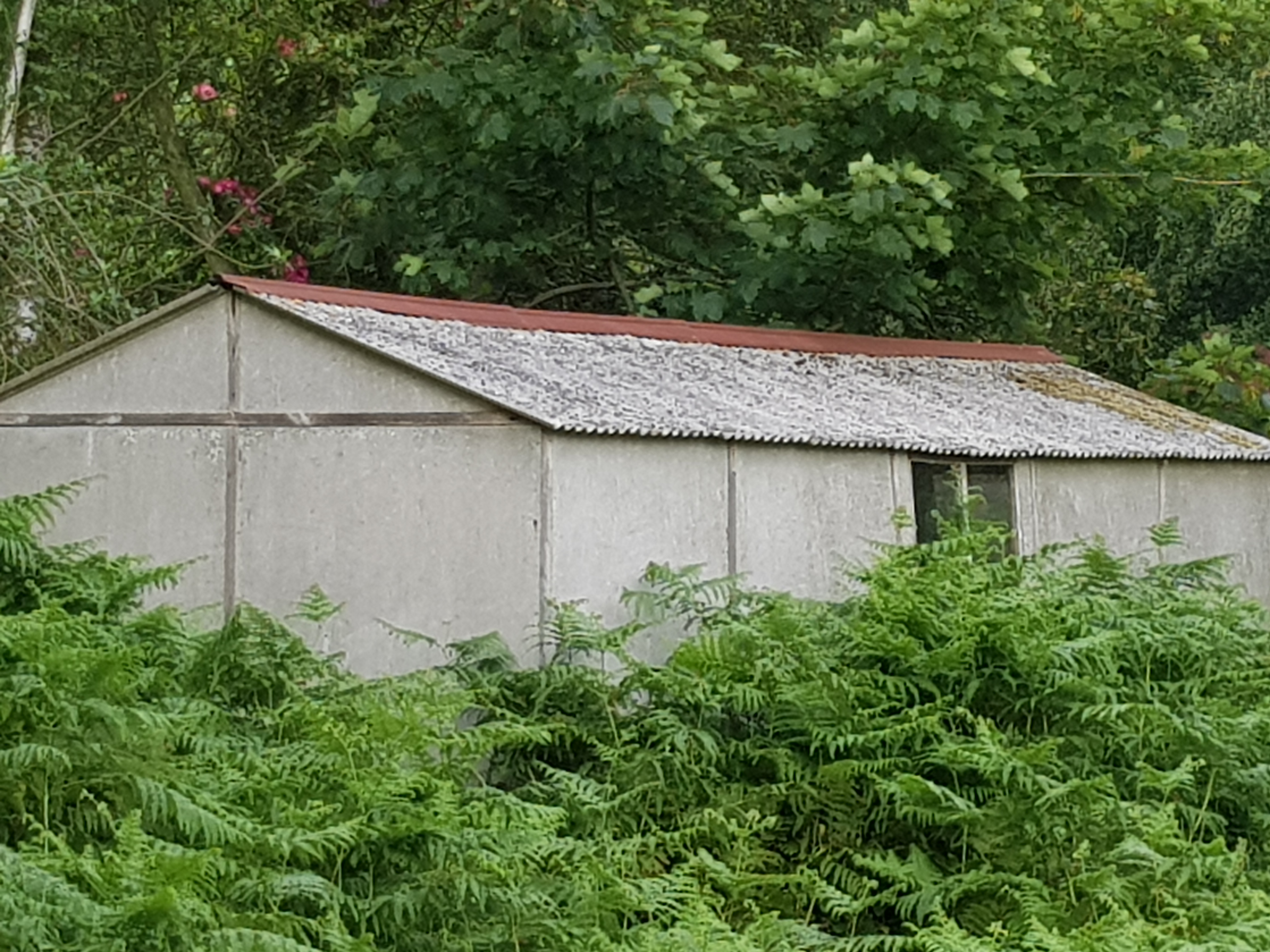
An old garage (not Victorian):-
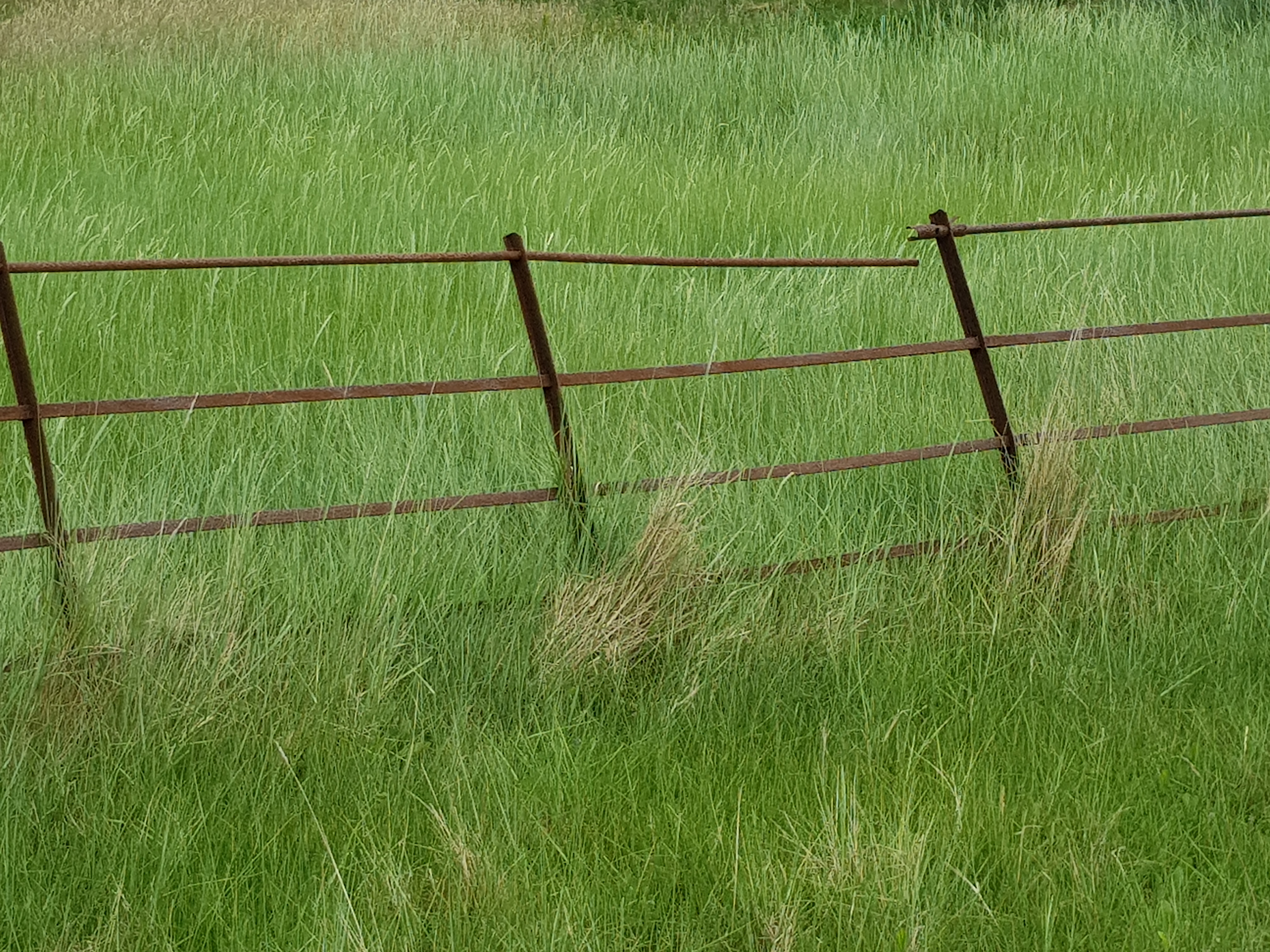
And the metal fencing:-
I had never seen the remains of the old Victorian kitchen garden at Blackheath:-
An old wooden water tank:-
The entrance to one of the Victorian lodges:-
An old garage (not Victorian):-
And the metal fencing:-
Mark Padmore sang – beautifully – on Saturday morning in Aldeburgh church: Schumann’s Eichendorff Liederkreis, melancholy and romantic, followed after the interval by Fauré’s La Bonne Chanson, based on poems written by Verlaine, when he fell in love (but he was homosexual) with the 14-year old half-sister of Charles de Silvry, and ending with folk songs set to music by Benjamin Britten. Not a bad way to spend a Saturday morning.
We stopped in Woodbridge on the way to Aldeburgh. It’s an unexpectedly well-preserved English rural town, not too tarted up, full of independent shops and atmospheric detailing.
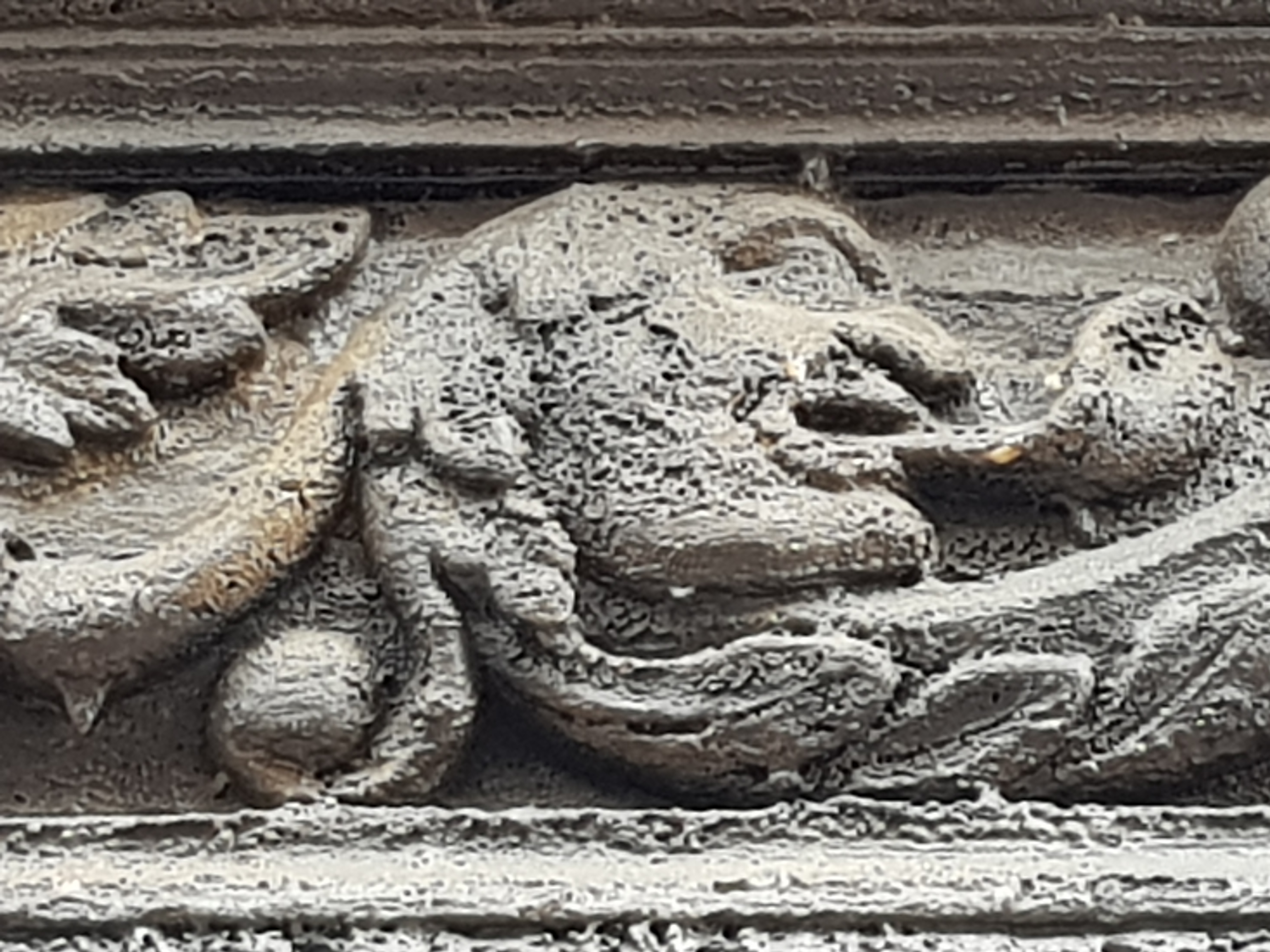
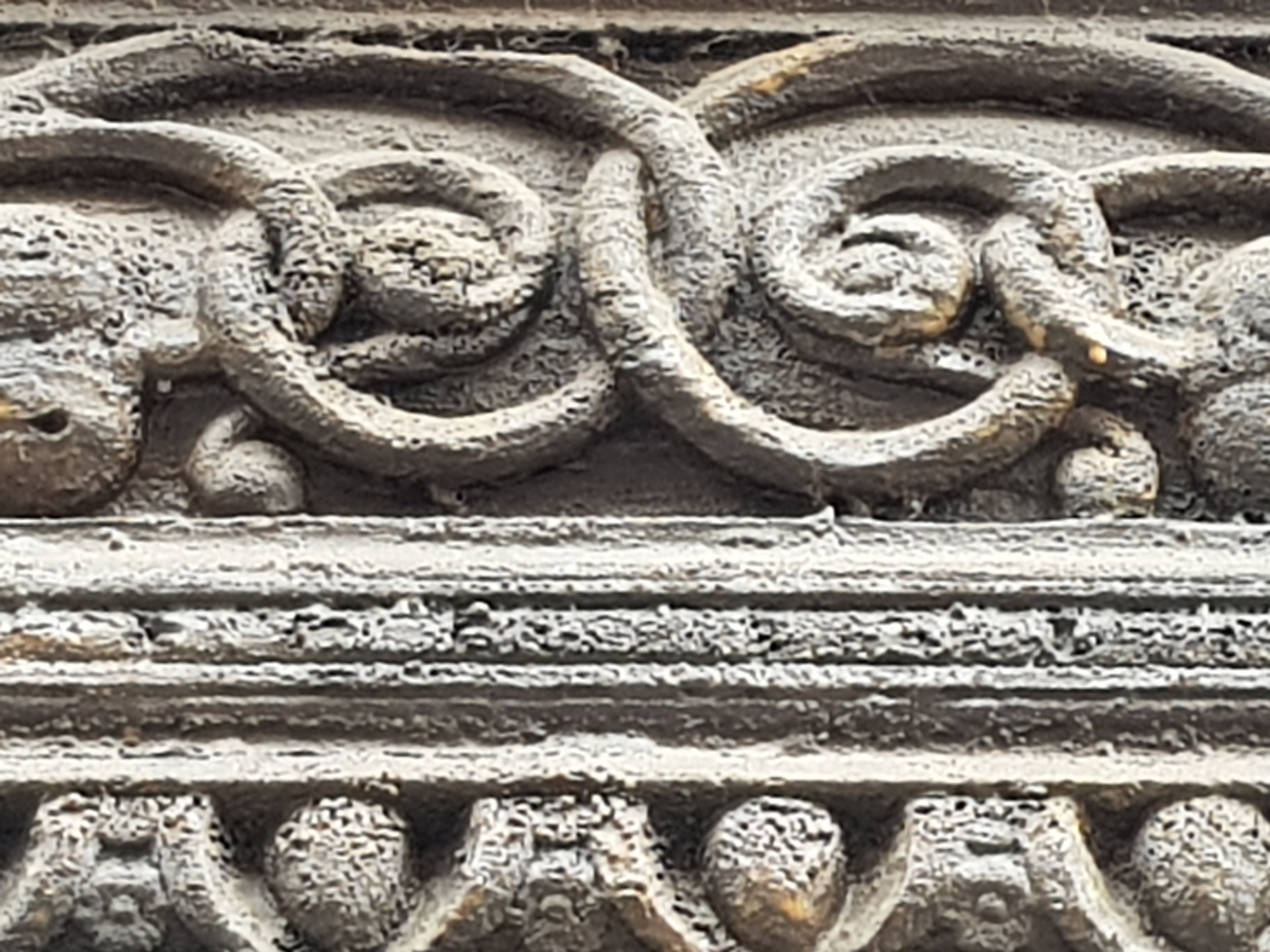
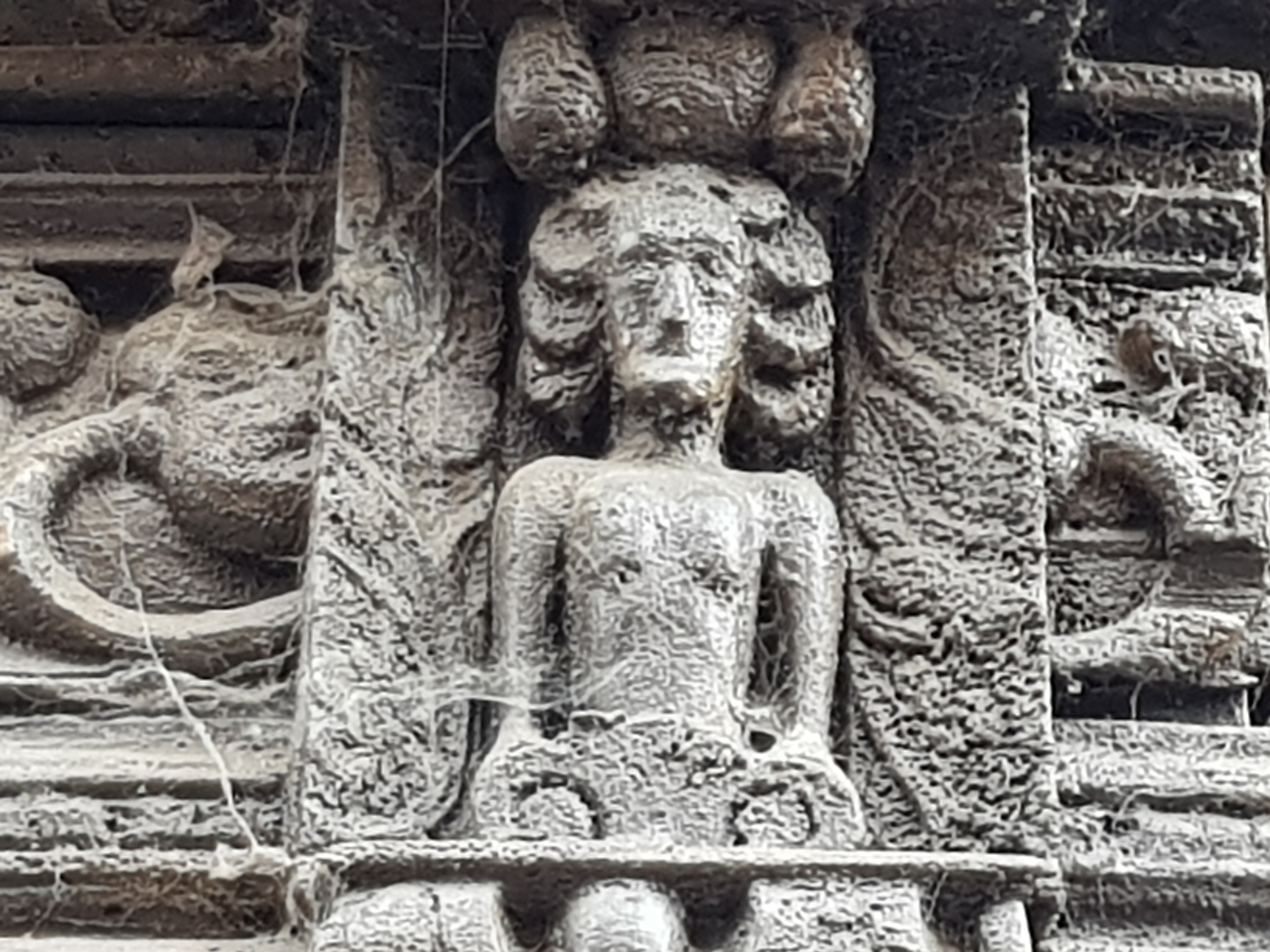
We walked down the so-called Thoroughfare, past a coffee shop with mid-seventeenth-century wood carving:-

Then past T.W. Cotman’s branch of Lloyd’s Bank, which tells you what it is, as if this wasn’t obvious:-

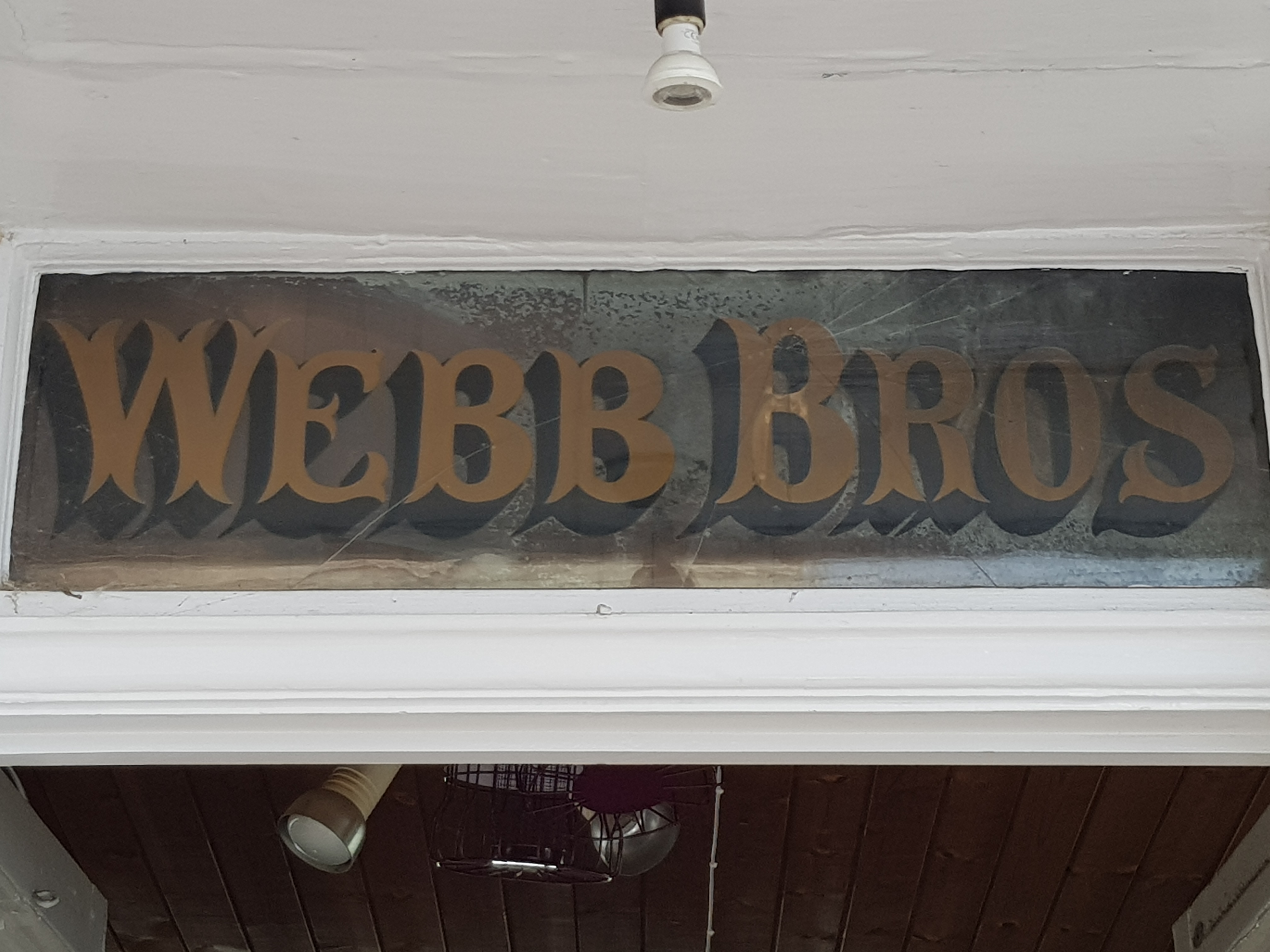
Up Church Street with the premises of Webb Bros., an old- fashioned ironmongers:-
And into the churchyard of St. Mary, where one is confronted by a neoclassical urn commemorating James Pulham, friend of Constable, who died MAY THE SECOND 1830:-

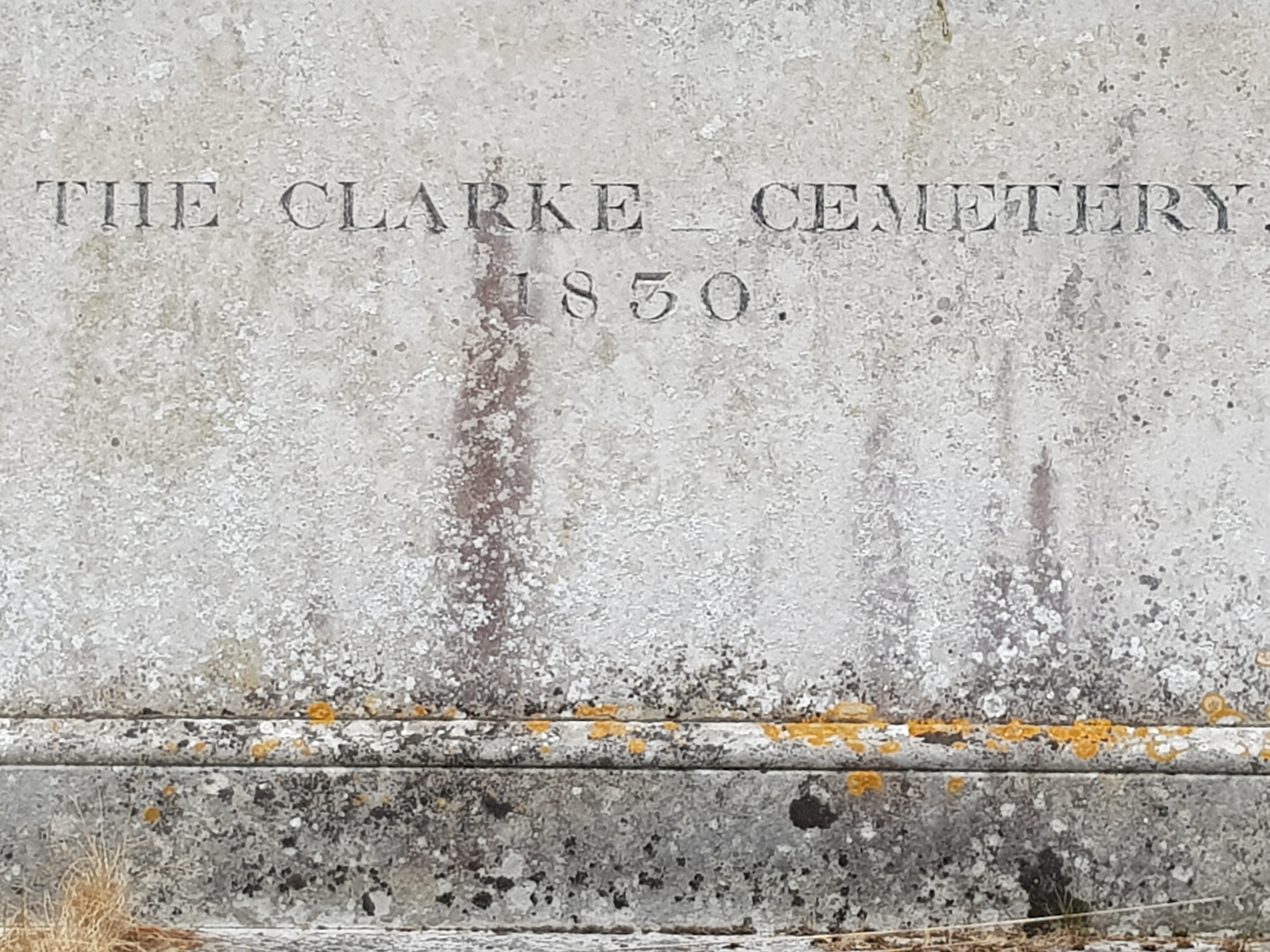
Opposite, the tomb of the Clarkes:-
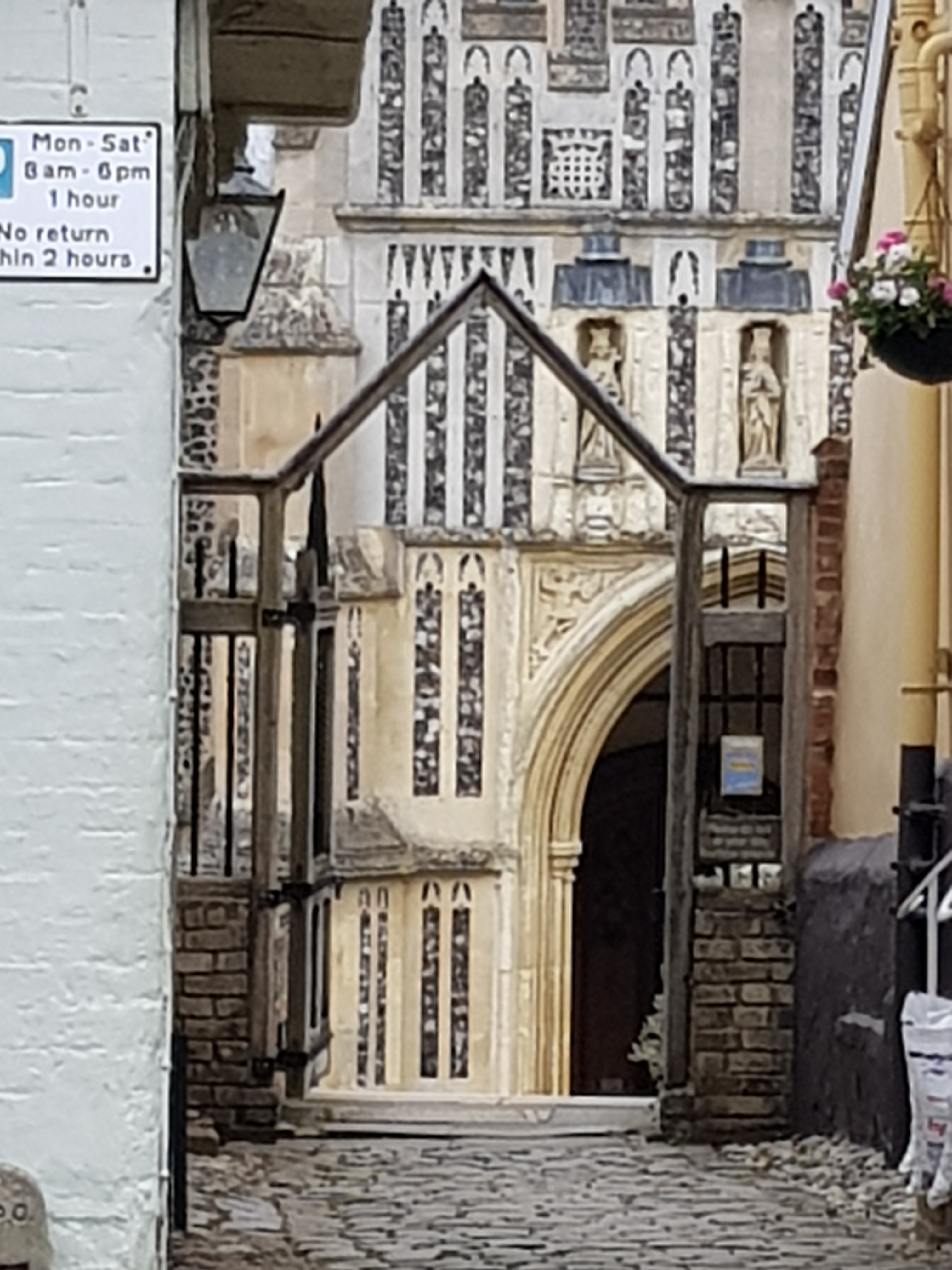
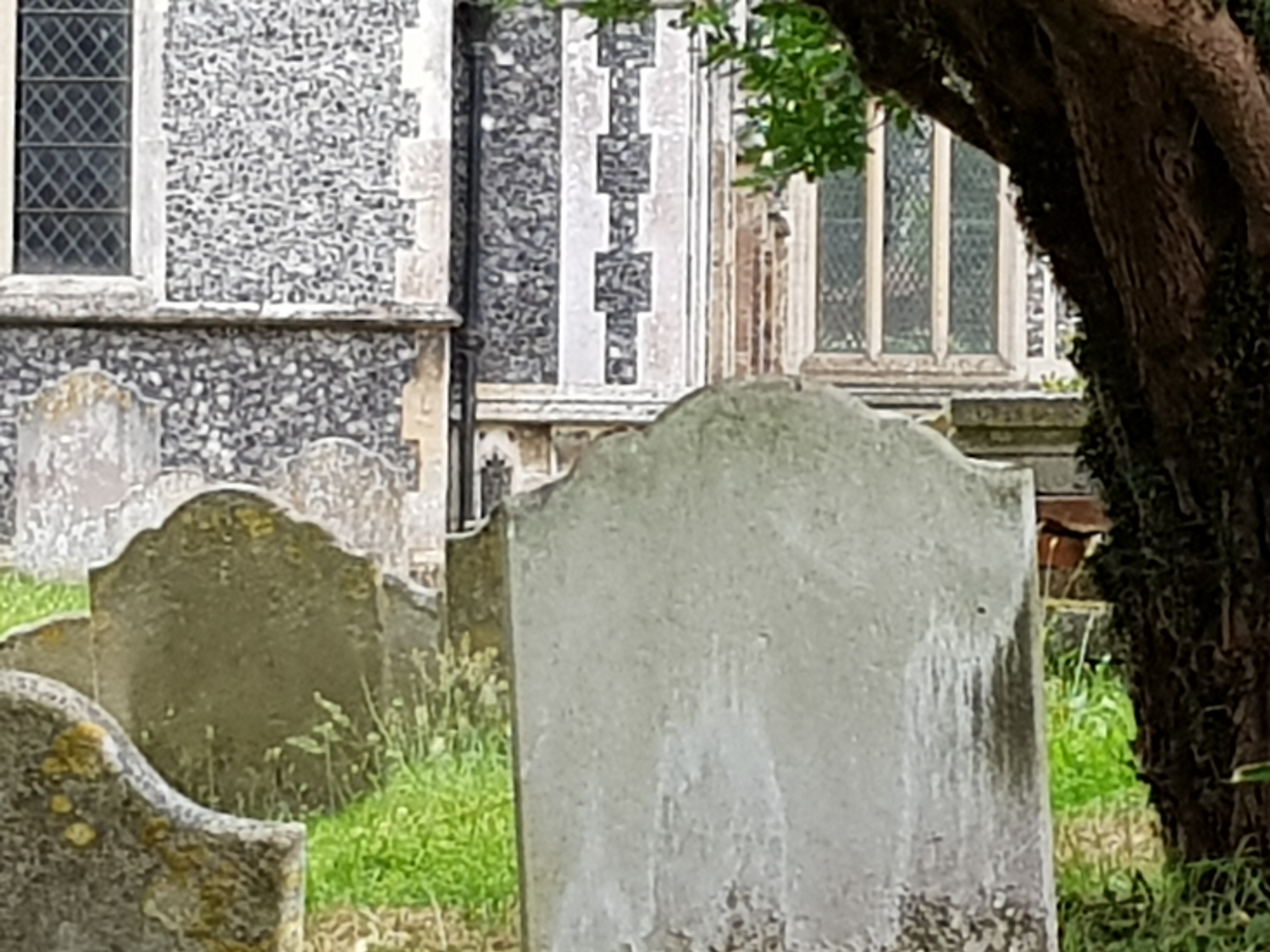
The church itself is very impressive – large and civic and with decorative flint detailing:-

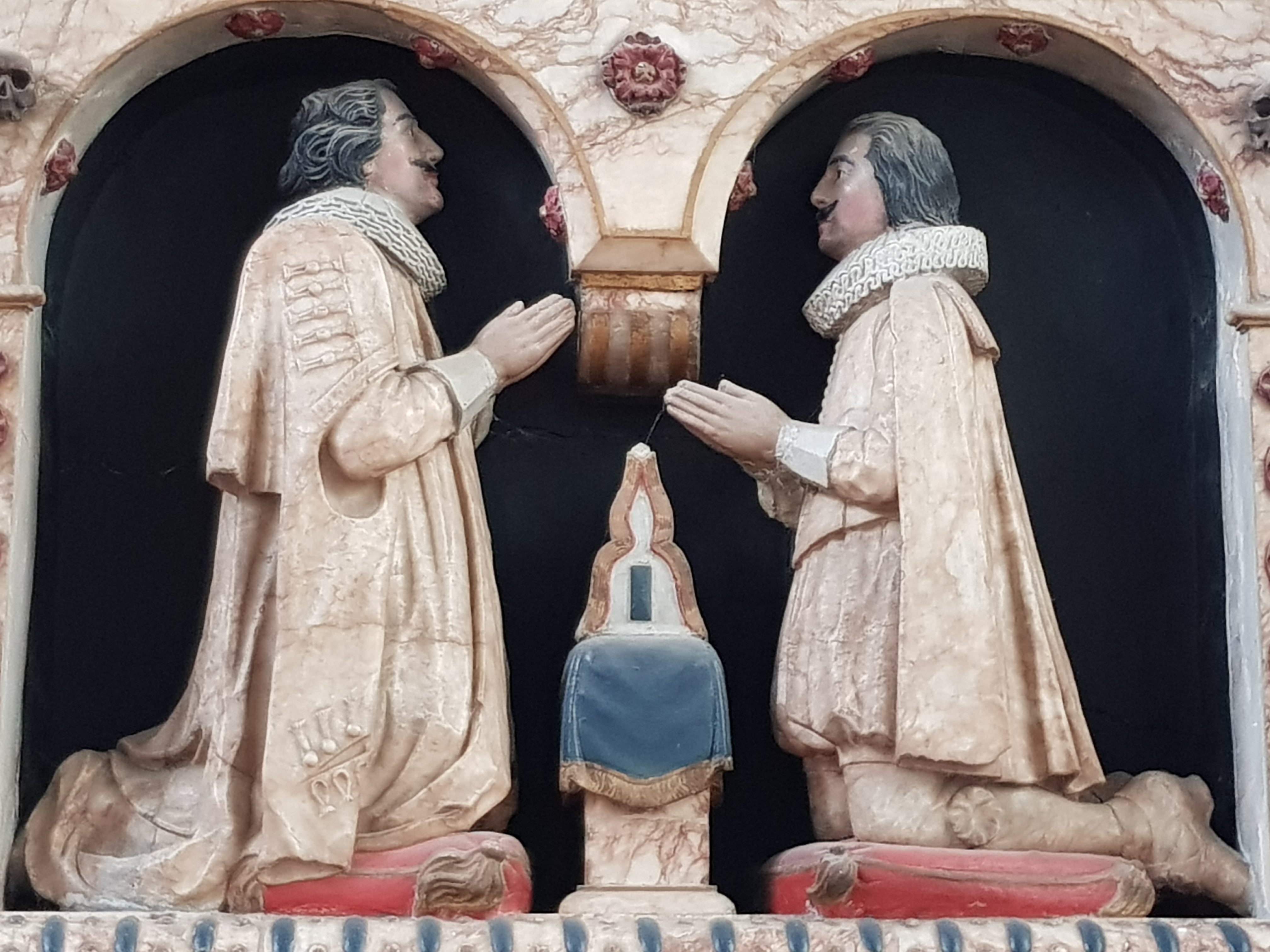
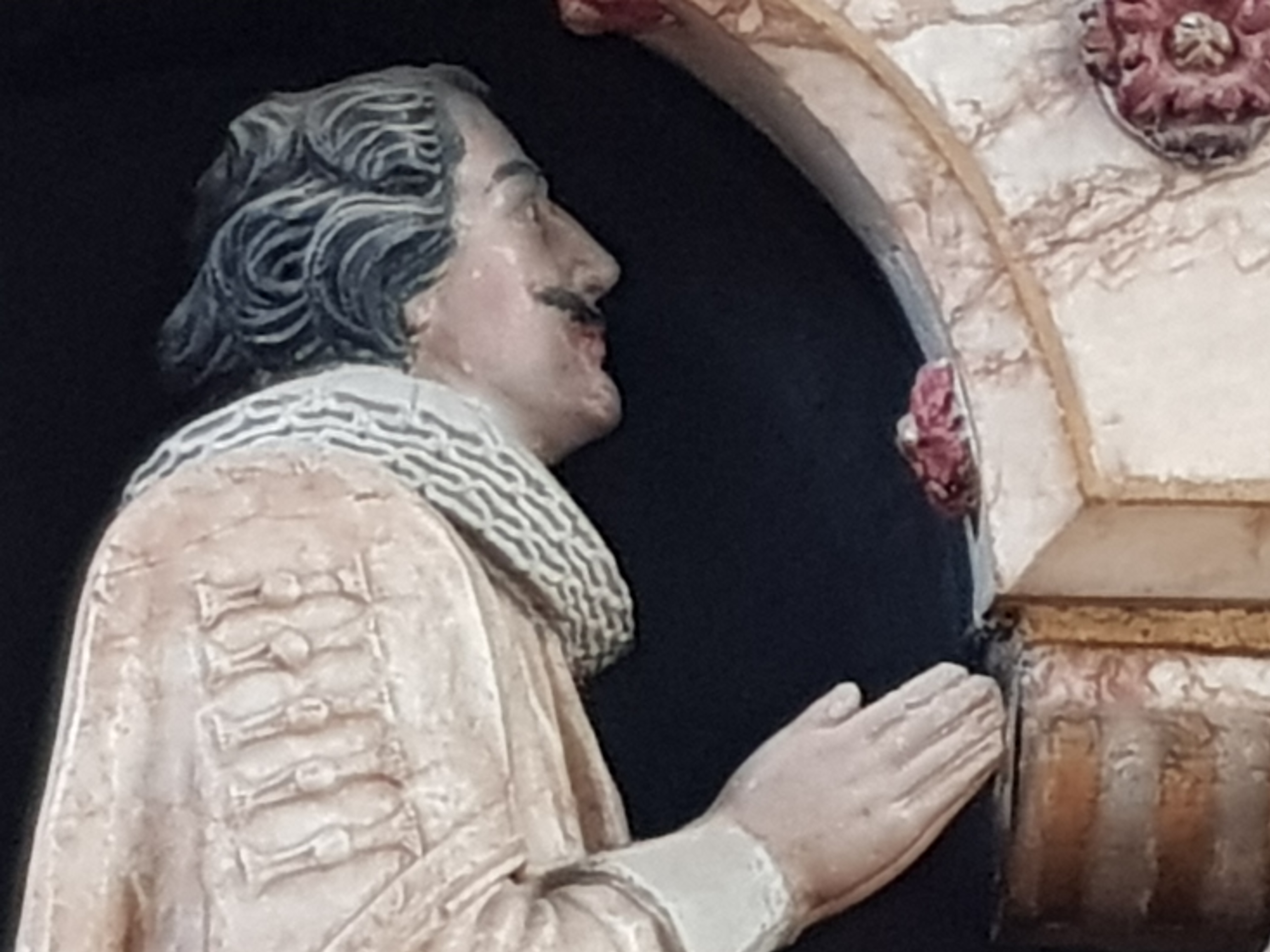
Inside, there is a fine early seventeenth-century tomb commemorating Jeffrey Pitman, kneeling above his wives and sons. These are the sons:-
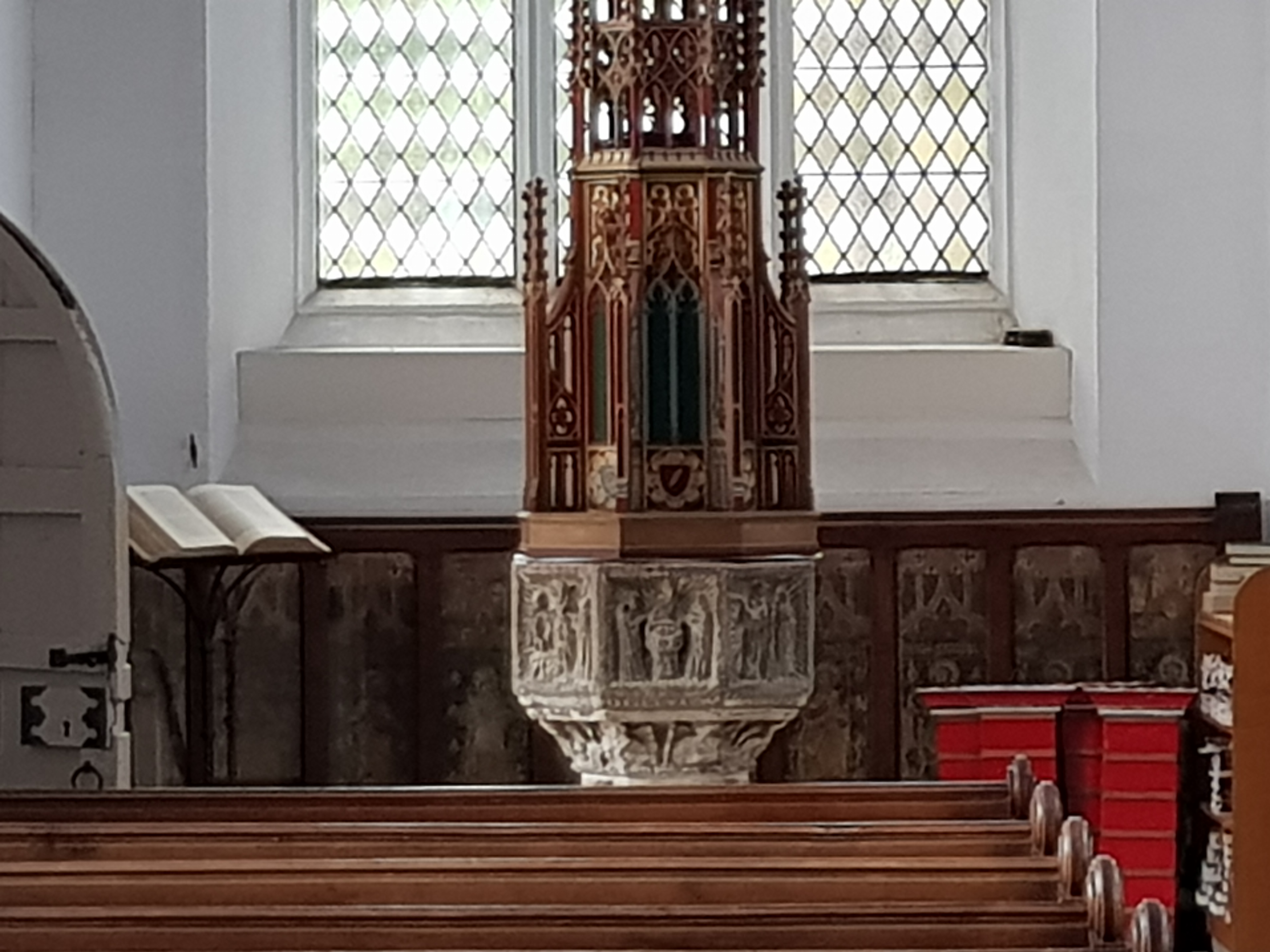
I liked the font:-
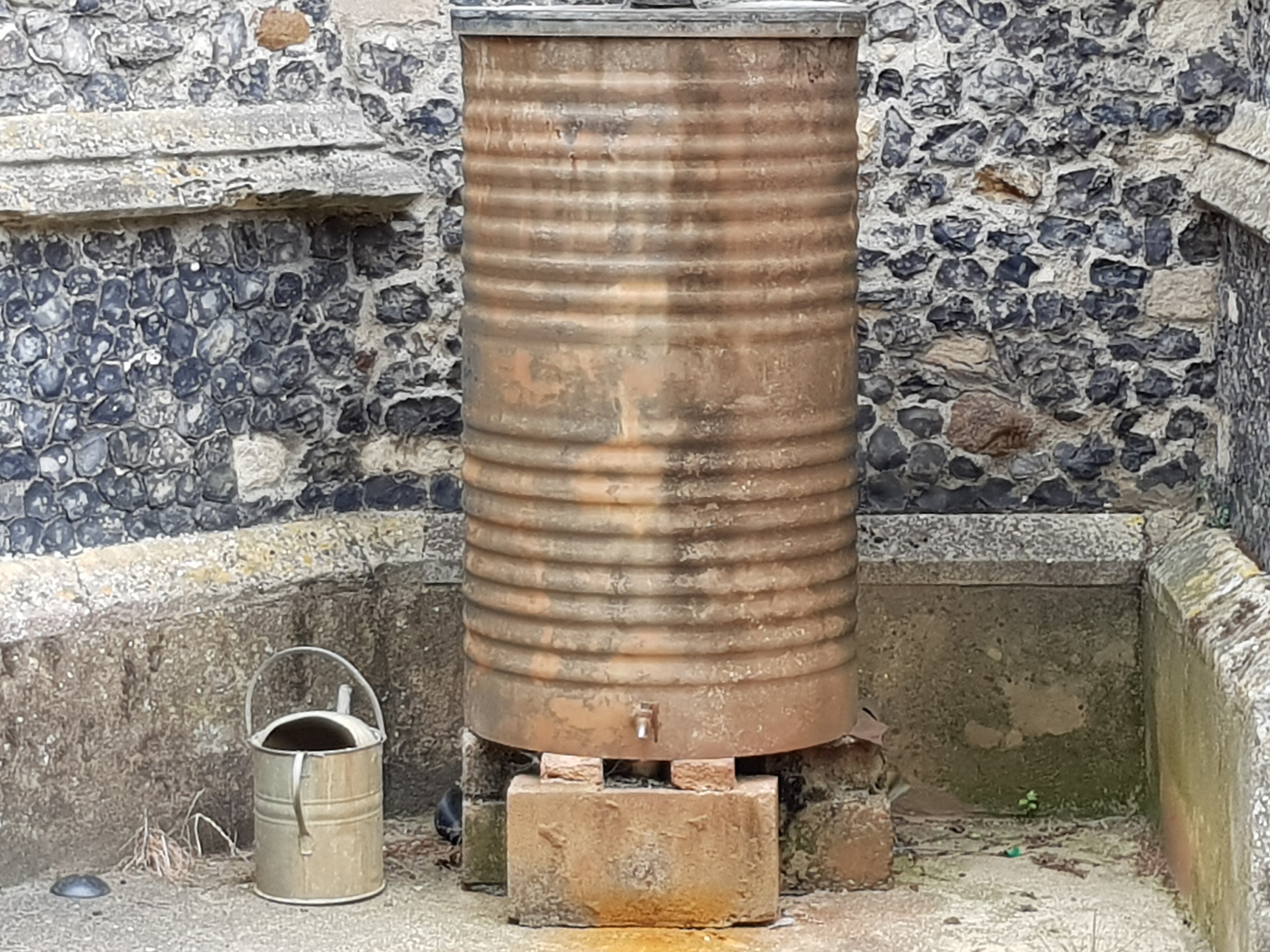
And a corrugated iron, water butt:-
Up on Market Hill, I admired an antique shop of a sort one now seldom sees:-

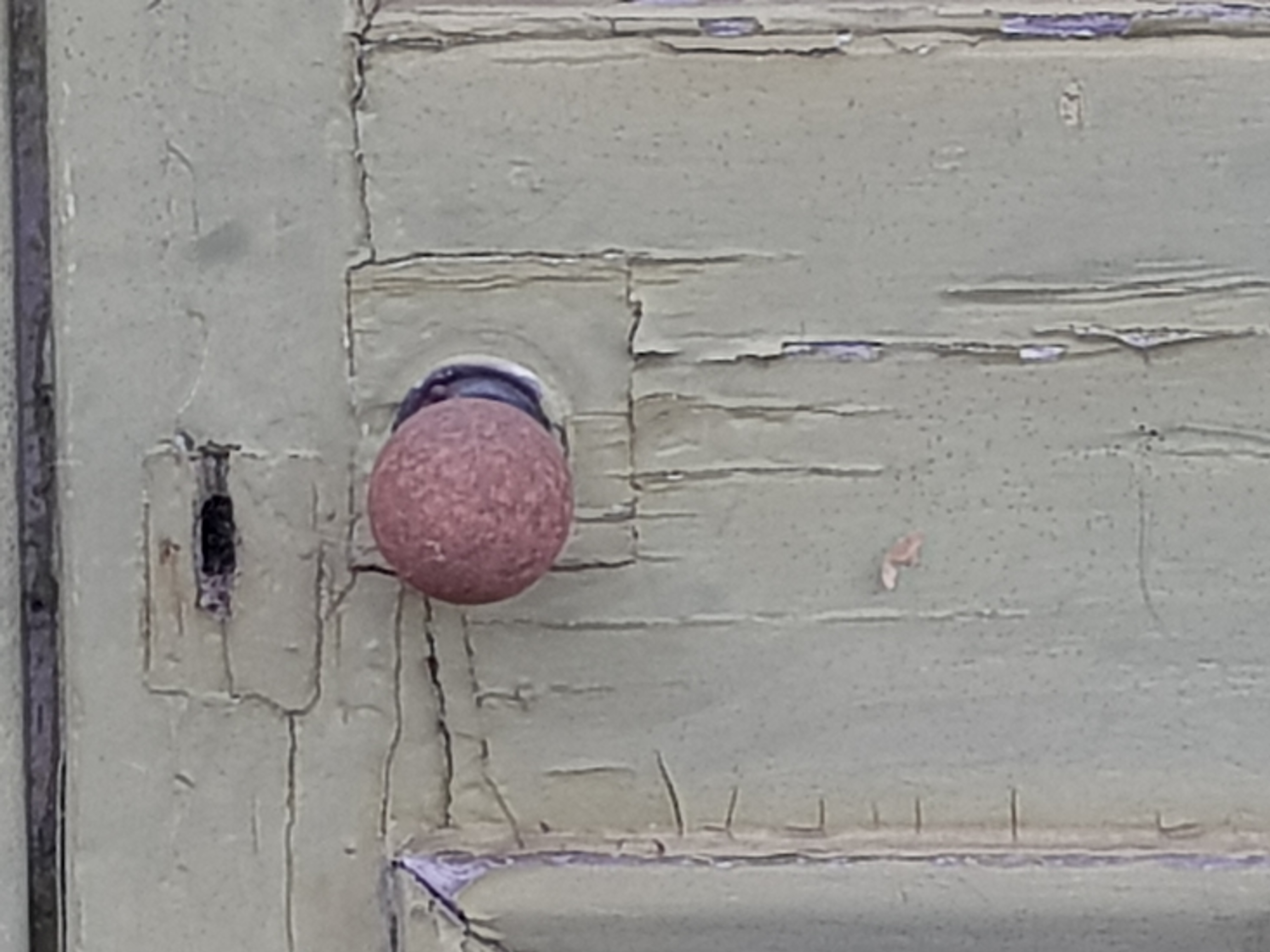
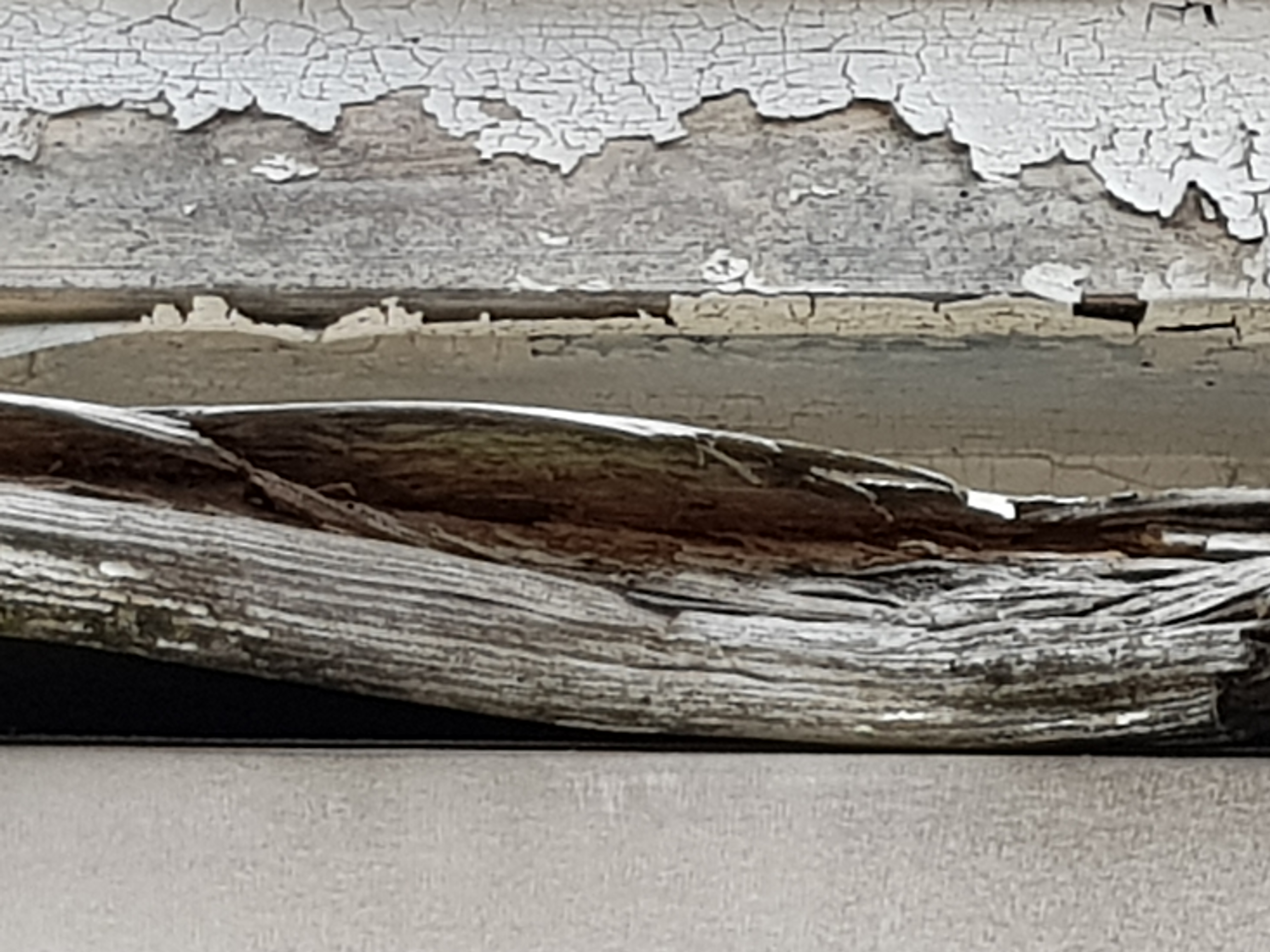
And the decorative lettering in the window of a private house:-

All of it nicely intact, protected by acres of car parking which keeps the cars away.
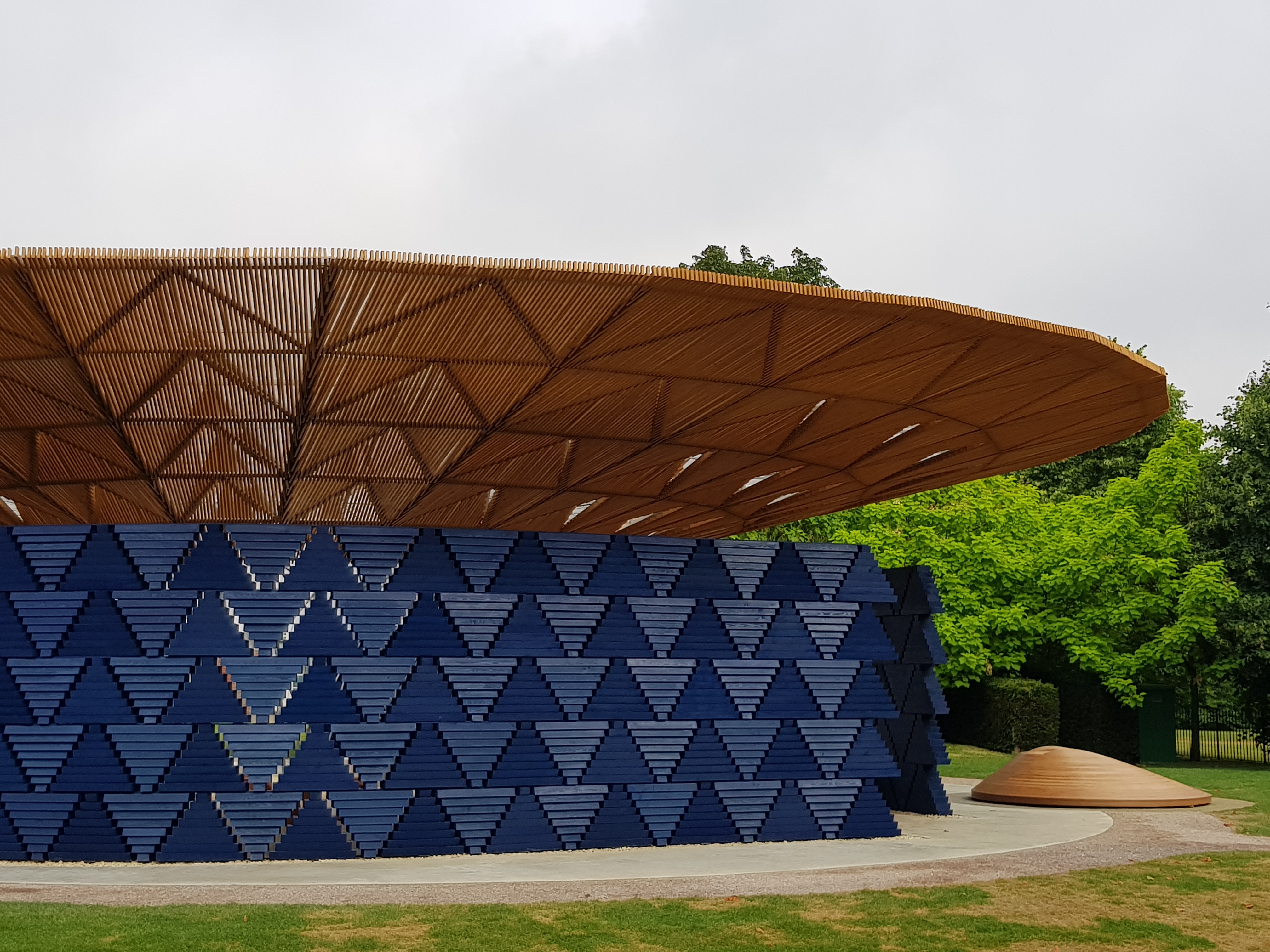
I started the day with a cup of coffee in this year’s Serpentine Pavilion – a lightweight and satisfyingly patterned structure designed to catch and channel water and the work of Francis Kéré, an architect from Gando in Burkina Faso, but who studied in the Technical University in Berlin and is now based there:-
Of course, I left out the whole of the second half of Theo Crosby’s career, much of which must have been subsumed by the growing international success of Pentagram, based in an old milk dairy in Notting Hill and a large brownstone office building in Manhattan. But he got involved in several unexpected projects. The first was, as Mark Fisher has pointed out, the reconstruction of the Globe Theatre, where he was fascinated by the task of authentic wooden reconstruction and was responsible for the 1981 master design, including the use of thatch; the second was, equally surprisingly, the renovation of Unilever House, where he experimented with the reconstruction of art deco detailing between 1978 and 1983; and the third was that he became one of the people who advised the Prince of Wales on his architectural policies in the mid-1980s, helping to devise the credo of A Vision of Britain. All of this made him a slightly unlikely candidate to be an RA, but he was elected an ARA in 1982 and a full RA in 1990, the same year he became Professor of Architecture at the RCA and not long before his death in 1994.
I spent last night at Pentagram in a discussion with Harry Pearce about the design of my book; and this morning I have been reading more about the life of Theo Crosby, one of the founding partners of Pentagram and an eminence grise in the architectural world. He was born in South Africa and studied architecture at the University of Witwatersrand, but left to serve as a driver in the South African armoured division in Italy, where he fell in love with the dense urban texture of Italian hill towns (‘I have come to value that memory, of leisured discussions about very little, of closely built, dirty and beautiful buildings, of well made fittings, of marvellous floors and pavings, gifts to the public’). In London, he joined the office of Maxwell Fry and Jane Drew, studying sculpture in the evening at Central School where he made friends with his tutors, including Richard Hamilton and Eduardo Paolozzi. In 1953, he became technical editor of Architectural Design under Monica Pidgeon and helped to pioneer its odd mixture of zany graphics and an interest in both history and architectural ideas. It sounds as if he was one of the key influences on the exhibition This is Tomorrow at the ICA, not least because of his long-term interest in the way that architecture can, and should, be combined with other arts. In 1962, he joined Taylor Woodrow to work on the new Euston Station and in 1965 joined two friends from his time at Central School to establish Crosby Fletcher Forbes, a design partnership which in turn, with the arrival of Kenneth Grange, became Pentagram in 1972. What seems clear is that much of the ethos of Pentagram was informed by Crosby’s anti-authoritarian and communitarian ideals which had been established by the spirit of team working in This is Tomorrow.
I’ve just been to Humphrey Ocean’s studio in West Norwood to see his portrait of the PRA unofficially unvelied. It’s in the style of all the portraits which were shown in his exhibition A handbook of modern life at the National Portrait Gallery – quick and spontaneous sketches in gouache which are not intended to be strict likenesses, but convey something of the inner character of the sitter, in this case a certain wry quizzicalness:-

It’s impossible to convey the extraordinary stifling, spifflicating (yes, it is a word) intensity of the heat which hits one down Piccadilly. I went to seek the cool of Green Park, but found it more like Brighton Beach:-


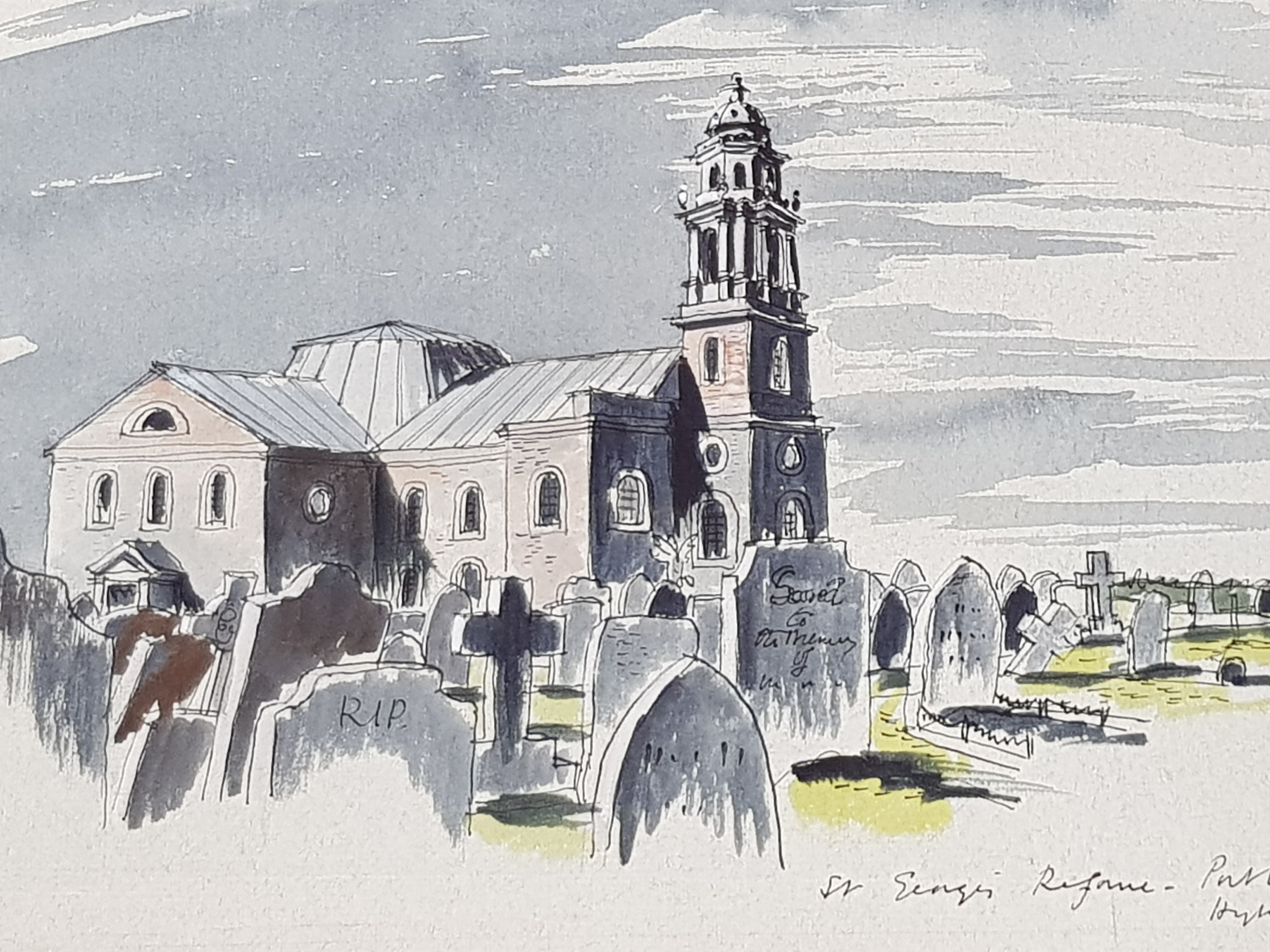
We had a meeting of our Collections and Library Committee and were able to celebrate the gift by his three daughters of nearly 100 sketchbooks by Hugh Casson PPRA, including a wartime sketch of St. George’s Church on Portland in Dorset:-
And a piece of unidentified industrial archaeology:-

Having heard Peter Palumbo speak so eloquently earlier in the week about his experience of commissioning Mies van der Rohe to design a version of the Seagram building for Mansion House Square, I thought I should visit the exhibition on the subject at the RIBA. It starts with the original scale model demonstrating how Mies planned to open up a big square in front of Lutyens’s Midland Bank by demolishing not just the triangular site occupied by the 348 leasehold properties behind Mappin and Webb, but also the Magistrates Court opposite, which was originally built in 1873 as the National Safe Deposit Company, designed by John Whichcord, and later became the Bank of New Zealand:-

This would have opened up the side view of Mansion House:-

The exhibition includes the full text of a letter sent by Gavin Stamp to the Prime Minister, protesting at a building by ‘a 99-year-old German from another age who is dead’ and a letter sent by Philip Johnson to Gavin Stamp arguing that ‘Mies’ buildings were always placed on rectangular plazas or a straight street. In the casually irregular piece of ground in London the classical rigidity of Miesian language will look strange indeed’. There is also a magnificent tirade sent by Berthold Lubetkin to Building Design denouncing what he describes as ‘a manipulated, contrived judgment promoted by the fashion trade devoid of sensibility, replacing emotions with sentimentality, enlightened criticism with emphatic gesticulation’. But the exhibition has an obvious weakness in not illustrating the alternative scheme drawn up by Terry Farell, which, now that it is part of history, surely belongs as part of the narrative:-


You must be logged in to post a comment.