On the other side of the General Assembly Room is Frederic Leighton, painted by his friend and neighbour, G.F. Watts, who he had persuaded to be an RA, but who, unlike Leighton, was always ambivalent about it. Leighton is confident and leonine, painted in 1888, aged 71, man-of-the-world, who, aged 17, had painted Schopenhauer in Frankfurt, then lived in Brussels and Paris, where he was a friend of Delacroix and Ingres, and Rome. It took him a while to be elected as an RA because, whilst admired, he was also mistrusted as too European, too intellectual, too interested in the purely aesthetic. But once elected, he was deeply involved in the affairs of the Academy, on the hanging committee in 1869, organising the first Winter Exhibition in 1870, and elected President as successor to Sir Francis Grant in November 1878. His last recorded words were ‘My love to the Academy’. He never married:-
Category Archives: Uncategorized
Charles Eastlake PRA
The General Assembly Room at the RA (its main meeting room) has been redecorated, painted carmine, much to its benefit, and hung with more portraits which reveal more of the RA’s history, including its recent history. I spent the morning looking across the room at Charles Eastlake, painted by John Prescott Knight and looking rather watery eyed. Eastlake is much revered at the National Gallery as its first proper Director, responsible for great acquisitions; but I’ve never been convinced that historians remember, or are aware, that he was simultaneously chairing Council meetings and involved in the hang of the Summer Exhibition as PRA:-
Joseph Dandridge
Cruickshank’s book about Spitalfields contains useful information about Joseph Dandridge, one of the pattern drawers who serviced the silk industry, living in Moorfields and working for James Leman, before moving out to Stoke Newington, where he was more easily able to indulge his passion for collecting butterflies. He is an interesting figure: born in Winslow, apprenticed as a ‘drawer’ to a merchant tailor, he was a passionate collector of insects, shells, fossils and paintings of spiders, as well as butterflies. He used to go out of London on expeditions to Box Hill and Dover collecting them and gave his name to the Grizzled Skipper and Marsh Fritillary. Not surprisingly, he was a founder member of the so-called Aurelian Society and is remembered by a fellow member as stout and chatty, as well as ‘full of anecdotes of the old collectors’.
Design Museum (3)
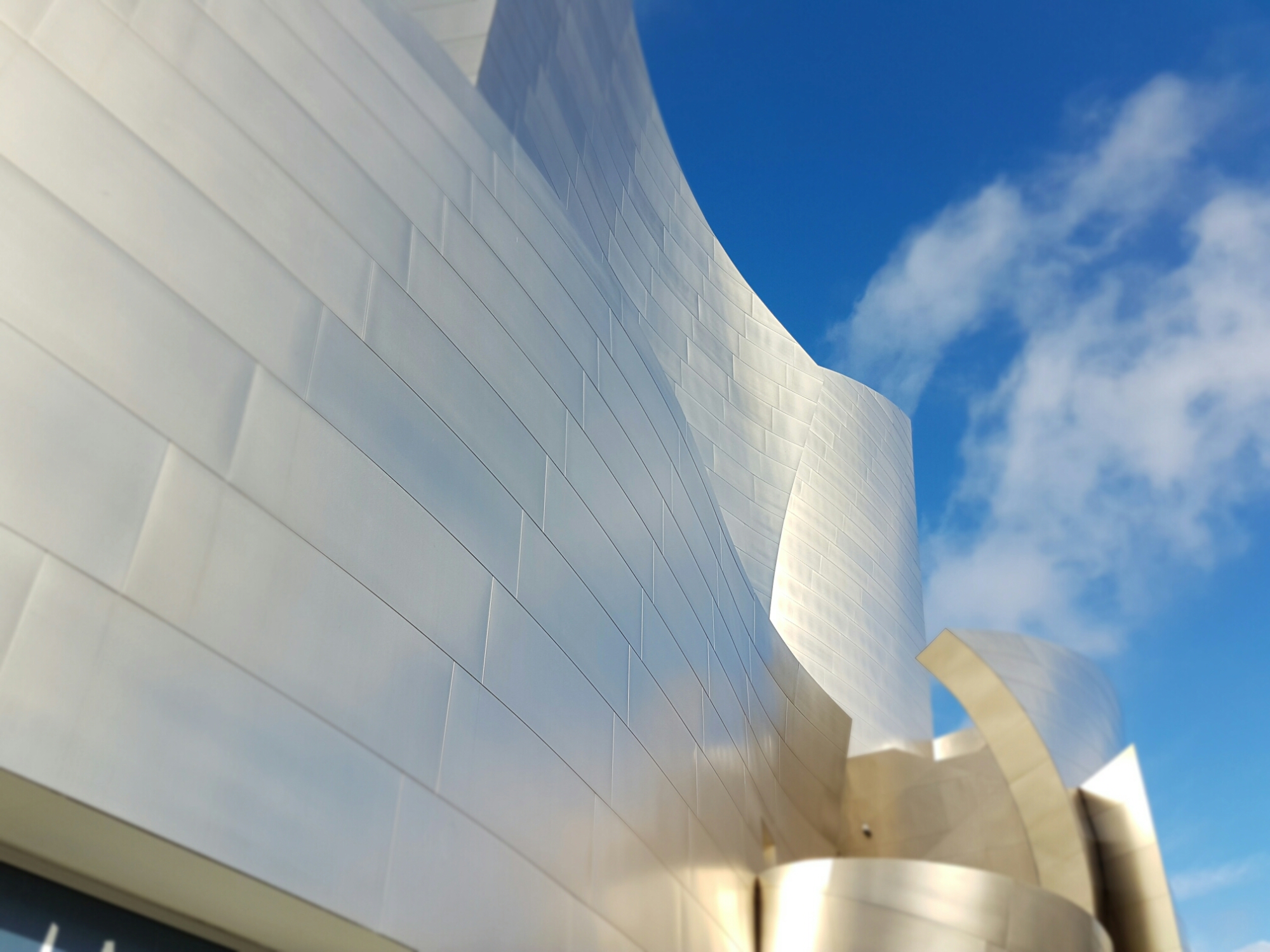
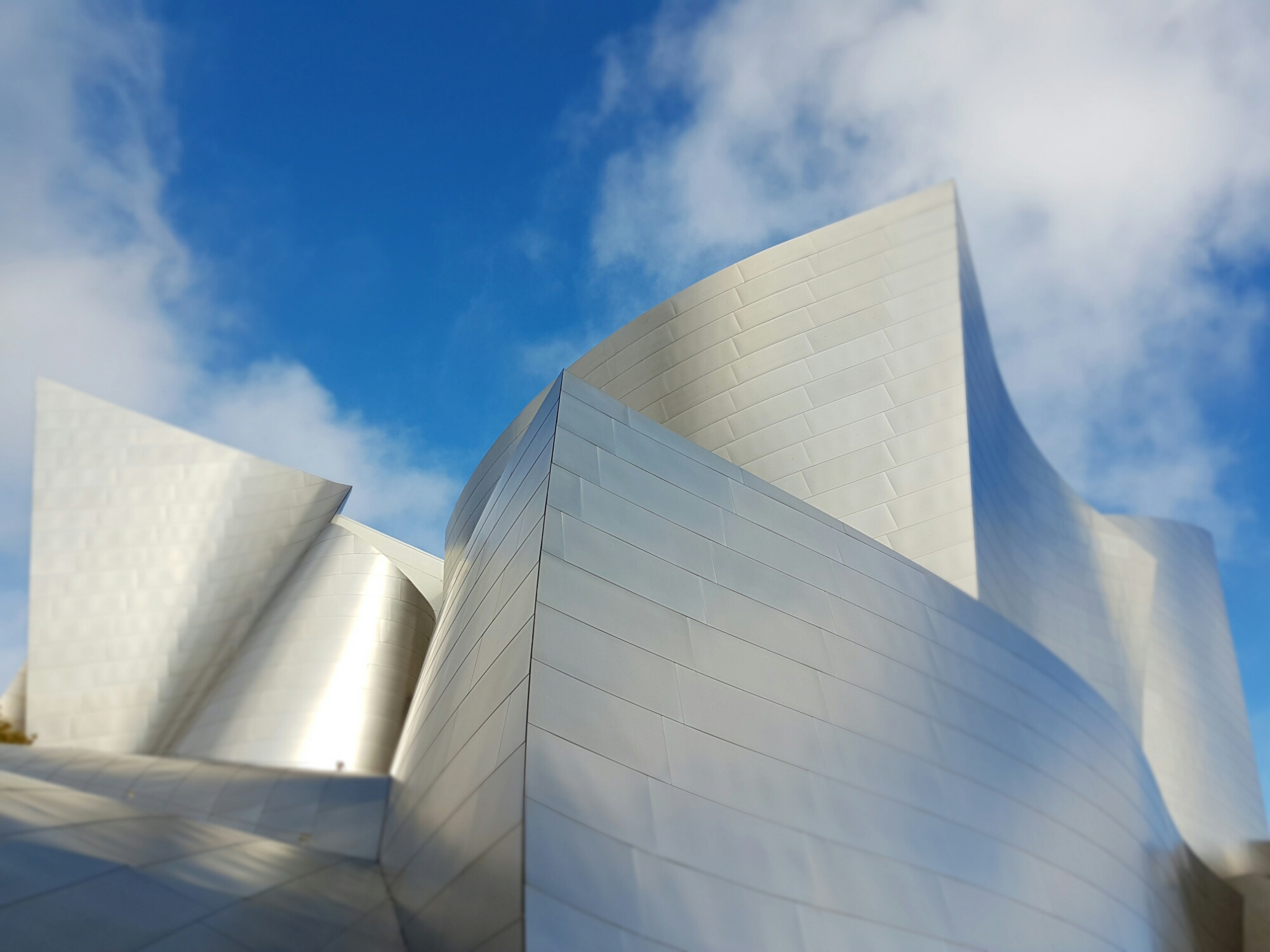
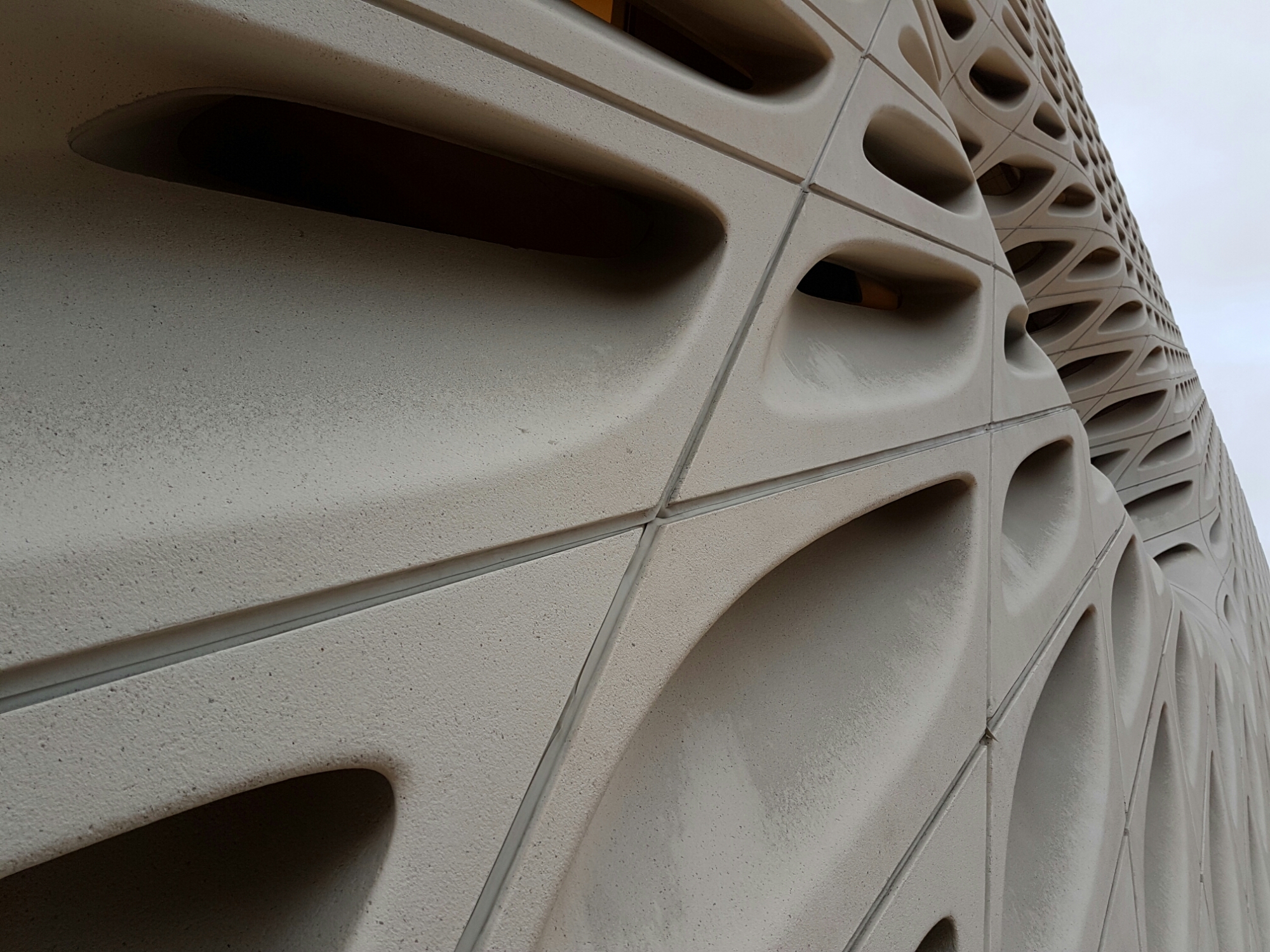
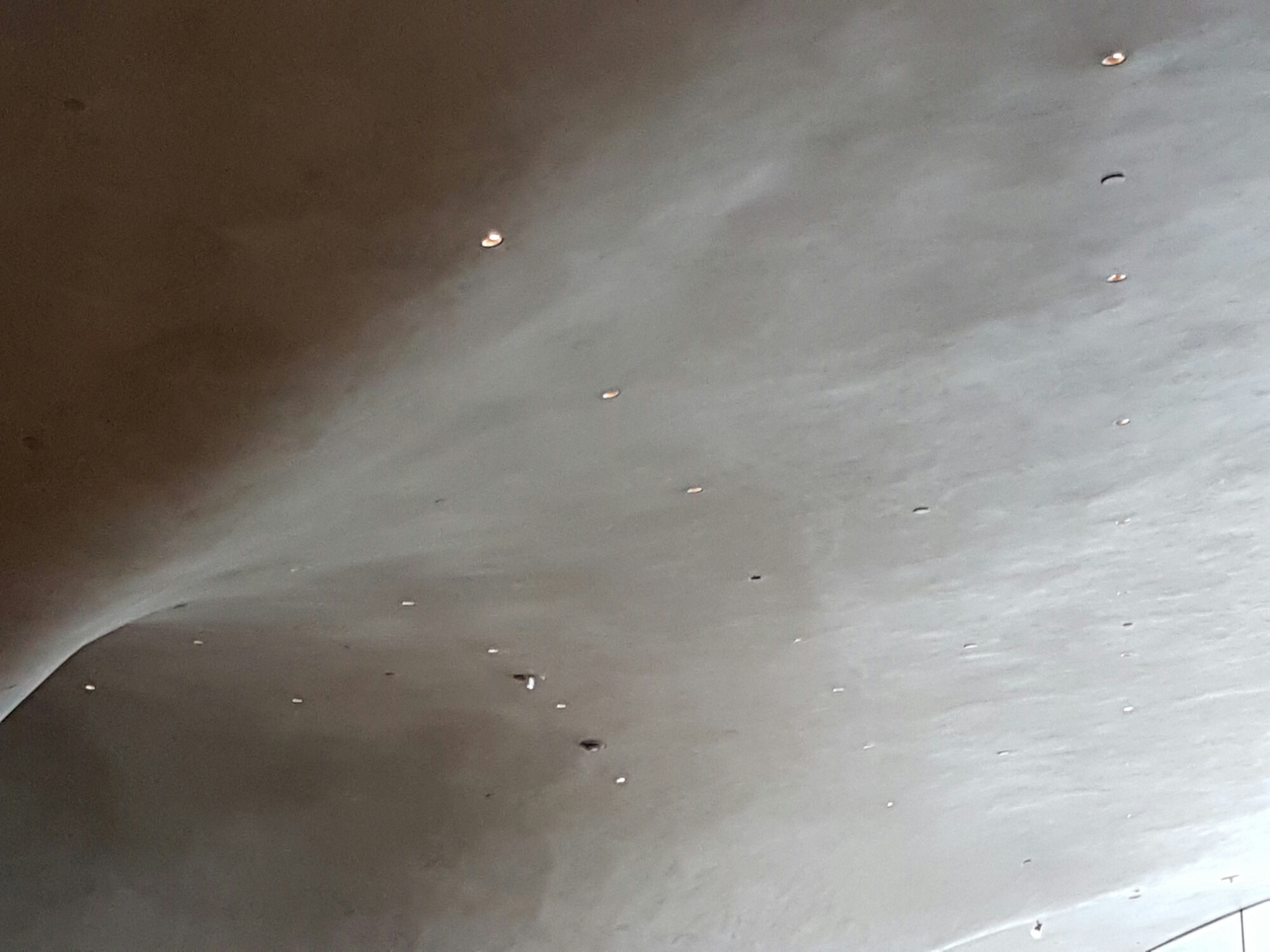
We joined the enormous weekend crowds enjoying the new and generous public spaces of John Pawson’s Design Museum, with ample space to wander, sit on the staircase and watch the crowds. We still failed to see the actual exhibitions, but enjoyed the new Parabola restaurant on the top floor, run by Prescott and Conran and with views across the avenue up to Holland Park, and the detailing of the original RMJM concrete parabolic roof:-
Yinka Shonibare RA
We went last night to one of Yinka Shonibare’s monthly supper clubs when he arranges for someone to talk about an artist over supper in the project space below his studio – on this occasion, the poet Bridget Minamore reading poetry inspired by the work of Kara Walker, the African American artist who works in historical media, including silhouette. The food was prepared to complement the readings, including Bible Belt Bisque, Succulent Silhouettes, and crystalised sugar for pudding (actually, I thought it was marzipan). Any profit goes to support young artists working on projects in the studio:-
Duck Island Cottage
I have been meaning to post a picture I took earlier in the week of Duck Island Cottage, the surprising cottage ornée which nestles on a small island at the east end of the lake in St. James’s Park. But I have been waiting for an opportunity to find out more about it. I have discovered that there is an immensely learned article on it by Tim Knox, our now former next-door neighbour, in The London Gardener which tells its history: from the decoy at the end of the canal in Charles II’s reign intended to catch ducks for the King’s table; the first Duck Island Cottage built in William III’s reign ‘in a grove beyond and between the miniature canals’; the appointment in 1733 of the poet Stephen Duck as ‘Governor of Duck Island’; the recreation of Duck Island by John Nash in 1827; and the decision by the Ornithological Society of London to build a house for a bird keeper in 1840. It was designed by John Burges Watson:-
Art History A Level (7)
I have just heard the excellent news that a new art history A level is going to be launched by Pearson in September 2017 after the Department of Education intervened to apply pressure on the examination boards. However this was done, I am full of admiration for how quickly it has been achieved. One bit of good news !
St. James’s Park
I read this morning that to live long, I should take 150 minutes of exercise a week and preferably play tennis. Nearly my only exercise is walking across the park which today, unusually, I have done three times, once early when there was still ice on the lake, and a second time later when there was a flash of red in the distance which was the changing of the guard:-
I had also never noticed the keystones on the houses in Queen Anne’s Gate:-
John Golding (2)
I have been thinking more about the film about John Golding’s art. The problem is that John Golding was fundamentally shy. He left only two substantial records of his life. One was an interview undertaken in the 1990s by Elizabeth Cowling, one of his many pupils, for National Life Stories from which, in the film, we inevitably hear only extracts (it is five hours long with one tape currently embargoed). The other is a film of him looking at his paintings at the end of his life with a glass of brandy in his hand. So, it is other people who dominate the film, most especially John Richardson, who turns away from the camera while talking and describes, apparently randomly, how Golding became a drunk at the end of his life. This can’t help but dominate the film.


You must be logged in to post a comment.