
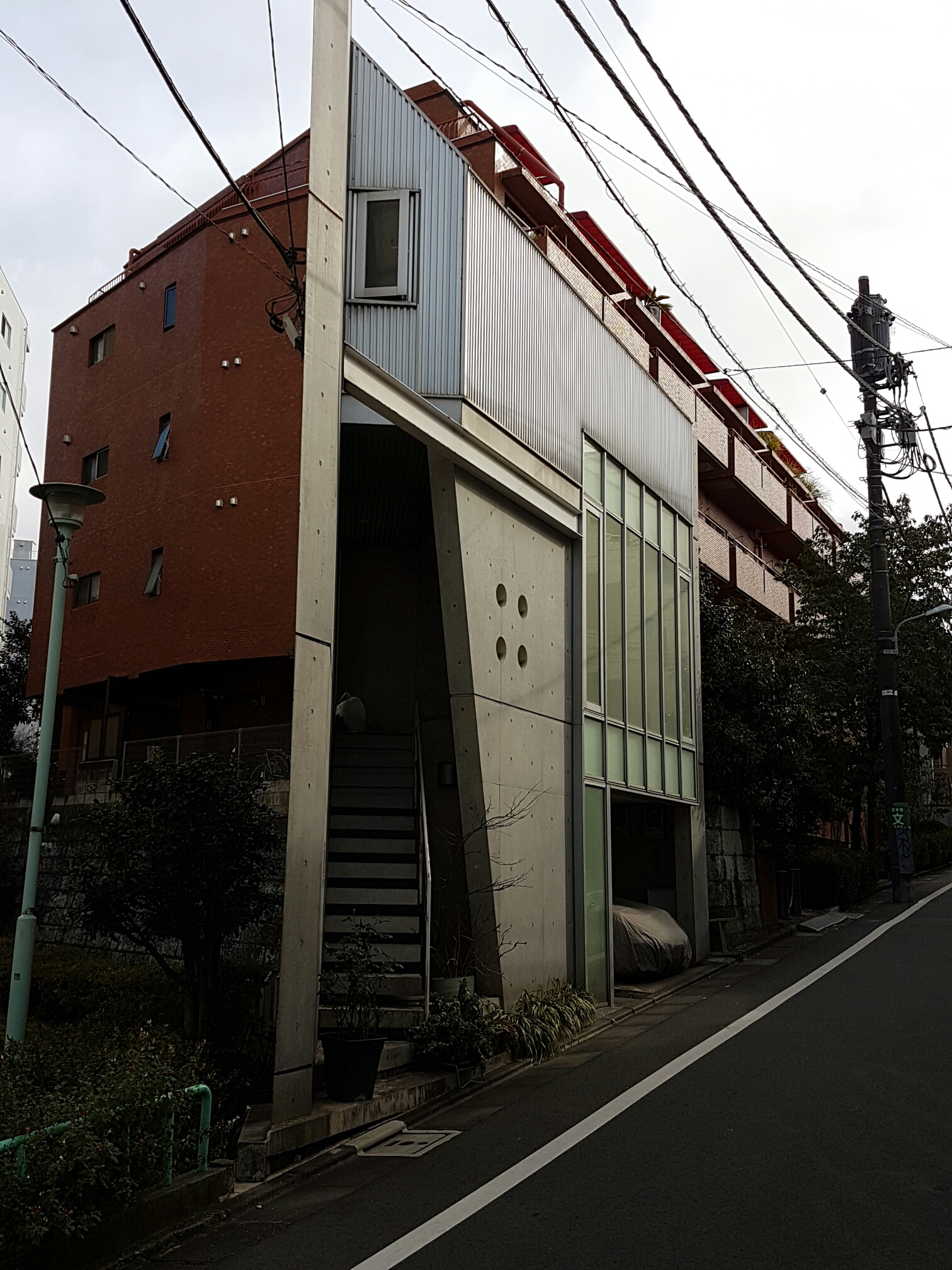
After brunch, I headed off for Sendagaya, ‘the Valley with harvests as big as 1,000 horses could carry’. I spotted a couple of odd houses in the backstreets. One making ingenious use of little space:-
Category Archives: Uncategorized
Tokyo (1)
Los Angeles was wet. Tokyo is cold – very cold. I thought I should explore bits of it which I haven’t seen before and started with Daikanyama, a posh neighbourhood where a lot of the embassies are, lured by the promise of a bookshop, Tsutaya, which opens at 7 in the morning and has an upstairs lounge where one can read magazines to the sound of Bach cello suites:-


Tony Snowdon
Am mighty upset to hear of the death of Lord Snowdon. We did an exhibition of his work at the NPG in spring 2000. He was funny, irreverent, a good mimic, could be sarcastic and a very good formal photographer. I was photographed by him when I went to the National Gallery. He refused to do it in situ and instead insisted on it being done at his house where he had what was essentially a Victorian studio set-up with props and studio. He required sitters to change into a rather dirty old shirt, maybe to discomfort them. It’s not my favourite photograph, but I admired him for his formal exactitude (and he was very generous to the NPG).
LA Arts District
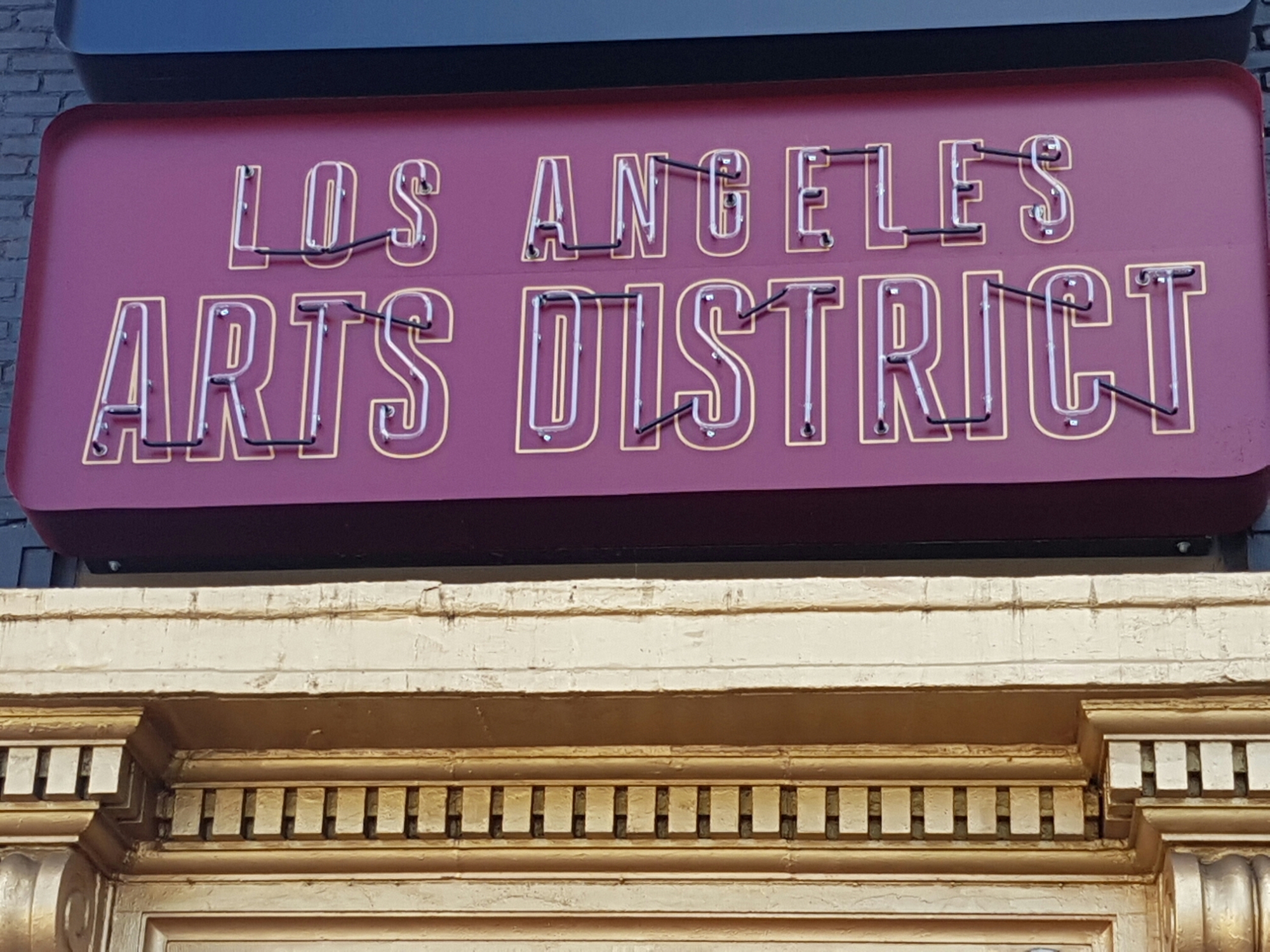
I’m checking out of LA, so there will be no more pictures of brand new architectural masterpieces. As will have been evident, I am sceptical of the revival of downtown, which will take much longer to repair the damage which has done by the massive imbalance between downtown and the prosperity of the surrounding communities, by piecemeal demolition, and the absence of decent shopping. On the other hand, I was impressed by the so-called Arts District, not just Hauser and Wirth, but the neighbourhood of Shinola, Apolis and its belief in ethical consumerism (is this what Trump means by the revival of American manufacturing ?):-
Peter Zumthor
Mark Fisher has asked me about the work of Peter Zumthor in my Comments section. The work which most museum people know – and which is what presumably attracted Michael Govan and the Trustees of LACMA (and Alain de Botton) – is the Kolumba Museum in Cologne which is the most beautiful, thoughtful and uplifting set of museum interiors anywhere in the world, designed to house the collection of the Archdiocese of Cologne. The interesting thing for LACMA is that it is an architecture which depends on an incredible level of control of the environment and a mood of spiritual meditation, which will be difficult to achieve on Wilshire Boulevard. But brave.
Lucas Cultural Arts Museum
I learned last night that George Lucas has decided to move his so-called Museum of Narrative Art from Chicago to Exposition Park in Los Angeles. Shows I haven’t been reading the papers while I’m away. It will help to consolidate LA’s as a great west coast cultural centre and be intriguing as a cultural move in combining art, film and digital media – and memorabilia. It’s run by Don Bacigalupi who was Director of the Toledo Museum of Art. Another $1 billion.
LACMA
I had lunch today in the soon-to-be demolished Los Angeles County Museum of Art. The original building was done in the 1960s by Pereira Associates. It was tarted up in the early 1980s in the then fashionable post-modern style, but never admired. It disguises and does not assist entry to the collection up an escalator. There were plans to demolish it in 2002 and replace it with a building by Rem Koolhaas. Two large buildings have been added since I was last there by Renzo Piano, the Broad and the Reznick Pavilion. Now the original buildings are expected to be replaced by a building which will cross Wilshire Boulevard to the parking lot, designed by Peter Zumthor, a great and wonderful architect who famously does not like to work to a budget. The idea is to integrate the display of the collections. Cost. $700 million ? $1 billion ? Los Angeles has ambition.
No photographs because it was pouring with rain (it has rained on three of my four days here in spite of not having rained apparently for the last five years). And because none of the existing buildings quite merit it.
Los Angeles Public Library
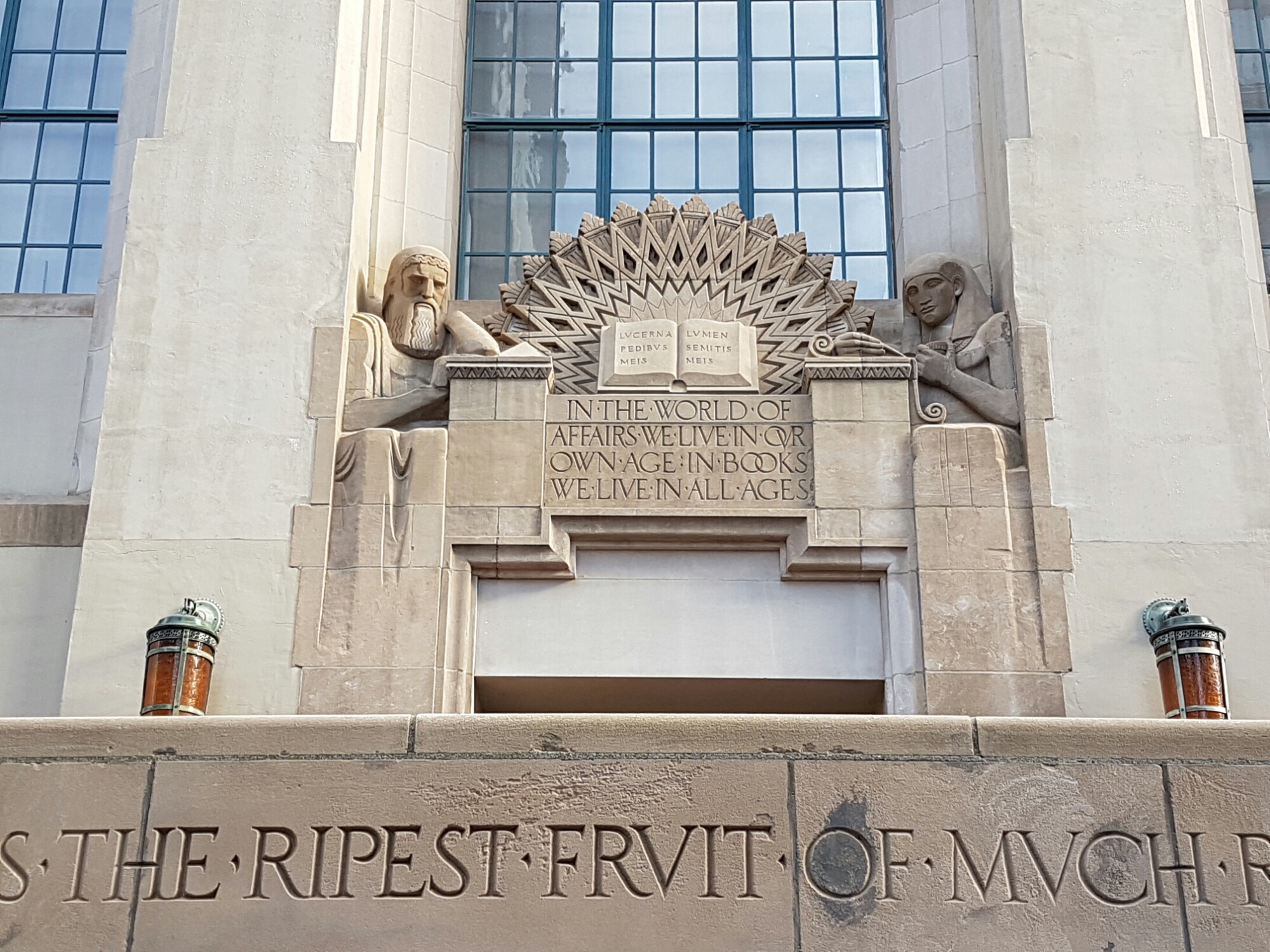
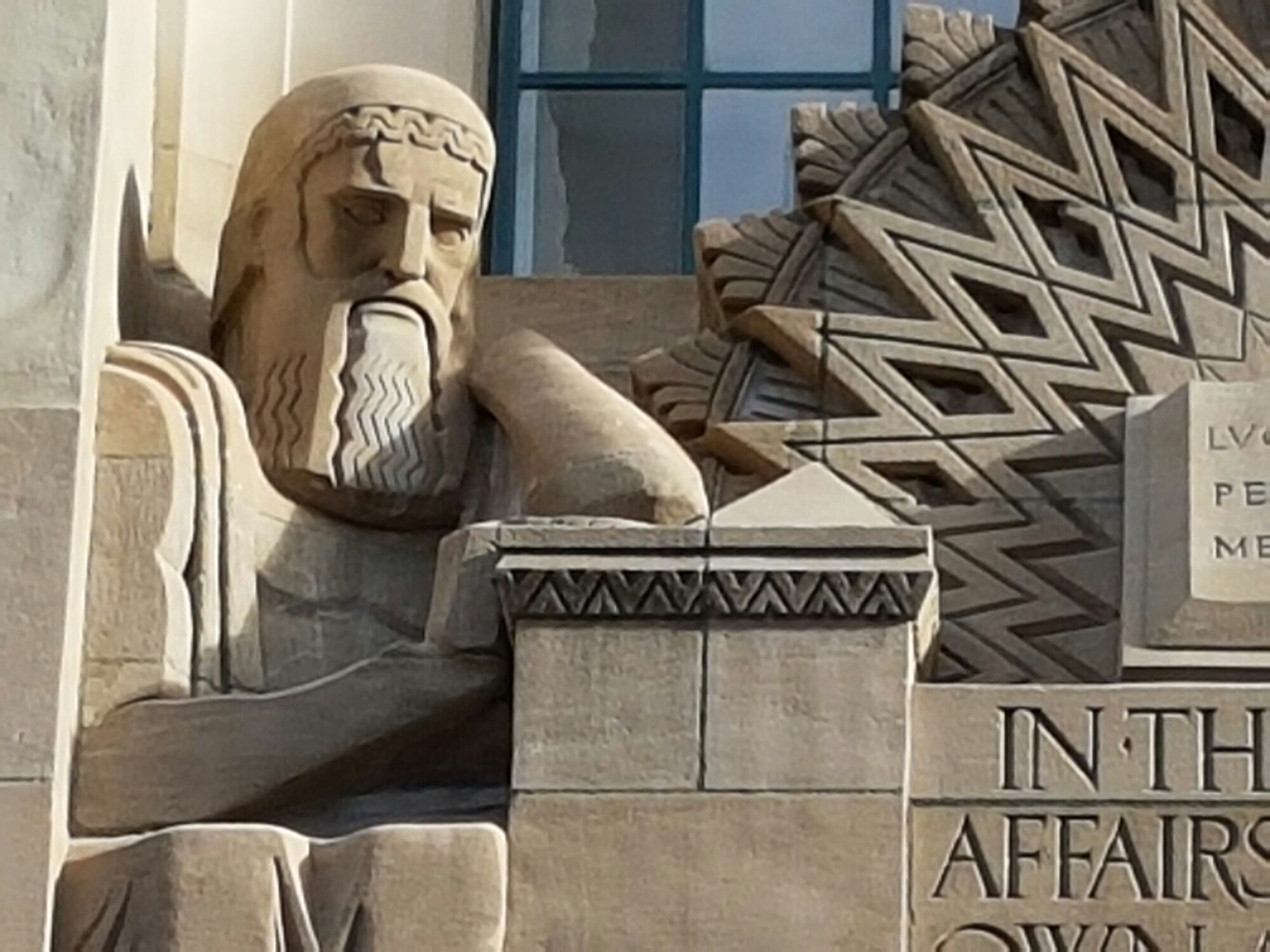
I missed out the Public Library from my posts yesterday. Indeed, I might have missed it altogether had I not spotted a massive monograph on it in the Getty’s bookstore, so realised that it was worth paying attention to. As a building, it’s hard to appreciate: a piece of 1920s grand monumentalism with echoes of Giles Gilbert Scott’s Cambridge University Library in its attempt to marry skyscraper modernity with historical tradition (the influence, if there was any, would have been the other way round). But the sculpture, by Lee Lawrie working with a philosopher on the symbolism, is impressive:-
Hauser and Wirth LA
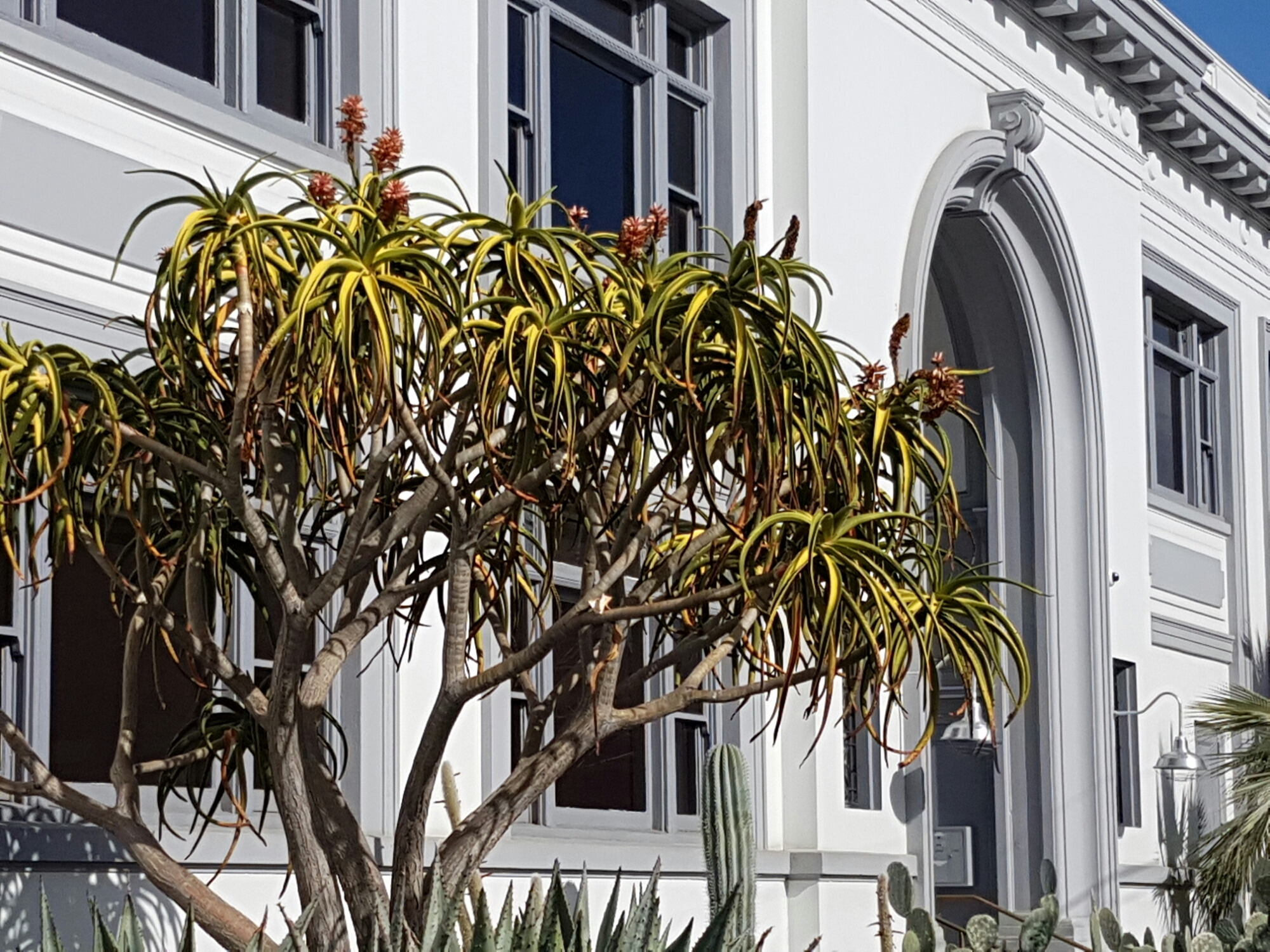
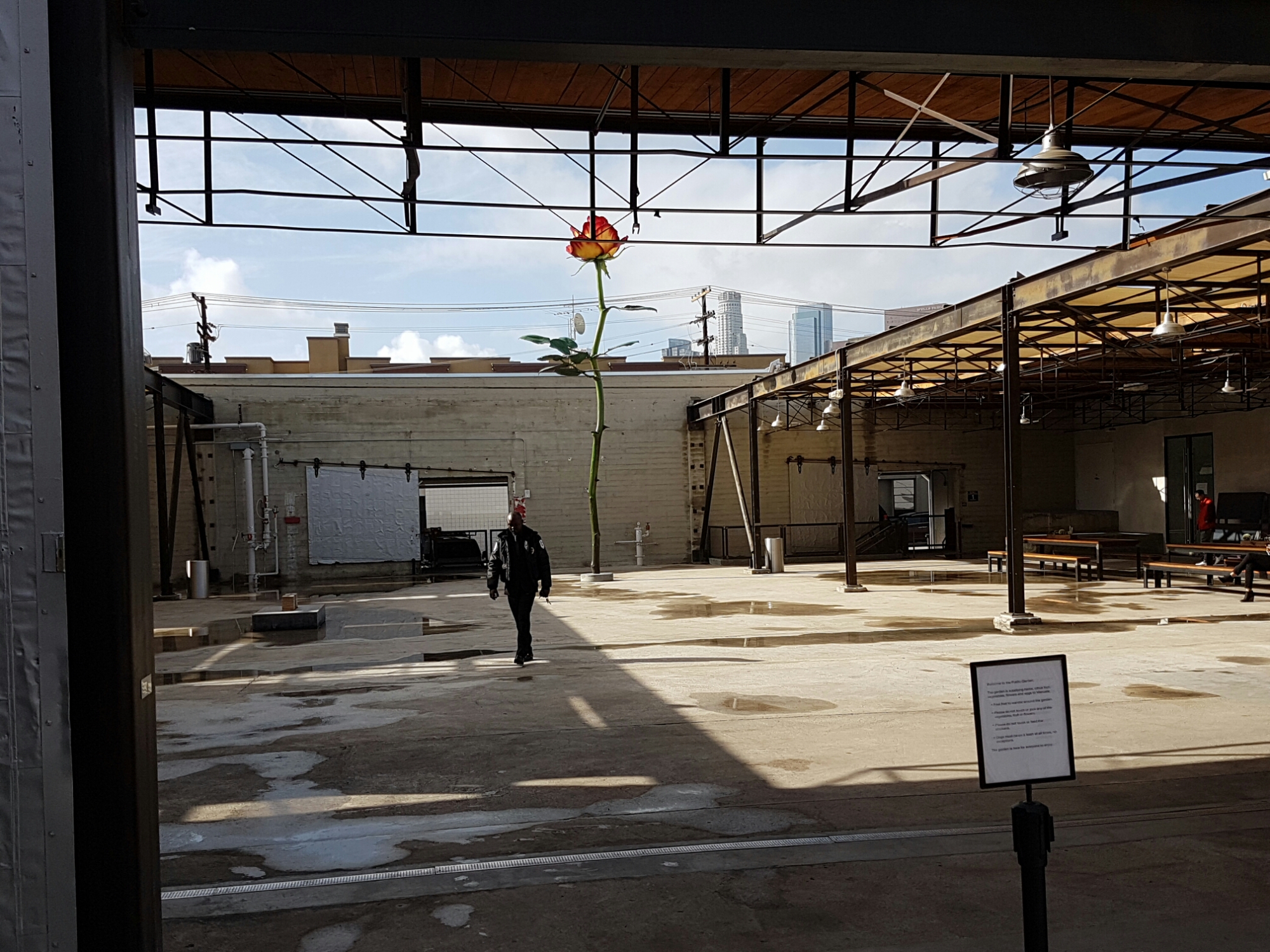
I had lunch in the distinctly utopian setting of Hauser and Wirth LA, an old flour mill which has been unoccupied since the 1960s and opened as a set of new gallery spaces last September. As in Somerset, there is an emphasis on the quality of food in Manuela’s restaurant – they keep the chickens on site – as well as on the quality of the art. The commercial aspects of the project are nowhere visible, which is maybe why it is so successful:-
Downtown LA (2)
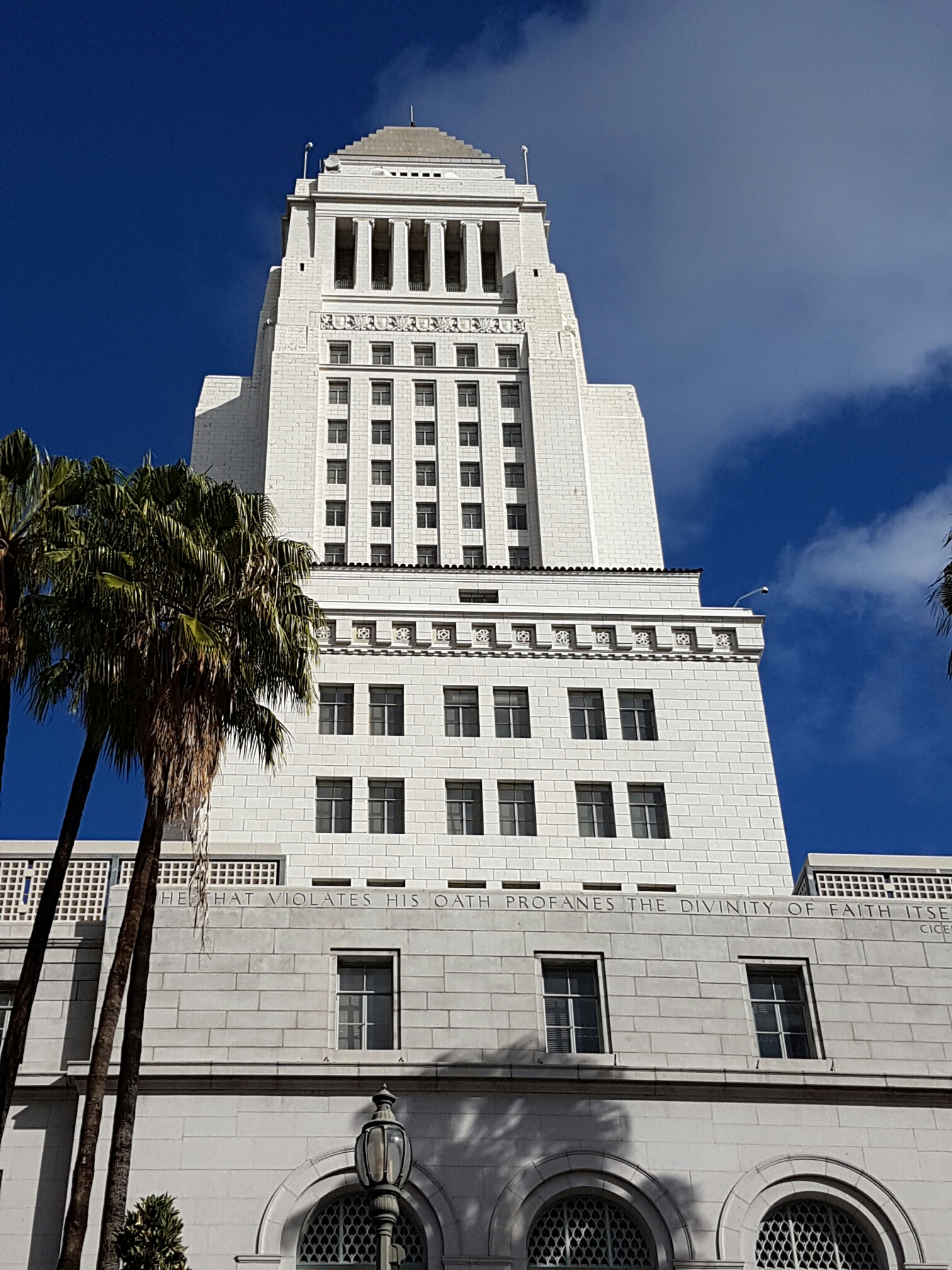
I was expecting not to like the civic district, of which Banham is contemptuous, allocating not much more than an appendix to it (‘its relationship to the other parts of the metropolis never carried the sense of moral and municipal hegemony that normally exists between a central city and its satellite suburbs’). But City Hall is pretty grand, with a version of the Mausoleum of Halicarnassus on top:-
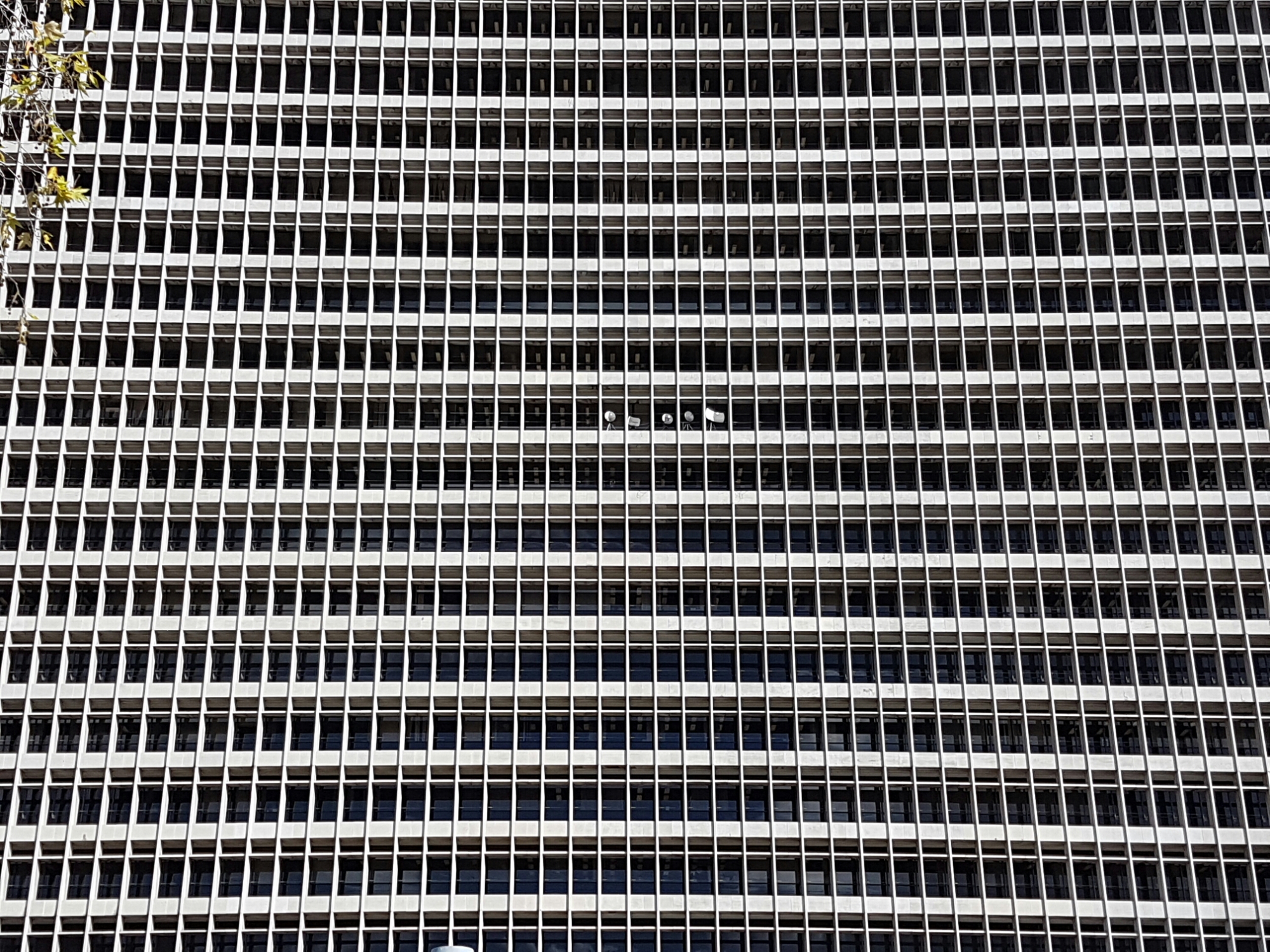
I know that brutalism is back in fashion, but I’m note sure I would want to face justice in the court buildings (1972):-


You must be logged in to post a comment.