46, Essex Street

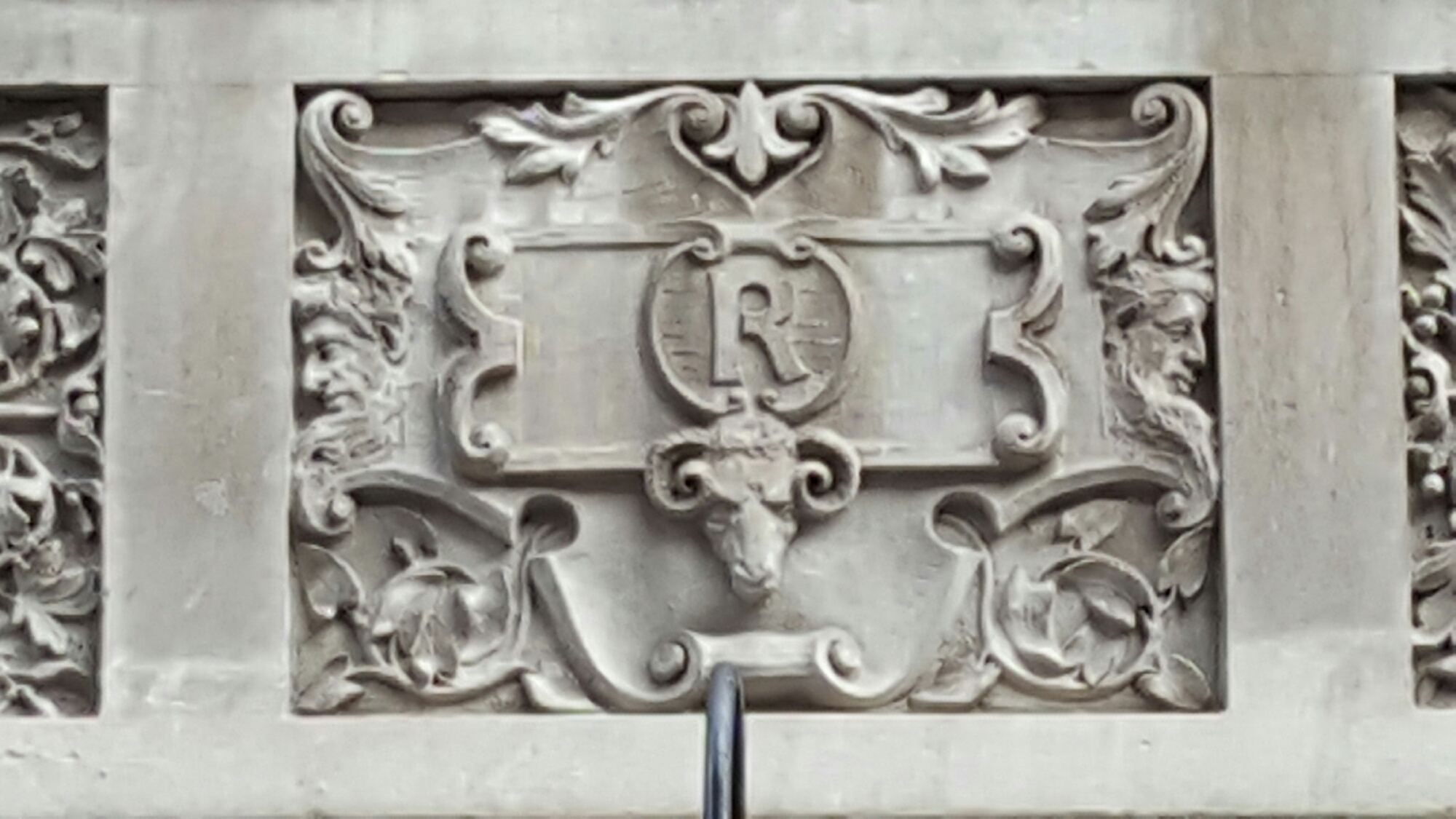
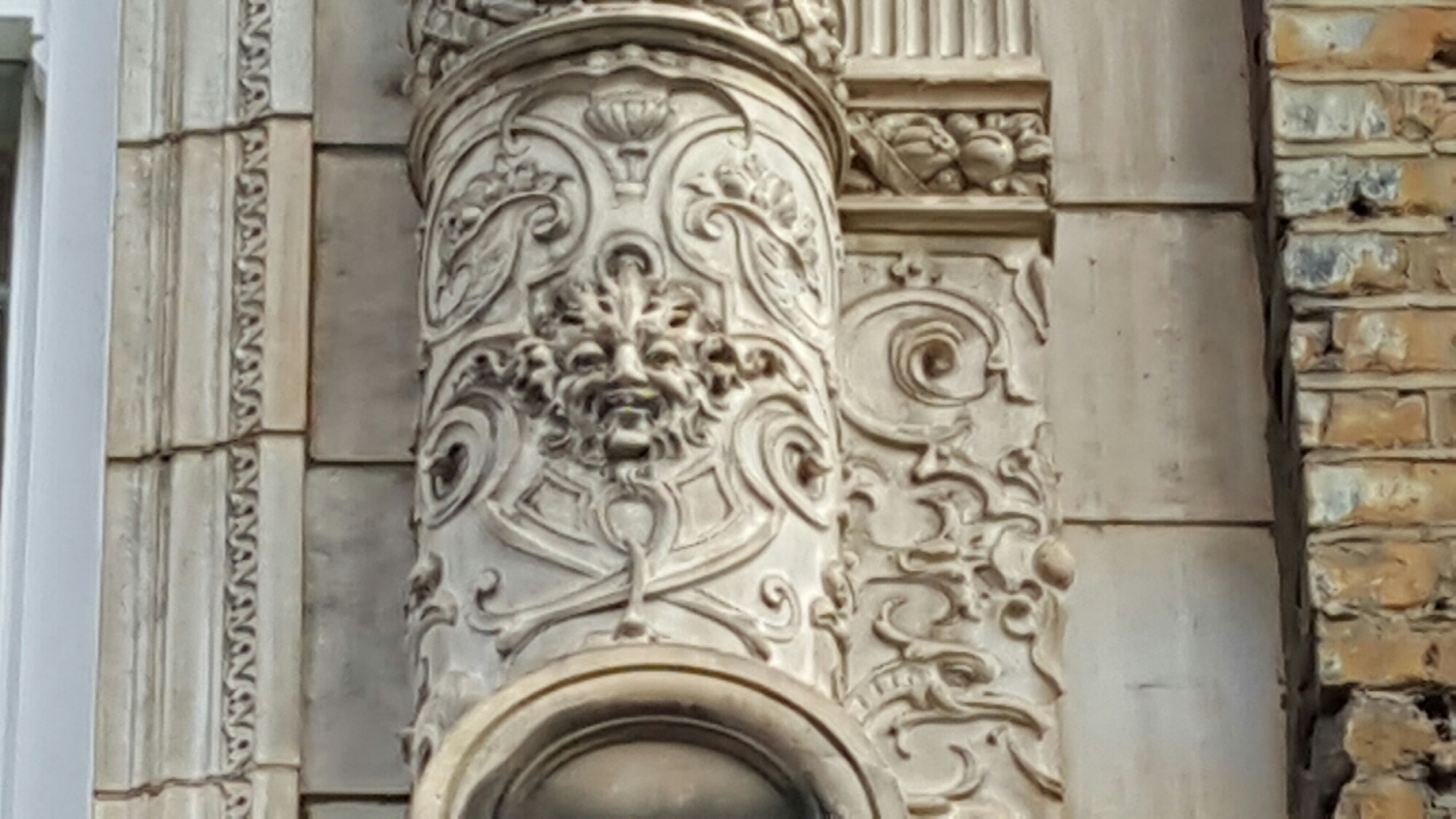
I have been slightly neglectful of the architectural side of my blog in the post-Christmas period.   But today I was walking up Essex Street, which is a survivor of Nicholas Barbon’s London (he bribed the lawyers to allow him to develop the site of Essex House) and my eye was caught by some of the detailing.   First, on no.46, above a microbrewery (I can’t find any information about this):-
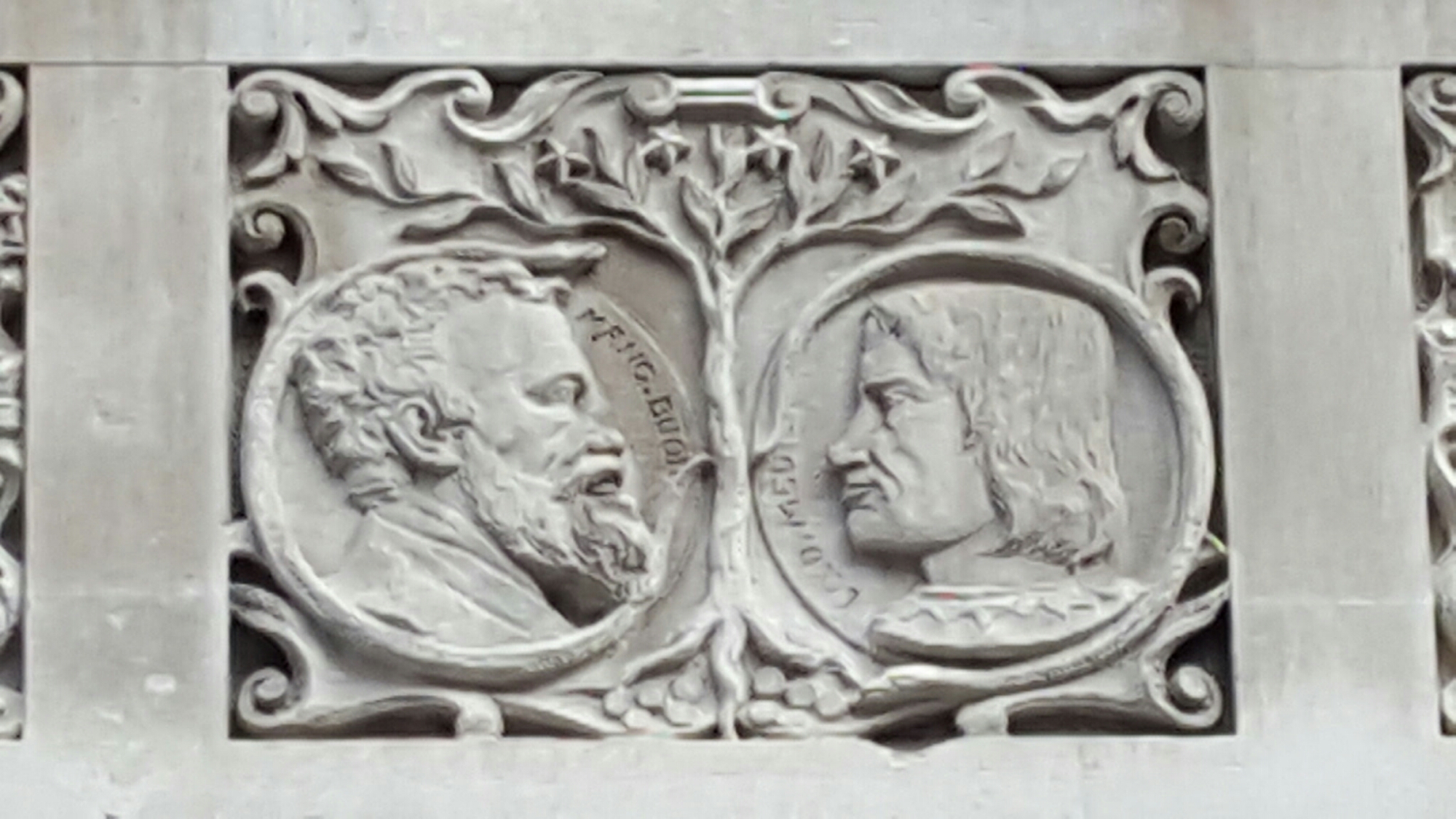
image

image

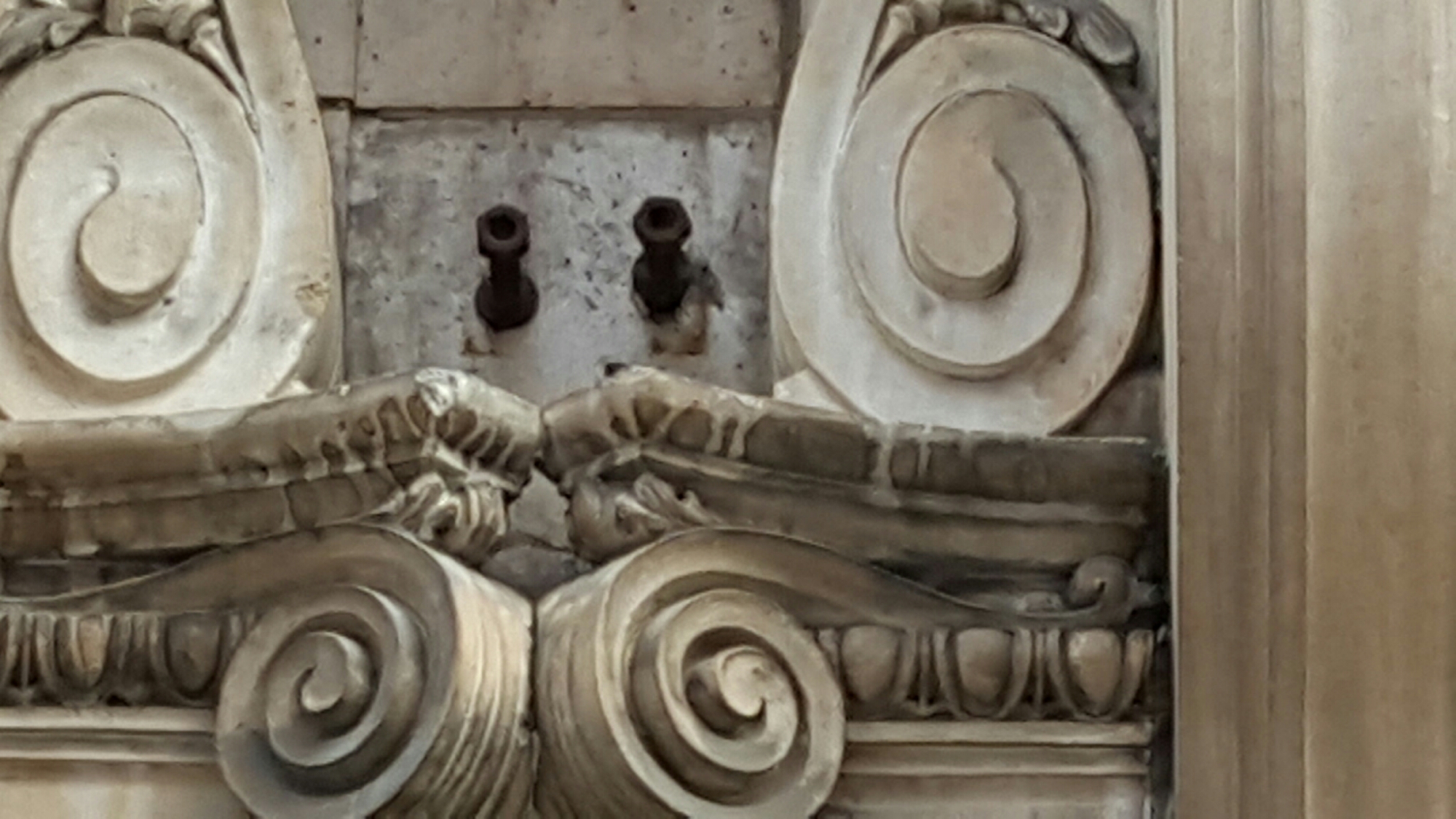
And then, a bit further down the street, at nos. 36-39, the terracotta decoration:-
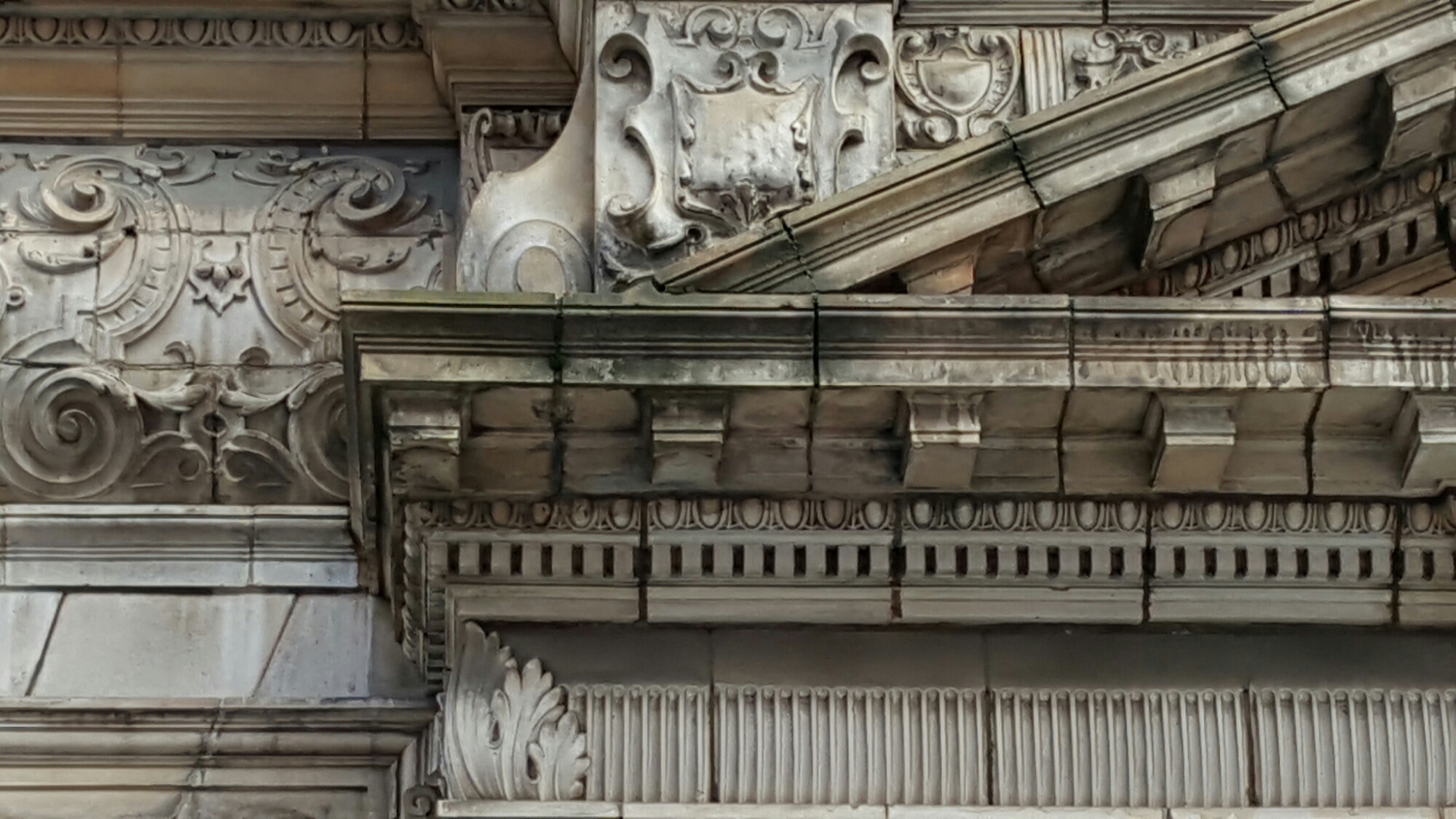
image

image

image

Standard

Jubilee Street

I was looking up some information about Jubilee Street and was intrigued to discover its revolutionary associations.   Stalin, then known as Joseph Dzhughashvili, stayed at 77, Jubilee Street in May 1907 when he came to London to attend the 5th RSDLP congress, after initially lodging in a local doss house in Fieldgate Street.   He was fed toffees by a young boy called Arthur Bacon who later became a hospital orderly, knew him as Mr. Ivanovich, and always remembered his big bushy moustache.   Stalin accidentally paid him half a crown to run errands instead of a halfpenny which was the more normal rate.   Meanwhile, Lenin was having tea at the worker’s club up the street at no. 165.   But Lenin preferred to lodge not in Stepney with his fellow revolutionaries, but in Bloomsbury to be close to the British Museum.

Standard

Cliveden

I went tonight to a talk about Cliveden, that grand country house on a hill above the Thames, where the grounds are owned by the National Trust and the house is run as a luxury hotel.   The book is by Natalie Livingstone and is about its chatelaines, beginning with the Countess of Shrewsbury in the 1660s, mistress of the Duke of Buckingham, succeeded by the Countess of Orkney, who was mistress of William III (but I thought he was gay), then Augusta of Saxe-Gotha, mistress of Prince Frederick, then the Duchess of Sutherland and Nancy Astor (she ate an apple to distract her from sex).   Christine Keeler, much the best known mistress of Cliveden, was scarcely mentioned.   Her ghost was left in the swimming pool.

Standard

Peter Cook RA

I went tonight to see Kate Goodwin, the RA’s Drue Heinz Curator of Architecture, be made an Honorary Fellow of the RIBA;  and to hear Sir Peter Cook give the Gold Medal Week lecture.   I had never heard him speak before;  and now find it easy to understand why he is such a cult figure as an agent provocateur since the days of Archigram in the 1960s, showing a picture of himself with long side burns and multiple red dark glasses in 1968 and going on to draw and design humorous and anarchic buildings all over the world, including his Kunsthaus in Graz and yellow law faculty building in Vienna, all described, as his lecture was called, as ‘the Stuff of Dreams’.

Standard

Gospel Oak

I chose a bad day to visit Gospel Oak on the orange line from Whitechapel.   I wanted to see the two big blocks of social housing, Waxham and Ludham in the Lismore Circus Estate,  designed by Frederick MacManus and Partners in the early 1970s when Jeremy Dixon and Edward Jones were working for him and before they went to work for Derek Walker at Milton Keynes.   Edward Jones describes them in his Guide to the Architecture of London as ‘particularly unfortunate’.   I can see why.   They are currently being restored.

Standard

Innocence of Memories

We sat in the front row of the stalls at the BFI to see the new film Innocence of Memories, based on Orhan Pamuk’s Museum of Innocence, made by Grant Gee who previously made a film about W.G. Sebald’s Rings of Saturn (and a film with Jon Savage).   It’s a very beautiful meditation on the nature of memory, objects, desire and the ways in which they interact with the back streets of Istanbul, always filmed empty except for dogs, and the Hilton Hotel as it was in the 1950s.   Kemal loves Fusun and collects all the paraphernalia of their affair including the shoe she was wearing when they met, a piece of dropped jewellery and the calendar of 4,213 cigarette butts touched by her lips.   A good film about a museum.   And about how to make a film of a book.

Standard

Bond Street Development

I went to a small exhibition held in the foyer of Bonham’s to show the plans for the redevelopment of Bond Street.   These have been drawn up by Publica under the auspices of the New West End Company and look well judged – reducing the number of traffic lanes (at the moment, it’s a three-lane highway) broadening the pavements, renewing the paving stones and creating a town square at the junction of Burlington Gardens outside Ralph Lauren.   I just hope the scheme can be extended to include the grid of streets laid out and developed by Lord Burlington in the 1720s, including Cork Street, Clifford Street and Savile Row.

Standard

Burlington Gardens

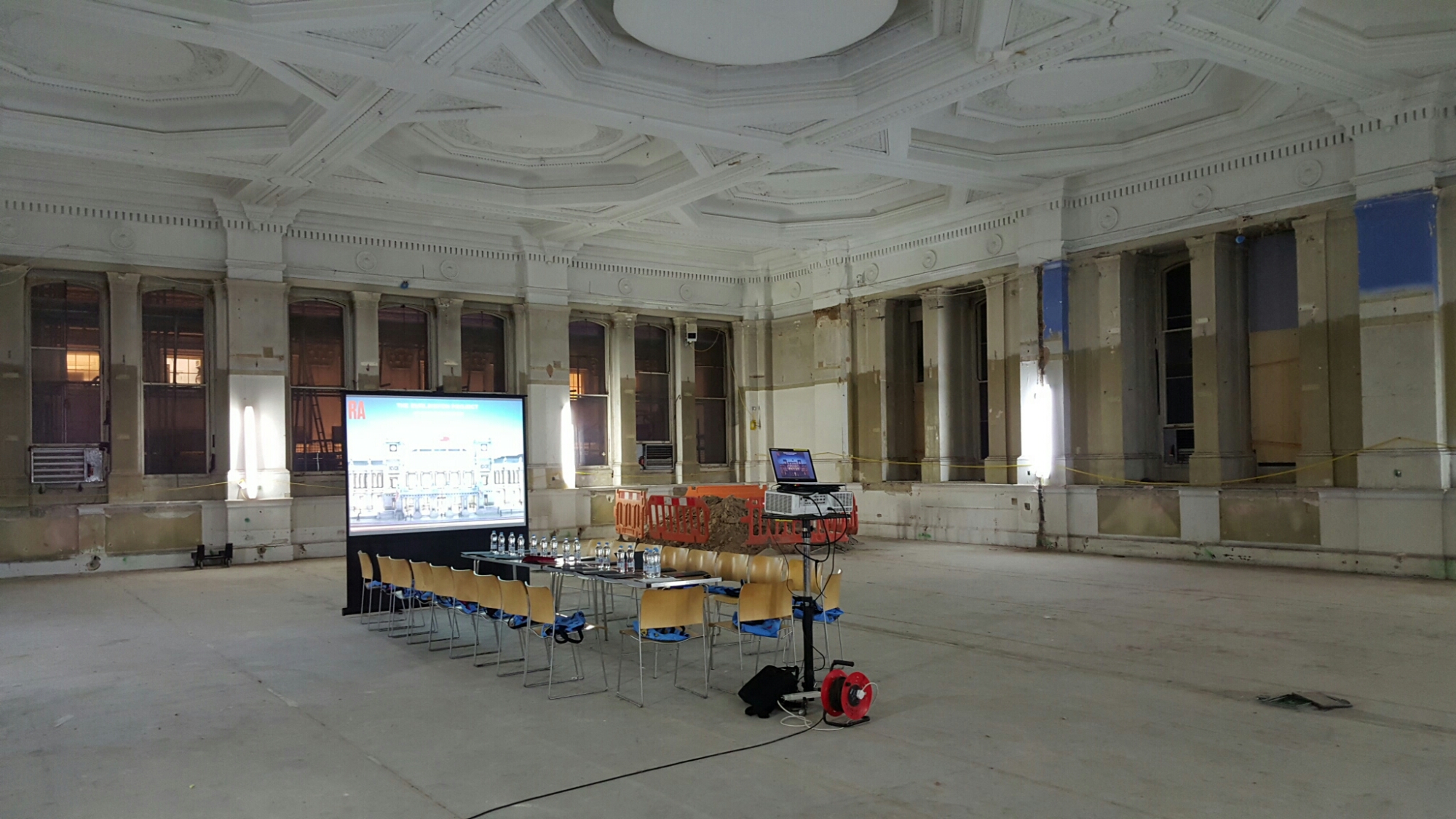
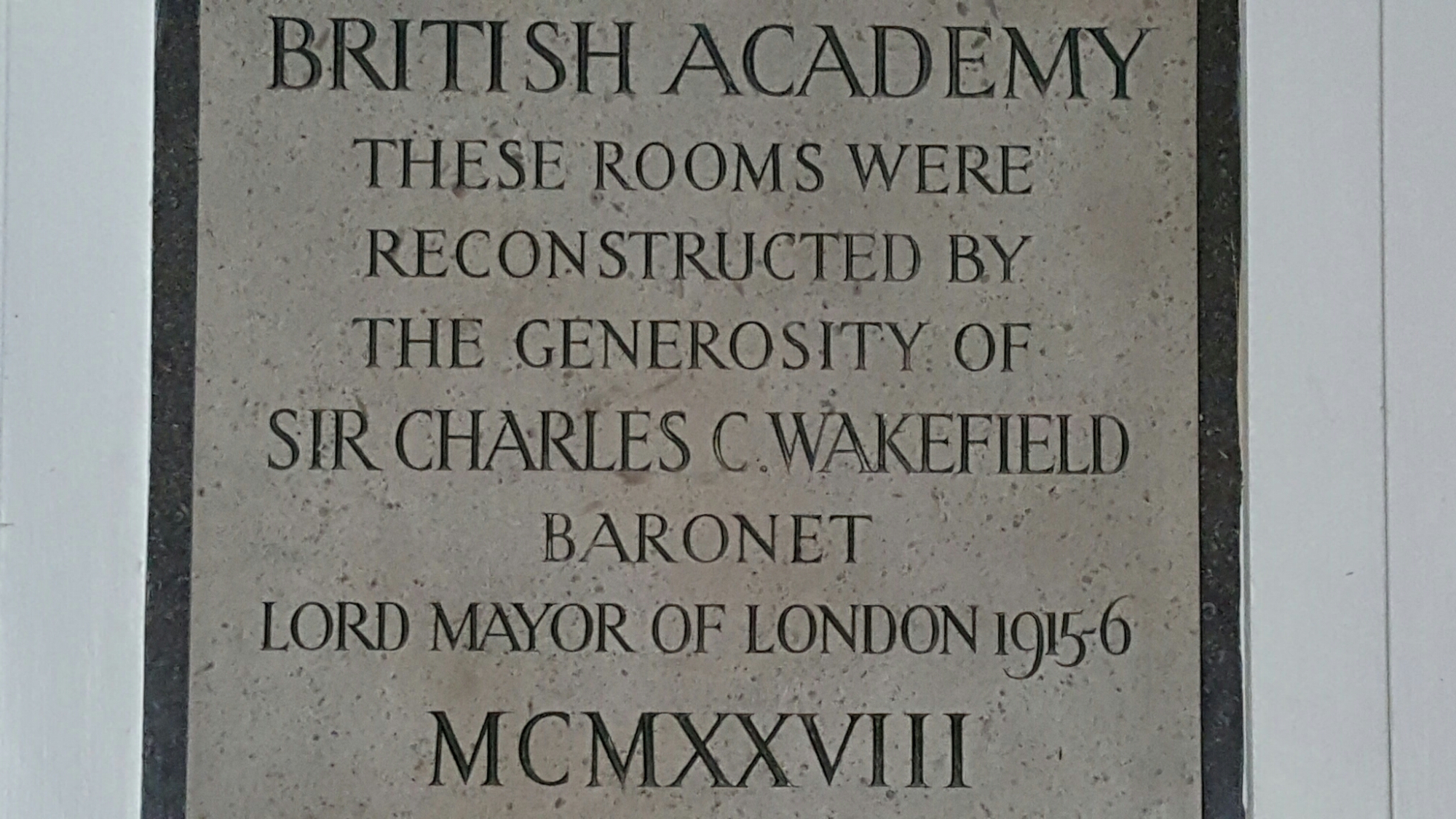
We had a meeting yesterday of the trustees of the Royal Academy Trust in the empty space due to be occupied by our new lecture theatre.   It was faintly surreal sitting in the cold uninhabited space wearing high visibility vests whilst discussing the finances:-

image

Meanwhile, the British Academy Room has been stripped to the bone.   I felt the ghost of Sir Mortimer Wheeler, with his large moustaches, who used to smoke his pipe by the fire:-

image Continue reading →

Standard

Tony Cragg RA

I went tonight to the annual Art, society and medicine lecture held jointly by the Royal Society of Medicine and the RA.   It was given this year by Tony Cragg who gave an extraordinarily and enjoyably robust defence of the specialness and autonomy of art:  against commentators who do not understand art even when they write about it;  against scientists;  against architects even though his daughter is an architect;  against designers;  against anyone who is creating something for a particular purpose rather than through pure invention of form.   It was refreshing hearing someone who had such a clearly stated and explicit view about art and its practice.

Standard

The Lost Caravaggio

I have just done a short piece on Sky News about the Mystery of the Lost Caravaggio, a programme about the Caravaggio which was stolen from an oratory in Palermo – it’s assumed by the mafia – and then stored in a barn where it was eaten by pigs or rats.   Now Factum Arte has been commissioned to create a replica using the latest three-dimensional digital technology.   The question is whether or not this will effectively replace the original.   The answer in this instance is surely no because however brilliantly its done, it’s based on a small number of old photographs and a great deal of guesswork based on close study and analysis of the painting technique of other, earlier works by Caravaggio.   But I find the issue trickier with three-dimensional works which have been studied in situ with the latest digital technology, as has happened with the Tomb of Tutankhamun where the replica is expected to replace the original and the original, like the Caves of Lascaux, will be closed.   Not to mention the Temples of Palmyra which have been destroyed forever and henceforth will only ever be experienced as replicas.   Can the aura described by Walter Benjamin as belonging only to the original transfer to the replica ?

Standard