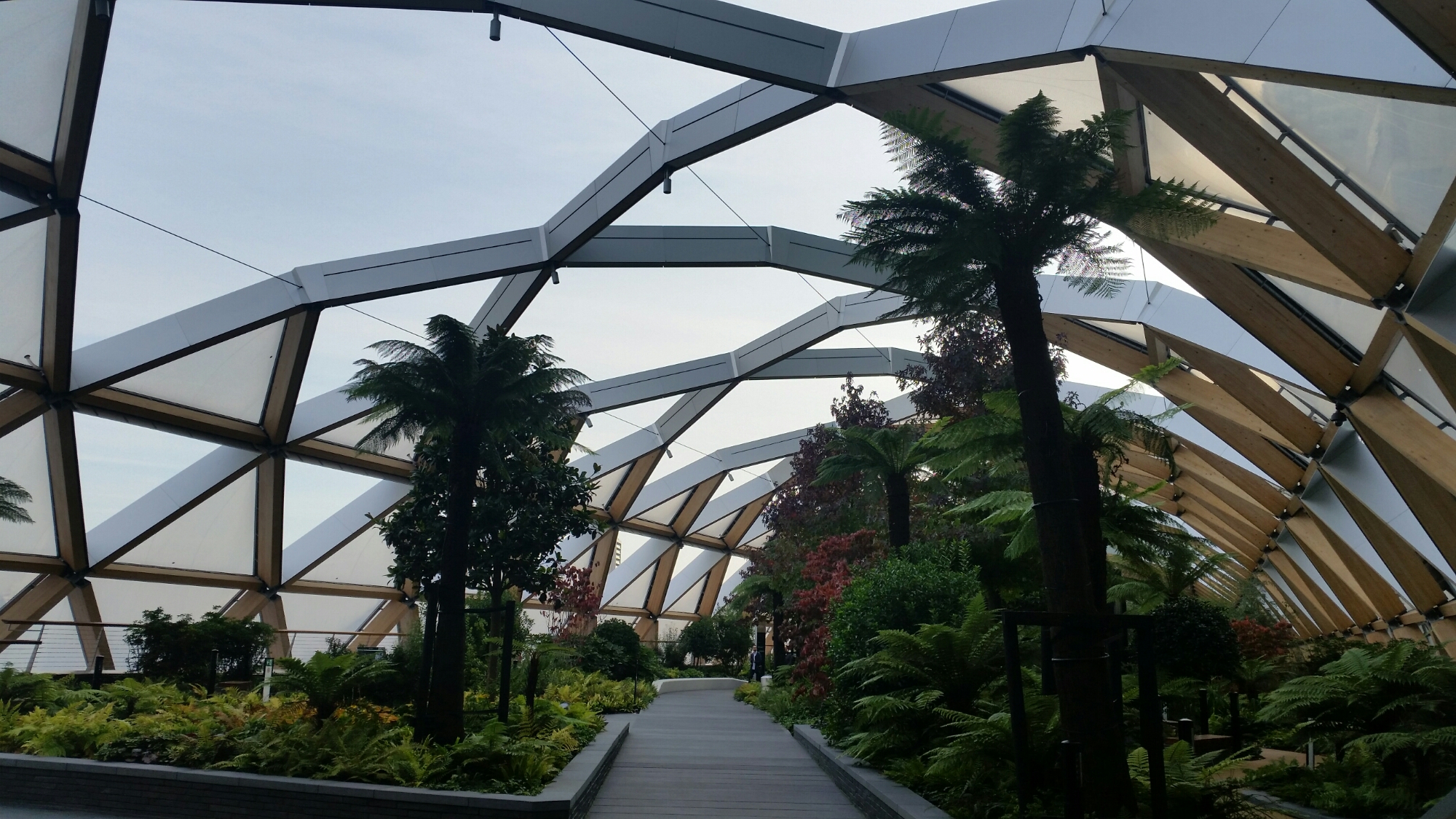
We went to explore the new Norman Foster building which has been attached to the north side of Canary Wharf and will in due course house its Crossrail Station. It’s a mixture of ballooning high tech and craft detailing in the engineered wooden struts: currently a bit bland because it’s not yet functioning, but with an elaborate antipodean roof garden:-
Category Archives: Uncategorized
Wedgwood Museum
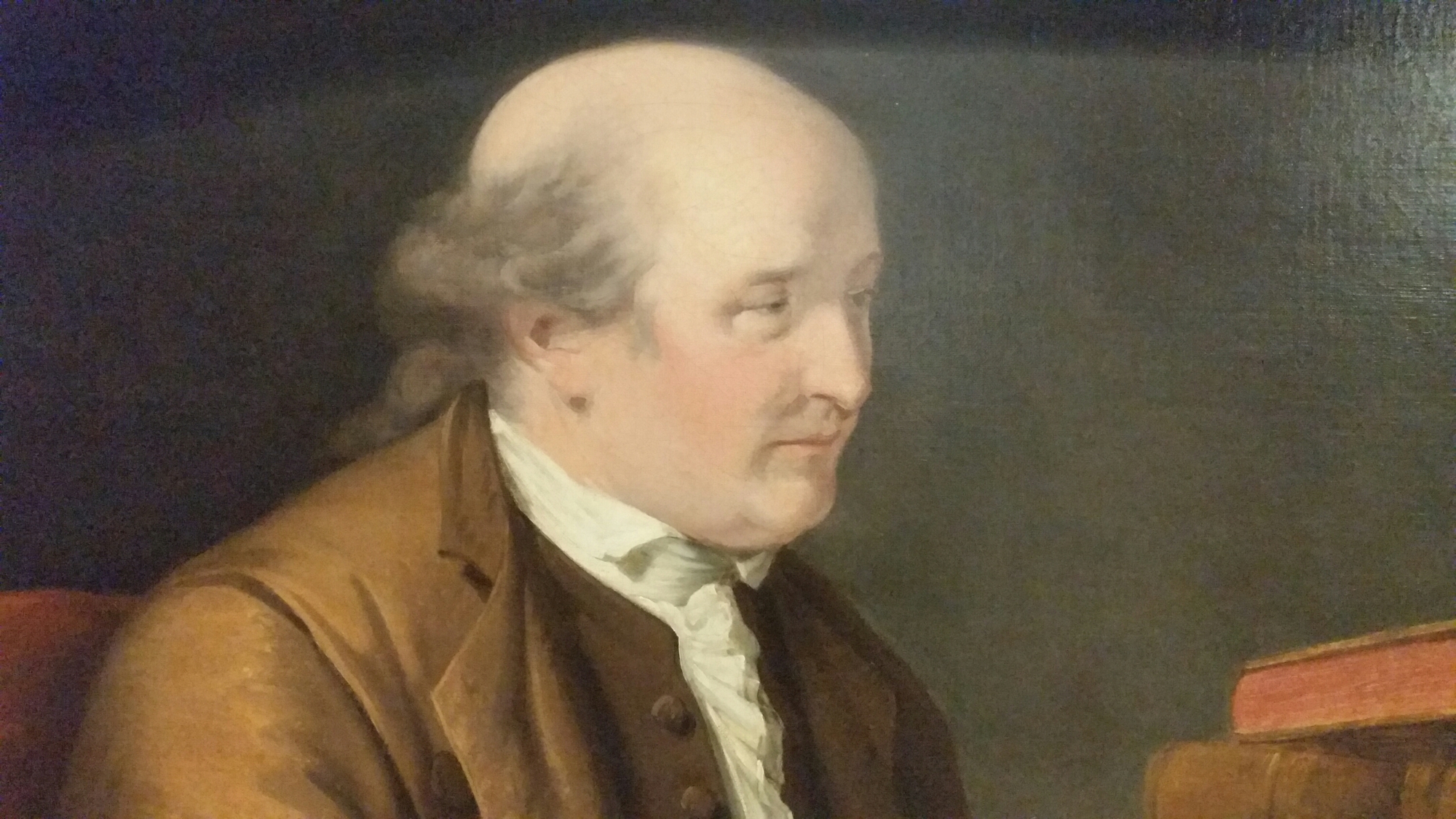
We ended up at the new Wedgwood Museum out at Barlaston: hard to get to and in a brand new building cum visitor centre, but beautifully displayed and unexpectedly informative about Wedgwood’s origins, his relationship to his wife Sarah, the influence of his father-in-law, his development of Queen’s Ware at the Ivy House Works, and his meeting and working partnership with Thomas Bentley. I only had time to photograph the portrait of Bentley attributed to John Francis Rigaud:-
Bethesda Chapel
Immediately opposite the Potteries Museum is the Bethesda Chapel, known as the cathedral of Methodism, opened in 1798 after the establishment of the New Methodist Connexion, but not big enough as it only held 600 people, so reconstructed in 1819 for 2,000, with three services a day:-
Emma Bridgewater
I went on a tour today with the Omega Group of Emma Bridgewater’s factory in Hanley. Bought sixteen years ago at a time when all the traditional potteries were closing (they had wholly failed to adjust to changing tastes, continuing to produce porcelain long after people had stopped buying it), the factory was originally built for the Meakin Brothers (J&G Meakin), which had been established in 1851 to supply the American trade with cheap ironstone ware. It opened in 1882. It’s now, once again, a big operation, employing 250 people in all the various stages of production, highly systematised as in the nineteenth century, men doing the mould making and shapes, women the highly skilled transfer and sponge decoration. The design work is done by Emma herself and Matthew Rice, her husband and managing director, then translated in order to be reproducible.
This is the entrance to the factory:-
Daily Telegraph Building
I walked past the old headquarters of the Daily Telegraph on Fleet Street yesterday morning and was impressed by its neo-Egyptian magnificence, once the home of right wing journalists, now of Goldman Sachs traders. It was designed by Charles Elcock of Elcock, Sutcliffe & Tait in 1928, more or less at the same time as Unilever House and with similar ostentation. The stonework carving was done by Alfred Oakley who became a monk:-
Gough Square
I thought I should start my day in Gough Square where I am due to give a talk tonight to a group of Johnson enthusiasts, if only to remind myself of the topography local to Samuel Johnson’s House and the fragmentary survival of eighteenth-century London as one takes a little alleyway off Fleet Street (Wine Office Court), up past the Cheshire Cheese tavern (rebuilt 1667) into Gough Square, where not only Johnson, but also Oliver Goldsmith lived. There is a quotation from Johnson on the wall of Wine Office Court: ‘Sir, If you wish to have a just notion of the magnitude of this great City you must not be satisfied with seeing its great streets and squares but must survey the innumerable little lanes and courts’. It’s a reminder of the tightly knit network of medieval alleyways and courtyards which still half survives in amongst the megalith office blocks north of Fleet Street; and also of the difference in surroundings between Johnson’s London, all alleyways and bookshops and taverns and the Inns of Court, and Reynolds’s London, a mile to the west, which was much more spacious, with workshops and shops and coffee houses in Covent Garden, close to the parks and the Court.
This is Johnson’s House:-
Christopher Le Brun (3)
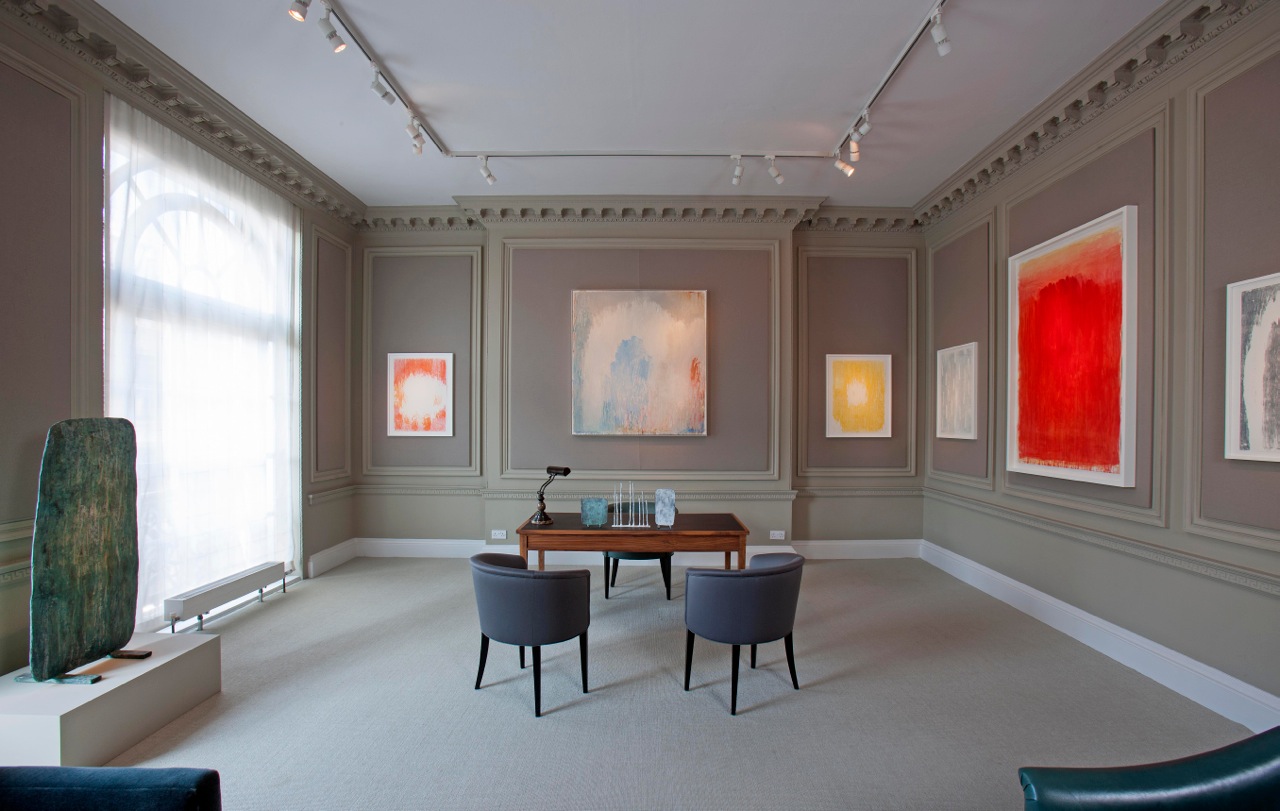
It was the opening night of the PRA’s small, but choice exhibition on the top floor of Colnaghi’s in Bond Street where the work looked really good in spite of the heat of the private view: big, bold, hotly coloured watercolours, red and orange, freely painted; monoprint woodcuts, all of which had been bought by the time I arrived; small-scale, table sculptures, most of which had also already been sold; and a single rug of three commissioned by Christopher Farr, one of which – the one in the exhibition – had been woven in Afghanistan:-
Stepney Green Court
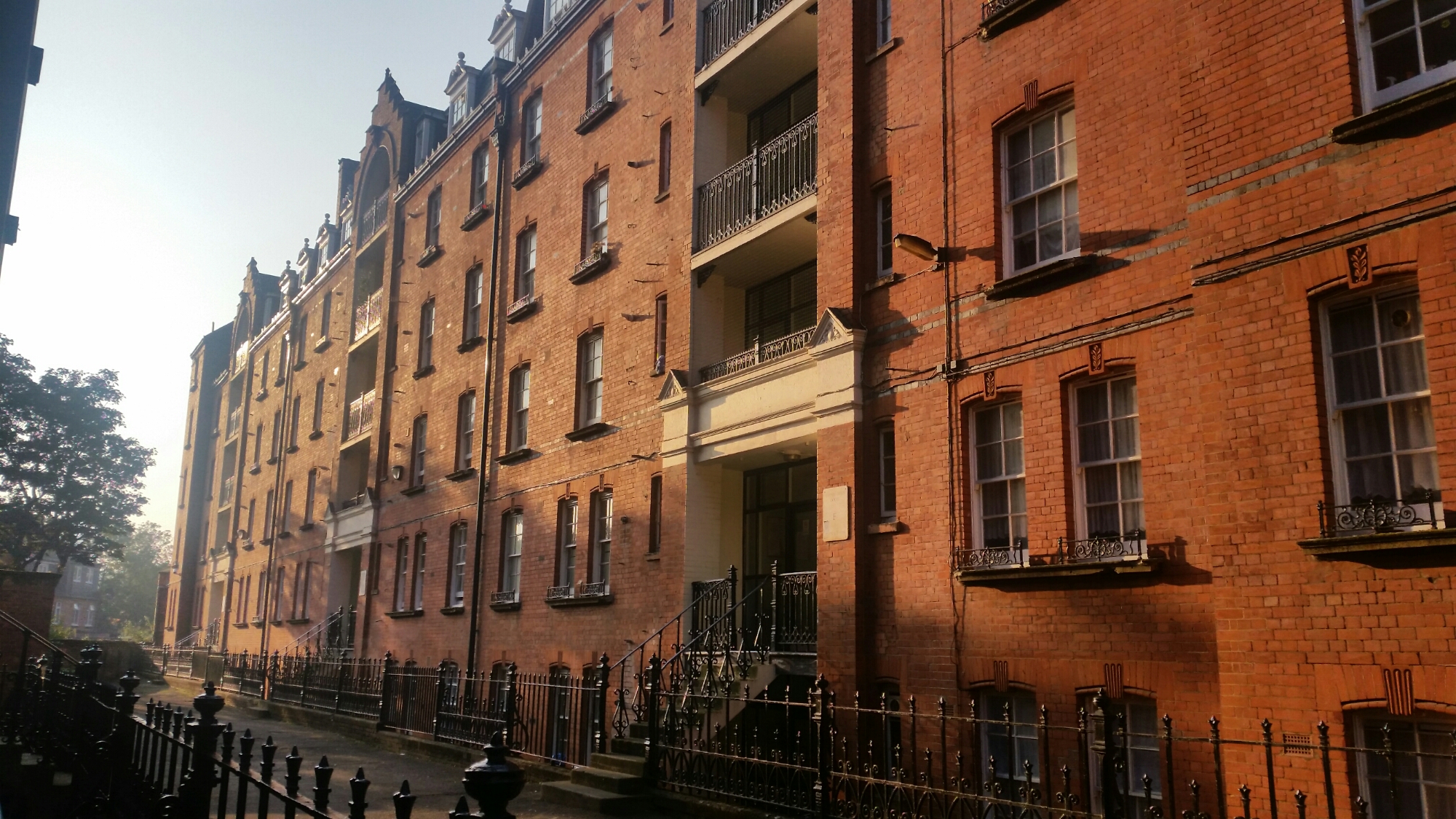
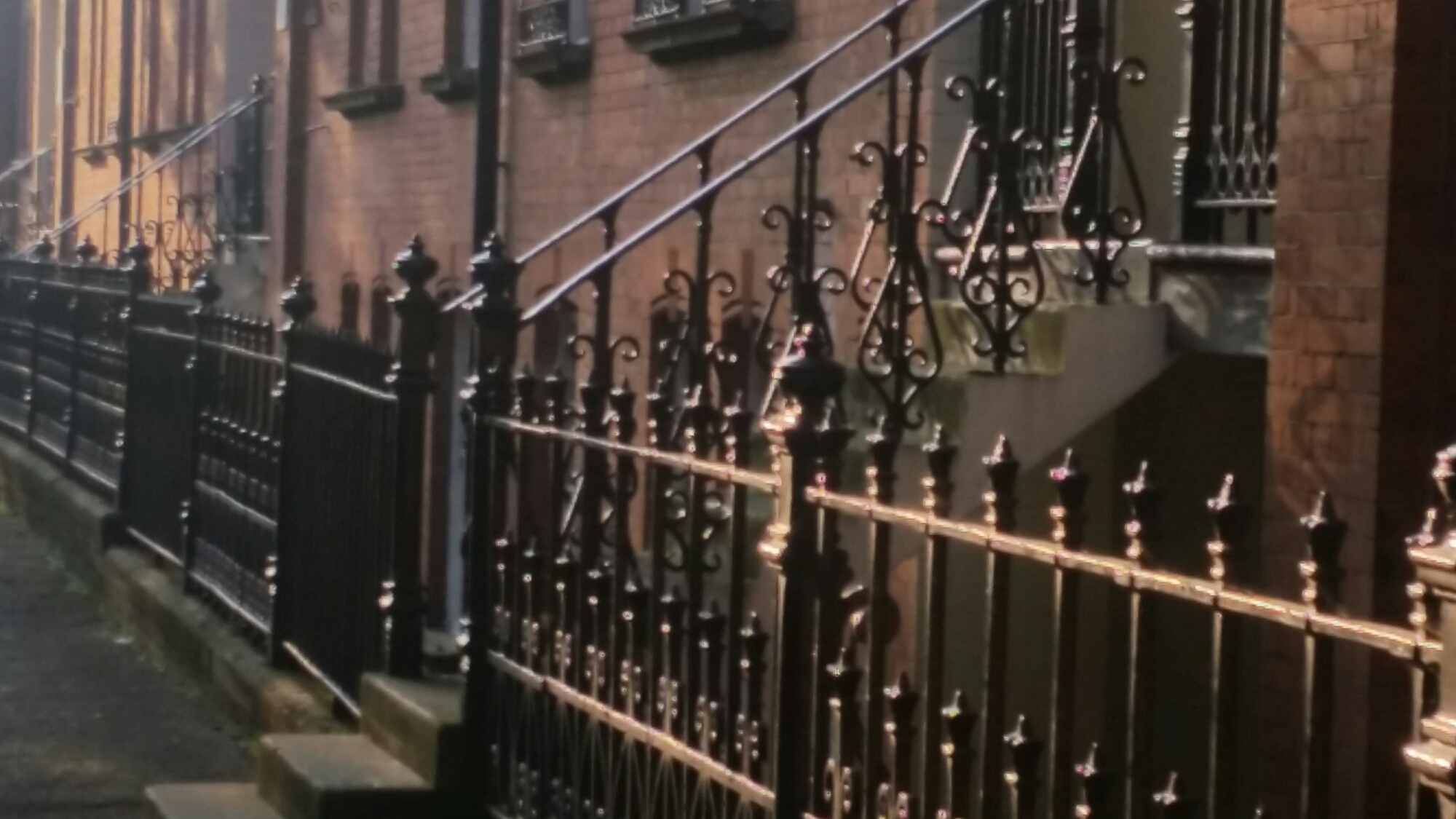
On Sunday morning I went on a casual search for Bert Irvine’s studio which I knew had been on Stepney Green in a Jewish School – I assume the old Stepney Jewish Primary and Infants School on the south end of the old village green which was converted into municipal gardens in 1872. Instead, I found myself inspecting the back façade of Stepney Green Court next door, a noble set of artisans’ dwellings, designed by Solomon Joseph and built in 1895. I’ve photographed the ironwork detailing on the street front before, but I haven’t previously appreciated the scale of the buildings in two parallel lines off the street:-
Walthamstow Town Hall
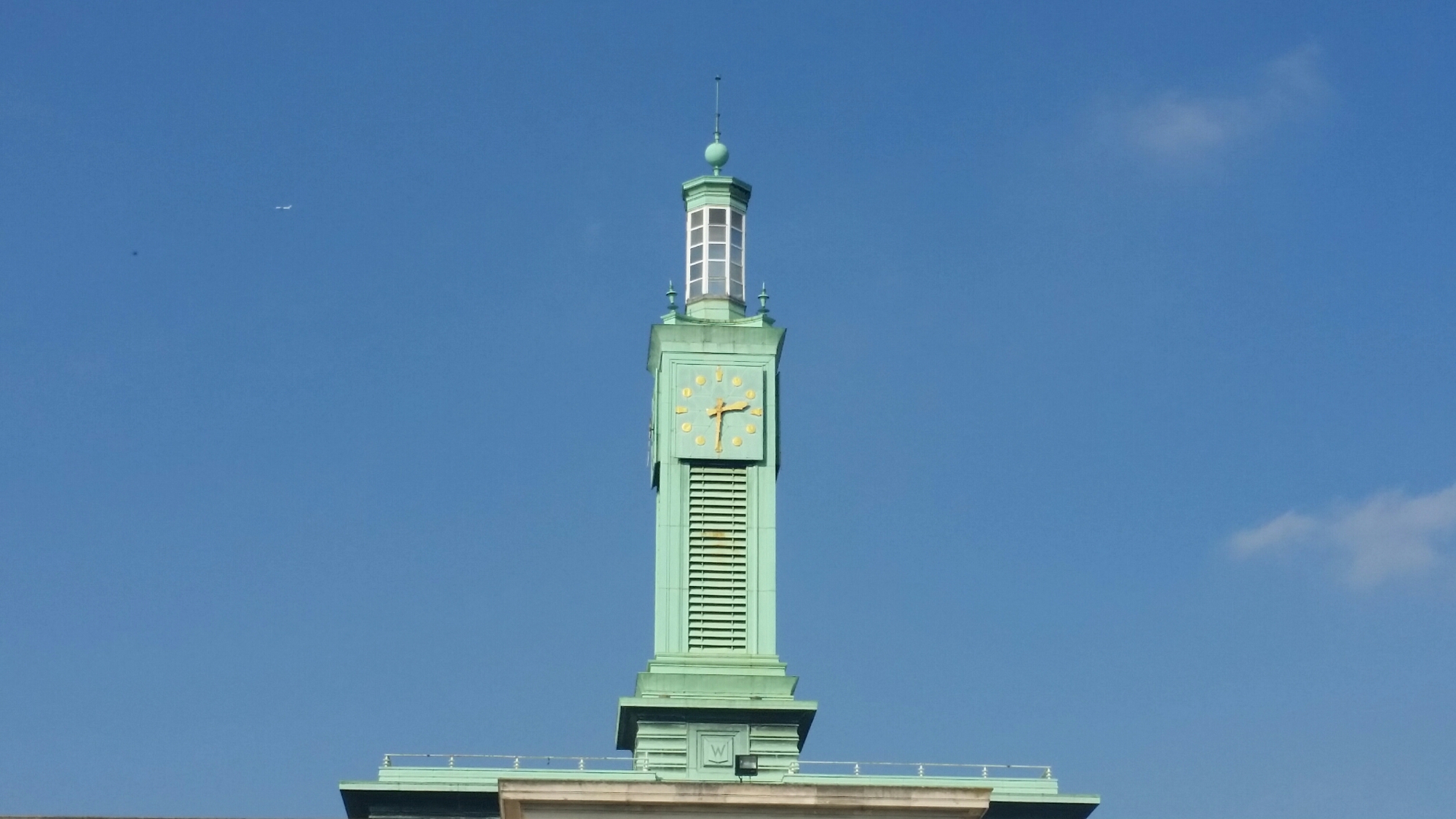
Walthamstow Town Hall looks uncannily like the Boijmans Museum, belonging to the same family of 1930s Scandinavian, stripped-down, civic classicism. It was designed by Philip Dalton Hepworth who had been a student at the AA, had designed war memorials in the 1920s, and won the competition in 1932. It opened in 1941. Yesterday there was a rather wonderful Indian wedding, complete with horse and carriage:-
Essex House
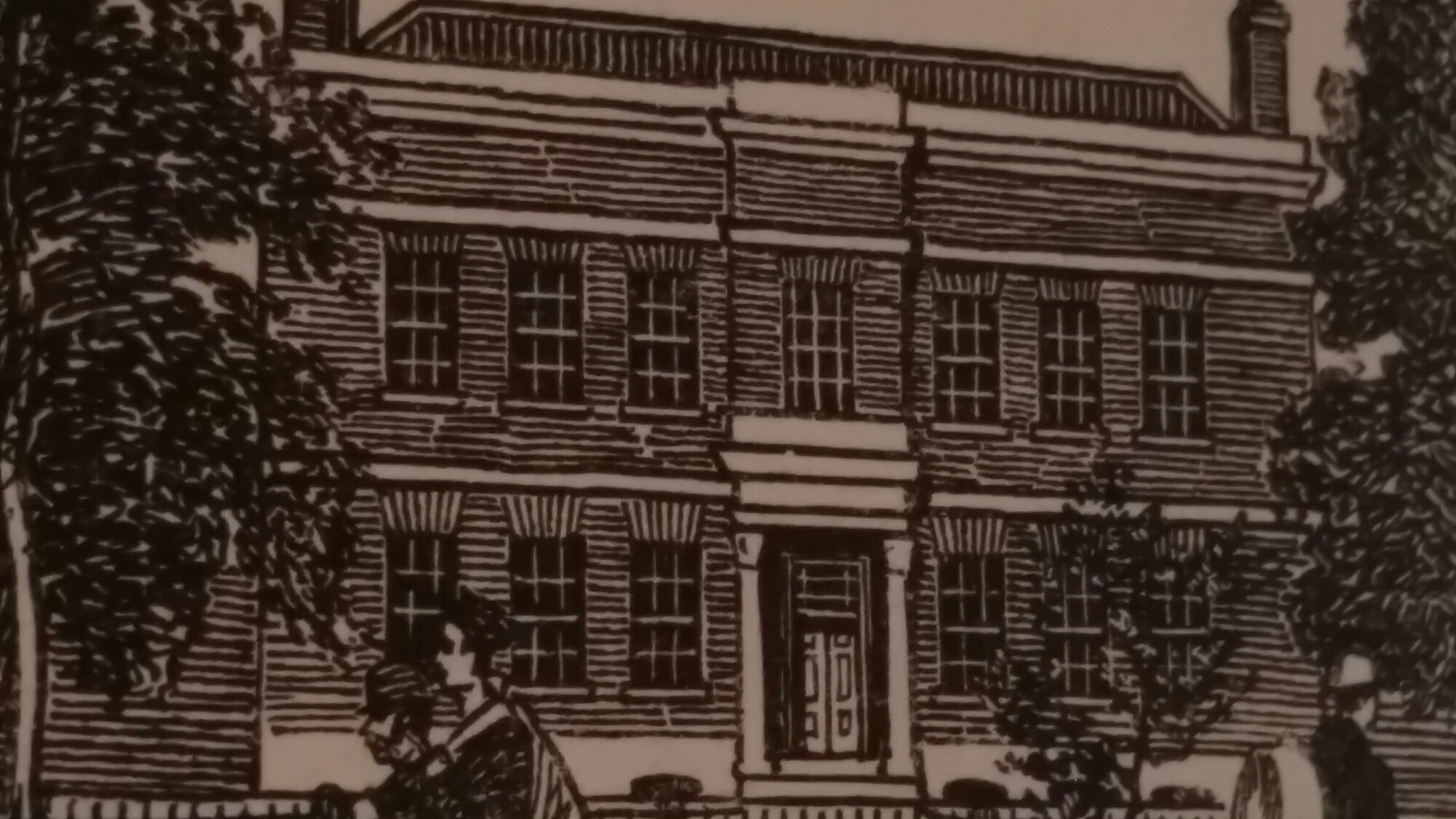
In the William Morris Gallery I noticed the frontispiece of C.R. Ashbee’s pamphlet An Endeavour towards the Teaching of John Ruskin and William Morris, which was published by the Essex House Press in 1901, employing workers and equipment from the Kemscott Press which closed in 1898. Its frontispiece is Essex House itself, which was immediately opposite Mile End tube station:-


You must be logged in to post a comment.