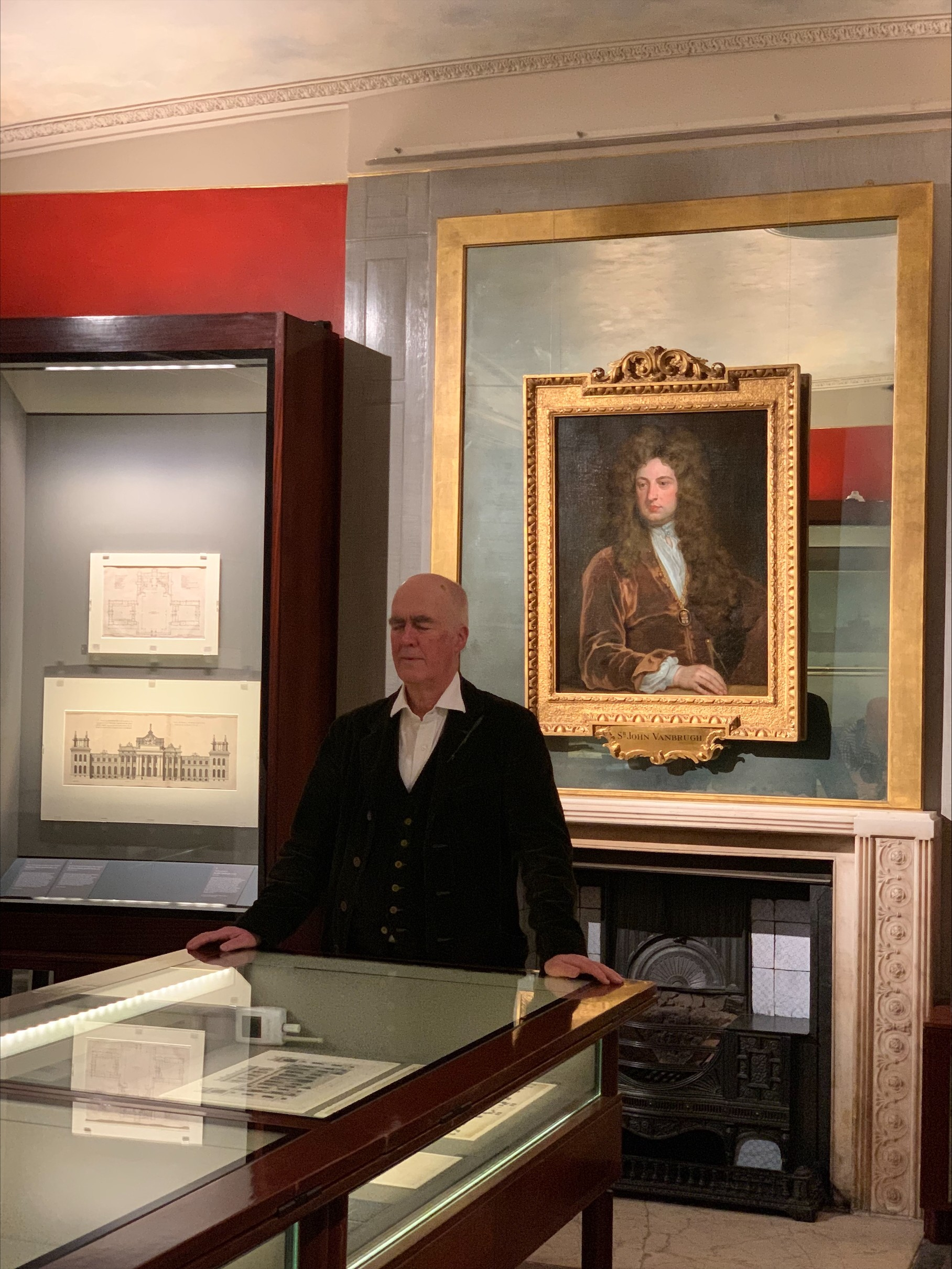
In the intervals of walking the Llyn Peninsula, I have been reading Byron Rogers’s spectacularly and oddly critical, whilst also possibly subtly reverential, biography of R.S. Thomas, The Man who went into the West, which I bought in the post office at Aberdaron. It presents Thomas as a self-invented, self-obsessed, ruthless loner, seen through the eyes of his son Gwyddion. But much of what is presented as evidence against him – the punctuality of mealtimes, the tendency to silence, the hostility to modernisation, the rigorous self-discipline – don’t strike me as symptoms of eccentricity, merely the characteristics of normal middle-class life in the post-war period.
Category Archives: Uncategorized
The Annual Walk (4)
It rained all through the night. It was raining as we left Aberdaron and it rained most of the morning and the afternoon, too. We ended up wading across a river. I found it hard to appreciate the landscape because I was concentrating on surviving, but half registered that the northern coast of the Llyn is softer and more agricultural, less tourist-y, much of the coastline owned by the National Trust which avoids too many of the caravan parks beloved as a source of income by the small farmers.
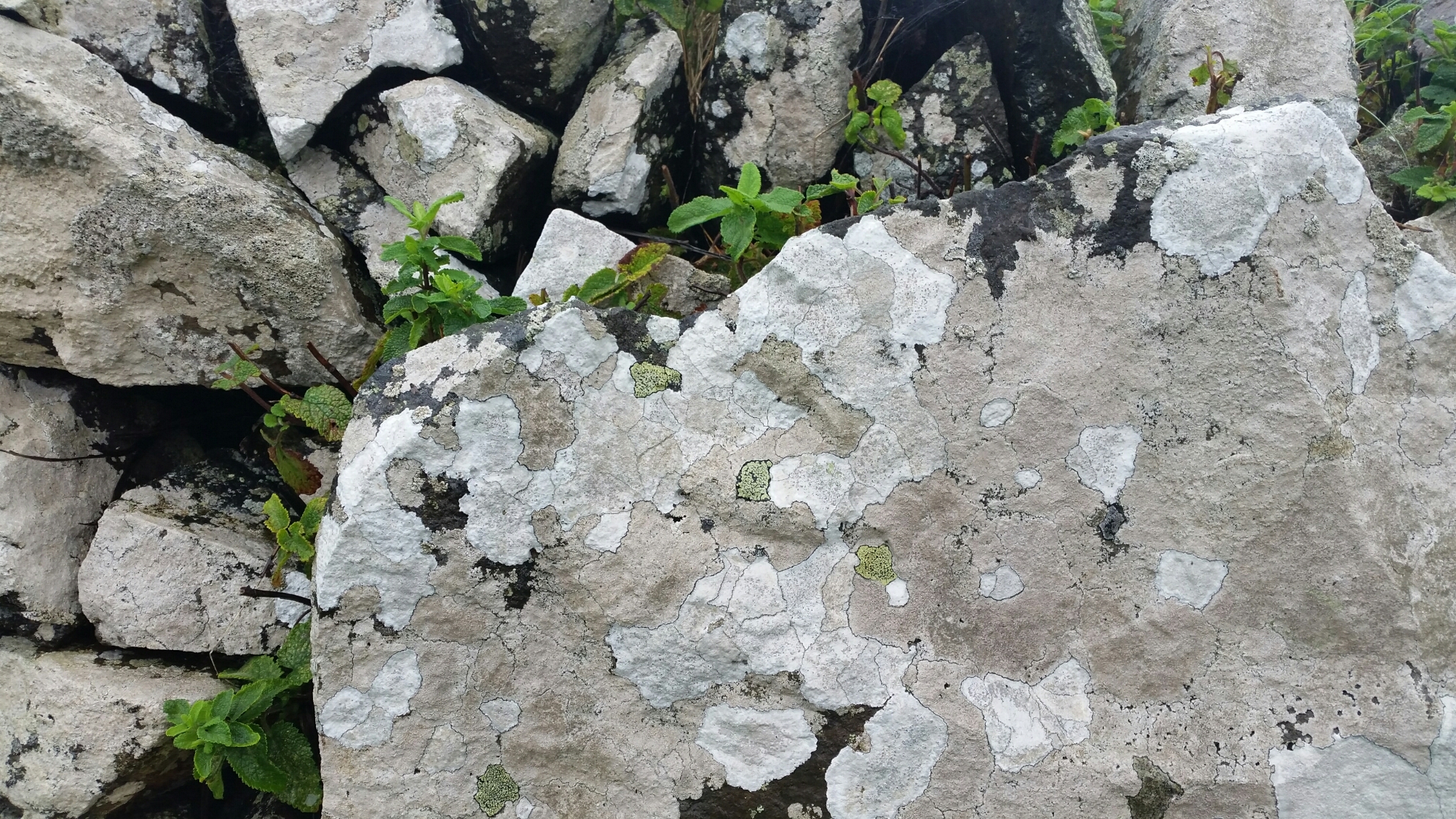
I took photographs of stone walls for Mariana Cook:-

Aberdaron
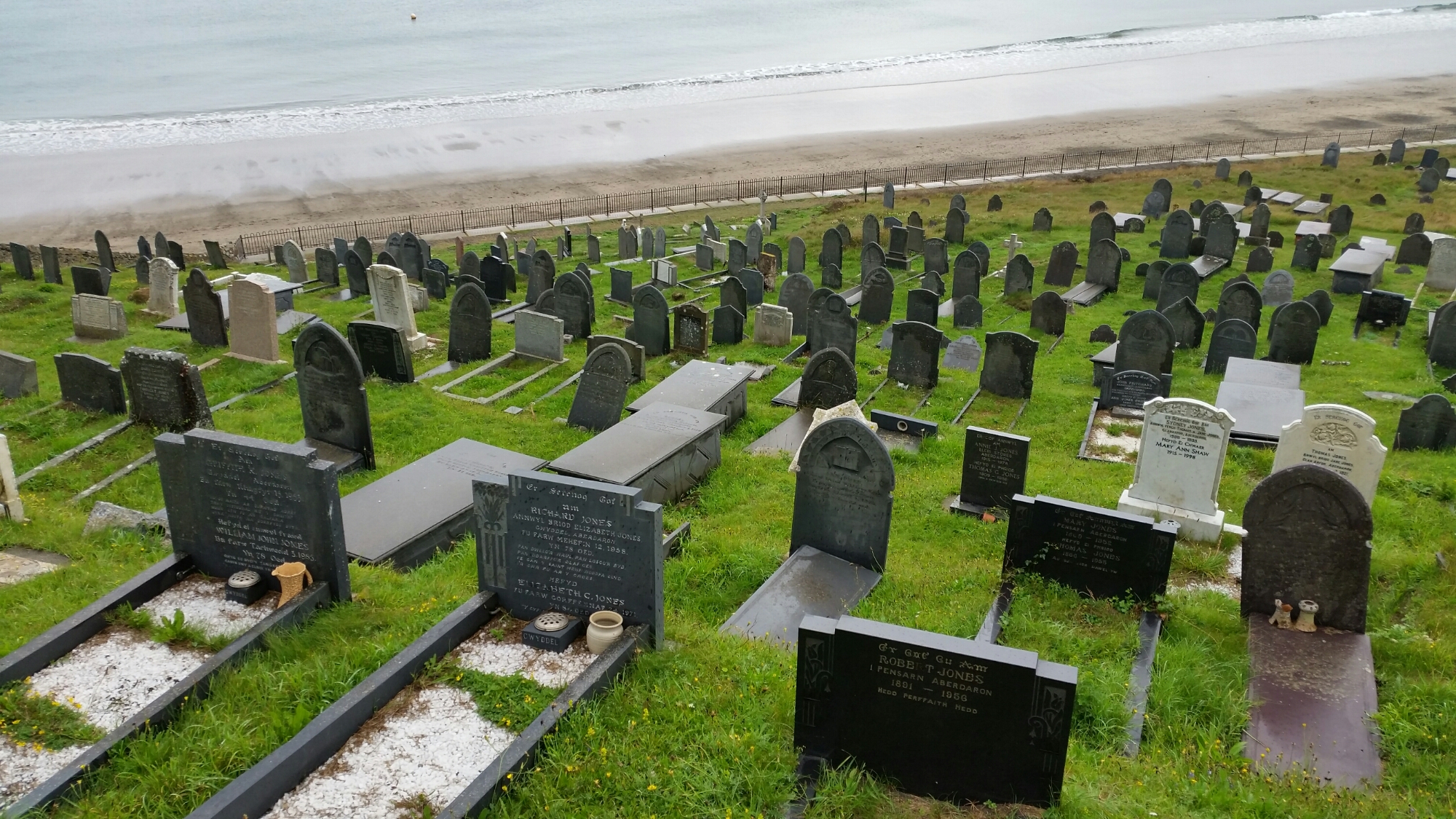
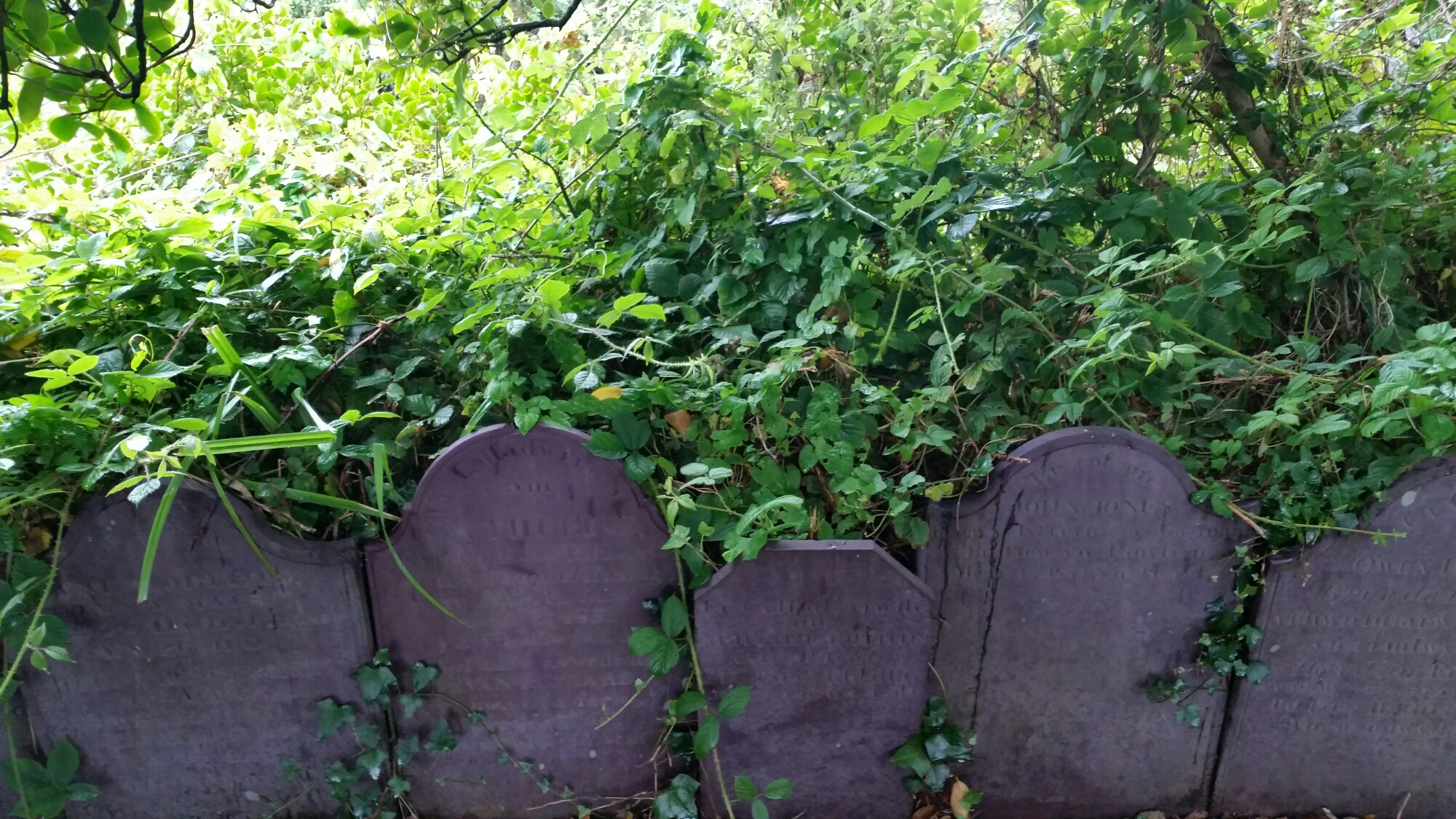
Aberdaron feels, as indeed it is, a bit end-of-the-line, the last town on the Llyn Peninsula where R.S. Thomas was vicar from 1967 to 1978 and taught the local youth to play croquet. The church of St. Hywyn is where pilgrims assembled before the crossing to Bardsey Island.
This is the churchyard:-
The Annual Walk (3)
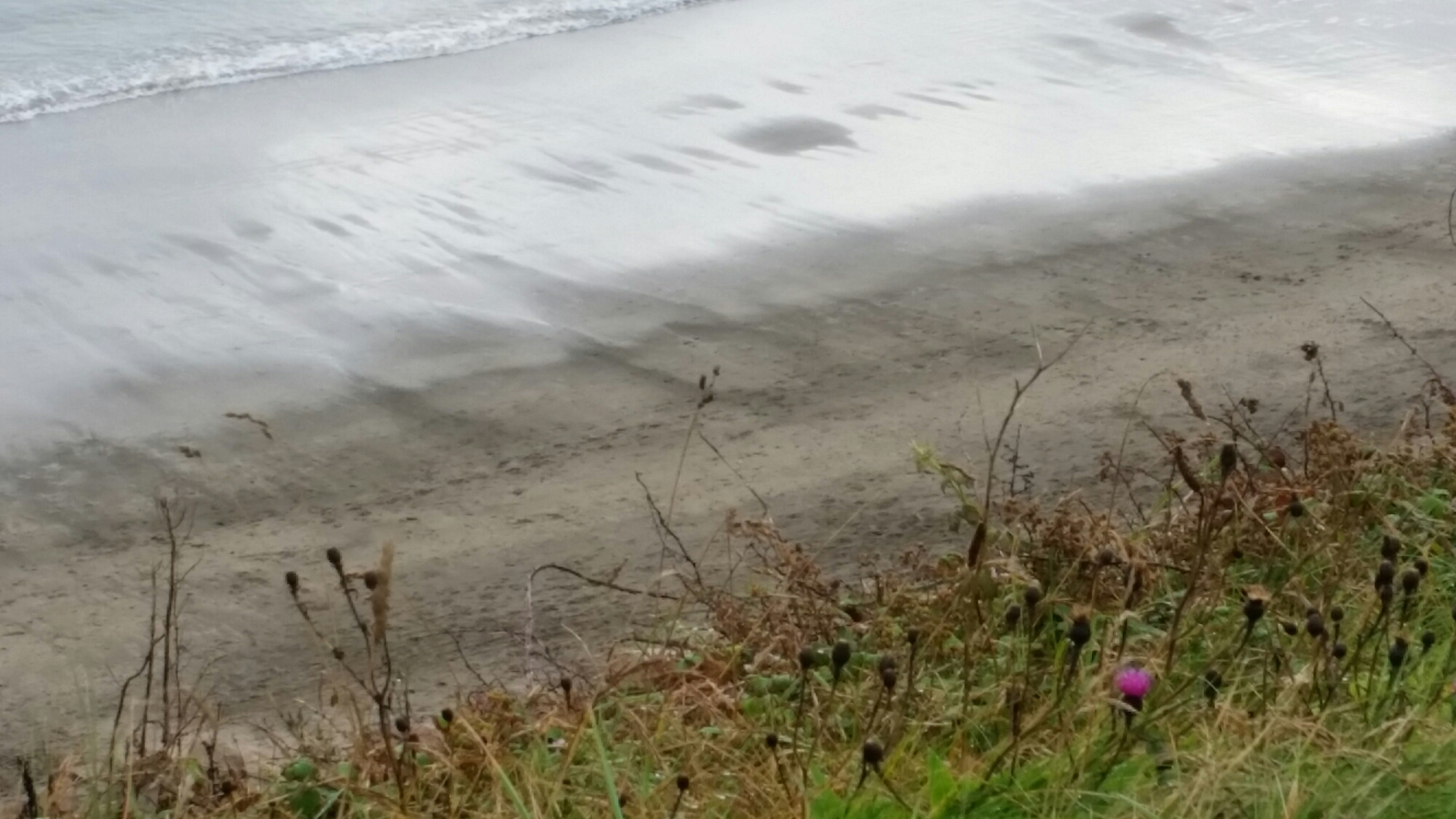
It rained most of the morning as we walked along the long beach of Hell’s Mouth, up past Plas yn Rhiw, where the Keating sisters developed the garden and preserved the local landscape, then over the hill to the manganese mines in the gullies beyond and on along the coast and across the green fields and farmland of westernmost Wales to Aberdaron.
Looking down from Penarfynydd to Porth Ysgo:-


Llanengan
At the end of the day, we called in at Llanengan Church (key available at the Sun Inn). It’s sixteenth century with matching south aisle and nave and screens which connect the two.
This is the path to the church:-
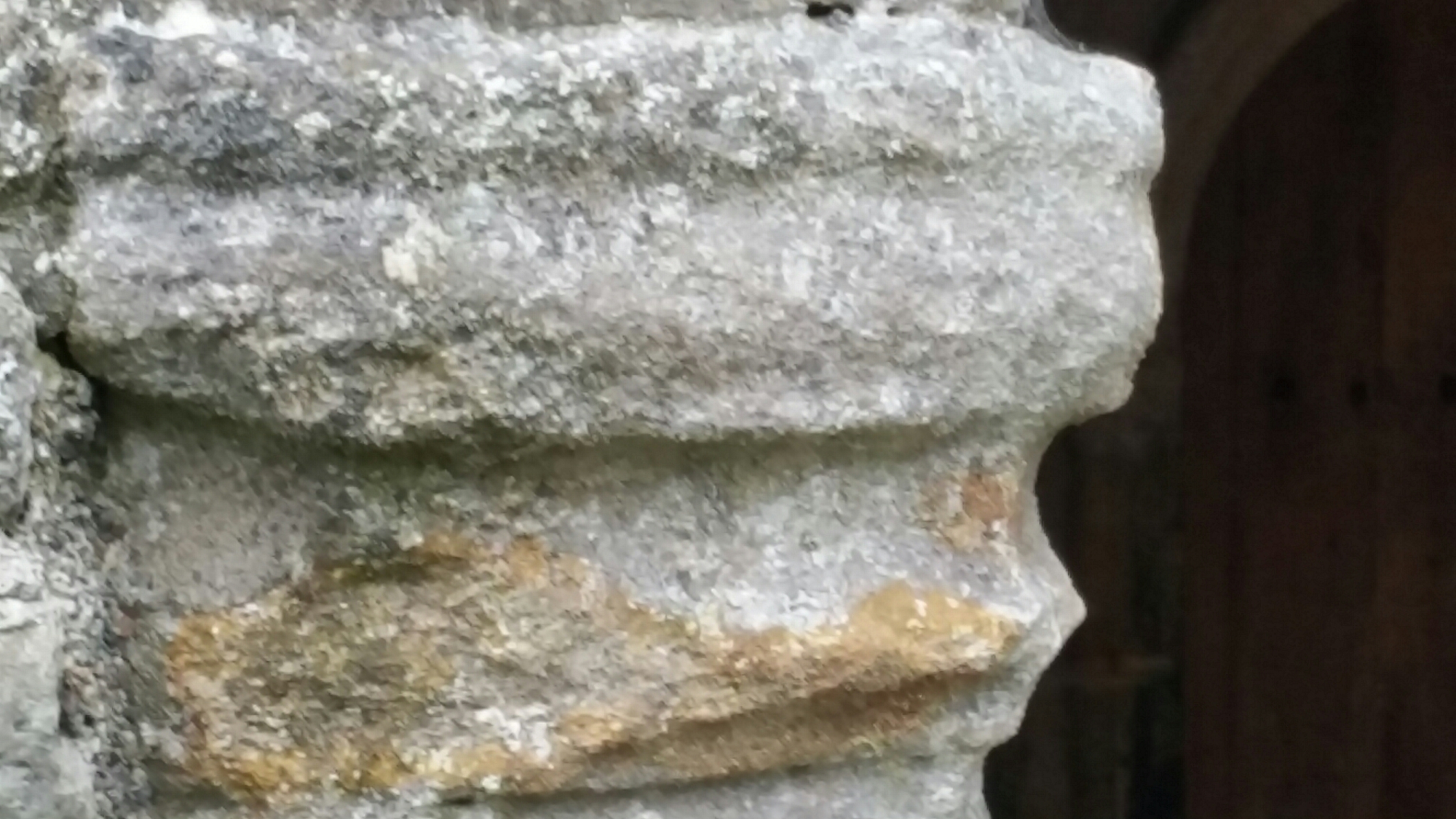
This is a detail of the porch:-
The Annual Walk (2)
Day Two was from Llanbedrog over the hill to Abersoch and then round the headland.
This was the beach in Llanbedrog with the multi-coloured beach huts owned by the National Trust:-

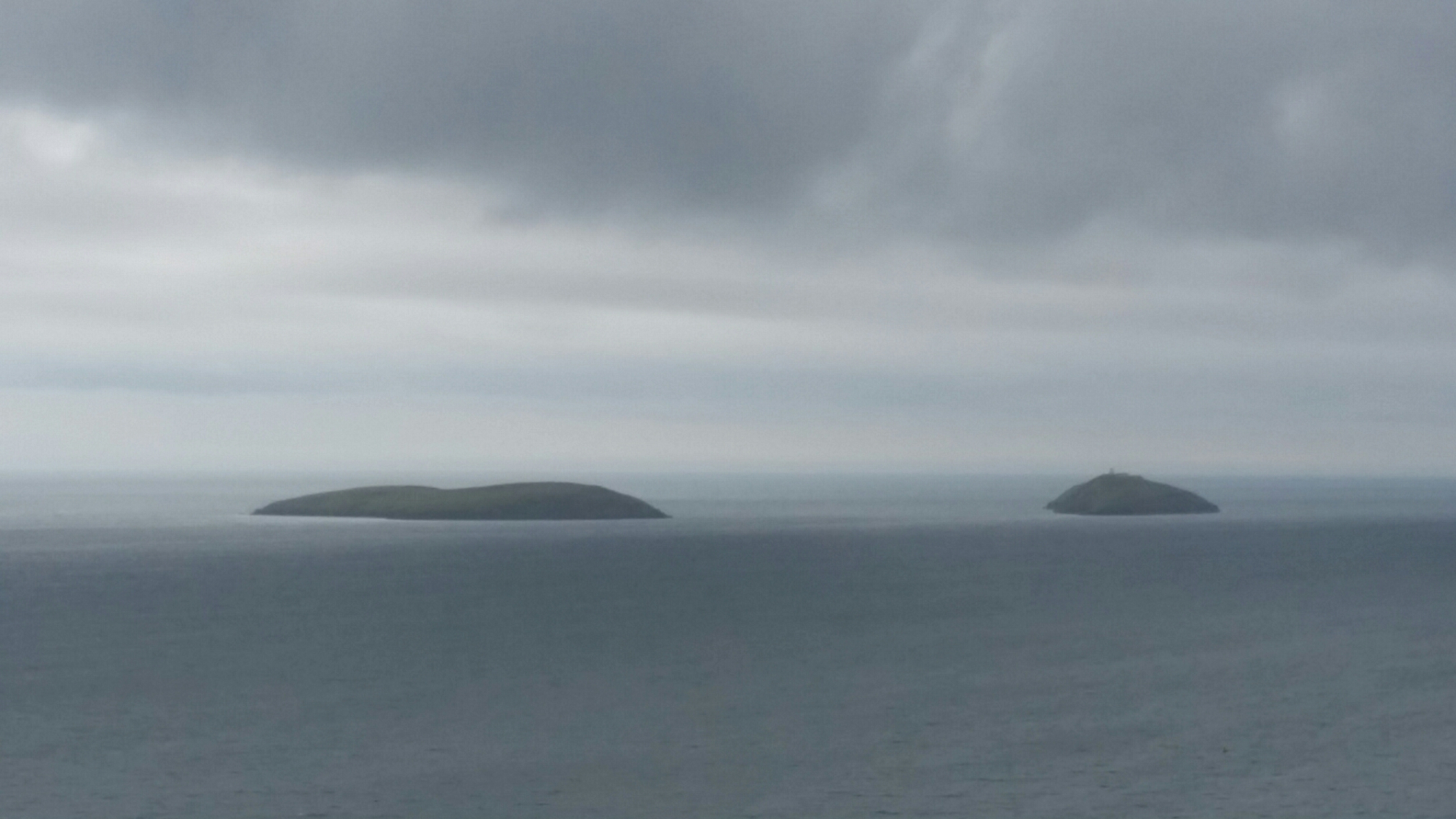
This was the view across the bay to St. Tudwal’s Island (two of them):-
Plas Glyn-y-Weddw
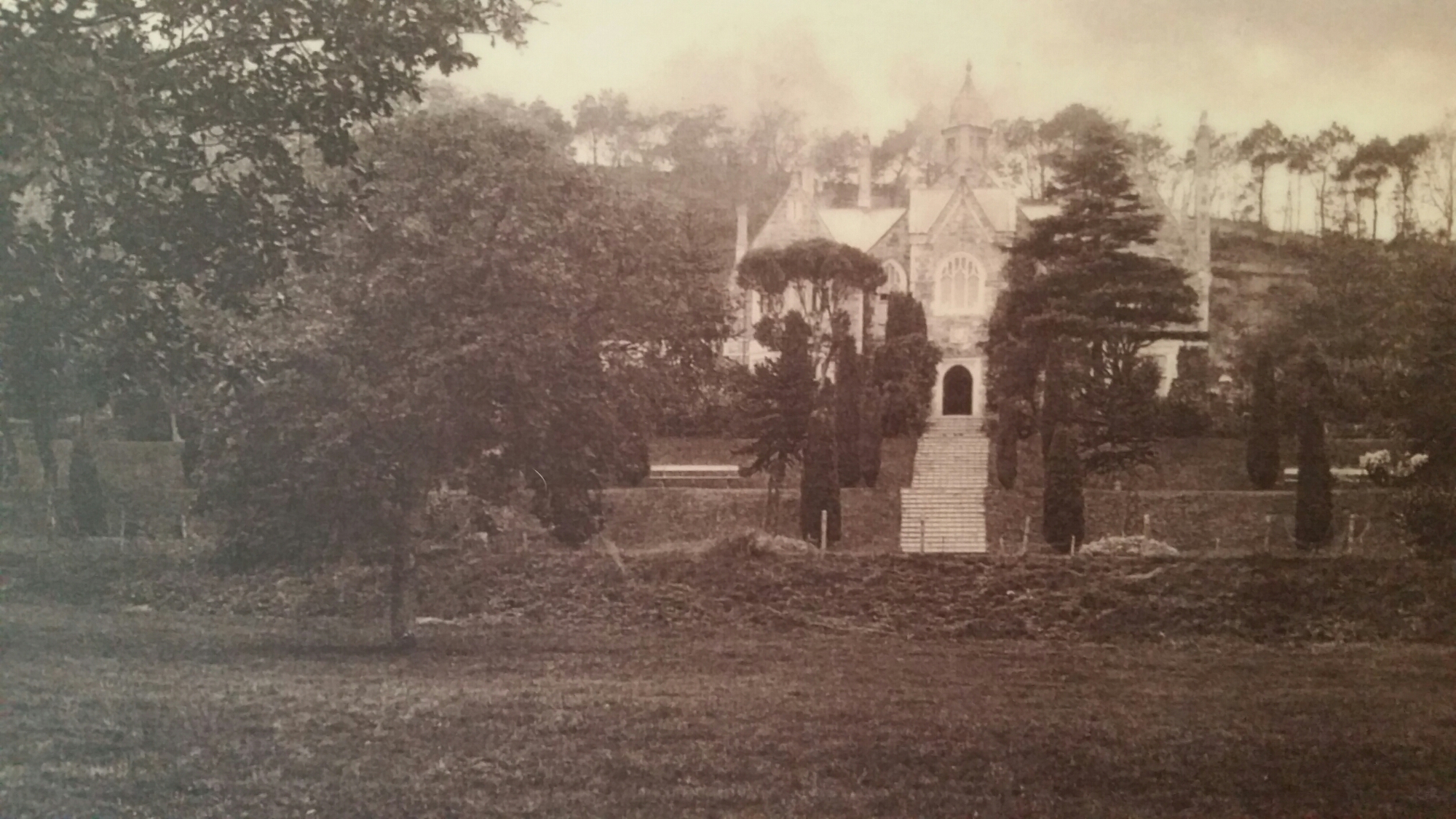
We stopped off at Plas Gyn-y-Weddw, Llanbedrog’s local art gallery, first built in 1856 as a private house by Henry Kennedy for Lady Jones Parry, the widow of Sir Love Parry Jones Parry, MP for Caernarfonshire and the founder of the Welsh colony in Patagonia. The house was converted into an art gallery in 1896 by Solomon Andrews, the entrepreneur who had built the west end of Pwllheli, with trips for visitors on the horse-drawn tramway.

Gwenogfryn Evans
We stayed the night in Tremfan Hall, a house which was built for Gwenogfryn Evans, a scholar of medieval Welsh literature and Oxford don who made a fortune out of producing The Library of Wales, bound in leather and printed on parchment. He established his own printing press to print facsimiles of medieval Welsh manuscripts. The house, so far as one can tell, is as he left it, except now converted into a hotel, with rather gloomily ornate interiors, animal heads, a tiger rug and ornamental wood carvings.
Pwllheli
Pwllheli is more prosperous than I expected, a yachting centre with a large harbour, the end-of-the-line railway station, a high street mercifully free of chain stores, an ironmongers and a disused chapel.
This is the ironmongers:-


Butlin’s
We passed the site of Butlin’s Pwllheli, one of the largest of his holiday camps, constructed during the war for servicemen, including the Duke of Edinburgh, and opened in March 1947 as a holiday camp after a public enquiry. Clough Williams-Ellis appeared to oppose it on behalf of the Council for the Preservation of Rural Wales and as Planning Consultant to the County Council. He promptly announced to the Inspector ‘I myself flatly disagree with their attitudes, and am one hundred per cent in favour of the camp’. It’s a downmarket version of Portmeirion.


You must be logged in to post a comment.