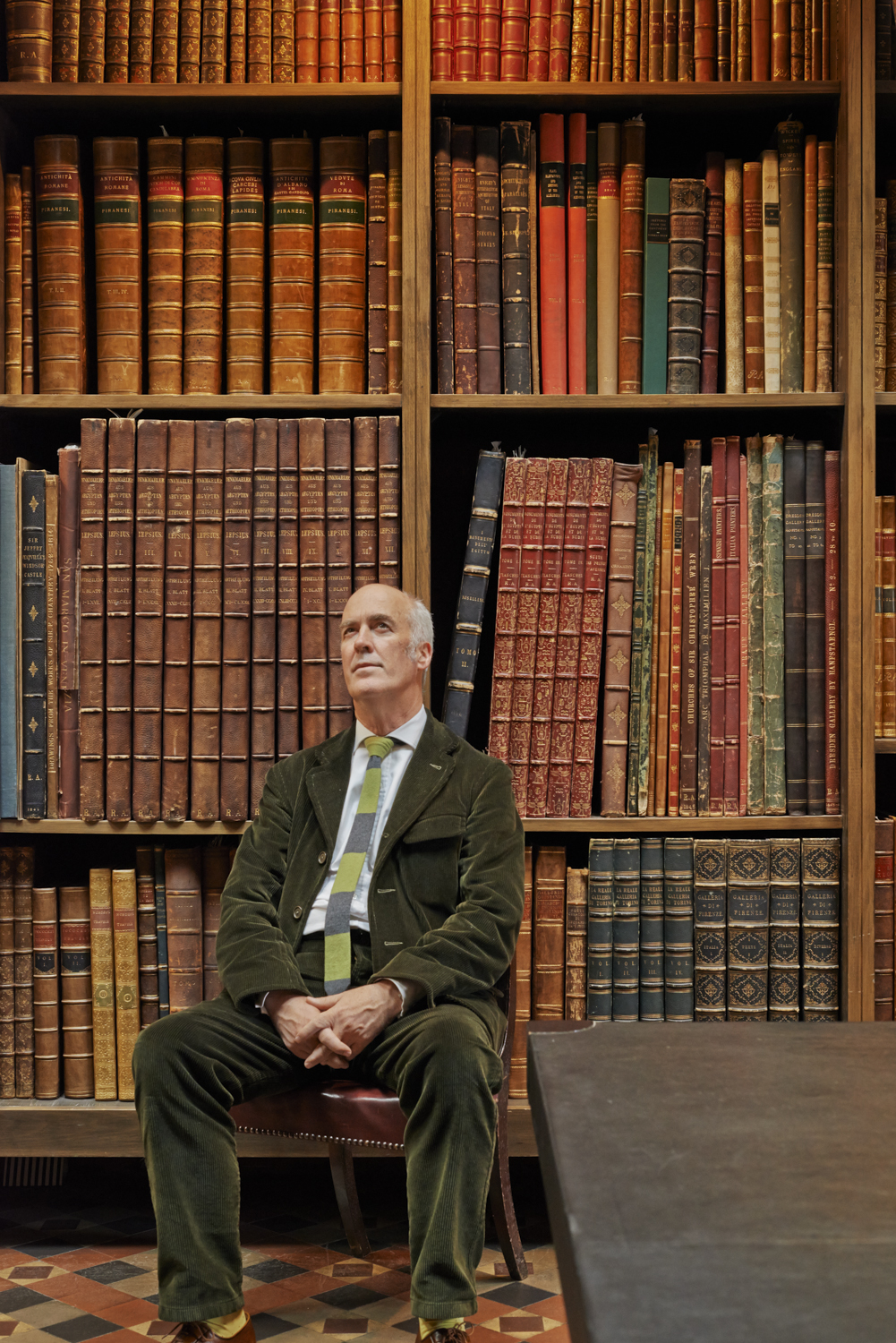
Before setting off to Charleston for the day we wandered round the garden where we are staying enjoying the sudden sense of early summer in the Sussex countryside:-

Before setting off to Charleston for the day we wandered round the garden where we are staying enjoying the sudden sense of early summer in the Sussex countryside:-
Last night we attended a lecture given by Amartya Sen as a preliminary to him being awarded the first Maynard Keynes prize for all round brilliance. It was an astonishingly clear exposition of the continuing relevance of Maynard Keynes’s The Economic Consequences of the Peace in an environment in which so many professional so-called financial economists (ie bankers) advocate the imposition of extreme measures of austerity on European countries, including, most especially, Greece. He compared it to the administration of rat poison. Afterwards I walked down the track to Tilton where Keynes lived.
A busy day at the Charleston Festival. Julia Peyton-Jones and I were interviewed by Dinah Casson about what it is to be a curator. Dinah started off with the characteristics of a traditional curator as, I assume, she has experienced in working on the British Galleries at the V&A and, more recently, the First World War Galleries at the Imperial War Museum. Then Julia revealed the complexities of decision-making on the exhibition programme at the Serpentine. We all remarked on the ways in which there is now so much more interest in contemporary art than when we started our careers and discussed the reasons why. After lunch, Hans-Ulrich Obrist demonstrated what it is to be a high-powered international superstar curator in discussing his project to interview the best known artists and architects for his version of Vasari.
 Ⓒ Axel Hesslenberg
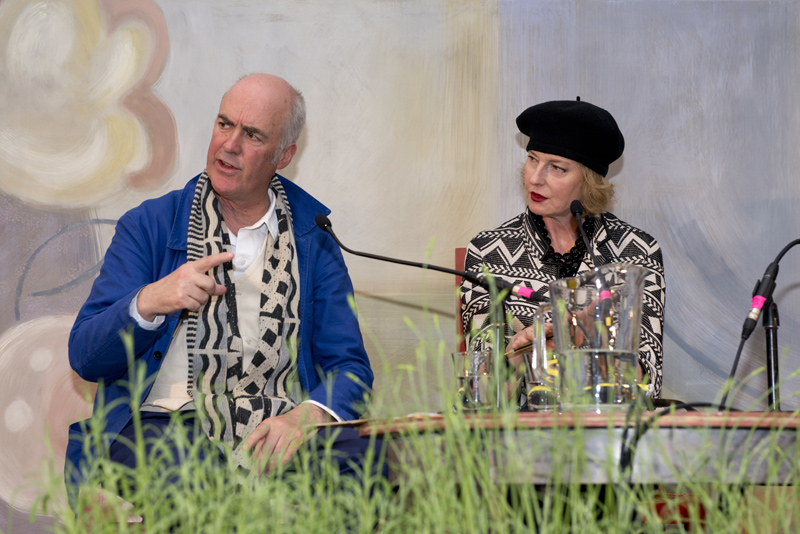 Ⓒ Axel Hesslenberg
I have just interviewed Hannah Rothschild about her new (and first) novel The Improbability of Love in which she imagines a Watteau being discovered in a junk shop, being bought by someone accidentally for £75 and then the search for it and the adventures that ensue in the world of an overheated art market. She brings to it the knowledge which comes from being both a Rothschild, so a representative of the art-owning aristocracy, and a Trustee of the National Gallery (soon-to-be chairman), but she also brings to the art world occasionally sardonic and definitely comic powers of descriptive invention.
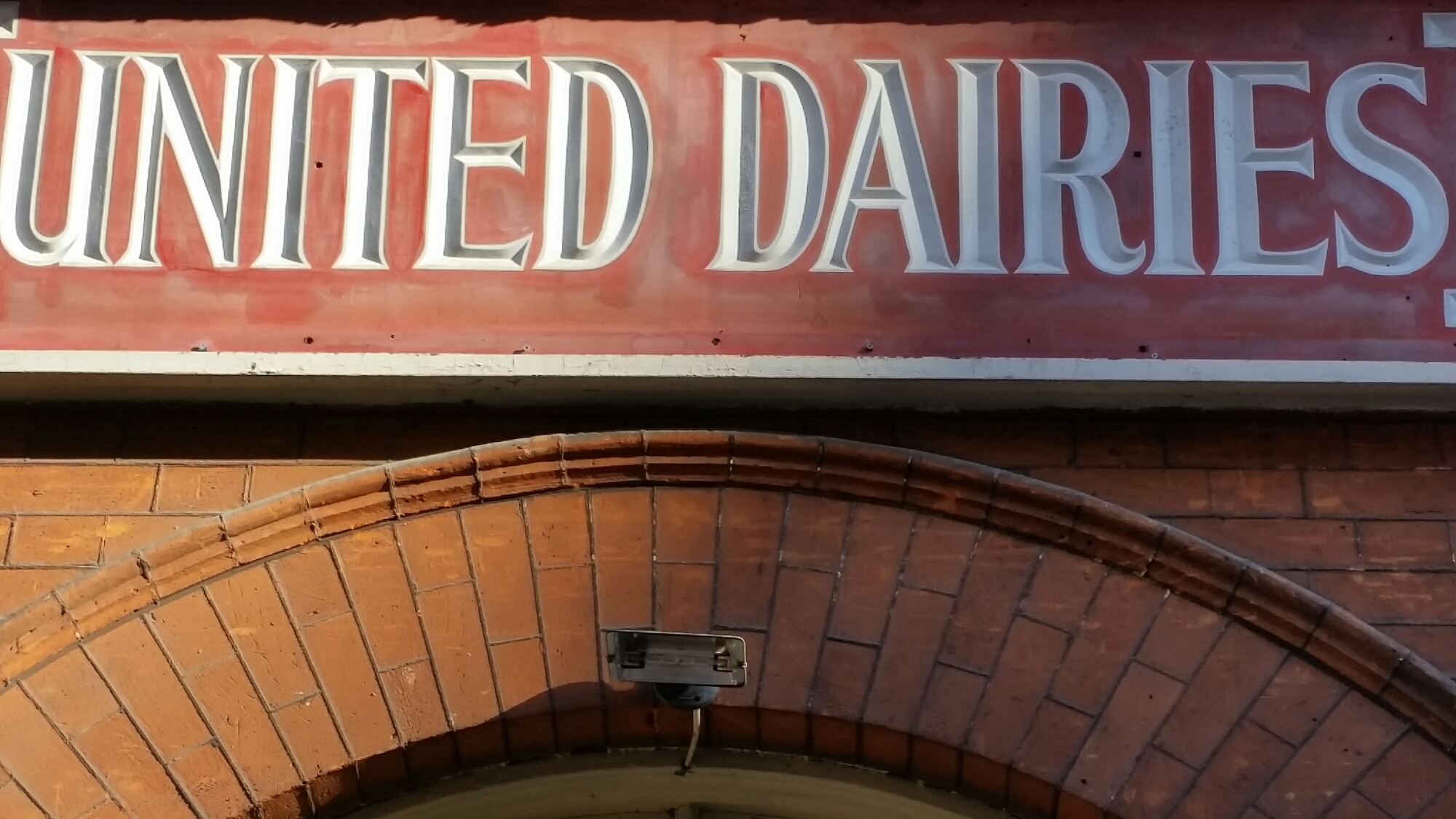
I was walking down Weighhouse Street the night before last and was sad to see that its branch of United Dairies is closing down, a residue of the days when Mayfair was more obviously residential, still with corner shops:-
Nearby is the grandest possible Electricity Substation hidden under a large raised terrace opposite the Beaumont Hotel. I’ve often wondered about it. At either end there is a neo-baroque pavilion designed by Stanley Peach, a Scottish architect who had trained as a doctor, spent time in the Rocky Mountains and later designed Centre Court at Wimbledon:-
I spent some of the morning at the Global Private Museum Summit which is being held alongside Art 15 at Kensington Olympia. The Summit reflects the astonishing rise of private art museums in nearly every country across the world including France, Germany, Italy and Romania and with representatives from Miami, Indonesia and Shanghai. The idea was that I should talk about the RA as the world’s oldest private museum which in some ways it is in not having government funding, but the problems and issues felt different to those of recently established contemporary museums which are generally relatively small-scale and run by their owners.
I went to breakfast this morning in Alfred’s Club, one of those mysterious private clubs in Mayfair. It occupies premises just behind Bourdon House, which used to be Mallett’s and is now Dunhill, with its own humidor downstairs. Little is known of Bourdon who was the first lessee of the house in the early 1720s. It’s presumed that he was Lieutenant William Bourdon who had been in the foot guards and was a Justice of the Peace, but the name was only attached to the house in the 1860s. It’s the closest one can get to eighteenth-century Mayfair.

I was loitering outside the doors of the V&A waiting for them to open and remembering Roy Strong saying that whenever he walked back to the V&A after lunch he thought of Elgar: it’s that strain of slightly overblown pomp and nationalism. Anyway it looked as magnificent as ever in the morning sun:-

I went to an event this morning to celebrate the fact that the Bank of England has decided, after a mere 321 years, to put the face of a British visual artist on its £20 note. It has established a grandly named Banknote Character Advisory Committee to decide, but is asking the public to send in recommendations. My vote would go to Sir Joshua Reynolds, of course, but I detected a certain disapproval on the part of Andrew Graham-Dixon that he painted portraits. Blake should be a candidate as a poet artist working in a number of different genres. Graham-Dixon spoke in favour of Constable and Turner. Gwen John, perhaps ? It can’t be David Hockney because he’s still alive.
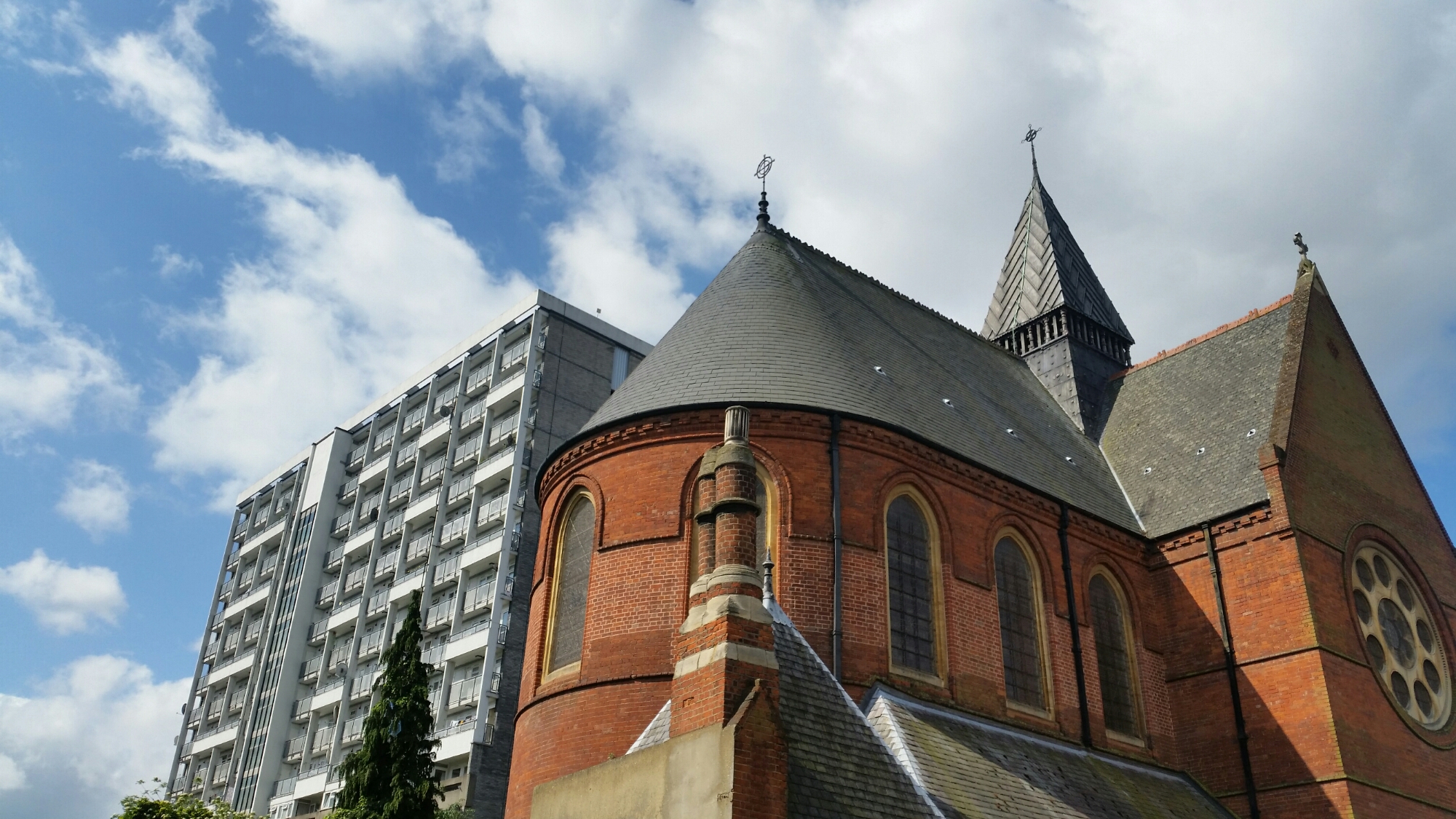
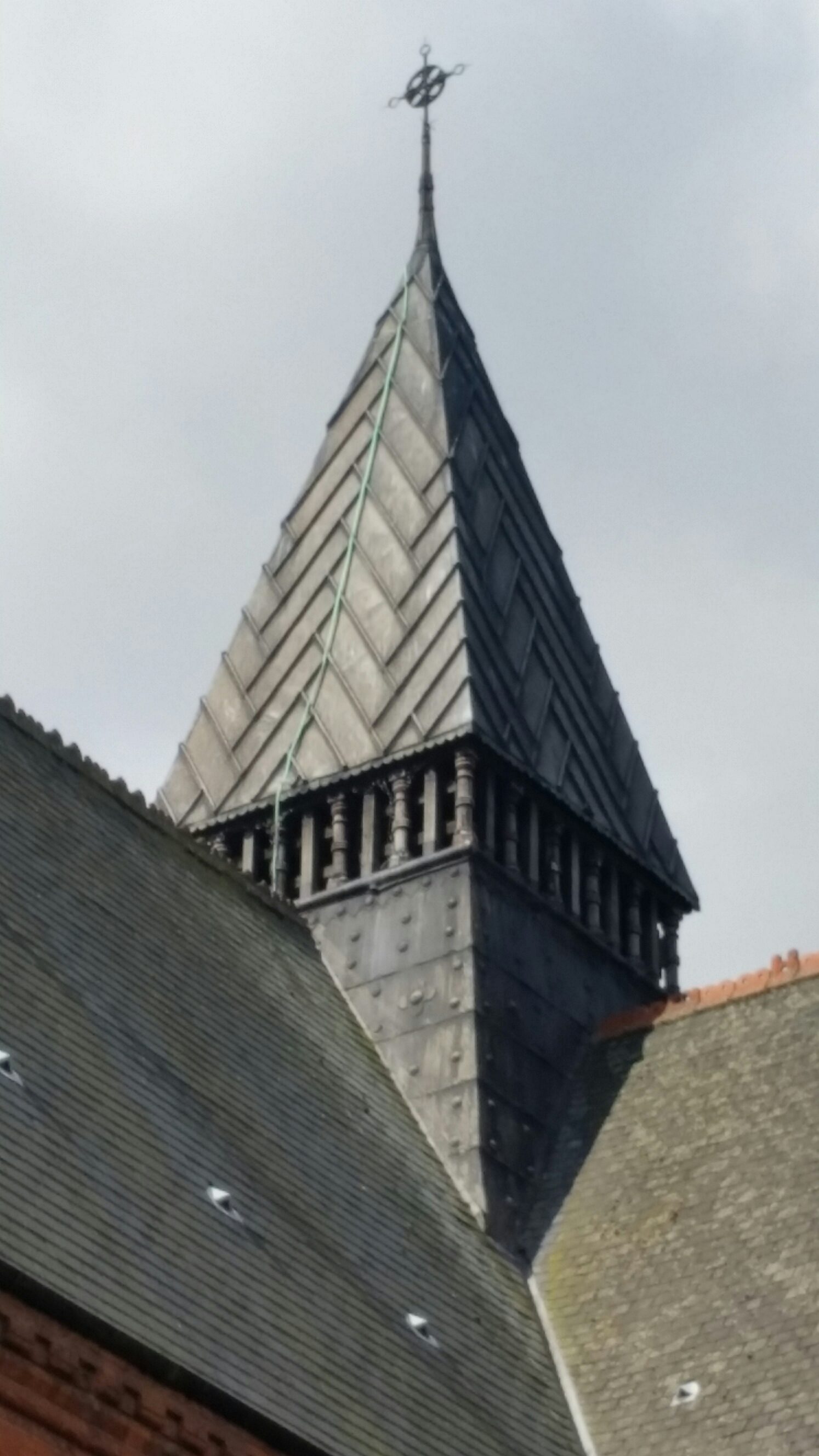
I failed to post photographs of St. Chad’s, a large barn-like church designed by James Brooks on a street just behind Haggerston School. Brooks became a student in the Royal Academy Schools, and set up in practice as an architect in Bloomsbury Square. In 1862, he moved to a house he designed for himself in Clissold Crescent in Stoke Newington. Commissions for east end churches, including St. Chad’s, came from fellow parishioners at St. Matthias’s, Stoke Newington who established the Haggerston Church Scheme. St. Chad’s is a good example of Brooks’s austere and muscular red brick Gothic, entirely appropriate to bring Anglo-Catholicism to Haggerston:-


You must be logged in to post a comment.