Nicholas Goodison (3)

It was the memorial service for Nicholas Goodison at St. Martin’s-in-the-Fields. He had chaired its art advisory committee which led to the selection of Shirazeh Houshiary to design the East Window. Oddly, I was on that committee, but missed the crucial meeting.

Sometimes, memorial services are a bit impersonal, but this felt deeply personal, as if he had chosen the music himself – perhaps he had ? – including César Franck, Messiaen, and a specially composed short voluntary for the baroque trumpet by Peter Maxwell Davies. He chaired the National Art-Collections Fund, the Burlington Magazine, the Crafts Council, the Furniture History Society and National Life Stories (I’ve probably left a few out). But he also liked salmon fishing and photography. It’s easy to forget that his professional career was as a stockbroker-turned-banker.

Standard

Leon Kossoff

I went to a tea ceremony in Arnold Circus to celebrate the erection of a sign to mark a cherry tree which was planted two years ago to commemorate Leon Kossoff, whose father came from Ukraine and ran Kossoff’s Bakery on Calvert Avenue, nearly opposite Leila’s. Kossoff apparently came back several times towards the end of his life to see the neighbourhood where he had spent so much of his childhood, including attending Rochelle School on the other side of the Circus, and he made drawings of the Boundary Estate, alongside his great series of paintings of Christ Church, Spitalfields:-

Standard

The future of the museum

I had a very enjoyable discussion with Richard William’s about his new book The Culture Factory. We ended with a brief – too brief – discussion of the future of the museum. I seem to always end up citing MONA as an example of what the future might be: much more exploratory, much less information-based; no clear route, so that visitors are compelled to map their own route; treated very democratically as a day trip, friendly to family groups in a way that traditional museums have not been; treating art as an experience, not at all educational; a ping-pong table when you arrive and a beer machine. But it’s a long way to go to check it out.

Standard

The Sainsbury Wing (2)

I reproduce two quotations from an interview with Bob Venturi in 1991 (it appears in ‘National Gallery — Sainsbury Wing.  Robert Venturi, David Vaughan and Charles Jencks.  An interview’ in Post-Modern Triumphs in London, London, 1991), which I think are germane to understanding the character of the wing as built. The first concerns the low ceiling in the entrance foyer:-

There are two determinants that effect the design of the [foyer].   It is very low from necessity, because of the need to link with the elevation of the piano nobile of the old building;  also we refer to the traditional way of dealing with a high-Classical building at ground level.   In many English country houses you come into the lower part, which is designed in the manner of the outside vocabulary of the building;  and then climb to the major floor above.   In Italy it was often where the carriage drove in.   So we gave it that character, to some extent, with the big piers.

The second concerns the importance he attached to views out – the windows onto the monumental staircase:-

The client wanted something that paralleled the original setting the painters might have anticipated for their art.   The sense of place was important.   Also it is thrilling to see art in the real world, rather than in a museum:  if you go to someone’s house and they have a great painting in their living room, there is something more wonderful about it than if you see it in a museum — it’s in the real world.   At the same time you have to acknowledge the museum as an institution for accommodating high security and great crowds, so what we did was to place occasional windows in the galleries.   A window indicates that you are part of the living world.   Also you can look through it — and the magic you’ve been experiencing looking at great paintings becomes more magical after it is interrupted by the real world; it’s like intermissions between acts at the theatre.

And finally a comment he made on the nature of its relationship to Wilkins’s portico:-

The porch of the old building was for a few ‘élitists’, the 500 persons per day who went up the steps originally.   Our building – not quite a sports stadium – still has to acknowledge that many more people come through the entrance than in 1830.   No longer just gentlemen, but thousands of students on cheap air fares.

Standard

The Sainsbury Wing (1)

I spent the morning in the Sainsbury Wing in preparation for a talk with Richard J. Williams, author of The Cukture Factory: Architecture and the Contemporary Art Museum.

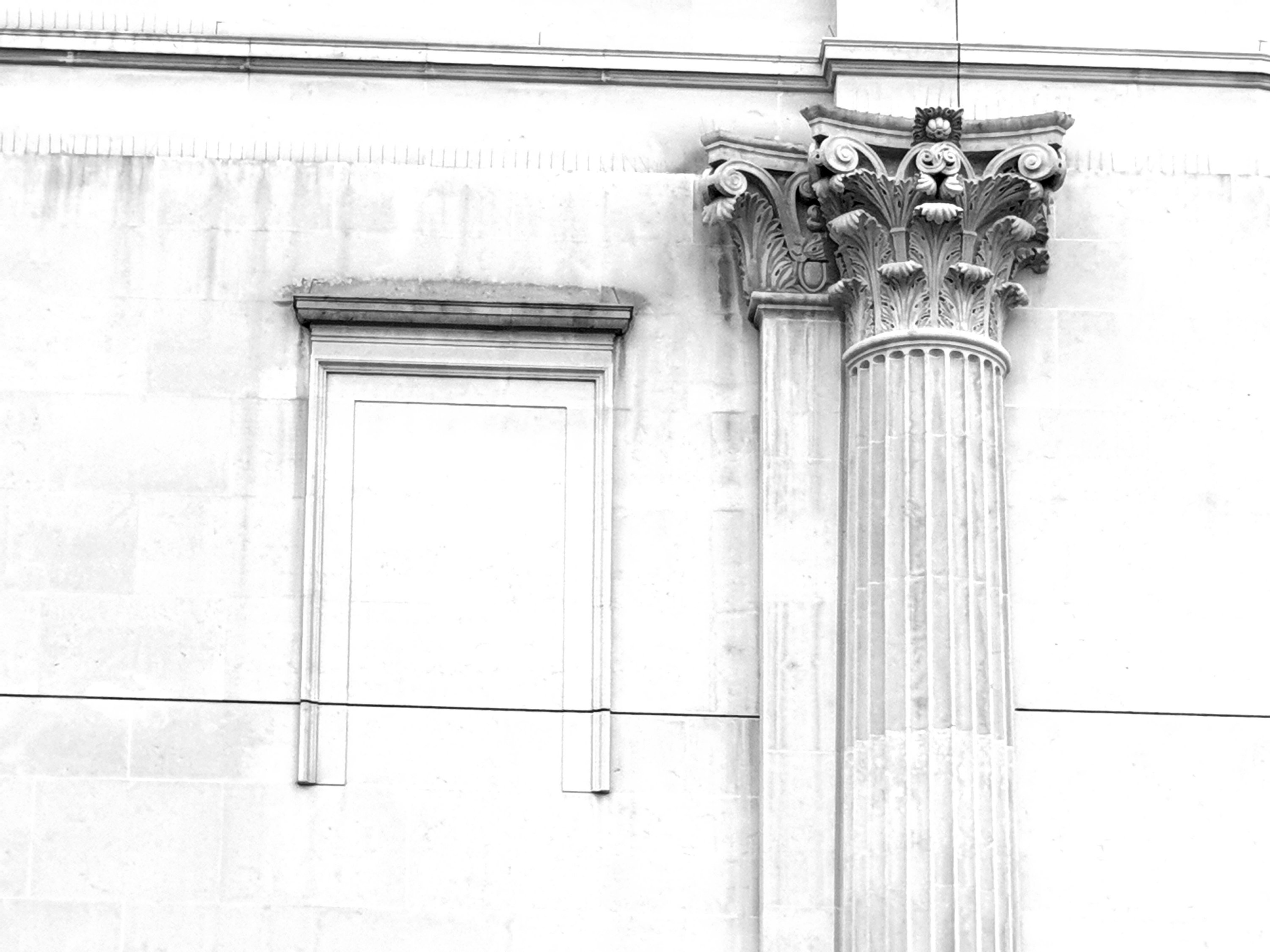
I particularly focussed on the three things which the Gallery’s buildings committee found most contentious: the lone Corinthian column on the façade:-

It’s hard now to see this as particularly controversial and is essential to Venturi’s and Scott Brown’s experimental game-playing with the vocabulary of Wilkins which upset those who wanted him to be a more orthodox, and less mannerist, classicist.

The second is the scale of the columns in the front entrance hall, the appearance of which has been hugely improved by the removal of a lot of ephemeral and peripheral clutter:-

The third was the idea of having a neo-Palladian window at the end of the main enfilade which apparently still exists within the stonework:-

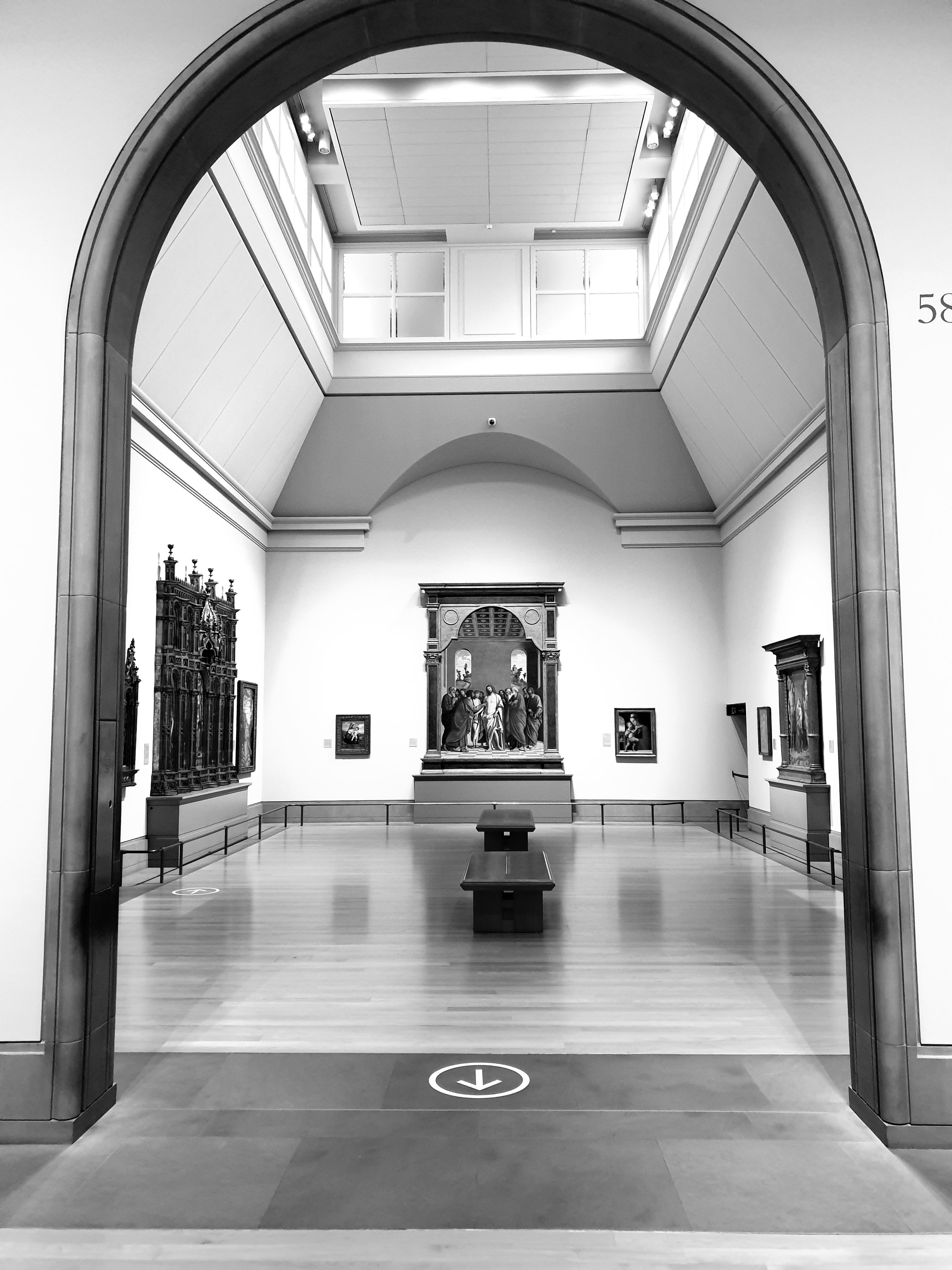
The experience made me realise how much I still admire the quality and scale of the Sainsbury architecture, which has been greatly enhanced by the quality of its COVID rehang, including more small and less well-known works, and removing – to its great benefit – the over-familiarity and predictability of the previous hang.

Standard

In defence of MONA

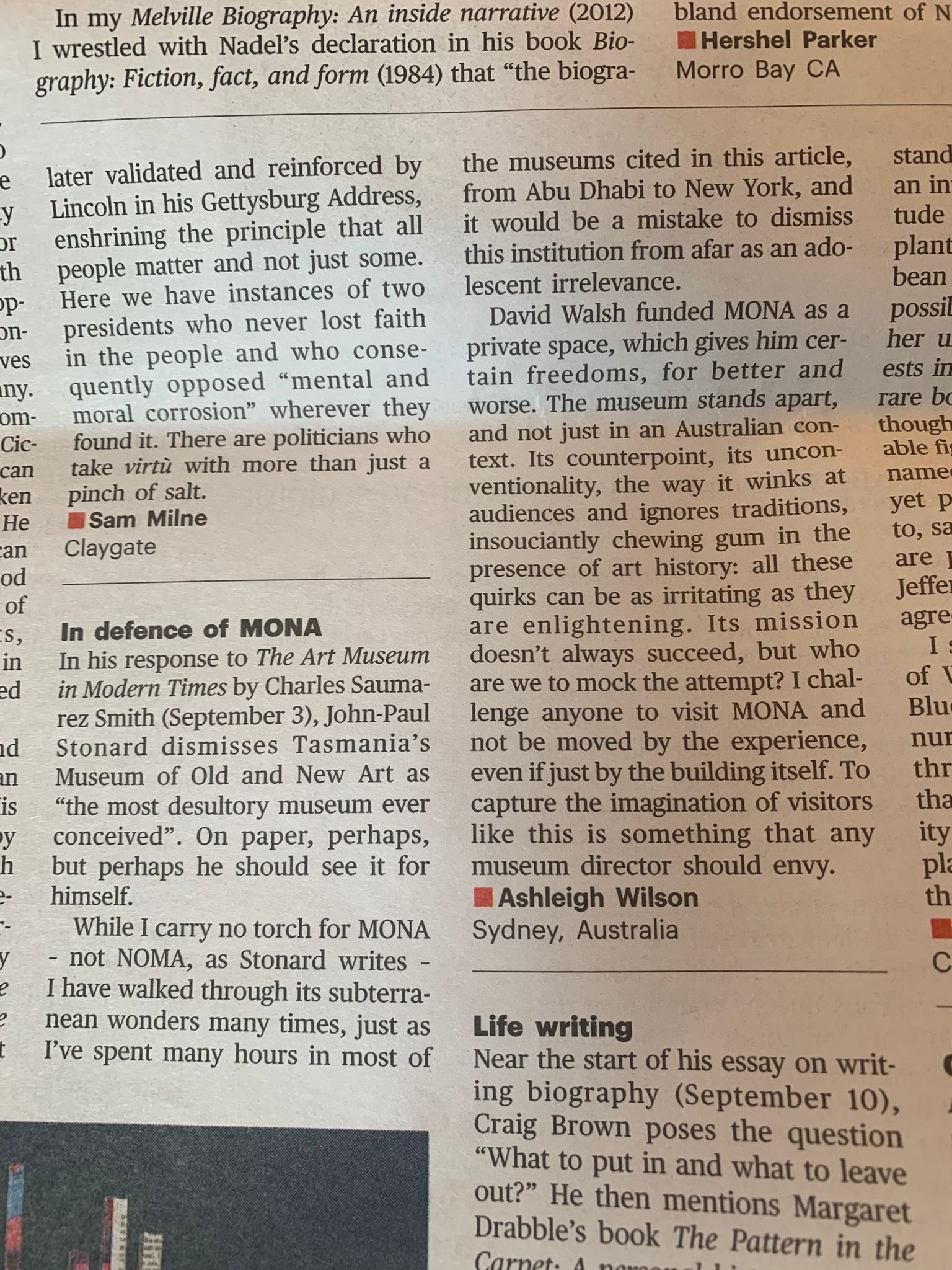
I have been sent a copy of a letter which has been published in this week’s TLS. I completely agree with it. I sometimes got the sense that David Walsh was trying to irritate the hell out of people like me by designing his museum MONA so wilfully unconventionally. But like Ashleigh Wilson, the author of the letter, I enjoyed and admired its provocative unconventionality, which has obviously succeeded in attracting new audiences.

I don’t recommend doing what I did which was to go on a day trip from London, not least because there is a hotel on site and I would have liked to go back and explore more the next day.

Standard

Italo

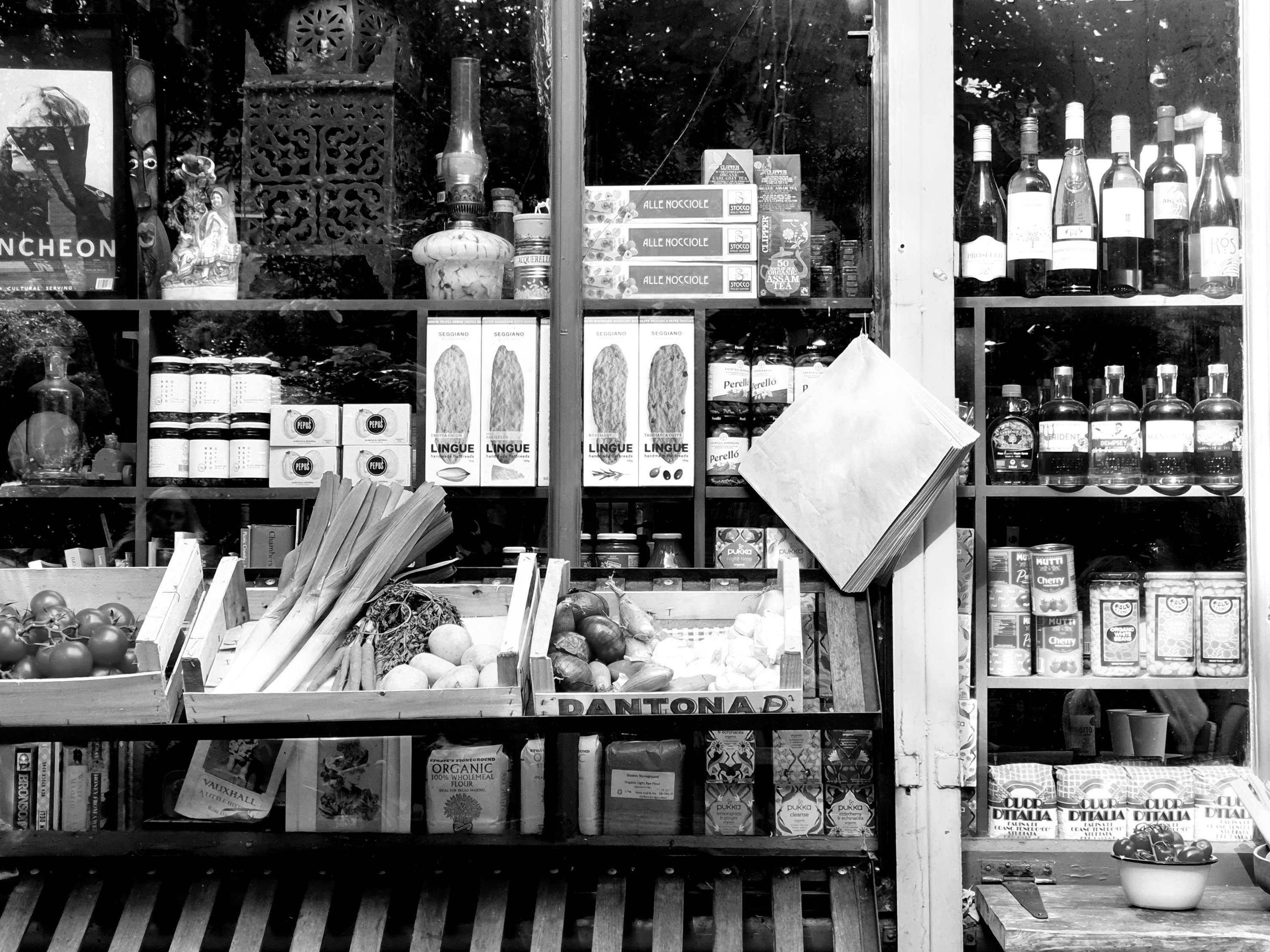
As therapy from wandering round the wastelands of north Vauxhall, I had lunch on the pavement outside Charlie Boxer’s delicatessen, Italo in Bonnington Square. It’s everything the new developments aren’t: anchored in a sense of local community, with streets and a small garden, a sense of human interaction and human scale.

Is it impossible to reproduce this sense of humanity, localism and streetscape in new building or have we just decided to give up on it ?

Standard

Vauxhall

I walked through the new Vauxhall, a City which has grown up in the last ten years. I don’t object to it in the way I dislike so much of the City itself because it occupies riverside which was previously nondescript, an area of old warehouses and the relocated Covent Garden market, the wrong side of the railway tracks, but with the benefit of proximity to the river. I assume it attracts capital to London because the voices were international and the cars plutocratic. It does nothing whatever to solve the problems of London housing since it all looks unaffordably expensive, sold in the Saturday property supplements in Singapore and Hong Kong.

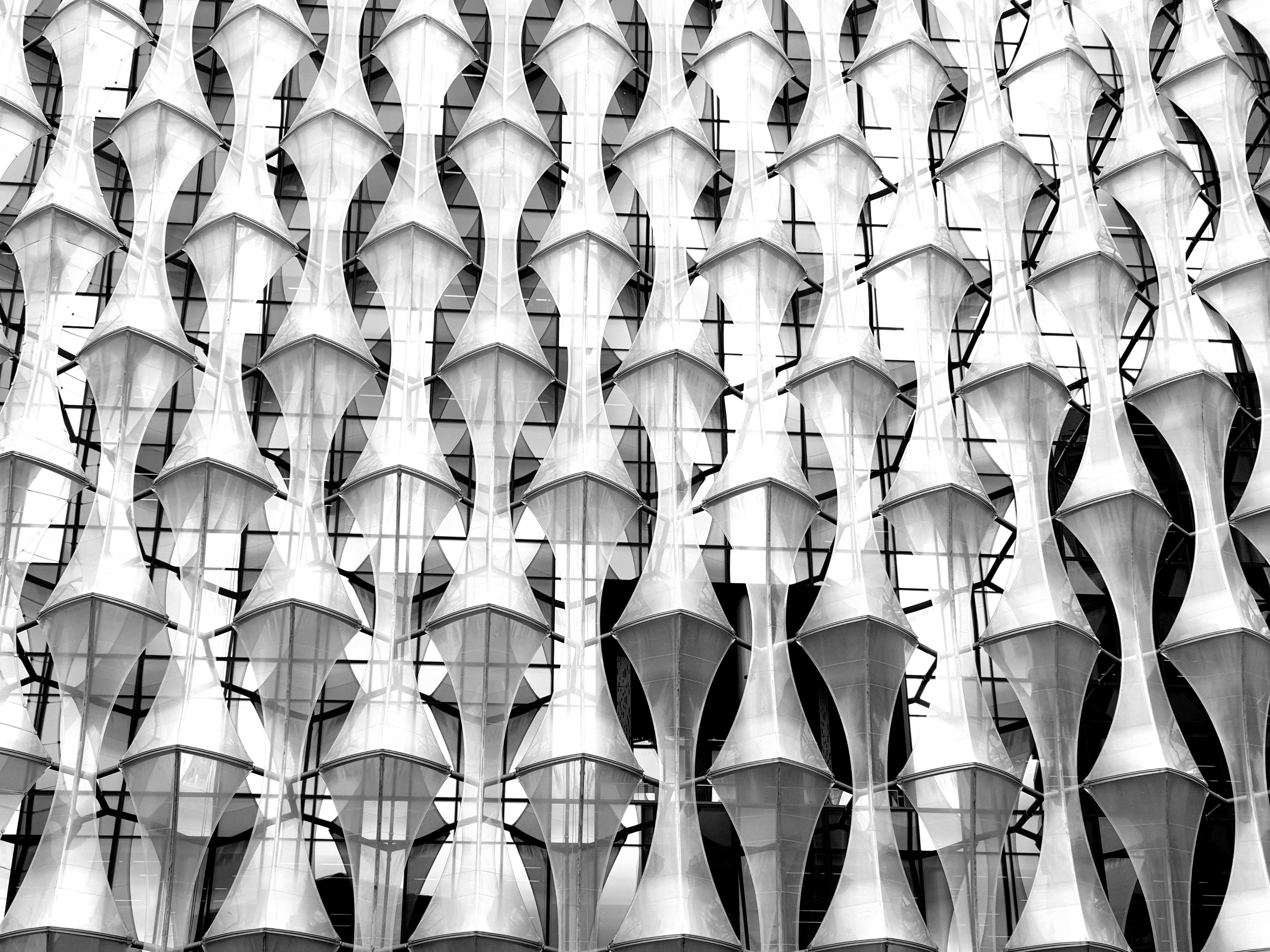
At its heart is the new American embassy, designed by Kieran Timberlake, not a bad building, but characterless:-

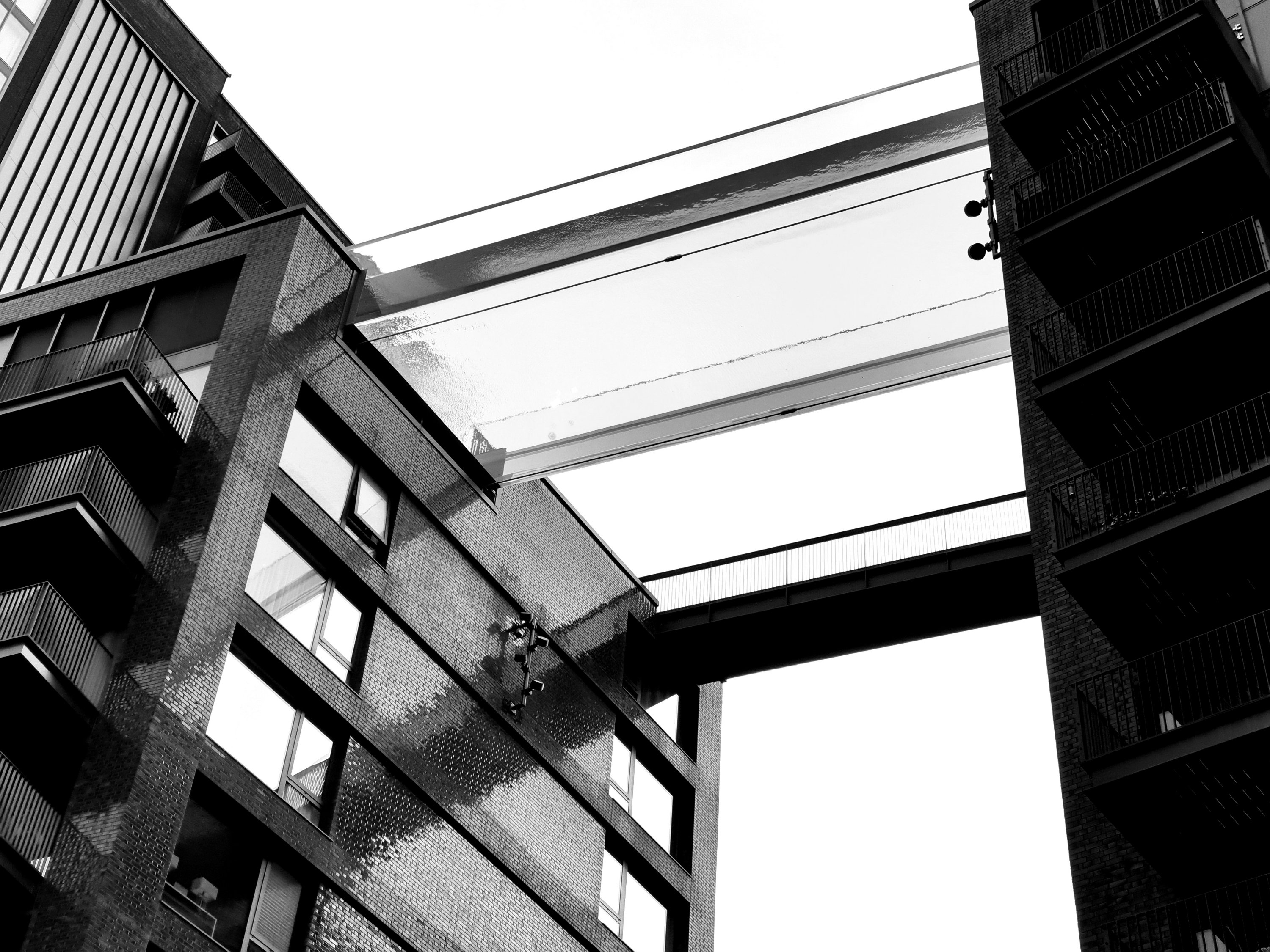
Embassy Gardens has the curious feature of a swimming pool suspended between two buildings: no-one was swimming in it and the experience might be vertiginous:-

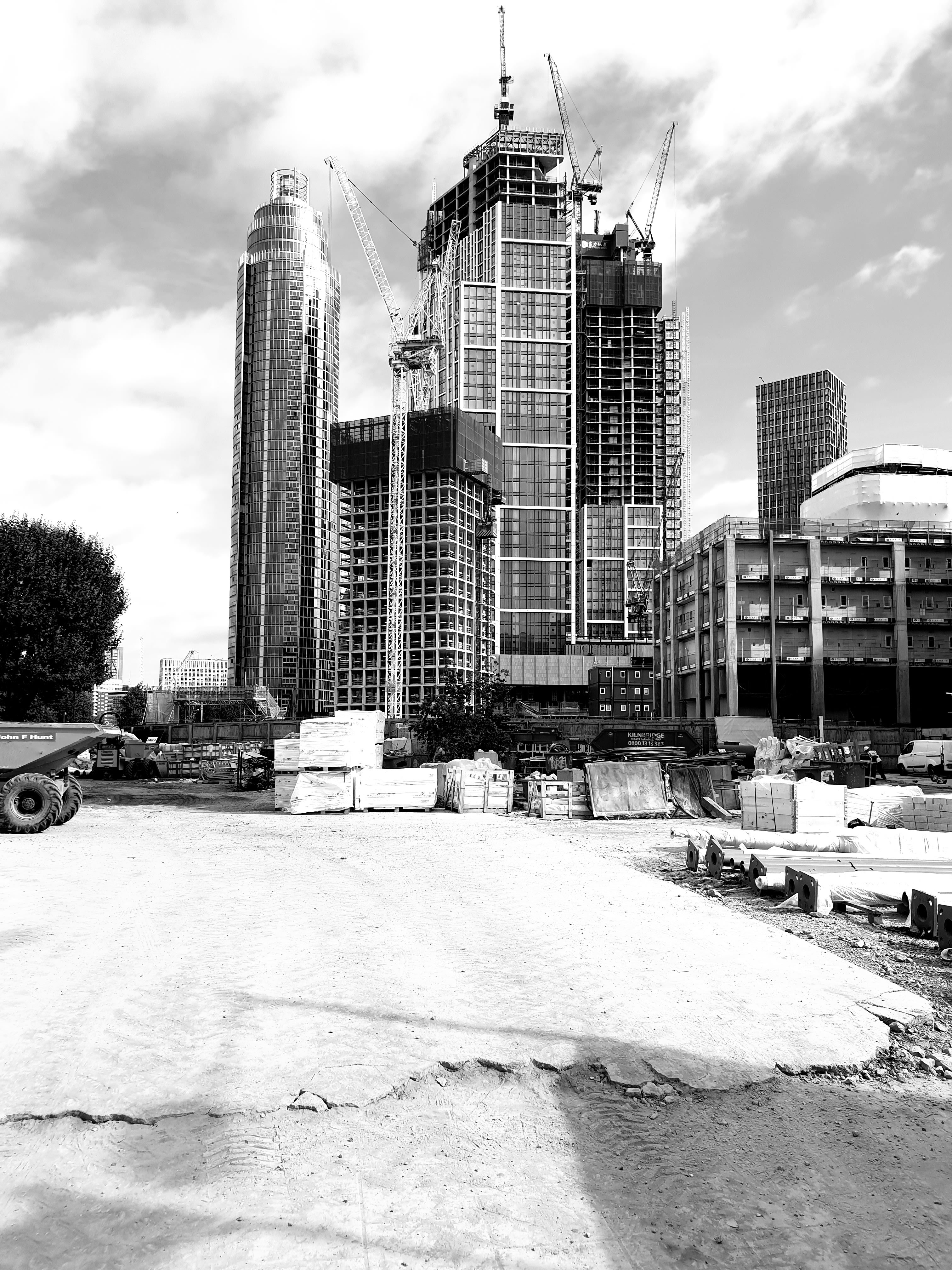
Round about are a mass of new tower blocks which are scarily nondescript. No doubt the Mayor of Wandsworth finds it exciting and everyone is probably congratulating themselves on the speed with which it has been built, competing with the tiger economies. Of course, it’s hard to manufacture character. But these guys don’t hit first base:-

Standard

Battersea Power Station

In advance of an article that I’ve written for the October issue of The Critic about 22, Bishopsgate, the new anonymous monster now dominating the skyline of the City, I thought I should explore some of the new developments in Nine Elms, which I have hitherto only seen and disliked from Westminster Bridge.

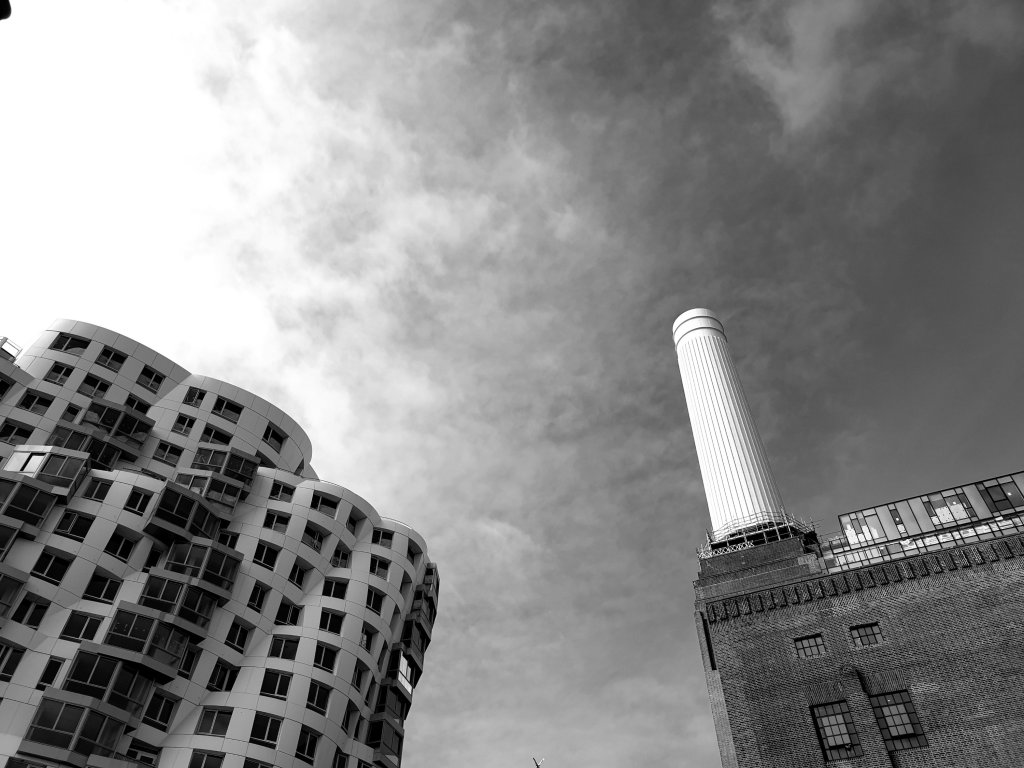
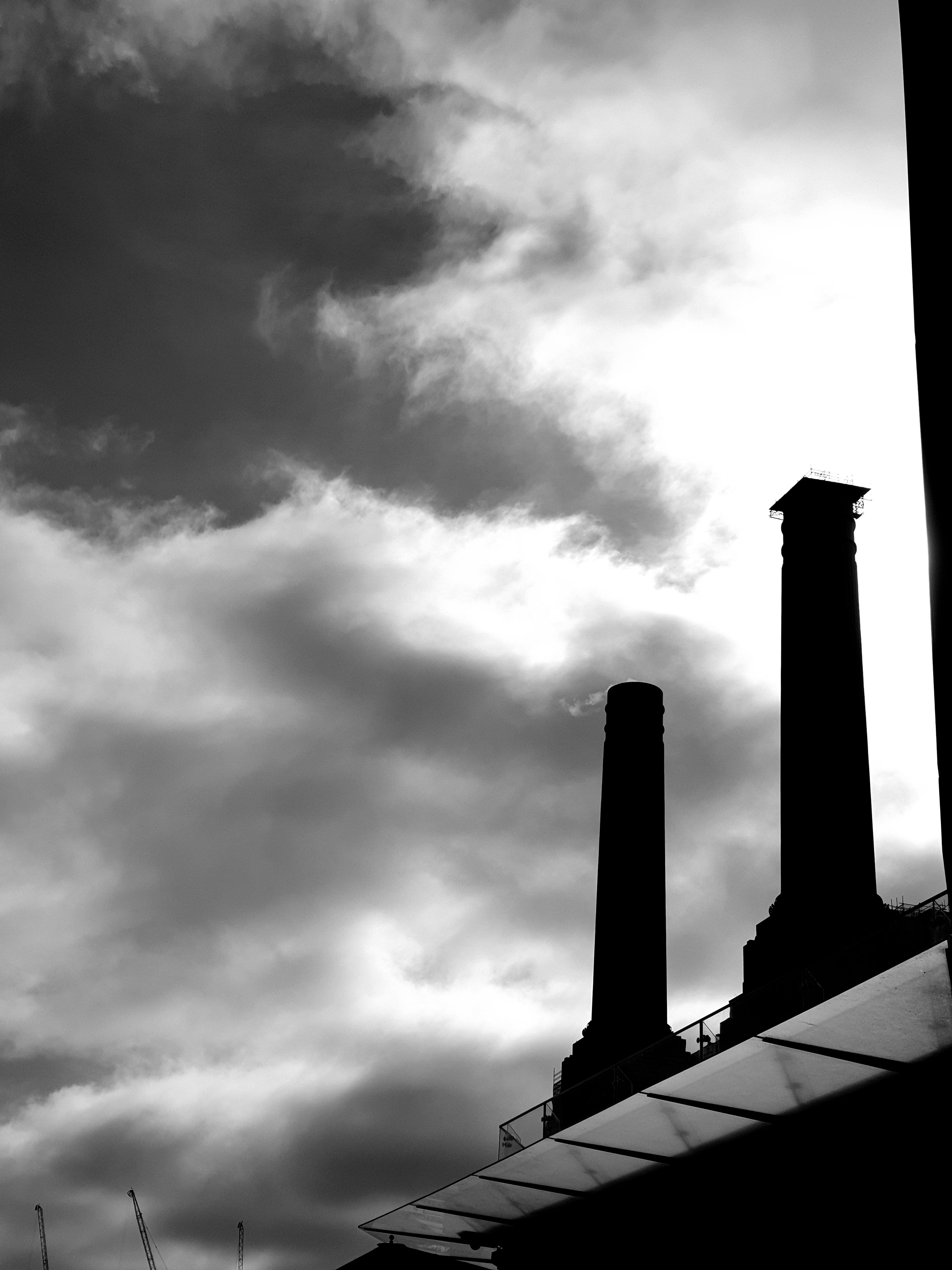
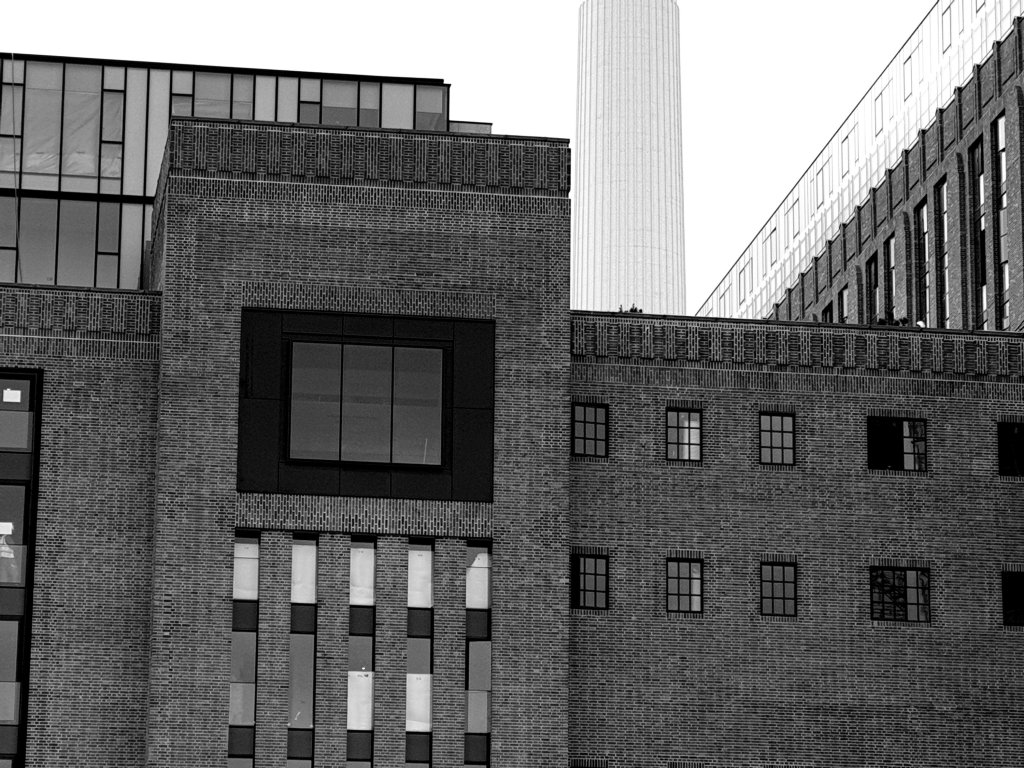
I started at Battersea Power Station station, which has been the subject of grandiose plans for development ever since John Broome bought it from the government in 1987 for £1.5 million to turn into a theme park.   It’s now all been cleaned up and the towers rebuilt, ready to open next year as the headquarters of Apple:-

Standard

Phil Eglin

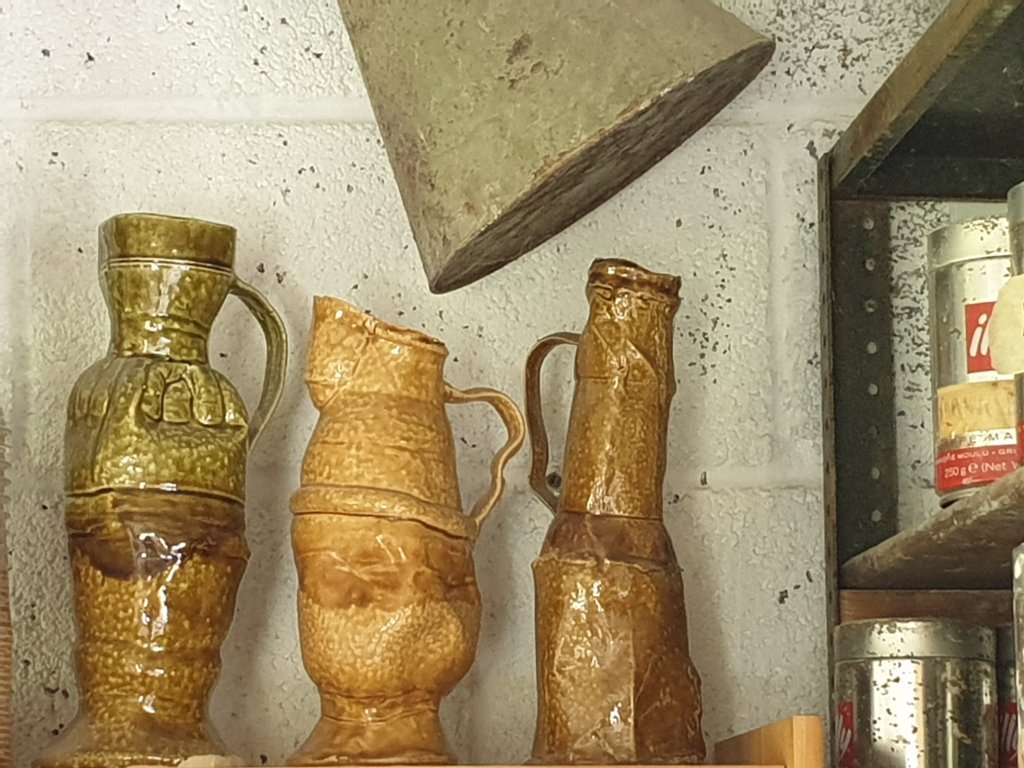
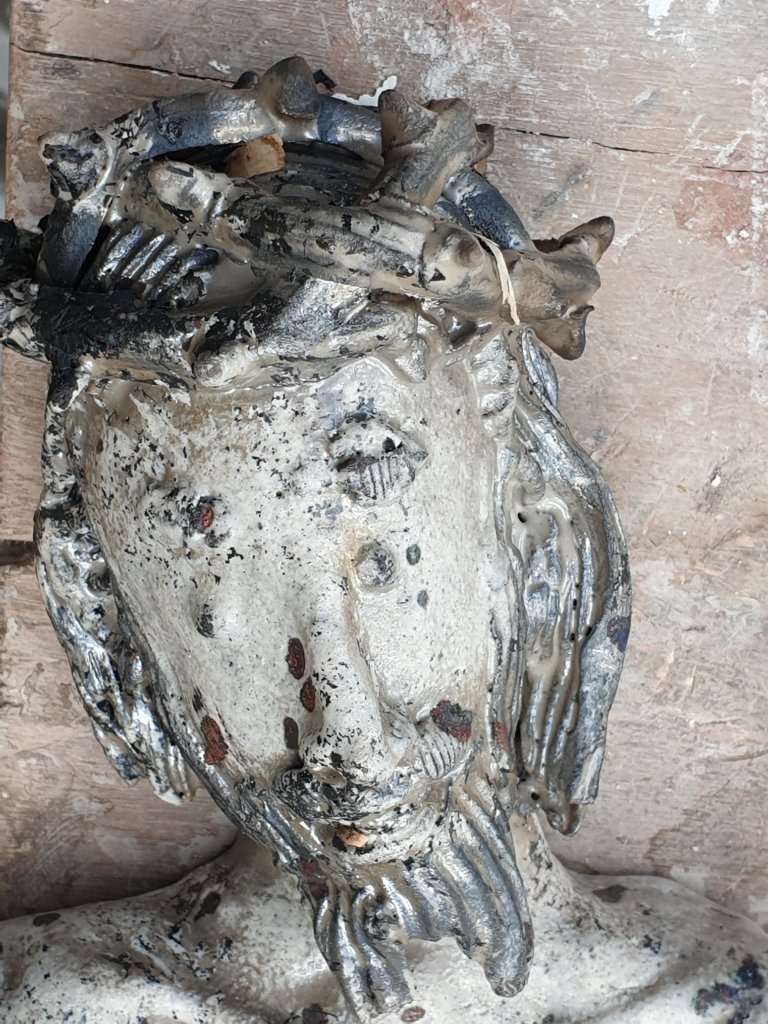
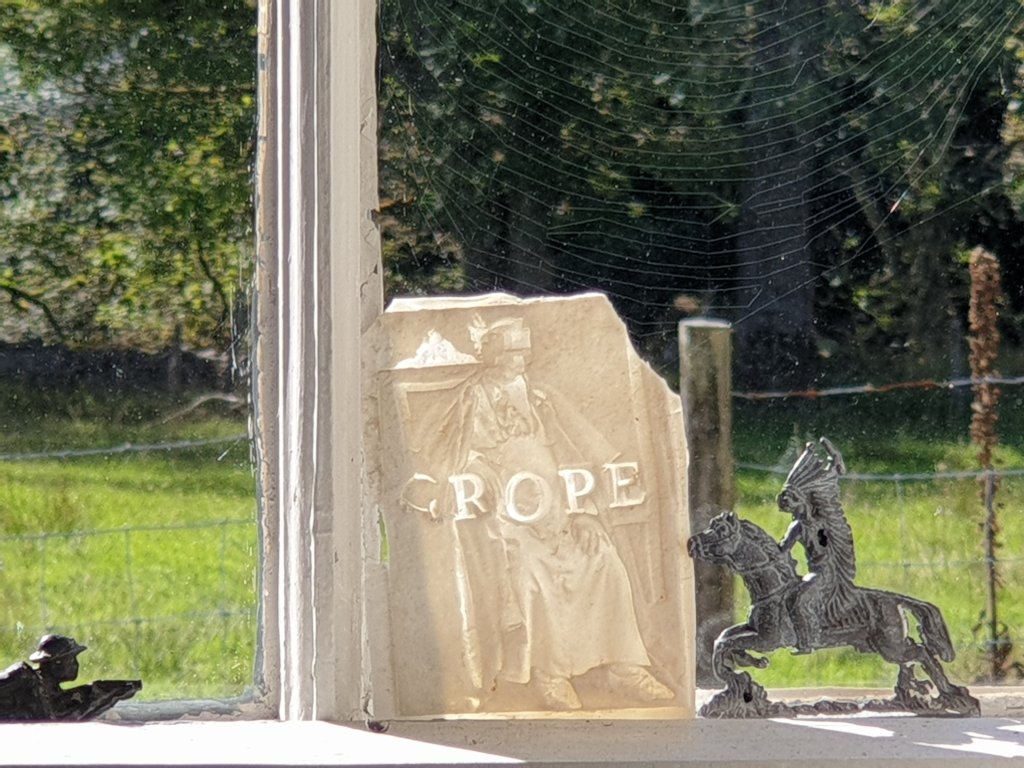
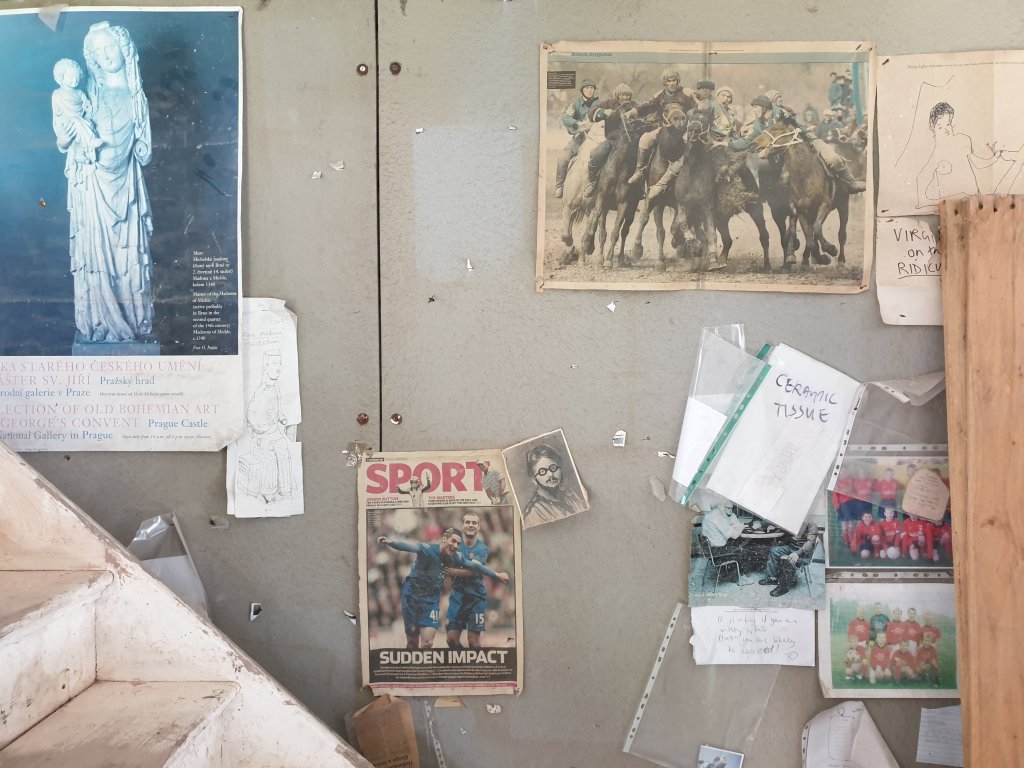
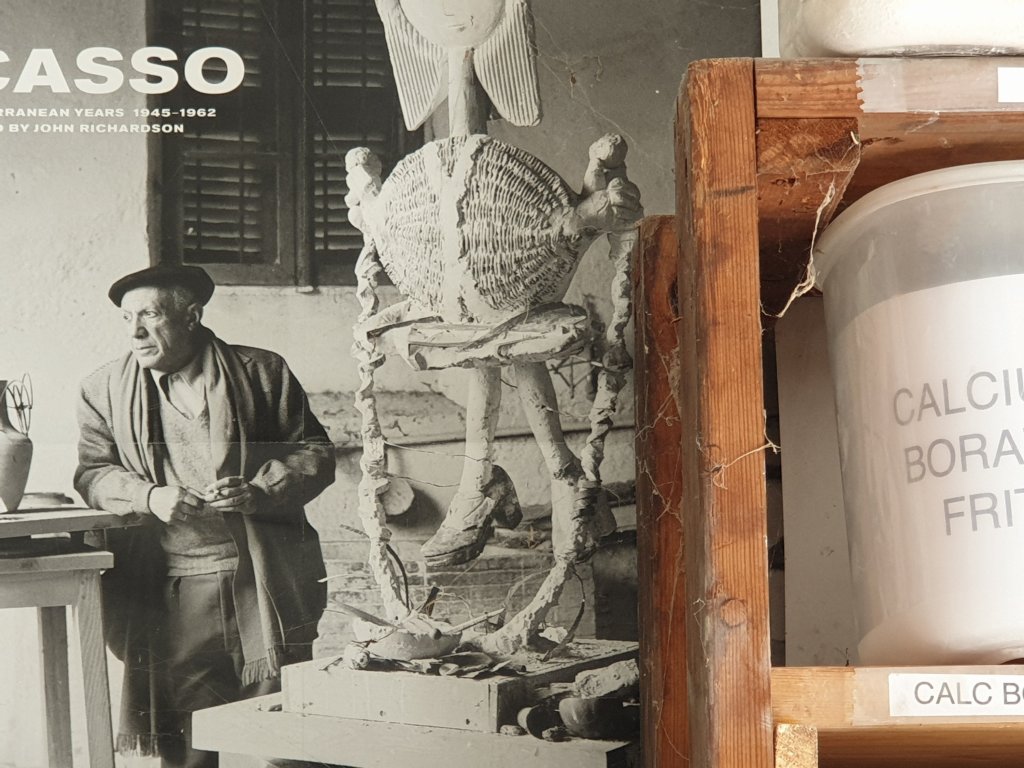
On Monday, I went on a day trip to Neath in South Wales to visit the potter/ceramic artist, Phil Eglin, whose work I have always admired, ever since buying a recumbent figure from the Crafts Council gallery in the V&A, long ago. But I have delayed posting photographs of his work, at his request, until his latest exhibition, Strange Bedfellows, had been launched at the Scottish Gallery (https://scottish-gallery.co.uk/exhibitions/strange-bedfellows).

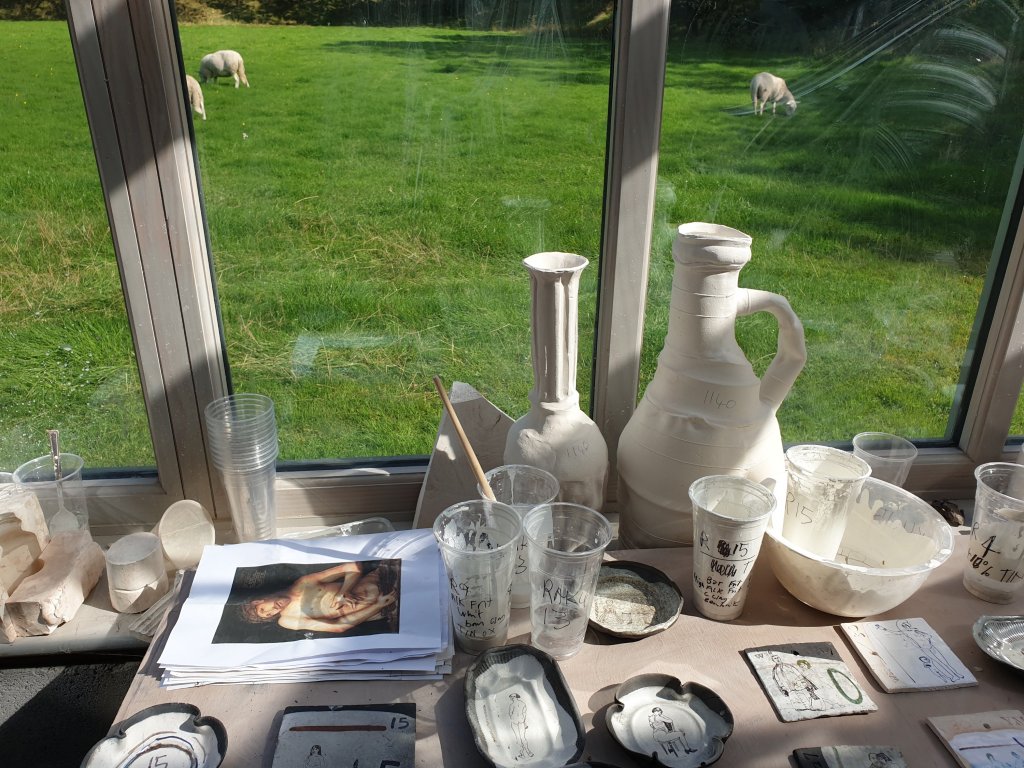
He has a beautiful daylit studio with sheep in the field beyond:-

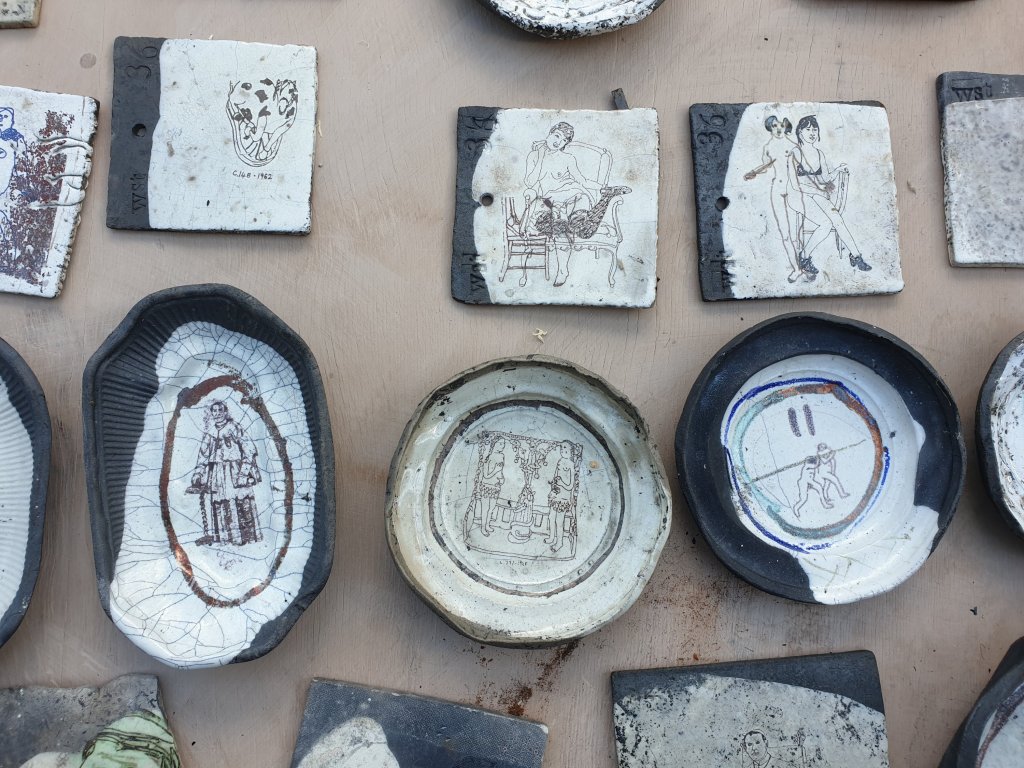
It was a treat to see so much work of different periods of his career – Madonnas, jugs, tiles – casually displayed throughout the rooms of his house:-

He was a student at Stoke-on-Trent, then the Royal College of Art when Eduardo Paolozzi was a visiting tutor and one can see some of Eduardo’s influence in Phil’s eclectic absorption of imagery, high and low, his use of historical reference but in a witty and generalised way, and his interest in popular imagery, as well as medieval:-

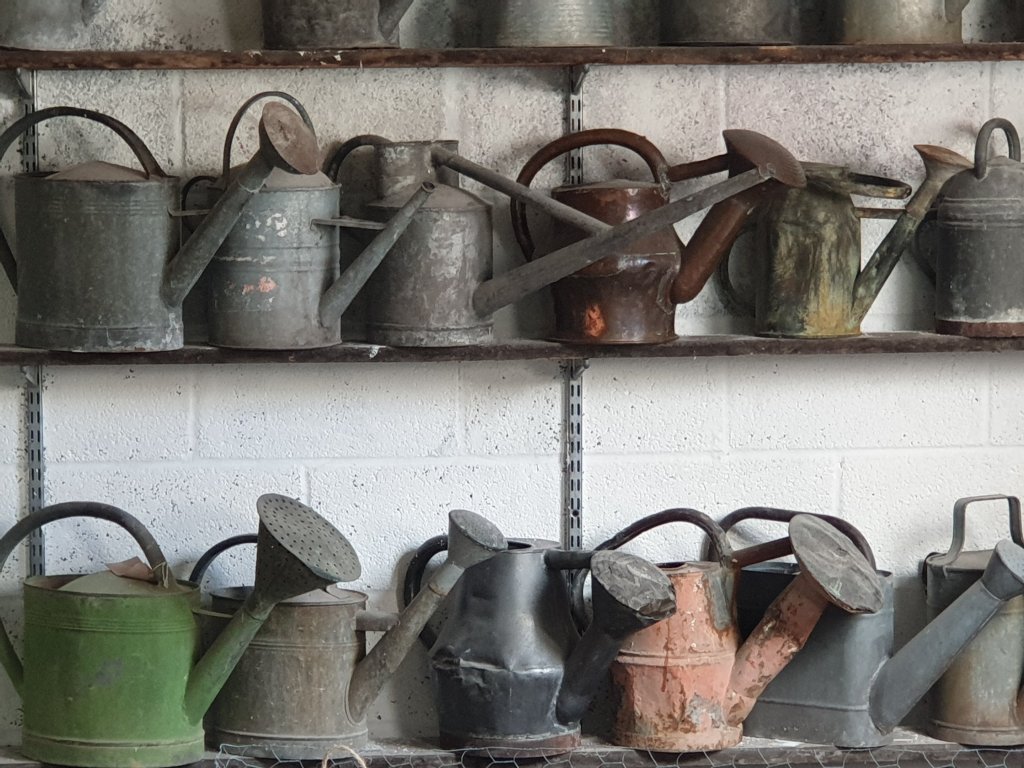
He also has an unrivalled collection of watering cans:-

Standard