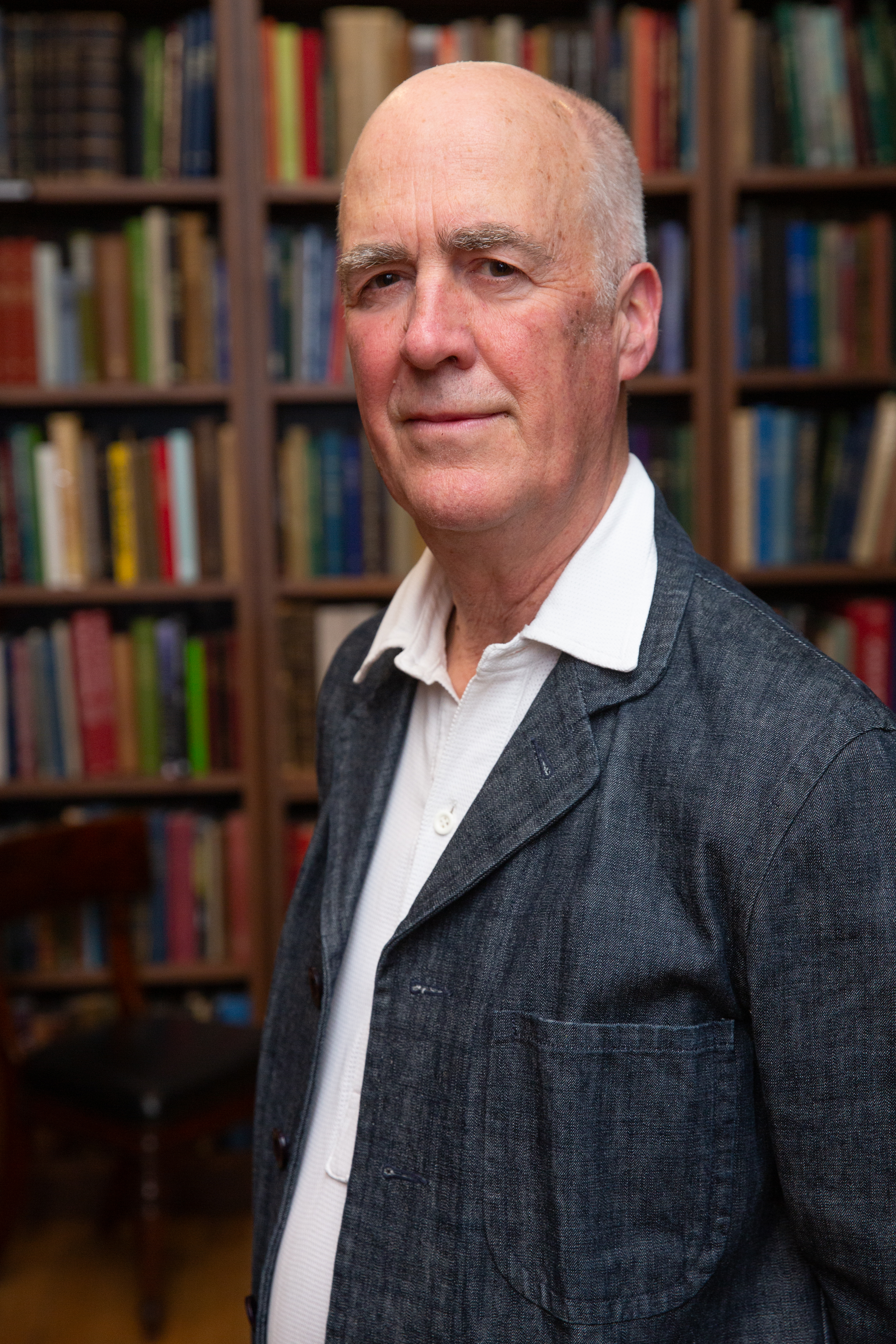
We had our Annual Architecture Lecture tonight, given this year by Wang Shu and Lu Wengyu, the first Chinese architects to give the lecture in the last 26 years. Wang Shu studied engineering and then moved to Hangzhou, where he and his wife established a small architectural studio which they called Amateur Architecture. His wife had studied the traditional crafts of building construction and Wang Shu has been influenced by Proust, Levi-Strauss, calligraphy and Chinese gardens, establishing a small architectural school with Ai Weiwei and designing buildings of highly inventive ecological traditionalism using recycled materials (‘handicraft is more important than technology’). In Britain or America, such conservatism, involving the preservation of rural traditions, would be unacceptable, but in China it is counter-cultural. In 2012, they won the Pritzker Prize. It is as if the Pritzker Prize was won by Leon Krier.
Monthly Archives: July 2016
Passages
I have a distant recollection of walking all the way from the Gare du Nord to lunch in the Café Marly by way of the nineteenth-century arcades so beloved of Walter Benjamin. I tried to reconstruct this journey in reverse, starting in the Galerie Vivienne not far from Adrien Gardère’s office:-


Adrien Gardère
I spent the day in Paris at the Studio Gardère talking through Adrien’s plans for the installation of the Royal Academy’s collection in Burlington Gardens. Of course, I am not allowed to say anything of what is proposed. Suffice it to say that it is a pleasure to talk through – and be talked through – a set of plans which are the result of so much careful and imaginative thinking about how and where the collection should be displayed, not just in the collections gallery upstairs in Burlington Gardens, but across the site as a whole.
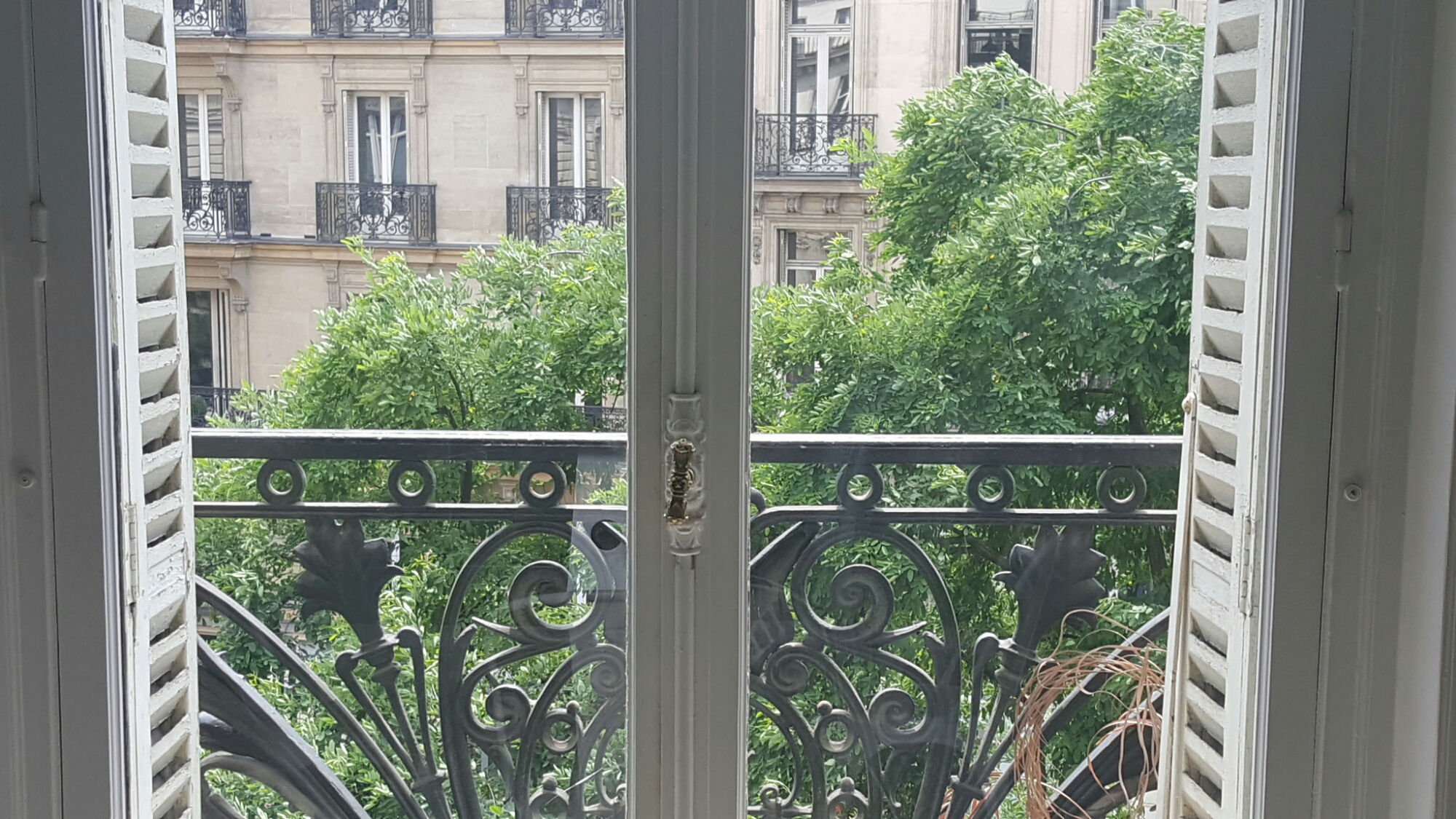
Most of what I saw of Paris was the view through his apartment window:-
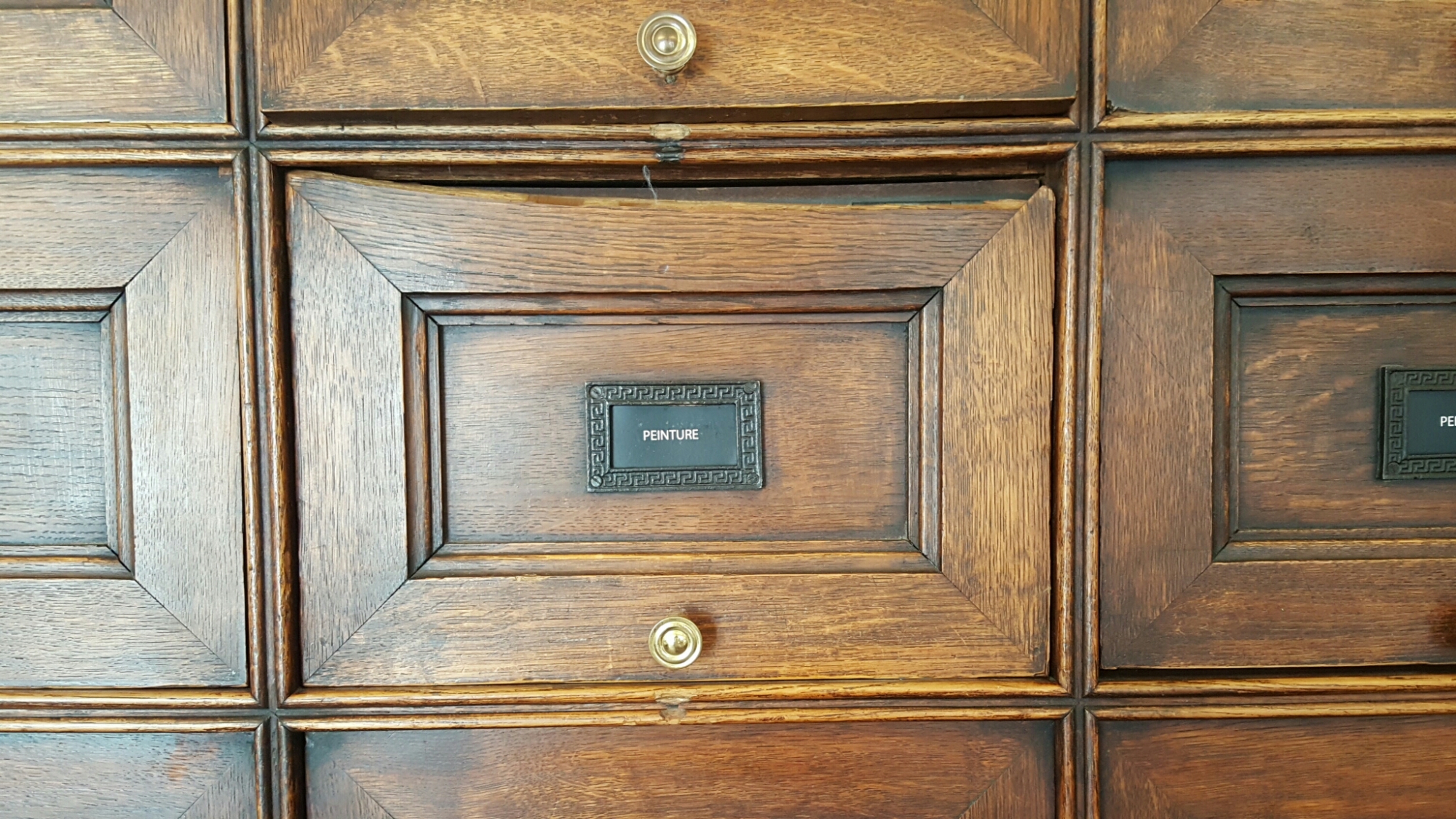
And the filing cabinets which he inherited from the lawyers who had been in the apartment before:-
Primrose Hill
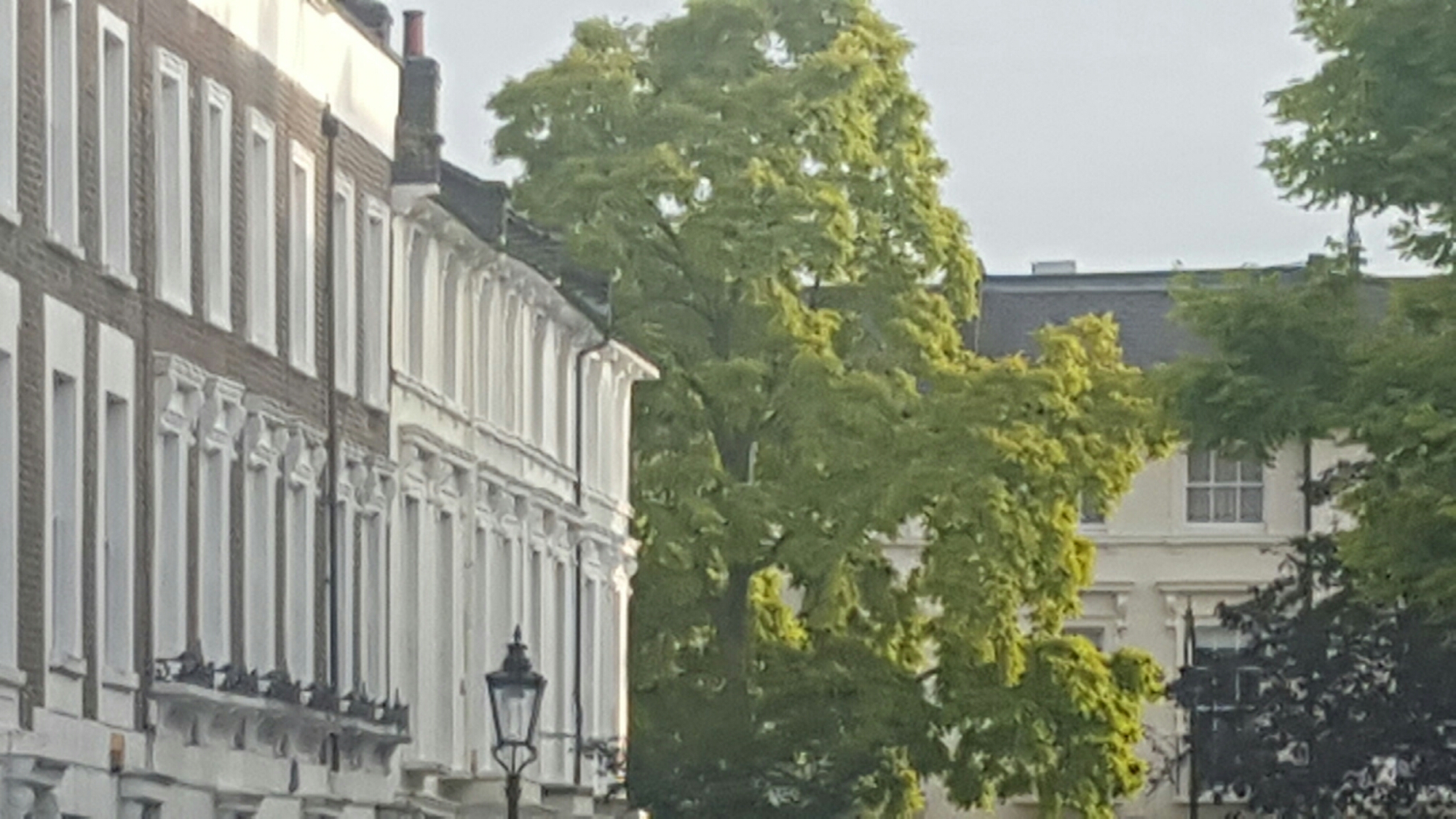
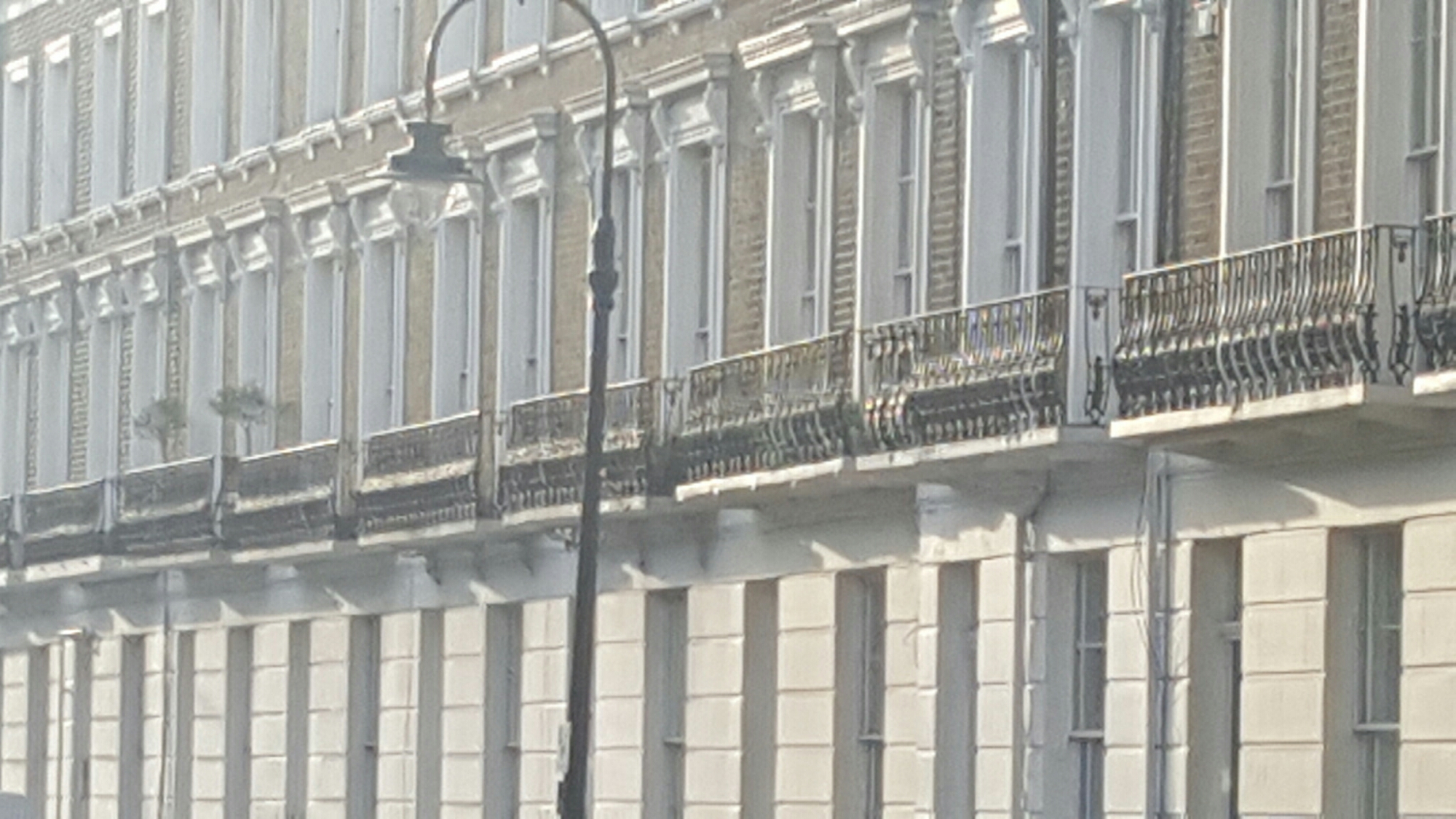
It’s not often that I go to Primrose Hill with its exaggeratedly wide, leafy streets, called after Arthur Primrose, 5th. Earl of Rosebery, a brilliant orator, marksman and connoisseur who was briefly Prime Minister from March 1894 to June 1895 before the fall of the Liberal government. I might have been able to do some folk dancing in Cecil Sharp House, but instead walked up Gloucester Avenue:-
John Nash
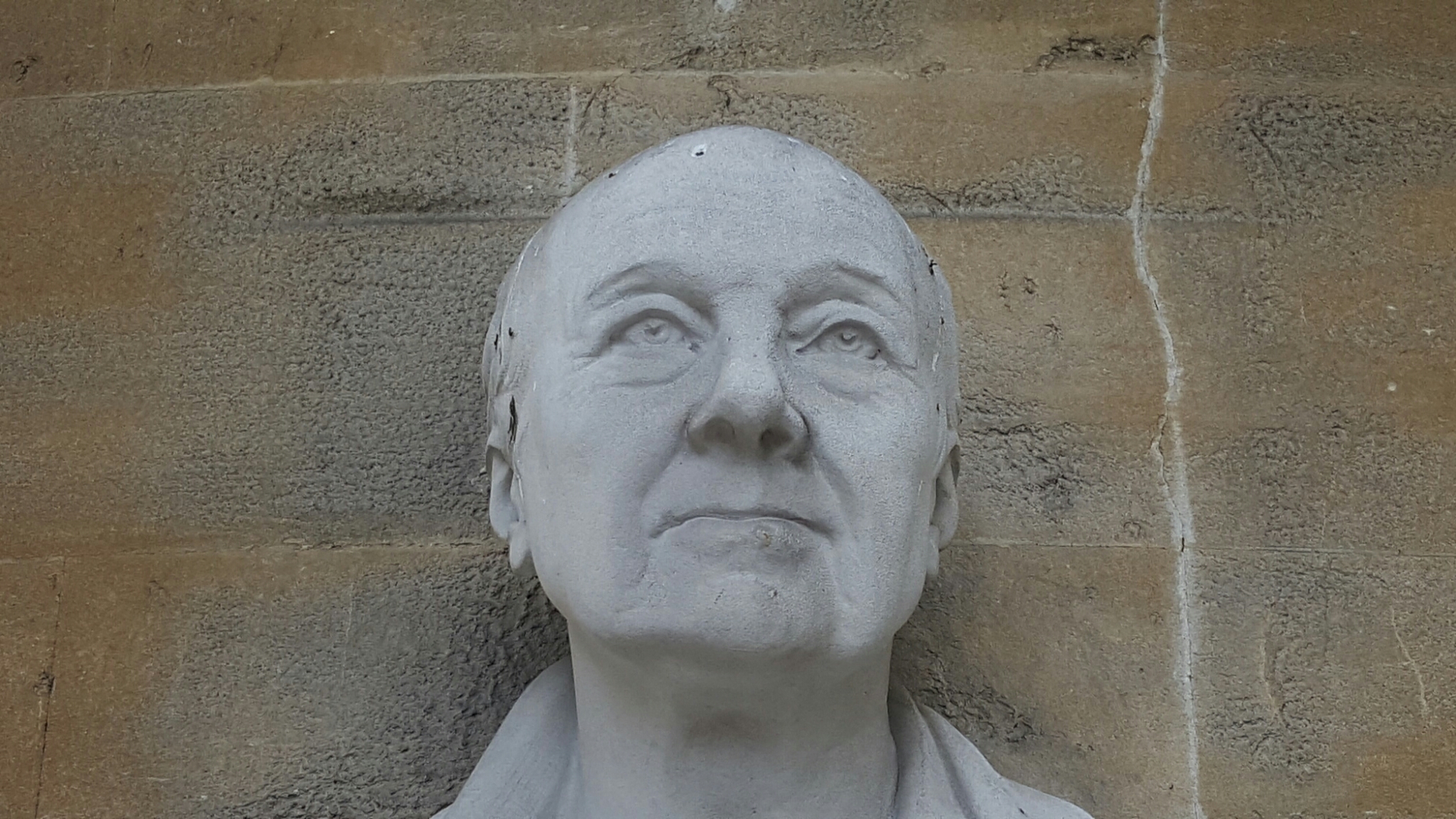
As a postscript to my various posts about Regent’s Park, I went to have a look at the portrait bust of him staring slightly mournfully down the great stretch of Regent Street from under the circular portico of All Souls, Langham Place, one of two churches designed by him following the passing of the 1818 Church Building Commission. It is a version of a bust done by William Behne in 1831, the year after the death of George IV and when Nash was mired in controversy over the gigantic cost of Buckingham Palace:-
St. James’s Park
After hearing Todd Longstaffe-Gowan talk about the landscaping of Regent’s Park, I have realised how much of the design of St. James’s Park is owing to John Nash, in his role as Surveyor General of Woods, Forests, Parks and Chases, a role he held from 1806. It was he who, in early 1827, on the orders of George IV and following a report which suggested the creation of a pleasure garden, was responsible for converting the canal which had been created in Charles II’s time into a lake and laying out the paths. The superintendent of the Royal Gardens at Kew, William Aiton, is thought to have been responsible for the planting. But, it is Nash who we have largely to thank for its picturesque character:-


Museum of the Year
I went to the announcement of this year’s Museum of the Year Award. Beforehand, the betting had been on the Bethlem Museum of the Mind and the York Art Gallery as very obviously community-oriented, new building projects. The one place I didn’t expect to win was the V&A, not because it doesn’t deserve it, but because I thought it was too large and too obviously privileged. I was wrong. It won for its wonderful Alexander McQueen exhibition, its new Europe 1600-1815 galleries and its pledge to re-open its Circulation Department which existed from its beginning to tour its collection round the country in innovative, small-scale displays which went to art schools and public libraries and was closed down as a result of funding cuts by the Labour Government in 1977.
Burlington Gardens
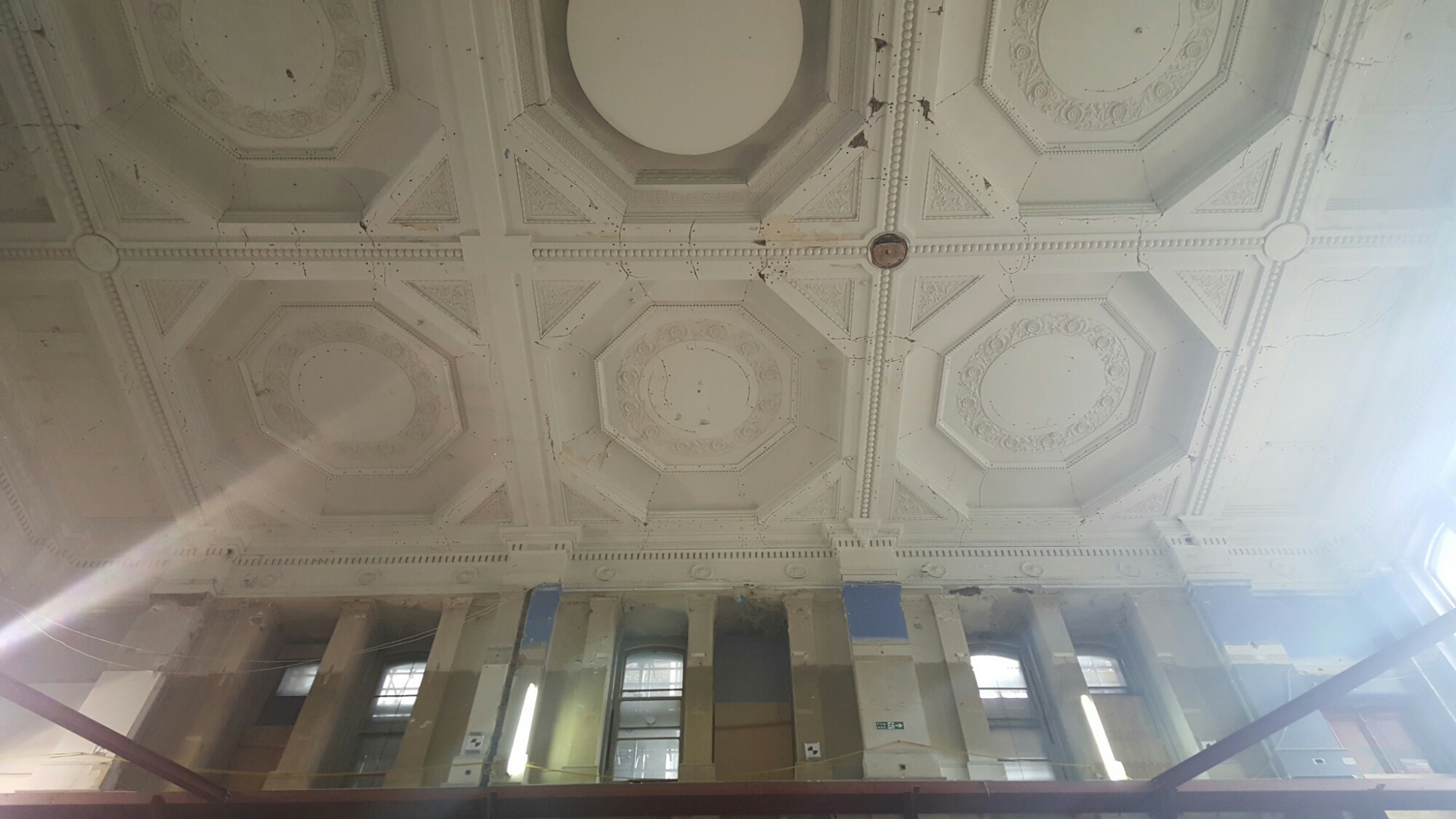
We had an official tour of our building project in Burlington Gardens in advance of our monthly project board meeting. For the first time, there are the beginnings of new construction alongside the extensive demolition.
The lecture theatre space is open for a full three floors:-

Jonathan Dove
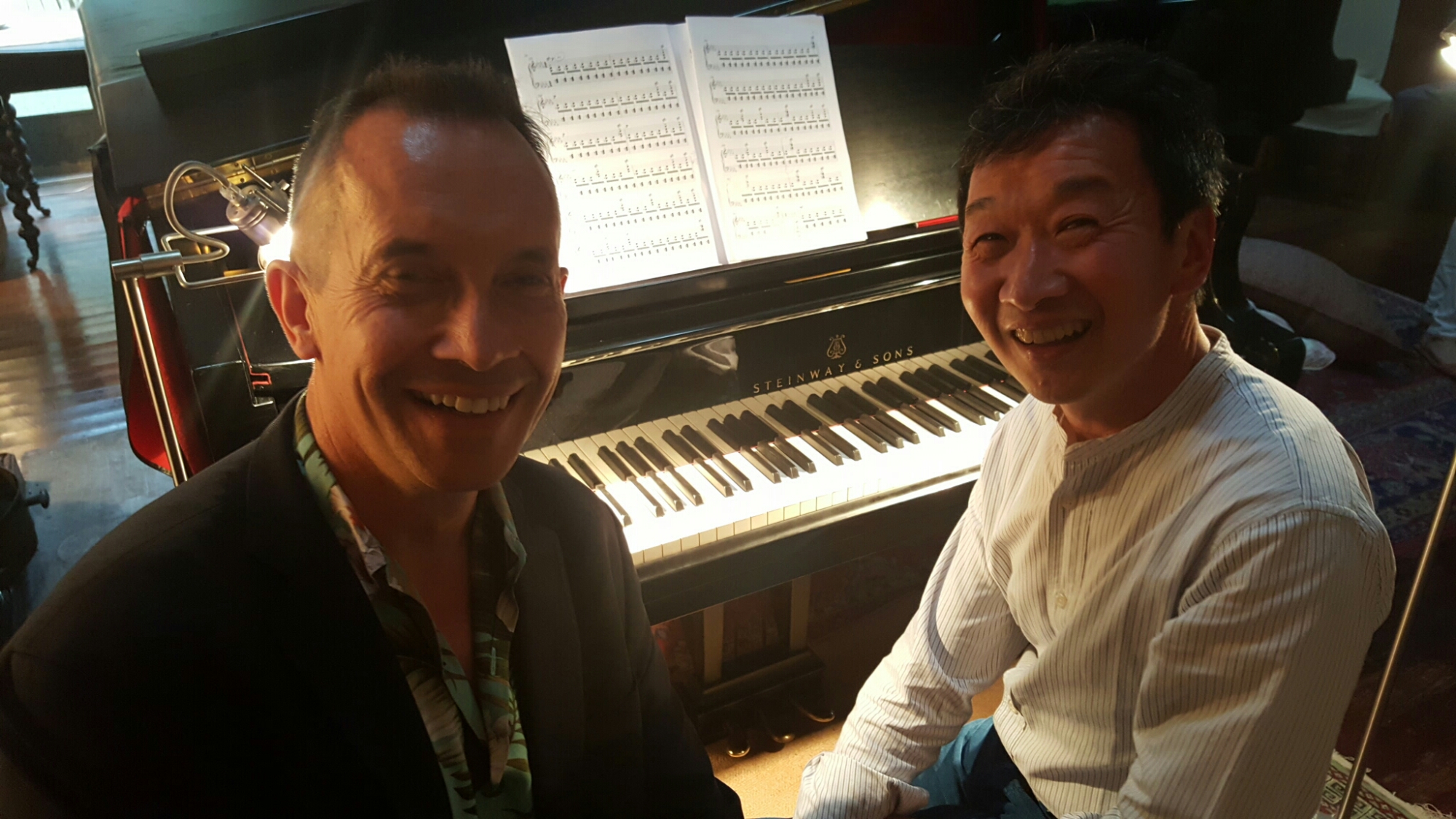
We went to what turned out to be the first performance (actually, a play-through) of a new piece by Jonathan Dove called Catching Fire, due to be played for the first time at the Cheltenham Festival this Saturday. But before playing it, Melvyn Tan said rather casually that he would do ‘109’ Beethoven’s 109th. piano sonata, performed fortissimo in the small space of his studio. Jonathan introduced his piece as a work-out for Melvyn. It was indeed – a piece of nearly impossible brilliance and virtuosity as well as complex musicality which involved, so far as I could tell, at least three fingers on a single key: what someone in the audience described graphically, if inelegantly, as a mind fuck. Afterwards, the composer commented in detail on precise aspects of the performance, praising Melvyn for developing his own interpretation and saying, rather astonishingly, that part could have been played more flashily. Then, there was much discussion of the use or otherwise of the middle pedal:-
Limehouse (2)
In walking down Salmon Lane this morning, I was reminded of the Chinese restaurant Good Friends which was a great attraction of the street and brought people out from the west end, including, I’ve discovered, Fay Maschler’s parents in the 1960s (although it only opened in 1967). Even better, from our perspective, as well as cheaper, was a restaurant called The Peking, which disappeared once West India Dock Road was widened, had a large fish tank from which one could select one’s dinner, and was presided over by a magnificent woman who was half-Chinese, a representative of the local Chinese community which was still in evidence in the early 1980s, but now may have gone.
 | Charles | Saumarez | Smith |
You must be logged in to post a comment.