Because I was staying near the Frari, I decided to explore the Sestiere S. Polo, an area that I know much less well than the more touristy parts of Venice east of the Grand Canal.
I started at the Frari, where I admired the Bellini in a chapel by the cloister:-
Then I went to S. Rocco, next door to the Scuola:-
There is a certain charm to arriving in Venice so severely out of season. I embarked from the tram and crossed a bridge to S. Nicola da Tolentino, begun by Scamozzi, its facade completed by Andrea Tirali in 1714:-
Next door is one of the buildings I was keen to see – Carlo Scarpa’s entrance to the Istituto di Architettura di Venezia, where Scarpa taught:-
I went to the Scuola di San Rocco. I had forgotten how amazing it is, and not just for the Tintorettos, so powerful and moving as they are, but for Francesco Pianta’s seventeenth-century wood carving as well:-
I missed a conference about the future of architecture organised by Sauerbruch Hutton at the end of October, but was keen to see M9, the museum they have designed in Mestre, the industrial suburb of Venice. The project was privately funded by the Fondazione di Venezia, the charitable partner of the Banco di Risparmio di Venezia. They bought a big block in the centre of Mestre formerly occupied by an army barracks. In 2010, Sauerbruch Hutton won an international competition to create a new urban district, incorporating what remains of a monastery. The museum opened on 1 December 2018.
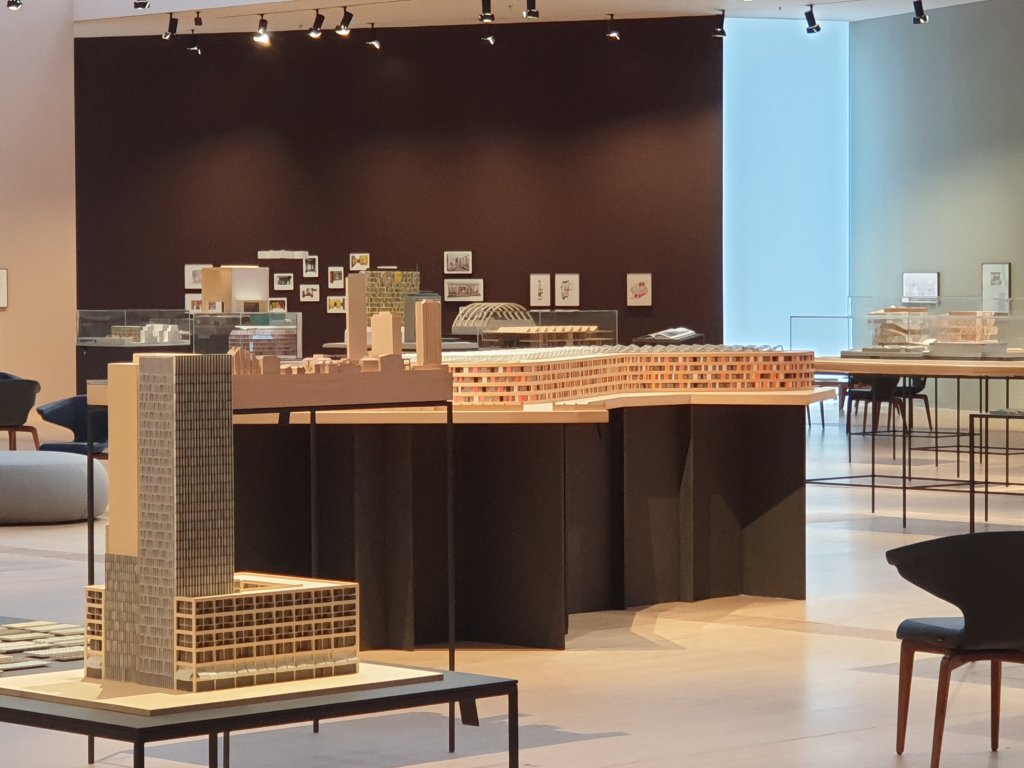
On the top floor is a big open exhibition space, currently showing an exhibition of Sauerbruch Hutton’s work, Draw, Love, Build:-
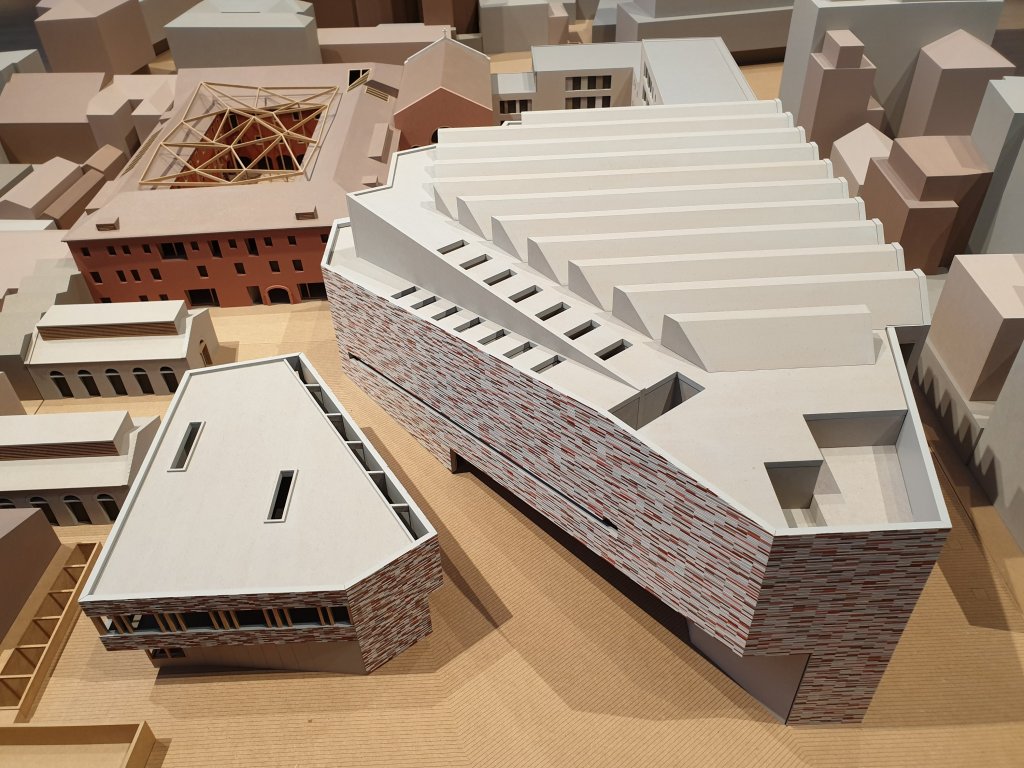
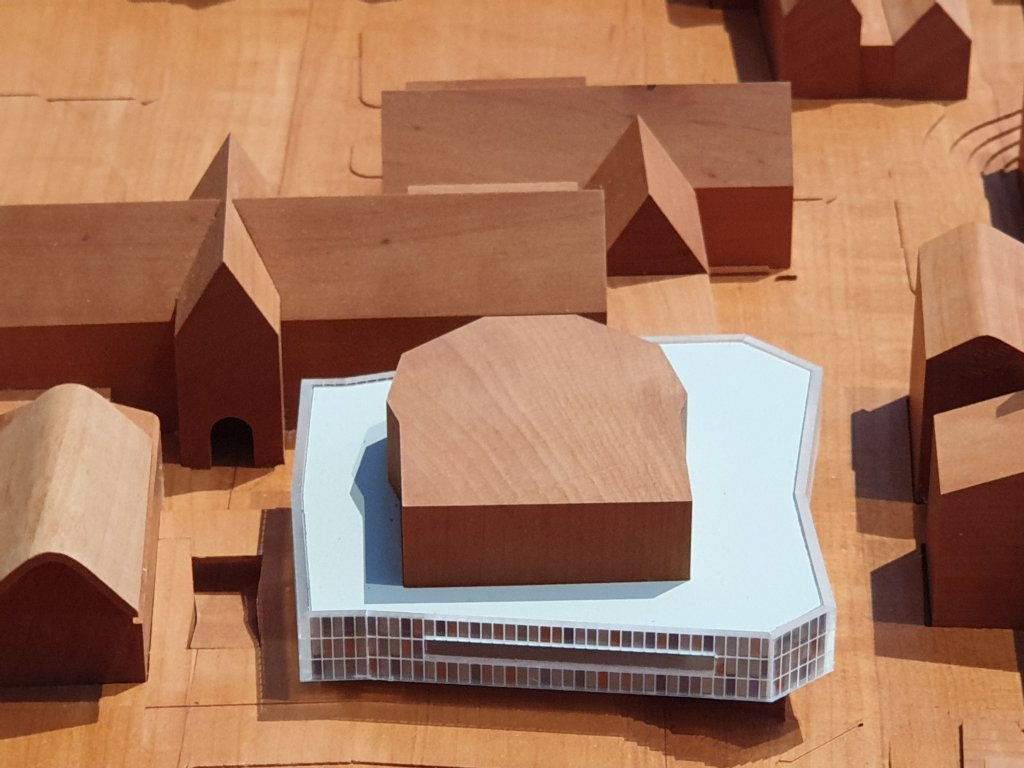
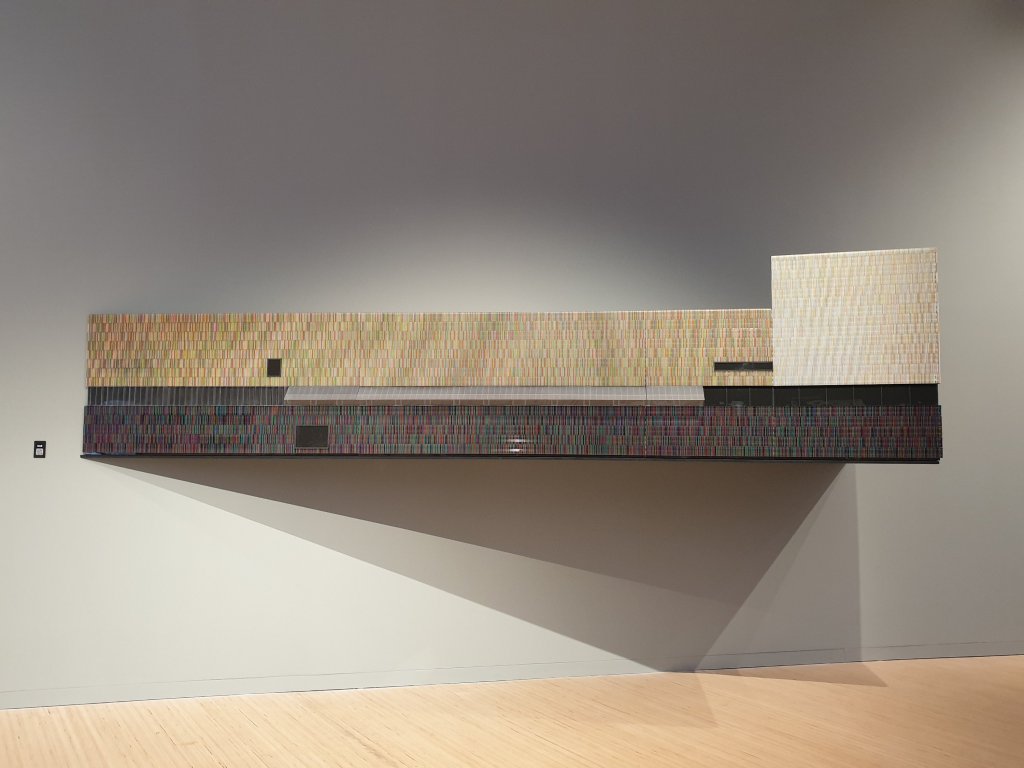
It includes a model of M9, a big building, but low-rise, its bulk to some extent disguised by their characteristic use of multi-coloured tilework:-
The exhibition shows the amazing range of their work across Europe, with many big projects in Germany, including Berlin, Munich and Frankfurt, but, also, for example, a new theatre at Brighton College (they make very beautiful models for their projects):-
And the Brandhorst Museum in Munich:-
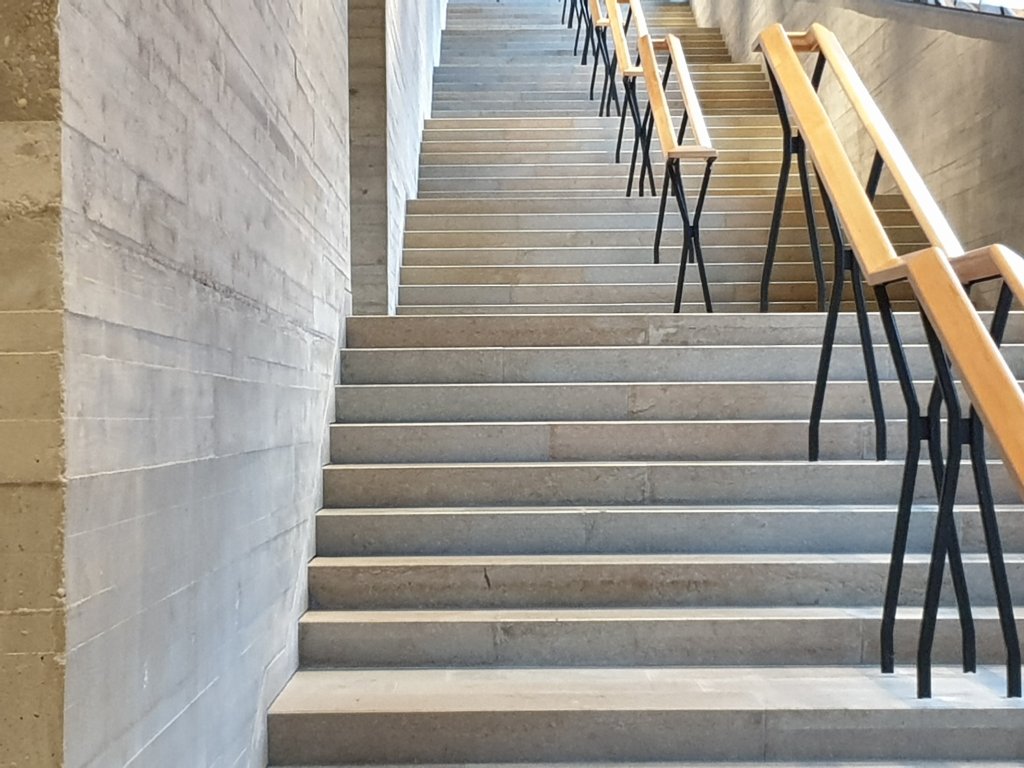
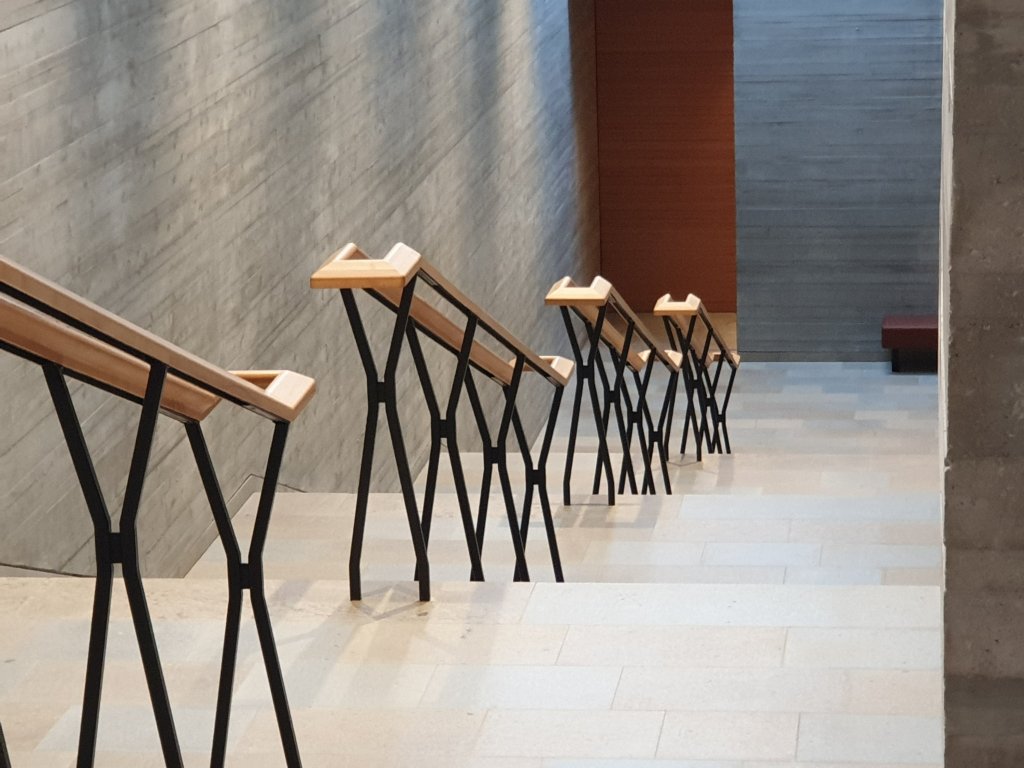
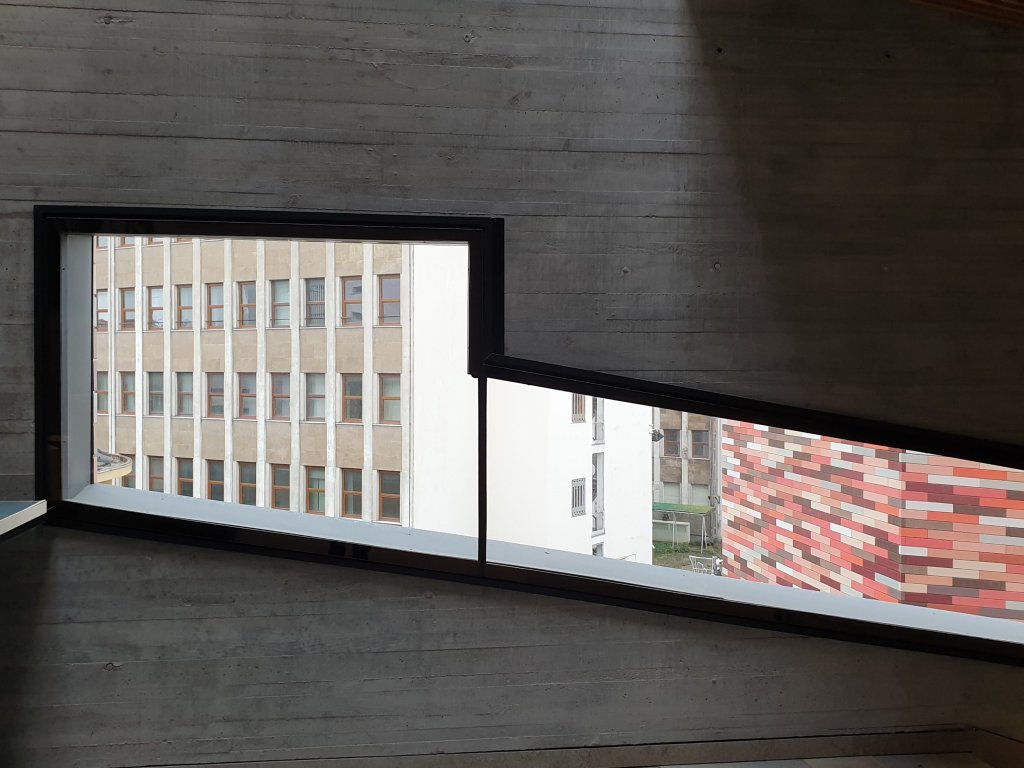
M9 itself has an attractive intellectual austerity to it, many of the interior spaces in shuttered concrete, with two floors of very ambitious interactive displays on the social history and ethnography of twentieth-century Italy:-
I am posting a short-ish film of a discussion organised by Apollo in which four of us – Xavier Bray, the Director of the Wallace Collection, Sarah Rowley of Charles Russell Speechlys, Tom Marks, the former editor of Apollo, and I – consider some of the knotty problems surrounding museum governance: what to do about minutes to satisfy the requirements of history; how to ensure diversity on a board when the role is unpaid; to what extent is it possible to define and describe the requirements of probity; how to ensure that trustees lead on fund-raising, but at the same time are representative of the audience. No solutions are provided, only a description of some of the current issues.
I thought that I had pretty well had all the reviews I was likely to get for my book, when, lo and behold, one has appeared in the Claremont Review of Books by Brian T. Allen, a writer and former museum director (at the Addison Gallery of American Art) who writes about the museums I have covered, adding his own perspective. He loves the Menil Collection, as do I, and writes particularly interestingly about the Broad Museum and both the strengths and possible weaknesses of the forthcoming Los Angeles County Museum, which I touch on only lightly in my Conclusion. I particularly like his conclusion: ‘it has a to-the-point look that fits Charles Saumarez Smith’s style and his studied detachment’. Precisely !
By the way, if you are desperately looking for Christmas presents, as am I, the book is available at all good booksellers, especially John Sandoe, Heywood Hill and Hatchard’s.
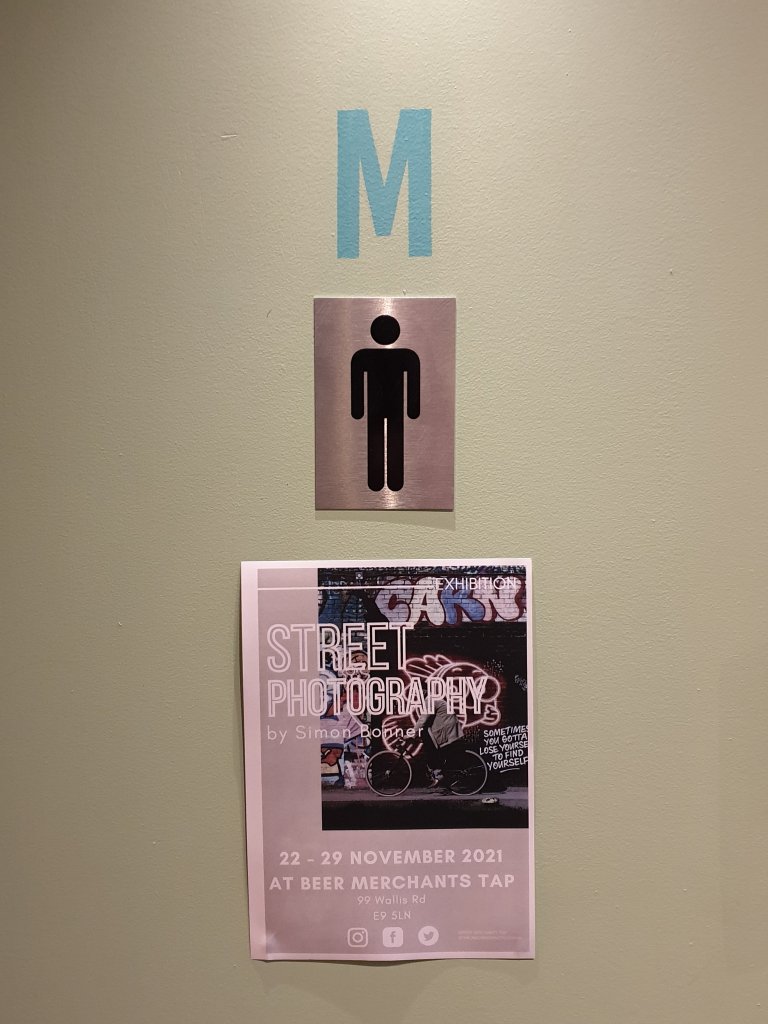
I was tipped off that there was an exhibition of Street Photography by Simon Bonner who took the excellent photograph of me pedalling my way through lockdown (without a proper helmet):-
The exhibition is in the Beer Merchant’s Tap, a big beer hall in remotest Hackney Wick:-
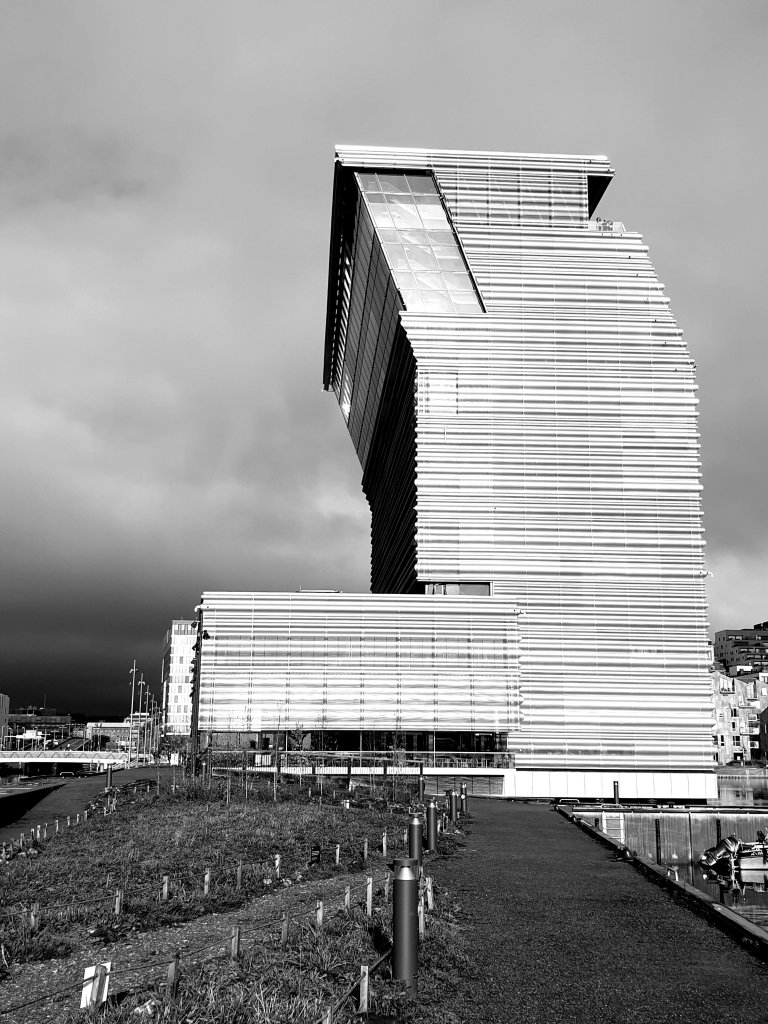
Having written about the new Munch Museum in Oslo for the December issue of the Burlington Magazine, I was both interested and relieved to read Sue Prideaux’s commendation of it in Apollo (see below): interested because it it is good to be able to compare one’s response to that of someone who knows Munch’s work so well, has written his biography and, indeed, whose godmother, Henriette Olsen, sat to Munch for her portrait; and a bit relieved because I was worried that other critics were hostile to the building, whereas I, like Prideaux, was impressed by the great wealth of gallery space and the ways in which it is used to interpret Munch’s life.
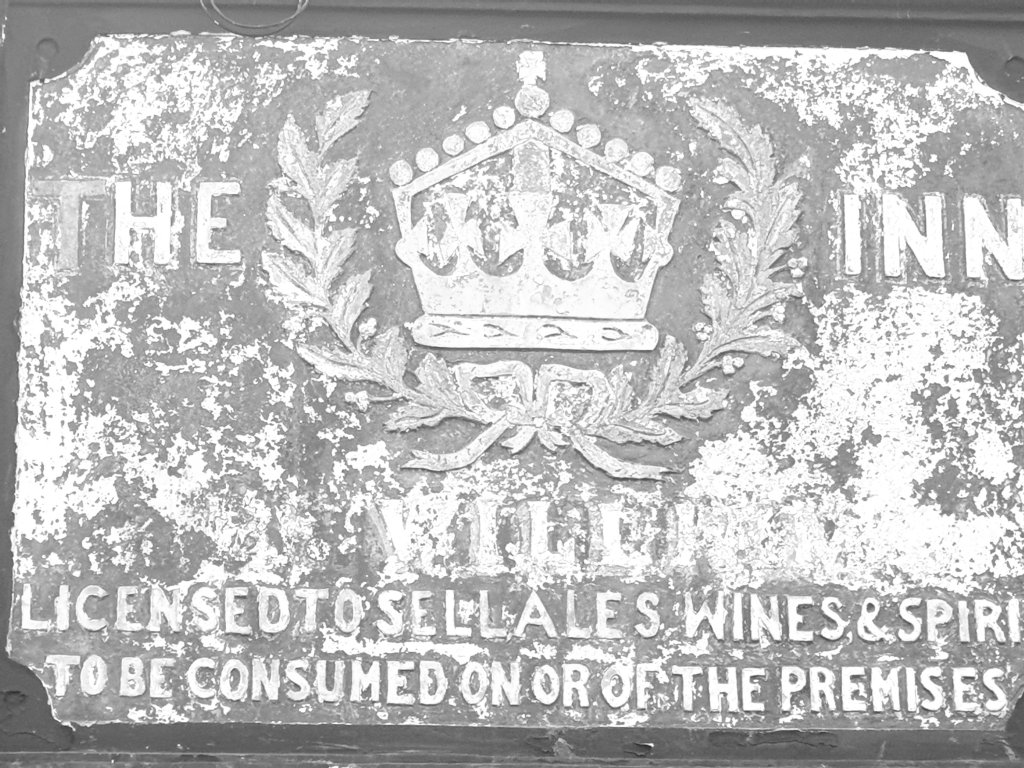
I’ve always liked Aberffraw, a small village on the coast of Anglesey, which was the capital of the Kingdom of Gwynedd from 860 to 1170 and the seat of Llewellyn the Great, now just a quiet village Square with a pub, The Crown, which we used to frequent:-
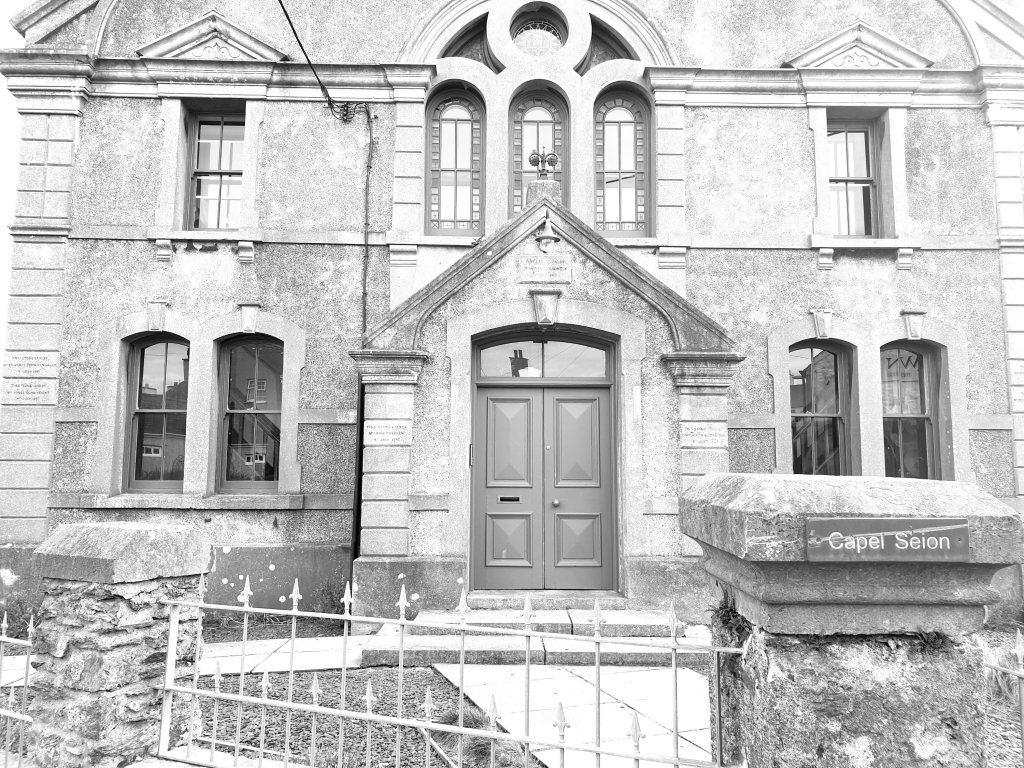
The old Welsh Methodist chapel next to the pub has been turned into a holiday home:-














You must be logged in to post a comment.