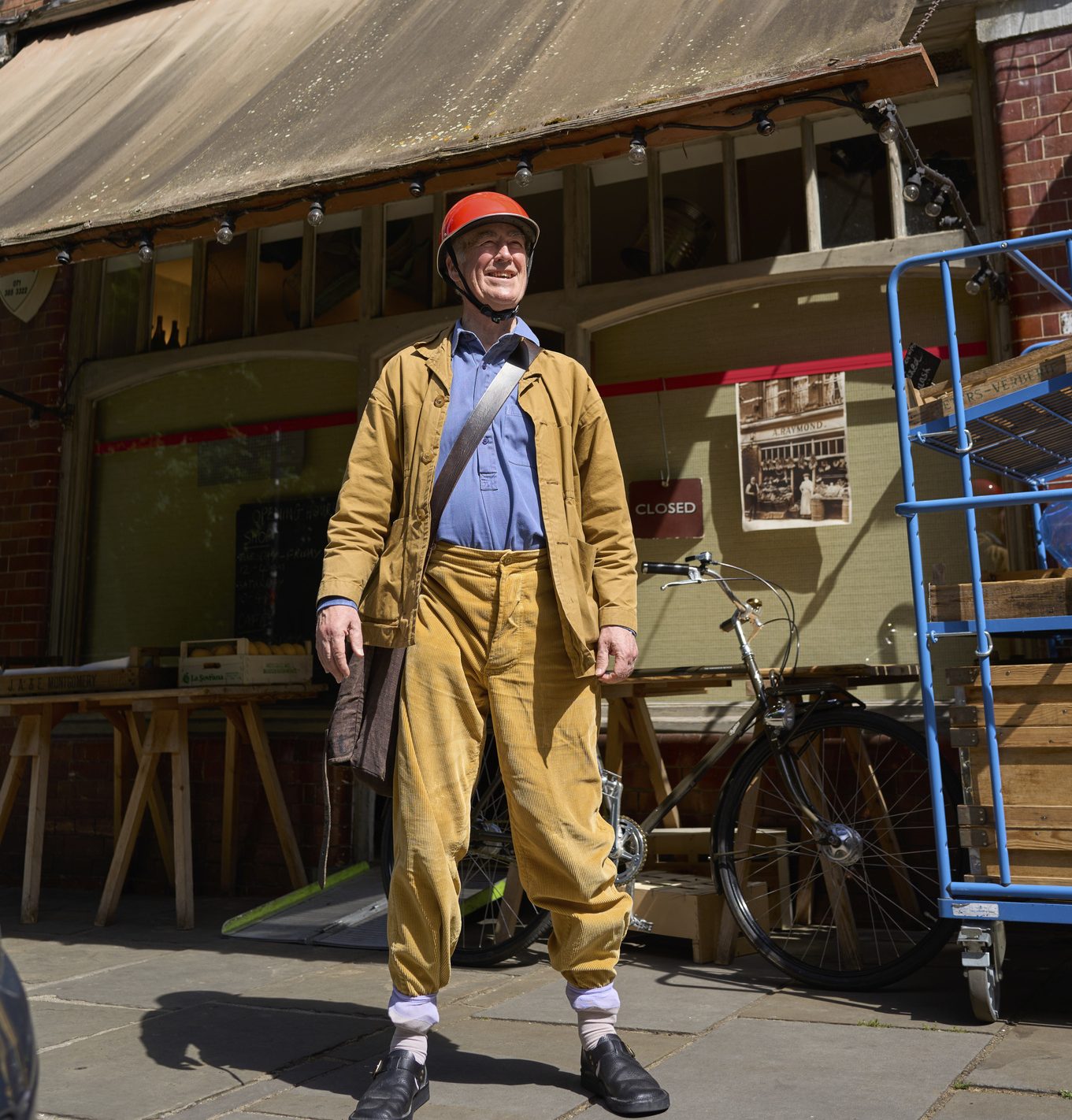
We went to an early screening of Cunningham, a film directed by Alla Kovgan, about the life and work of Merce Cunningham, using documentary film footage, quotations and reconstructions of original dance sequences in an astonishing and literally three-dimensional film biography (one watches it through 3-D glasses). I had very little idea of Cunningham’s life – his relationship to John Cage, the way his belief in radical pure movement and abstraction was appreciated and, in the 1960s, supported by Robert Rauschenberg and Jasper Johns, with Rauschenberg involved in making sets for the company. All of this is shown, but in a way which is brilliantly inventive and creative, not at all a conventional documentary. Distributed by Dogwoof and coming to our screens in February. See it if you can in 3-D.
Author Archives: Charles Saumarez Smith
Eileen Hogan
We went to the opening of Eileen Hogan’s beautiful exhibition at Browse and Darby, a smaller-scale version of her big retrospective held at the Yale Center for British Art over the summer, which sadly I didn’t see. Nobody is better at painting the spray of water, a view of Chiswick House seen through the trees or the atmosphere of a deserted sports field.
Hyde Park, Plane Trees (2018):-
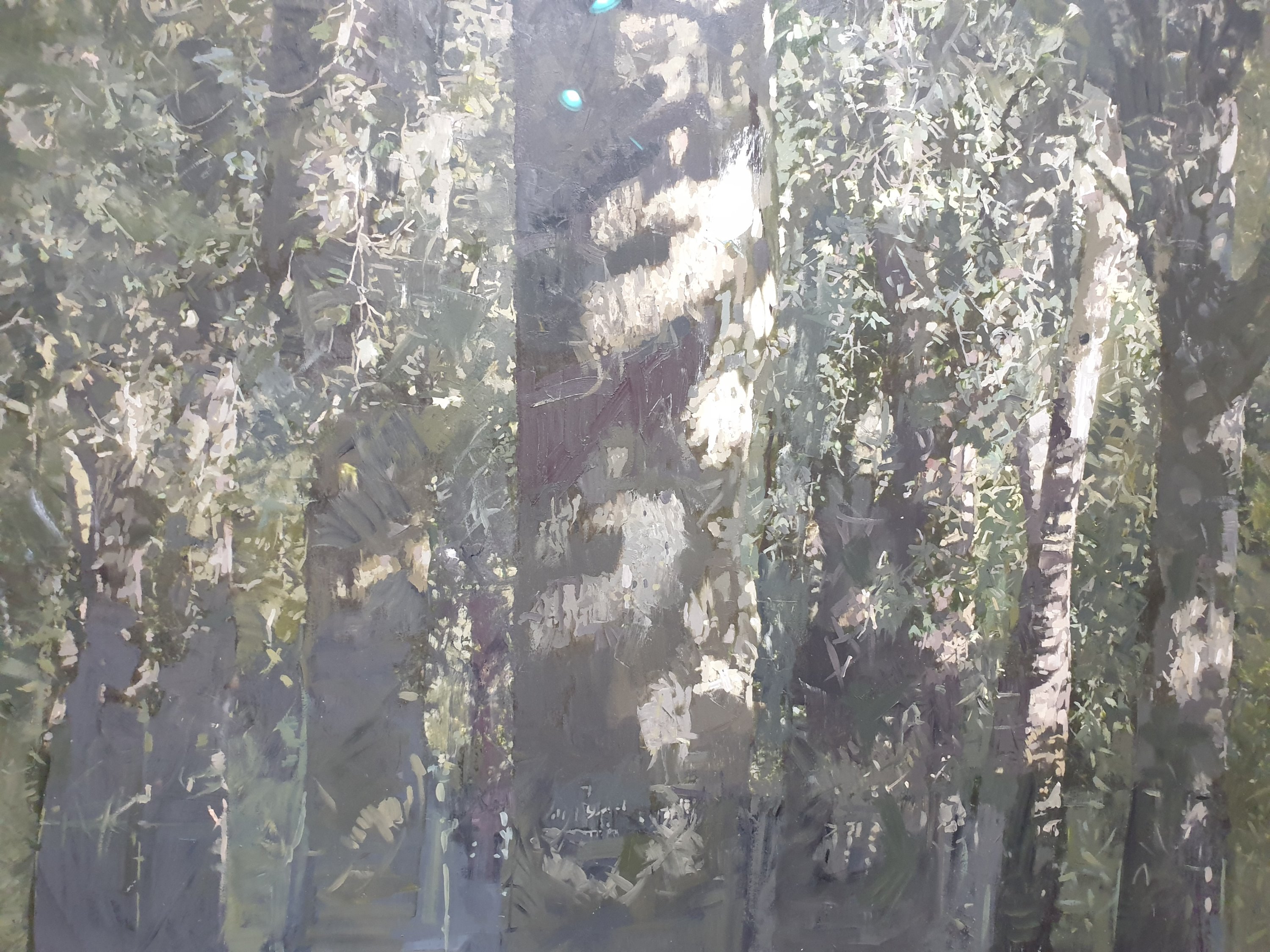
Victoria Park, 7 February 2016:-
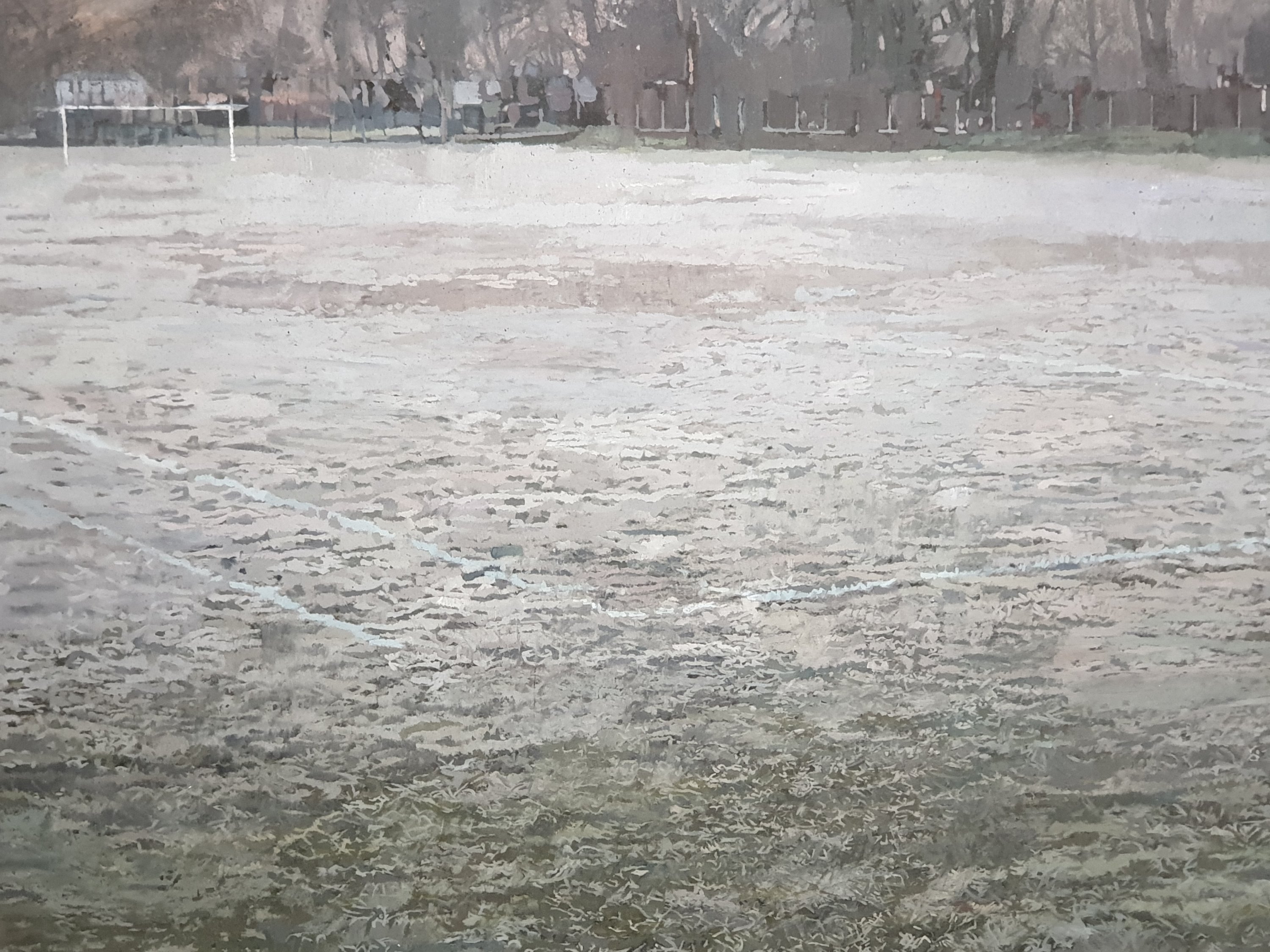
Kensington Gardens, 17 May 2017:-
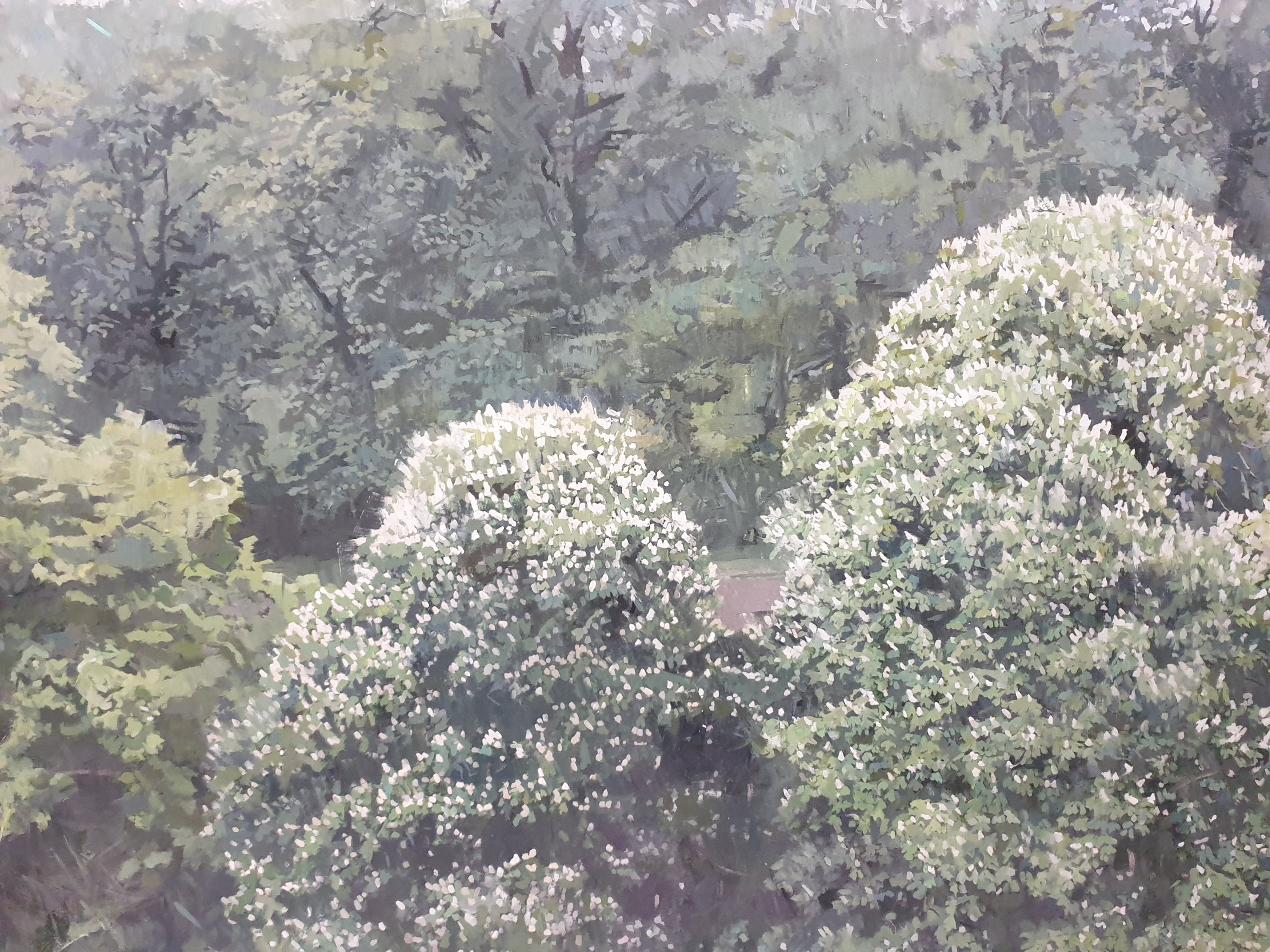
Chiswick House (Study):-
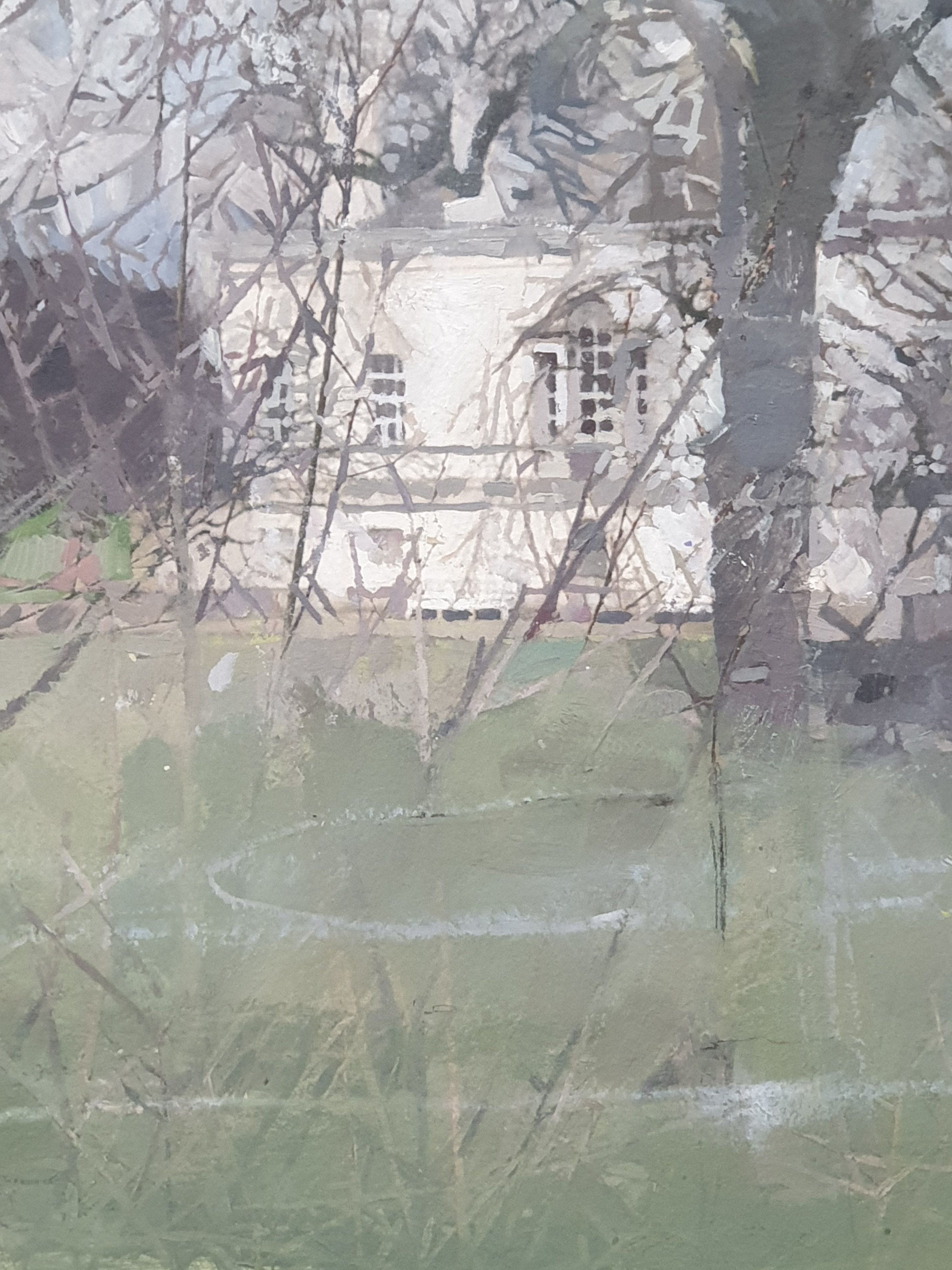
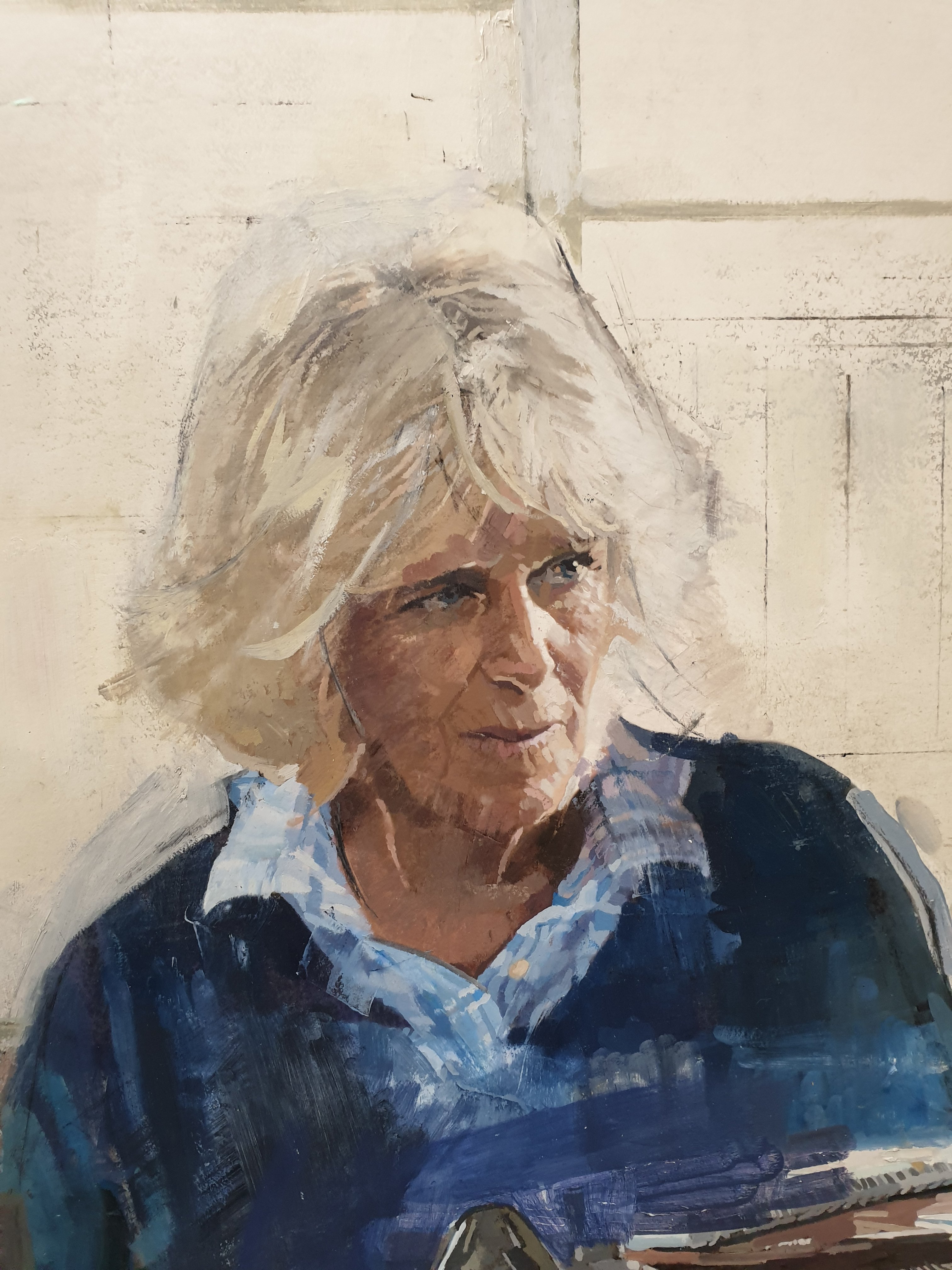
Amongst the most impressive pictures in the exhibition are the oil sketches of the Prince of Wales and the Duchess of Cornwall, an incredibly difficult genre, but handled with admirable informality:-

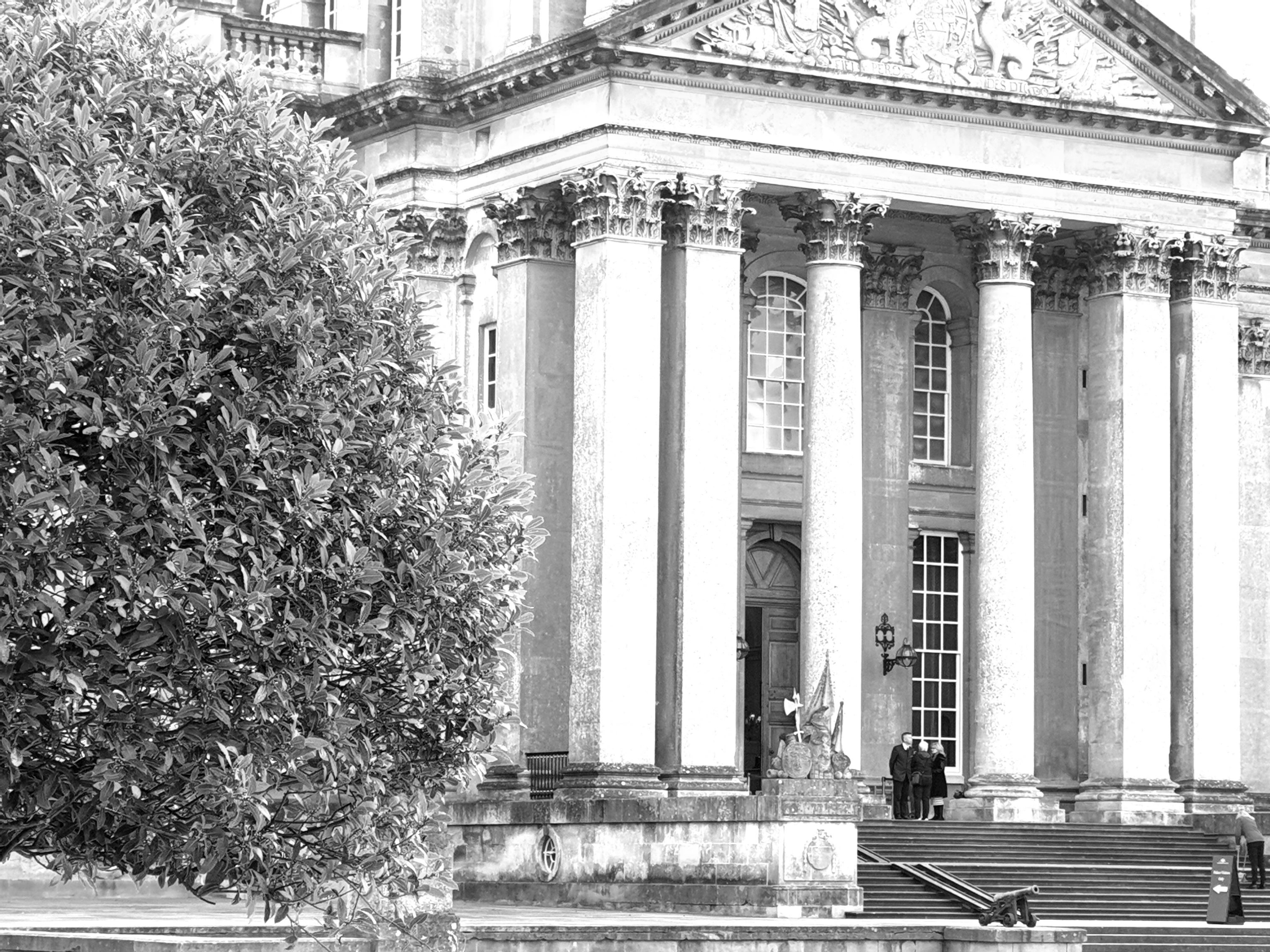
Blenheim Palace (1)
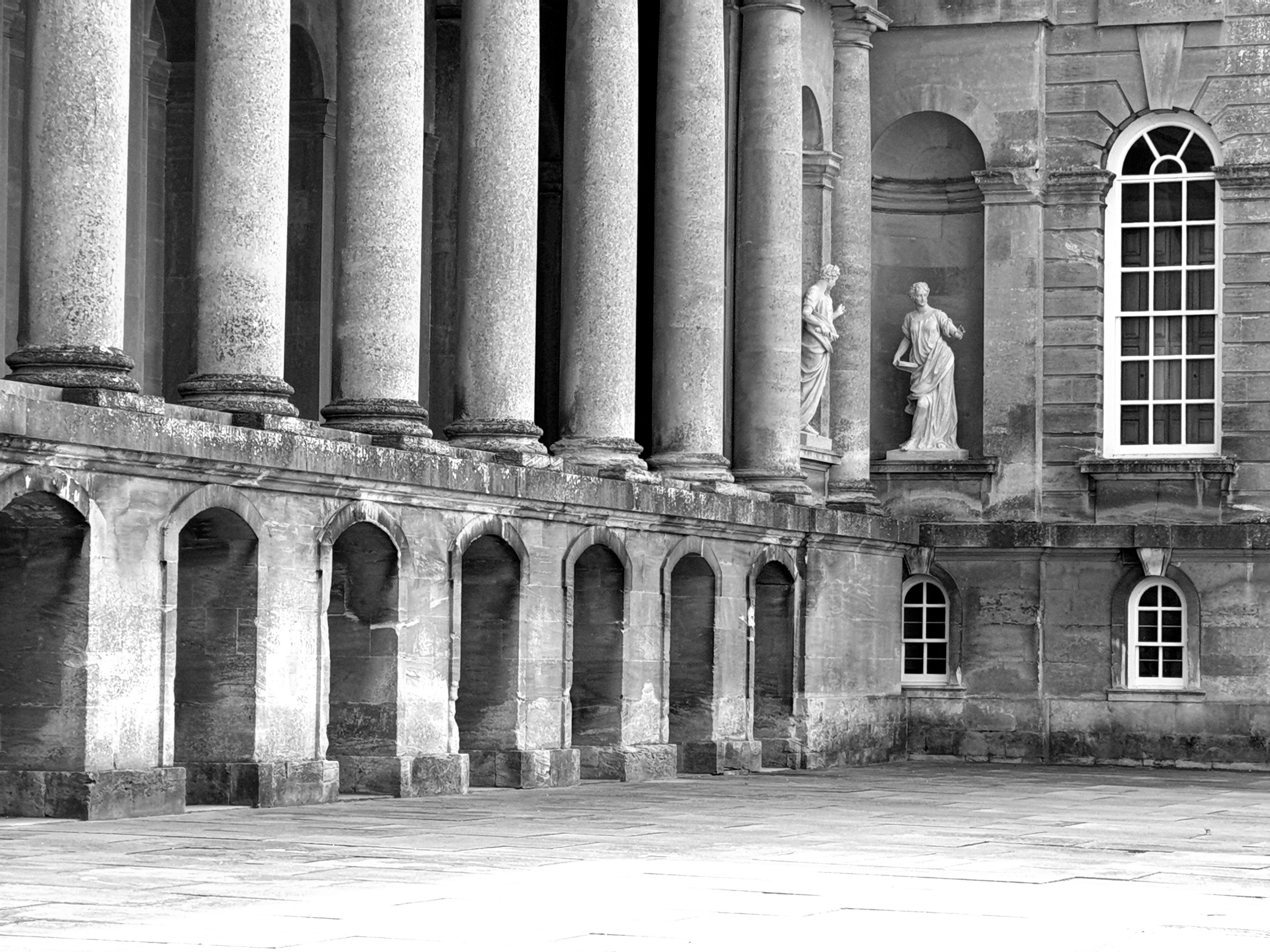
I don’t mind how often I go to Blenheim, Vanbrugh’s greatest masterpiece, but one for which he has never really got the credit – partly because, from the very beginning, the Duchess of Marlborough vilified him for his extravagance, partly because it ended up costing far more than parliament allowed, partly because British taste has never really warmed to its full-blown, palatial magnificence and because, more recently, it has been thought that much of the detail was carried out by subordinates. But I remember going through Vanbrugh’s detailed correspondence when it first arrived in the British Library and how devoted Vanbrugh was to all aspects of the choice of stone, building management, and supervision not just of the design, but its construction as well. He was much more proud of it, more involved and less buccaneer than has sometimes been thought, not least by the odious Duchess.
The entrance courtyard:-
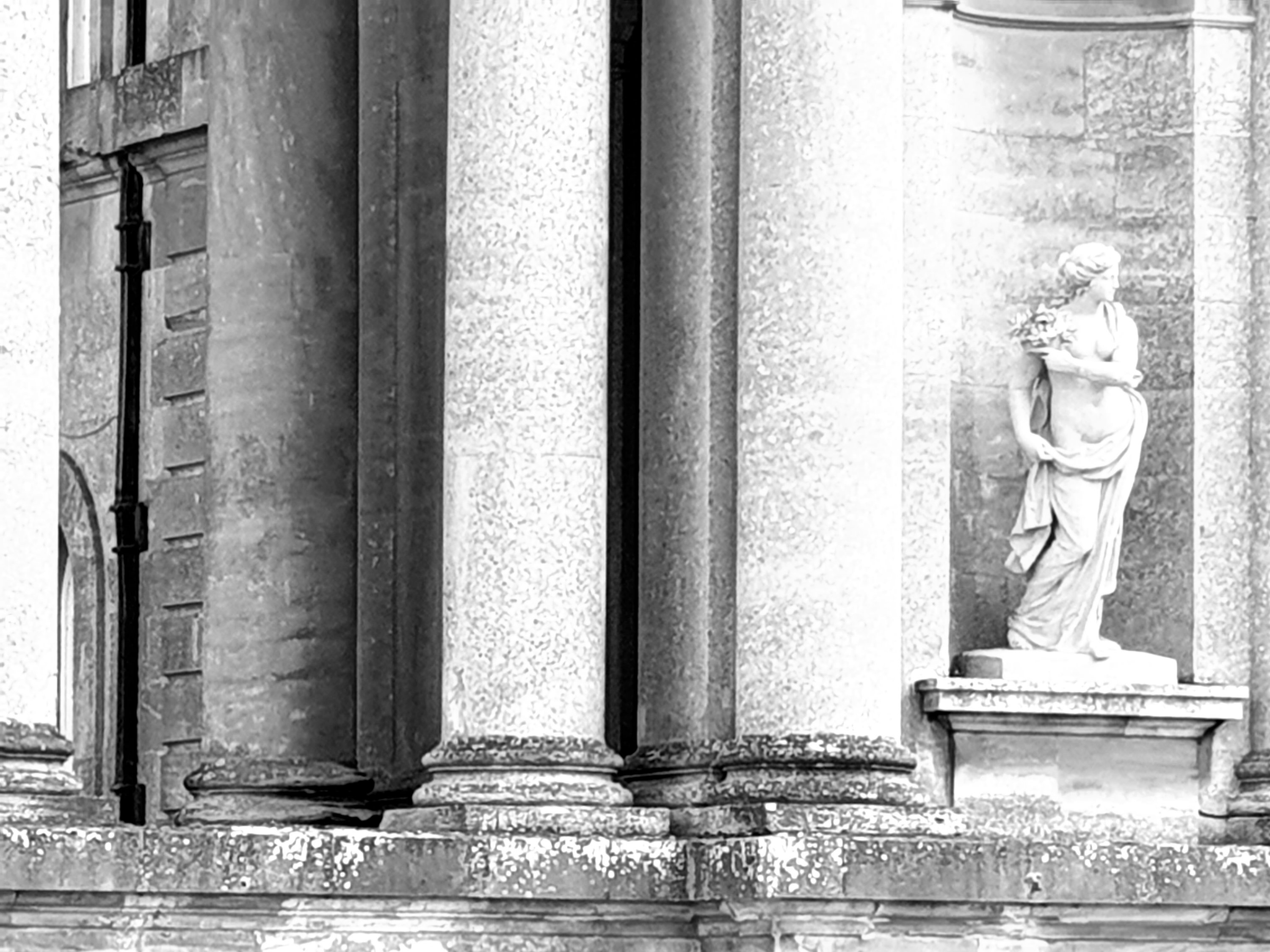
The Hall:-
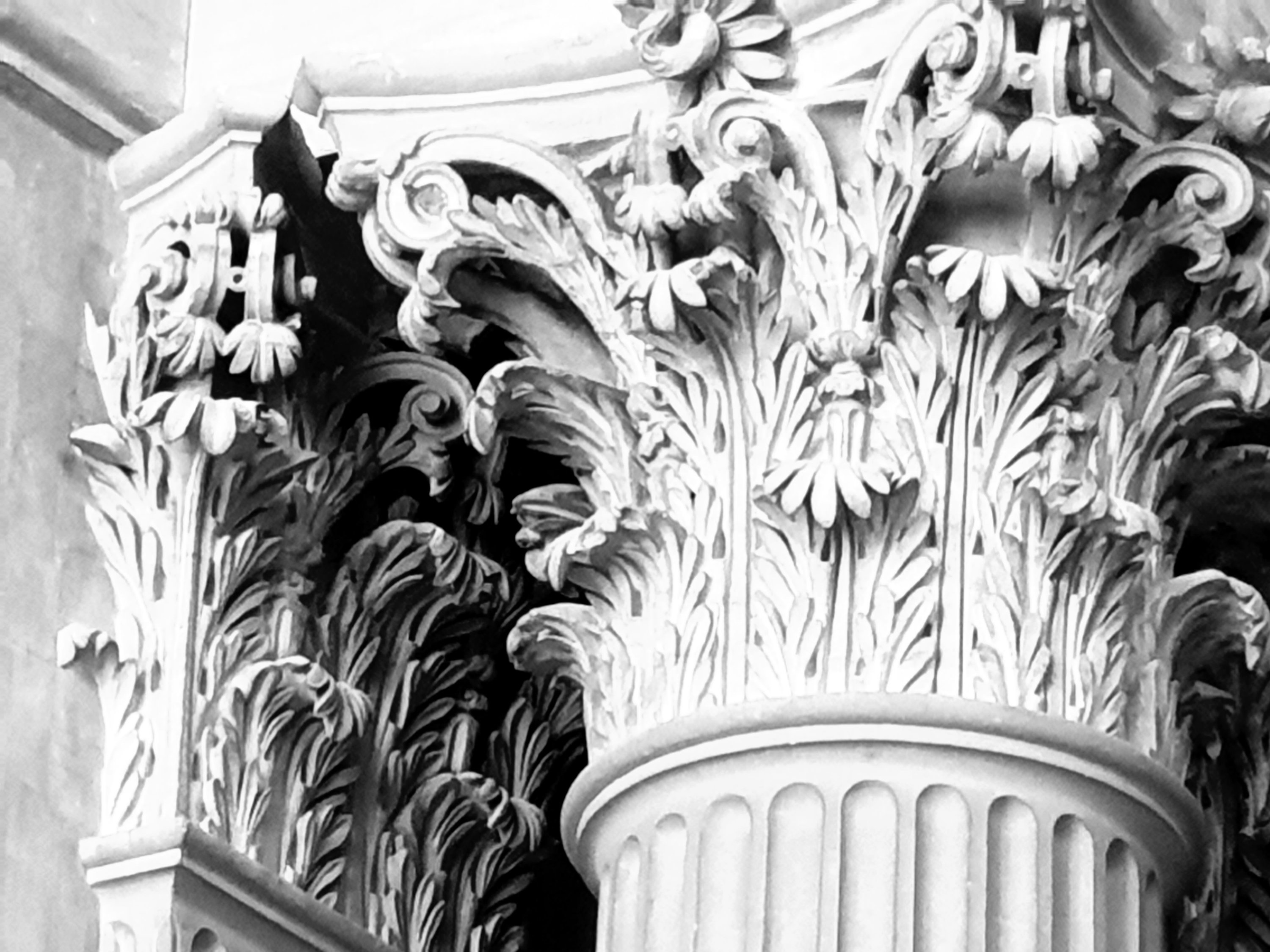
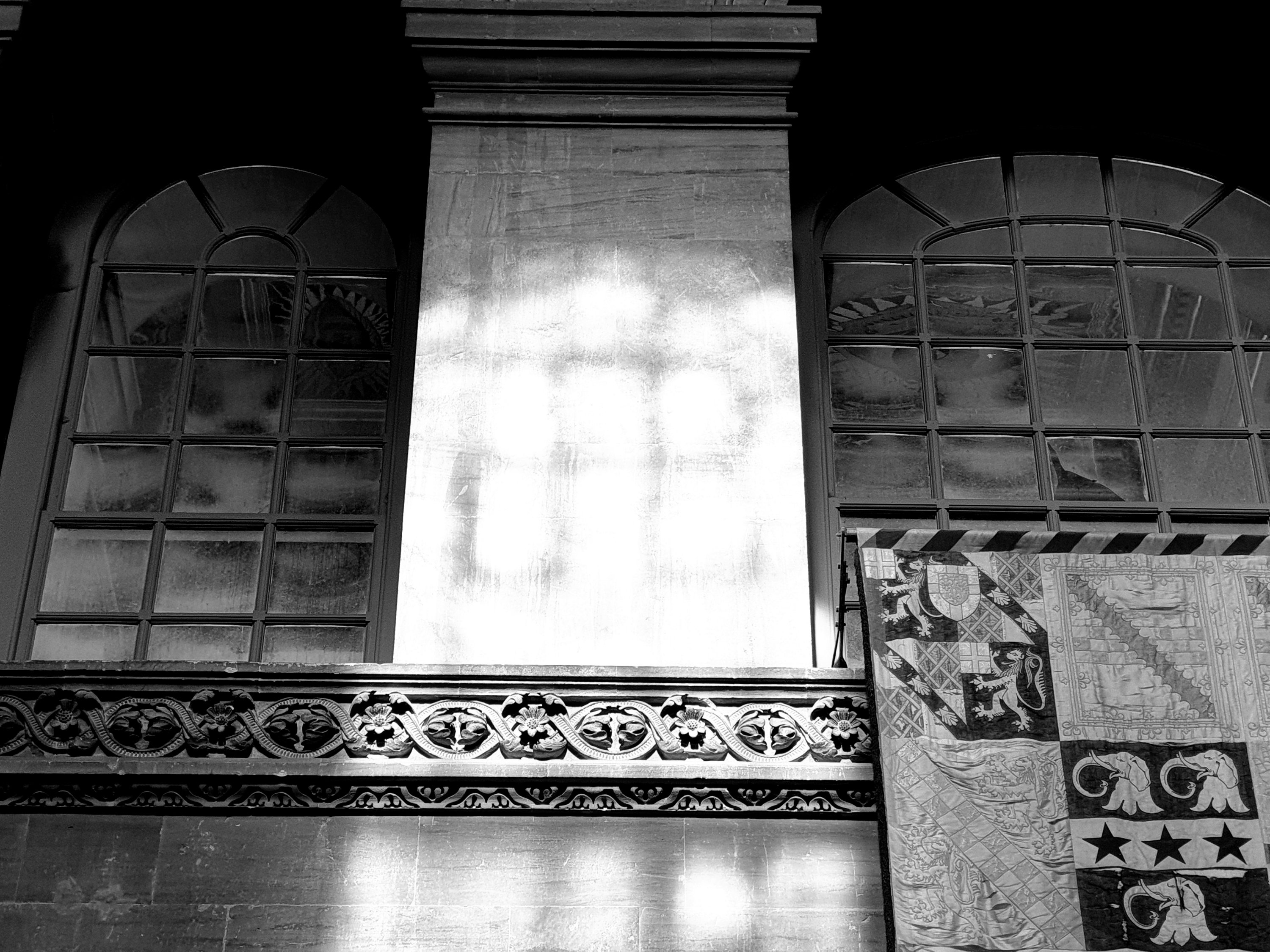
Details of the interior:-

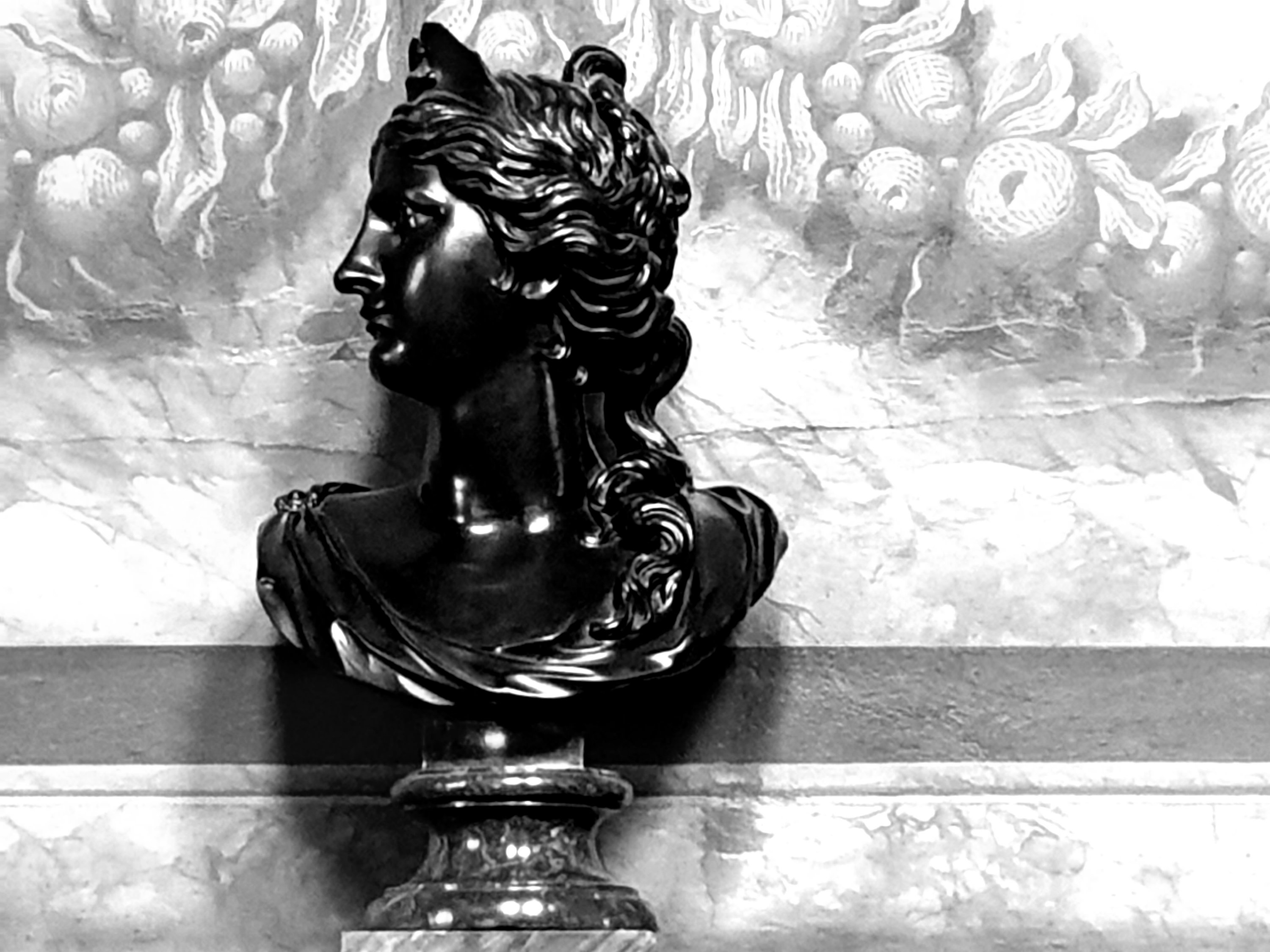
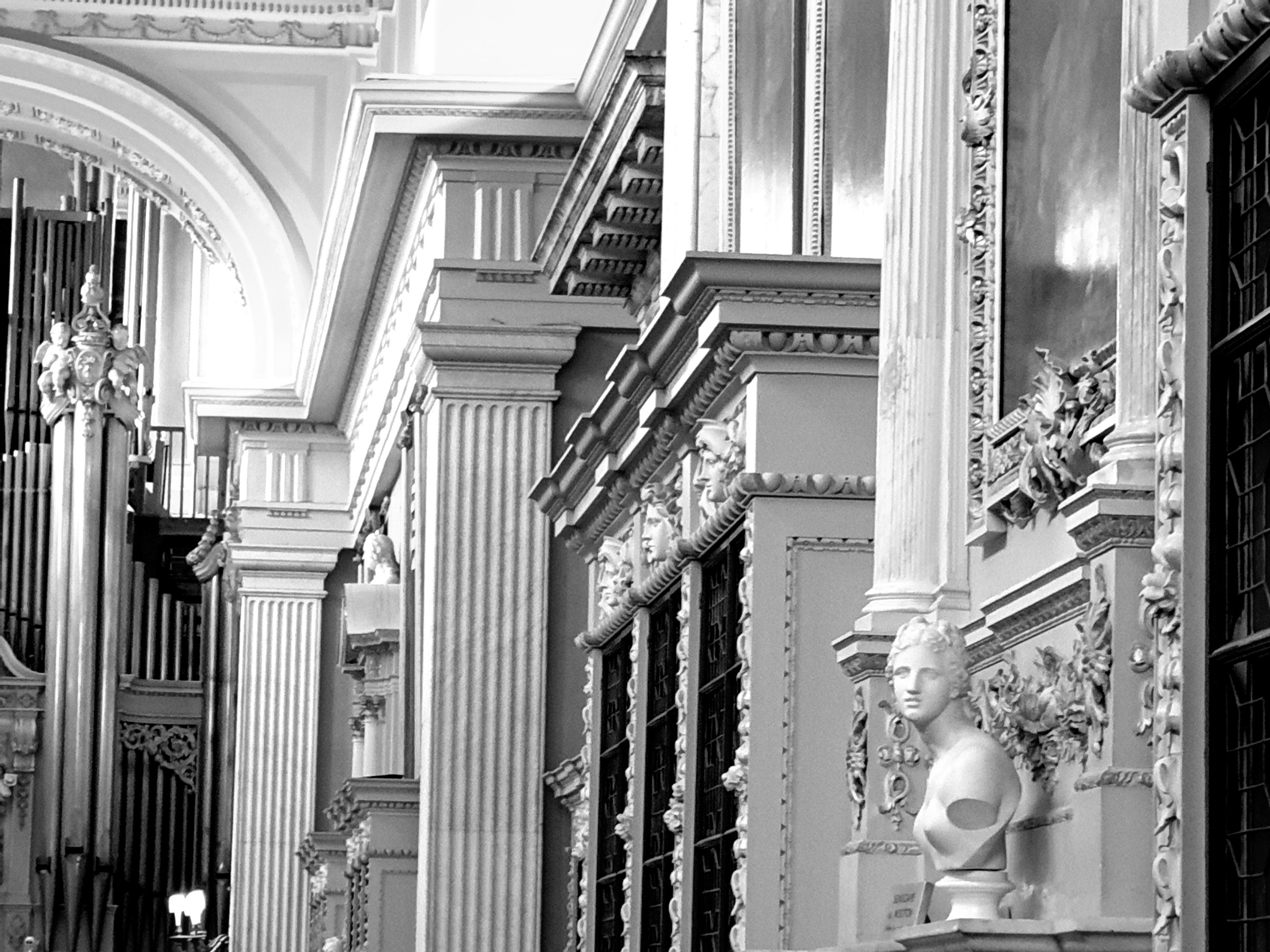
The library:-
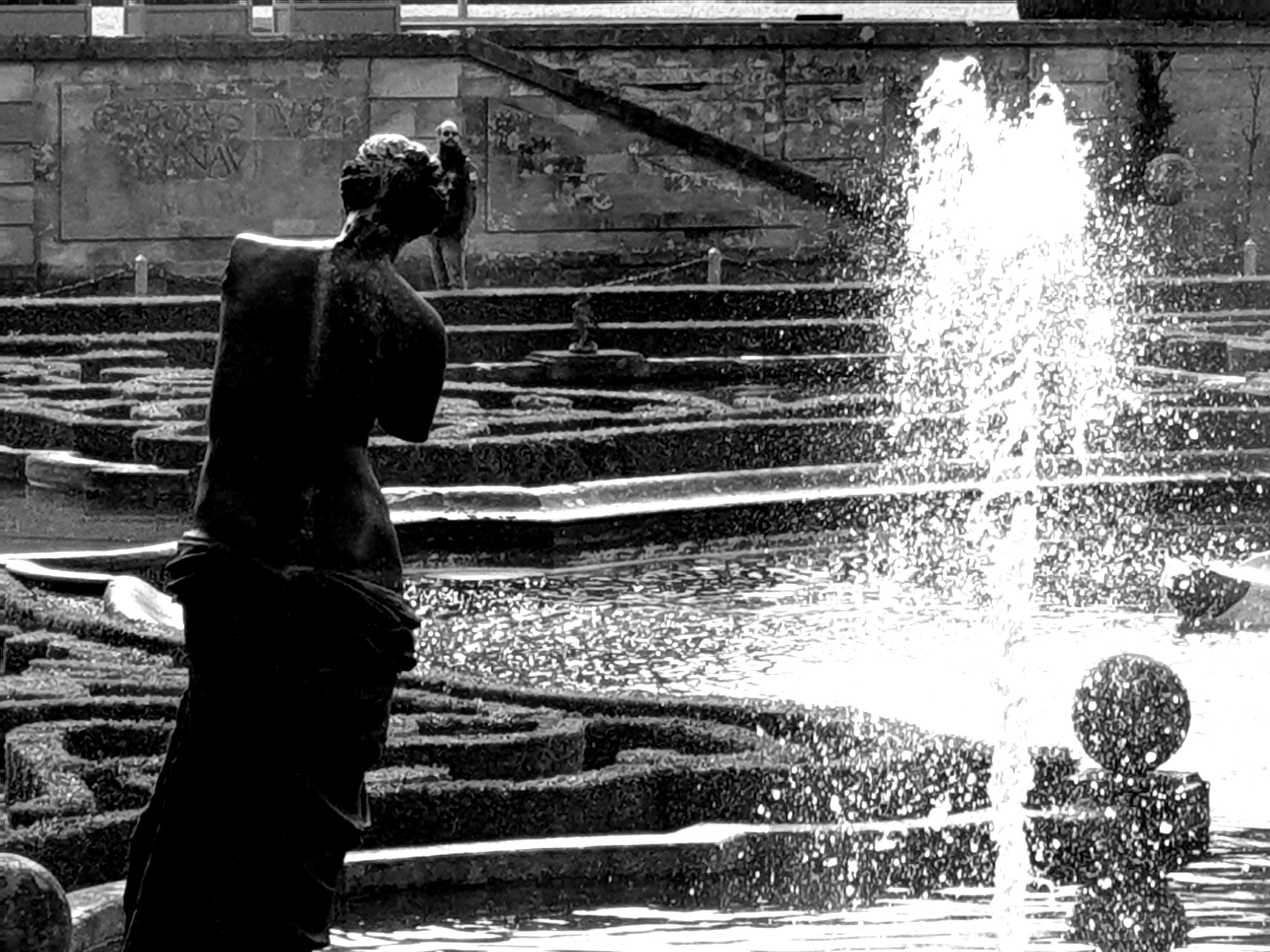
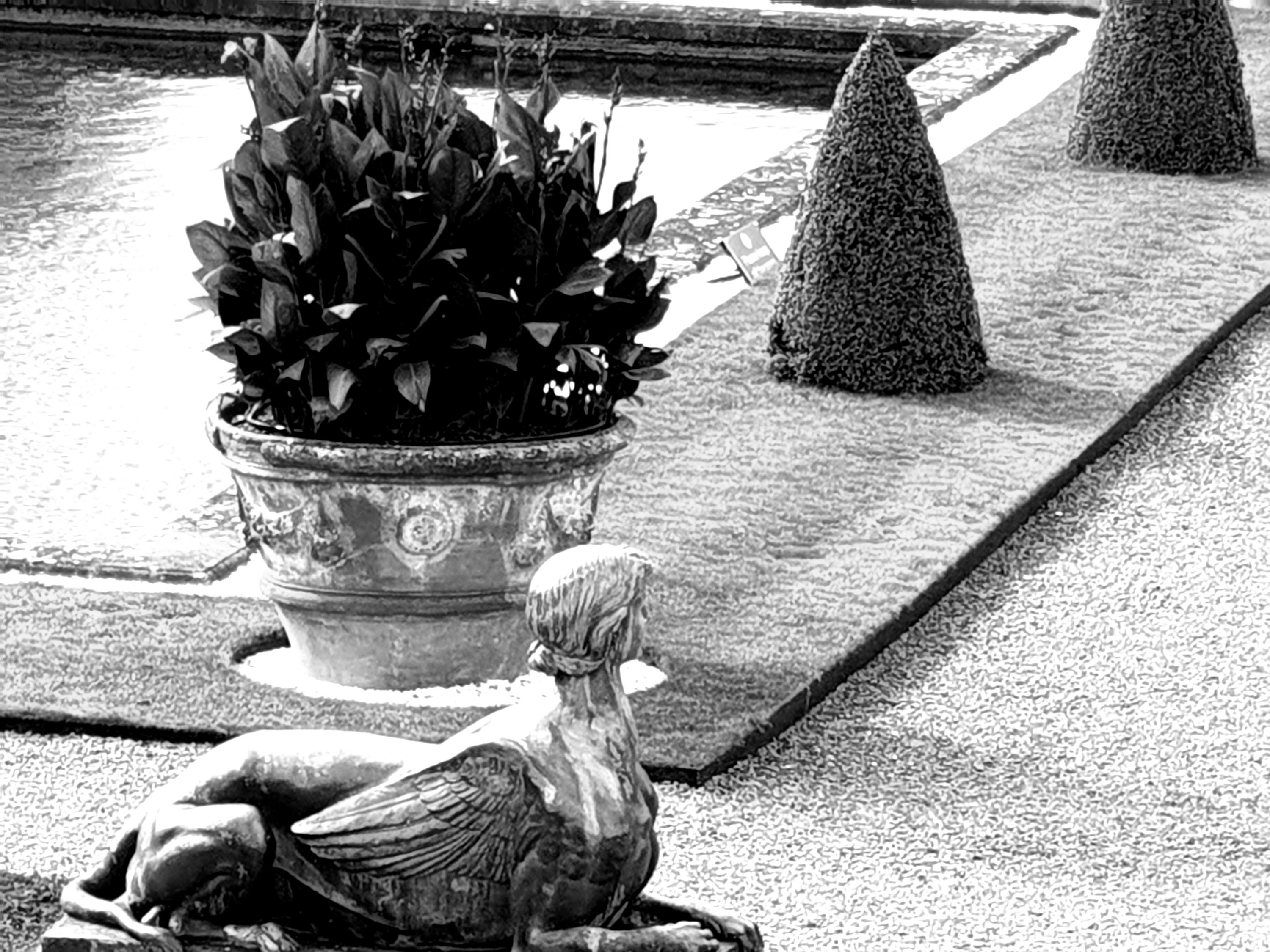
The parterre:-
Maurizio Catalan
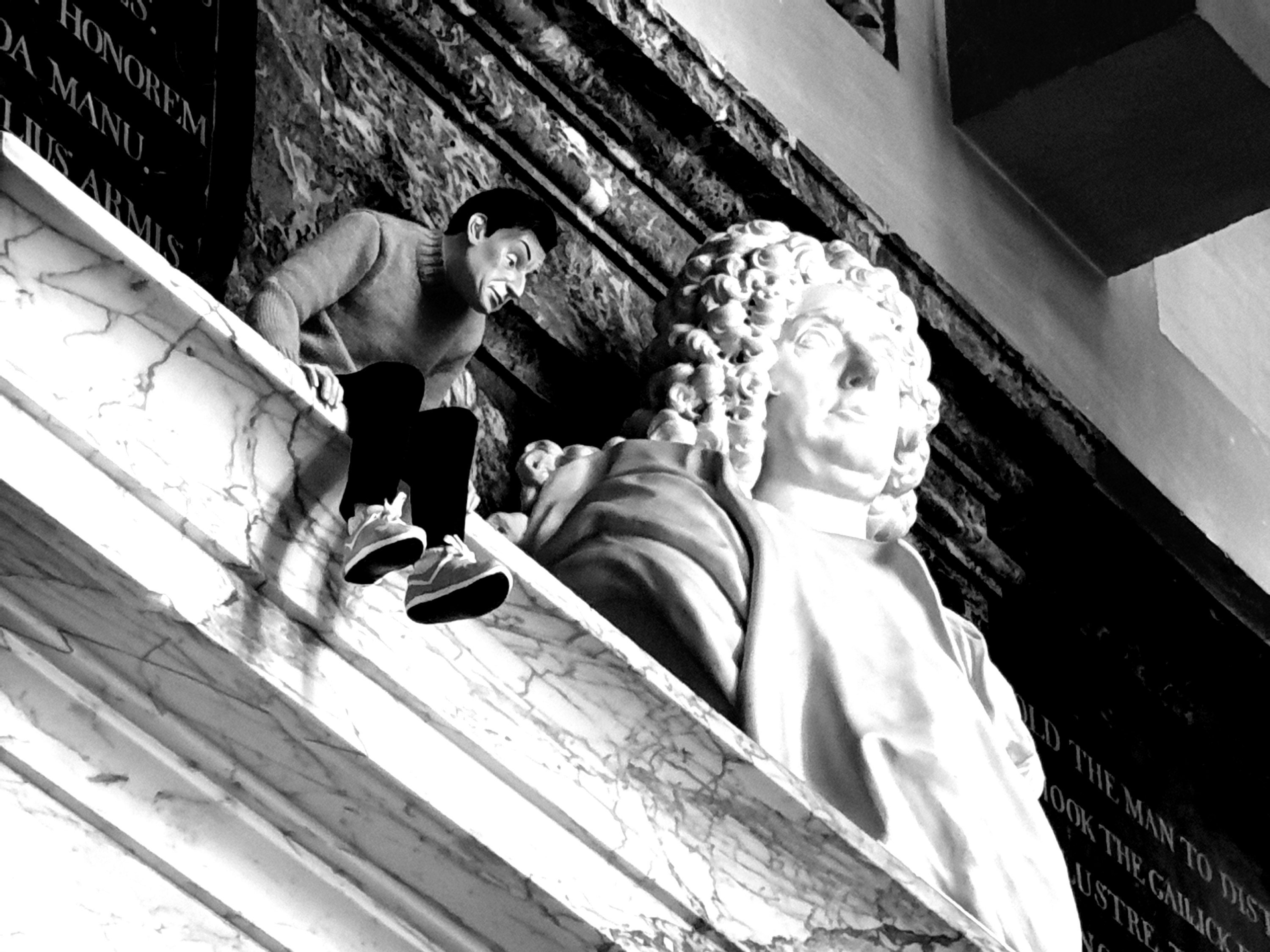
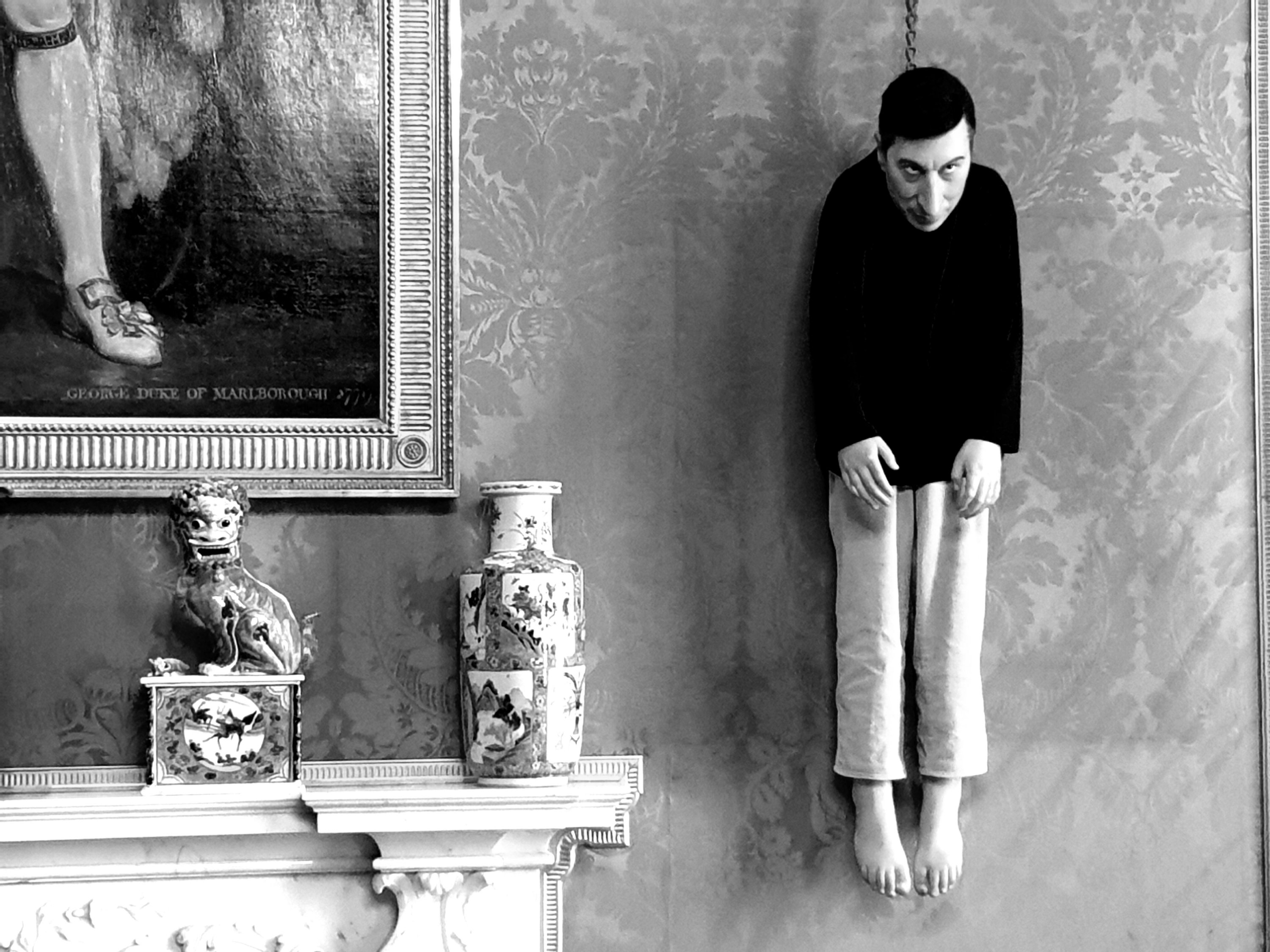
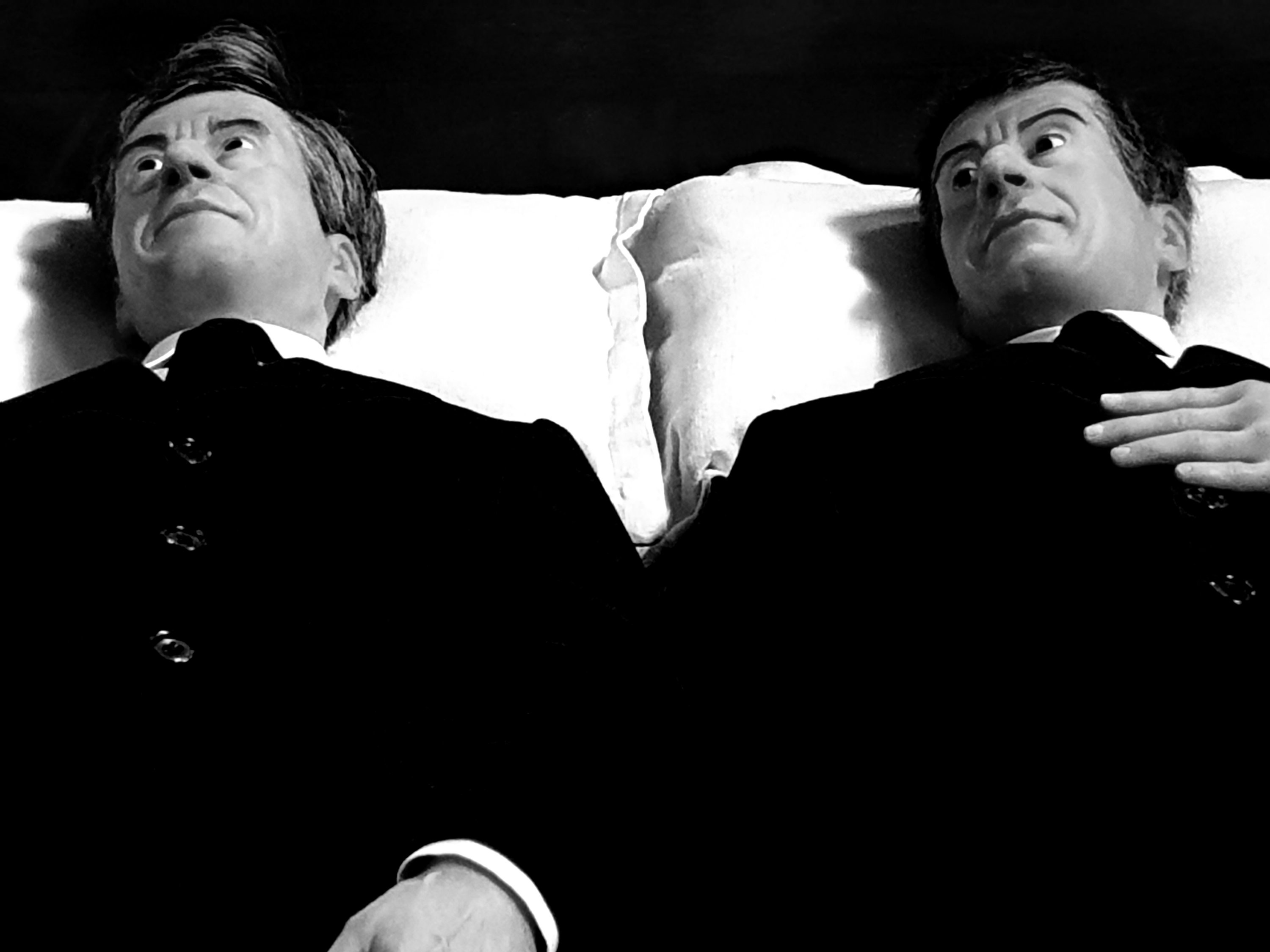
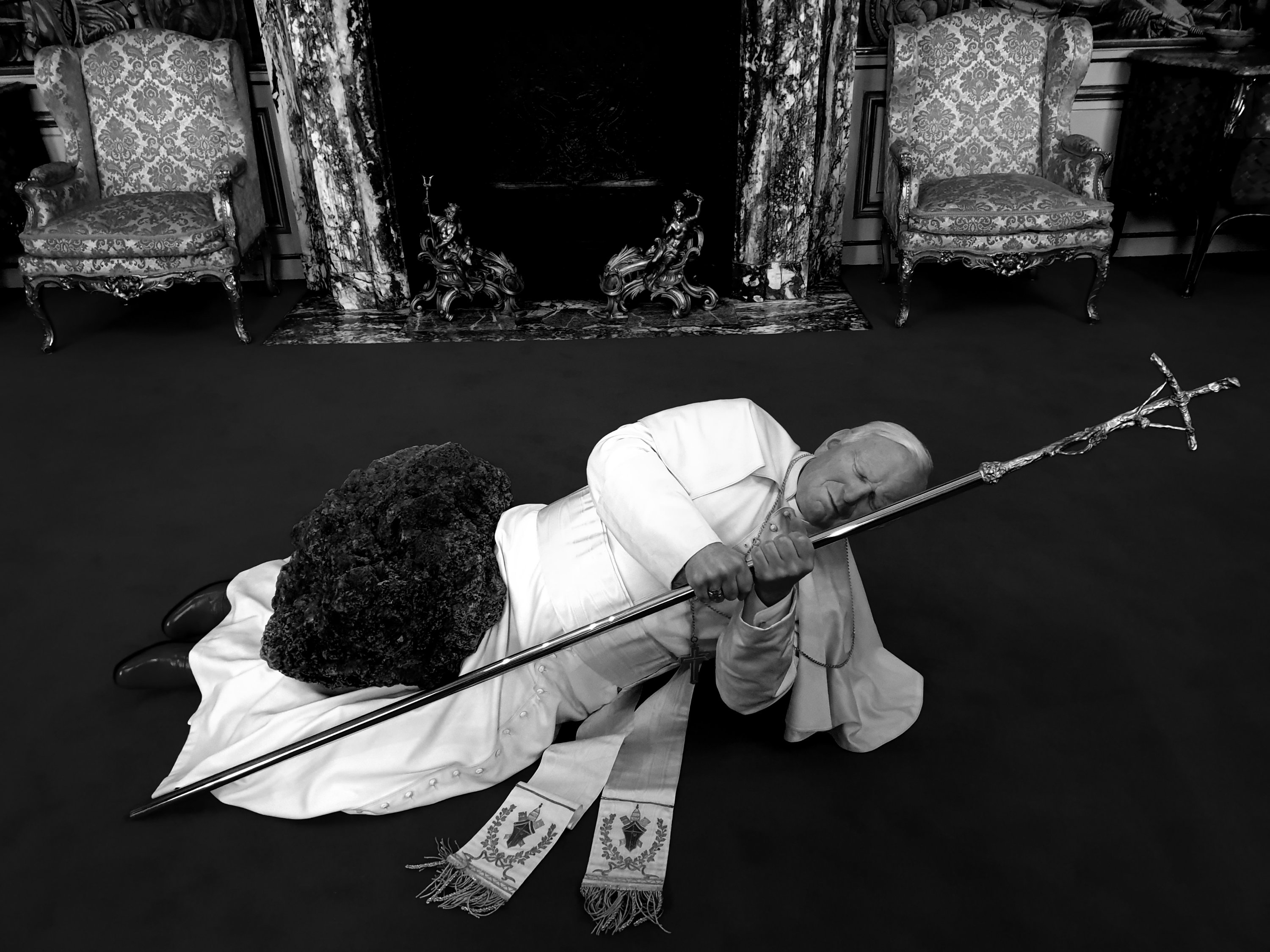
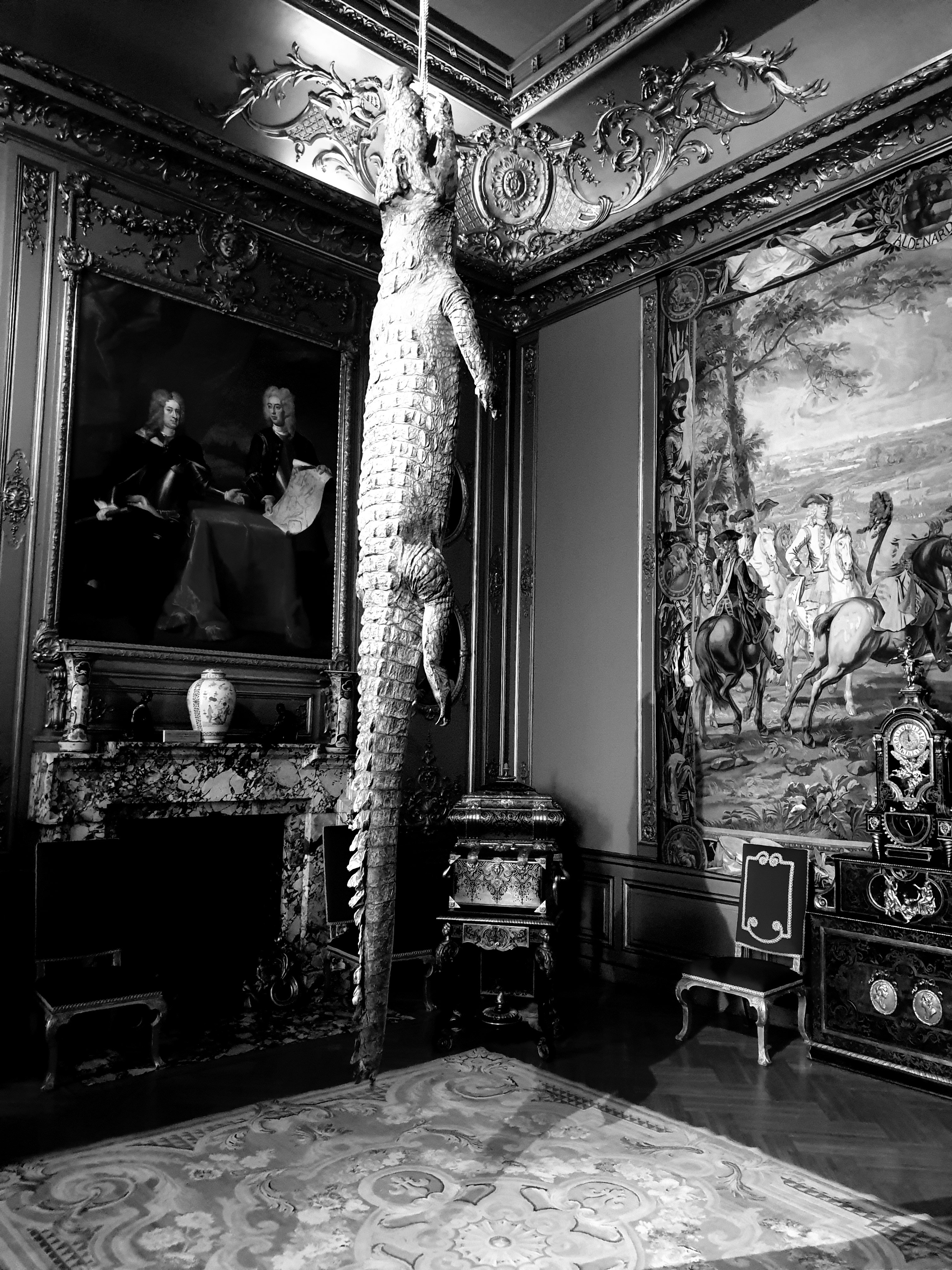
I enjoyed the Maurizo Catalan exhibition at Blenheim – playful, provocative and subversive and, in an odd way, works well with Vanbrugh’s architecture which itself has playful and theatrical aspects.
The Great Hall has a copy of Emmanuel Frémiet’s statue of Joan of Arc:-
We’ll Never Die (2019):-
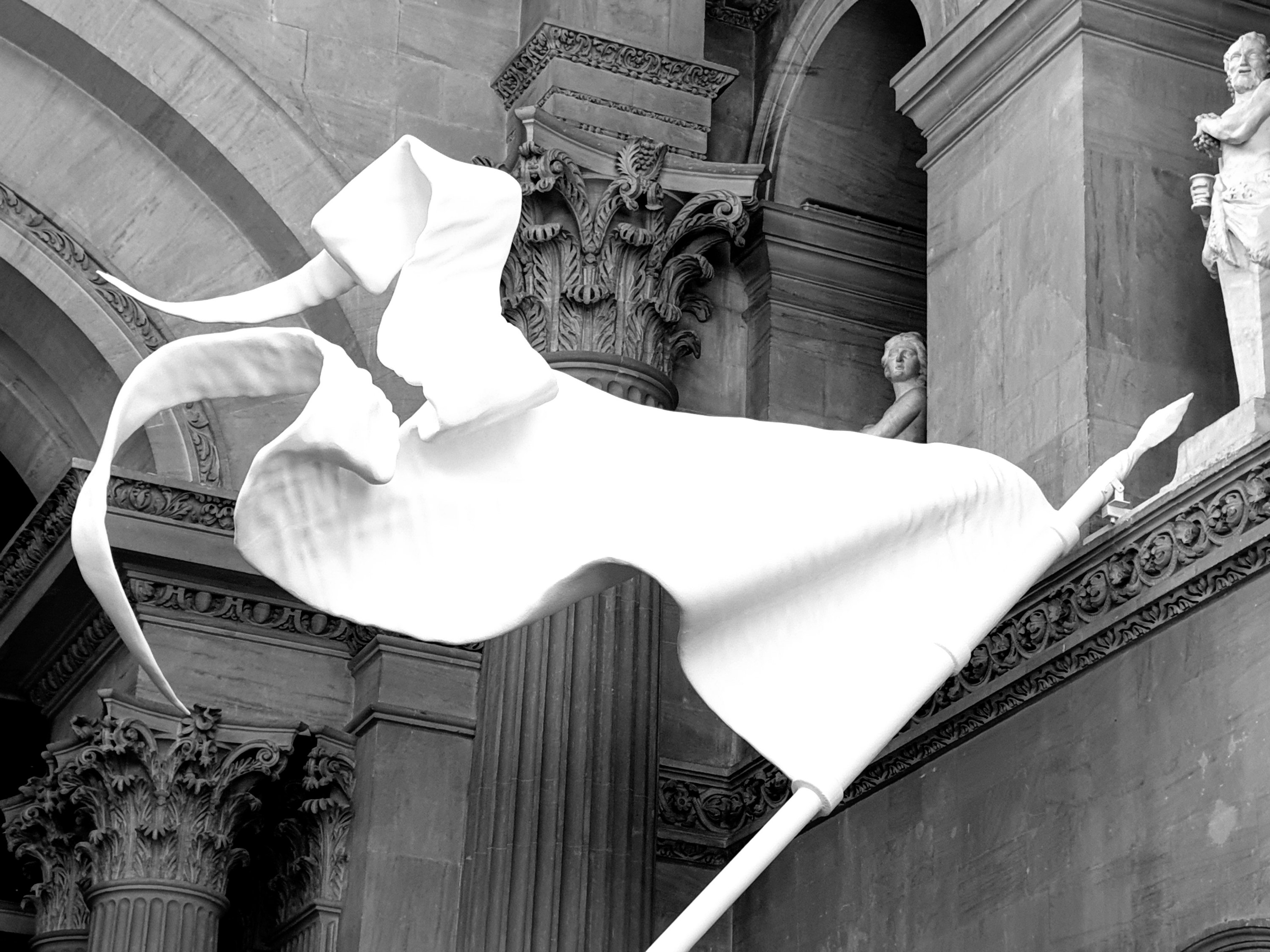
Here is Catalan himself, perched on a ledge next to the first Duke of Marlborough:-
He hangs himself in the Green Drawing Room:-
Novecento (1997):-

There are two of him in the Saloon:-
La Nona Ora (1999):-
Ego (2019):-
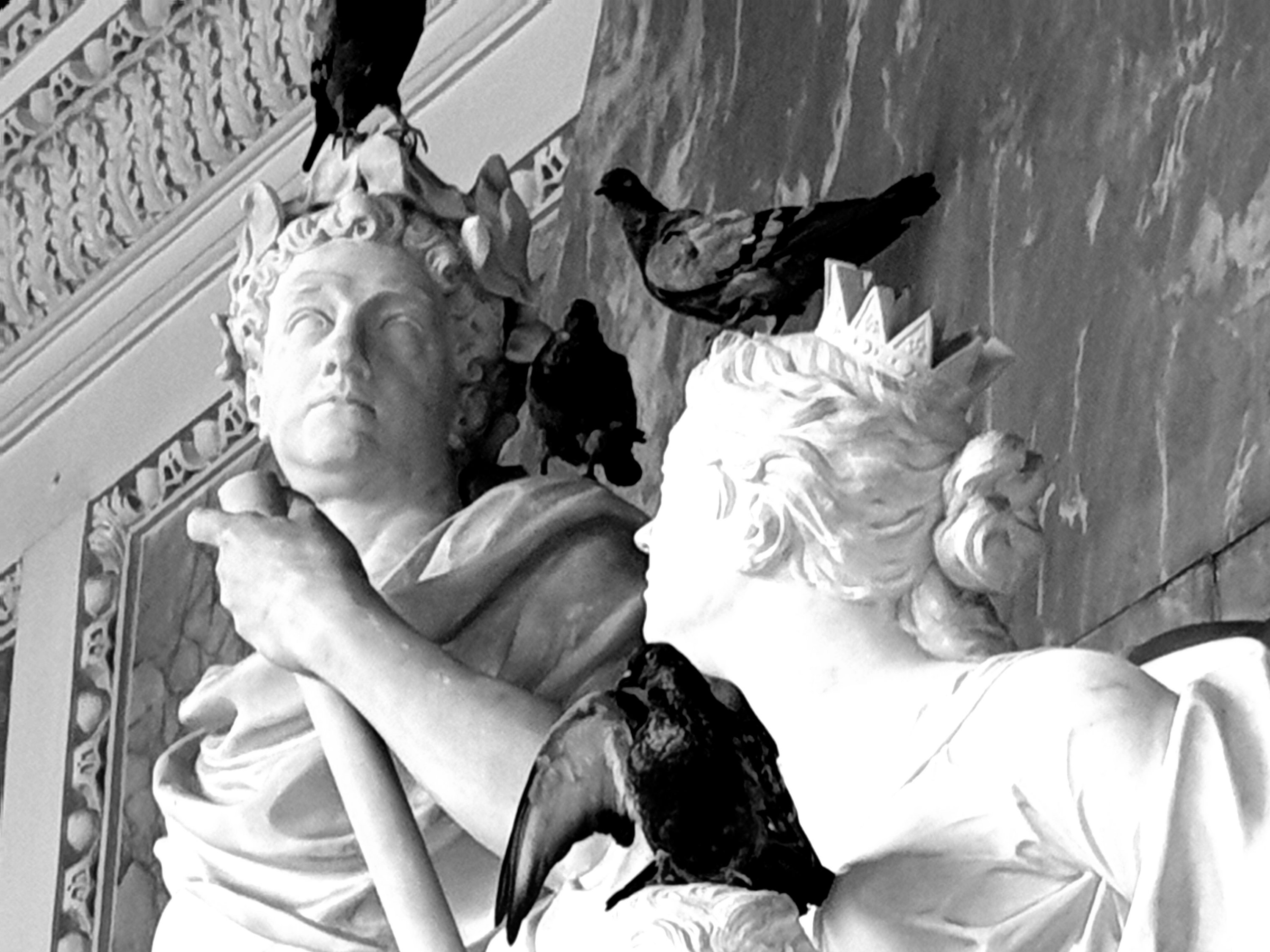
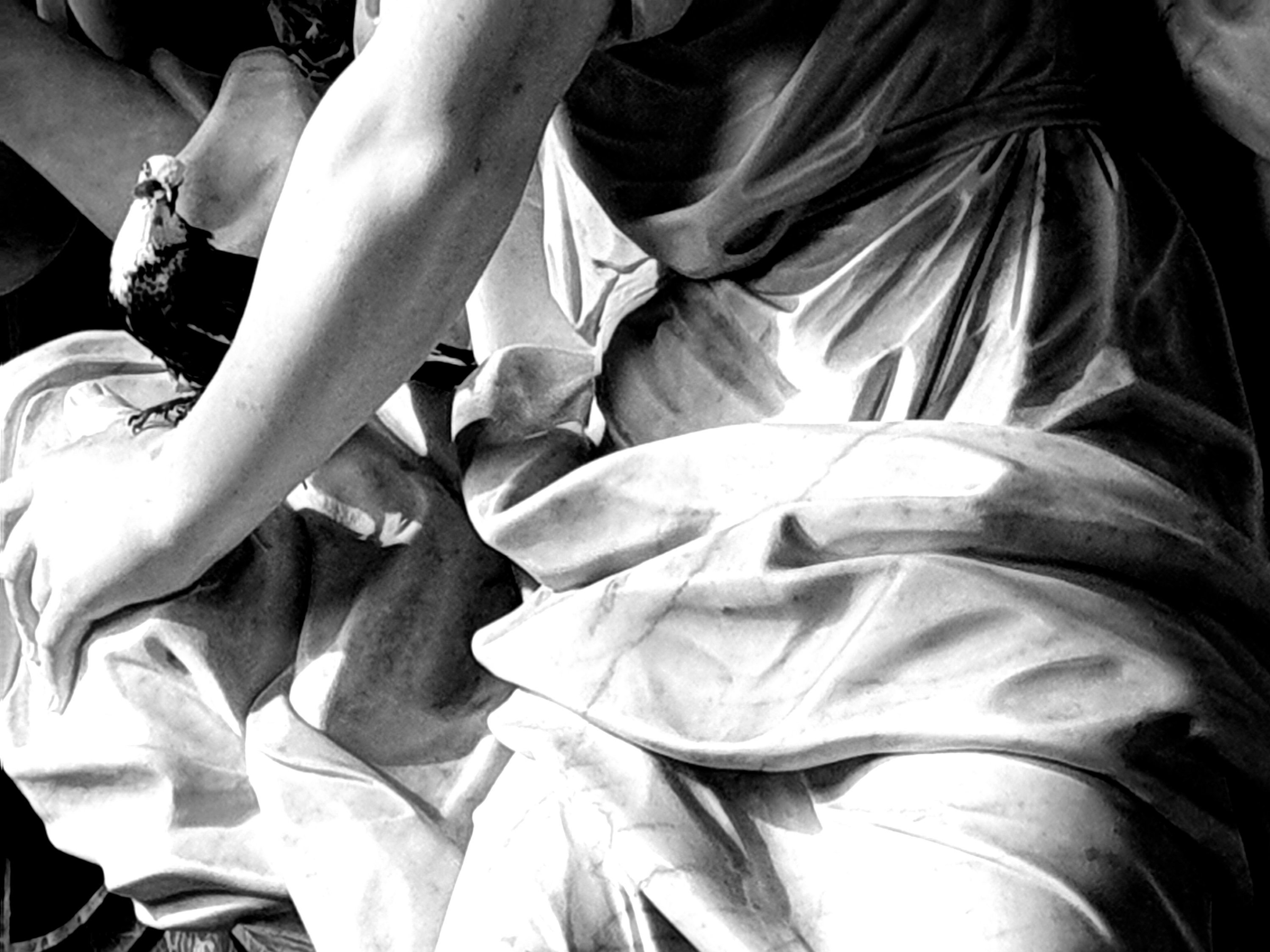
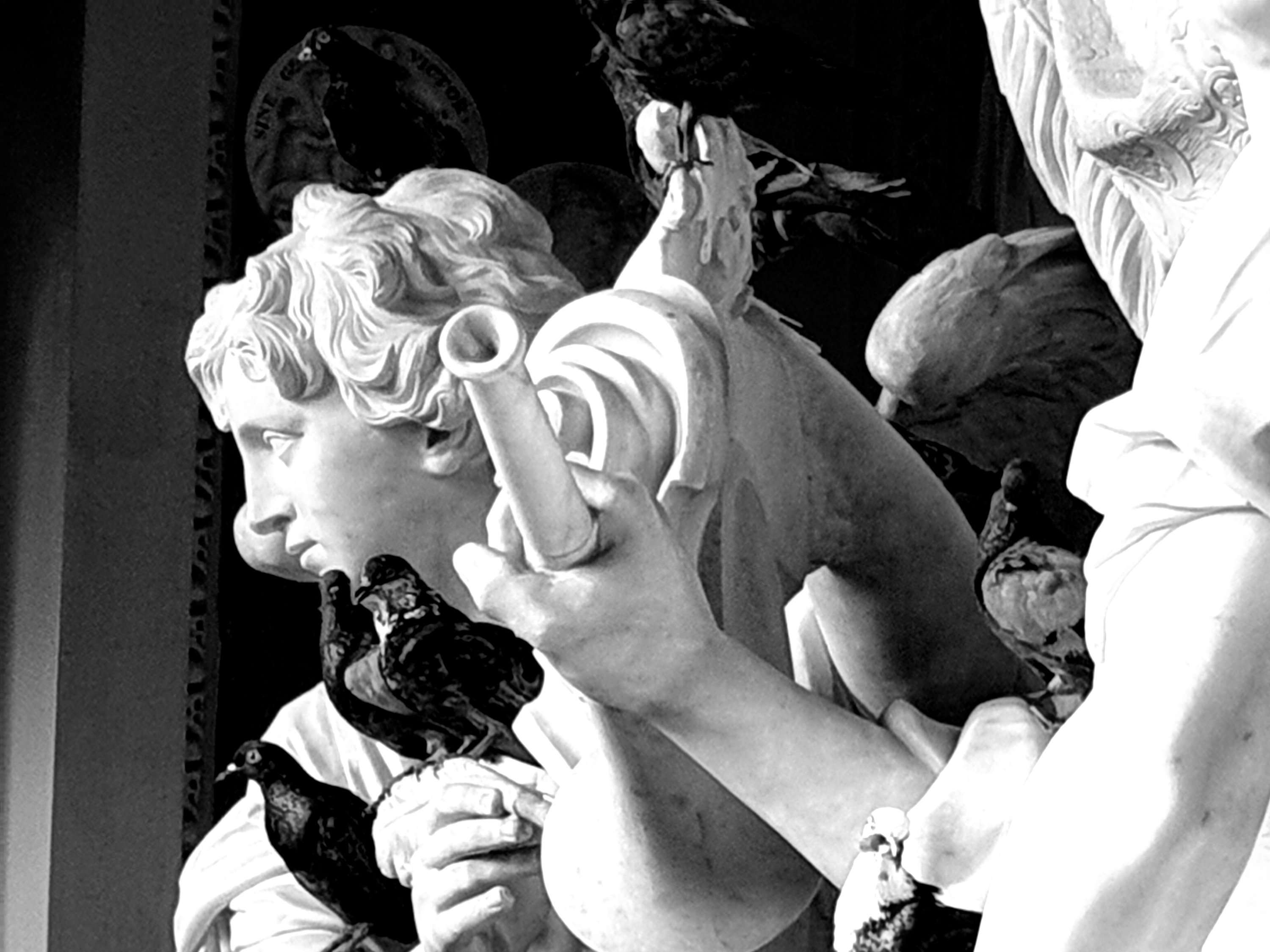
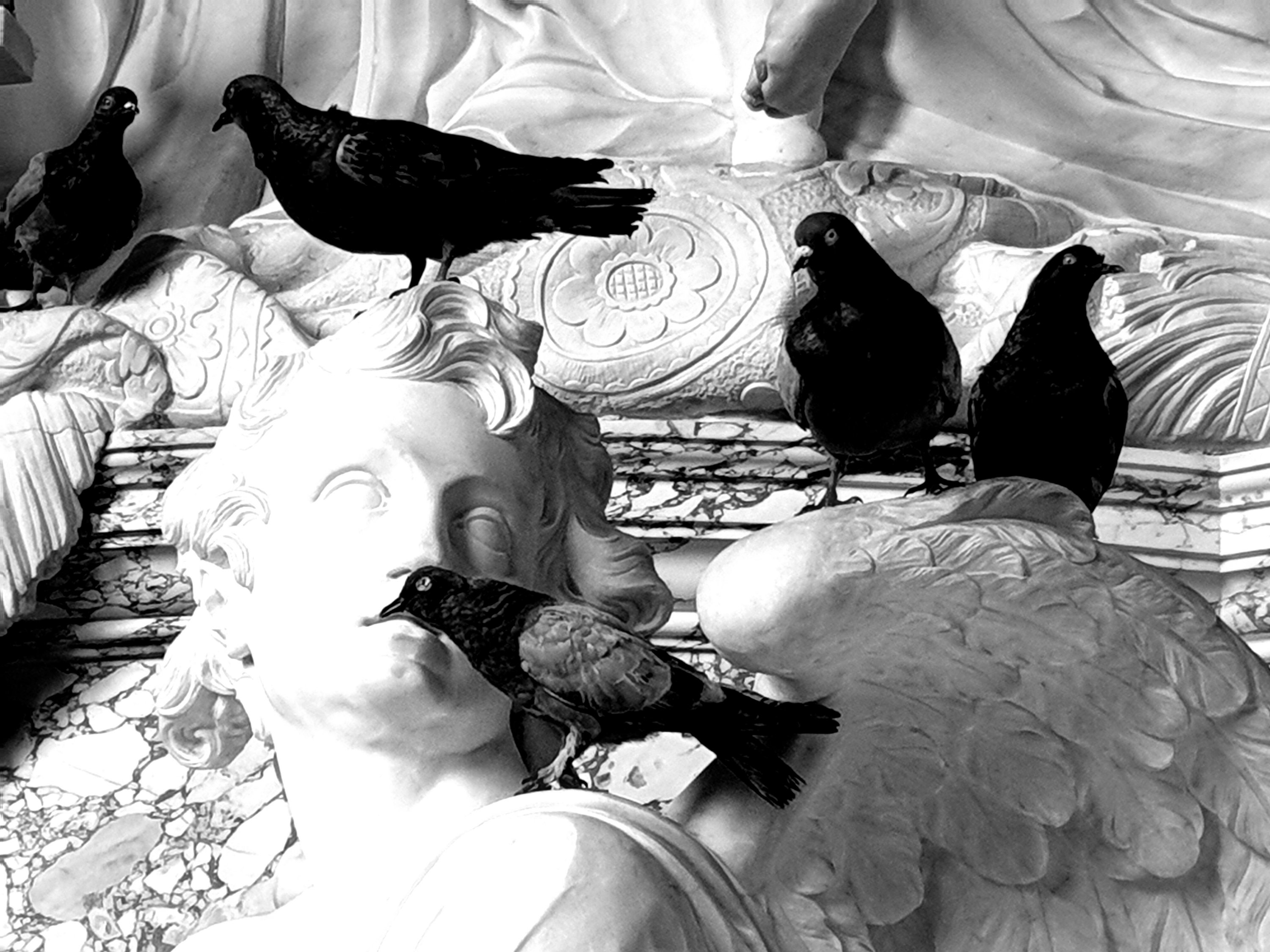
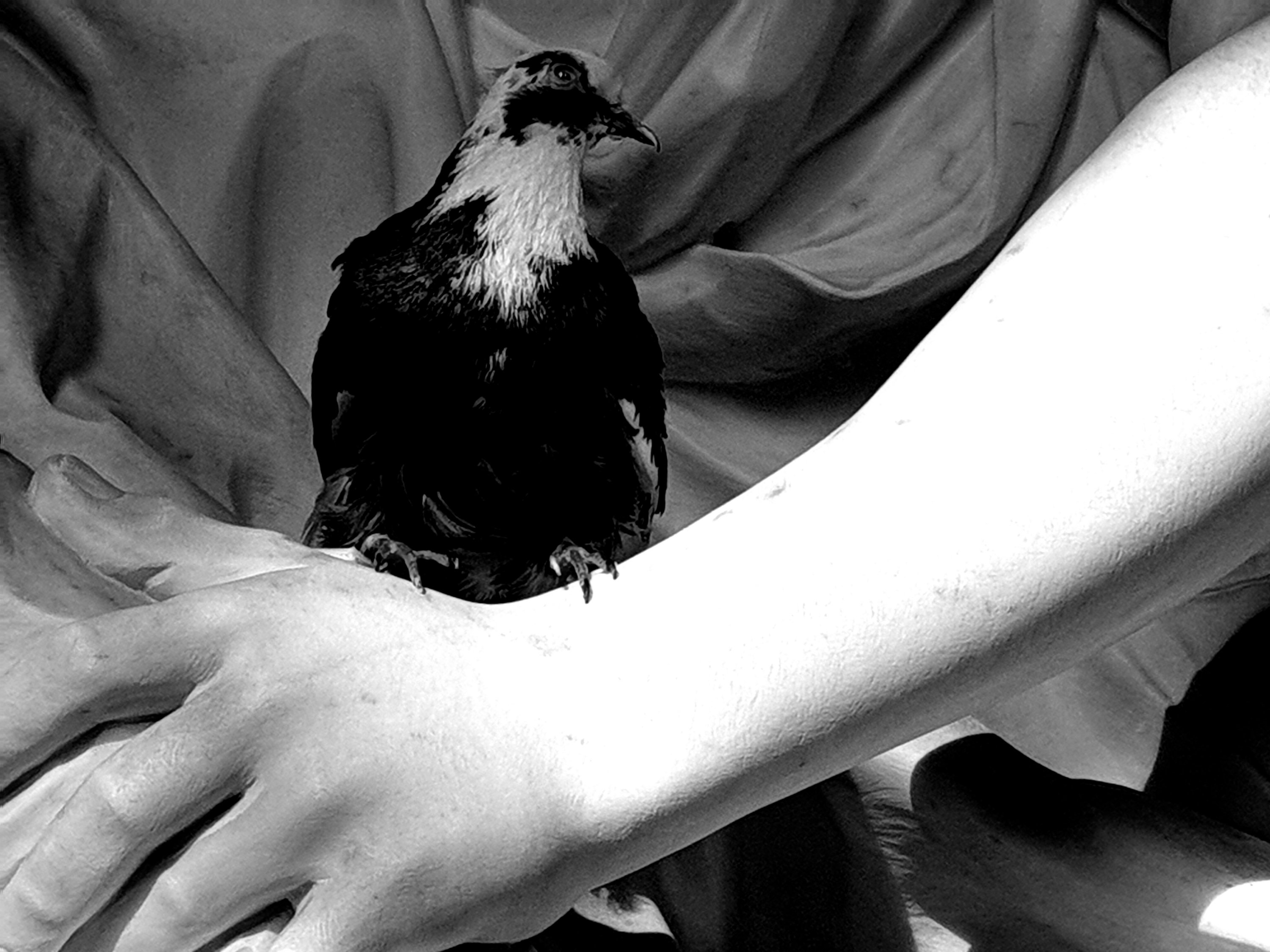
The tomb of the Duke is bedecked with pigeons:-
Leonardo Drawings
I finally made it to the Queen’s Gallery for the last week of their astonishing exhibition of Leonardo drawings, the first time that so many have been displayed since they were shown at the Royal Academy in 1952. I should have known and expected the range of his different subjects, from his early Florentine studies of details of composition while working on paintings, but I don’t remember ever seeing his amazing anatomical studies, except in reproduction.
A skull (1489):-

The cardiovascular system (c.1509):-
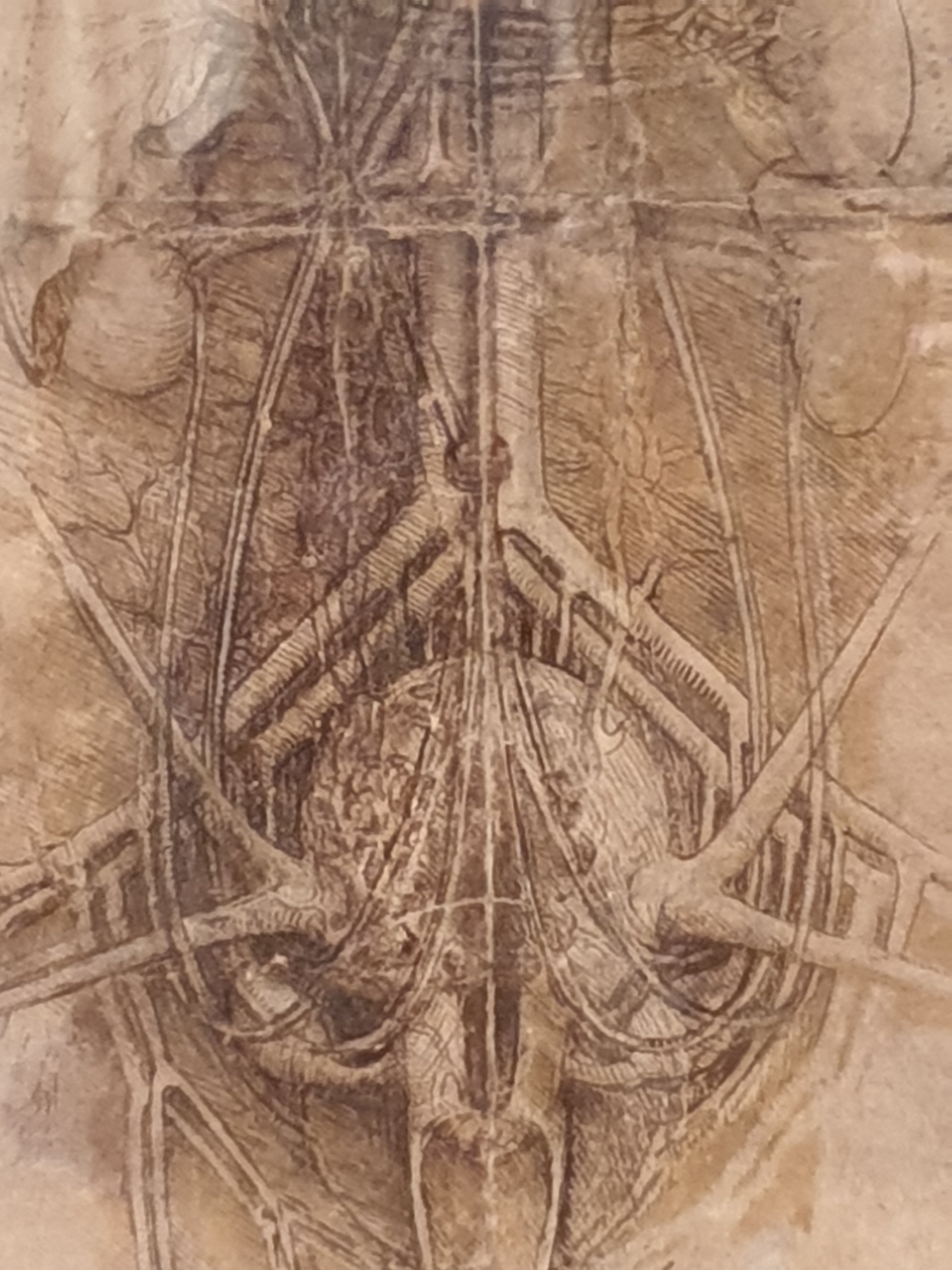
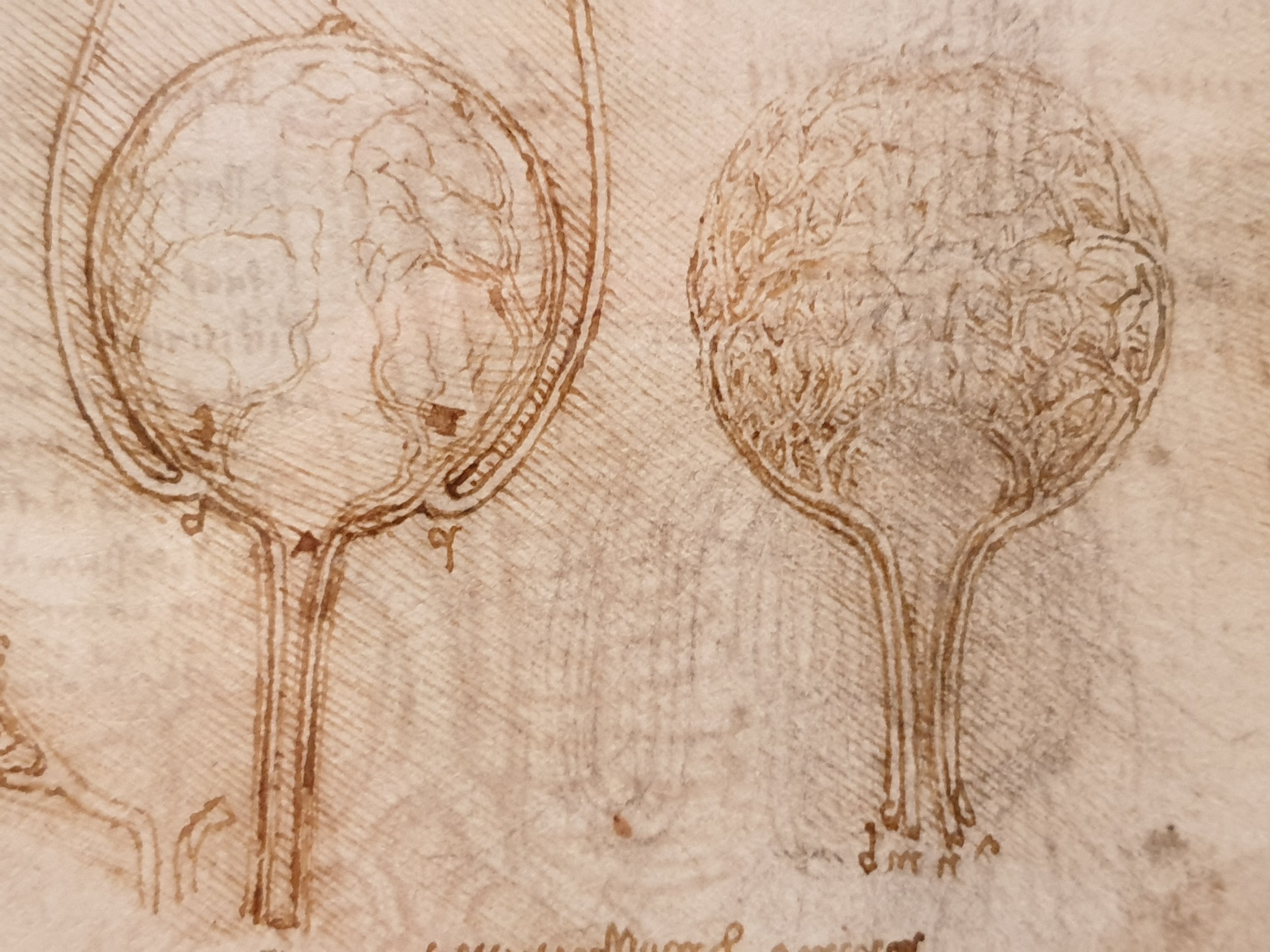
The gastrointestinal tract and bladder (c.1508):-
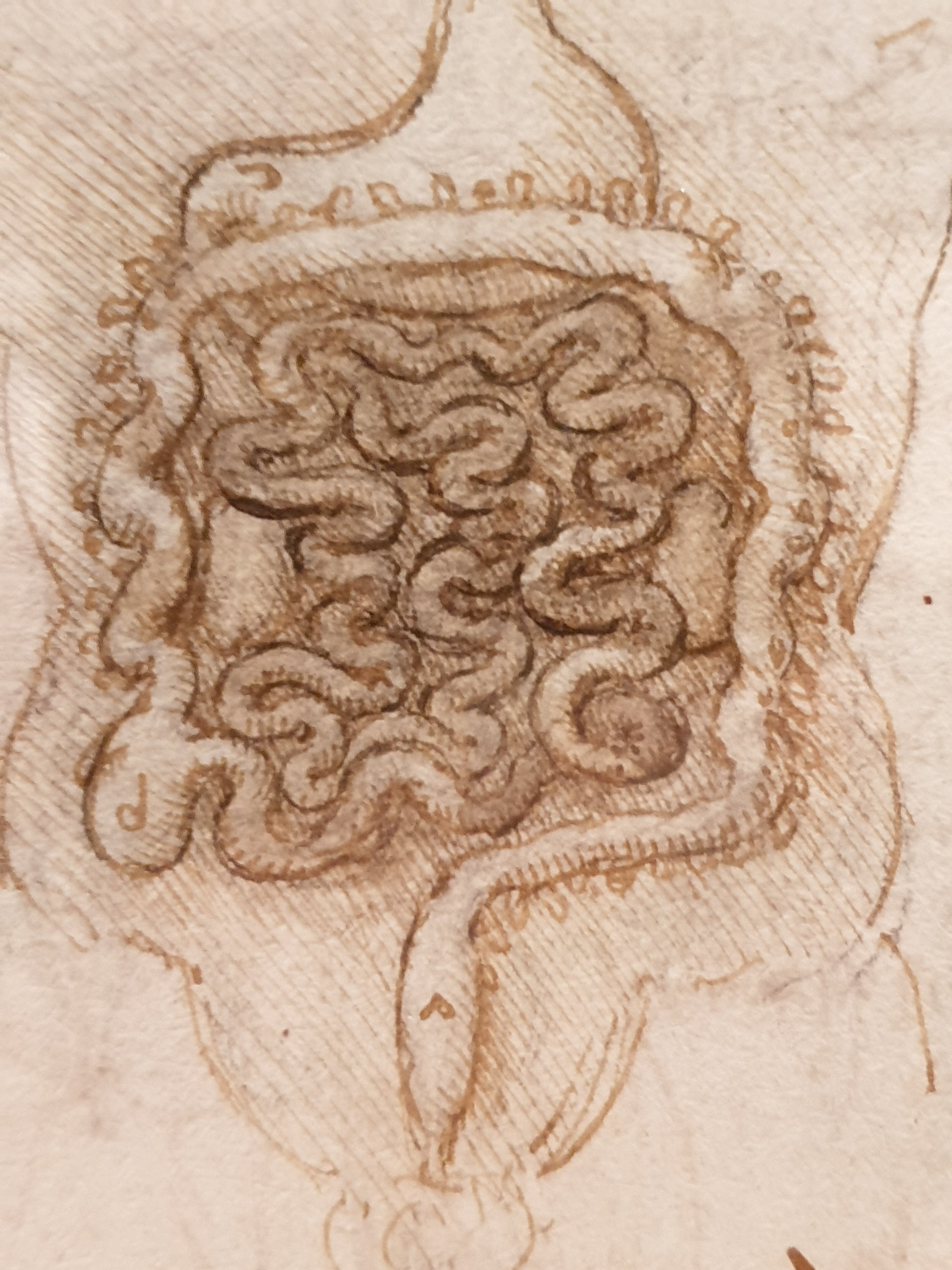
The bladder (c.1508):-
Design Museum
I’m very pleased for Tim Marlow that he is moving to the Design Museum as its Chief Executive and Director. I always admired the energy, knowledge, extraordinary articulacy and enthusiasm which he brought to the role of Artistic Director at the Royal Academy, where he was a wonderful and supportive colleague:-
https://amp.ft.com/content/2874c584-e8e0-11e9-85f4-d00e5018f061?__twitter_impression=true
Fitzwilliam Museum
I went to the celebration of the re-hang of Gallery 3 at the Fitzwilliam, the so-called Founder’s Gallery at the top of the staircase at the heart of Basevi’s original scheme, but completed by C.R. Cockerell after Basevi fell through the floor of the bell chamber in the West Tower of Ely Cathedral:-

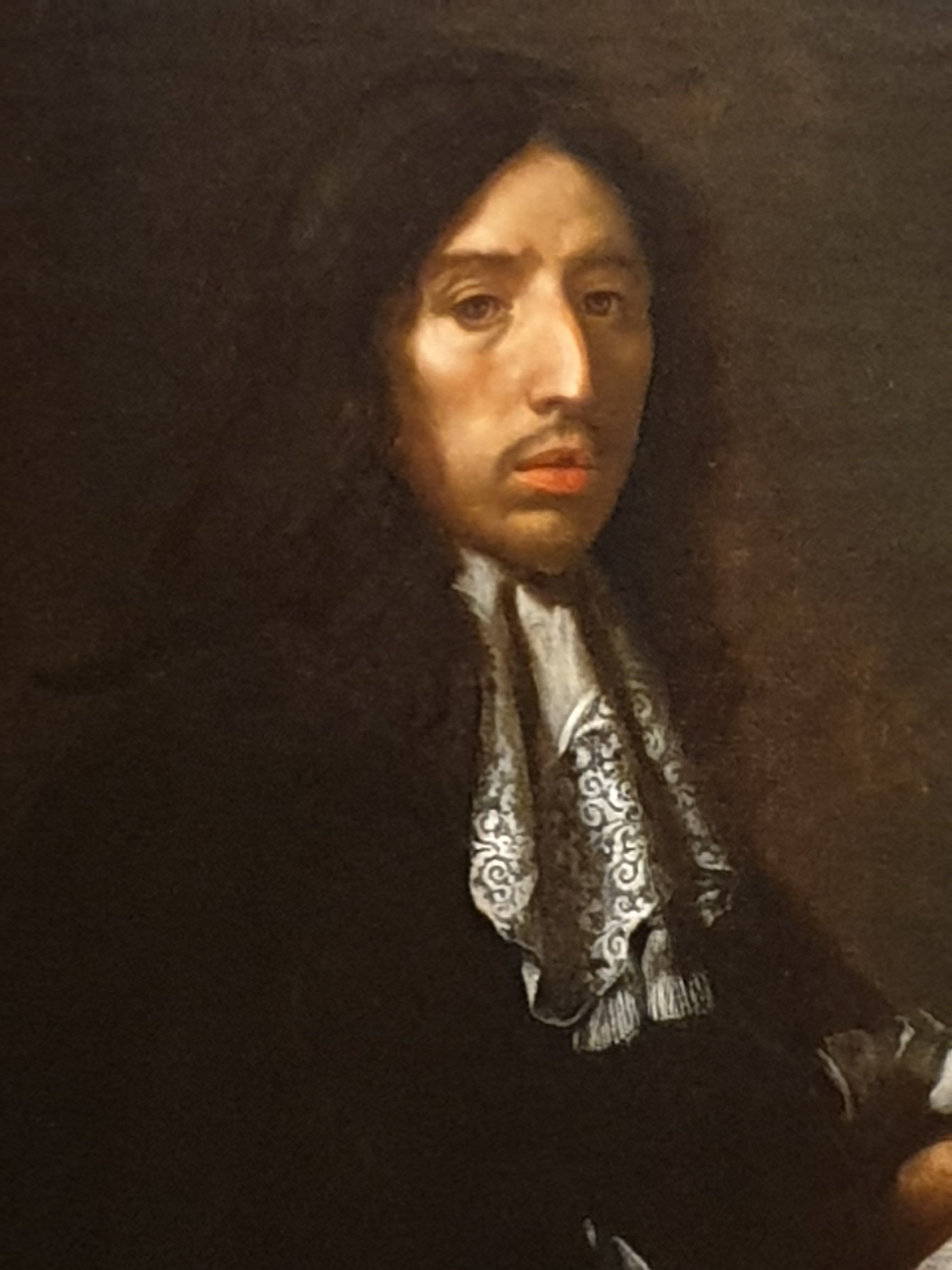
In 1848, when the Museum was first opened, the gallery was hung floor to ceiling. Sydney Cockerell added a balcony for the display of drawing. When Michael Jaffé became Director in 1974, he hung it with tomato coloured silk. Now it has been hung with a more sober and darker coloured purple fabric (they call it maroon). Anyway, it looks very fine and the ceiling has been converted from a colour which Luke Syson described in his speech as somewhere between toenails and a pub saloon to a more pristine white. It’s a suitable setting for the Gallery’s amazing collection of seventeenth-century portraits, including Carlo Dolci’s portraits of Finch and Baines:-




The Rush to Brexit
I have been struggling to keep up with the twists and turns of official policy – and politics – as we move increasingly inexorably towards No Deal on October 31st., with the civil service apparently instructed to make no effort to find a deal, to do so having always been a necessary sham, the Tories doing better and better in the polls as they absorb the Brexit party vote, and the opposition hopelessly divided between the Corbynistas, whose views on Brexit we still don’t know, and the Liberal Democrats who have become totally hardline in the other direction. It seems that, as we approach the edge of the precipice, 38% of the country is cheering the government on regardless, or actually somehow mysteriously excited by, the enormity and unfathomabilty and potential catastrophe of Brexit’s consequences, a kind of mass suicide.
Dialectical Materialism
We went to see Karsten Schubert’s last, posthumous exhibition of the work of sculptors whose work he admired – cool, thoughtful, cerebral – held very beautifully and appropriately in an old Victorian stables at the north of Park Village East next to the railway track:-
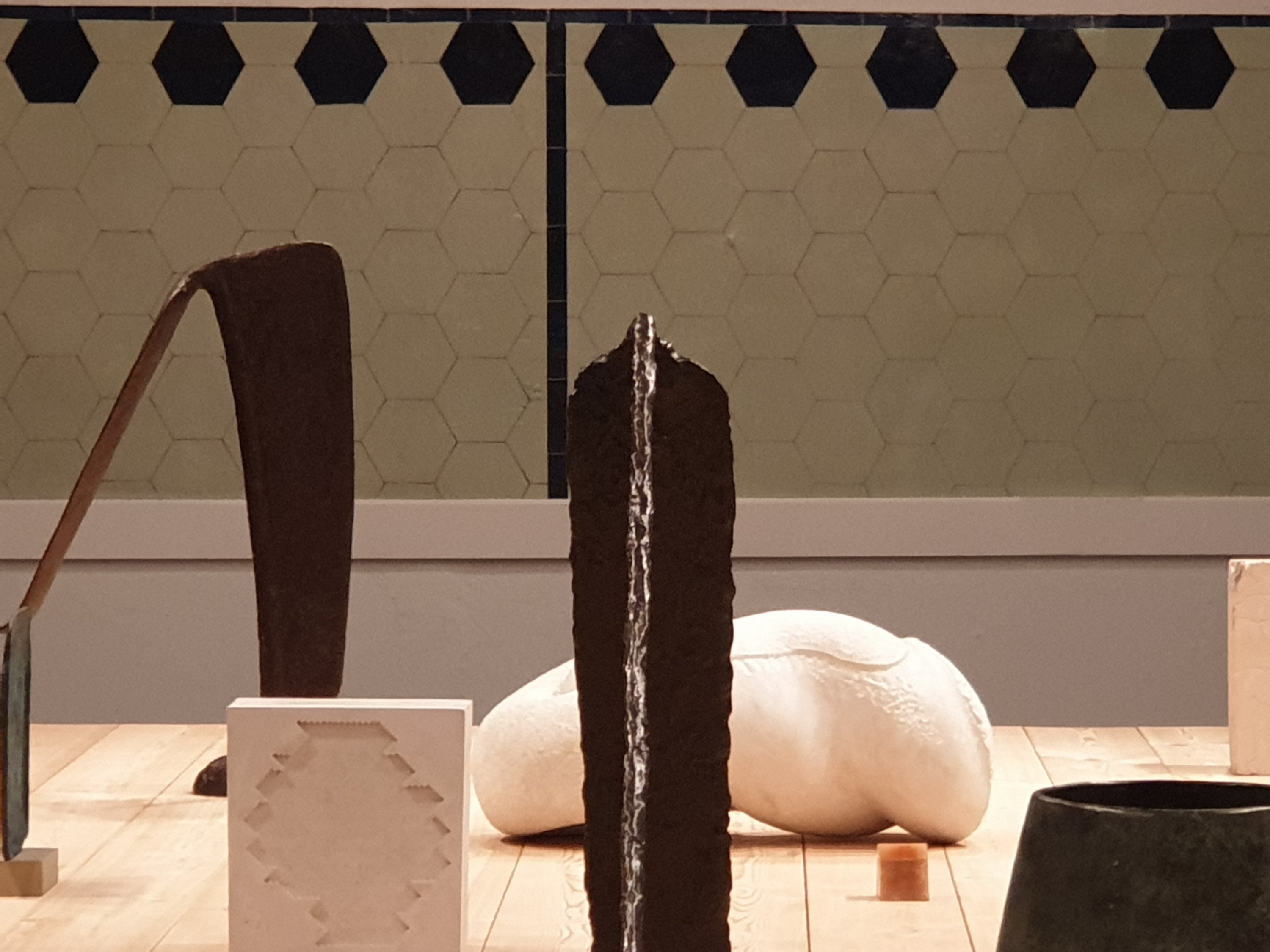
We particularly wanted to see the work of Alison Wilding, who Karsten supported and represented over a long time.
In a Dark Wood (2012):-
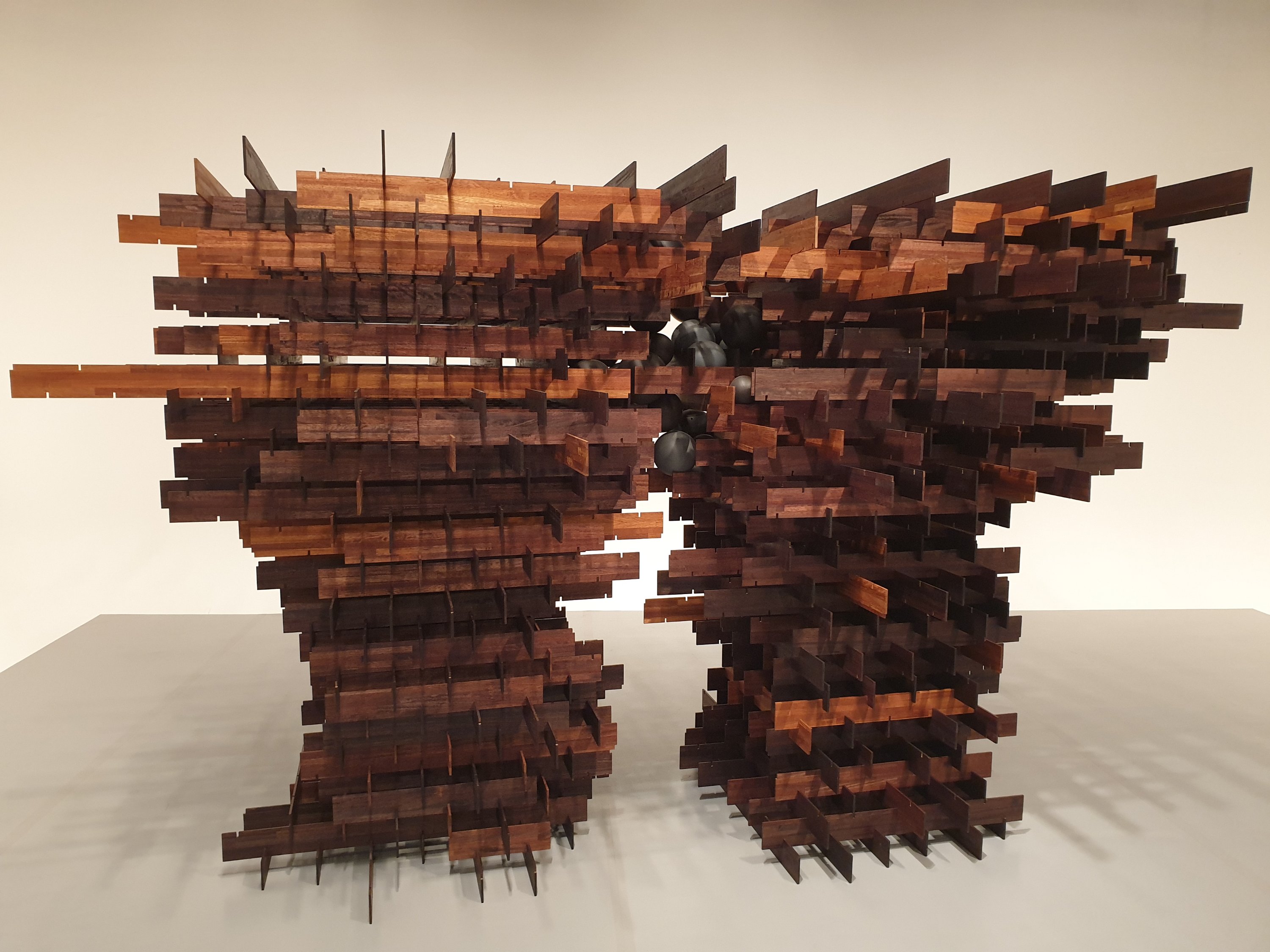
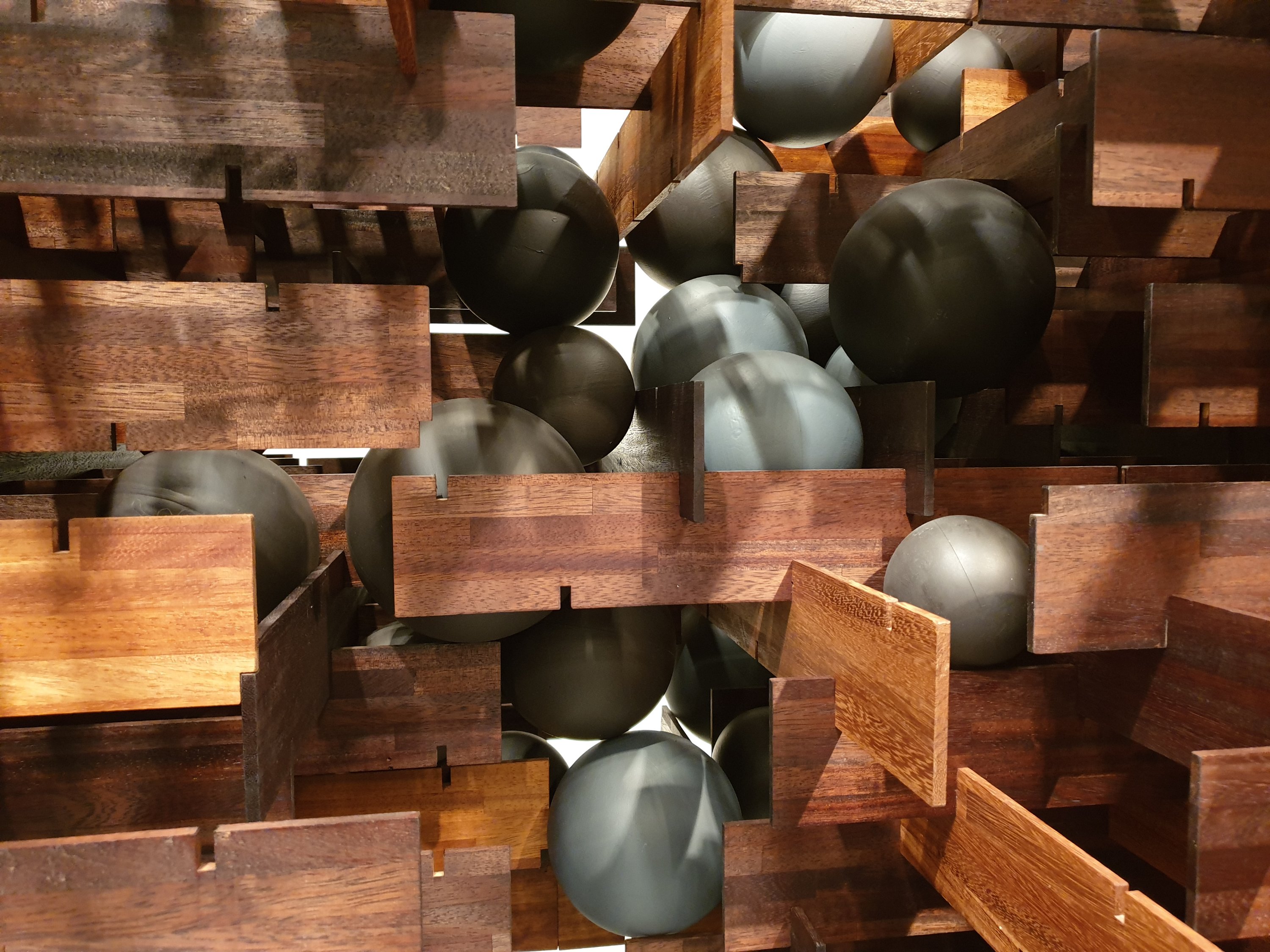
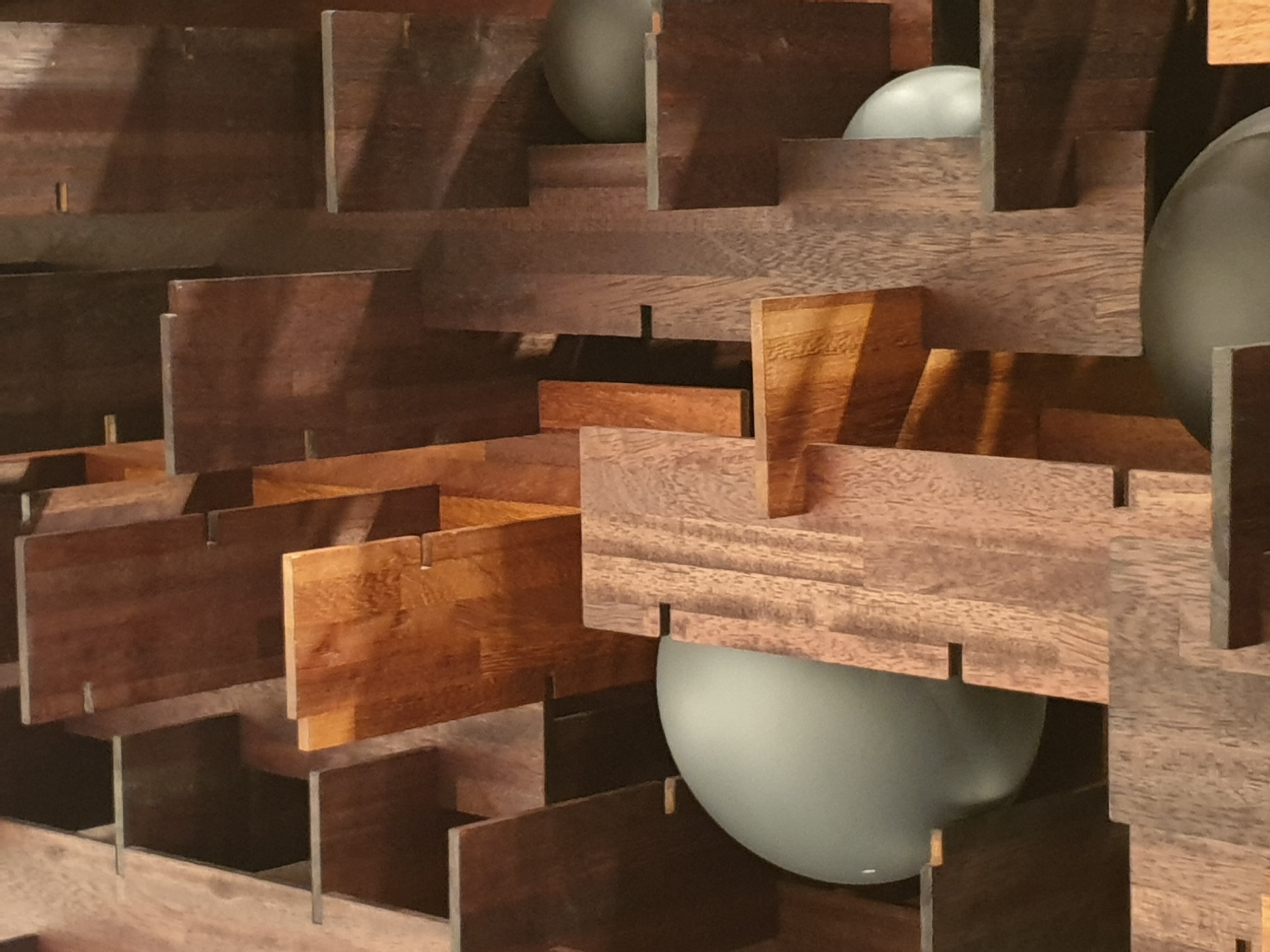
Endgame (2007):-
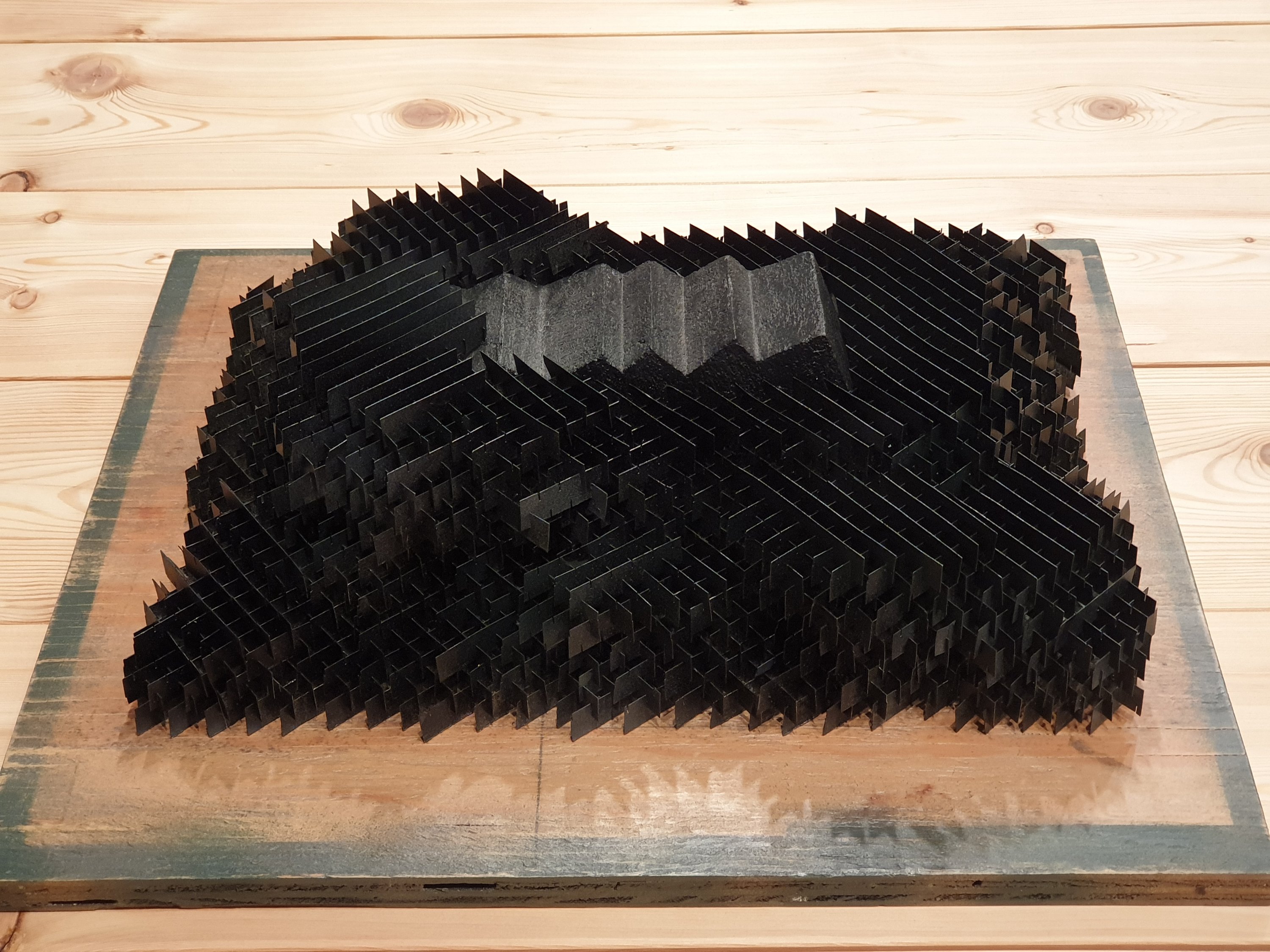
Solenoid (2015):-
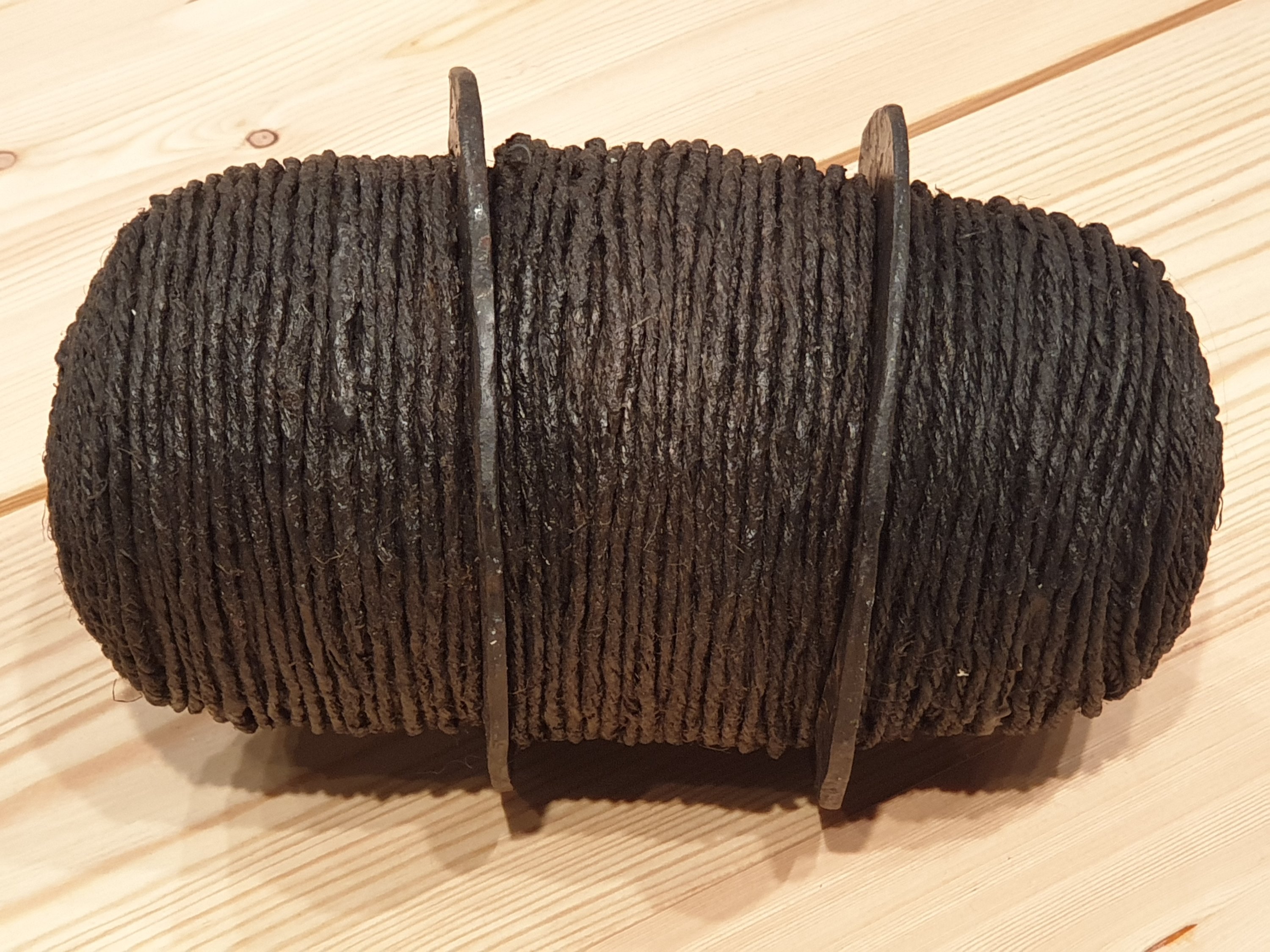


You must be logged in to post a comment.