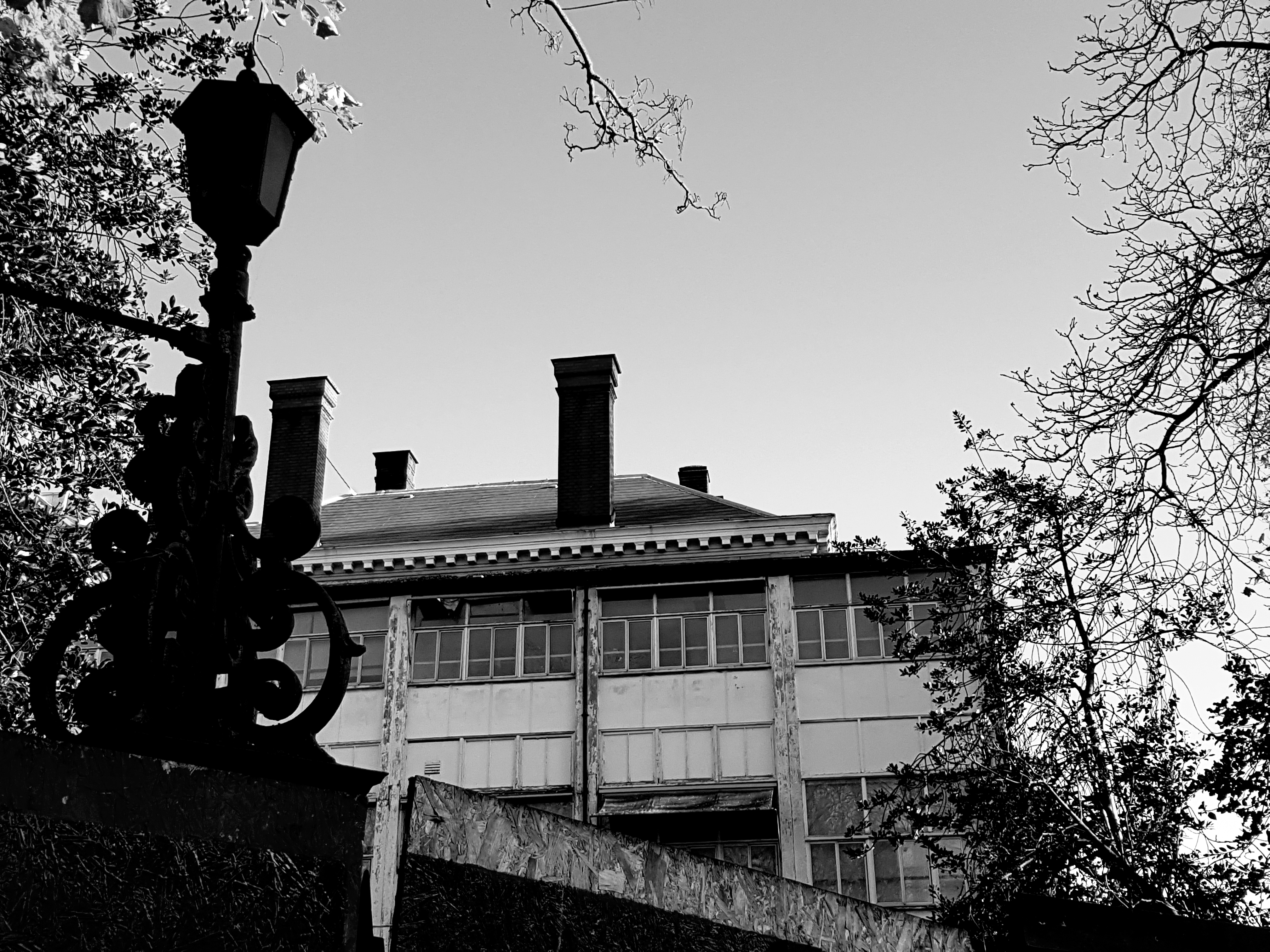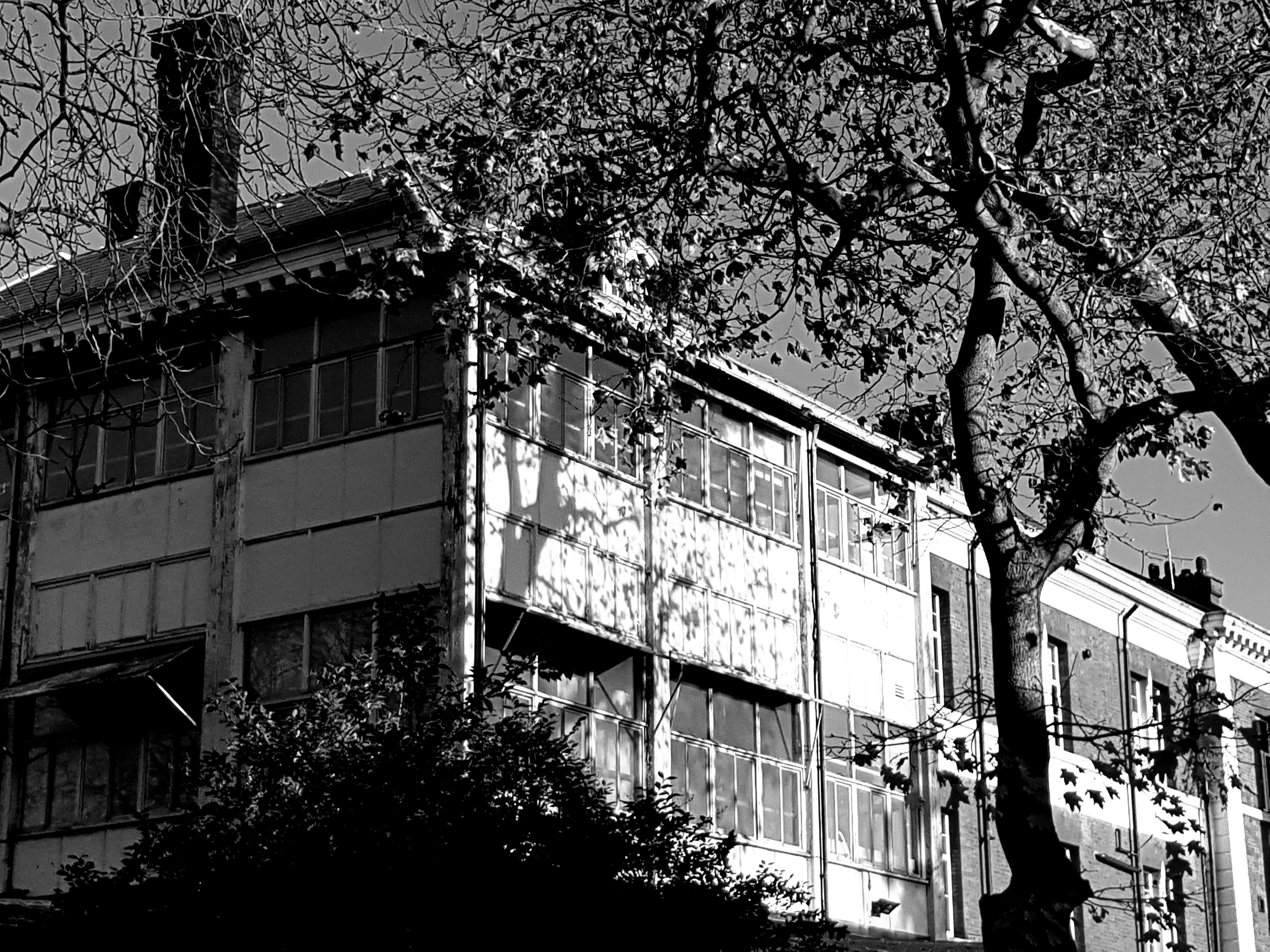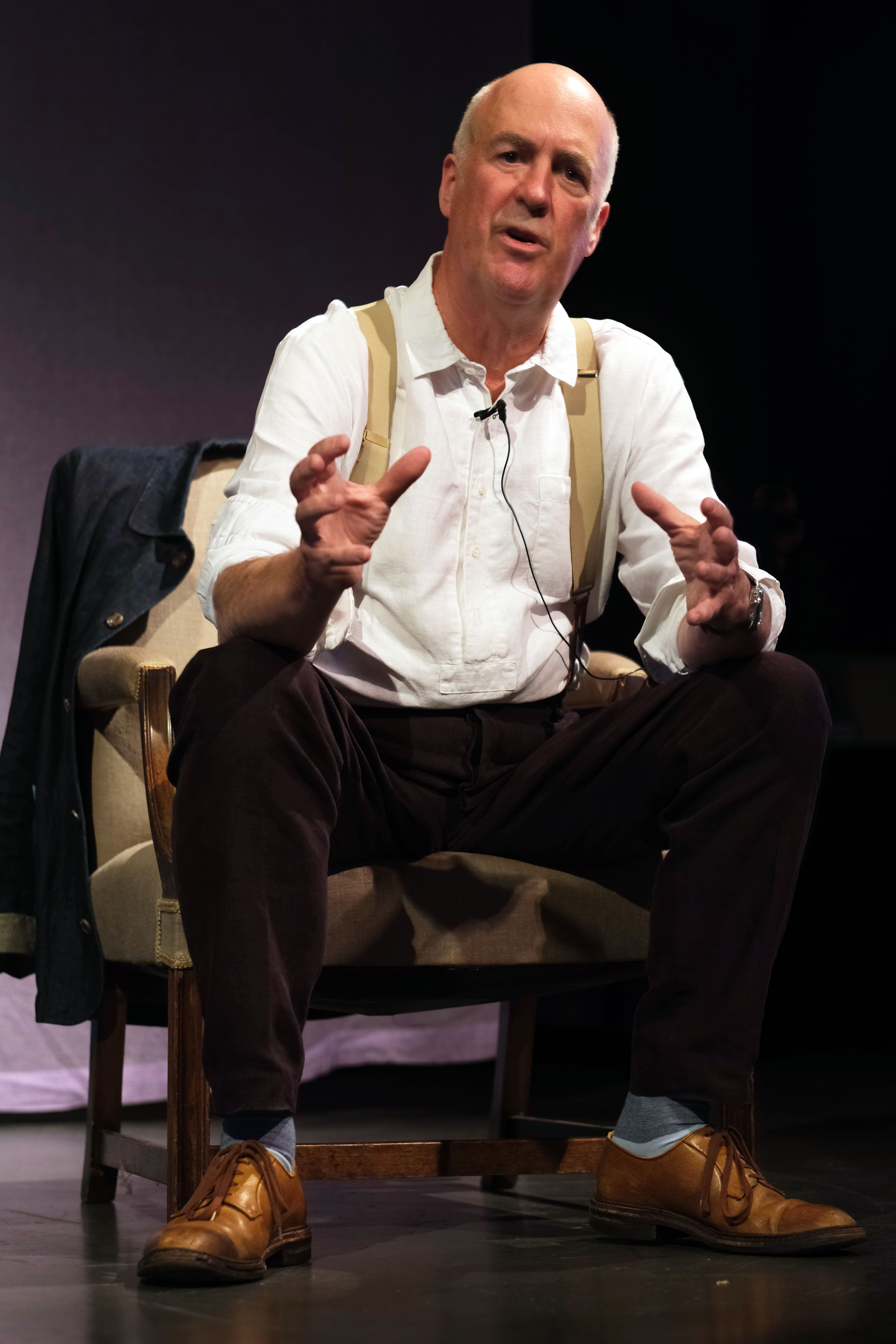
I hadn’t realised that the London Chest Hospital has closed and is now boarded up, pending the conversion of its site to luxury housing. Founded in March 1848 by a group, most of whom were Quakers, it first opened as a public dispensary in 6, Liverpool Street. The foundation stone for a new building in Bonner’s Fields was laid in 1851 by Prince Albert with profits from the Great Exhibition. The building was designed by Frederick Ordish as an early example of the Queen Anne Movement. It opened in 1855. The south wing was added in 1865 and balconies were added in 1900 so that people could lie in the open air for the treatment of TB:-
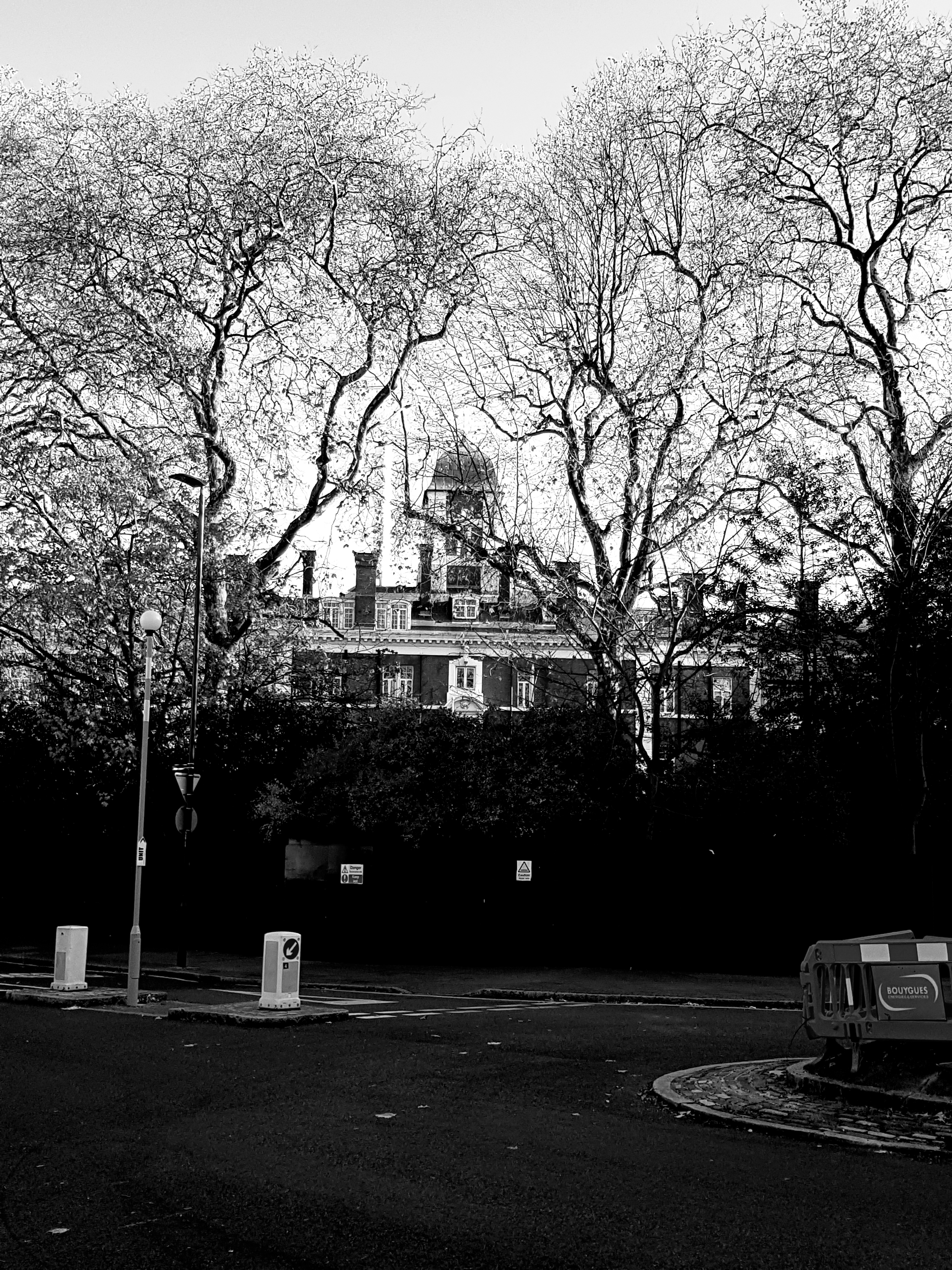
Author Archives: Charles Saumarez Smith
Cathie Pilkington RA
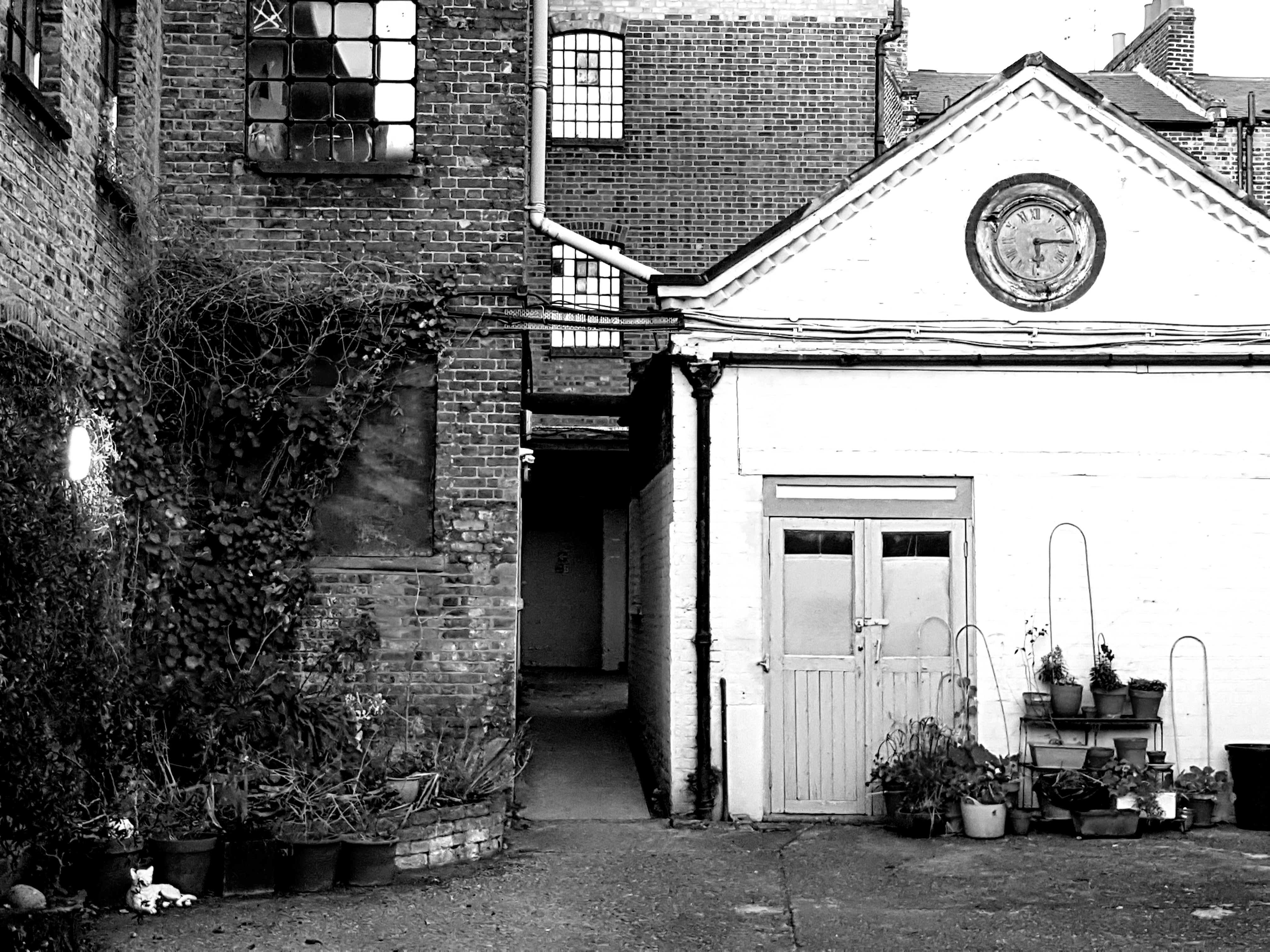
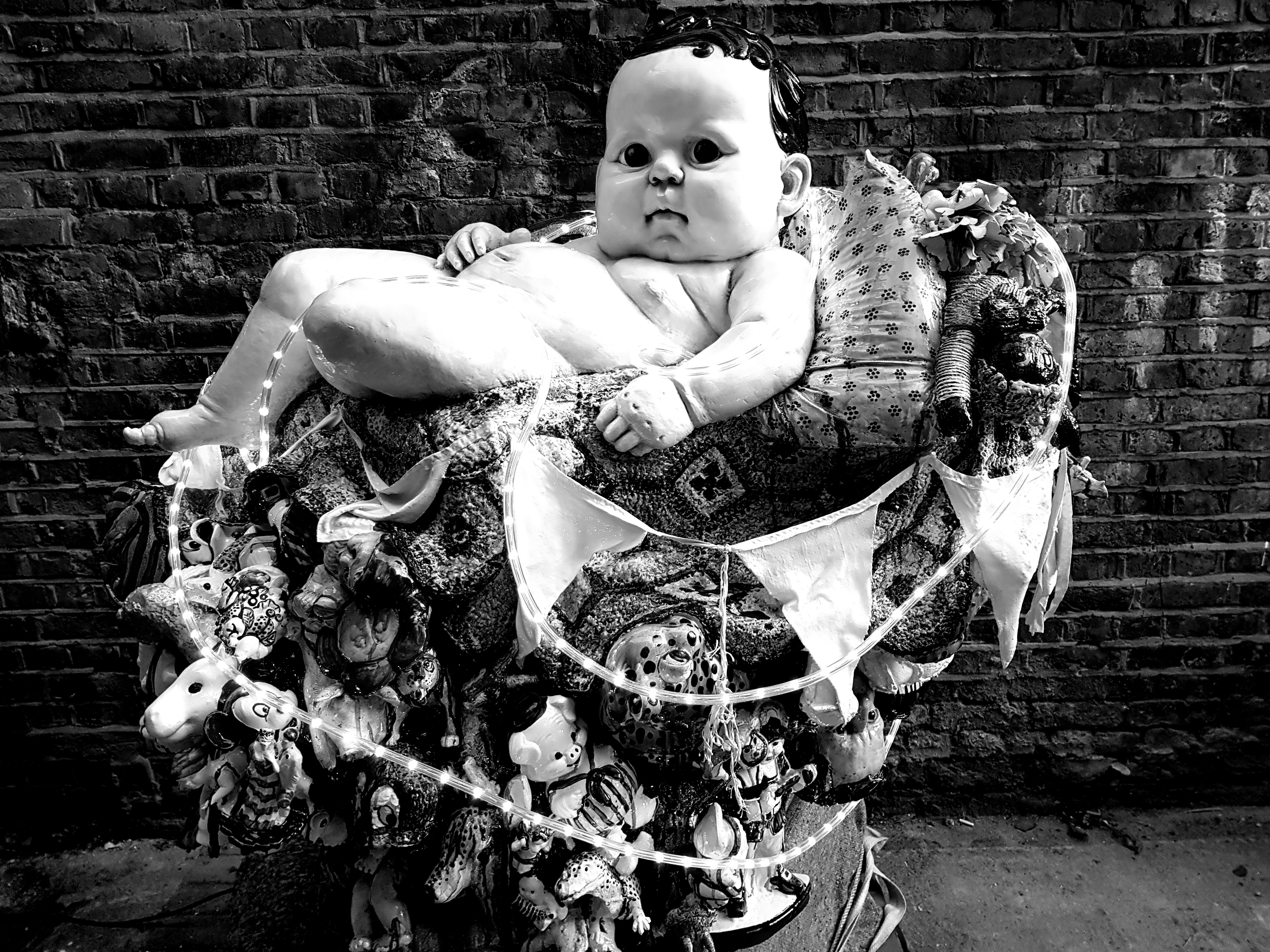
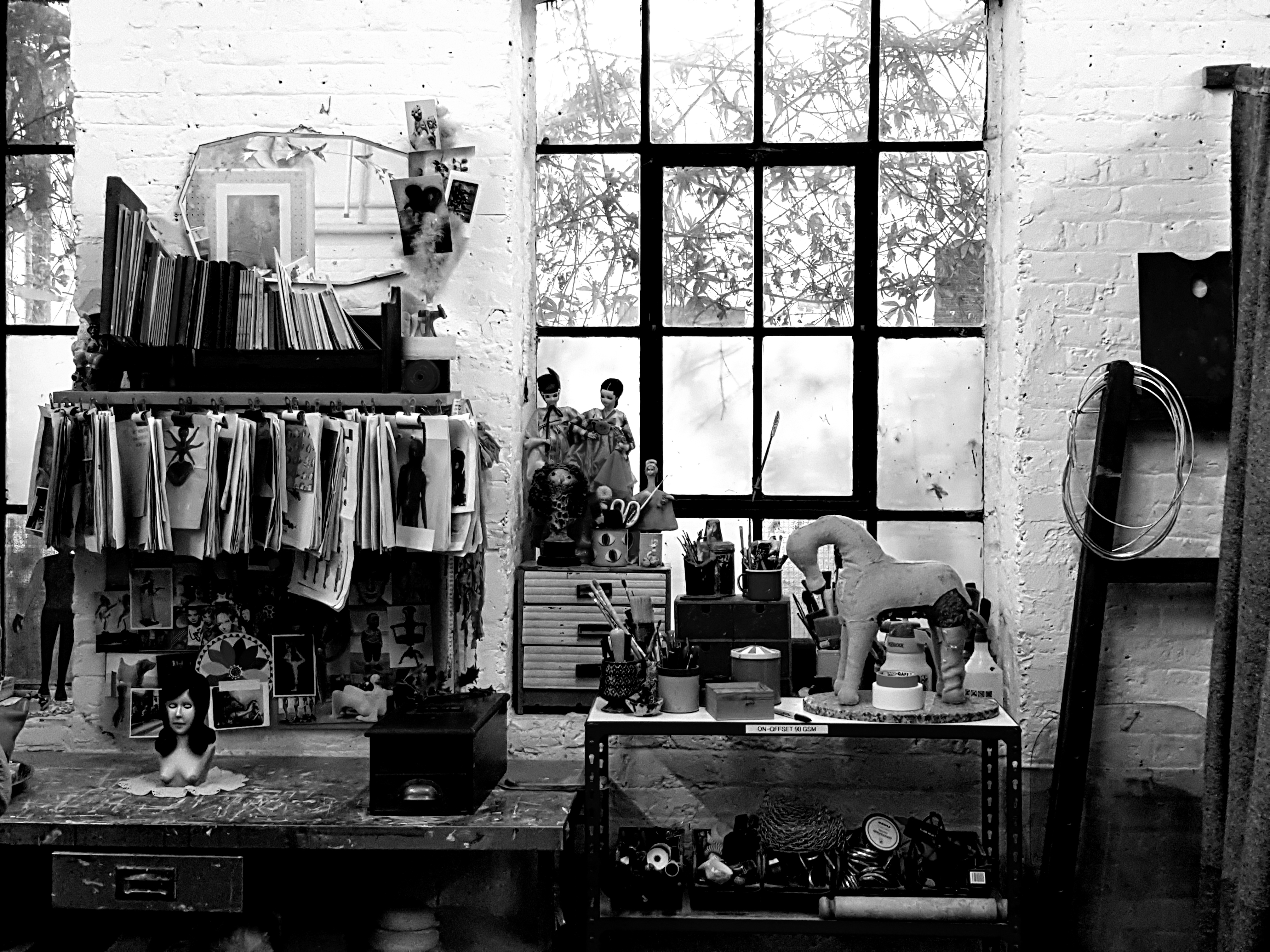
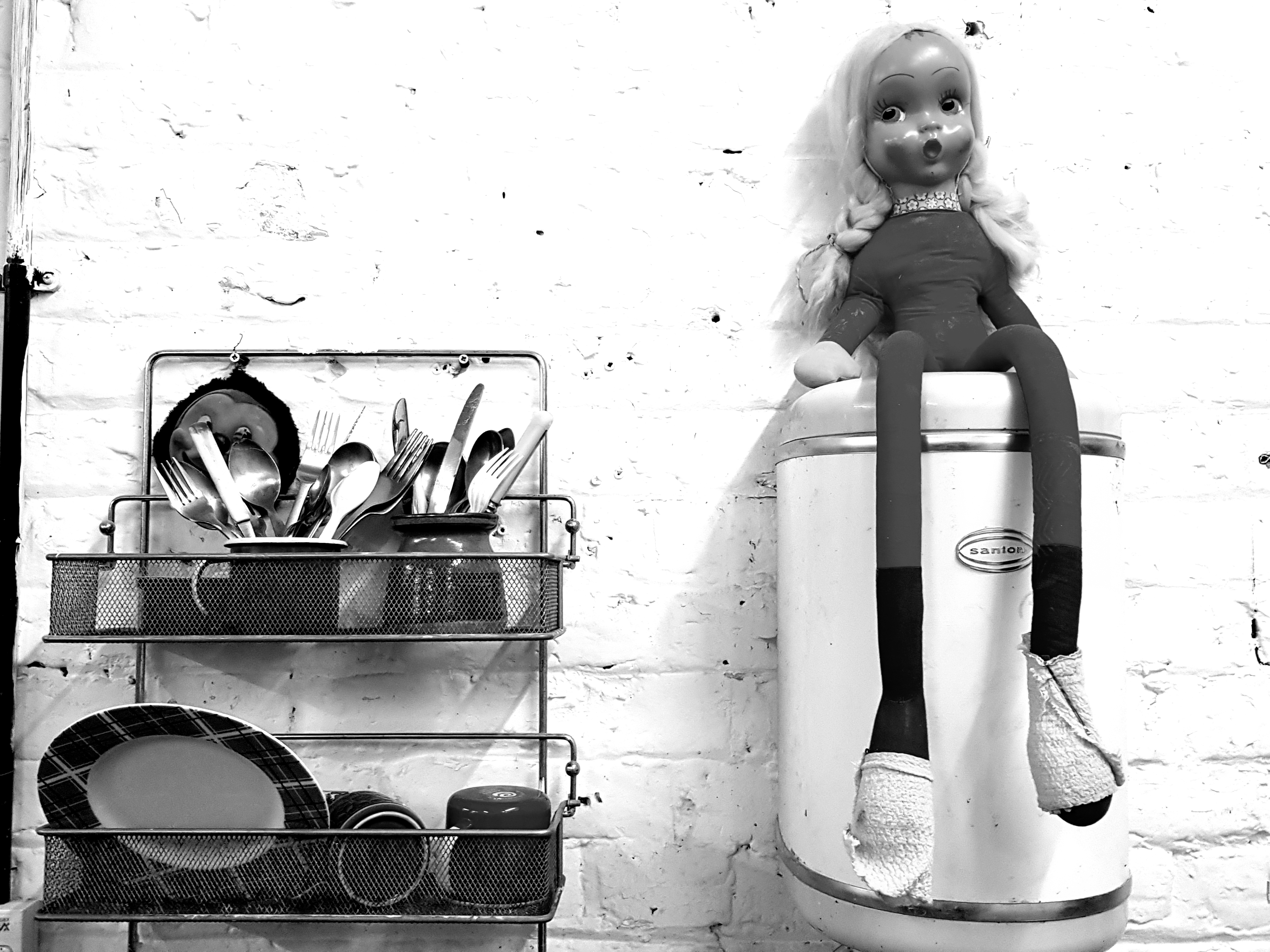
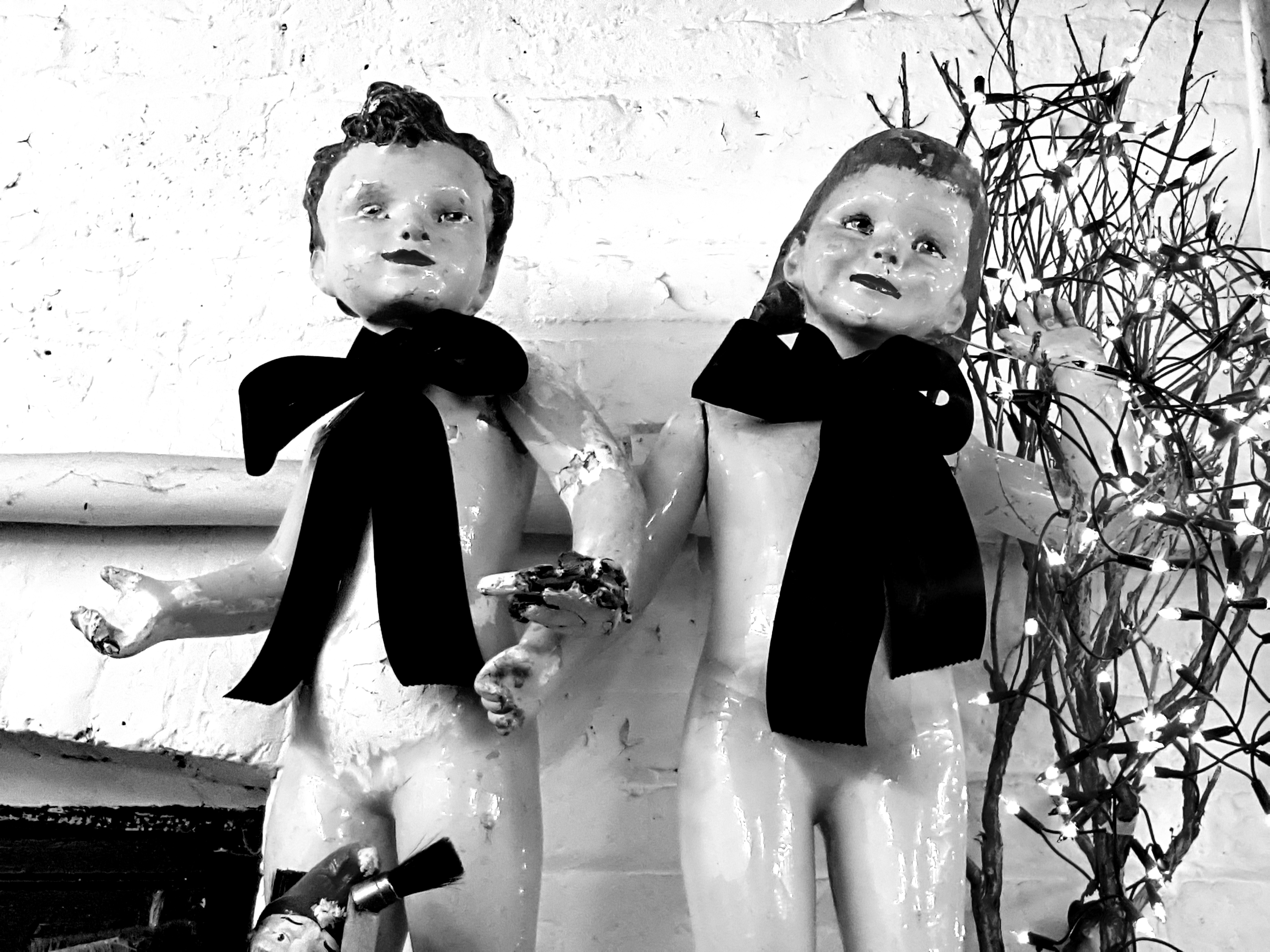
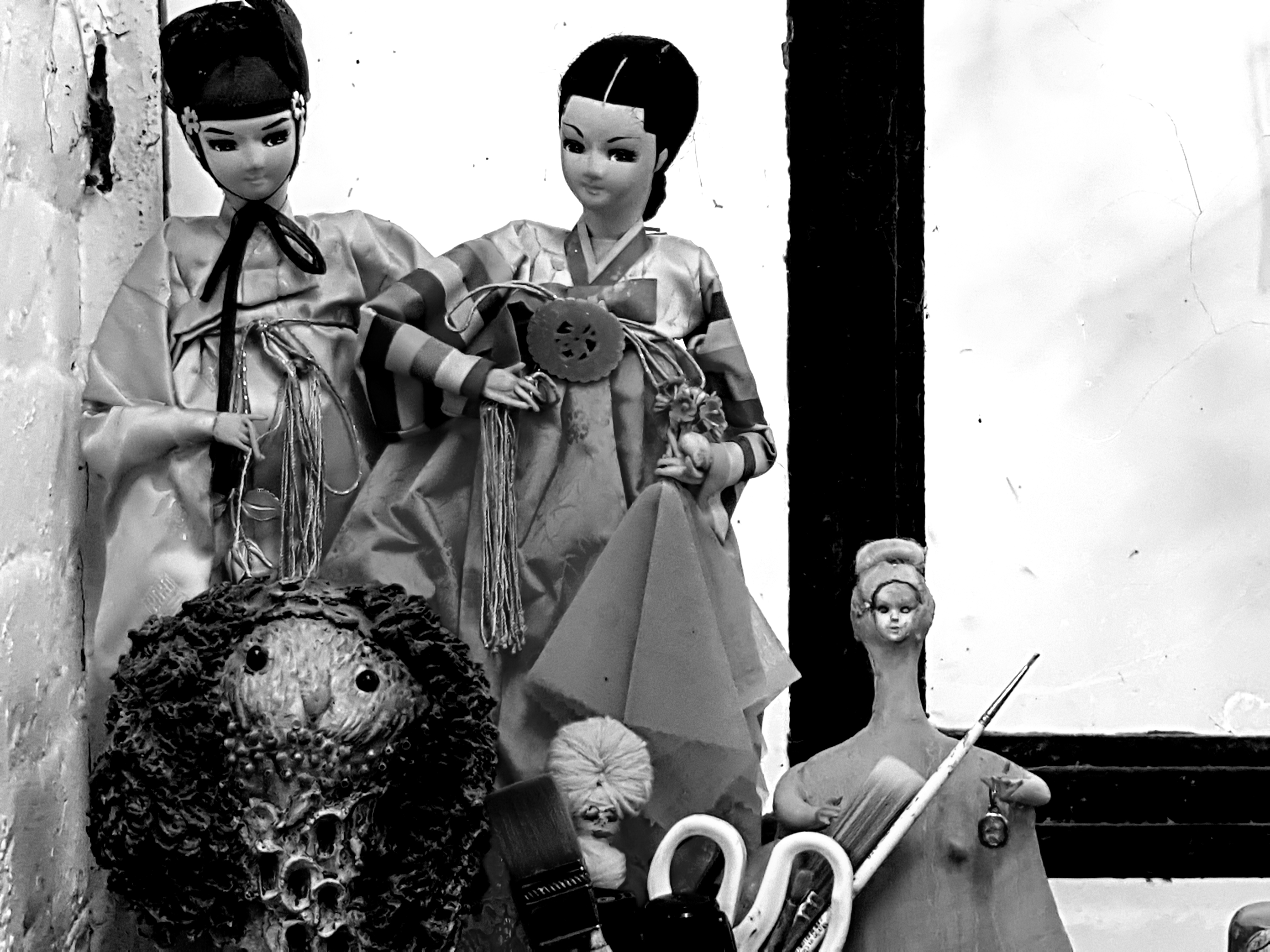
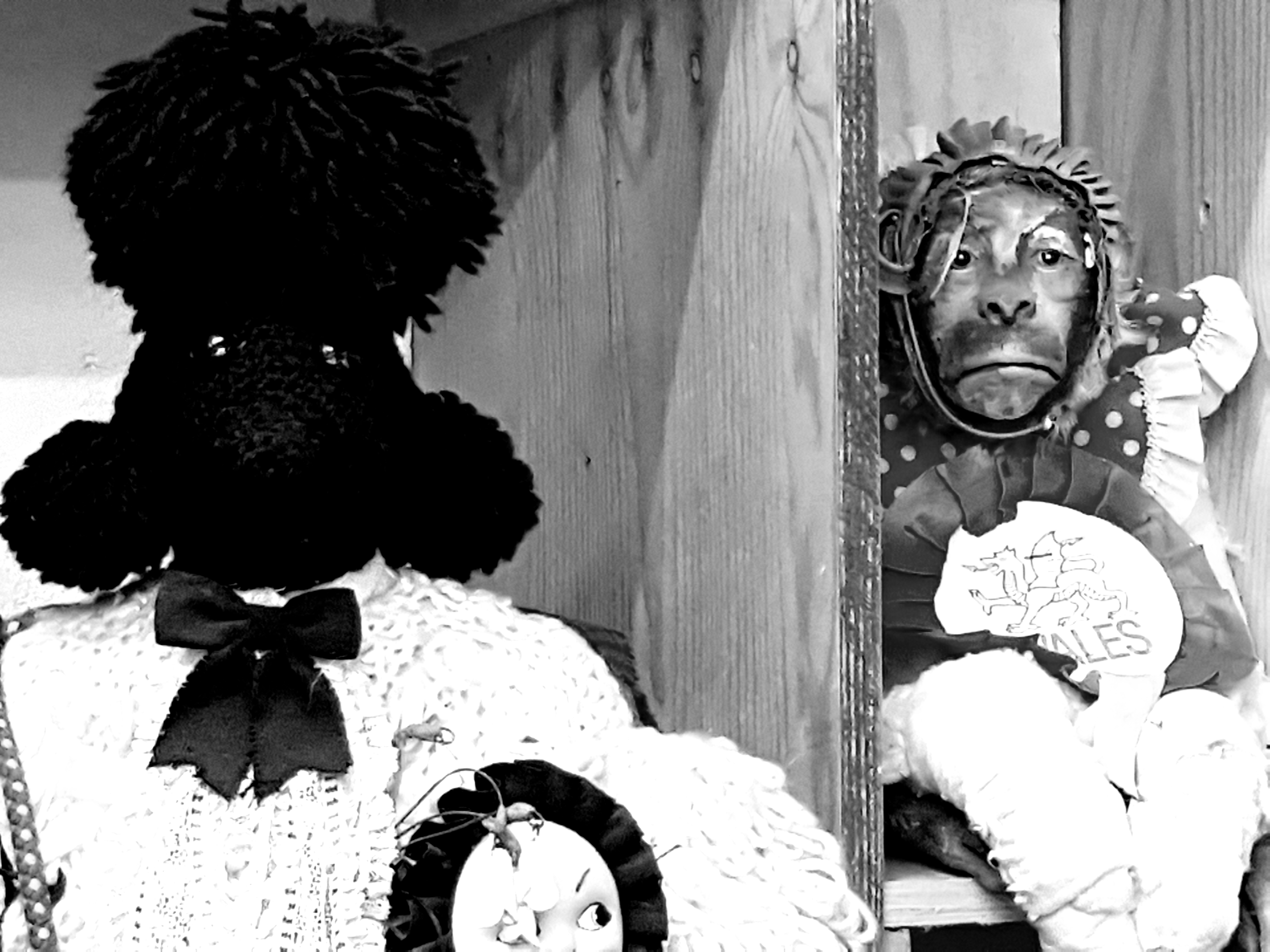
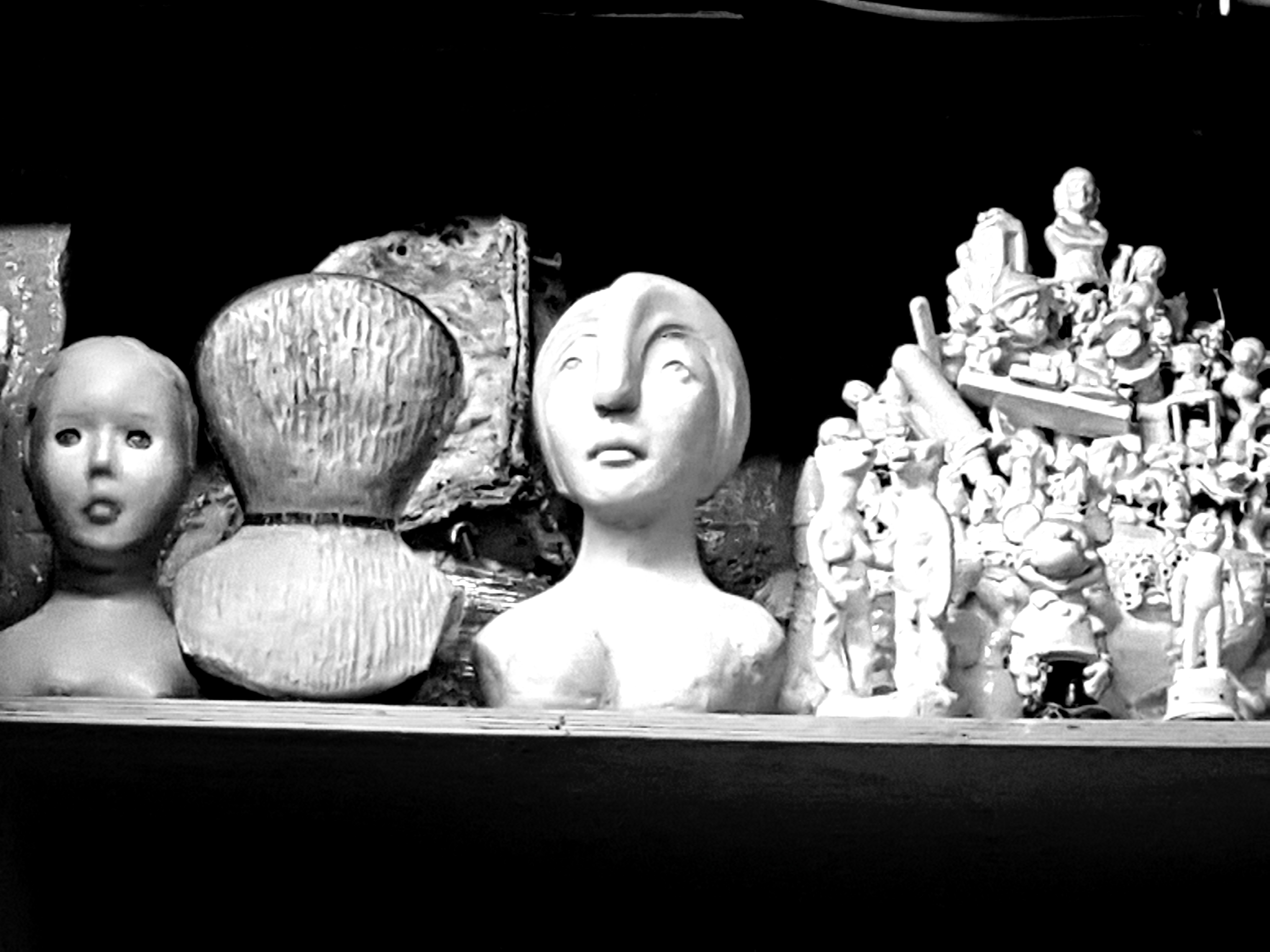
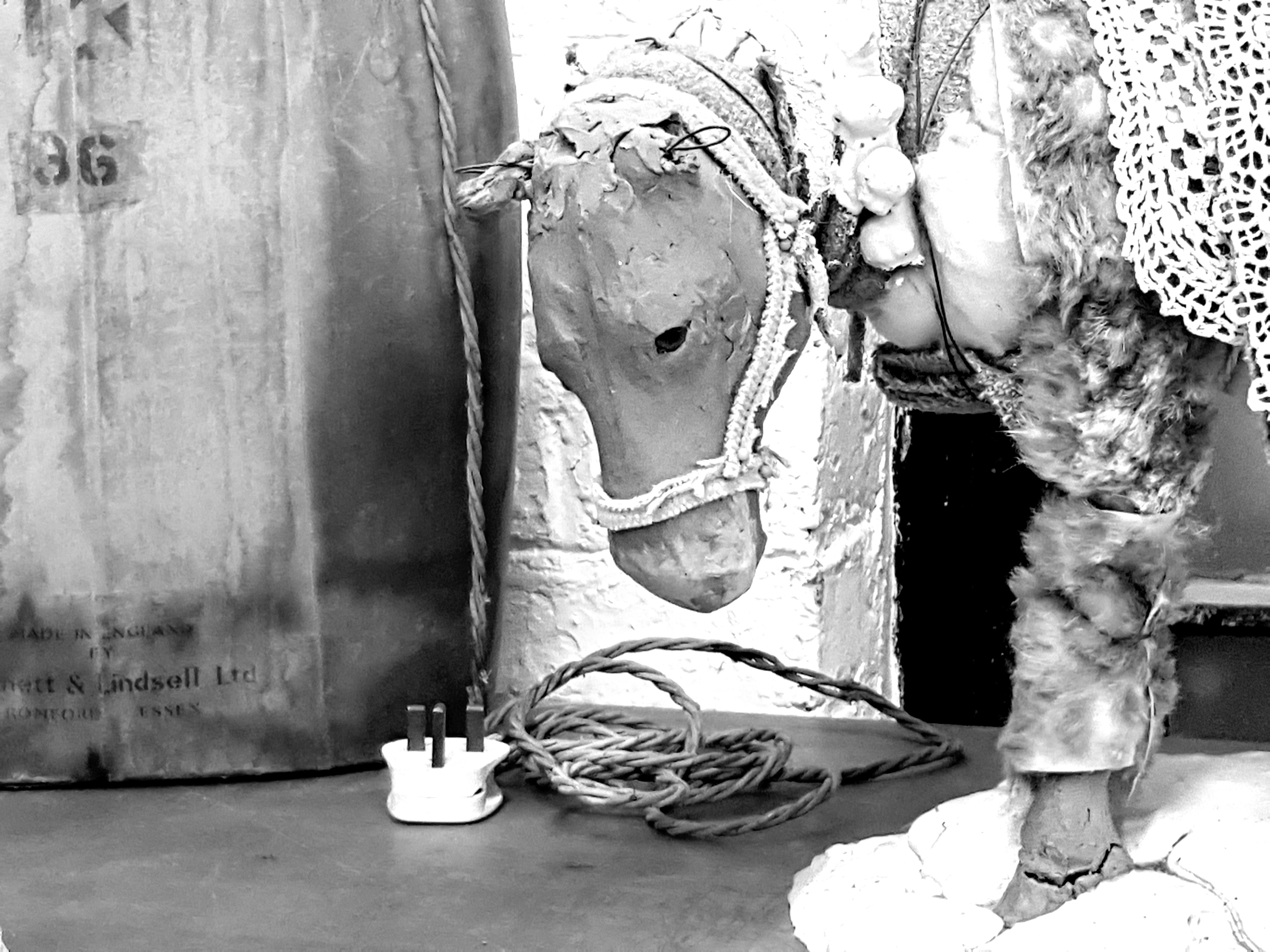
This afternoon, I went to Cathie Pilkington’s Christmas salon in her studio which is in an old brush factory owned by the Crown Estate and leased to ACME as artists’ studios since the mid-1970s, one of the early agents of regeneration, alongside the squats in Bishop’s Way. I have seen much of her recent work in her exhibitions, but liked the friendly disorder of her studio:-
The Cranbrook Estate
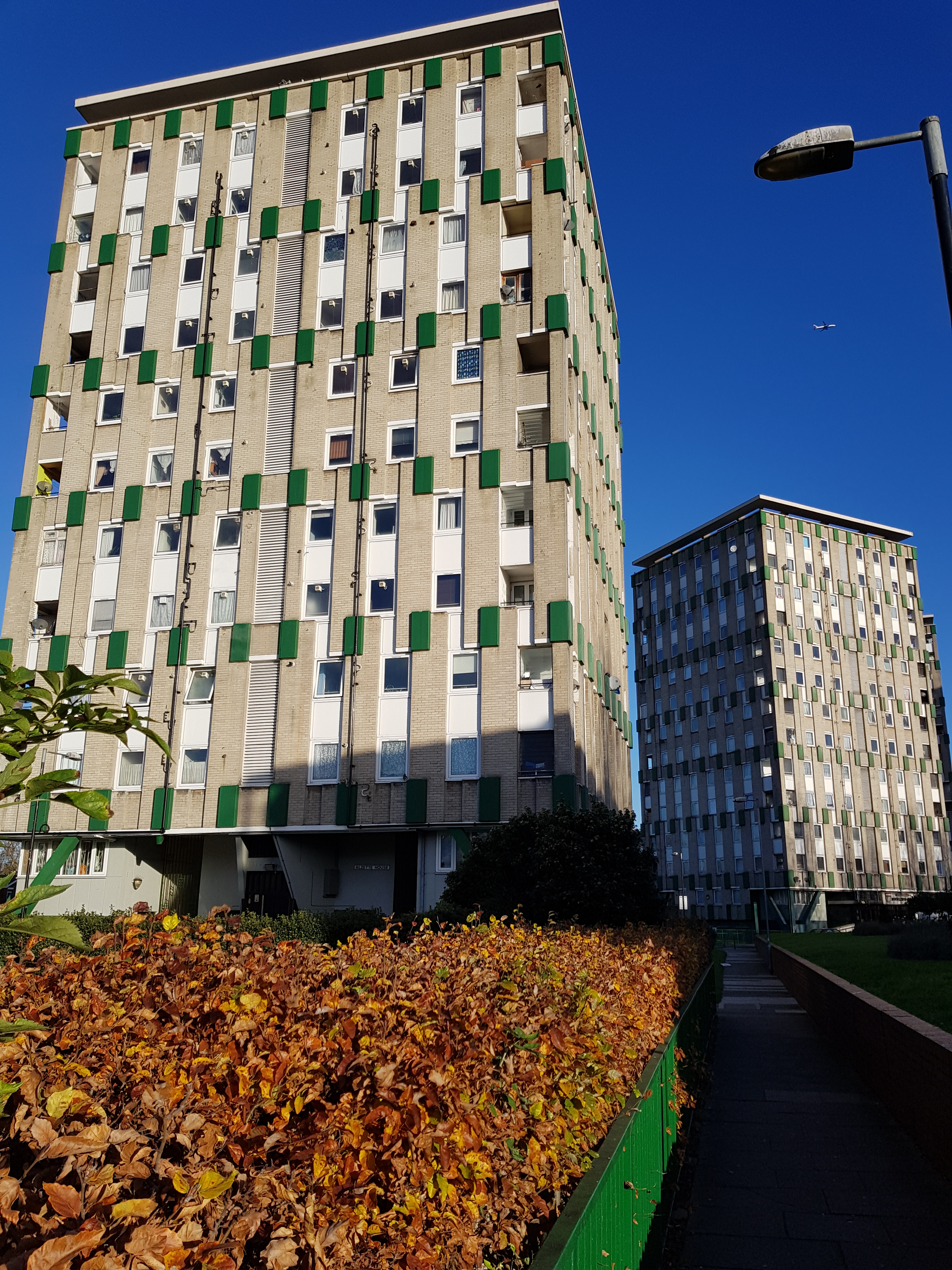
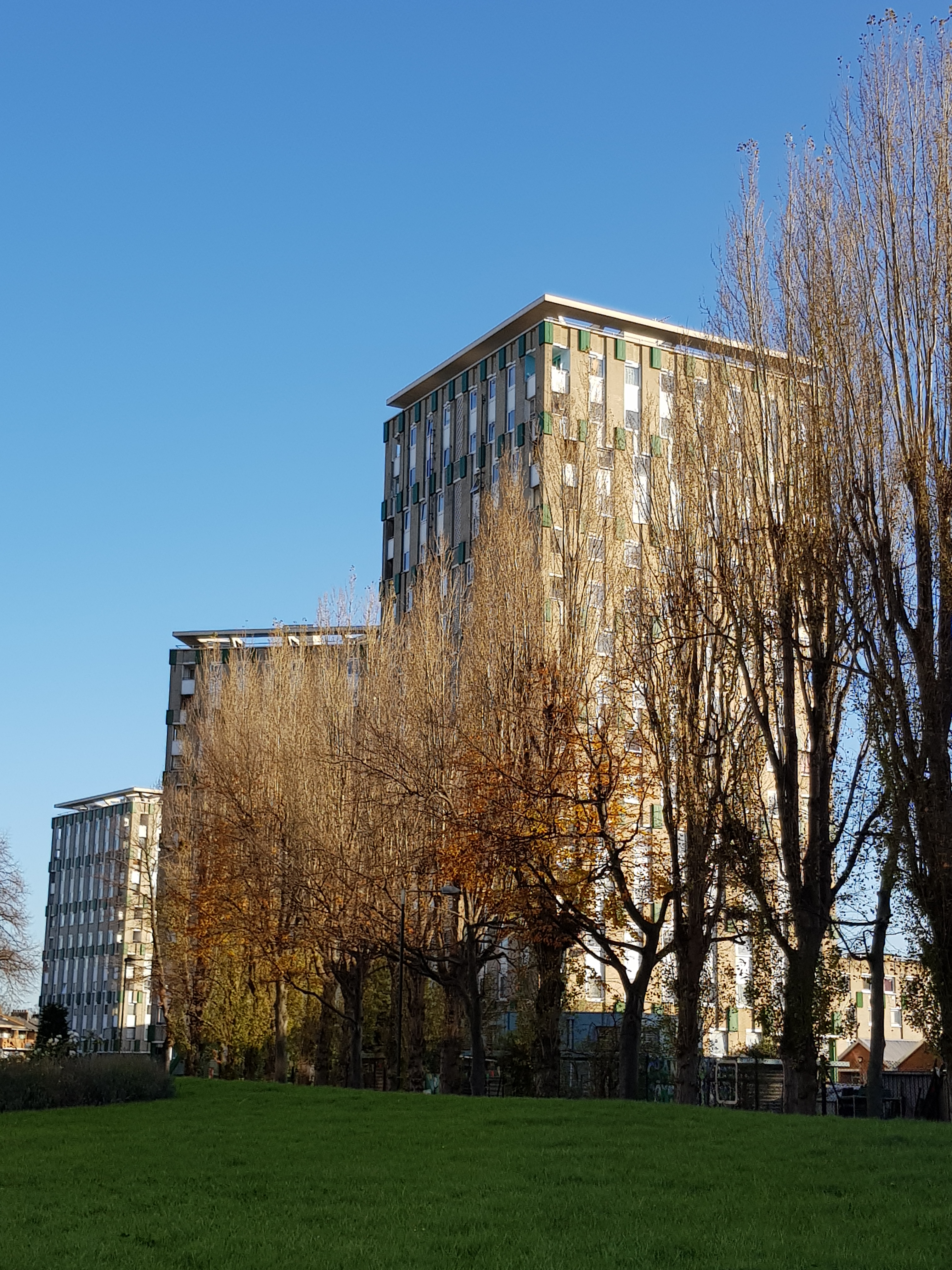
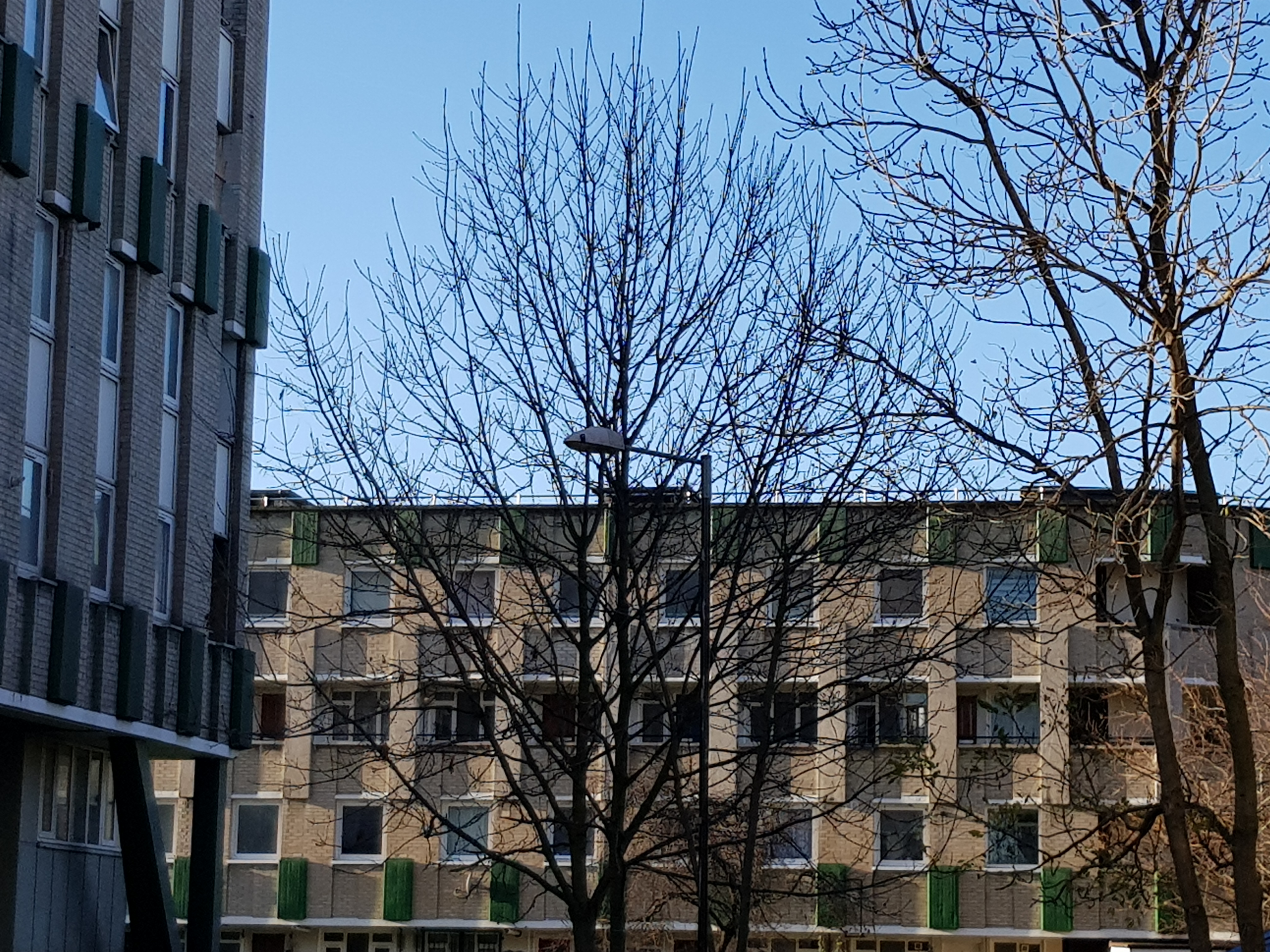
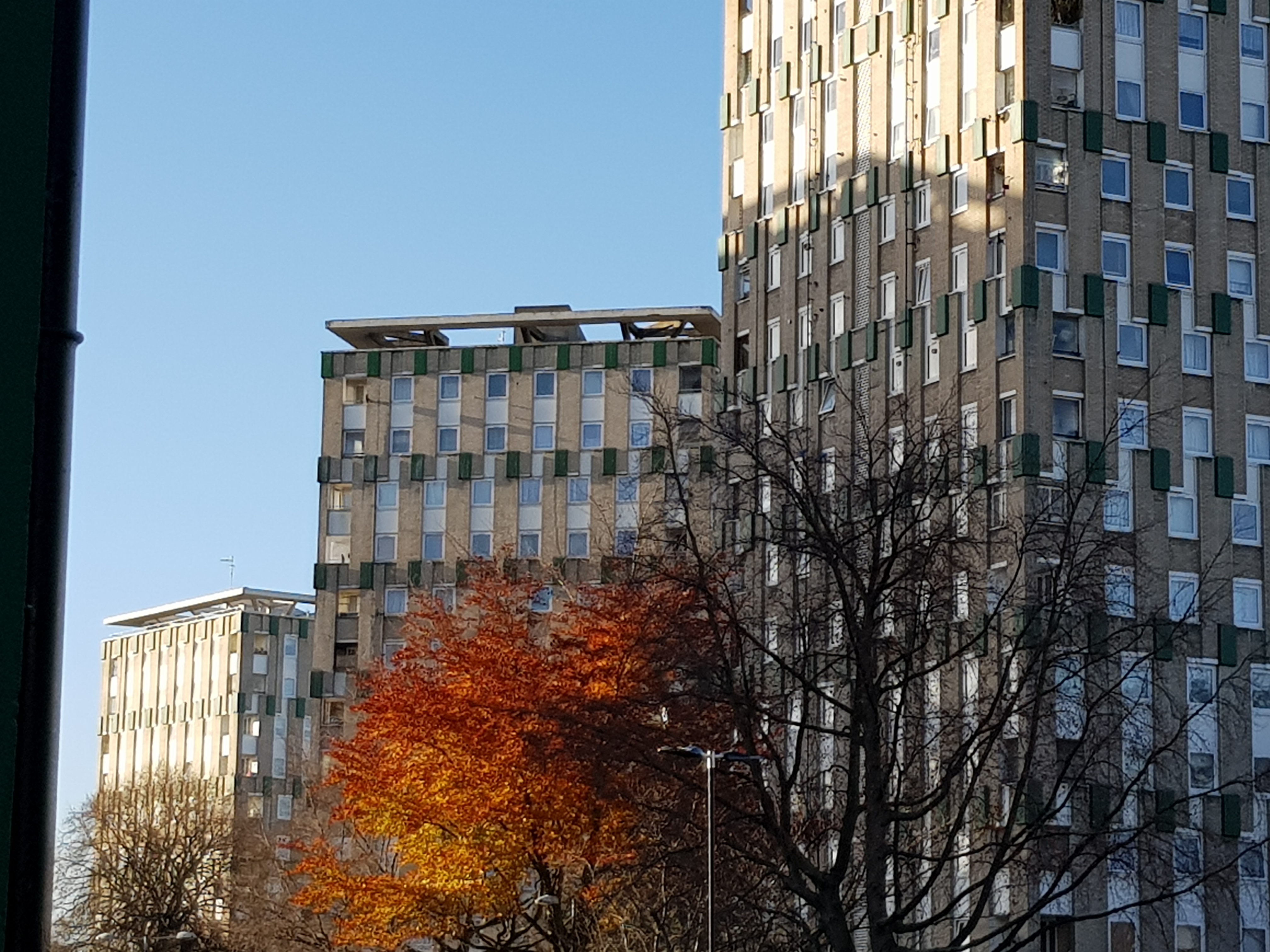
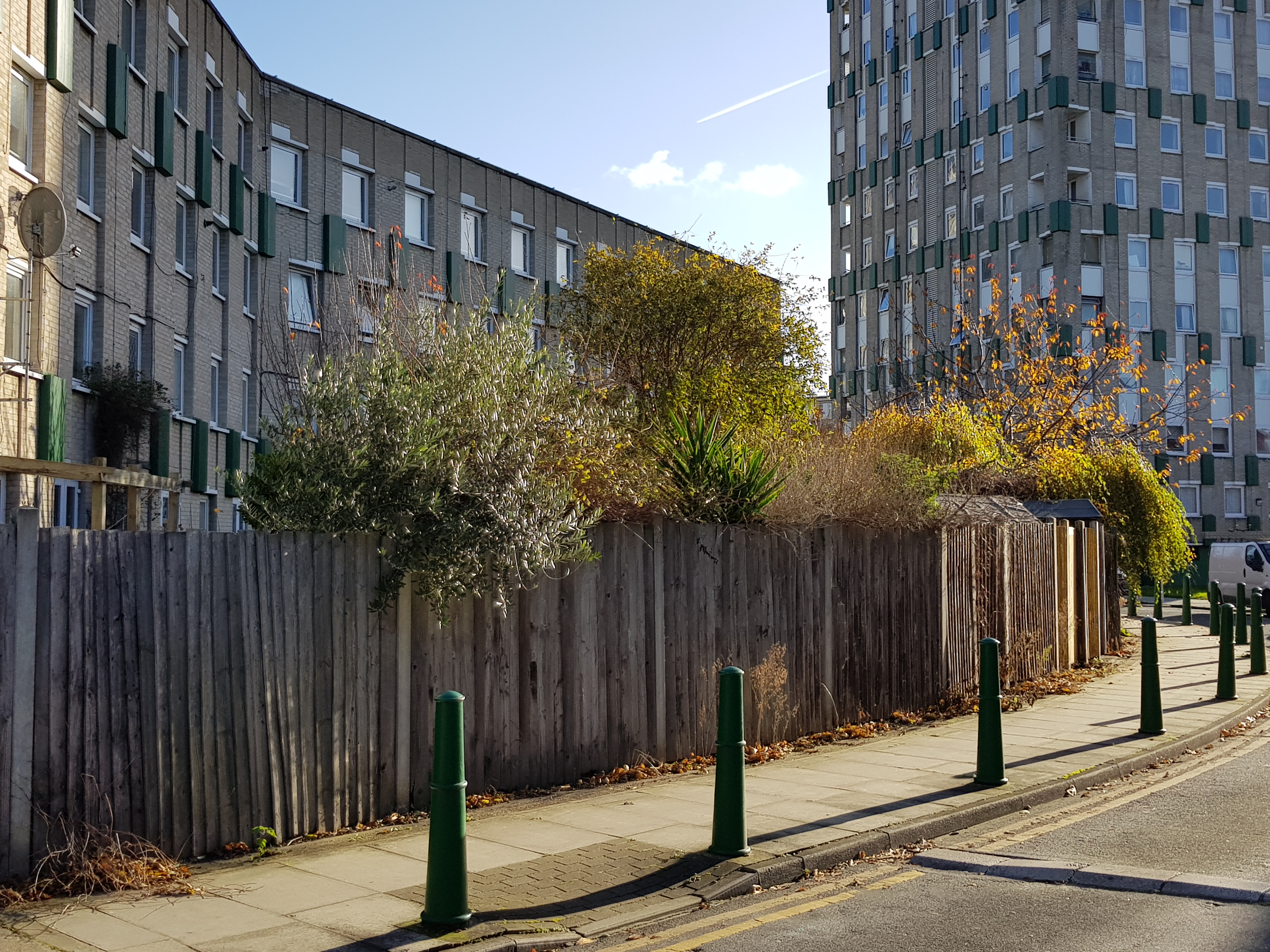
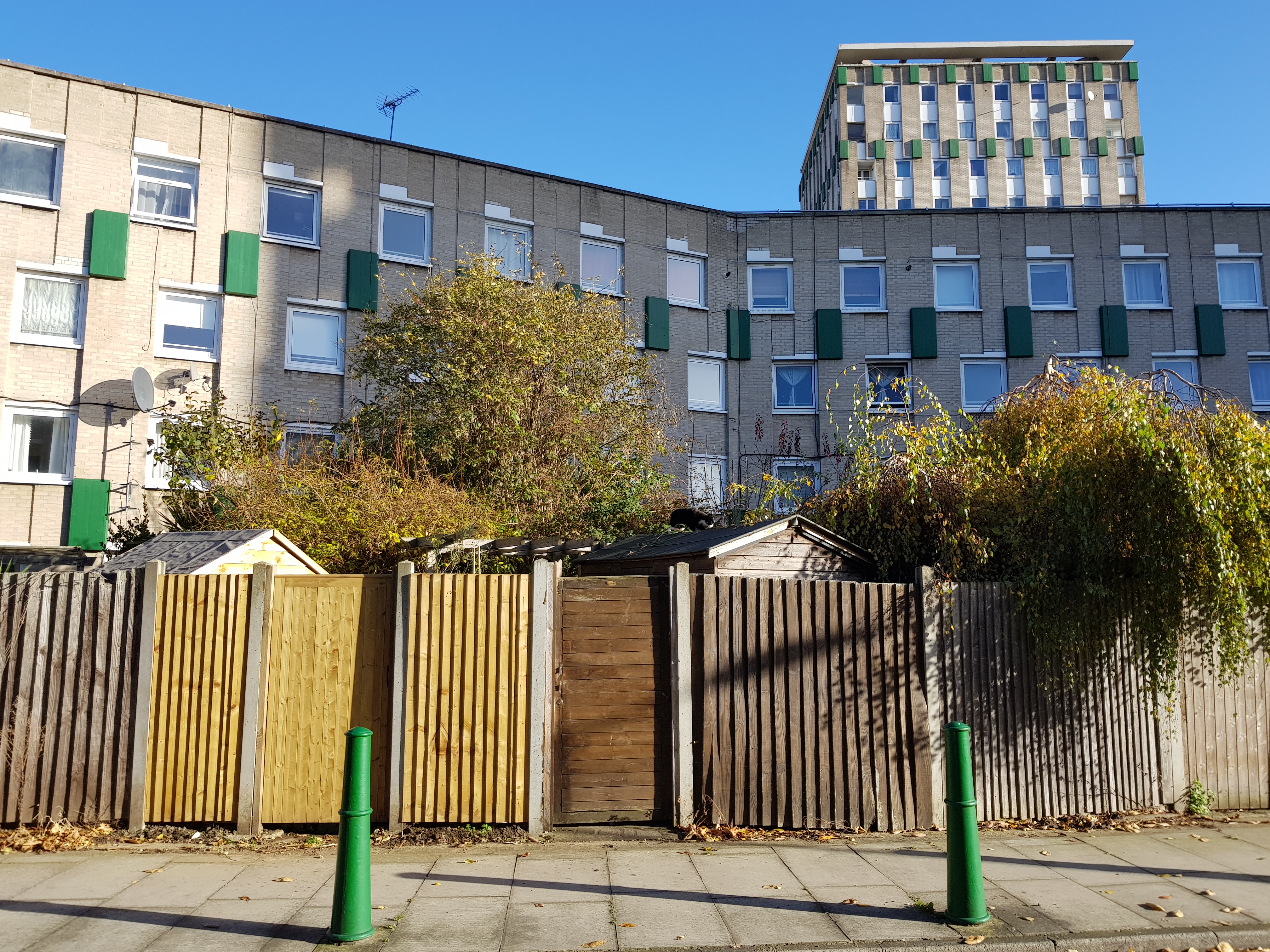
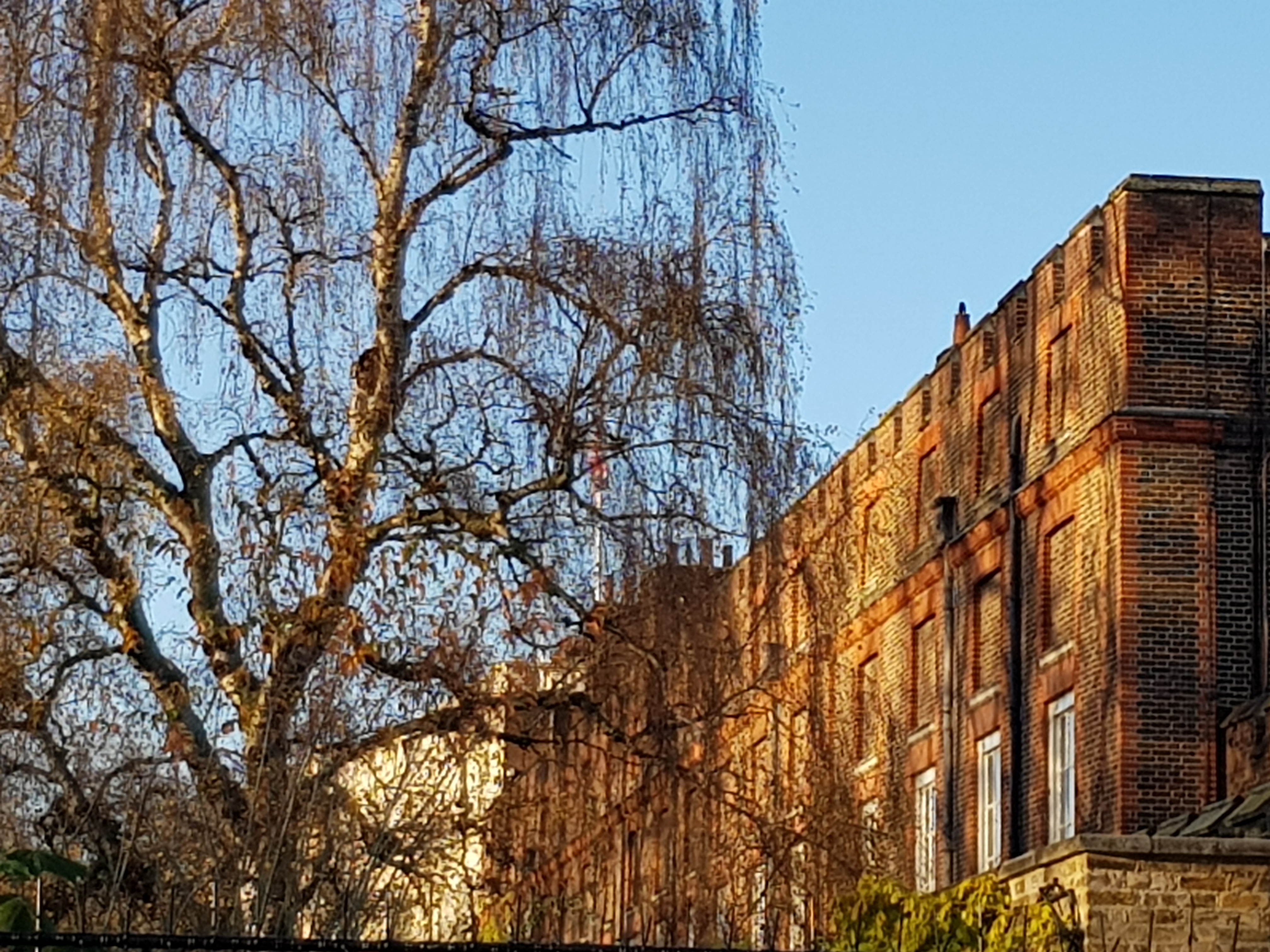
The Cranbrook Estate, which was designed by Francis Skinner, Douglas Bailey and their mentor, Berthold Lubetkin, was looking very fine this morning, part of the postwar slum clearance which Nairn so deplored in Bethnal Green, involving the loss of a big area of workshops and terraced houses:-
Victoria Park Market
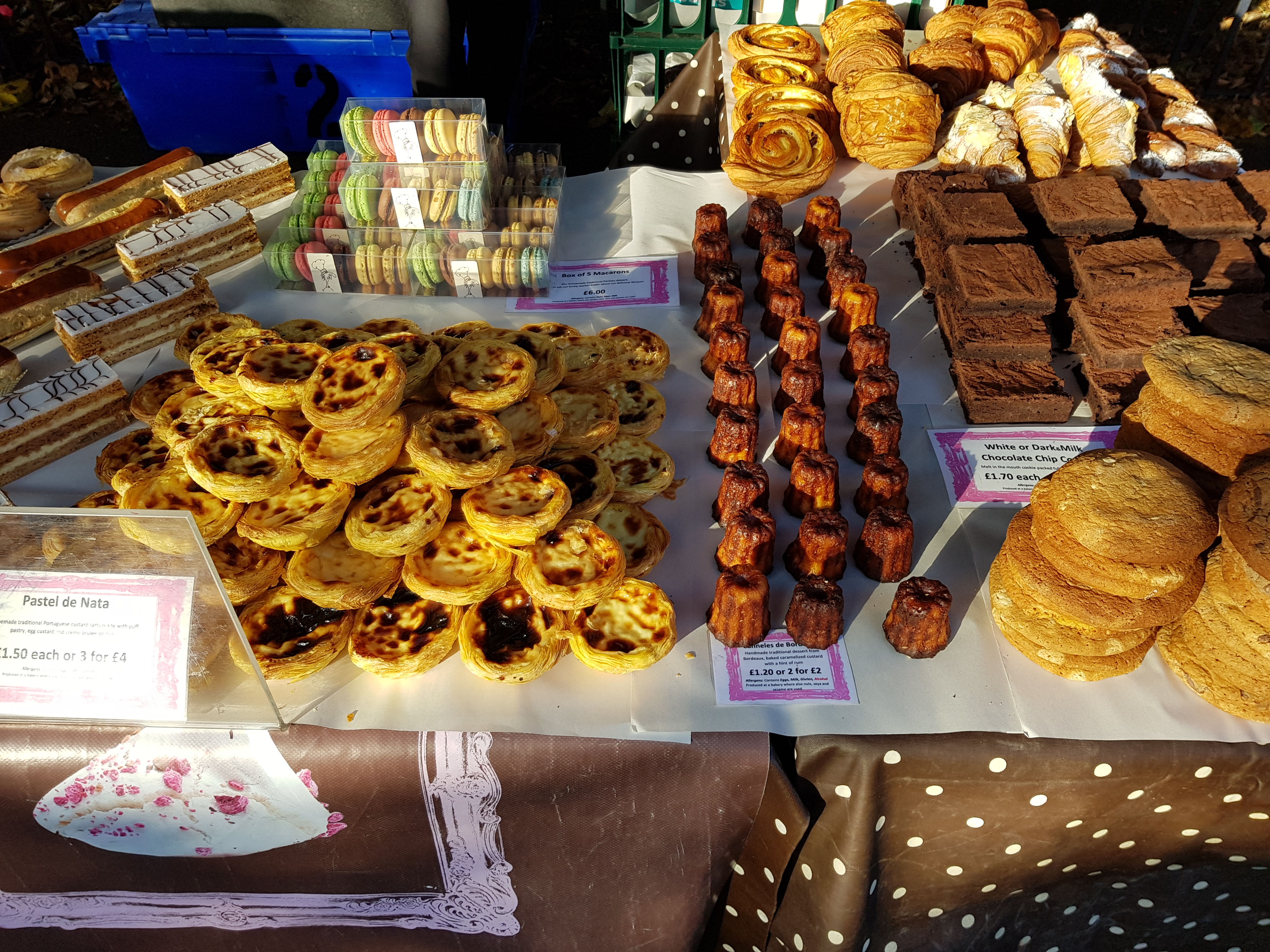
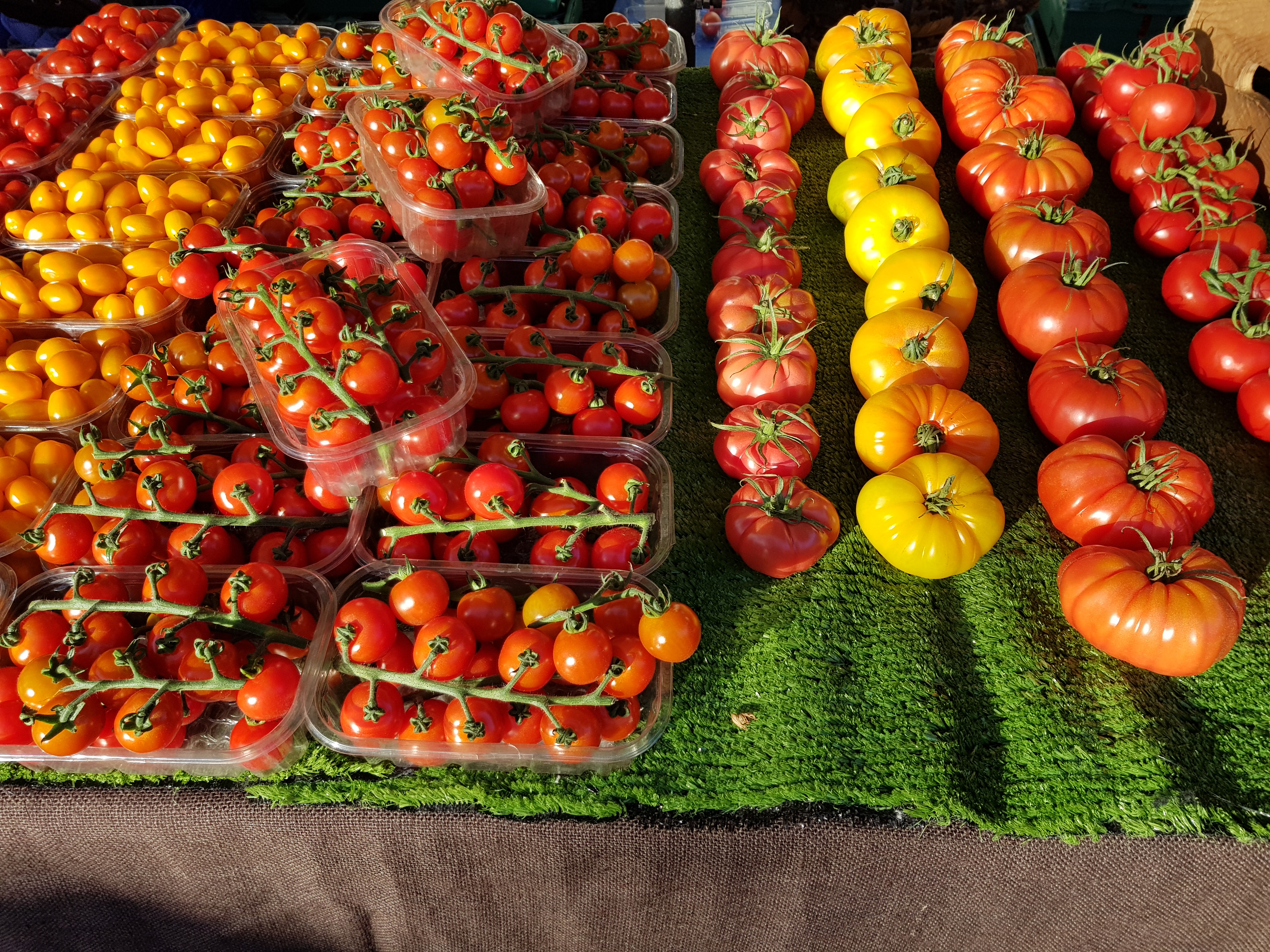
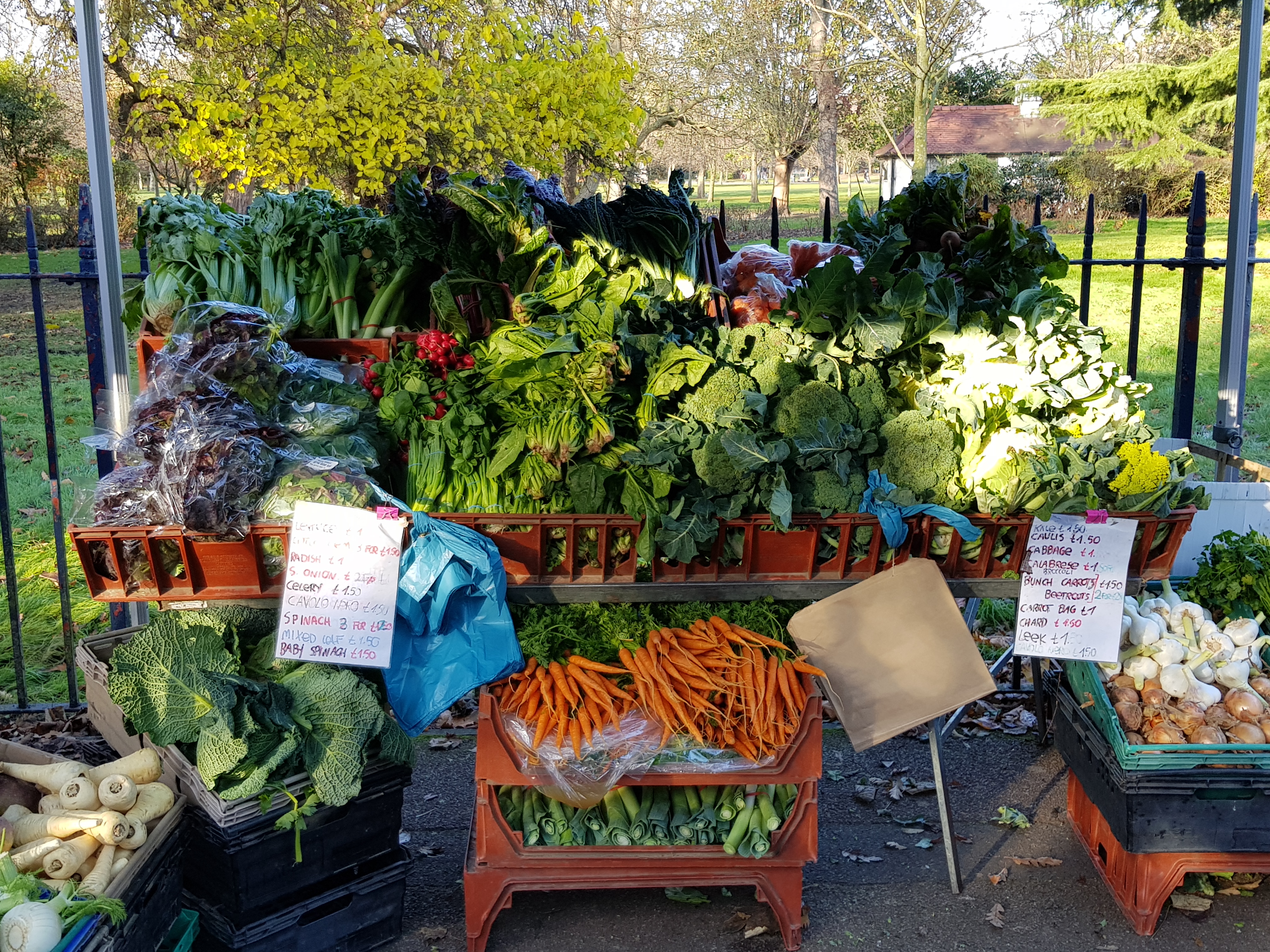
Our next-door-neighbour had said that there is now a Sunday morning market in Victoria Market. There is indeed, including a stall which sells high proof East London Gin and a stall which collects organic wines from small vineyards in France and Italy and describes them in strongly literary terms (I didn’t, for example, know that Camus was a member of the football team in Lourmarin):-
Alderney Road Cemetery
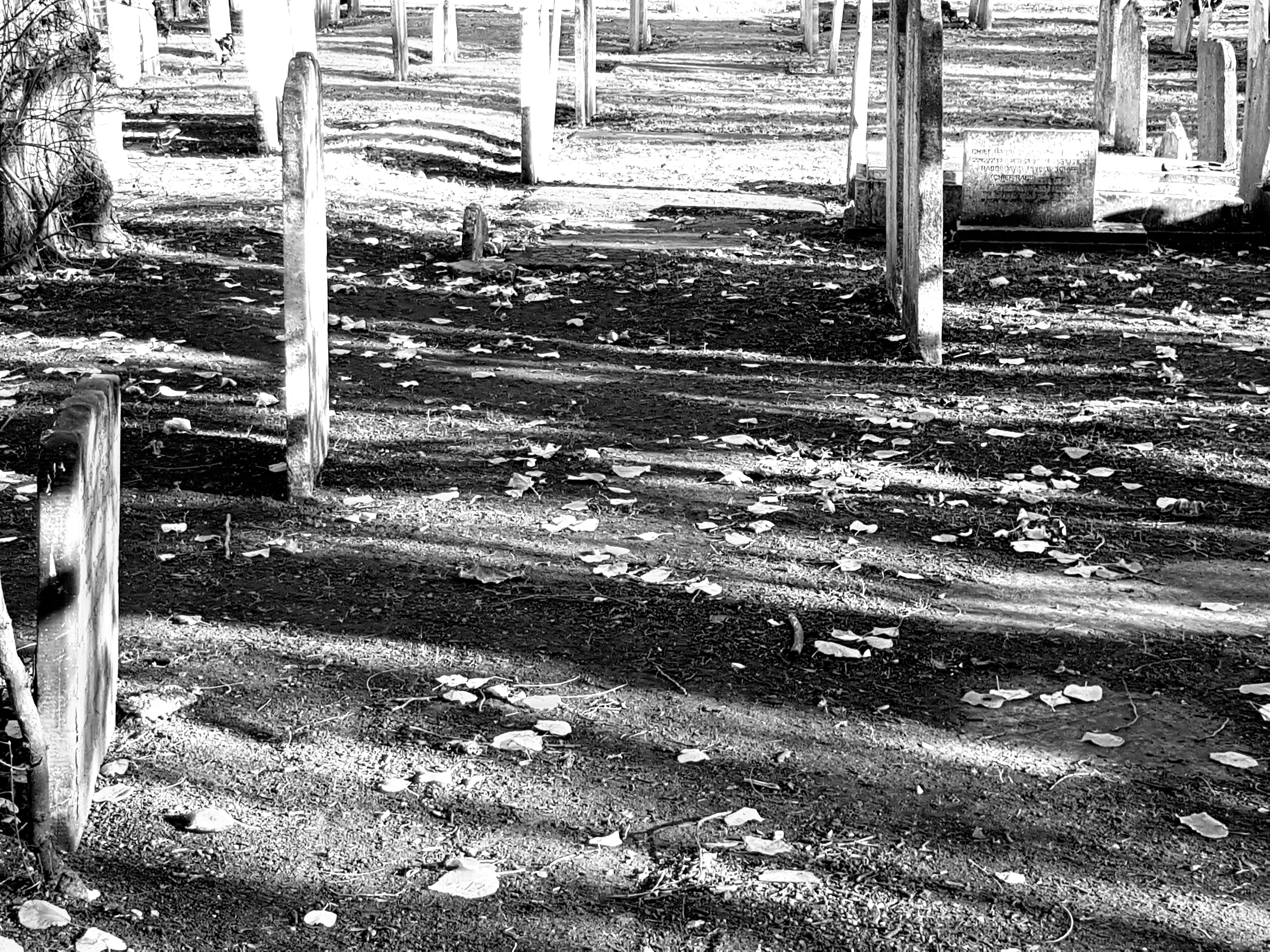
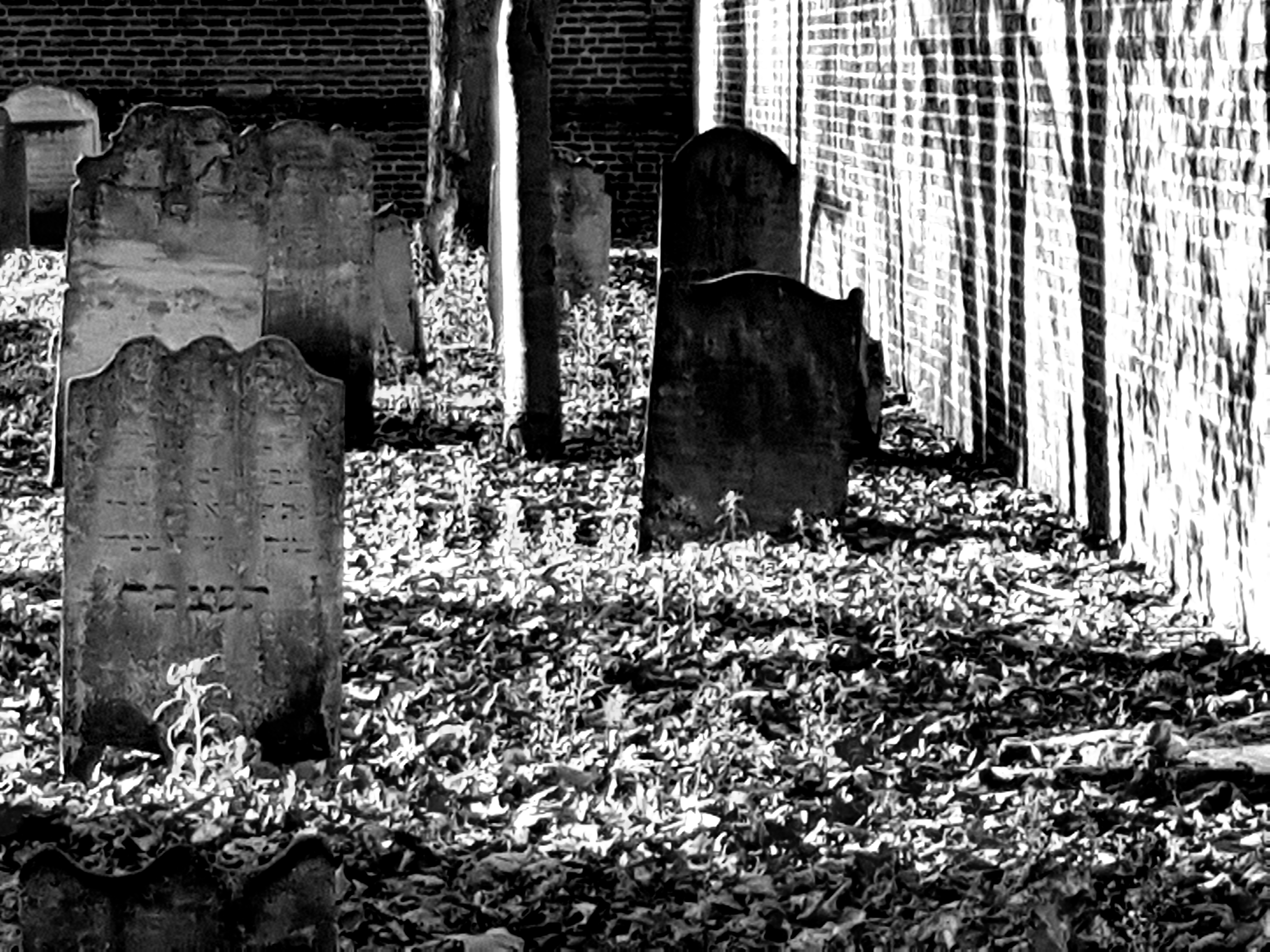
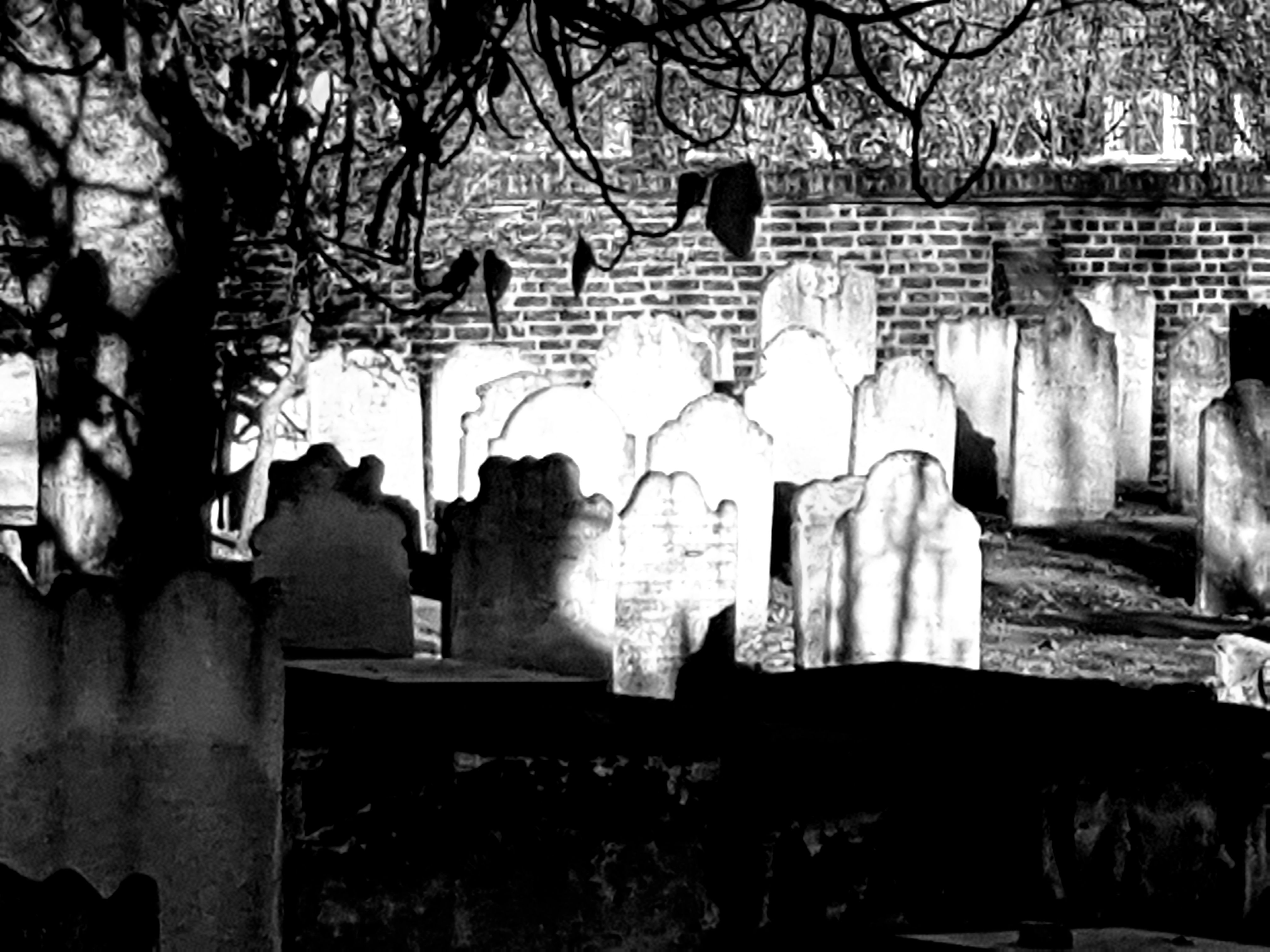
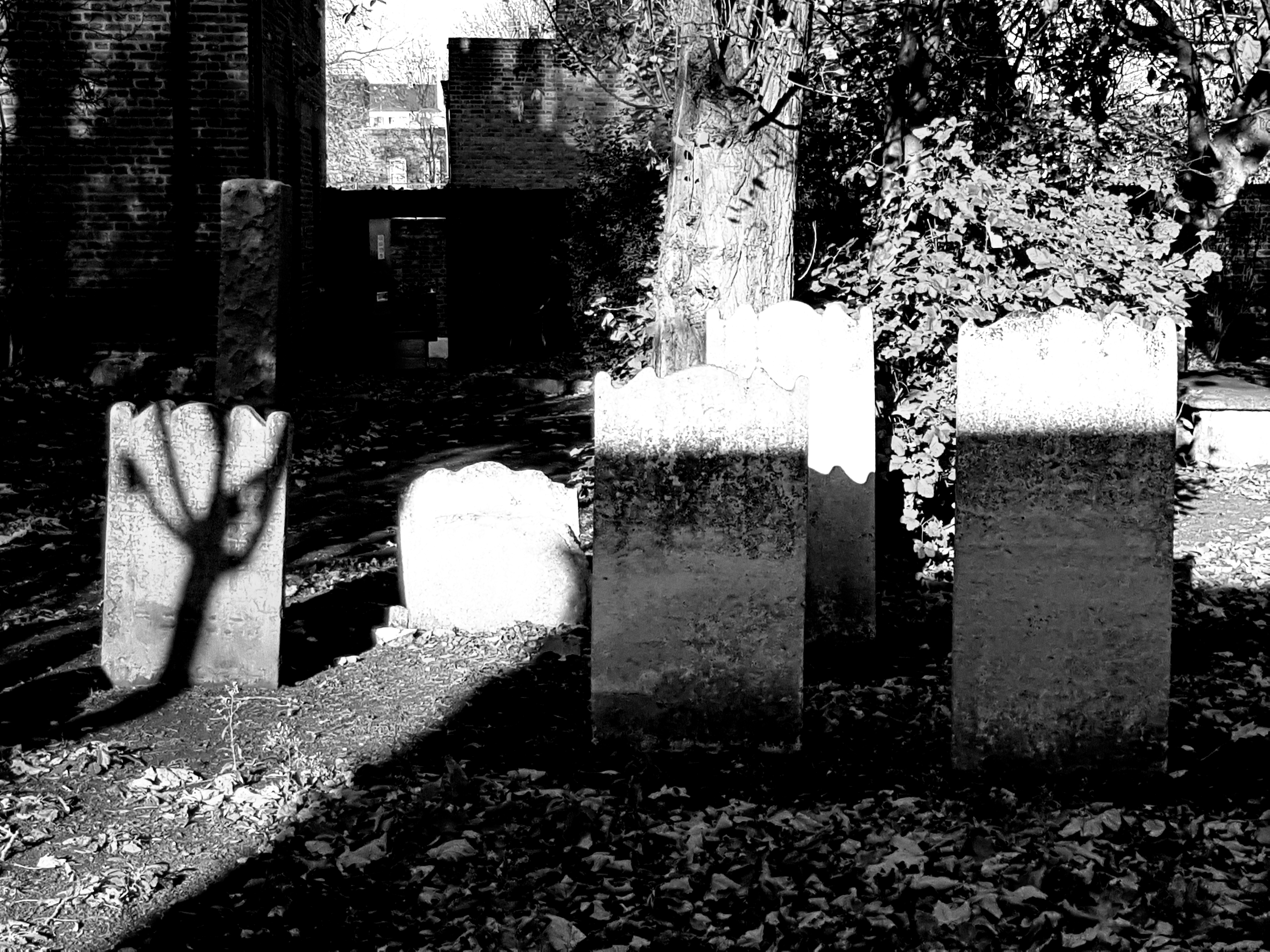
A man was clearing leaves in the Alderney Road Cemetery which meant that unusually the door was open and I was able to walk in and wander in the peace of the tombs:-
Leonard Manasseh
There was a memorial event this morning for the late Leonard Manasseh RA who died in March aged 100.
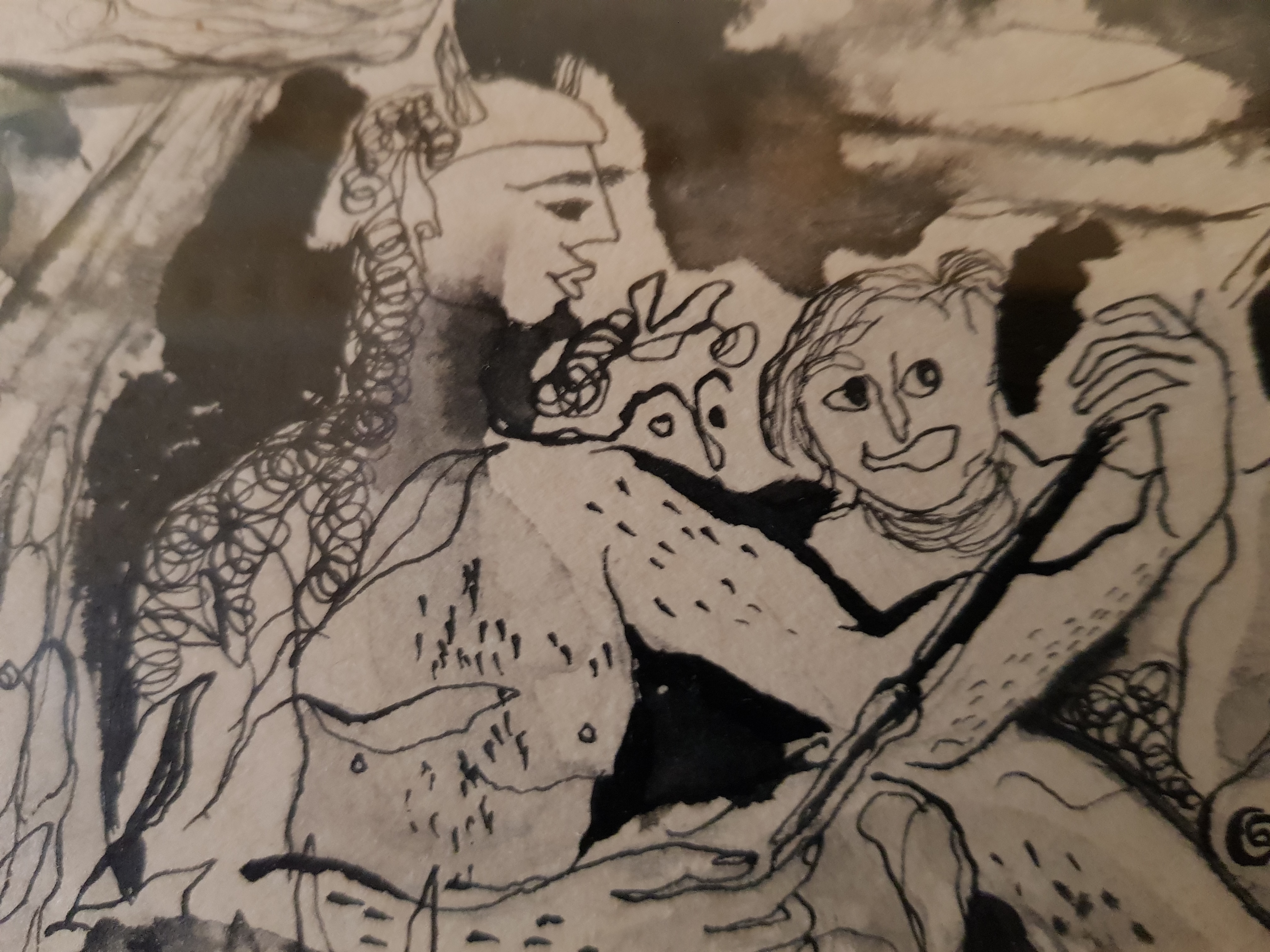
There was a display of work connected to him, including his Ravilious-like pen-and-ink drawings done during the war:-
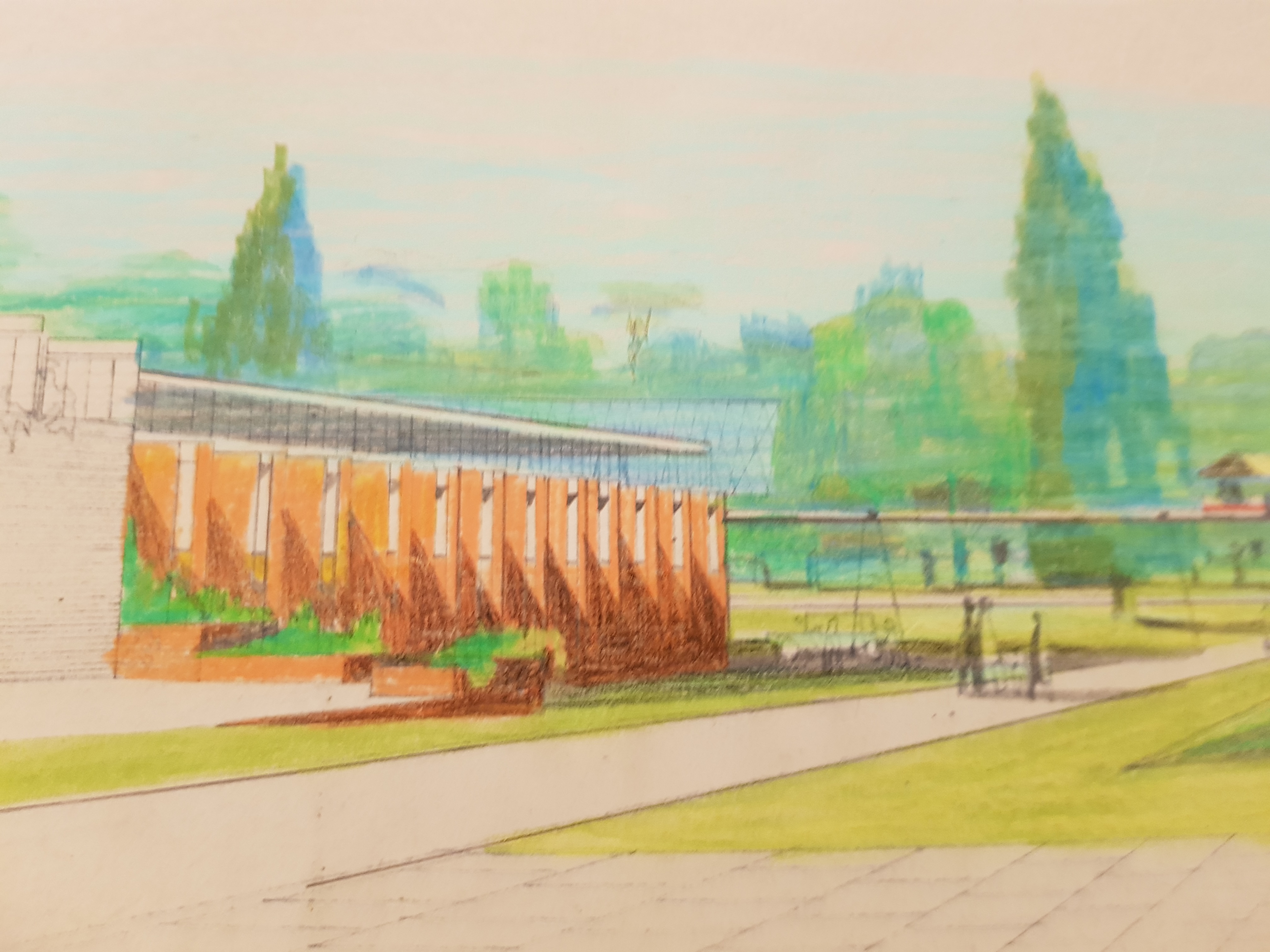
A watercolour sketch of the National Motor Museum in Beaulieu:-
And a cricket pavilion in Lewisham:-
The talks took one back to the days of his teaching at the Architectural Association, when his architectural practice operated out of three rooms at the top of The Lady and he taught the likes of Paul Koralek and Peter Ahrends by a system of gentle encouragement, as opposed to the later system of collective critique. He later graduated to a much bigger office in Rathbone Place off Charlotte Street, living in Bacon’s Lane, Hampstead, and driving an outsized Peugeot. He undertook a much wider range of work than I had realised, including private houses, schools and offices about which he wrote a Batsford book. It gave a strong sense of the profession as it was in the 1950s: socially oriented; collectivist; and gentlemanly (that said, we worked closely with the town planner, Elizabeth Chesterton, who had been his pupil at the AA in the late 1930s).
St. James’s Park
The only consolation of being required to come in early to the RA on a Saturday morning was seeing St. James’s Park and Palace so completely empty in the early morning sun:-
St. Paul’s Cathedral (4)
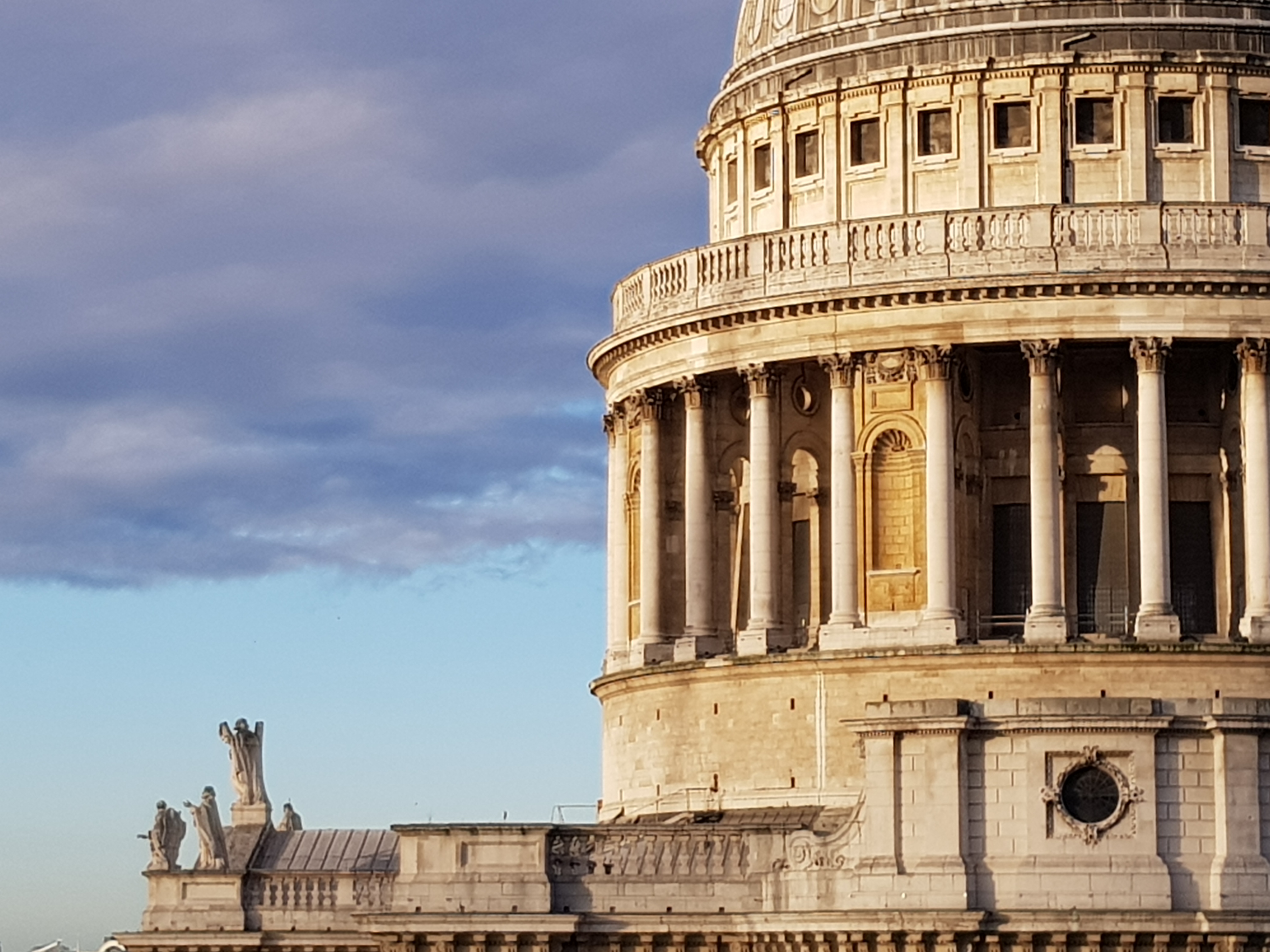
As the prospect of moving back to the West End looms closer, I have started paying more attention to my surroundings in the City, which I have never really warmed to – it’s been too butchered by redevelopment – apart from the silent majesty of St. Paul’s which so effectively, but unrhetorically, dominates its surroundings:-
Harry Handelsman
I went to a fascinating talk by Harry Handelsman, a developer who arrived in London in the early 1990s from Germany, France and Manhattan (some combination of all three) and recognised the value of buying warehouses in what were then still cheap areas of town. He started by buying for less than £450,000 (he gave the precise figure) what became Summers Street Lofts in Clerkenwell which had been designed by the architect of the Central Court, Wimbledon as an ink factory. Then he developed Soho Lofts with a Damien Hirst in the show flat. Bankside – immediately next door to what became Tate Modern – was a new-build project by Piers Gough in a style which was 1930s industrial. Then (amazingly) he took on the development of the hotel and chambers attached to St. Pancras Hotel Station: a gigantic project which must be one of the more successful radical renovations of a historic building. Chiltern Firehouse was another smart move. And now he’s developing Manhattan Loft Gardens, a skyscraper in Stratford designed by SOM with interiors by the Parisian Studio KO. It looked like he’s got pretty impeccable design instincts.
Apollo Awards 2017
I went to this year’s Apollo Awards: a good set of winners, some expected, some less so.
Exhibition
Raphael: The Drawings
(I knew I should have visited it)
Book
Aileen Ribeiro, Clothing Art
Acquisition
Van Otterloo and Weatherbie Gift
Museum of Fine Arts, Boston
Museum Opening
Musée d’Arts de Nantes
(With a new extension designed by Stanton Williams)
Digital Innovation
Smartify
Personality
Patrizia Sandretto Re Rebaudengo
(from Turin)
Artist
Lubaina Himid


You must be logged in to post a comment.