Worth Matravers

Worth Matravers, to the south of the Isle of Purbeck, surrounded by quarries, has not one, but two churches.

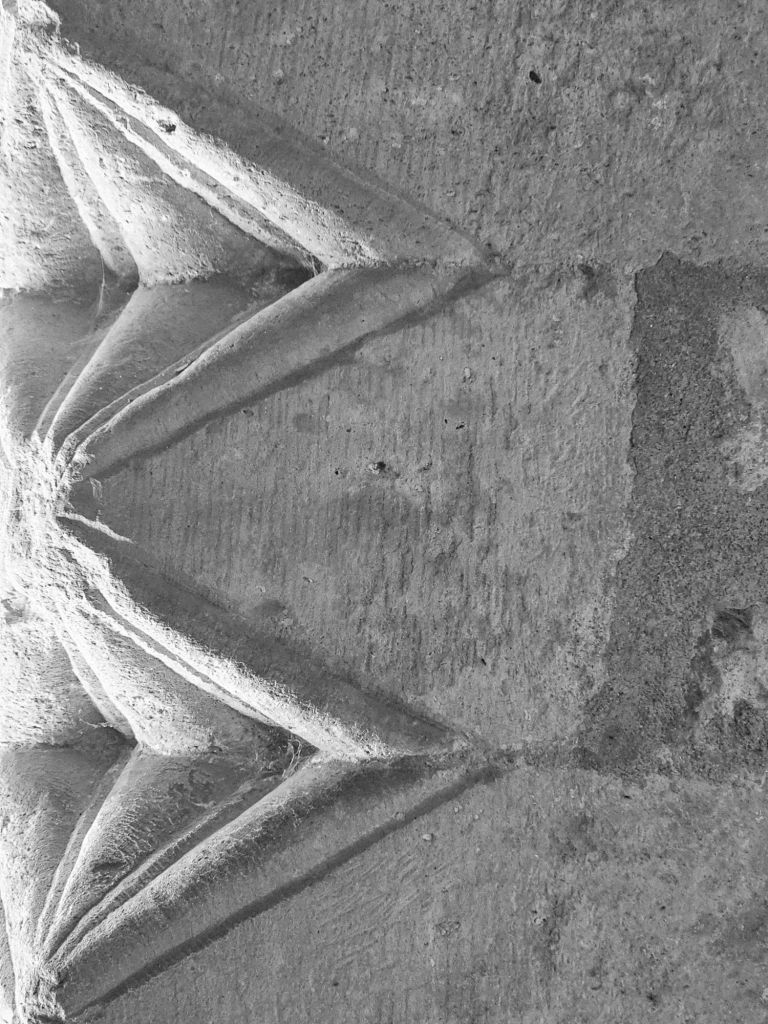
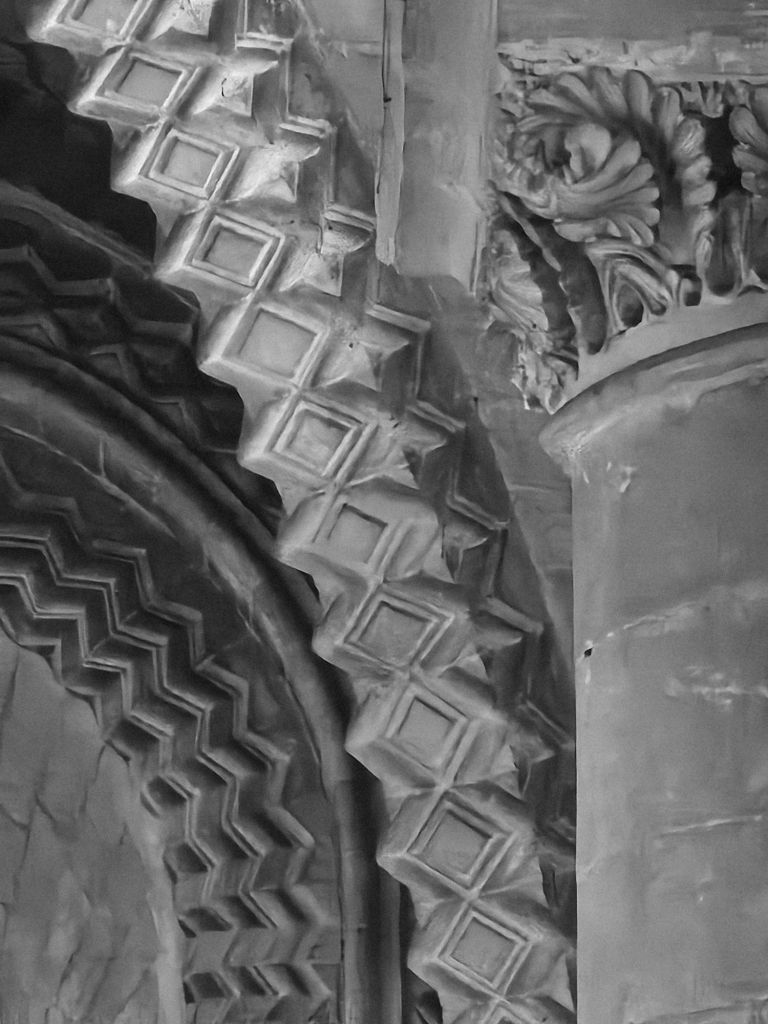
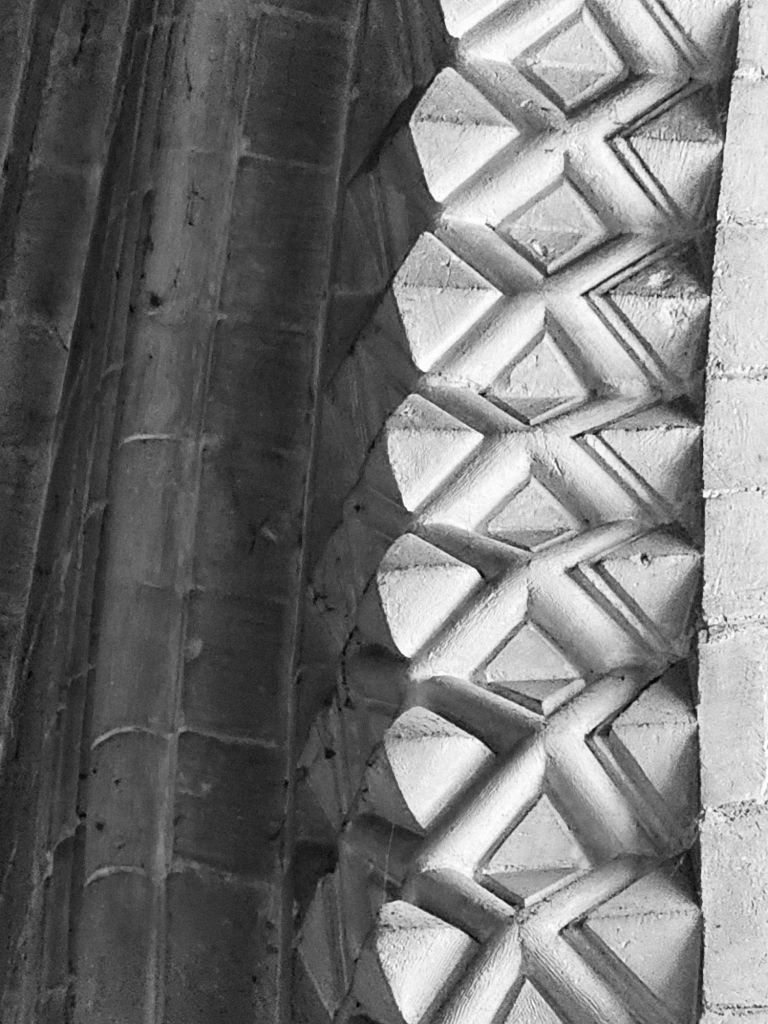
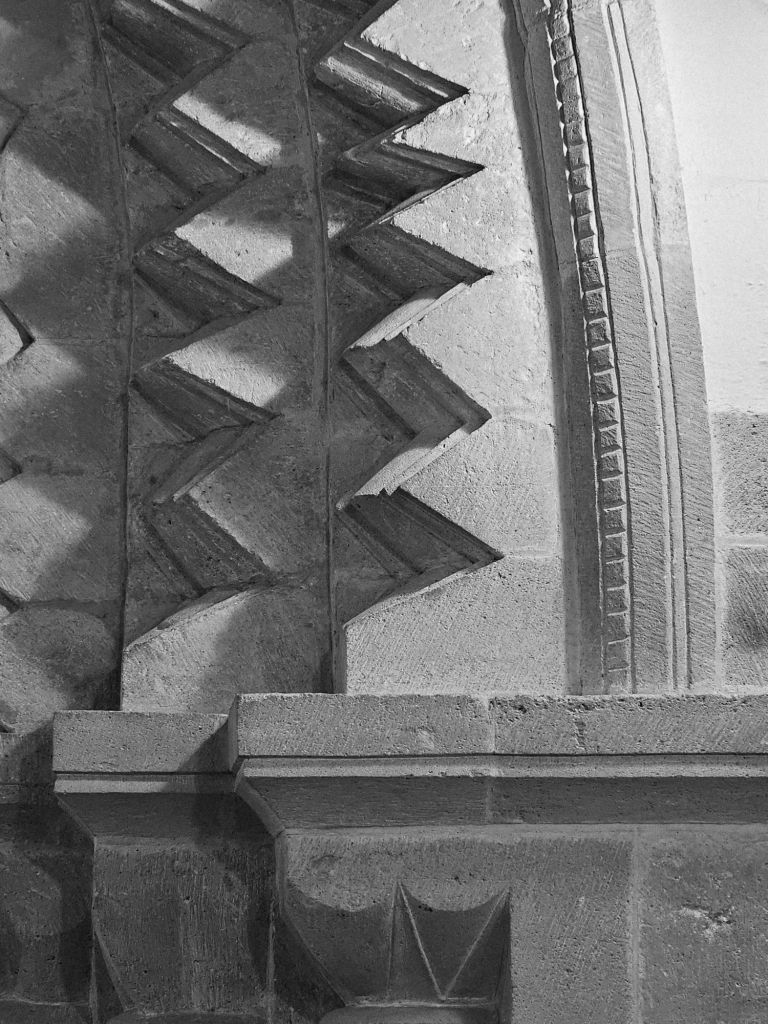
St. Nicholas in the heart of the village is a relatively conventional, but sturdy Norman church, square tower, with good zigzag carving round the chancel arch:-
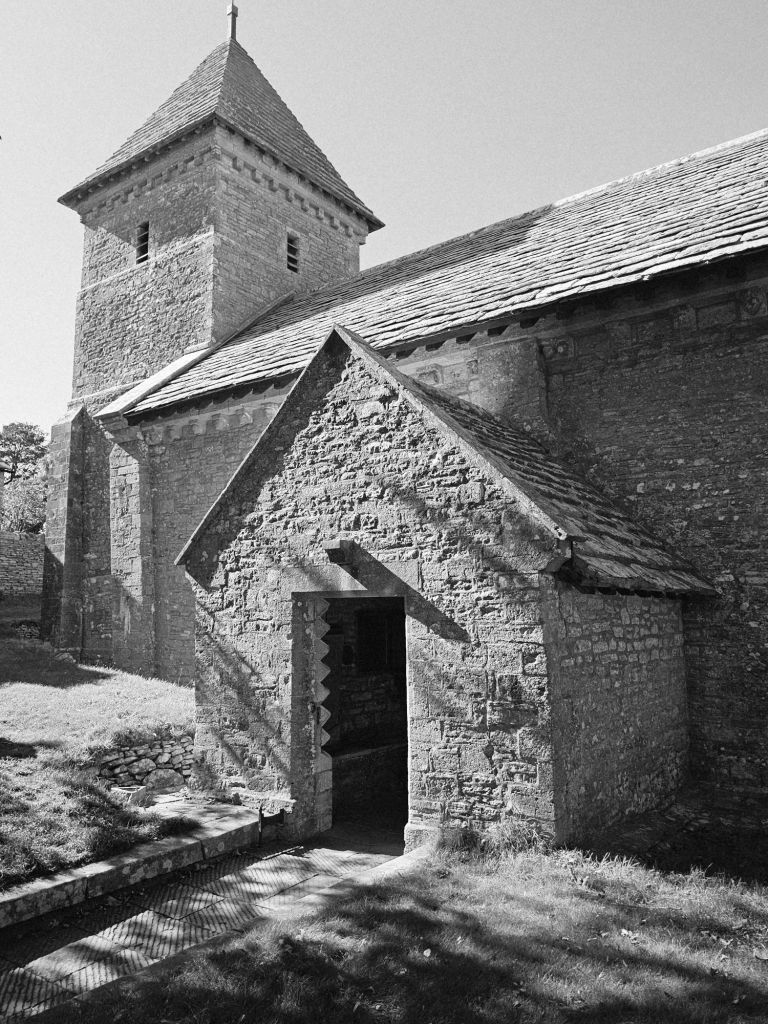
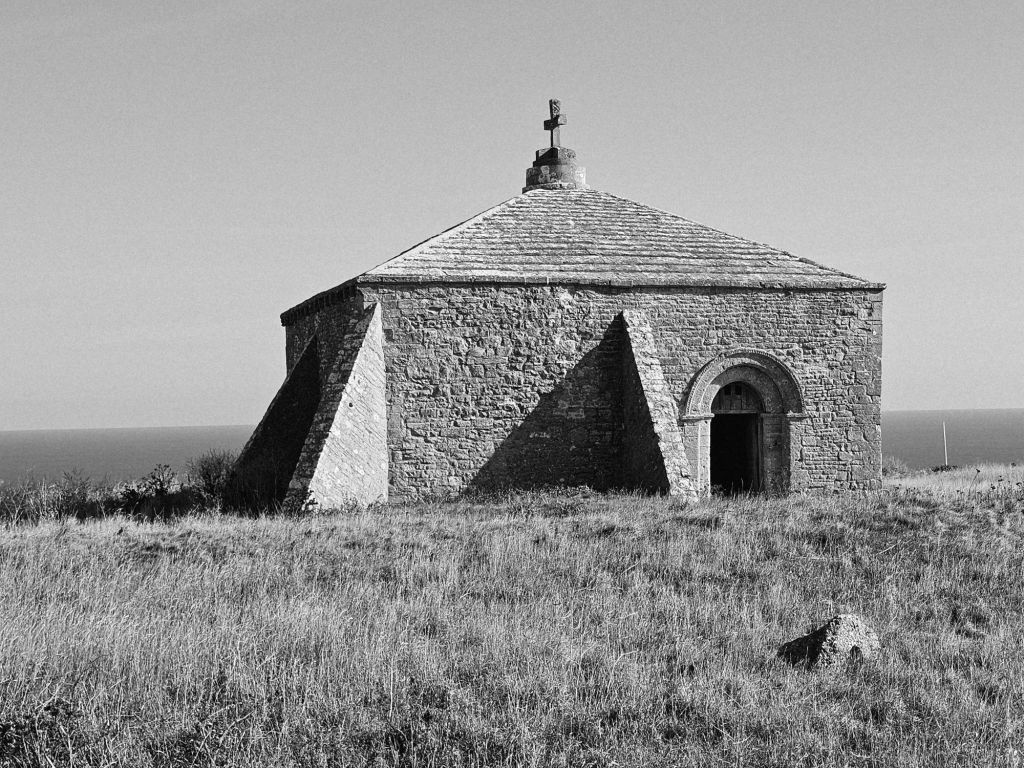
Then, impossibly remote, along a long dusty track across open fields to the edge of the sea, a remote chapel, St. Aldhelm’s, a boxy structure, serving no-one except the coastguard cottages:-
Standard

Corfe Castle

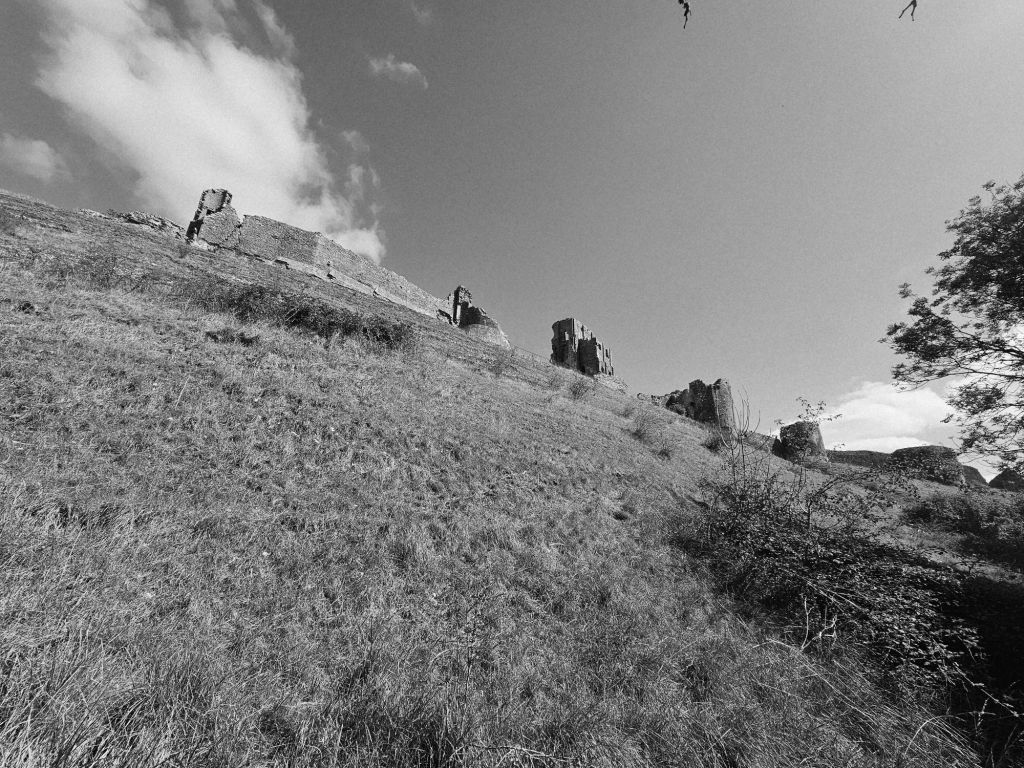
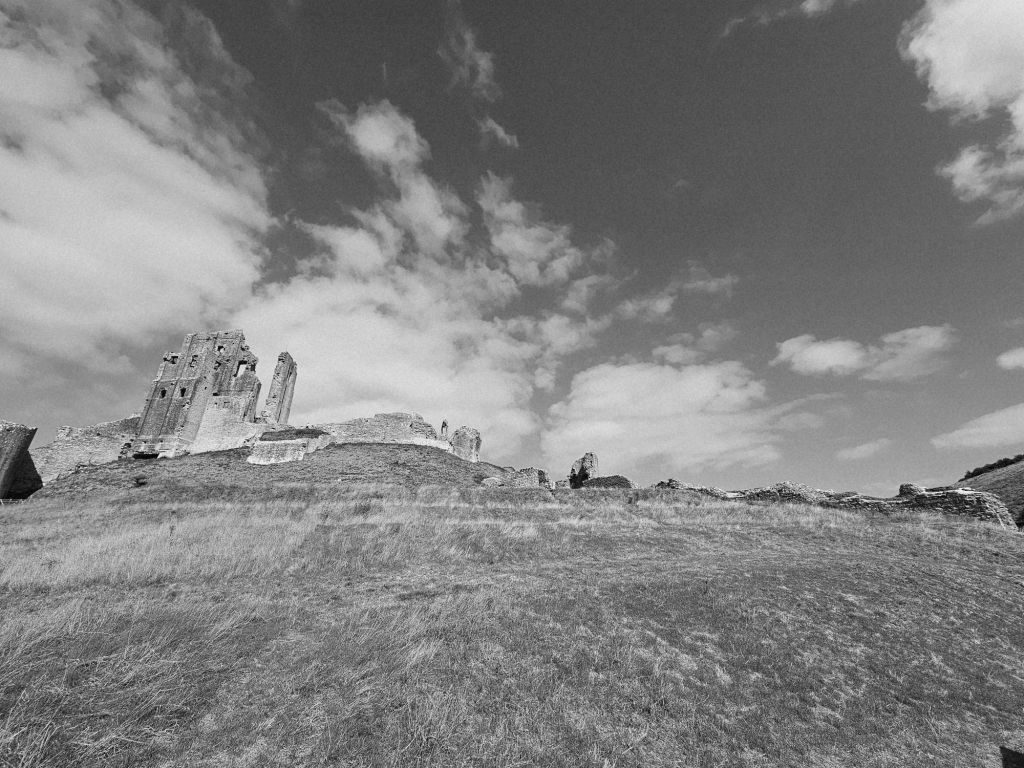
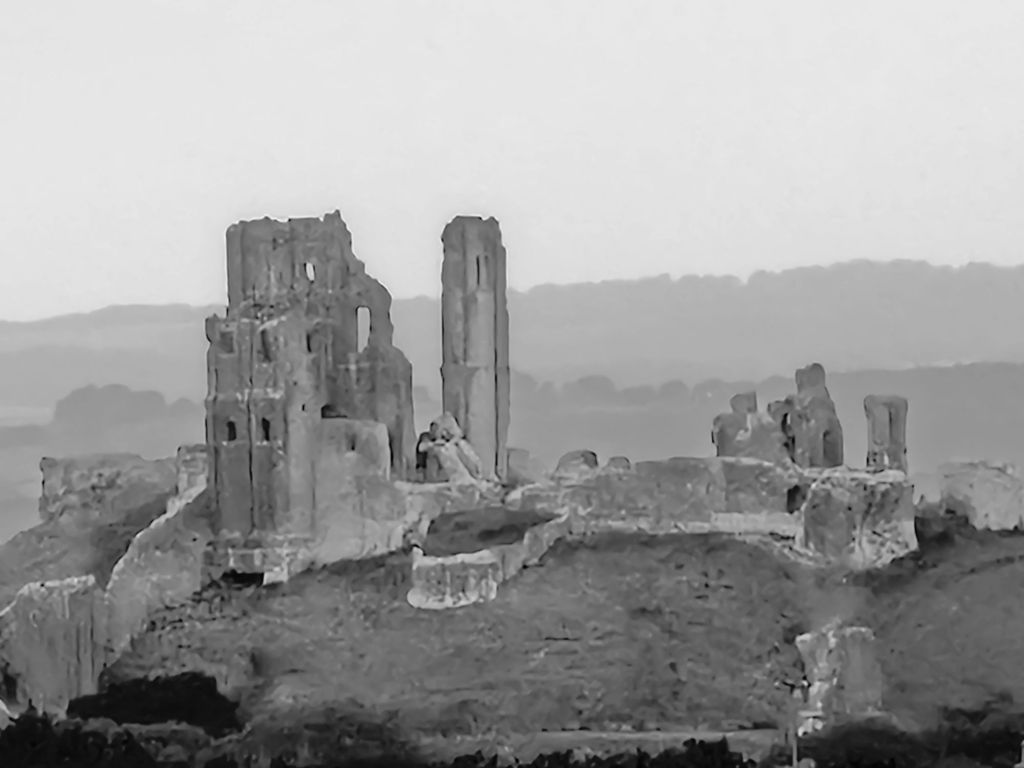
You can see Corfe Castle in the distance from Dunshay Manor where we are staying – a remarkable and slightly surreal sight in the distance – its tall towers dismantled in the Civil War and then looted for building stone:-

Up close it’s oddly less impressive, but still on a massive scale:-

Standard

St. Cross

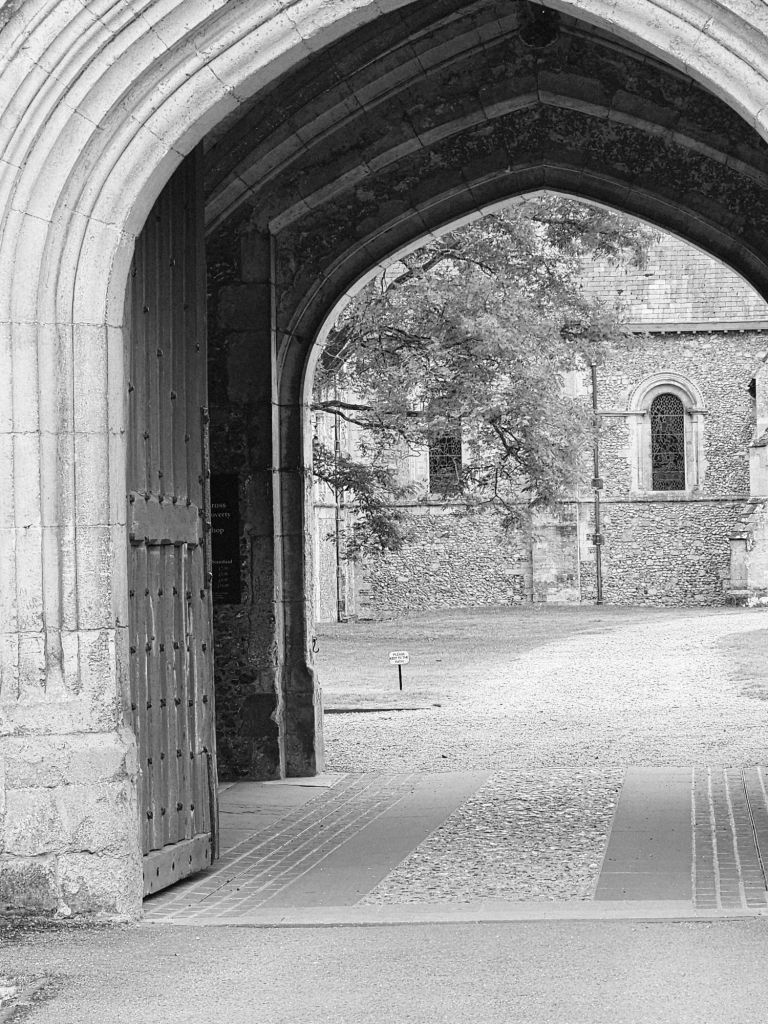
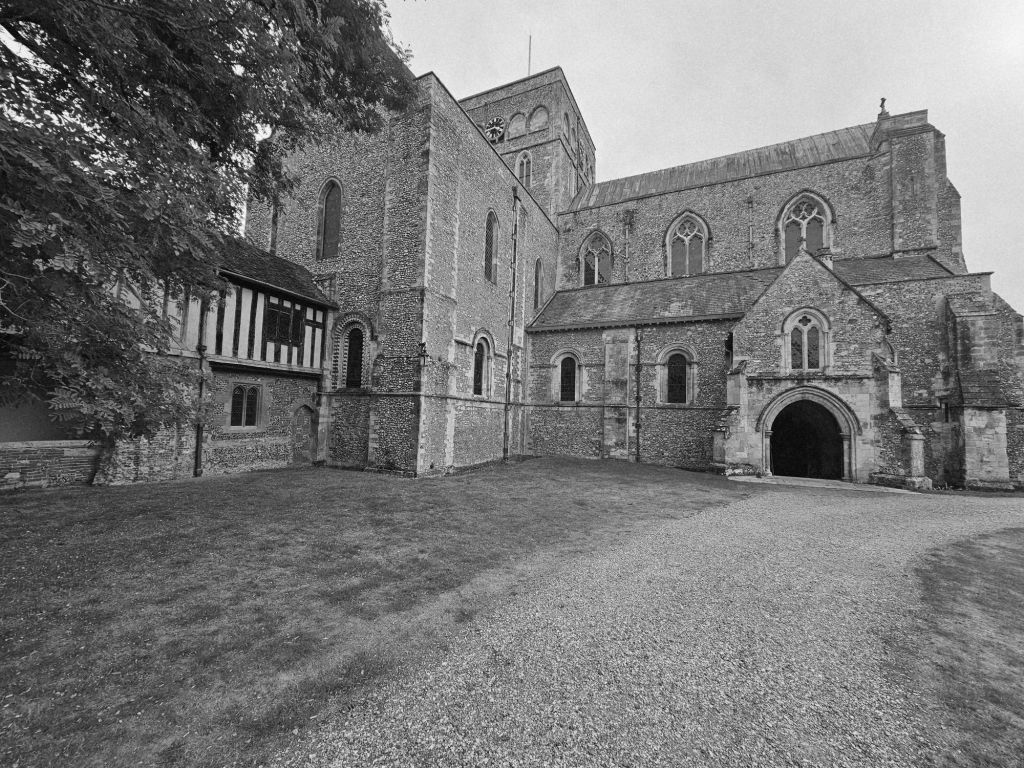
On the way down to Dorset, we stopped off at St. Cross, the wonderful, stately, beautifully preserved, pure Norman church just outside Winchester. 

Founded by Henry of Blois in 1136, and part of the Hospital of St. Cross, a set of medieval almshouses, it has been preserved in a way which is unusual in England – so little change, a holy place:-

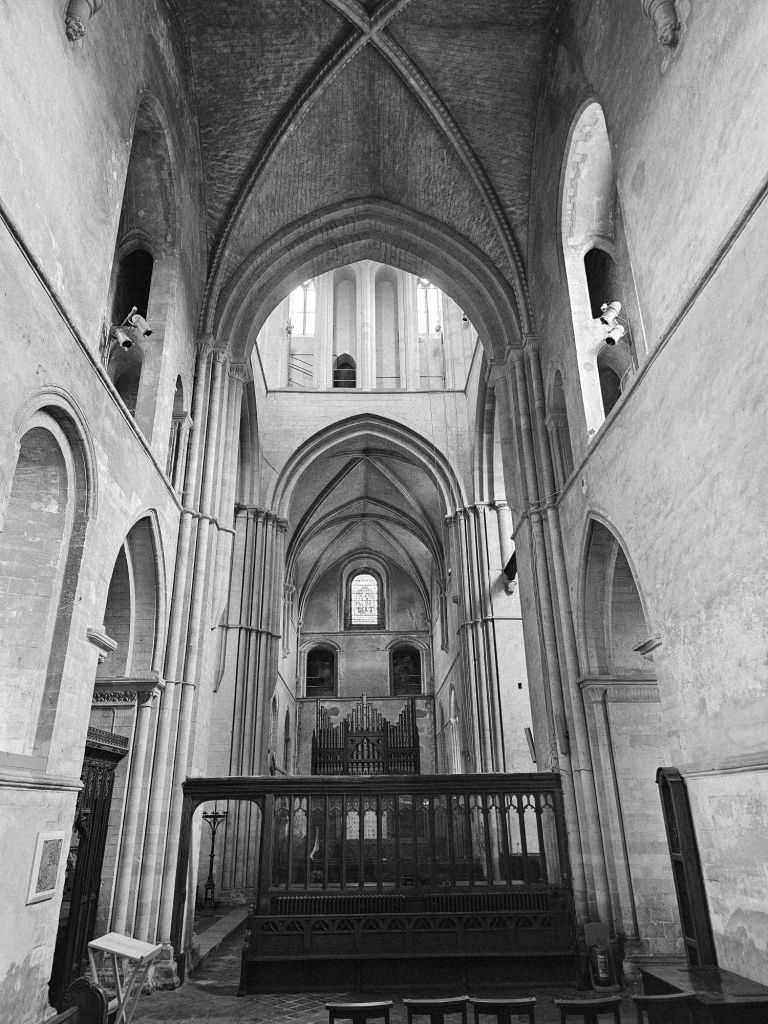
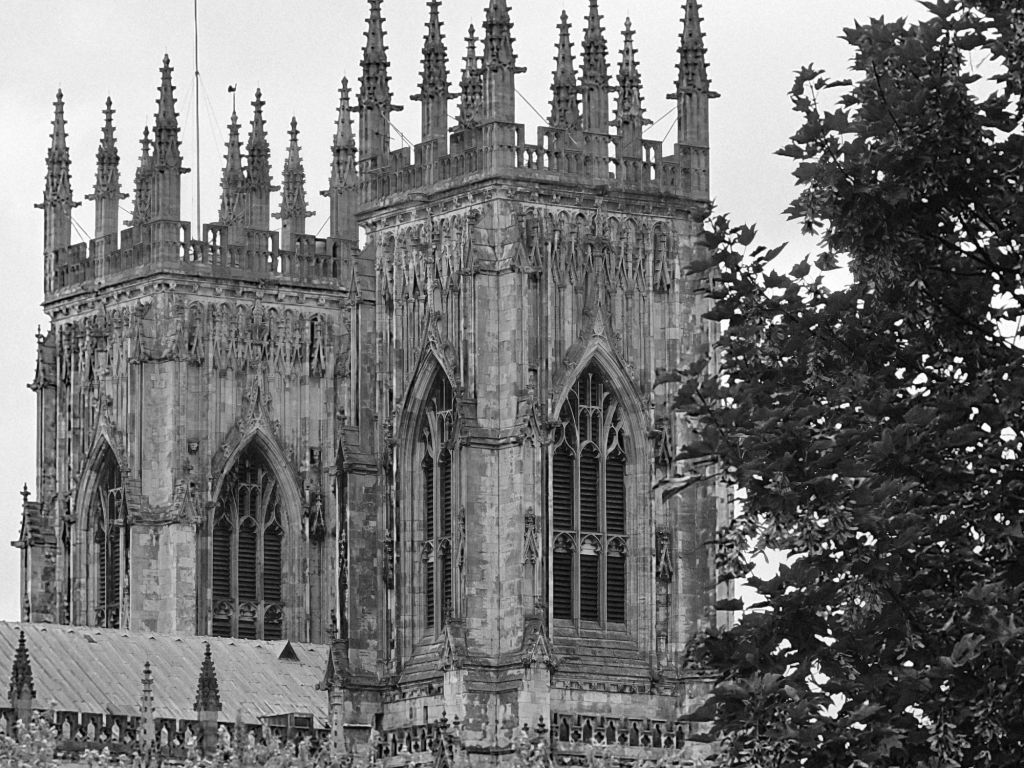
The transepts:-
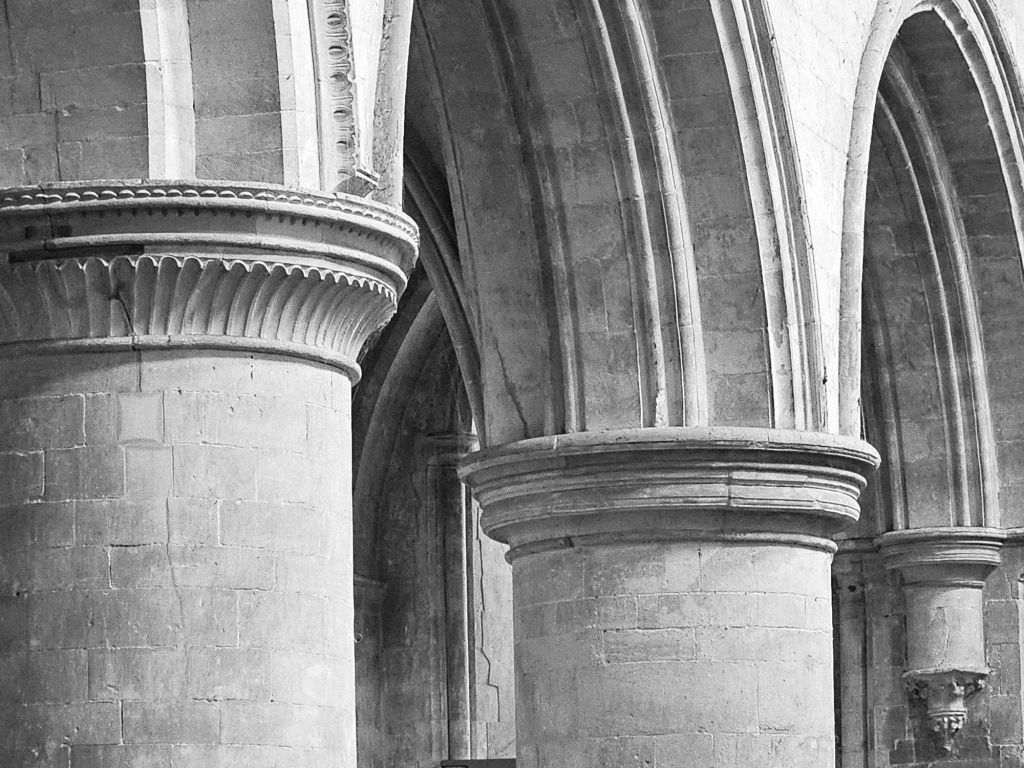
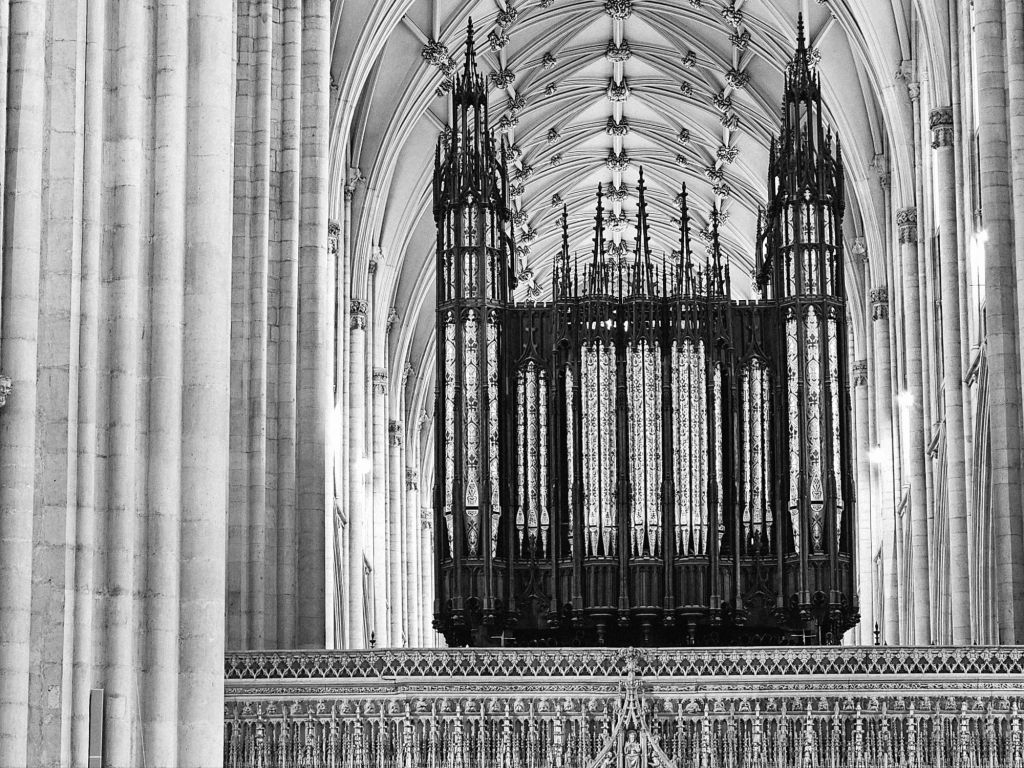
The columns of the nave:-
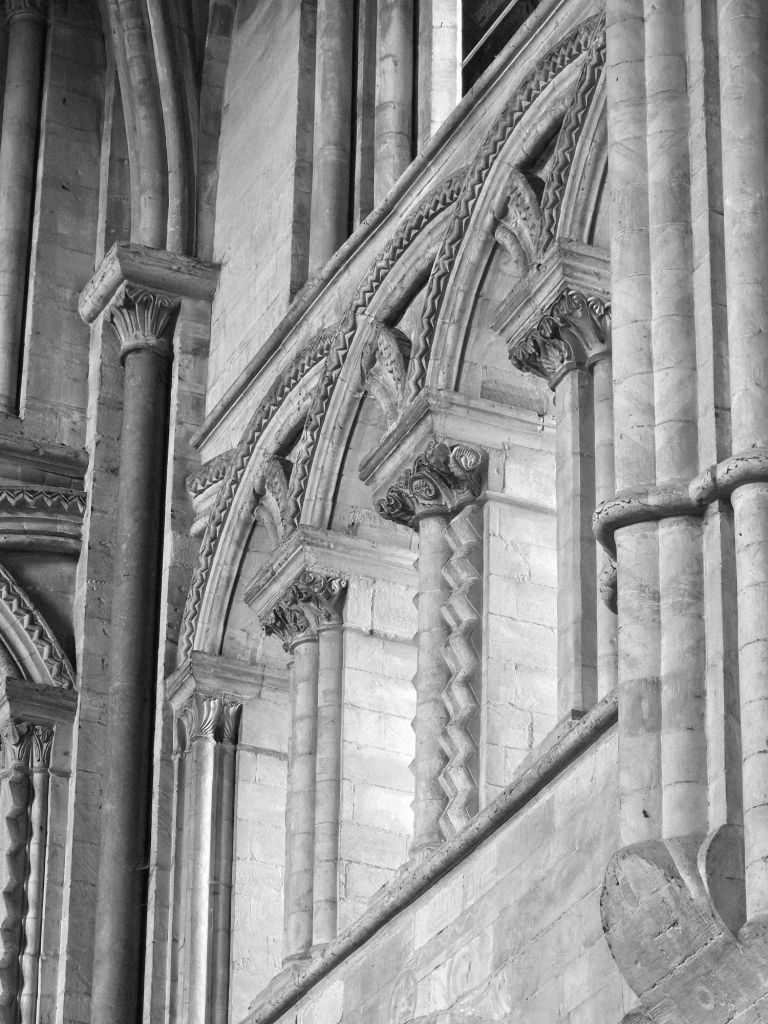
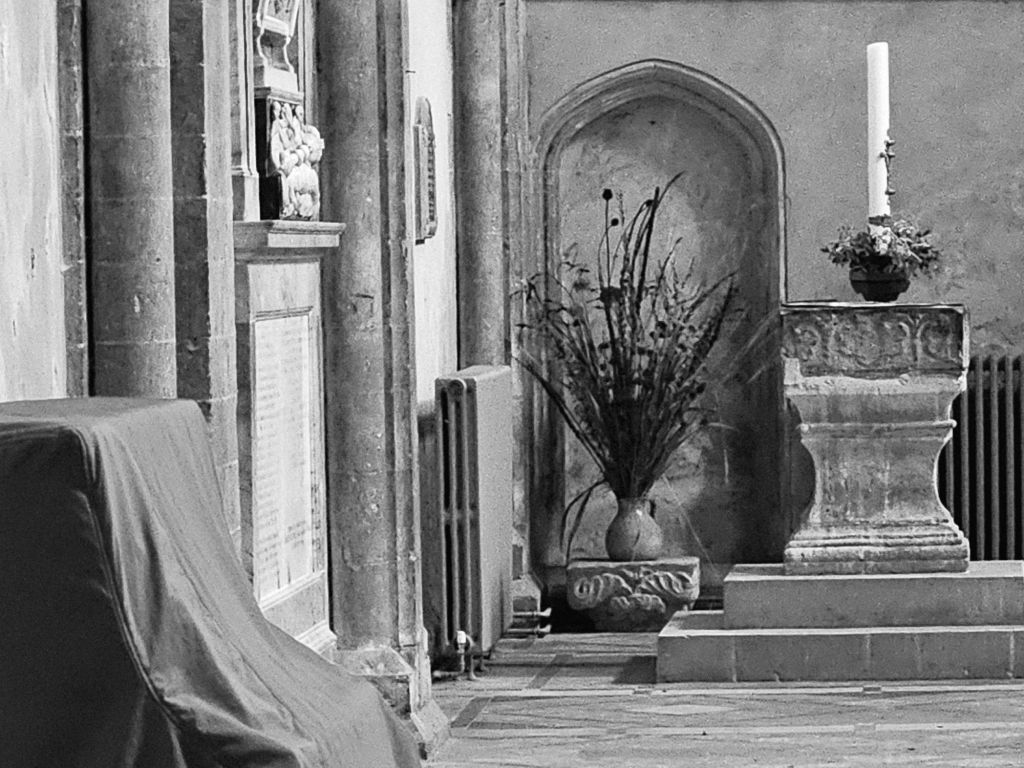
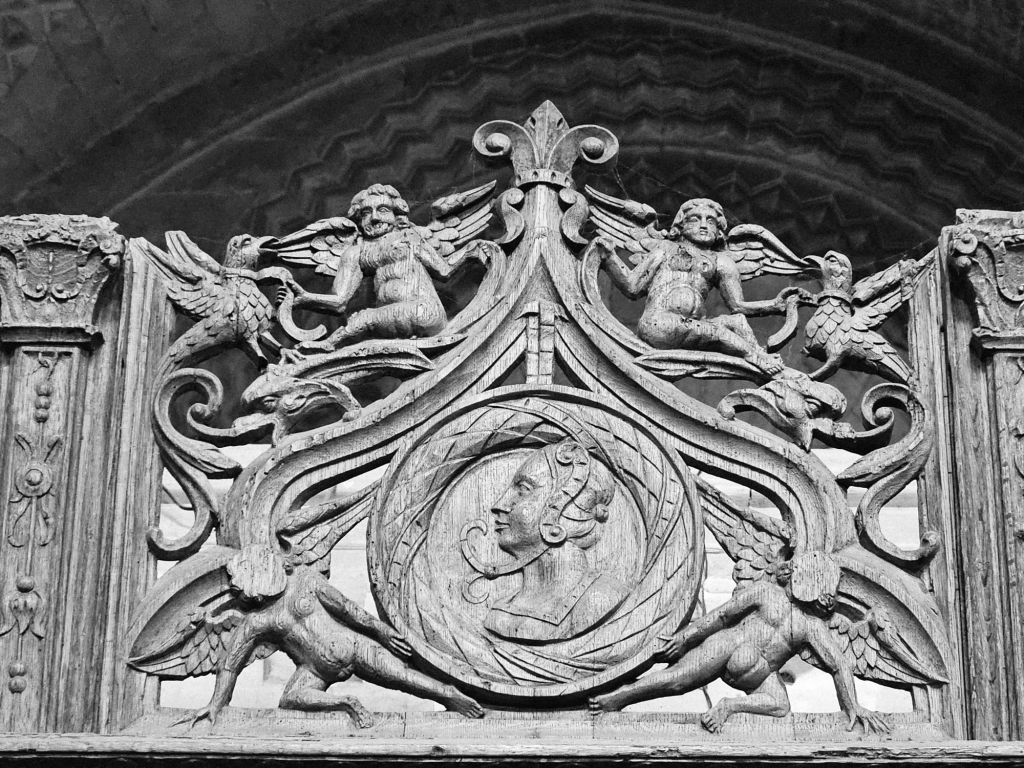
The carving in the chancel:-

Details of the carving in the lady chapel:-

The view down the south aisle:-

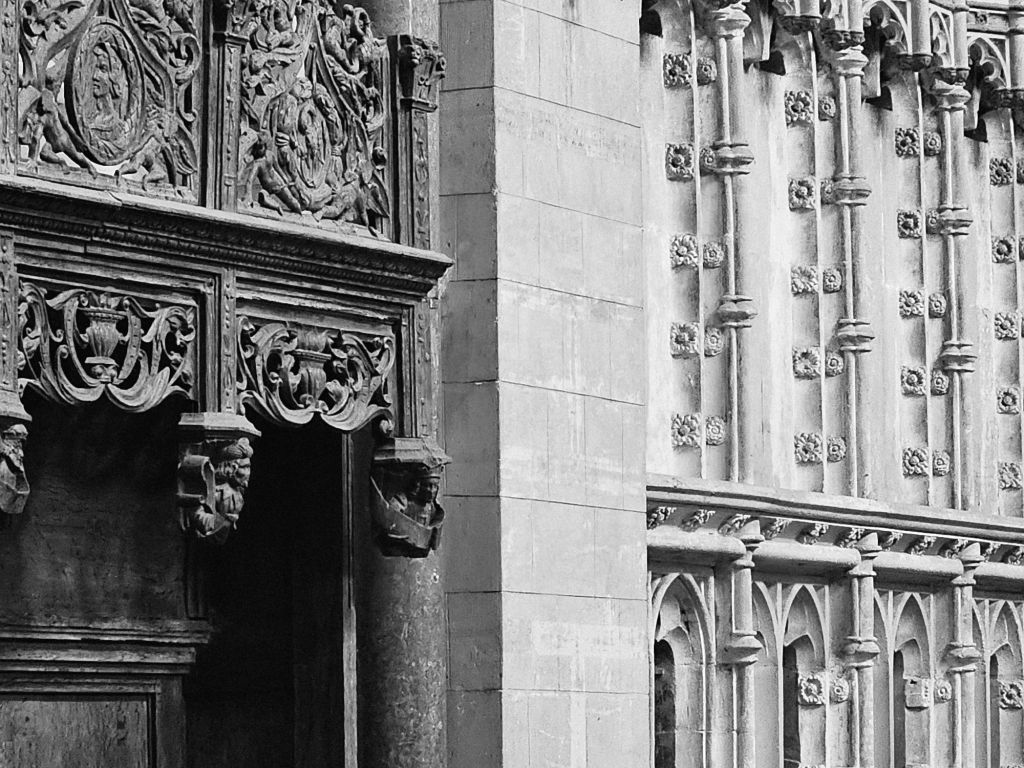
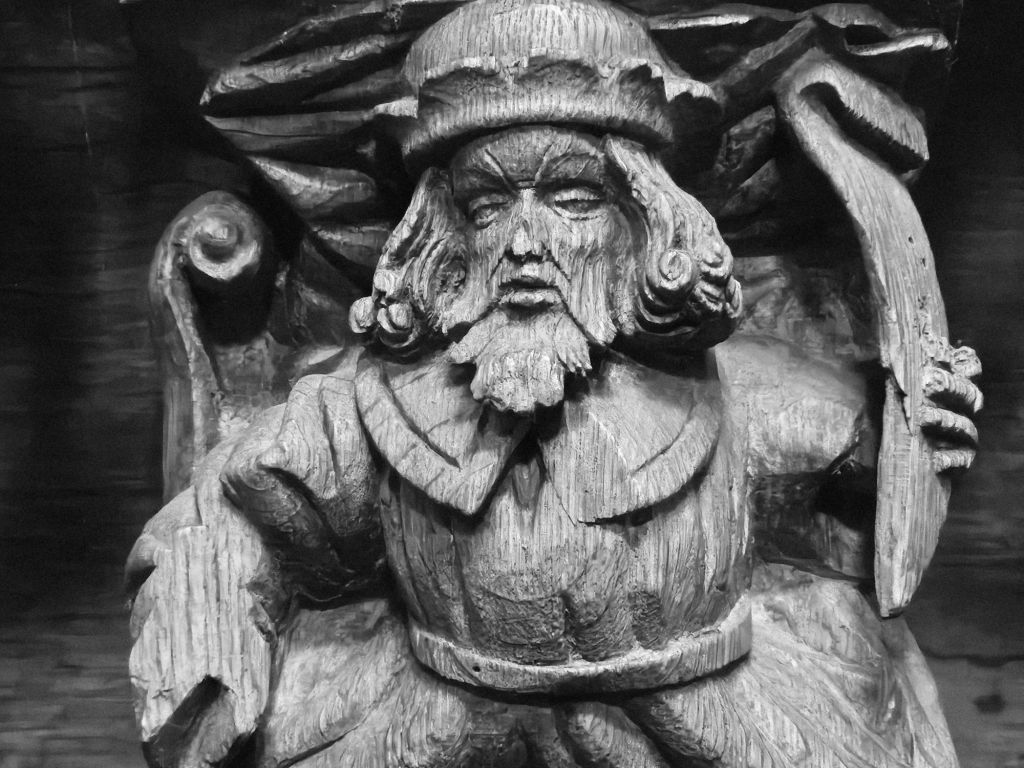
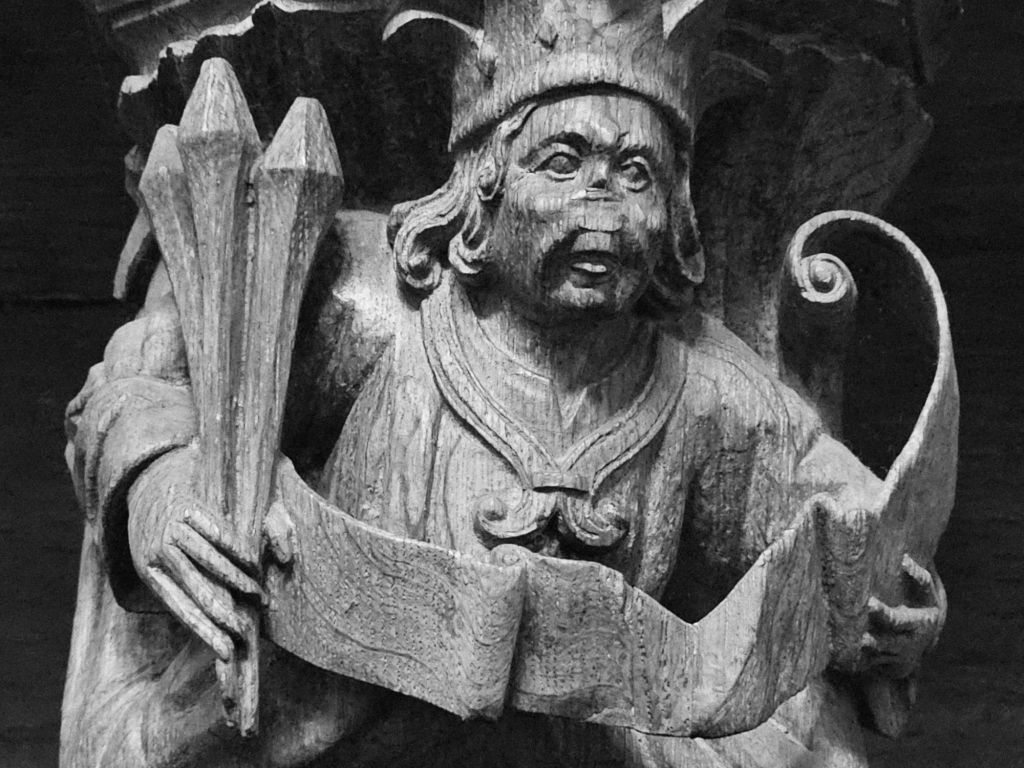
The wood carving in the chancel:-

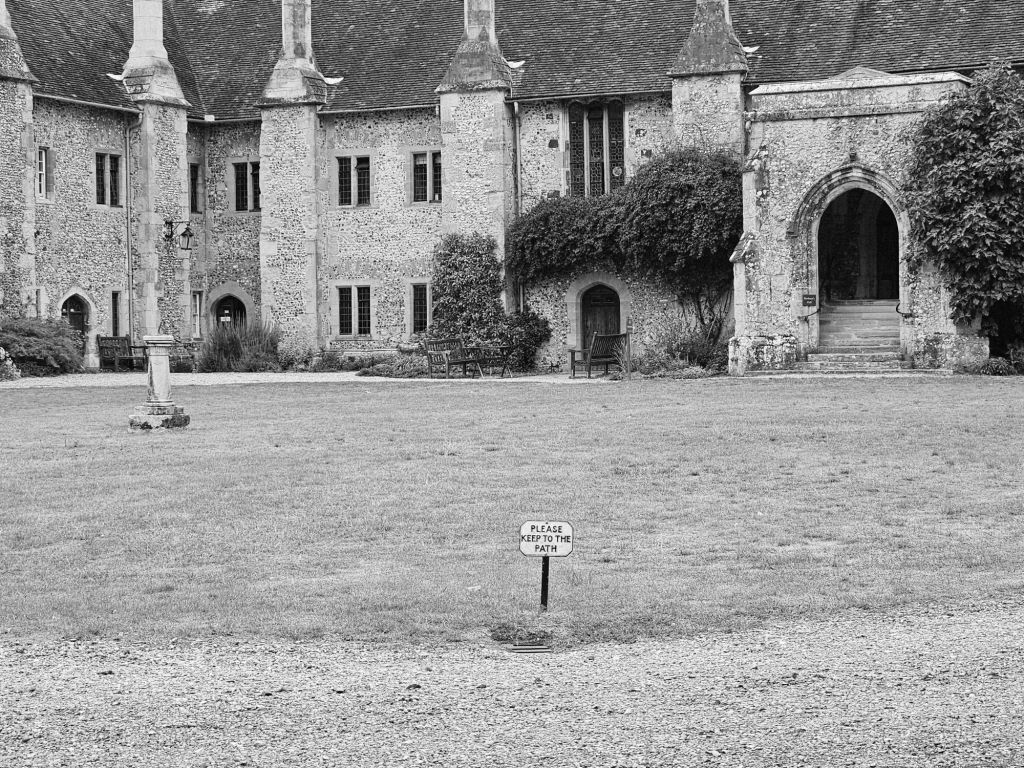
And back outside:-

Standard

Vanbrugh300 (11)

I love the podcast as attached in which Matthew Lloyd Roberts talks to Piers Gough about the character of Vanbrugh’s architecture, beginning with Vanbrugh Castle, talking in Woolwich which I did not include in my book and describing very eloquently so many aspects of Vanbrugh’s work: the way the ground plan at Castle Hiward is extended; the chauvinism of Blenheim; the tameness of Kimbolton; the relationship of Vanbrugh to history; and Vanbrugh’s influence on post-modernism, including Gough’s own work. 

Gough knows so much about Vanbrugh from looking and experiencing the buildings as an architect, not a historian.

I really recommend it.

Standard

The Aalto Siilo

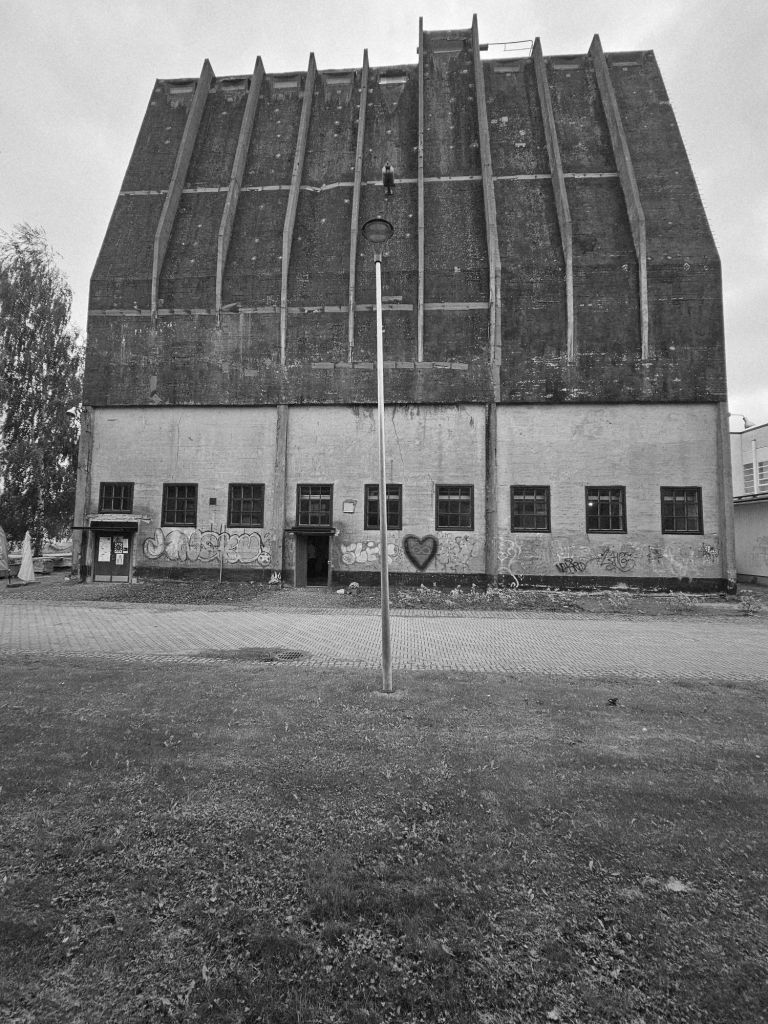
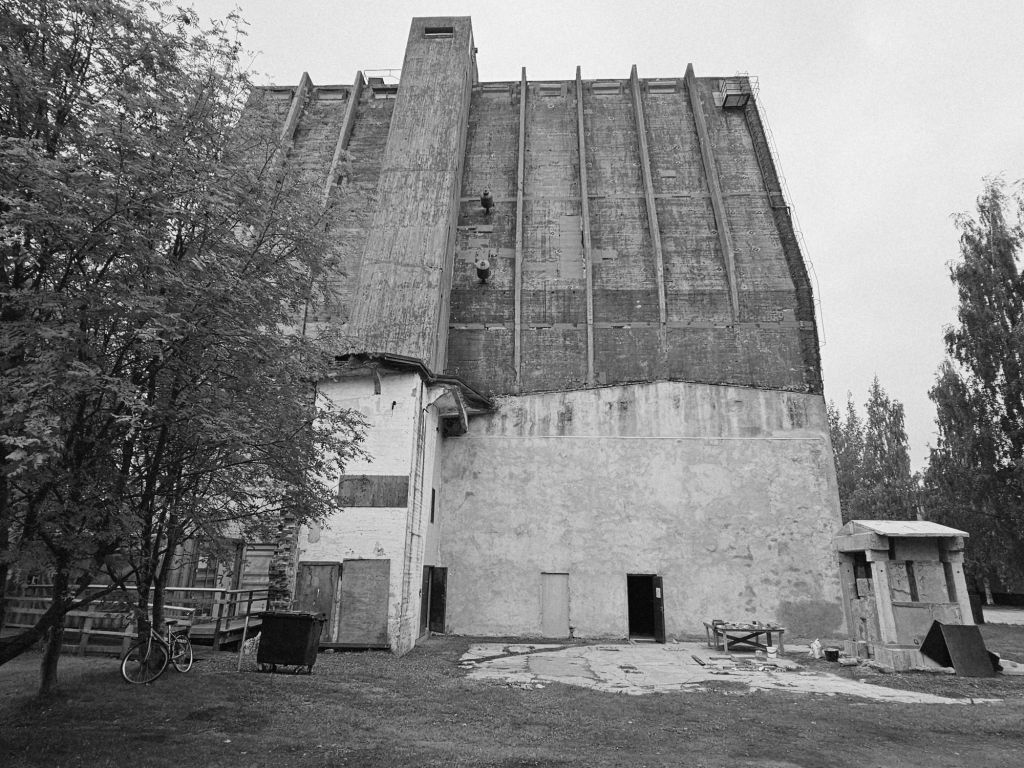
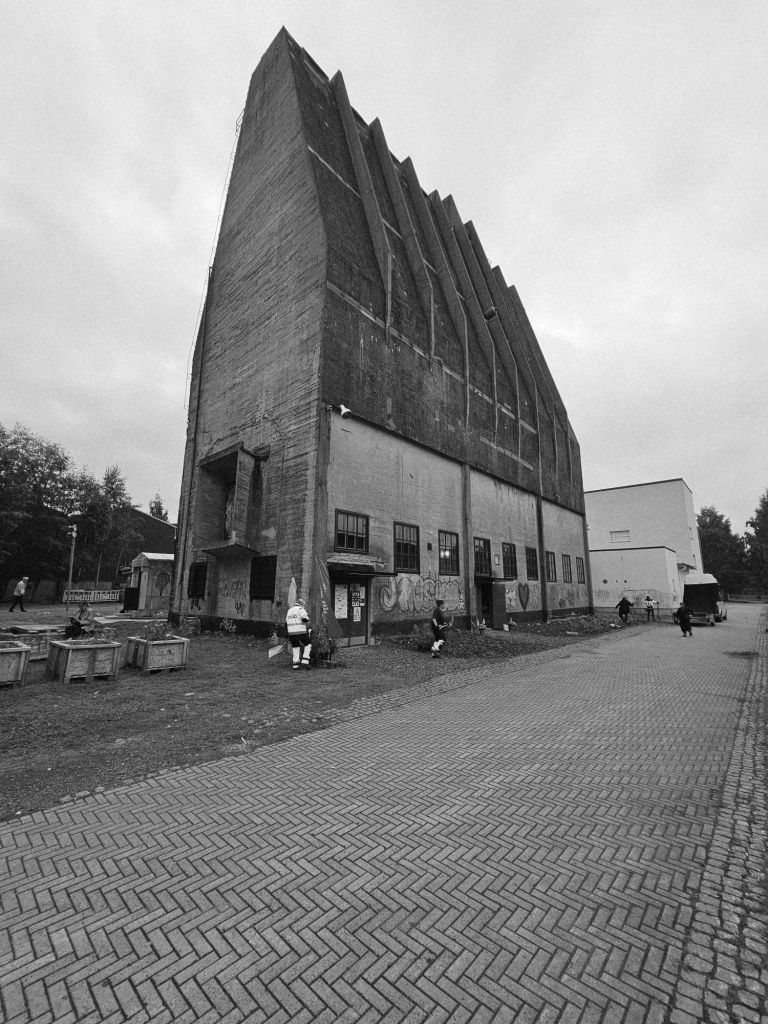
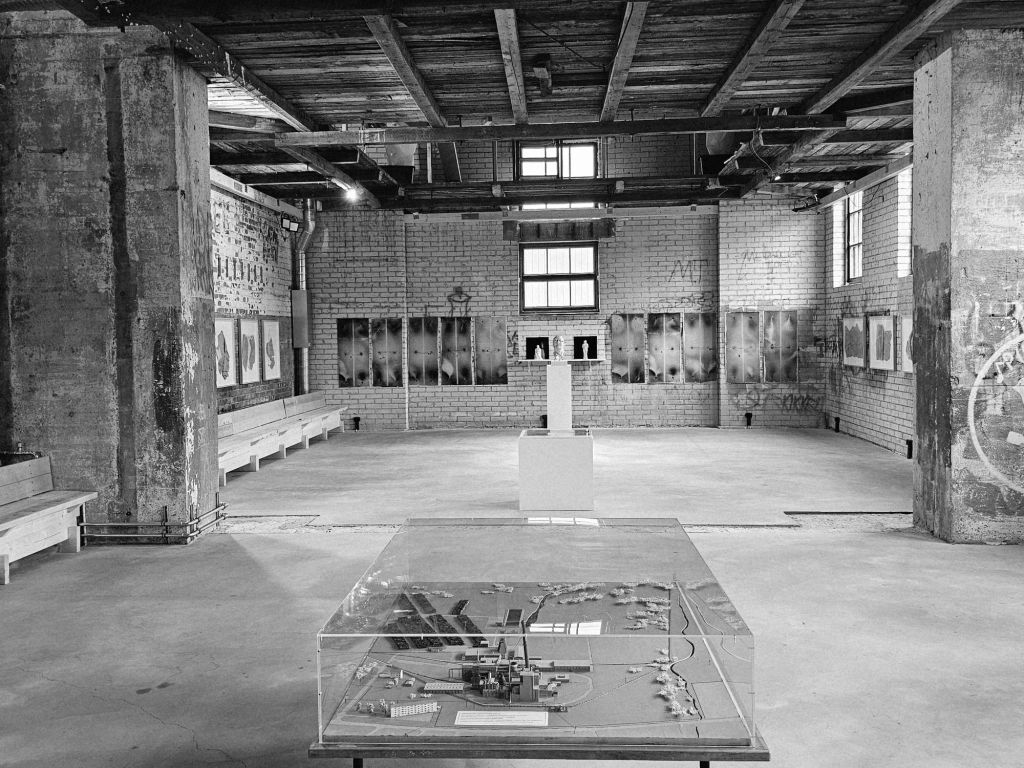
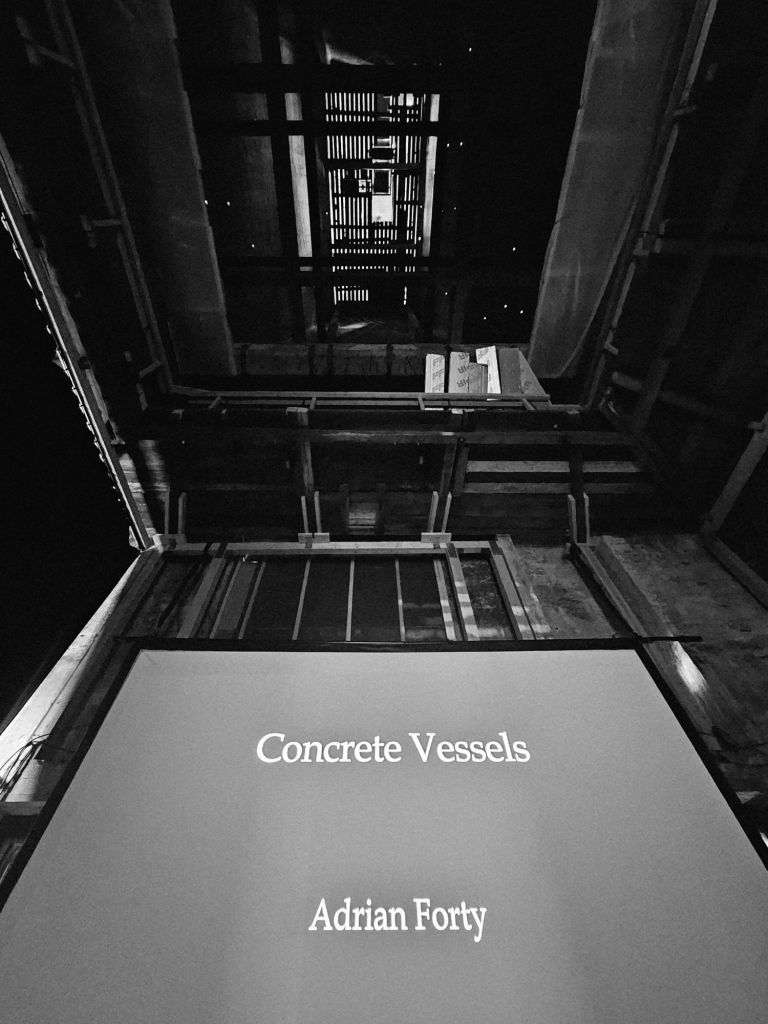
The Aalto Siilo and a Provenance Projected seminar was the reason for coming to Oulu.

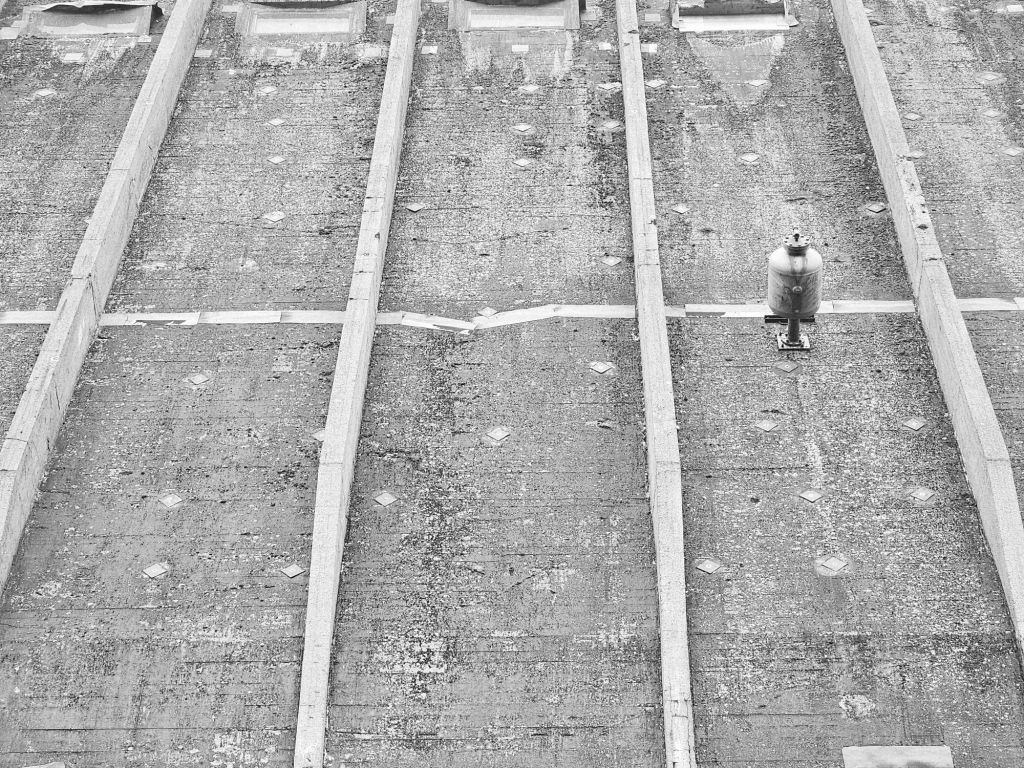
The Siilo is smaller than expected, although not without monumentality.  Still in its raw postindustrial state.  It was completed in 1931, so is a very early work by Alvar Aalto, but hard to square with the other works at this stage of his career – the Viipuri Library in Viborg (1927-1935) and the Paimio Sanatorium (1929-1933).  It is already an exciting space inside, with grand plans for the future:-

Standard

Oulu

I made it to Oulu – not completely straightforwardly.

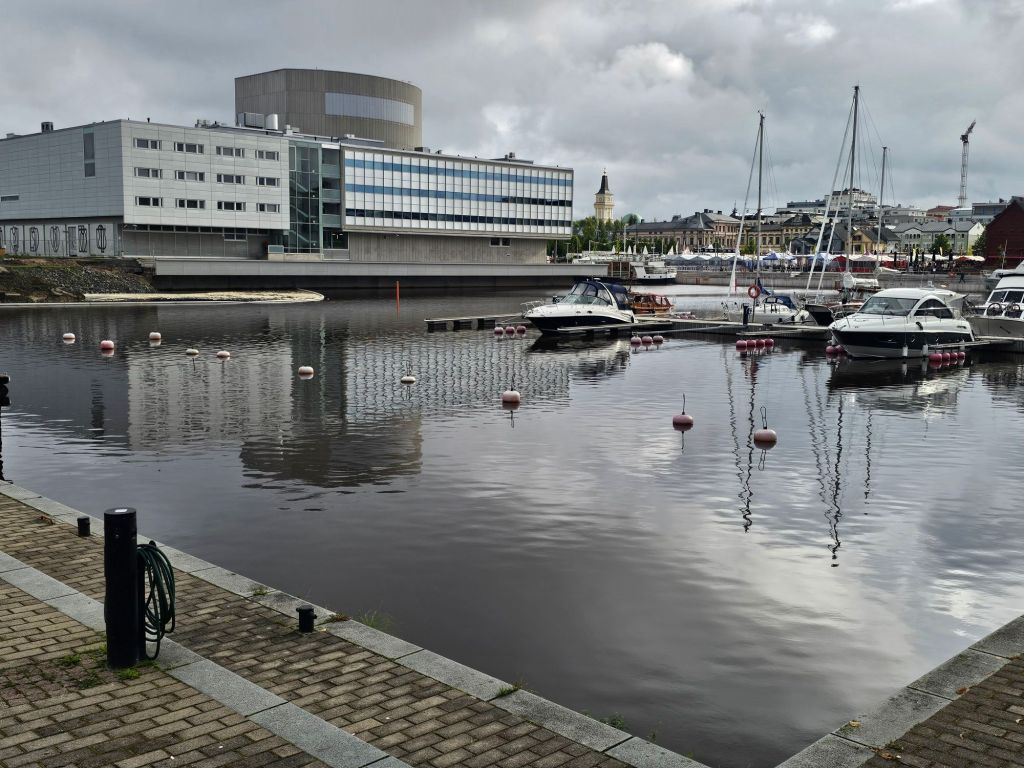
This morning, we had a tour of the city, starting in the centre with the City Theatre, the result of an architectural competition in 1962:-

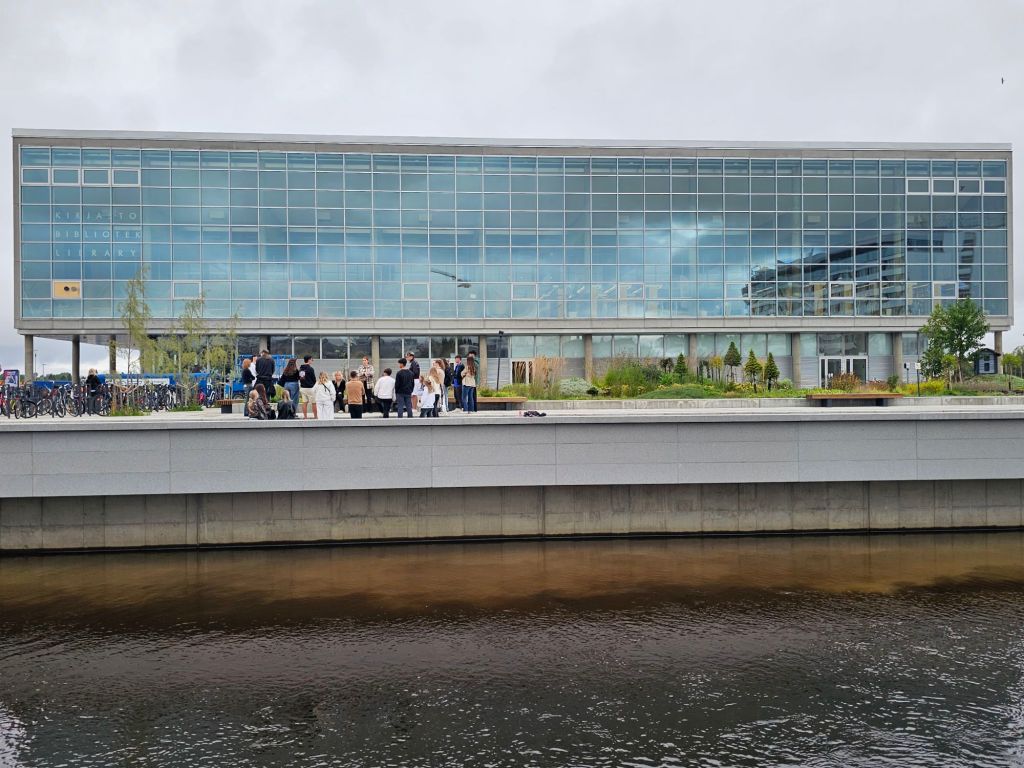
The Central Library, which opened ten years later than the theatre, in 1982:-

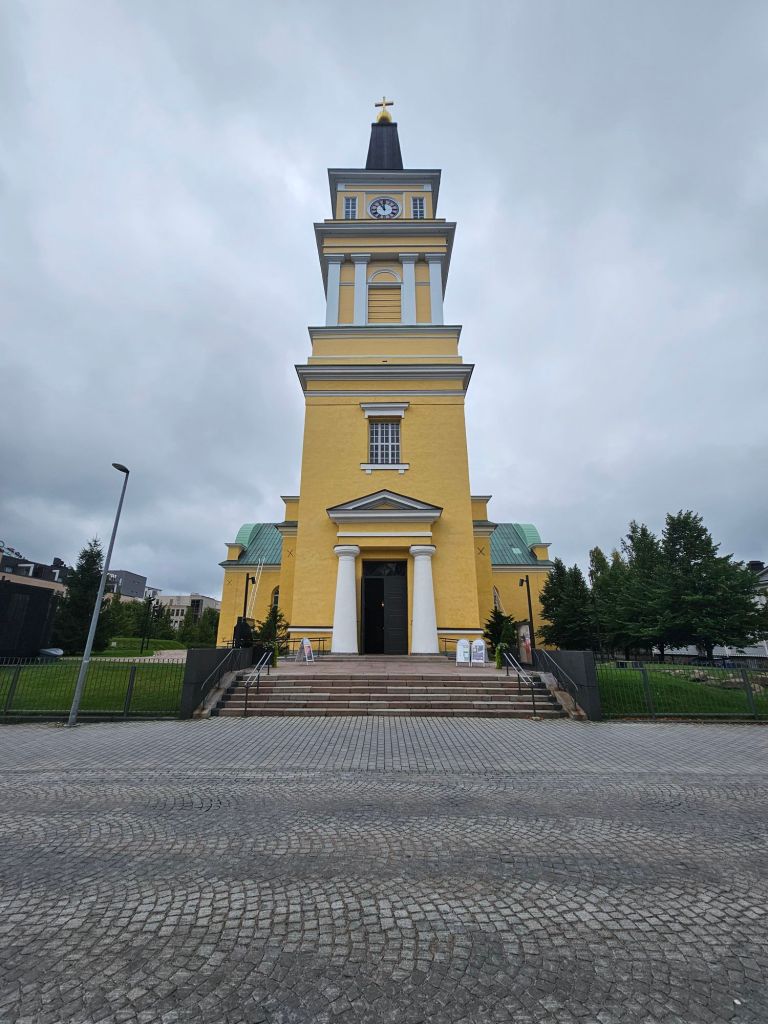
The cathedral is at the heart of the city was burnt down in 1777 and reconstructed in 1832:-

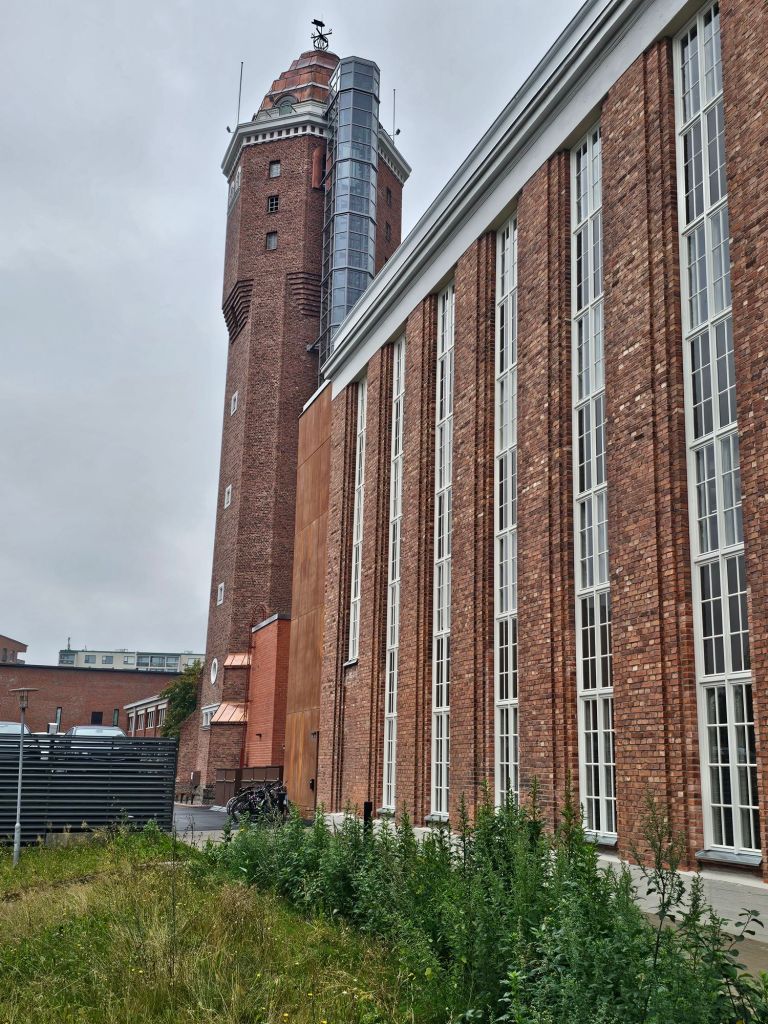
Ending at the new Tiima Museum, sadly not yet open, with an extension matching the adjacent science museum with its grand water tower:-

Standard

Sir Roy Strong CH (4)

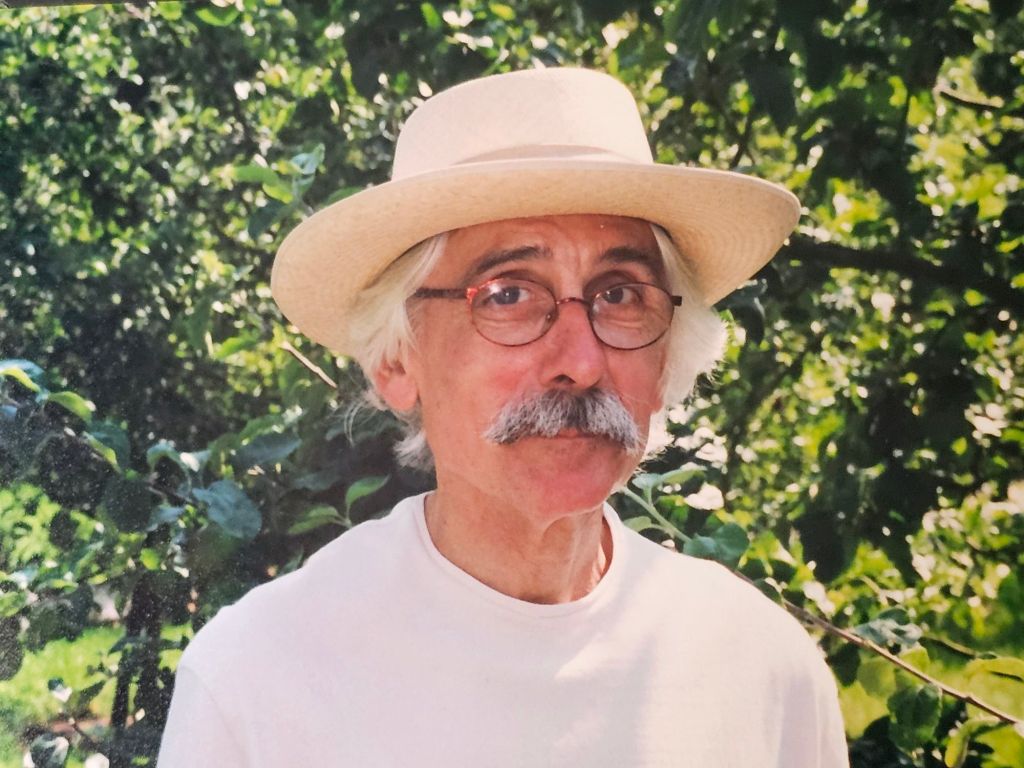
It’s Roy Strong’s birthday today.  91.  I remembered that somewhere in our family album was a picture I took of him at The Laskett.

Here he is, circa 2000:-

Standard

The York Minster Centre of Excellence for Heritage Craft Skills

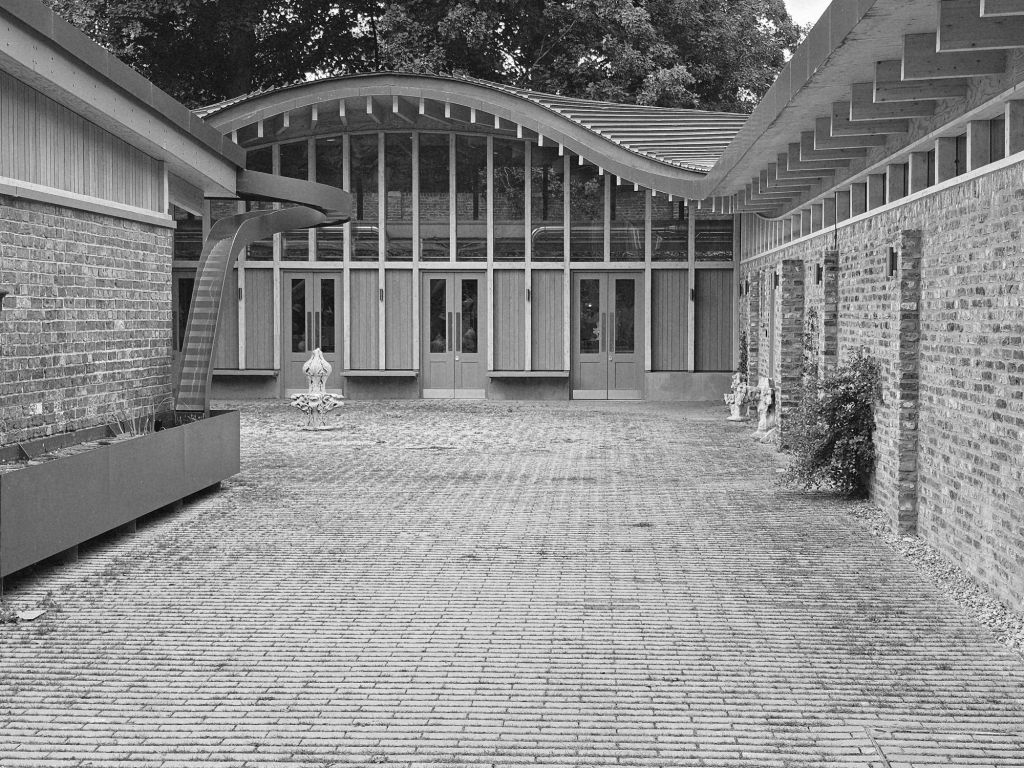
I visited York to see its new Centre of Excellence which consists of two new buildings, both designed by Tonkin Liu.

The first – the Technology Hub – is an adaptation of an existing yard close to the East End of the Cathedral. 

More ambitious is the Heritage Quad, tucked into space in what was the Deanery’s garage under the City Walls. 

It’s a clever building with space for visiting craftspeople to stay:-

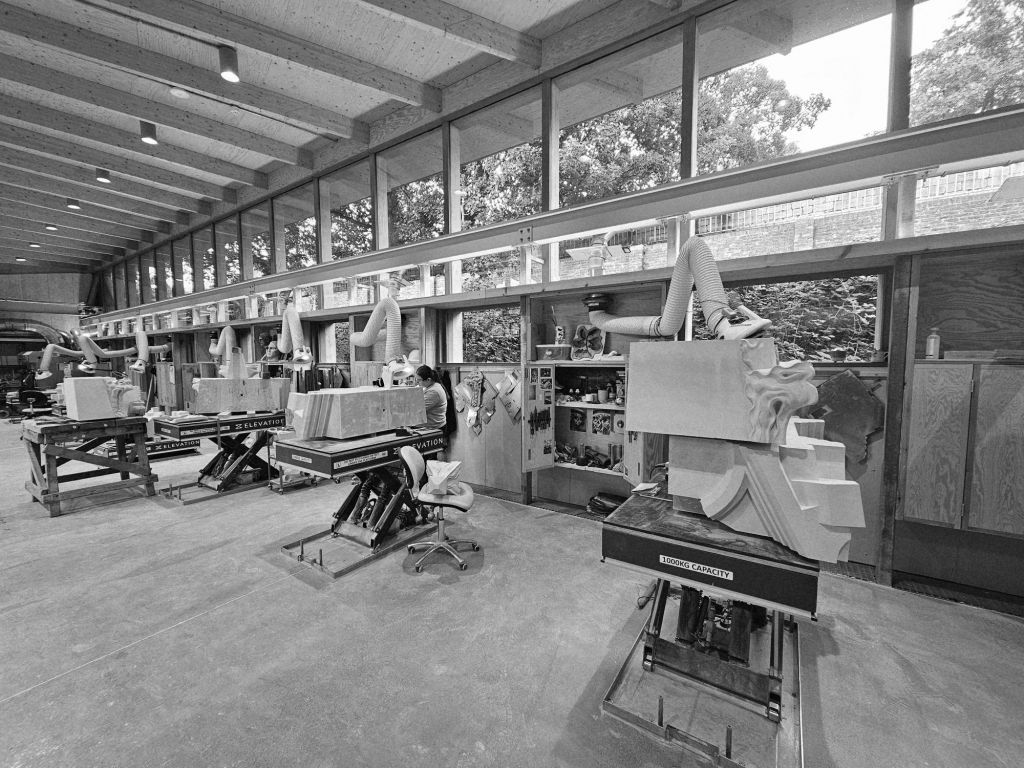
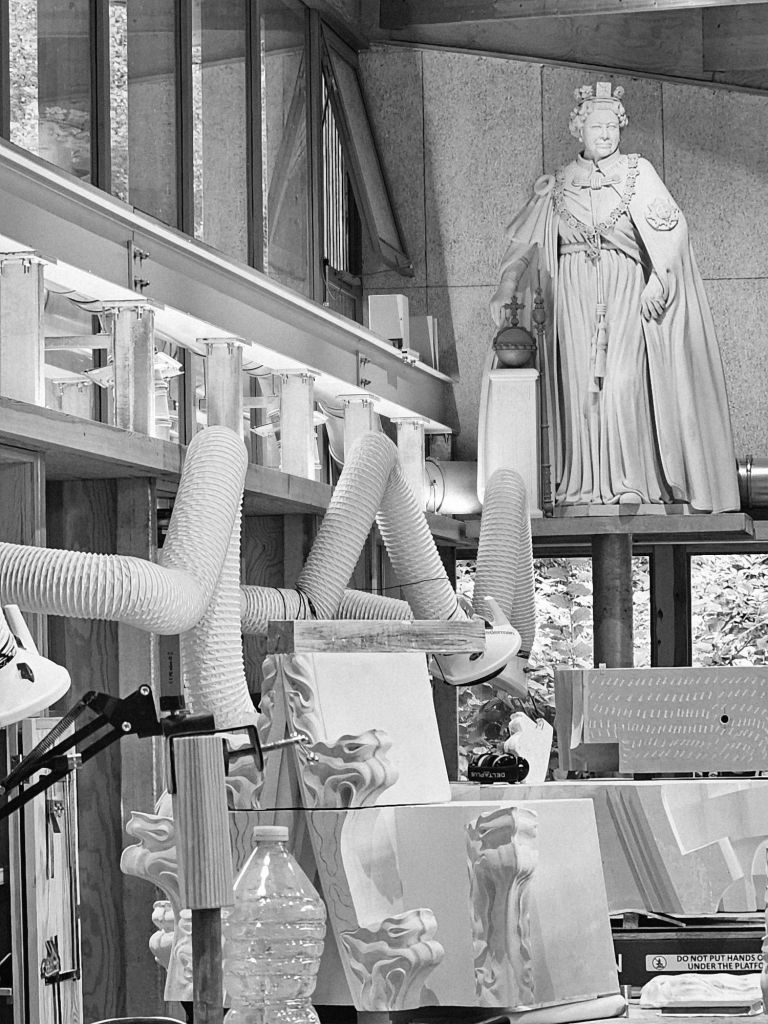
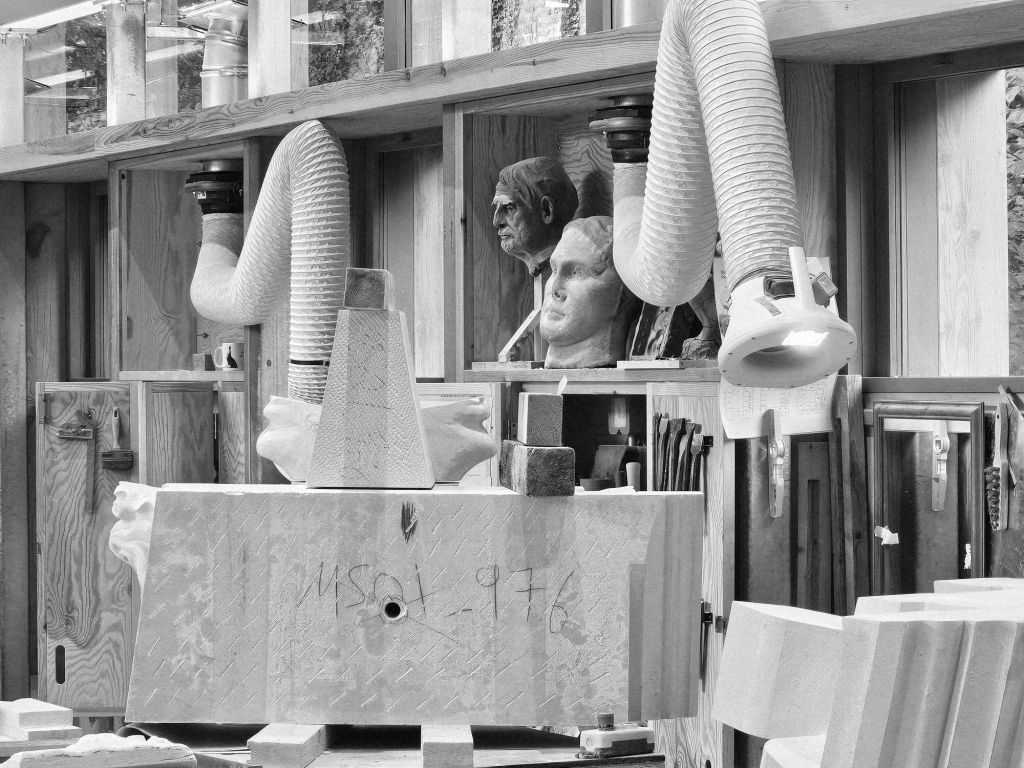
And a huge and well-equipped studio:-

Standard

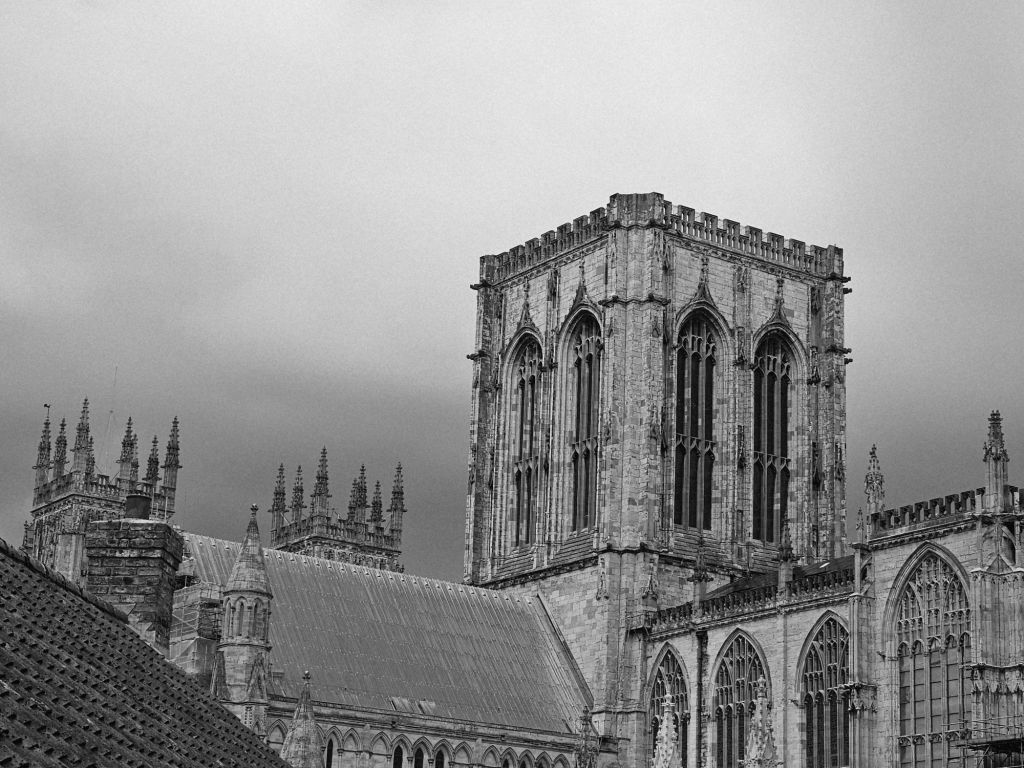
York Minster

For some, probably childish, reason, I wanted to walk the York city walls to get a feel for the extent of the medieval city, presided over by the Minster:-

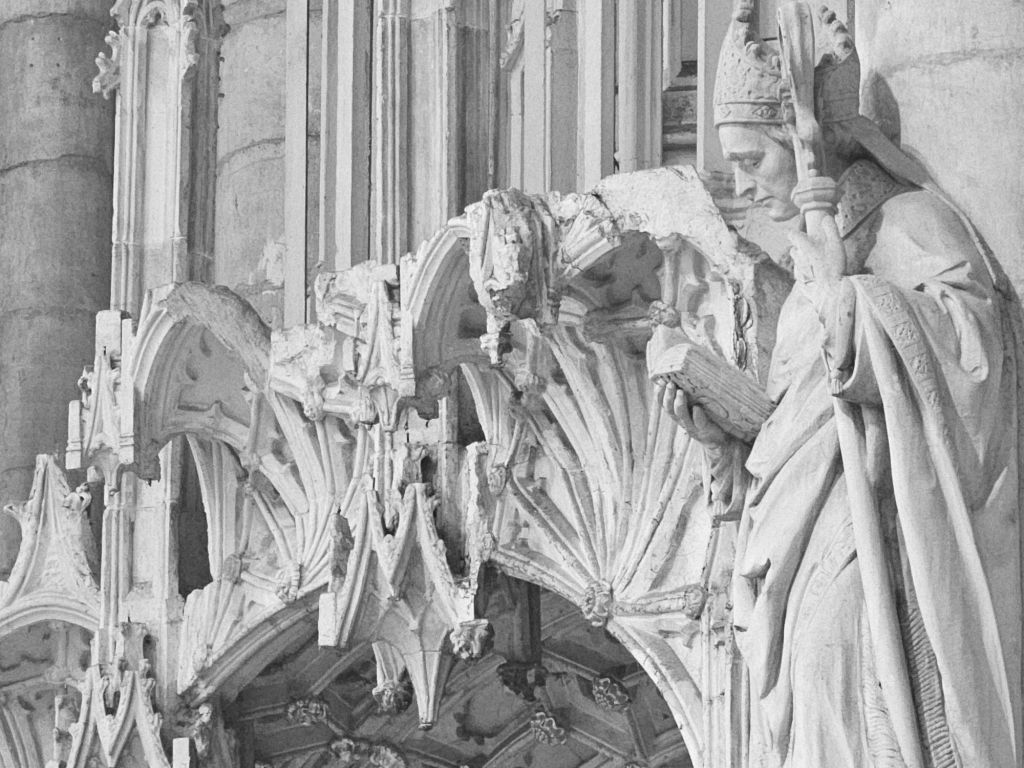
Inside the Minster:-

I looked mainly at the tombs.

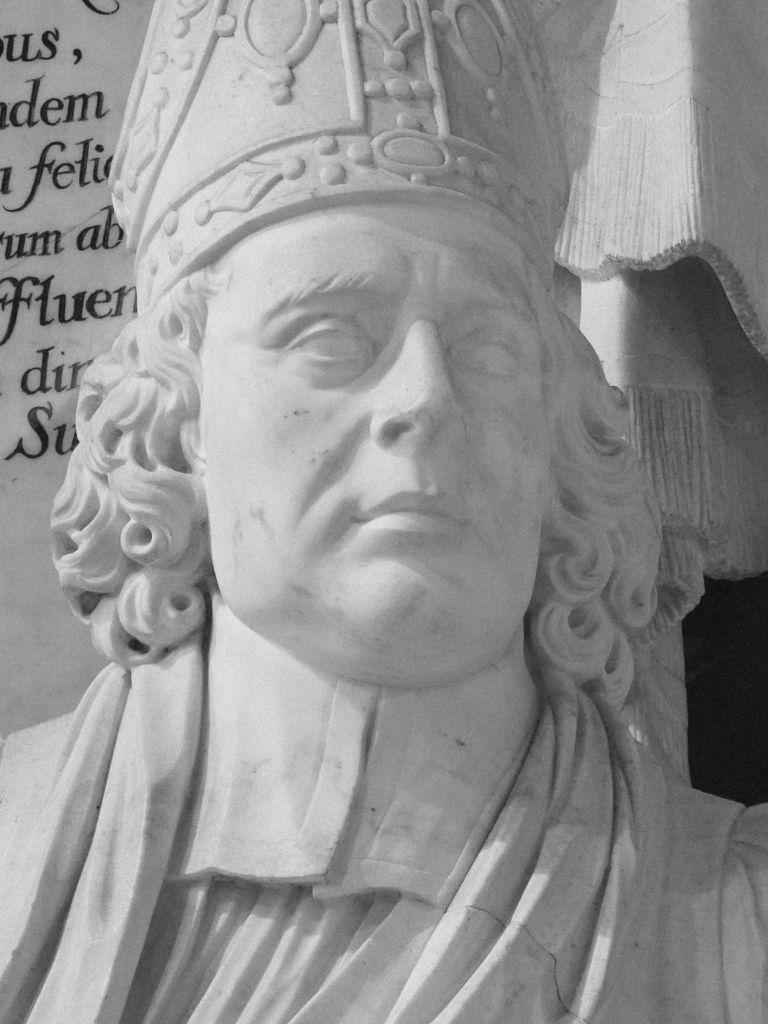
Archbishop Sharp, died 1714, tomb by Francis Bird:-

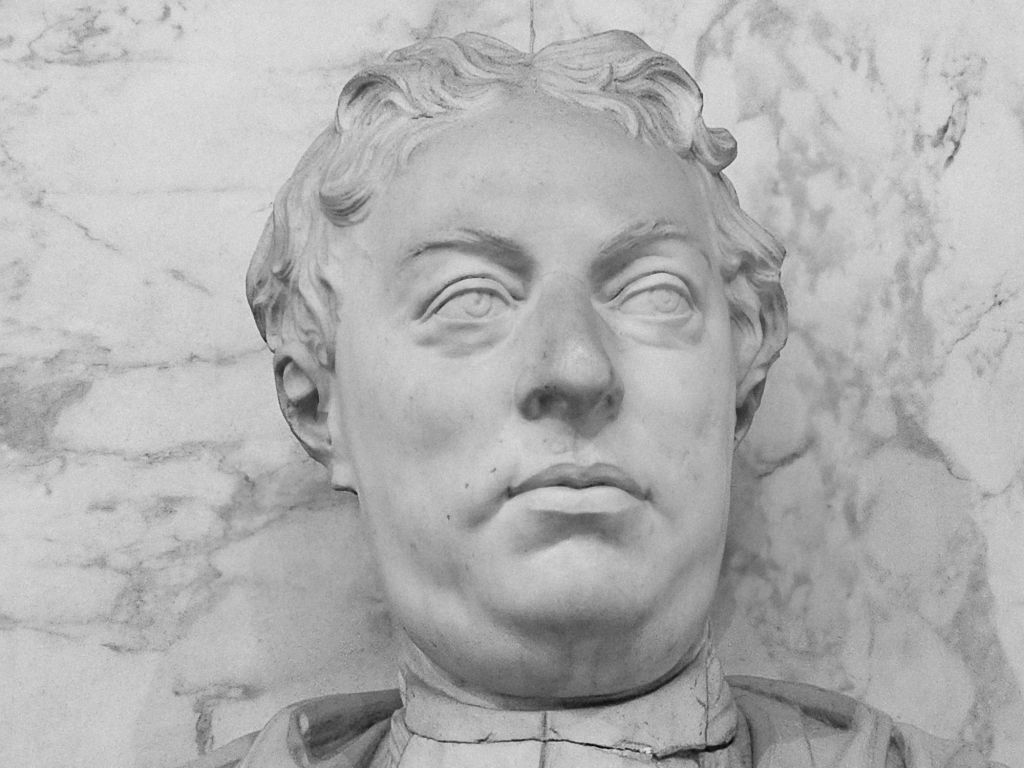
William Wentworth, Earl of Strafford.  Tomb by Jan Van Nost:-

Henry Finch by Rysbrack:-

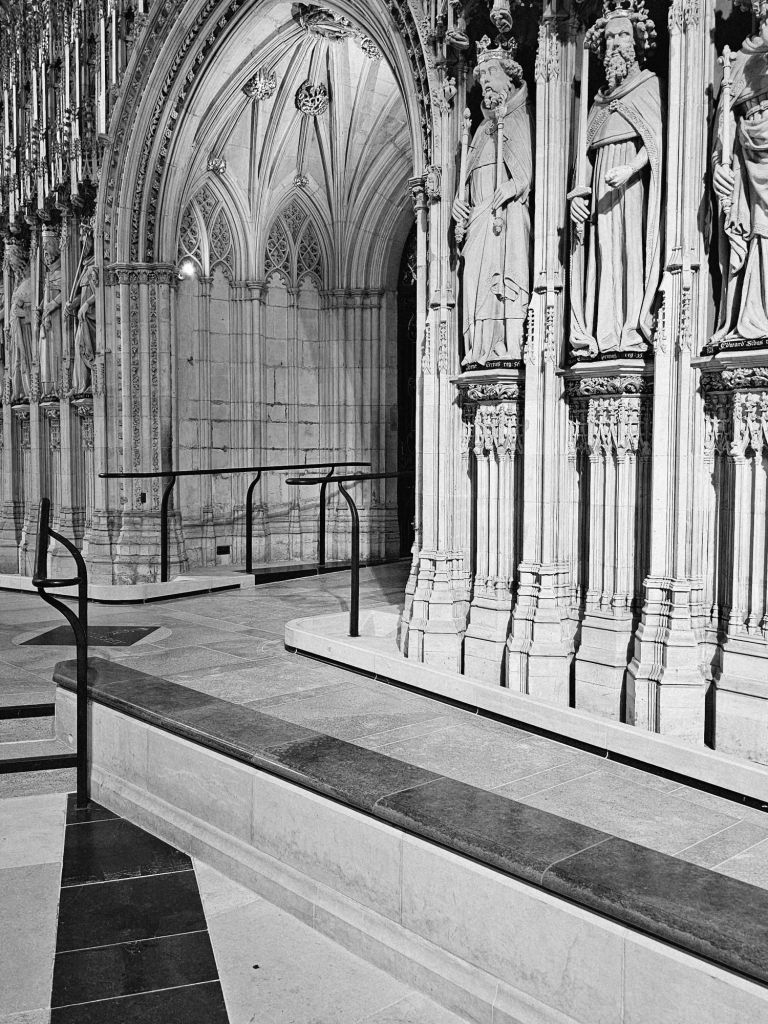
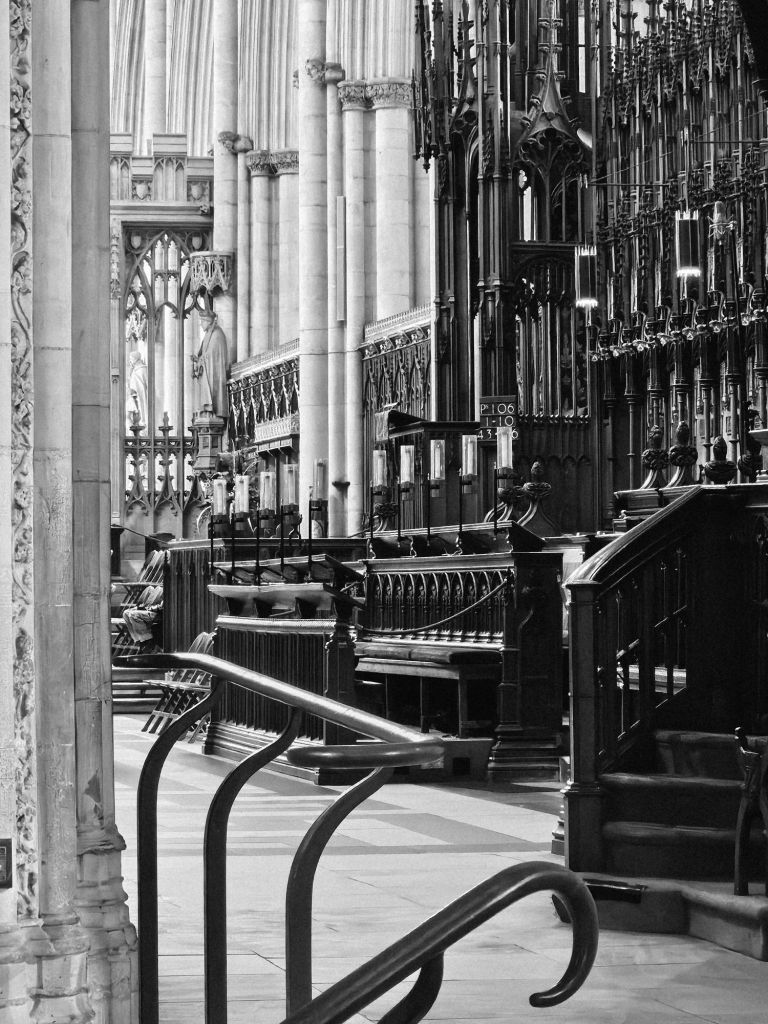
By the way, they have just installed the most intelligent and sophisticated disabled access into the chancel.  It can be done:-

Standard