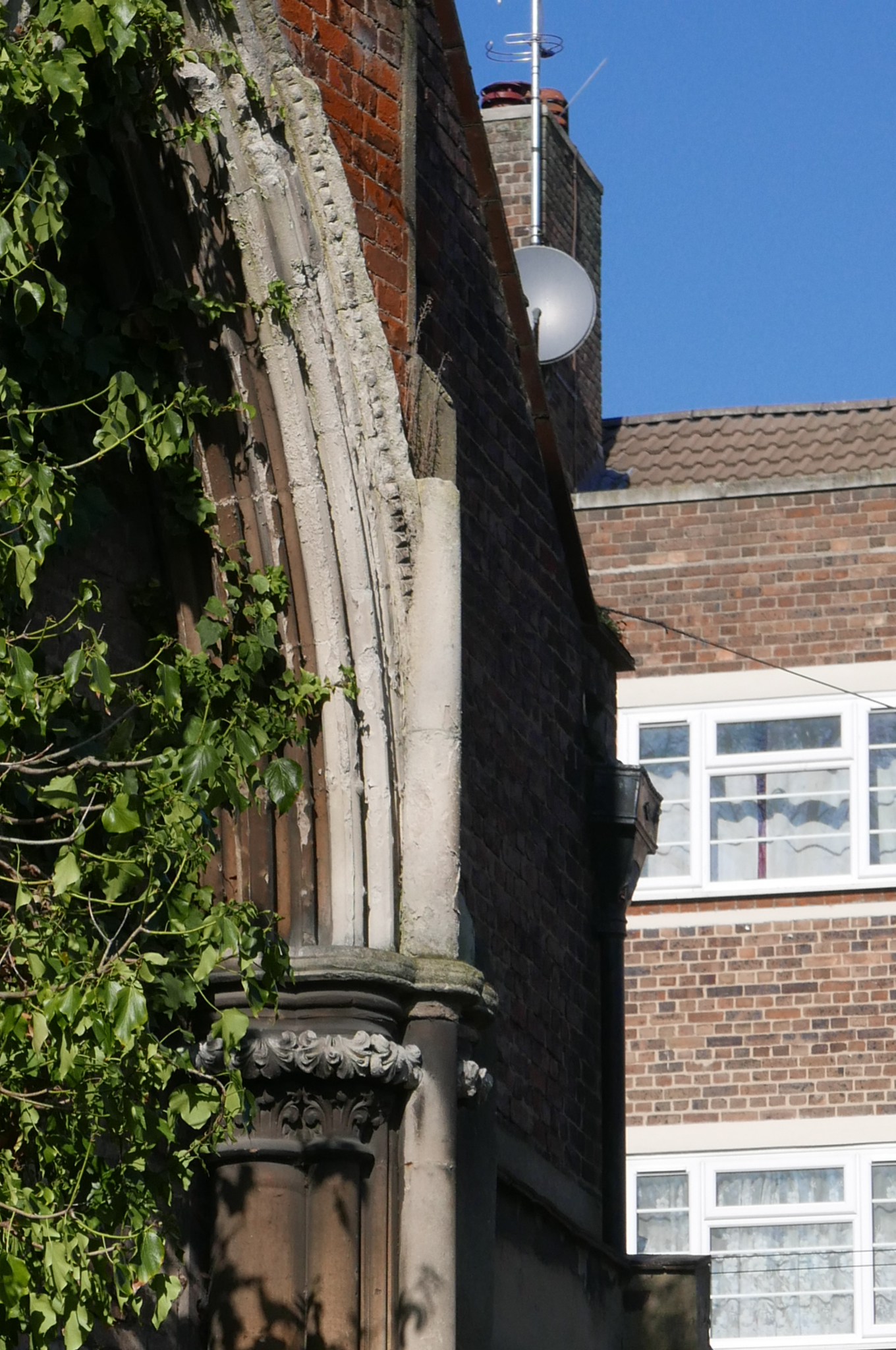
I have several times been intrigued and baffled by the survival of an apparently medieval arch built into the side of a 1920s housing block on the north side of Shandy Park, a nondescript park created in 1885 as a playground by the Metropolitan Public Gardens Association on the site of Captain Barber Beaumont’s old Burial Ground. It is all that survives of St. Faith’s, a mission church opened in 1891 under the auspices of St. Dunstan’s. The church was damaged by bombing in 1940 and demolished some time afterwards. The arch is all that survives:-
Collect (2)
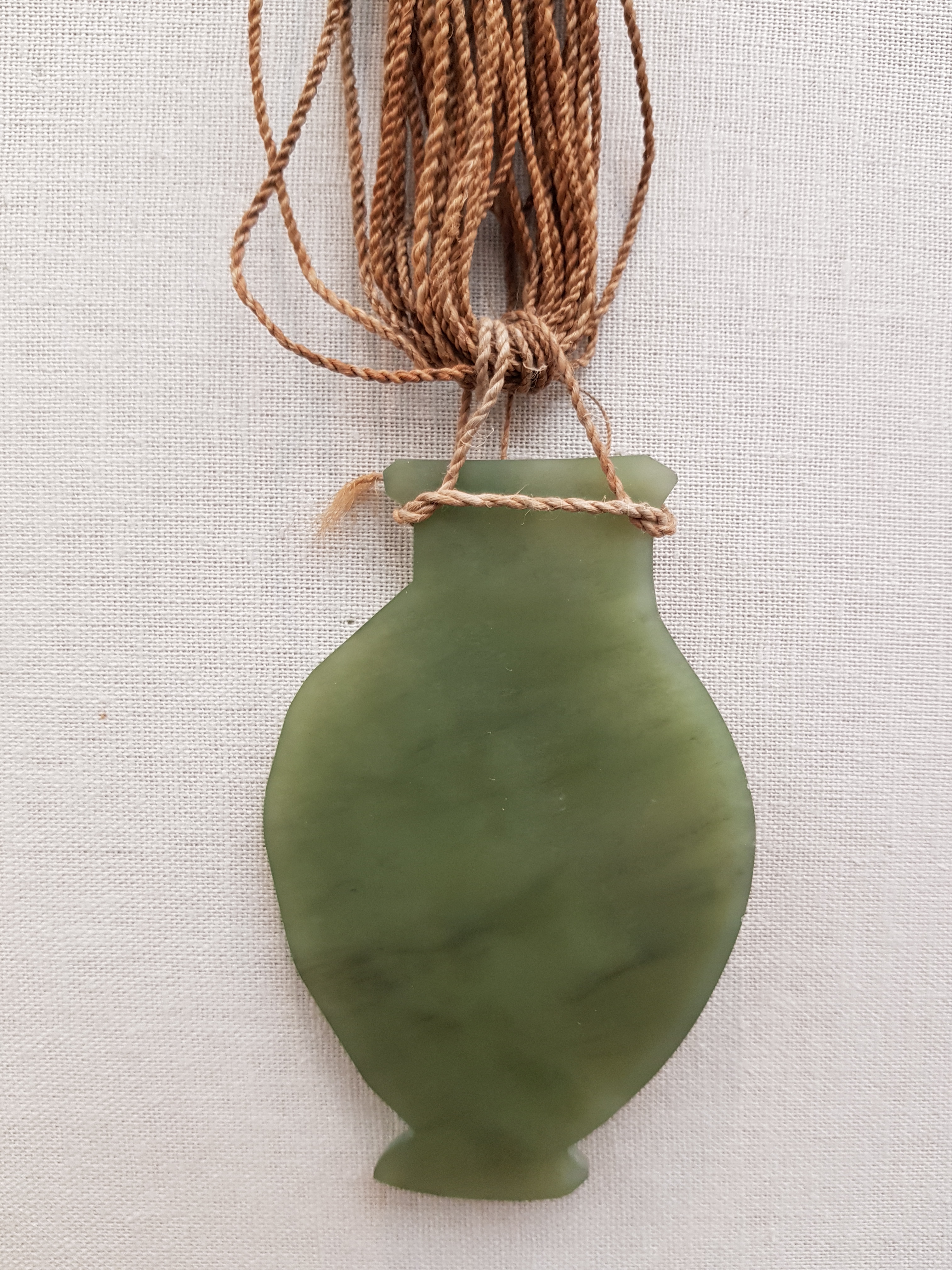
On the top floor we found Collect Open which has more experimental work, including fine Korean textiles by Oma Space:-
Collect (1)
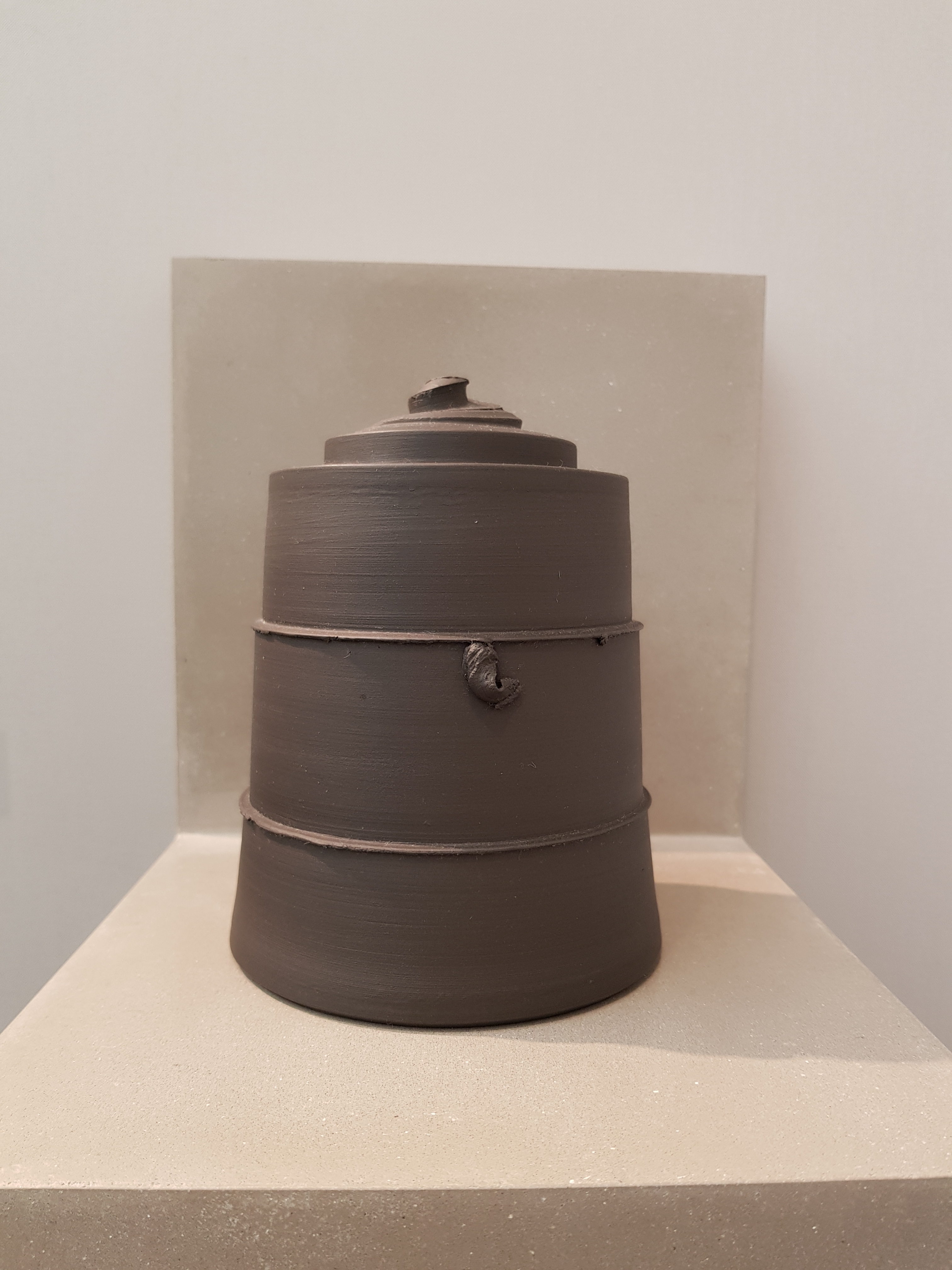
We went on our annual visit to Collect at the Saatchi Gallery, starting with the display of work by Julian Stair in the Oxford Gallery (good for ashes):-
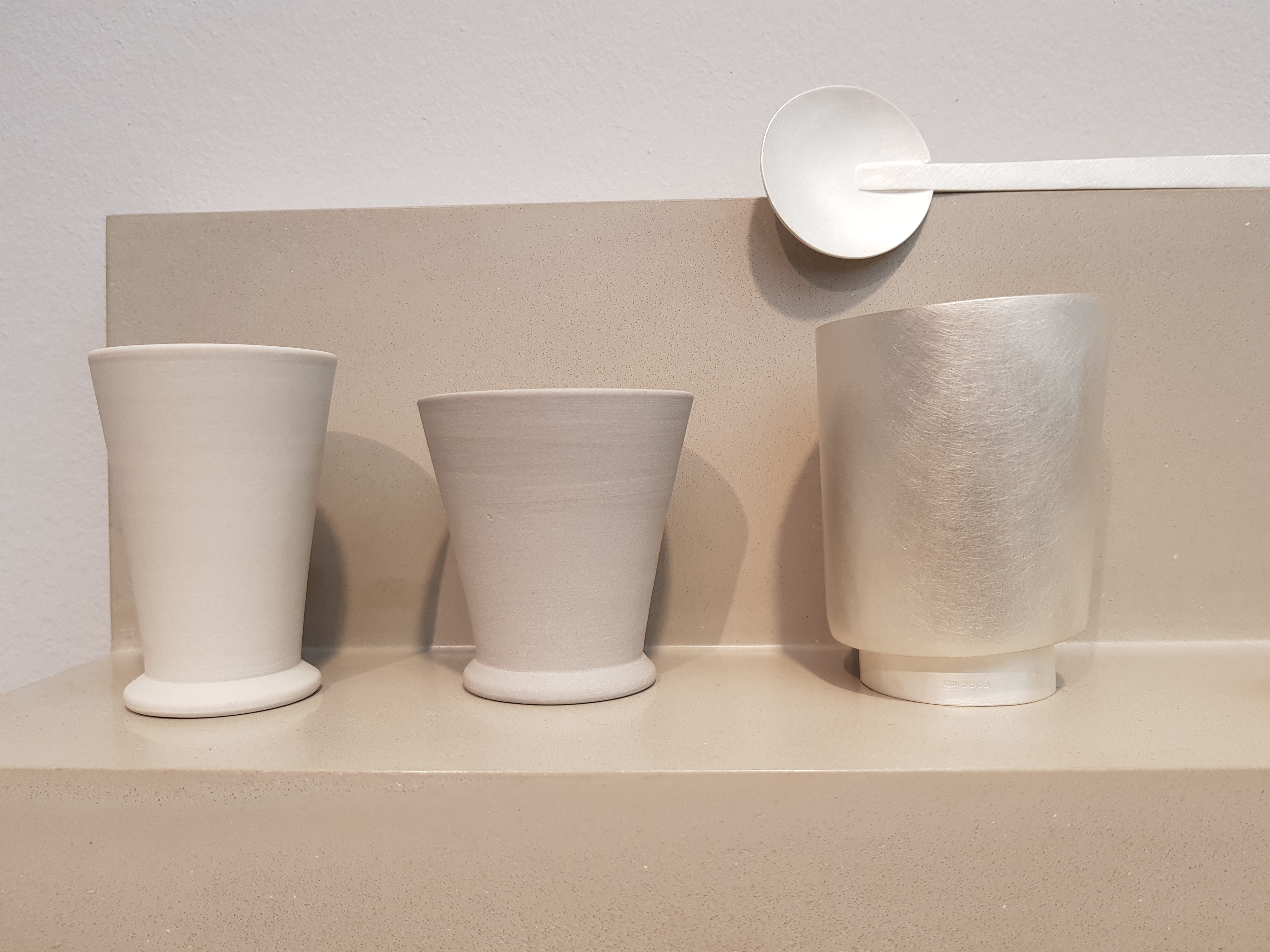
And jointly with Simon ten Hompel (one part of a shelf installation):-

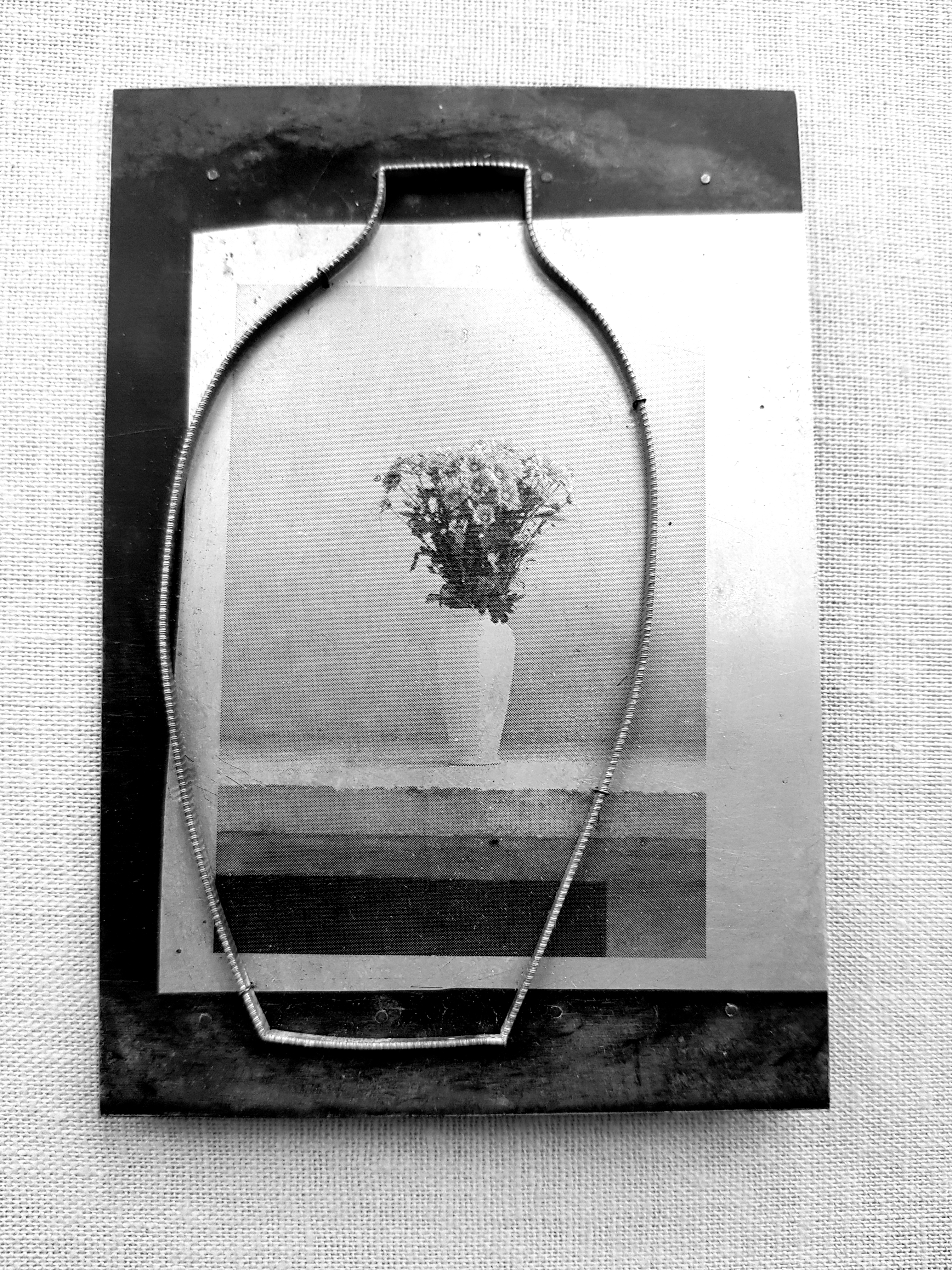
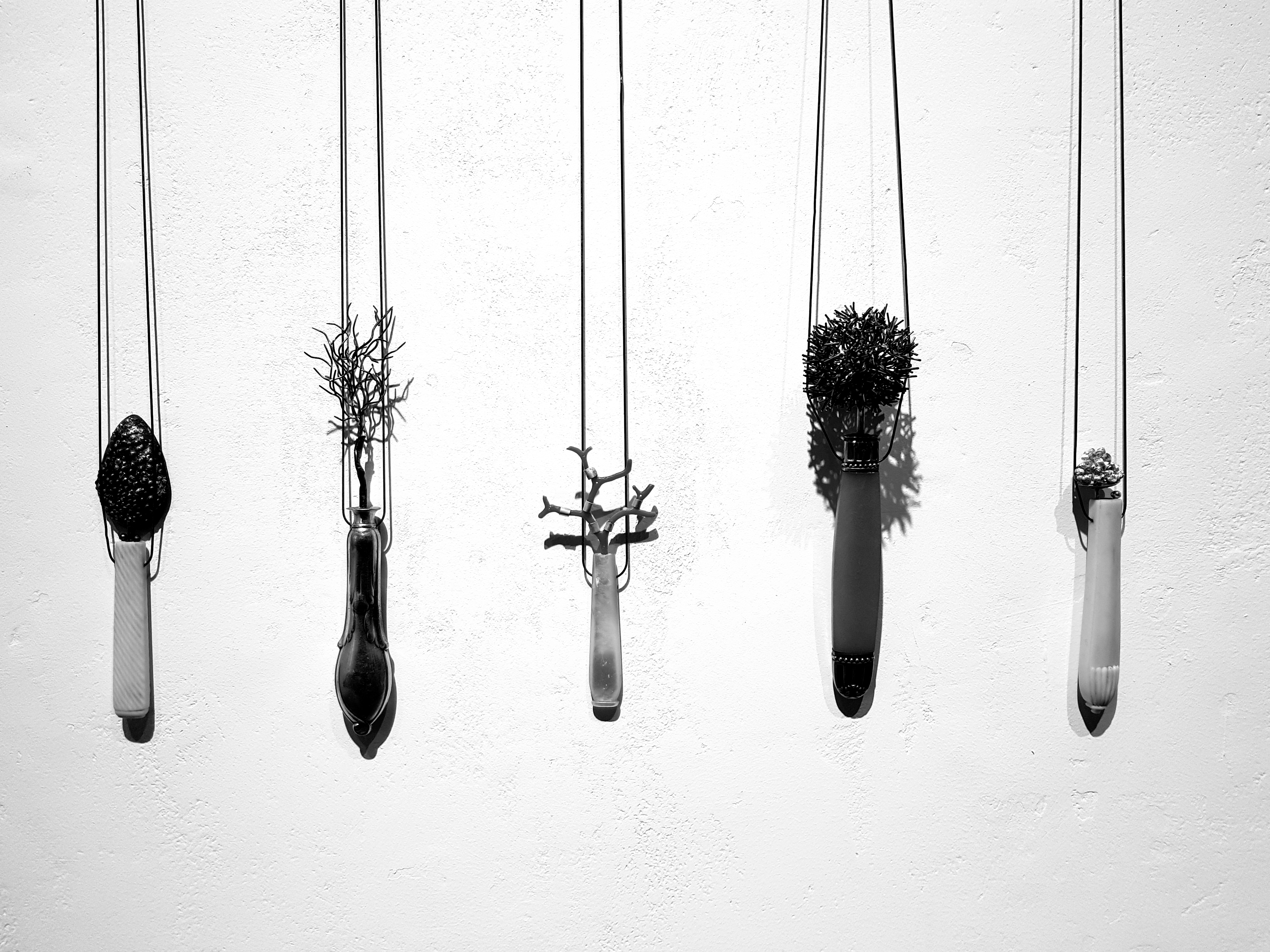
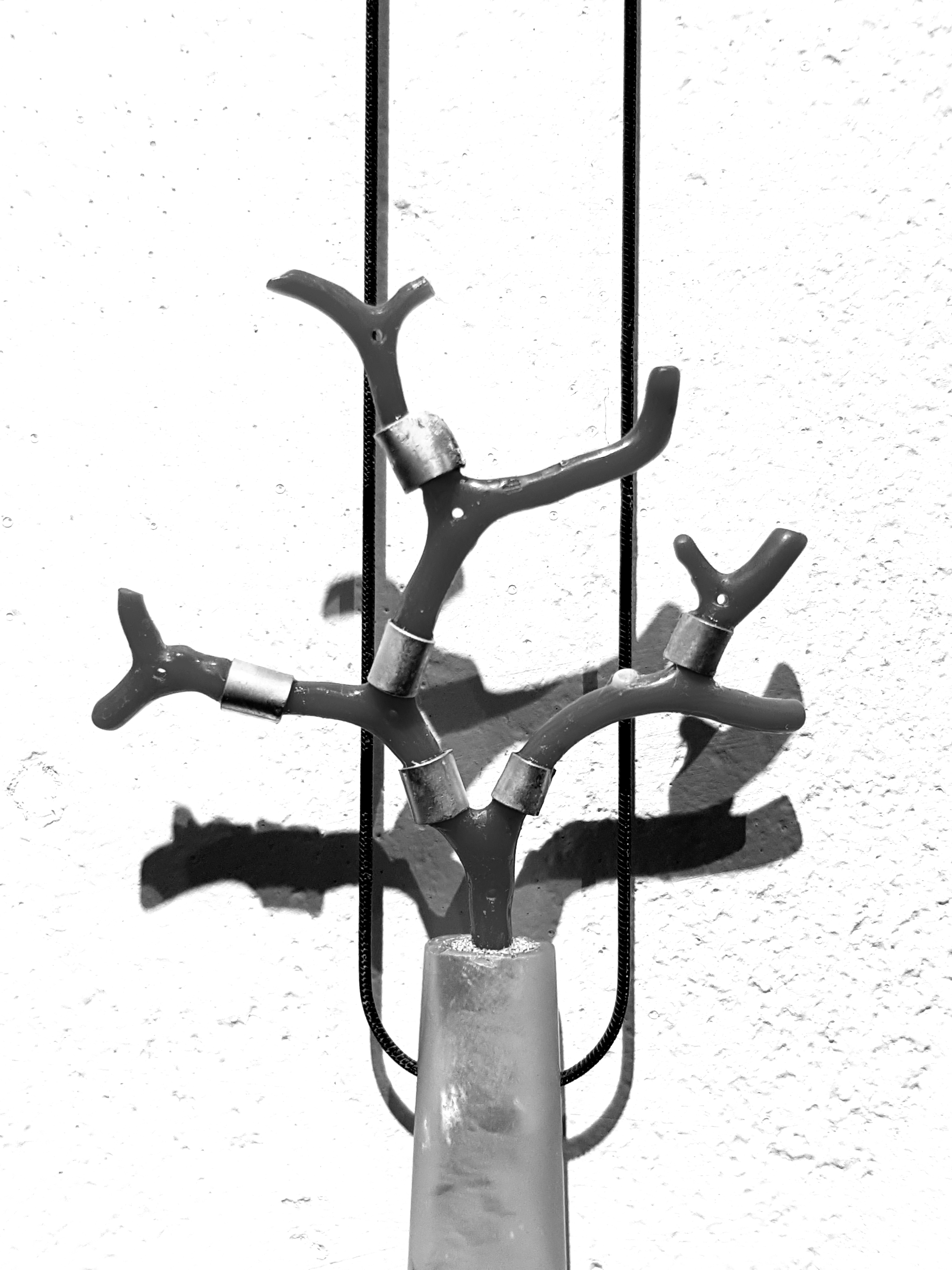
Bettina Speckner at the Gallery SO:-
Waterloo Bridge
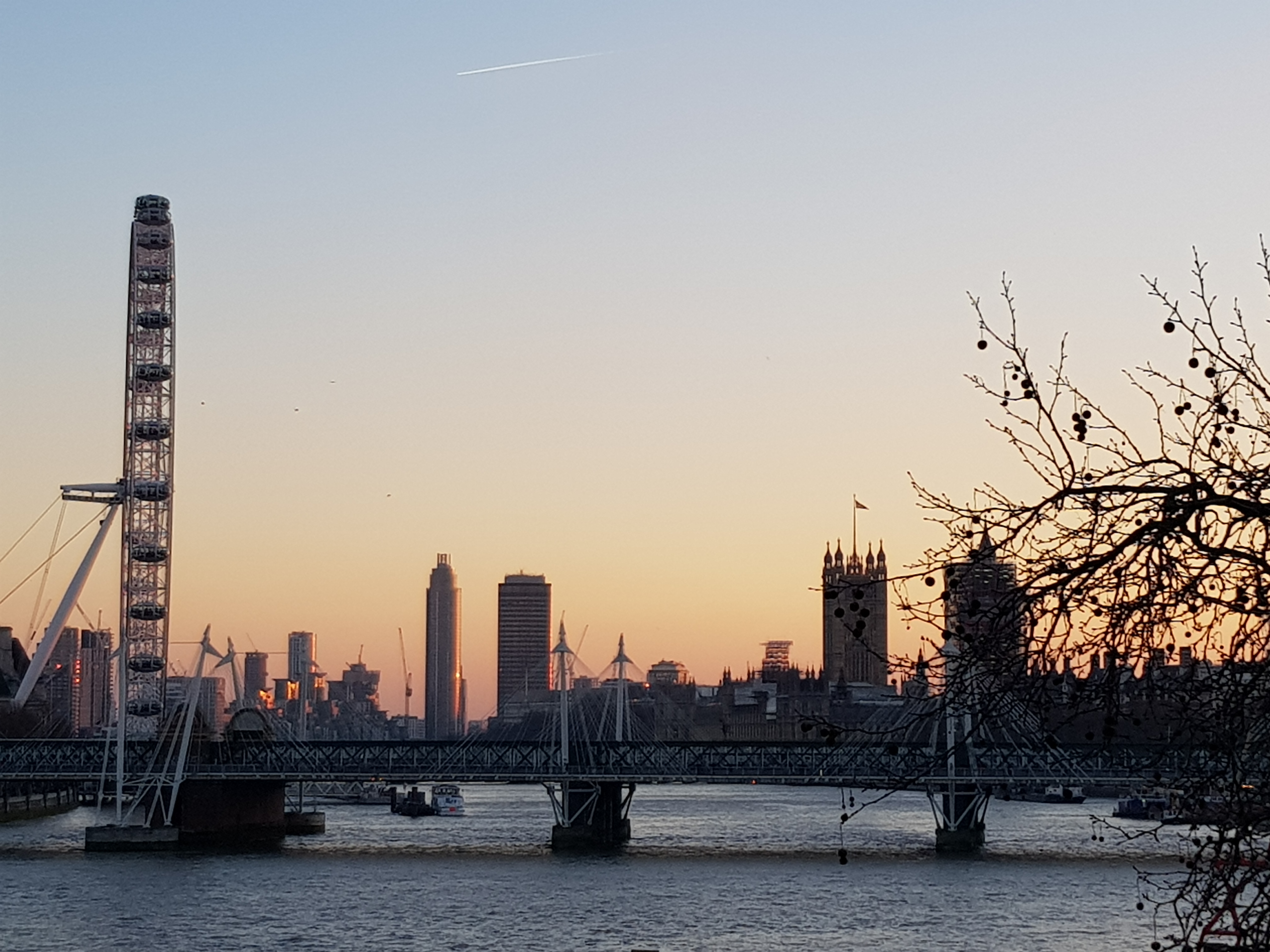
En route to the Bankside Gallery, I walked across Waterloo Bridge. ‘Earth has not anything to show more fair’ (wrong bridge, I know). But look how it has been transformed. The Palace of Westminster dwarfed by the towers of Vauxhall:-
The Festival Hall dwarfed by a forest of new tower blocks:-
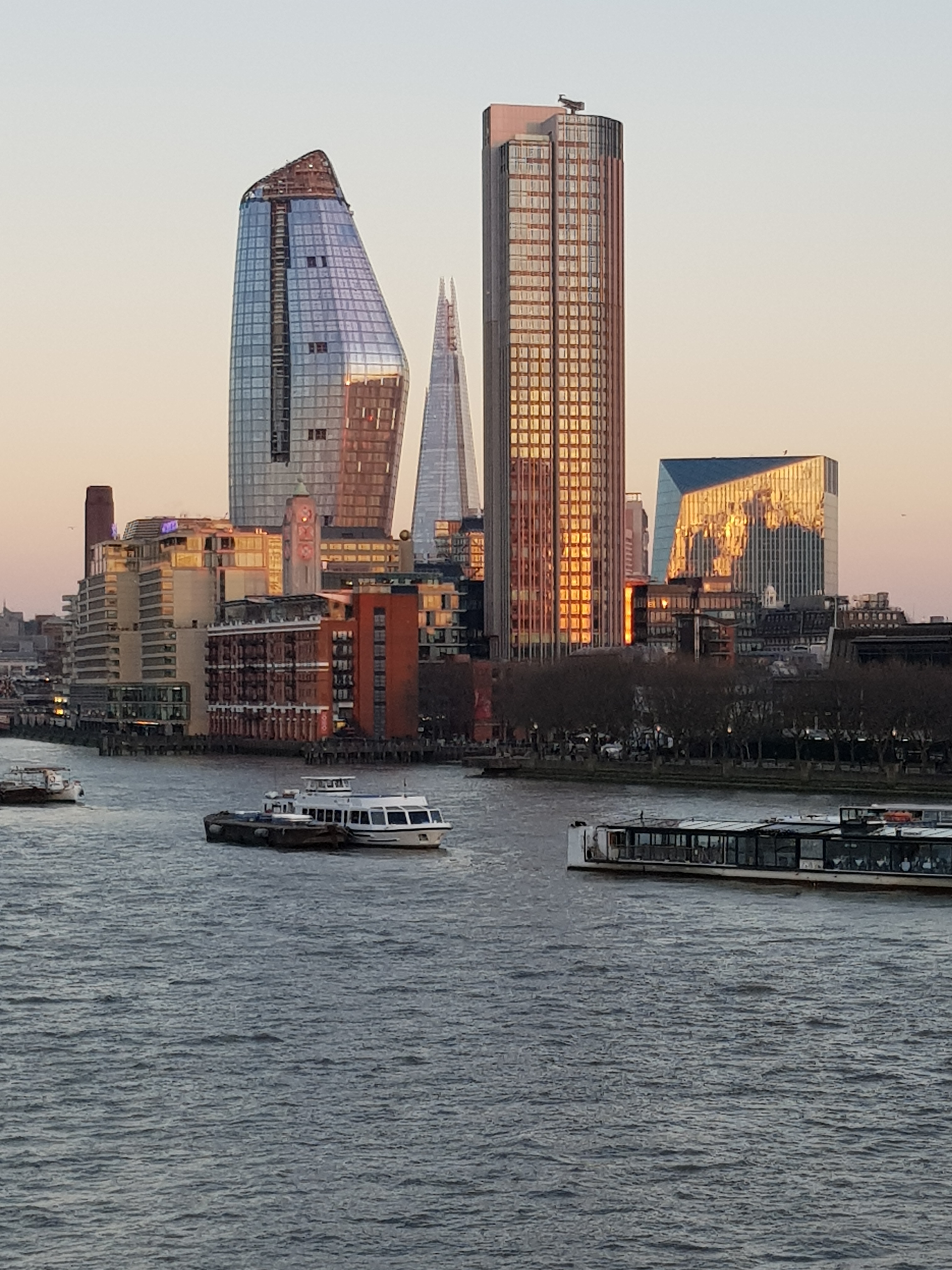
The Shard dwarfed by the new bulbous monster south of Blackfriars Bridge:-
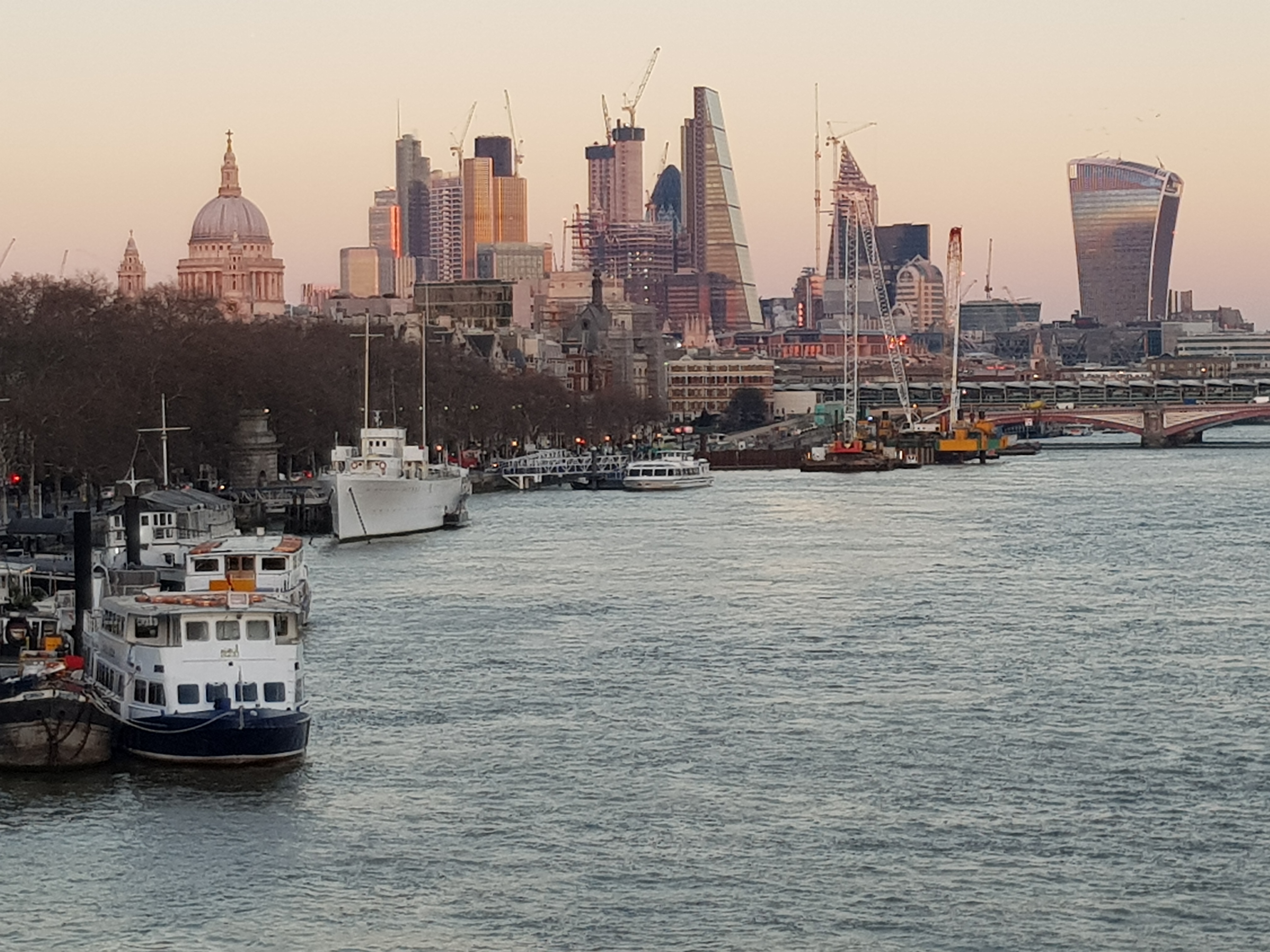
St. Paul’s – poor St. Paul’s – lost in a forest of tower blocks:-
Whatever happened to town planning ?
ThinkHand
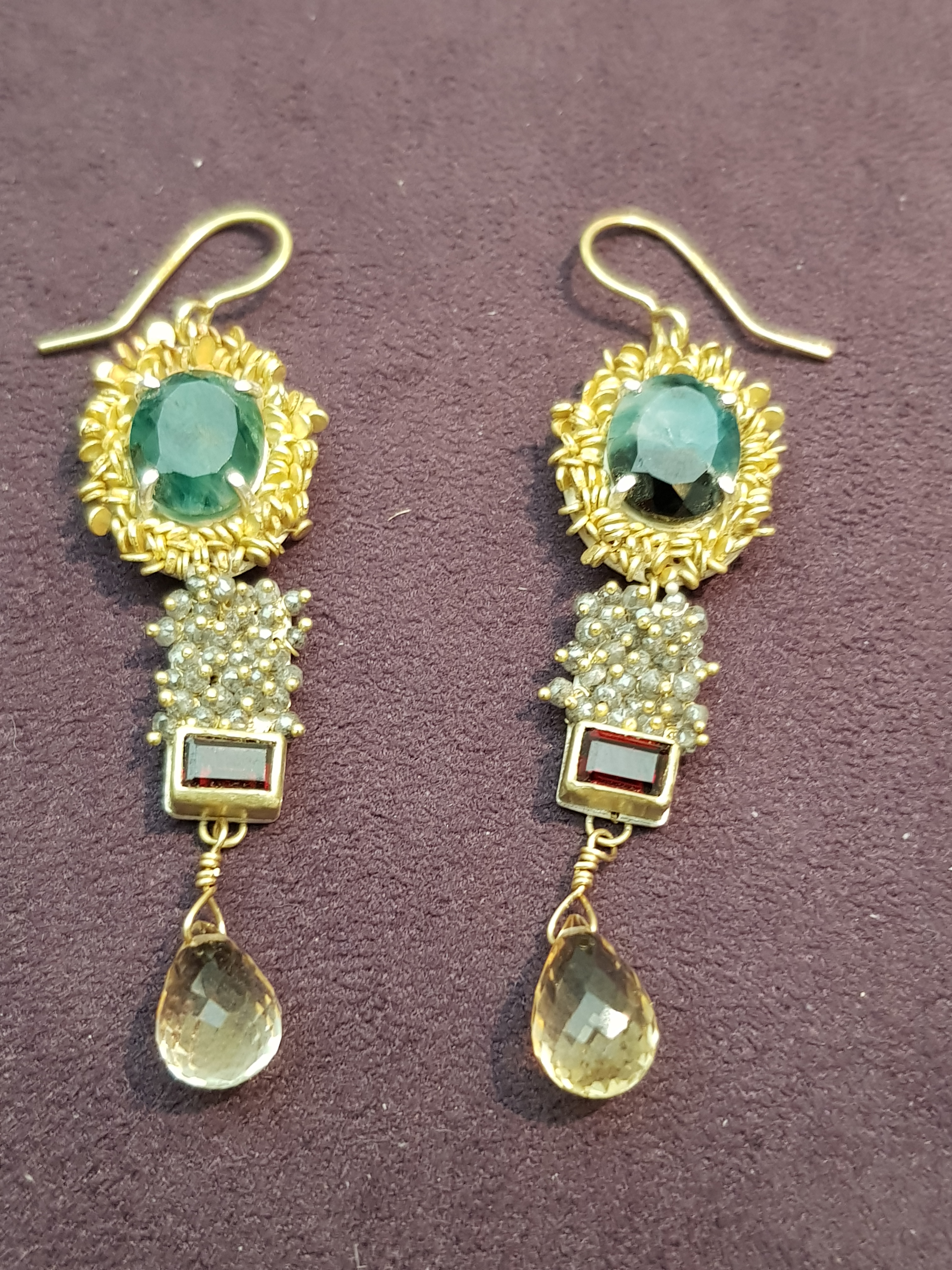
I don’t normally use my blog for campaigning, not least because I’m not really involved in campaigning; but tonight I went to the launch of a campaign called ThinkHand which is trying to persuade the NHS to allow clinical trials and provide drugs to people with MS who are confined to a wheelchair. Apparently, once in a wheelchair they are classified as 6/5, which implies that they are beyond help in spite of the fact that they keep the use of hand and brain. The jazz was provided by someone with MS. The paintings were by a Czech mathematician with MS. And the jewellery was by Romilly:-
Peter Lanyon
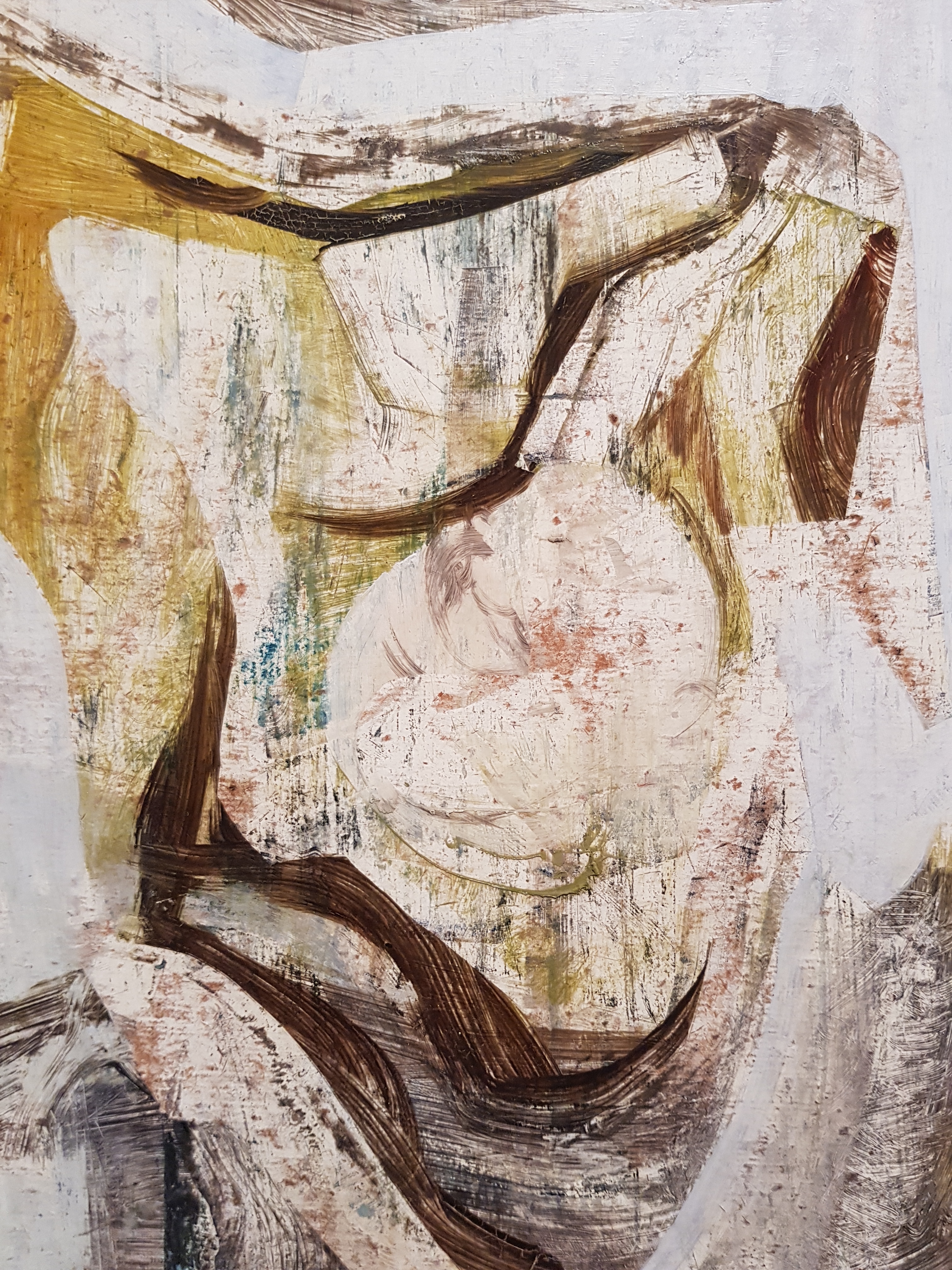
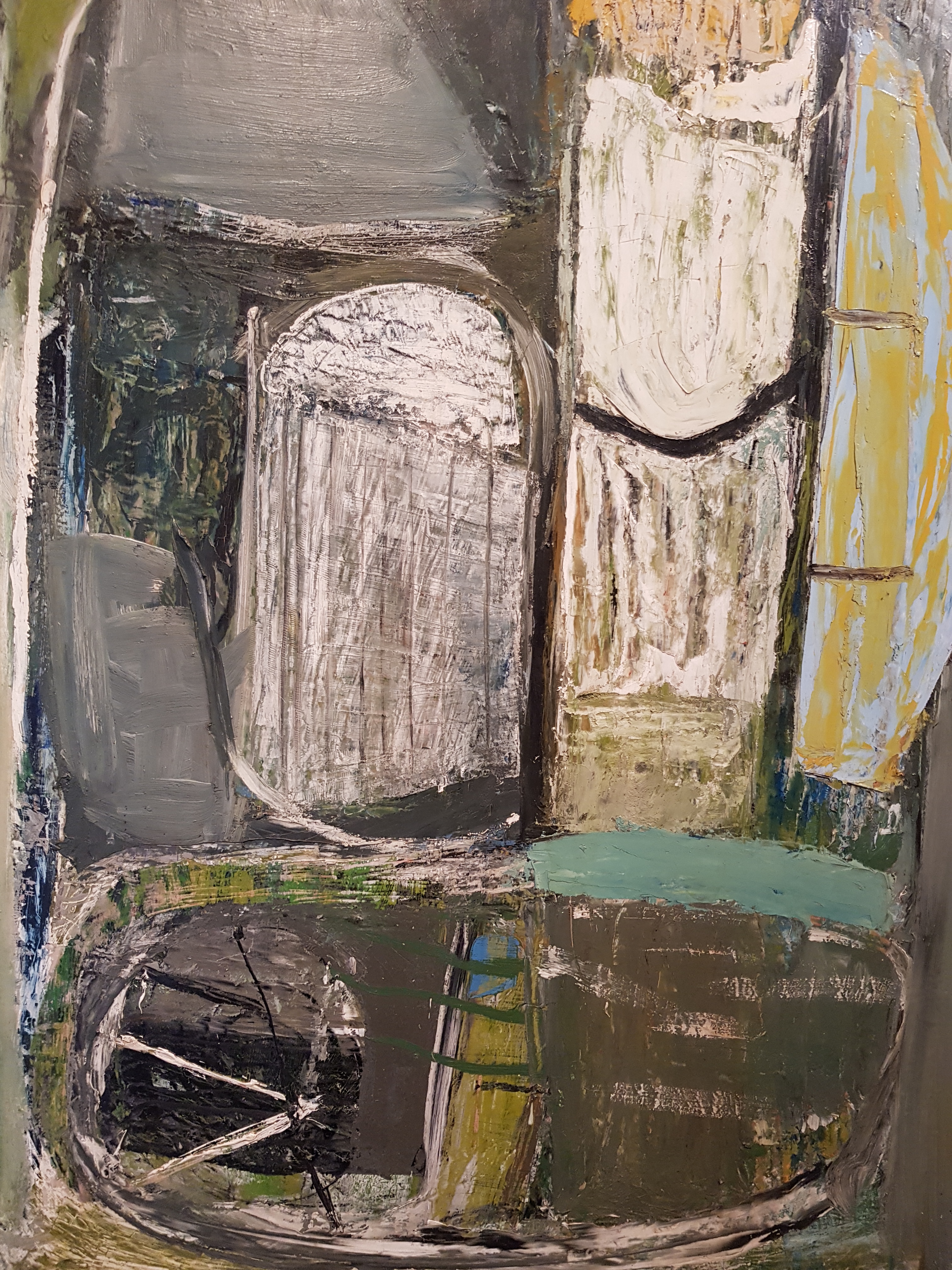
I called in today on Hazlitt Holland Hibbert to see their small, but choice Peter Lanyon exhibition, organised to coincide with the publication of Toby Treves’ catalogue raisonée. I’m not that familiar with his work, apart from what was shown recently in the Courtauld Institute Gallery.
I preferred the early work when he was still in Cornwall, a bit drier and more experimental.
Godrevy Lighthouse (1949):-
Farm Backs (1962):-
Rockefeller Collection (2)
I nipped back to have another quick look at the Rockefeller Collection, including Picasso’s Fillette à la corbeille fleurie (1905), one of the star items in the sale:-
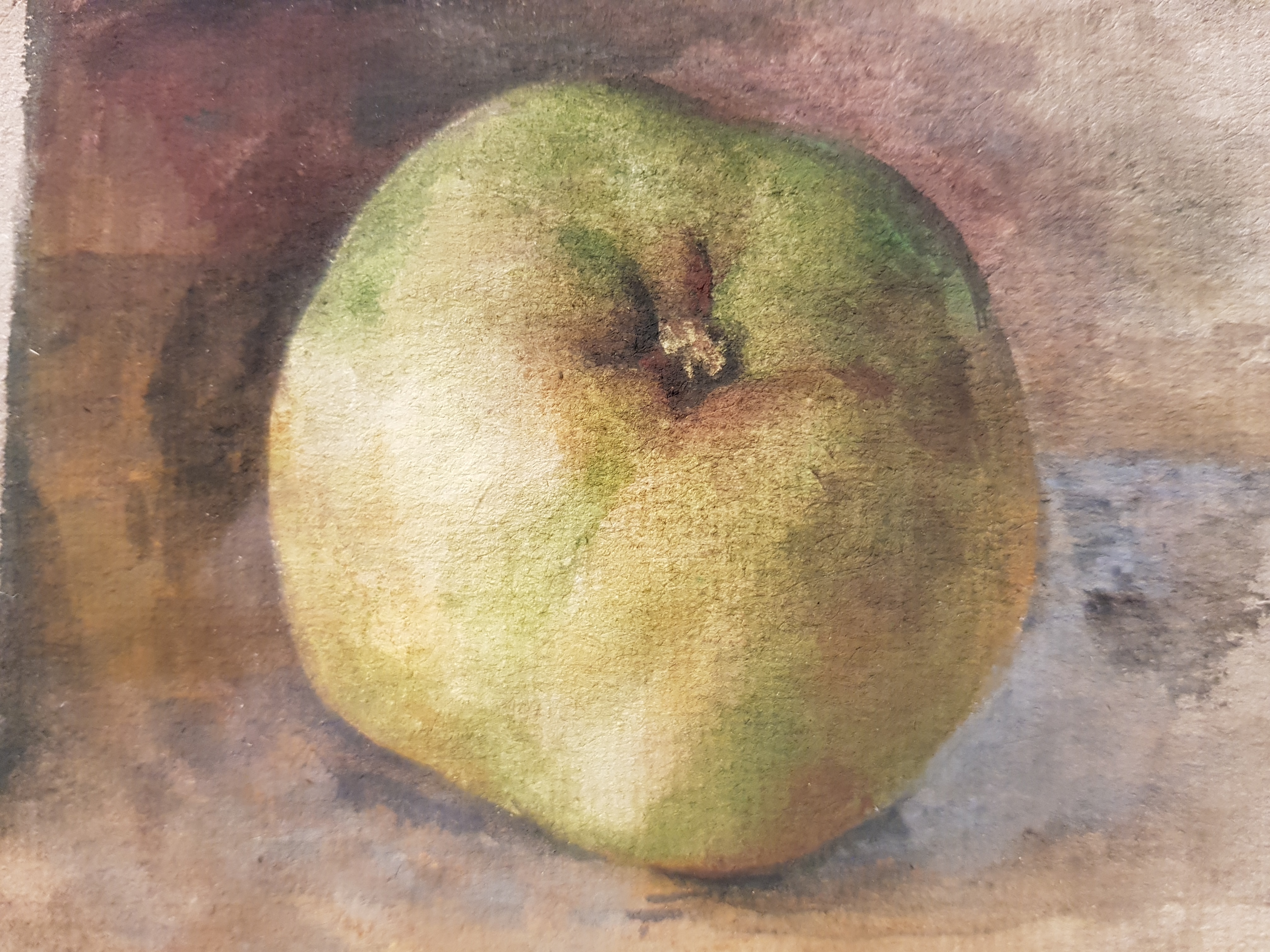
And Picasso’s drawing of an apple, which is inscribed ‘Picasso Noêl pour Gertrude et Alice’, the nicest possible Christmas card:-
Sarabande Foundation
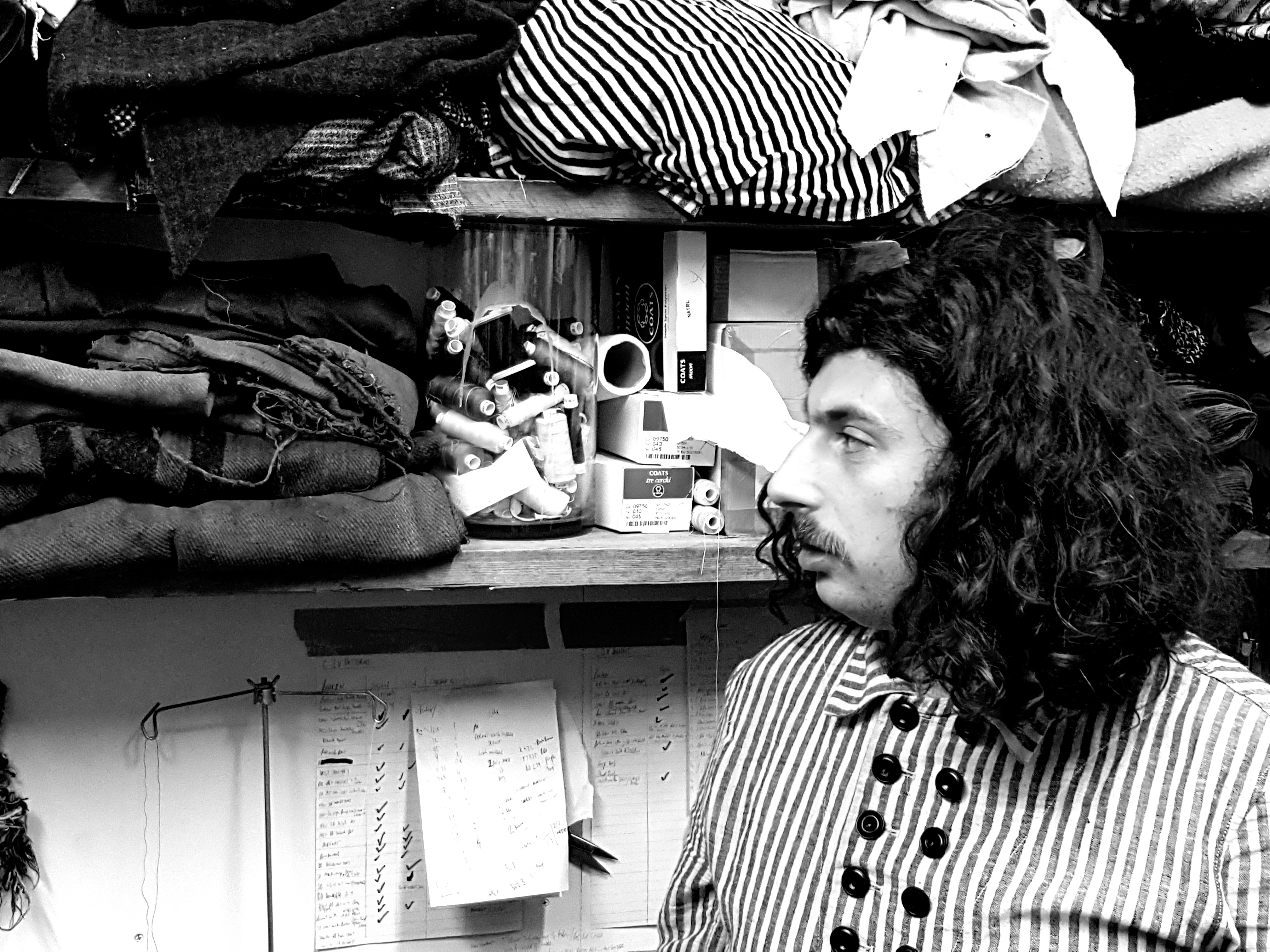
I joined a tour of the Sarabande Foundation, the charitable foundation established by Alexander McQueen in 2007 in support of art, fashion and creativity and which, in 2014, opened a set of artists’ studios in an old stables in Haggerston off the Kingsland Road. I particularly admired the work of John Alexander Skelton, whose work is only available in Dover Street Market:-
The Rockefeller Collection (1)
I was lucky to have been allowed a sneak preview of the Rockefeller Collection which is being shown in London, before touring the world and being sold in New York in May. I knew some, but not all of the Rockefeller family history: John D. who made so much money out of Standard Oil that he had difficulty giving it away; John junior who established Colonial Williamsburg in the 1920s and the Cloisters in the 1930s and his wife, Abby, who founded the Museum of Modern Art (John junior didn’t really like modern art). They had five sons, a powerful family network, including Nelson, who was Governor of New York and Vice President under Gerald Ford, and David, the youngest, who came to art late, but was encouraged to take an interest in modern art by sarcastic comments about his taste from Marga Barr, Alfred Barr’s ebullient wife. We must be grateful to Marga Barr.
Wigmore Hall
We went to the nicest possible concert at the Wigmore Hall, where Melvyn Tan was performing Erich Korngold’s Piano Quintet with the Škampa Quartet, as well as Janáček’s Kreutzer Sonata. I love the Wigmore Hall, so eastern European in character, with its murals by Gerald Moira, who was the son of a Portuguese diplomat who became an English miniature painter. He was trained at the Royal Academy Schools where he received financial help from Queen Victoria, owing to work done for the crown by his father. He made his reputation with the murals of Tennyson’s Idylls of the King in the Trocadero restaurant in Shaftesbury Avenue and, in 1900, became Professor of Mural and Decorative Painting at the Royal College of Art. Just the place for Janáček.


You must be logged in to post a comment.