Warwick University

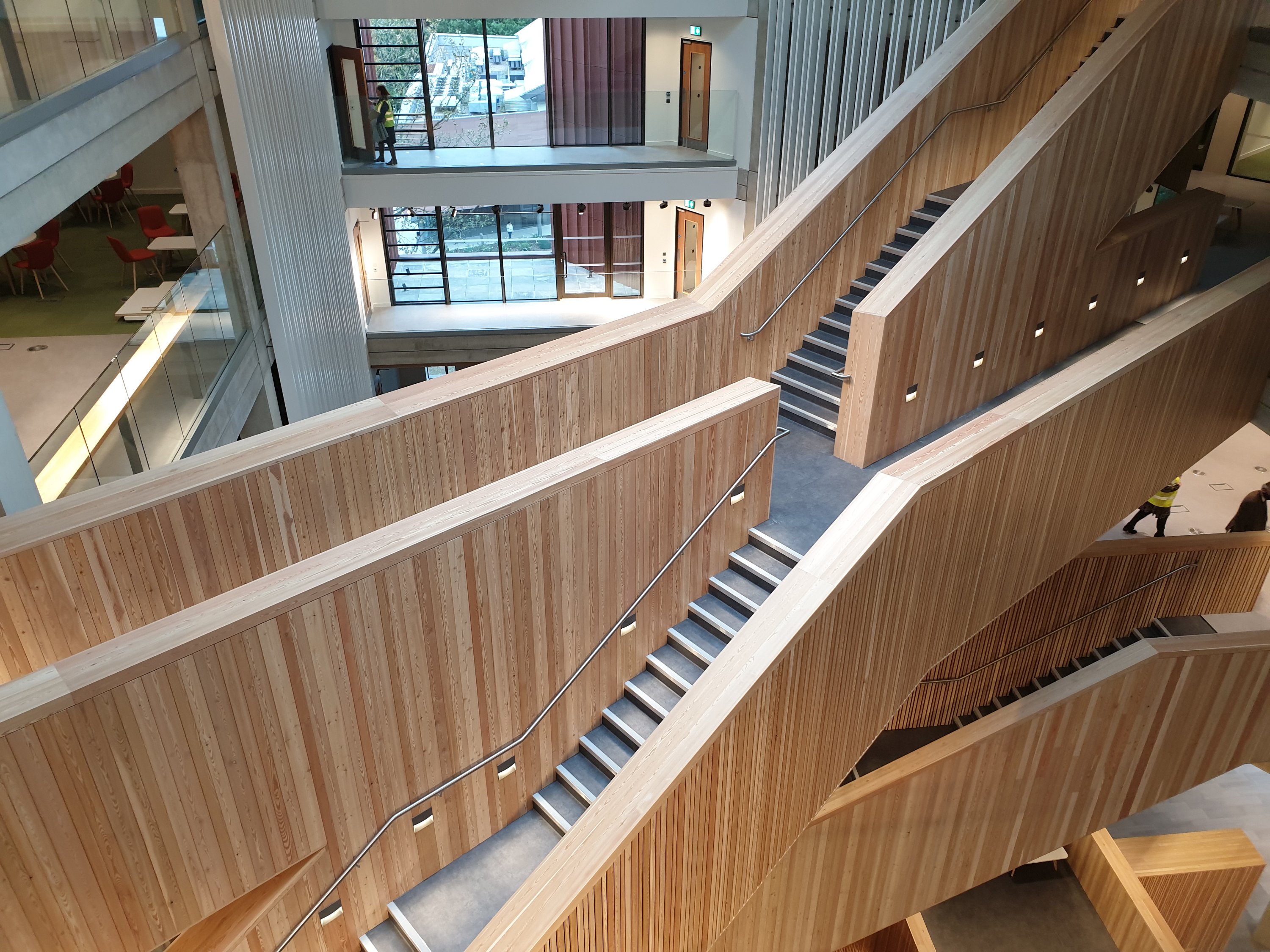
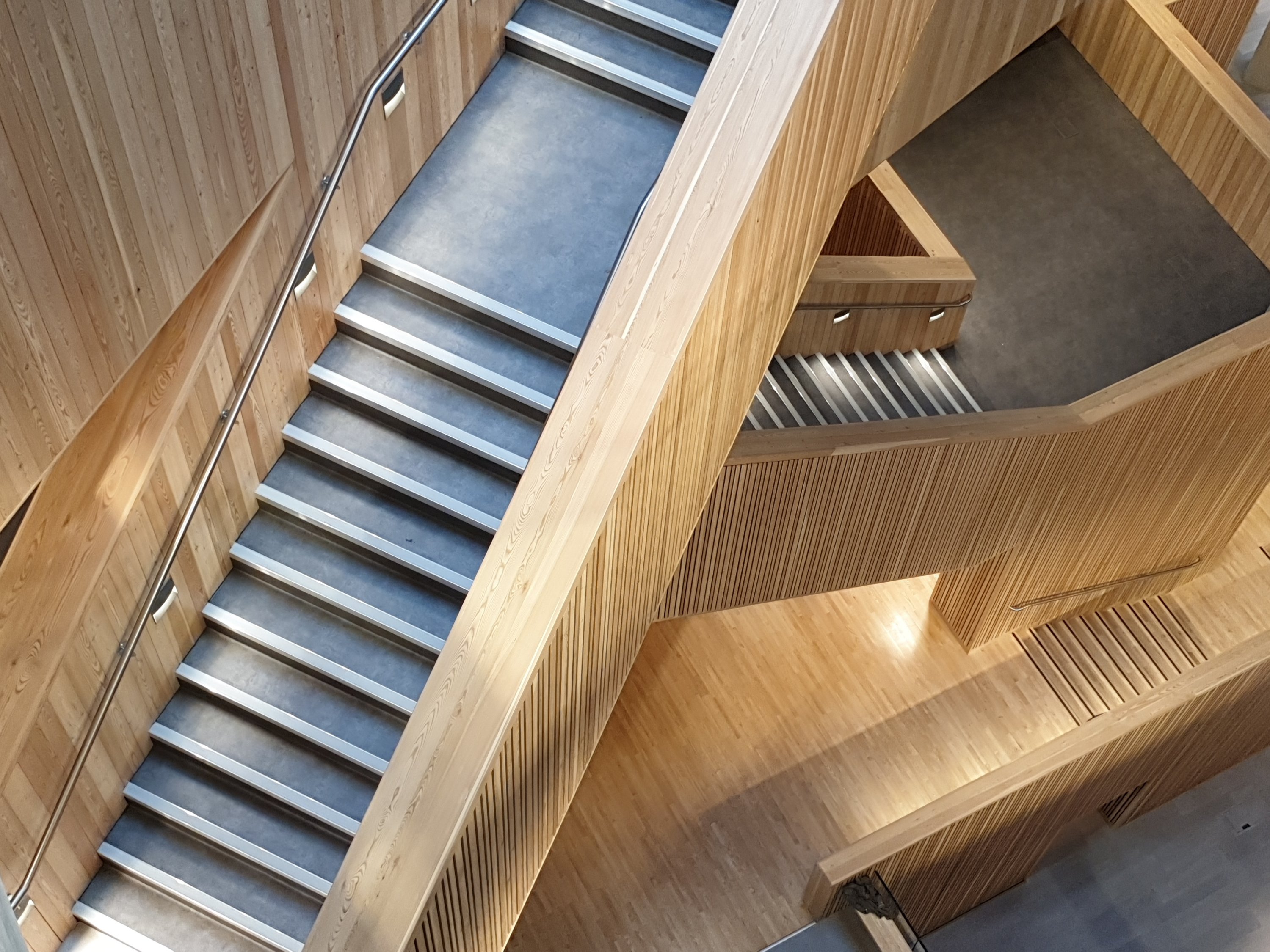
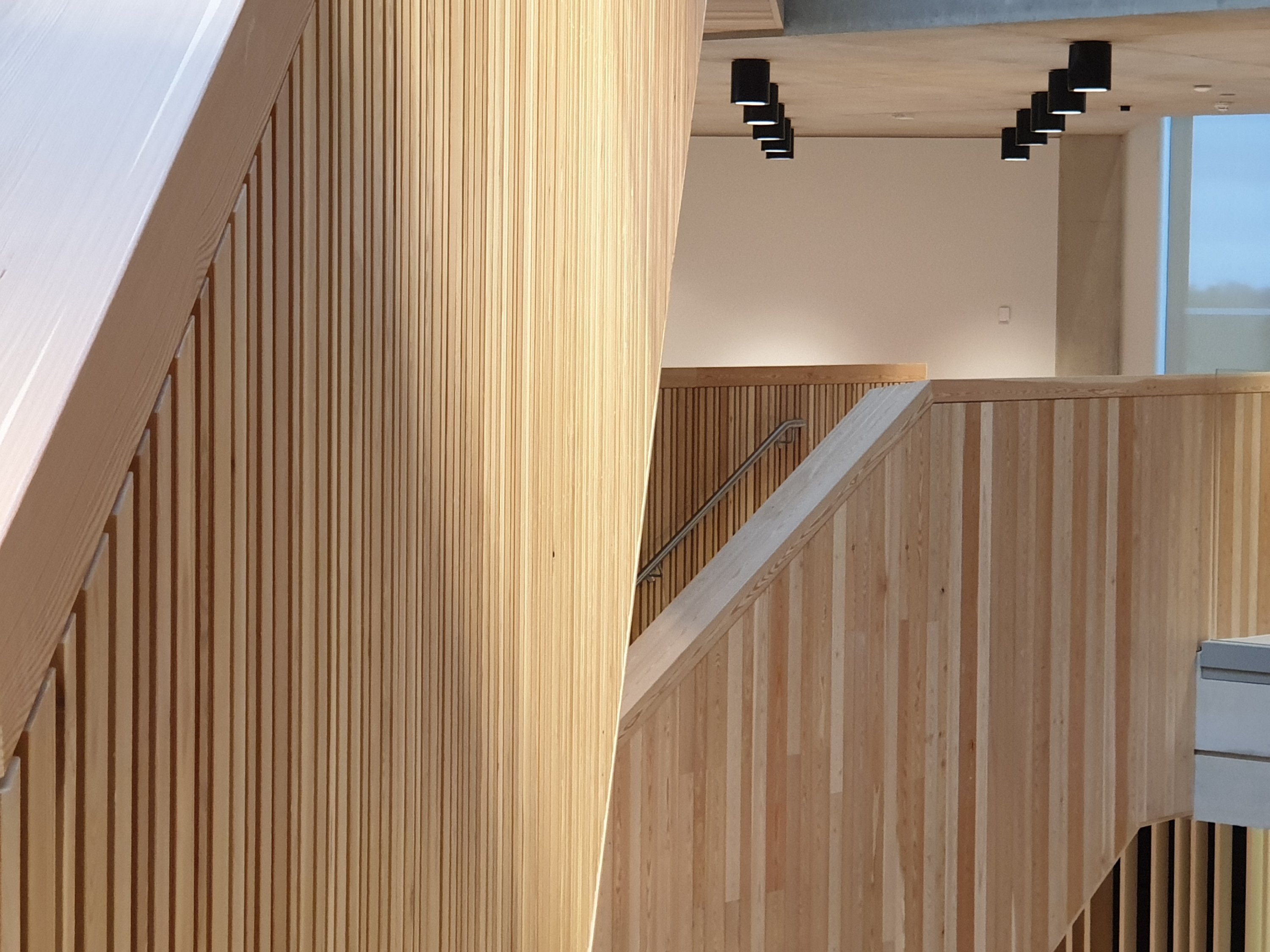
I spent the afternoon on campus at Warwick University in preparation for a seminar on ‘Writing about Art Museums’.

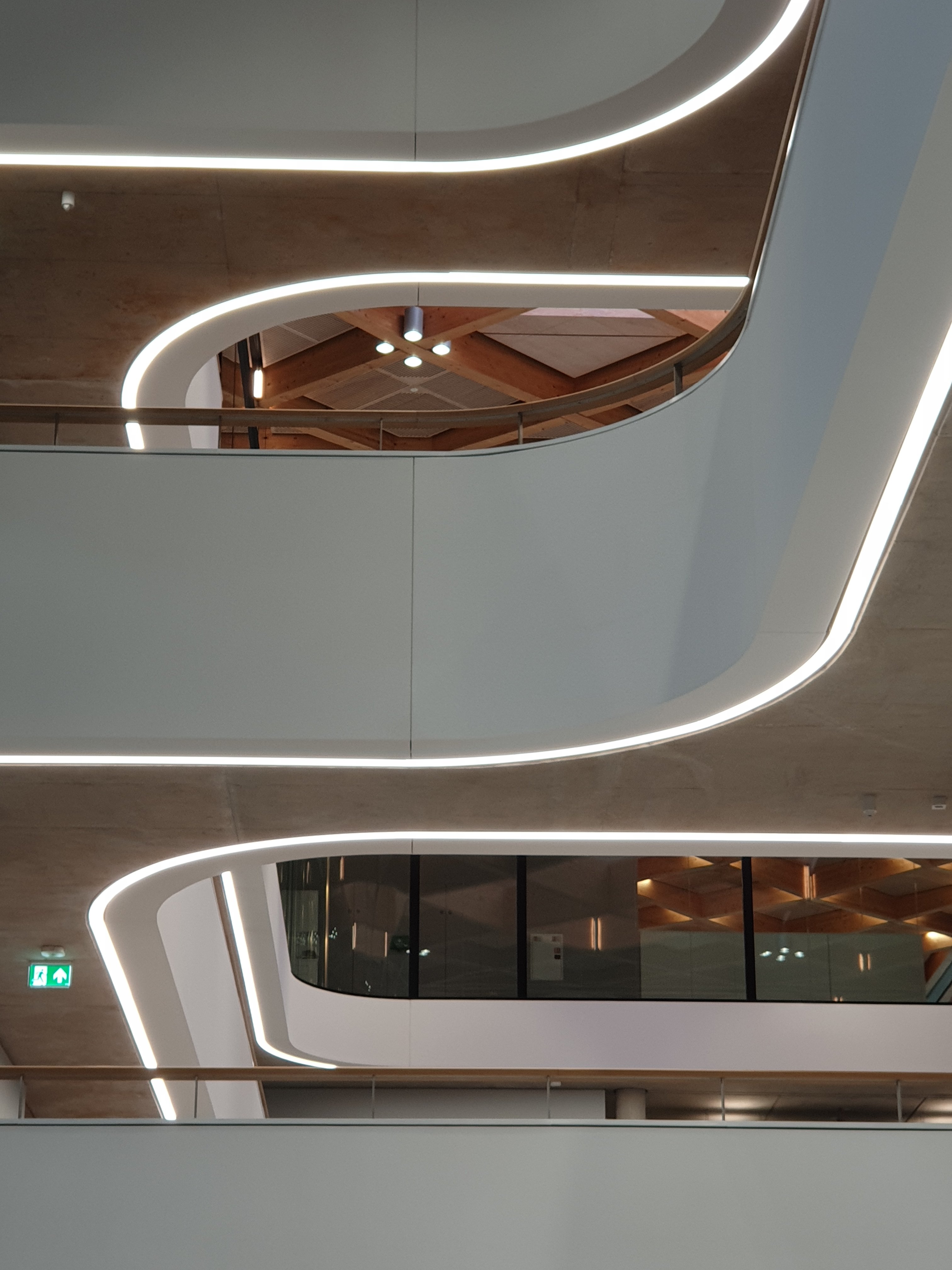
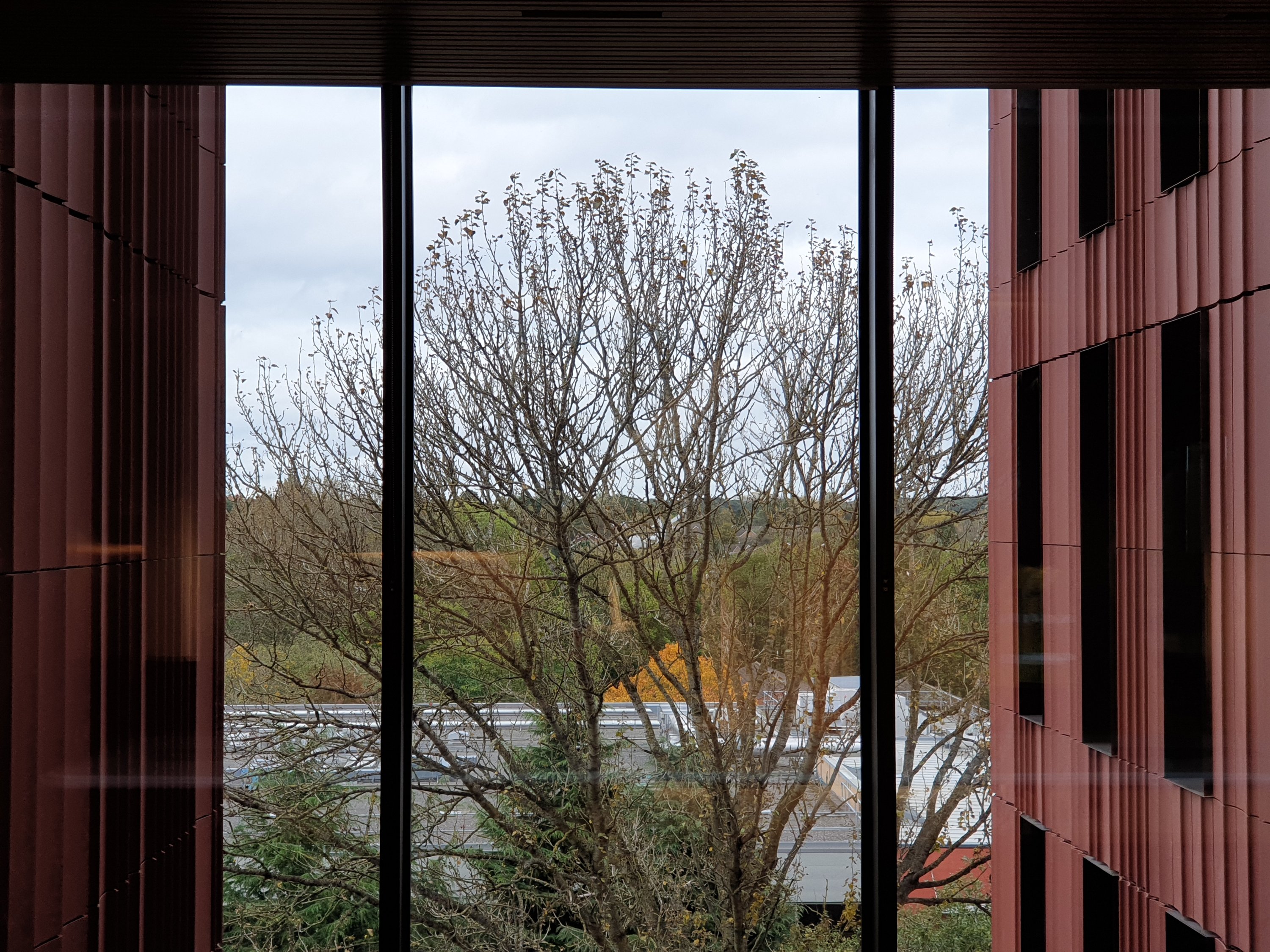
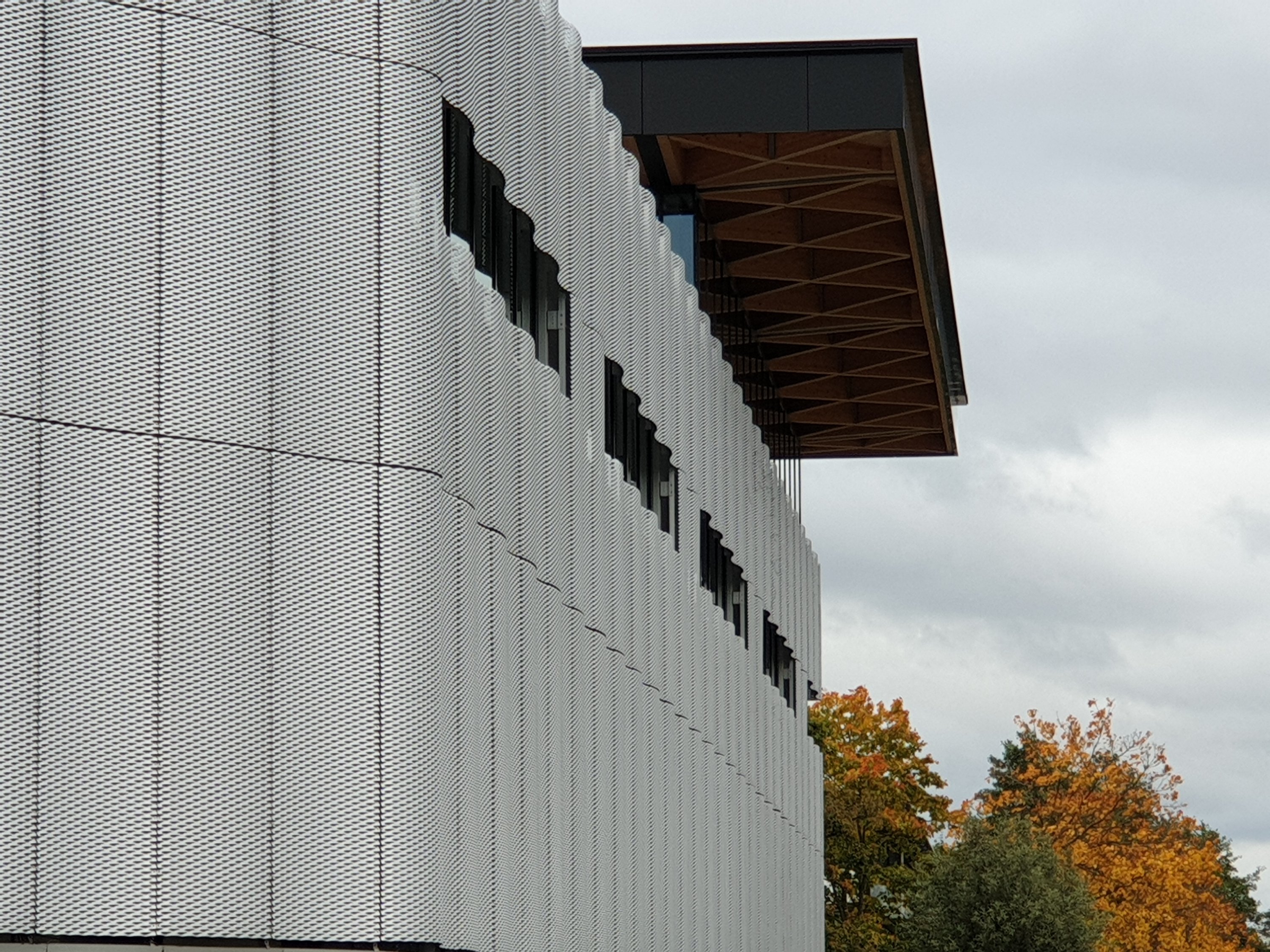
I was impressed by the transformation of the campus from 1960s industrial utilitarian by Yorke Rosenberg Mardall in the style of St. Thomas’s Hospital to contemporary utopian ambition with the new Professor Lord Bhattacharyya Building by Cullinan Studio:-

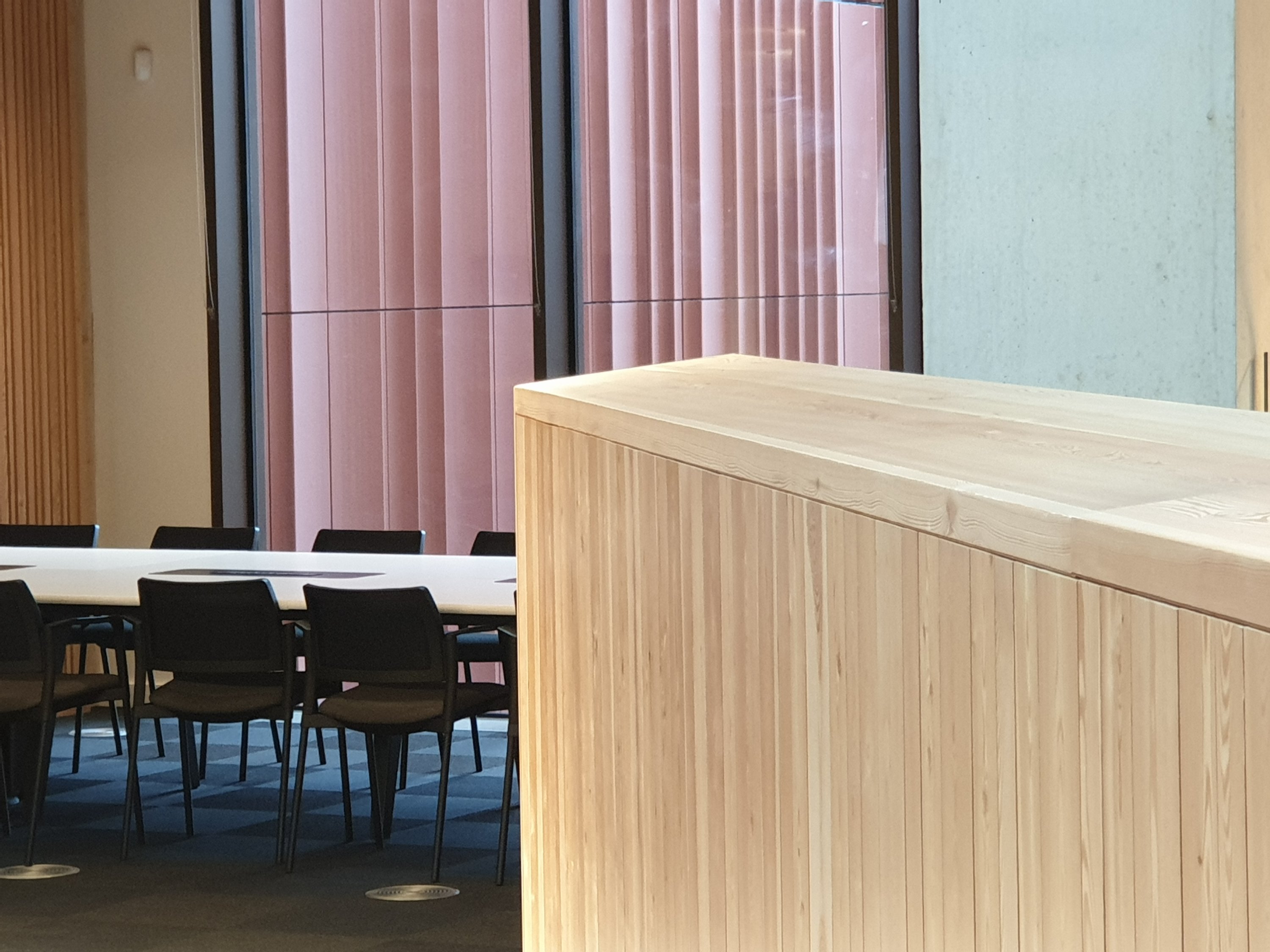
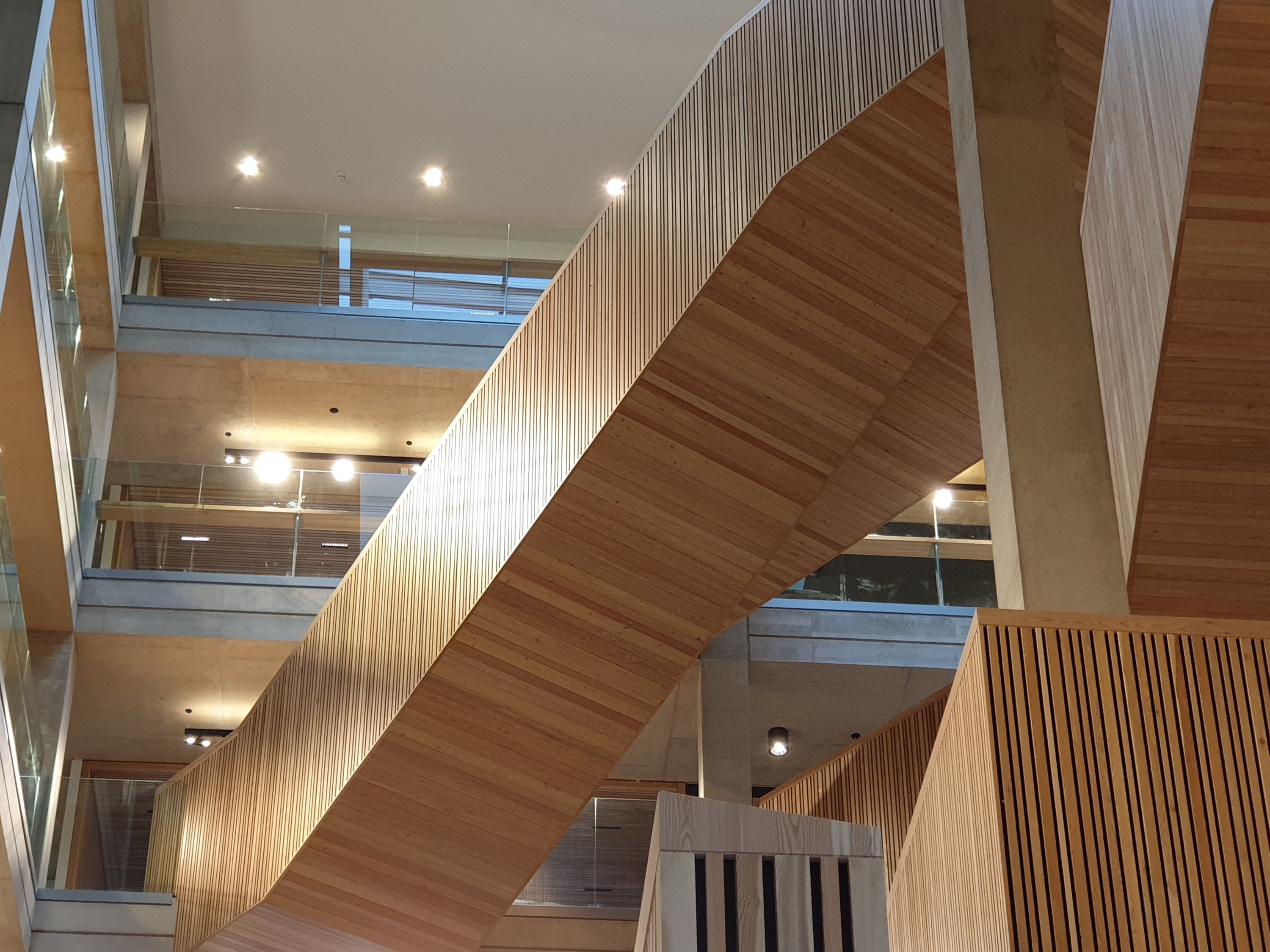
And, even more impressive, the new Faculty of Arts Building by Feilden Clegg Bradley:-

Standard

Royal Drawing School

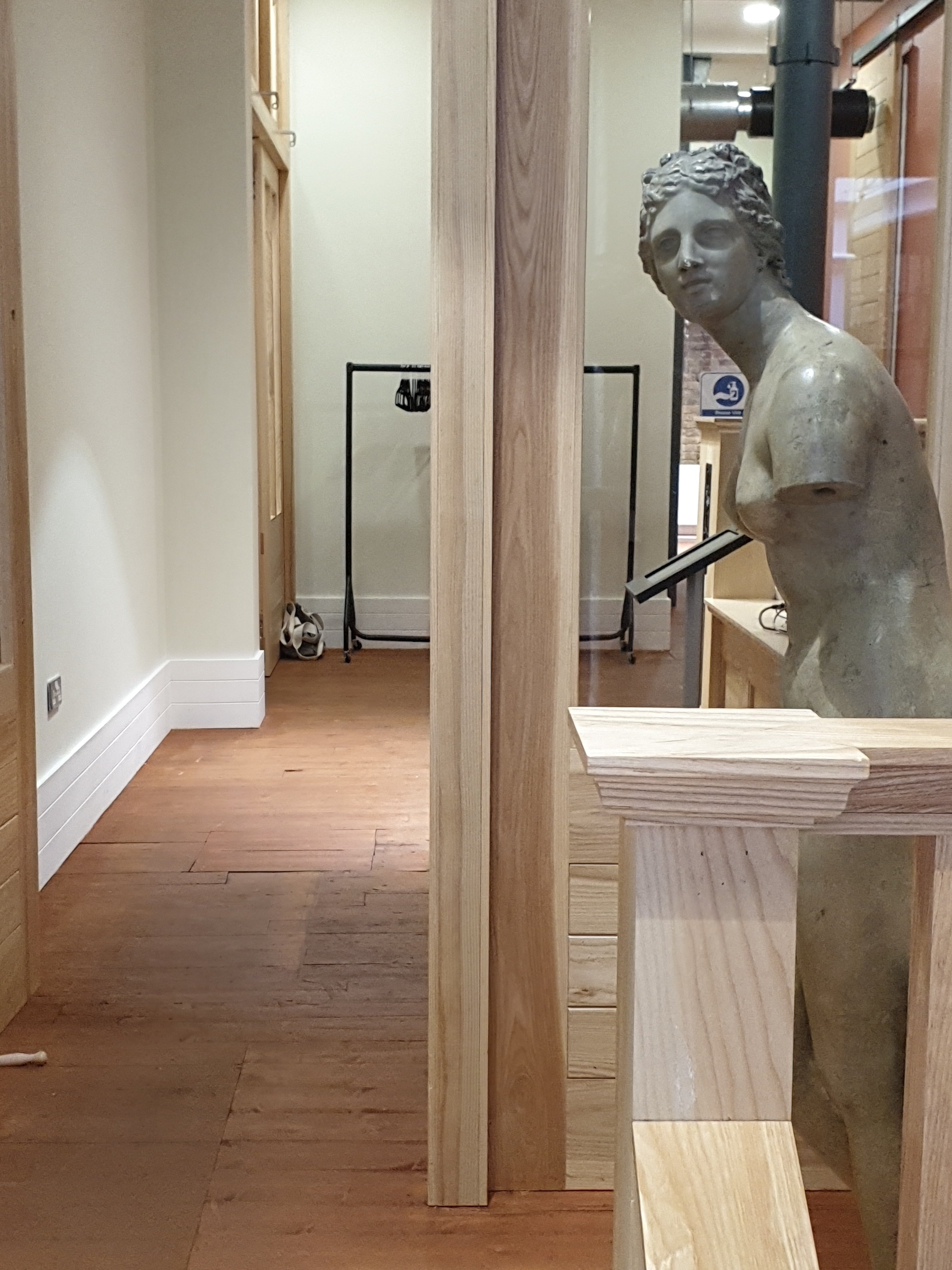
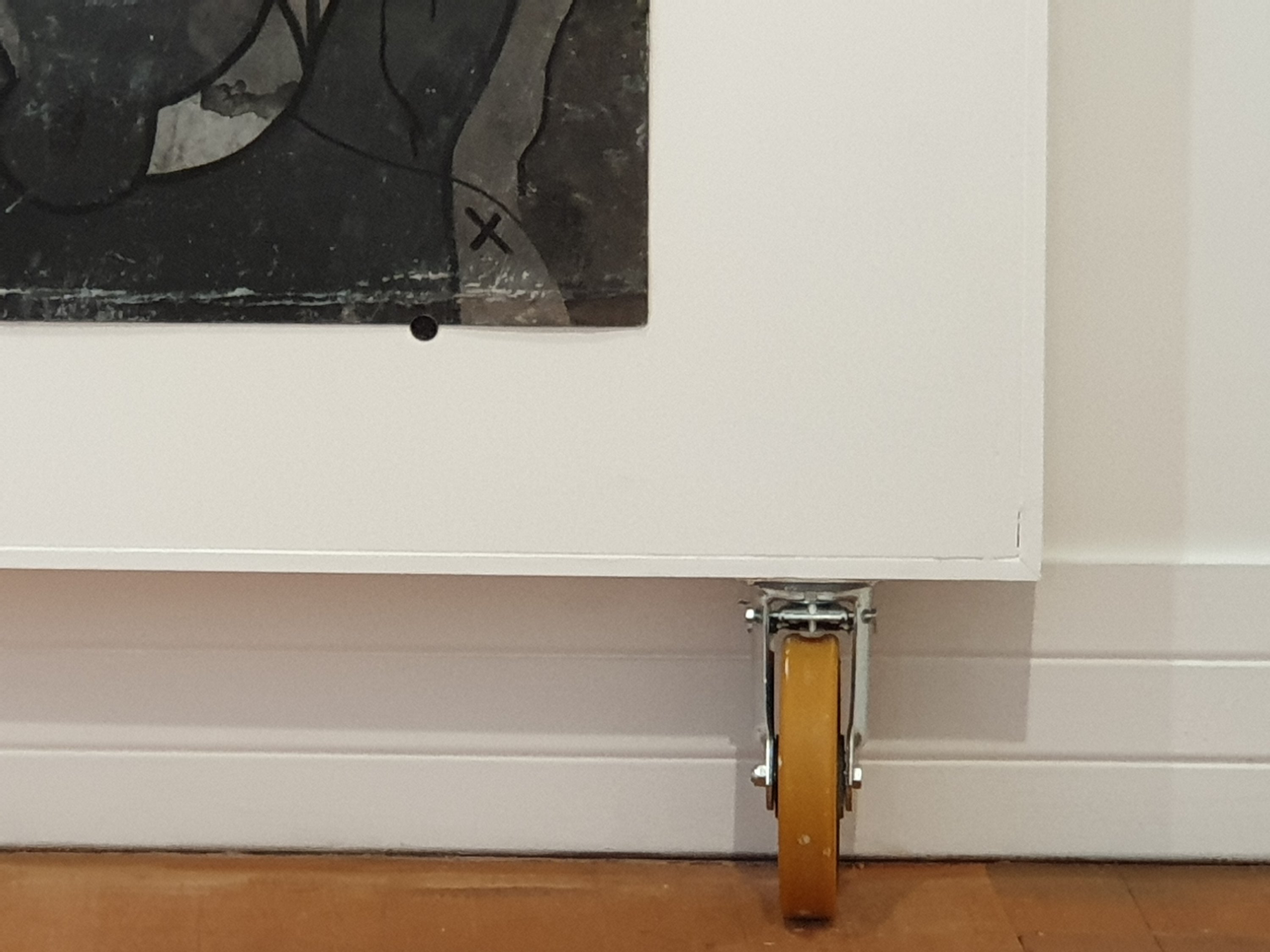
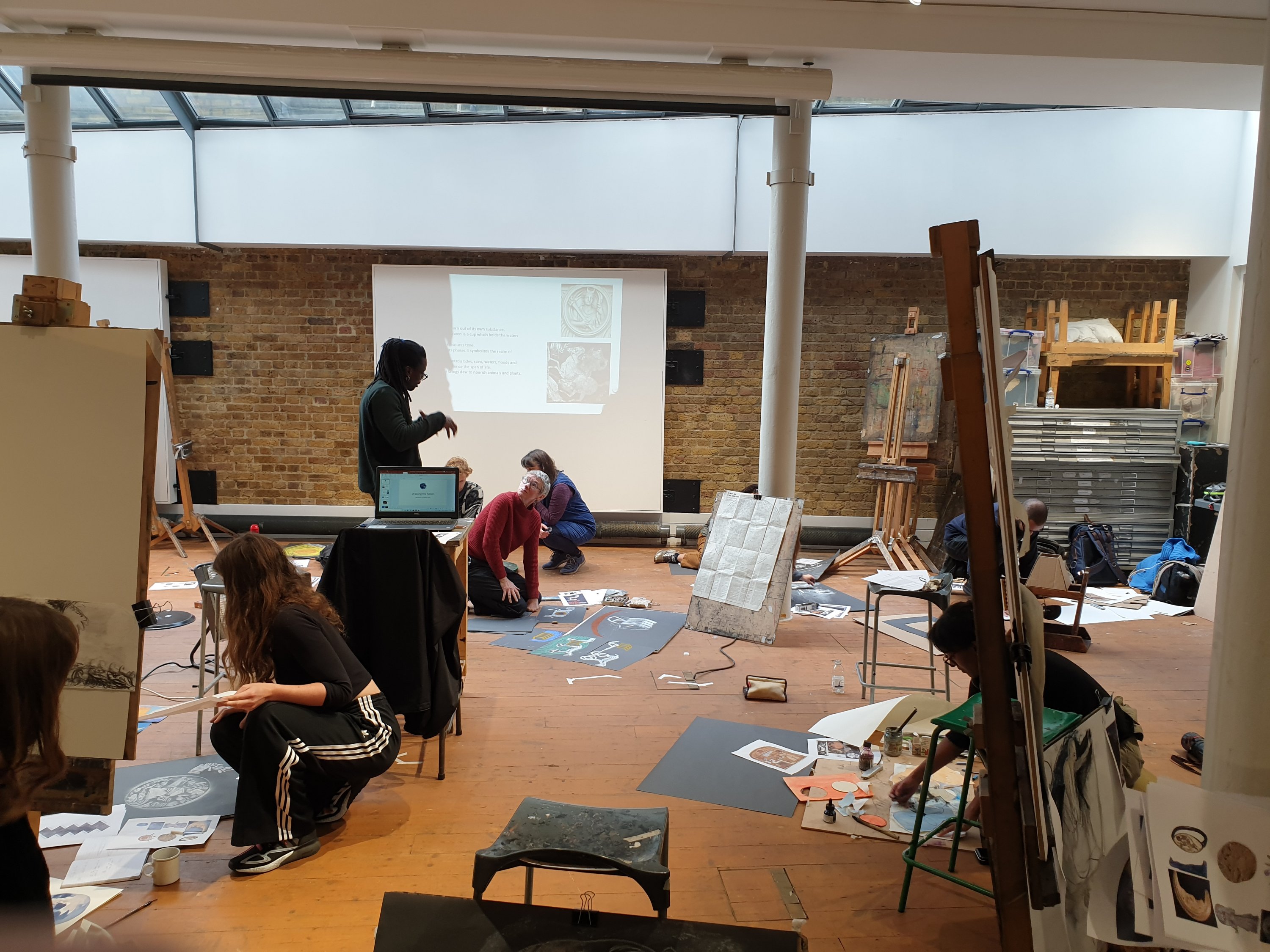
We just had an event to celebrate the completion of the Jan Shrem and Maria Manetti Shrem studios at the Royal Drawing School.   Designed by Simon Hurst, a former student of the Prince’s Institute of Architecture, they make much better use of the ground floor, dividing it into two large teaching studios or, alternatively, using one – as now – as exhibition space.   It has an ingenious system of heavy screens on industrial size wheels to increase available hanging space, inspired by the screens on which Hogarth’s Rake’s Progress hangs at the Sir John Soane’s Museum.

The new entrance:-

The rolling screens:-

And one of the two studio spaces:-

Standard

The Custom House (5)

So, the City of London’s planning committee has unanimously rejected the plans to turn the Custom House into a luxury hotel, shortly after it turned down plans to building a monster tower block next door to the Bevis Mark’s synagogue. Maybe there is a glimmer of a change of heart, a recognition that it is not necessarily in the City’s own best interests to go on trampling on its history.

But what is the best way forward. A planning inquiry ? A long-drawn out and costly battle ? Is there not some way for Michael Gove and/or the Heritage Lottery Fund to intervene to encourage the architects and developers to come up with a more creative way forward ?

The keys would seem to be:-

• Making the Long Room into a proper public space

• Opening up the river frontage as SAVE recommends

• Treating it as an important architectural monument, not just as an asset ripe for conversion

https://www.architectsjournal.co.uk/news/city-of-london-slams-squires-unacceptable-plans-to-convert-grade-i-listed-office?s=09

Standard

Hughie O’Donoghue (1)

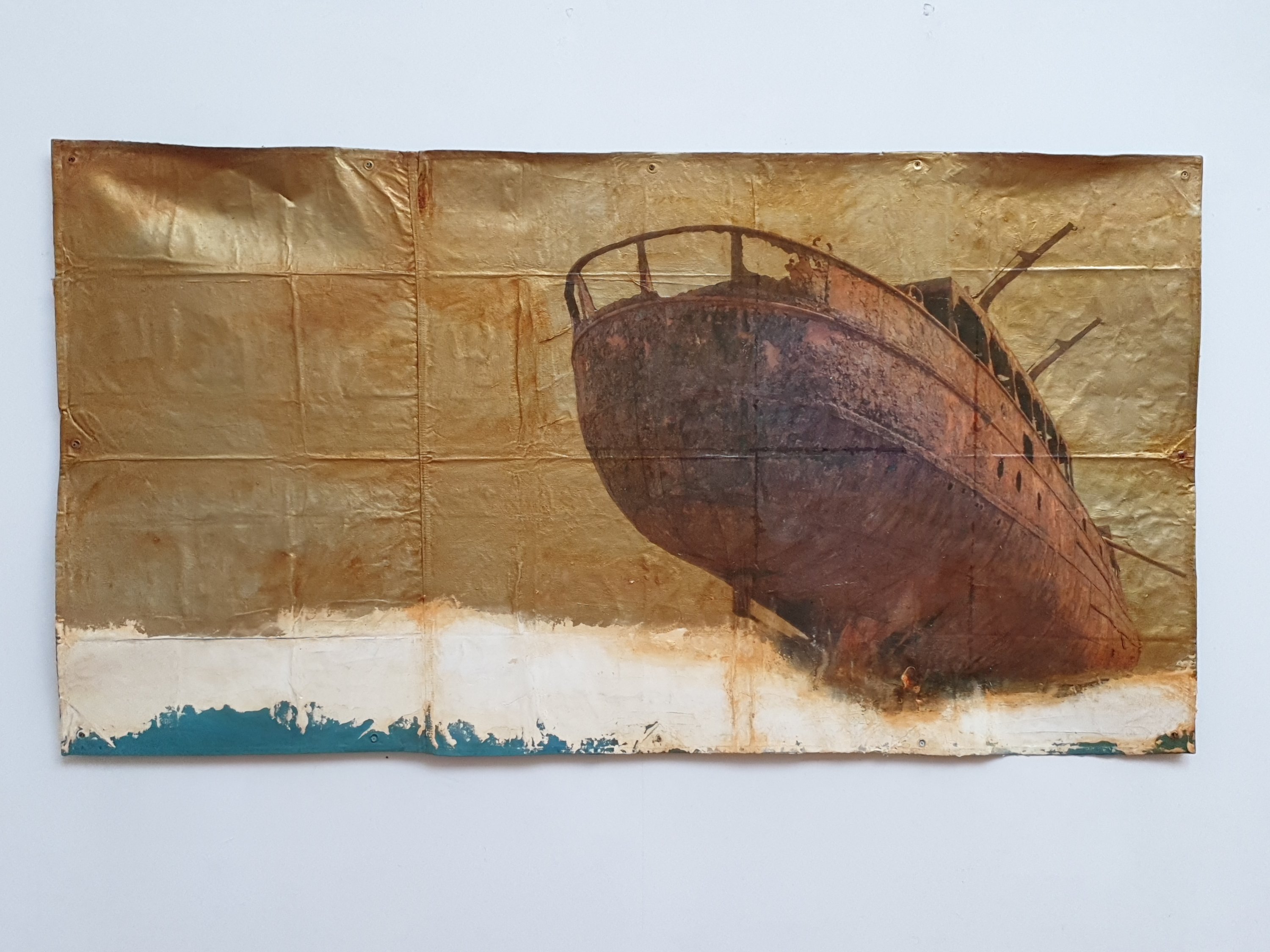
Attached is a film of Hughie O’Donoghue talking very interestingly about the work he did on Deptford Creek near his studio in Greenwich during lockdown, which looks like a new direction. And about his time at the National Gallery, the influence of late Titian and the reason for changes in taste. It will be good to see these works, plus his big rusty shipwrecks, in his exhibition at Marlborough Fine Art on November 9th.

Standard

The Munch Museum (1)

I’m rather relieved that I hadn’t read Oliver Wainwright’s excellent, but possibly over-critical review of the new Munch Museum, before I had written mine for the Burlington Magazine (not out for a month at least). I realise I was maybe influenced by the pleasures of there being so much exhibition space, and didn’t see its architectural form as one of civic surveillance, which once one has viewed it that way is hard to escape. I don’t think it will stop the museum being very popular: great artist, good location, so much to see, different ways of interpreting him; certainly well worth the trip to Oslo.

https://www.theguardian.com/artanddesign/2021/oct/25/we-are-more-than-just-the-scream-inside-oslos-mega-munch-museum?CMP=Share_AndroidApp_Other

Standard

London Making Now

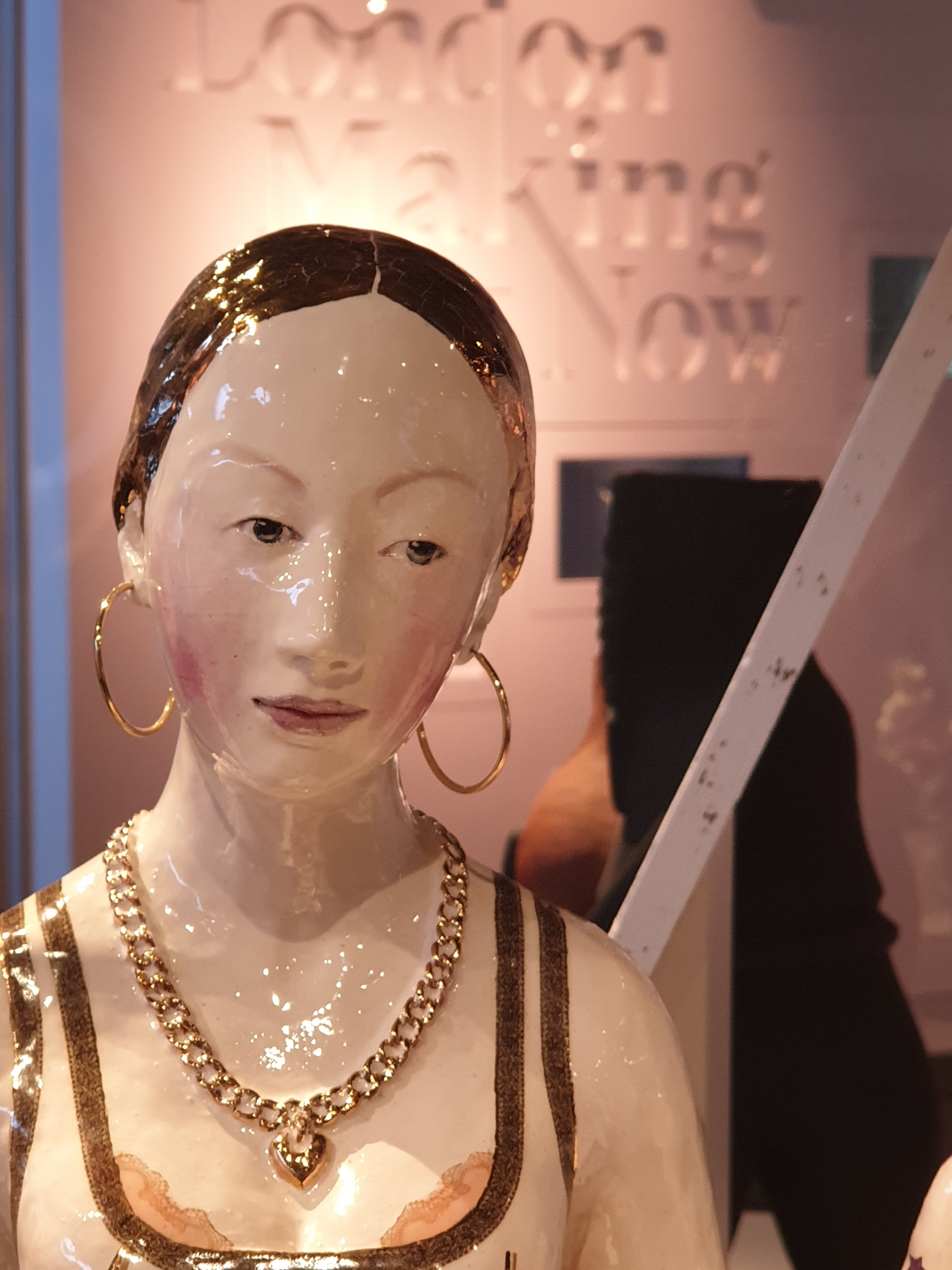
We went to see a small exhibition at the entrance of the Museum.of London about the way designers are influenced by their envirnonment:- Claire Partington whose work is influenced by porcelain figures in the V&A:-

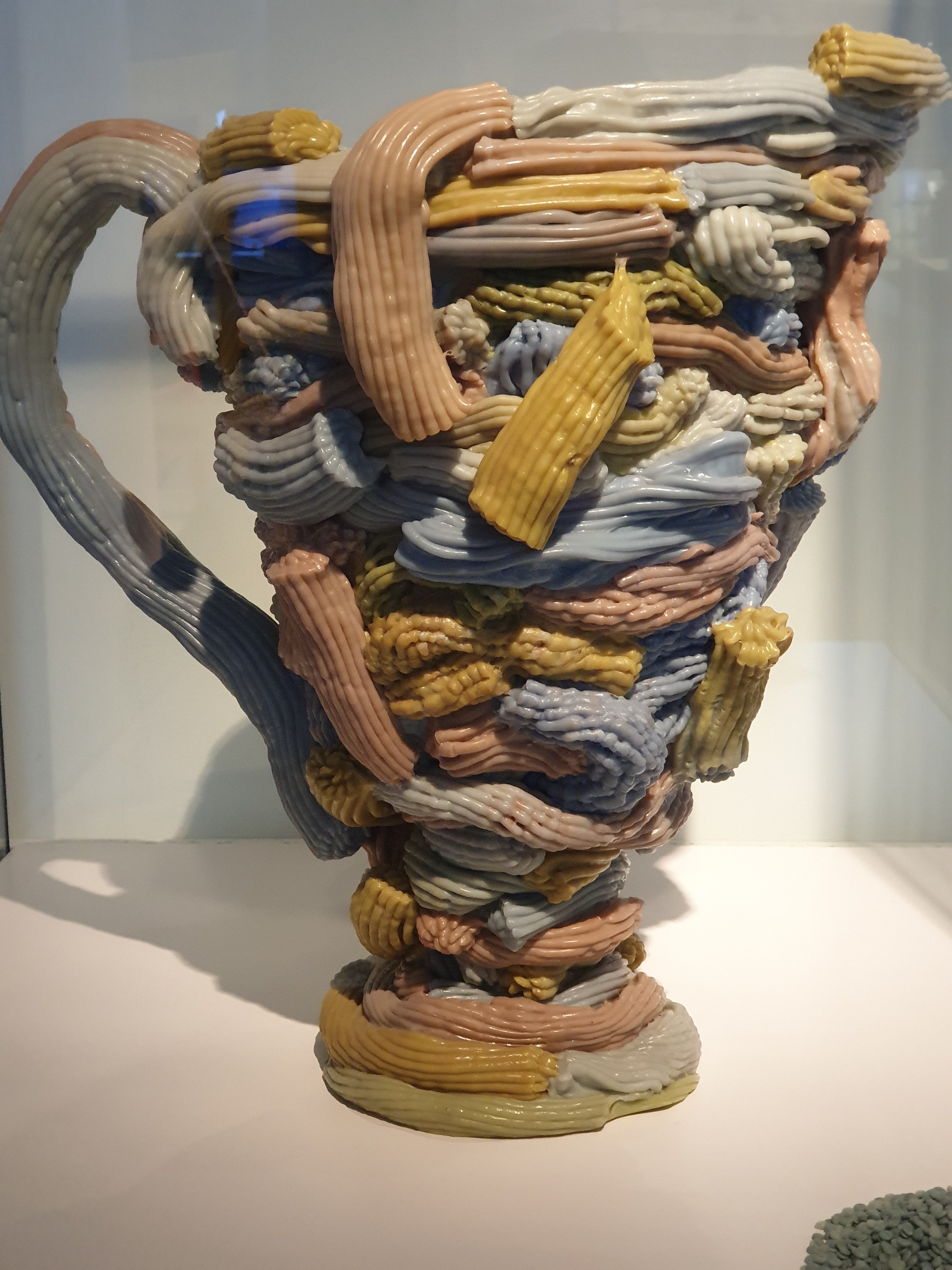
James Shaw, who makes neo-baroque pots from extruded plastic:-

Adi Toch, who makes brass vessels:-

And:-

Standard

The Cheese Barge

I had a somewhat idiosyncratic lunch because I had wanted to see a recent work by the architect, Adam Richards, who has designed a cheese barge on Paddington Basin as a homage to the Electa bookshop – a book ship – in the Giardini in Venice designed by Michael Wilford and Jim Stirling in 1989. It works well as a barge:-

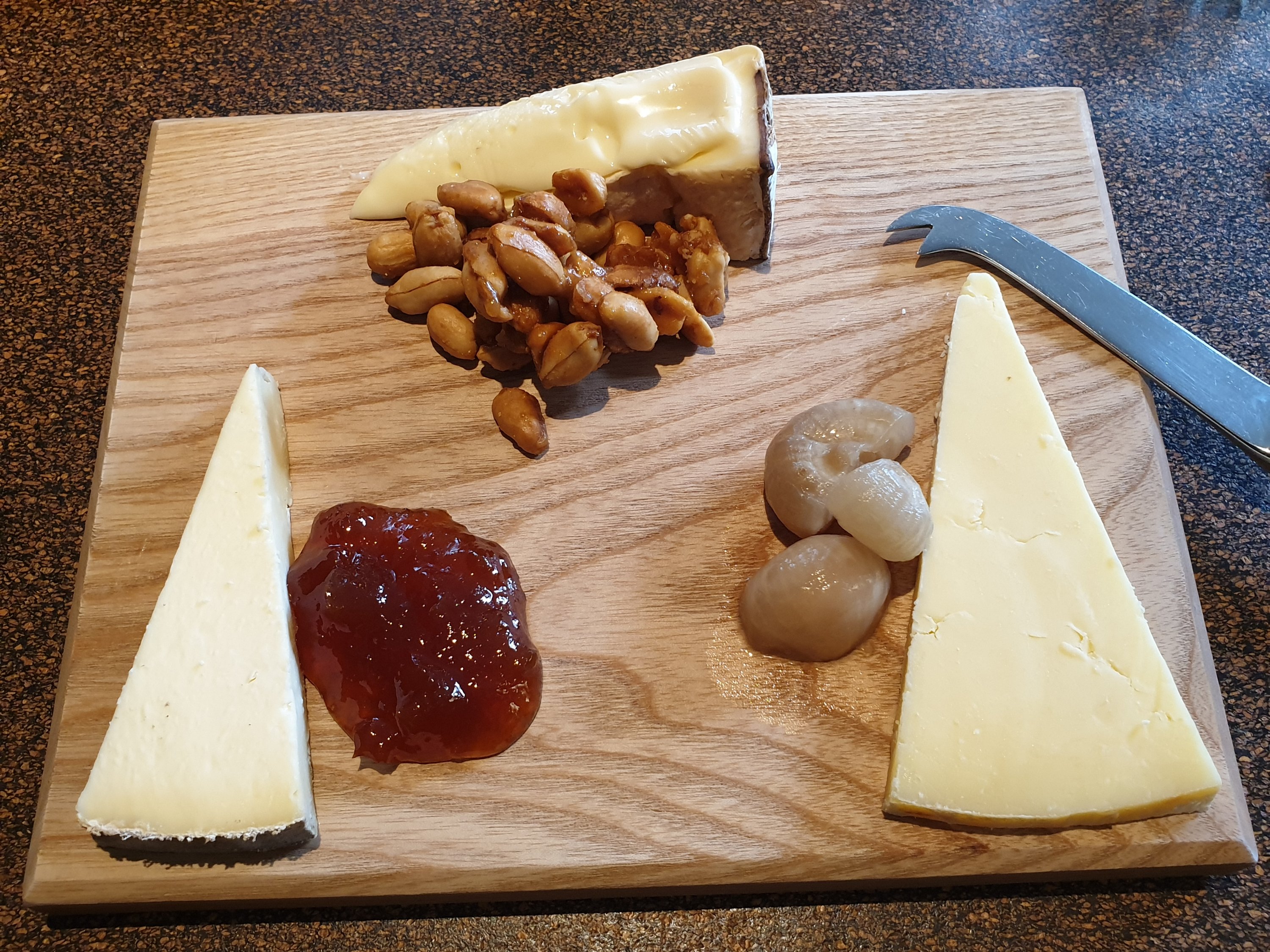
And then I had the pleasure of a plate of cheese:-

Standard

The Custom House (4)

I have spent part of the day cogitating as to what would be the best possible use of the Custom House if the City is not going to allow it to be turned into a luxury hotel.

It happens to coincide with my visit yesterday to the new Oslo Public Library which was absolutely packed with people at 9 o’clock in the morning who were using the library not as somewhere to read books, but as somewhere to work in a good public environment, rather than closeted in a small claustrophobic environment at home.

This echoes what has happened at the British Library where the public spaces are packed with people using the desks and café, but not the actual library facilities.

So, my suggestion for the Custom House is that it should be used to support the new world of work which it happens is not dissimilar from the late seventeenth century coffee house: privatised and individualised, not dragooned by organisations; highly sociable; fuelled by coffee. It would mean that the public rooms would find a new use, but one appropriate to the City.

Standard