
I keep remembering that, by chance, I was in the States four years ago on Election Day, having supper in a small Iranian restaurant on Beacon Hill. We pretty well knew what the result was going to be by the time we left the restaurant at 10.30 from intermittently watching the results come in state by state on a small television screen behind the bar; but not in any way how cataclysmic the result would be for America’s standing in the world. That weekend I drove through rural Pennsylvania from Cleveland to Falling Water and remember all the Trump signs by the road. I wonder what those rural communities will be voting today.
Category Archives: Uncategorized
Old Masters New Spaces
I was part of a discussion organised by TEFAF and Apollo about whether or not Old Master paintings look better in traditional settings, as, for example, in the Frick Collection, where they are surrounded by fabric, furniture and decorative arts, a setting of traditional haut luxe, or whether they look at least as good, and possibly even better, in a more neutral, museum environment, as is the orthodoxy in plenty of European museums, as, for example, in the Kunstmuseum in Basel, designed in the 1930s by Paul Bonatz and Rudolf Christ, and the Gulbenkian Museum in Lisbon, where the displays were overseen by Franca Albini who had pioneered a more abstract, ahistorical style of display in the Palazzzo Bianco in Genoa. The discussion was prompted by the issue as to how the Frick’s very choice collection of Old Master paintings will look in Marcel Breuer’s old Whitney Building on Madison Avenue, which is not just ahistorical, but powerfully so, a tough, in some ways combative environment for paintings. We will see.
David Scrase
So sad to hear of the death of David Scrase, an admirable, knowledgeable and thoughtful Assistant Keeper of Prints and Drawings, then Keeper and later Assistant Director of the Fitzwilliam from 1976, the year I graduated, till 2013 when he retired. He was always so supportive in a quiet way. A passionate balletomane.
https://www.fitzmuseum.cam.ac.uk/news/david-scrase-15-march-1949-31-october-2020
The Medlar
As we go into a second lockdown at 12.01 on Thursday morning, I have realised that my blog fodder will remain very thin, so am posting a picture of the medlar tree in our front garden in its full autumn glory in what remained of the sun on Saturday morning, before probably pretty much disappearing for another month, apart from the occasional shopping:-

Romilly Saumarez Smith (5)
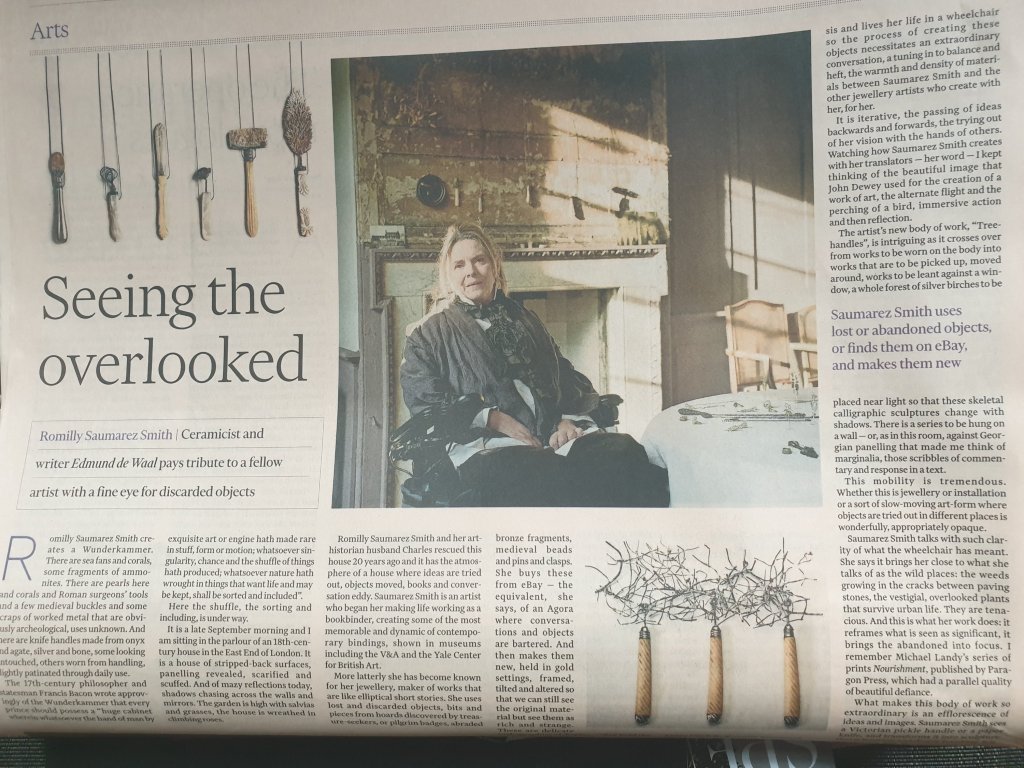
The Financial Times have just put online Edmund de Waal’s poetic and deeply moving account of Romilly’s working practices and recent jewellery in advance of her exhibition at Make in Bruton, opening on November 20th.:-
https://www.ft.com/content/f068aaa2-849c-4260-b023-a95a3af312cc
Oddly, the above link opened for me early in the morning on condition that I divulged what I most miss during COVID (the answer was the freedom to travel freely, since I can’t pretend that I miss going to sports matches). So, I am now posting the article instead:-
Middleport Pottery (2)
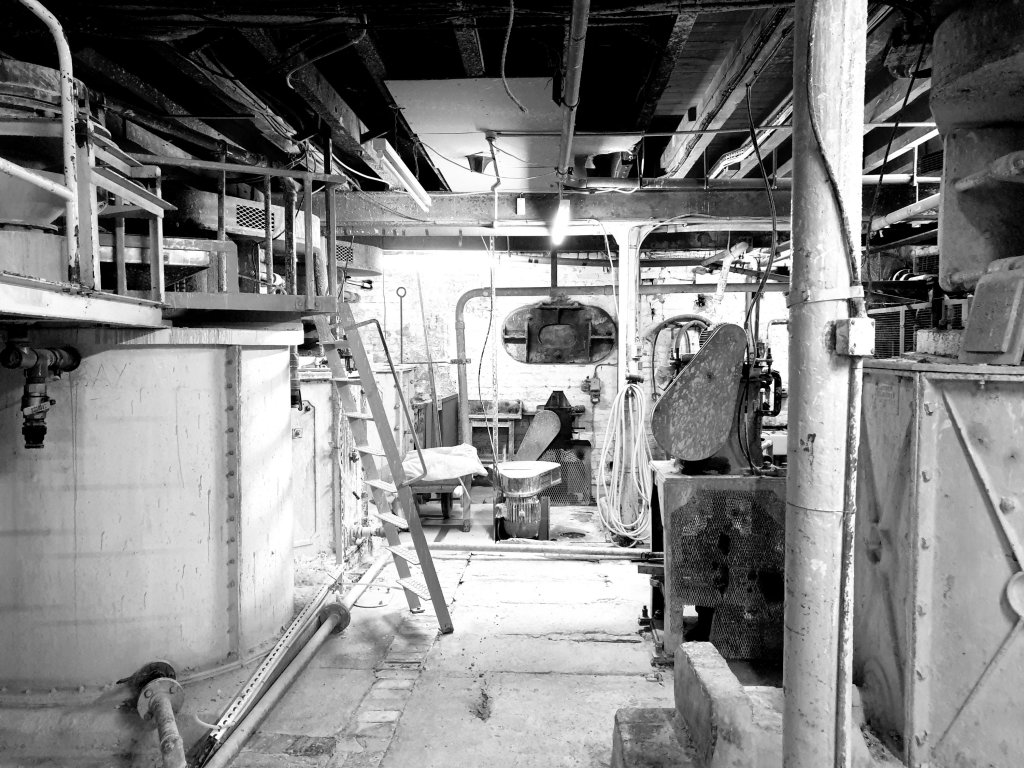
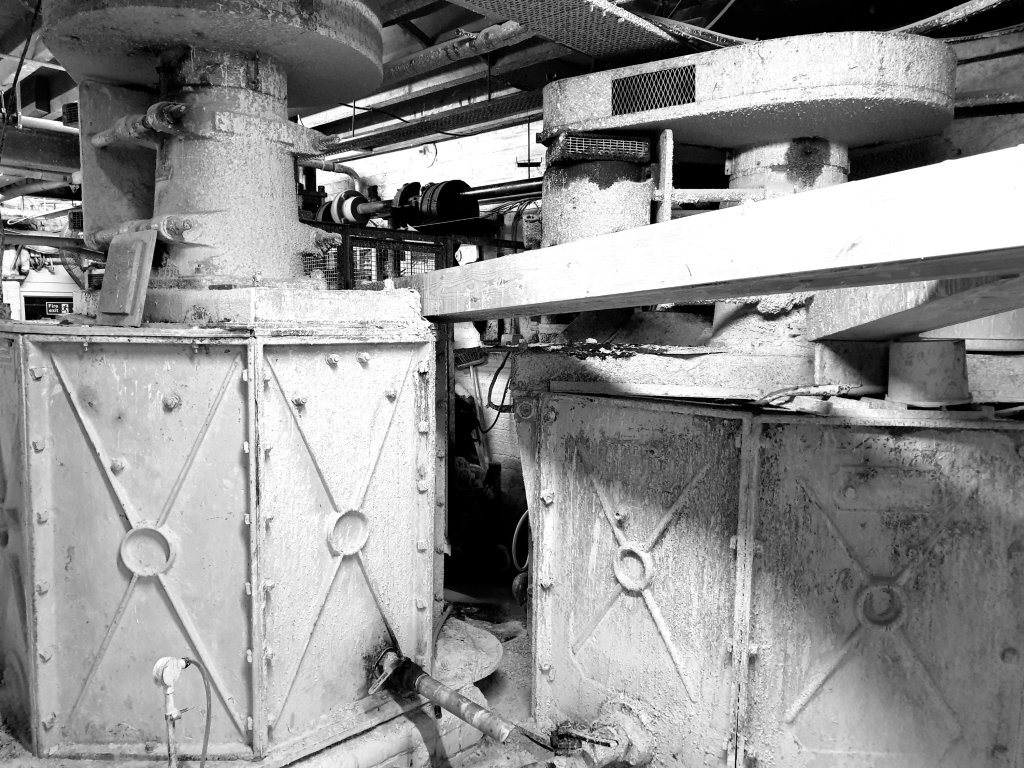
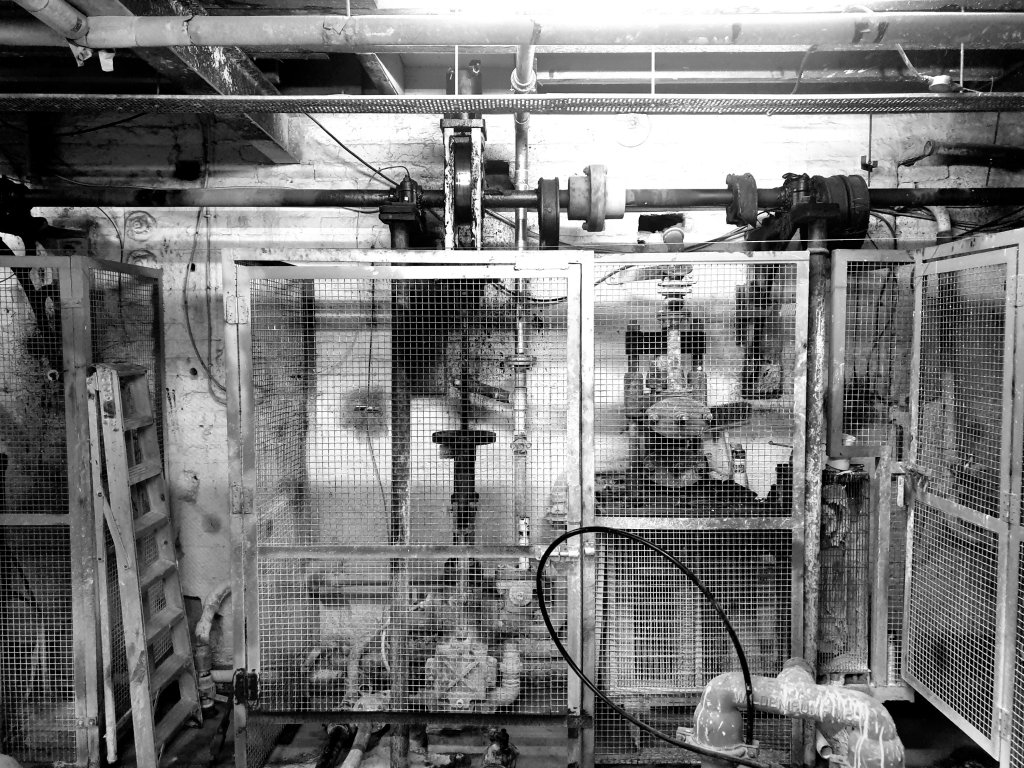
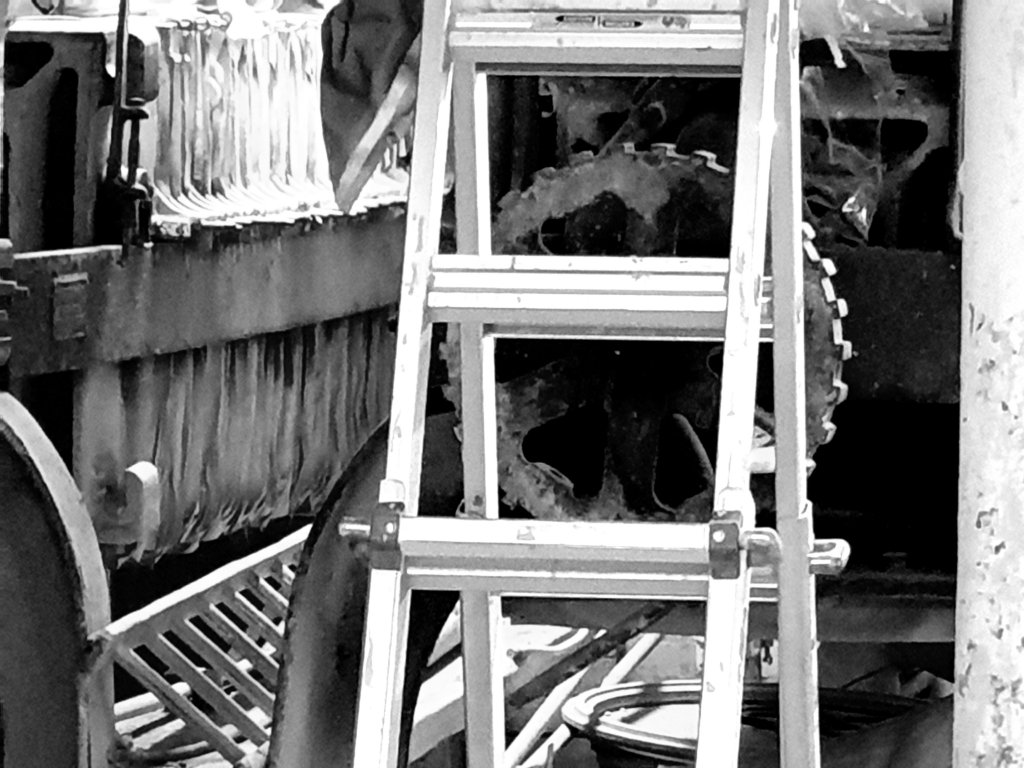
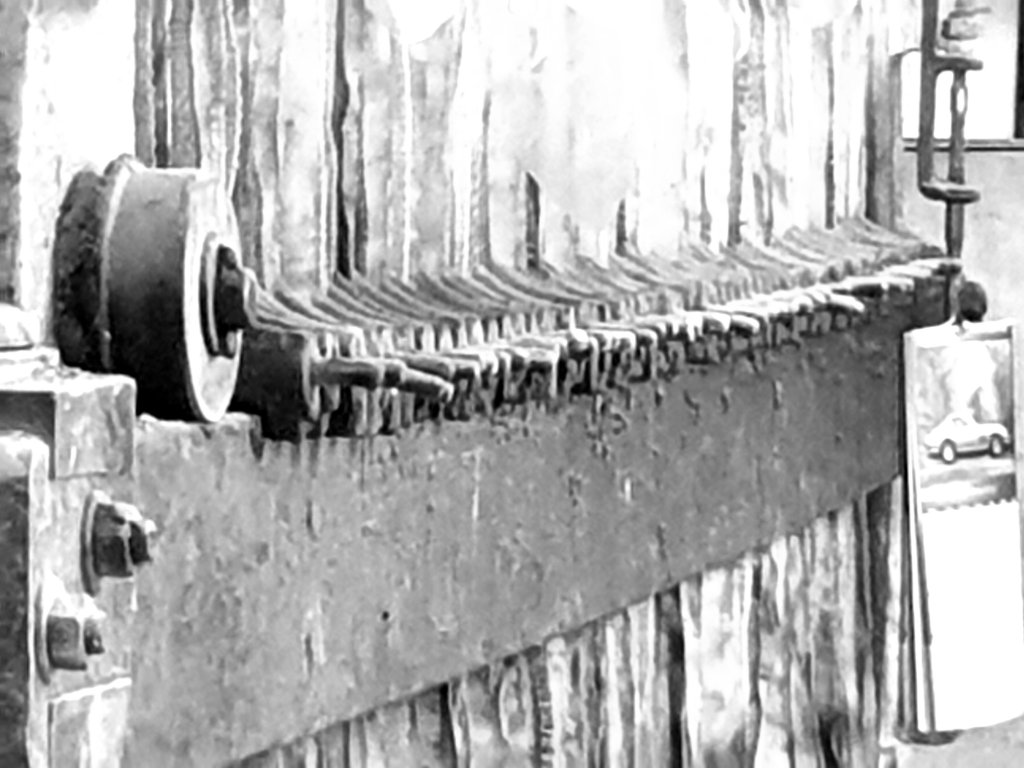
Then we went down into the Engine House. I loved the sense of the simplicity of the equipment, all with a slightly Heath Robinson aspect, pumping the slip round the factory building twenty four hours a day:-
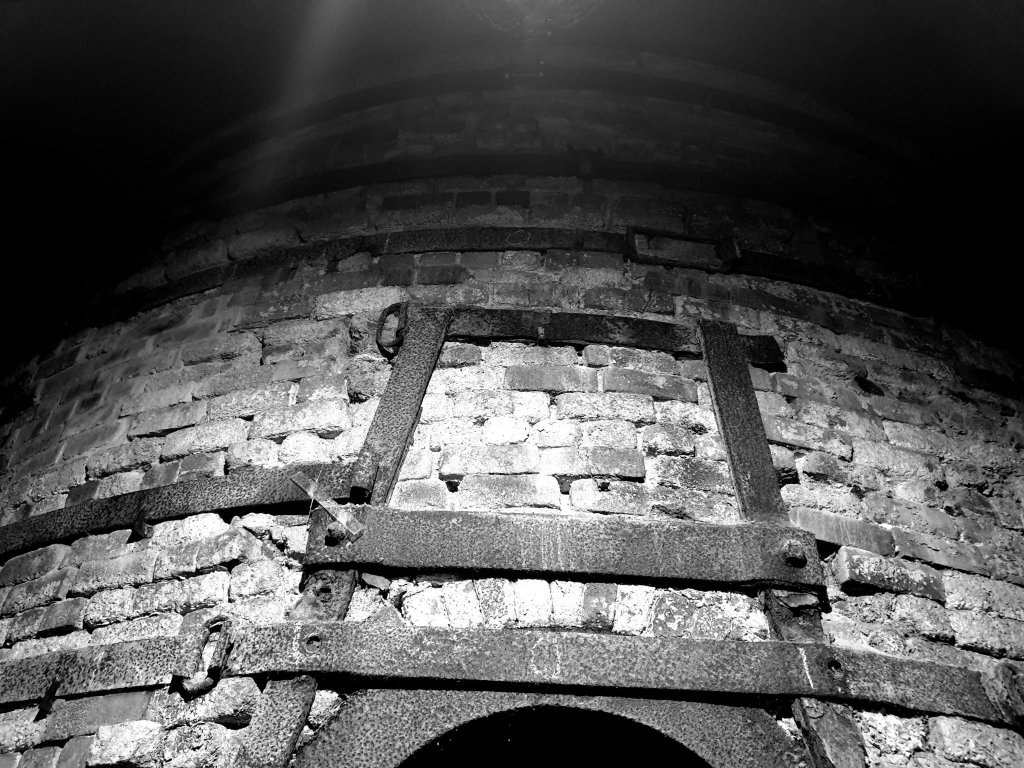
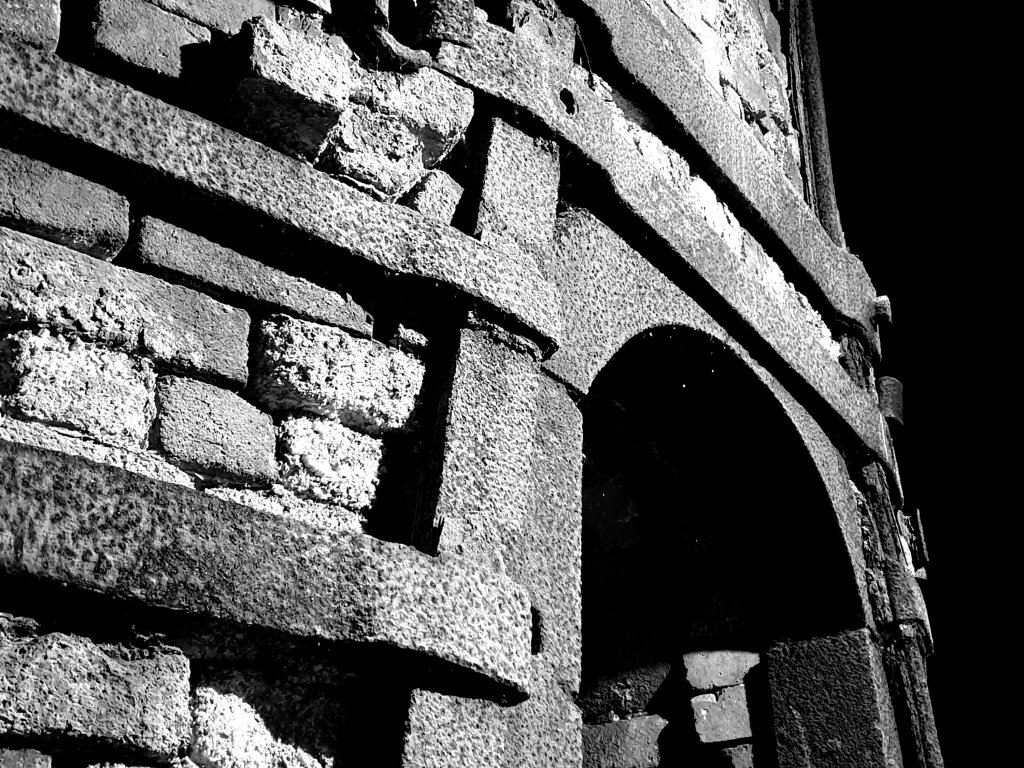
I ended up inside the surviving bottle kiln:-
The point does not need to be laboured: we have become unfamiliar with the traditions and environments of handwerk. We assume that the only worthwhile labour is on a computer screen. This is why it is worth trying to preserve the monuments and craft skills of traditional workshop production, as are so wonderfully evident at Middleport and could so easily be re-established in Whitechapel.
Middleport Pottery (1)
Throughout the public Inquiry about the Whitechapel Bell Foundry, there was much discussion about Middleport Pottery as a good model for how the Foundry could be kept in operation.
Middleport Pottery, which opened in 1888 for the manufacture of Burleigh ware, was at risk of going out of business ten years ago, the building was on English Heritage’s buildings at risk register, so the site as a whole was bought by the United Kingdom Historic Building Preservation Trust, a subsidiary of the Prince’s Regeneration Trust established in order to be able to attract public funding. It is now called Re-Form. It’s Re-Form which was encouraged to intervene in Whitechapel and they clearly have the skills and expertise to do so.
The factory is on a massive scale – a monument to late Victorian enterprise, designed by a local architect, Absalom Reade Wood, built alongside the Trent and Mersey canal, very carefully designed to be as efficient as possible, Fordist before Ford.
Unfortunately, it was drizzling as I walked from Longport Station along the canal:-
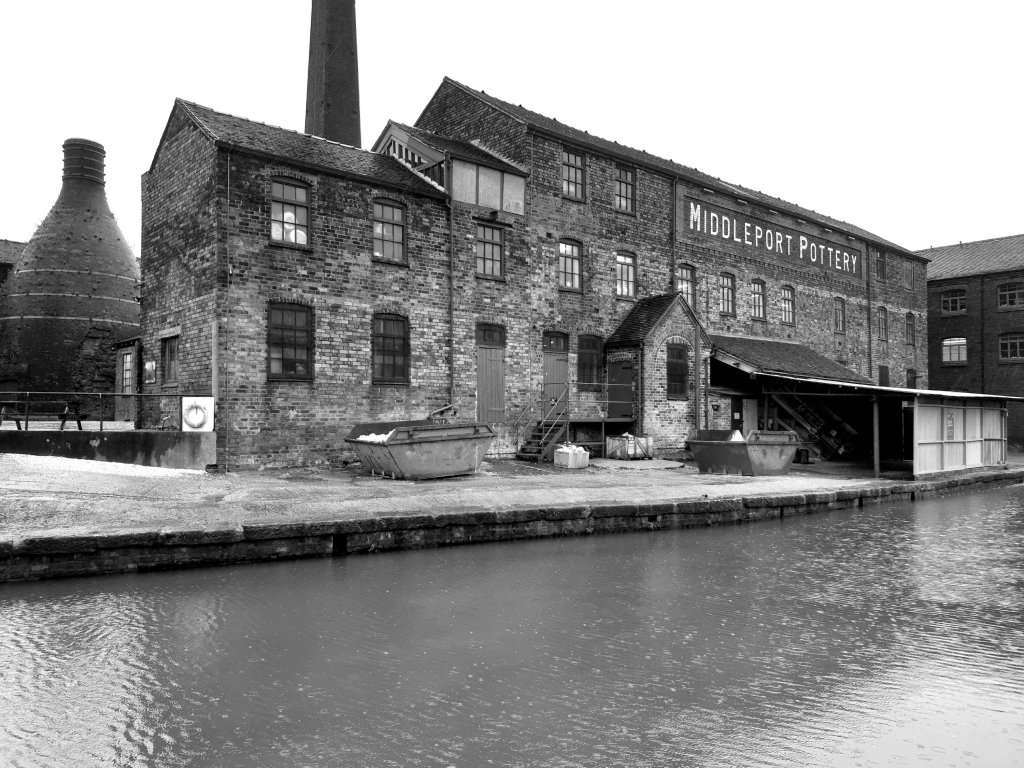
On the left is the only surviving bottle kiln of the original seven, the other six demolished after the Clean Air Act was passed in 1956:-
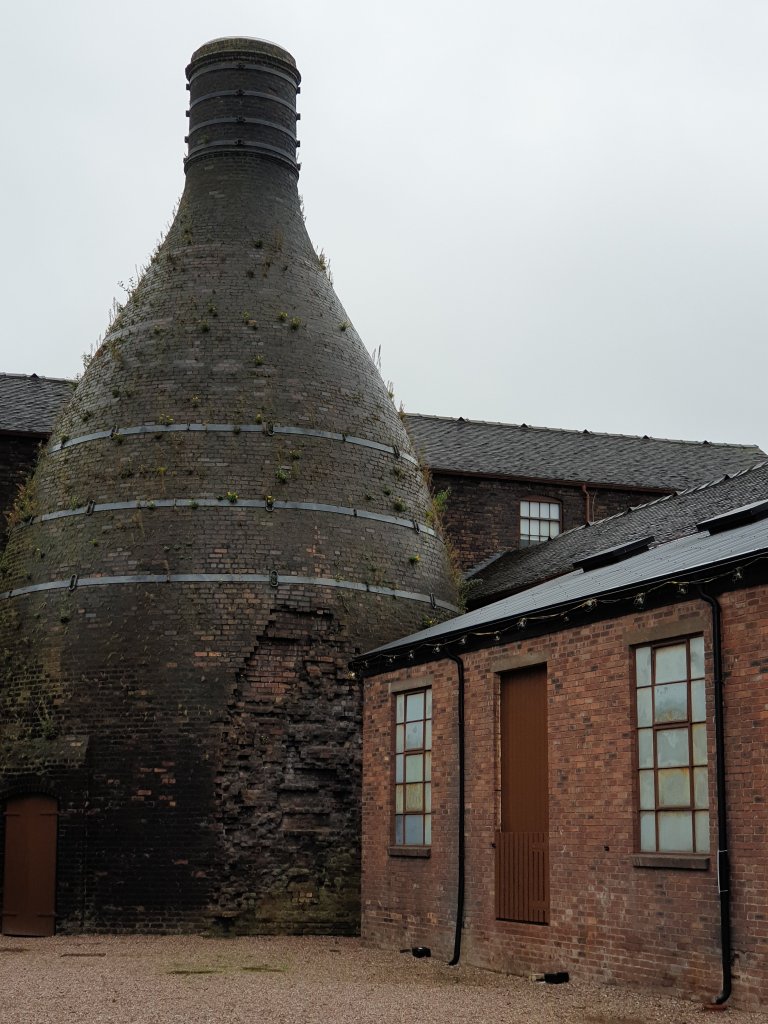
I started upstairs, above the engine house, in the Slip House, moving next door into the Mould Store:-
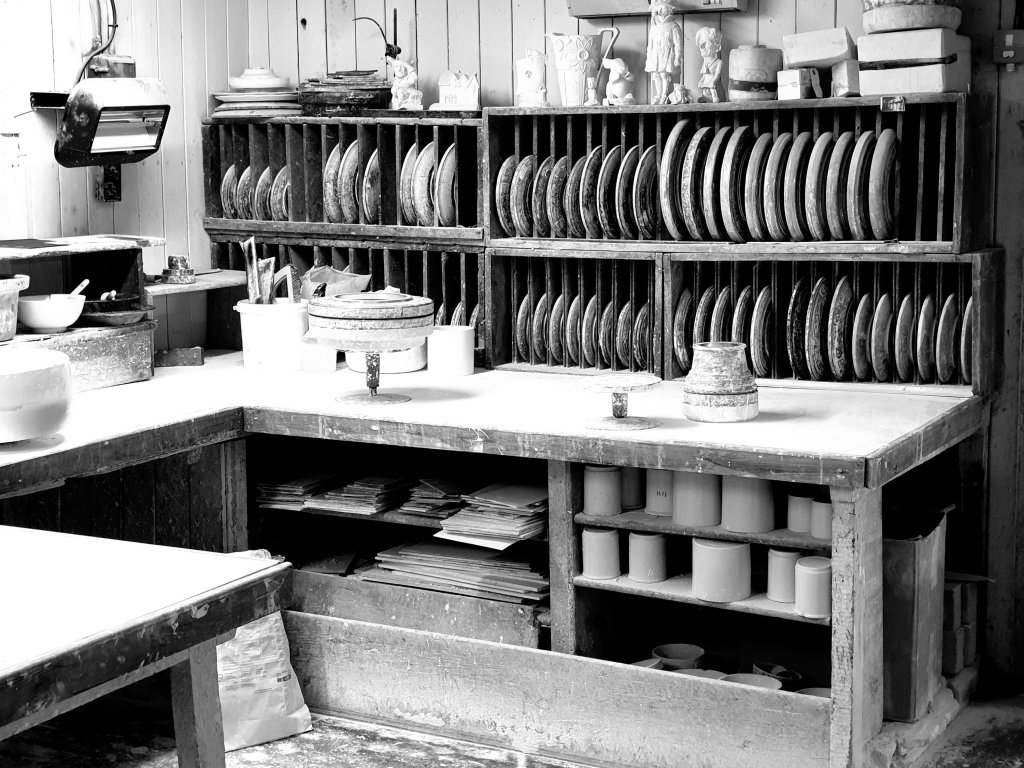
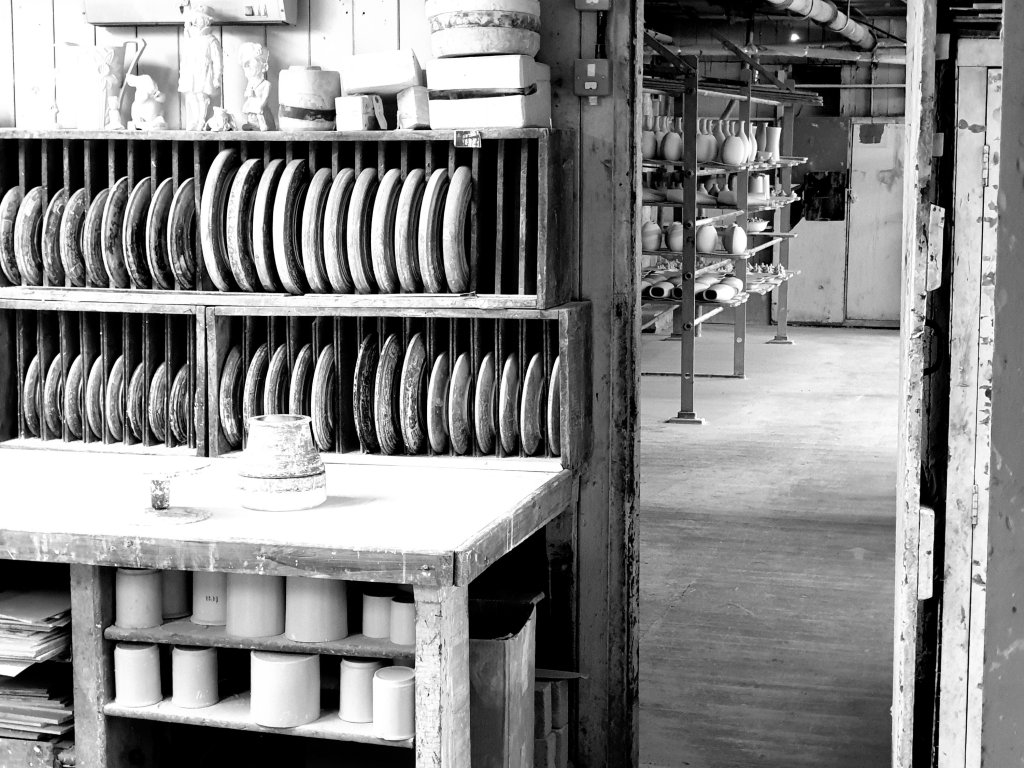
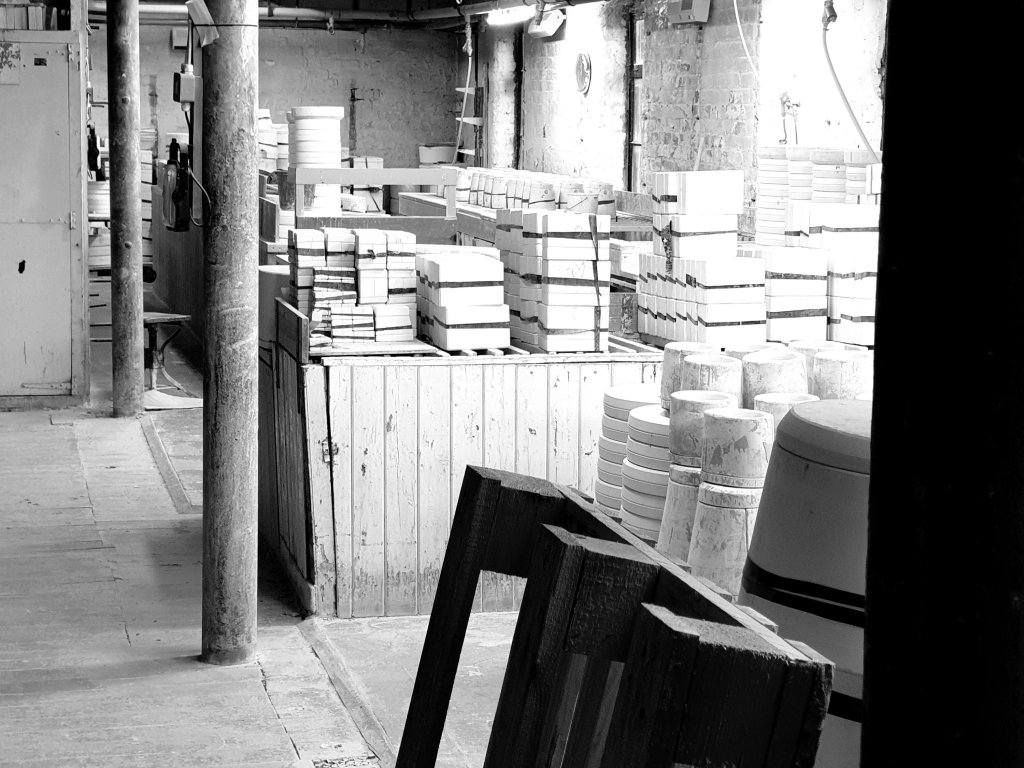
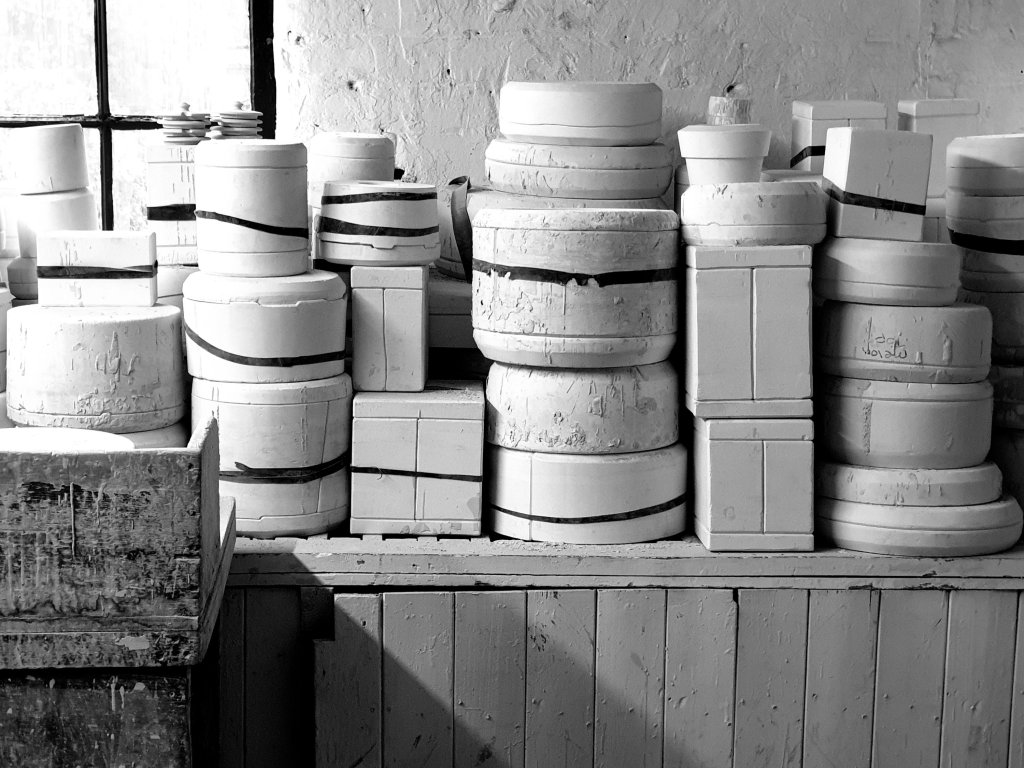
Immediately, you see and feel the difference between a sanitised and reconstructed modern environment à la Raycliff and one which has seen the wear and tear of everyday skilled work:-
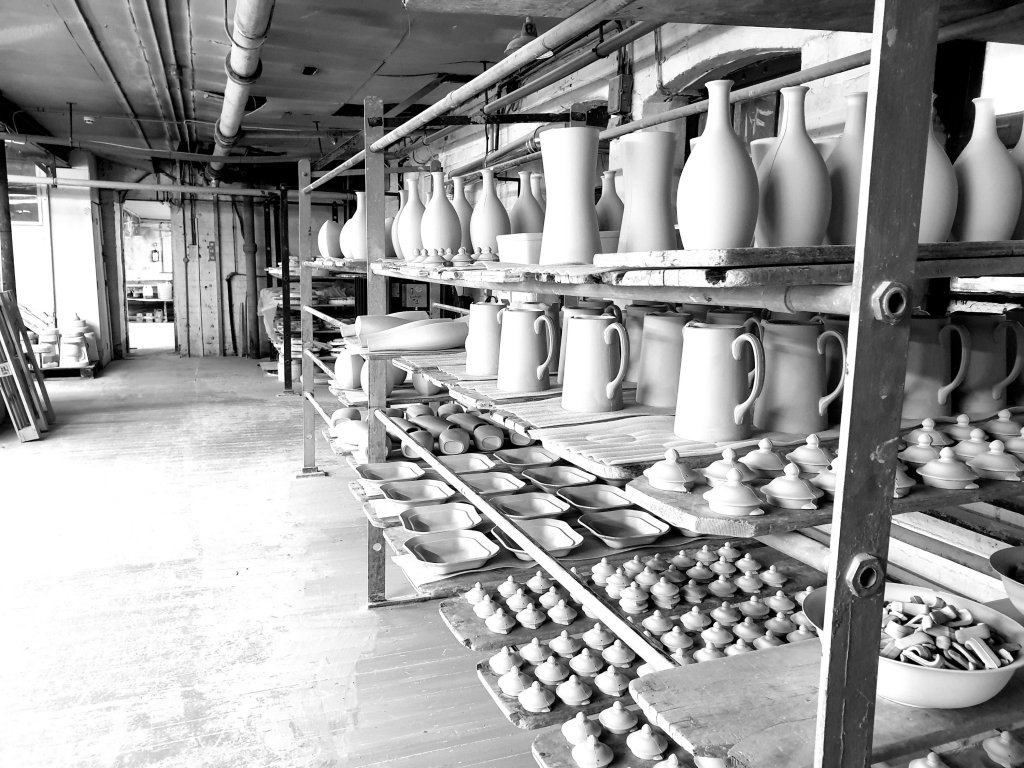
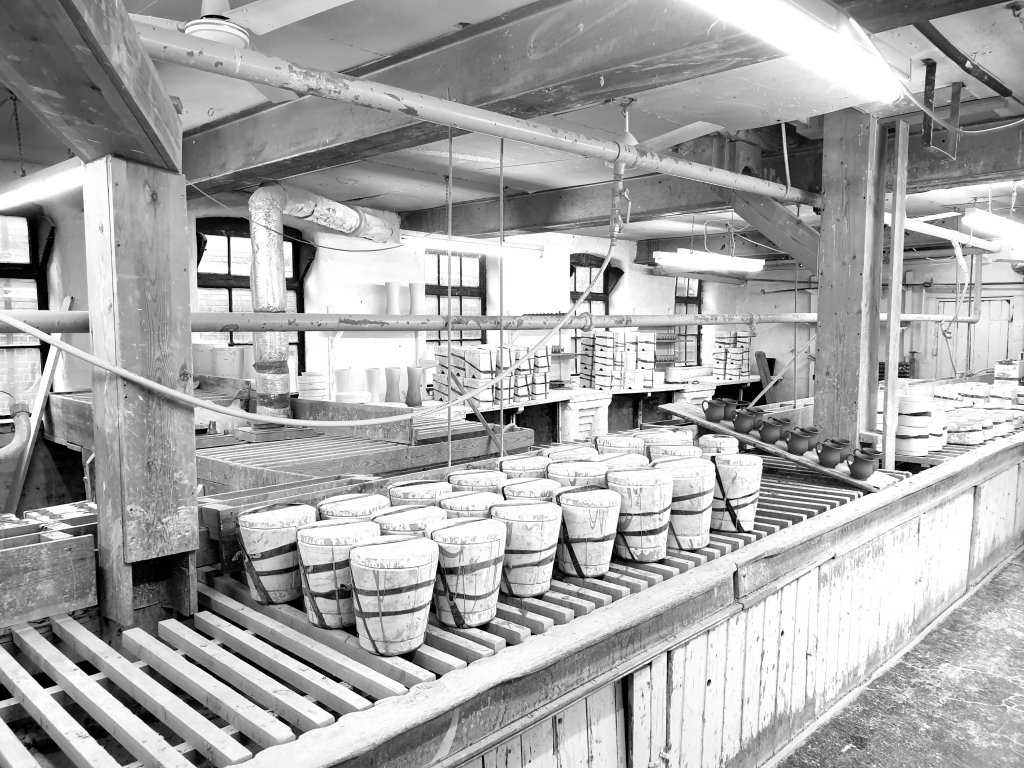
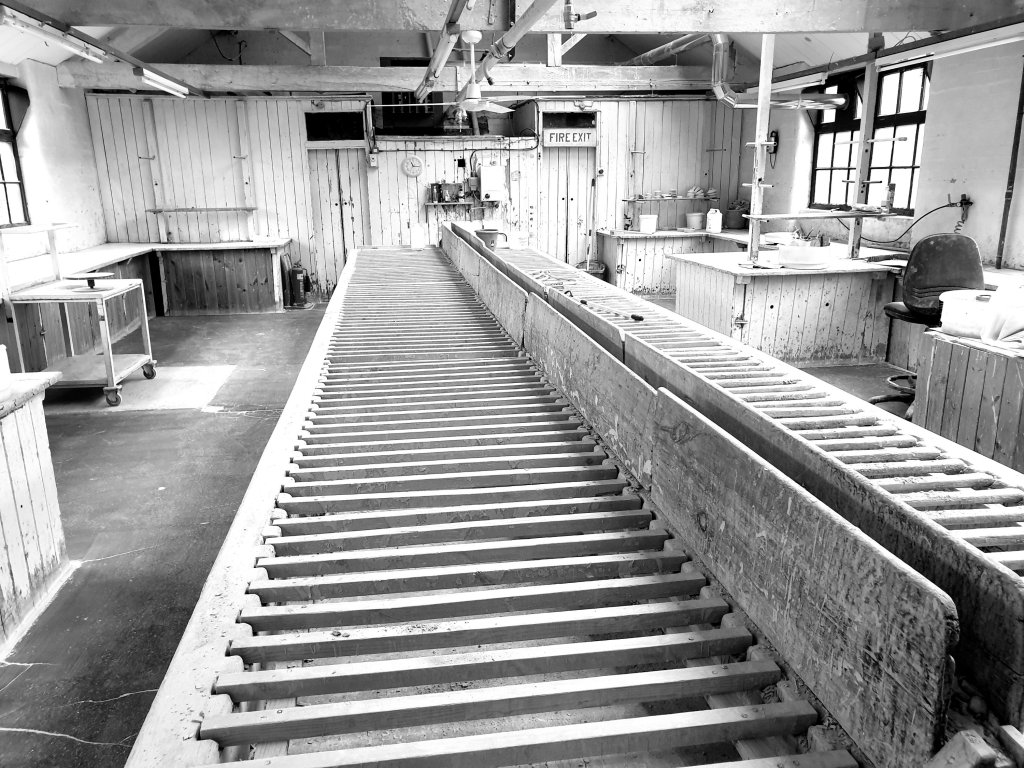
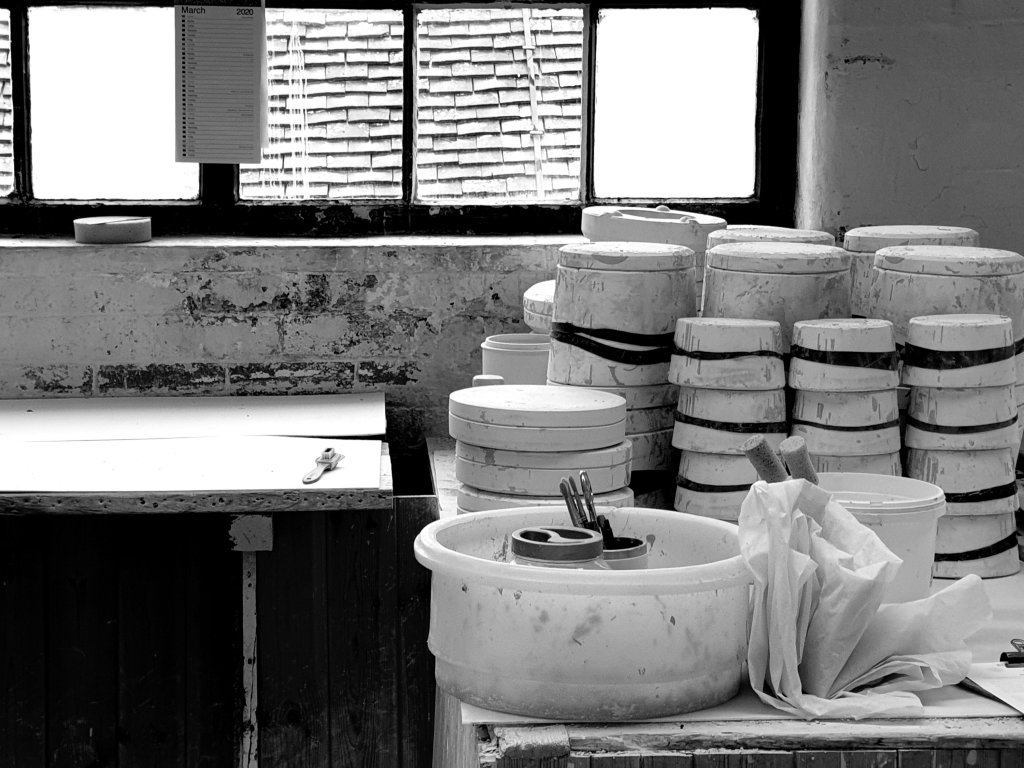
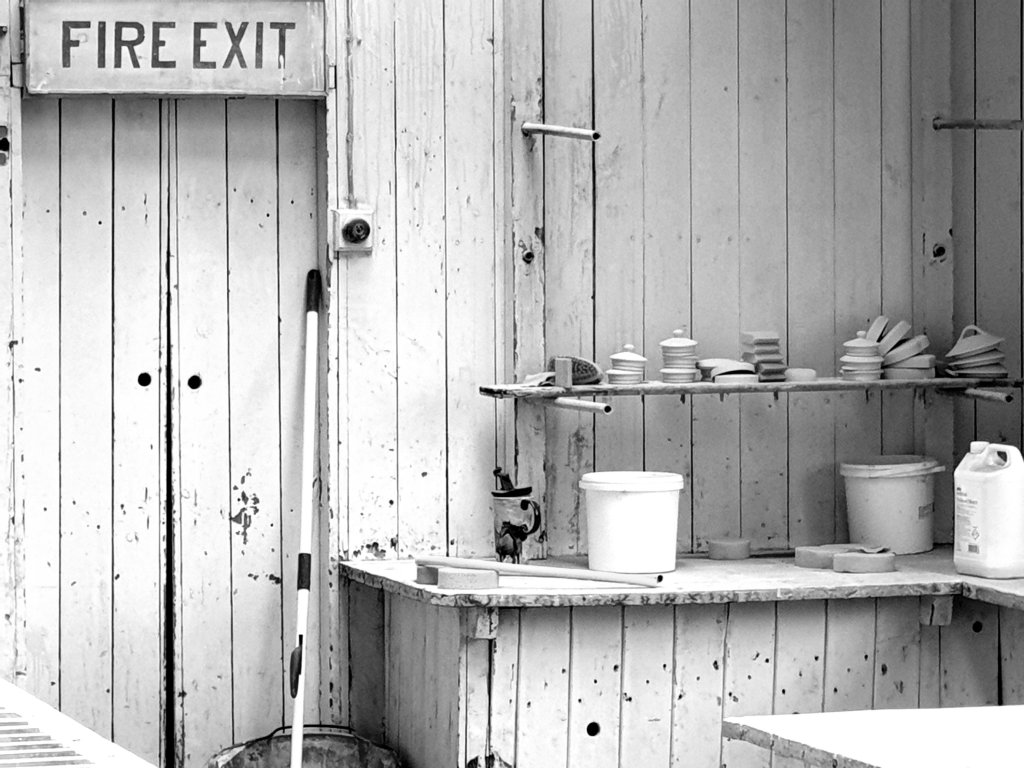
This is the room where they do the jiggering and jollying in the Potter’s Shop:-
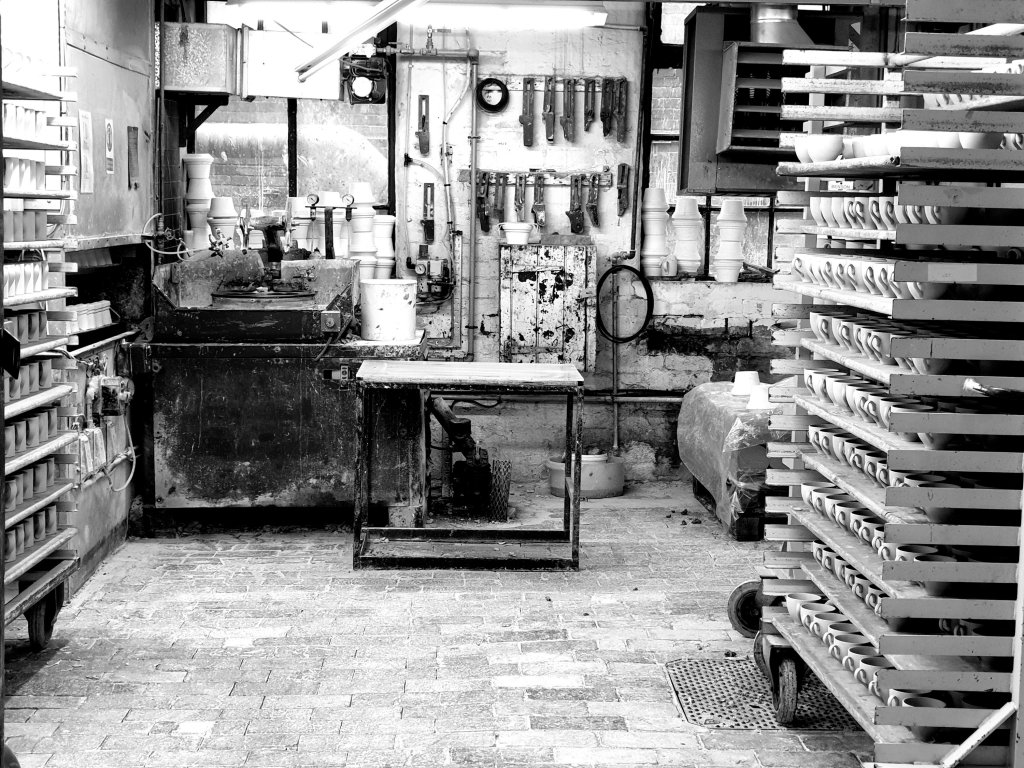
To be continued.
The current state of industrial archaeology
One of the things that I have been very struck by in all the discussions surrounding the potential saving of the Whitechapel Bell Foundry is how little currency industrial archaeology now seems to have in the politics of conservation. In the 1970s and 1980s, as Professor Toshio Kusamitsu made very clear in his submission to the Bell Foundry Inquiry, industrial archaeology was a very important movement, mirroring the collapse of industry and ensuring the survival of the major relics of industrial history, putting industrial history close to the centre of the way history was understood and interpreted, alongside the movement to write history from below, History Workshop, and new interpretations of the early stages of industrialisation; but I haven’t detected that anyone in Historic England is any longer much interested in this aspect of architectural heritage. At the Inquiry, I was struck by how totally uninterested Michael Dunn, the Principal Inspector of Historic Buildings, was in the bell foundry, giving a very deadpan rebuttal as to any reason why it might be remotely worth preserving. The London Advisory Committee should have intervened, but was encouraged not to. Is it because issues of gender and race have replaced an interest in work and labour ? Or is it because industrial history is treated as a northern concern, not relevant to London ?
Whitechapel Bell Foundry (68)
As the lawyers do their summing up and the Inspector closes the last day of the public Inquiry, after two weeks of nearly daily hearings, the profound differences between the two schemes in front of the Inspector have become all too abundantly clear.
On the one hand, you have the Raycliff scheme which consists of the radical reconstruction of the Bell Foundry: spending a lot of money on its refurbishment, no doubt, but using the bulk of it as a café with fifty tables, which will need to be serviced by a kitchen on site: kitchens generally occupy between a third and half of the amount of space used by a restaurant. So the bulk of the existing foundry becomes a café/restaurant. Yes, they have now chosen to insert a small foundry alongside the internal courtyard as a way of securing planning permission, but this was not part of their original plan and is not intrinsic to it. The bulk of the site is given over to a brand new hotel with 103 rooms. It has been suggested by the architect, Will Burges of 31/44 Architects, that the scale of the new hotel and being built in similar materials will enhance the character of the foundry, but in reality is more likely to smother it.
On the other hand, you have a detailed and costed set of proposals put forward by a conservation charity, Re-Form, with recent experience of re-establishing the historic use of Middleport Pottery in Burslem, which would work in conjunction with a long-established international firm, Factum Arte, to protect the character of the existing building by maintaining it in active use as a working environment.
One proposal sticks to its former use, the other changes it. So, should the Inspector recommend change-of-use ? I sincerely hope not.
The Old Royal High School
It always seemed incomprehensible that Edinburgh, one of the greatest neoclassical cities in the world, should have remotely considered the conversion of the Old Royal High School, a great building by Thomas Hamilton on such a prominent site on Calton Hill, into a luxury hotel. But as I have learned during the Inquiry into the future of the Whitechapel Bell Foundry, there are plenty of solemn-faced pundits, including the Commissioners of Historic England, who think nothing of butchering a major historic building in the name of tourist development. One might hope that post-Covid, the mood might turn towards preservation and protection of historic monuments, not that quisling term ‘adaptive re-use’.


You must be logged in to post a comment.