The New Loos

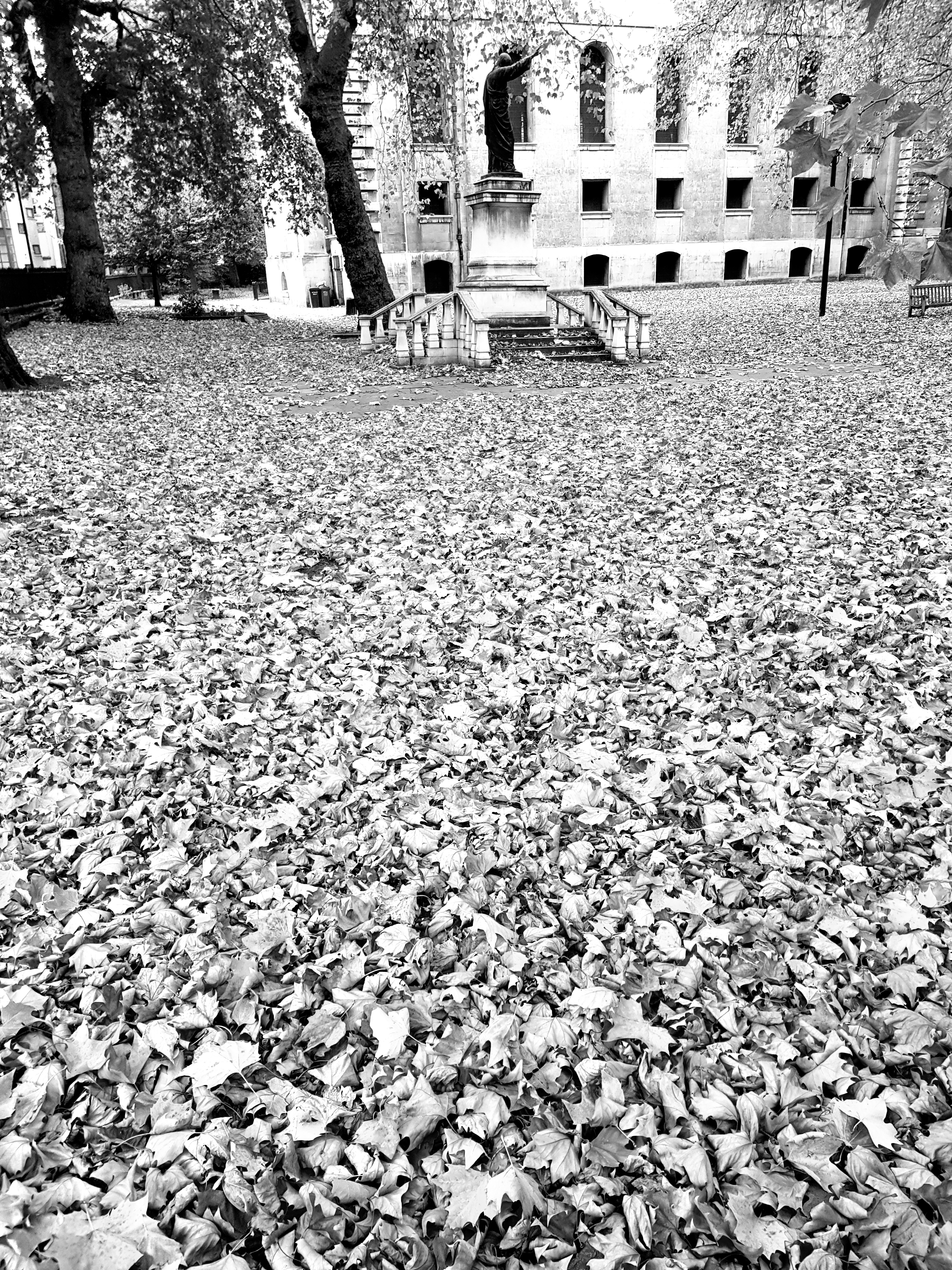
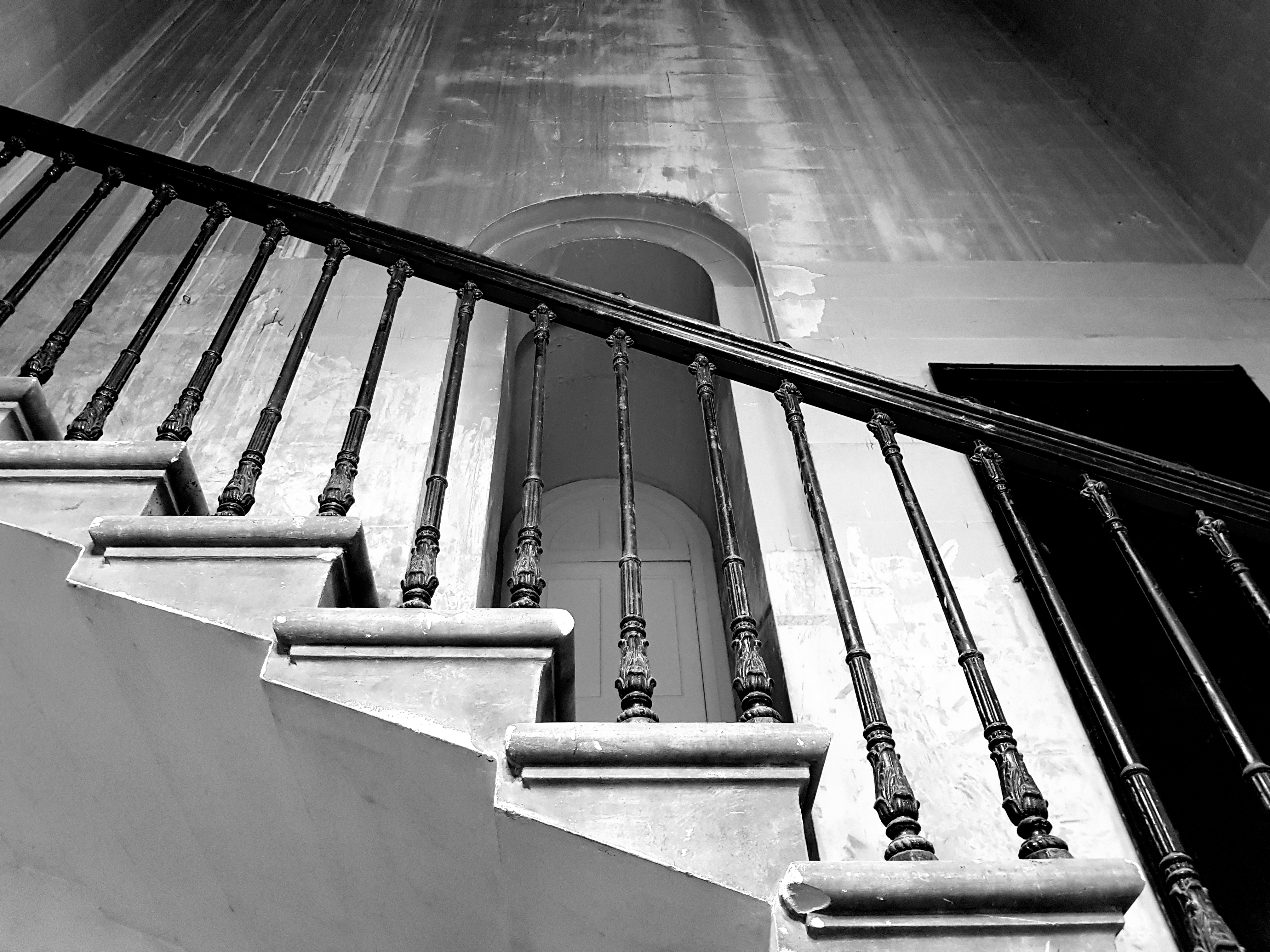
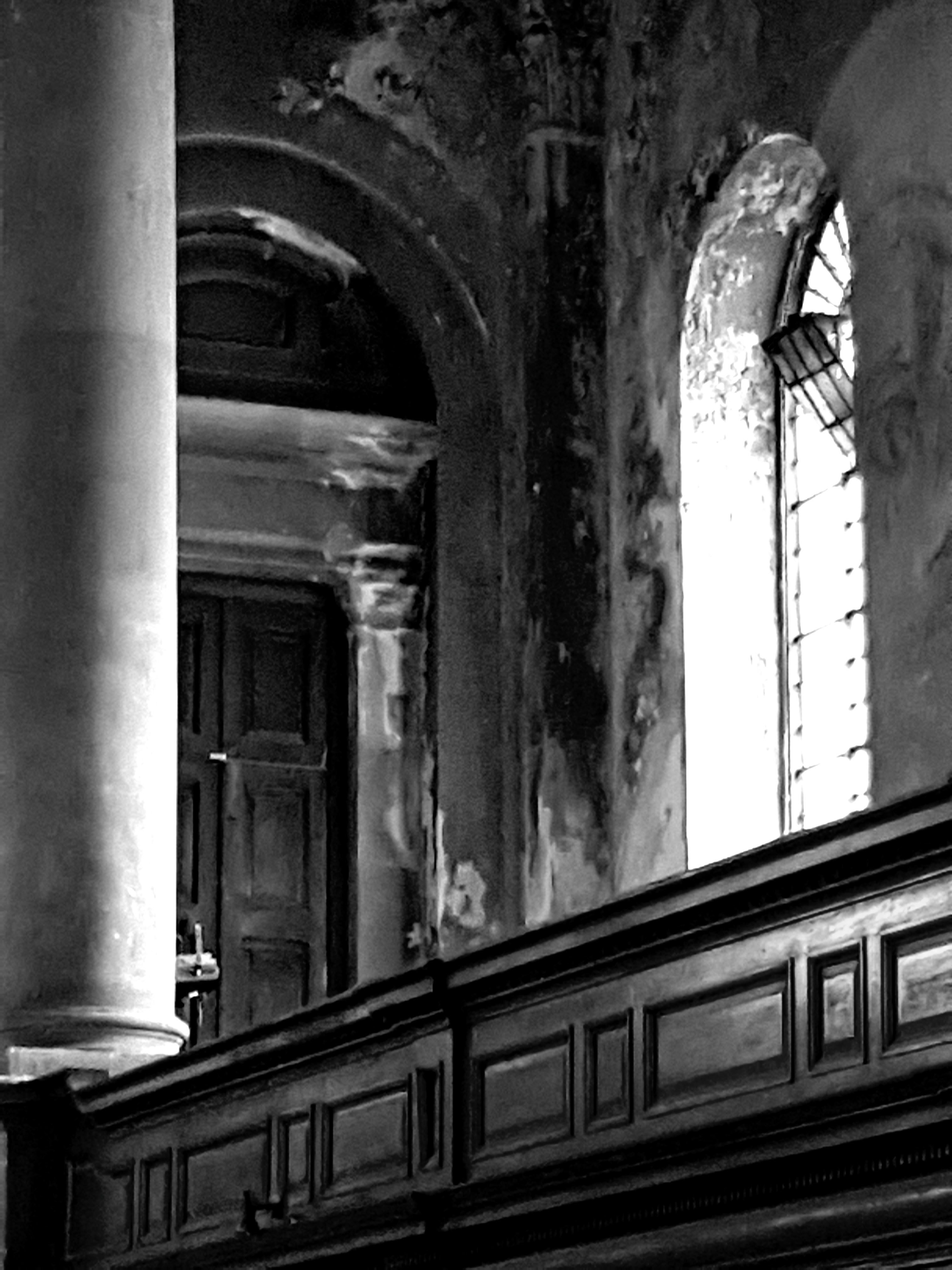
We had a small staff ceremony this morning to celebrate the opening of the new loos in time for the public opening of Jasper Johns.

Many people think I am ridiculous to be so obsessed by the new loos, but I regard them as:-

a) a milestone in the road towards the completion of the project

b) a symbol of the fact that we have long needed and required better and more spacious public facilities

c) I like and admire the way that David Chipperfield has treated the space as if it has been discovered in the basement of a Roman aqueduct with brick vaulted ceilings

Next stop the undercroft:-

Standard

Burlington Gardens

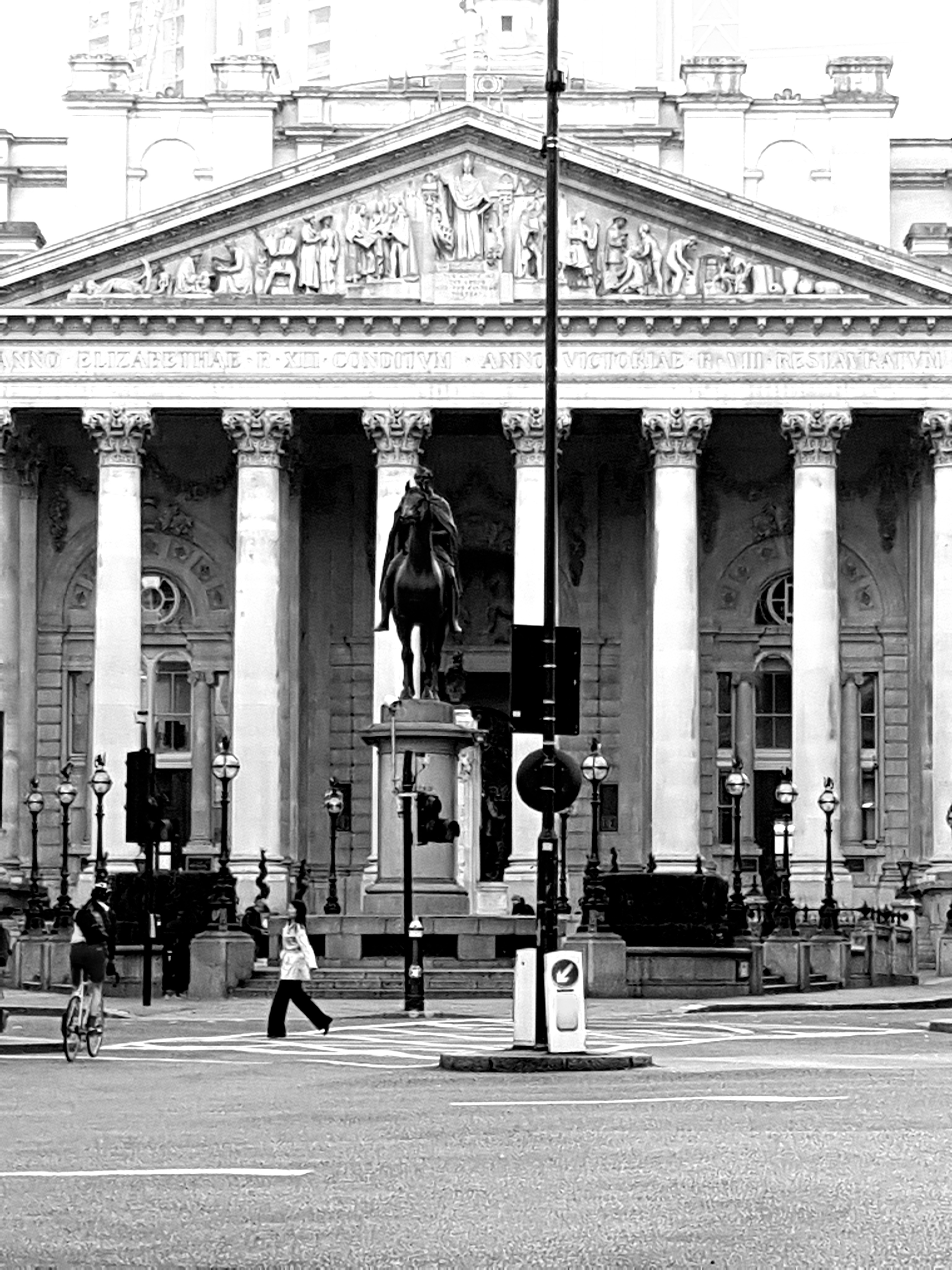
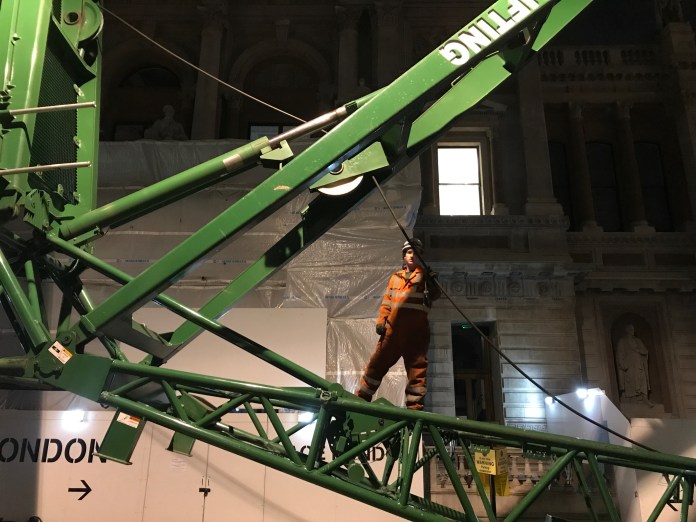
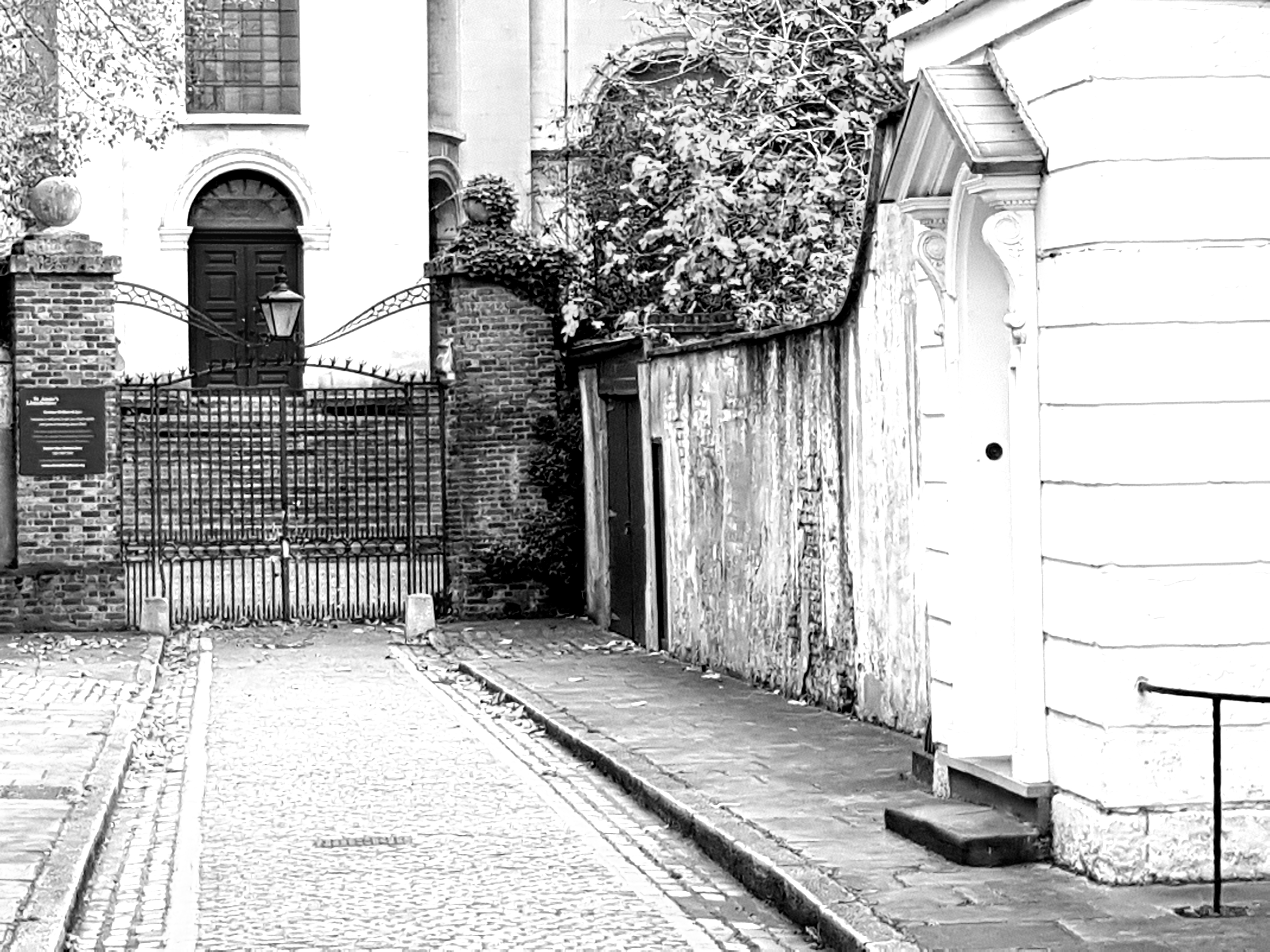
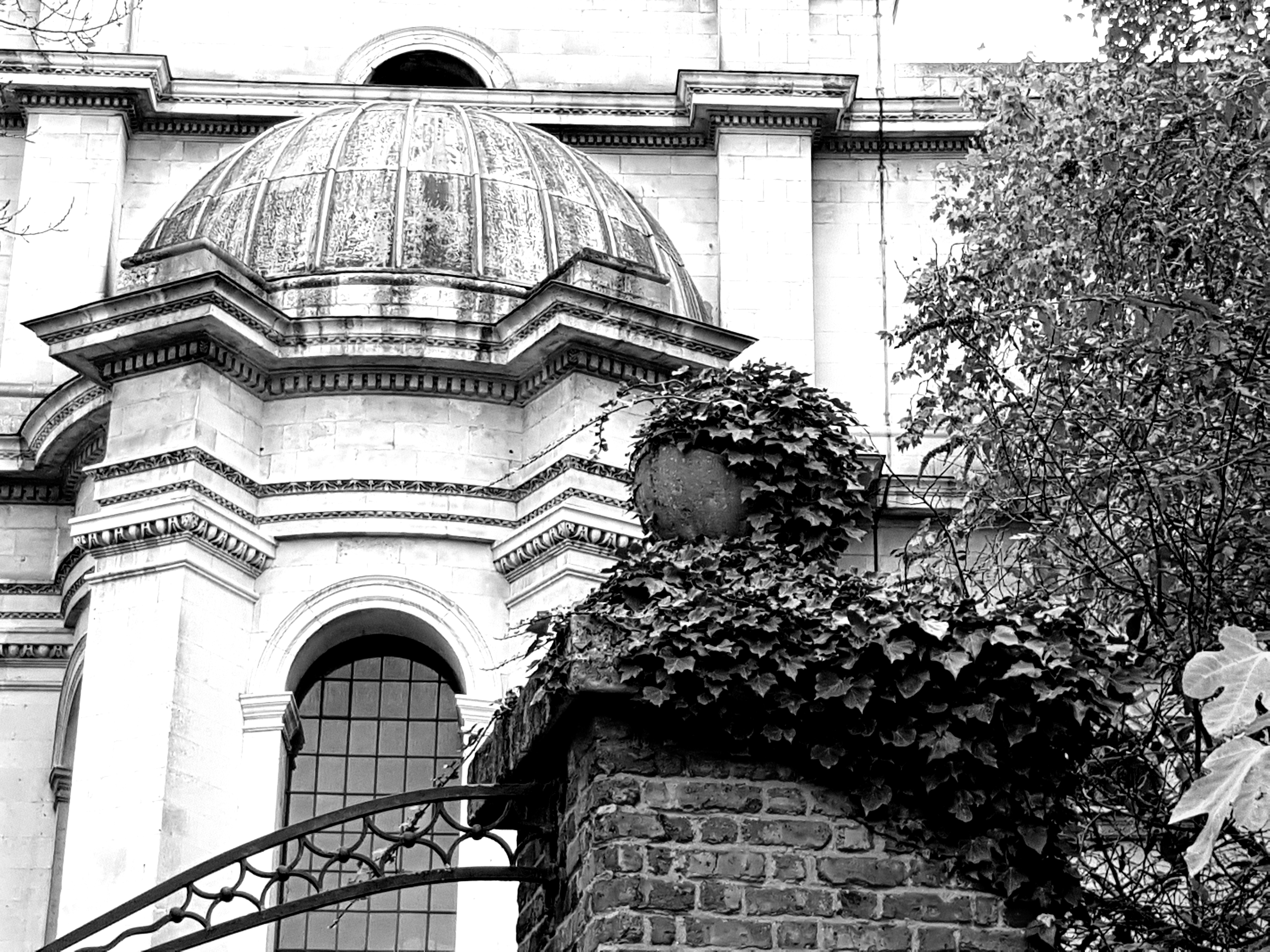
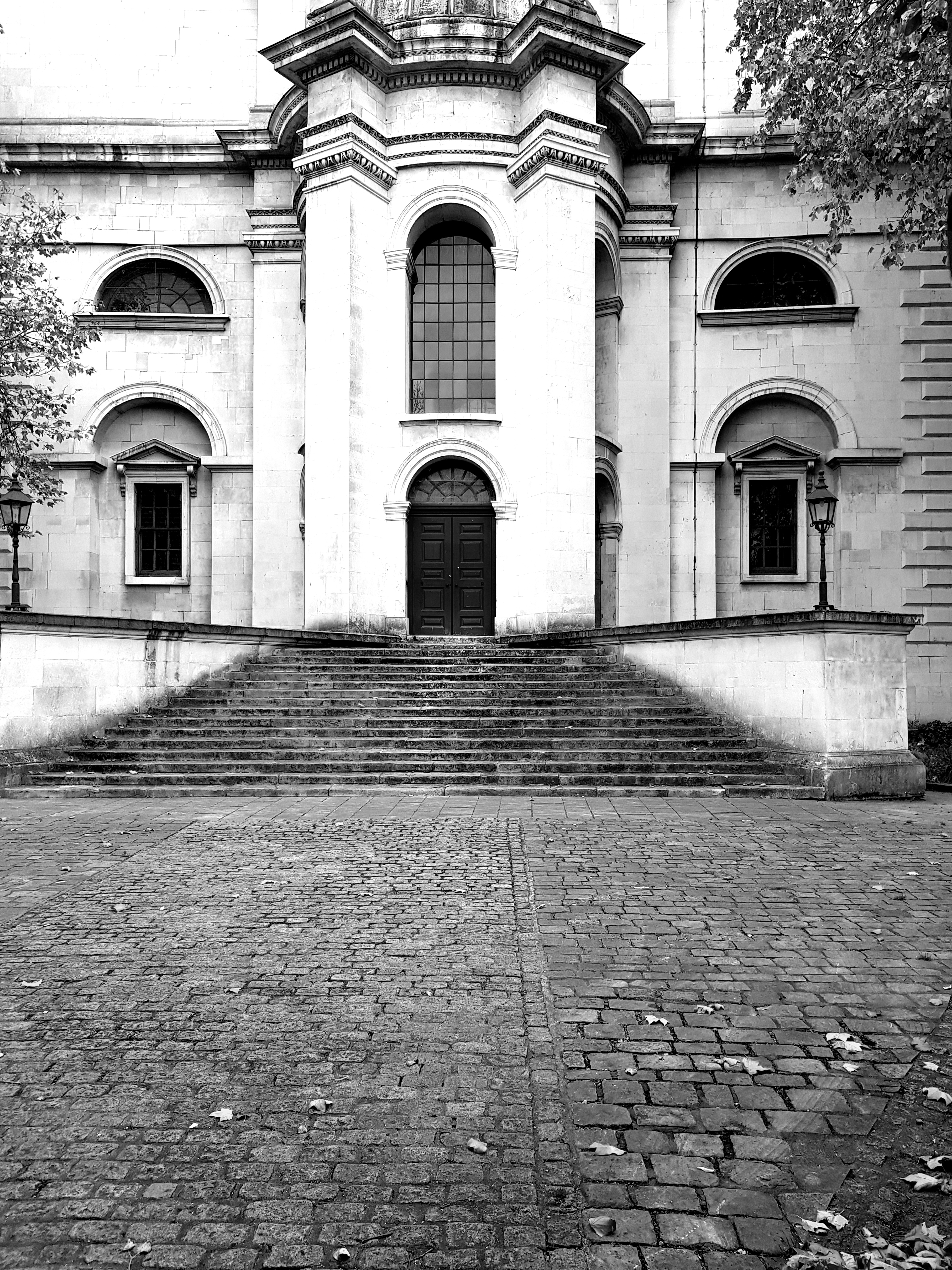
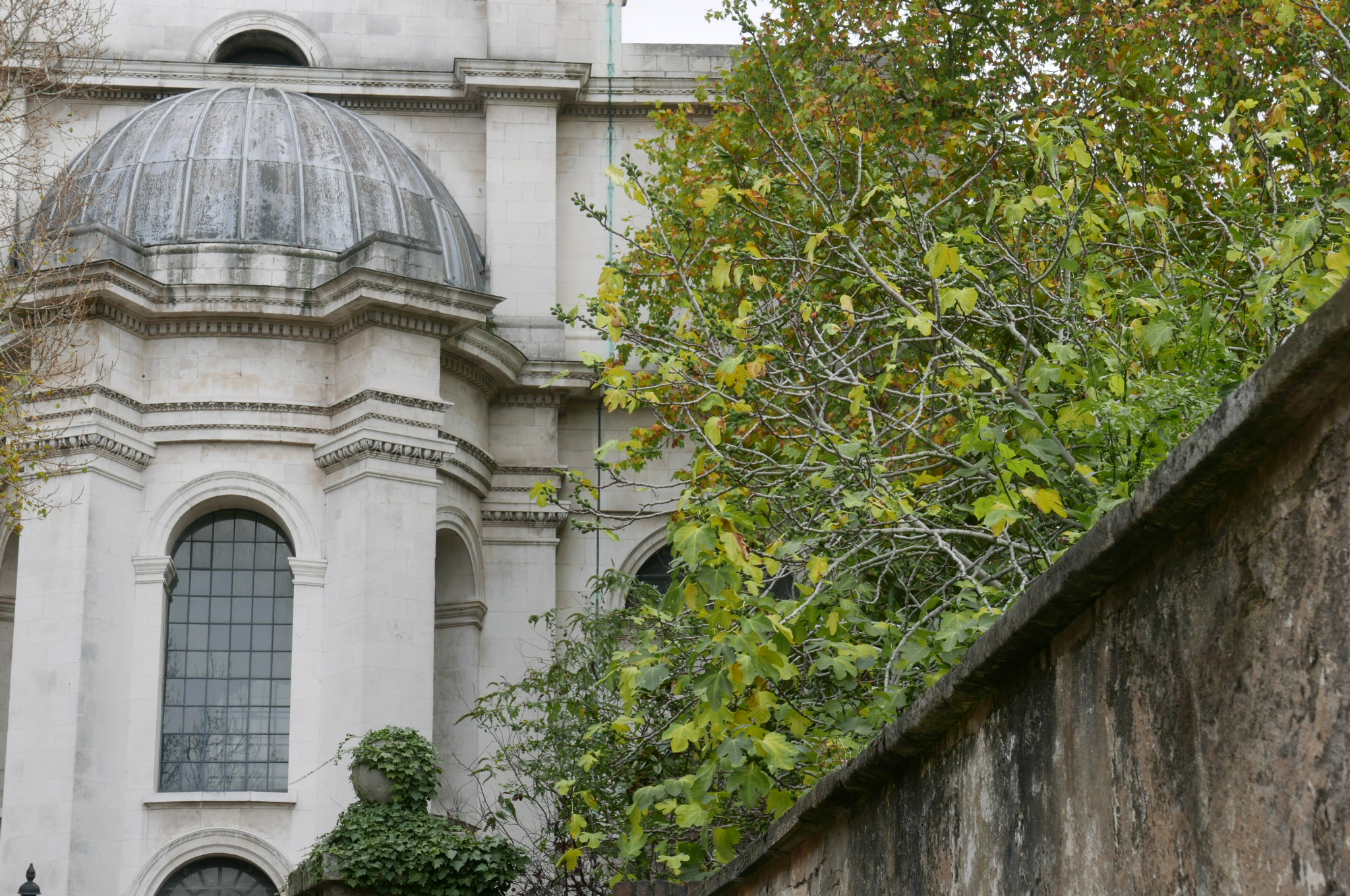
Since I have been round Burlington Gardens not once, but twice today, and since I definitely can’t show photographs of Jasper Johns, I am posting some views of the newly unveiled statues on the façade (not with the Leica):-

Standard

Henry Aldrich

I clearly owe Henry Aldrich an apology for having got his Christian name wrong in a post yesterday (since corrected). I mentioned his name in the post on Edward Harley only because I have always had the impression that he had quite an influence on undergraduates, particularly aristocratic ones, at Christ Church during his time as Dean, with his pipe smoking, deep interest in architecture, weekly musical gatherings, and high toryism. But I realise that Aldrich died in 1710 and Harley only matriculated in 1707, so they would not have overlapped for long.

Standard

Edward Harley, second Earl of Oxford

I have been trying to find out a bit more about Edward Harley, about whom I wrote the entry in the Macmillan Dictionary of Art (the big Dick), but so long ago that I have forgotten most of it. He was born in 1689 and educated at Westminster and Christ Church, when Henry Aldrich was Dean. After graduating, he became a Tory MP for Radnor, but was never remotely as interested in politics as his prominent, highly political father. Instead, he devoted himself to bibliophily and antiquarianism, massively extending his father’s already extensive collection of books and manuscripts. According to A.S. Turberville, who wrote a history of Welbeck in the 1930s, ‘He loved the society of men of letters and of learning; he dabbled in archaeology; he patronised the arts; he made the collecting of manuscripts, of books, and of coins, medals and miniatures the consuming passion of his life’. Every summer he went on tours round England, ostensibly to visit his wife’s estates, but in reality to look at archaeological remains, writing sardonic comments on any examples of new building he encountered, particularly if they were designed by Colen Campbell, who he called ‘that ignorant rascal’ or had work by William Kent, which he described as full of ‘very clumsy over-charged chimney pieces to the great waste of fine marble’. Meanwhile, he bought manuscripts ‘with incessant assiduity and at an immense expense’. He started out with about 3,000 printed books and manuscripts and ended up with over 7,000 manuscripts – Greek, Hebrew and Oriental – and a library of about 50,000 books by the time of his death from drink in June 1741. He employed Gibbs to design extensions to Wimpole and bought pictures by Carracci and Claude Lorraine. Horace Walpole was contemptuous of that part of his collection which was sold by auction after his death, describing it as ‘much rubbish’, including such items as ‘Feather bonnets presented by the Americans to Queen Elizabeth’, apart from ‘a few fine bronzes, and a very fine collection of English coins’. But there are quite a few things he owned still at Welbeck, not just miniatures by Christian Zincke and Bernard Lens, but also a painted cabinet which had been owned by the Earl of Arundel and a dagger said to have belonged to Henry VIII.

Standard

IRMA

We went to Tom Phillips’s opera, IRMA, which was originally written in 1969, based on A Human Document which he found in a Peckham fleamarket and has dedicated his life to reinterpreting. The opera is totally late 1960s in ethos – freewheeling, experimental, mixing musical, theatrical and poetic genres, with a ballet in the middle, and making use of all Tom’s astonishing versatility and inventive talents in art, music and performance.

This is the garden of the South London art gallery where it was performed:-

Standard

St. Mary the Virgin, Little Ilford

When I went to St. Mary Magdalene, West Ham recently, I was encouraged to visit St. Mary the Virgin, Little Ilford, another unexpected relic of this part of Essex’s medieval past, when Ilford had a population of ten. Its church was originally Saxon, rebuilt in the twelfth century, with a memorial chapel added to the north in 1724 by John Lethieullier, a Huguenot merchant who made money trading in the Levant. His third son was Smart Lethieullier. He must have inherited enough money not to need to work, instead devoting himself, as did so many of his generation, to the study of antiquities, becoming an FRS in 1724, and FSA in 1725, travelling to Rome following the death of his father in 1737, and corresponding with fellow antiquaries, and publishing articles on local Roman remains, the shrine of St. Hugh at Lincoln, and the Bayeux tapestry.

The church is small, more like a chapel.

This is the chancel end, maybe rebuilt at the same time as the chapel:-

The porch:-

The Waldegrave monument in the chancel, with seven children neatly praying below:-

The Lethieullier chapel:-

And a tomb in the churchyard:-

Standard

Cressy House

This post is purely self-indulgent. As readers of my book will know, one of my favourite places in Stepney is Cressy House, near to where we live and with a surprising communitarian feel to it, full of bicycles and potted plants. There is apparently a book about it called The Red Cliffs of Stepney, but I’ve never seen a copy (if anyone has, please let me know). It was opened in 1896 by the East End Dwellings Company, a semi-philanthropic enterprise, established by Canon Barnett when he was vicar of St. Jude’s. The idea was ‘to house the very poor while realizing some profit’. I wanted to see if I could catch its character better with the Leica:-

Standard

The London Hospital

In order to experiment with the capabilities of the Leica, I took a photograph of what remains of the old London Hospital, a particularly bleak view, which doesn’t have much to recommend it, other than a slightly surreal sense of what the hospital used to be like in its old unreconstructed form:-

Beyond is a row of houses on Philpot Street which belong to the hospital, which, over the years, has bought up properties in the neighbourhood (testing the capabilities of the telephoto lens):-

The Hospital also seems to own the old deconsecrated church of St. Augustine with St. Philip, built in the late 1880s and now used as a library for the School of Medicine and Dentistry :-

Standard

Leica

Over the past month, especially in Italy, I have got worried that when I take close-ups on my camera phone, the images dissolve when enlarged on a big screen. I consulted a friend and photographic mentor about what to do and he said that he had the perfect solution, which turned out to be a spare baby Leica, which he was willing for me to borrow, as he described it, ‘to play with’. Well, of course, like all amateur camera enthusiasts, I have longed to at least try out a Leica, passing the shop window of Richard Caplan on Pall Mall full of yearning. So, now is my chance. I leave you to judge whether my future photographs are improved in digital definition.

Standard

Whitechapel Crossrail

I have been following the progress of Crossrail with the utmost interest, partly because of its likely impact on Mayfair (400,000 potential extra visitors to the RA A DAY), and partly because I will be able to get from Whitechapel Station to Bond Street in eight minutes, not to mention Heathrow and Paris. So, I was delighted to hear that Crossrail were organising tours round the station for Open House. It’s a building site. I’m familiar with them. One will enter by the original entrance and then cross over the old Hammersmith and City lines, past an entrance to the Overground, to the grand entrance to the new Elizabeth line. The line itself is due to open on 9 December 2018, the day before our 250th. birthday. The only thing I regret is that there is no entrance at the Cambridge Heath Road end, where there is a big shaft, but maybe Sainsbury’s could consider adding it to their new (and controversial) development as part of a Section 106 agreement. It would be expensive, but think what a difference it would make to the value of their residential properties:-

Standard