
I have been very grateful for all the very helpful suggestions of what to see and do in Madrid. The truth is that we are prisoners of British Airways having put us on a flight to Madrid, but without our luggage, and not providing any information as to where it is and what has happened to it, other than the not very helpful suggestion on the Iberian Airlines website, where its loss is logged, to check back later. It’s apparently the sixth time that the British Airways system has crashed in the course of a year, according to its Chief Executive, owing to problems in the power supply. I am the first to recognise that there can be problems with IT systems, but firing their IT specialists and outsourcing to India may not in retrospect have been the best way to solve the problems.
Category Archives: Uncategorized
Factum Arte
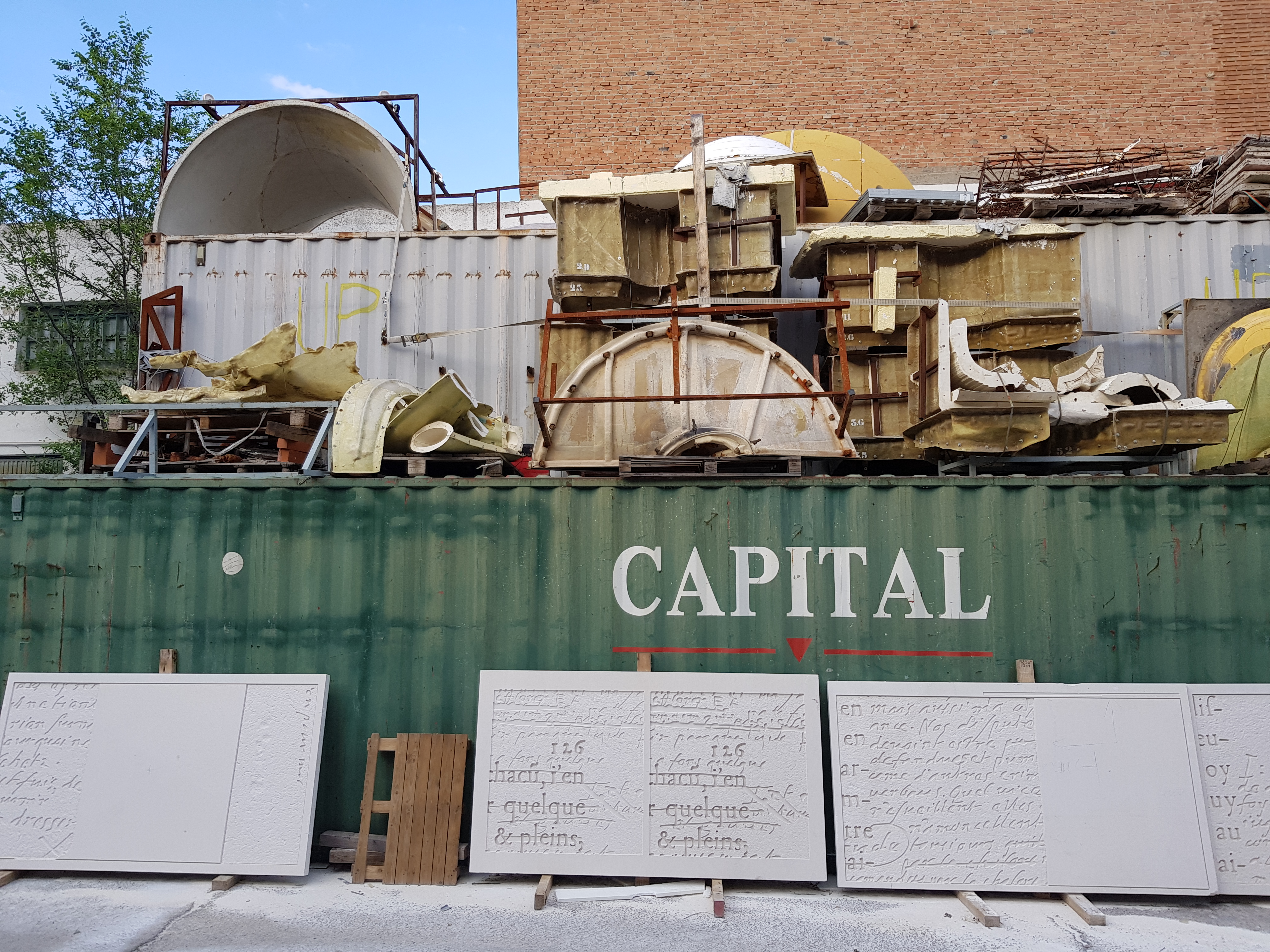
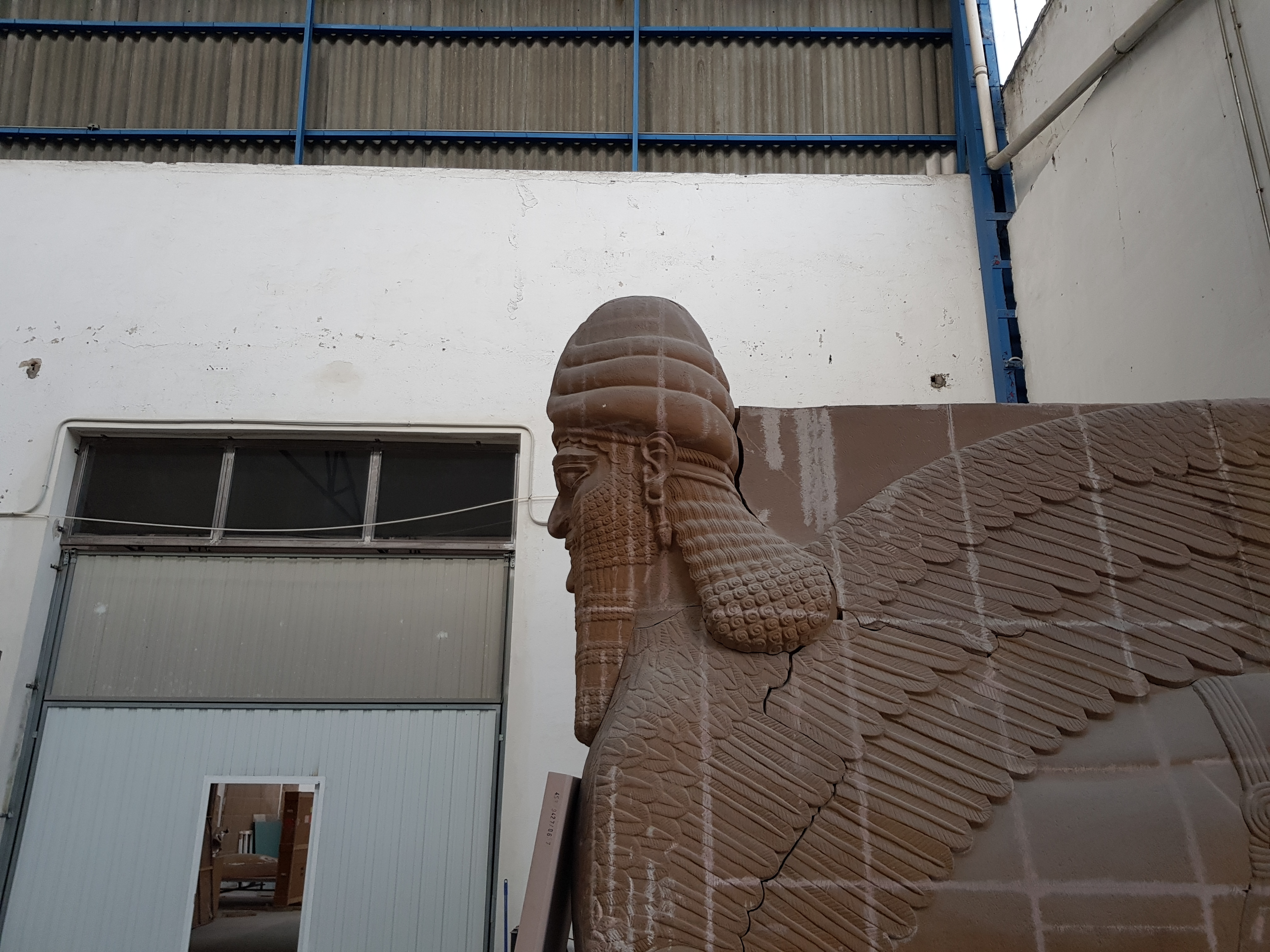
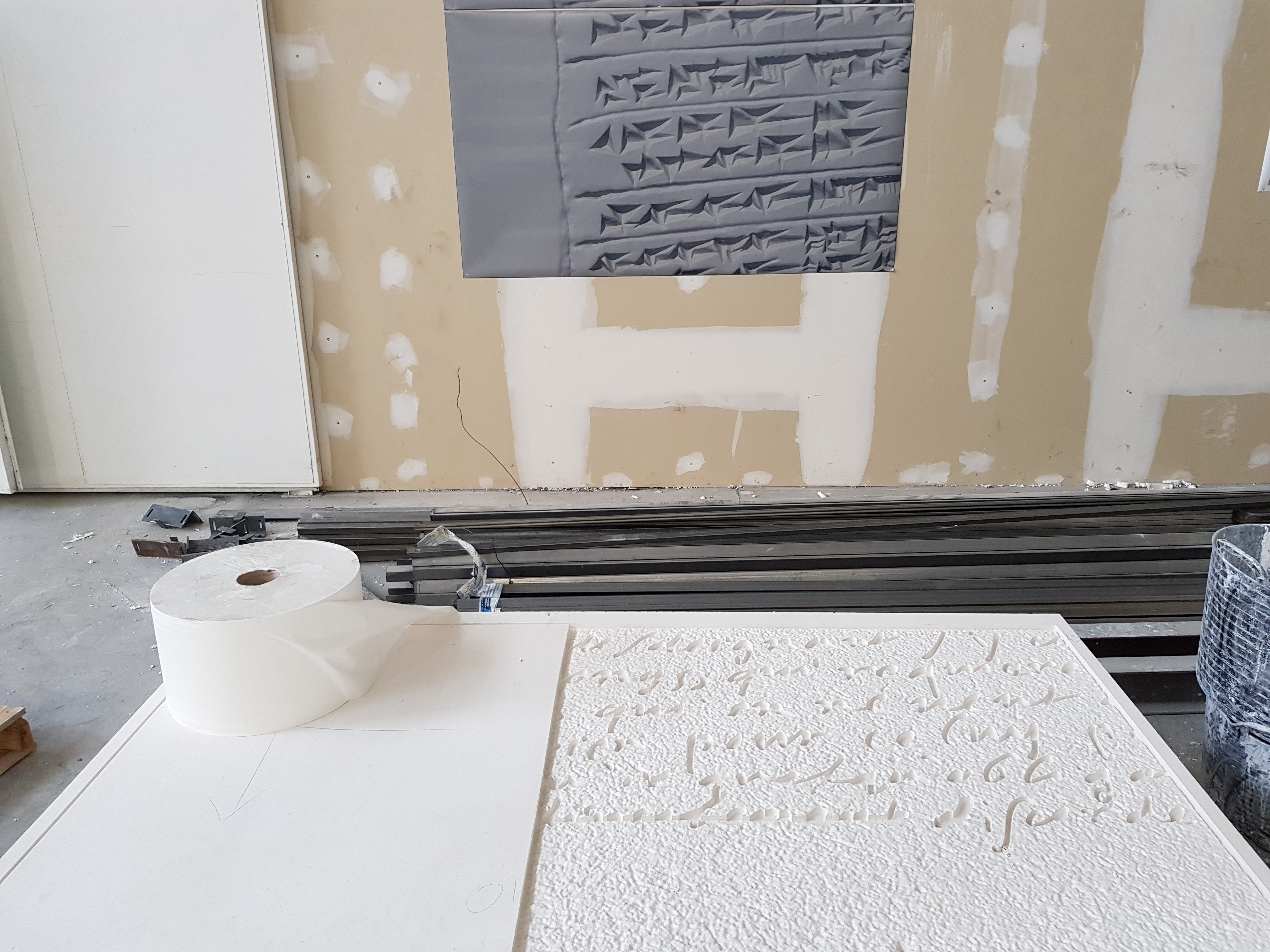
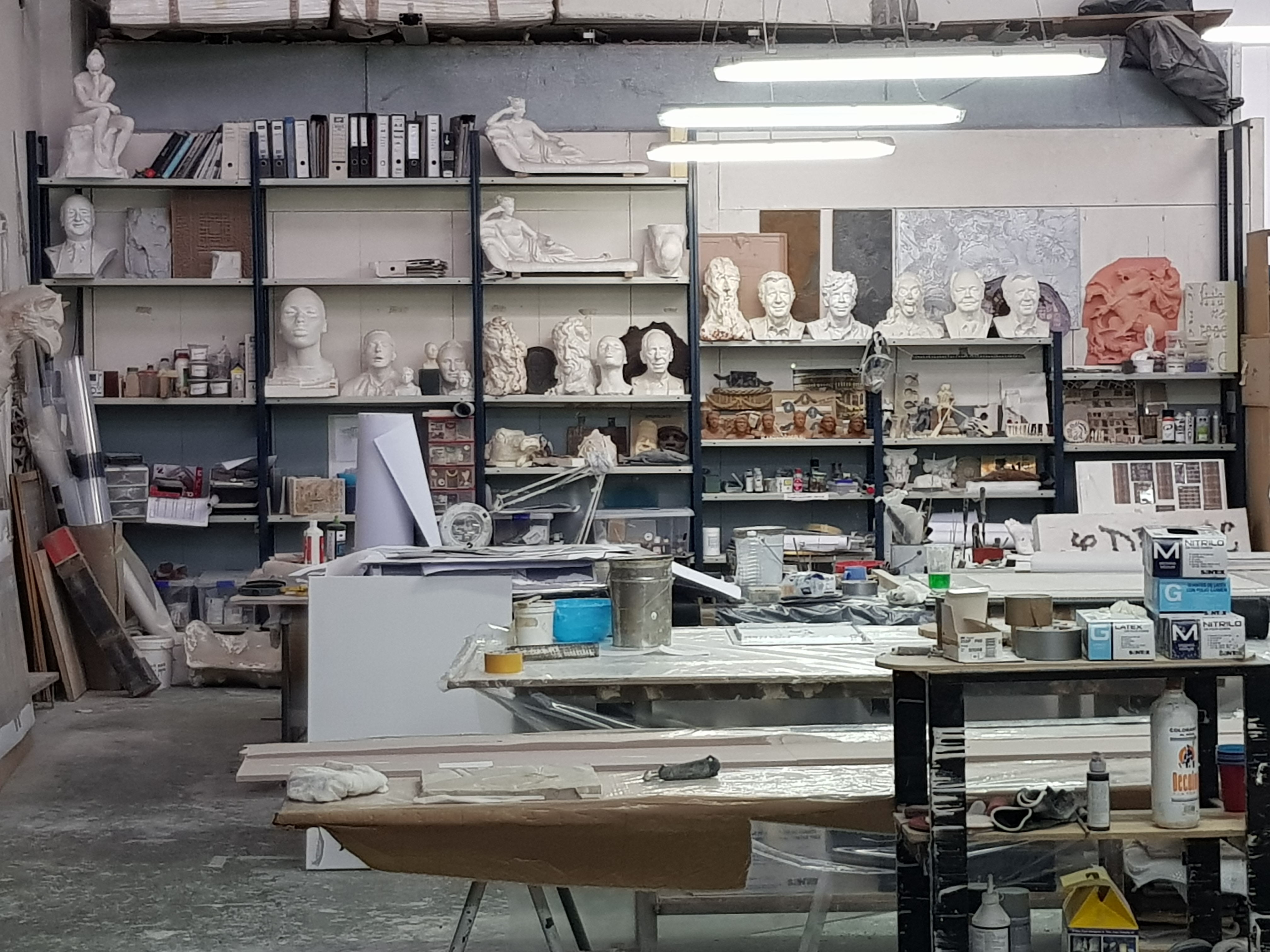
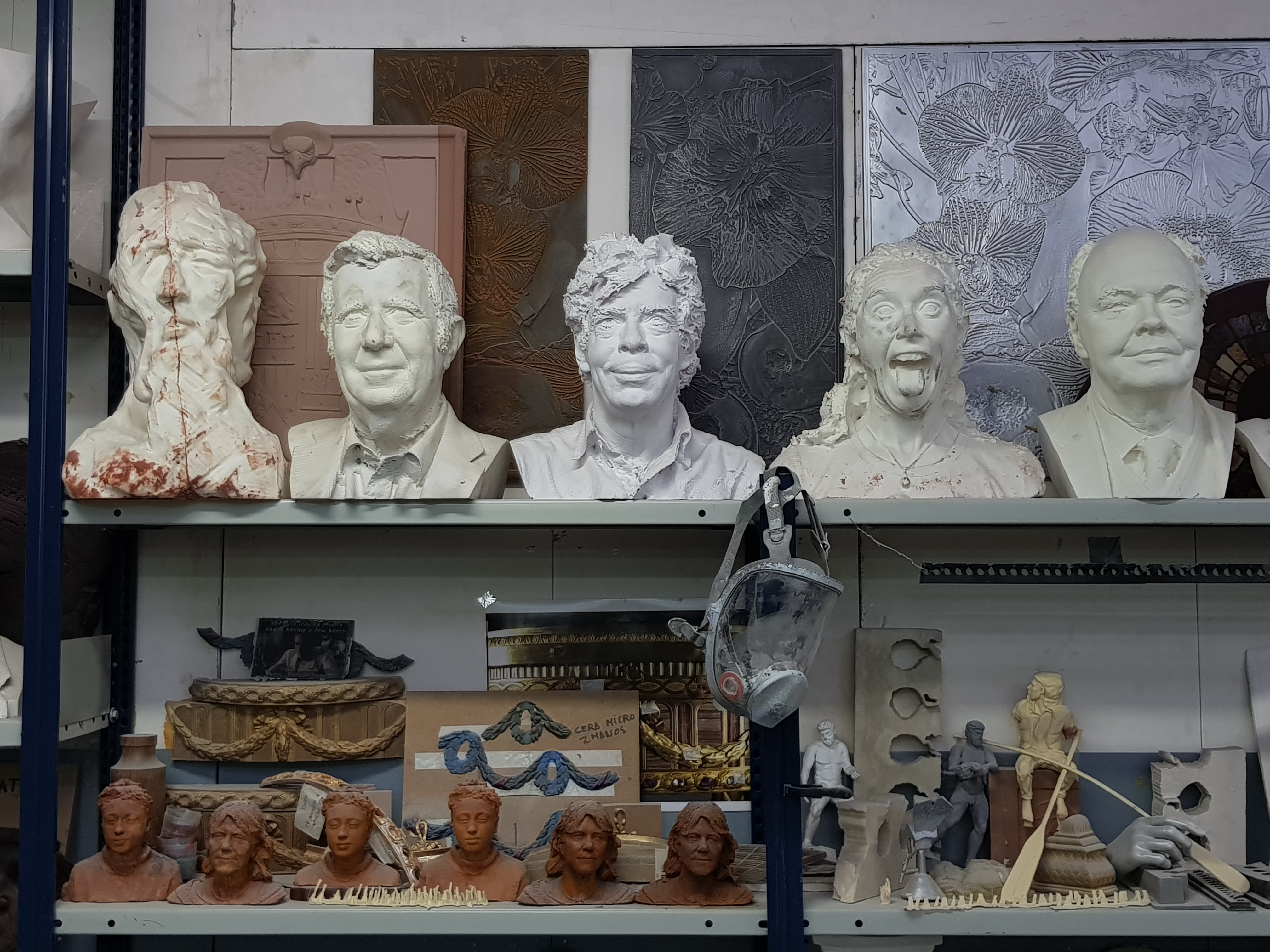
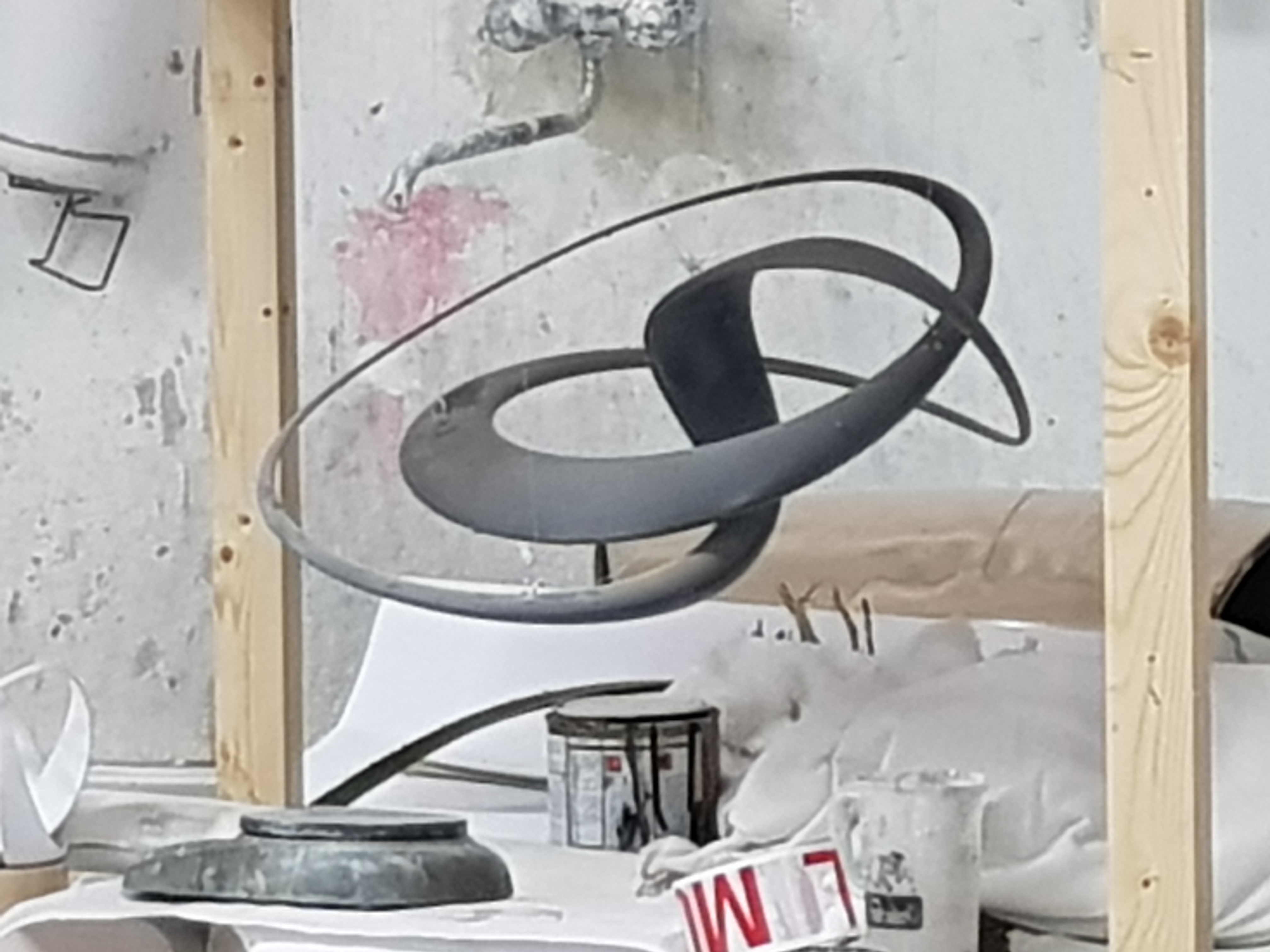
We celebrated my birthday with a dinner in the courtyard of Factum Arte in a remote suburb of Madrid. It began with a tour of the work they are undertaking: a reproduction of the Assyrian winged lions from the British Museum; a faded replica of Leonardo’s Last Supper; a reproduction of Graham Sutherland’s portrait of Winston Churchill. What they do mainly is make works for artists which require some particular specialist skill. Then, they also do detailed digital reproduction of works of art at risk, as well as works which have for some reason been destroyed. It’s a factory of ideas – three quarters craft and one quarter technology:-
Madrid (1)
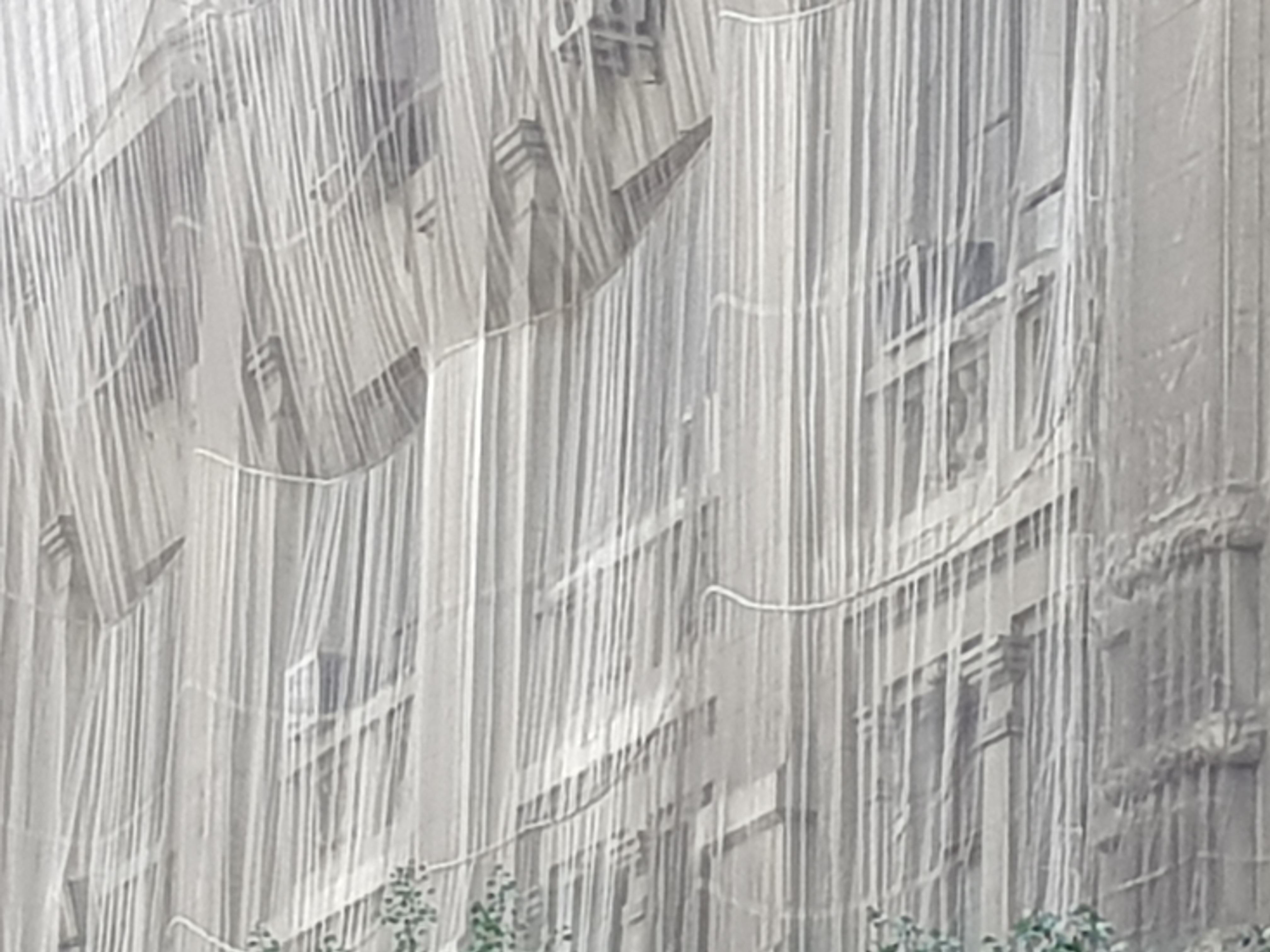
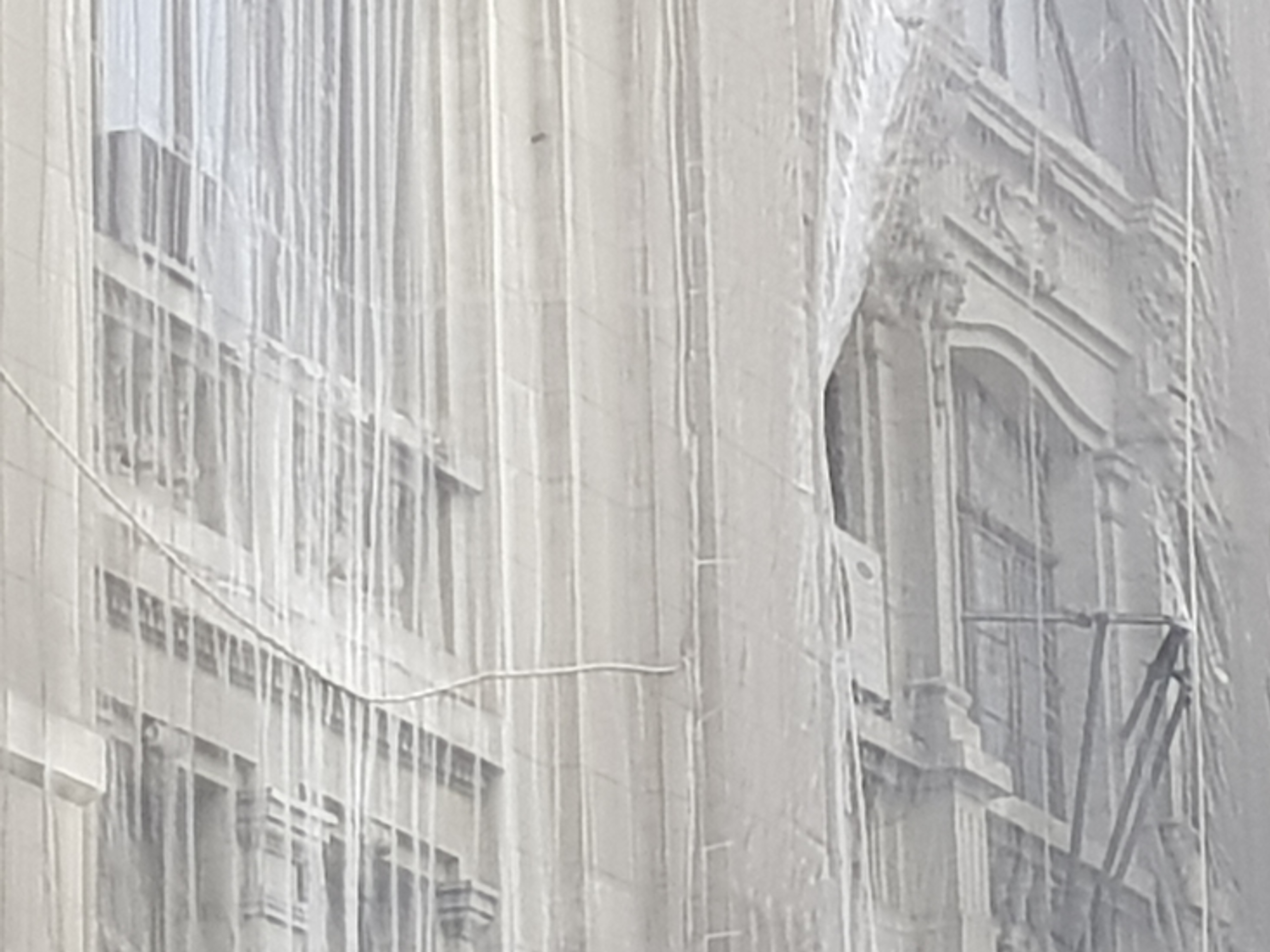
I slipped out of the hotel last night to buy a charger (one of many essentials lost in our luggage) and now realise that I was in the heart of Los Literatos, the area which was dominated in the nineteenth century by the cafés and theatres of liberal writers and intellectuals, opponents to the rigid censorship of Ferdinand VII. Opposite the old Palace Hotel, opened in 1910, was the tourist office, under wraps and awaiting renovation:-
Nearby, on the Calle del León is the discrete entrance to the Ataneo Artistico, Cientifico y Literario, the Spanish equivalent of the Royal Society and British Academy, with a Lecture Theatre and Library which I couldn’t see:-
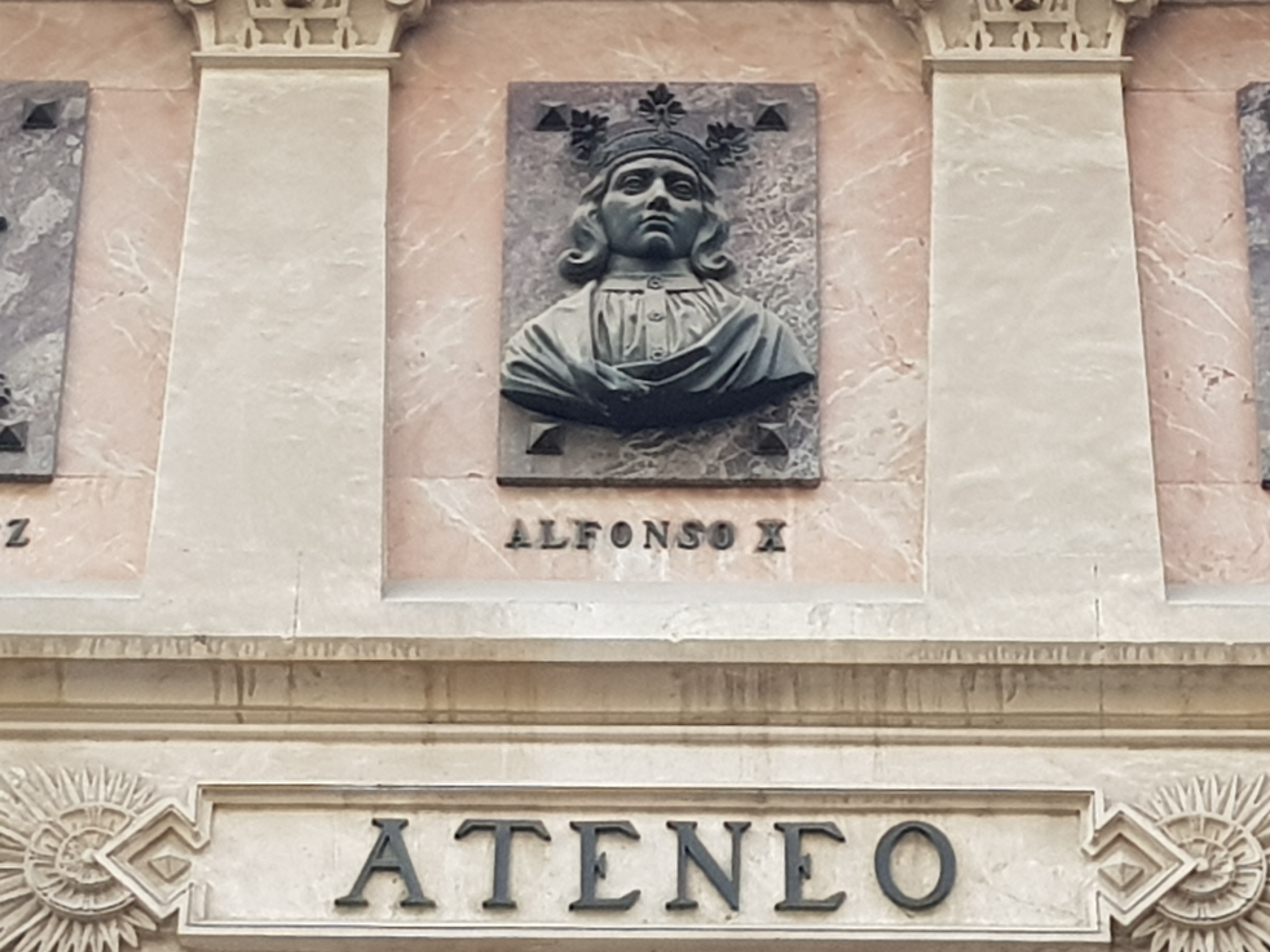
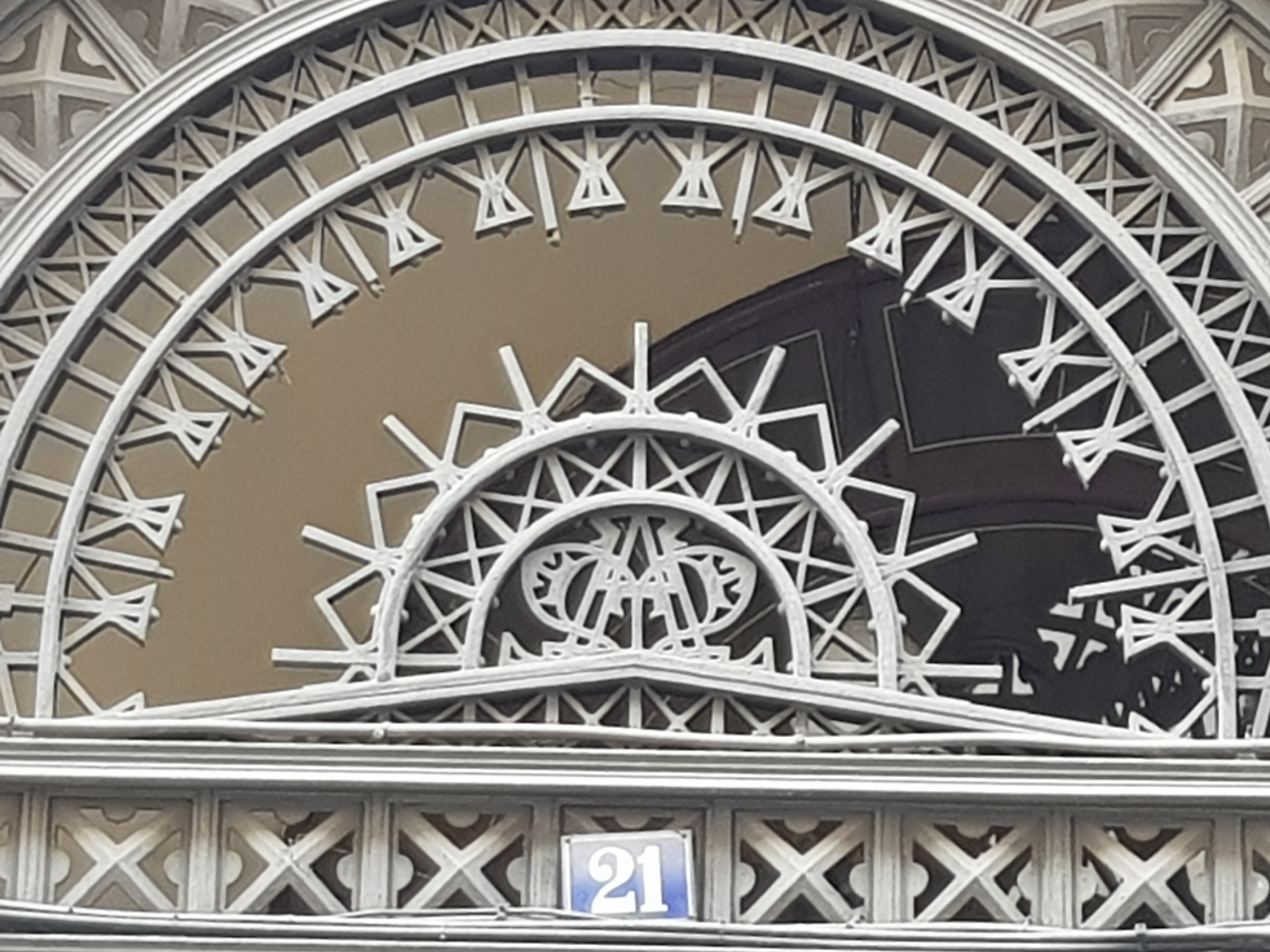
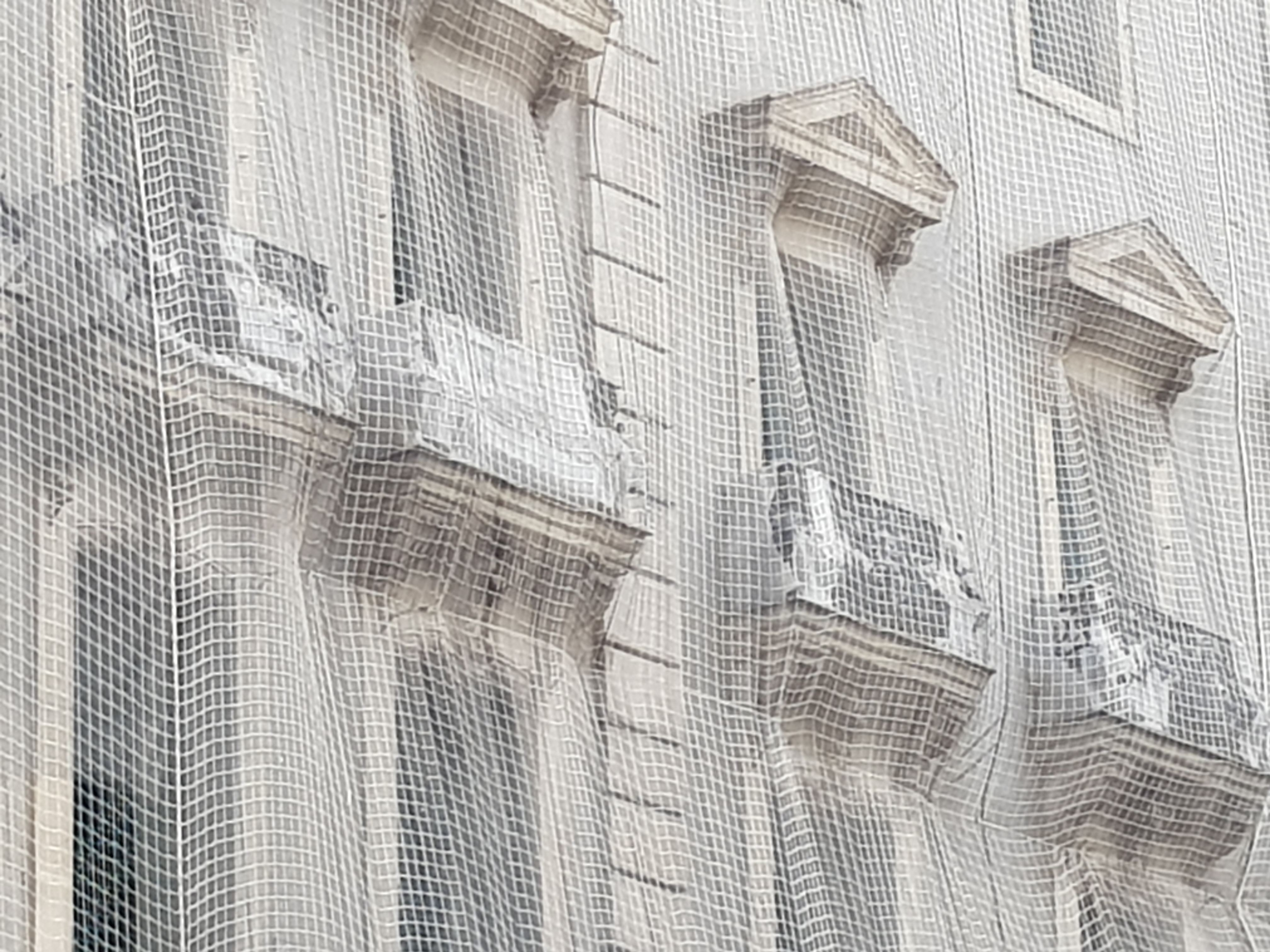
Before returning to the hotel, I saw another grand nineteenth-century building on the Carrera de San Jerónimo, also covered in netting:-
Hispanic Society of America
I have been pleased to catch the big exhibition of Treasures of the Hispanic Society at the Prado, having long loved its rather gloomy headquarters on 155th. Street. Inevitably in a big, celebratory exhibition, it shows what the Society owns to better effect, beginning with antiquities, including an amazing bronze lamp, a Visigothic belt buckle and Umayyad pyxis. Wonderful pieces of medieval metalwork, all acquired unprovenanced from Lionel Harris, a London antique dealer, in 1906. Huntington collected medieval books and manuscripts fanatically as well, from a German dealer called Karl Hiersemann. Then the great paintings for which the collection is best known – El Grecos, Zurbarán, Ecce Homo by Luis de Morales, two wonderful Velázquez portraits, and Goya’s Duchess of Alva. Upstairs is a collection of portraits of grand Spaniards of his day. An exhibition particularly, and unexpectedly, rich in sculpture and decorative arts.
British Airways (1)
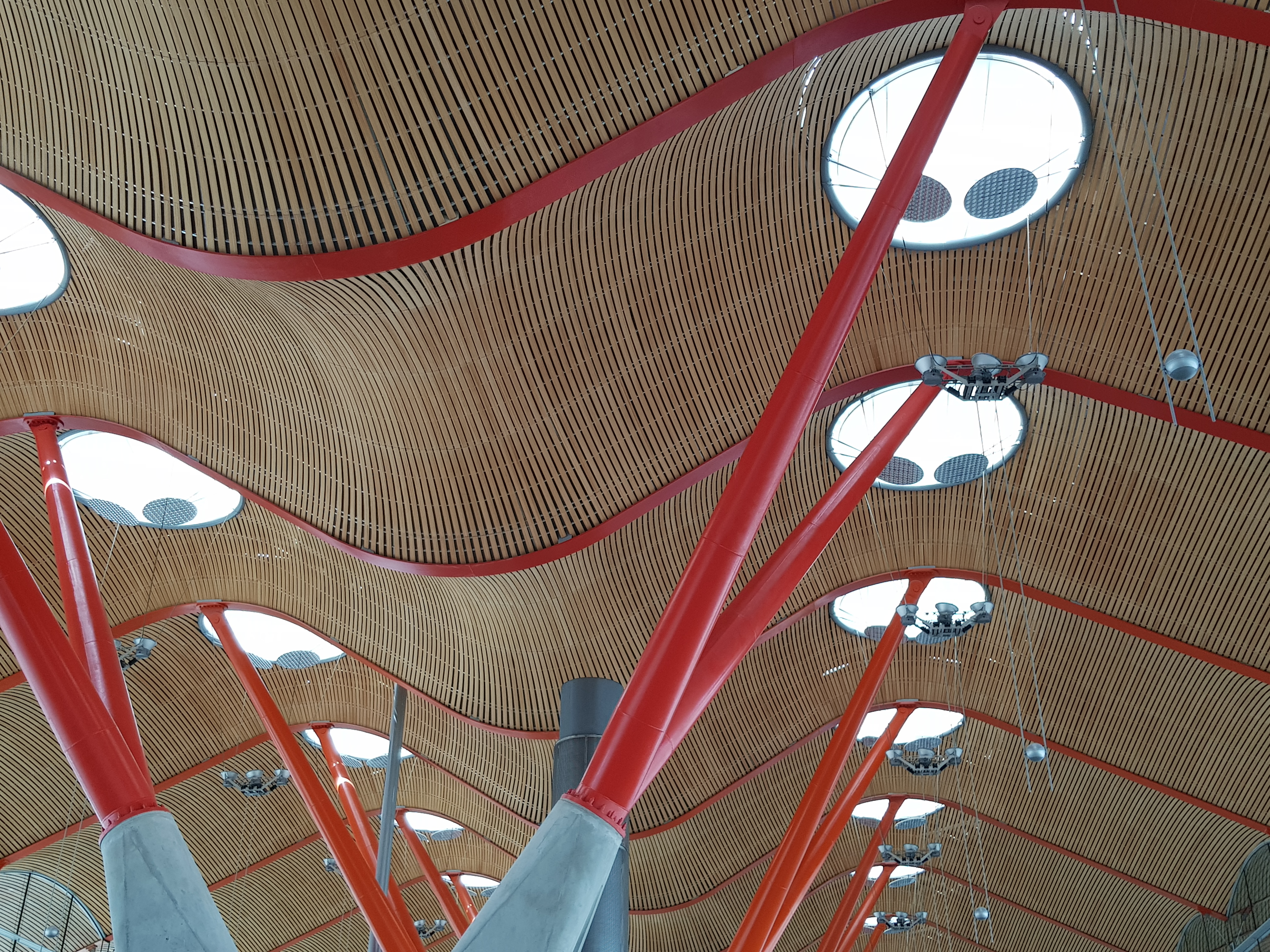
I suppose we didn’t need the crashing of the British Airways IT system to demonstrate our total dependency on computerisation. We arrived at Heathrow for a flight to Madrid. Long queues. No indication as to what had happened. Eventually we were checked in. We were told that our flight hadn’t yet left Madrid, so we had breakfast and went shopping. Then, Romilly luckily spotted the last call for our flight. We rushed to the Gate. We’ve made it to Madrid, but our luggage hasn’t. The only compensation was the sight of Richard Rogers’s beautifully elegant, curved and coloured roof to Madrid Airport, part of the great programme of public works by the Spanish government in the 1990s (opened in 2006):-

St. George’s, Hanover Square
The last of the great eighteenth-century churches I passed last night was St. George’s, Hanover Square, another of the Commissioners’ Churches, designed by John James, who was himself one of the two surveyors to the Commission, with Hawksmoor, as well as joint Clerk of Works at Greenwich. He’s always regarded as a bit dull as an architect, but I don’t think that either the massing or the detailing of St. George’s is dull:-




St. Anne, Soho
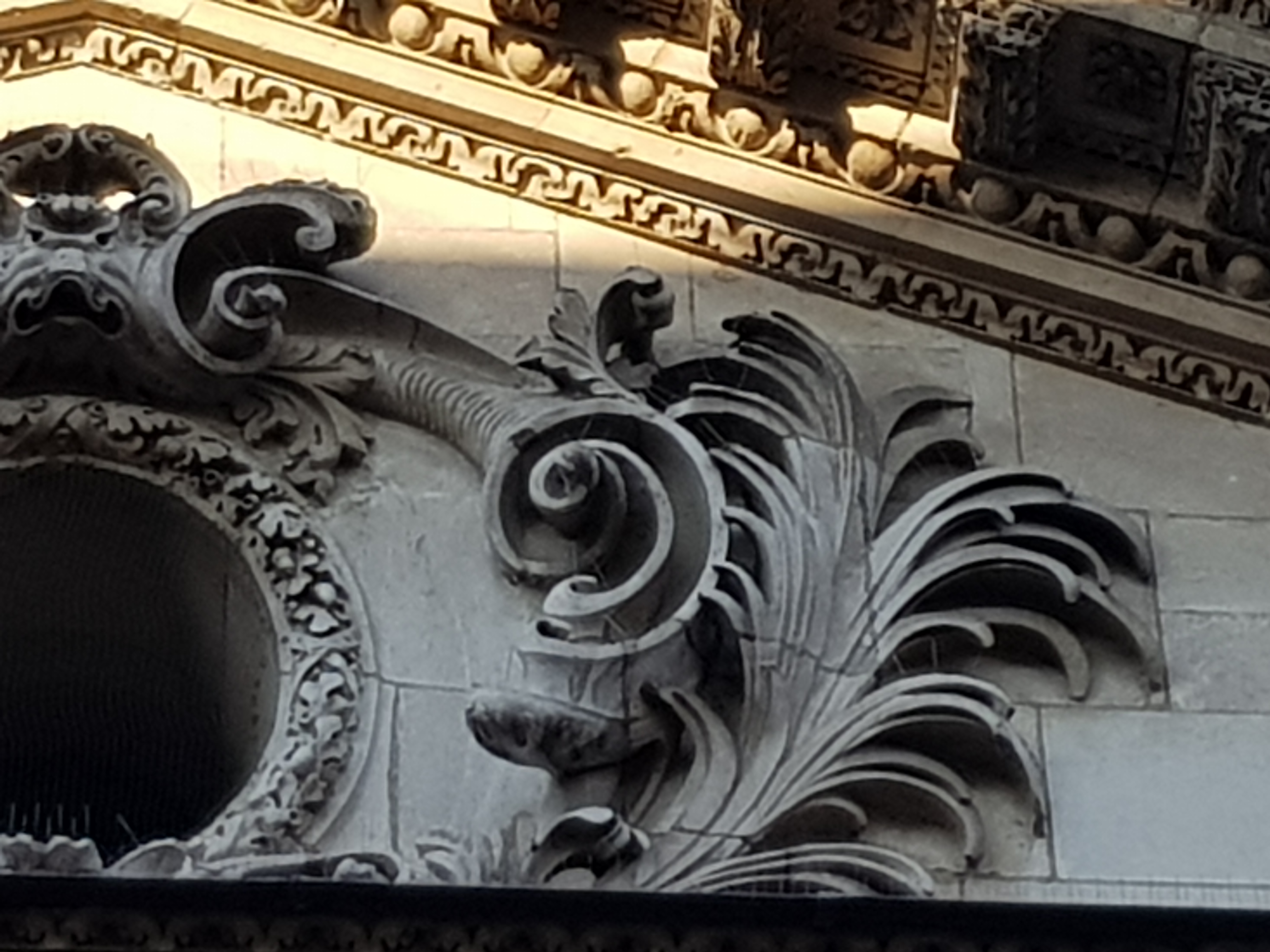
This is one of the more esoteric views of London because it is nearly impossible to appreciate the façade, let alone, the interior of St. Anne, Soho, because it is protected from the street by very high curved fencing. But passing it this evening, I noticed that someone was cleaning the churchyard of rubbish and guessed – correctly – that the door from the street might be unlocked. So, this is a view of the church tower, added in 1800 by Samuel Pepys Cockerell, the surveyor to the Bishop of London, to the body of a church said to have been designed in 1677 by either Talman or Wren:-


Somerset House
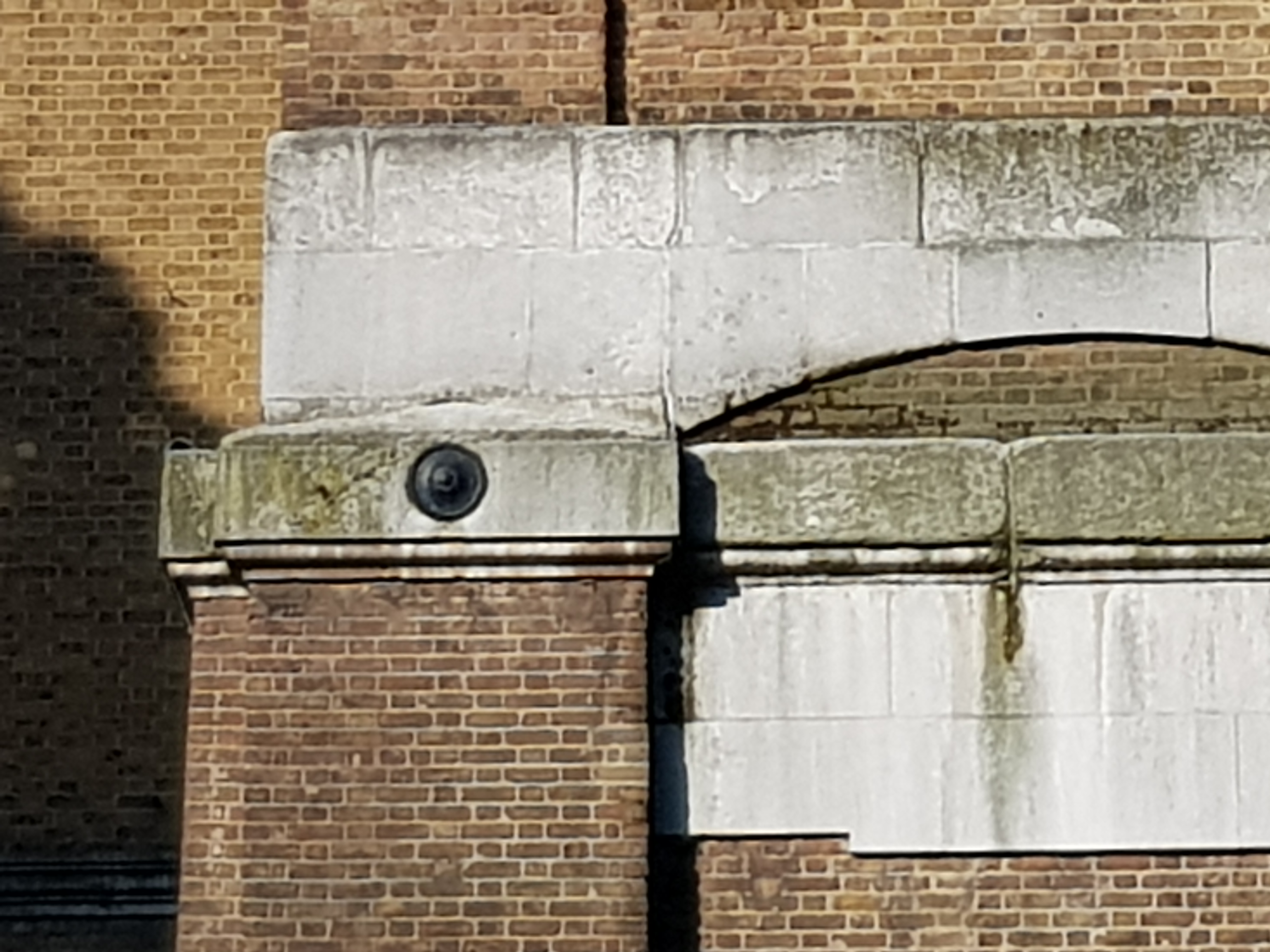
I have often posted photographs of the courtyard of Somerset House, where the Royal Academy used to be, occupying the rooms which are now the Courtauld Institute gallery; but I don’t think that I have ever previously photographed William Chambers’s grand, monumental, neoclassical entrance façade, announcing his project built for the government off the busy highway of the Strand and with keystones representing the rivers of England:-


St. Mary-le-Strand
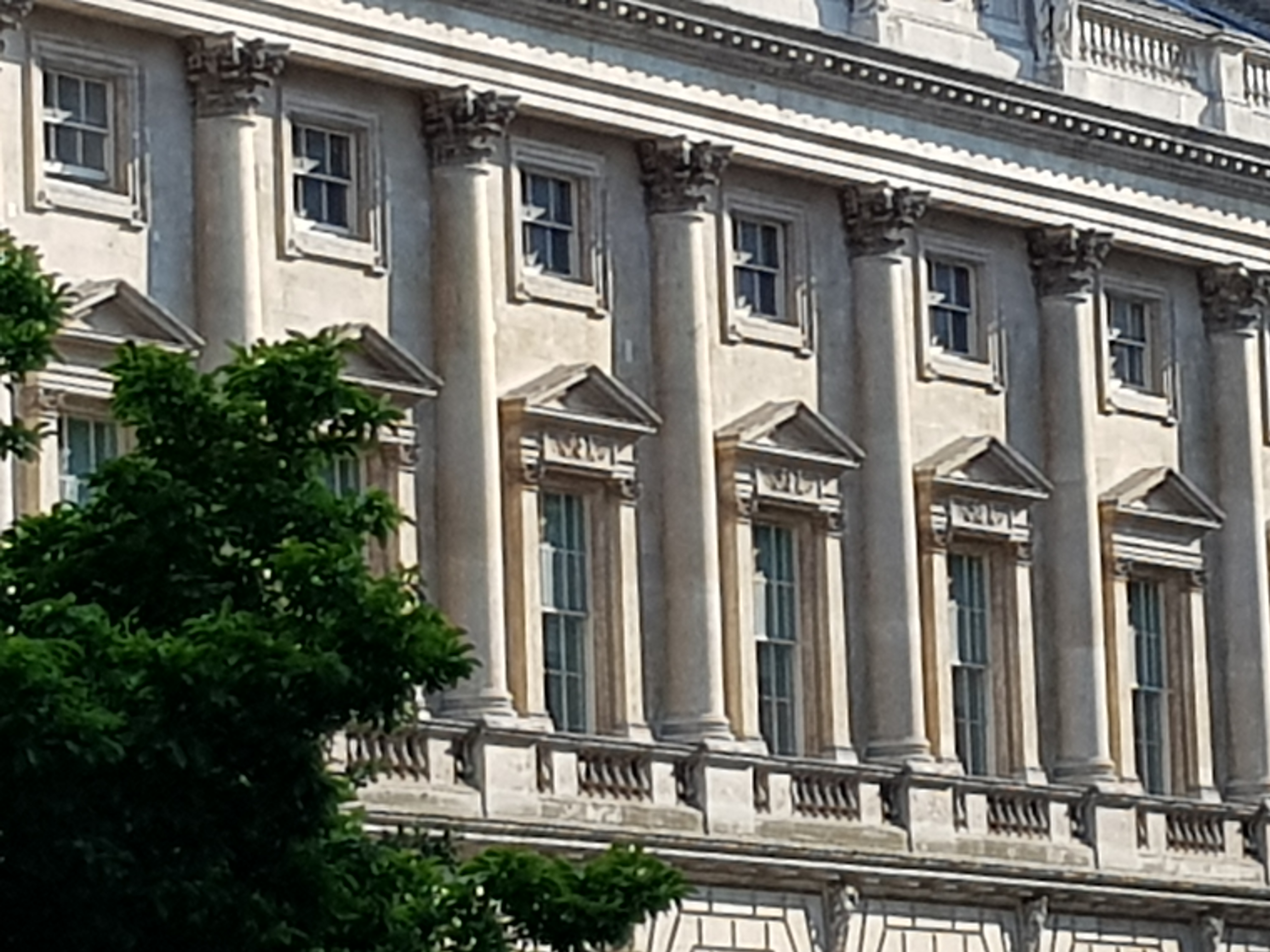
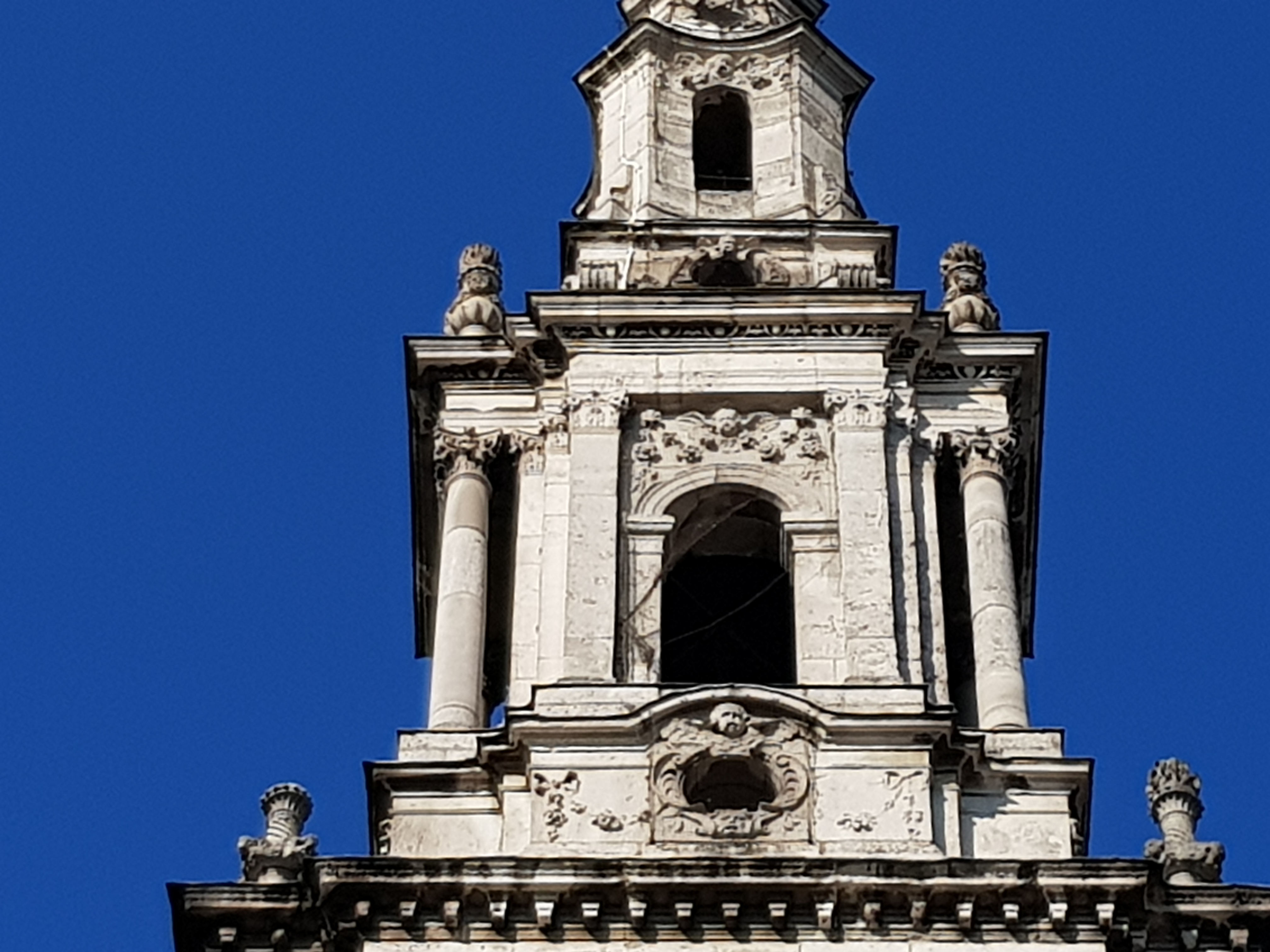
I find that walking across central London on a hot, early summer evening is like seeing it in reverse, because it is so rare to see buildings lit up from the north. None more so than St. Mary-le-Strand, normally asphyxiated by the passing traffic, but tonight visible in its full baroque glory, less muscular than the works of Hawksmoor, but at least as well informed in its use of Roman precedent, because Gibbs had actually been in Italy, first as a student at The Scots College, then as a pupil of Carlo Fontana, returning to London in November 1708. On 18 November 1713, he was appointed architect to the Commission for Fifty New Churches, replacing William Dickinson, and St. Mary-le-Strand was their first work. It was originally planned to have a campanile rather than a steeple and narrowly escaped demolition in the late nineteenth century:-


Charleston Farmhouse (3)
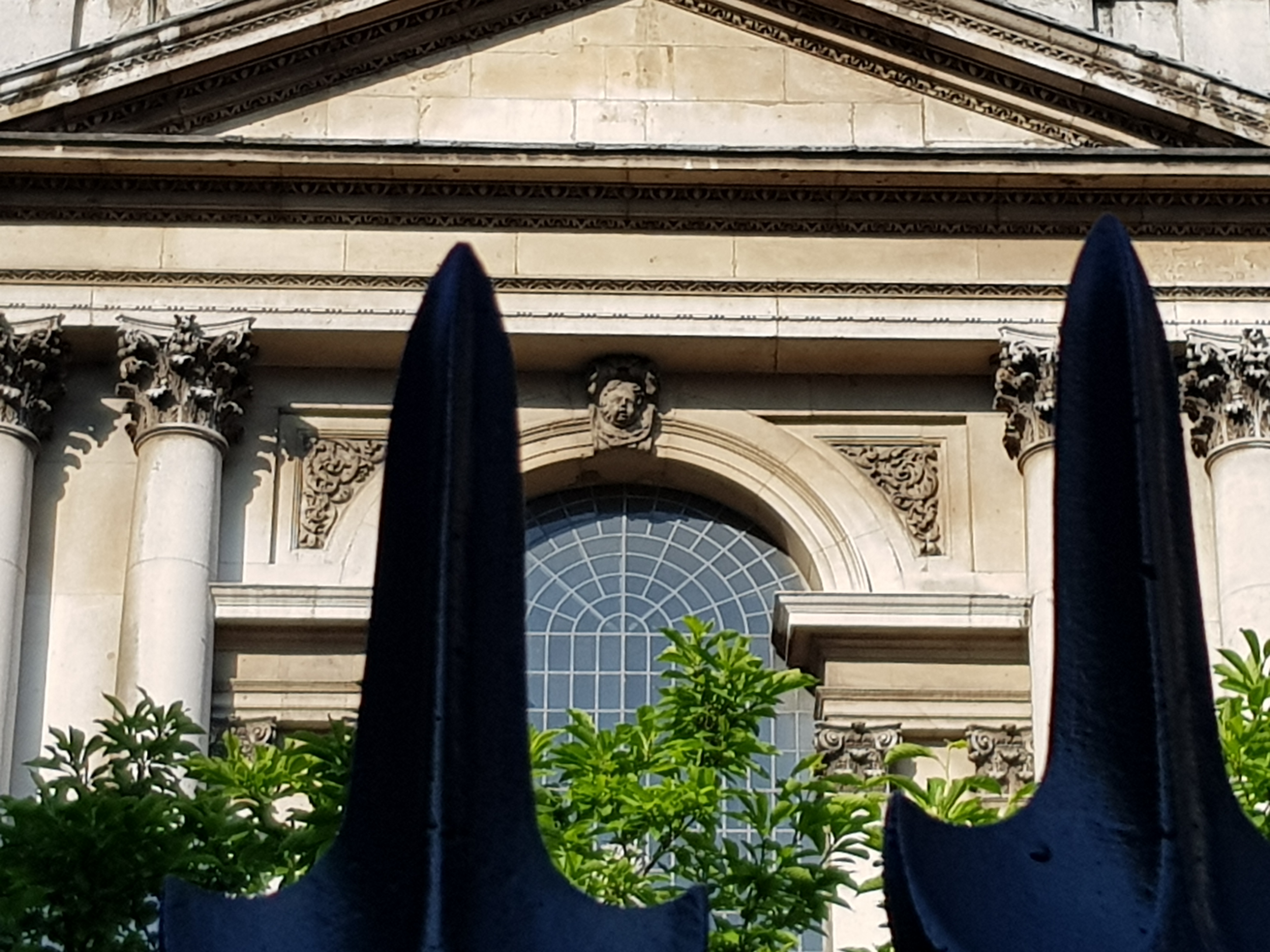
Whilst I was at Charleston, I picked up a copy of a book of photographs of the house and interiors as they were in 1981, three years after the death of Duncan Grant, as taken by Kim Marsland, who was then a student at Maidstone School of Art. I have found the book unexpectedly evocative of the house as it was before its renovation, at a time when it was lived in by Vicki Walton, who had worked as Quentin Bell’s studio assistant, and when the family were wondering what to do with it and whether or not it would be accepted by the National Trust (it wasn’t). It must have been at roughly this time that I first visited it, walking along the track beneath the Downs from Heighton Street. But annoyingly I can’t remember the house as it was then, nor did I have a camera, as did Kim Marsland, to record its more rundown and unreconstructed state.


You must be logged in to post a comment.