
I went to see the exhibition about diaries down in the basement of King’s College, London. It started with an intriguing timeline, beginning with Babylonian clay tablets from 1400BC, extending through Edward VI who kept a personal chronicle, through Pepys (of course) to Thomas Turner, the Georgian shopkeeper, Lady Mary Wortley Montagu whose diary was burnt by her daughter, the Countess of Bute, on her death, the establishment of Letts diaries in 1796 to the invention of the blogosphere as recently as 1999, the foundation of Facebook in 2004 and the discovery of a hitherto unknown diary by Bram Stoker in 2011. I read recently that keeping a diary was recommended for one’s health and found this confirmed in a quotation from the Journal of the American Psychological Association: ‘Expressive writing reduces intrusive and avoidant thoughts about negative events and improves working memory. These improvements, researchers believe, may in turn free up our cognitive resources for other mental activities, including our ability to cope more effectively with stress’.
Category Archives: Uncategorized
Charleston Farmhouse (2)
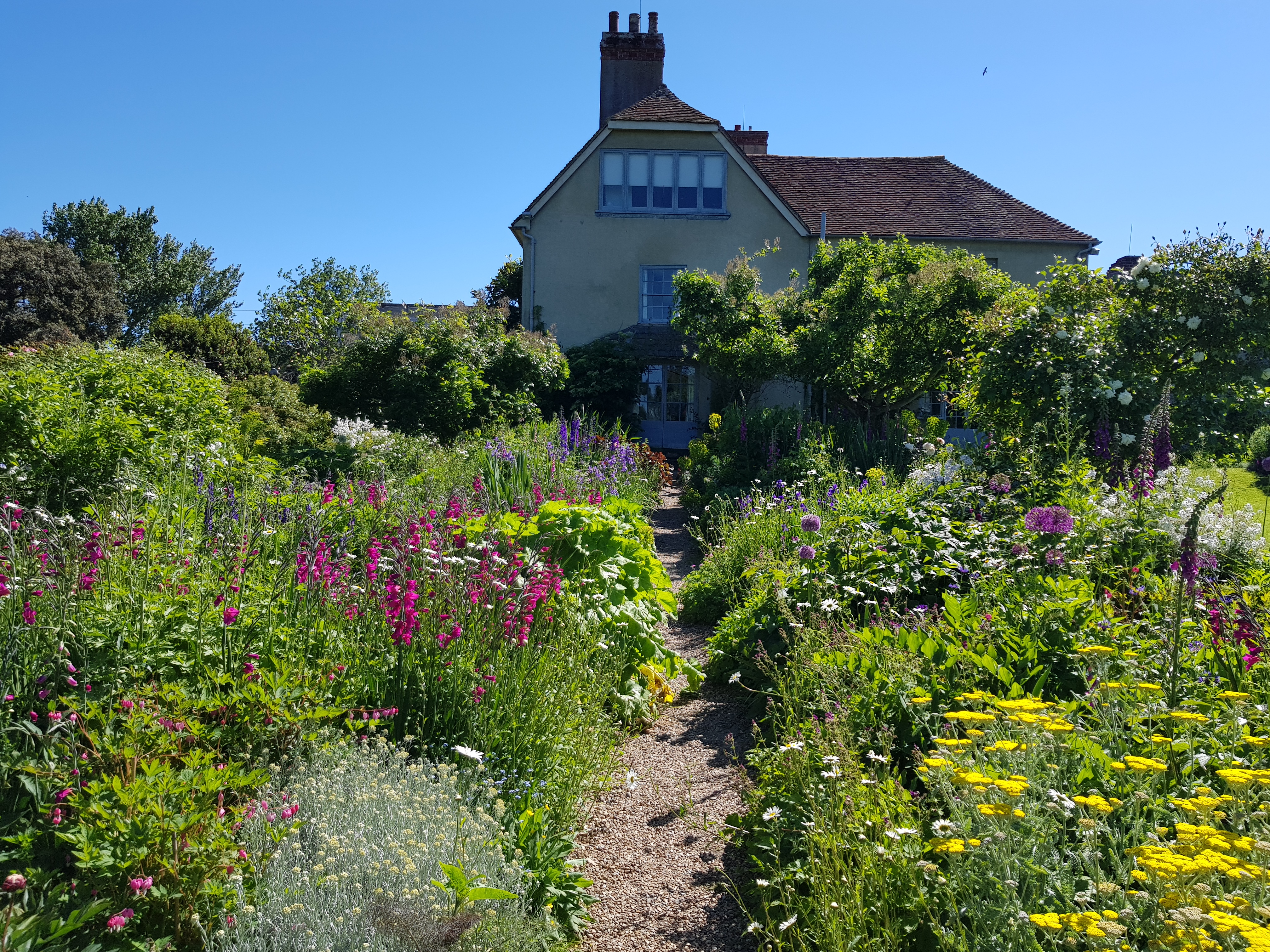
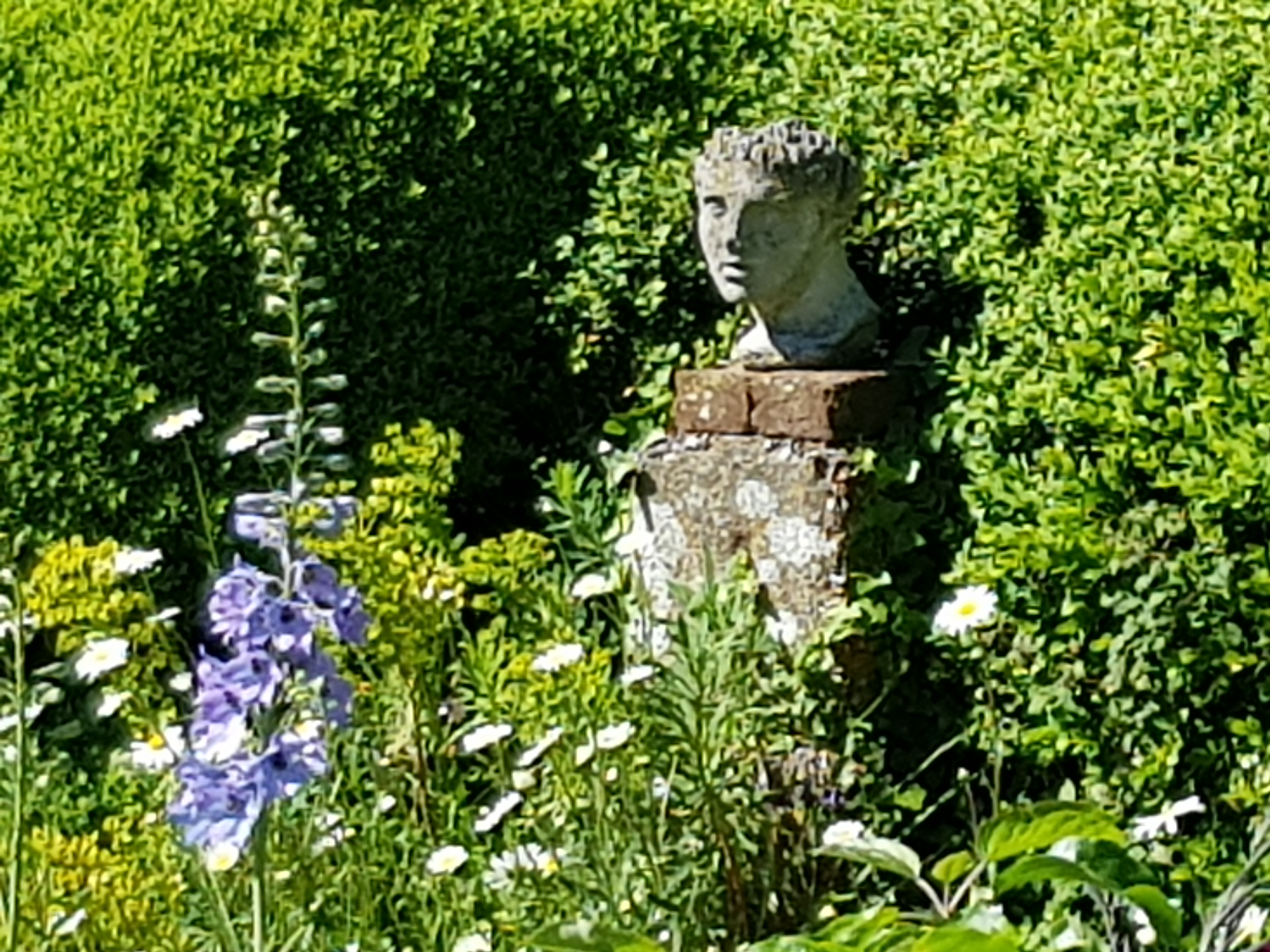
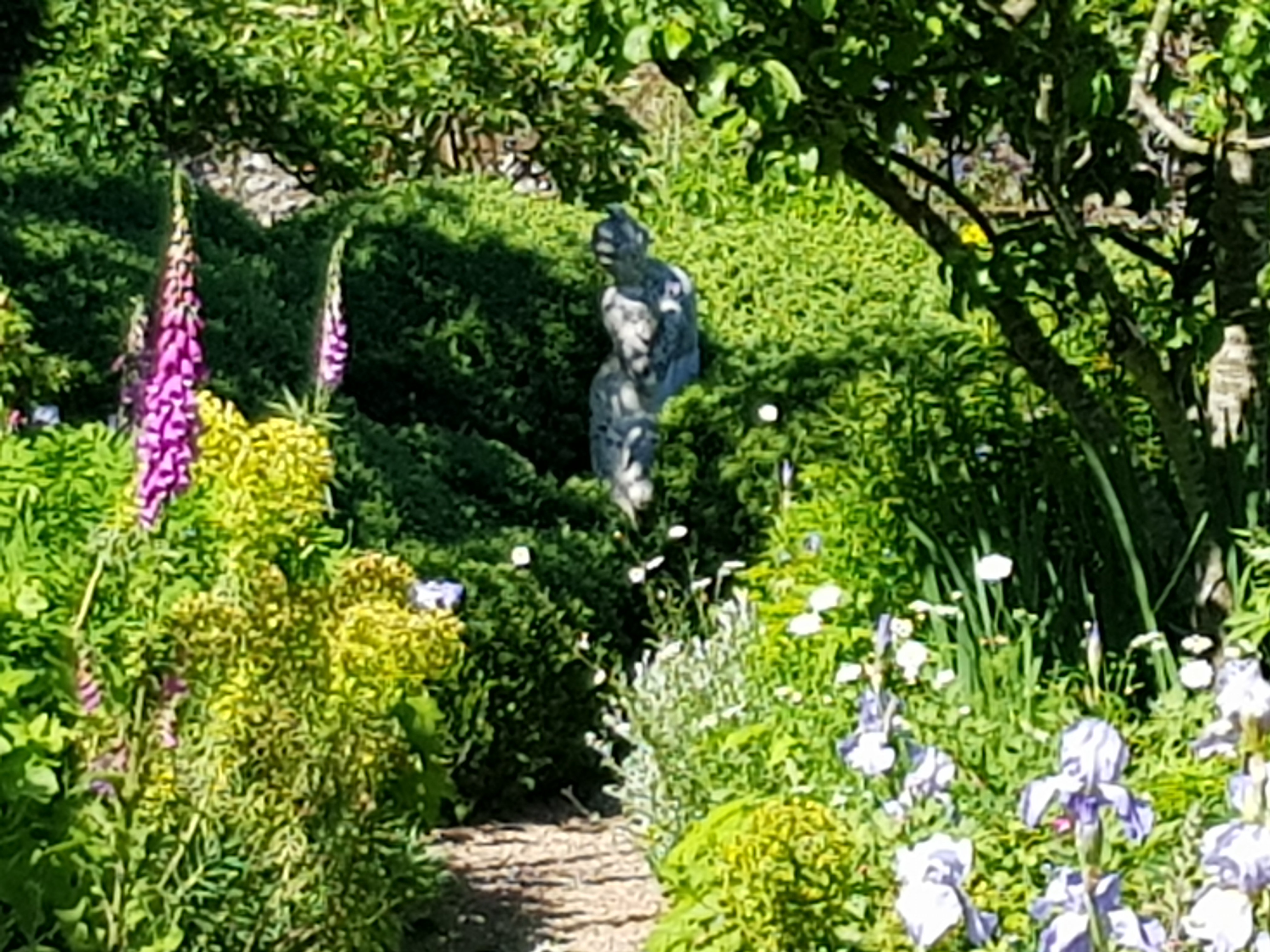
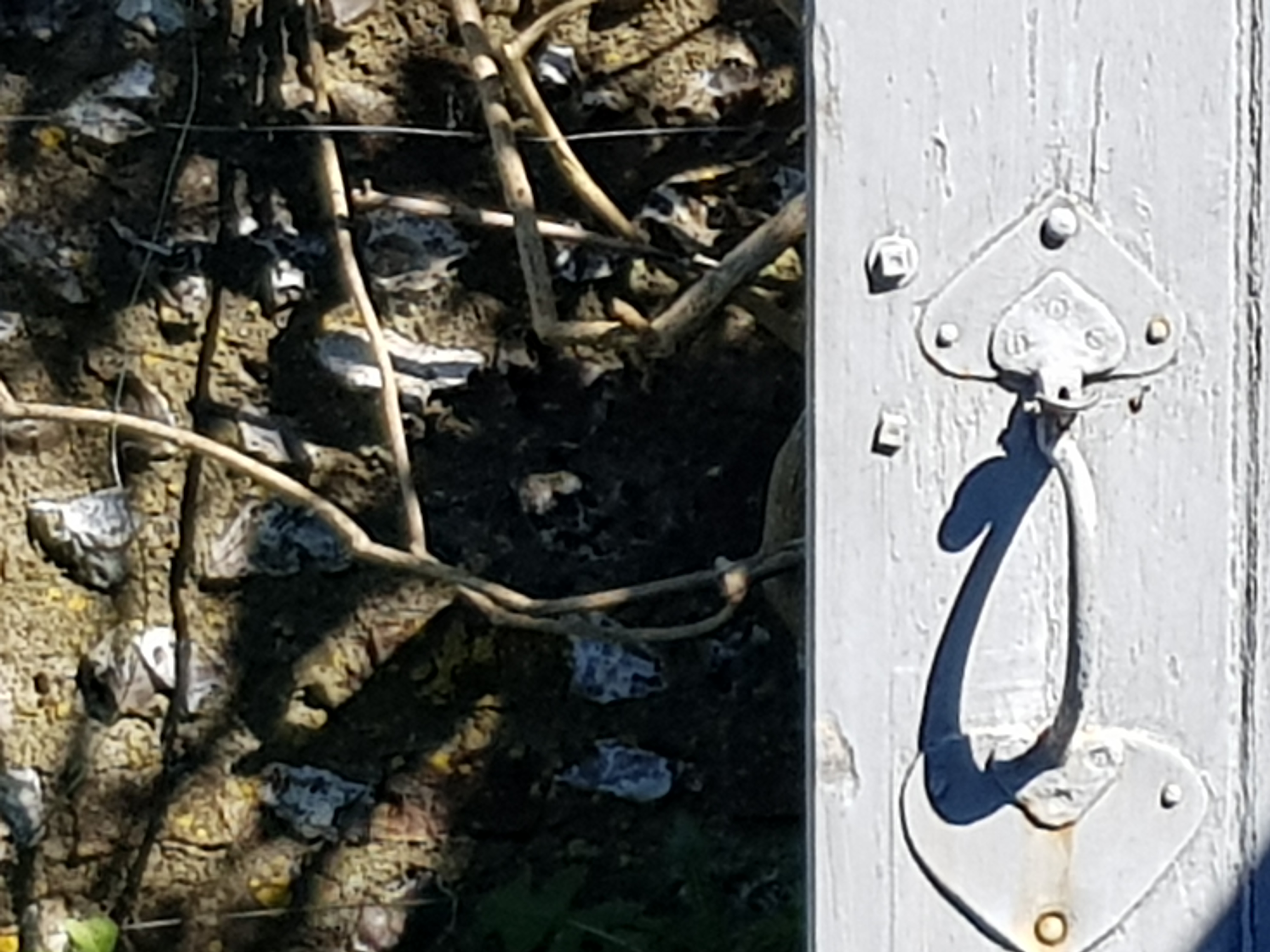
I can never resist the pleasures of the garden at Charleston, where Lytton Strachey lounged on the lawn, and Maynard Keynes discussed his purchases of art with Clive Bell, particularly when the sun shines as it was this afternoon:-

Charleston Farmhouse (1)
After many years as a Trustee of Charleston, discussing the pros and cons of development, selecting an architect, debating whether or not to use Cor-Ten as a roof material, I stood down just before construction began. So, it was the utmost pleasure to discover that the great bulk of the new buildings, designed by Jamie Fobert to create a new courtyard alongside the existing two part-medieval barns, had been constructed offsite in Germany and arrived on a lorry a few weeks ago. The quality of hand-built wooden construction is impeccable, including a bat loft and space for a small museum/library and exhibition space, as well as a lecture theatre in one of the old barns:-


This is some of the jointing in the old barn:-


The Apollo Podcast
Readers of my blog may by now be getting a bit sick of the flow of publicity surrounding the publication of the book, but I have just been listening to a podcast recorded by Thomas Marks, the editor of Apollo, which helped me to think about, and reflect on, the character of the book and its literary antecedents. He does the questioning very thoughtfully, helping me to place it as a text in arguments not just about gentrification, but also historic preservation. The length of the podcast is apparently determined by the length of the average tube journey to work, so that people can listen whilst whiling away their travel. It’s on https://www.apollo-magazine.com/the-apollo-podcast-charles-saumarez-smith/ Enjoy !
Robert Perkins
Those people who read the Comments on my blog will know that there are occasional, very well informed comments by Robert Perkins, a documentary film-maker based in New Hampshire and otherwise unknown to me. But he is now in London for his exhibition at Benjamin Spademan’s bookshop (normally closed), just by the back entrance to the London Library. The exhibition is of a project which he has undertaken ever since he was at Harvard, studying under Elizabeth Bishop, in which he invites poets he admires to write out a fragment of their work which he then illustrates – or responds to – freely and intuitively, producing works which combine word and image. The catalogue describes the project and his encounters with a wide range of mainly east coast poets, how they responded to his project and he to them.
The Partisan Coffee House
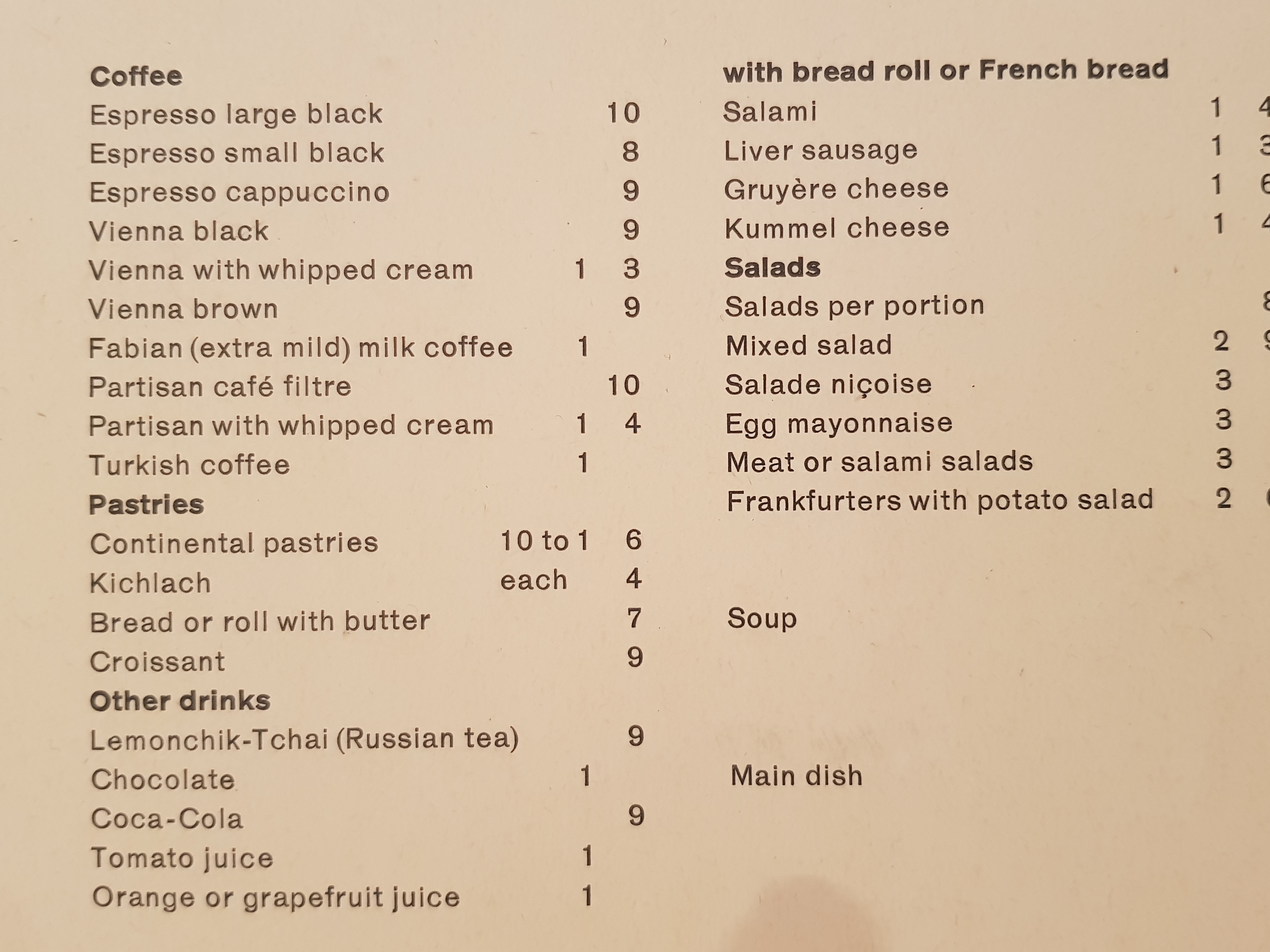
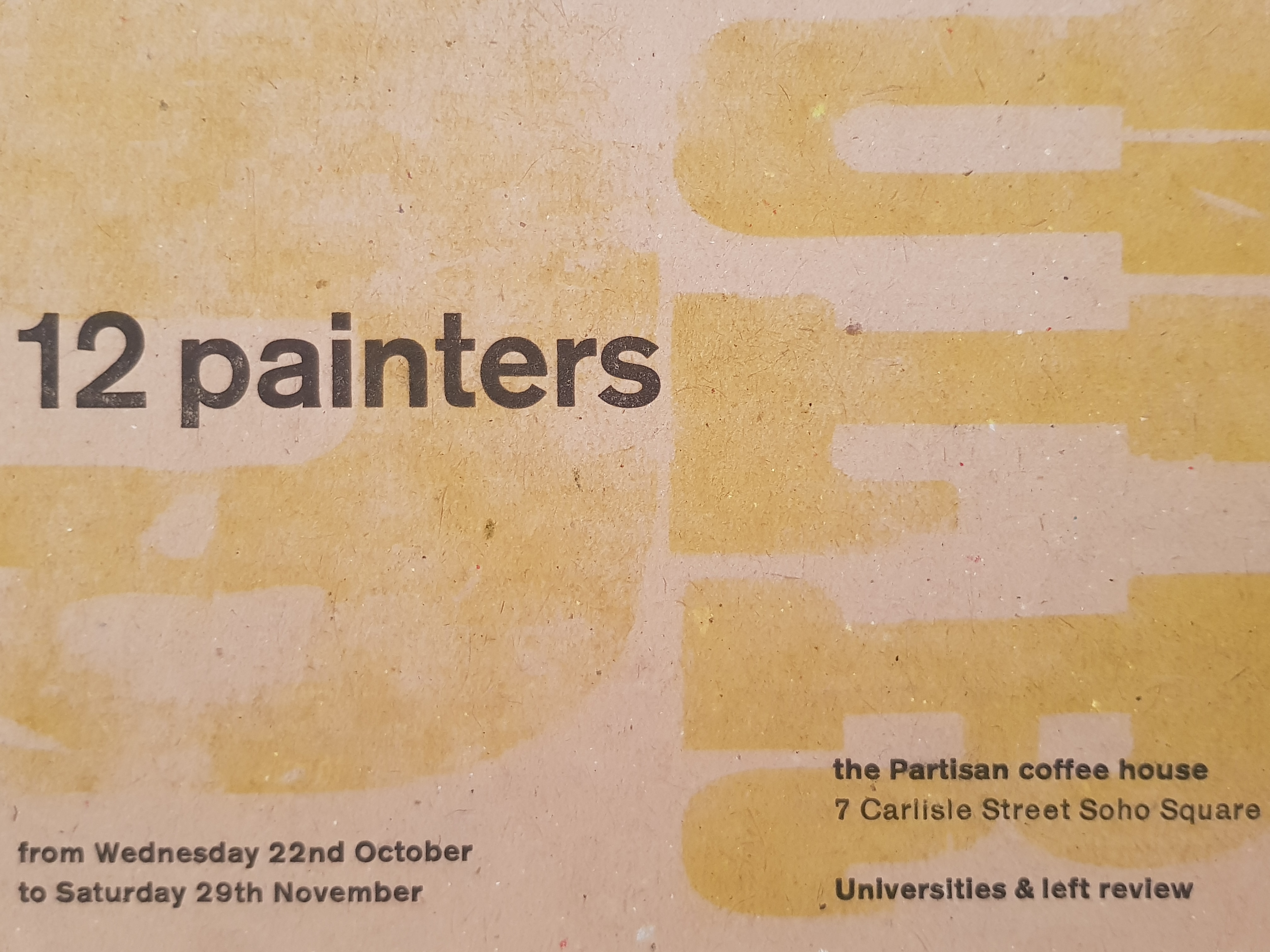
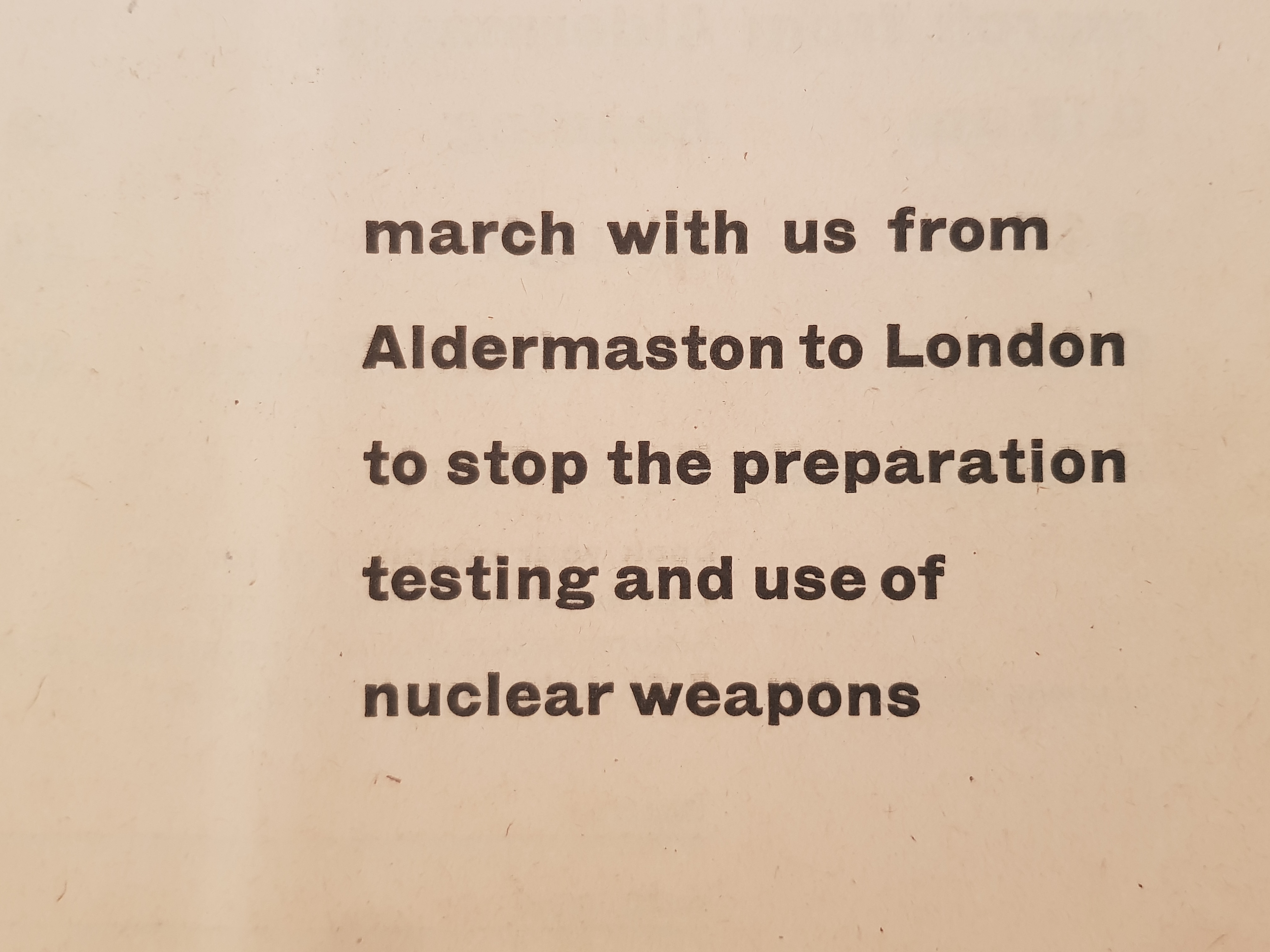
I was alerted to the existence of an exhibition about the Partisan Coffee House by an article in the Guardian. It was set up in October 1958 by Raphael Samuel – or Ralph Samuel as he then seems to have been known – to serve espressos to young leftists, including John Berger, Doris Lessing, Raymond Williams, E.P. Thompson and Stuart Hall and an unexpected number of young women, all dressed up in regulation duffle coats, who met to listen to talks by Michael Tippett and Stephen Spender, discuss jazz and ban-the-bomb. They were photographed by Roger Mayne and Raphael Samuel obviouly kept an archive of fringe publications and ephemera:-
Queen Mary Graduate Centre
In recent weeks, I have several times walked past a large new building which has arrived as if on stilts on the campus of Queen Mary University on Bancroft Road, sandwiched behind the engineering block. It’s the latest project designed for the university by WilkinsonEyre, although, to judge from the information available online, it was actually executed by a different practice. It’s part of the legacy of Philip Ogden, the geographer who realised the opportunity of transforming the university’s East London campus by intelligent commissioning of new buildings, which gave pleasure to the experience of being lightly grilled by Amanda Vickery in its lecture theatre last night:-

Abraham van der Doort
Amongst the many interesting facts I learned yesterday about Charles I’s collection, the subject of a big exhibition we are doing next year in celebration of our 250th. birthday, was that Abraham van der Doort, the first Surveyor of the King’s Pictures, a position subsequently occupied by Anthony Blunt, had committed suicide in 1640, distraught because he thought that he had mislaid one of the King’s miniatures. Such dedication ! Before his suicide, he had been occupied in drawing up a very detailed catalogue of the King’s collection, which was preserved by Elias Ashmole and survives in the Bodleian.
Buckingham Palace
I went to Buckingham Palace yesterday morning for a press conference to announce our joint Charles I exhibition next year in the unusually grand surroundings of the South Drawing Room, allowing me to walk through the arch of the Aston Webb façade, which is how Buckingham Palace is familiarly known, through to the inner courtyard and what is its real façade, designed by John Nash in the grandest and most expensive French neo-classical manner, together with elaborate porte-cochère, and an iron and glass veranda which is apparently Edwardian (no photography allowed)
This is Aston Webb:-

Stepney/Bow
I remembered to listen to the programme I helped make on Stepney and Bow, which was broadcast last week on Resonance FM (you can find it by googling Saumarez Smith/Resonance/East London). It’s much slower, less focussed and more ruminative than the programme about Spitalfields, partly because it was the first programme in the series to be made, so I didn’t have a sense of the format, and partly because Stepney and Bow are so much less coherent as historical neighbourhoods than Spitalfields. You still get a strong sense of how important artists and the practice of art have been to the development of the area, with the establishment of the Chisenhale Gallery, Matt’s Gallery and Maureen Paley in the 1970s; the advantages of mixed neighbourhoods and the virtues of post-war social housing; and of the way the city develops not through planning, but negotiation and happenstance.


You must be logged in to post a comment.