Sainsbury Centre (2)

I remember someone being faintly dismissive of the way that the Sainsbury Centre decontextualises objects by the randomness of its displays, treating them indiscriminately as if they belong to the same visual language.   But I like and find it refreshing to be made to look, not quite sure if an object is two millennia old or from the last century and whether it is Mexican, Inuit or Hindu.

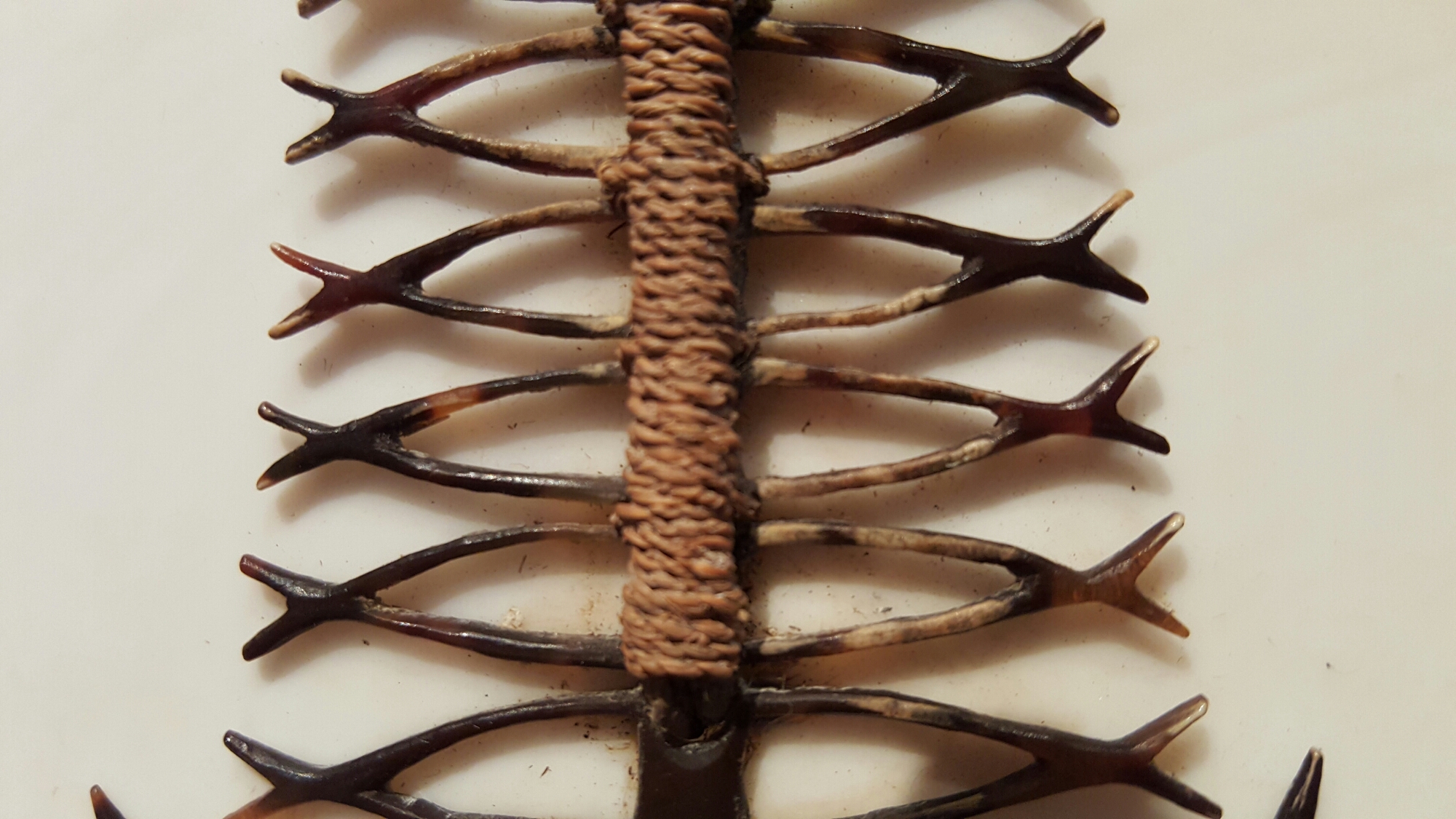
This century breast ornament is from Santa Cruz:-
image

A Mesopotamian votive figure:-
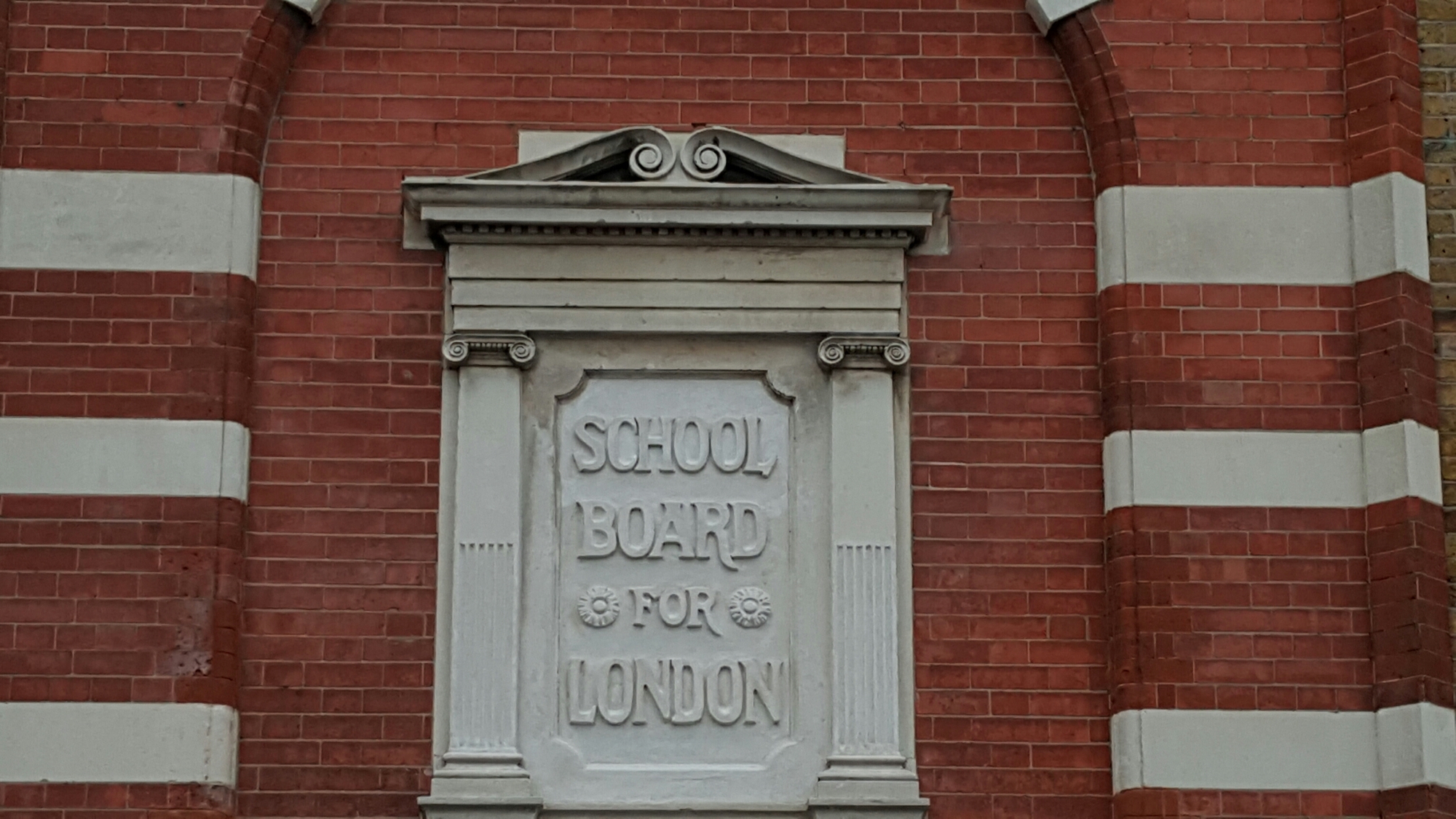
image Continue reading →

Standard

Courts of Justice

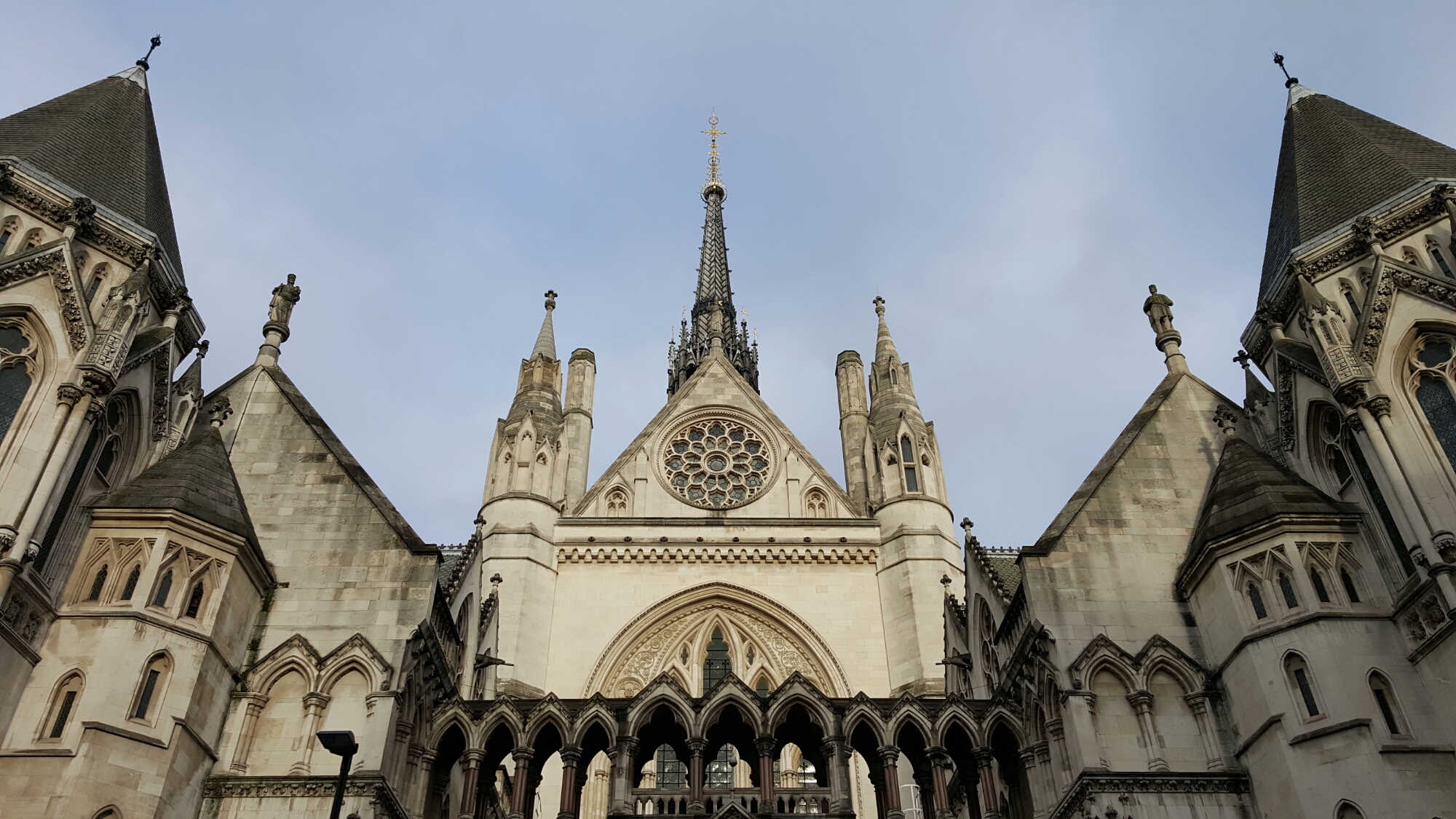
I’m not normally a great fan of G.E. Street, regarding him as at the dour end of the Gothic Revival, and have never previously warmed to the Courts of Justice, which have always struck me as cold and monumental;  but, crossing the street opposite them yesterday (no pun intended), I realised that they do have a certain grandiosity, as well as being very convincing in the way they use the historical language of the Gothic Revival:-

image

image

Standard

St. Stephen Walbrook

I also looked in on St. Stephen Walbrook, a curiously anonymous entrance for one of the largest and grandest of Wren’s City Churches, originally crammed in next to the old Stocks Market:-

image

image Continue reading →

Standard

St. Mary Woolnoth

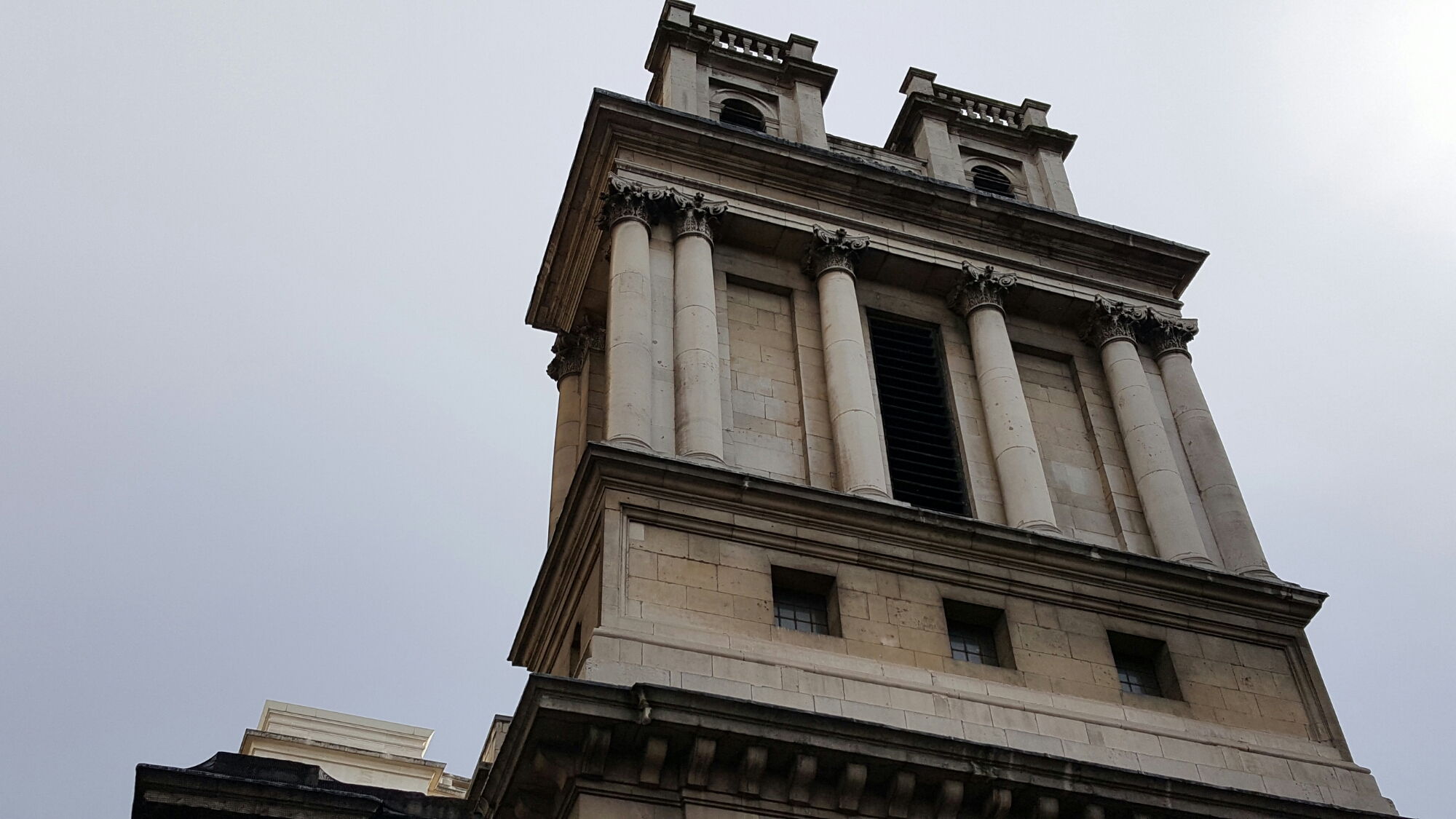
I tried to visit St. Mary Woolnoth between Christmas and the New Year.   But it was closed.   So, I slipped in instead at lunchtime  today.   It’s the Hawksmoor church I know least well, just behind the Mansion House, above Bank Station (one of the ticket halls is immediately underneath) and the survivor of several nineteenth-century attempts to demolish it.   It’s quite intense, grandiose on a very confined site, cuboid, with huge Corinthian columns which press in on the space for the congregation and a fine pulpit, with an elaborate sounding board which feels redundant:-

image

image Continue reading →

Standard

Stepney School Board

I took a minor deviation from my normal Sunday morning route and spotted that an old Board School on the far side of Shandy Park had been converted into luxury flats.   It is described in the sales particulars as ‘dating back to the second world war’ which shows how much estate agents know of architectural history as it so obviously dates back to the Queen Anne Revival.   It is the surviving wing of the original Ben Jonson School, constructed in 1872 on the Prussian model, and contained the original Cookery and Laundry Centre added in 1895, as well as the local School Board’s Divisional Offices:-

image

image Continue reading →

Standard

Soft City

I have been meaning to re-read Jonathan Raban’s classic study of the literary and psychological characteristics of city life, Soft City, as I remember enjoying its exploration of how individuals relate to the city in the construction of their private identity when it was first published in 1975.   Raban had left teaching literature at East Anglia and settled for a life as a freelance writer in Islington and Earl’s Court, exploring the characteristics of the city with a mixture of Barthian fascination and nineteenth-century horror.   It’s anti-modernist, anti-Corbusian and anti-Mumford, regarding the city as more an irrational psychological construct than a rational physical construction.

Standard

LDDC (2)

I learned more about the early history of the LDDC from Gregory Penoyre who was employed by the LDDC straight out of Sheffield School of Architecture as an architectural designer.   He worked under Ted Hollamby, the ex-communist and owner of the Red House, who had been recruited as Chief Architect from Lambeth Borough Council, and alongside Gordon Cullen, the great proponent of townscape who liked to conduct meetings in pubs.   I remember Greg saying that he was employed to draw ley lines connecting the Mudchute to the tower of St. Anne’s Limehouse (this was before the publication of Peter Ackroyd’s Hawksmoor), but he denies this.

Standard

11, Princelet Street

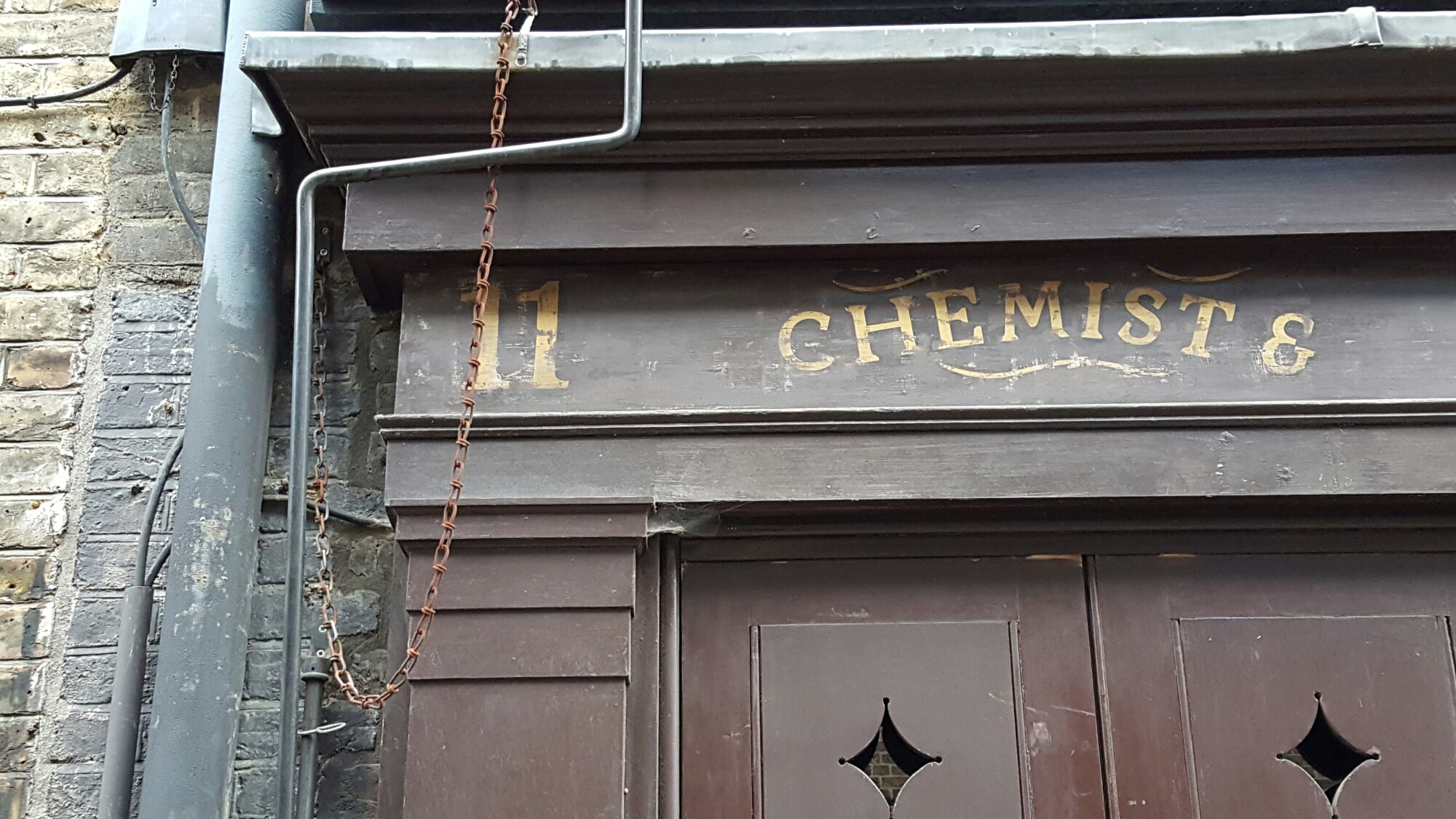
I have never previously walked past Chris Dyson’s architectural practice in Princelet Street when it has been closed, so have not had an opportunity of admiring its fine shop lettering, nor its fine fire insurance plaques (first introduced by Sun Fire Office in 1710), nor the poster recording its history:-

image

image Continue reading →

Standard

Cereal Killer Café

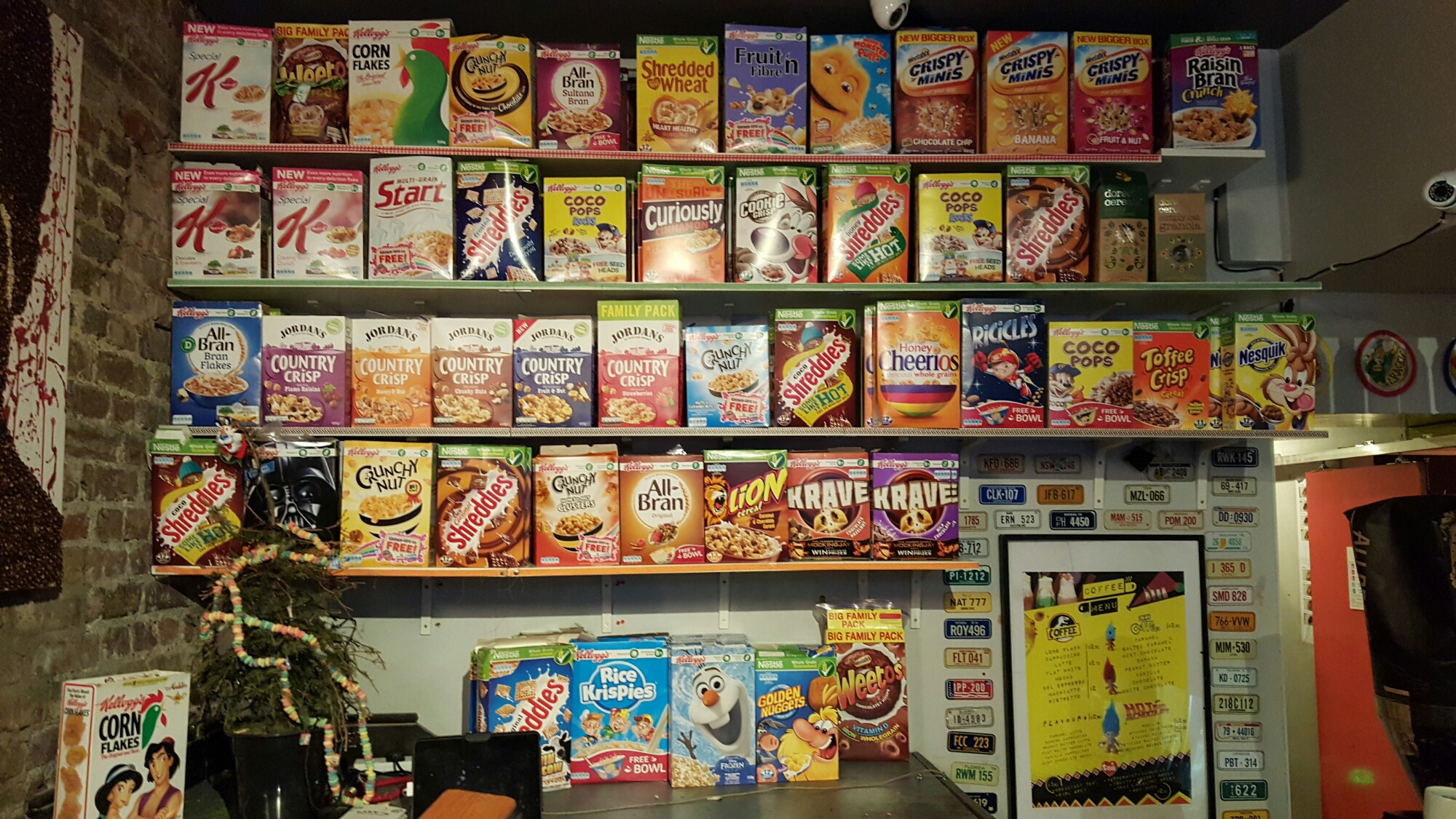
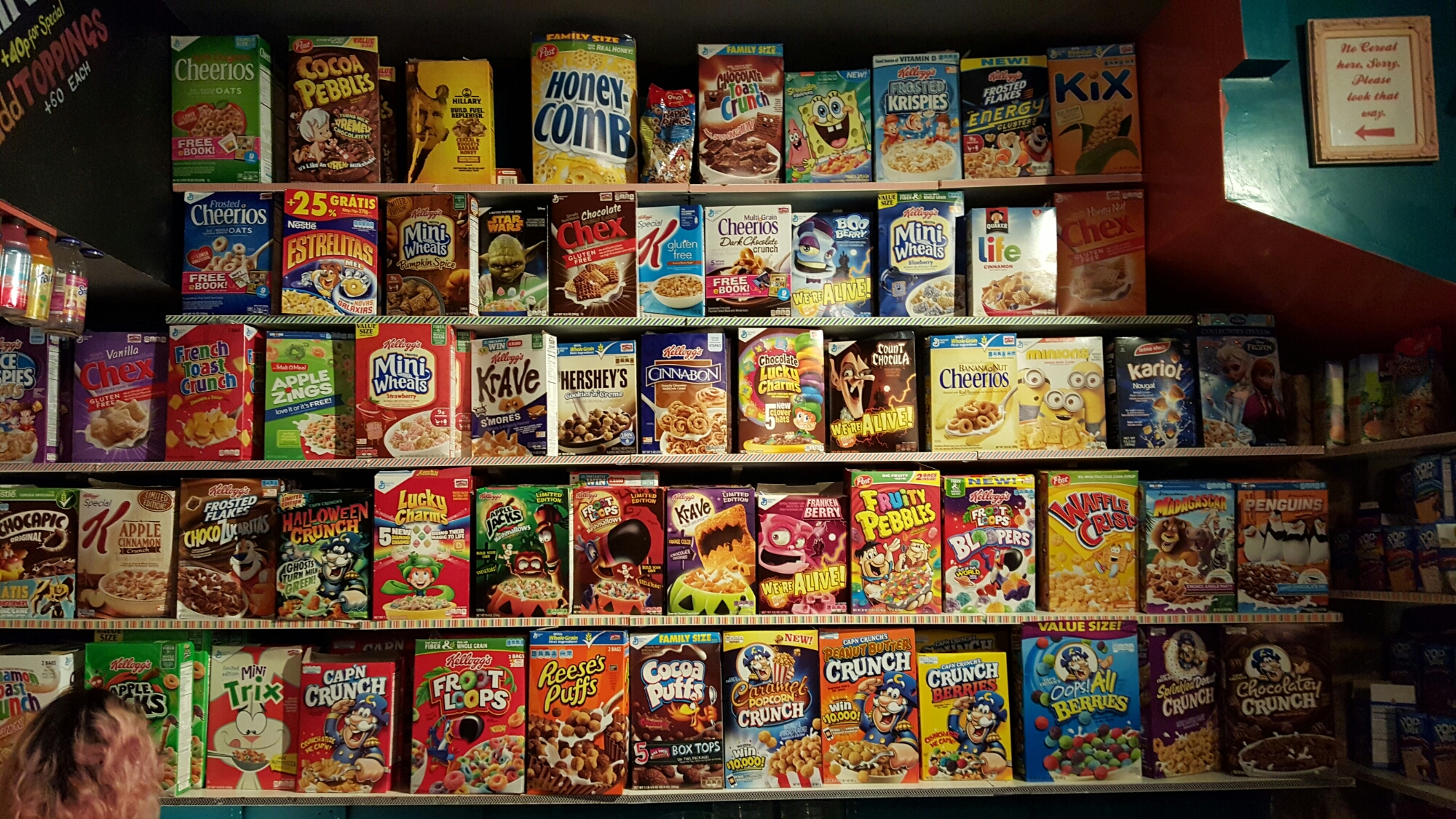
I had read about the shop in Brick Lane which sells nothing but Kelloggs’ breakfast cereals and thought that it was nothing but a modern urban myth until I passed it, looked through the window, and saw people enjoying their morning breakfast cereal.   I was told recently that Kelloggs cornflakes were invented by religious fundamentalists to suppress the libido and have discovered to my amazement that this is true:  that John Harvey Kellogg was a virulent anti-masturbator.   But I can’t see why anyone would want to masturbate at breakfast:-

image

image Continue reading →

Standard

River Lea

Having had a rather sedentary Christmas, I decided to get out early on New Year’s Day.   I walked eastwards along the Hertford Union Canal not quite sure which direction to go and then headed northwards up the River Lea beyond the Olympic Park to where the landscape resumes its character of industrial wastelands.   There were not many people about, only the woodsmoke from the canal boats, the occasional swan, debris in the pubs, and a lone sculler.   I went as far as Tottenham Hale.   Next time I must go to Broxbourne:-

image

image Continue reading →

Standard