
I was late for my 3 o’clock meeting in New York, but at least got a brief glimpse of Manhattan from the 45th. floor. More Alvin Langdon Coburn (but slightly marred by reflections on the glass):-

I was late for my 3 o’clock meeting in New York, but at least got a brief glimpse of Manhattan from the 45th. floor. More Alvin Langdon Coburn (but slightly marred by reflections on the glass):-
This evening I attended the private view and opening dinner at the V&A for Bejewelled Treasures, an astonishing exhibition of highlights from the collection of Sheikh Hamad Al-Thani, alongside a small number of loans from the Royal Collection. It was an event of appropriate magnificence: an ice sculpture in the entrance hall, a full orchestra, the waiters in white tie and decorations looking grander than the guests (actually, that’s not quite true as there were several representatives of the Qatari ruling family, as well as a few Maharinis, not to mention the Prince of Wales).
This was the ice sculpture:-

The exhibition opened with the Turban aigrette of the Maharaja of Nawanagar, dating from the 1930s:-
I was gently rebuked last night for having described Marcus Stone RA as obscure. Of course, he would not have been obscure in 1900 when he was living in pomp in Melbury Road next door to Frederic Watts surrounded by all the attributes of late Victorian artists’ prosperity, painting rather saccharine narrative paintings which were bought for large sums of money at the RA’s annual Summer Exhibition. But nowadays ? I am not so convinced that he has enjoyed the revival of interest in Victorian art and note that as a book illustrator he is described as ‘wholly undistinguished’ and that in discussing his work as an illustrator of Dickens, Nicolas Bentley wrote: ‘the defence of youth as an excuse for Stone’s inadequacy as an illustrator would be easier to sustain – he was twenty four when he illustrated Our Mutual Friend – were it not that the talents of Millais, Holman Hunt, Richard Doyle, Keene and others were considerably more precocious than his own. The fact is that whatever other talents he may have developed – later in life he achieved some degree of fame as a painter of maudlin pot-boilers with a Regency flavour – as an illustrator he was no better than a hack’.
I have just spotted in the footnotes to Chloe Ward’s excellent short book on The Drawings of G.F. Watts an entry in Mary Watts’s unpublished diary for 22 January 1891 which gives some indication of her husband’s view of the RA: ‘More and more one regrets that Signor should even nominally be connected with such a dull stupid institution, where in future times all the greatest names of the day will be outside – Rossetti, Holman Hunt, Burne Jones and many more – why does one go on hoping for any improvement ? It becomes more and more impossible each year. Only love of Sir Frederic (Leighton) keeps Signor there’.
I travelled down to Guildford to open the exhibition Brothers in Art: Drawings by Watts and Leighton at the Watts Gallery in Compton. Watts and Leighton were friends and neighbours in Holland Park, Leighton calling on Watts most mornings at 9am for a gossip and to keep him up-to-date with what was happening at the RA. Leighton was an enthusiastic RA, a member of every committee, and elected President in 1878, when he was only 48 (the next youngest PRA was our current PRA elected when he was 59). Watts was much less keen and had to be endlessly prevented from resigning by Leighton. But they both shared a great interest in drawing and were, in different ways, very skilled draughtsmen.
I have returned from Beijing to the aftermath of the shootings in Paris, the most arbitrary and shocking act of violence that I can remember. I particularly abhor the fact that in the Bataclan, they shot the people in wheelchairs who weren’t able to move fast enough out of the way. Nothing more reveals their barbarity of intent.
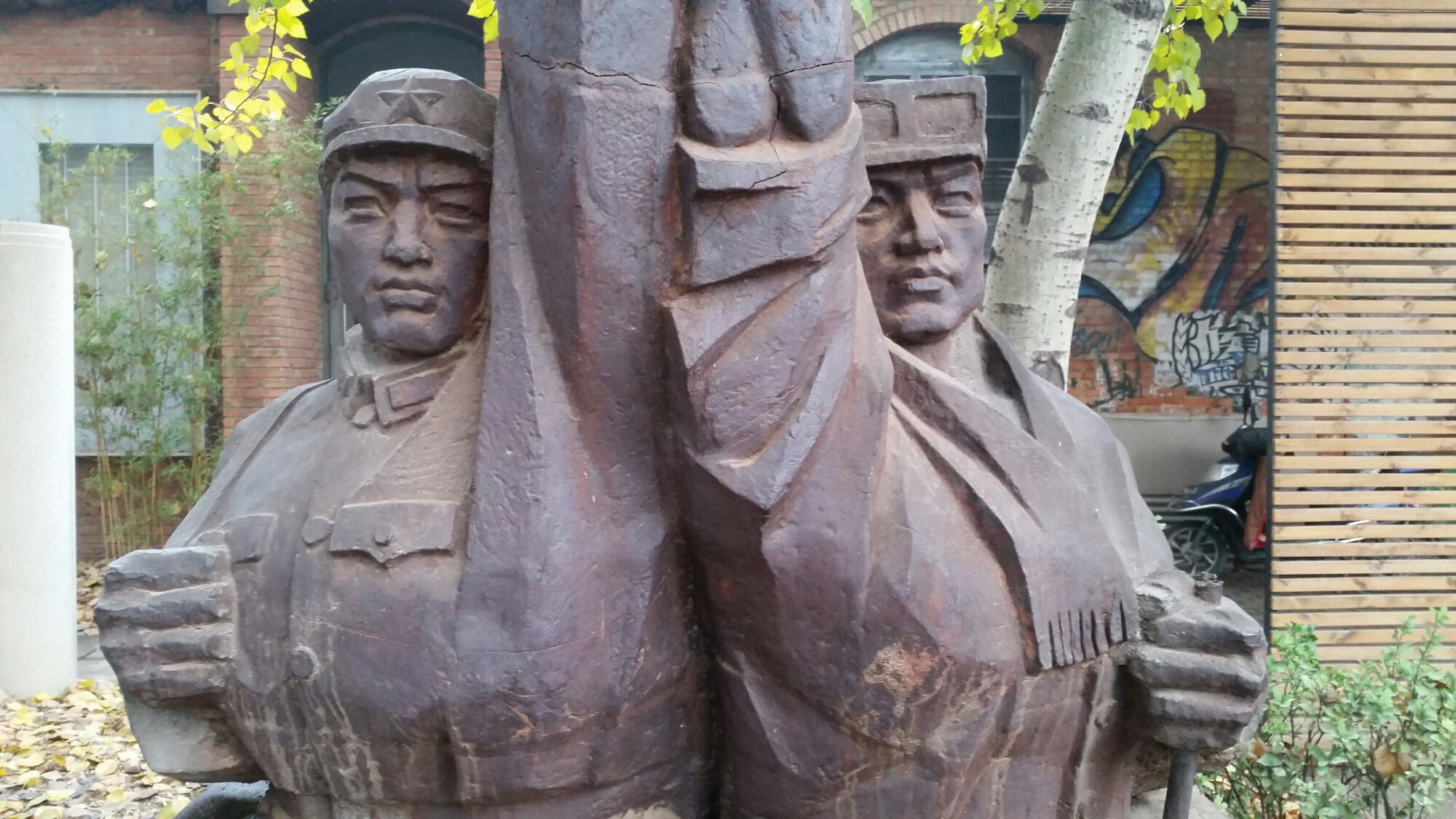
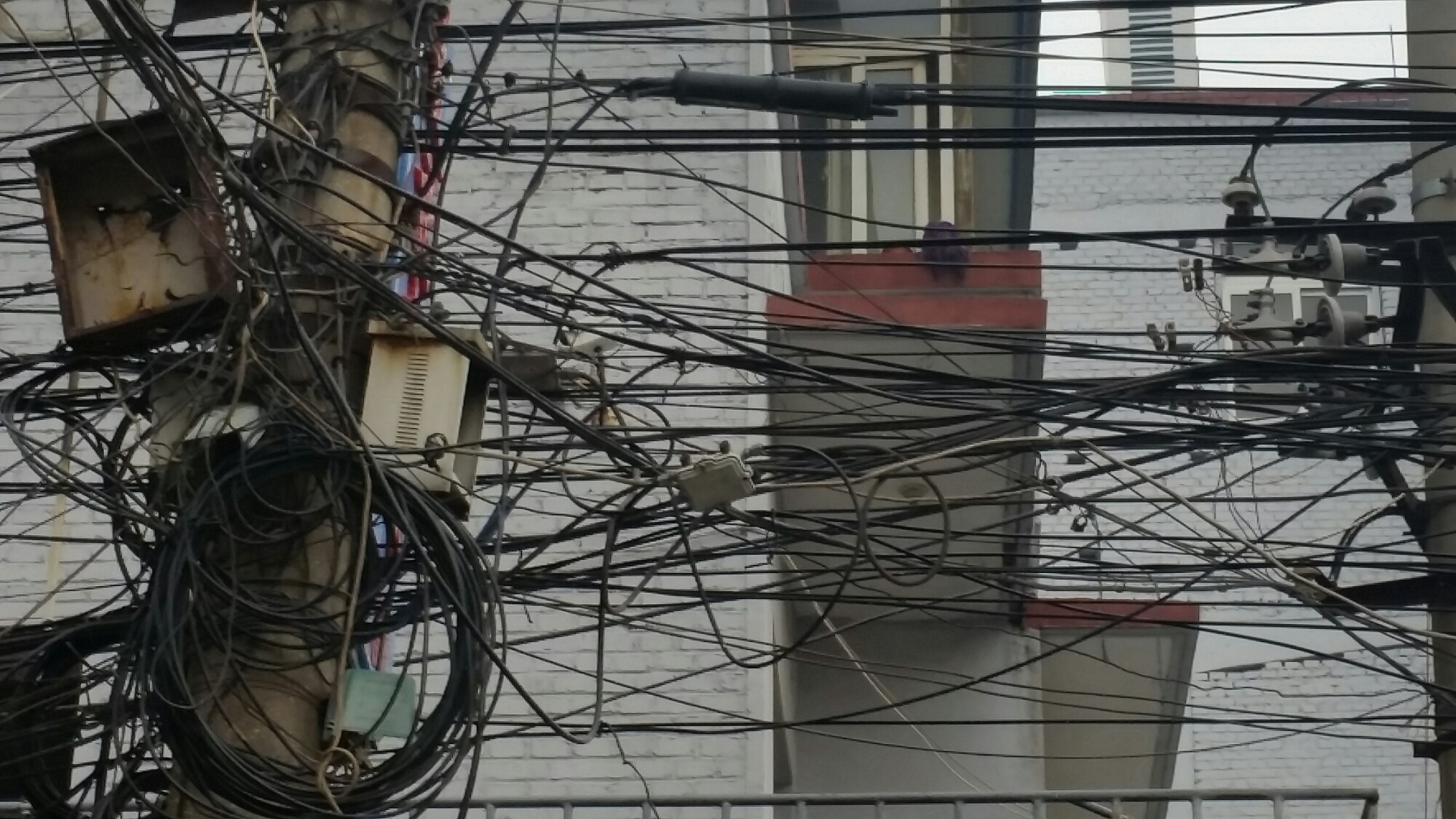
The artists have moved nearby to Caochangdi, a rougher and more earthy area of industrial warehouses where Ai Weiwei has designed a large studio complex.
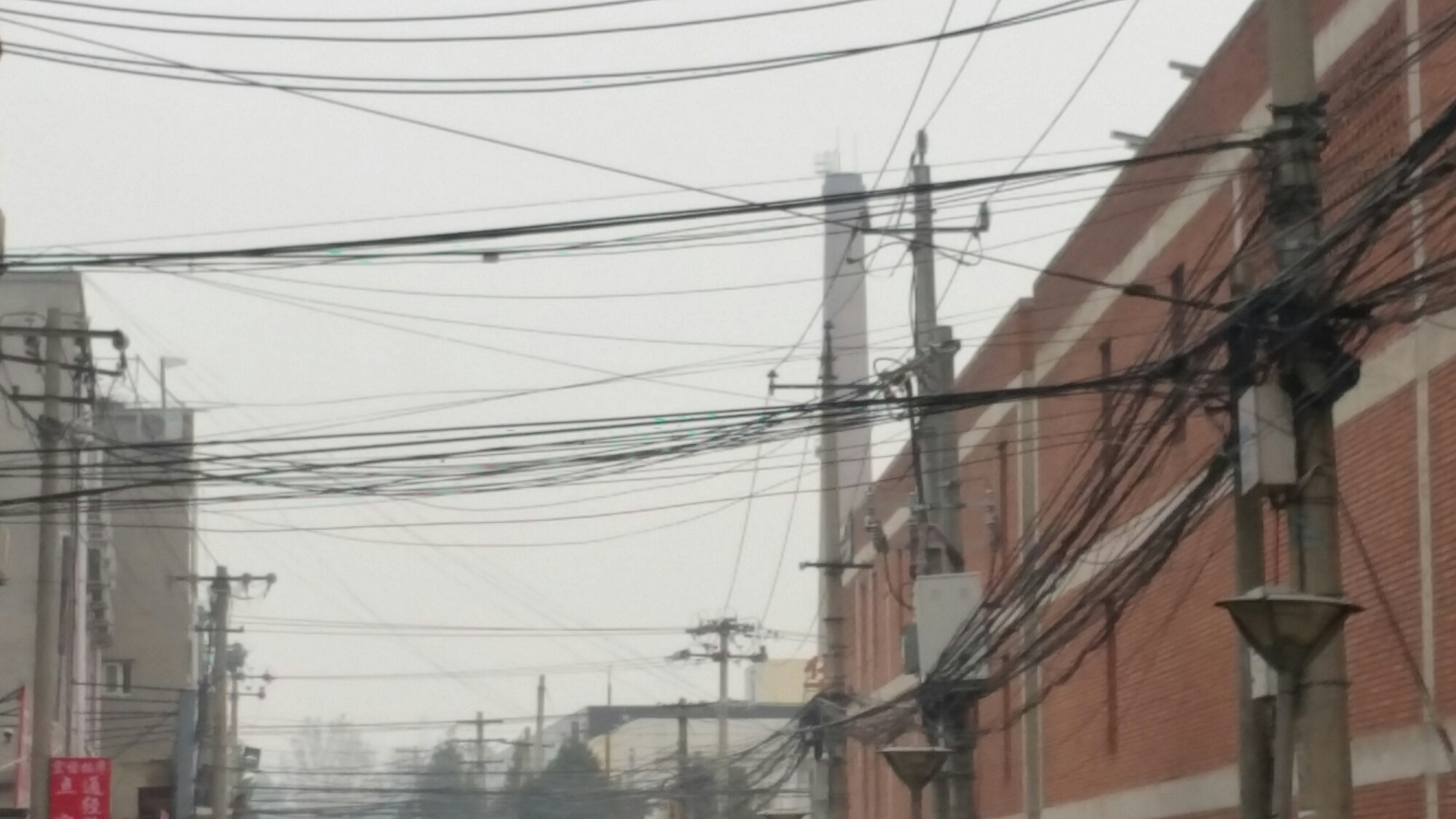
We wandered down the street:-
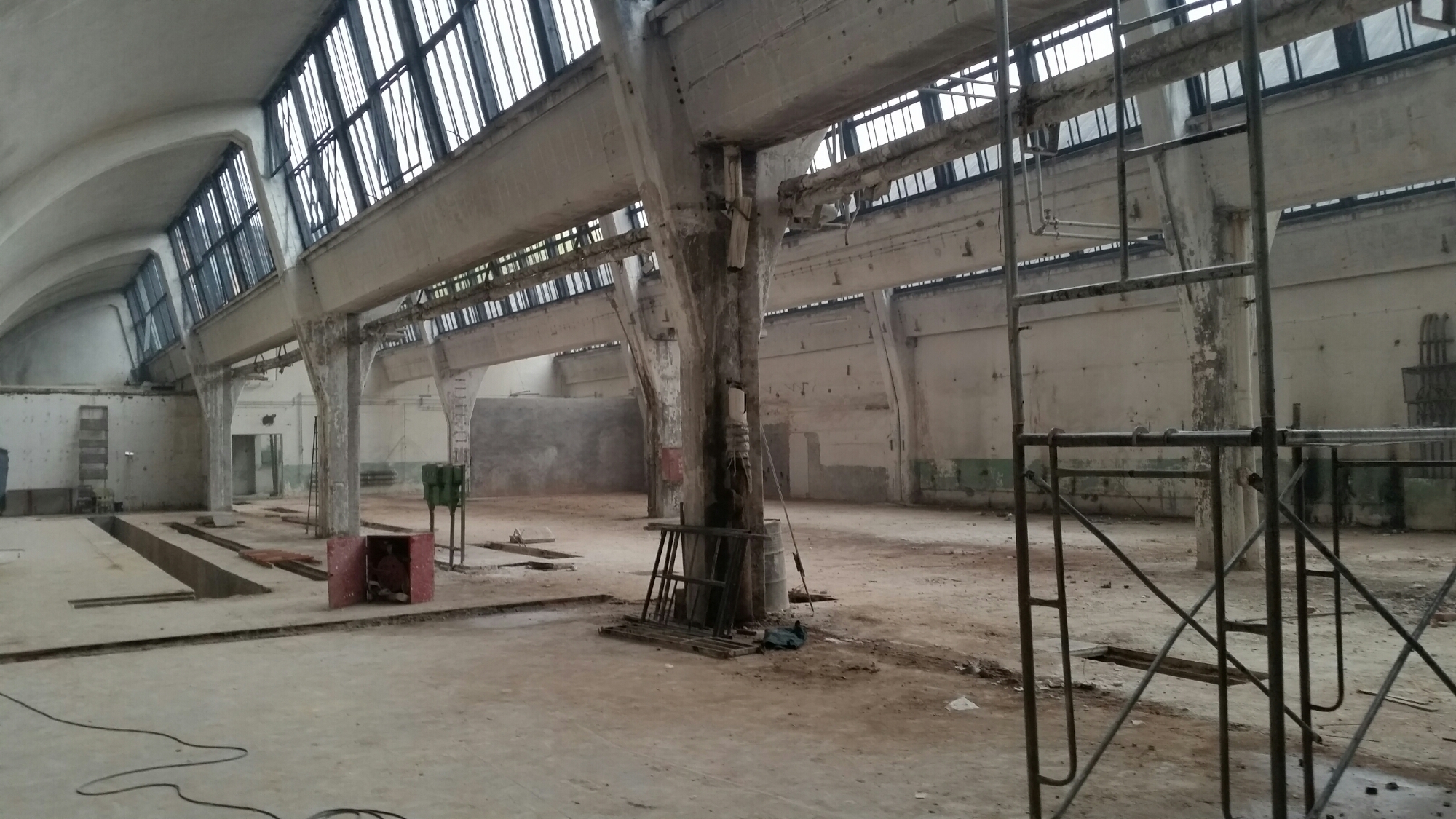
Off to 798, the old area of east German munitions factories which have been converted into art galleries and cafés:-
After visiting the private quarters of the Forbidden City yesterday afternoon, I was, not surprisingly, curious as to how they have been so beautifully and atmospherically well preserved in a culture which has not much cared for its historic past and regards conservation as a process of progressive renewal. They are the six private palaces north of The Hall of Mental Cultivation (Yangxindian): the Palace of Eternal Longevity; the Palace of the Queen Consort; the Palace for Gathering Elegance; the Palace of the Supreme Pole; the Palace of Eternal Spring; and the Palace of Eternal Happiness. They survive more or less as constructed in the Ming dynasty, partly because they are not generally open, but only on special application.
Our guide in Shanghai gave the best description as to what happened to private collections during the Cultural Revolution when the Red Guards came to smash them up. Some collectors apparently gave works to the national museums. Some found hiding places. According to Linda Jaivin’s Beijing, ‘Many people burned precious artworks in their personal possession rather than see them destroyed by Red Guards and be beaten for having them as well’. But many collectors apparently held yard sales, whereby works were sold off cheaply, and hence were distributed widely in order to ensure their preservation. They are apparently now coming back onto the market. It is a topic which people don’t like talking about.



You must be logged in to post a comment.