Clifton Nurseries

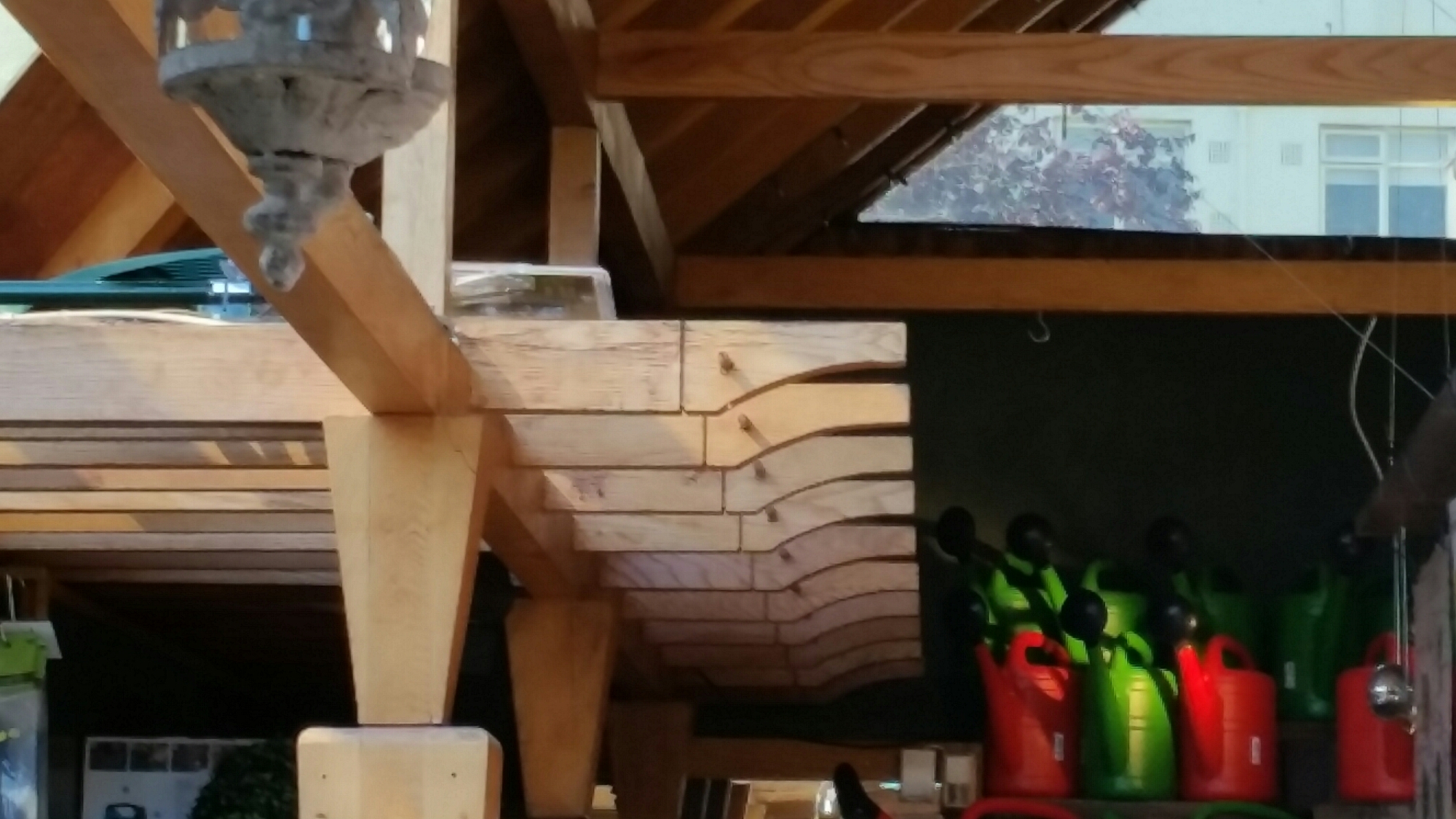
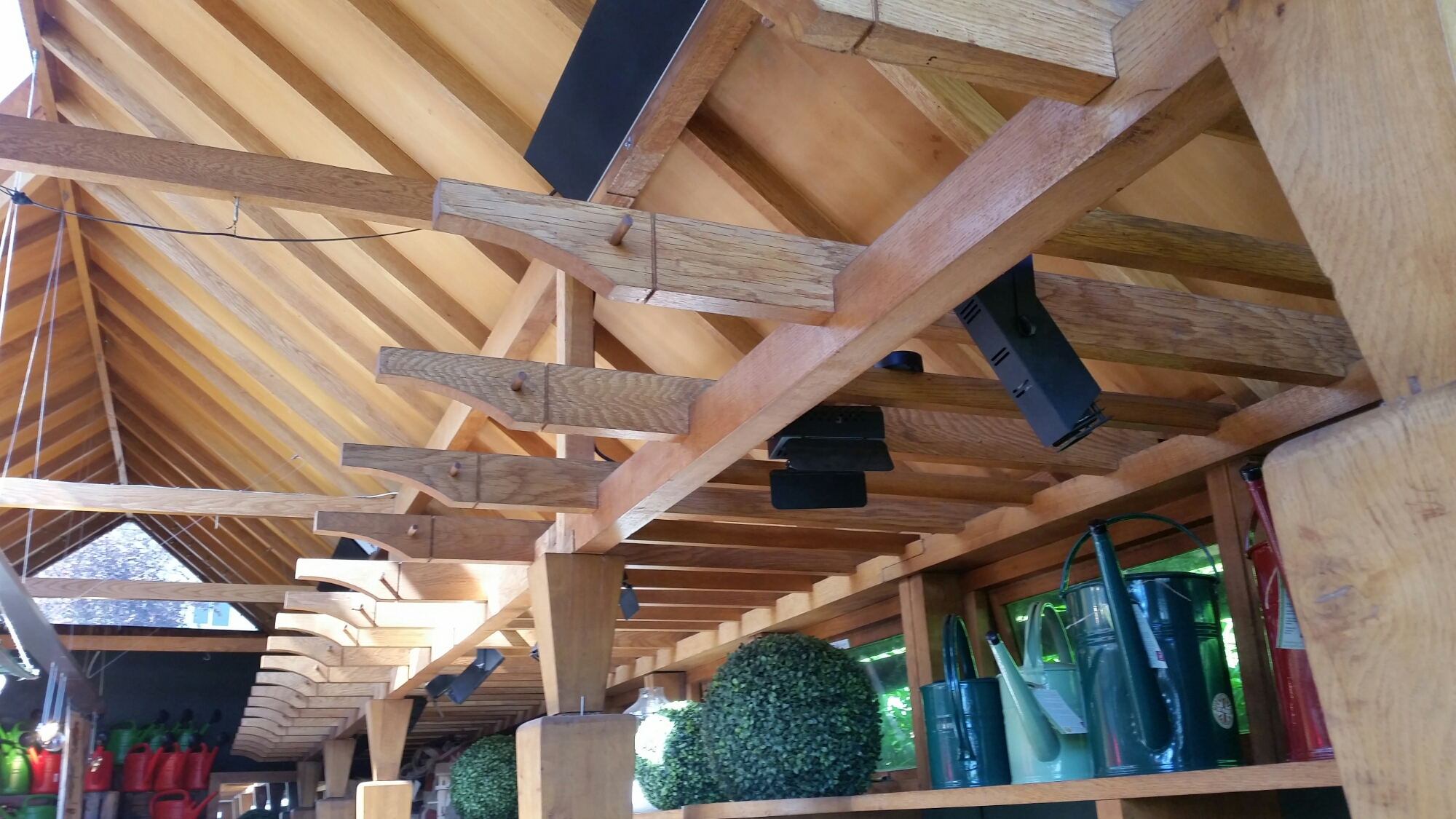
I show the wooden detailing on the wooden cross beams in the roof of Jeremy and Fenella Dixon’s design for Clifton Nurseries, which are very obviously, as he said, based on the wooden pergola at the Hill in Hampstead.   They were part of a project to provide a shop alongside the greenhouses, commissioned by Jacob Rothschild on the recommendation of Charles Jencks:-

image

image Continue reading →

Standard

Lanark Road

The second of the housing projects which I went to visit with Jeremy Dixon were the houses he did for an enterprising developer called Michael Taylor in Lanark Road, Maida Vale.   This was a time when he and Fenella Dixon were experimenting with new housing types based on the traditional model of the villa and the street with seven apartments per villa, each of which were sold to Council tenants in 1983 for a fixed price of £17,500.   At a time when there is a crisis in low-cost housing, it seems slightly odd that no-one is looking back at these experiments of the early 1980s which contribute to the city and have been well maintained.

These are the sales particulars, with an essay by the architect in which he extols ‘one of the the great virtues of London as a city’ as ‘its domestic and dispersed character based on streets and squares of houses’:-

image

image Continue reading →

Standard

St. Mark’s Road

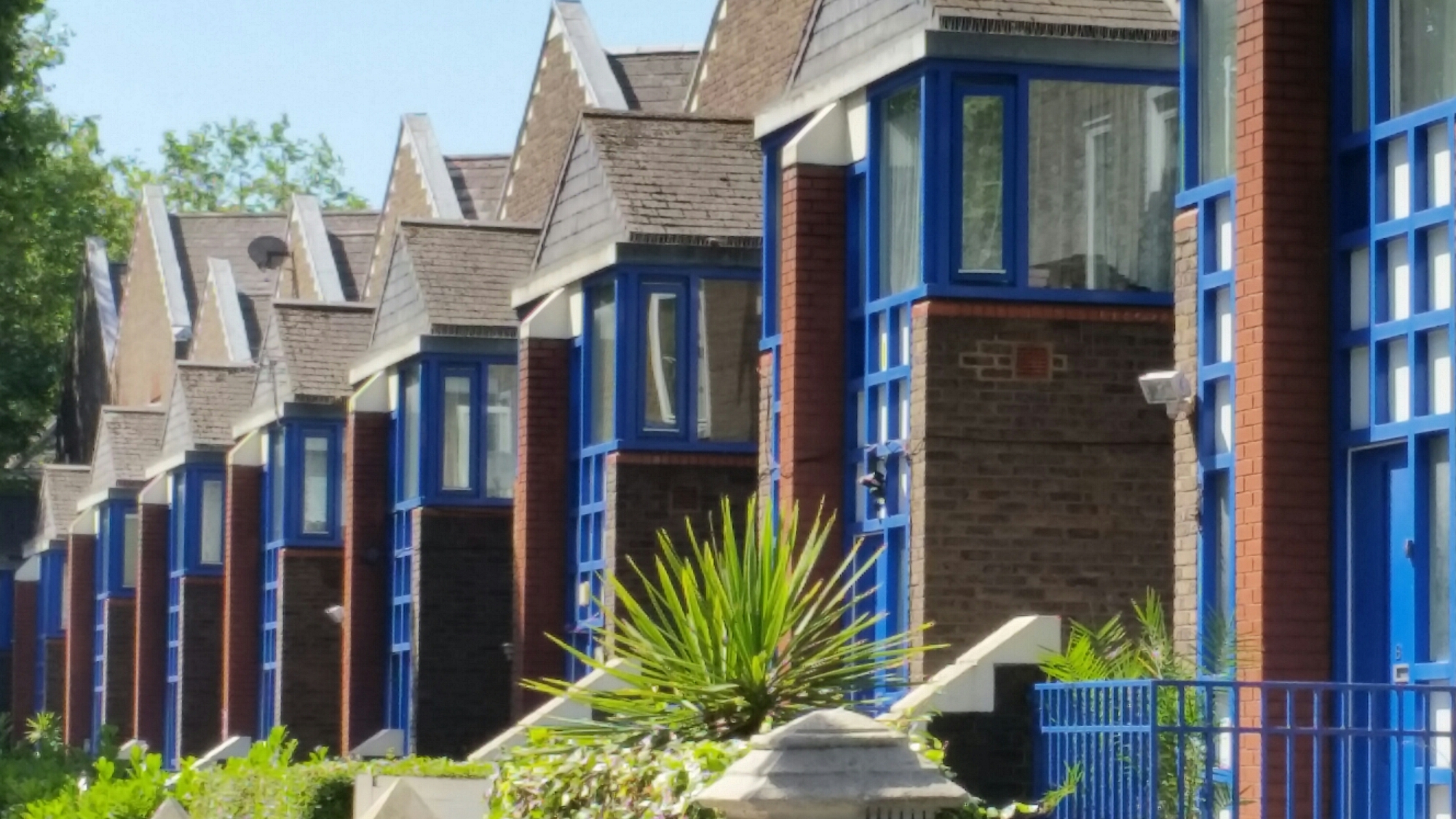
I have only just seen for the first time Jeremy and Fenella Dixon’s housing for the Kensington Housing Trust.   It looks relatively uncontroversial now, sitting, as it was intended to, in amongst the terraces and streets of North Kensington.   But, at the time that it was built, it was regarded as a trahison des clercs, using brick and colour and ornamental gables, all of which were taboo to the previous generation:-

image

image Continue reading →

Standard

in-ku

We went on a pilgrimage to in-ku, a small shop in Warren Street which sells handmade clothes cut in situ and then made up by three home working machinists and sold under the imprint Universal Utility, originally in collaboration with Rei Kawakubo, but now independently:-

image

image

Standard

Mile End Road

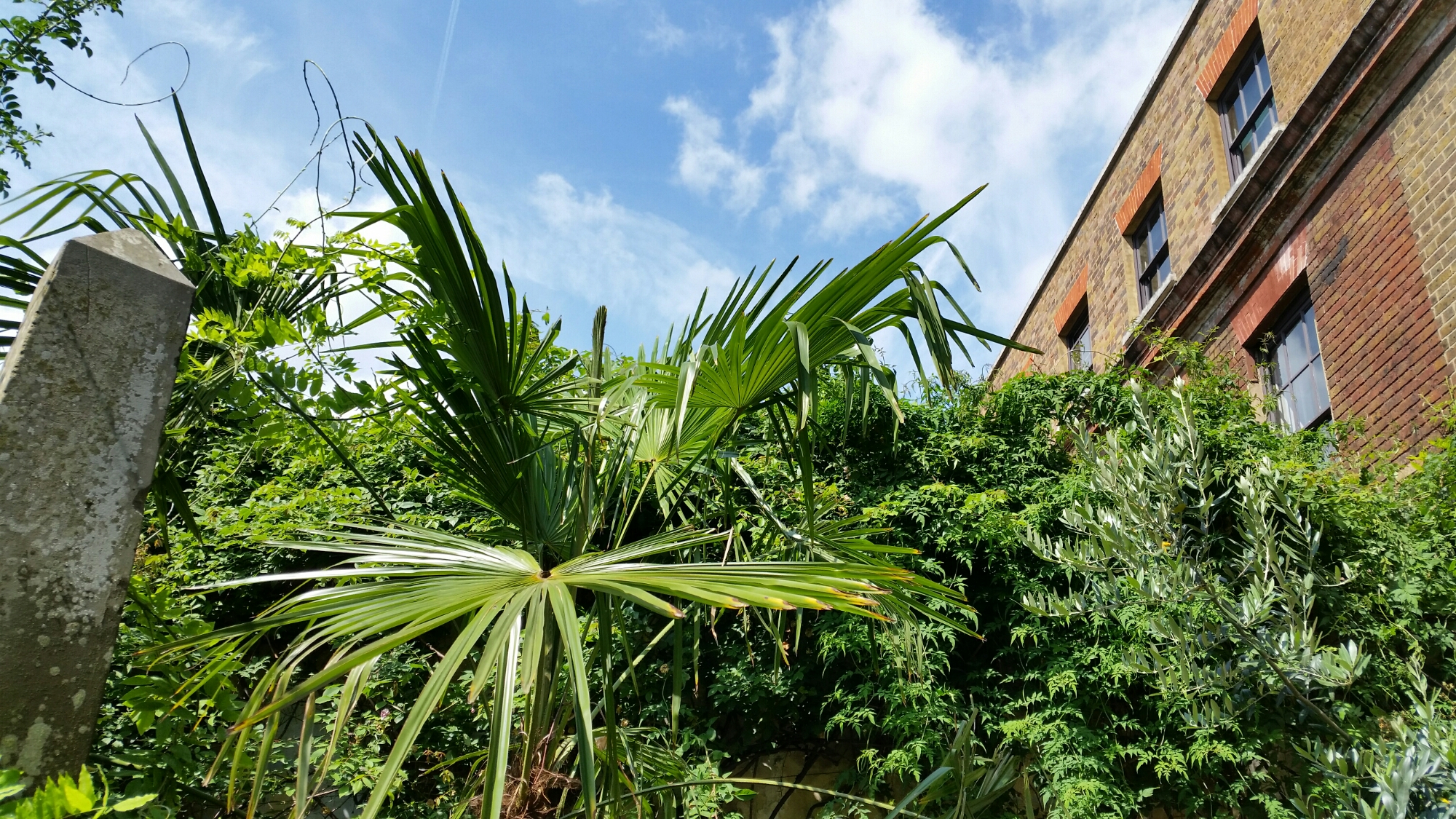
I was wandering past my neighbour’s garden and he kindly allowed me to take photographs of his jungle garden, complete with cenotaph, sub-tropical vegetation and the newly painted front door:-

image

image Continue reading →

Standard

Stepney City Farm (1)

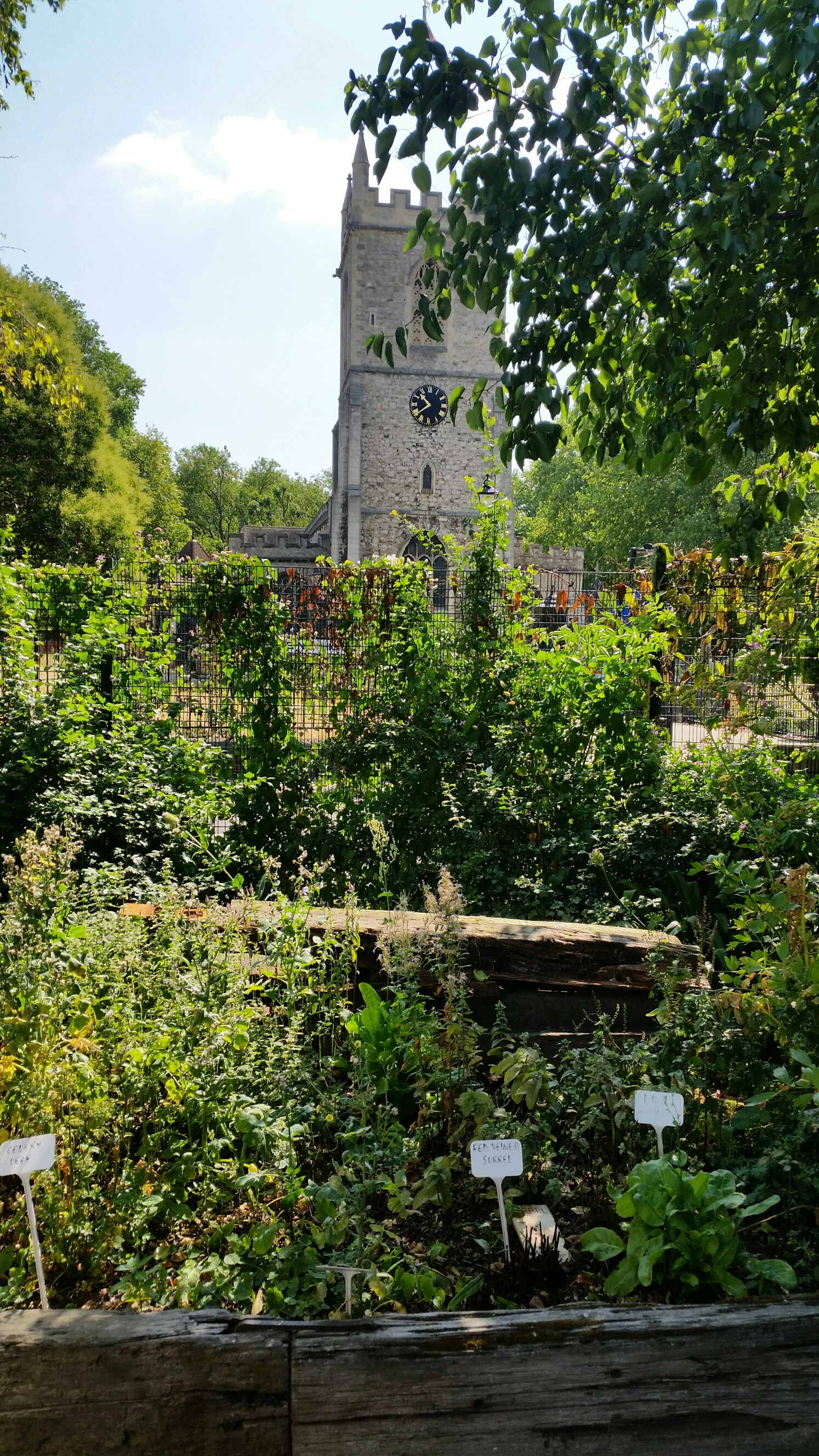
I don’t think I’ve done a post on Stepney City Farm.   Actually, I’m not sure that I’ve ever been to it properly, other than the Saturday Farmers’ Market, except maybe when the children were small to see the pigs.   It’s an unexpected piece of hippy rusticity next door to where they are doing the tunneling for Crossrail, with geese, donkeys and chickens wandering fairly freely amongst the lettuces:-

image

image Continue reading →

Standard

The Grange (2)

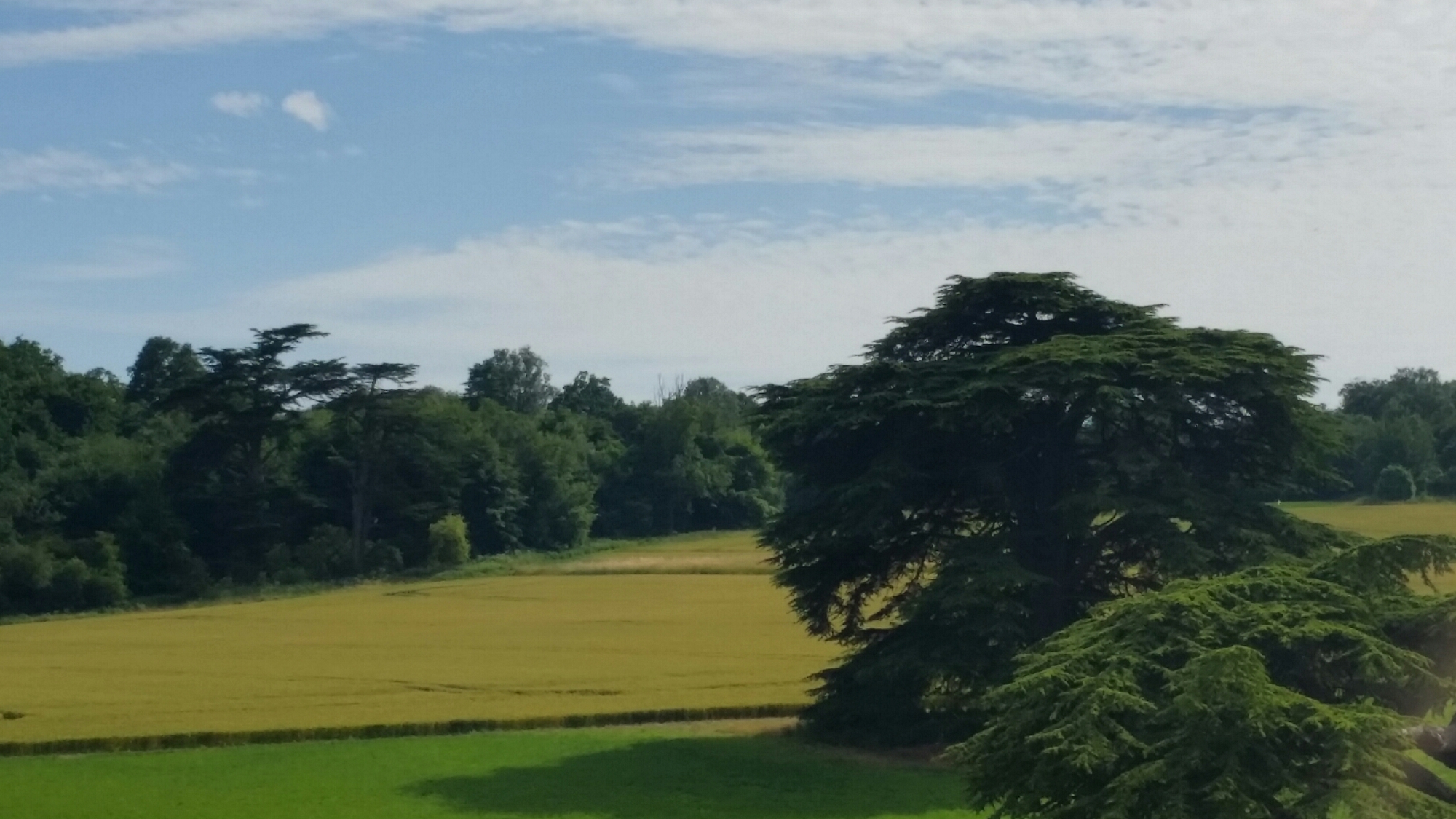
There are few places more beautiful than the valley of The Grange on a summer evening, looking across the fields over the Baring’s estate with its nineteenth-century planting, some of which presumably dates back to the 1820s when Alexander Baring, the first Lord Ashburton, added the conservatory which is now the opera house.   I went for the first night of Eugene Onegin, a wonderful opera, so full of drama and tragic misunderstanding.

This is the view from the Indian tent where we drank champagne and had tea after the performance:-

image

image

Standard

London on a bicycle (2)

I have just returned from the launch of Charles Landry’s latest book on his experience of what makes cities successful called Cities of Ambition.   Very often, it’s due to the presence of an effective mayor, as, most famously, in Barcelona, but also, more recently, in Antwerp and Malmo;  or, as in Manchester, an effective and long-lasting CEO.   But, more broadly, it requires a sense of civic ambition.   He doesn’t think it’s an issue of architecture or in the hands of architects – in fact, he’s notably critical of starchitects – but more a matter of soft issues, including the encouragement of new technology.   After all this talk of cities of the future and how to solve problems of the environment, it was slightly surreal to emerge out onto the streets of London, which were 100% gridlocked, and bicycle across London.   I have seldom had a more Darwinian experience of hundreds of novelty bicyclists, including me, dicing with death.
Standard

Alexander McQueen

I missed the Alexander McQueen exhibition when it was shown at the Met so have been glad to see the version of it at the V&A, so full of tailoring swagger, brocade and bustles and his trademark bumsters, as well as the darker and more sinister gothicism.   I was more impressed by the qualities of facture, the amazing floral detailing, the use of embroidery and the bleached felt roses, and the staggeringly inventive construction of his dresses, the transgressive formalism, than I was by the sometimes overblown theatrical romanticism and camp historicism.   In retrospect, it’s hardly surprising that he couldn’t maintain the pressure of invention.

Standard

London on a bicycle (1)

As I bicycled this morning from Stepney to South Kensington to see Savage Beauty, a journey I used to undertake every day, I could not help but remember the words of an eighteenth-century guidebook to the effect that London, the greatest city in the world, stretches all the way from Limehouse in the east, to Hyde Park Corner in the west, a distance of six miles.

Standard