
James Bradburne’s latest exhibition at the Palazzo Strozzi is Power and Pathos: Bronze Sculpture of the Hellenistic World. He encouraged me to see it, but I wasn’t able to make it to the opening. It’s an extraordinary exhibition, wonderful bronze sculptures which are normally scattered amongst the regional archaeological museums where they were unearthed, like the bronze discobolos discovered in 2004 off the island of Kythnos and now in the Museum of Underwater Antiquities in Athens. The portraits are of great intensity, strongly characterised because of the fluidity and strong expressiveness of the medium, some slightly idealised like the Aristocratic Boy from the Metroplitan Museum, some more tragic like the Young Ephebe from Heraklion in Crete. Most of them have been discovered in the twentieth century, mostly by accident, so are not nearly so well known as those statues which are part of the classical canon. It ends with divinity, but divinity is less moving than humanity.
Category Archives: Uncategorized
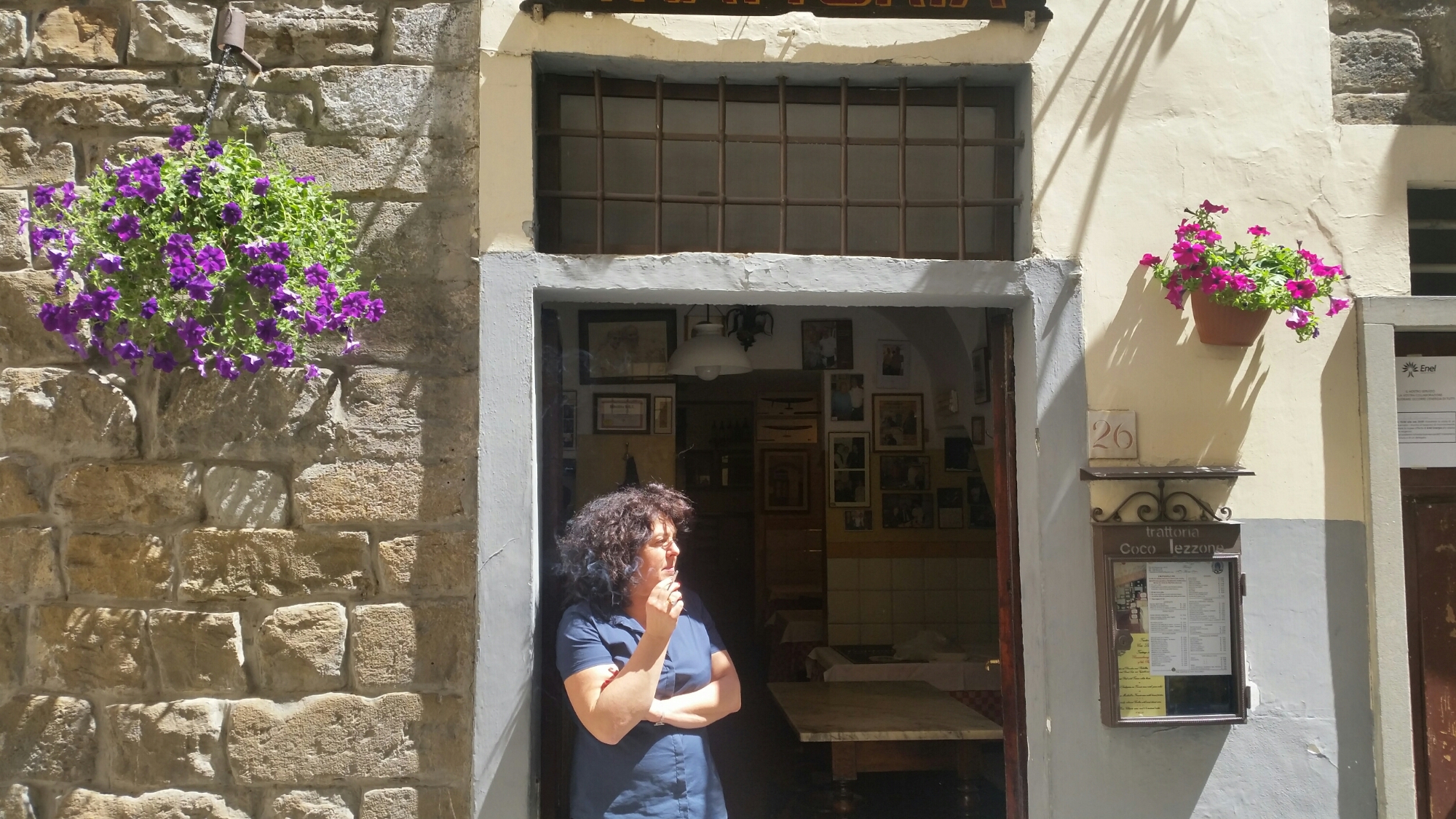
Coco Lezzone
We had lunch at Coco Lezzone, an old-established trattoria not far from the centre of Florence, which serves three excellent courses at speed, very good seafood risotto, meatballs and fresh cherries, no menu, no coffee. It sports a faded photograph of the Prince of Wales from the early 1970s:-

Burlington Gardens
For the last three years I have paid scant attention to the three figures who stand meditating outside my office window. But as we prepare to decamp to Blackfriars whilst Pennethorne’s great building in Burlington Gardens is renovated, I thought I should record their appearance in all its sooty magnificence. Like the philosophers outside the Sheldonian Theatre in Oxford, they stand sentinel, as guardians of learning:- 

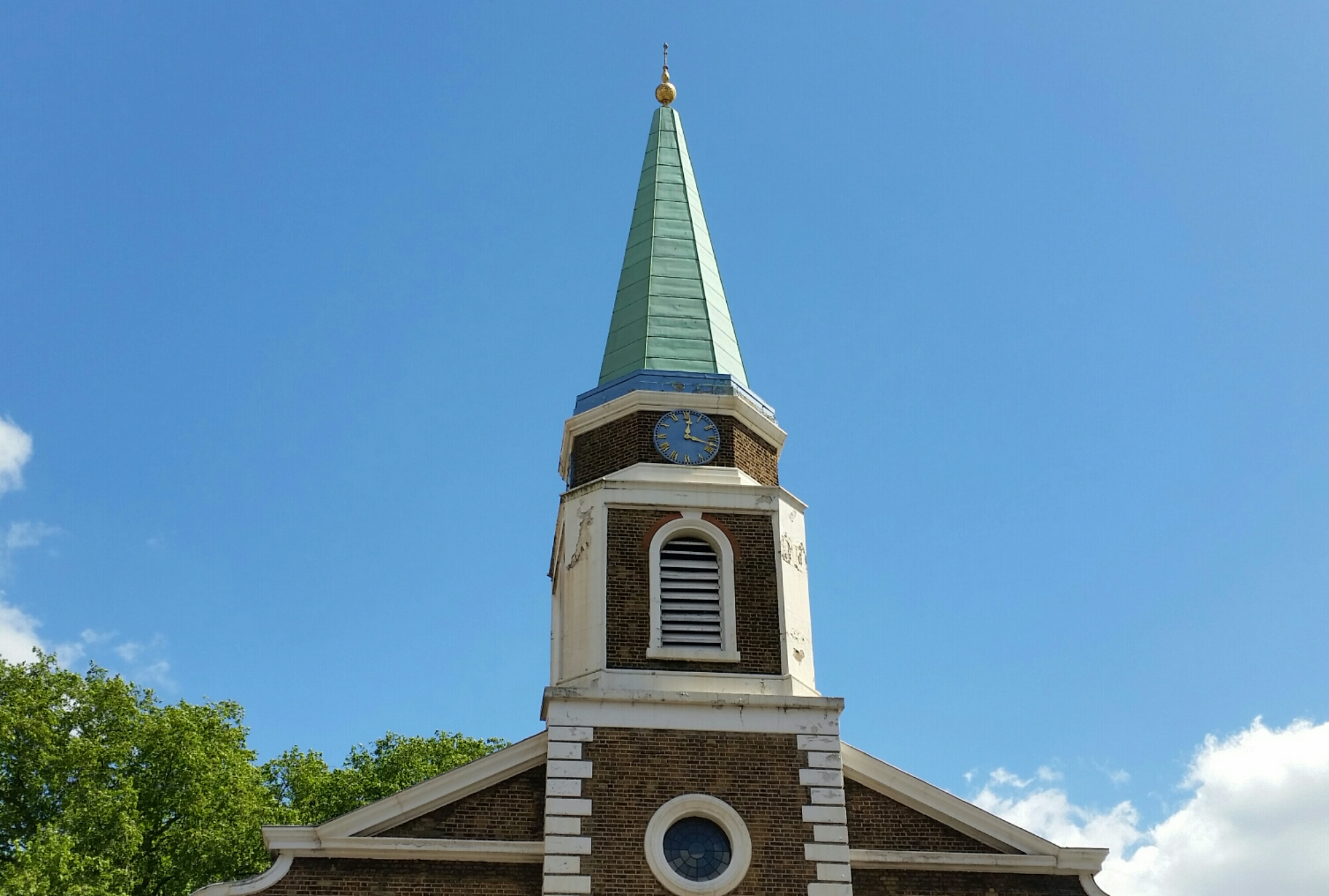
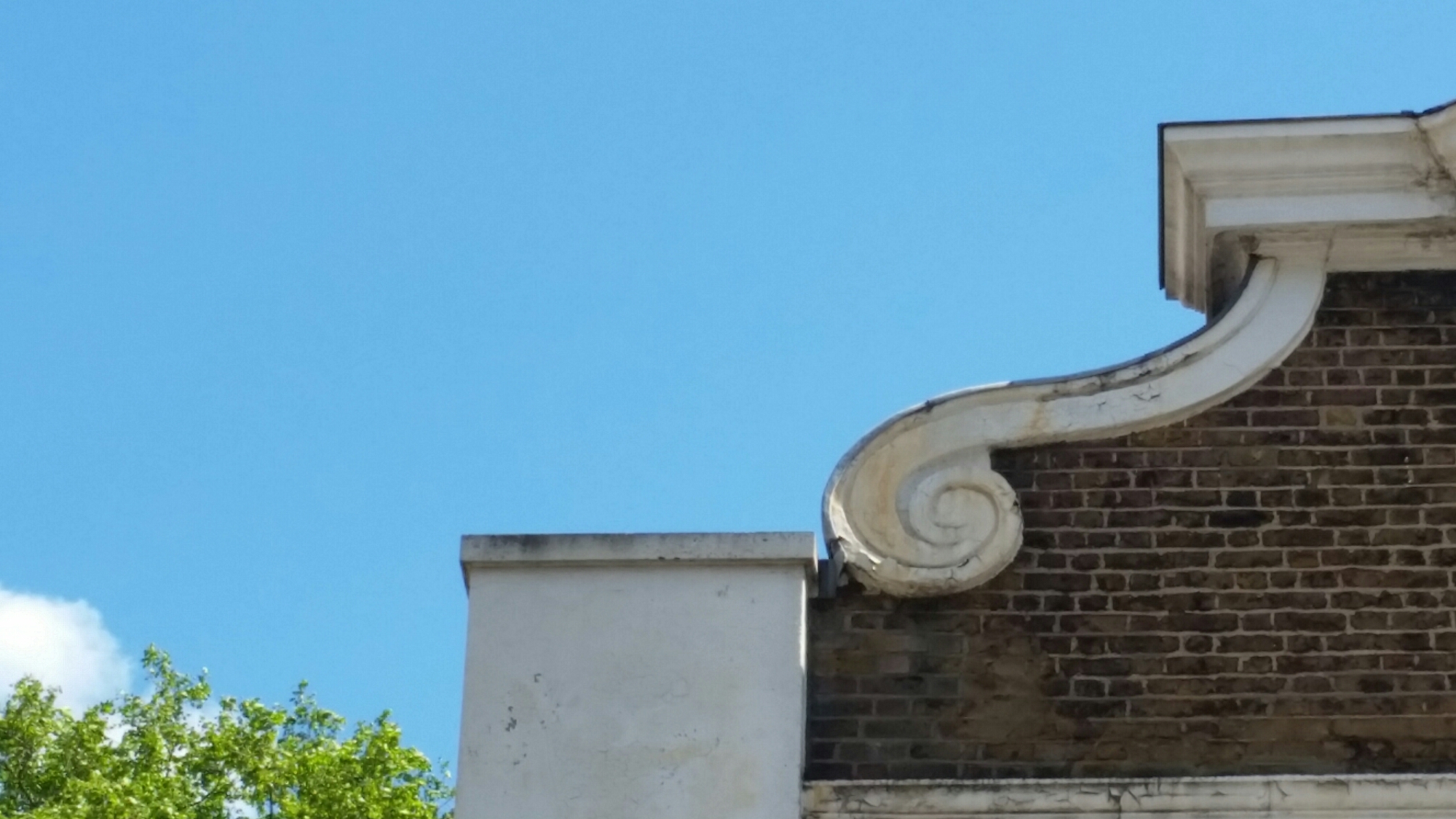
Grosvenor Chapel
I’ve never before been into Grosvenor Chapel, the parish church of Mayfair next door to Harry’s Bar. It’s quite sweet, rather like a parish church in New England, commissioned by Sir Richard Grosvenor in April 1730, possibly designed from a pattern book by its builder, Benjamin Timbrell, who had worked with Gibbs on the Oxford Chapel. It cost £4,000. The spiral volutes were added by William Skeat during repairs in 1829 and the chancel was poshed up just before the first world war by Ninian Comper:-
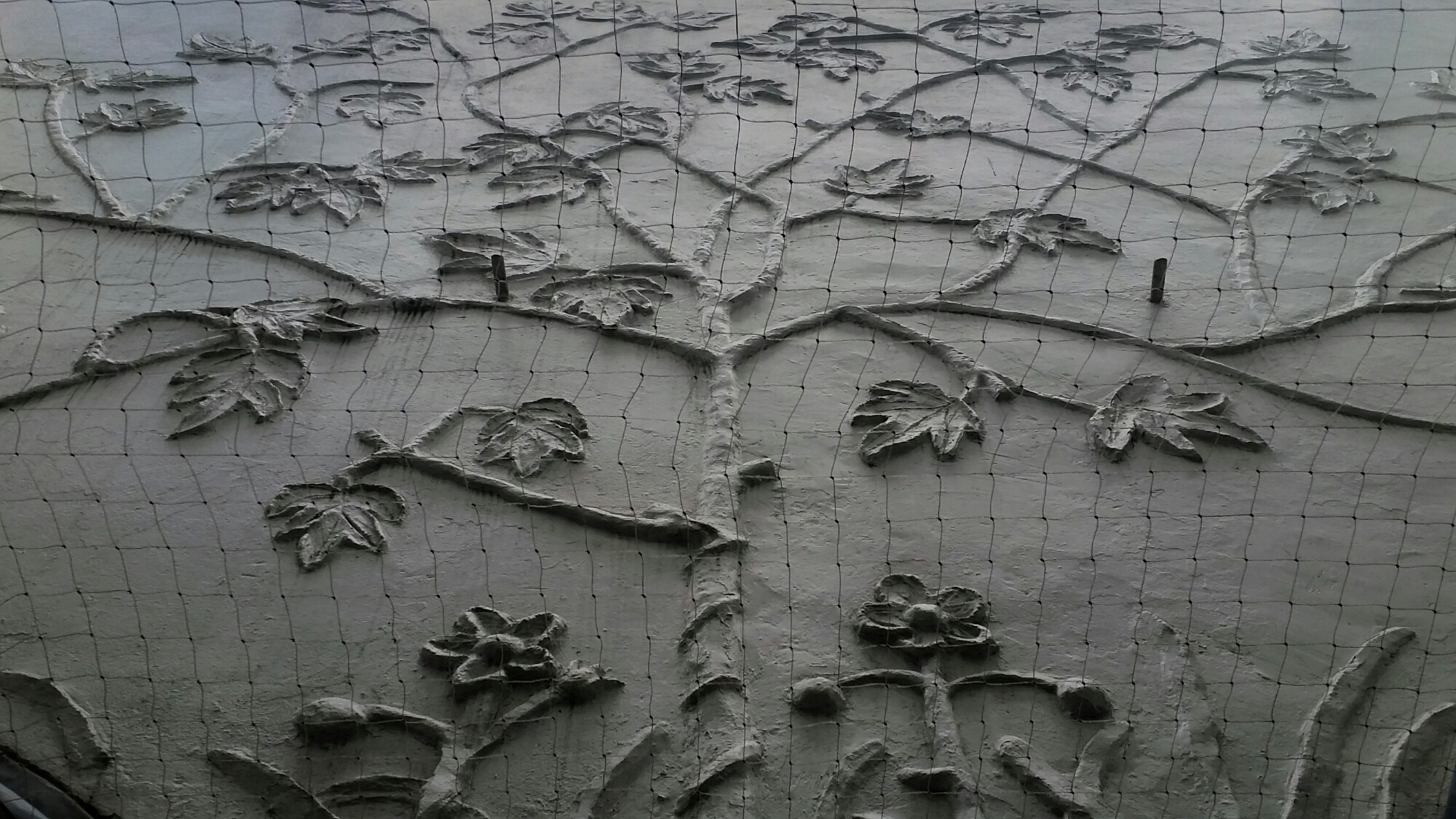
8, Mount Row
I have had a residual memory of delivering a brown paper parcel down an alleyway to a Tudor house somewhere in Mayfair when I was working on a holiday job at Heywood Hill in the mid-1970s. I realised where it was when I was walking down Mount Row this morning. In amongst the normal Wrenaissance of Mount Street is a perfect Tudor house designed by Frederick Etchells, the Vorticist and translator of Corbusier’s Vers une architecture, in 1929. It is as un-Corbusian as it is possible to imagine, complete with wood carving and a plaster ornamental wall:-

Summer Exhibition
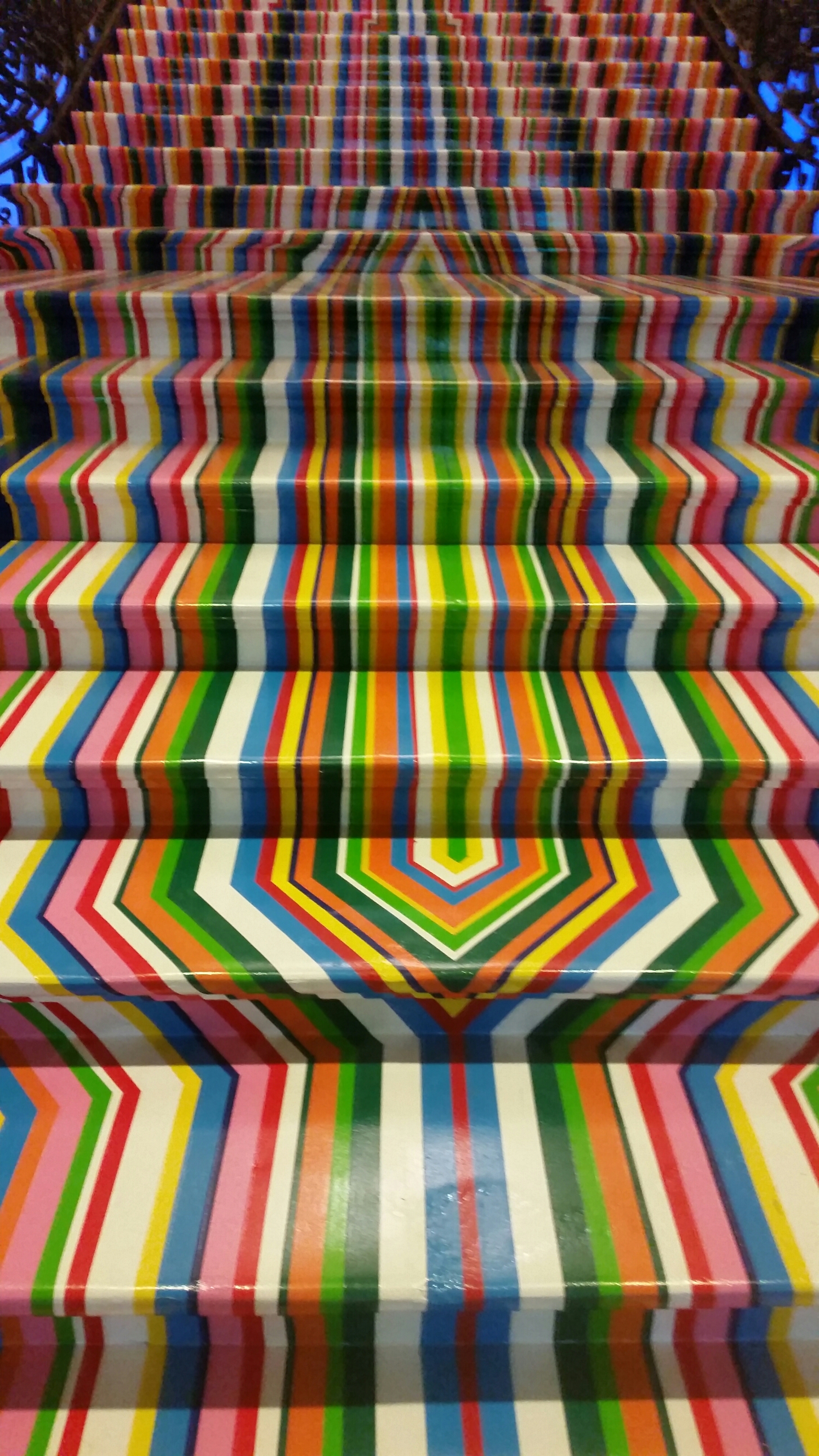
I have forborne to comment on this year’s Summer Exhibition which has gradually been taking shape over the last few weeks, making its long progress through the selection to the hang to yesterday’s Non-members Varnishing Day. Today I was walked through the exhibition by Michael Craig-Martin, the co-ordinator (or Chief Hanger as he is sometimes still called) and have realised what an achievement it is, beginning with the multi-coloured staircase by Jim Lambie which transforms the experience of arrival. Each of the galleries is more clearly differentiated according to who hung it and Architecture is given its own fine space by being in the Large Weston Room. It feels more logical, as well as more exciting, partly due to the choice of bright yellow as wall colour for the Vestibule and brighter pink for Gallery 3.
Victoria Press
It was the memorial service today of Victoria Press, the most wonderful, formidable and directly spoken American collector who lived on Cheyne Walk and died in early April in her palazzo in Venice. We had our last lunch with her not long before in Tessa Traeger’s little dining room in Rossetti Studios: avocado and shrimps and cheese and crème caramel; all Victoria’s favourite things. Towards the end of lunch, she reminisced about how, having worked for Claire McCardell, the designer of sportswear, she arrived in London from New York in the late 1940s and fell in love with England – the buildings which turned half black in the rain, the broken-down pavements, the English who made friends with her, including Robert Heber-Percy, the ex-partner of Lord Berners and owner of Faringdon Park, who introduced her to English upper class life. Then, we said our farewells.
Robert Wood
Robert Wood, who was Dawkins’ partner in visiting and recording the antiquities of Palmyra, was a bit older, the son of an Irish Presbyterian minister, educated at Glasgow University and later registering at Padua, after a period as a travelling tutor. He first visited Syria and Egypt in the early 1740s. He met Dawkins in Rome whilst working as private secretary to the Earl of Milltown. Their travels in the eastern Mediterranean were a serious research trip. They equipped their boat with a library of ‘all the Greek historians and poets, some books of antiquities, and the best voyage writers’, took with them tools for digging and, following the model of Desgodets’ measurements of buildings in Rome, undertook detailed drawings of classical remains, together with maps and reconstructions. Not only was Wood author of The Ruins of Palmyra and The Ruins of Baalbec, but he also published an Essay on the Original Genius of the Writings of Homer, first written as a letter to Dawkins in 1755 although not published for twenty years.
James Dawkins
In reading about the ghastly massacres and destruction of the museum and statuary in Palmyra, I have been finding out more about James Dawkins, who undertook some of the research and helped finance Robert Wood’s The Ruins of Palmyra, otherwise Tedmor in the Desart, which brought Palmyra to the attention of eighteenth-century students of the antique. Dawkins came from Jamaica and, after Abingdon School and St. Johns College, Oxford and on succeeding to his family estates, he set off to travel in Italy in 1742. He set out from England again in 1749, met Robert Wood in Naples and chartered the Matilda to travel round the Mediterranean with G.B. Borra, the Turin architect, as draughtsman. They arrived in Palmyra on 14 March 1751 and spent five days (fifteen days according to their book) measuring and drawing plans of the temples and recording inscriptions. The Ruins of Palmyra was published two years later when Dawkins was visiting Berlin in an attempt to get Prussian support for a Jacobite rebellion. It was a key text in the revival of the antique, influencing Robert Adam in his designs for Osterley, Syon, Bowood and Compton Verney and William Chambers who reproduced The Temple of Venus at Kew. All that they recorded so meticulously is now in the process of being destroyed.
My morning walk
When I’m in Anglesey, I like to go for an early morning walk to buy the newspaper. It gives me a chance to see the sun on the fields:-

To walk down to the estuary of the Afon Braint:-


You must be logged in to post a comment.