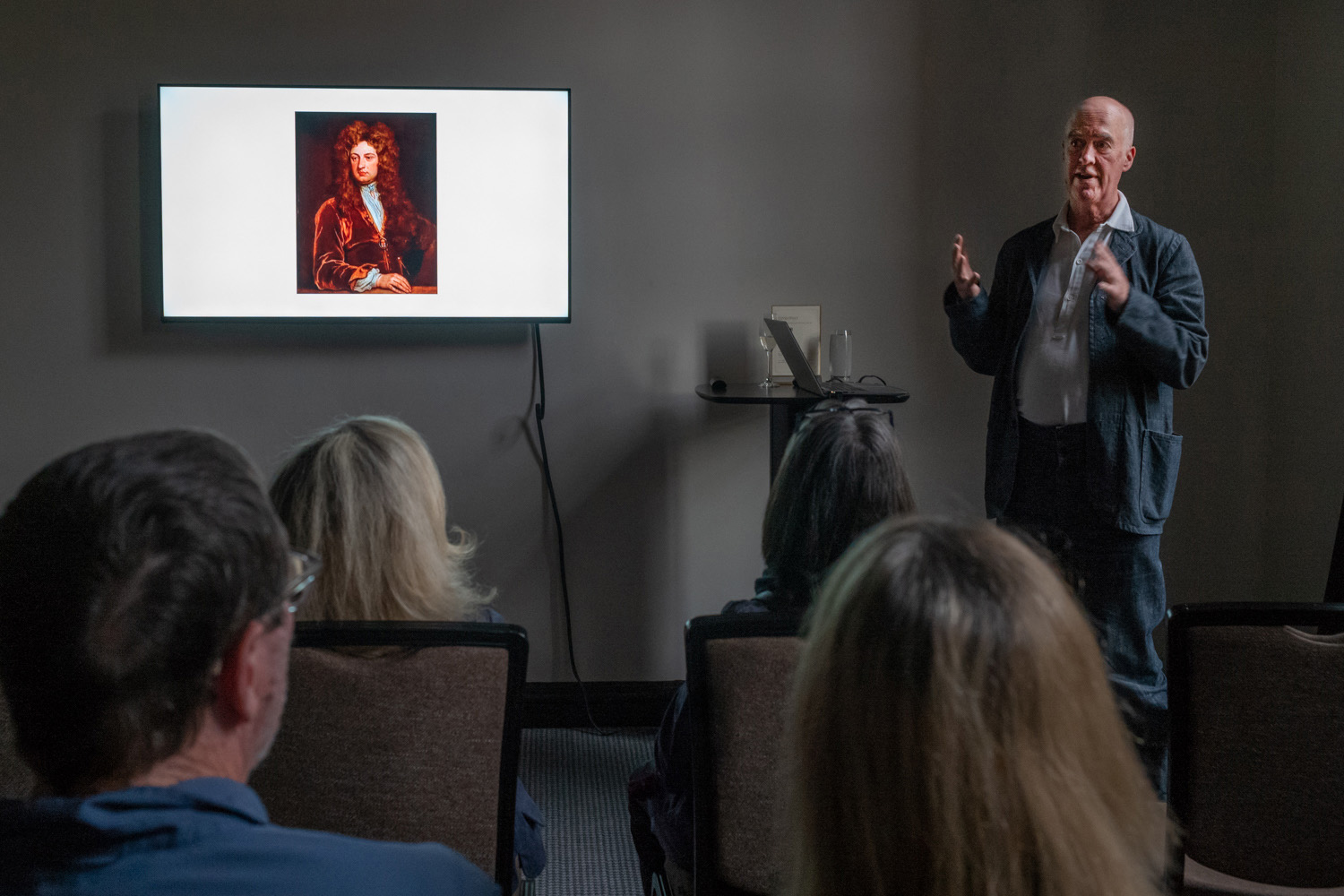
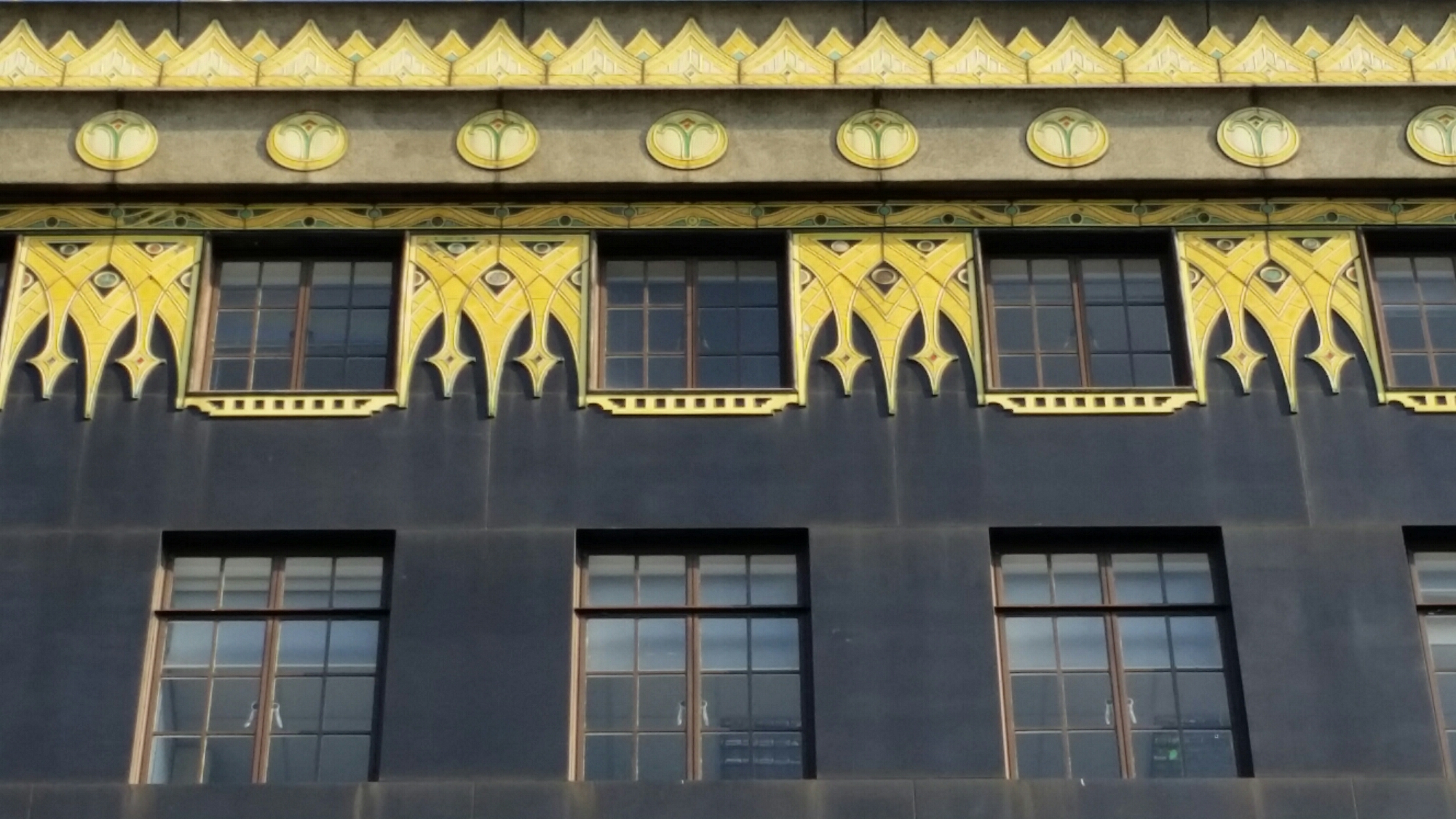
I don’t know why I’ve never previously registered the grand black polished façade of Ideal House, just down the street from Oxford Circus tube station and immediately opposite Liberty’s. It was designed by an architect called Gordon Jeeves, a Scot (all early twentieth-century architects seem to have been Scottish), working with the American art deco architect, Raymond Hood. It’s not surprising that it looks as if it’s strayed from the streets of New York because it is a small-scale copy of Hood’s building in New York for the American Radiator Corporation:-
Category Archives: Uncategorized
RA Schools Show
I have just been to see the RA Schools Show which is this year (as always) well worth seeing, partly because there is the vicarious sense of talent-spotting for the future, partly because it is a way of gauging the interests of a group of disparate postgraduate students and their attitudes to the use of media (this year painting, ceramics, woodcut monotypes and books) and partly just for the pleasure of seeing new work. One of them, Henry Coleman, has done a work which aims – and succeeds – in demonstrating what the effect will be when the new Chipperfield scheme allows the public to cross the Cast Corridor.
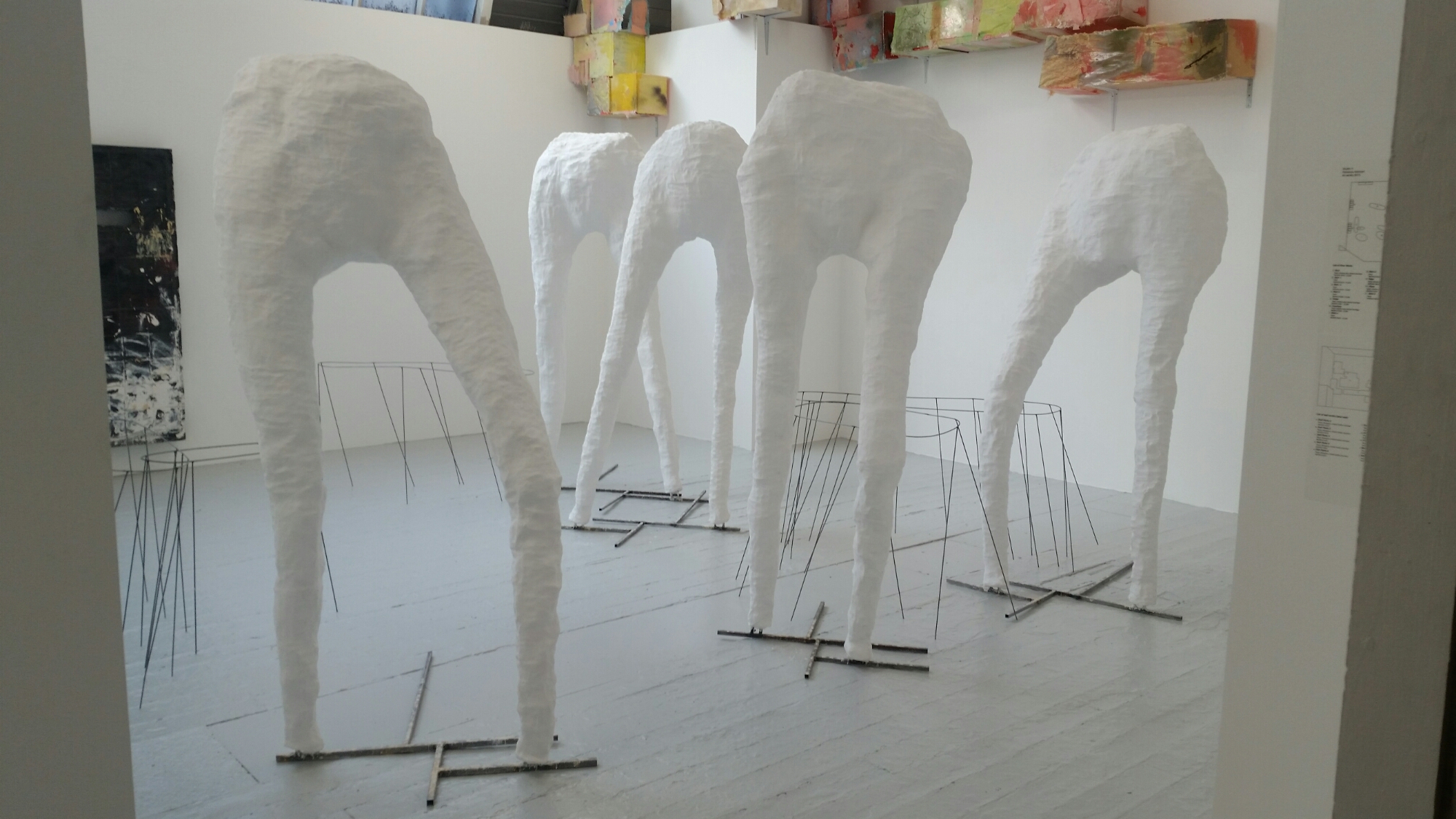
I only managed to take two photographs, one of the room by Rebecca Ackroyd:-
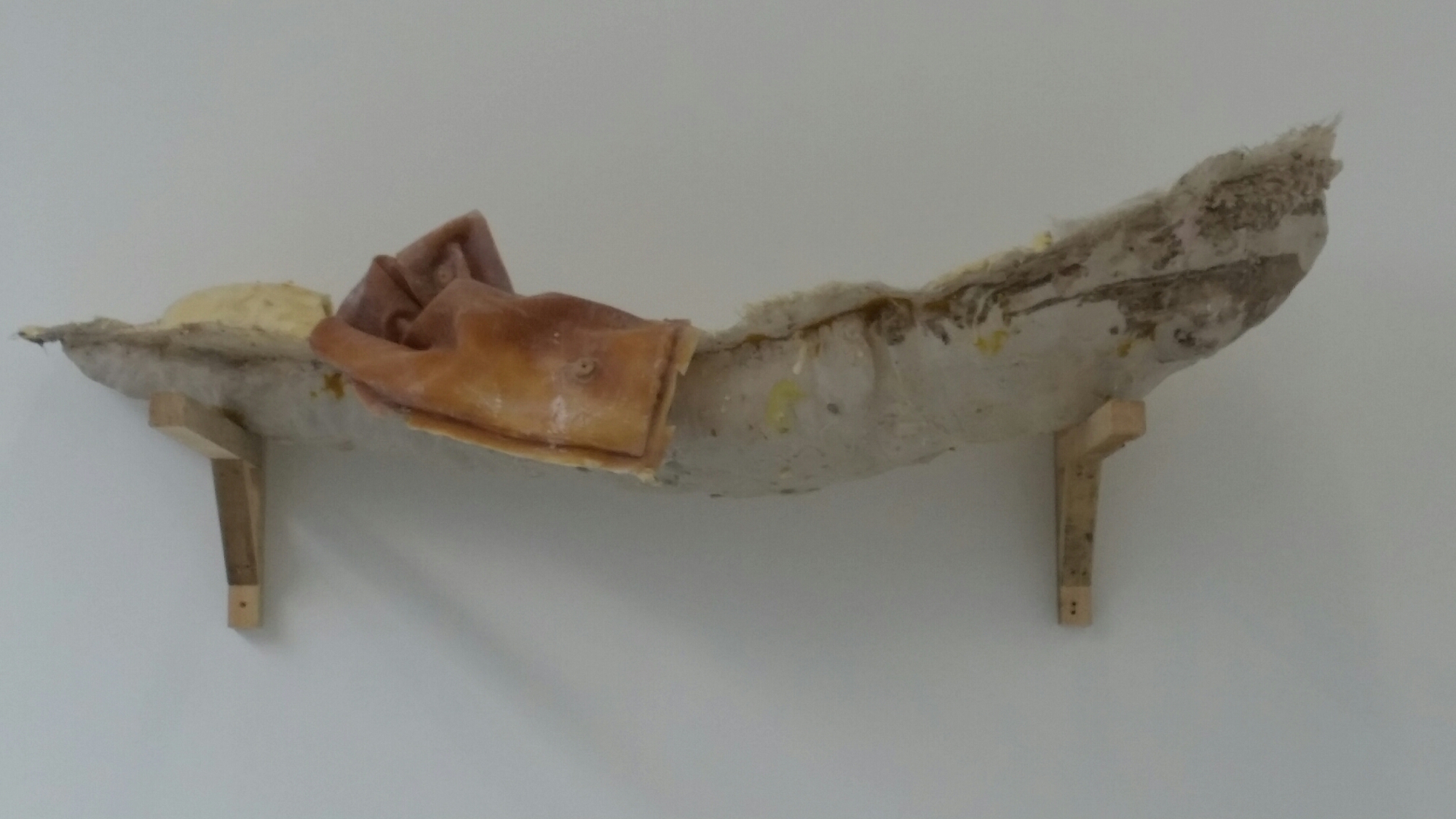
The other is of a rather fascinating work by Adam Collier:-
St. John, Bethnal Green
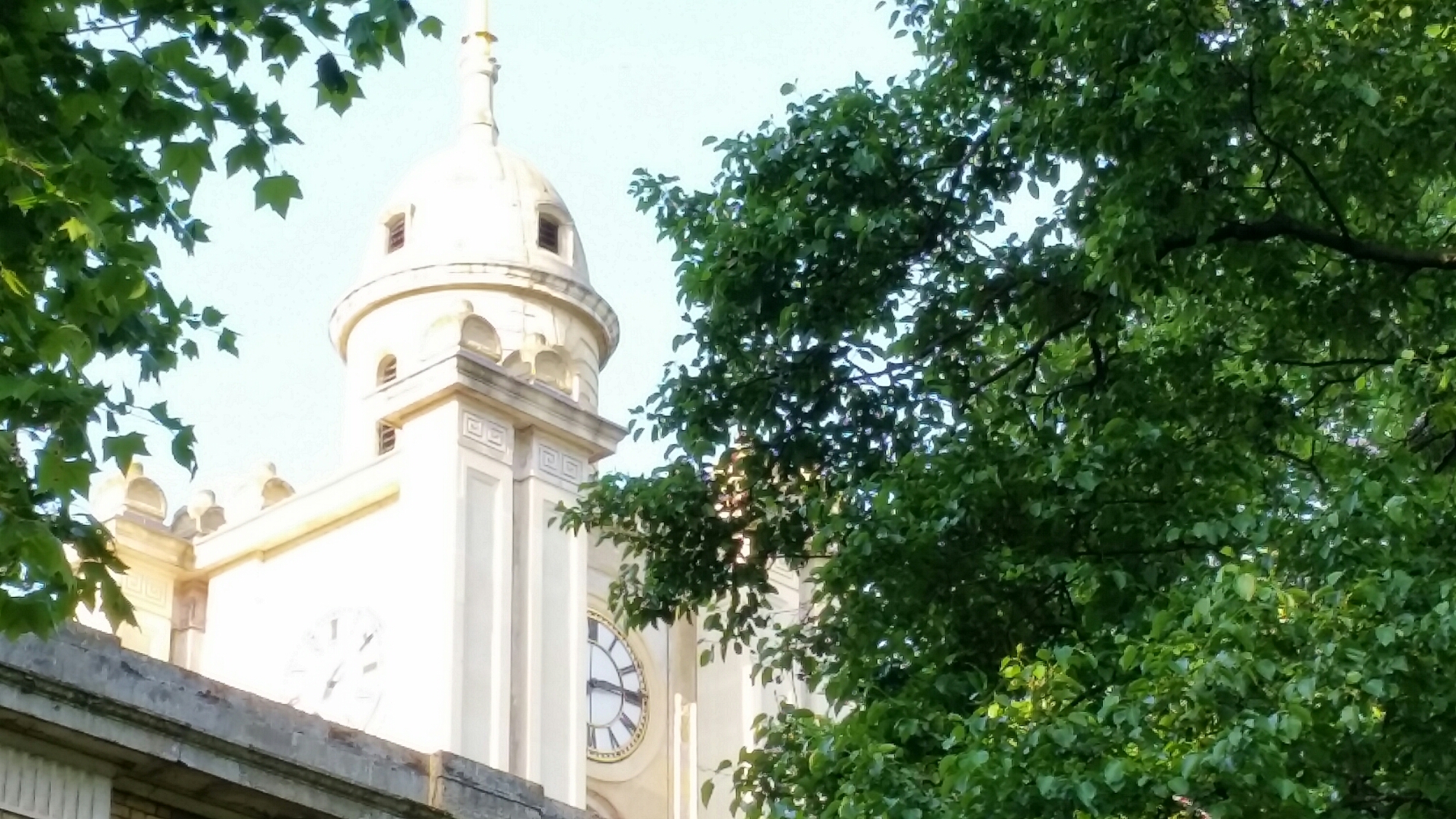
A trip to the local polling station gave me a chance to document the church tower of St. John, Bethnal Green, designed by Sir John Soane in 1826 for the Commissioners of the 1818 Church Building Act at more or less the same time that he was designing St. Peter, Walworth and Holy Trinity, Marylebone. It’s the standard model of Comissioners’ church: a big, barn-like interior to maximise the number of pews; ornament restricted to the church tower, which is characteristic of Soane with a small pepper pot, which was originally planned to be much higher:-
Wolfson College
I have just been to a lecture by Neil MacGregor at Wolfson College, Oxford to celebrate the 60th anniversary of the Wolfson Foundation. It managed to weave together poverty in Hogarth’s England with the development of obstetrics in the Gorbals, the importance of William Hunter as a collector and the role of Sir Hans Sloane in the foundation of the British Museum, ending with the importance of museums in the development of global citizenship and the ways in which the Wolfson Foundation has supported health in the body and in the mind.
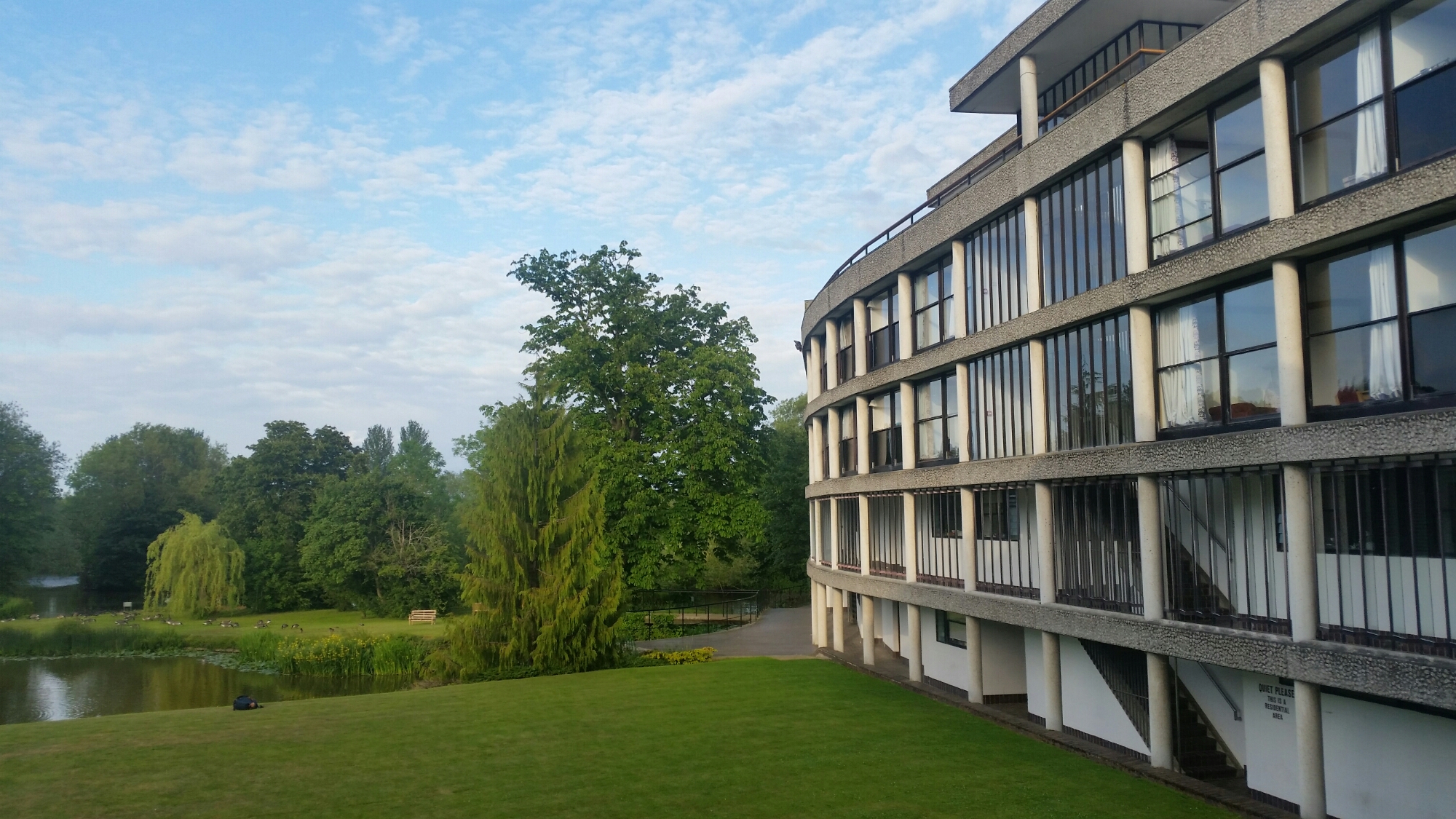
I had never actually been to Wolfson College which must have been under construction when I lived outside Oxford. It was designed by Powell and Moya in the late 1960s, when they were also doing Blue Boar Quad for Christ Church after the success of their design for Christ Church Picture Gallery. I was told to admire the view of the Cherwell which I did:-
St. Thomas’s Burial Ground
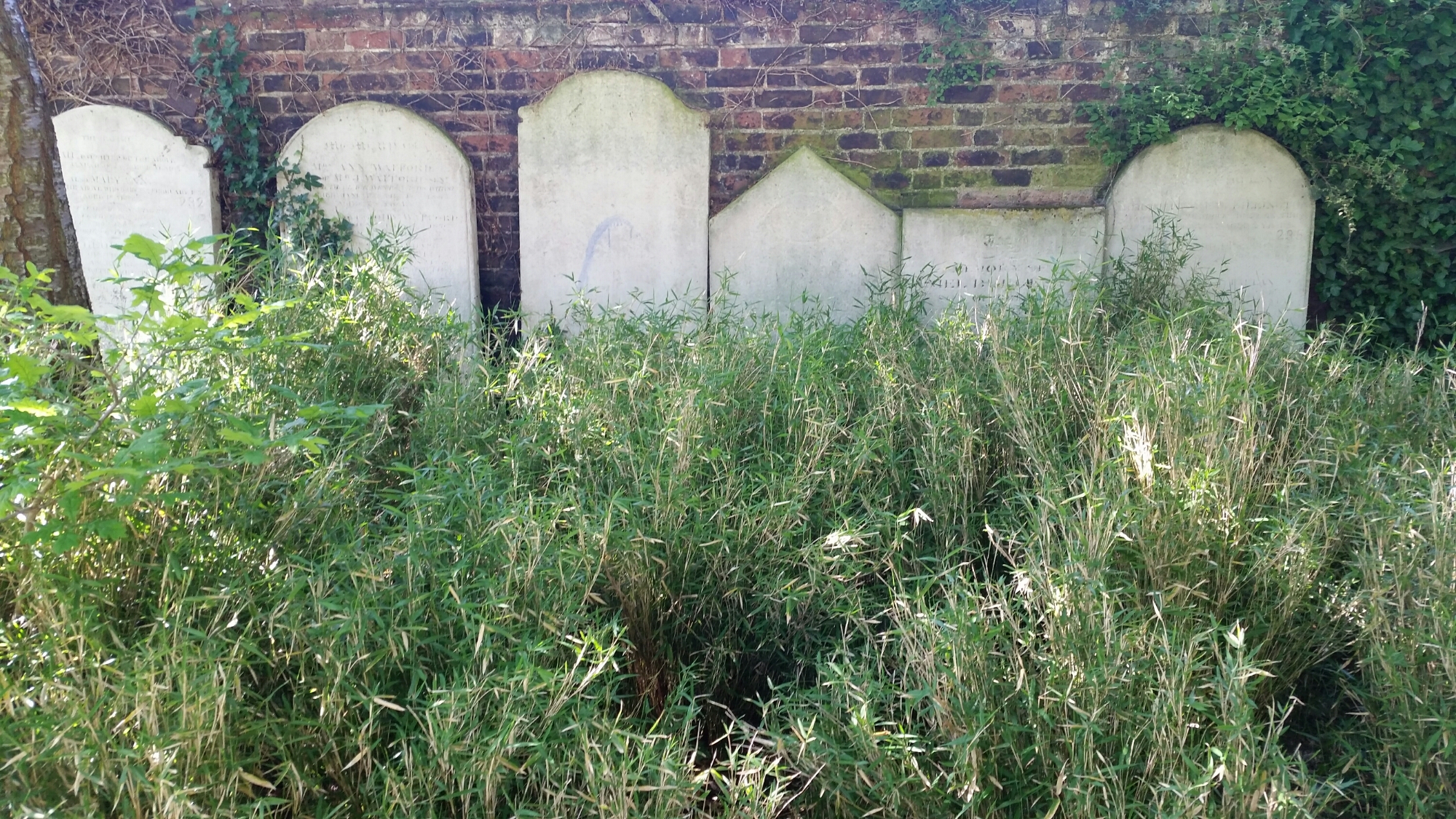
In cutting through from St. John of Jerusalem to London Fields, I have several times been surprised by the survival of the burial ground behind the site of St. Thomas’s Chapel on Mare Street, where the Rev. W. Bates established a nonconformist chapel in 1672 on land owned by St. Thomas’s Hospital and where there is now a Greek Orthodox church:-
In the garden
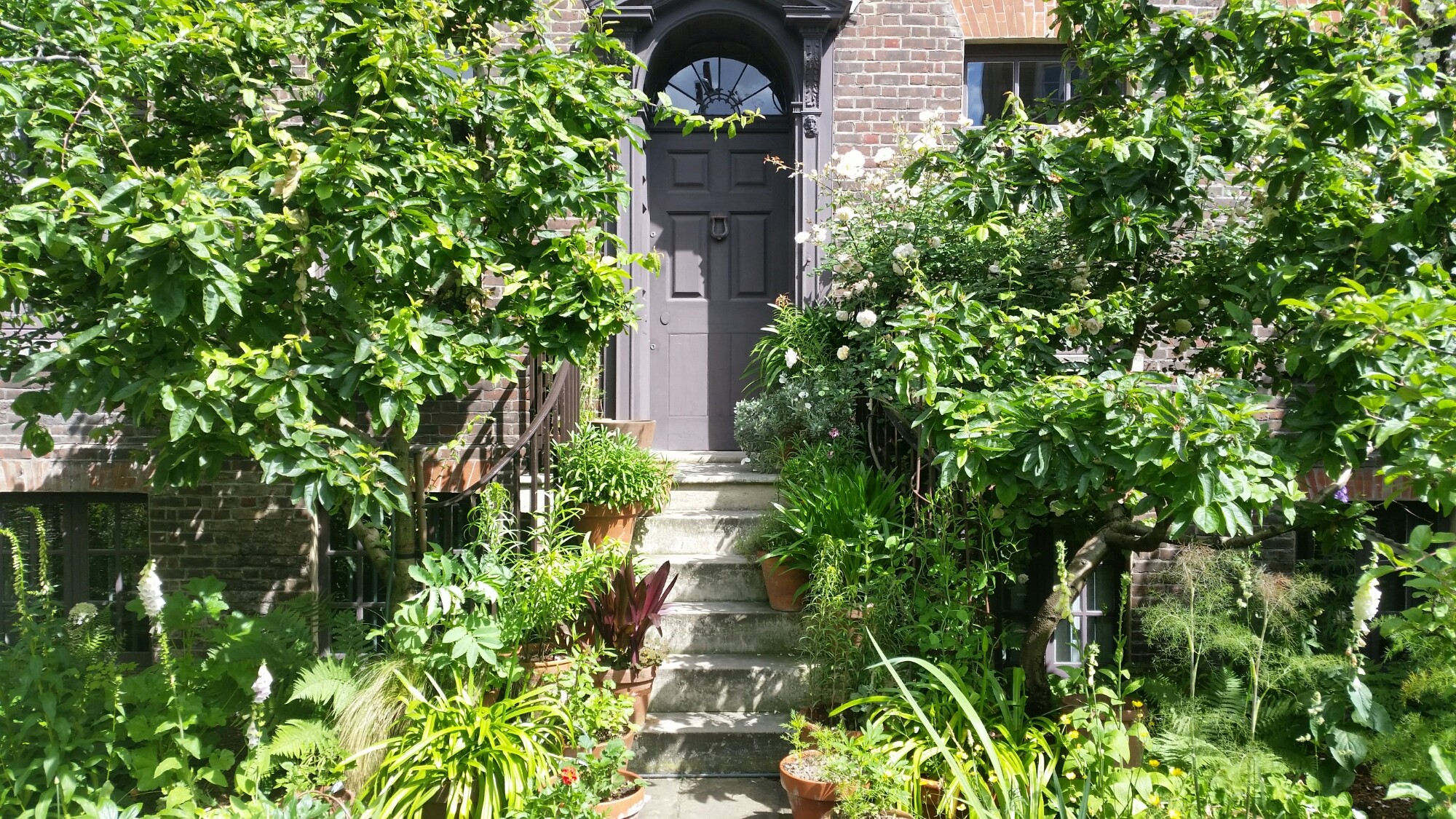
It was extremely nice, and rather unusual, to have a day at home, sitting in the garden and listening to, first, Lisa Jardine, magnificently forthright about her life on Desert Island Discs, immediately followed by the PRA talking about his life, his paintings, the Summer Exhibition, and his deep knowledge of early twentieth-century music on Private Passions. The garden looks good at this time of year:-
The Bargello
I benefitted from the fact that the Bargello, like the Uffizi, opens at 8.15 so that it is possible to have a contemplative hour with some of the greatest Renaisssnce sculptures before taking a taxi to the airport. I like the way that the sculptures are displayed, as if outside, with the windows open, in a building which is itself of considerable significance as the first town hall and then its prison. This is it from outside as I waited on the church steps opposite for it to open:-
The sun was falling on Donatello’s David:-
The Oltrarno
I’ve always liked the Oltrarno, ever since staying in the Casa Browning a decade or so ago. It’s slightly more down-at-heel than the other side of the river, full of old antique shops and people faking the antiques in the side streets, print shops and florists, small wine bars, run down palazzi and views across the river.
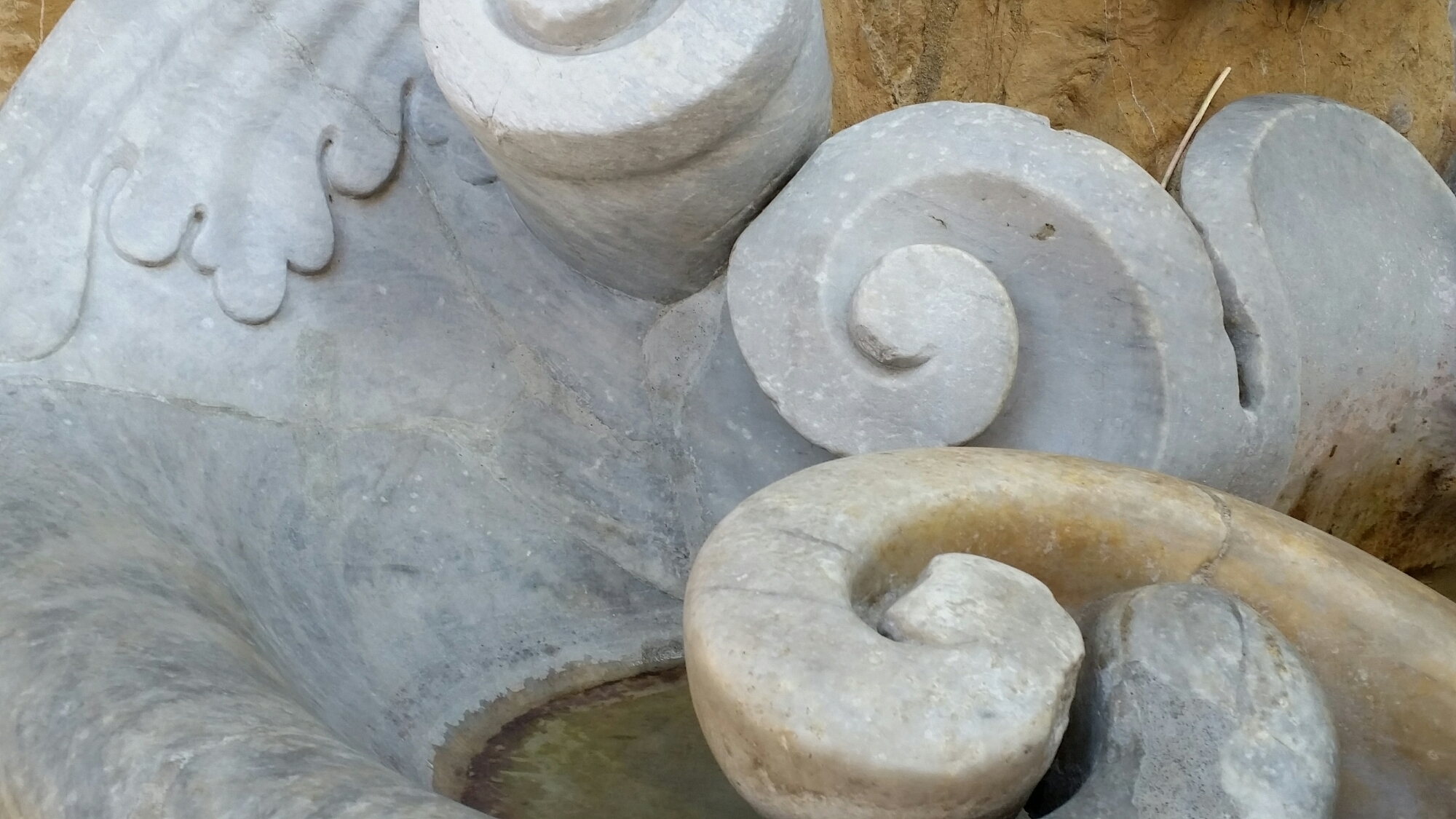
This is the carving on the baroque Fontanella Buontalentiana in the corner of the Piazza Frescobaldi:-
Palazzo Bartolini-Salimbeni
Just south of the Palazzo Strozzi on the Piazza S. Trinita is the Renaissance façade of the Palazzo Bartolini-Salimbeni. It was designed and built by Baccio d’Agnolo between 27 February 1520 and May 1523 and in the nineteenth century was the Hotel du Nord:-
San Gaetano
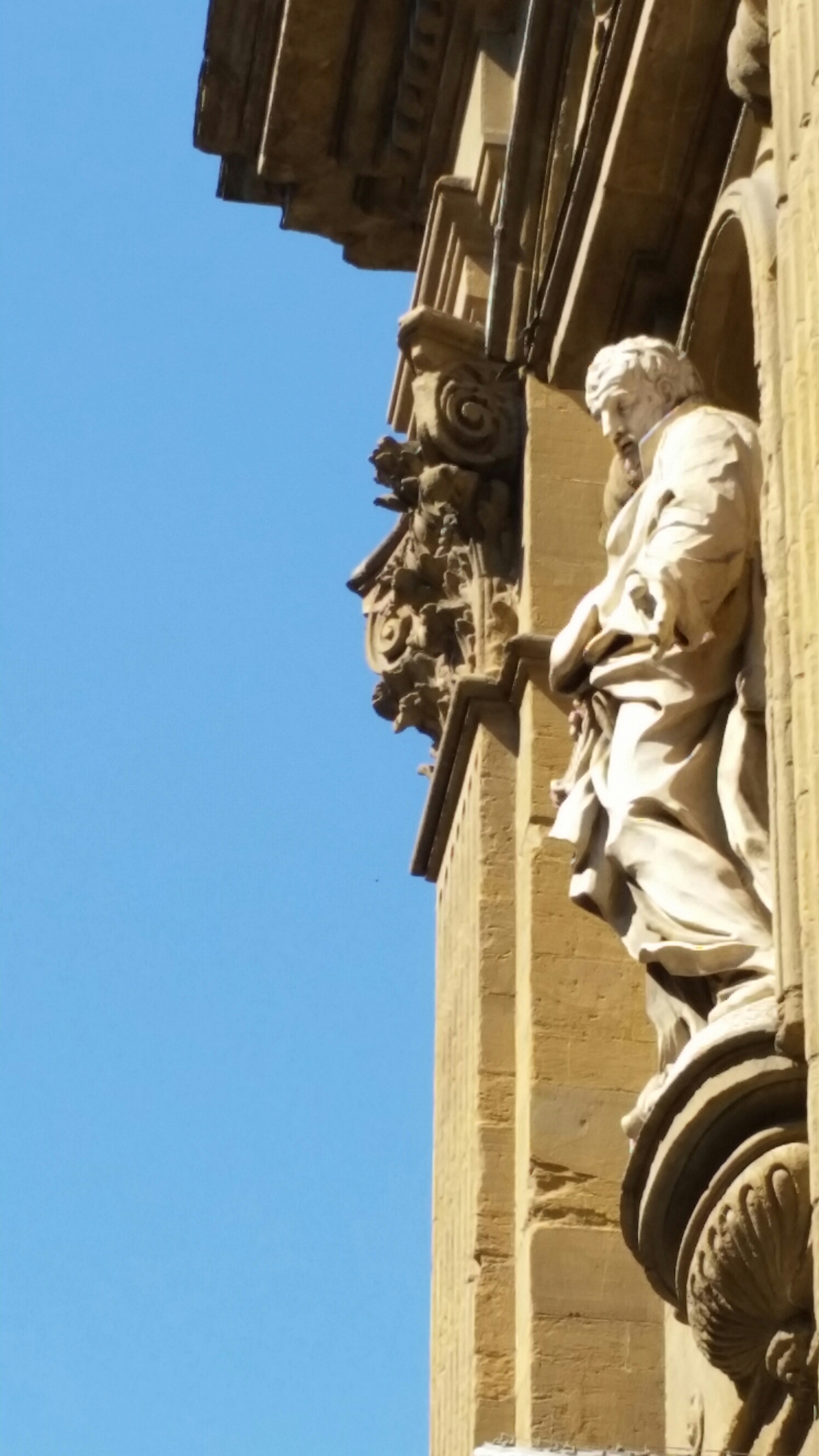
Just up from the Palazzo Strozzi on the Via Tornabuoni is San Gaetano, an early baroque church, designed in the early seventeenth century for the Theatines and with statuary on the façade from later:-


You must be logged in to post a comment.