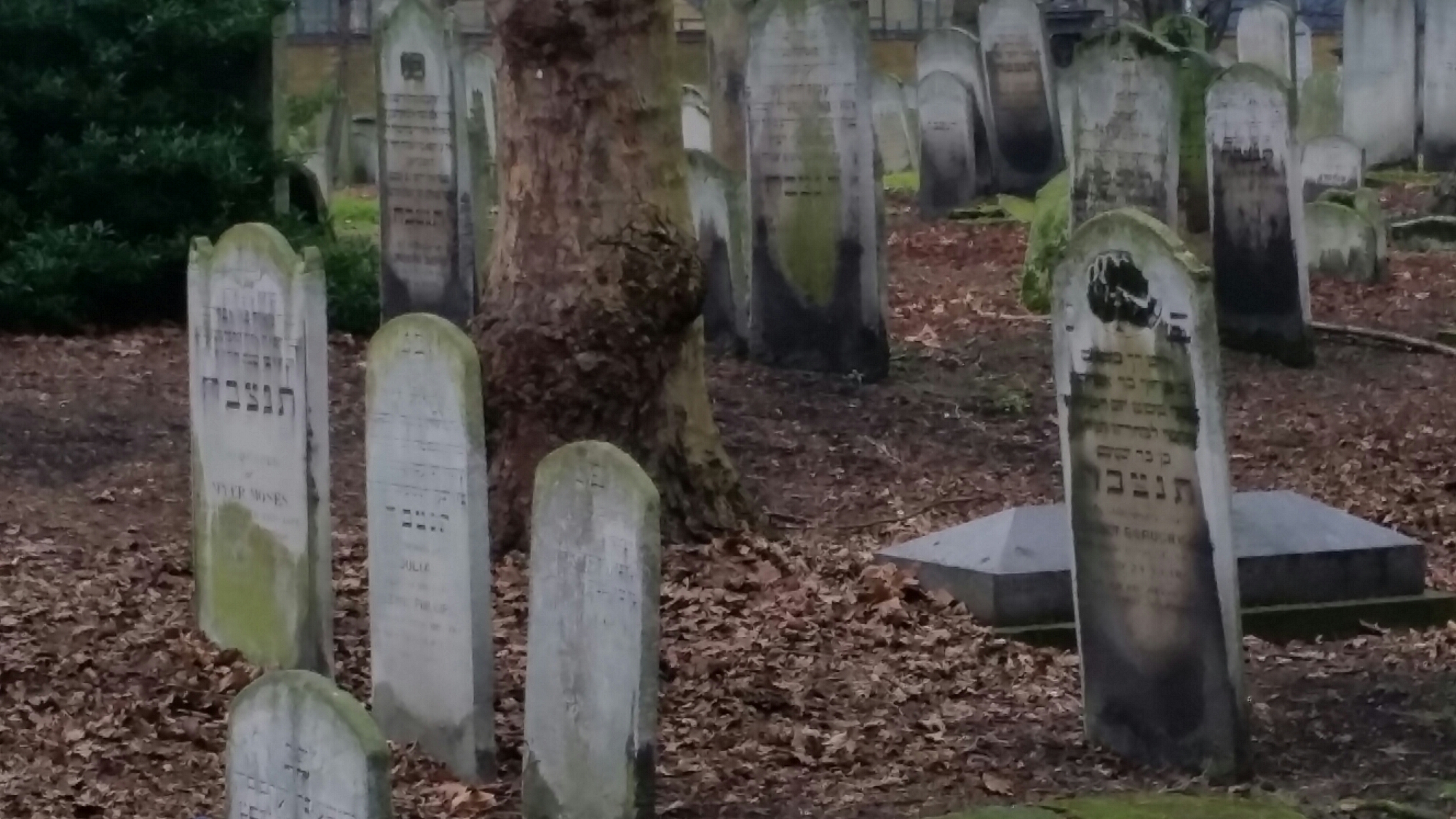
Brady Street Cemetery

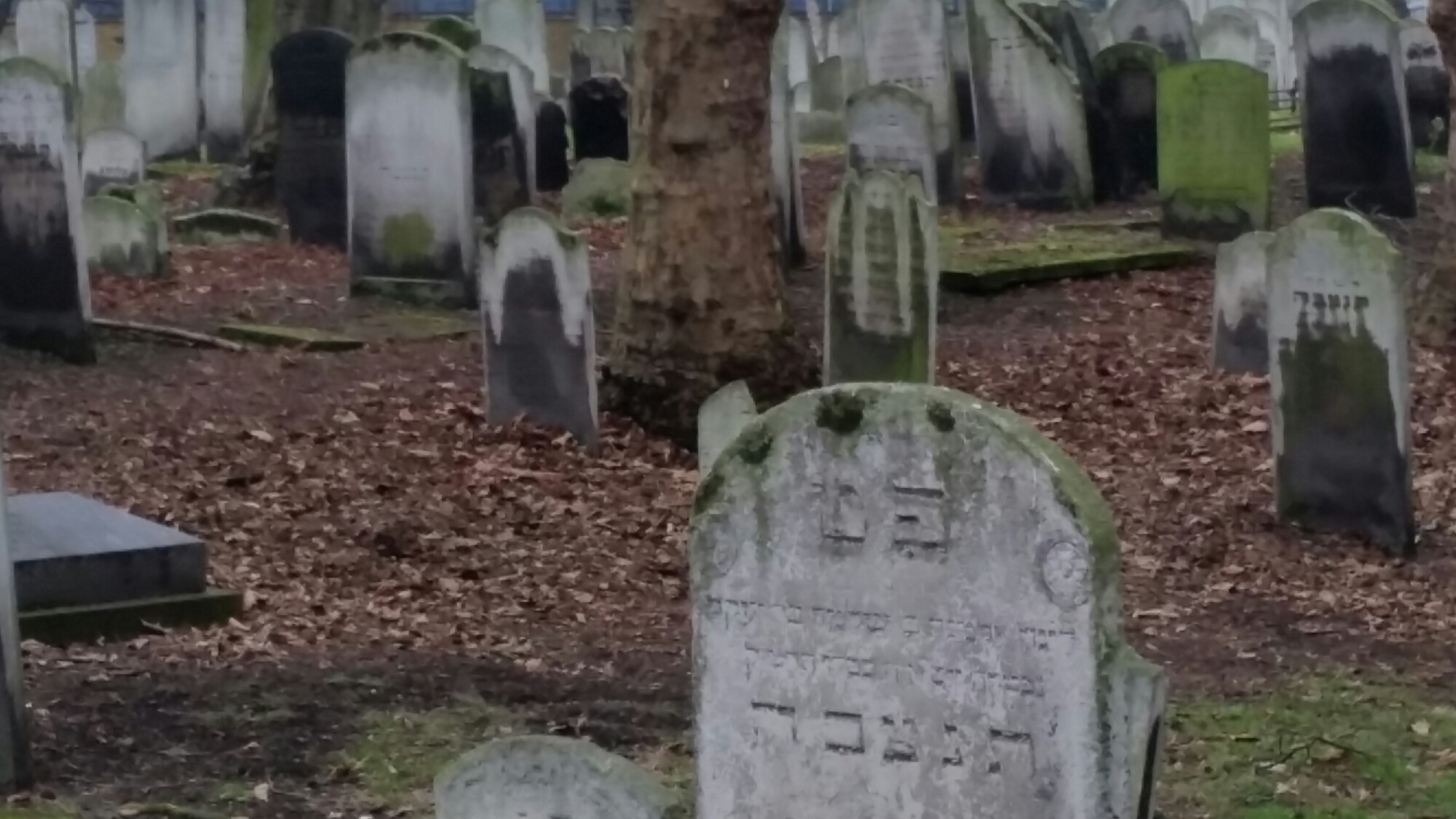
I have been meaning to investigate Brady Street Cemetery, one of the oldest and largest of the East End Jewish cemeteries, opened in May 1761 in what was then called Ducking Pond Lane and now sandwiched between Sainsbury’s and the railway tracks, an inaccessible piece of empty woodland not much more than a long stone’s throw from the City.   It was due to be redeveloped in the 1980s until Victor Rothschild, the bibliophile and founder of Heath’s think tank, was buried next door to his ancestors, Nathan and Hannah.   One is not allowed in:-
image

image Continue reading →

Standard

Burlington Fine Arts Club

I’ve been doing a bit of reading about the Burlington Fine Arts Club, which I vaguely knew about, but is not well documented.   The answer is that it was indeed, as it sounds, a gentleman’s club, equivalent to the Arts Club, but for those who were more interested in Old Master painting.   Established in 1866, it grew out of a Fine Arts Club, a group of fine art enthusiasts who met regularly at Marlborough House under the auspices of John Charles Robinson.   For its first three years it occupied three floors of 177, Piccadilly and then moved to 17, Savile Row, where it held annual small-scale and scholarly exhibitions on subjects including Japanese porcelain and German woodcuts and, in 1876, the first scholarly study of the work of William Blake (as well as a centenary exhibition in 1927).   It survived until the outbreak of the second world war and was dissolved in 1952, its assets donated to the National Art-Collections Fund.

Standard

Dalston

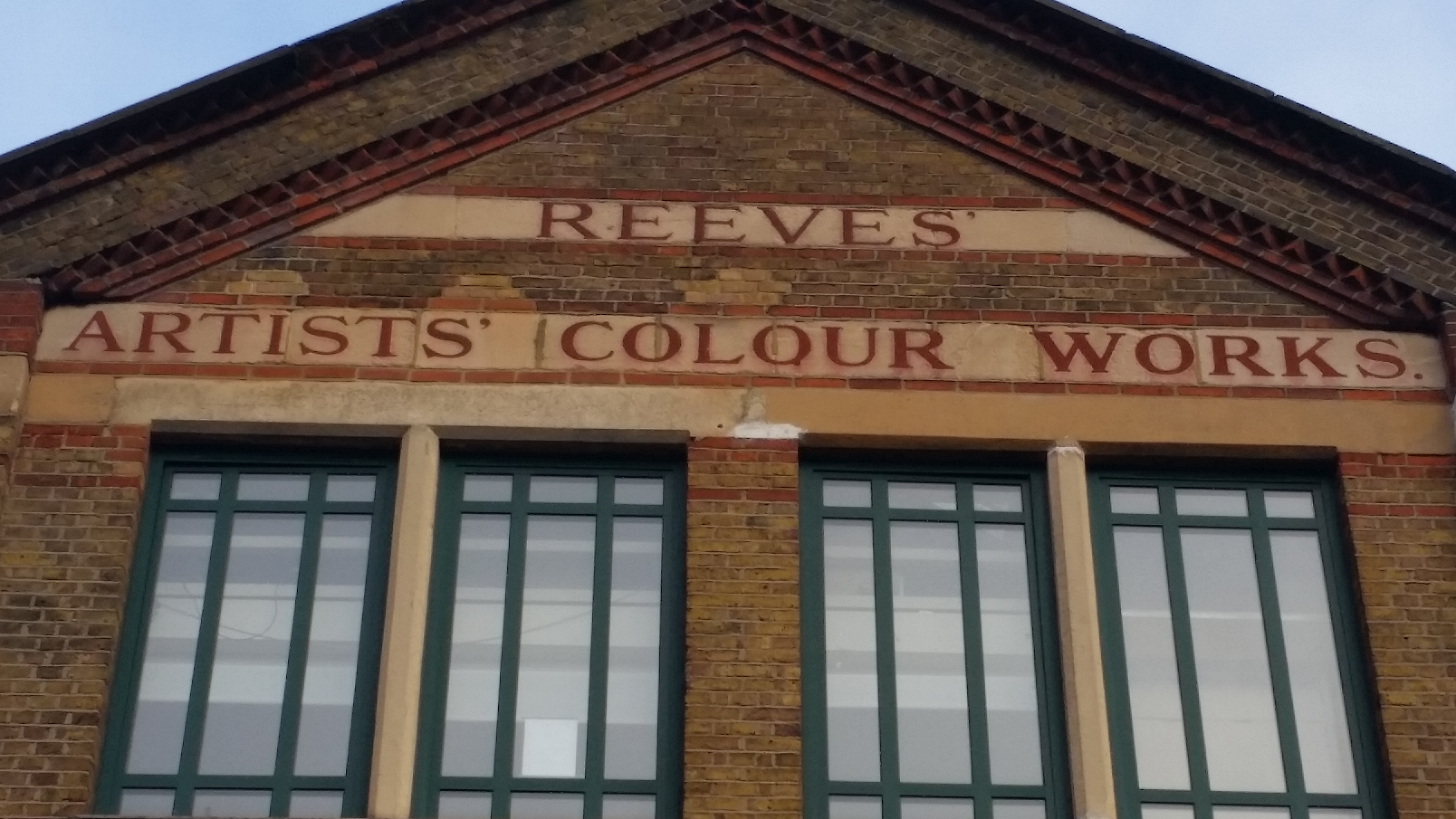
In the intervals of hospital visiting, I thought I would go on an expedition to Dalston.   As I emerged from the station, I was pleased to spot the old Reeves’ Colour Works, opened in 1868 when Reeves was expanding its exports into South America and developing cheap paints for use in schools:-

image

image Continue reading →

Standard

St. George’s German Lutheran Church

I was wandering past the front door of the old-established Lutheran church on Alie Street and luckily realised that there might be someone able to let me in.   It’s an extraordinarily pure survival of the German community in eighteenth-century London, who came in search of work (they ran the local sugarhouses) or service at the Hanoverian court.   The church was consecrated on 19 May 1763.   It cost £1,802 10s 6d, most of which was provided by Dederich Beckmann, a local sugar refiner and father-in-law of the first pastor.   The builder was Joel Johnson who had a workshop nearby, had been involved in the construction of the London Hospital, and is said to have been the architect of the church of St. John in Wapping:-

image

image Continue reading →

Standard

Fat Thursday

I forgot to say that yesterday we celebrated Fat Thursday, otherwise known as Tłusty Czwartek, which is the day that the Poles celebrate the day before the Great Fast of Lent by queueing up at their local bakery to buy the most delicious doughnuts (pączki), not too sweet and filled with rose jam.   Ours came from Polski Sklep in Dagenham.

Standard

The London Hospital

I have found myself spending the last twelve hours on the twelfth floor of the London Hospital, not a pretty building, but unexpectedly reassuring in a medical emergency.   At lunch-time I sneaked out for some Tandoori Chicken at Tayyabs, the best known of the local Indian restaurants which is nearly impossible to get into in the evening.   En route, I spotted the London Hospital’s museum with its examples of early medicine chests (note the availability of opium):-

image

I found the hat which the Elephant Man wore unexpectedly moving, together with the sackcloth mask to disguise his face:-

image Continue reading →

Standard

John Rogers Herbert RA (2)

My post on John Rogers Herbert seems to have struck a chord.   There is something slightly touching about this super earnest early Victorian with his long red hair ‘very smoothly brushed straight down’, converting to Catholicism and biblical hyper realism, painting scenes from the bible as if he had visited Palestine (maybe he had, but I haven’t found evidence of it), celebrating the fact that, as he described it, ‘the age of splash and dash is nearly over’, being employed to teach in the government schools of design, spending time in France and speaking forever thereafter with a strong French accent, admired by Gladstone, and dying in The Chimes in Kilburn (this is written with acknowledgement to Barbara Bryant’s excellent short life in the NDNB).

Standard

John Rogers Herbert RA

So who was J.R. Herbert who was responsible for the big fresco of Moses brining down the Tables of the Law to the Israelites in the so-called Moses Room at the Palace of Westminster ?   The answer is that he was a classic product of the Royal Academy Schools in the late 1820s (he entered the Schools in 1826) who turned his hand to book illustration and then to larger narrative painting before Queen Victoria came to the throne and before the Pre-Raphaelites made it fashionable.   Indeed, one of the aims of the Pre-Raphaelites was, as W.M. Rossetti described it, to ‘out-Herbert Herbert’.   He was also a close friend of A.W.N. Pugin and a fellow convert to Catholicism.   They both had a passionate belief in the historical importance and moral significance of the wall decoration in the Palace of Westminster.   Herbert became an RA in 1846, continued to submit work to the Summer Exhibition after he had gone blind, and was forgotten by the time he was dead.

Standard

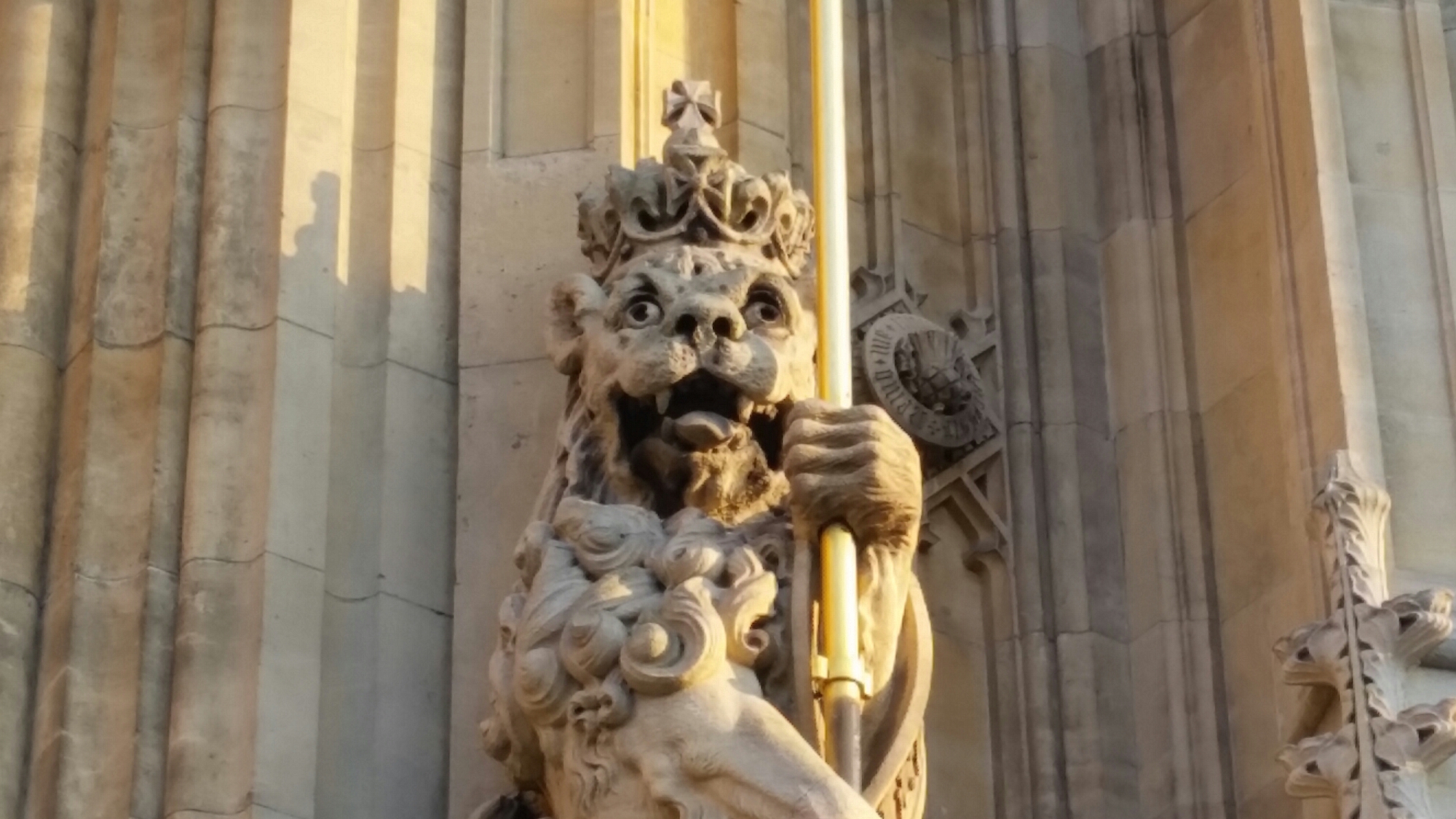
House of Lords

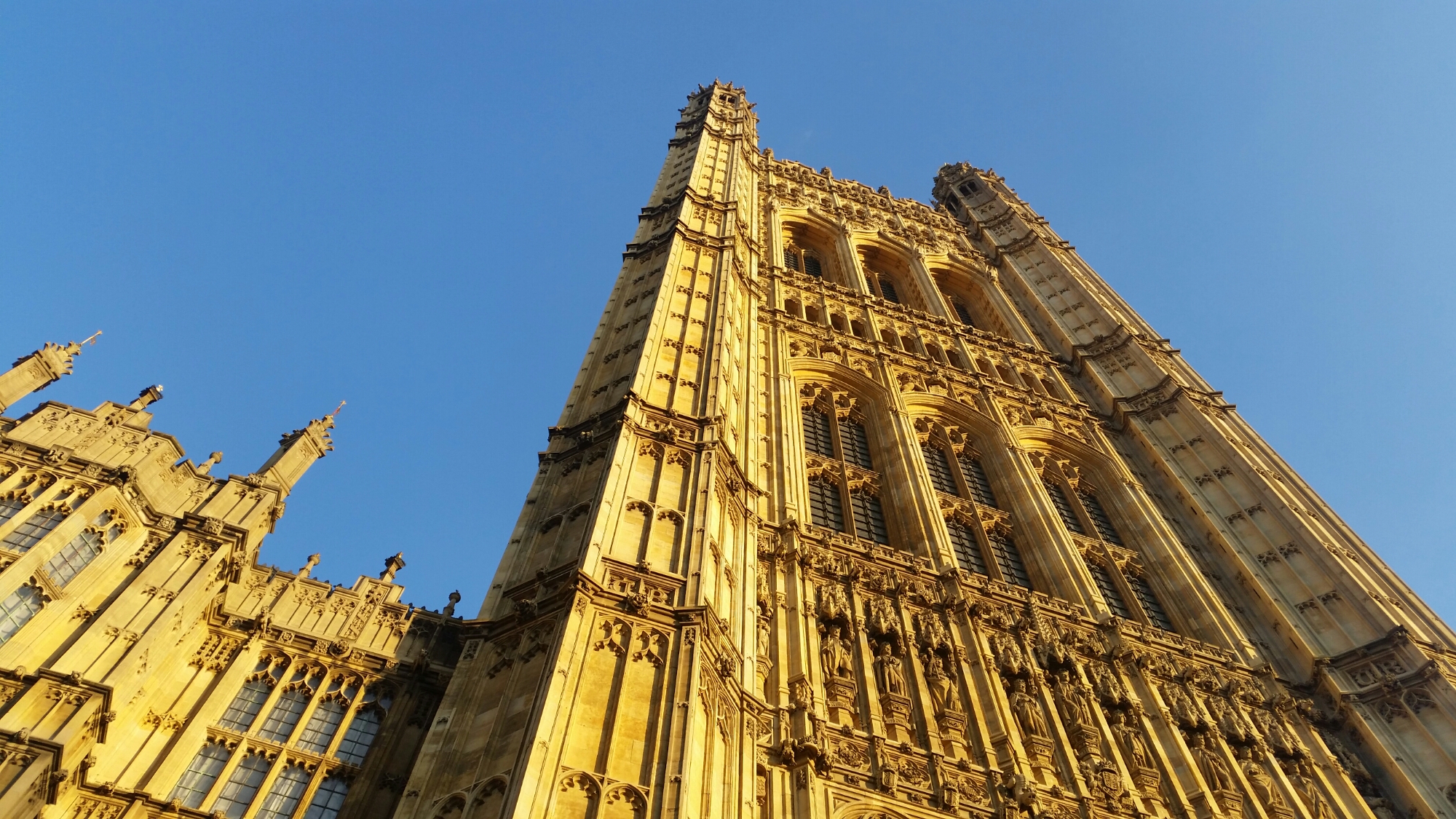
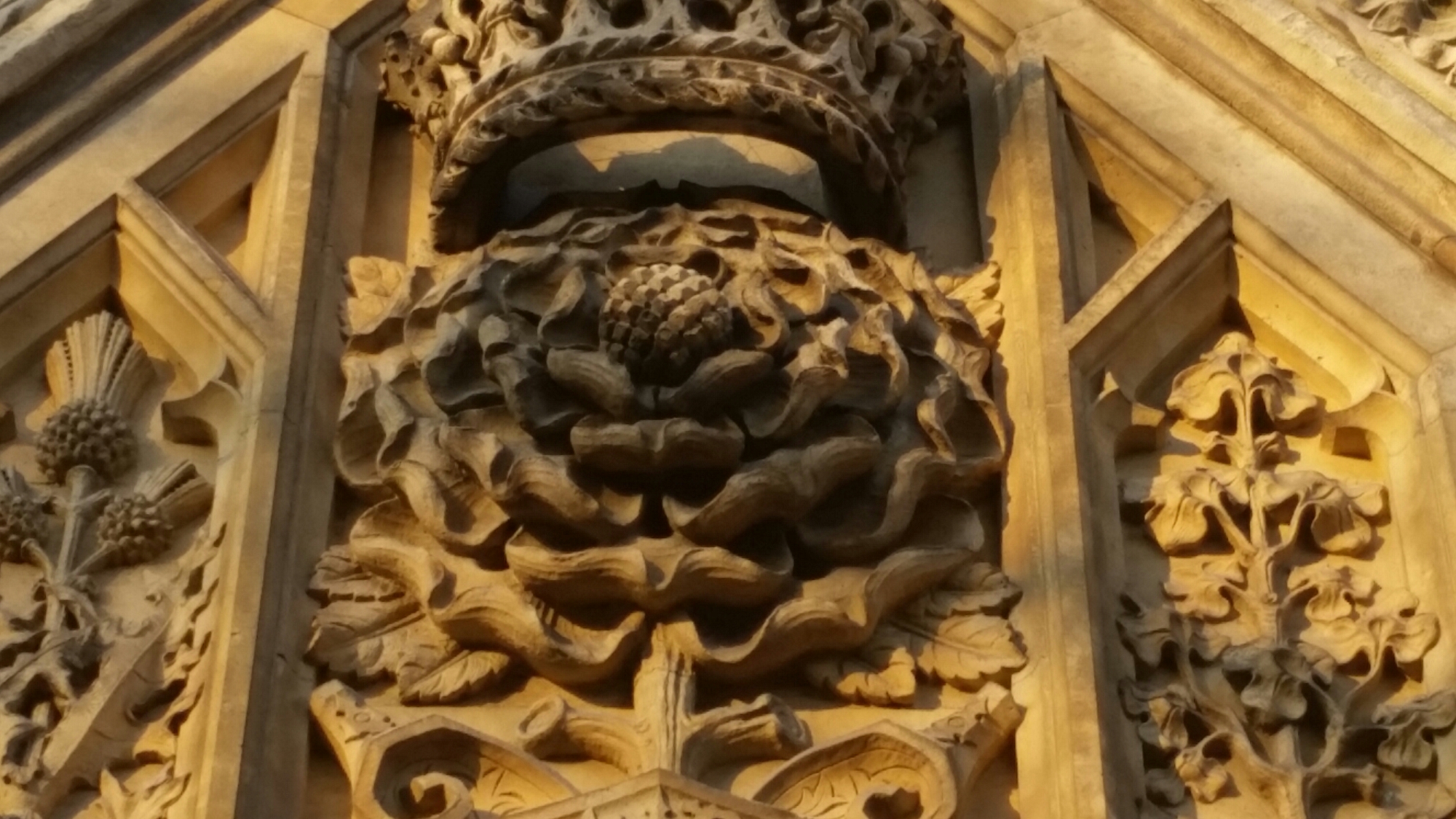
I have just been on a group tour of the House of Lords with Mervyn Davies, the chairman of the RA Trust, whose enthusiasm for all aspects of the higher democracy is infectious.   We had tea in the dining room, attended the tail end of a debate about beavers, saw the Moses Room with paintings by J.R. Herbert RA, and ended up in the broom cupboard where Emily Davison, the suffragette, hid during the night of the 1911 Census.   It gave the best possible introduction to the pleasures and responsibilities of life as a peer (no photographs are allowed inside):-

image

image

image

image

Standard

Winter Journeys

The flight back from New York and a quiet day at home meant that I was able to read Ian Bostridge’s new book on Schubert’s Winterreise, Winter Journeys:  Anatomy of an Obsession.   I very much admire the way he writes about music, deeply informed by the experience of performance, but also by his knowledge of the history and culture and intellectual milieu of early nineteenth-century Vienna and of Schubert’s life and attitude to his art.   The book consists of a sequence of meditations on each of the songs in the cycle, some quite brief and some much longer, occasionally technical and including passages on the relationship between Schubert and Thomas Mann, Schubert and Caspar David Friedrich, and the nature of Schubert’s religious faith.

Standard