I have been thinking a lot this week about the long career of Nick Grimshaw, whose 75th. birthday was celebrated rather belatedly at the RA. Besides thinking about what I think of as two of his best works, the Southern Cross Railway station in Melbourne with its parabolic roof and the Rensselaer Institute in Albany, New York, with its ovoid concert hall, what I remember best is a talk he gave at Wimbledon School of Art at the time of an exhibition of his architectural drawings in which he talked so fluently about the process of gestation of the structure of the Oxford Ice Rink whilst simultaneously illustrating the thought process by drawing on an epidiascope.
Category Archives: Uncategorized
James Pennethorne
I am, for obvious reasons, interested in the architect James Pennethorne, the architect at the Office of Works who was responsible for the design of the University of London building on Burlington Gardens, now owned by the Royal Academy. What I hadn’t realised is how important he is to the East End too. Following his appointment as architect and surveyor to the commissioners of metropolitan improvements in 1839, he was responsible for the construction of Commercial Street in the 1840s to divert traffic from the docks away from the city and through the slums of Whitechapel to Christ Church, Spitalfields. More importantly, he was the person who drew up the plans for Victoria Park, laid out for the benefit of the working classes and based on the ideas of his mentor and teacher, John Nash.
Chancery Lane
I was asked to lunch today in the old Public Record Office in Chancery Lane where I would occasionally work transcribing official documents in the late 1970s. The PRO was founded in 1838 and the architect of its over-grand gothic building off Chancery Lane was none other than Sir James Pennethorne, the architect of our building on Burlington Gardens:

Millicent Rose
I have been trying to find out more about Millicent Rose, an art historian who published one of the first and best histories of the east end, which describes its origins as a series of different villages and neighbourhoods before it was a home to successive waves of migrants and the classic home of slums and poverty. The book was published by Cresset Press in 1951 and has never been reprinted. It turns out that she was the daughter of a general in the Indian army, born in 1913, went to Newnham College, Cambridge and attended the Courtauld Institute in the mid-1930s. A Marxist and mistress of Francis Klingender, a lecturer in sociology at the University of Hull, she apparently used to heckle Herbert Read when he gave talks at the ICA.
A house in Stepney
I was asked to talk tonight to third year students of Queen Mary about the history of our house. It wasn’t easy because so little is known of its history beyond the fact that it belongs to a piece of mid-eighteenth century ribbon development along the Mile End Road which was then, as it is now, the main road out to Bow, Stratford and Essex beyond. At the time, Stepney was still gentrified, a village outside London. Our house occupies the site of a larger house, which had a driveway off the Mile End Road and belonged to a crypto-Jacobite MP called Archibald Hutcheson, who had trained as a barrister, was a Fellow of the Royal Society, and married a wealthy widow who had previously been married to the Governor of Bombay. Continue reading
Clara’s Song
We have just been to a performance of music and words based on the life of Clara Schumann. It had been written by Gawn Grainger based on the various lives of Robert and Clara Schumann, particularly Clara, a novel by Janice Galloway. The role of Clara was taken by Zoë Wanamaker, the singing by the great tenor, Keith Lewis, accompanied by Melvyn Tan. Nothing could have been more intense than the lives of the two Schumanns played out in their own music and the music of Brahms.
Cressida Bell
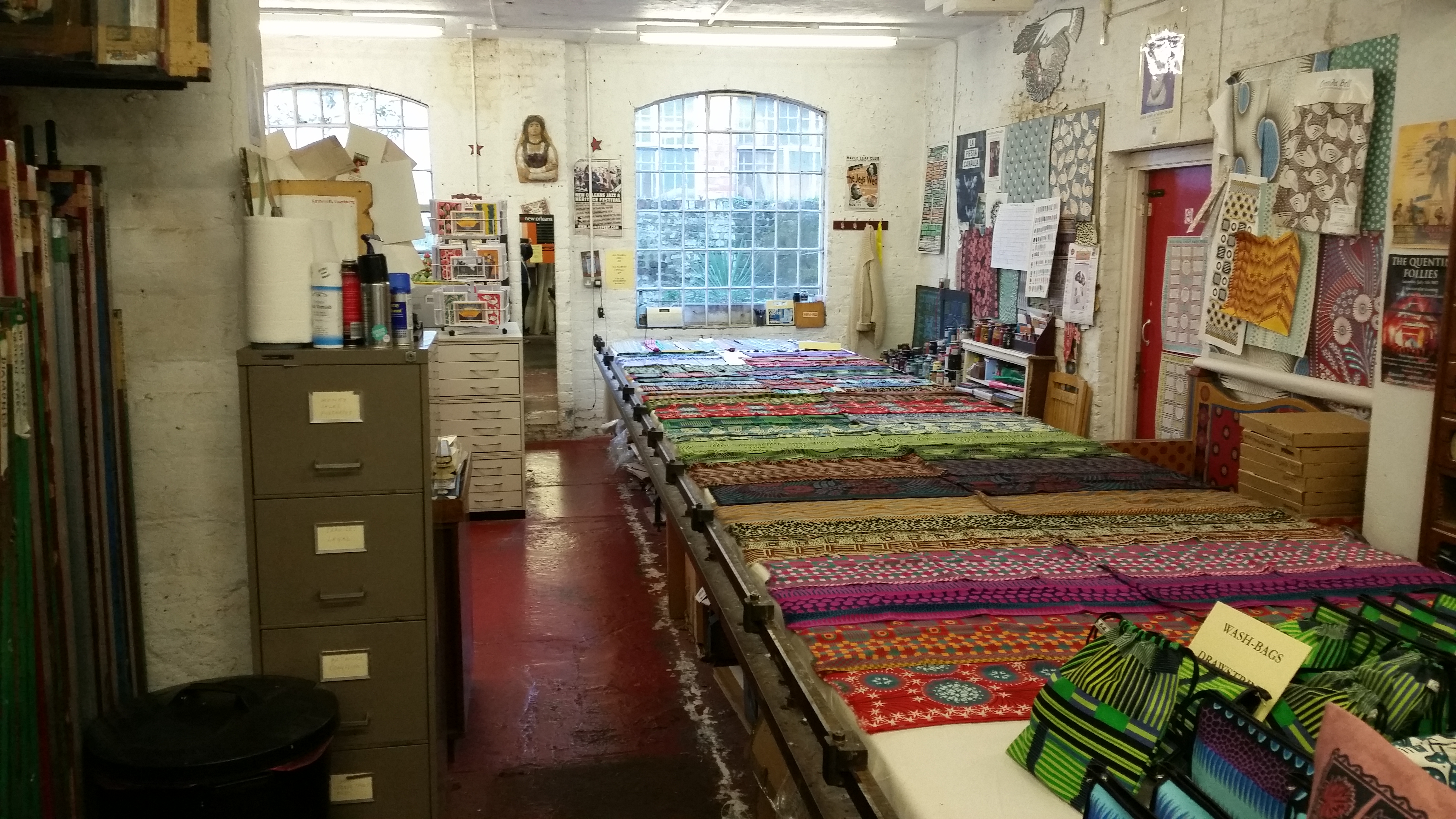
In all the years that I’ve known Cressida Bell, I don’t think that I’ve ever actually been to her annual studio sale. I was determined to go this year, which is her thirtieth. So, I walked up through Hackney to her studio which is in Clarence Mews behind Clapton Square:
Hackney
My post on Hackney mysteriously disappeared.
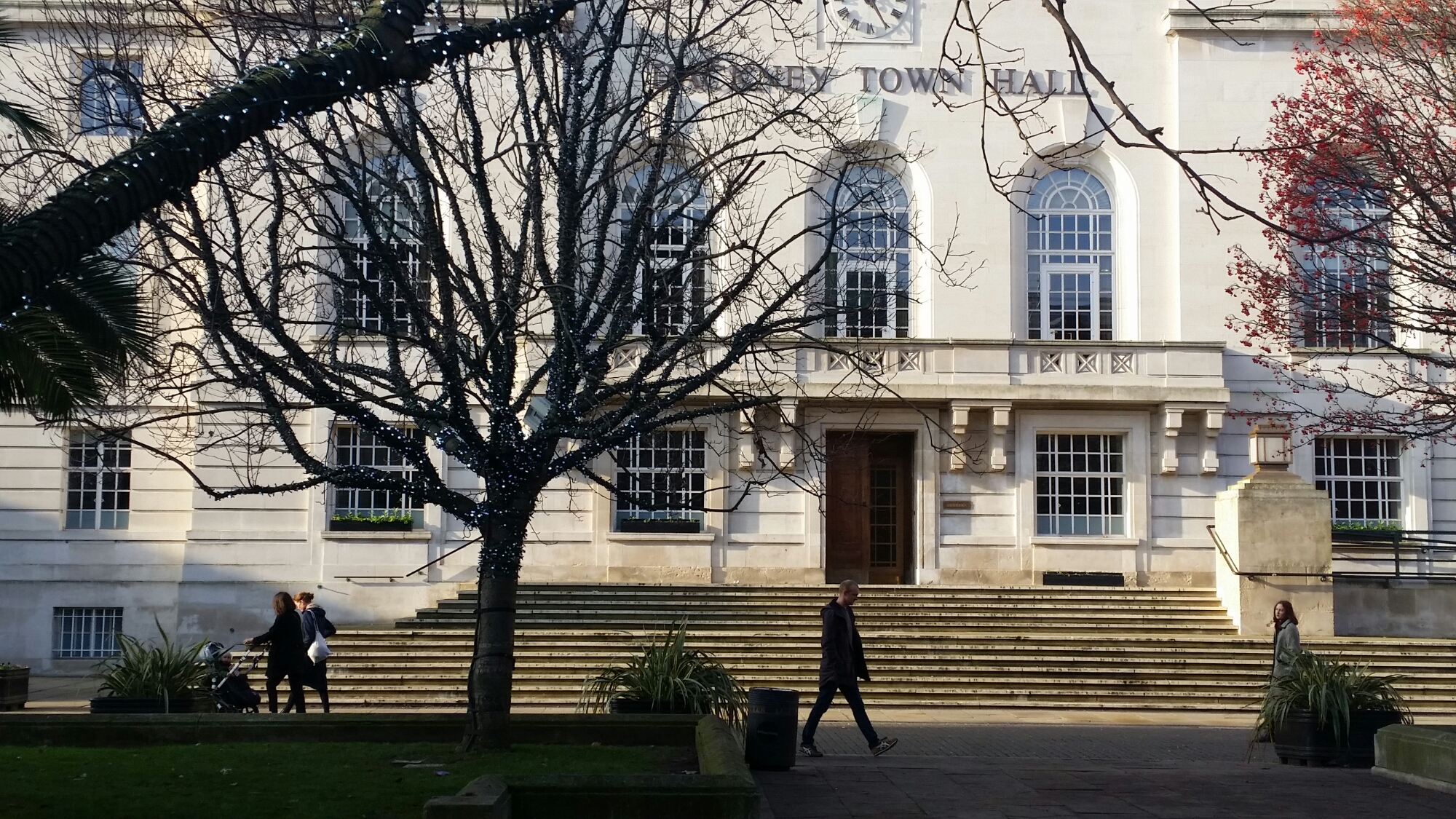
It began with the 1930s town hall, a grand piece of municipal classicism:
Regent’s Canal
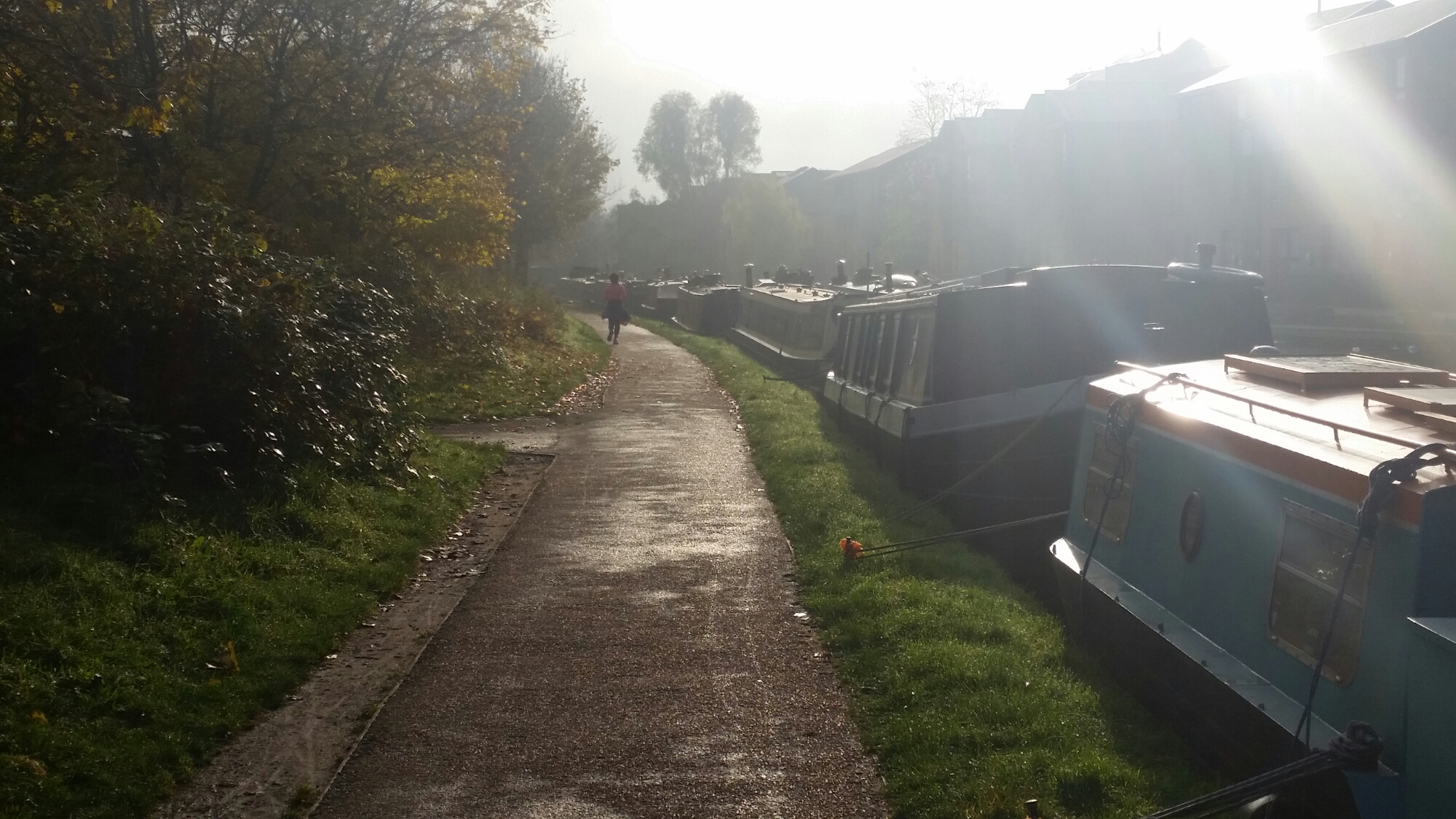
I’ve always loved the Regent’s Canal, the artery which connects the Thames to the Midlands. It looked particularly beautiful this morning with more barges than usual because they’re dredging the stretch north of Limehouse Basin:
St. Dunstan’s, Stepney
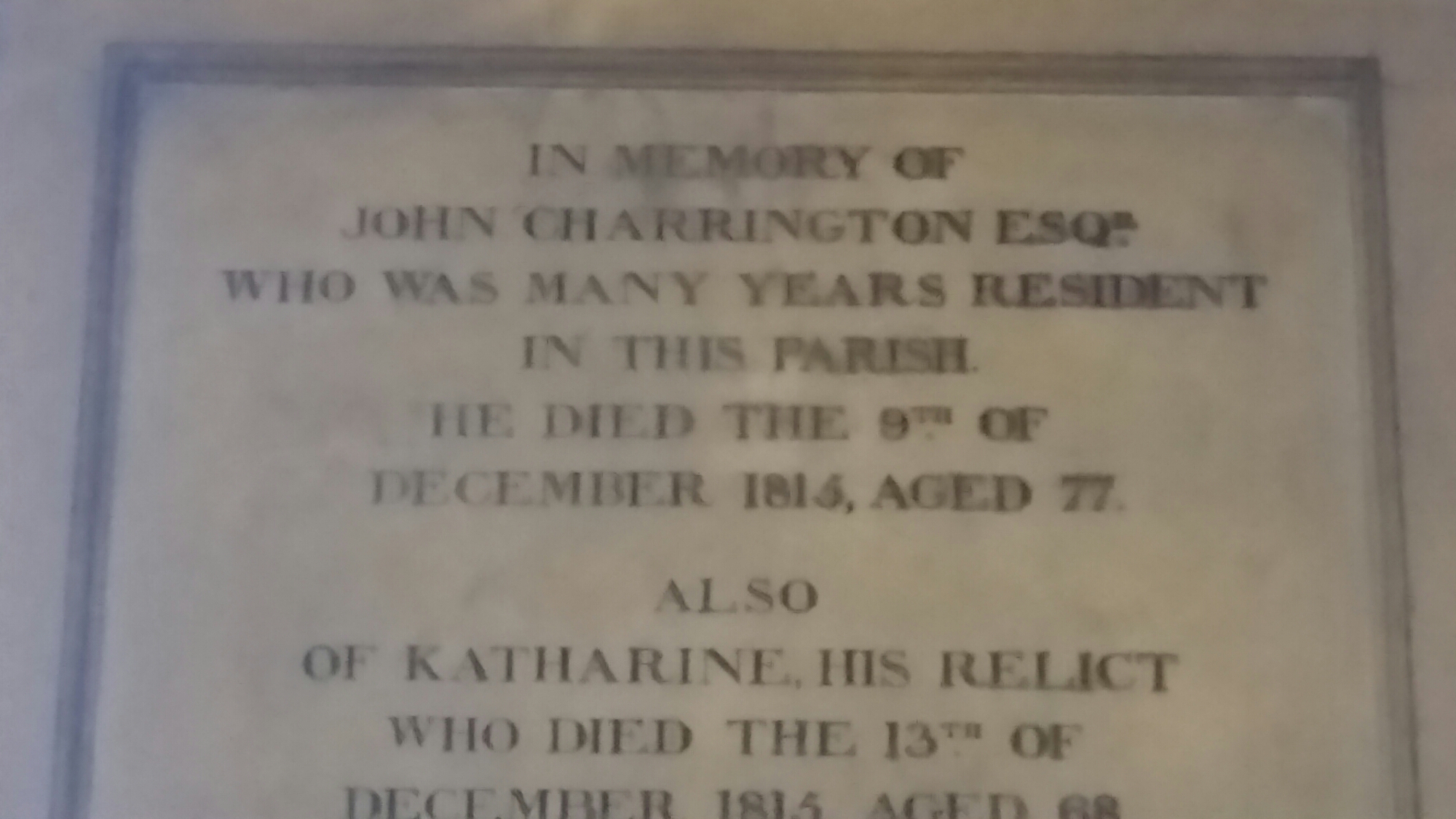
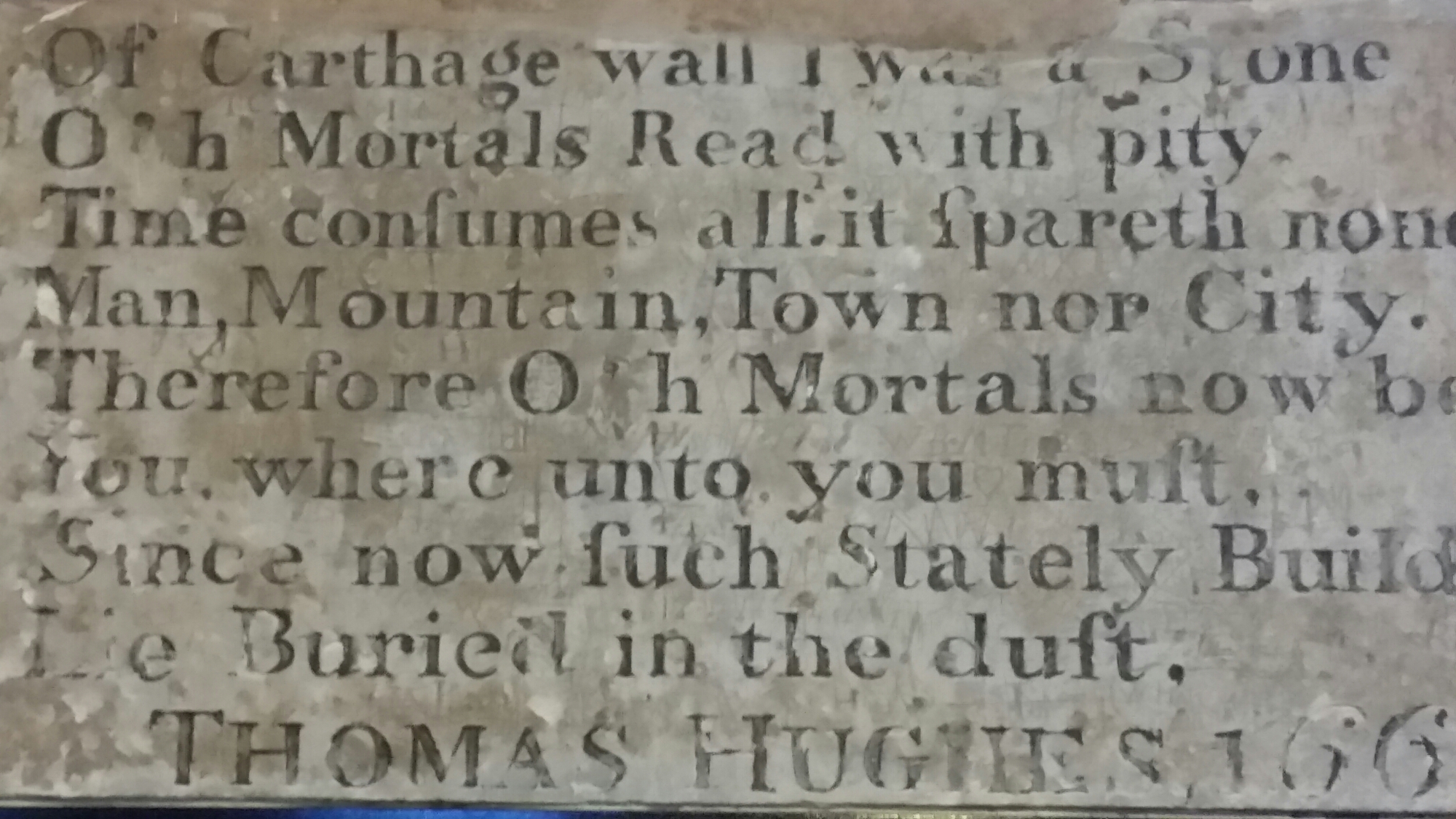
I popped in to St. Dunstan’s, our local parish church, because I wanted to have a look at the wall monuments. The church is a relic of a time when Stepney was the first parish east of London and Stepney Green was truly a village green. It is now heavily Victorianised, repaired by Benjamin Ferrey in the 1840s, gutted by fire in 1901, damaged in the war. I was pleased to discover a monument to John Charrington, the local brewer:
And a rather wonderful piece of seventeenth-century verse:


You must be logged in to post a comment.