Petworth

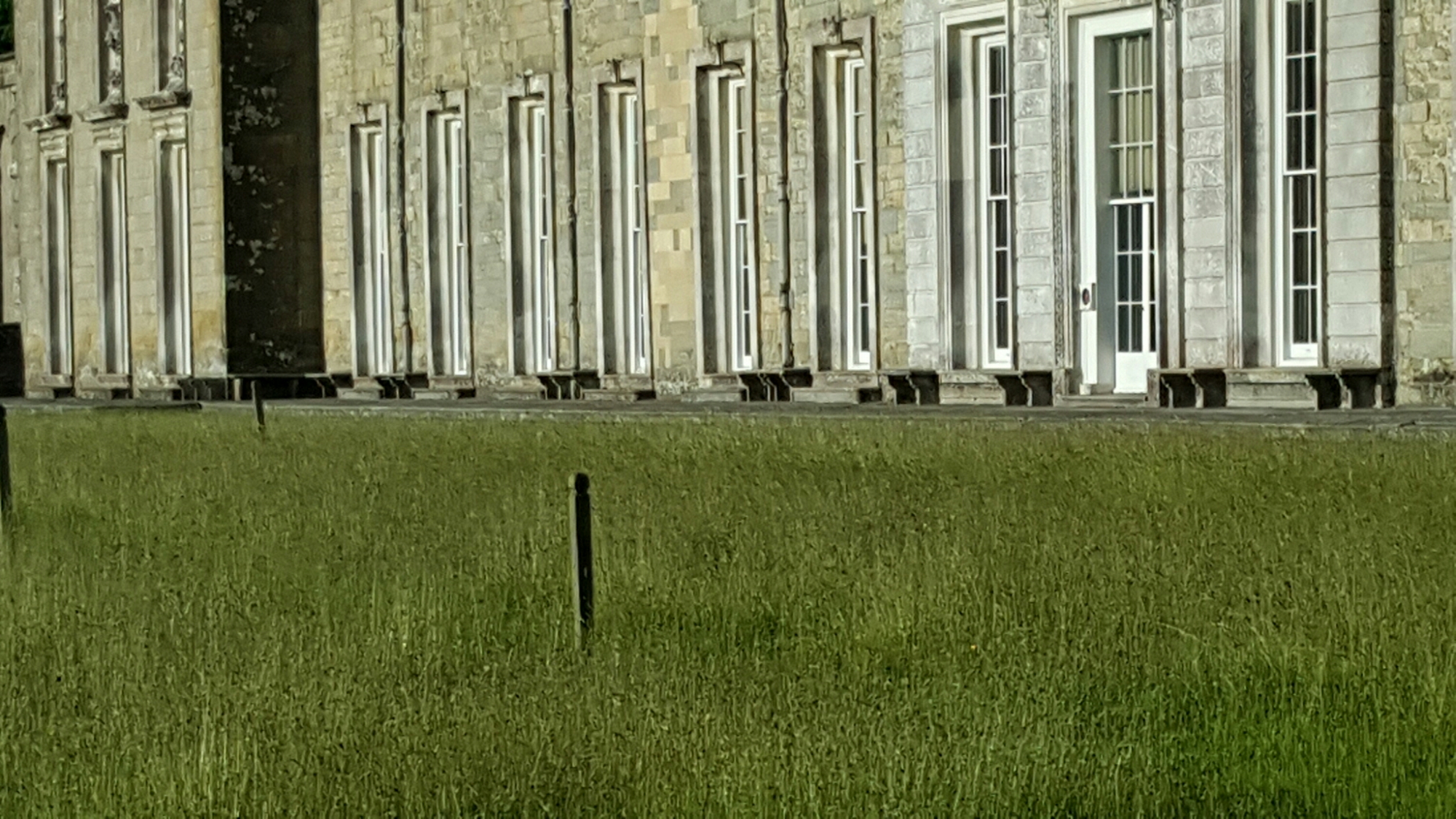
Quite a treat to see the midsummer sun low over Capability Brown’s park in such a way that it was relatively easy to imagine how Turner might have experienced the view out of the bedroom window in the late 1820s.

The long, French, main façade without the original central low domed roof which would have accentuated the middle section:-

image

image Continue reading →

Standard

Woolbeding

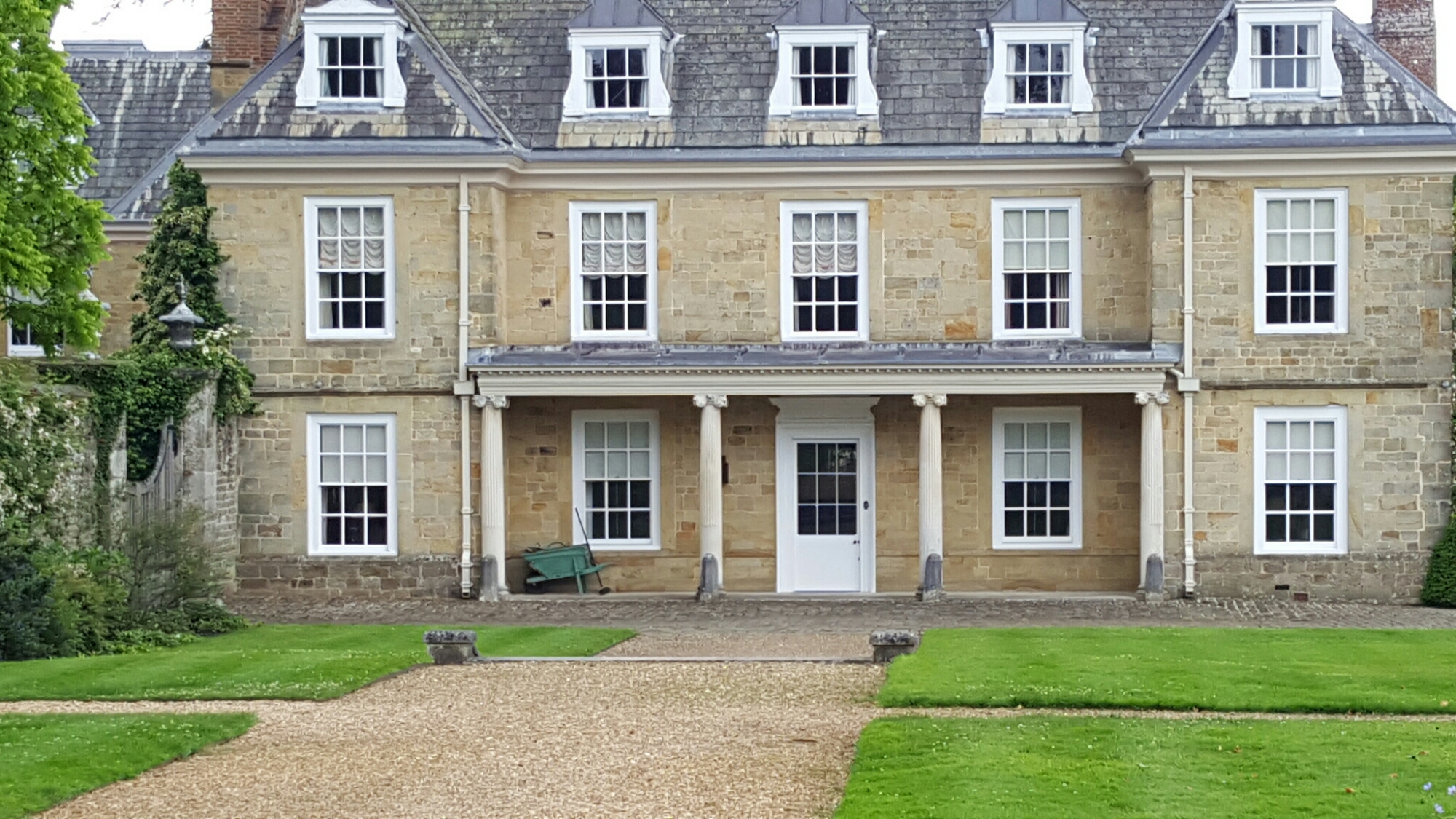
We spent the afternoon at Woolbeding, an early eighteenth-century manor house which was leased in the early 1970s by Simon Sainsbury and Stewart Grimshaw and comprehensively restored, with help in the layout of the garden from Lanning Roper.

The house:-

image

image Continue reading →

Standard

Albert Memorial

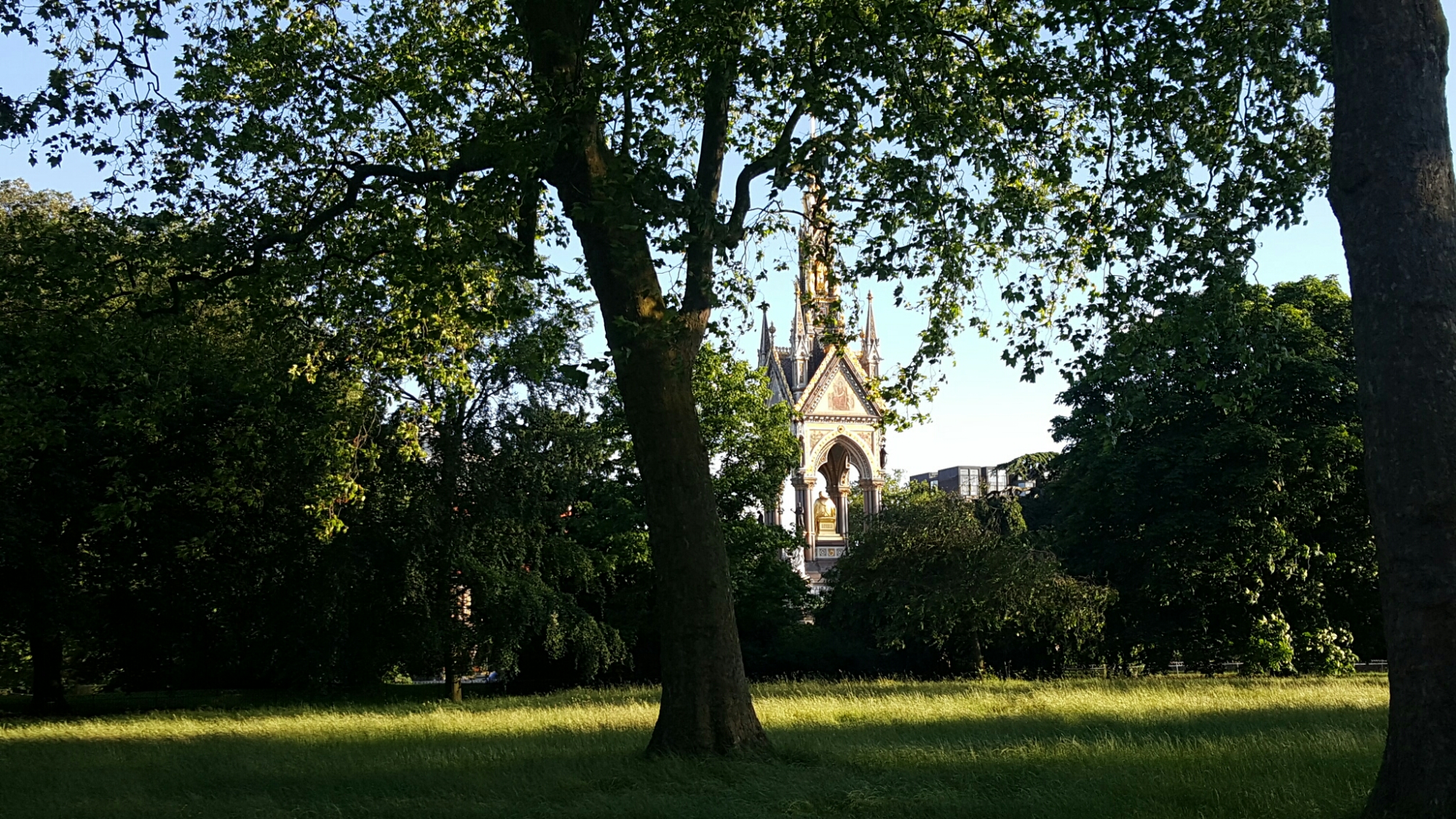
I am a sucker for the Albert Memorial, particularly glimpsed in the distance, surrounded by trees and greenery and unkempt grass, gleaming with grandiose ostentation.   My mother would have dismissed it with contempt.   In fact, I can hear her whisper ‘absolutely hideous’ in my ear.   I don’t care.   There’s something magnificent about that moment of Victorian imperial confidence which allowed Prince Albert to be surrounded by statuary representative of the four corners of the globe:-

image

image Continue reading →

Standard

Regent’s Park (2)

Before going round Regent’s Park, I was shown a very beautiful, fold-out panoramic view of it, produced by Richard Morris, the Secretary of the Medico-Botanical Society of London, and published by Rudolph Ackermann in 1831, price £1 10s., described on its title page as a Panoramic View Round Regent’s Park.   From drawings taken on the spot by Rich. morris, Author of Essays on Landscape Gardening and recently republished by the London Topographical Society.   These give much more of a sense of how it was originally intended to be:  more theatrical, less private, much less planting and a place of public parade.

This is Hanover Terrace to the west, completed in 1822:-

image

Clarence Terrace:-

image Continue reading →

Standard

Serpentine Pavilion

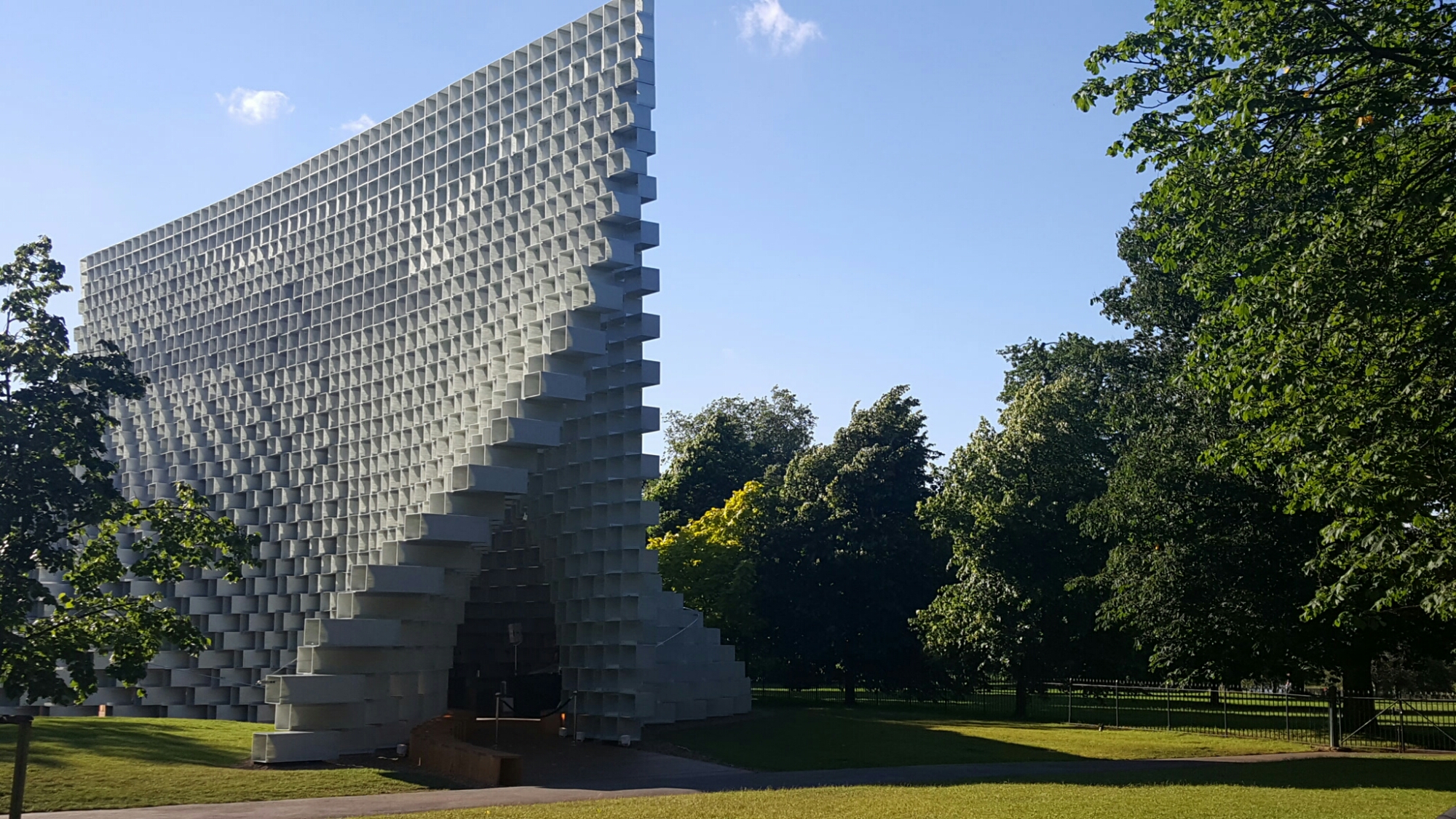
I didn’t necessarily expect to like the latest Serpentine Pavilion by Bjarke Ingels, but I did:  a piece of pure geometry, simultaneously simple and complex in a way that is visually both adventurous and satisfying:-

image

image Continue reading →
Standard

Henry Cole Wing

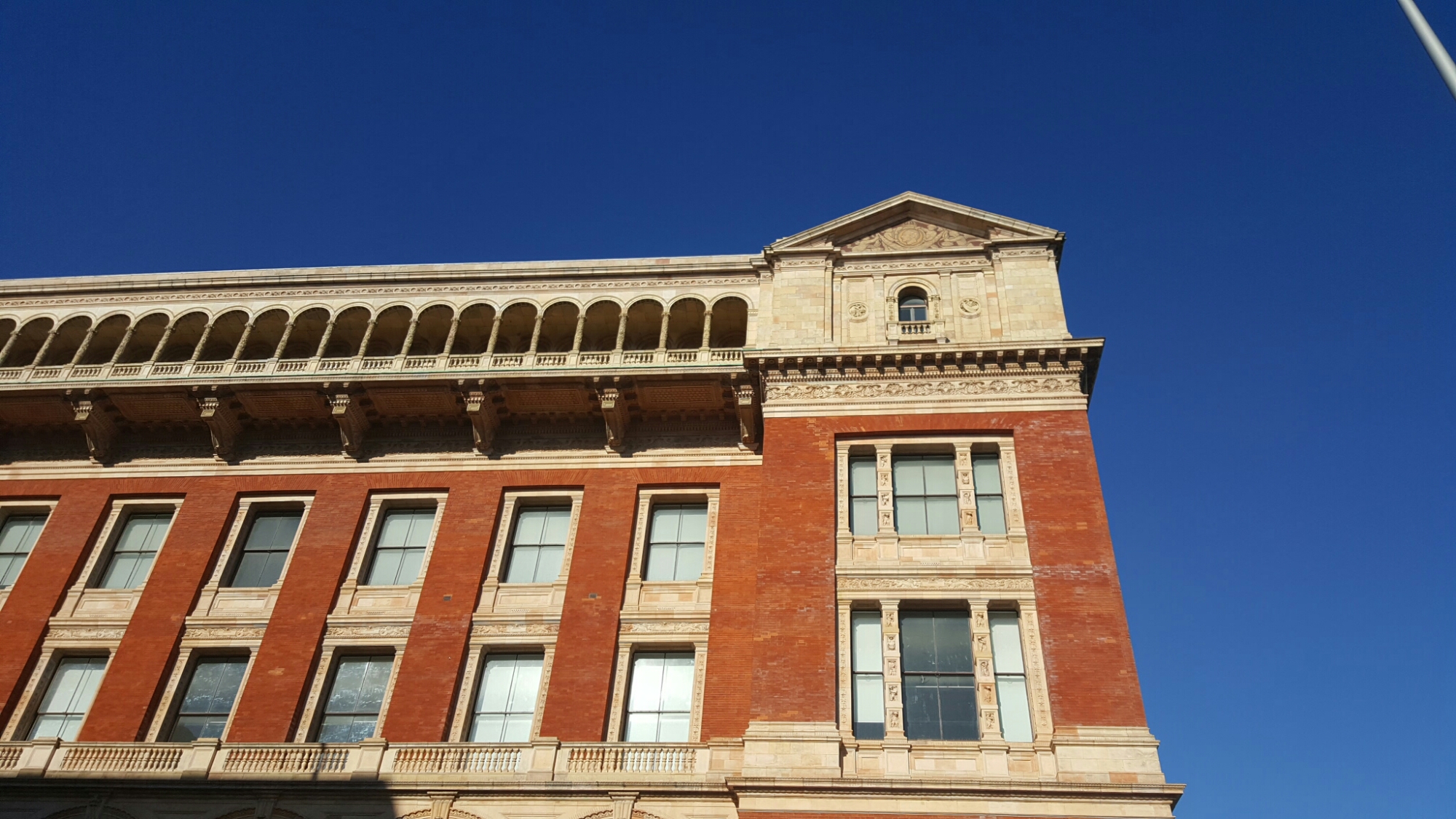
One of the few benefits of a morning which was so cold and wet is that, when the air cleared, it had a crystal clarity.   So, I was not the only person who was impressed by the Henry Cole Wing, designed by Henry Scott as a School of Naval Architects, gleaming in the early evening sun, with its abundance of terracotta ornament, the loggia at the top which allowed the students access to fresh air, and its restrained Victorian pomp:-

image

image Continue reading →

Standard

Ditchling Museum

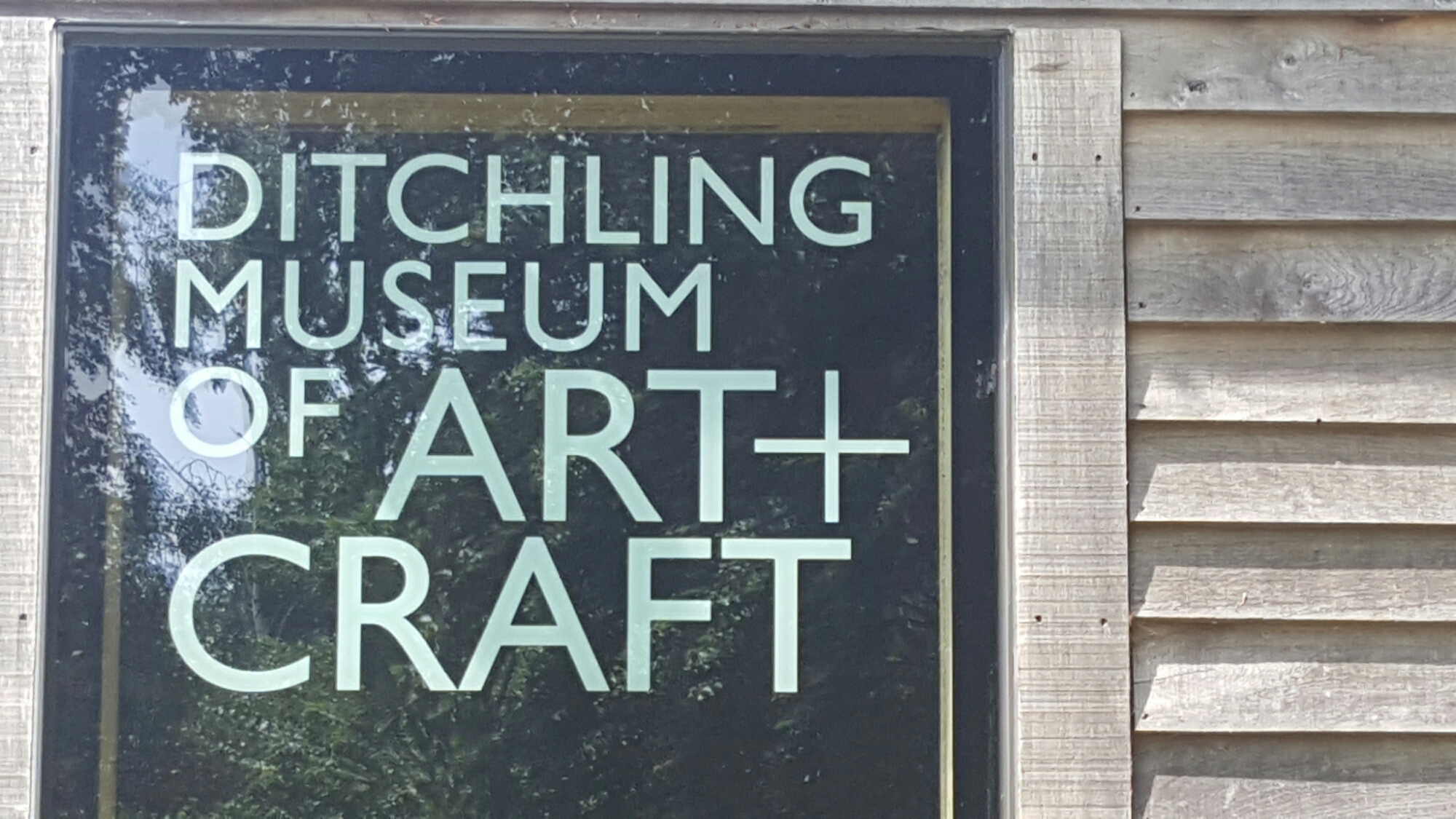
En route to Sussex, we stopped off at the Ditchling Museum, which we have shamefully never been to in spite of the fact that it has recently been very beautifully renovated by Adam Richards architects, skilfully maintaining its small-scale and vernacular character.   We would have liked twice the time to enjoy the collection, including a small exhibition of Edward Johnston’s typography.

The Museum:-

image

image Continue reading →

Standard

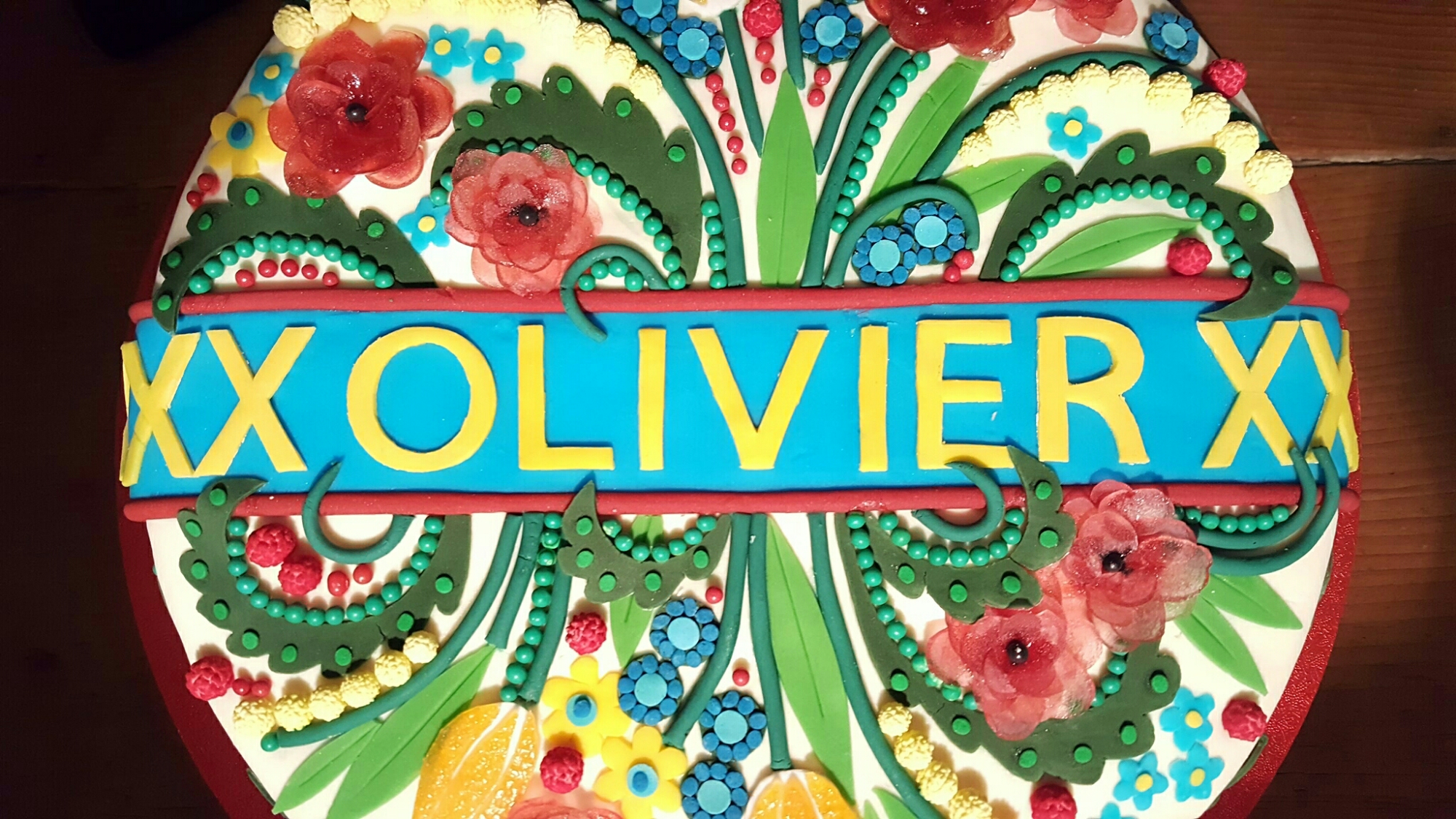
Olivier Bell

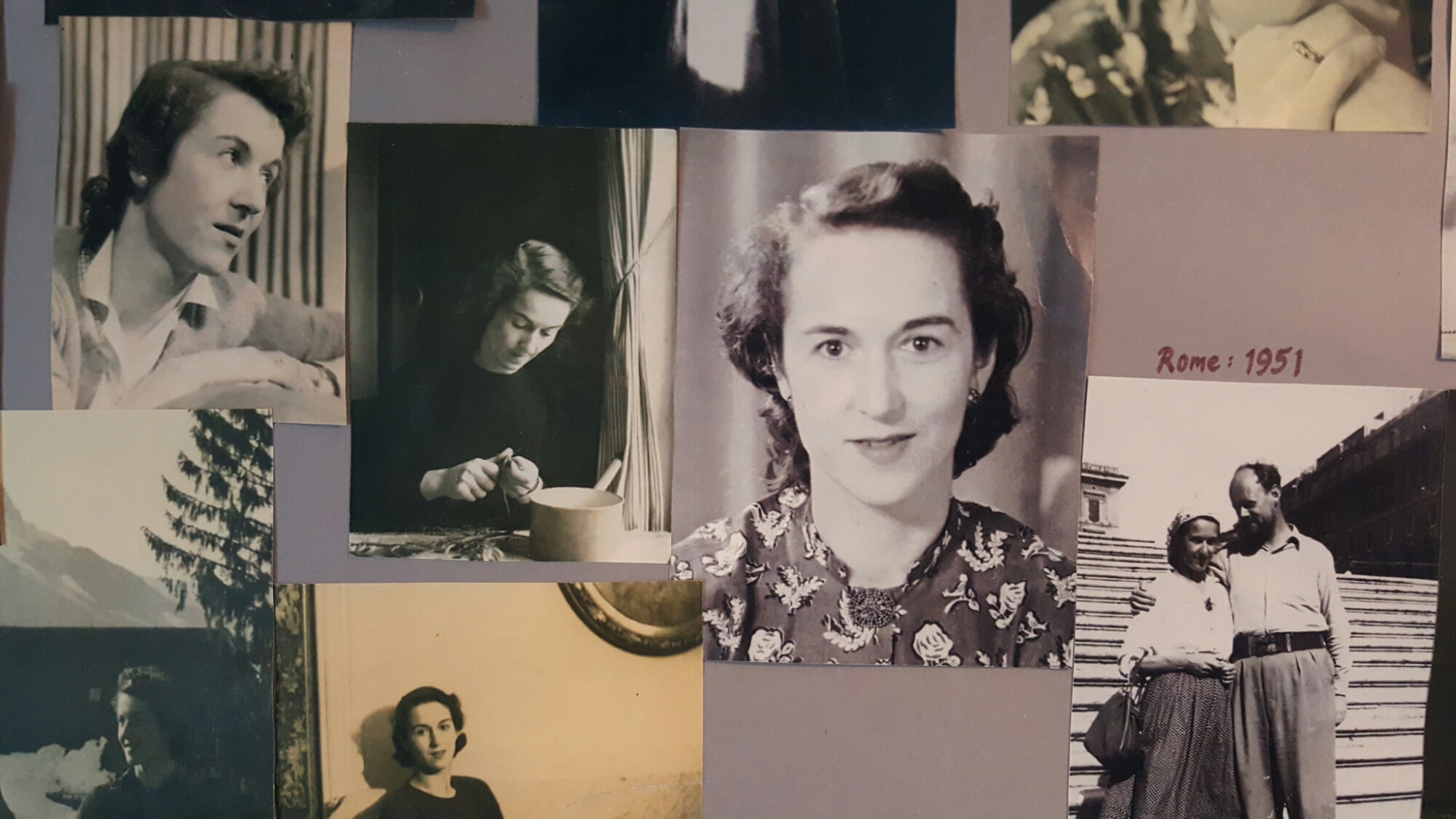
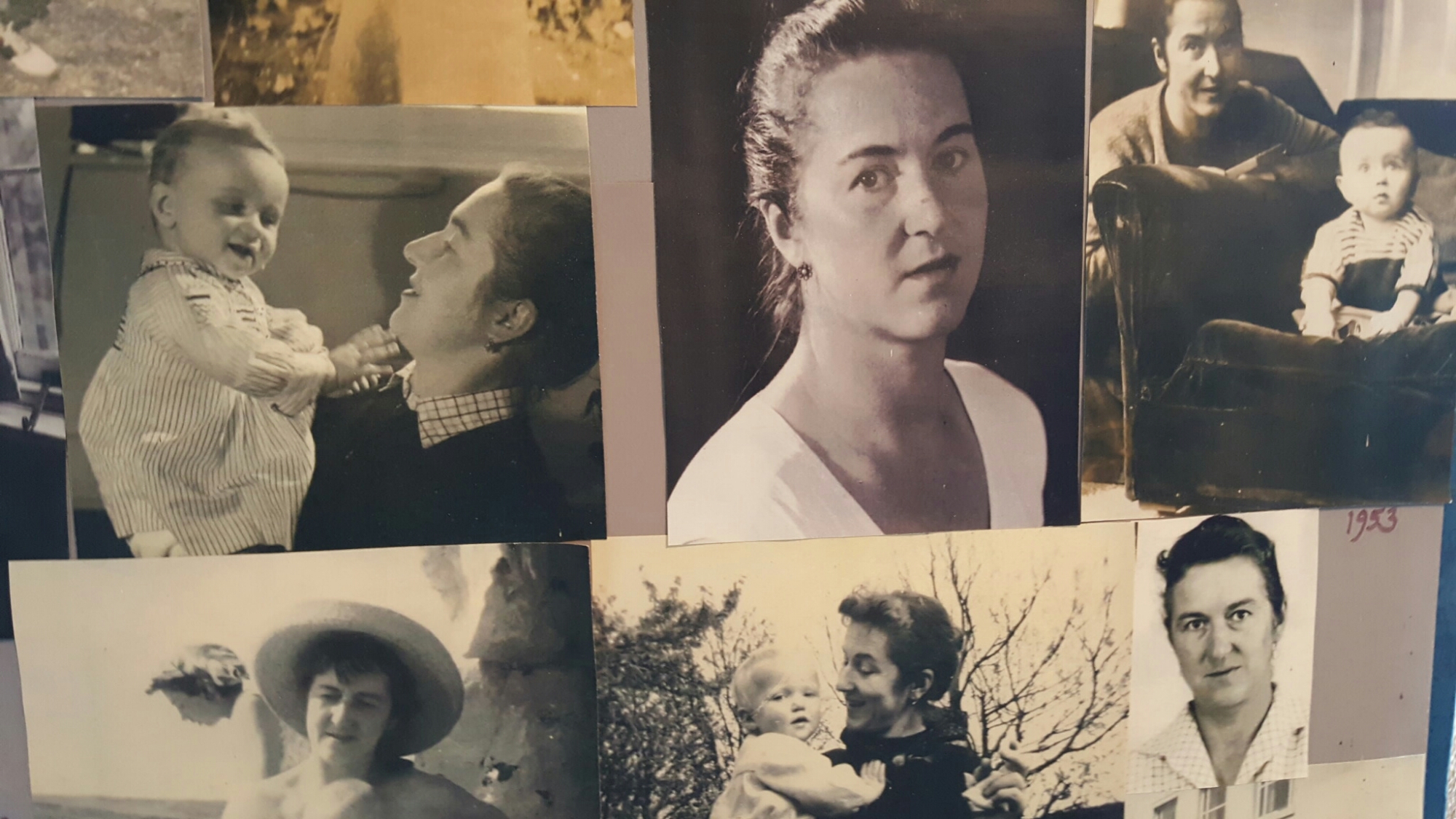
We went today to the 100th. birthday party of Olivier Bell, one of the last survivors of the second generation of the Bloomsbury Group, daughter of A.E. Popham, Keeper of Prints and Drawings at the British Museum, and widow of Quentin Bell, the younger son of Clive and Vanessa Bell.   She is still pretty stalwart:  a survivor of the pre-war Courtauld Institute, the last of the so-called Monuments Men who helped to restore works of art to their original owners after the second world war, and a veteran of the post-war Arts Council, organising small exhibitions and European loans.   She edited Virginia Woolf’s diaries meticulously and helped to establish the Charleston Trust, of which she was until recently an active trustee:-

image

image

image

image

Standard

Found

We went yesterday afternoon to the exhibition Found which has been put together by Cornelia Parker at the Foundling Hospital, based on the idea that the original Foundling Hospital was supported by a group of artists in the 1740s who chose to offer ‘Performances in their different professions, for Ornamenting this Hospital’.   It’s a wonderfully eclectic group of works, mostly interspersed throughout the Museum, although with a more conventional semi-exhibition in the basement.   We liked the eroded helmet shown by Ackroyd and Harvey;  the screenprint by Patrick Caulfield, which prefigures the work of Michael Craig-Martin;  Michael Craig-Martin’s own FILM, which he made when he was a student at Yale;  Richard Deacon’s self-curated shelf which doesn’t appear in the catalogue;  Edmund de Waal’s group of works based on found objects in Orkney;  Antony Gormley’s cast of Paloma which echoed the bronze light fittings (was this deliberate ?);  Mona Hatoum’s wire drawings;  and Alison Wilding’s frog.   Many of the artists are RAs in the same way that the original artists who supported the Foundling Hospital became the group who established the RA, united by kindred interests.

Standard

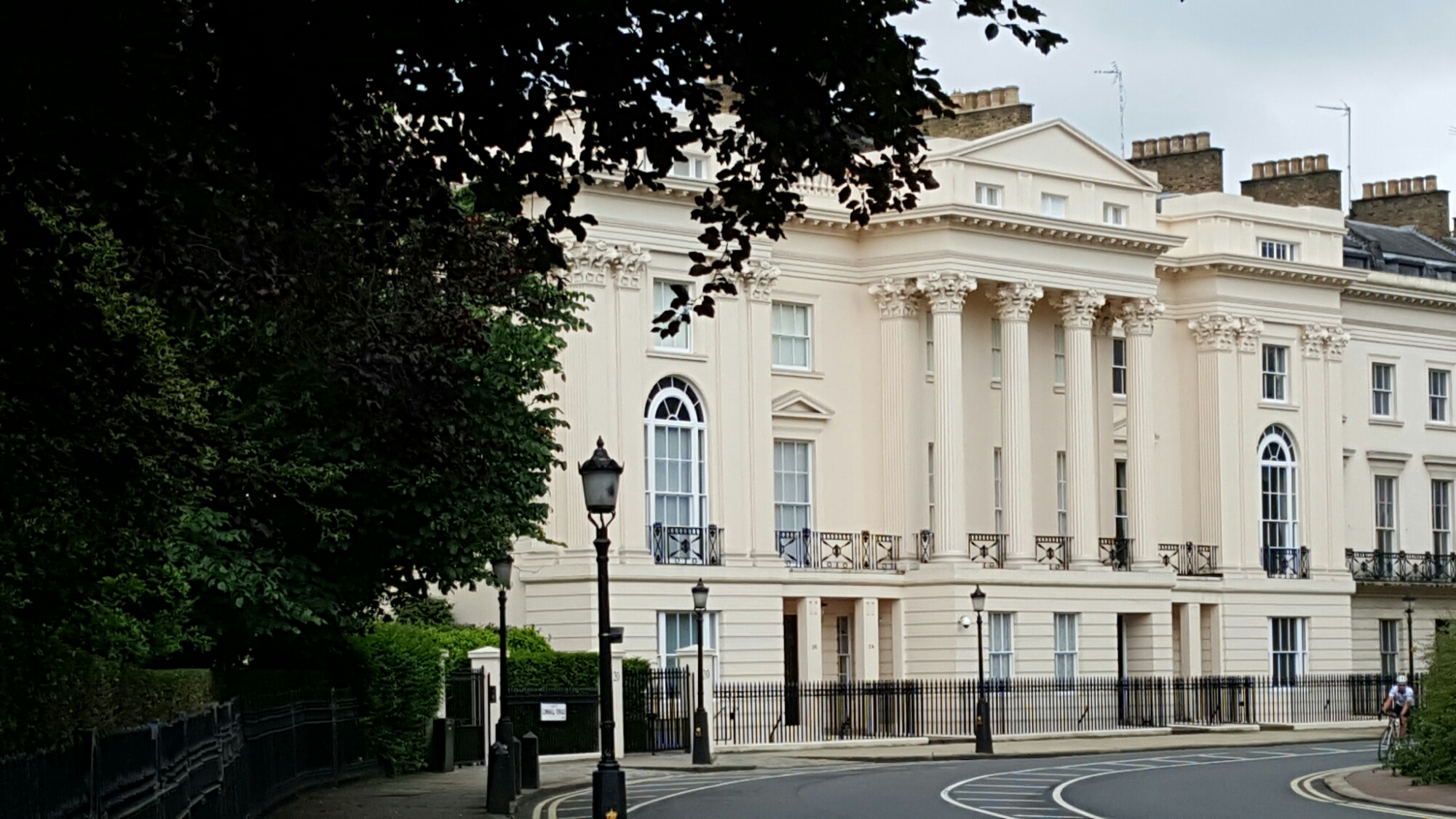
Regent’s Park (1)

I spent yesterday morning learning about the mysteries of Regent’s Park.   Of course, one is aware of it as a Londoner, laid out north of the rest of the city in open farmland as a grandiose gesture of urban town planning to rival Paris towards the end of the Napoleonic Wars.   But I had not realised the extent to which each of the Terraces is set back from the road and the vegetation has grown up in such a way that the epic scale of the stucco palaces and the way they are supposed to relate to one another is not really evident unless one pokes about behind the scenes.

I started at the back of York Terrace:-

image

In the distance was the corner pavilion of Cornwall Terrace:-

image Continue reading →

Standard