The Shard

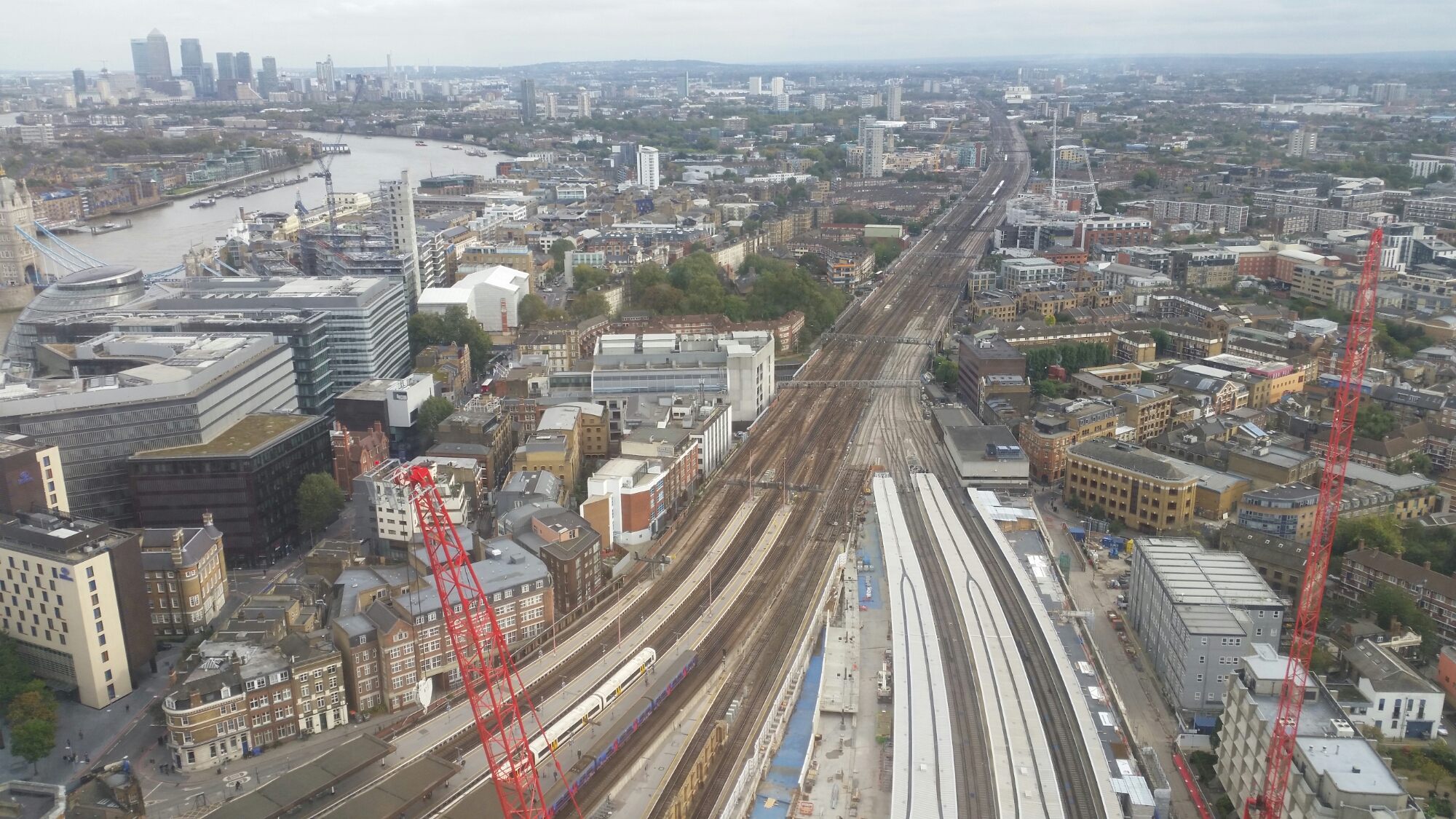
We had lunch yesterday halfway up the Shard, delicious dim sum and Peking duck.   In the week when the Shard is a candidate for the Stirling prize, it was good to see what it is like from the inside.   The jury will have difficulties ignoring it because whether one likes it or not (I do like it), it has so obviously changed the grammar of architecture in London.   What I particularly like are the distant views from far away as one enters London on the M11 or the A2 beyond Blackheath.   Inside, it has amazing views of central London along the railway tracks east and west and the massing of the City northwards round the Cheesegrater.   Oddly, the buildings which catch one’s eye in aerial perspective are those of Renzo Piano’s other major project in central London at Central St. Giles, so brightly coloured in the dense massing of historic London.

This is the view west:
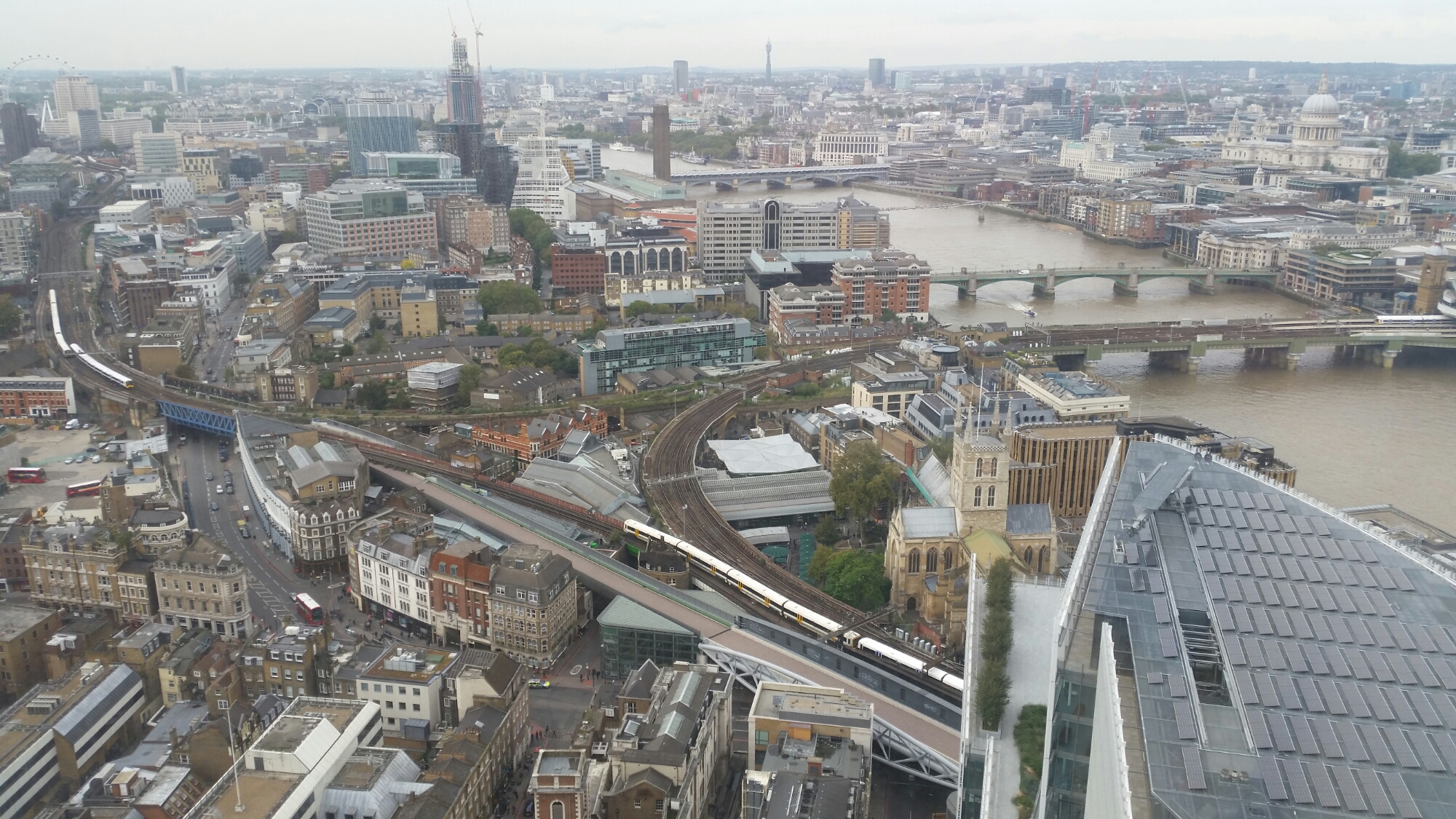
image

East towards Canary Wharf:
image Continue reading

Standard

Romilly Saumarez Smith (3)

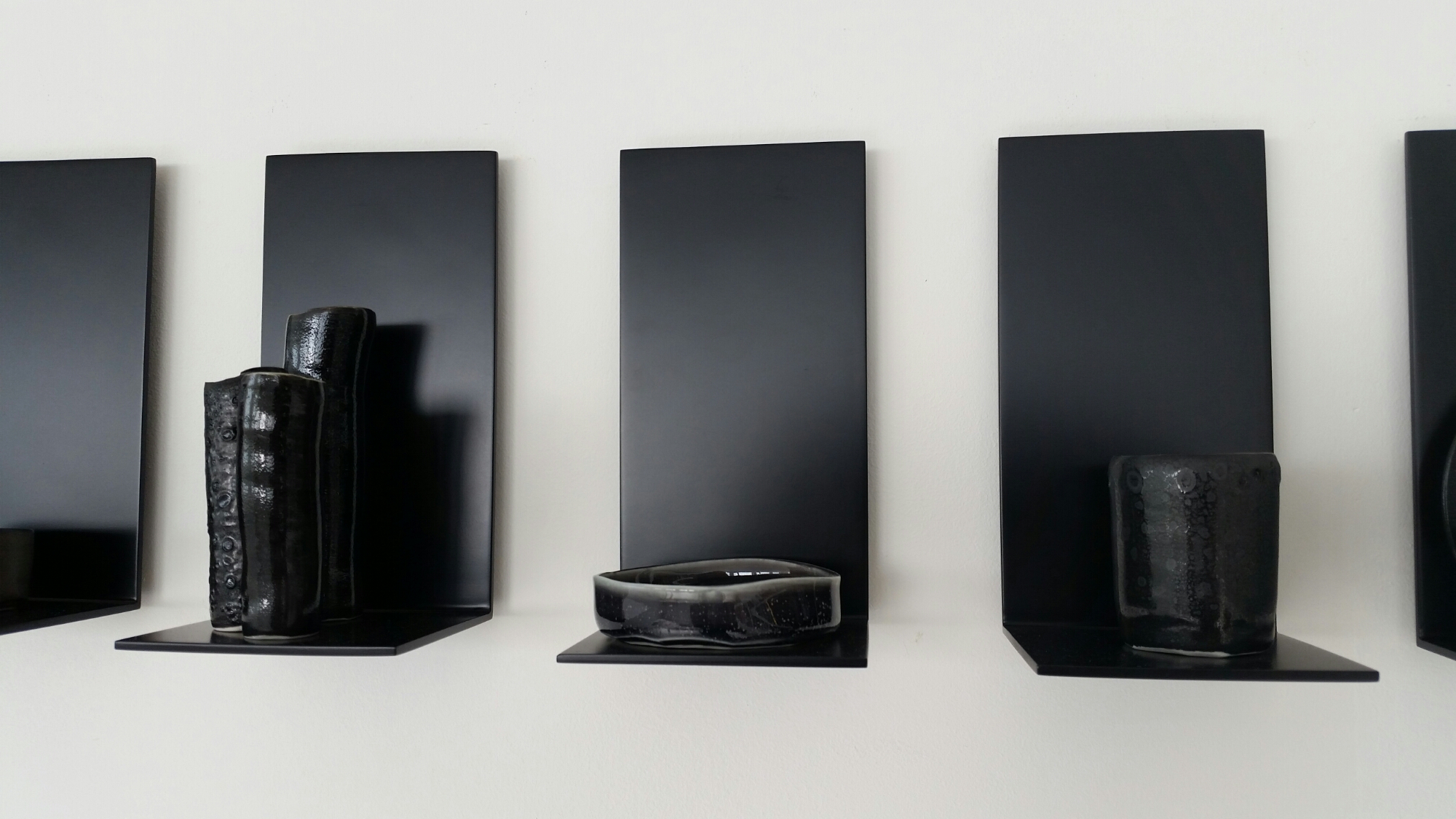
I have been asked what is the relationship between Edmund de Waal’s work and Romilly’s.   The answer is in the way that the forms of the past influence and inform the material present, so that both have a preoccupation with the archaeology of forms.   Romilly specifically requested that some of Edmund’s work should be displayed not behind glass, so should share in the aesthetic of the found object:

image

image Continue reading

Standard

West Norwood

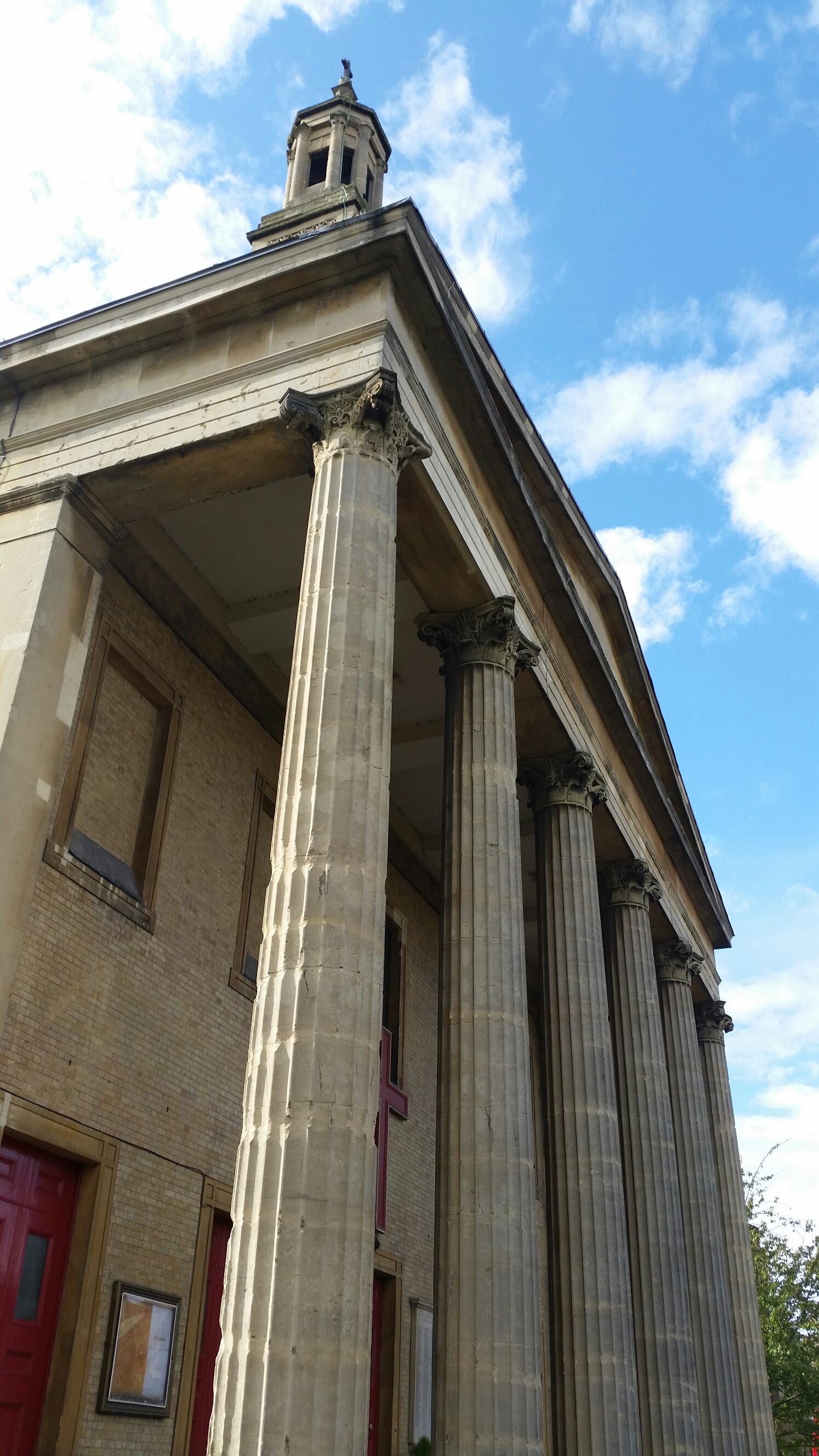
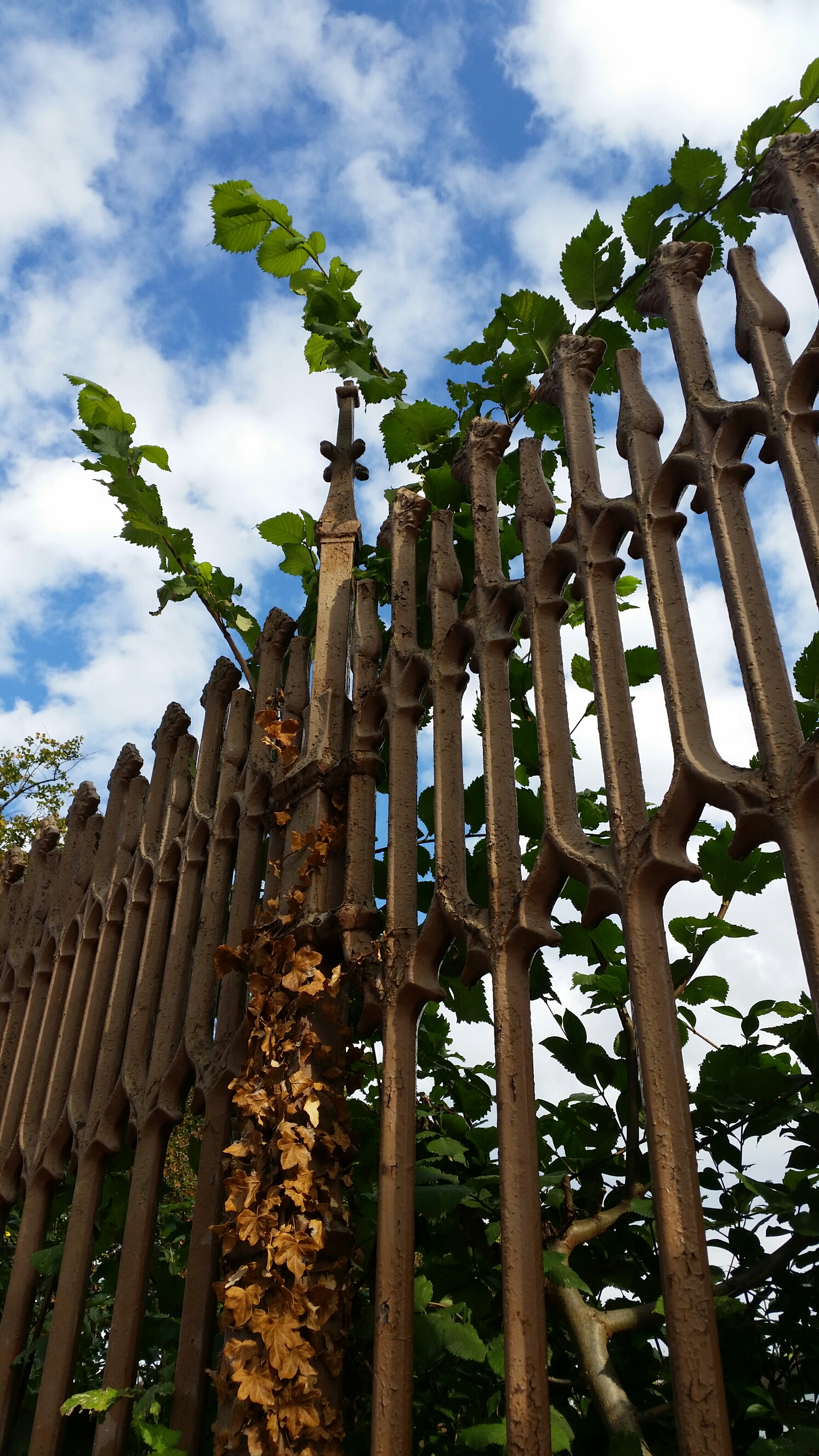
A weekend at Edmund de Waal’s studio has given me an opportunity to get to know West Norwood, an area of indeterminate south London south of the south circular and beyond the boundary of my previous London knowledge, once an area of open farmland where the mistress of Lord Bristol lived and Lord Chancellor Thurlow had a mansion built by Henry Holland.   He refused to inhabit it because of its cost.   The most prominent landmark is St. Lukes, West Norwood, designed by Francis Bedford and consecrated in 1825:

image Continue reading

Standard

Chez Panisse

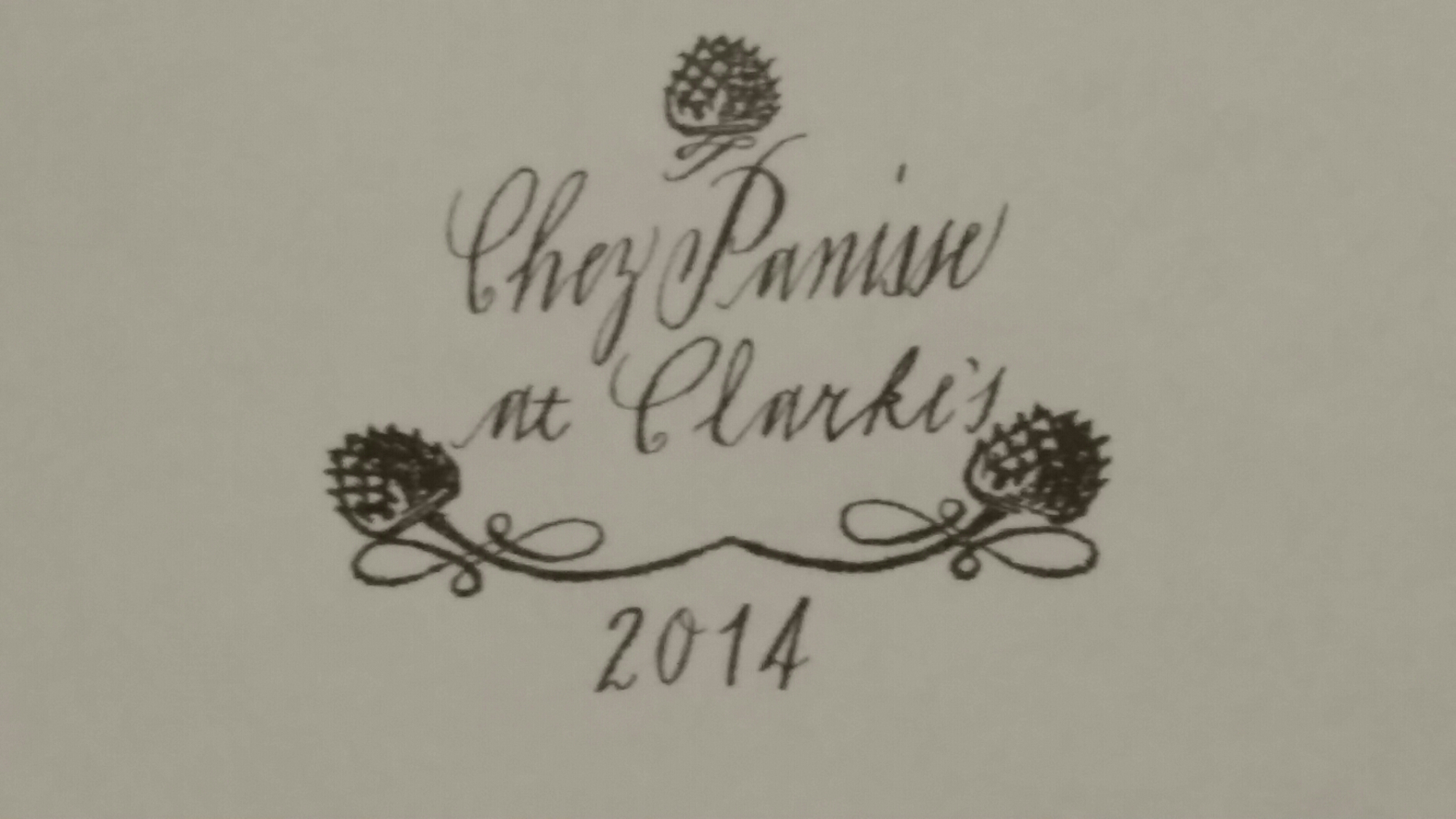
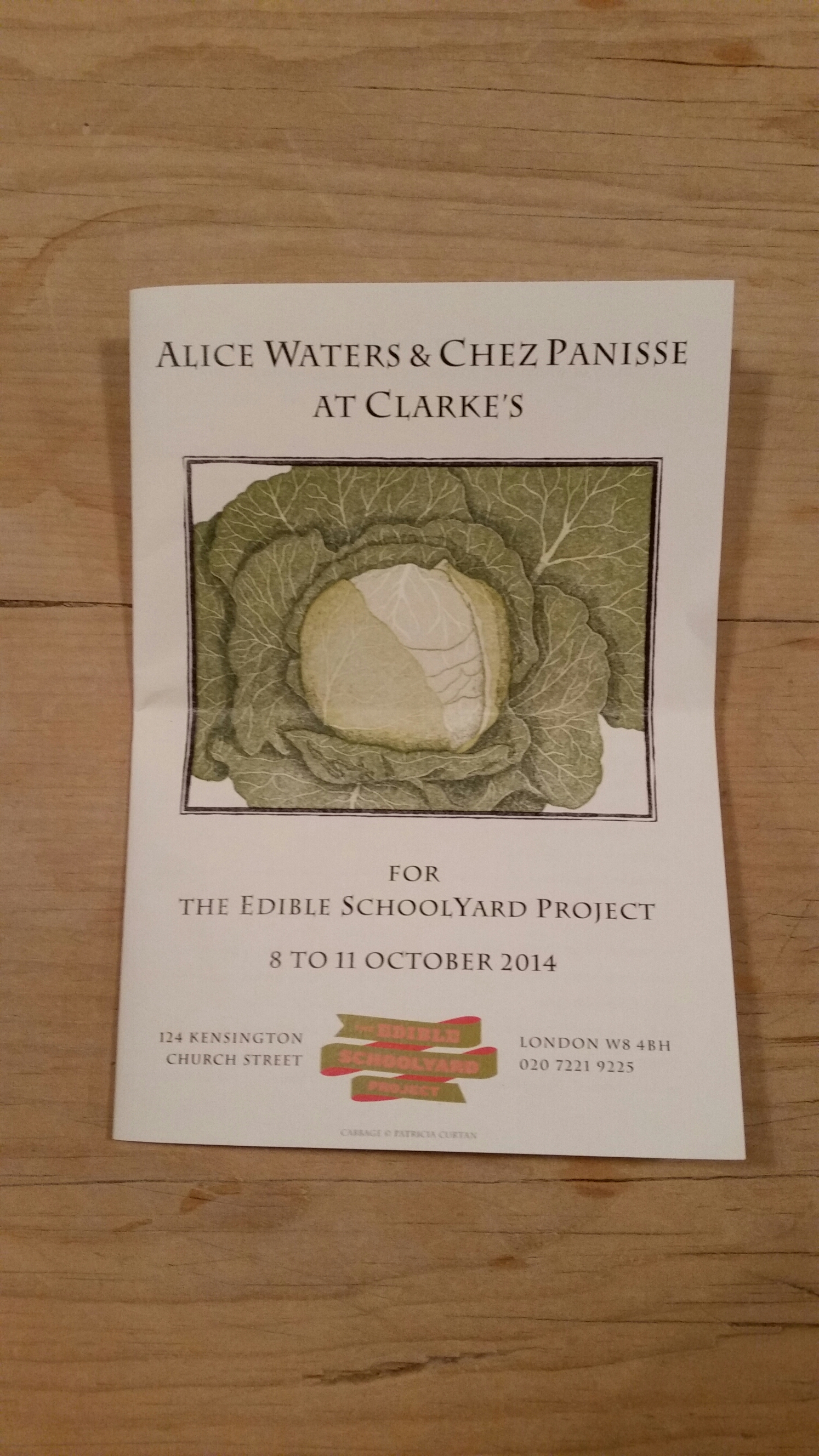
We had dinner last night in the private room at Clarke’s where the prints by Lucian Freud hang.   We were greeted at the door by someone who seemed vaguely familiar.   It was Alice Waters over from Berkeley for a few days with a pastry chef from Switzerland to celebrate the thirtieth anniversary of Clarke’s.   It was quite an event with all the chefs, including Sally, lined up on the street for a team photograph.   Romilly was able to tell her that we had once driven from Chicago for dinner at Chez Panisse.

image

image

Standard

West Norwood Crematorium

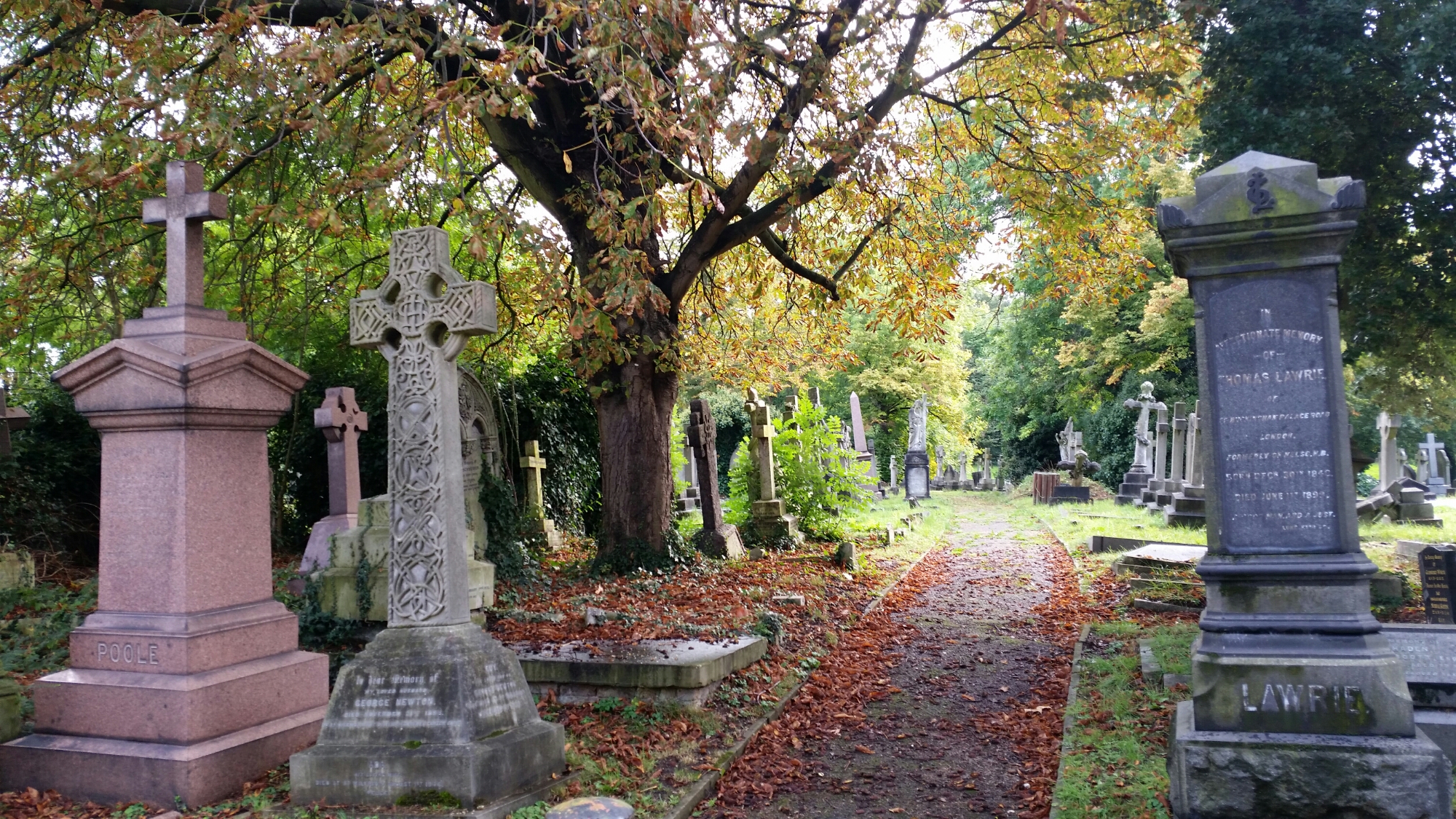
Having spent my youth exploring crematoria, it has been a pleasure to be able to see the West Norwood Crematorium, founded by Act of Parliament in 1836 and consecrated in December 1837:

image

image Continue reading

Standard

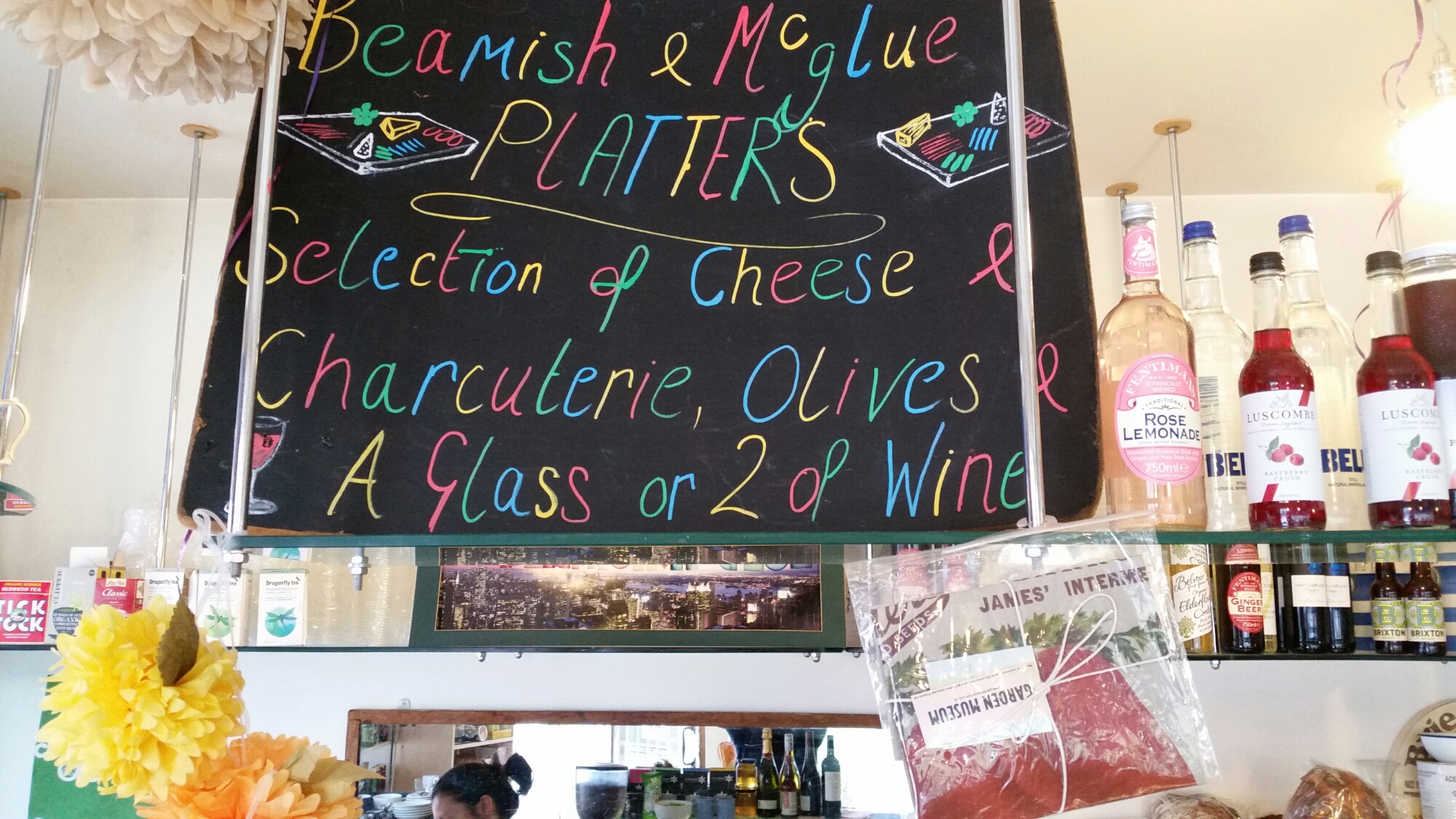
Beamish and McGlue

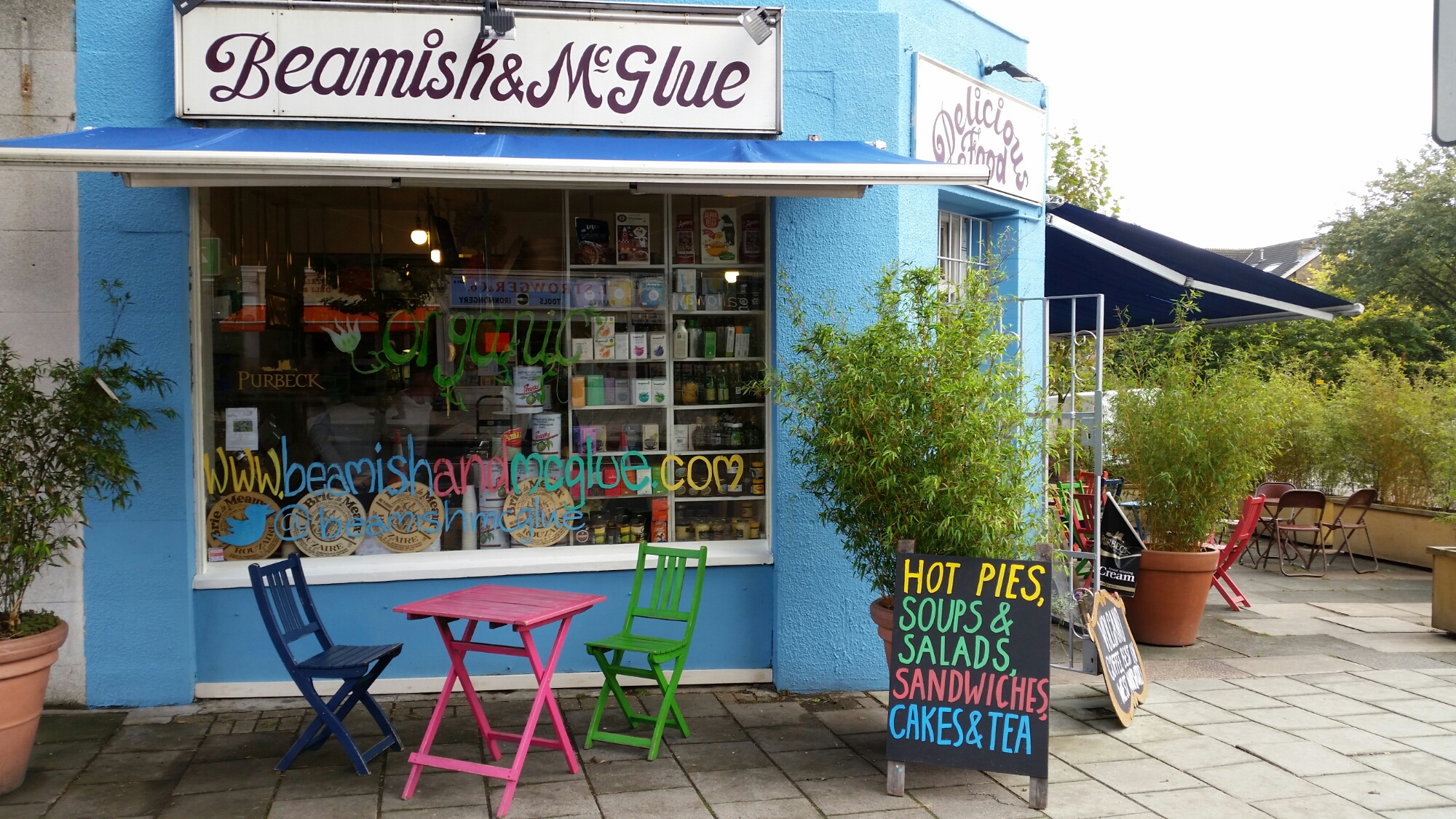
My enterprising first cousin once removed, after training as an actress, opened Beamish and McGlue, with Casey McGlue, to sell only ethically sourced products to the citizens of Norwood.   It’s at 461, Norwood Road:

image

image Continue reading

Standard

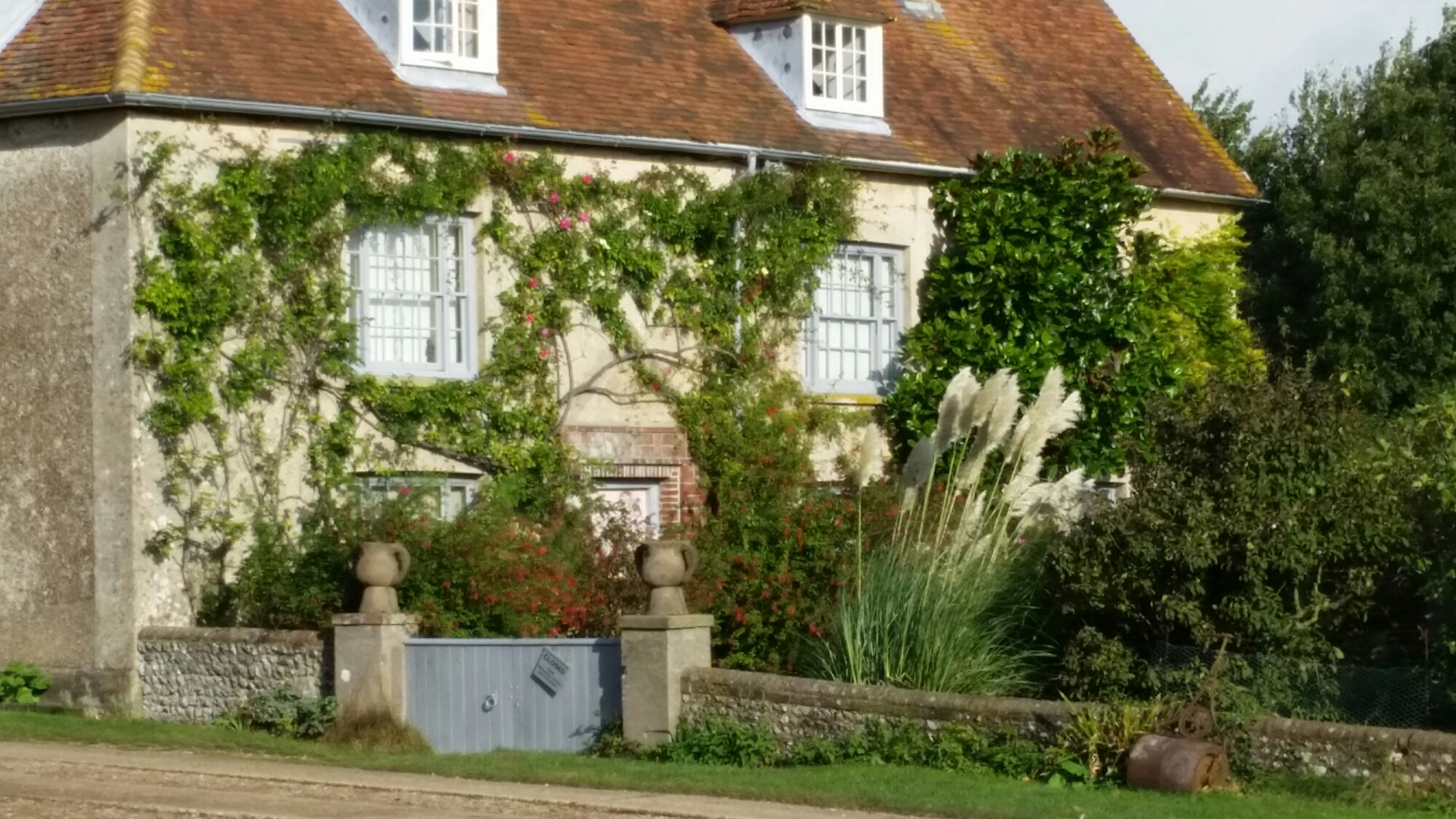
Charleston

I had promised to join a group of the RA’s patrons on a tour of Charleston, so found myself on an early train to Lewes and arriving at the house as I seldom see it, empty of tourists and in the autumn sun.   I had never previously noticed that they have a version of the London tube map showing the interelationships of its various residents, who slept with who, who was in love with who, and who fathered who.   It is surprising having seen this map to discover how narrow the beds are, but they apparently spent a lot of time up on the downs:

image

image

Standard

Romilly Saumarez Smith (2)

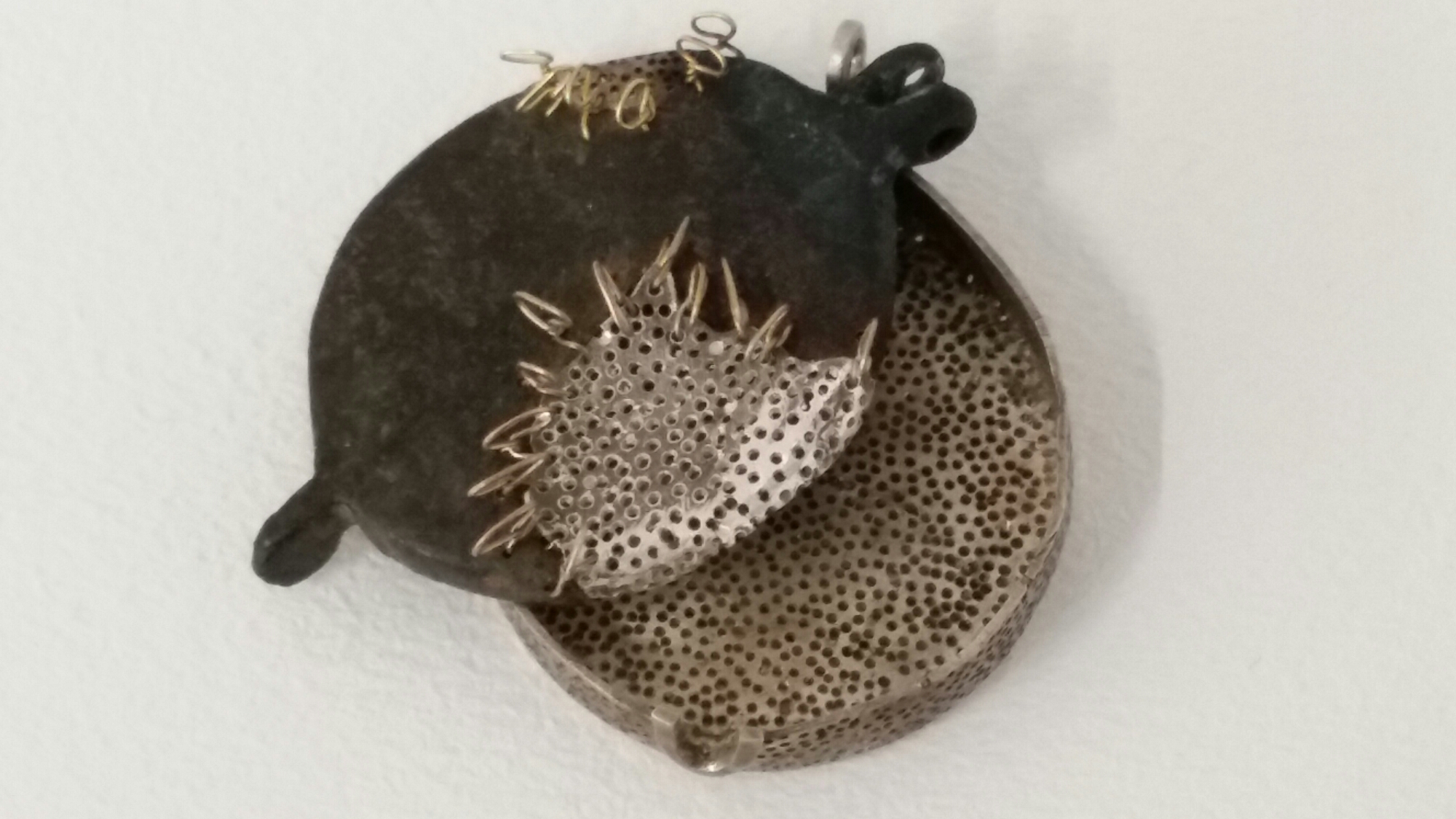
I was faintly reprimanded for writing about Romilly’s exhibition before seeing it.   But now I can write about it having experienced it so beautifully displayed in grand empty studio space designed by Deborah Saunt and David Hills.   The work itself is on long shelves, the individual pieces held upright by lead fishing weights, or buried under the floor or in a chapel-like annexe, with minuscule inscriptions and dots like the legion d’honneur for work which had sold.   What everyone said, and was obviously true, is that it’s extremely rare to see jewellery displayed as works of art, isolated in white space so that one is compelled to engage with the detailed character of each individual work, with magnifying glasses provided, its ornament and encrustation, a modernist version of a cabinet of curiosities, echoed by cases of Edmund’s pots.

The work is very hard to photograph, especially the quality of natural daylight, and I’m not sure I’ve succeeded:

image

image Continue reading

Standard

Romilly Saumarez Smith (1)

A golden rule of my blog is that I am never ever allowed to mention my close family, only dead relations.   But I have been allowed to breach this rule today in celebration of the fact that my wife Romilly is holding an exhibition of her jewellery entitled Newfoundland jointly with work by Edmund de Waal in Edmund’s studio.   She discovered several years ago that it is possible to buy fragments of Roman and medieval metalwork found by metal detectors and sold on ebay and has gradually acquired a small collection of buckles and thimbles and buttons and rings which she has adapted into modern palimpsests, evocative of their history, but enriched and embellished and ornamented as well.

Standard

Dennis Hopper (2)

I’ve just been to a most unusual and surprising fundraising event, which consisted not at all of asking for money, but instead an evening of meditation and poetry round the photographs of Dennis Hopper.   Brett Rogers, the Director of the Photographers’ Gallery, spoke around the theme of loss and rediscovery, the ways in which contemporary culture is interested in the forgotten archive, the box of negatives left in a Chicago lock-up, the fascination with the fact that Hopper’s photographs are as he left them.   Peter Aspden of the Financial Times talked about the contrast between New York of the 1960s, the dominant culture of the period, and Los Angeles, more laid back and hippy, the culture of Pacific time.   And then Jean Wainwright talked about the encounter of Warhol and Hopper.   What struck me is how close and yet how remote Hopper’s world is, fifty years on.

Standard