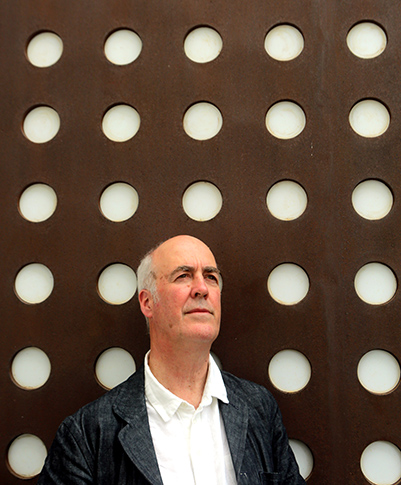
I have been sent by my friend James Bradburne, the Director of the Brera Gallery in Milan, what he calls his Yule Log, which consists of his thoughts and meditations during the course of the last year, but particularly through the first three months of COVID. I found them curiously and unexpectedly moving, reading his changes of mood as he grappled with having to close a museum down which had remained open through the bombing of the Second World War. It all already seems so horribly long ago: the beauties of spring as he sat it out in Florence; the switch to doing so much online, of which he was already very fortunately an intelligent pioneer; the recollection that COVID hit Lombardy long before it hit London, which should have given us due warning of what was about to happen. The thing which I found most moving was the sense of optimism when the Brera re-opened in early June as if it had then already been such an interminable lockdown which was now believed to be over; plus his thoughtfulness about the things which would need to change – less reliance on big exhibitions, less dependency on mass tourism, more connectedness to the local community, all things which may perhaps be obvious but are stated with unusual thoughtfulness; also how relatively recent the whole boom in mass tourism and visitor numbers has been, owing partly to the invention of the jumbo jet, and how quickly we forget. It’s a private Christmas letter, but some his thoughts are available more publicly:-
Category Archives: Uncategorized
Princelet Street
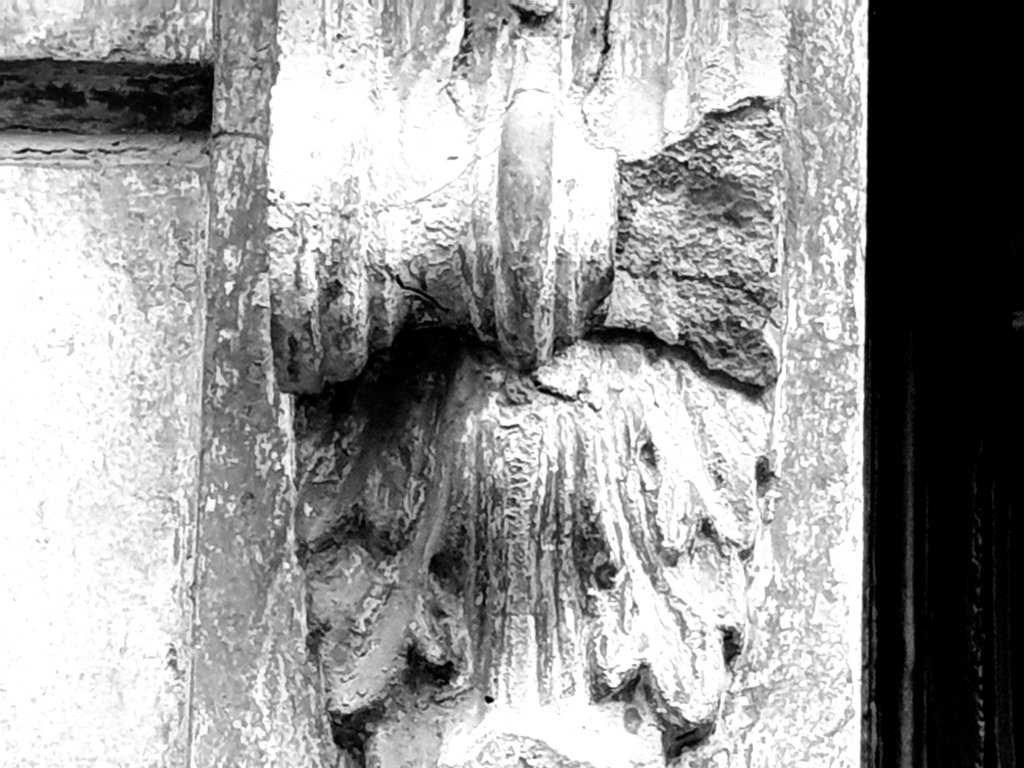
I went to buy some wrapping paper and found myself admiring the detailing of some of the door surrounds of houses in Princelet Street instead:-


The unseen masterpiece
If I was feeling despondent, which I was, my faith in life and art has been restored by opening a red envelope containing a book documenting a project by Ingleby Gallery which illustrates a single work of art each day over the last year – each one thoughtful, described and documented, a single work of art, the relationship of the artist to the gallery, thoughtfulness, uncertainty and exploration, including an extraordinarily wide range of artists, not just those they represent. Howard Hodgkin was among the first artists whose work they showed and they have a Louise Bourgeois in their kitchen.
The end of Christmas
I have been trying hard not to say anything about current circumstances: Christmas cancelled, imminent food shortages, no passage to Europe, a clown and buffoon in 10, Downing Street, deep down in a hole which we have dug for ourselves and from which it suddenly seems impossible that we will ever extricate ourselves, as we just dig deeper through a weird combination of ideology and total incompetence. Nearly the last straw was seeing the Prime Minister announce the termination of Christmas without the remotest sense of apology or any awareness that he had said precisely the opposite only two days before, so that we had all made our plans accordingly, 67 million of us, sacrificed on the superstitious altar of supposed sovereignty which will mean a New Year without food.
Happy Christmas !
Spitalfields Life
I have been trying without success so far to load an article written by the Gentle Author on the back page of the January issue of The World of Interiors. It describes the many campaigns he’s involved with – not just the Whitechapel Bell Foundry, but Bishopsgate Goosdsyar, Arnold Circus, and now a standardly bad shopping mall off Brick Lane. He is amazing. Then I happened to come across a picture he had posted of Spitalfields Market in 1933 from someone in Russia. If the Secretary of State turns down the planning application for the Whitechapel Bell Foundry, as he surely must, it will be more than anything thanks to the Gentle Author’s tirelessly effective grassroots guerilla campaigning.
I love this characteristically unexpected Christmas image he re-posted:-
The Art Museum in Modern Times (2)
I’ve published books before, but I don’t remember quite the same sense of heightened anxiety when the first and only copy arrived today, air freighted from China and hand bound in England.
You don’t know quite what to expect: a bit smaller than imagined which means that it looks like a book to read; creamy paper; photographs taken back so that the colour is consistent and they sit neatly in the text. This was all the work of Harry Pearce and Johannes Grimond of Pentagram who fiddled with the detailing at the height of COVID. It was worth it.
What really transformed the book was a grant in April for the illustrations from donors who do not want to be named, but when I look at the book I think most of all with gratitude of them, not to mention the wonderful hard-working picture researcher turned project manager who laboured on it from March to September.
I salute them all !

Whitechapel
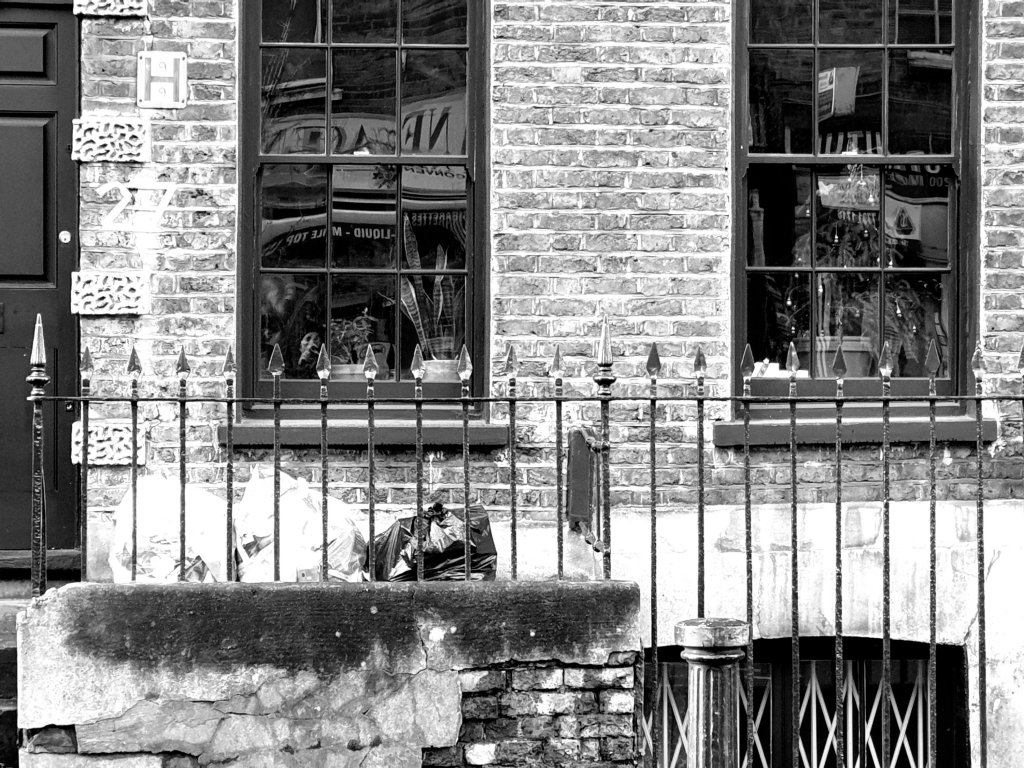
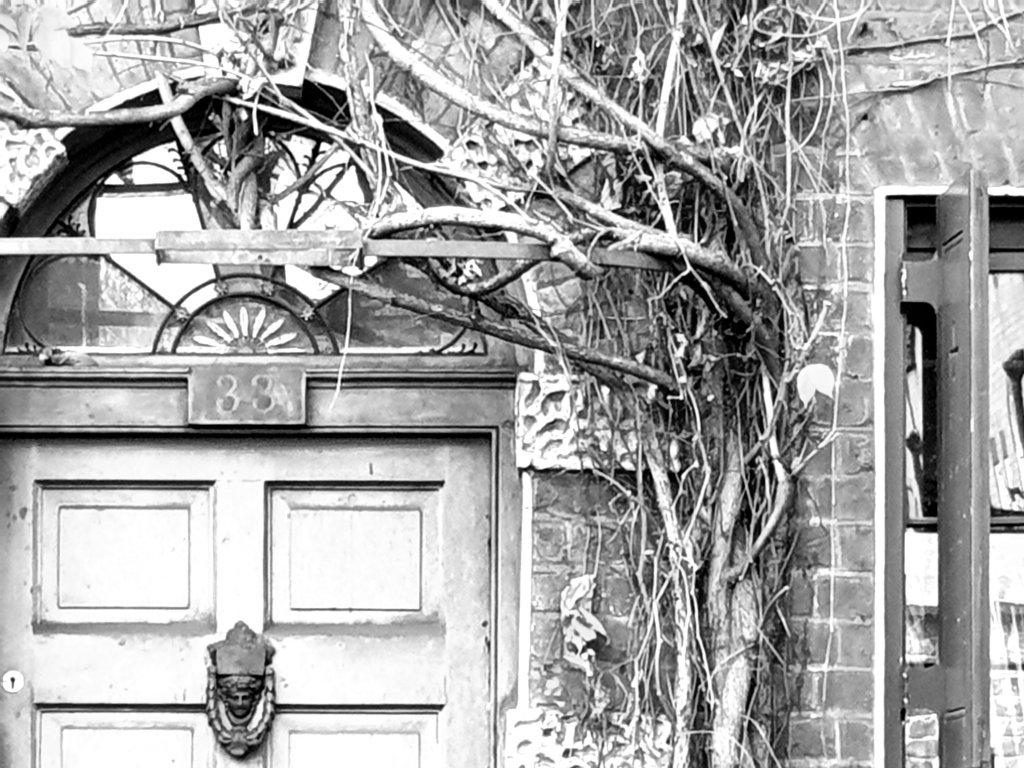
I walked back through Whitechapel. After the desert of Aldgate, it was a relief to find proper streets again:-

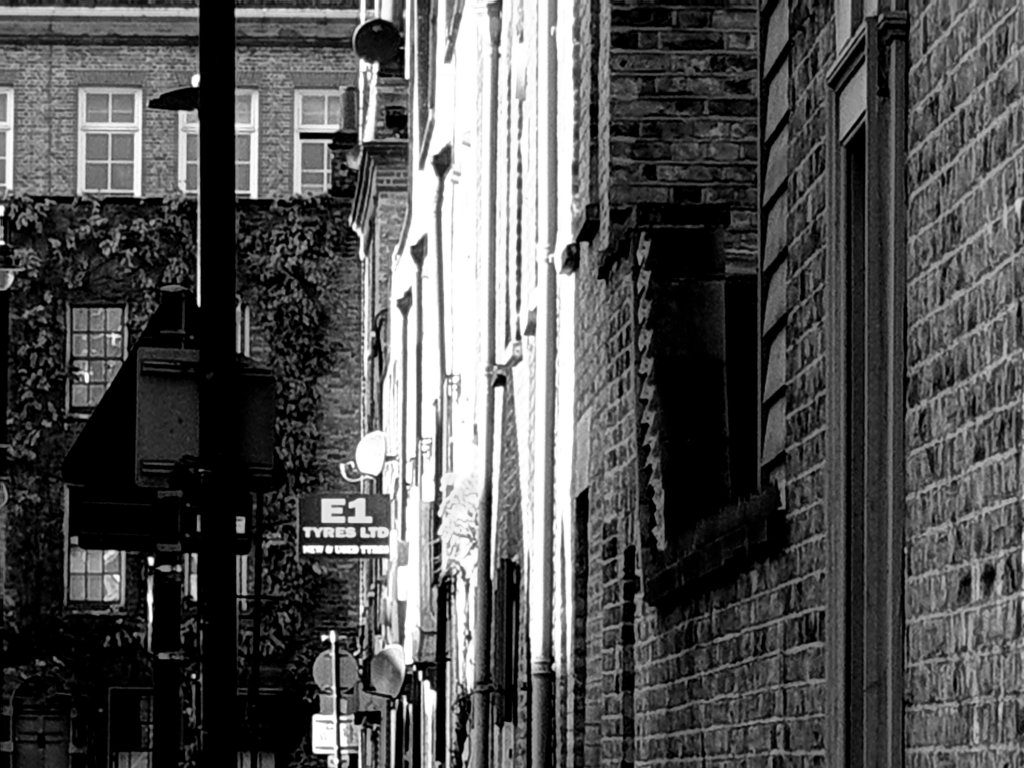

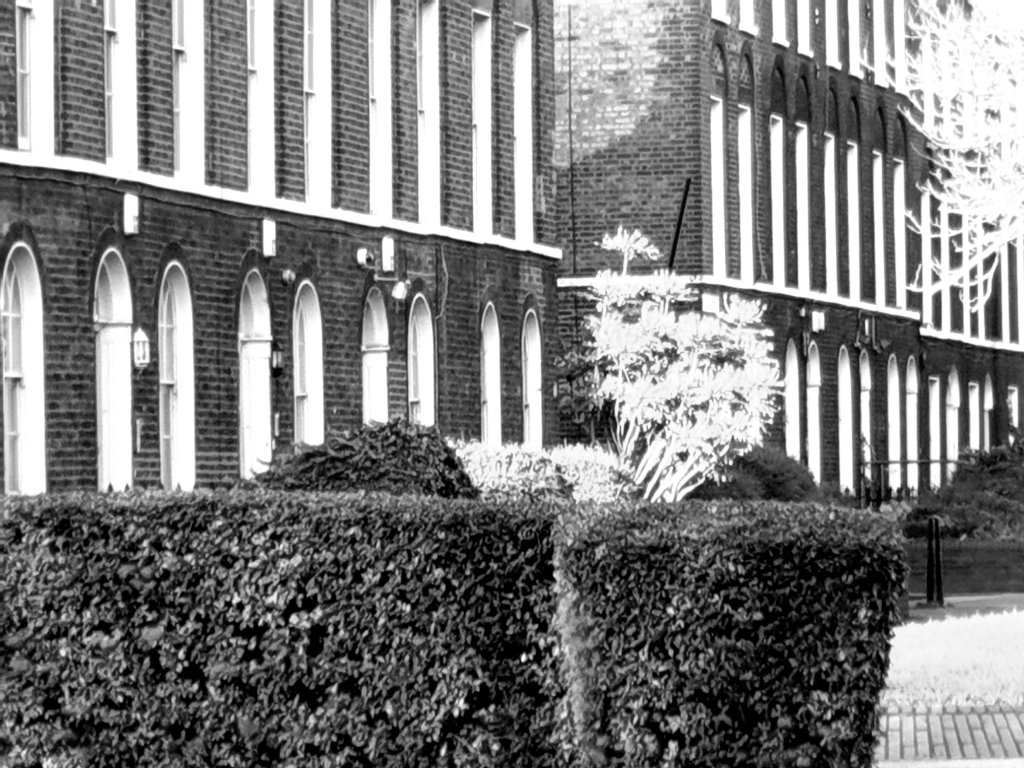
And in case you think it’s already gone, the Whitechapel Bell Foundry, which still survives, but only just, and not necessarily for much longer:-

Aldgate
I wandered round Aldgate to remind myself of what little is left of its old character, round the back of the Whitechapel Art Gallery and in Alie Street nearby:-


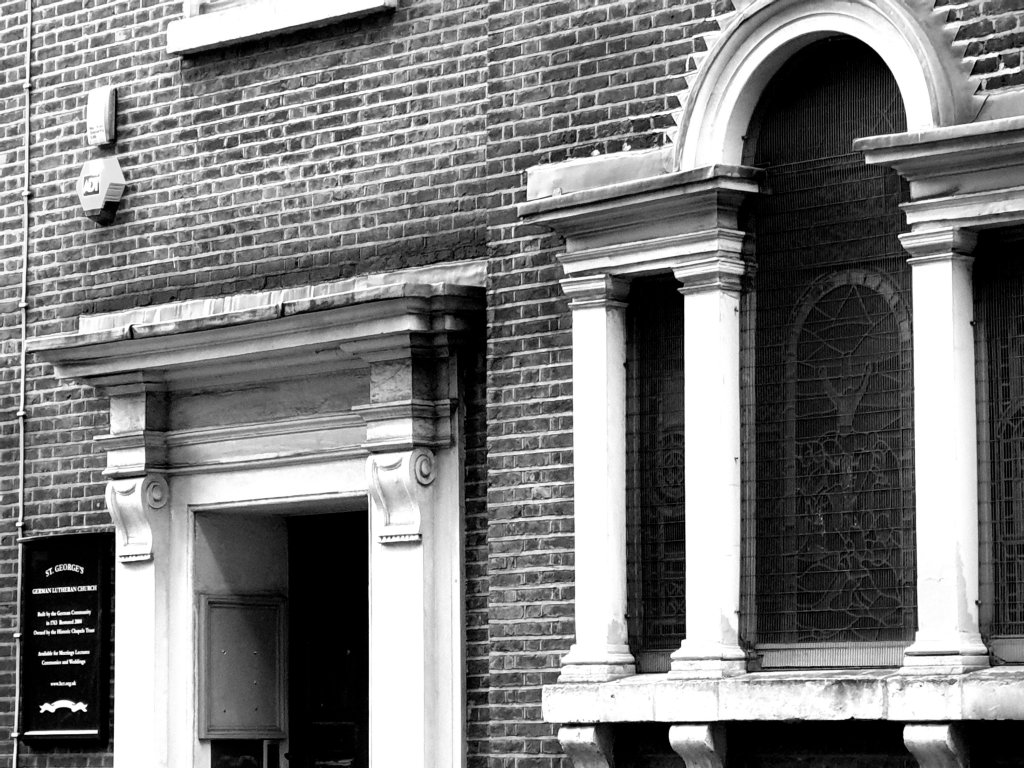
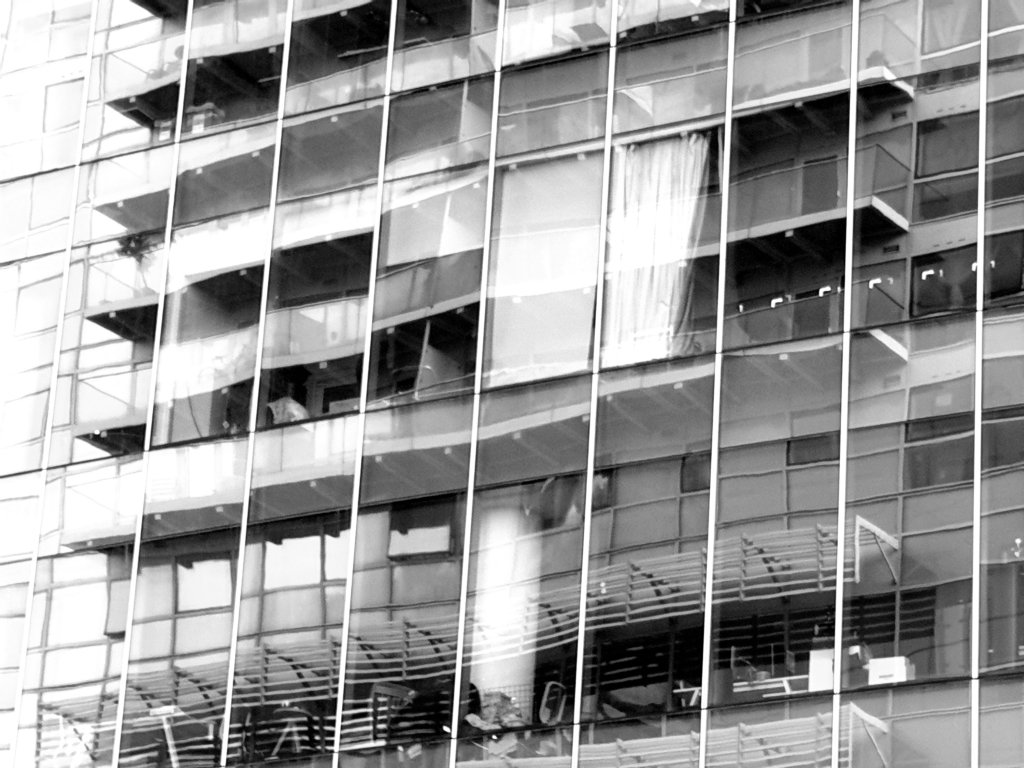
Instead of any sense of urban unpredictability, it is all being swept away in favour of Hong Kong:-

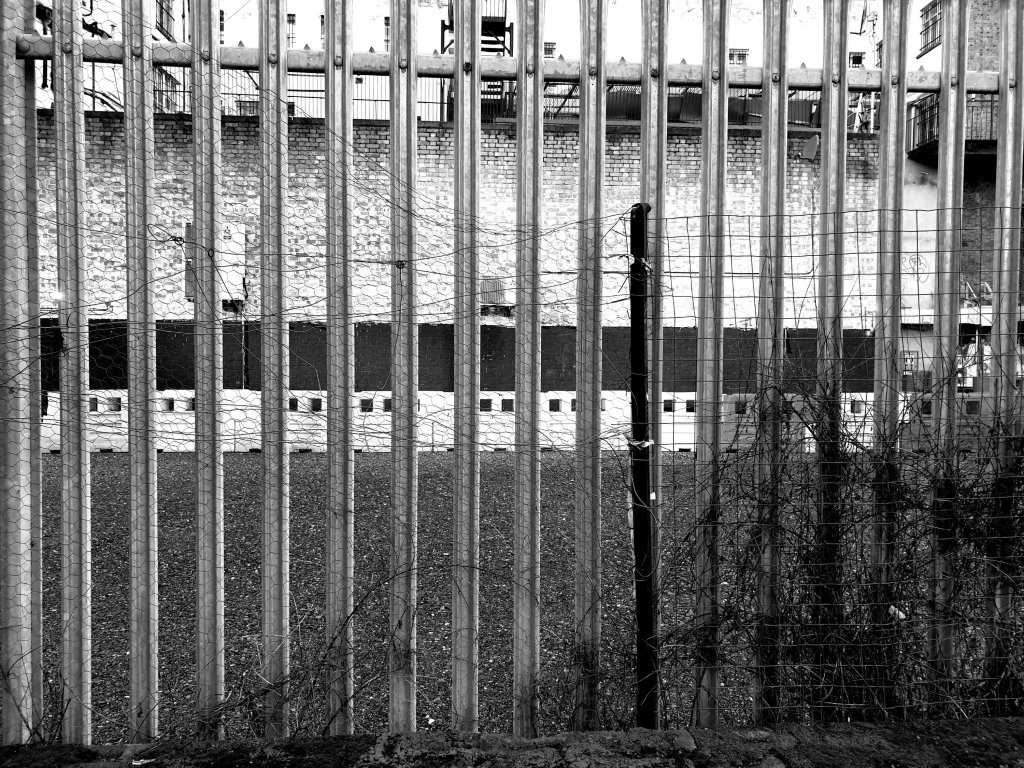

The Still and Star
I was so upset by the design of a new development in Aldgate which has been much in the press in the last week that I went to see the Still and Star, the old pub which is being demolished and reconstructed as a green replica underneath a gigantic and unspeakably hideous new building:-
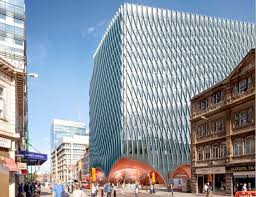
Of course, the pub on its own is nothing special: just a lone survival of a Victorian pub down an alleyway opposite the underground station. But it is representative of what is happening everywhere in Aldgate, Spitalfields and Shoreditch: the demolition of what remains of Victorian London and its replacement by big, faceless office blocks, which will probably only have a life of twenty five years, before being replaced by another bigger and more faceless block, thereby abolishing any sense of character at street level, the texture of urban life at a human scale. I’m sure the architect won’t mind, sitting behind a computer screen in a faceless office block; nor will the developer in his house in the country. But I mind at the way the character of the city, and more especially its fringes, is being eaten away and destroyed, desecrating any sense of the past.
This is Little Somerset Street, down which one finds the Still and Star:-
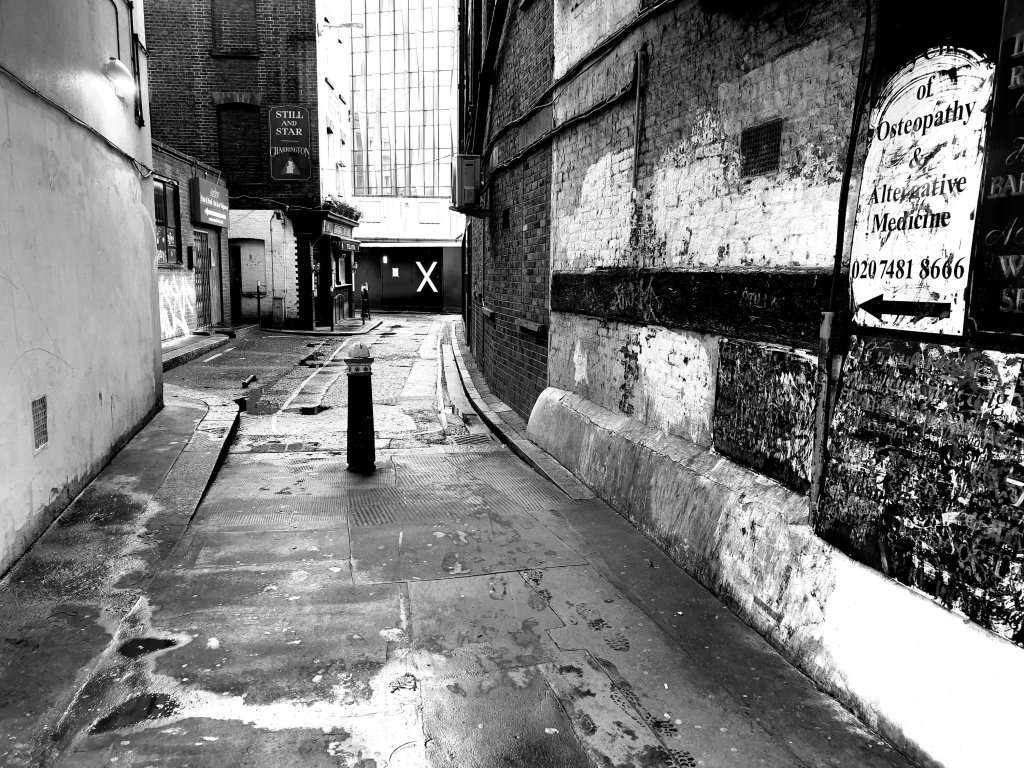
This is what’s left of the pub, now closed:-

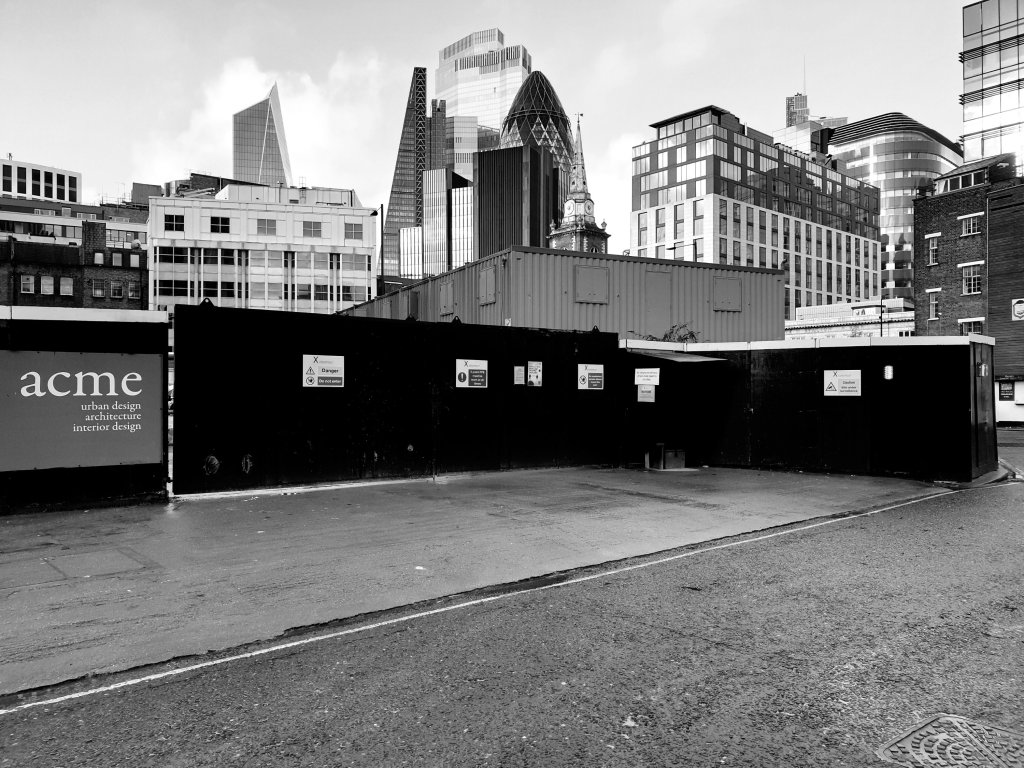
And this is the development site with the name of the vandals proudly displayed:-
Loughborough Bell Foundry is saved
I was very delighted to hear on the Today programme that the Heritage Lottery Fund has given a big grant to save Taylor’s, the other historically very important Bell foundry besides Whitechapel based in Loughborough.
I have known for a long time that the HLF had chosen to concentrate its funding and resources on Loughborough rather than Whitechapel.
I just hope that it helps raise the importance of Bell foundries, their cultural significance, and will enhance determination to save Whitechapel rather than undermine it at this critical juncture in the campaign.
https://www.bbc.co.uk/news/amp/uk-england-leicestershire-55355374


You must be logged in to post a comment.