
For those of you like me who are enthusiasts for Old Town Clothing (https://www.old-town.co.uk/), I strongly recommend the closest they will ever get to marketing, which is a short film shot in Super 8 by the filmmaker Jamie Muir on the marshes by Salthouse church in north Norfolk close to Holt where Old Town is based (once upon a time, it was in the old town in Norwich). It says nothing to indicate that the only thing they all have in common is that they are dressed in Old Town from head to foot, but those who know will know:-
Category Archives: Uncategorized
Old Masters New Spaces
I’m posting the details of a round table discussion I’m involved with in ten days time, partly because you would have to be fairly eagle eyed to find it and partly because it’s such a good and interesting topic – the Frick as presented by Marcel Breuer, hard to imagine:-
The USA
I follow American politics vicariously and not in any detail, because I love the country and don’t want to be distracted by its current political turmoil, but the attached photograph told me much more than I ever need to know about the current total corruption of its belief in liberty and free elections. It tells you more than any image I have ever seen of the corrosion of its values:-
Whitechapel Bell Foundry (66)
I have allowed my blog to rest for a bit, mainly because I spent most of last week absorbed by watching the Inquiry on which the fate of the Whitechapel Bell Foundry depends and have been discouraged from commenting in any detail on it.
The main presentations finished on Friday. I could not help but notice an imbalance between the presentations by the professional advisers working for Raycliff who have presumably been paid very large sums for their work over the last three years and ours who have mostly been working pro bono, but who were subjected to at least the same level – actually much greater – cross questioning over the details of their cost plans.
I very sadly missed the presentation by Adam Lowe on Thursday which was by all accounts brilliant, authoritative and funny, refusing to dance to the hostile lawyer’s questioning and demonstrating how superbly well qualified the Factum Foundation would be to running the Foundry as a working foundry, which is what we all want.
Now there is a day on the 27th. for public witnesses, a day of summing up, and a day when the Inspector visits Middleport. Then we wait and pray.
We still need £15,000, not least to pay our advocate who has done an absolutely brilliant job – tough, but invariably polite, and worth every penny. Any suggestions, please contact c@charlessaumarezsmith.com.
Tom Krens
I haven’t got a picture of Tom Krens in my book on museums because on Google every picture looked the same – the picture of an archetypal businessman, which I thought I could live without. But looking further, I have discovered a picture which I would have liked to use, but didn’t spot, from the Bennington Banner some time in the mid-1980s. It shows Joe Thompson on the left, who has just stood down as Director of Mass MoCA after 22 years, Tom Krens on the right, and I assume it is the young Michael Govan in the middle, making plans for Mass MoCA, which developed into the global expansion of the Guggenheim, the opening of Dia Beacon, and now the demolition of LACMA – a very evocative image of three people planning a museum revolution:-
Living Museums (2)
The other wonderful long interview in Living Museums is with Tom Krens, the charismatic ex-hippy, ex-Director of the Guggenheim Museum. In writing my book, I knew that he was important, but it was very hard to find out about his thinking. For Living Museums, he has been interviewed at great and revealing length, talking about where his ideas came from, many of them while smoking pot, as he describes it, and going through the Williams College slide collection night after night in the late 1970s. As I had assumed, but didn’t have straightforward evidence, many of his ideas came from Deconstructivism: ‘The 1970s were, of course, the golden age of French Deconstructivism, and Minimal and large-scale land-based art were mounting a challenge to the traditional norms of how art was made, exhibited, and transacted. The aesthetic and structuralist discourse could be applied to museums, and here was a real world, real-time opportunity to direct some of that thinking to a tangible endeavor that had just fallen into my lap’.
Living Museums (1)
I have just received too late to include in the bibliography of my museums book, let alone any reference it it in the text, a very fascinating collection of interviews of the most important recent museum directors by Donatien Grau, who works at the Musée d’Orsay, under the title Living Museums: Conversations with Leading Museum Directors. It begins with interviews with Michel Laclotte and Alan Bowness – Bowness fascinating on his collecting philosophy- and includes an interview with Irina Antonova, the remarkable Director of the Pushkin Museum, who started working there in 1945 and only retired in 2013. I have just got to Peter-Klaus Schuster on the subject of the Neues Museum: ‘Chipperfield’s Neues Museum is a ruined temple with almost Piranesi-like qualities, a temple of remembrance like a palimpsest, with its damaged pieces of archaeology that directly reveal to Museum Island visitors the dignity, beauty, and sense of transience from antiquity to the nineteenth and twentieth centuries. All the archaeological fragments are combined in a great collage that belongs to the archaeology of modernism – a very intelligent reconstruction concept, in my opinion !’
Romilly Saumarez Smith (1)
I have been included in the mailing for Romilly’s next exhibition, which, like the Goldsmith’s Fair, is organised wholly online by a new and interesting online gallery called Living Object, which happens to be based nearby, but since it is purely online could be based in Timbuktu. I particularly admire the Madagascan ammonite extruding gold and diamonds:-
https://mailchi.mp/875fb999c858/goldsmiths-fair-online-4640601?e=9dc0f9b85b
Higham Hill Common Allotments
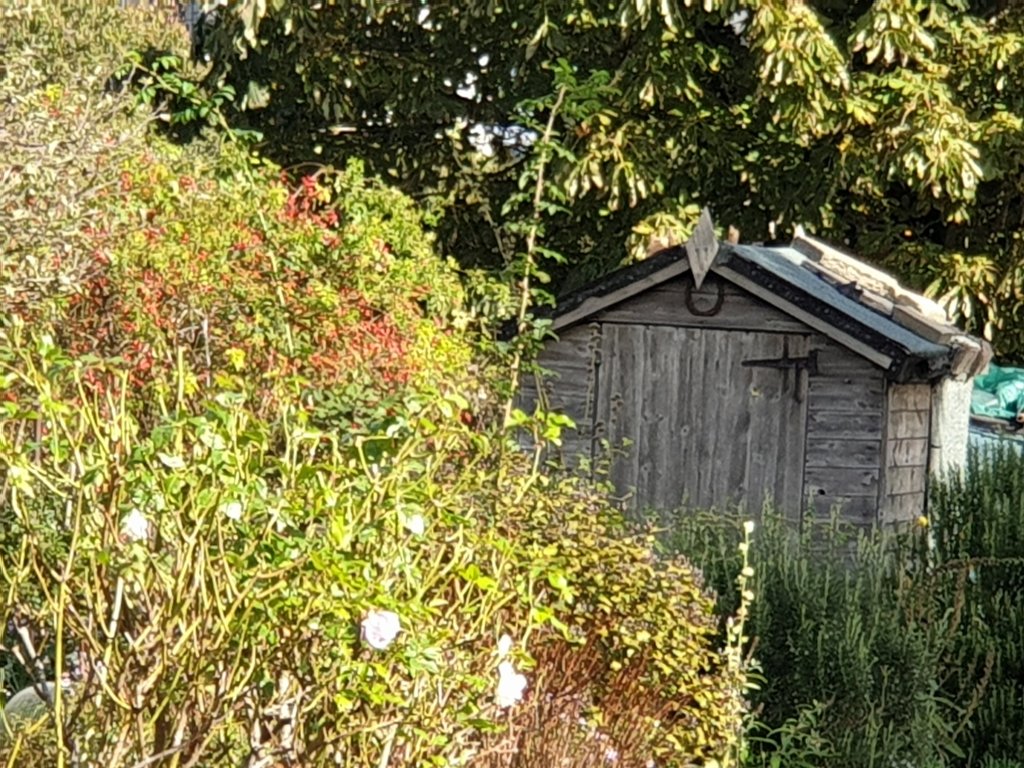
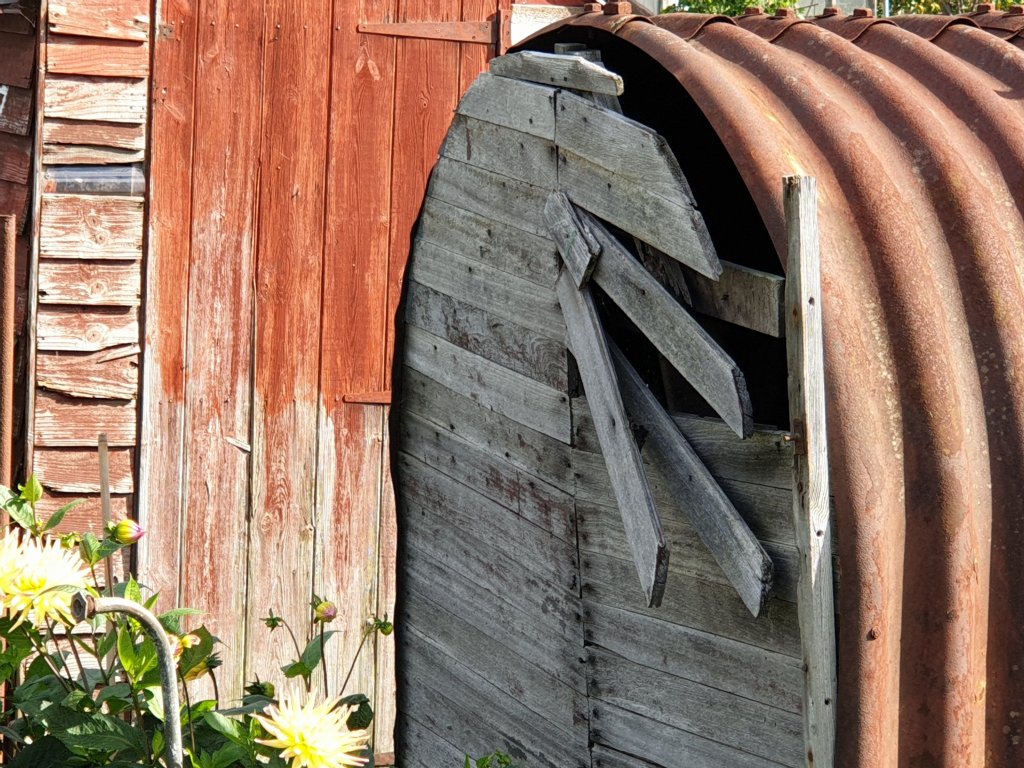
We went on a trip to Walthamstow to see one of the oldest allotments in London, ten acres of common land opened not long after the passing of the Inclosure Act in 1850 and cultivated in small plots ever since:-






Whitechapel Bell Foundry (65)
I can’t not post the photographs by John Claridge in today’s Spitalfields Life: they are so powerful, so densely textured, so beautifully composed and, above all, so recent. It was all intact in 2016 – the sense of history, the accumulation of dirt, the feeling that one was walking into another era. The argument has been that the moment it was closed, it is impossible to resurrect, but the building is still there, the memory, all the records, some of the people who worked there, providing it continues to be used for its original purpose, but not as a hotel:-
https://spitalfieldslife.com/2020/10/09/john-claridge-at-whitechapel-bell-foundry-o/


You must be logged in to post a comment.