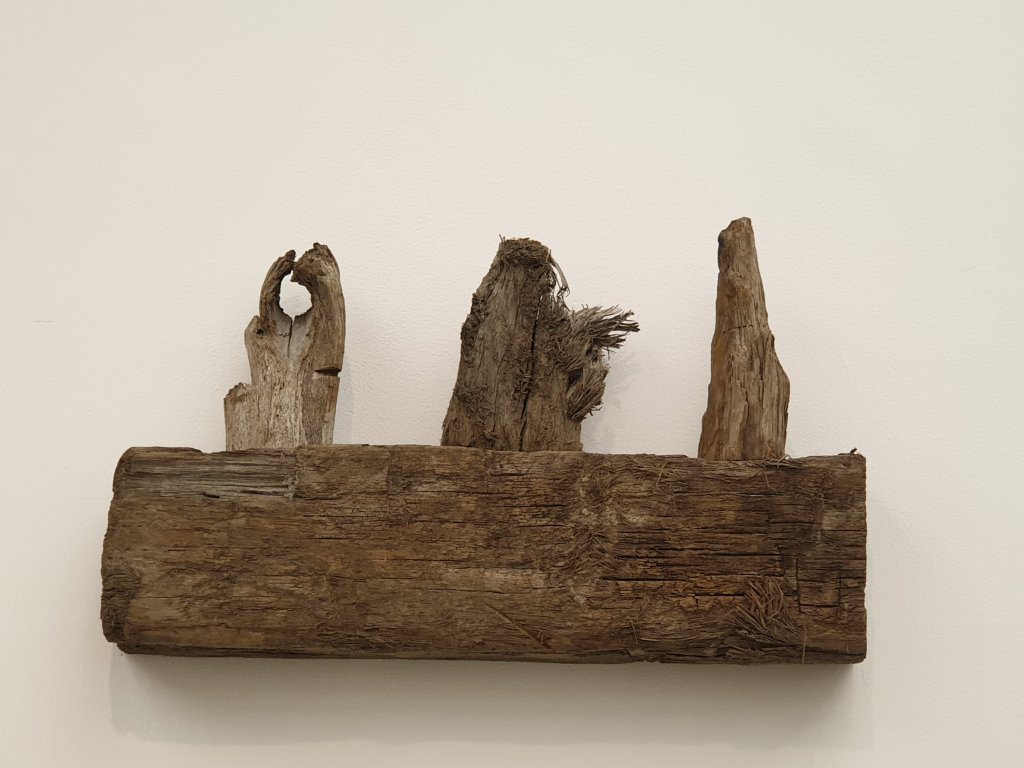
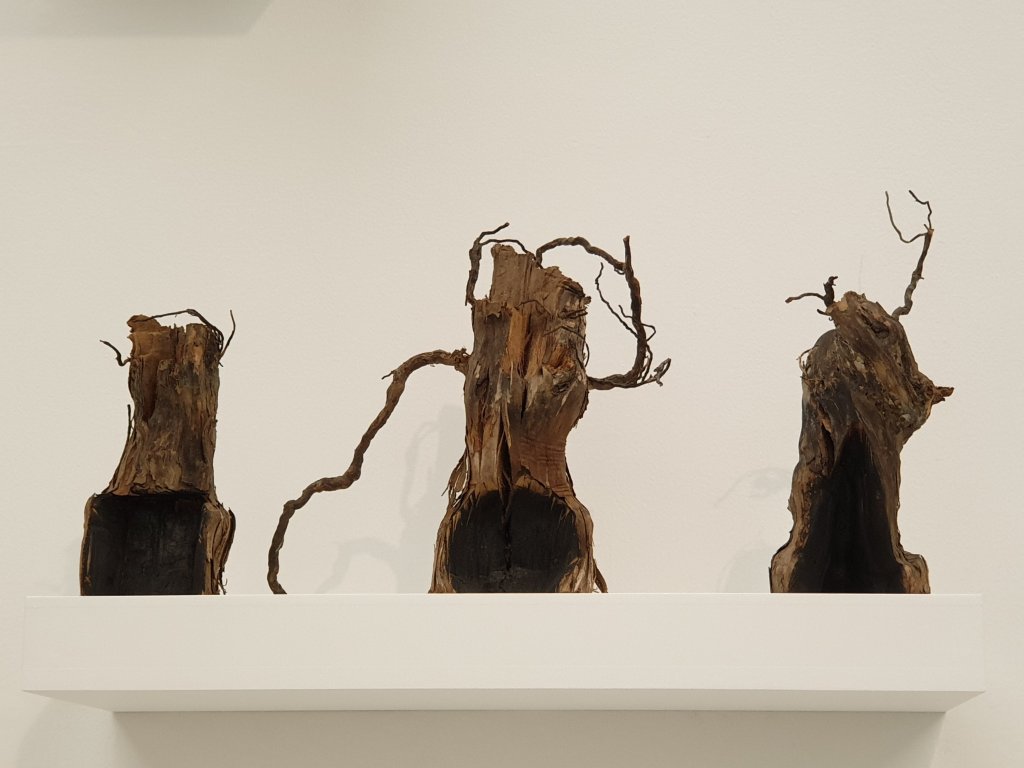
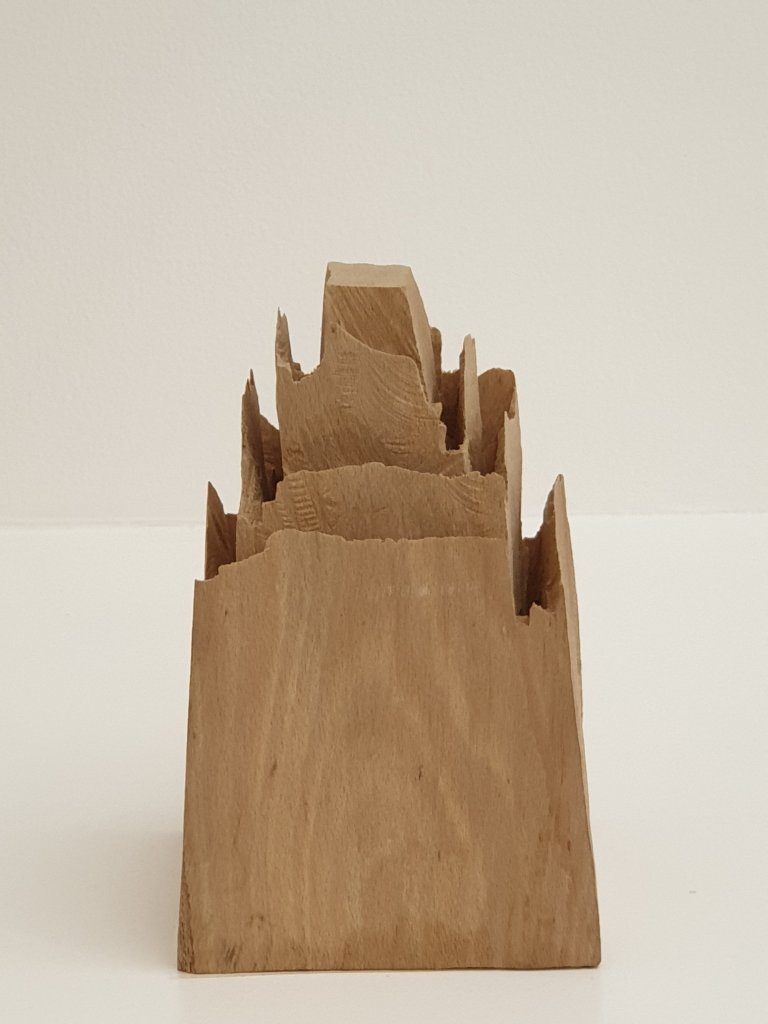
MONA (1)

So, this is MONA (the Museum of Old and New Art), the museum which I’ve travelled to the other end of the world to see:-
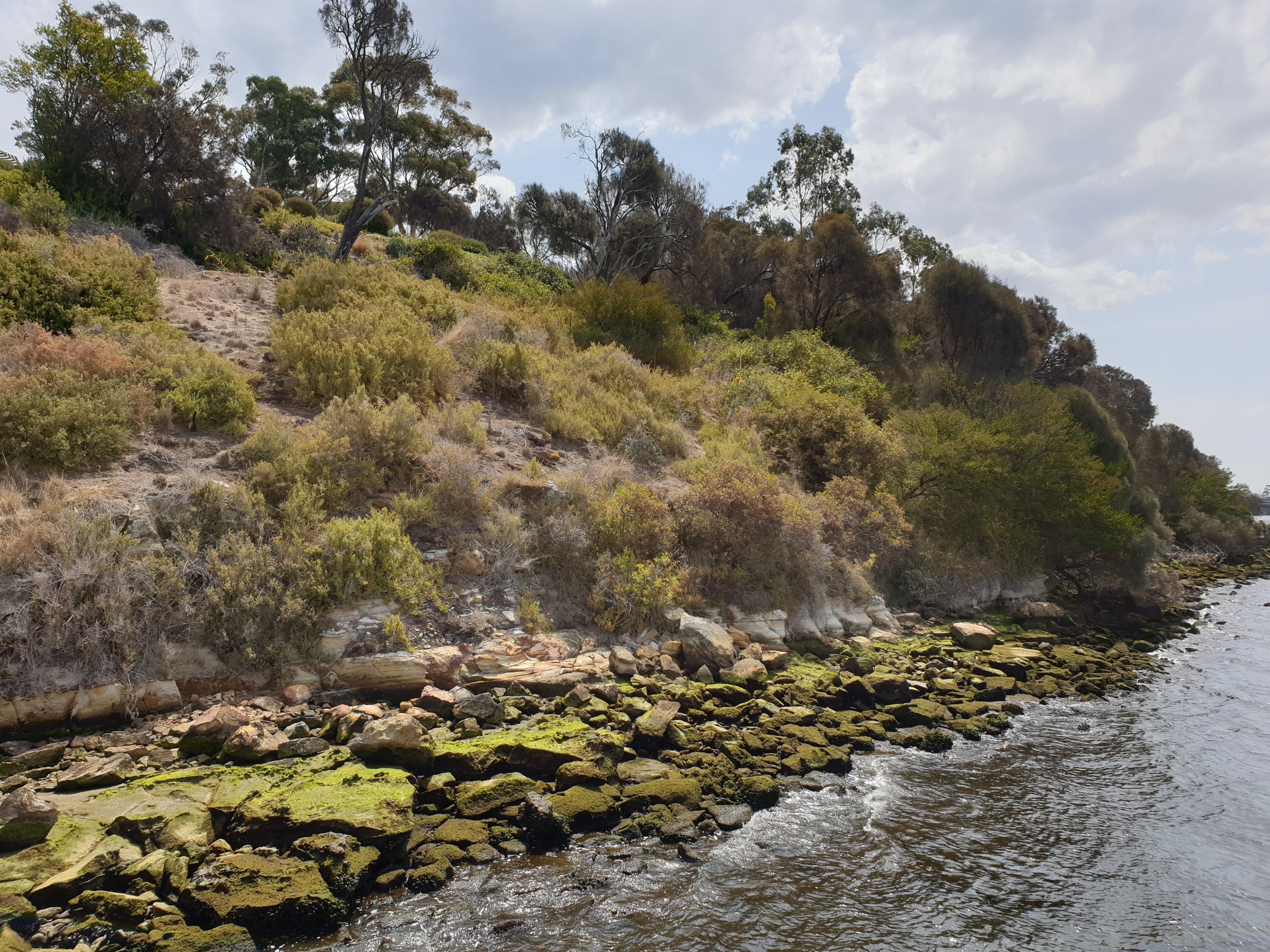
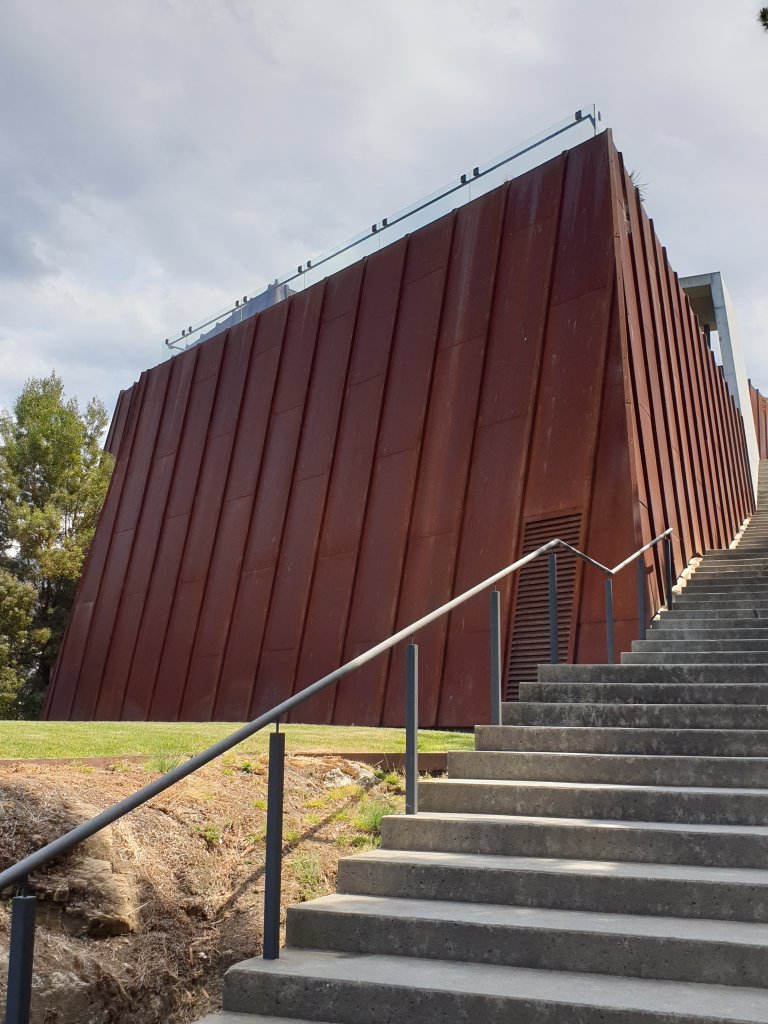
I was told to arrive by boat, but didn’t. If so, I would have had to climb these steps:-
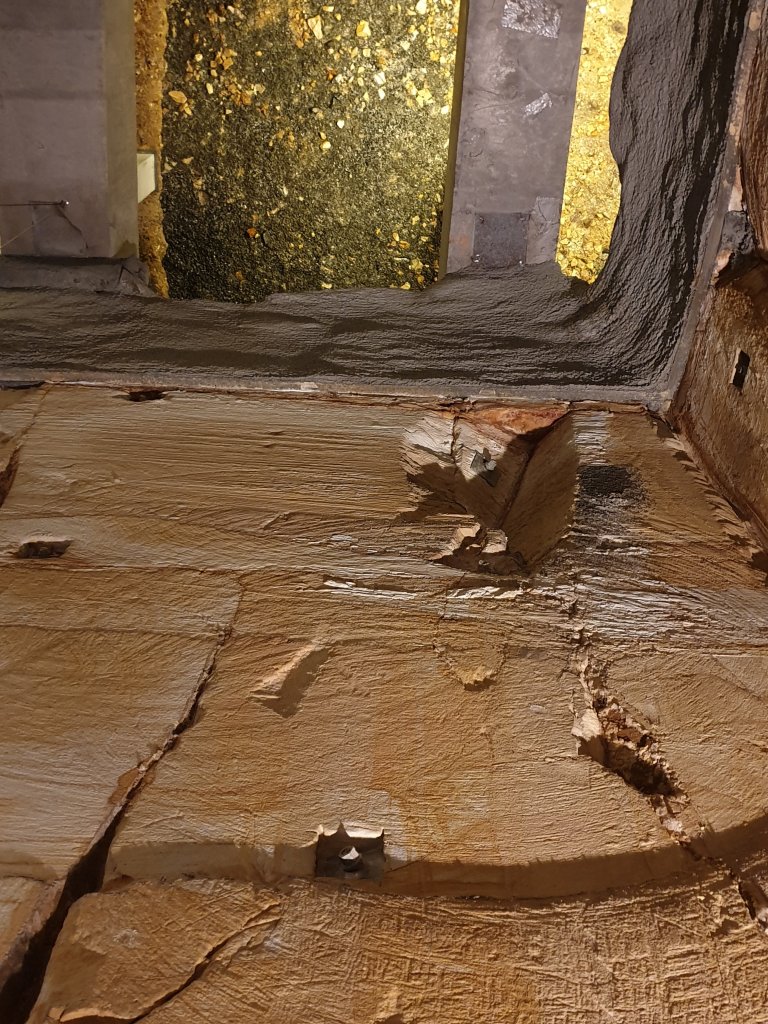
The museum itself is underground (deeply), reached down steps carved into the rock:-
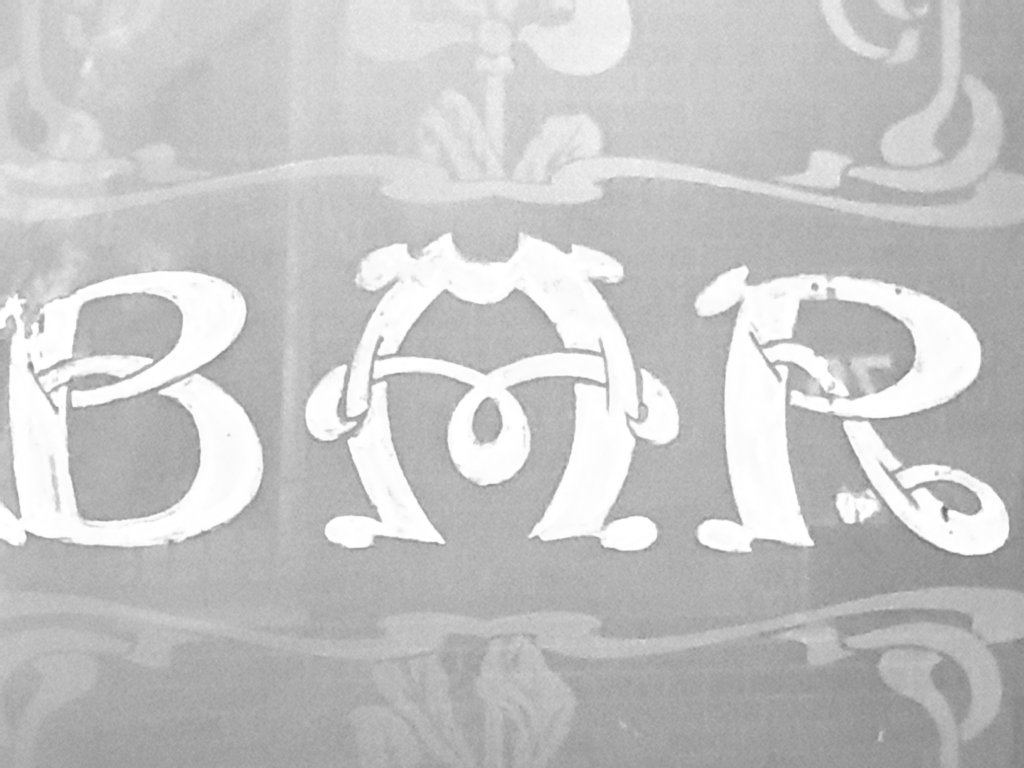
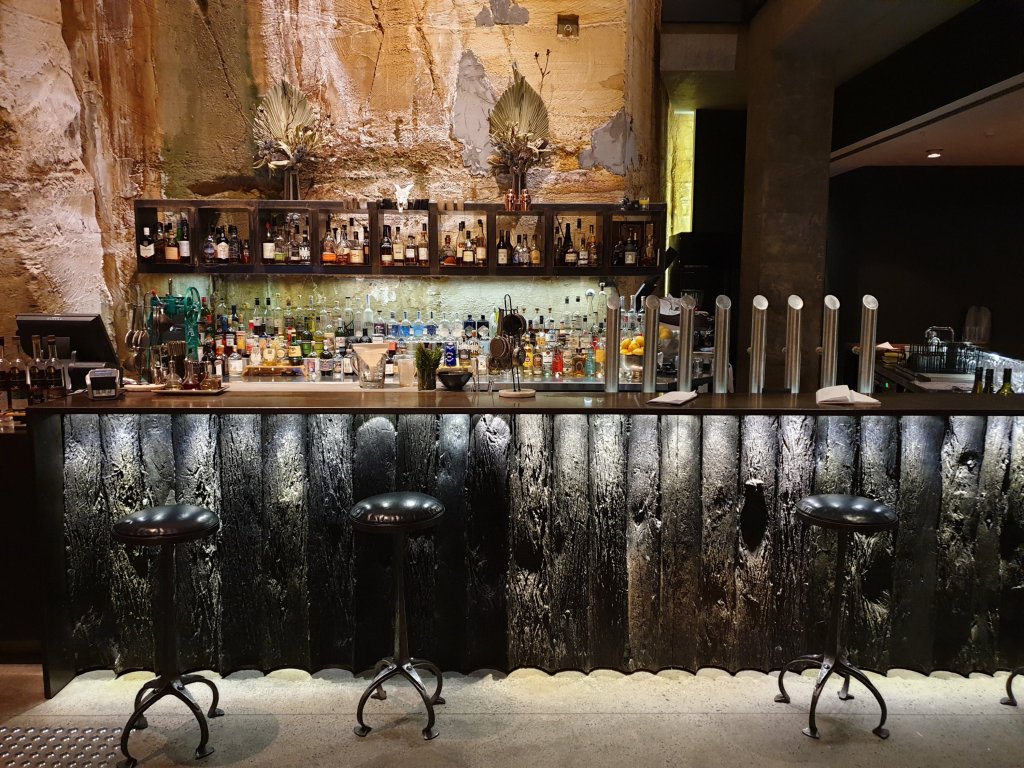
First things first (or thirst). There’s a very fine bar:-
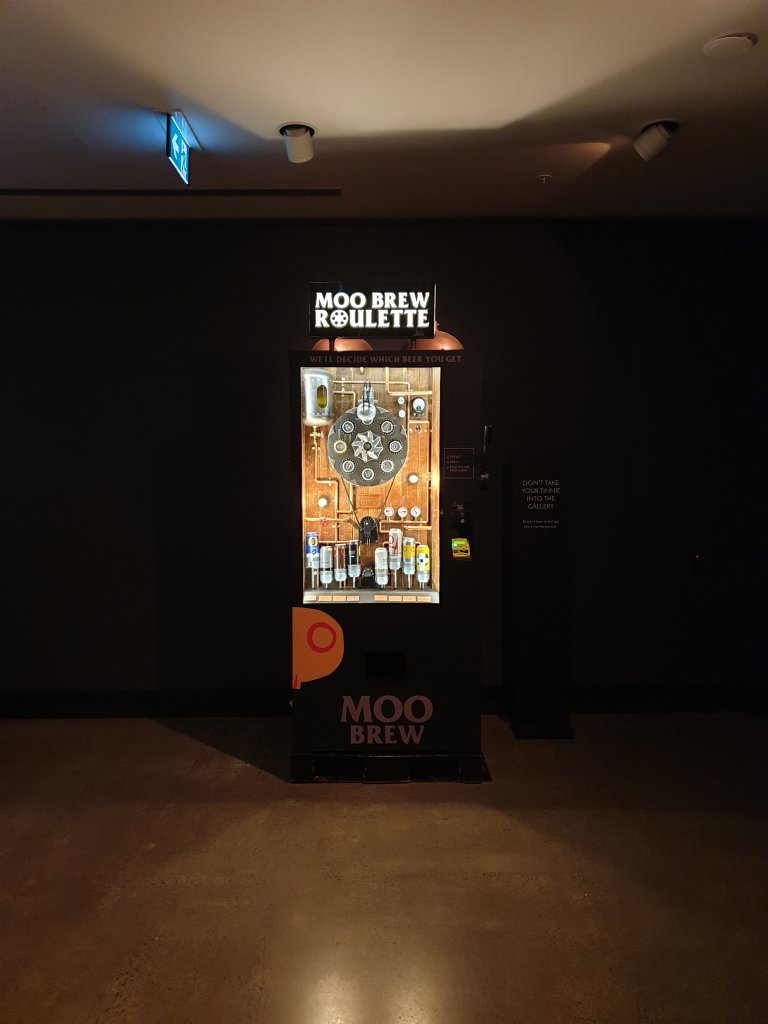
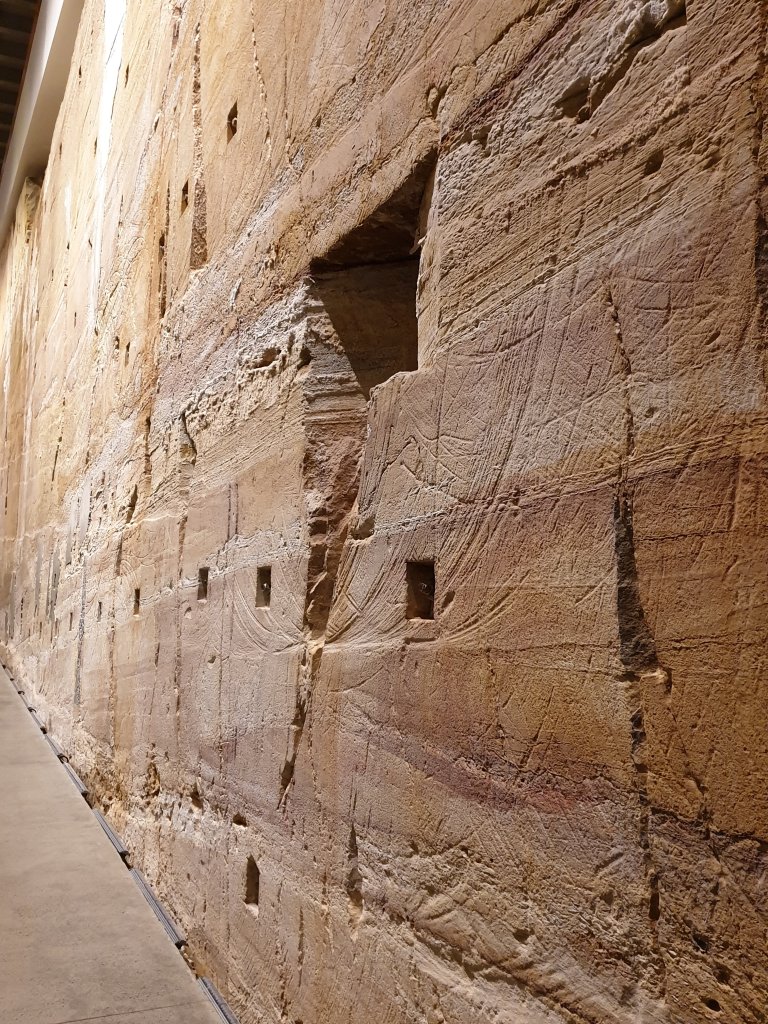
The rockface:-
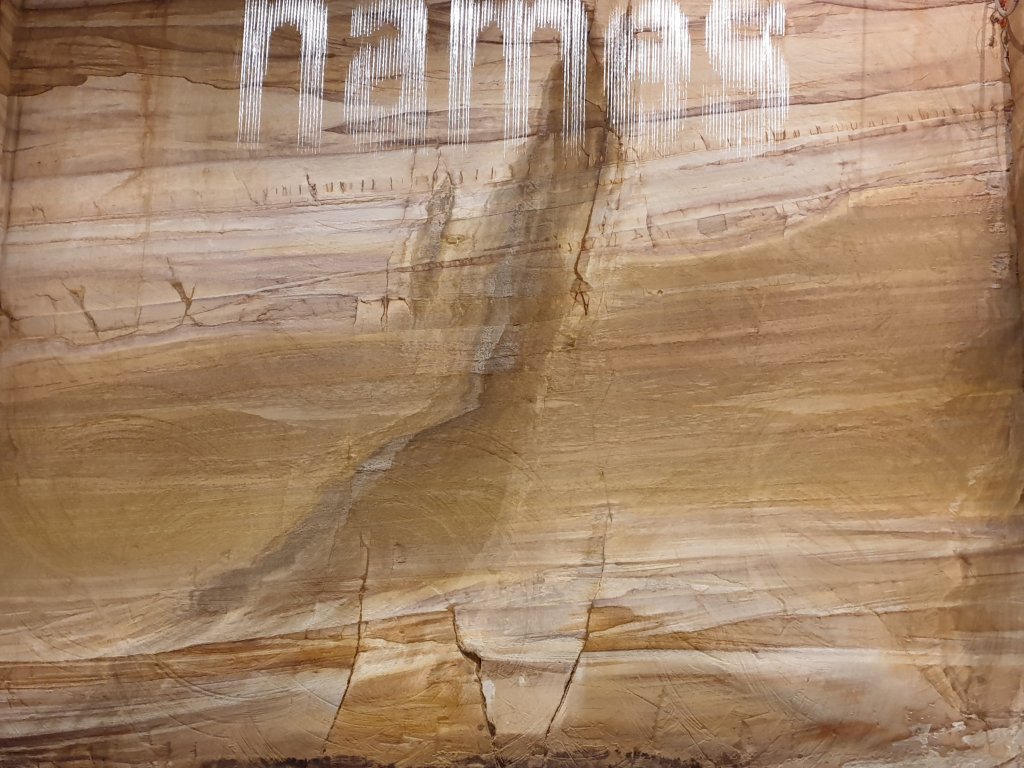
Of course, museums were originally purely about wonder – a mixture of art, technology and natural phenomena:-
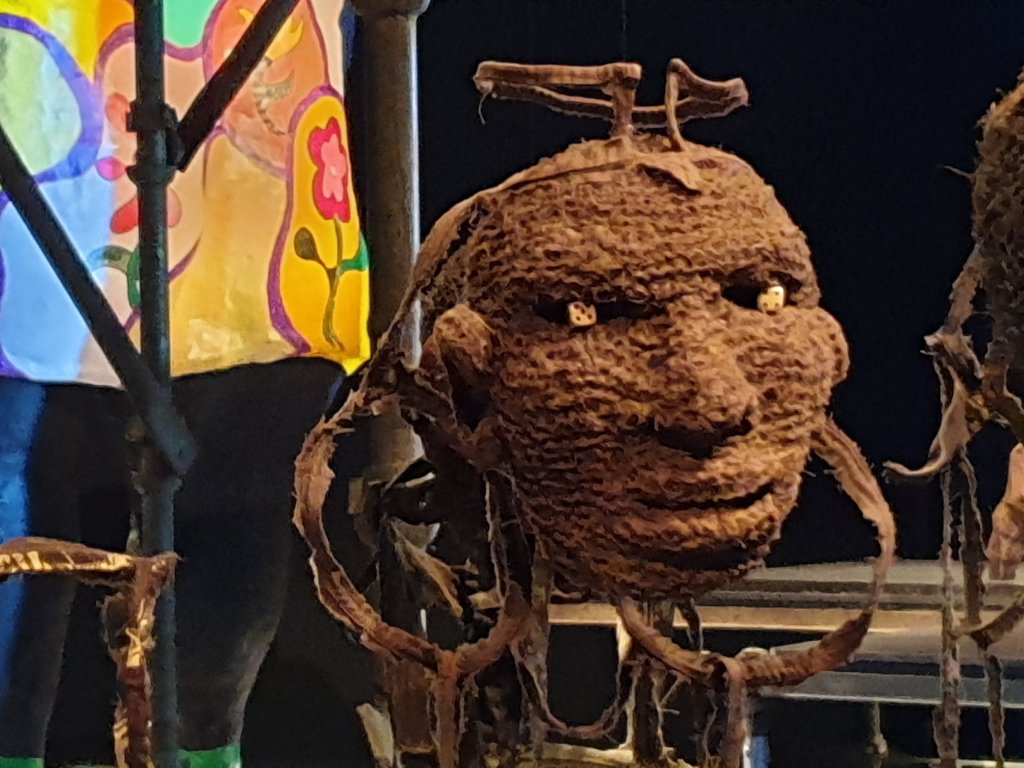
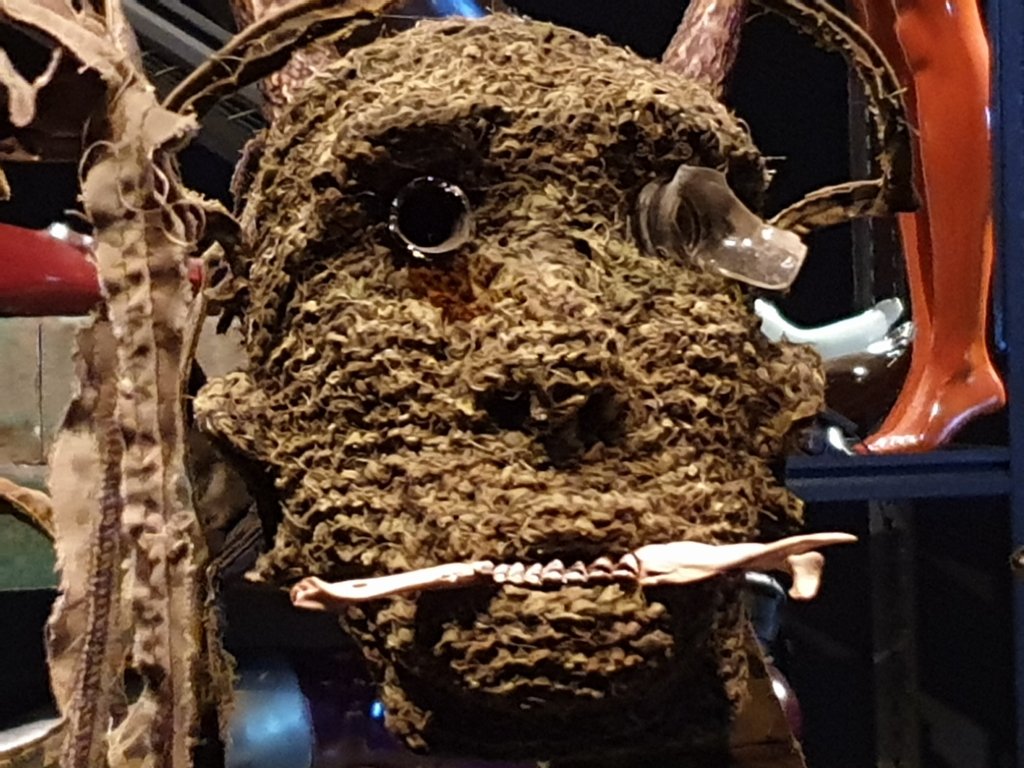
It takes time, partly because all the information is contained on an Apple app called O and I’m hopeless at working out how to manage it. I like All the King’s Men by Fiona Hall, a kind of anthropological Rocky Horror Show:-
There’s a version of Richard Wilson’s 20:50, as beautiful and surprising as when I first saw it in the Saatchi Gallery:-
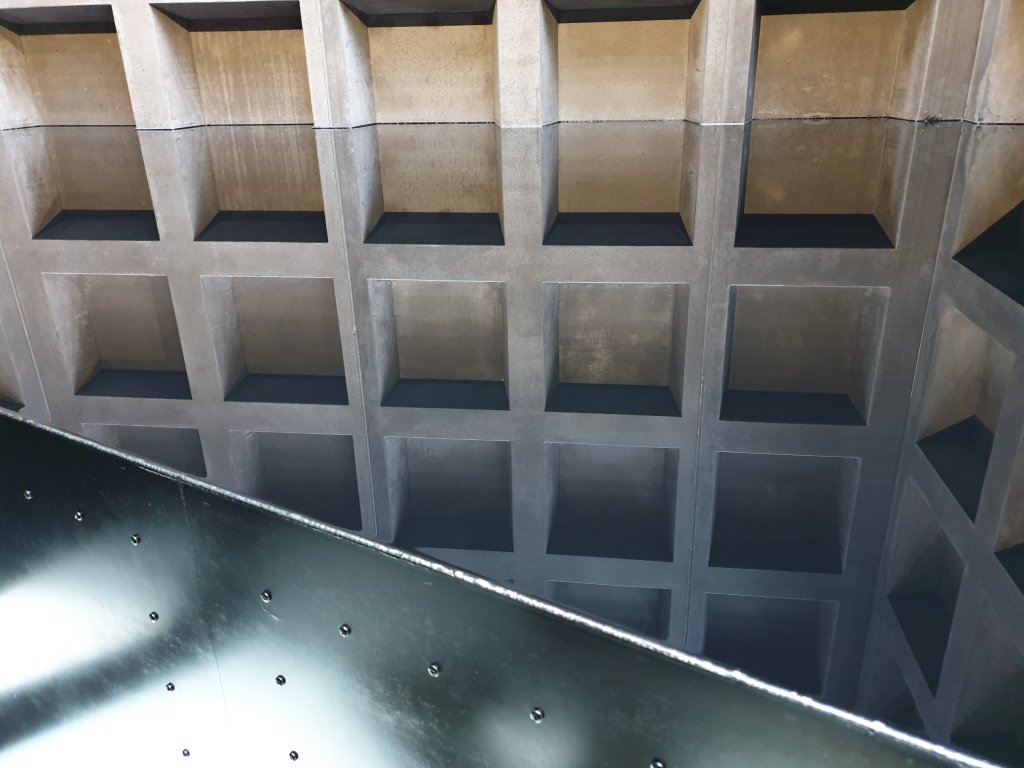
At this point, I discover the ‘art wank’ feature on the app which tells one rather more about the work than one wants or needs to know;  but good that it is there.

Onwards and upwards:-
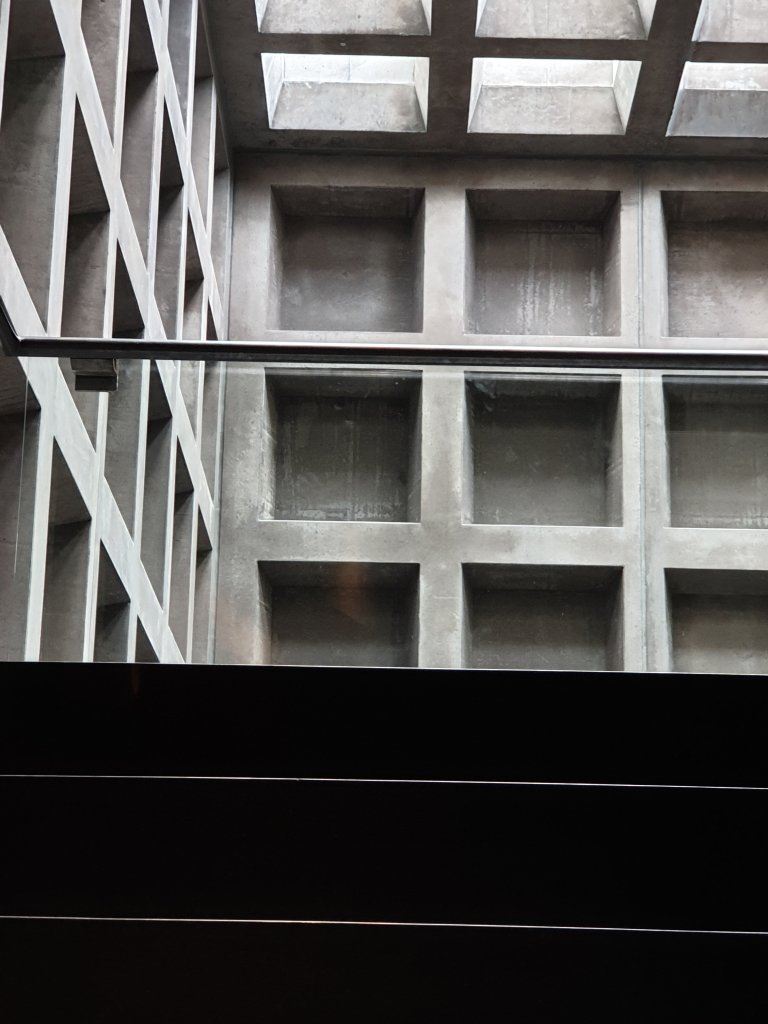
The Washer by Francis Upritchard (NZ, but lives and works in London):-
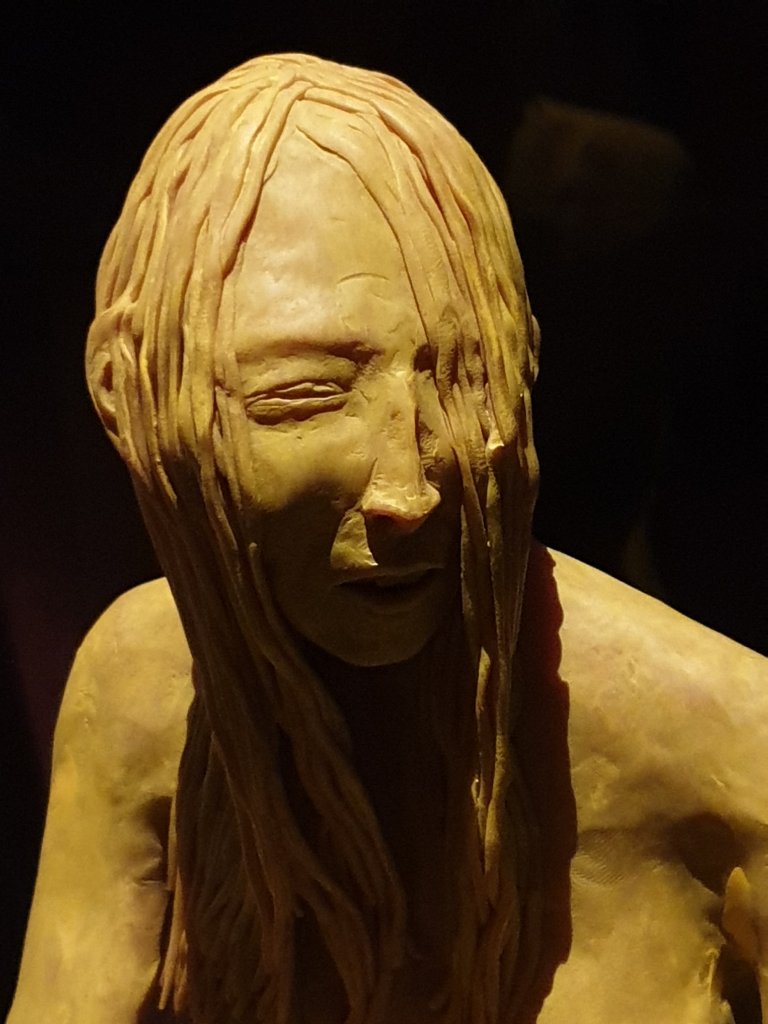
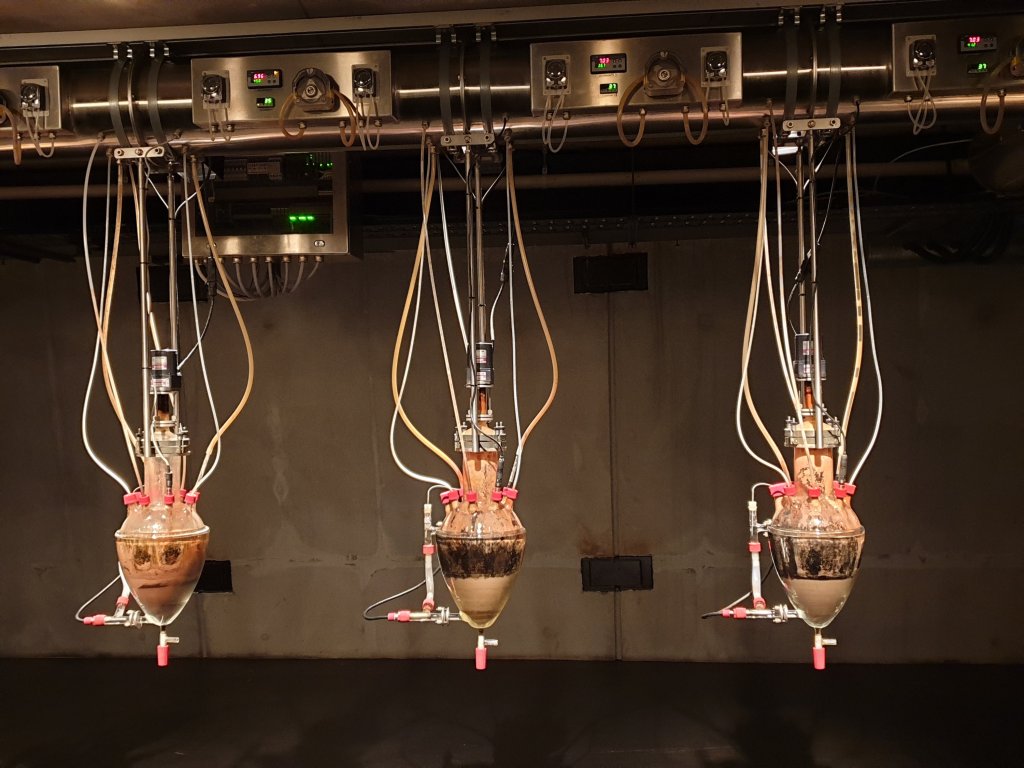
Cloaca Professional by Wim Delvoye:-
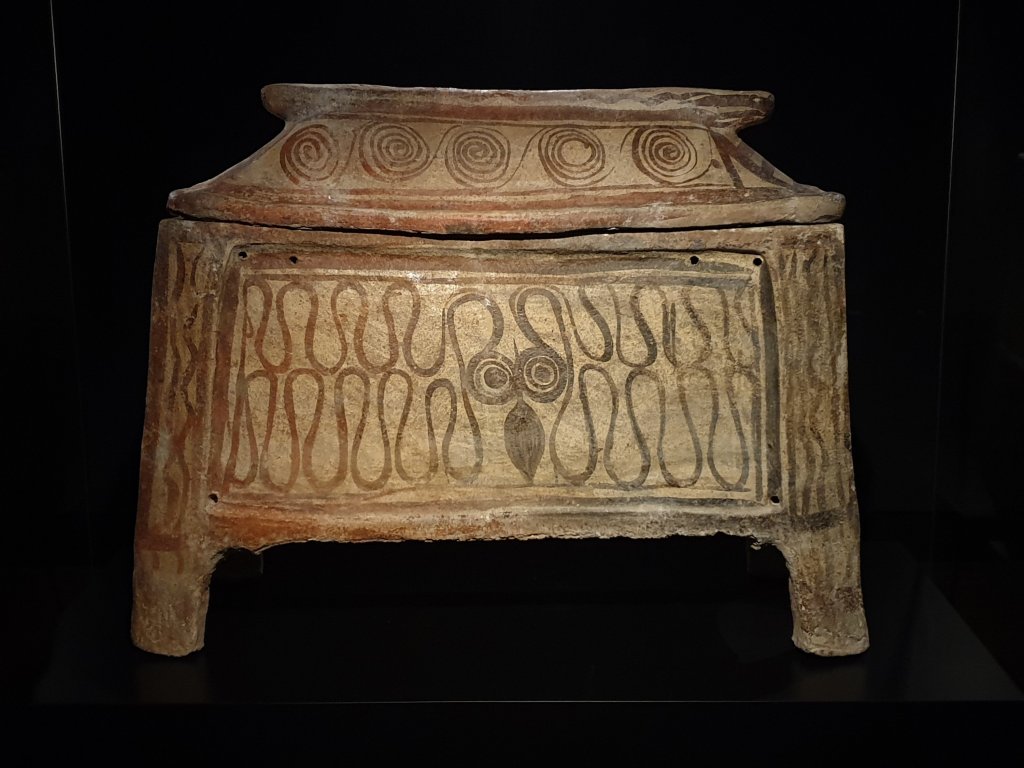
Then, you come across a late Minoan chest:-
I read in an interview that the chief curator was inspired by the Soane Museum and I can see that there are elements of Soane in it: the mixture of contemporary and old; the sense of discovery. But it’s one of a kind: an anti-museum, more in the world of magic than the Enlightenment.
Standard

Sydney (1)

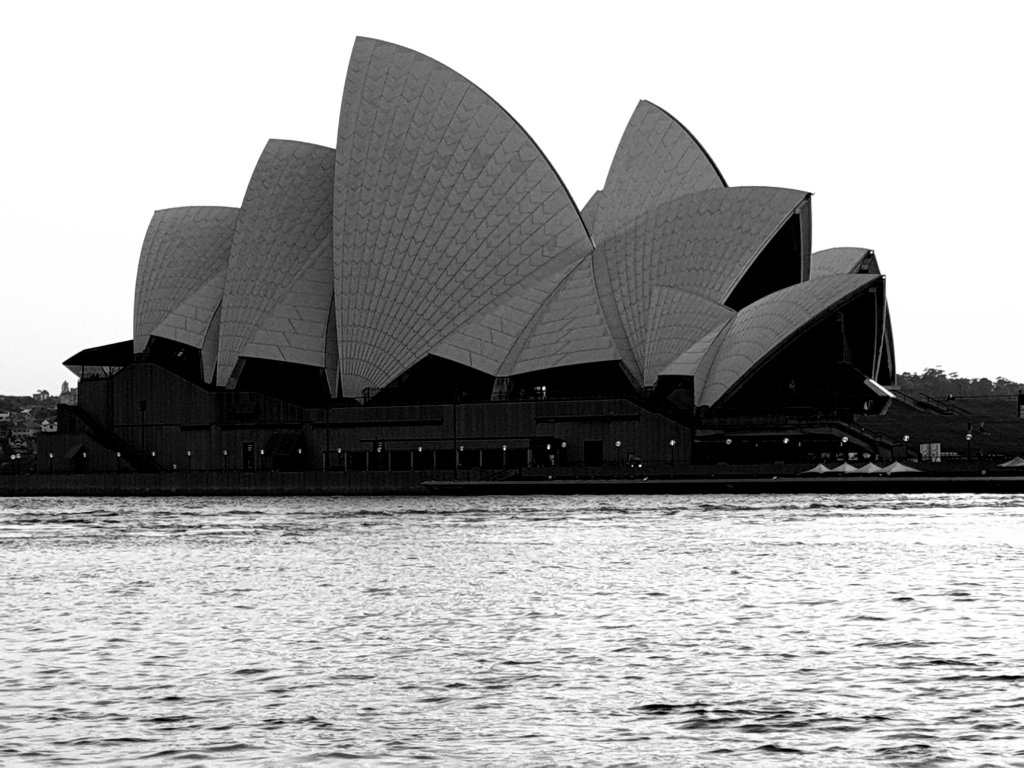
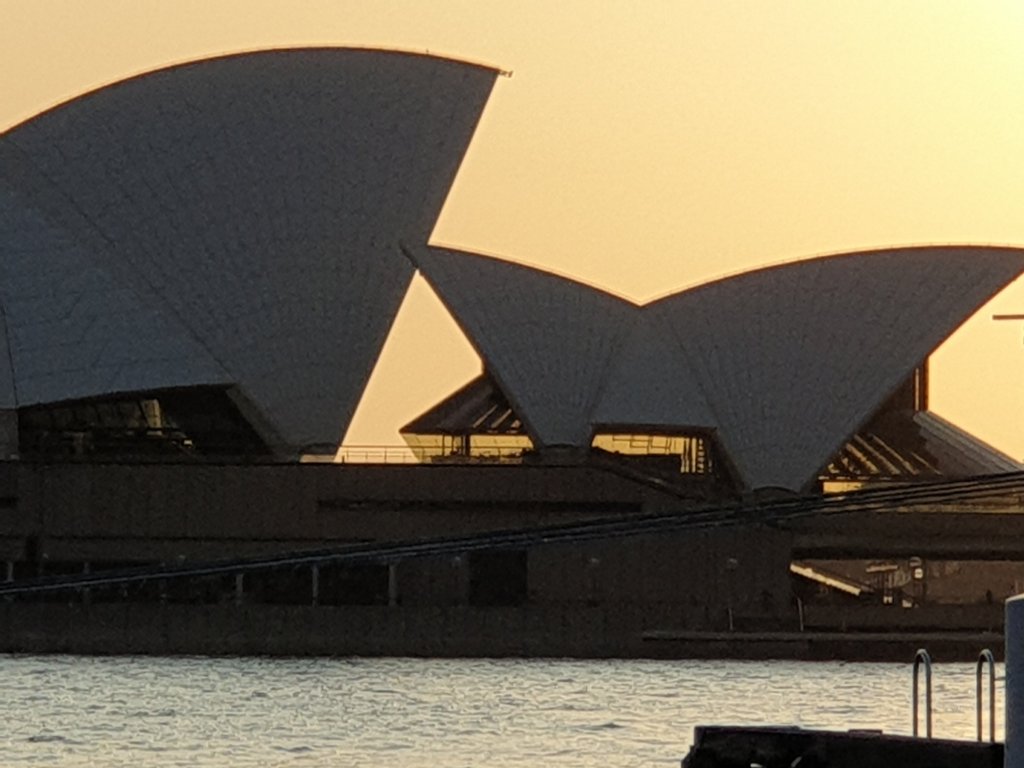
Given the condition of multiple jet lag, I got up early to see the sun rise on the Sydney Opera House (what you could see of it beyond a monster ocean liner):-

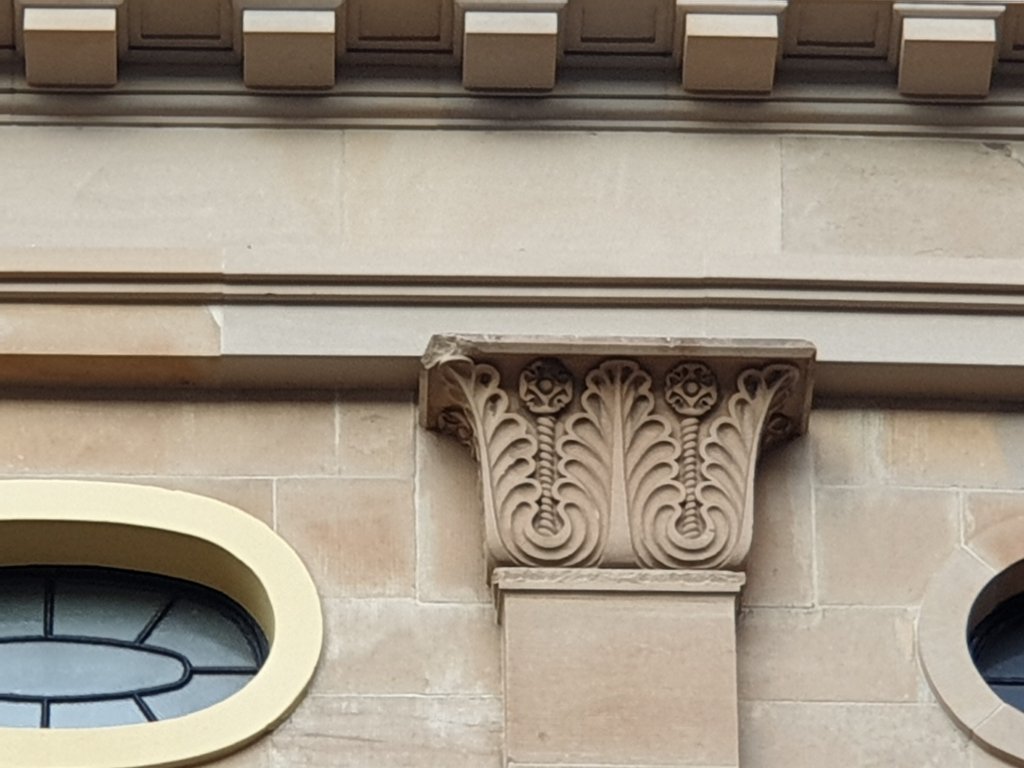
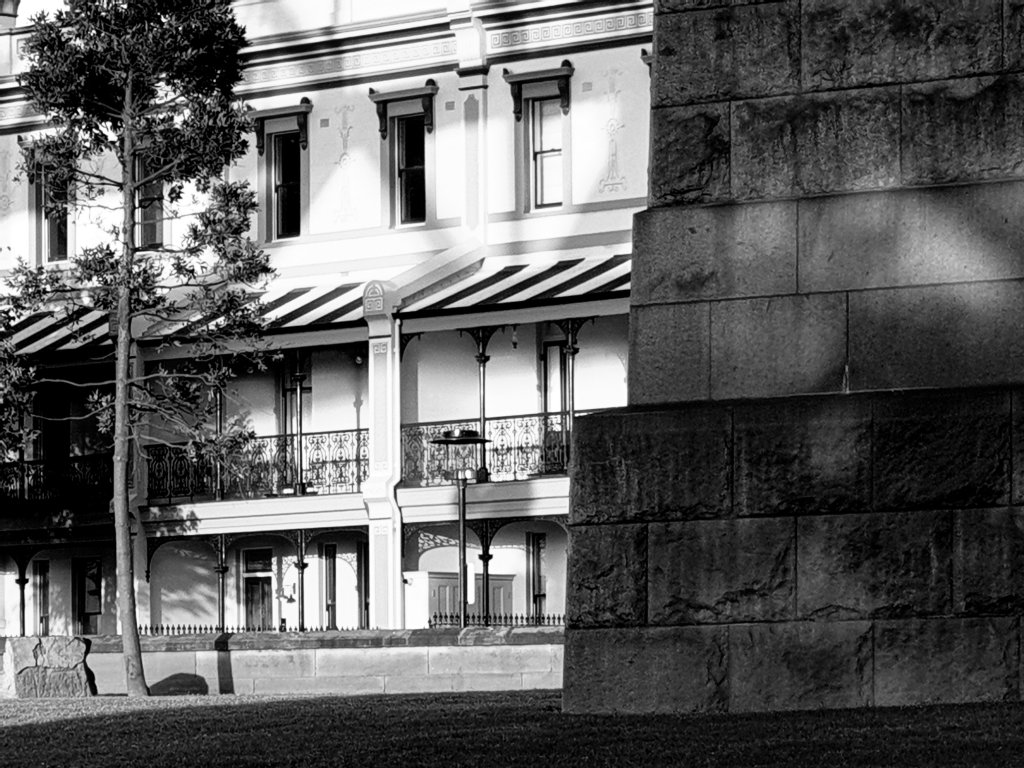
Then I wandered round the Rocks which I remembered as being full of well-preserved late Victorian houses.

The Rawson Institute for Seamen, a former mariner’s church, now a bar:-

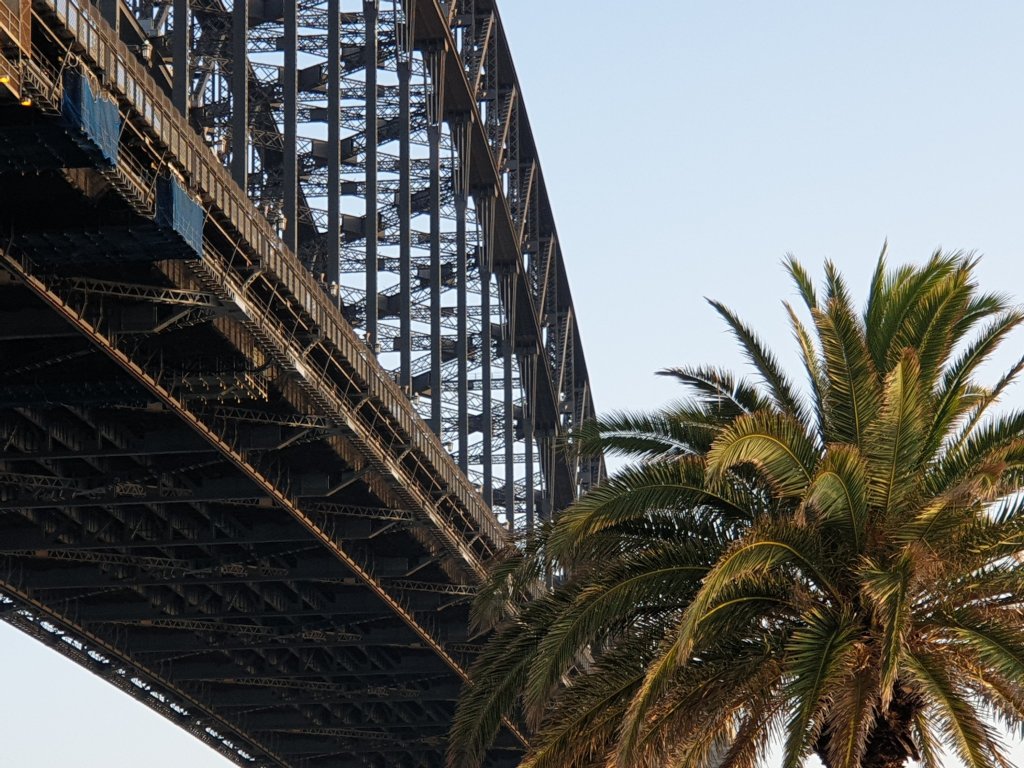
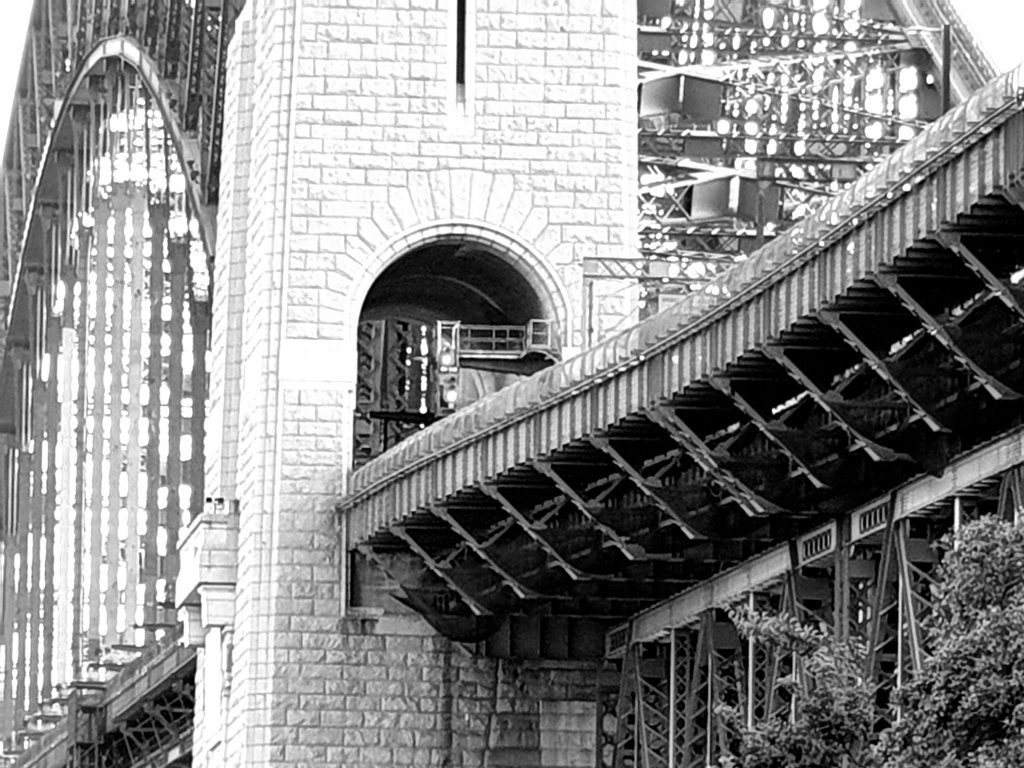
Down to Sydney Harbour Bridge, which I had assumed was a piece of Victorian emgineering, but turns out to have only been completed in 1932, based on the design of the Tyne Bridge which is why it looks so familiar:-

Then, up to Lower Fort Street:-

And back for breakfast:-

Standard

Louvre Abu Dhabi (3)

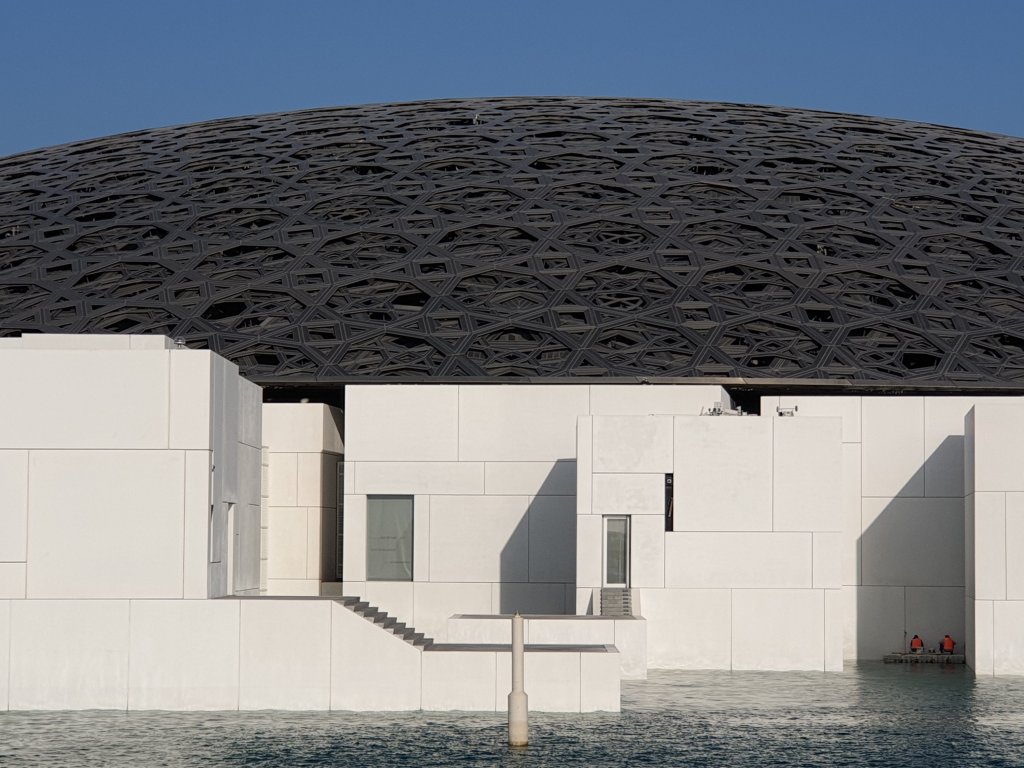
To begin with, I wasn’t convinced by the imagery of the multiple watch springs combined with a flat dome, making the Louvre look a tiny bit like an alien spacecraft, landed with treasures from around the world, but it has the virtues of intellectual coherence and confidence, which I’m sure was what was intended, and is more impressive than any other recent museum that I can think of: most like the Getty in its construction of a universe:-

Standard

Louvre Abu Dhabi (2)

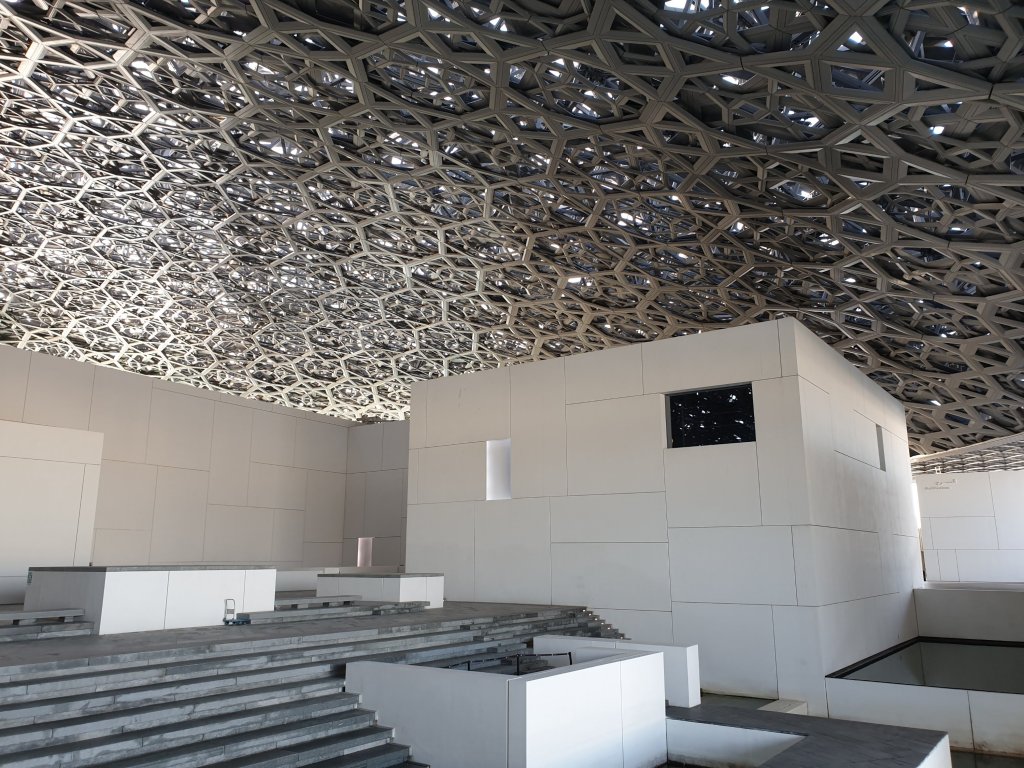
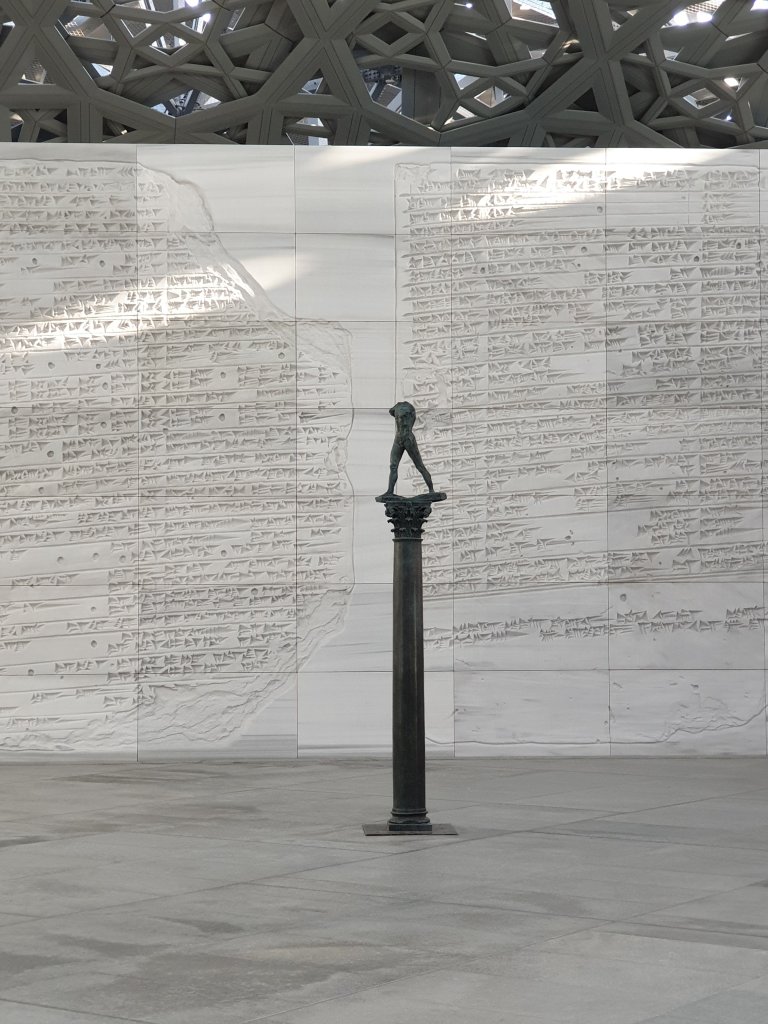
I have just had the briefest, but most exhilarating introduction to the treasures of the Louvre Abu Dhabi, first of all to Jean Nouvel’s astonishing interiors – more interesting inside than outside because you get a sense of the depth of the shallow dome and the way in which light plays through it:-

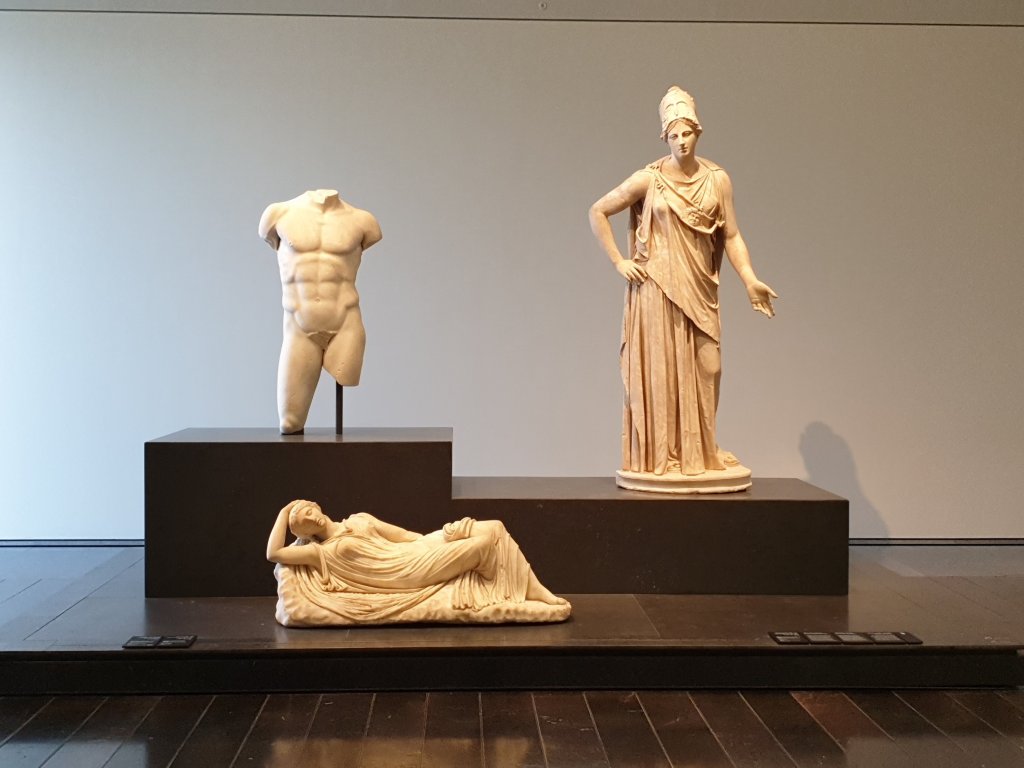
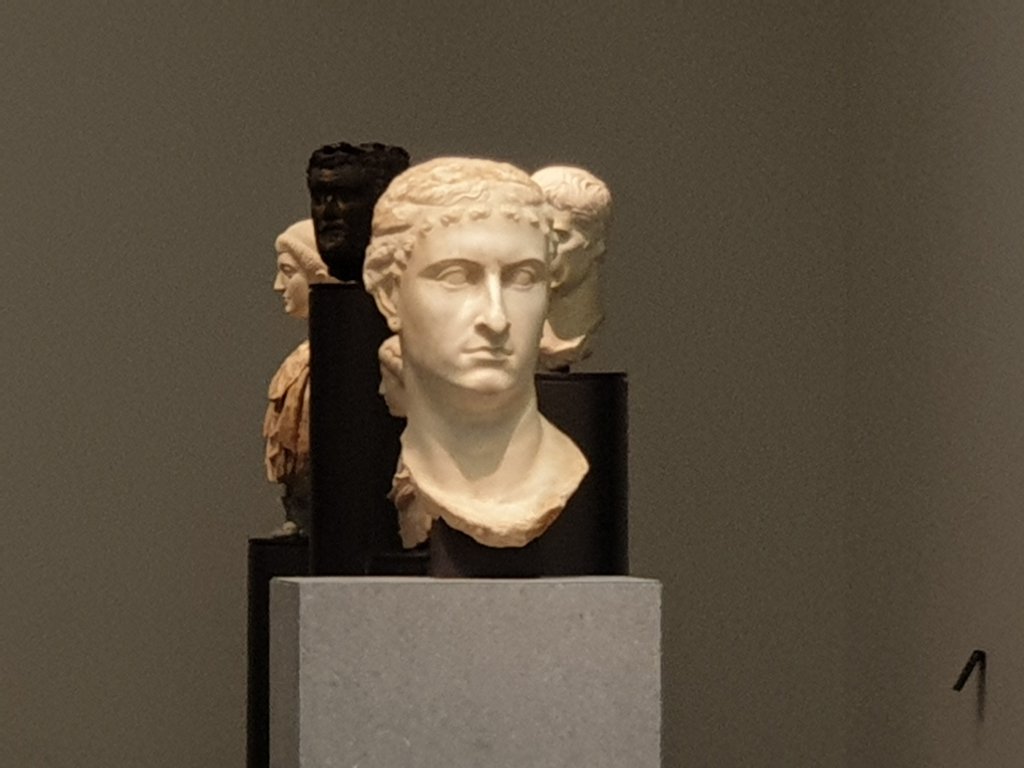
And then the briefest of walking tour introductions to the thinking behind the displays: the dream of the Universal Survey Museum, extended to cover all cultures and all religions through time, starting with antiquity:-

All religions – Christian, Muslim, Judaism, Buddhism – and, in the nineteenth century, primitive masks alongside the Impressionists. I didn’t have time to digest it, but it is certainly done with the utmost intellectual confidence and displayed beautifully and authoritatively in display cases designed by Nouvel as well, which gives it a strong sense of systematic integration.

Then, I had to leave for Sydney (the museum is closed on Mondays).

Standard

Louvre Abu Dhabi (1)

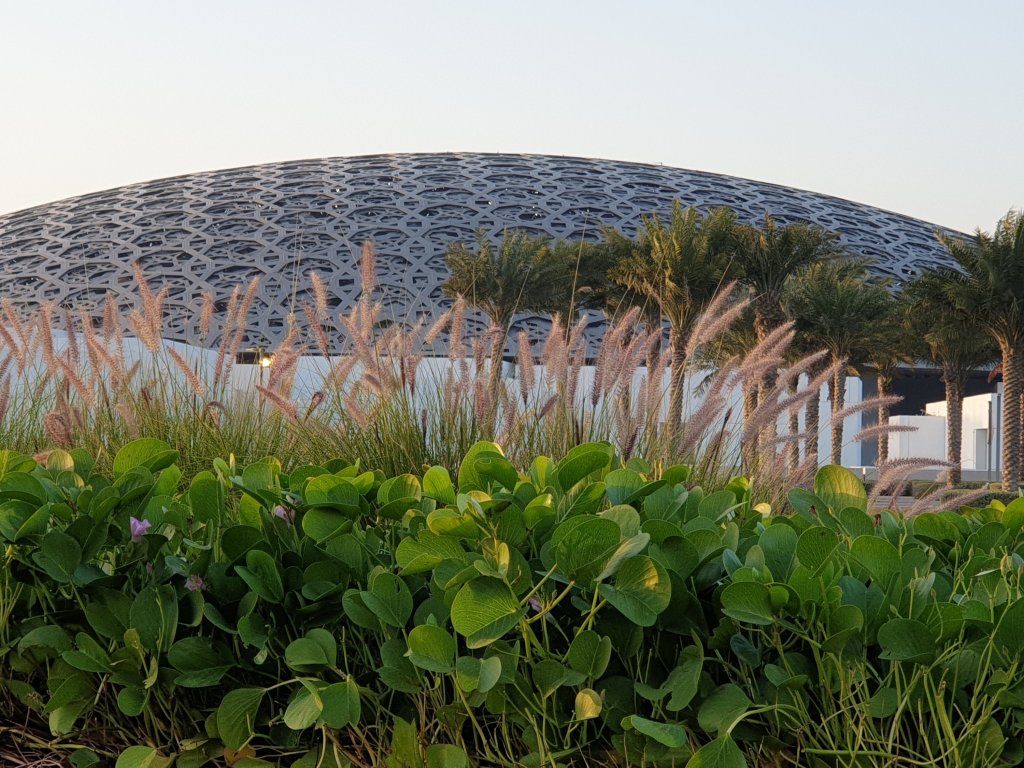
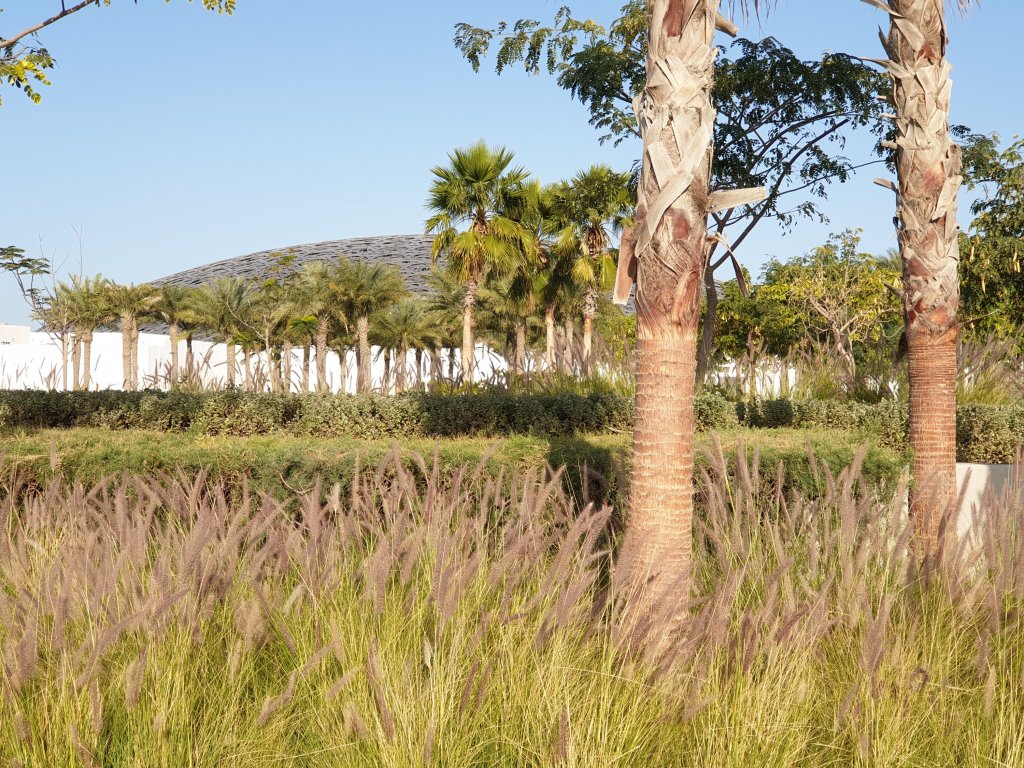
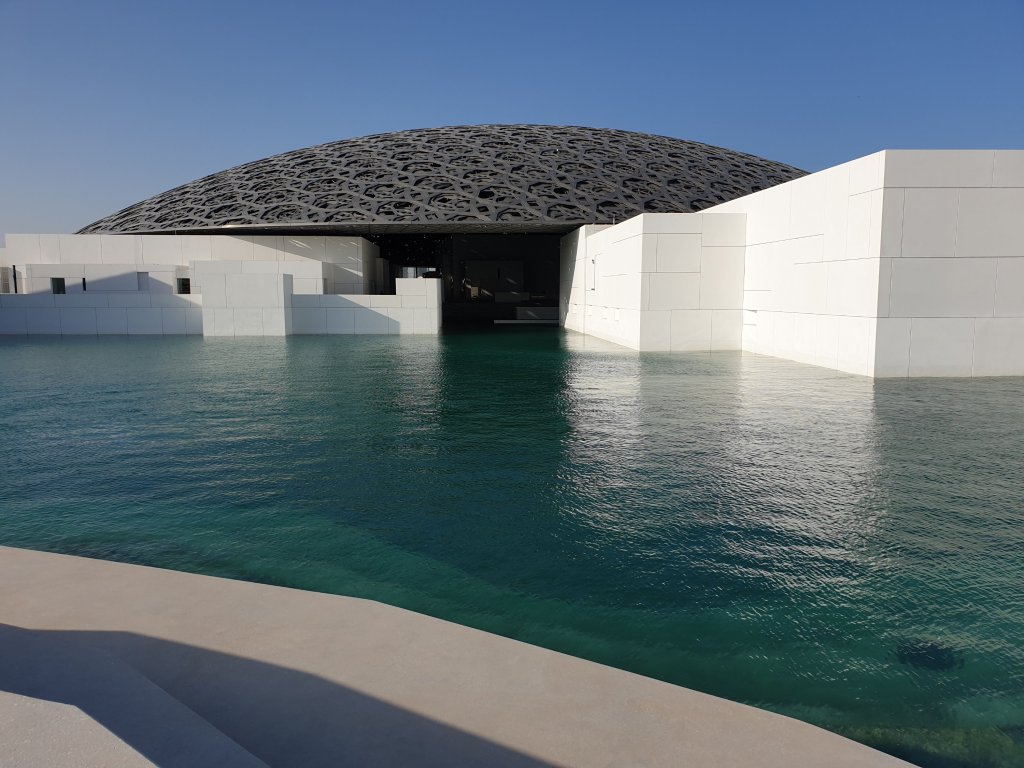
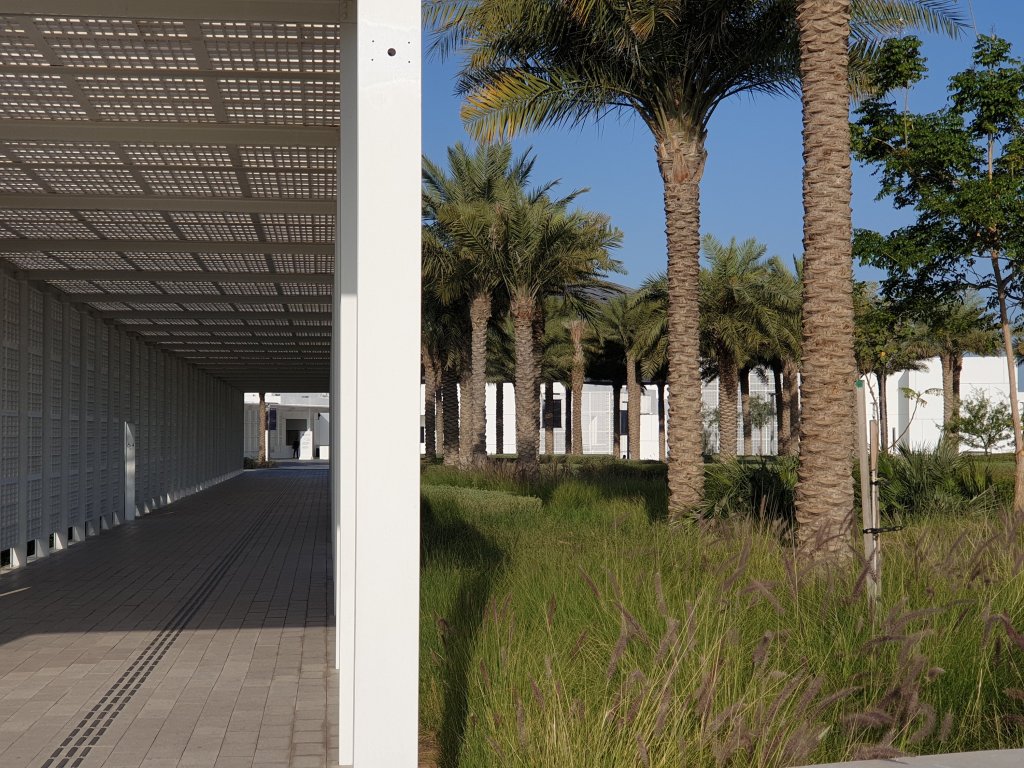
I wanted to see the new Louvre early in the day before it’s too hot later. It hovers mysteriously in a big parkland of fresh planting:-

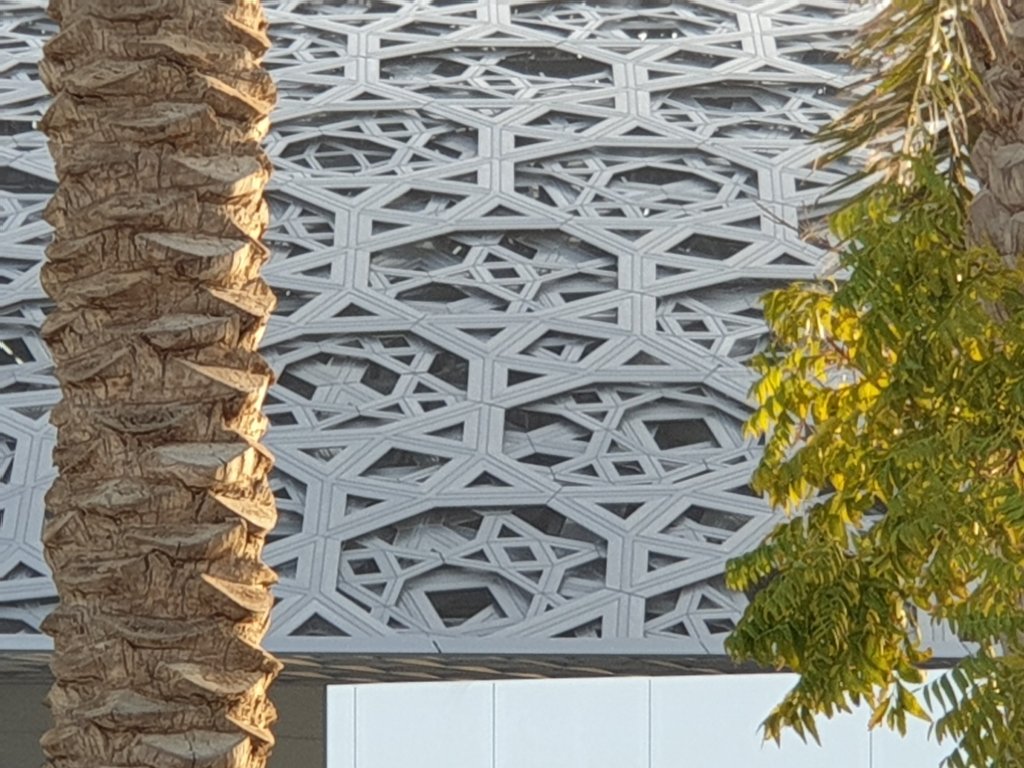
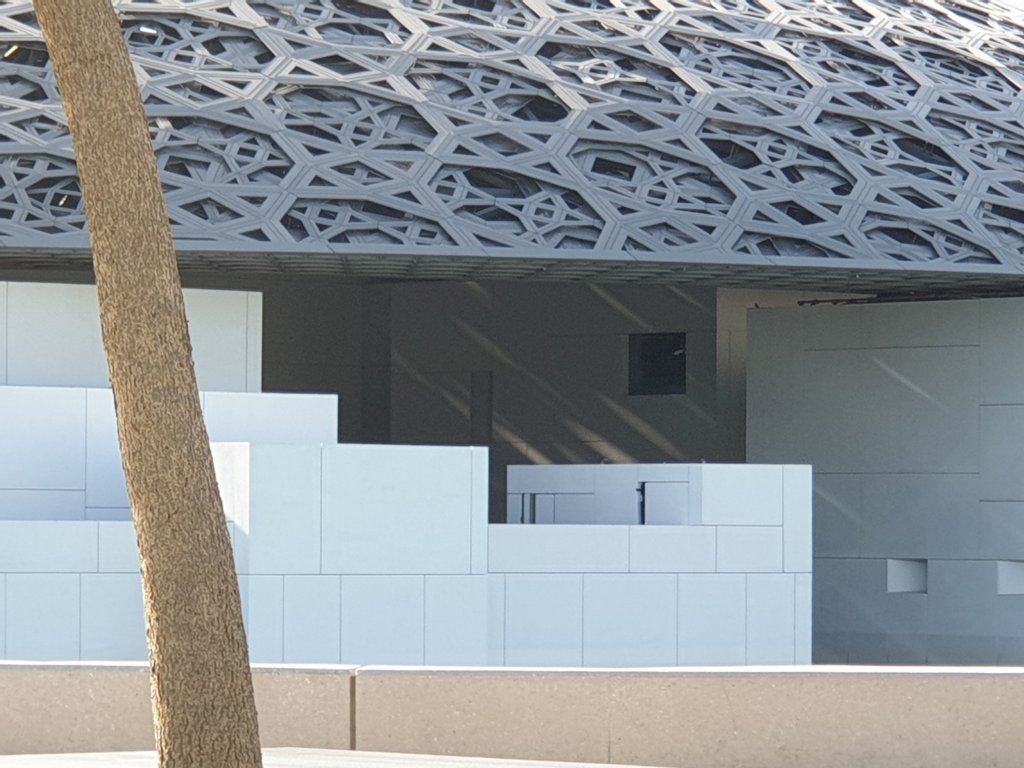
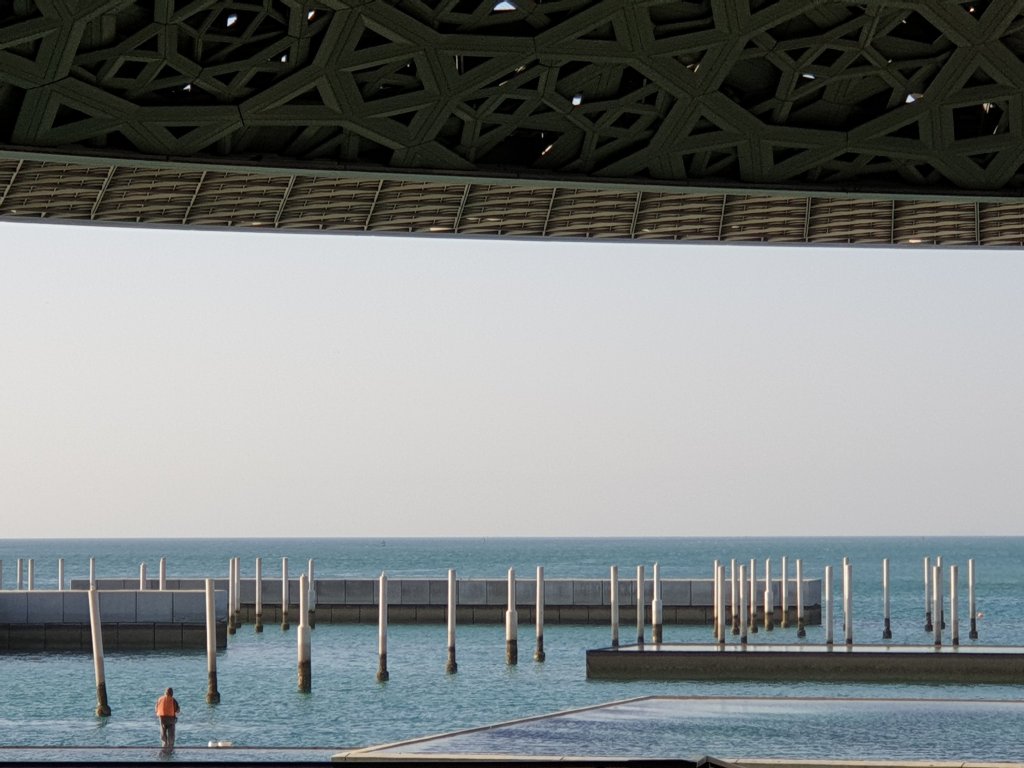
Up close, it’s impressive – a great shallow dome of what look like watch springs, close to the water:-

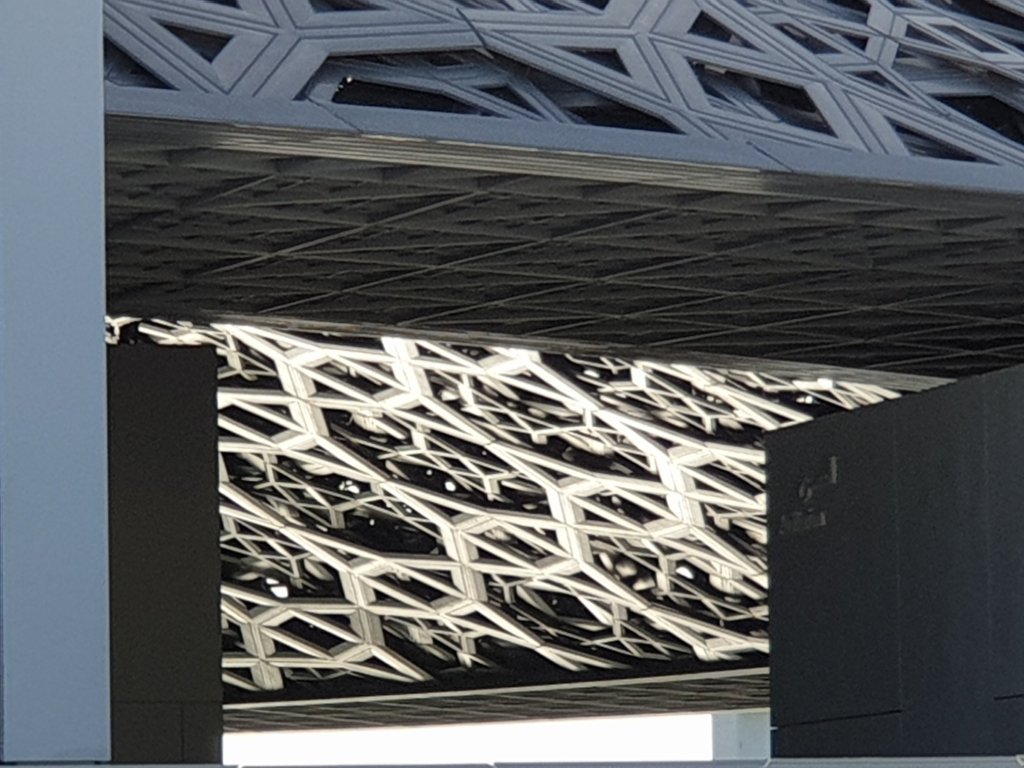
From some angles, you get no more than a glimpse of what happens under the dome:-

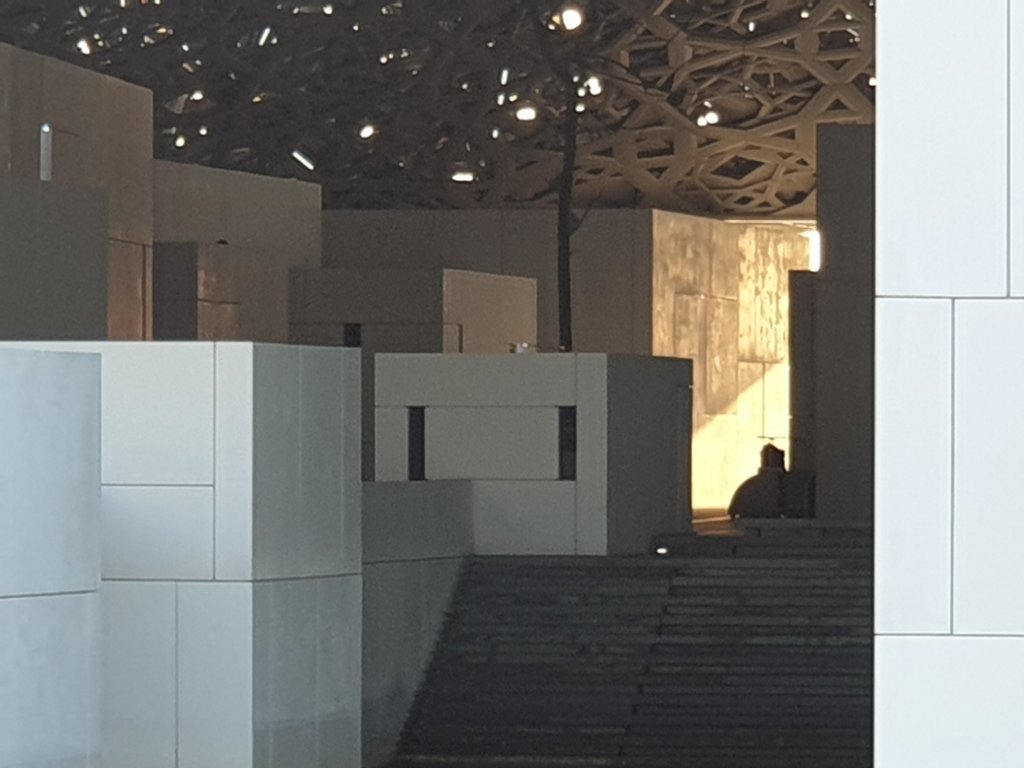
I will discover later:-

Standard

Wickham’s

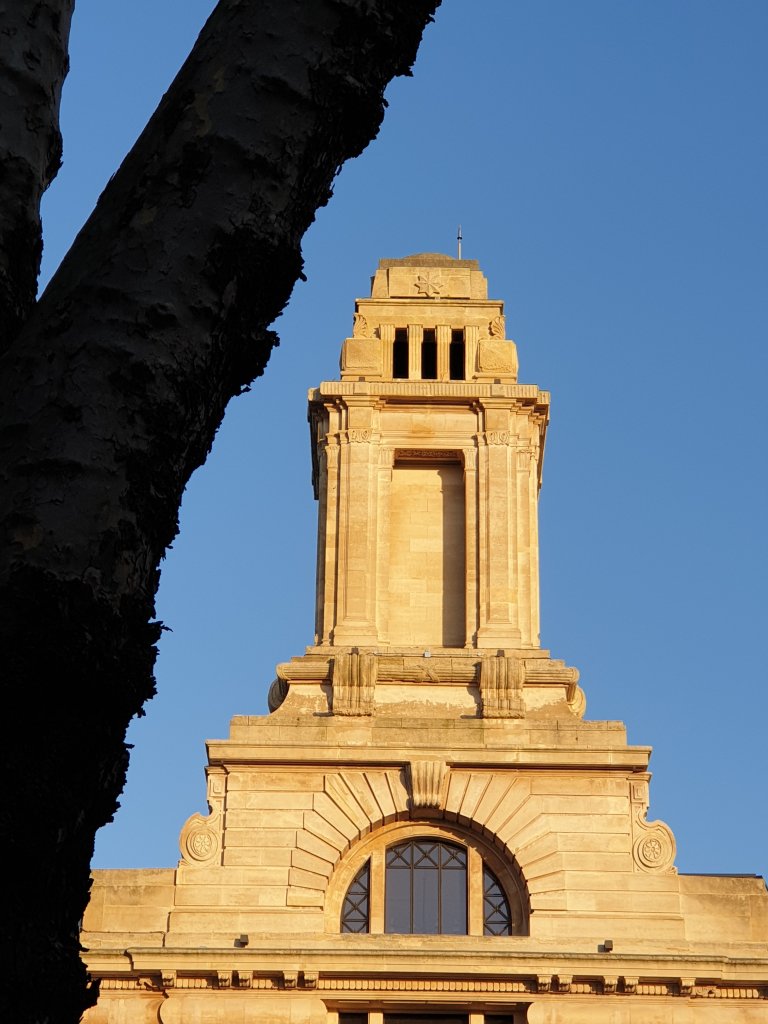
I have already done a post about the restoration of Wickham’s, the local East End department store which was built to rival Selfridge’s and has now been impressively repaired and repointed in all its 1920s, neoclassical glory. It looks like Valhalla:-

Standard

Bread

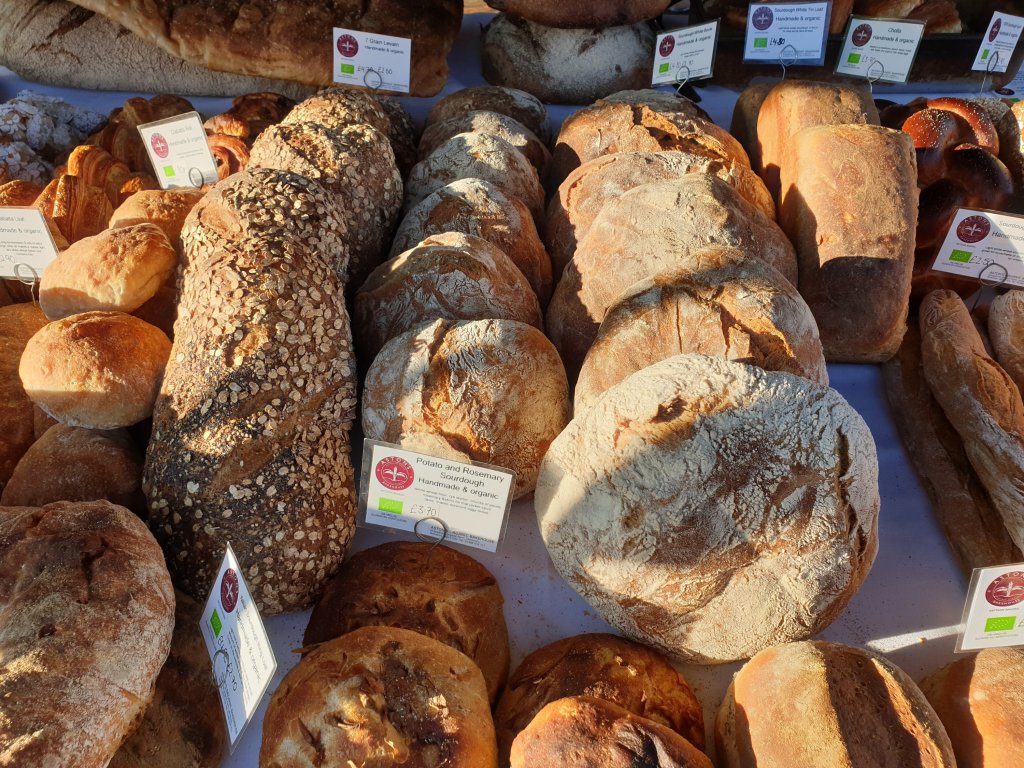
I fell into conversation this morning with the man who sells bread at Stepney Farmer’s Market. I had always assumed that he baked it himself as he is often late setting up his stall, as if he he has only just managed to extract himself from the oven. But, no, it comes from an industrial estate in Inkpen on the Berkshire Downs, made by Syd Aston of Aston’s bakehouse and supplied to farmer’s markets all over London. I’m not complaining: it’s very good:-
Standard

BRINK

We were also able to see and admire the collection of works assembled by Caroline Lucas MP to show the qualities of the local landscape and, by implication, how far it is at risk from the catastrophe of radical climate change. It has been done deliberately in parallel with the David Nash exhibition, exploring some of the same themes of art and its relationship to the natural world. Not least, the exhibition reveals some of the great and often unseen wealth of the Towner’s collection.

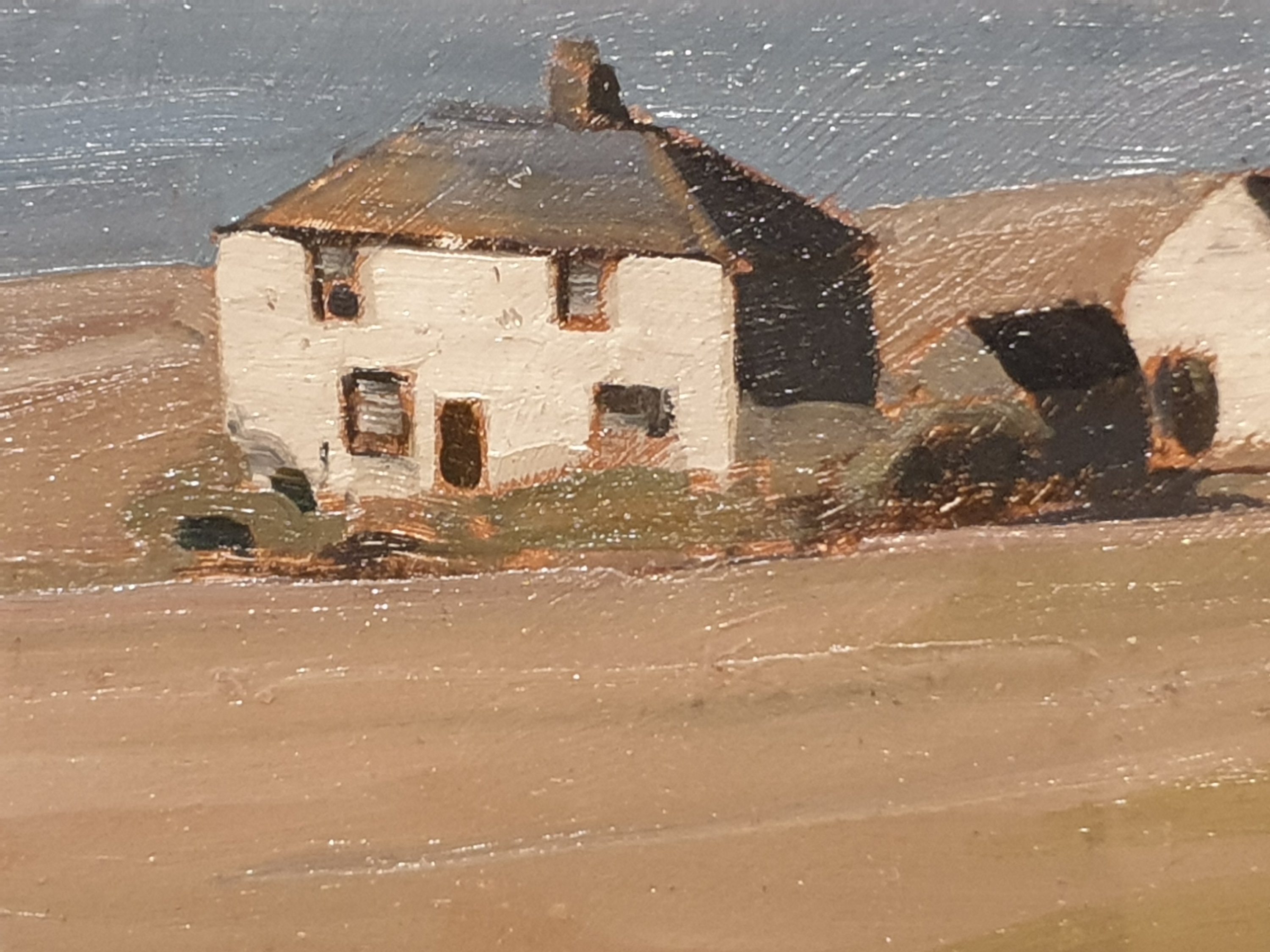
William Nicholson, Judd Farm:-

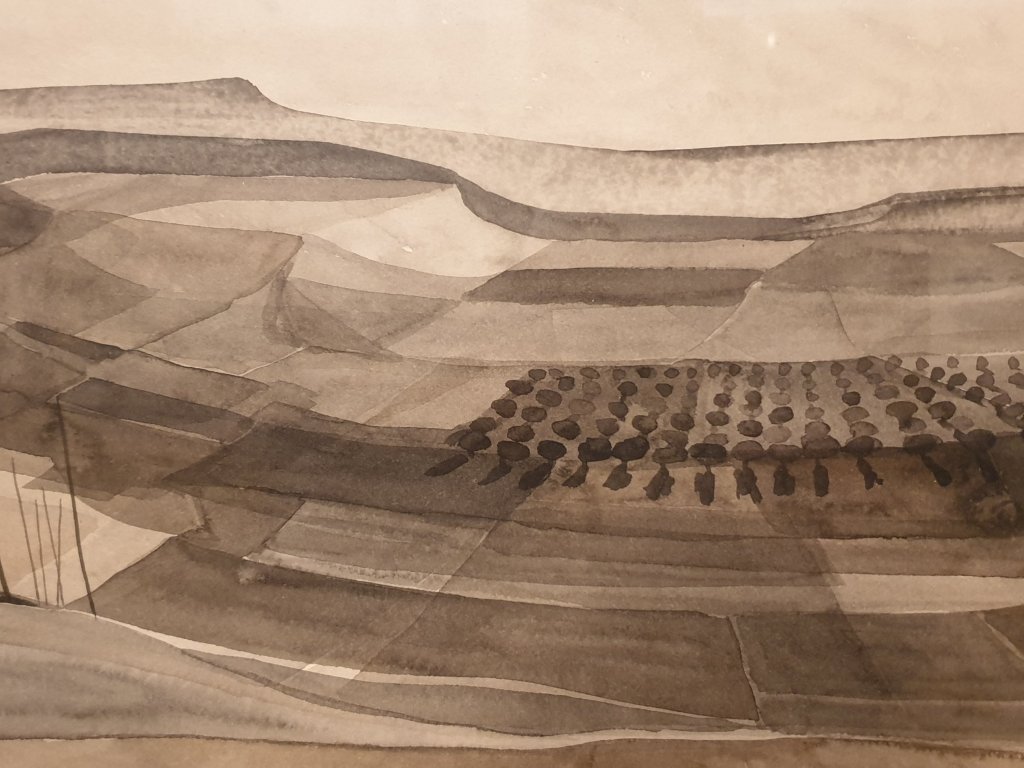
Alan Reynolds, Moonlit Orchard:-

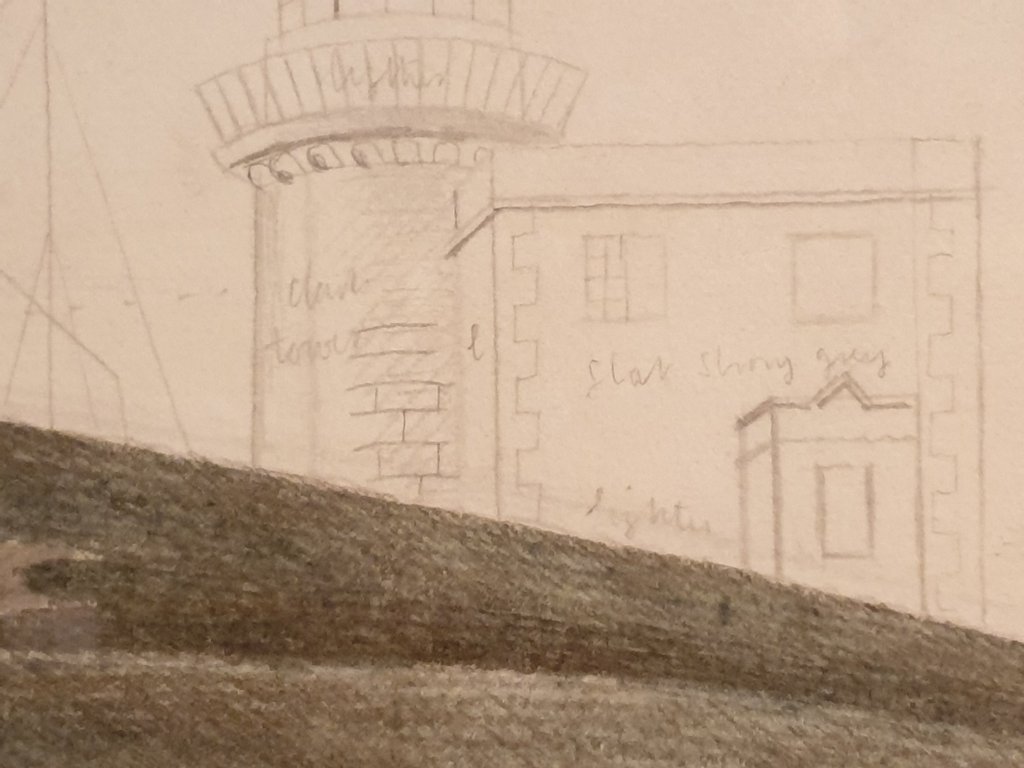
Eric Ravilious, Beachy Head:-

Standard

David Nash (1)

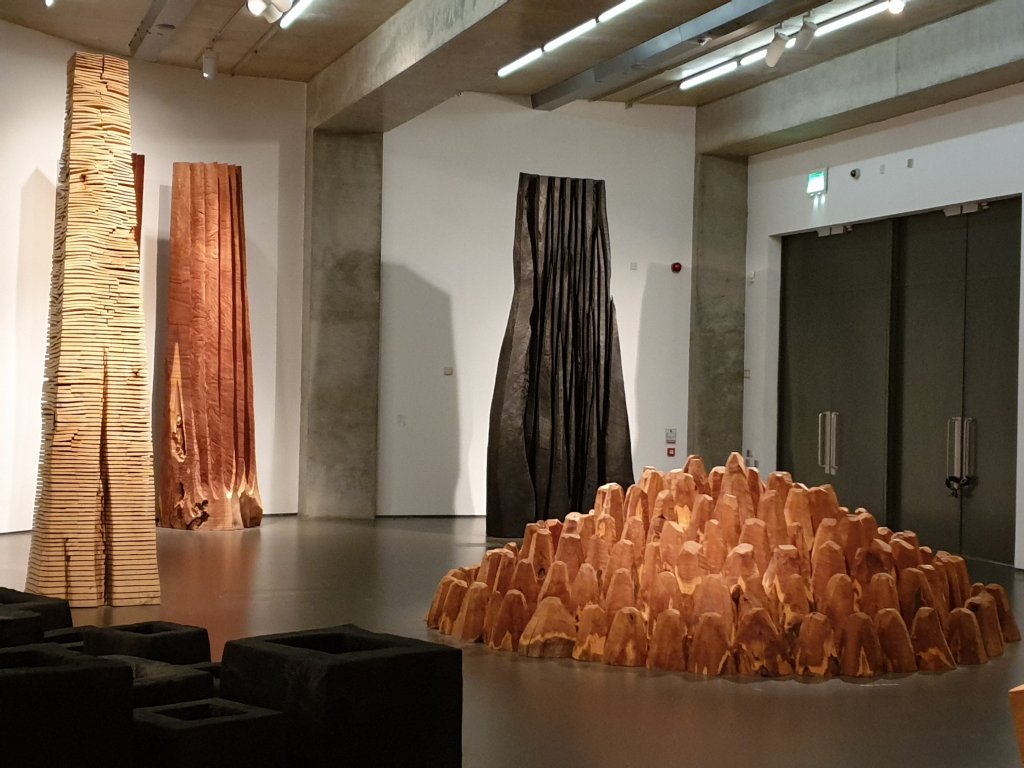
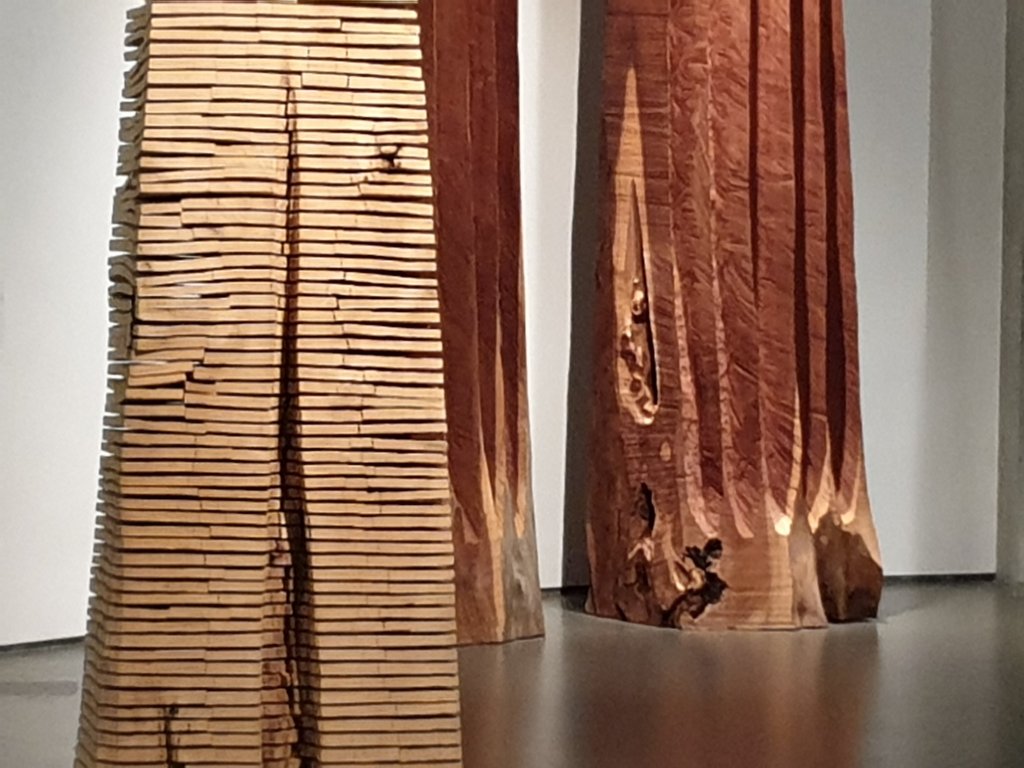
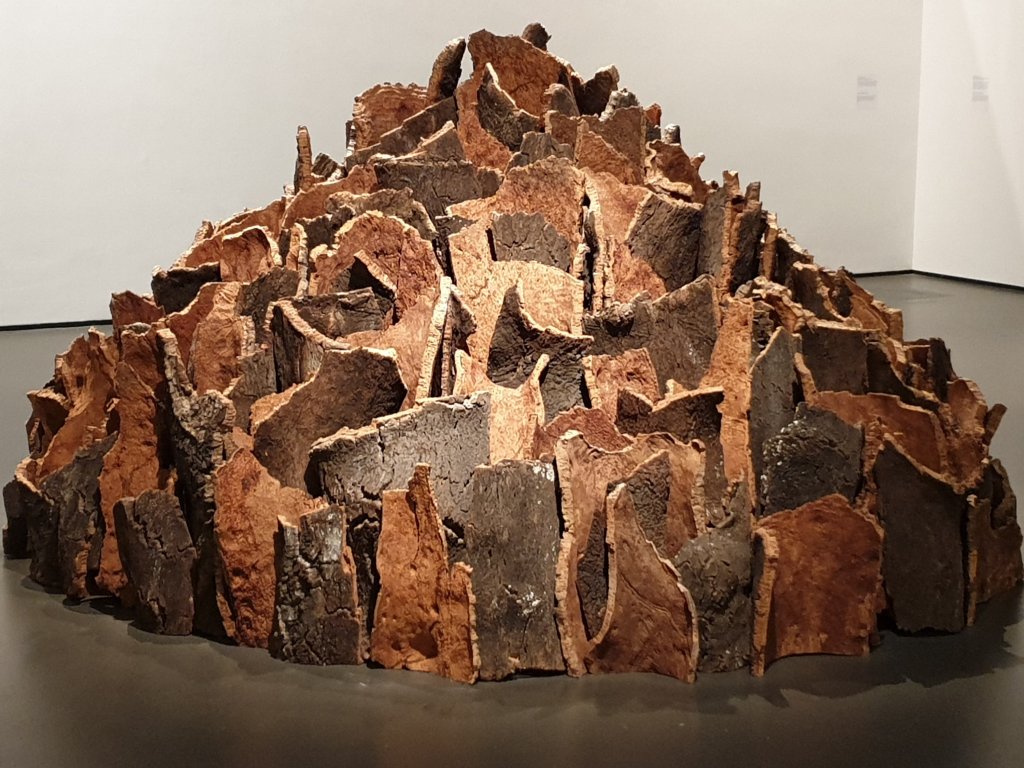
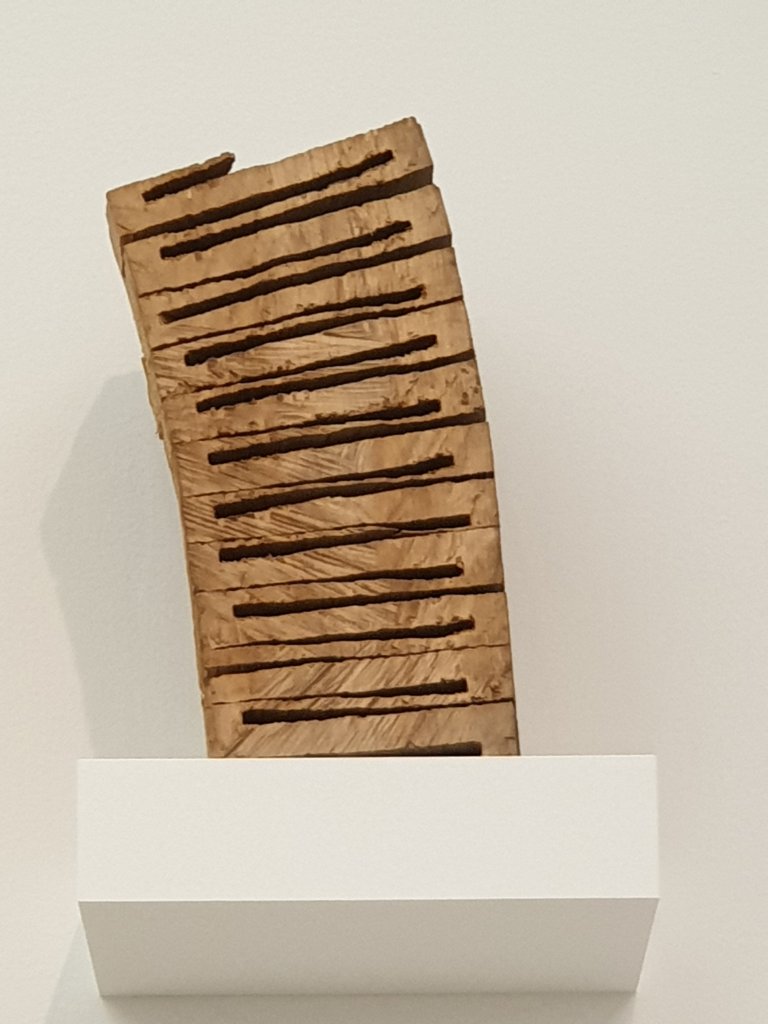
We drove down to Eastbourne to see the David Nash exhibition, including grand, monumental wood sculptures from his studio in Capel Rhiw:-

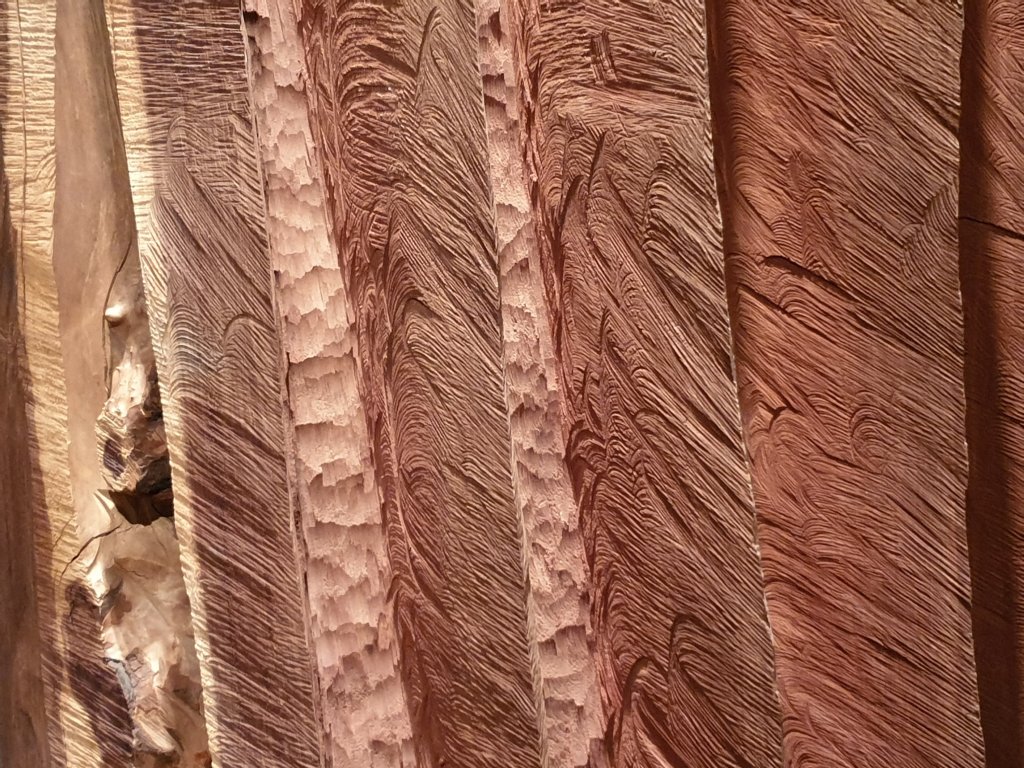
It’s about the poetry of wood – its texture and characteristics when cut and warped, atavistic:-

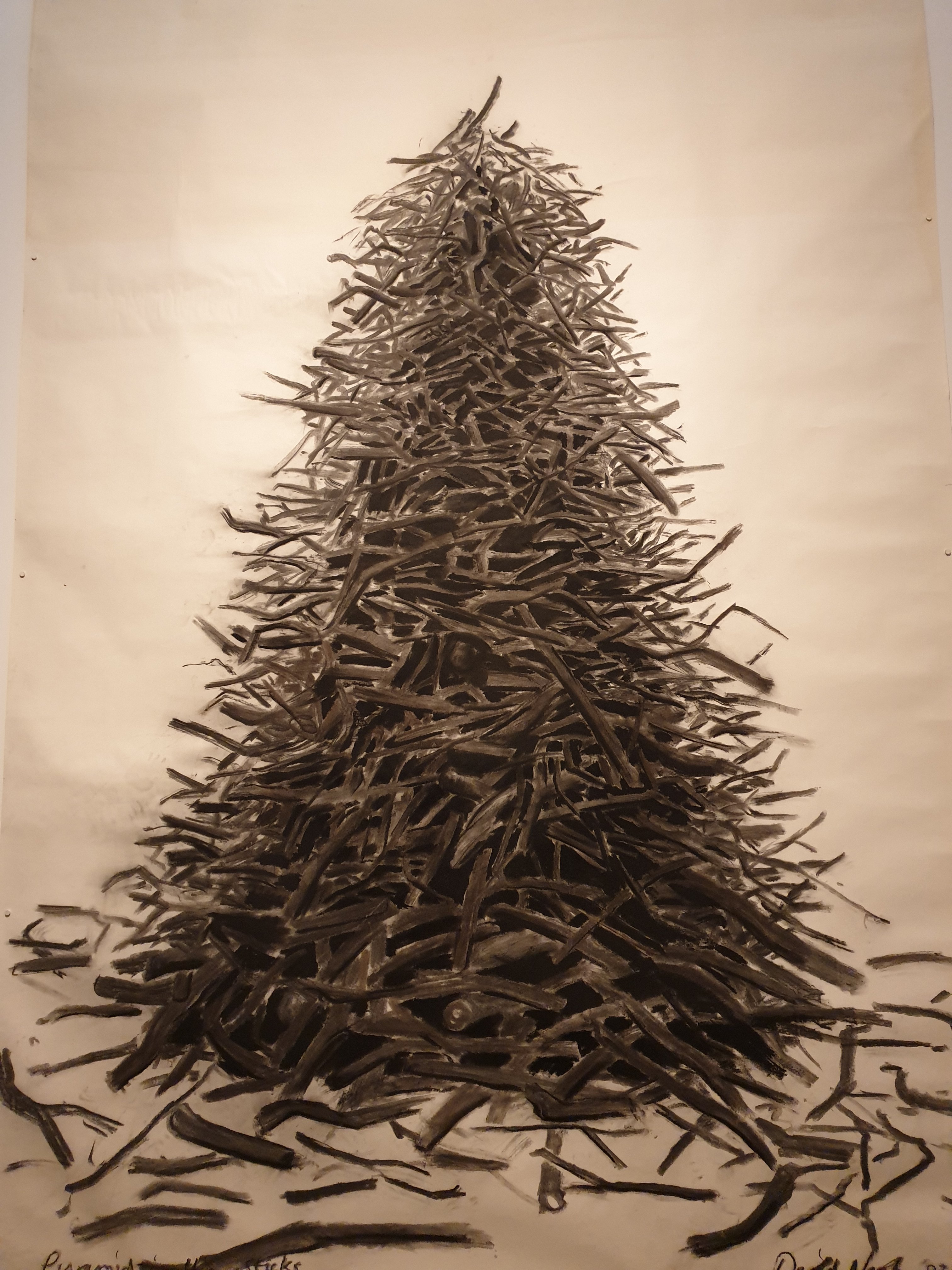
Drawings, too:-

Standard