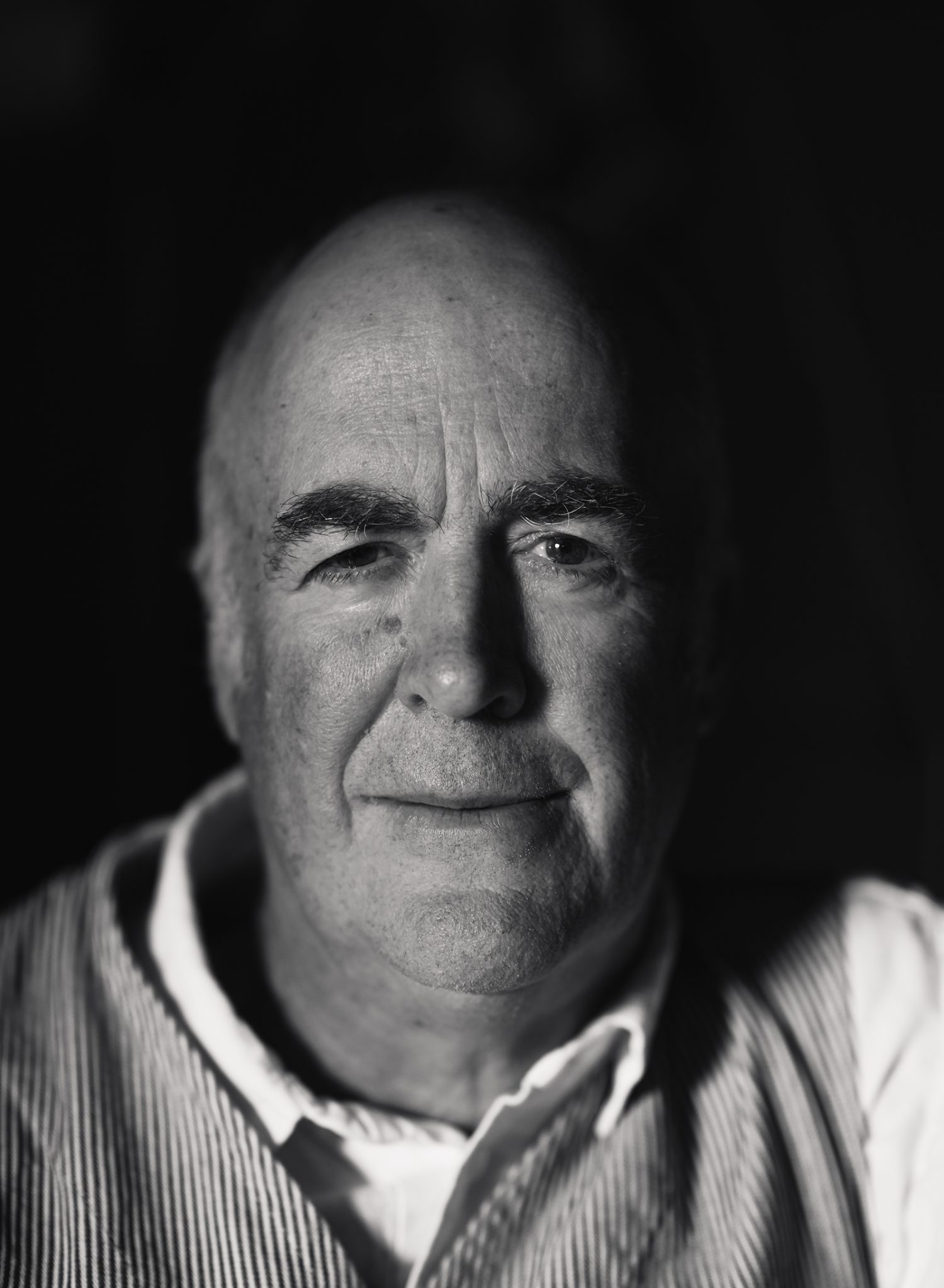
I have several times admired the new housing development on either side of St. Mary-of-Eton, which is in no way deferential to Bodley’s 1892 original, but oddly enhances it by sandwiching it in between two exaggeratedly diapered brick blocks of flats. The original church and surrounding buildings were designed for Eton’s mission to East London. The new flats are purely commercial by Matthew Lloyd Architects and only completed last year:-
Category Archives: Uncategorized
The Pavilion Café
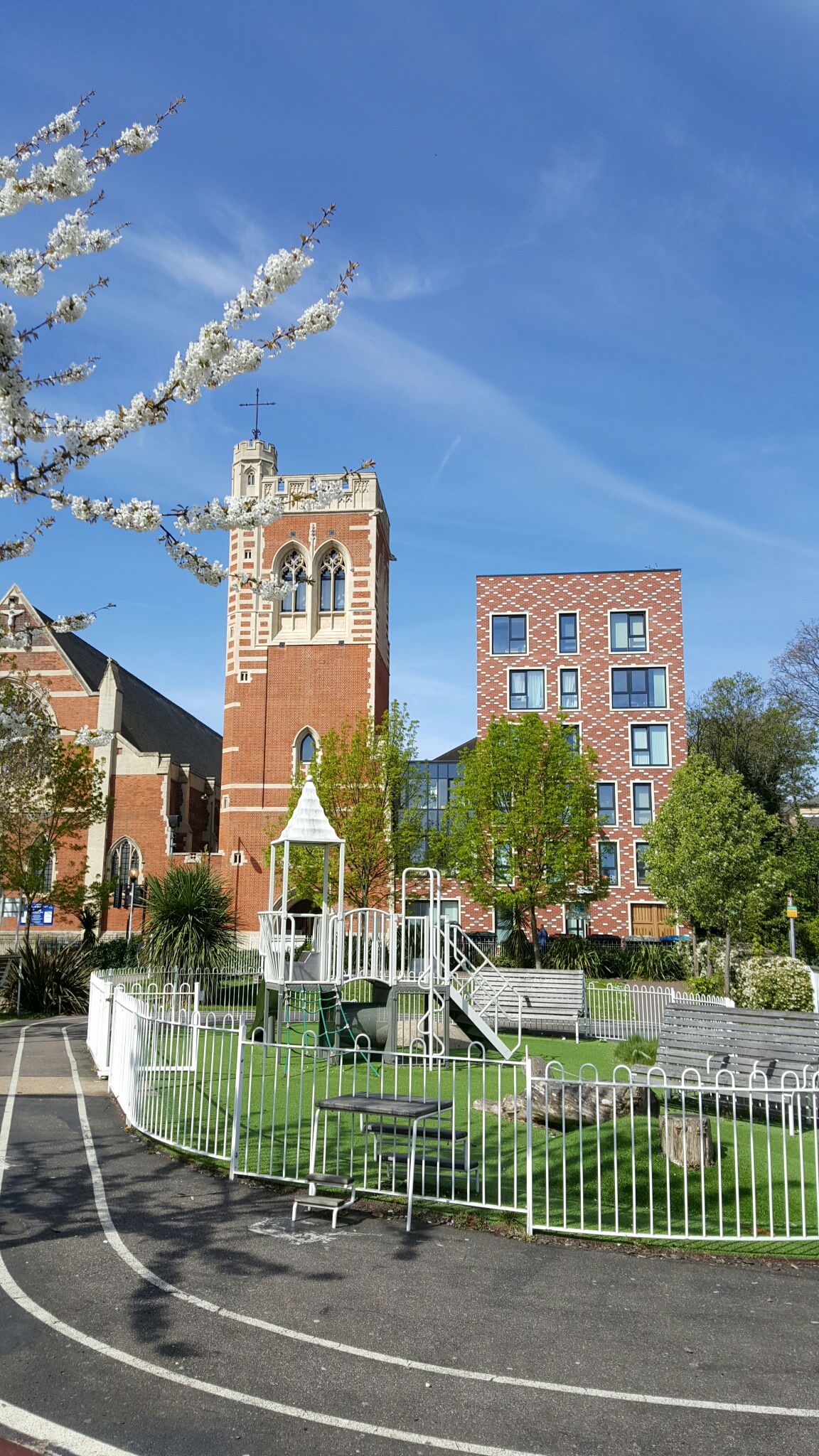
I had breakfast in the Pavilion Café next door to the lake in Victoria Park. It’s strenuously organic, with meat from the Ginger Pig and eggs from West Sussex. I don’t normally like pictures of food which look like advertisements for a Chinese restaurant, but in honour of the quality of their smoked salmon and scrambled eggs, I am breaking my rule:-

Hall of Residence, Queen Mary
For some reason, I’ve never done a post about one of the more distinctive buildings in our neighbourhood – the big block of student flats designed by Feilden Clegg Bradley and completed in 2006, clad in copper sheathing which softens the Corbusian monumentality of the building:-


Novo Cemetery
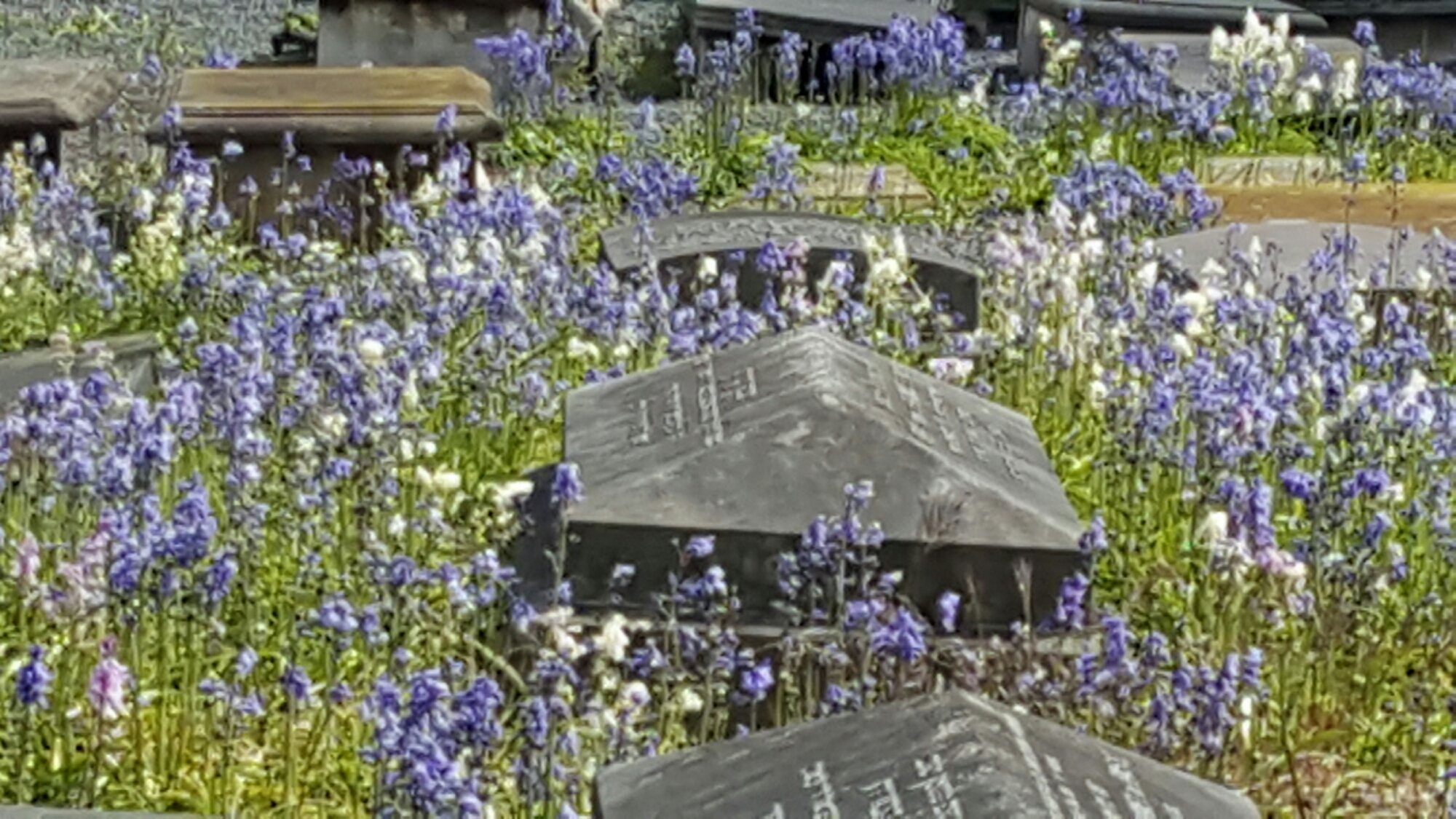
The Novo Cemetery provided equality in death to the community of Sephardic Jews, who first migrated to England in the 1490s, following their expulsion from Spain and Portugal. More followed during the Commonwealth and the cemetery was established in 1733. It is strangely enclosed by Queen Mary and, like the Tower Hamlets Cemetery, is covered in bluebells:-

The New People’s Palace
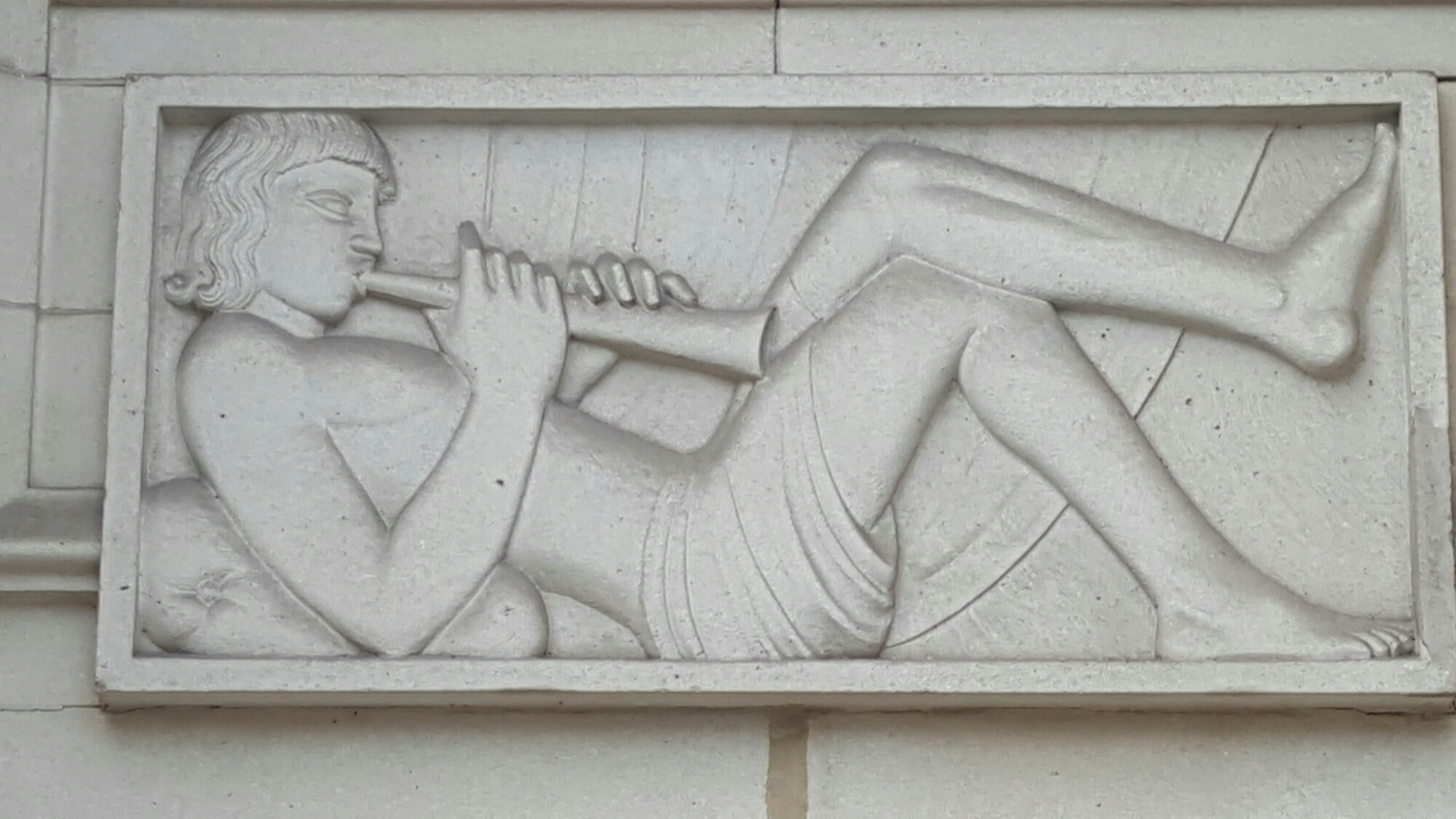
We were walking along the Mile End Road this afternoon when we noticed some carvings inset into the building next to the Old People’s Palace. They looked reminiscent of work by Eric Gill. This is not surprising because they are indeed by Eric Gill, commissioned in 1936 after he had done similar work for the BBC. The building itself, combining theatre, cinema and music hall, was opened in 1937, designed by Campbell Jones & Smithers to provide popular entertainment to the east end.
The left hand Recreation is playing the pipes:-
Springtime in Stepney
On one of my occasional visits to Chelsea, I managed to leave my telephone behind so that, in spite of it being the most beautiful crisp morning, I was unable to take photographs of Argyle House or Paulton’s Square or the Moravian Burial Ground off the bend in the King’s Road, but instead am posting pictures of our garden instead:-


Ingenia Building
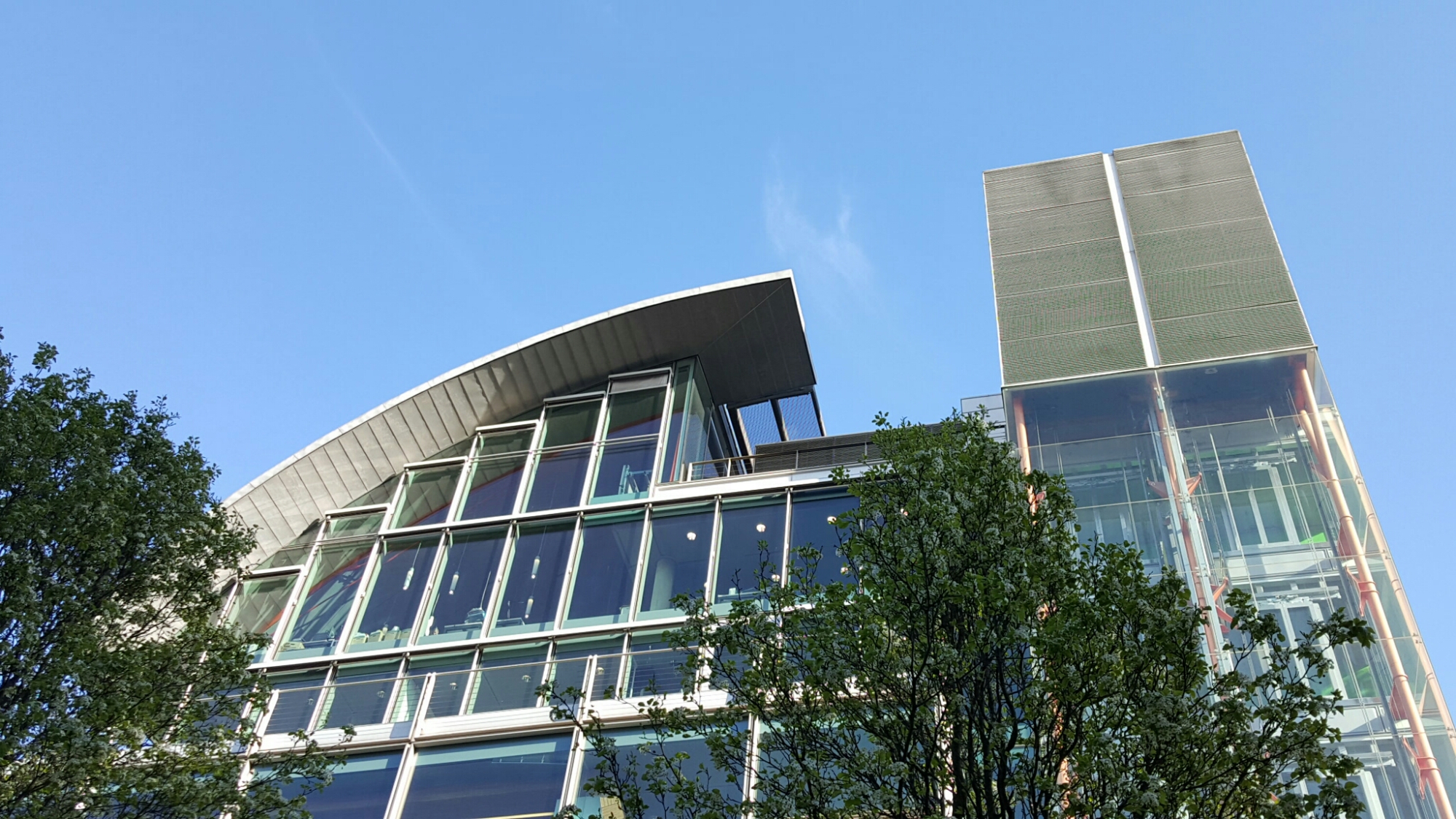
I started the day at a breakfast meeting in the Ingenia Building in Broadwick Street in the heart of Soho. It was designed by Richard Rogers to allow the creative team at Ford Motors to benefit from a total immersion in the life of the city:-

Burlington Gardens
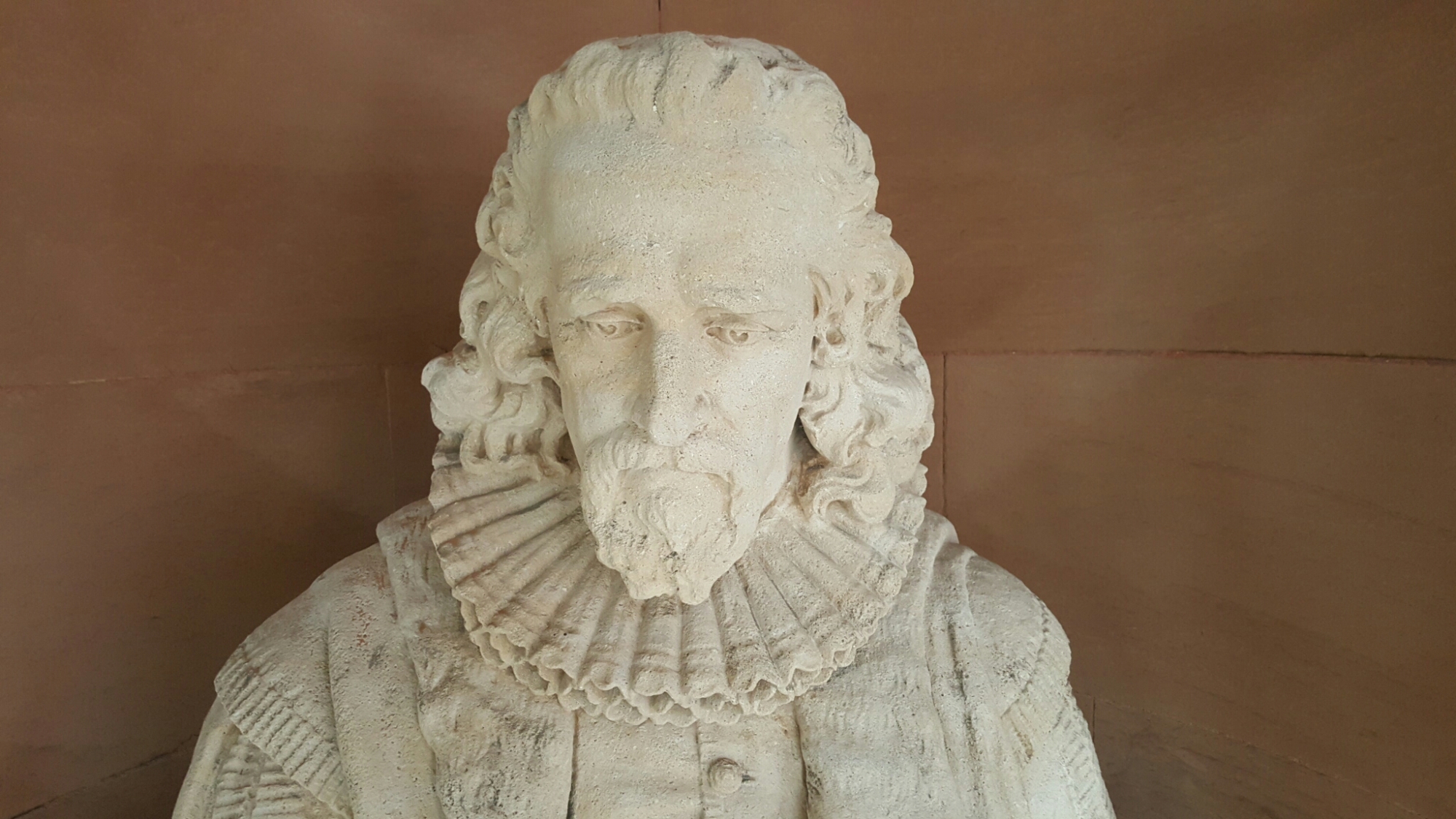
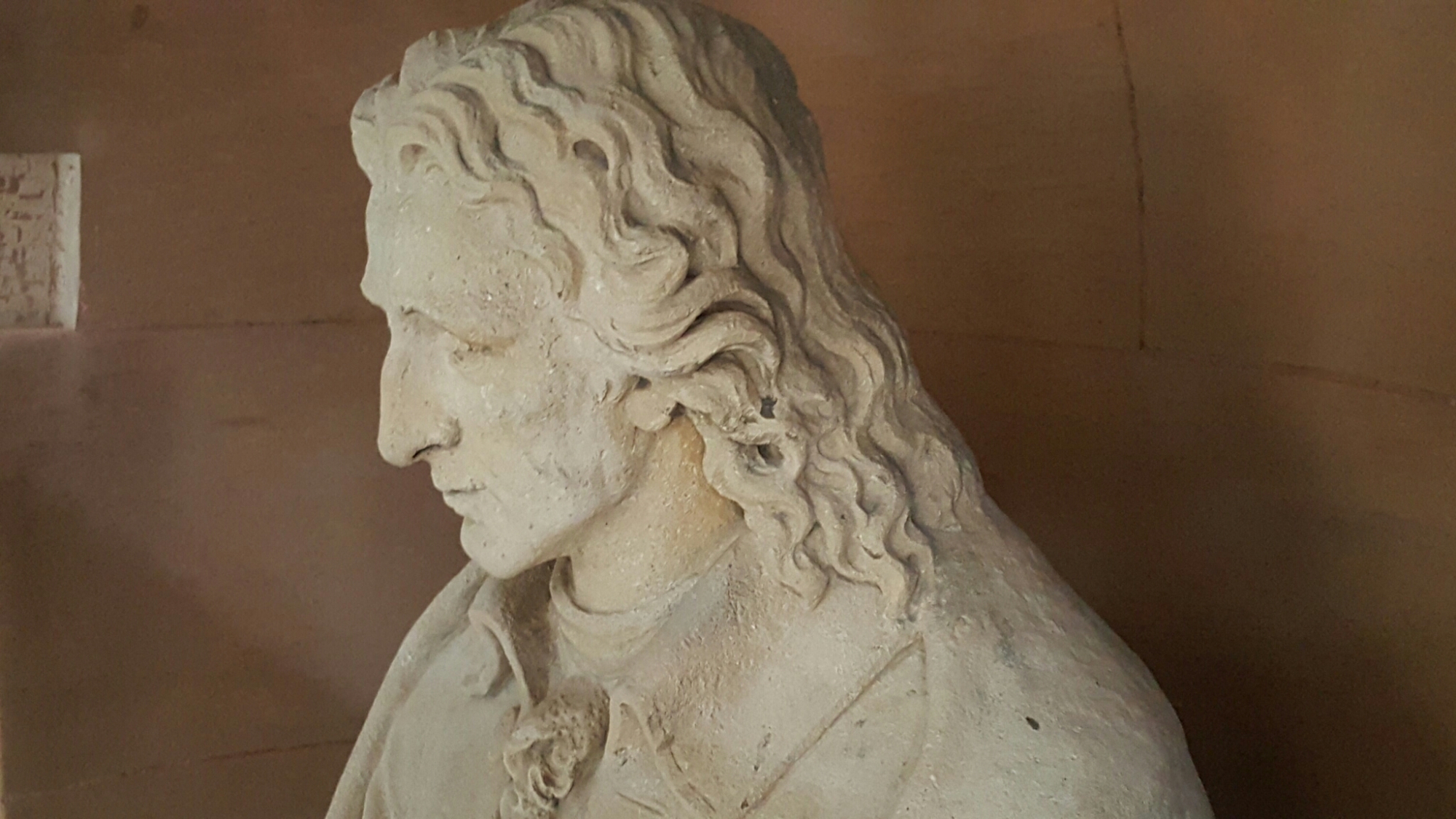
Each time I visit our building project in Burlington Gardens, it looks more heroic: the scale of the demolition, the size of the building, the numbers of people working on site. Today, I went nearly to the top and was able to see the sculptures on the façade newly cleaned and close up.
This is Francis Bacon:-
John Locke:-
Brexit
I have just been to a long and interesting discussion organised by Royal Holloway’s Centre for Public History and chaired by Sarah Dunant about the cultural consequences of a vote to leave the EU. I was interested in the long historical perspective, beginning with Stella Tillyard’s reference to the fact that the first prehistoric man was migratory. As someone pointed out at the end, there was surprisingly little reference to the legacy of Greece and Rome or the unifying effect of medieval Christianity, but plenty to the fluidity of medieval borders and the fact that the Anglo-Saxons came from Germany and the Baltic and the Normans from France, and that we used to own not just Calais, but a lot of south-west France. Caroline Moorhead talked about the benefits that the Huguenots had brought to British culture. Out of the discussion came a sense of the gigantic benefits of postwar co-operation, the free movement of people within the EU, of travel, cultural exchange and tourism, and migration. So, although it is hard to quantify or list the precise consequences of disaffiliation, there will be an inevitable move towards isolationism and a loss of a belief in the possibilities of a united, peaceful and cosmopolitan Europe which has been so important to our culture since the second world war.
Athenaeum
I was asked to give a lunch-time talk to the Romney Street Group at the Athenaeum, that great Greco-Roman palace in Waterloo Place. It was designed in 1824 by Decimus Burton, who was only 24 at the time, the son of a builder contractor, James Burton, employed by Nash in the construction of the Regent’s Park Terraces. Decimus was educated at Tonbridge School and then the Royal Academy Schools and was taken under the wing of Nash at an early age to design Cornwall Terrace and Clarence Terrace. The Athenaeum was originally meant to match the United Services Club opposite, now the Institute of Directors, but by 1830 when it opened it had acquired more gravitas, with a bust of Athene, recently re-gilt, over the front entrance and a cast of the Parthenon Frieze below the parapet:-


You must be logged in to post a comment.