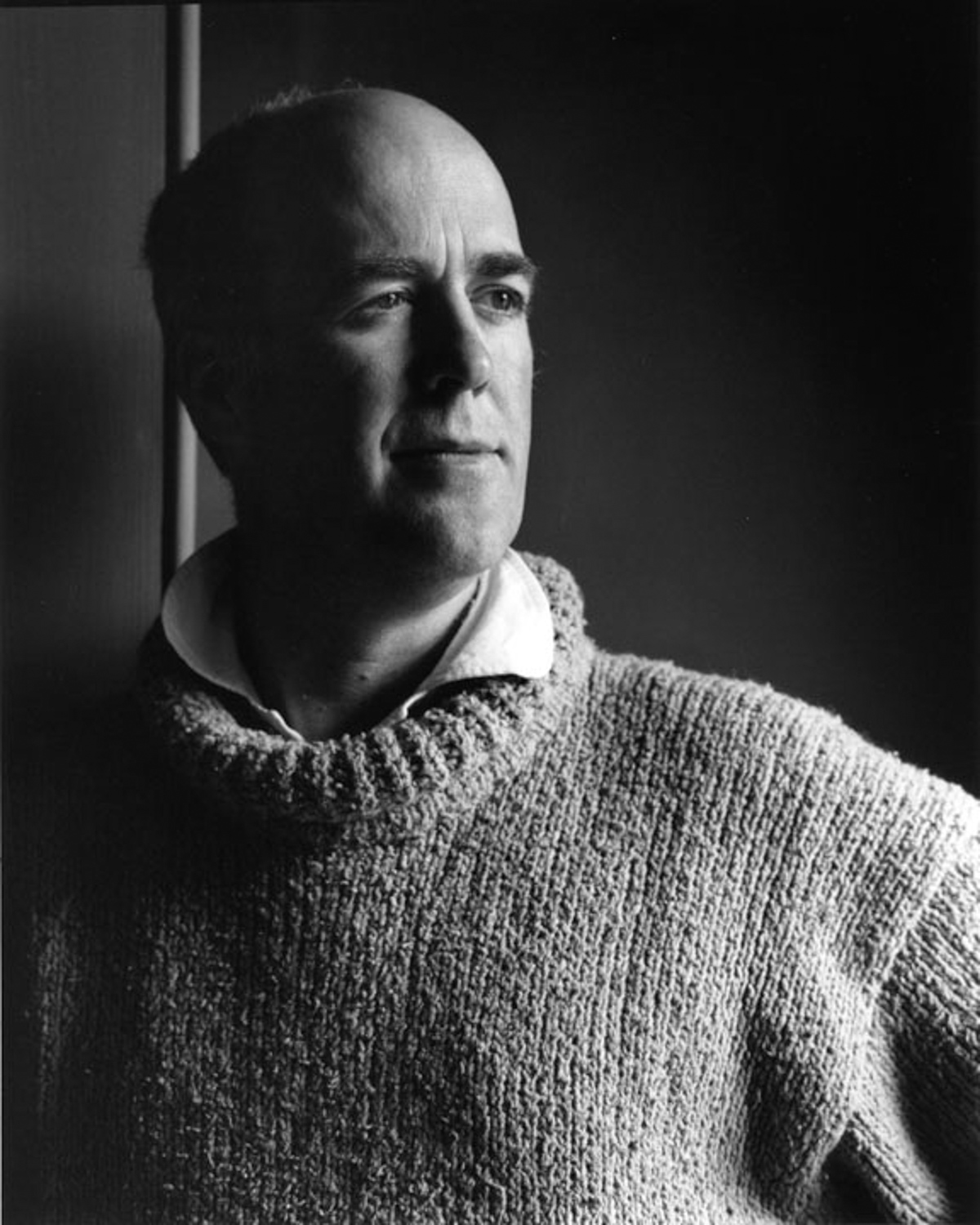
I have been trying to find out a bit more about Annie Swynnerton who seems to me worthy of record. There is almost no information in the archive except a little note from her to George Clausen in 1922 ‘anxious for news’. She was described as ‘a talented artist and an accomplished woman, though scarcely one of whom it could be said she possessed a charm of manner. Indeed, by maintaining the courage of her convictions she was at times embarrassingly outspoken’. She lived in Rome after her marriage to Frank Swynnerton in 1880 till his death in 1910. Interestingly, she painted Henry James in 1922. It was Sargent’s portrait of Henry James which had been slashed in the Summer Exhibition of 1914. Laura Knight met her at the end of her life on Hayling Island. She died in 1933.
Category Archives: Uncategorized
Annie Swynnerton (1)
There is an intriguing and wide-ranging article in this week’s LRB which refers amongst other things to the author’s great-grandmother, Annie Swynnerton, as the first woman to be elected to the RA. She was born in Manchester, educated at the Manchester School of Art and the Académie Julian and then studied in Rome. In 1879, she and a fellow student, Susan Dacre, founded the Manchester Society of Women Painters and in 1889 she signed the National Union of Women’s Suffrage Societies’ Declaration in Favour of Women’s Suffrage. Much admired by, amongst others, Watts and Sargent, she was elected an ARA in 1922. Laura Knight is remembered as the first female full RA, elected not until in 1936, so it is a relief to discover that she was not quite the first to be elected after Moser and Kauffman.
Everything We Touch (4)
Several people asked me to publish the full photograph of the small display of the detritus of my life mounted at the Design Museum before Christmas. It has now just arrived and I am posting it accordingly, in spite of the realisation that these things are unconsciously revealing, not just the marmite pot and the blue braces, but the vest from a company which is now defunct, all so immaculately laid out for the archaeologists of the future:-

Bryant and May Factory
I wandered in to the old Bryant and May match factory, scene of the strike in 1888 and subject of an essay by Patrick Wright in A Journey Through Ruins. Wiĺliam Bryant and Francis May started importing Swedish matches in 1850. In 1855 they acquired a patent to manufacture safety matches from red phosphorus and potassium chlorate and in 1861 they opened the Fairfield Works, a massive factory, rather German in character with its red and black brick. The workers were first radicalised in 1871 in protest at the planned imposition of a tax on matches and again went on strike in 1888 led by the theosophist Annie Besant. It’s all quiet now after being converted into apartments in 1987:-

St. Mary, Bow Road
I went to see St. Mary, Bow Road, but at a bad time as there was a service with a surprisingly large congregation considering it’s on a roundabout. Some of it at least is fourteenth century, but the tower looks later, partly because it was rebuilt after the war. It owes its preservation to the failure of numerous plans to rebuild it in the nineteenth century and to CR Ashbee who oversaw a conservative restoration in the 1890s:-
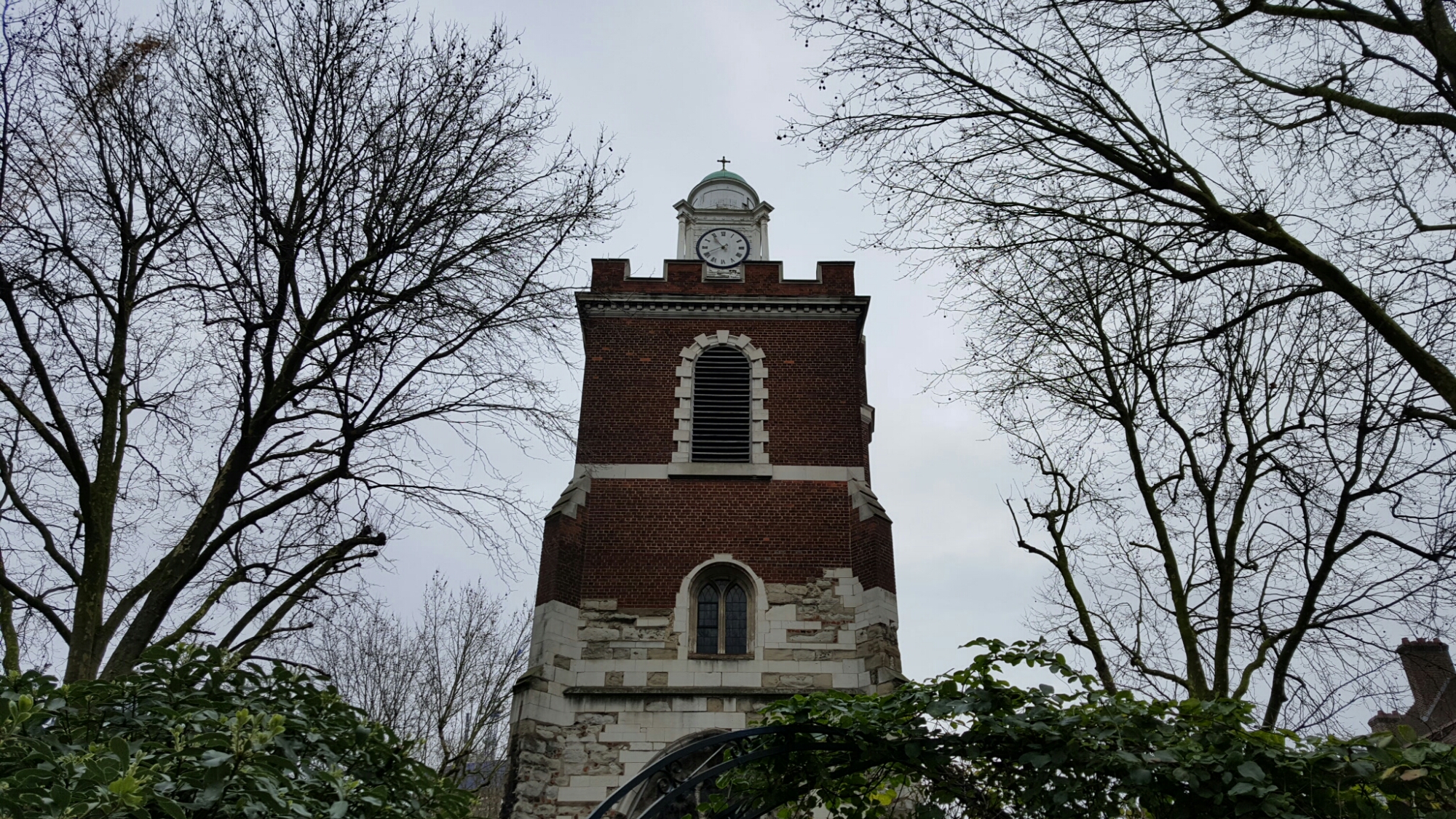
This is the west window, which looks fungoid:-
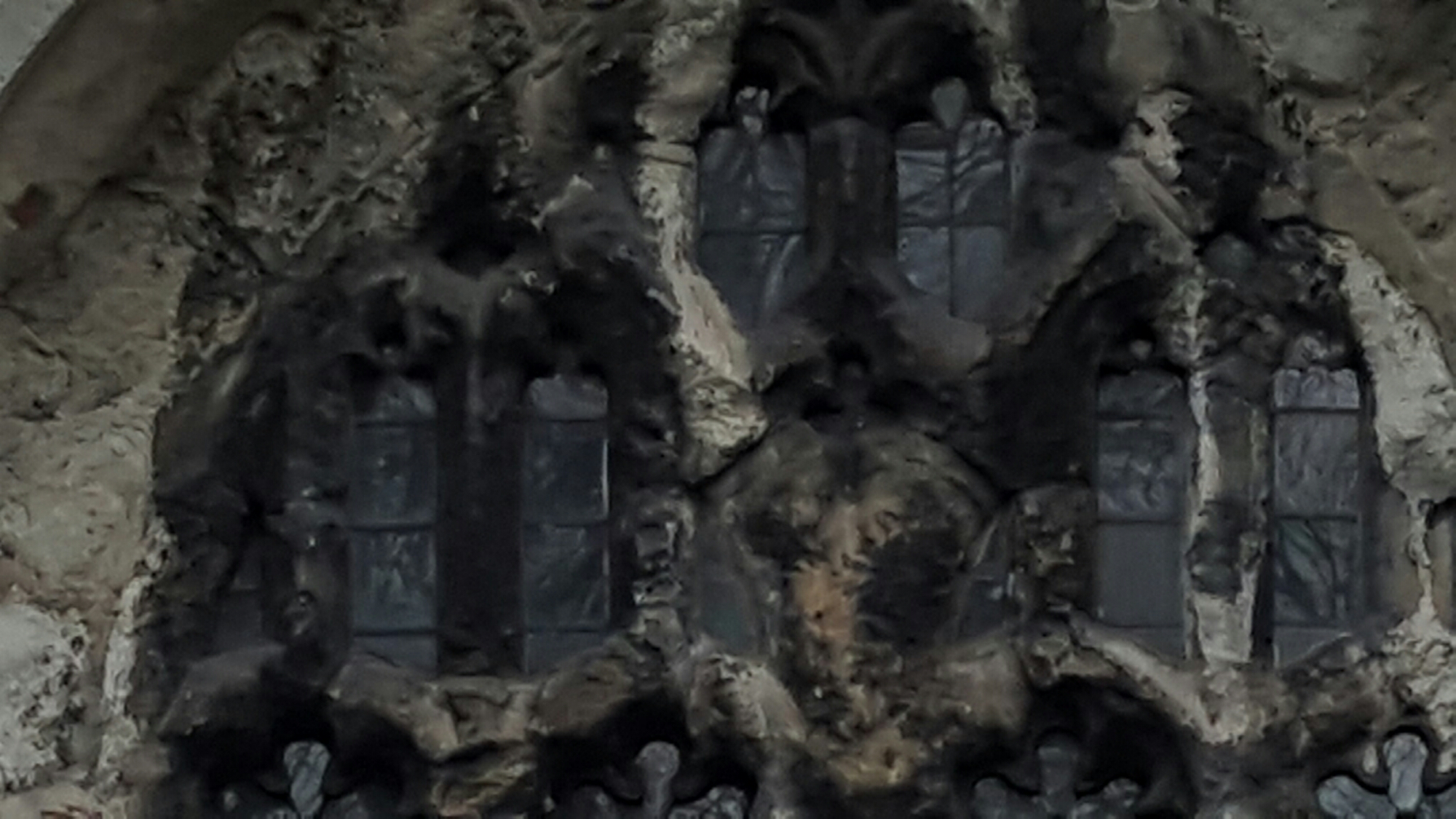
The roof:-
Hackney Museum
I walked on Saturday to the Hackney Museum, on the ground floor of the public library just south of the Hackney Empire. It records the early history of Hackney – Hackney House which was on the site of Homerton Hospital and Balmes House which became an asylum, the market gardens established by Thomas Fairchild and, in 1787, by Conrad Loddiges with hothouses and steam heating. Then the railways came and the city clerks and the streets of smart housing which later turned to slums. There was a home for ayahs off Mare Street and for lascars in Shoreditch. But never the underground.
St. Paul, Walton Street
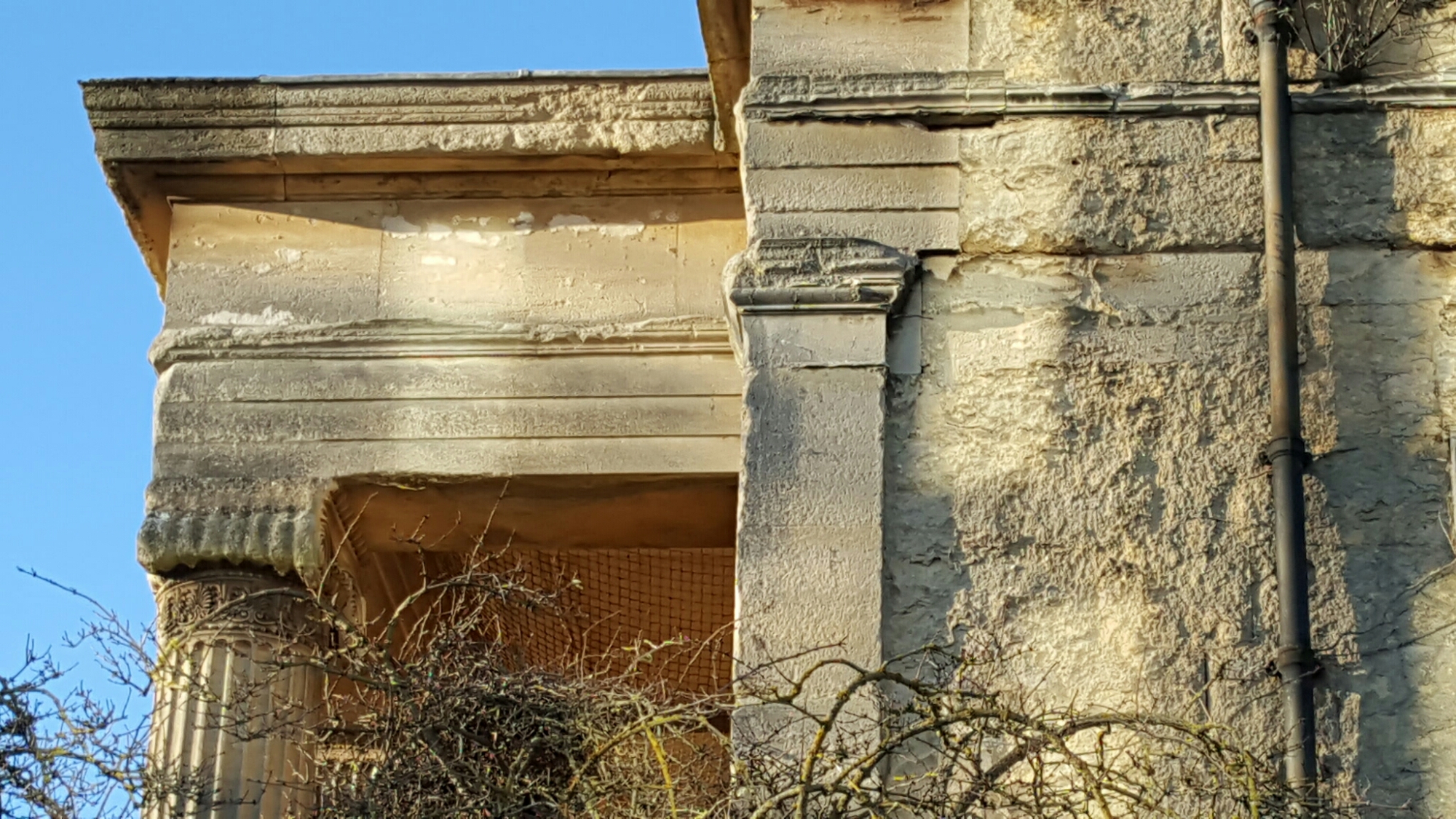
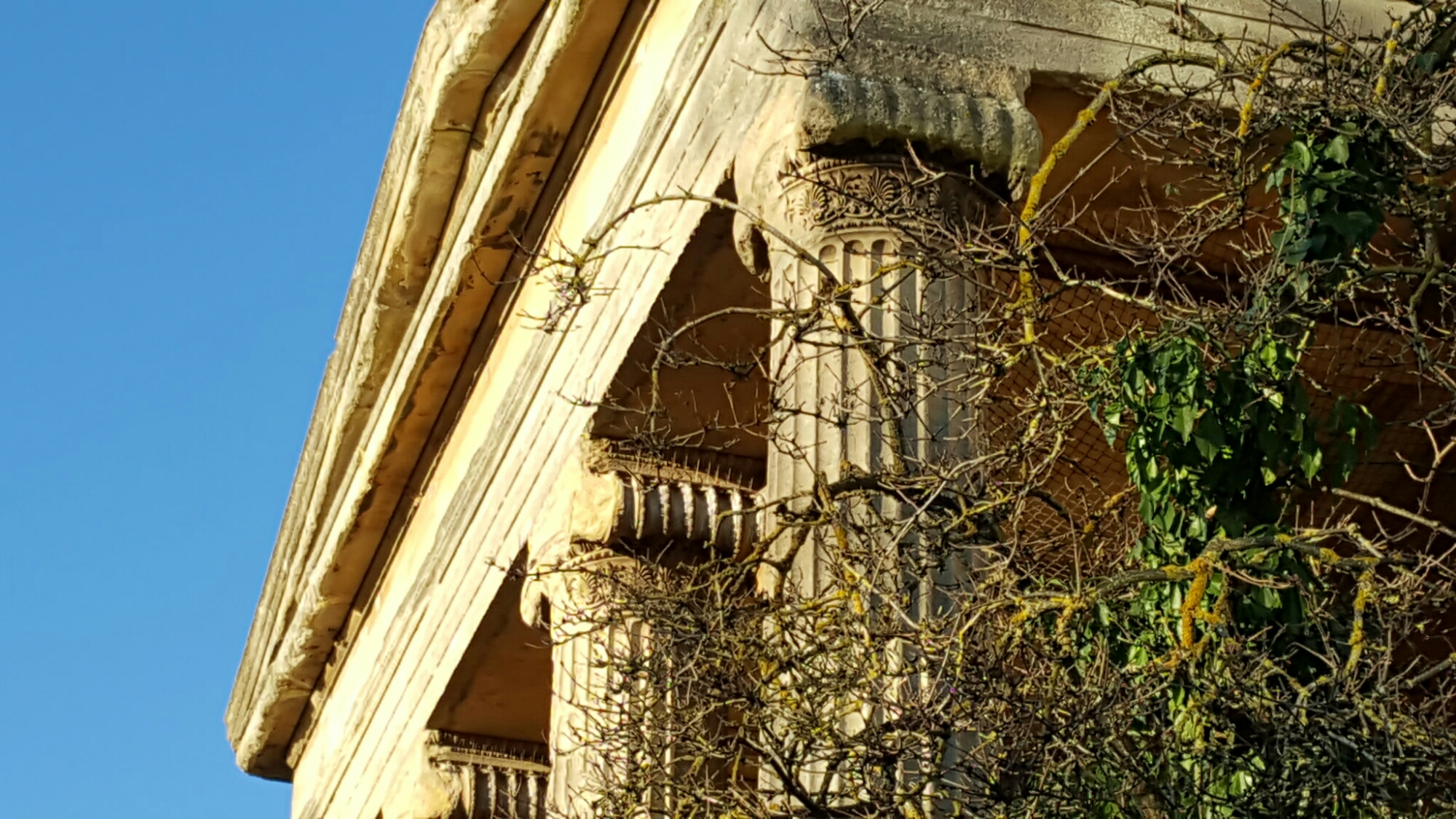
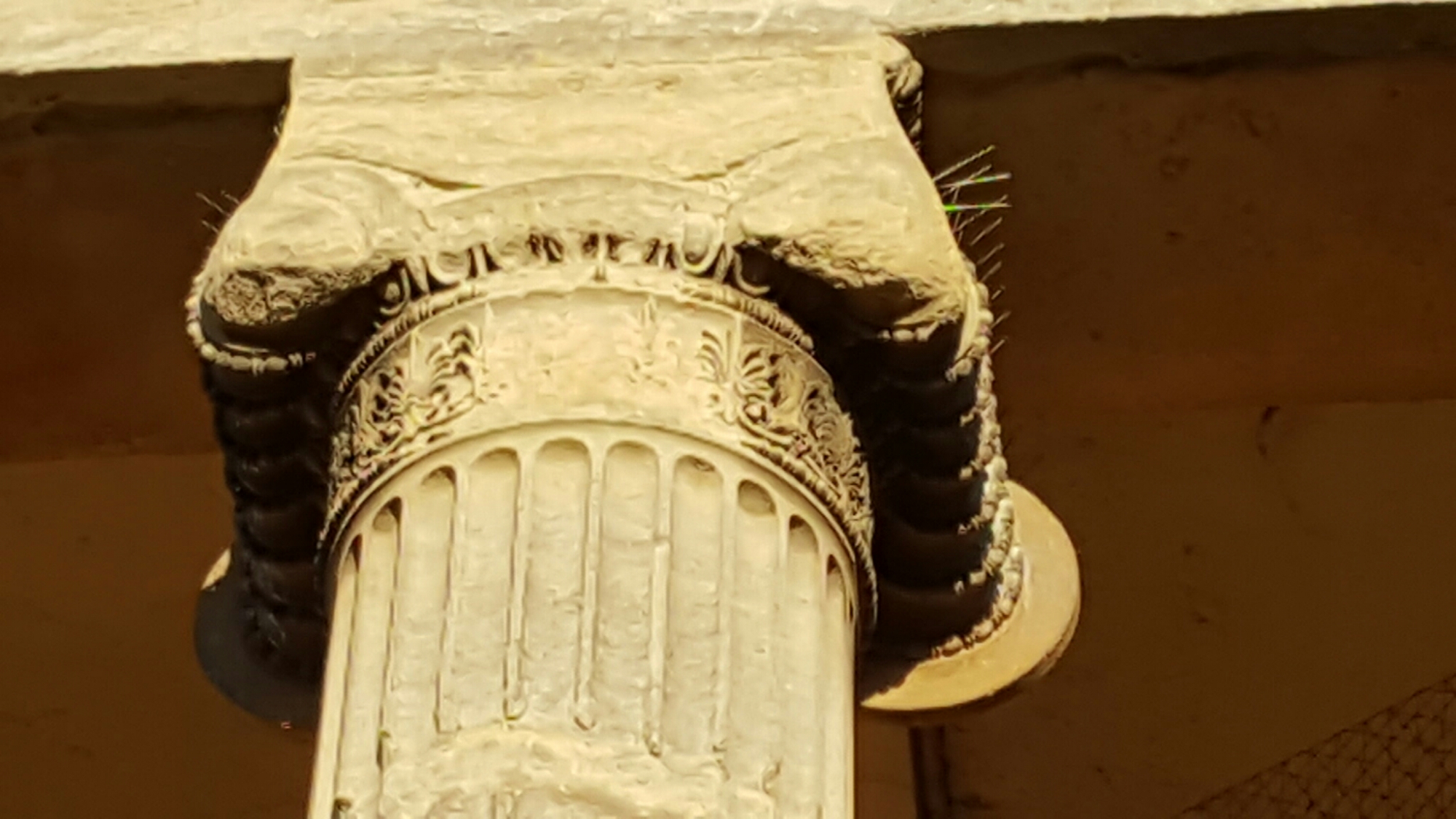
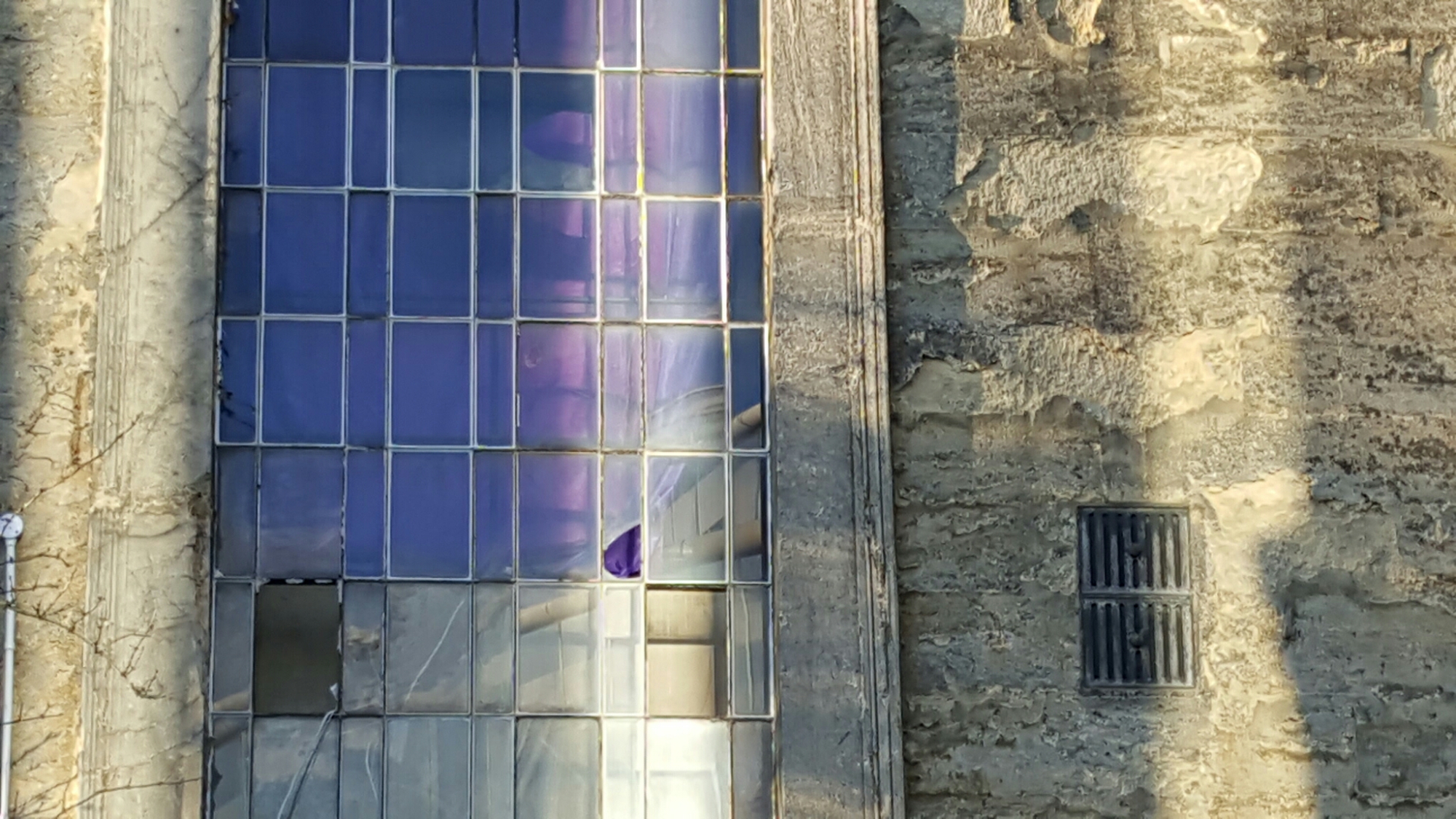
The last of my Oxford posts is the church of St. Paul, Walton Street, a nicely decayed Greek Revival church just to the north of the Blavatnik School of Government. It was designed by Henry Jones Underwood, a pupil of Smirke who moved to Oxford in 1830 and later designed its prison:-
Worcester College
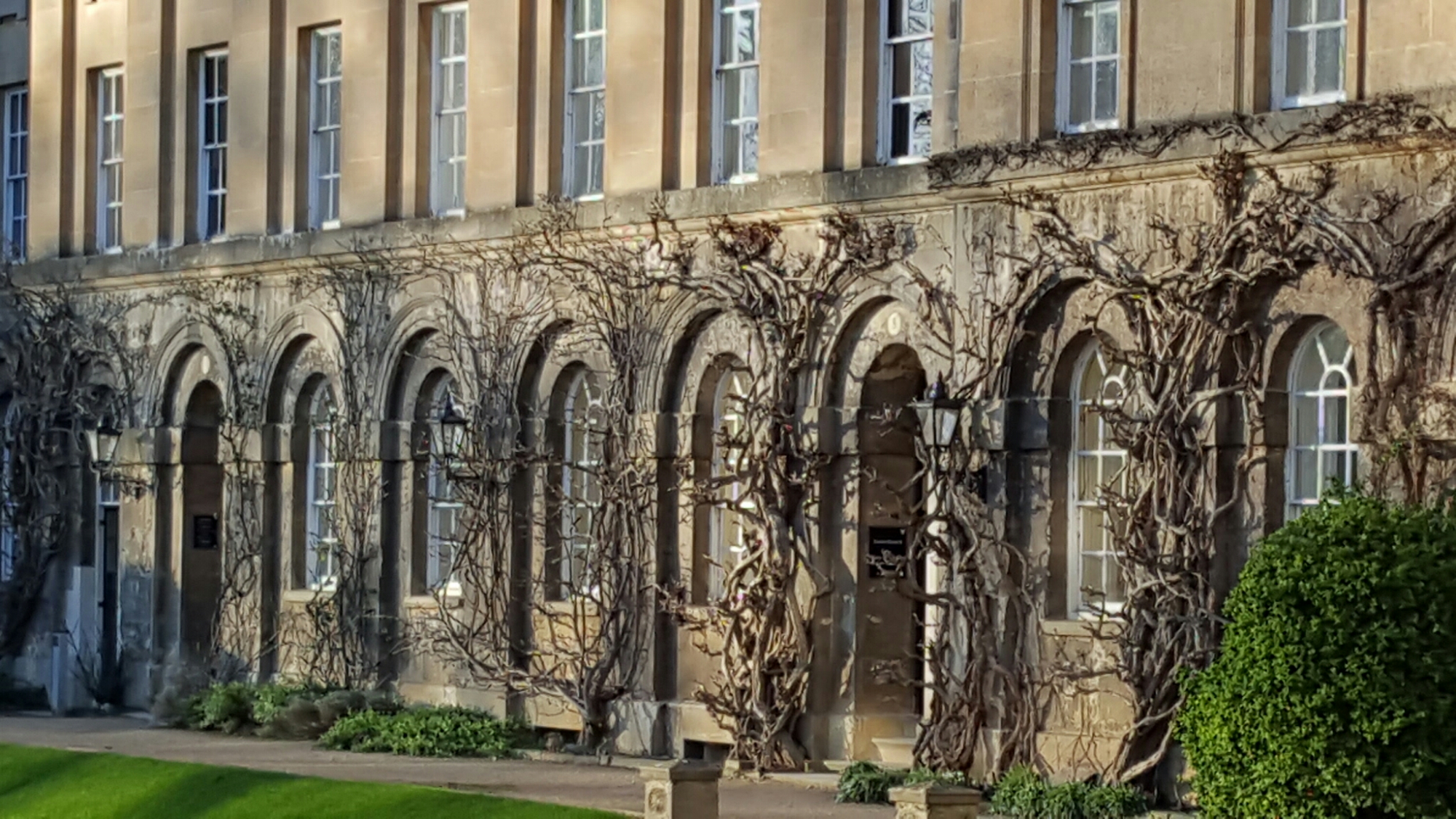
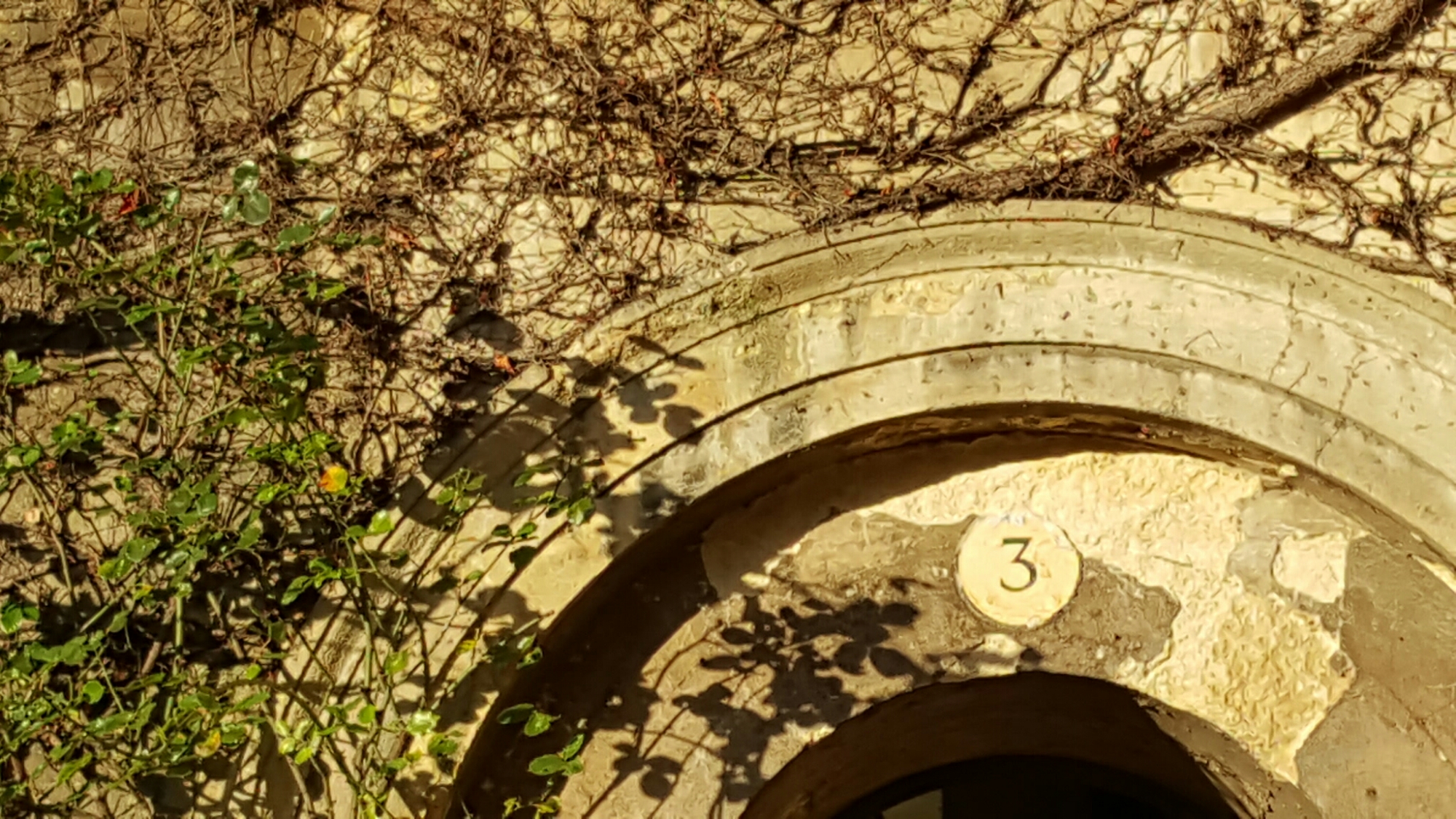
I called in at Worcester College, one of my favourite of the Oxford colleges because of its sense of survival as an eighteenth-century ensemble, designed by Dr. George Clarke, a Fellow of All Souls, MP for Oxford and extremely knowledgeable amateur architect. He did it with help from Nicholas Hawksmoor:-

Radcliffe Observatory
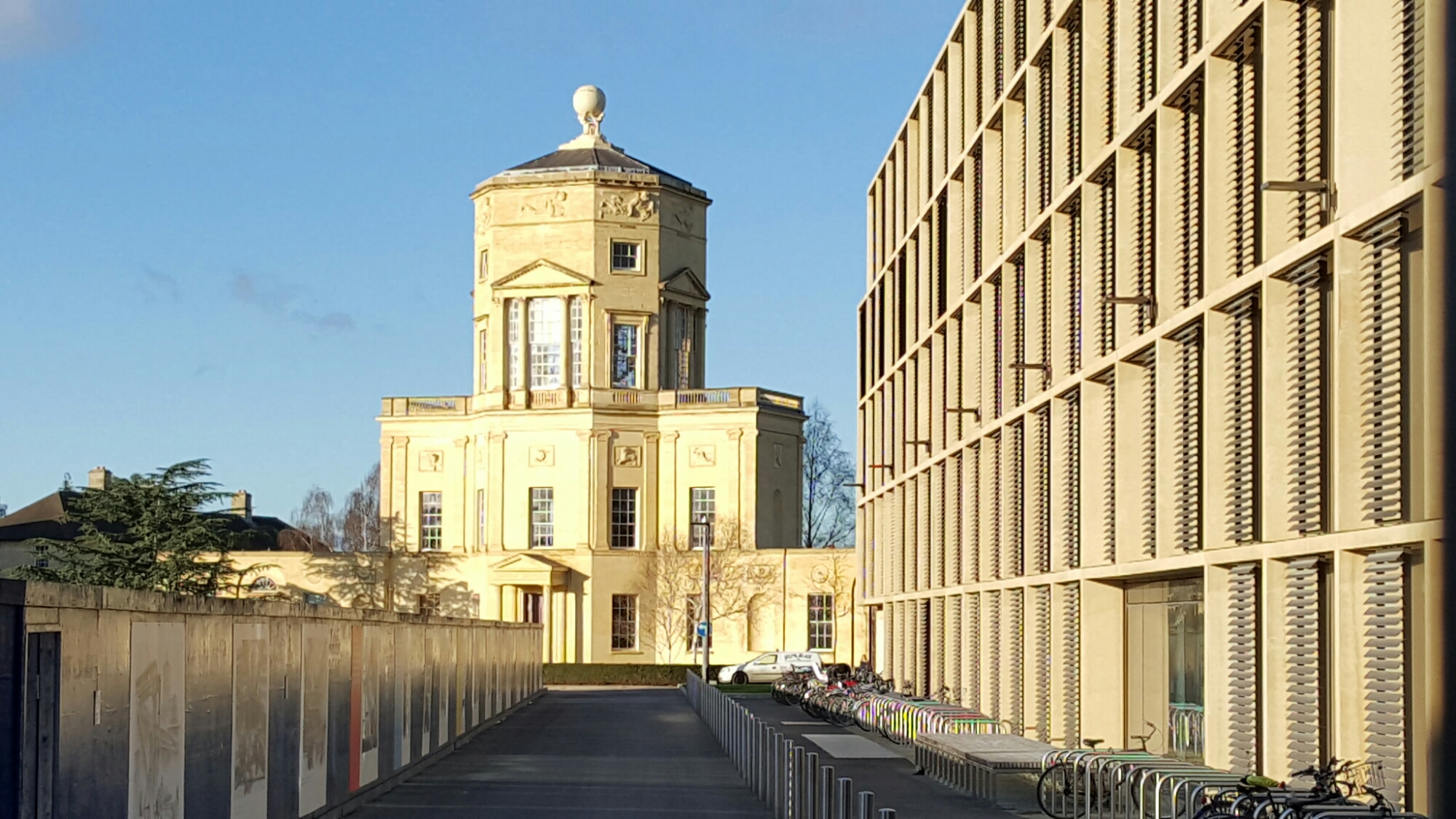
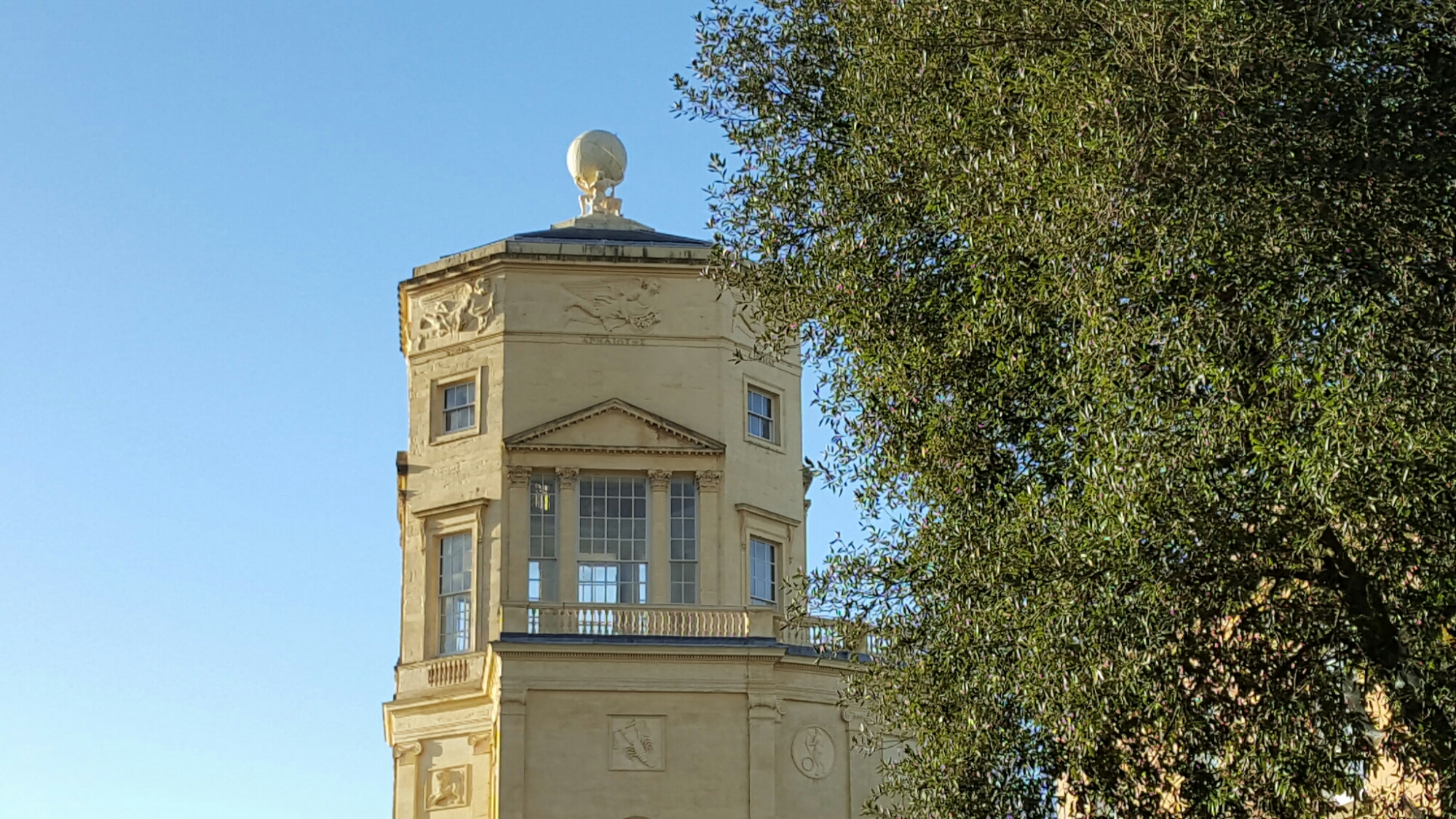
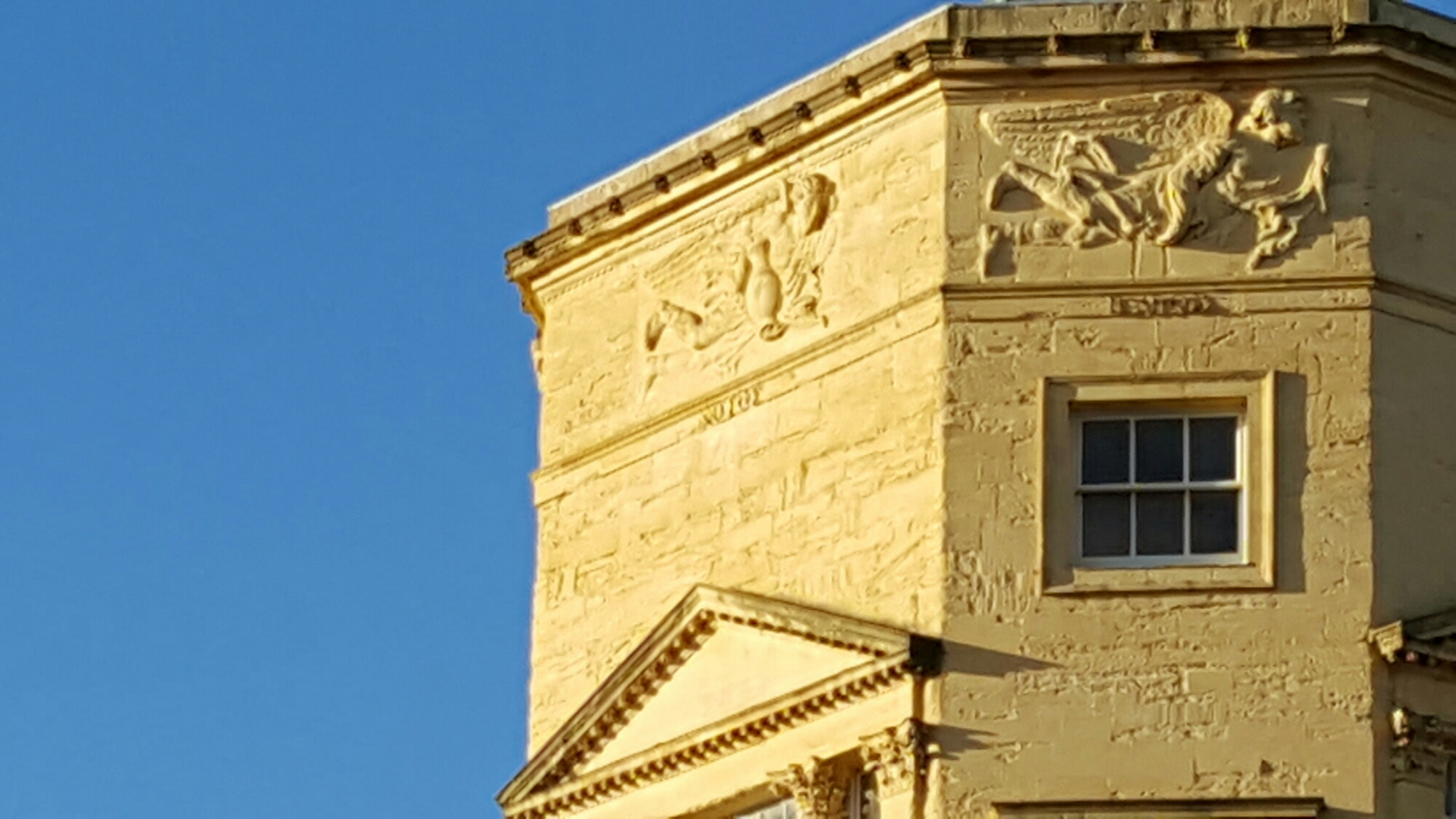
I don’t remember ever having seen the Radcliffe Observatory before. The original design was by Henry Keene in 1772, but it was then redesigned by James Wyatt, a remarkably fine building now much more visible owing to Viňoly’s development of the Infirmary site. It’s very obviously based on the Temple of the Winds:-
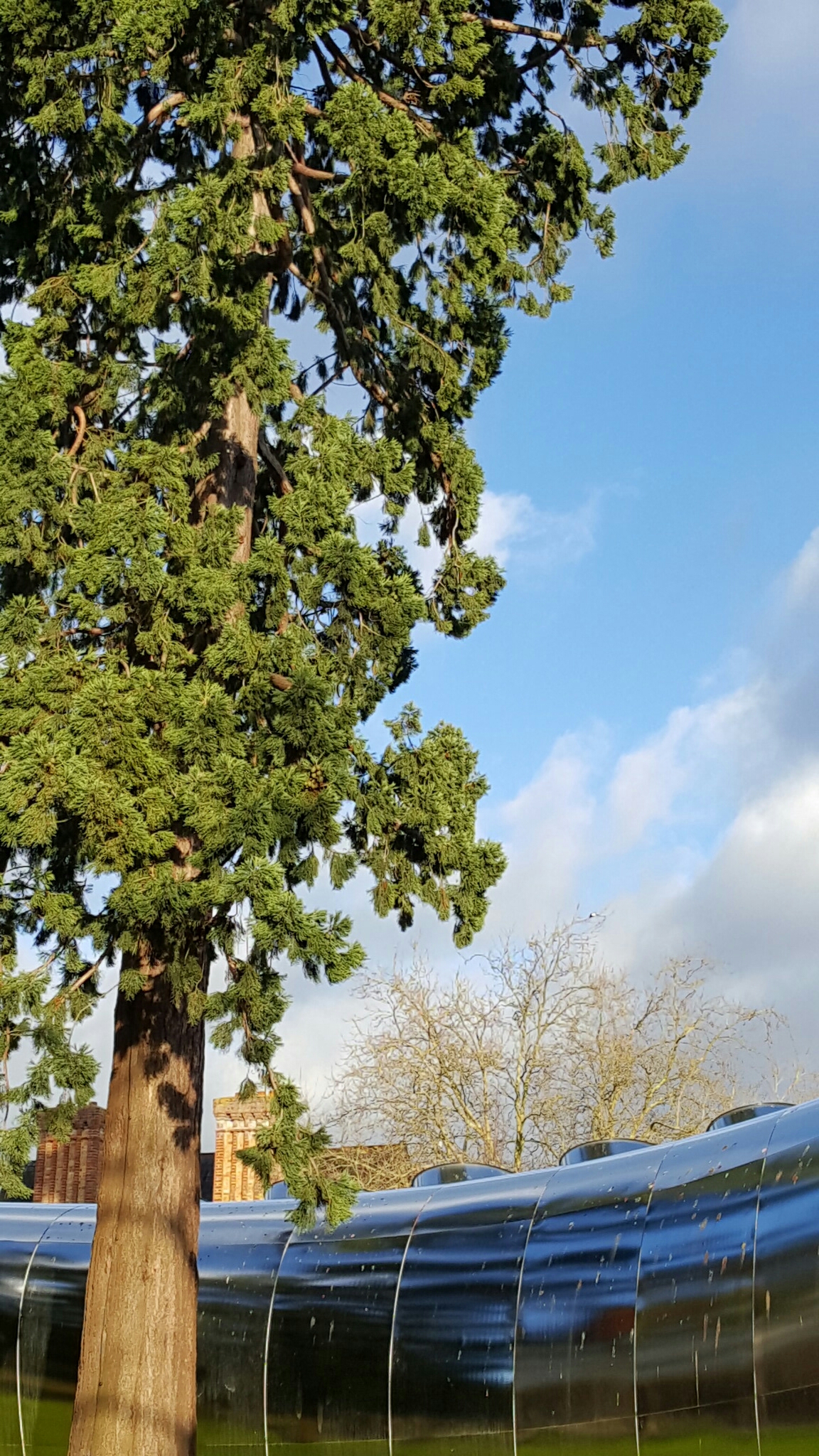
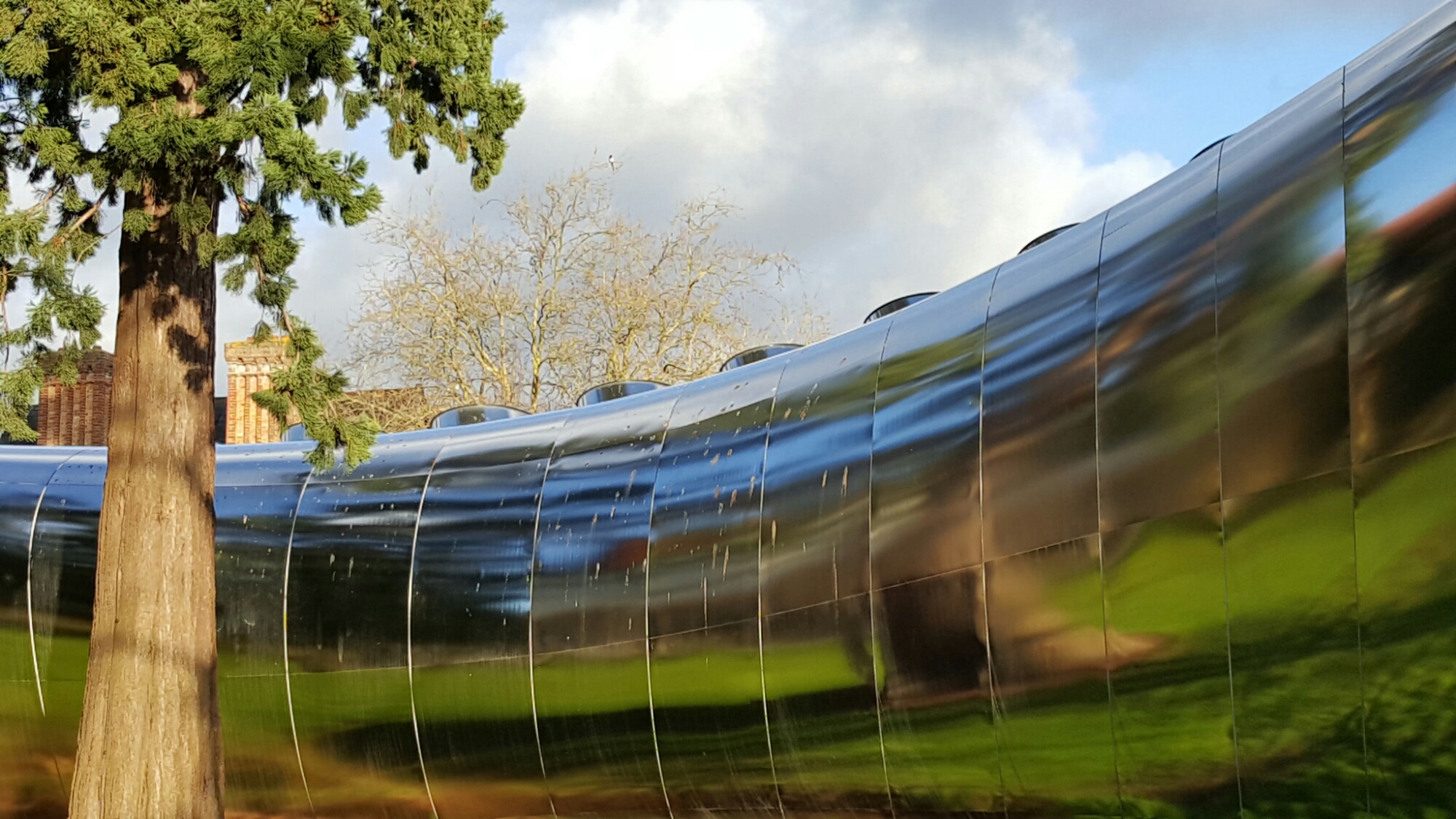
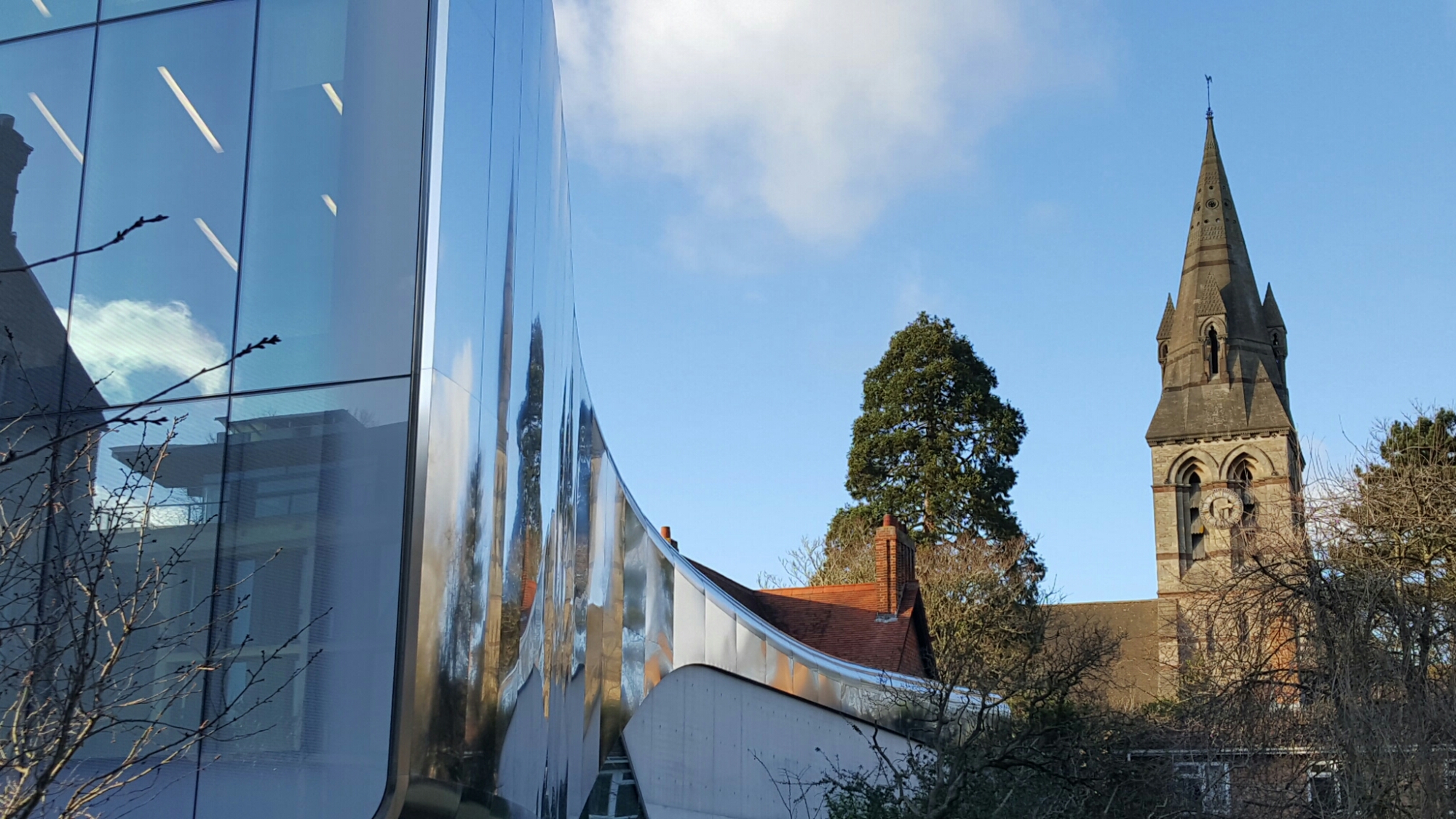
Investcorp Building
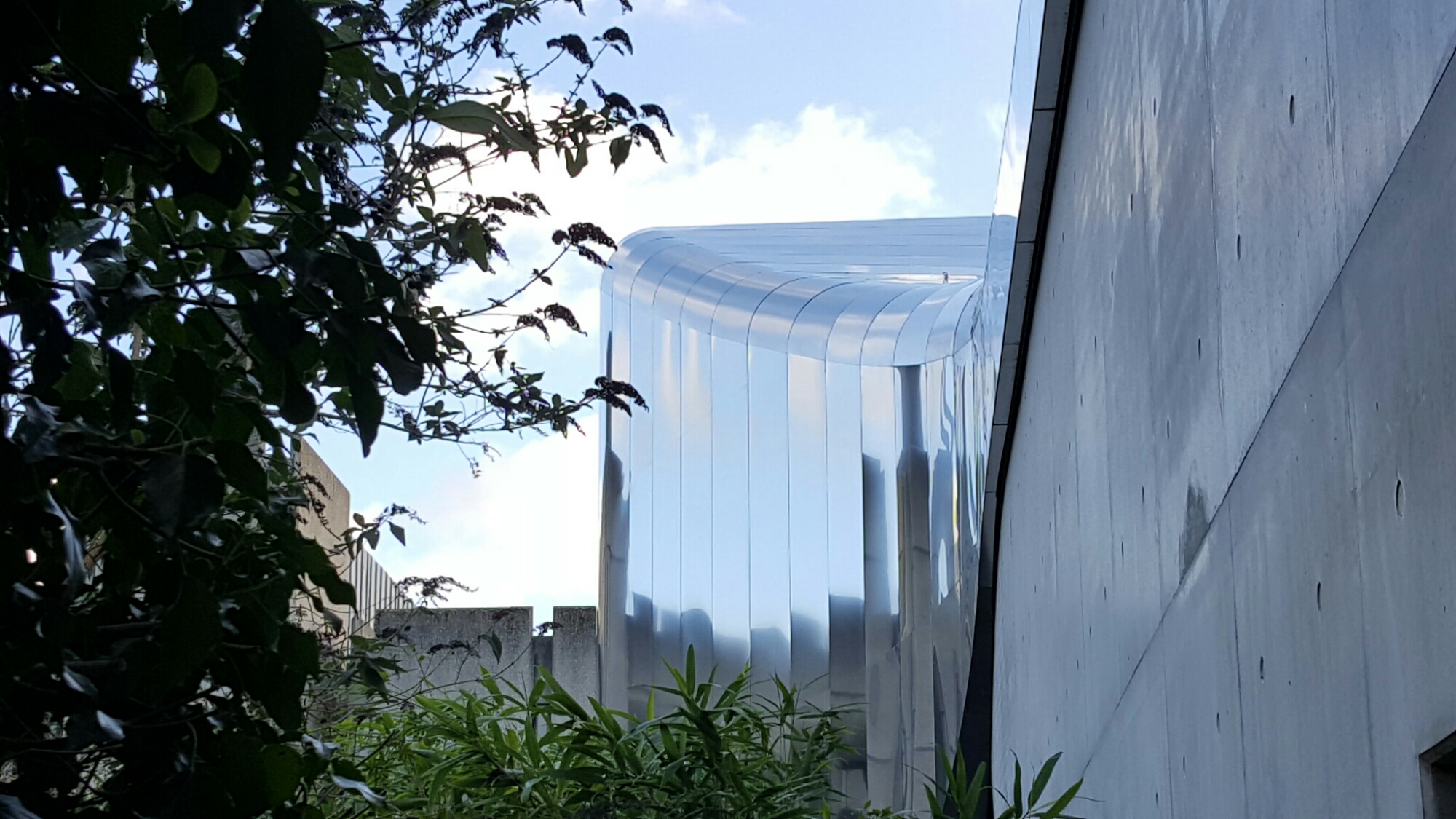
I was tipped off that it was worth walking up the Woodstock Road to see the new Zaha Hadid building, which is a smooth silver sheath attached on the north side of St. Antony’s College to house its Middle East Centre. It is indeed a surprising building, tucked into the Victorian buildings of north Oxford:-


You must be logged in to post a comment.