On my return home, I have looked up the Wentworth Estate in my battered copy of Ian Nairn’s text for Pevsner’s Surrey, a volume Nairn completed, unlike Sussex which defeated him. He had an ambivalent attitude towards the county, which, as he described on the flyleaf was where he was brought up and produced ‘a deep hatred of characterless buildings and places’. Of the Wentworth Estate, he writes, ‘Wentworth is a battered, roughcast Gothick house whose grounds were cut up for housing estates and a golf course early this century. All the natural pinewood landscape was preserved, the houses sited with the utmost care, and the trim kept quite informal – largely gravel roads, no kerbs, rhodedendrons everywhere. The result is the best expensive suburb on Surrey, well worth a visit in itself’.
Category Archives: Uncategorized
World of Interiors
The January issue of World of Interiors has just popped through the letter box with, lo and behold, a long and beautifully written piece by Ruth Guilding about Romilly’s jewellery, illustrated with photographs by Antony Crolla. Of course, I shouldn’t sound surprised because we knew it was coming out in advance of her exhibition Newfoundland which opens at the Sainsbury Centre in Norwich on Saturday. But what we hadn’t anticipated was the intense poetry of the text, describing the way she translates and transmogrifies the finds of metal detectorists which she buys on ebay and then her assistants convert into highly refined, neo-medieval works of contemporary jewellery.
Wentworth Estate (1)
This morning I went on a visit to the Wentworth Estate in Virginia Water. It was a new experience for me because I had no idea that such massive classical houses were still being constructed, although, having now done a bit of research on it, I realise that some of them are being designed by Julian Bicknell and some by my nephew George. The estate itself was laid out in the 1920s for captains of industry and stockbrokers to enjoy a semi- country life of golf within easy reach of London and the impresario behind the scheme was a builder-cum-developer called Walter Tarrant who had begun by building arts-and-crafts houses in St. George’s Hill, Weybridge.
Bitter Lake
We have – rather belatedly since it is about to go off air – watched Adam Curtis’s epic historical documentary on the influence of Saudi Arabia and militant Wahabbism on the politics of the west and radical Islam from the moment when the elderly Franklin D. Roosevelt made a deal on oil prices with Prince Faisal. Curtis claims that the programme, over two hours long and shown only on iPlayer, is intended to make history emotionally compelling through dramatic archival footage and dissonant music, but I was more impressed by its sense of emotionally detached grand narrative, looking at all invasions of Afghanistan as doomed to failure by their landscape and history and by western incomprehension of their society.
November Sun
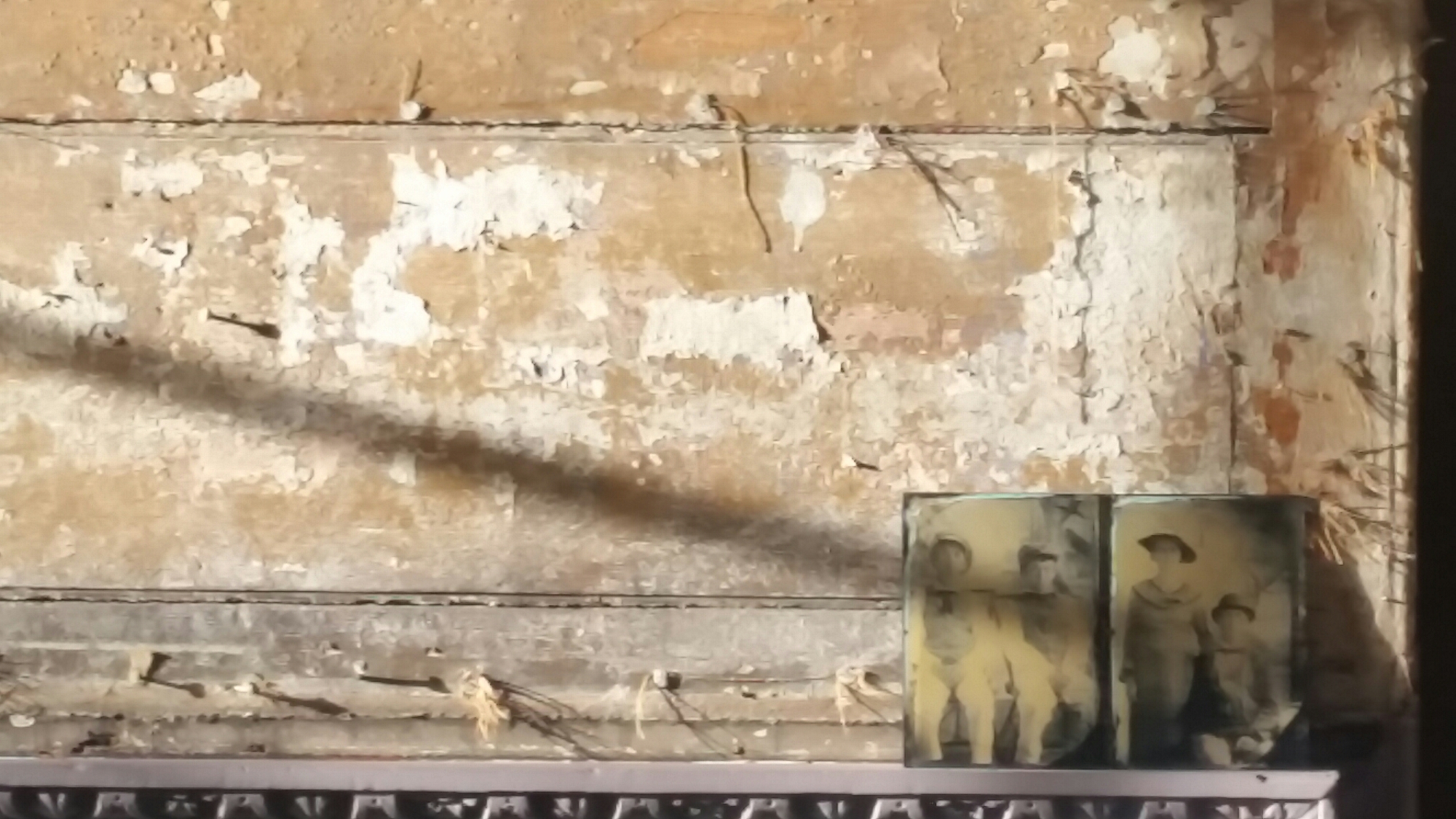
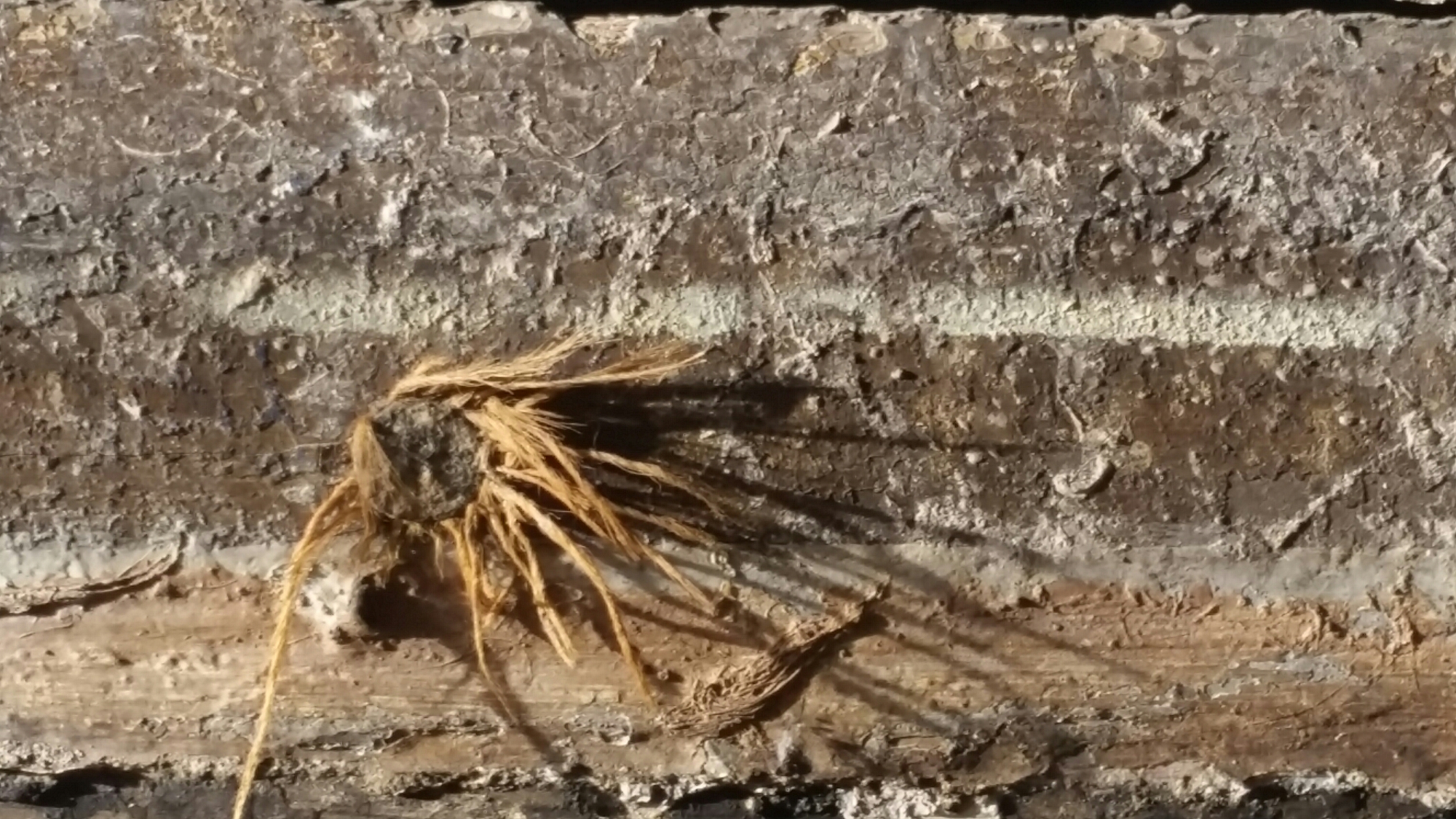
On a bleak November Sunday, I am posting views of the way the November sun lit up the unrestored wall of our dining room yesterday. The wall was left when we restored the house and dates back to the years when it was a Victorian carriage works and possibly earlier to when it was built and covered in some form of textile, of which fragments survive round the nails. The photographs were taken in Sherbrooke Village in Nova Scotia where a photographer replicated the technique of Victorian studio photography. Is it tin type ?
Butler’s Wharf
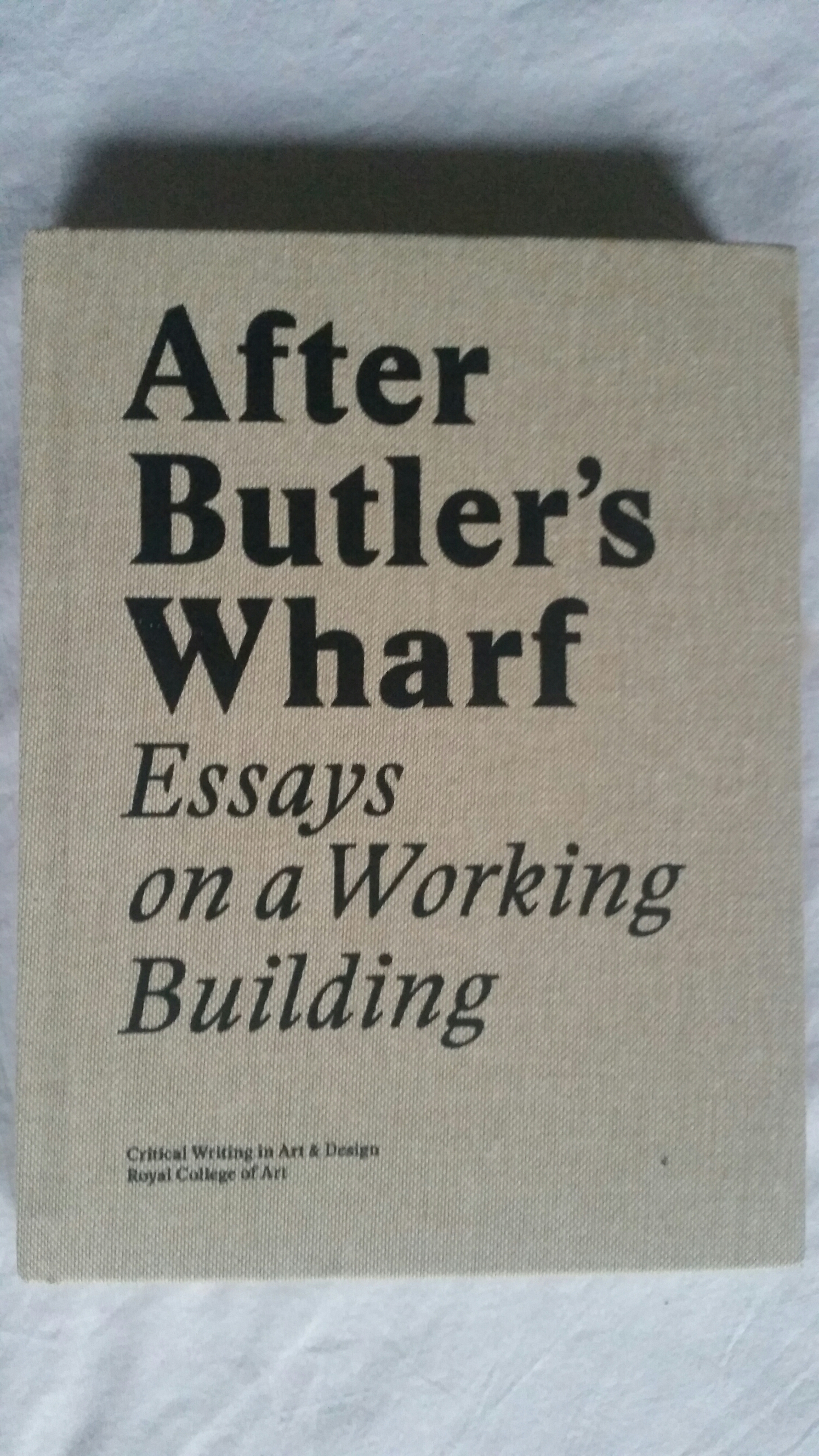
In writing about Pont de la Tour last week, I discovered that there is a nice volume of essays produced by students of the MA in Critical Writing in Art & Design at the Royal College of Art which documents the earlier history of Butler’s Wharf. Built in 1873 as a warehouse for tea and spice, it ceased to be used in 1971, when it was colonised by artists including Richard Wentworth and Derek Jarman. Andrew Logan did the first Alternative Miss World there in 1975 and Jarman filmed Jubilee and Sebastiane. The artists had moved out by 1980. Conran bought the Wharf in 1984 and developed it with Fred Roche who had worked at Milton Keynes. The restaurants moved in. Tony Blair ate roast rabbit with the Clintons:-
Peckham Rye
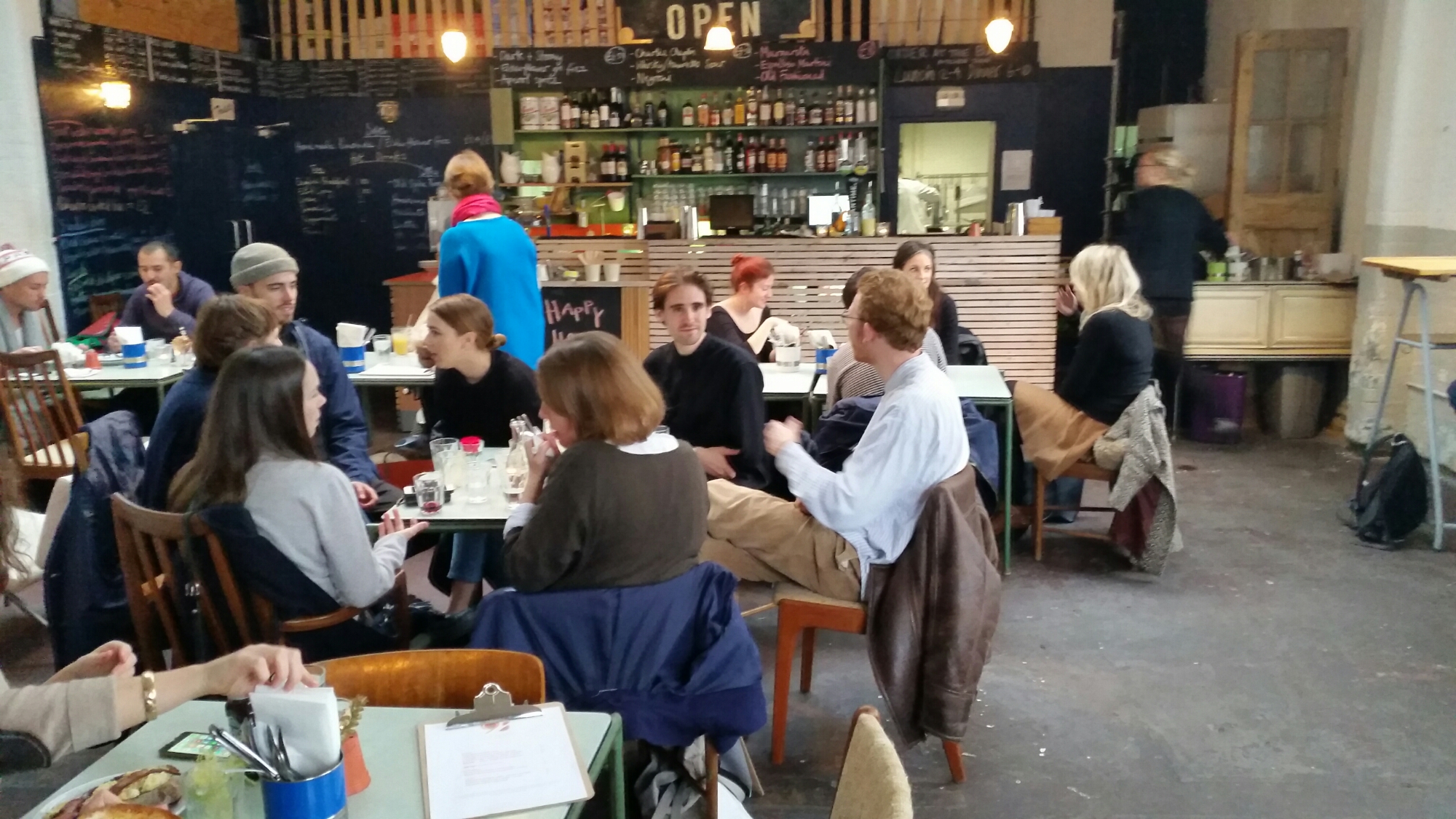
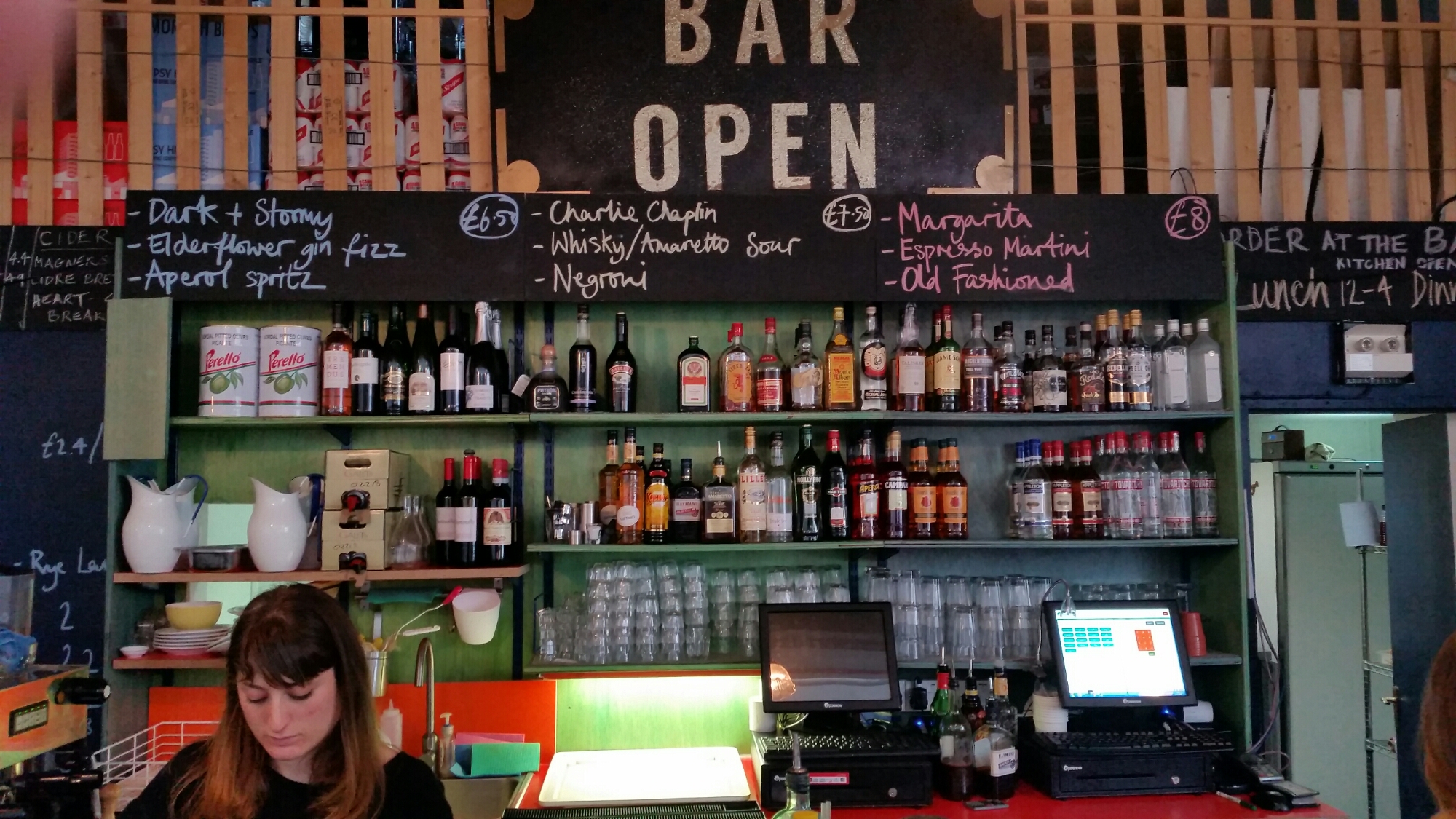
We set off to darkest south London to go to a Christmas sale of ceramics at the Kiln Room down a dark alleyway off Peckham Rye. We discovered a wild and wonderful bar called The Nines just behind it where we were able to have a brunch of fried eggs and harissa, scrambled eggs and smoked salmon, pancakes and pale ale:-
The New Craftsman
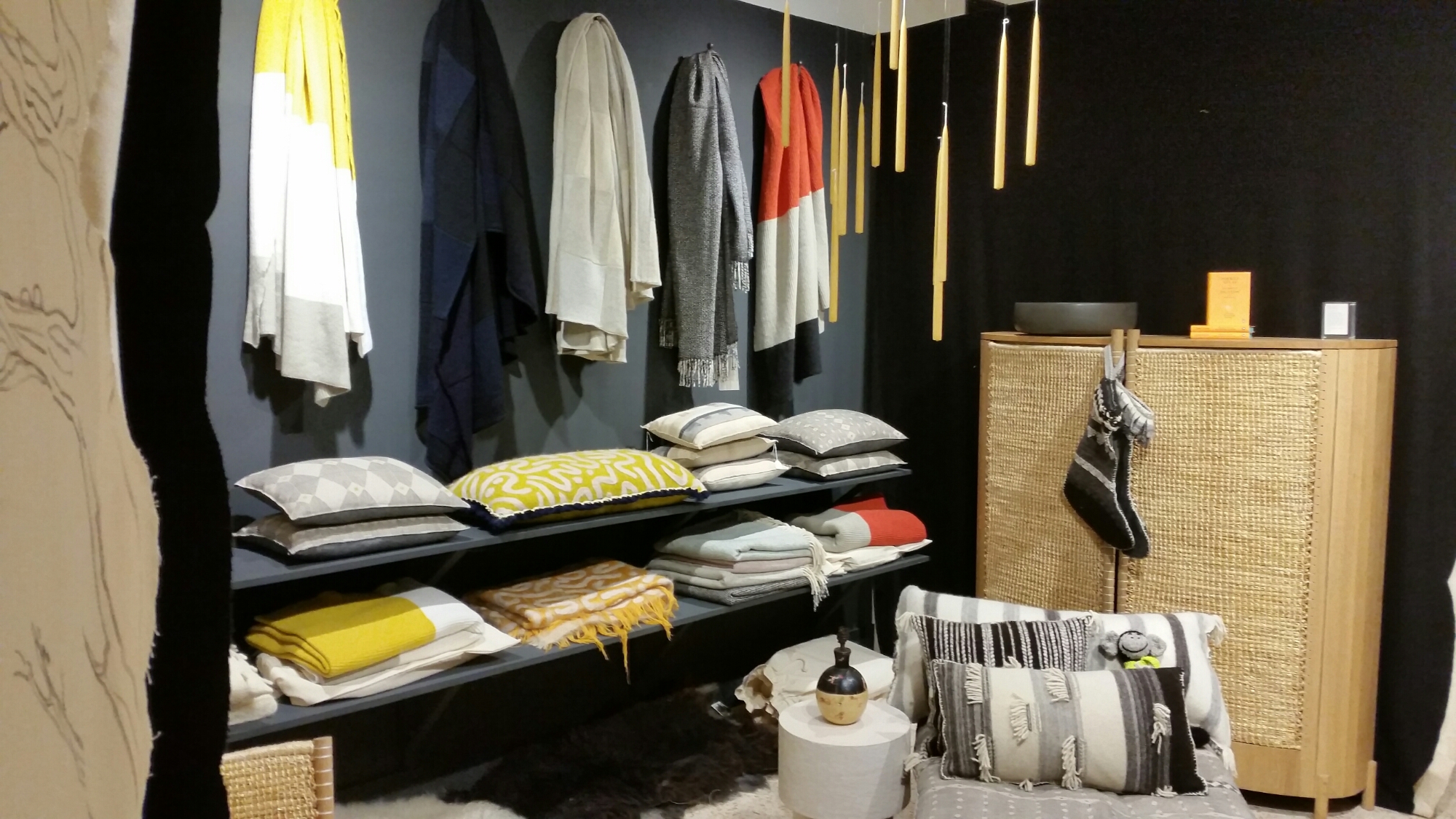
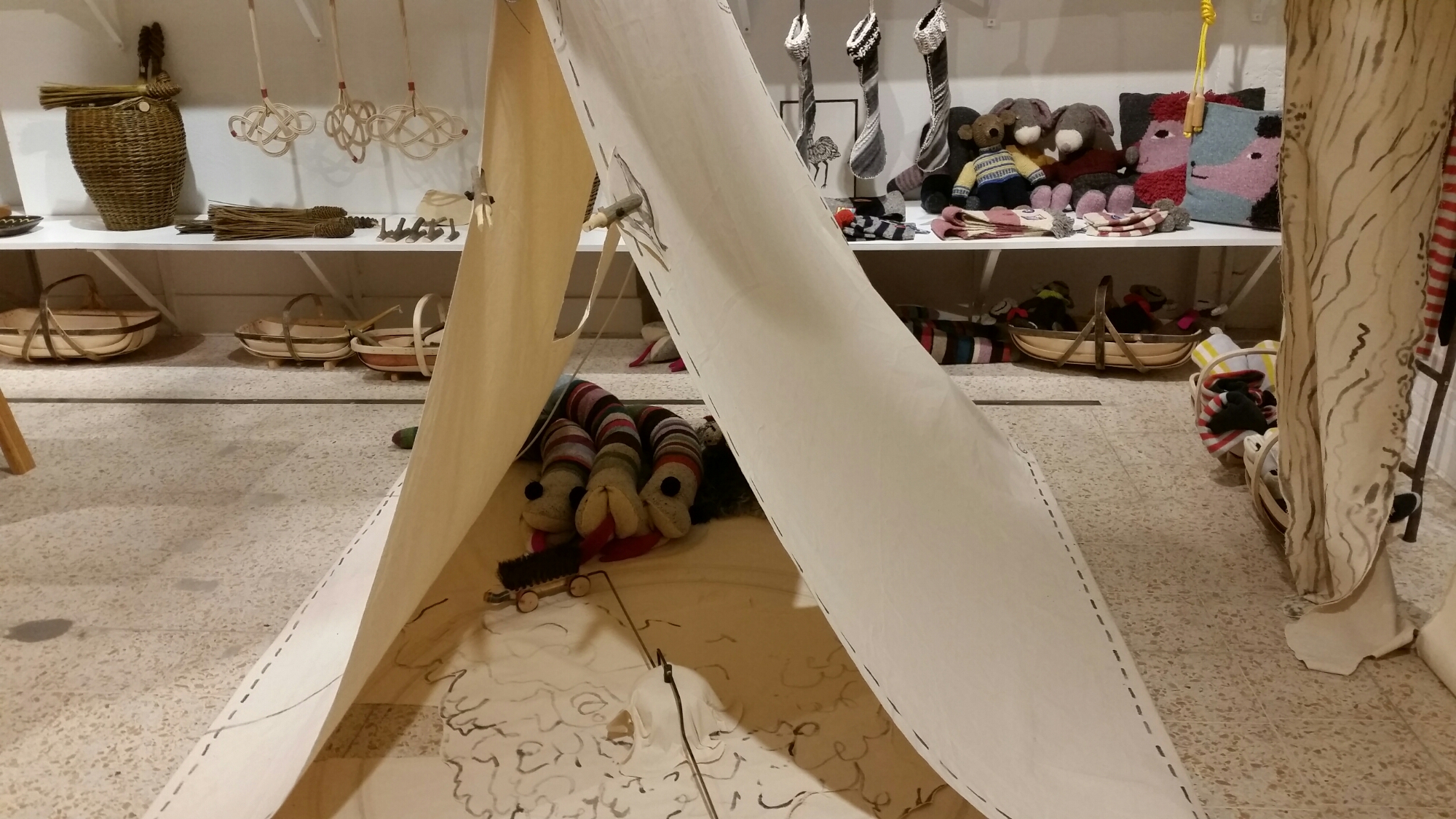
I called in at the New Craftsman on South Row to pick up some John Julian plates. We’re short. Luckily, they had some samples which they sold at Black Friday prices. I am full of admiration for what Mark Henderson and his staff (I say this not just because they found what I needed at short notice) have achieved in the New Craftsman in terms of making the crafts, which traditionally have been cheap, earnest and rural into sophisticated, but still affordable, one-off art objects. And they’ve redecorated the shop as a souk:-
Kioskafé
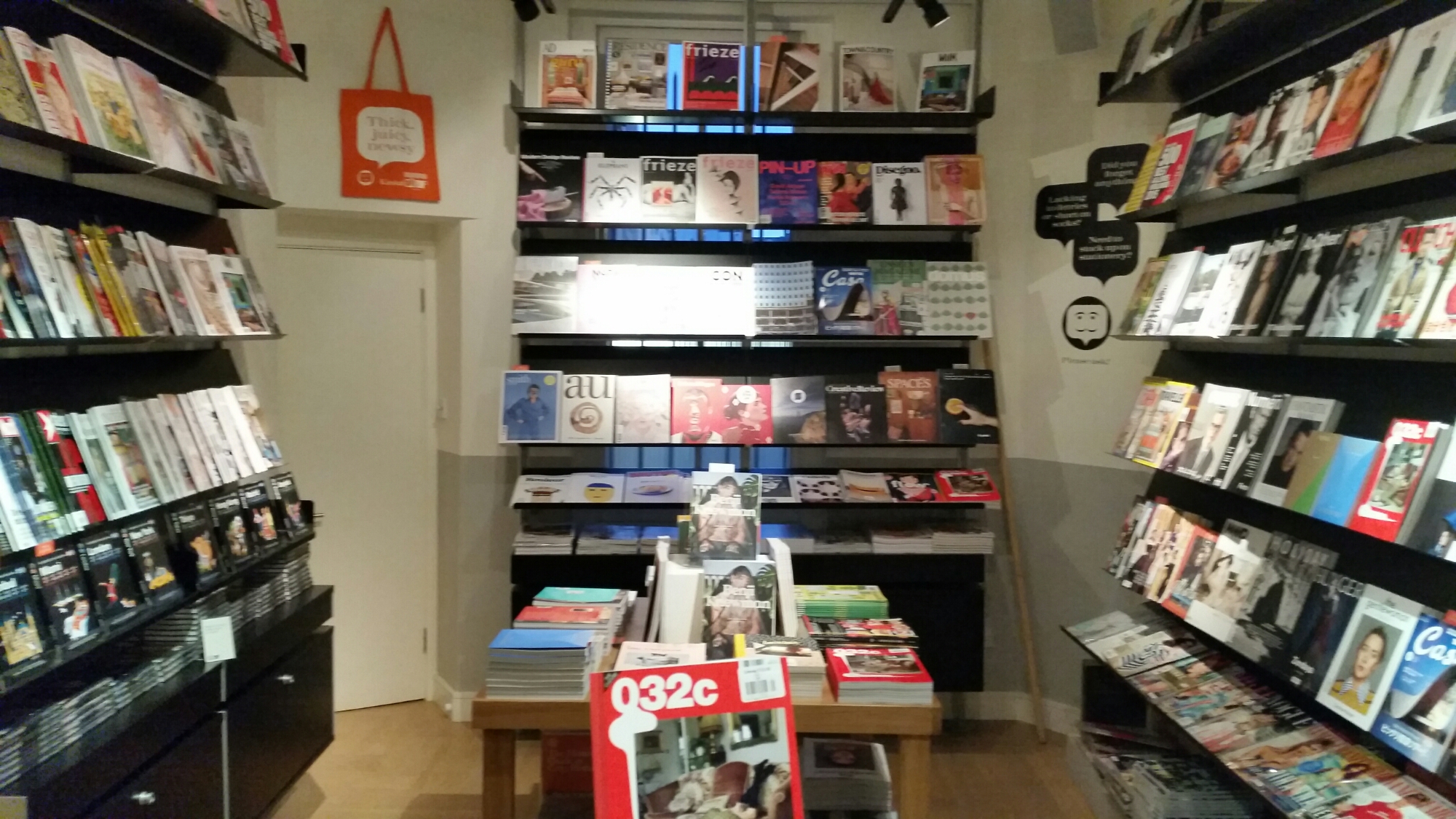
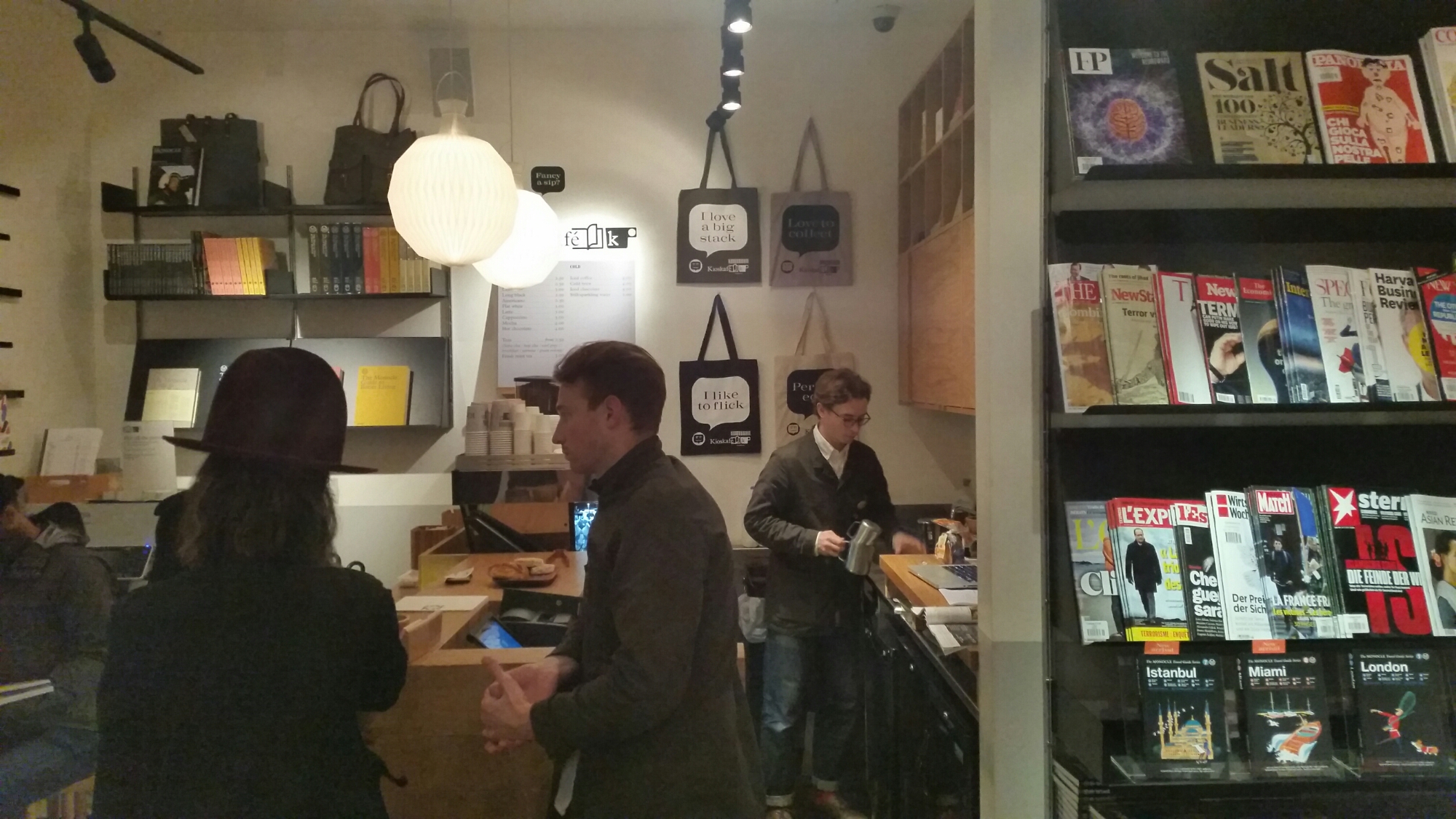
Arriving in Paddington this afternoon, I took the opportunity of calling in at the new Kioskafé in Norfolk Place near Paddington as I thought it could be a possible precedent for what we might do in Burlington Gardens. It’s a version of the Monocle Café in Chiltern Street, a café-cum-newsstand selling a wide variety of international newspapers and magazines, which are perhaps just staffage for the sale of tea and coffee, but giving it a European atmosphere:-
River and Rowing Museum
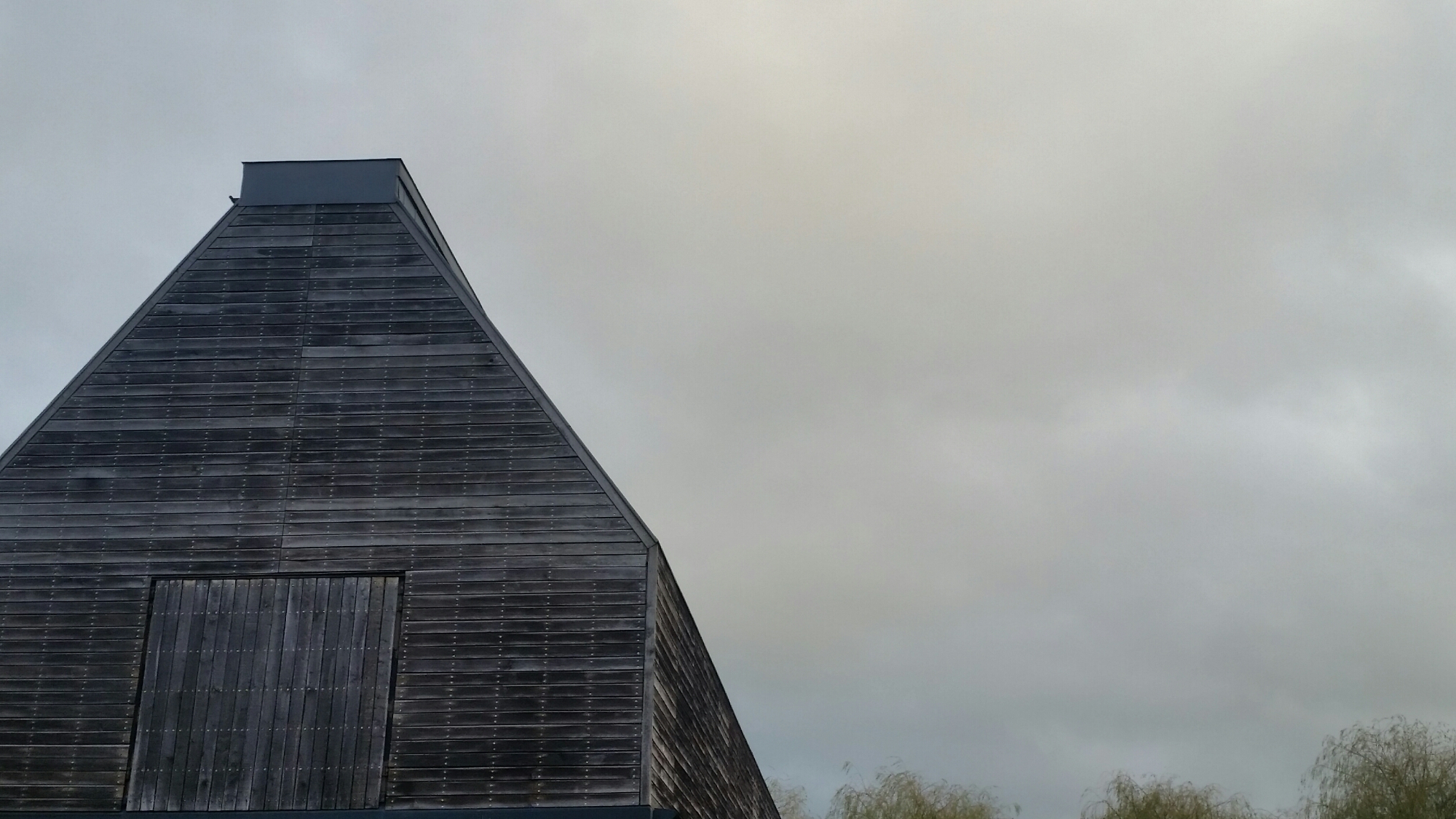
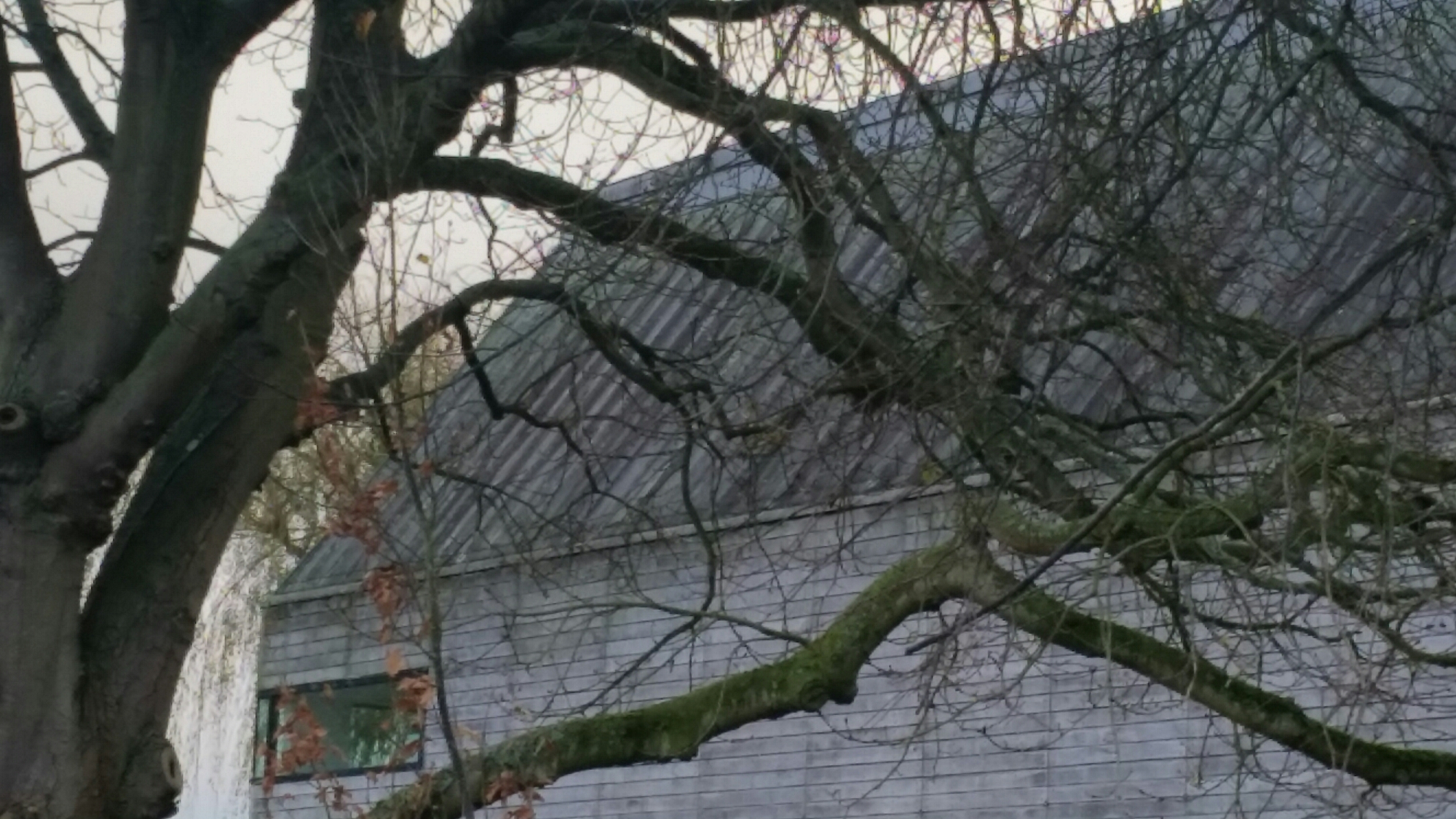
We called in rather briefly on the River and Rowing Museum on the banks of the Thames in Henley as an early project by David Chipperfield (it opened in 1998). As a building, it’s worn well: a modern version of a traditional barn form, built out of oak. It’s odd to think that it’s one of a relatively small number of projects which he did in the UK in the 1990s at the height of the lottery boom:-


You must be logged in to post a comment.