Embankment Gardens

I found myself walking through Embankment Gardens this morning en route to Portcullis House in amongst statues to forgotten Generals and behind the back of the Ministry of Defence.   The gardens themselves were retrieved from the river by Sir Joseph Bazalgette and have been used to park the victors of colonial wars.

This is the entrance to the garden which could be Nice:-

image

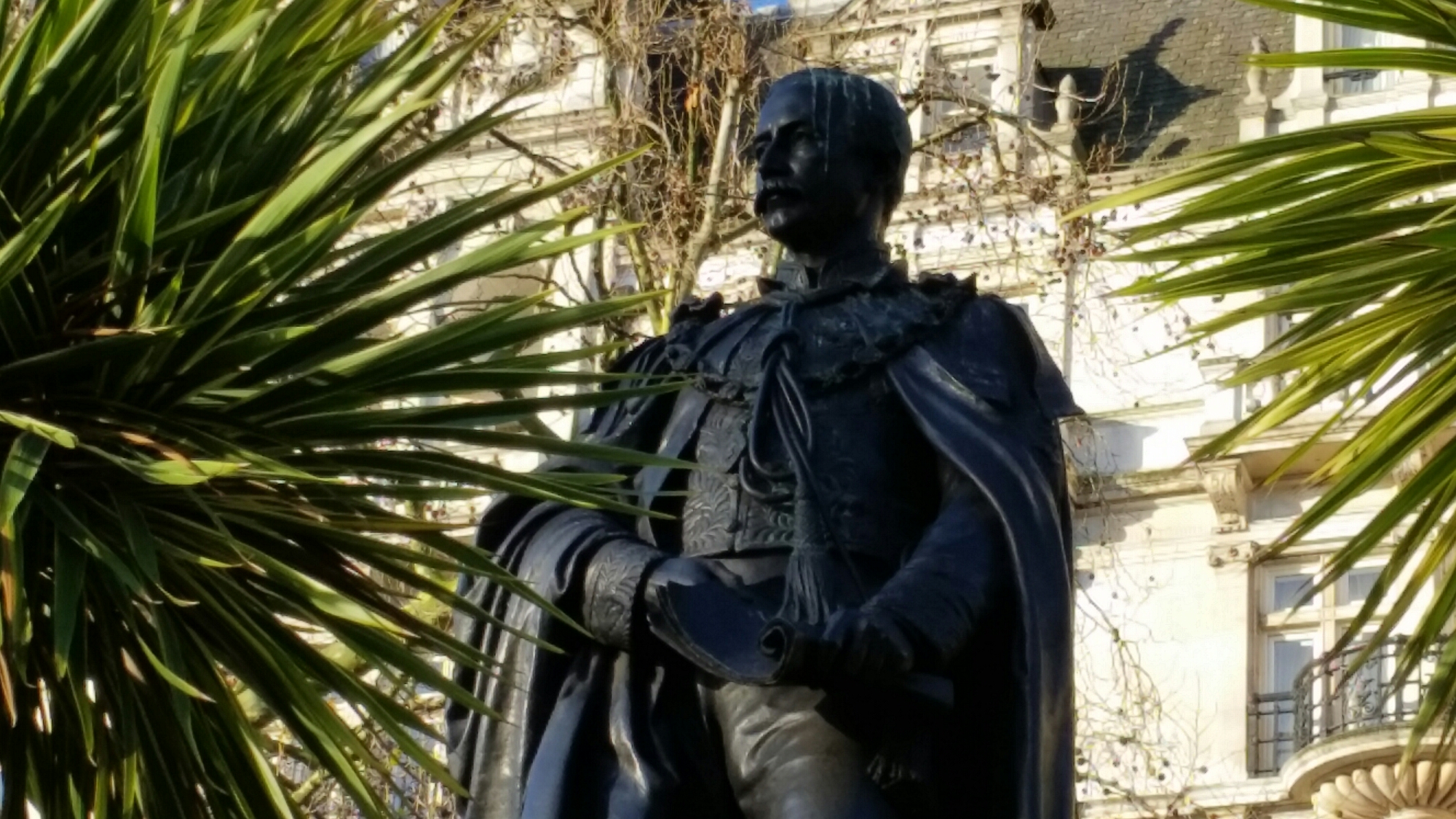
This is the statue to General Sir James Outram, the Bayard of India and responsible for the capture of Lucknow:-

image Continue reading →

Standard

John Golding

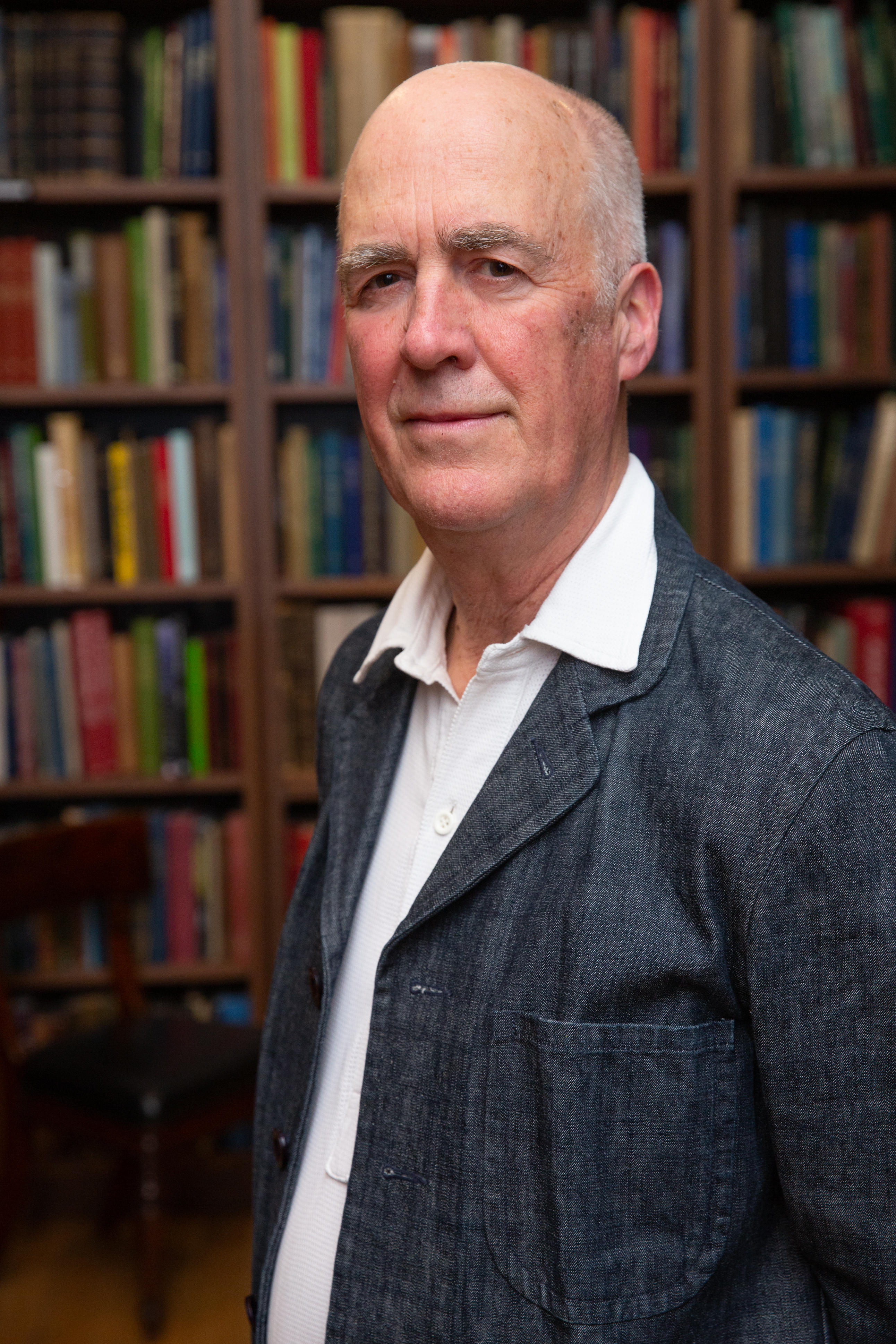
I had hoped to go to more of the conference about John Golding at the Courtauld Institute than just seeing the film, A Path to the Absolute, that Bruno Wollheim has made, but not finished, about him.  I knew John Golding only slightly, admiring him and his writings from afar, meeting him only occasionally with Bruno where dinner would be dominated by Richard Wollheim, leaving John as a drily amusing and slightly saturnine memory.   Through the film I learned more:  his upbringing in Mexico;  returning to London in 1951 to go to the Courtauld Institute;  nothing about being taught by Anthony Blunt, an odd gap as Blunt must have supervised Golding’s PhD. on Cubism;  his friendship with Douglas Cooper;  his hands shaking before lecturing;  then turning to pure painting and teaching at the RCA.   There was much about Golding being known primarily as an art historian and his relative neglect as a painter.   But he was great as an art historian, bringing qualities of intellectual precision to the study of twentieth-century art, and important for his influence on a generation of students including T.J. Clark, whereas no-one is suggesting he had quite the same importance as an artist.
Standard

Edmund de Waal (4)

I spent the second half of the afternoon going round Edmund de Waal’s exhibition in the RA Library with Edmund himself.   It inevitably makes one look and pay attention to the objects differently if one is told how and why they have been chosen:  the elephant folio;  the Cy Twombly sculpture which I had not noticed previously and about which he was lecturing at Tate Britain last night;  the Rachel Whiteread;  Turner’s beautiful ceramic palette;  and the Renaissance bust which is the only record of a bust destroyed in Berlin in the war.   What is nice is the sense of a treasure hunt in the shelves, guided by his pleasure in the private world of the library and lent artefacts.

Standard

Ai Weiwei (9)

I spent part of the afternoon attending a community art club for the homeless who come once a month to look at one of our exhibitions and then make art work inspired by it. I found it unexpectedly therapeutic to be encouraged to look carefully at the work, talk about it and comment on its meaning – not much different from what art historians do, but maybe undertaken with a more open mind. We ended under the chandelier, which looked, as was pointed out, full of bling in the evening light:-

image

Standard

Wentworth Estate (2)

On my return home, I have looked up the Wentworth Estate in my battered copy of Ian Nairn’s text for Pevsner’s Surrey, a volume Nairn completed, unlike Sussex which defeated him.   He had an ambivalent attitude towards the county, which, as he described on the flyleaf was where he was brought up and produced ‘a deep hatred of characterless buildings and places’.   Of the Wentworth Estate, he writes, ‘Wentworth is a battered, roughcast Gothick house whose grounds were cut up for housing estates and a golf course early this century.   All the natural pinewood landscape was preserved, the houses sited with the utmost care, and the trim kept quite informal – largely gravel roads, no kerbs, rhodedendrons everywhere.   The result is the best expensive suburb on Surrey, well worth a visit in itself’.

Standard

World of Interiors

The January issue of World of Interiors has just popped through the letter box with, lo and behold, a long and beautifully written piece by Ruth Guilding about Romilly’s jewellery,  illustrated with photographs by Antony Crolla.   Of course, I shouldn’t sound surprised because we knew it was coming out in advance of her exhibition Newfoundland which opens at the Sainsbury Centre in Norwich on Saturday.   But what we hadn’t anticipated was the intense poetry of the text, describing the way she translates and transmogrifies the finds of metal detectorists which she buys on ebay and then her assistants convert into highly refined, neo-medieval works of contemporary jewellery.

Standard

Wentworth Estate (1)

This morning I went on a visit to the Wentworth Estate in Virginia Water.   It was a new experience for me because I had no idea that such massive classical houses were still being constructed, although, having now done a bit of research on it, I realise that some of them are being designed by Julian Bicknell and some by my nephew George.   The estate itself was laid out in the 1920s for captains of industry  and stockbrokers to enjoy a semi- country life of golf within easy reach of London and the impresario behind the scheme was a builder-cum-developer called Walter Tarrant who had begun by building arts-and-crafts houses in St. George’s Hill, Weybridge.

Standard

Bitter Lake

We have – rather belatedly since it is about to go off air – watched Adam Curtis’s epic historical documentary on the influence of Saudi Arabia and militant Wahabbism on the politics of the west and radical Islam from the moment when the elderly Franklin D. Roosevelt made a deal on oil prices with Prince Faisal.   Curtis claims that the programme, over two hours long and shown only on iPlayer, is intended to make history emotionally compelling through dramatic archival footage and dissonant music, but I was more impressed by its sense of emotionally detached grand narrative, looking at all invasions of Afghanistan as doomed to failure by their landscape and history and by western incomprehension of their society.

Standard

November Sun

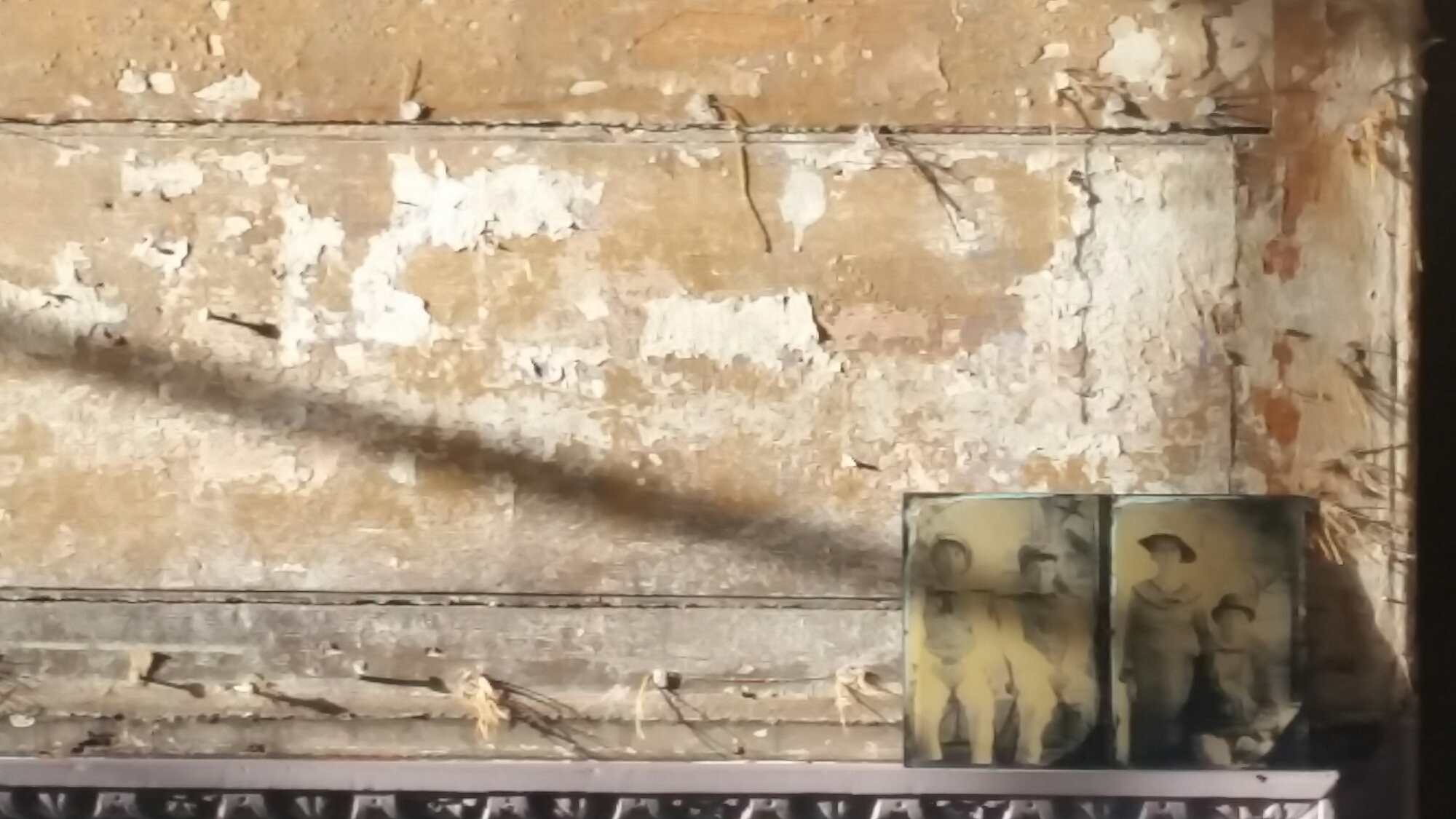
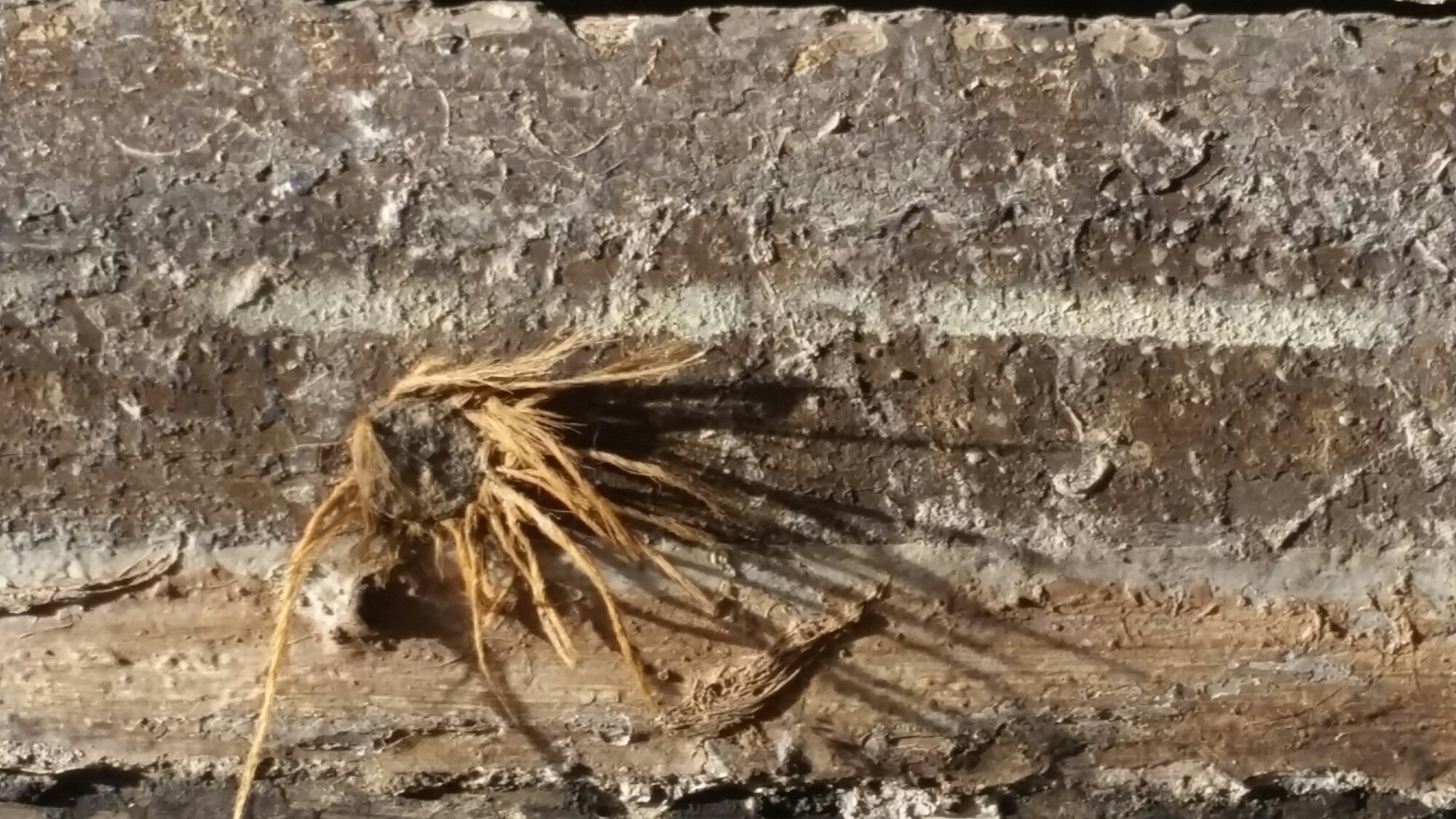
On a bleak November Sunday, I am posting views of the way the November sun lit up the unrestored wall of our dining room yesterday.   The wall was left when we restored the house and dates back to the years when it was a Victorian carriage works and possibly earlier to when it was built and covered in some form of textile, of which fragments survive round the nails.   The photographs were taken in Sherbrooke Village in Nova Scotia where a photographer replicated the technique of Victorian studio photography.   Is it tin type ?

image

image Continue reading →

Standard

Butler’s Wharf

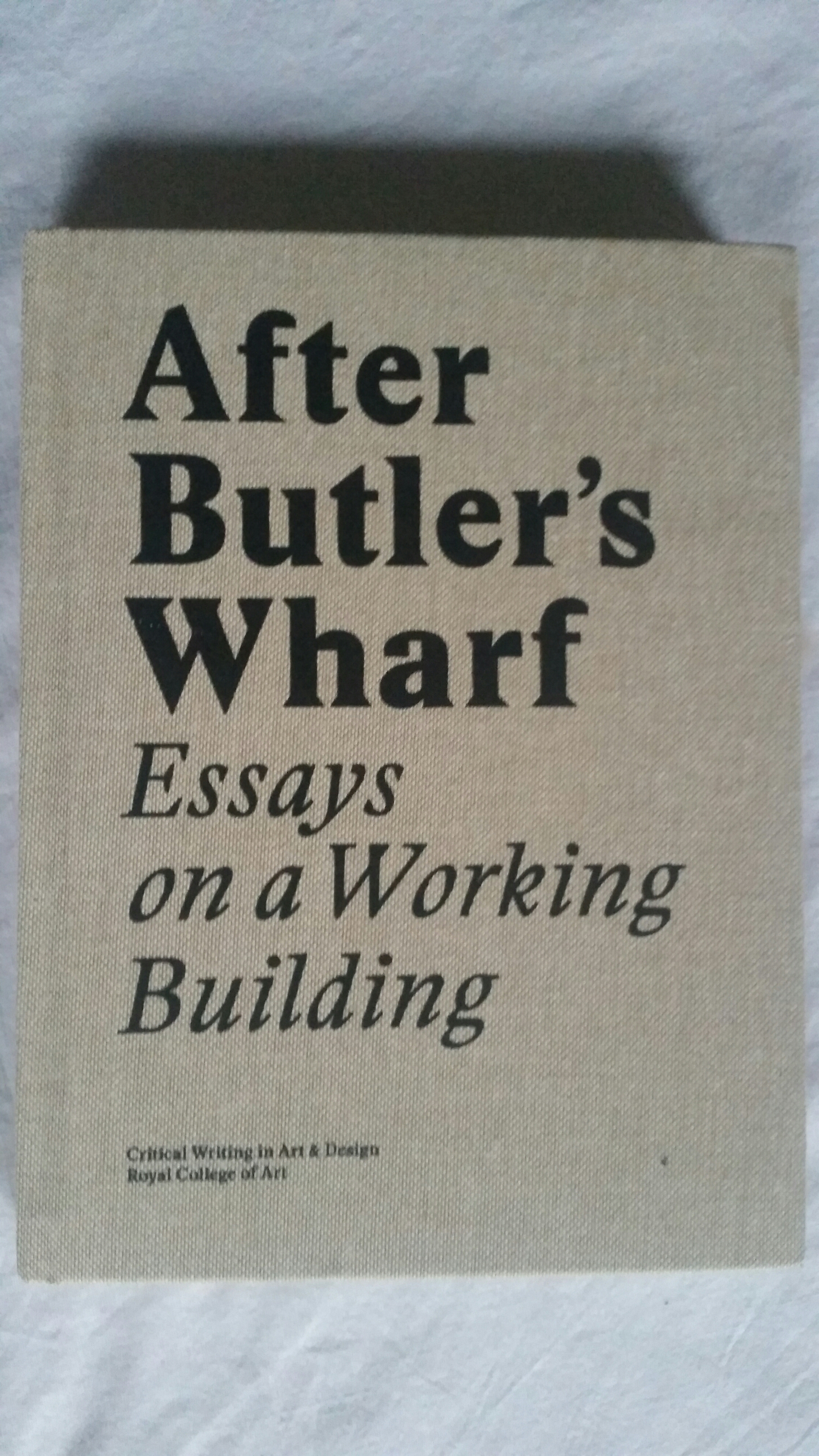
In writing about Pont de la Tour last week, I discovered that there is a nice volume of essays produced by students of the MA in Critical Writing in Art & Design at the Royal College of Art which documents the earlier history of Butler’s Wharf.   Built in 1873 as a warehouse for tea and spice, it ceased to be used in 1971, when it was colonised by artists including Richard Wentworth and Derek Jarman.   Andrew Logan did the first Alternative Miss World there in 1975 and Jarman filmed Jubilee and Sebastiane.   The artists had moved out by 1980.   Conran bought the Wharf in 1984 and developed it with Fred Roche who had worked at Milton Keynes.   The restaurants moved in.   Tony Blair ate roast rabbit with the Clintons:-

image

Standard