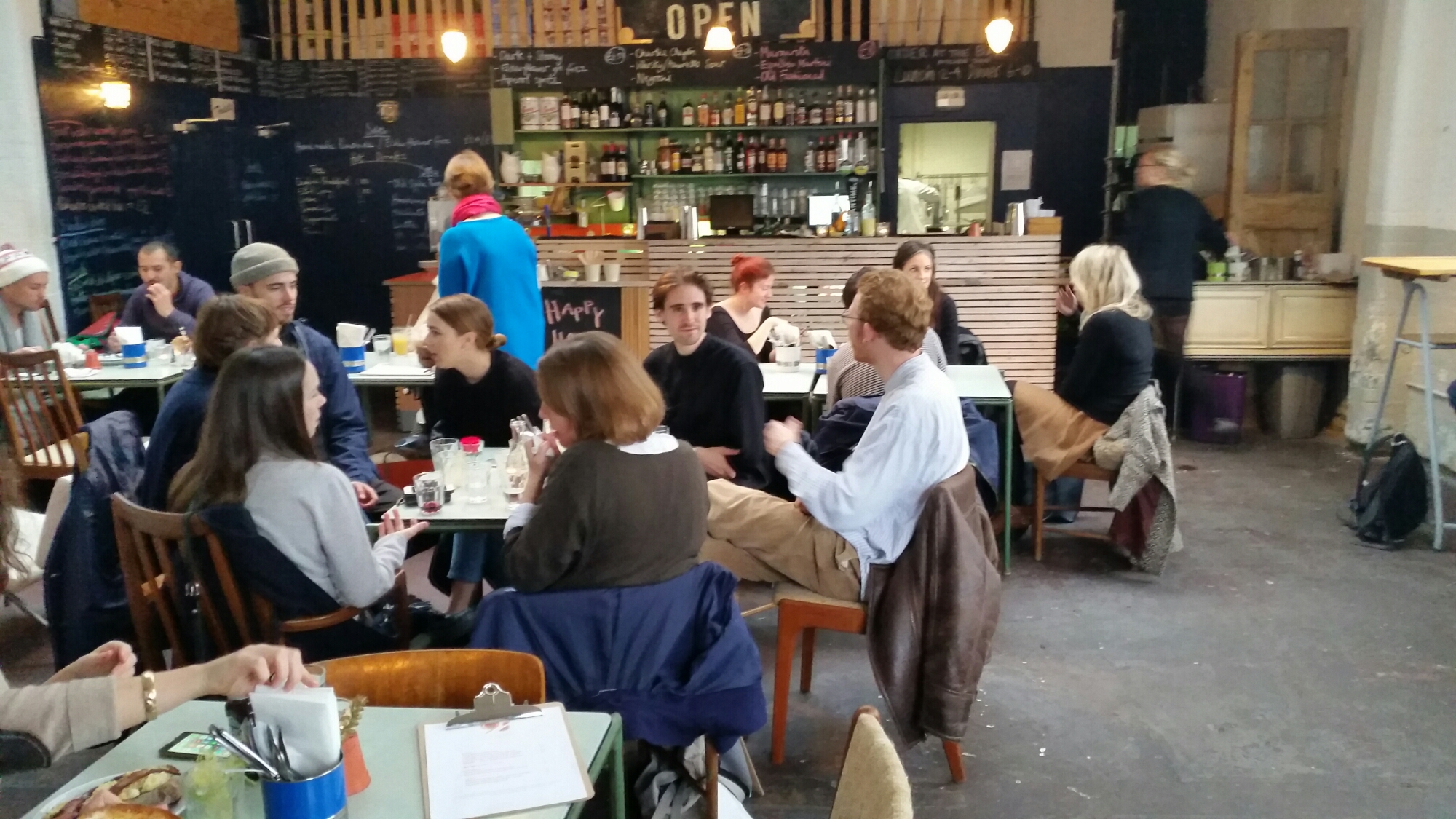
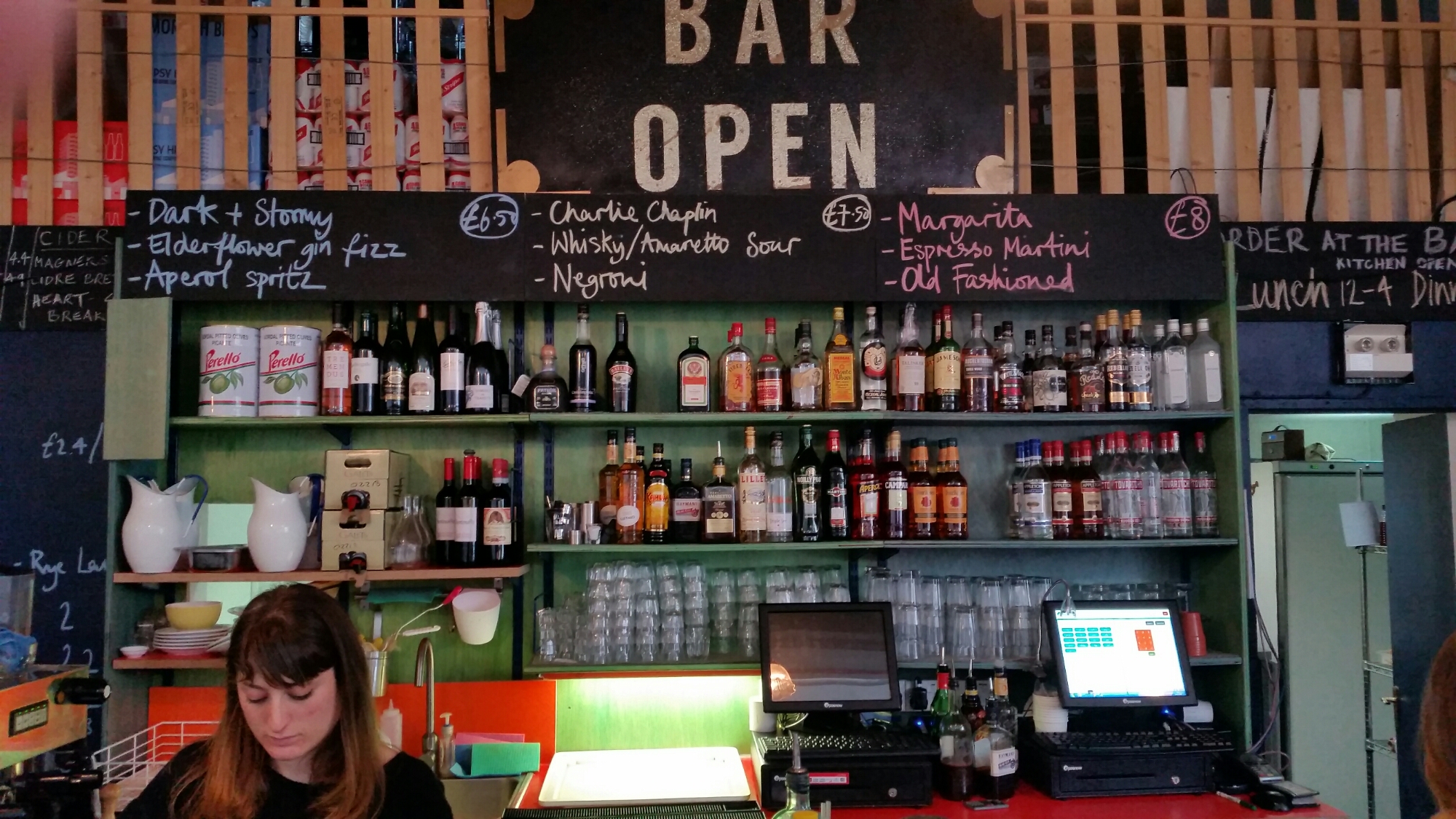
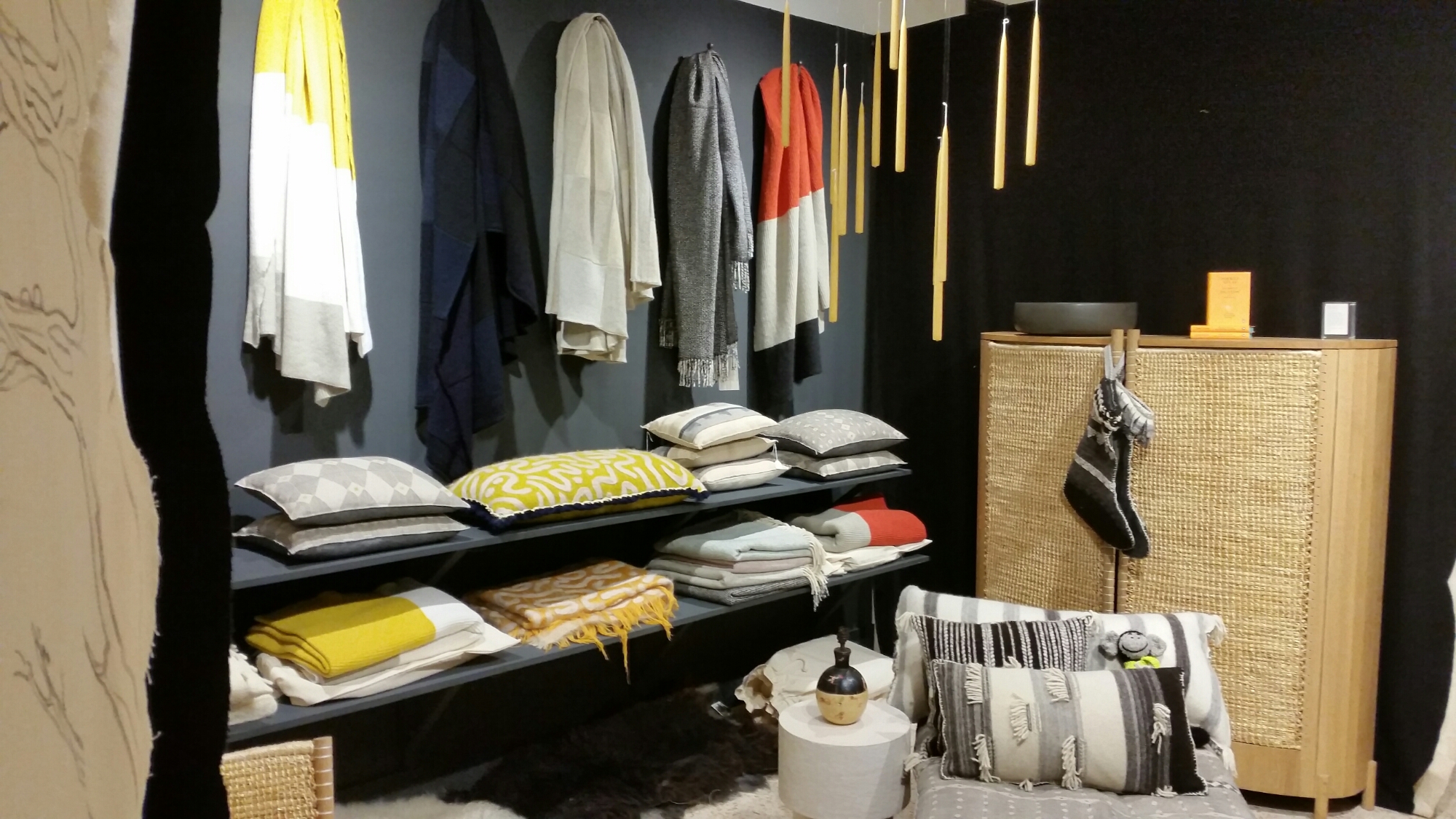
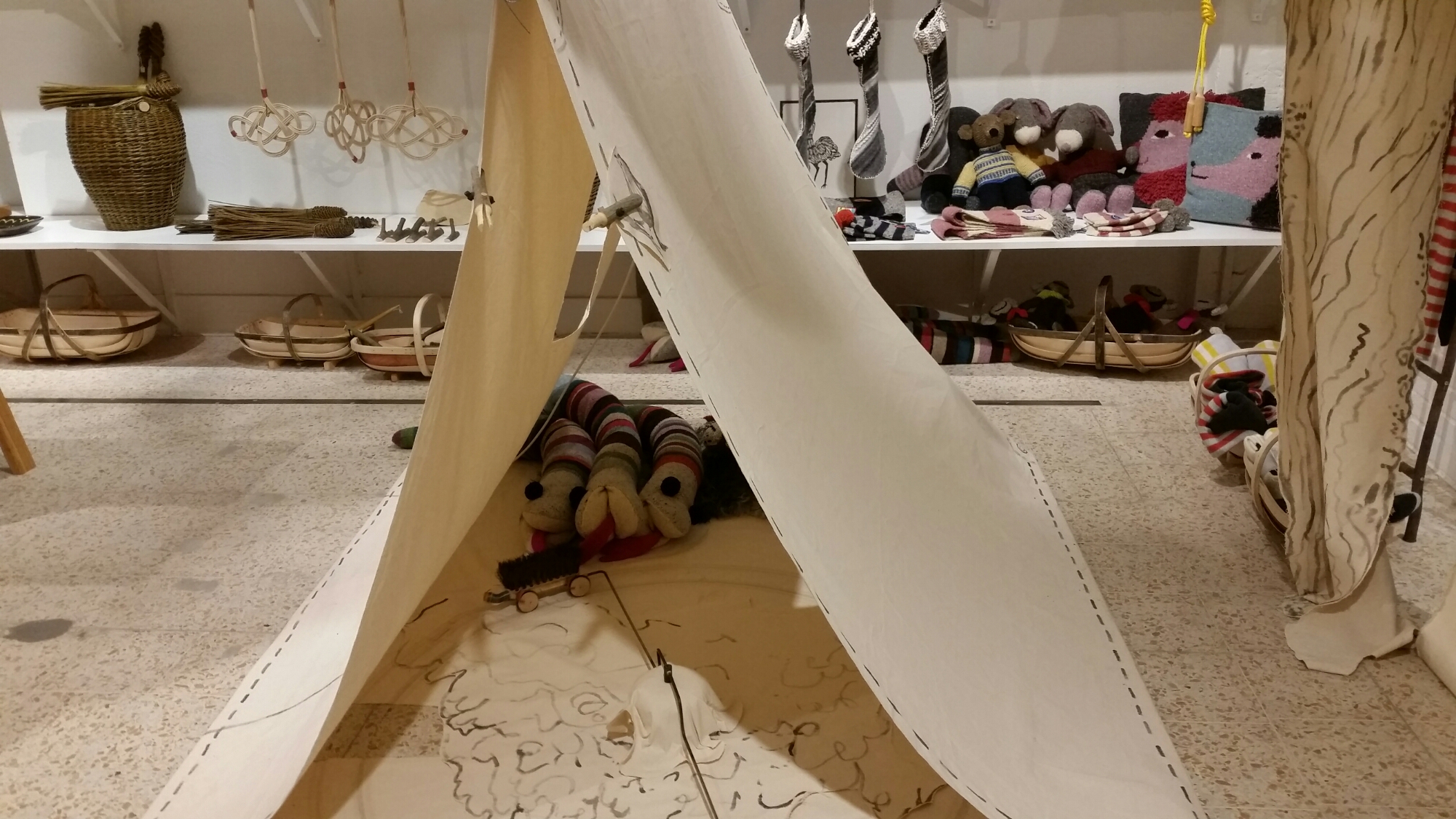
We set off to darkest south London to go to a Christmas sale of ceramics at the Kiln Room down a dark alleyway off Peckham Rye. We discovered a wild and wonderful bar called The Nines just behind it where we were able to have a brunch of fried eggs and harissa, scrambled eggs and smoked salmon, pancakes and pale ale:-
Category Archives: Uncategorized
The New Craftsman
I called in at the New Craftsman on South Row to pick up some John Julian plates. We’re short. Luckily, they had some samples which they sold at Black Friday prices. I am full of admiration for what Mark Henderson and his staff (I say this not just because they found what I needed at short notice) have achieved in the New Craftsman in terms of making the crafts, which traditionally have been cheap, earnest and rural into sophisticated, but still affordable, one-off art objects. And they’ve redecorated the shop as a souk:-
Kioskafé
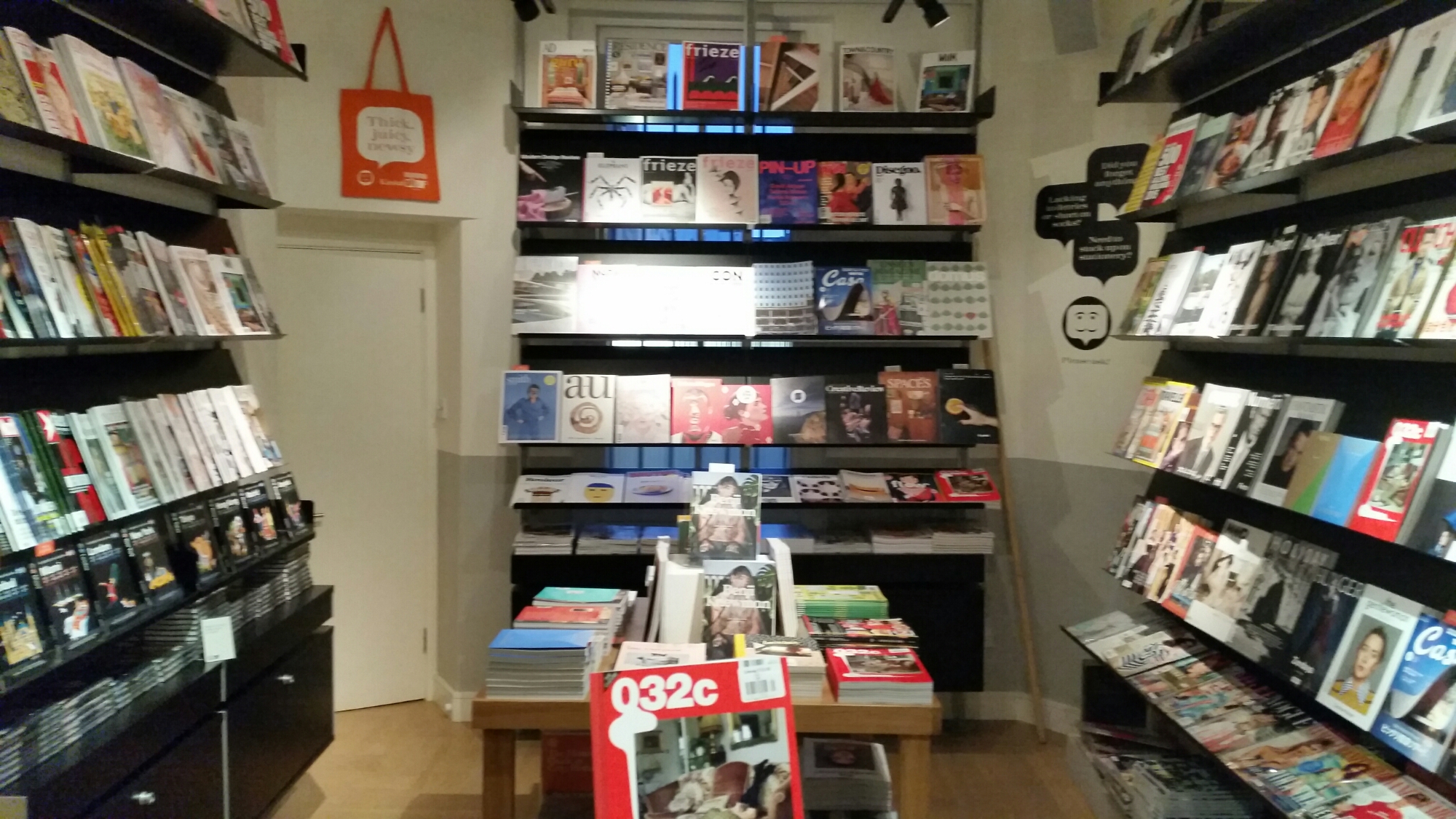
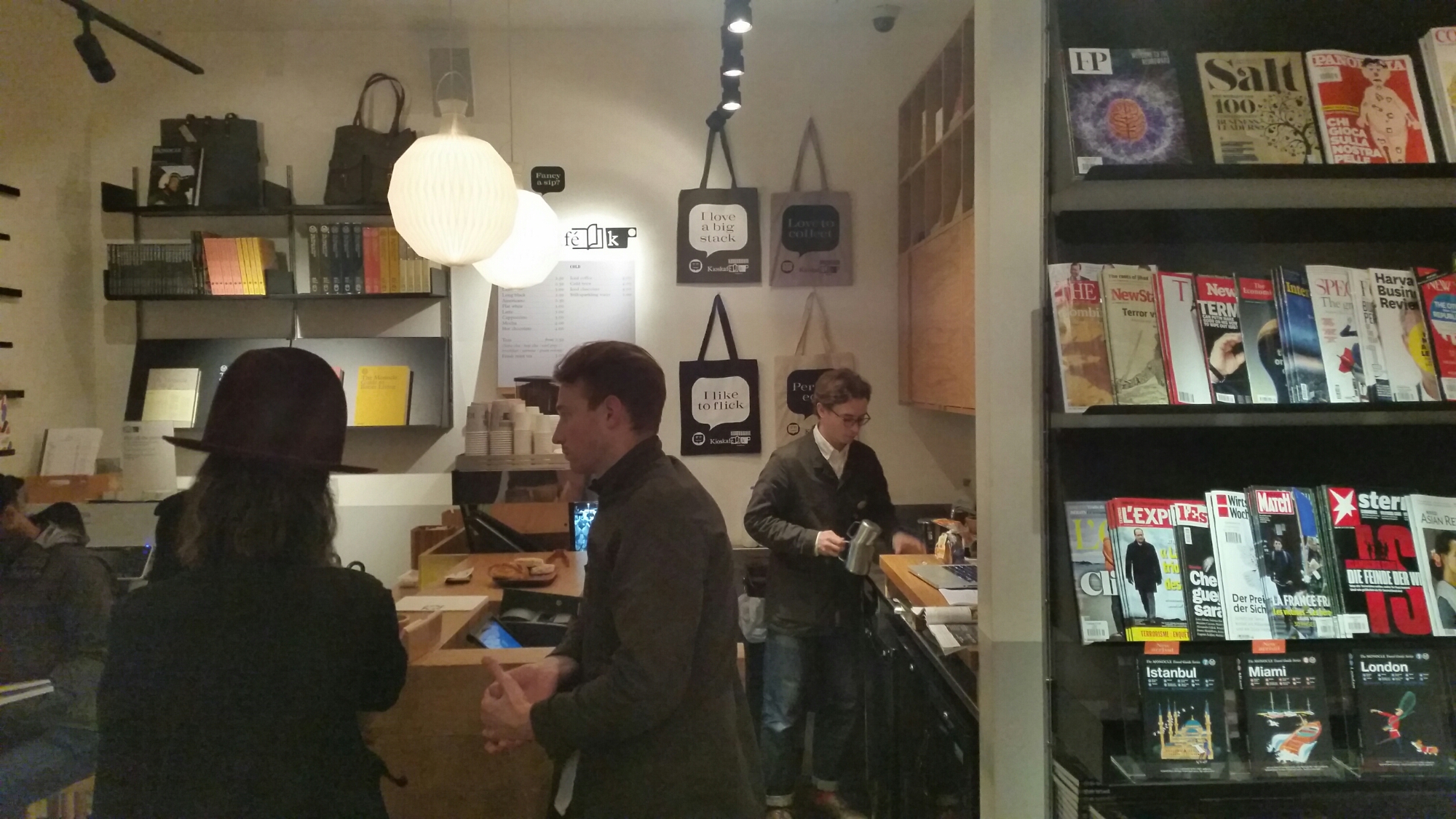
Arriving in Paddington this afternoon, I took the opportunity of calling in at the new Kioskafé in Norfolk Place near Paddington as I thought it could be a possible precedent for what we might do in Burlington Gardens. It’s a version of the Monocle Café in Chiltern Street, a café-cum-newsstand selling a wide variety of international newspapers and magazines, which are perhaps just staffage for the sale of tea and coffee, but giving it a European atmosphere:-
River and Rowing Museum
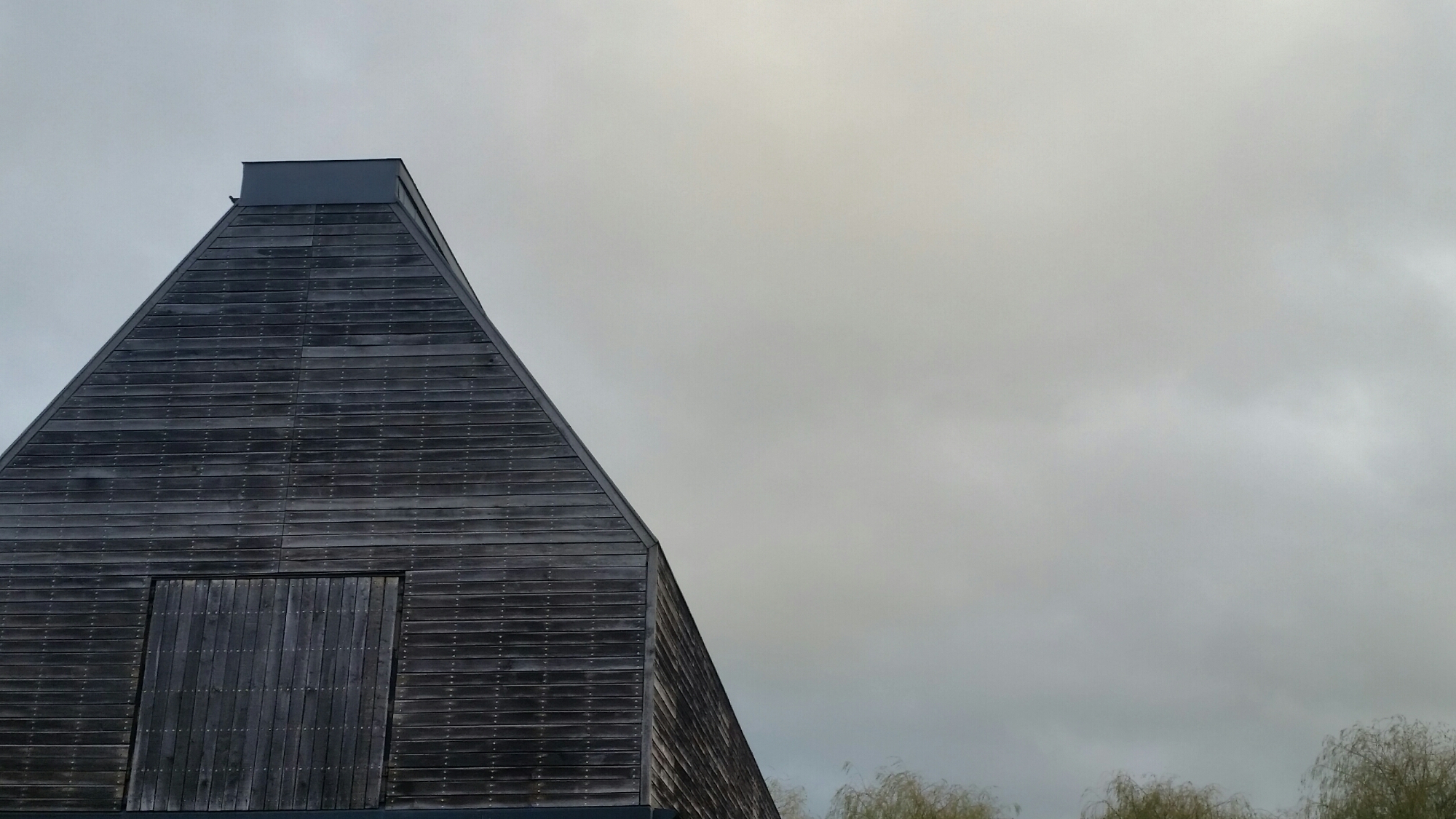
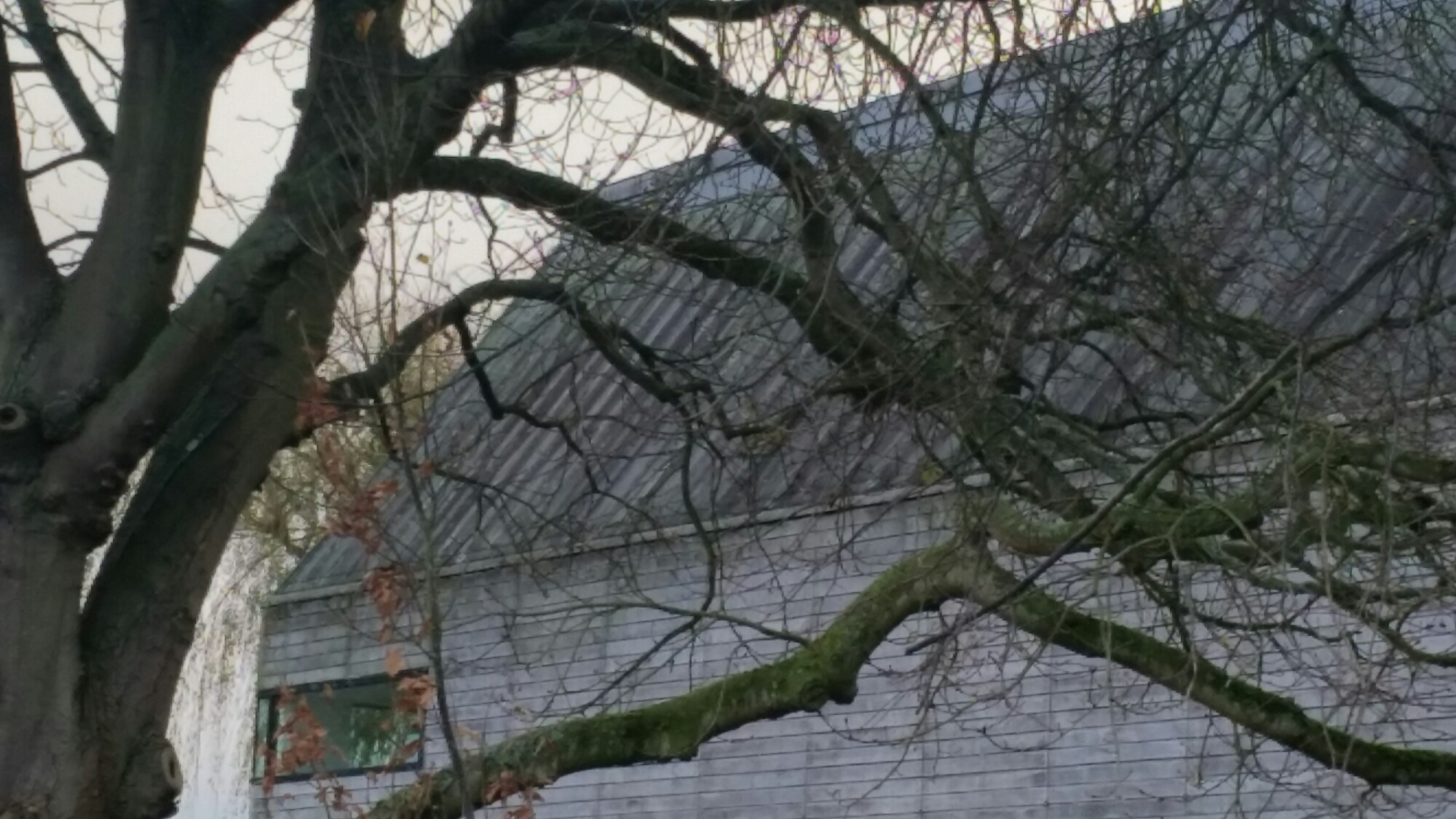
We called in rather briefly on the River and Rowing Museum on the banks of the Thames in Henley as an early project by David Chipperfield (it opened in 1998). As a building, it’s worn well: a modern version of a traditional barn form, built out of oak. It’s odd to think that it’s one of a relatively small number of projects which he did in the UK in the 1990s at the height of the lottery boom:-
Iran
I spent the morning looking at artefacts from the history of Iran, learning about the extraordinary antiquity of the region, demonstrated in the sophistication of objects from the third millennium BC, the layer upon layer of different cultures of production before the invasion by Alexander the Great, the beauty of the gold objects, and the early influence and mimicking of objects from China. It reminded me of visiting Tabriz, Isfahan, Persepolis and Herat in the early 1970s, inspired by reading Robert Byron.
Mayfair
I have now been to the launch of a small, but beautifully produced, book called The Essence of Mayfair, published by British Land in celebration of its new building development in Clarges Street. What became clear is that everyone has a different view of Mayfair. For Jeremy King, the proprietor of the Wolseley, it is, not unnaturally, a neighbourhood of grand hotels (The Beaumont), restaurants and fine car show rooms (although the Wolseley was short-lived as a car show room). For Kathryn Sargent, the former head cutter at Gieves and Hawkes, it is somewhere where Terence Stamp might emerge from Albany in his dressing gown to post a letter. For Rupert Sanderson, it was once a neighbourhood for men only – guns, suits and clubs – which is now responding to the invasion of international fashion. There is a sad little note inserted in the book to the effect that Allens, the long-standing butcher on Carlos Place, is moving. So, the question is how long this mixed ecology can survive.
Art in Mayfair
I have been swotting up for a talk I’ve been asked to give on the development of the art market in Mayfair. I was pointed in the direction of an amazing website, http://www.19thc-artworldwide.org/autumn12/fletcher-helmreich-mapping-the-london-art-market which shows very graphically the way that commercial art galleries, including Colnaghi, originally clustered round Waterloo Place, but, following the opening of the RA on Piccadilly in 1868, they all, including Agnews, the Grosvenor Gallery and the Fine Art Society, either opened on, or moved to, Bond Street. Of course, there is now a danger that they will move back south, as Philip Mould has done, but I hope that Cork Street at least will remain, as it has been historically, a centre for the art trade.
Bleeding Heart Yard
I had lunch in Bleeding Heart Yard, a small courtyard just behind Hatton Garden and originally behind the stable block of Hatton House. It is famous – or infamous – as the site of the murder of Lady Elizabeth Hatton in 1626. She left a party with the Spanish ambassador and the following morning her body was discovered in Bleeding Heart Yard with her body torn apart, but her heart still pumping blood onto the cobbles:-
Pont de la Tour
I have been interested by the comments on my blog which mentioned the Pont de la Tour and have been meditating on exactly why it has such emblematic significance to the cultural changes of the 1980s. It was not just that it was reputed to be a Blairite hang-out: more that the moment when Terence Conran was passing Butler’s Wharf in 1982 and bought a large chunk of old industrial Britain to convert into luxury flats and smooth international restaurants, the founding of the Design Museum and Piers Gough’s bright blue Circle development are indeed symbols of a long process of urban change and post-industrialisation. Actually, I have a feeling that Pont de la Tour only opened in 1991.
The Keeper’s Dinner
Last night was the Keeper’s Dinner, a new tradition, but a good one, whereby the patrons of the RA welcome the new generation of students to the academy with a meat feast provided by Mark Hix. As the Keeper said, the stalwart defence of the principle of free admission to postgraduate art education has produced a remarkable – and now increasingly rare – atmosphere of equality of opportunity and creative freedom.


You must be logged in to post a comment.