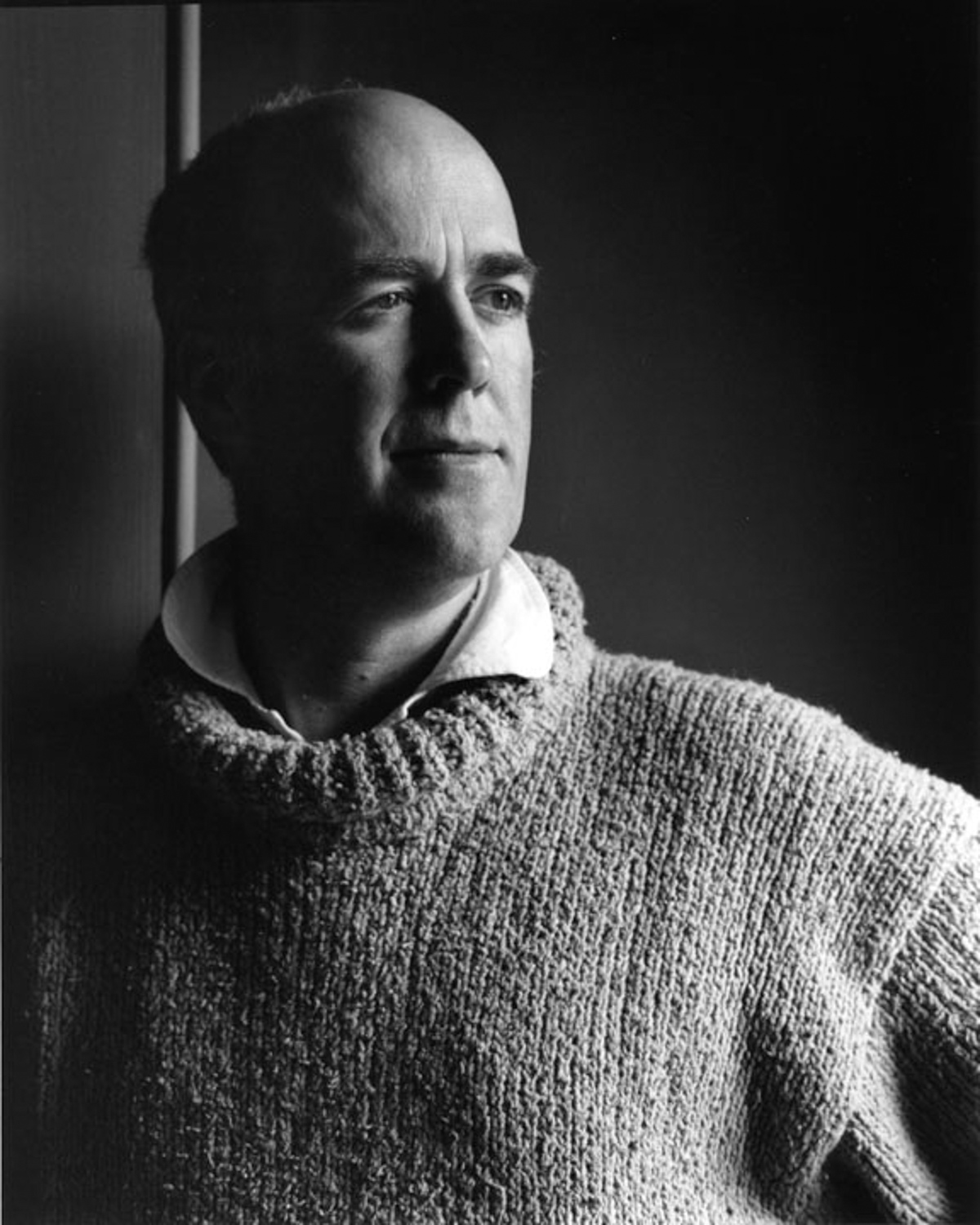
I have been asked why a bust of George Barret junior should appear on the façade of the Royal Institute of Painters in Watercolour alongside Turner and Girtin. The answer, I assume, is that he was nearly, but not quite, one of the founders of the Society of Painters in Watercolours, joining it after its first meeting in Stratford Coffee House in November 1804, was a devoted member, exhibiting local scenes of the Thames valley and home counties every year for thirty-eight years, and, perhaps most importantly, published The Theory and Practice of Water-Colour Painting Elucidated in a Series of Letters in 1840, so was regarded as a theoretician of the genre, helping to establish its currency.
Category Archives: Uncategorized
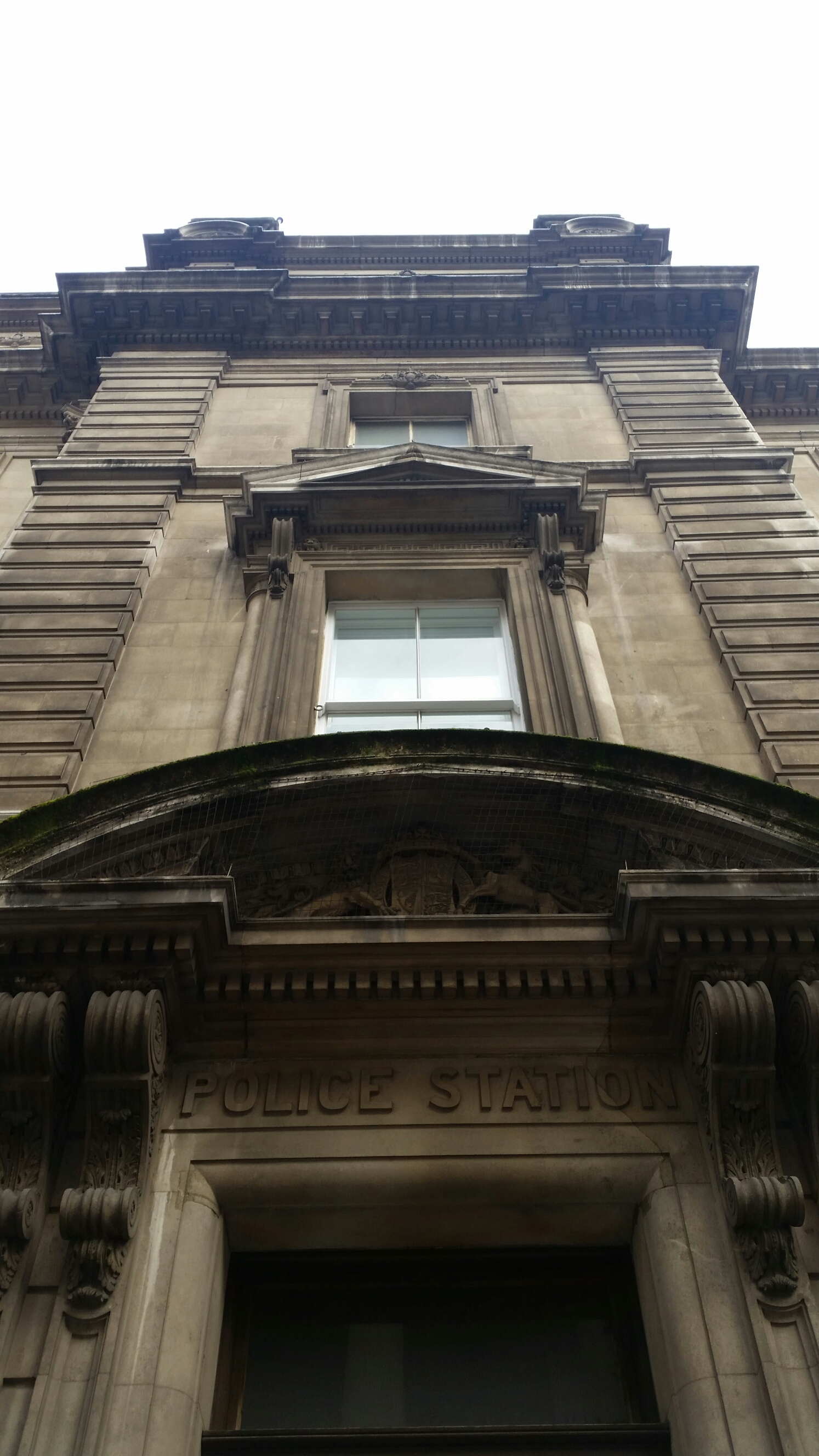
Bow Street Police Station
I was surprised to spot that Bow Street Police Station is no more – in fact, was shut down in 2006. Surprised because it was the home of the Bow Street Runners, London’s first police force, founded by Henry Fielding, the author of Tom Jones, in 1749. They worked out of his office at 4, Bow Street. It’s quite a fine building, designed by Sir John Taylor of the Office of Works in the neoclassical tradition of Cockerell and Pennethorne, now to be (apparently) a boutique hotel:


Joseph Kosuth
I first came across the work of Joseph Kosuth in Wellington, New Zealand, where, in 2000, he did an installation for the University Art Gallery called Guests and Foreigners, Rules and Meanings. I have ever since admired the way he combines history, lettering, allusion and meaning in complex museum settings. The granddaddy of conceptualism, he started using neon lights in 1965, before Bruce Nauman, Tracey Emin and the rest. He’s got an exhibition opening tonight at Sprüth Magers in Grafton Street.
Twisting Bridge
On the way to lunch today, I walked under Chris Wilkinson’s beautifully elegant bridge across Floral Street connecting the Royal Opera House to the Royal Ballet School next door. I had never previously stopped to admire the quality of its engineering, like a Slinky:

2, Temple Place
I had a fine thanksgiving lunch today in 2, Temple Place, an extraordarily grand building on the corner of Temple Place near the tube station. It was designed by John Loughborough Pearson and decorated internally by John Dibbledee Crace as the estate office for William Waldorf Astor, with a flat above so that his children would be safe from kidnapping. It’s in a style of opulent Tudorbethan more normal in Washington than London, with scenes from The Three Musketeers on the banisters and a frieze which includes pictures of Machiavelli and Pocahontas (but I didn’t like to spend lunch checking):

The Royal Institute of Painters in Watercolours
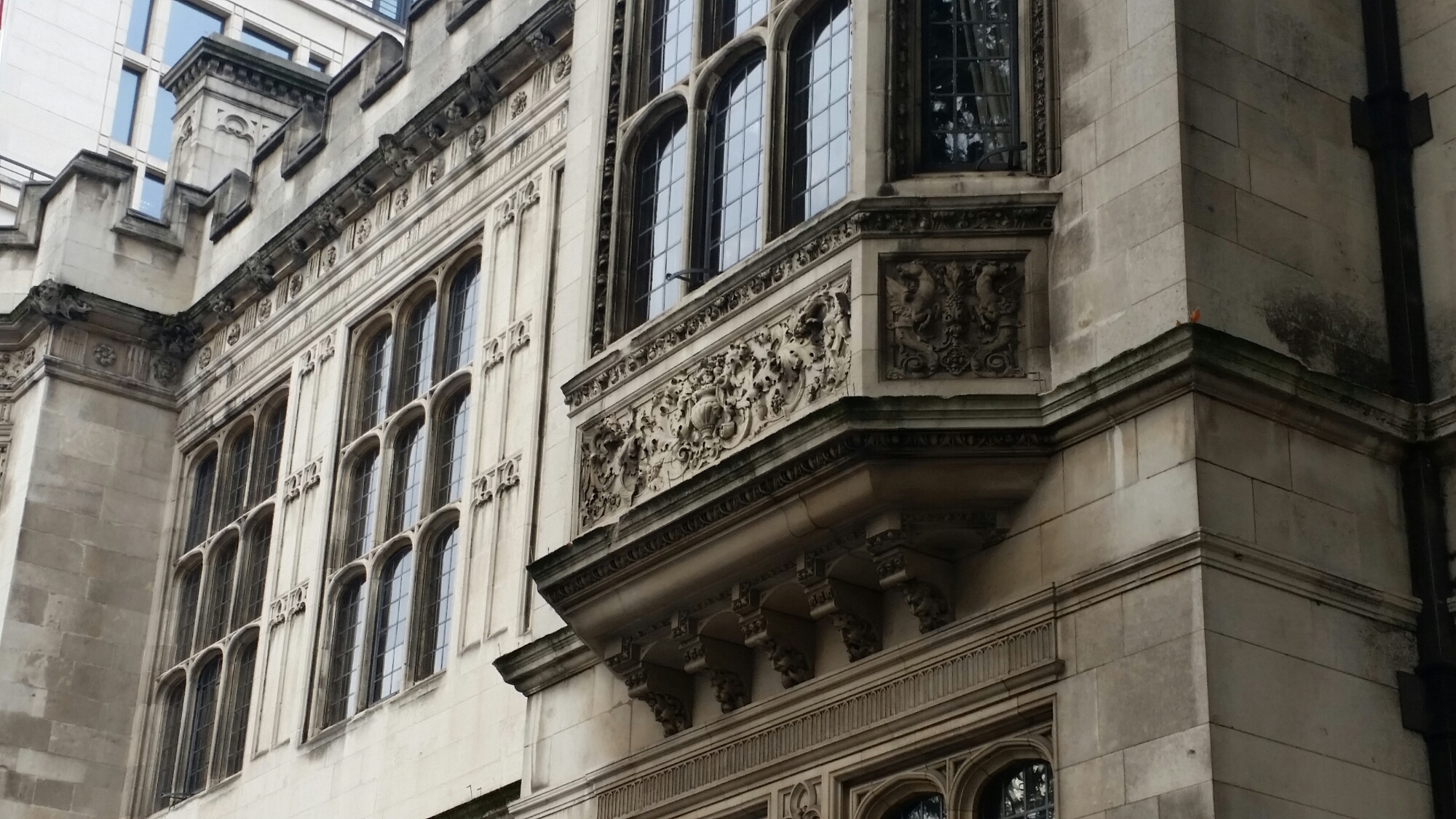
Now that they have renewed the connection to the Bakerloo line at Embankment, I spend more time walking down Piccadilly. My eye is often caught by the grandiosity of the former headquarters of the Royal Institute of Painters in Watercolours, which opened in 1883, having been founded as the New Society of Painters in Water Colours in 1831 (after a false start in 1807) as a protest at the refusal of the Royal Academy to accept watercolour as a legitimate medium. Their exhibitions were originally held at 16, Old Bond Street, then moved to Exeter Hall in the Strand (the site of the Strand Palace Hotel). In 1838, they moved to 53, Pall Mall and in 1883 to Piccadilly, to a building designed by E.R. Robson and including on the façade heroic busts of the greatest watercolourists:- SANDBY, COZENS, GIRTIN, TURNER, D. COX, DE WINT, BARRET and W. HUNT:-

Thomas Goode
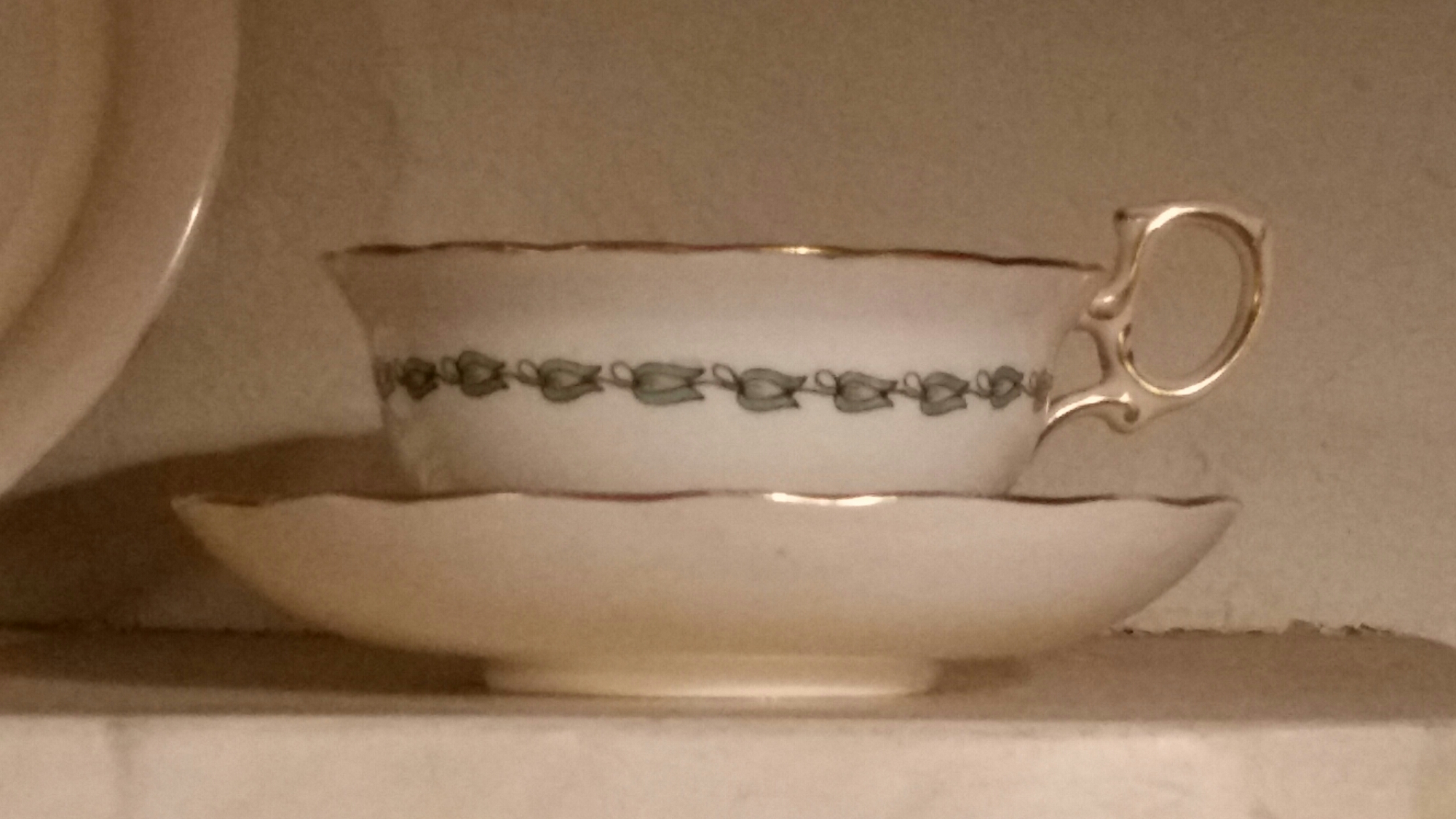
We had a cup of tea last night in teacups which I’ve barely used before. They were bought by my parents in August 1940 from Thomas Goode, then as now on South Audley Street, as wedding presents to be shipped out to India by way of the Cape as the Suez Cansl was closed. My mother never liked them and thought they were deeply impractical, too broad so that the tea got cold. I took it that they were redolent of everything she disliked about imperial India – the exaggerated ceremony, the false display. So, we never used them as a child and I have never liked to use them since:
Stepney Green Court
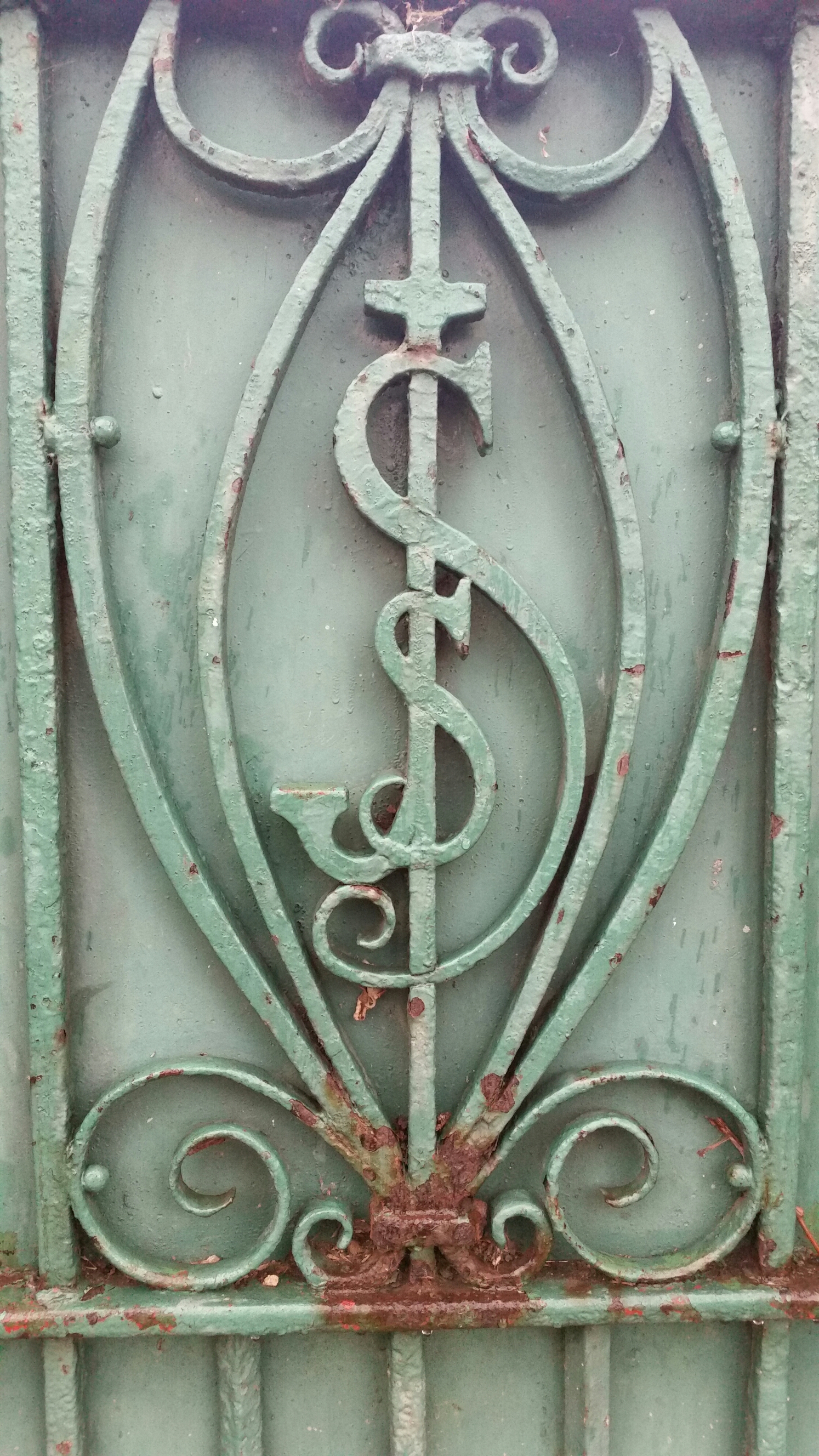
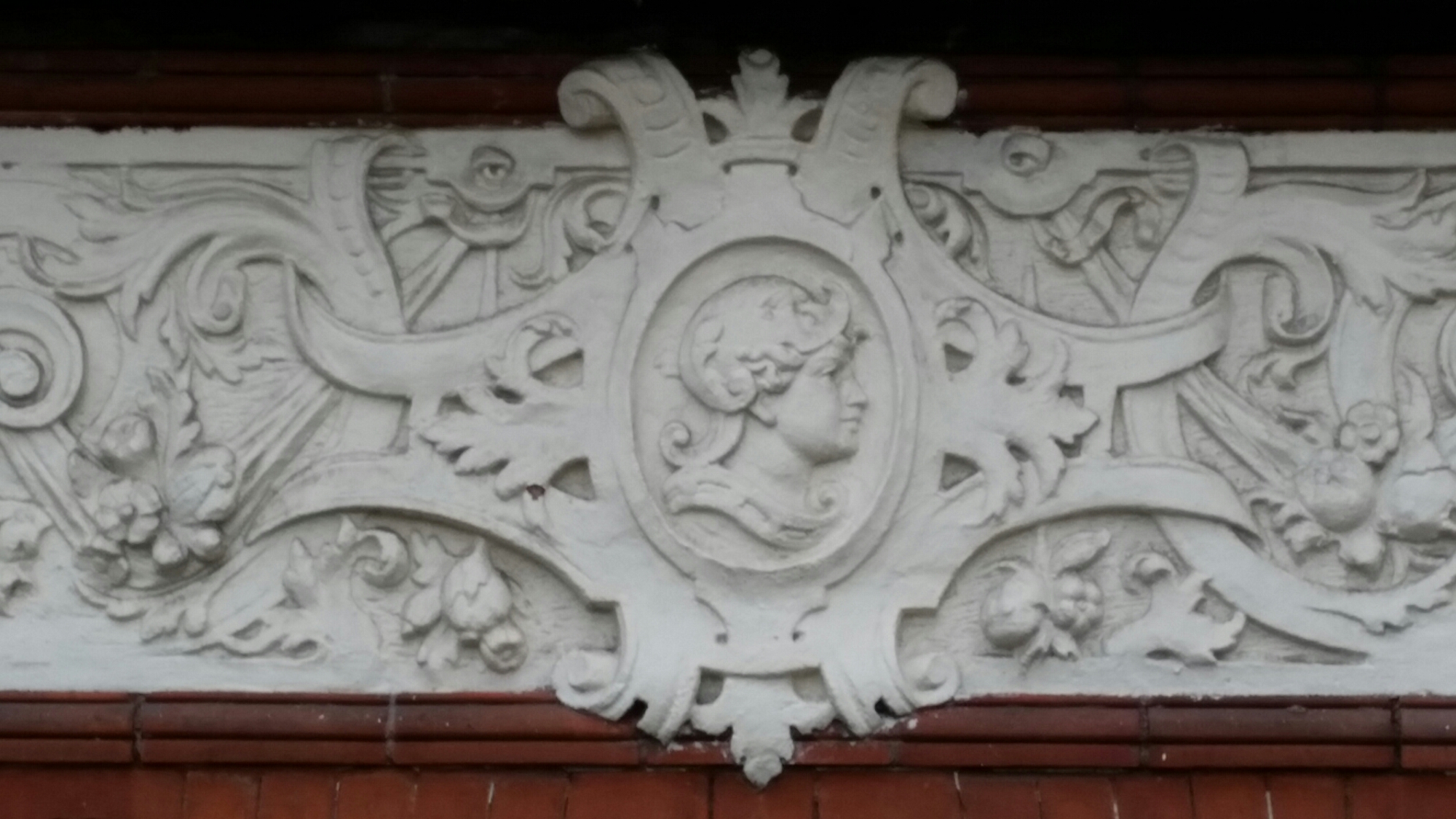
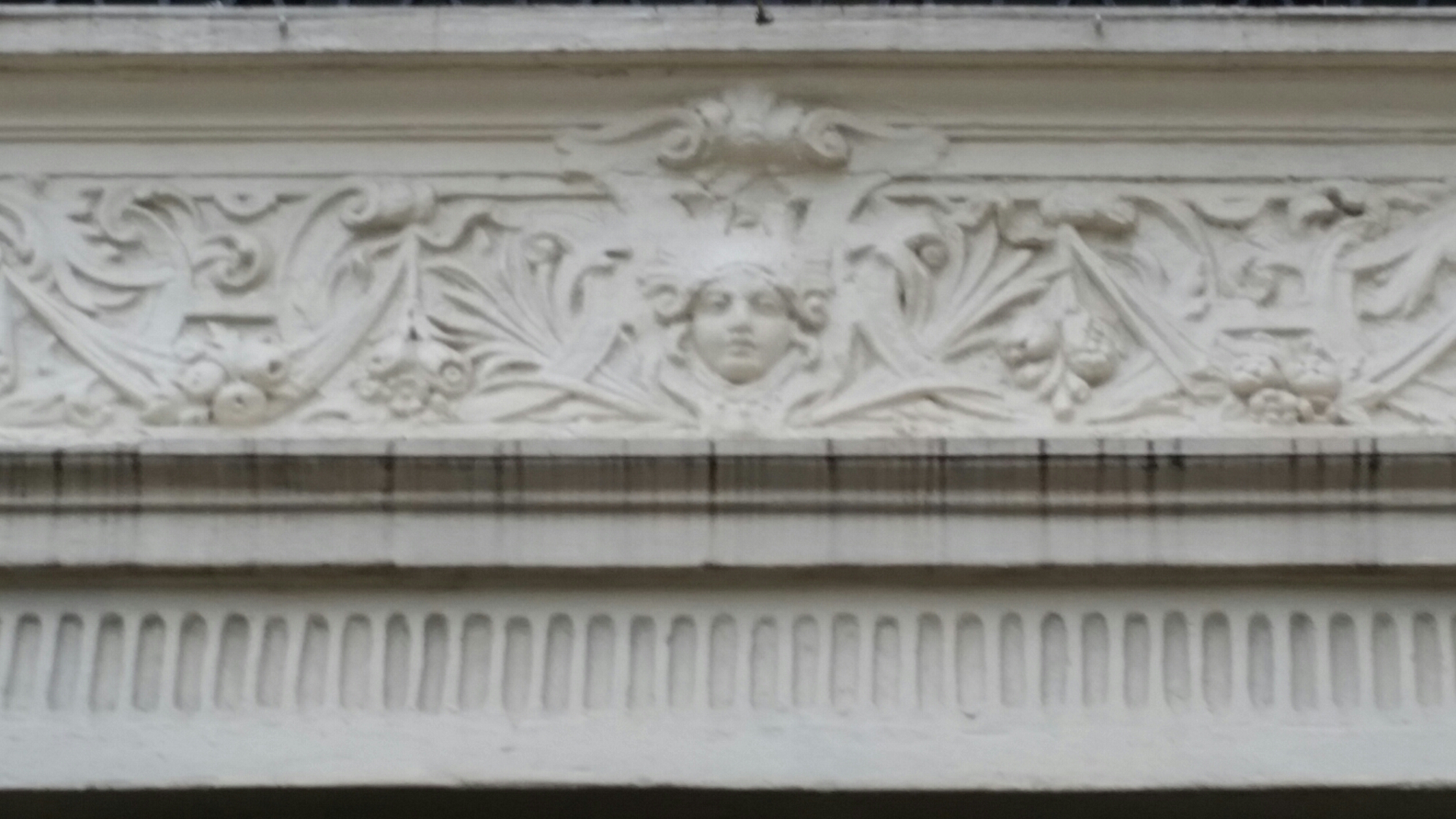
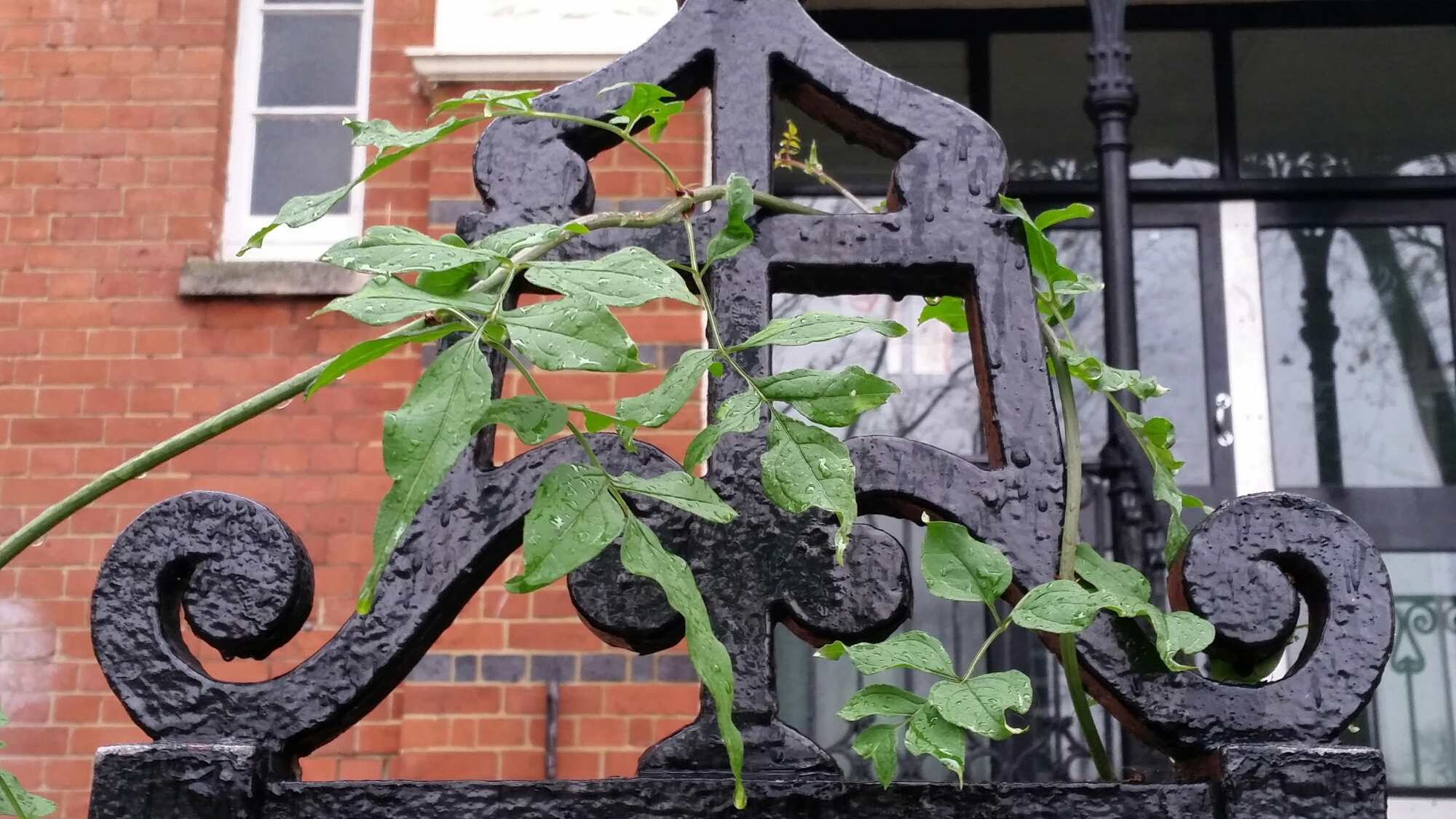
I was walking down Stepney Green this morning past the slightly dour working class dwellings at the south end beyond the manor house when I realised what fine ironwork and stucco detailing they have. They were built in 1895 by Solomon Joseph for the Four per cent Industrial Dwellings Company, founded in 1885 by Nathan Rothschild after an enquiry by the United Synagogue into ‘spiritual destitution’. It provided ‘the industrial classes with commodious and healthy Dwellings at a minimum rent’. Each of the flats had two rooms only and a shared wc and kitchen, together with a communal club, reading room and baths. The original tenants were mostly Jewish artisans and there was a large synagogue next door, now converted into flats:
Jonas Burgert
I have just had a (staged) conversation with Jonas Burgert, the German artist, at Blain Southern at their smart gallery on Hanover Square. It was a pleasure talking to an artist who is intelligent, thoughtful and unpretentious about the sources of his art. Born and brought up in west Berlin, he is the son of a painter who trained at the Berlin Academy just after the second world war, when all the Nazi professors had been fired and an older generation of German expressionists were brought back to teach; he himself attended the Academy just after the fall of the Wall and began to explore forbidden territory in art, which is about depiction, but not realism, creating subject matter with an invented half-narrative, which is suggestive rather than descriptive, as dangerous to practice in the Berlin Academy as it would have been in Britain. He spoke beautifully about exploring the psychological recesses of the visual imagination, the middle ground between painterliness, subject matter and abstraction, inspired as much by the inarticulacy of Egyptian art as by surrealism or expressionism.
Creative Industries
I had breakfast yesterday with the chieftains of the creative industries – the heads of Channels 4, Hearst and Penguin, and Sir Peter Bazalgette on his home turf. It was in advance of the launch on Monday of a Creative Industries Federation to draw attention to the role that the creative industries play in British life, having broadly replaced manufacturing as a source of prosperity. The issues were:- the interconnectedness of public and private, as argued by David Abraham in his MacTaggart lecture; the benefits of a £3 billion subsidy of creative programme-making; the role of education in encouraging creativity (but, of course, the current government has been trying to do the opposite); and the importance of copyright to publishing. But I wasn’t convinced that anyone answered James Purnell’s question as to what the creative industries are seeking from government.


You must be logged in to post a comment.