
We had a meeting and studio visit in Jock McFadyen‘s studio in darkest Hackney underneath the railway arches off Mare Street. It was wonderful to see his epic paintings of urban decay as seen from a car window in Dagenham. They belong to an imagery of the 1980s east London picturesque, alongside Patrick Wright, who once wrote a column called London Fields, and Iain Sinclair, the poet of the A13. I also like and admire Jock’s meditations on the theme of Walter Sickert, inspired by an exhibition at Somerset House and updated for the 21st. century.
Category Archives: Uncategorized
Andrea Rose
I went to Andrea Rose’s leaving party last night. It was held not in the British Council, where she has been the long-standing Director of Visual Arts (she joined the British Council in 1979), but just outside, with hordes of the art world present. It seemed appropriately symbolic, since there were many references to the fact that she was a formidable member of staff and not always in agreement with official policy. She will be a great loss.
Linnaeus in London
I was interviewed on Japanese television this morning about eighteenth-century gardens. I was asked if I knew about the response to Linnaeus when he visited London. I didn’t. The answer is that he came to London in July 1736 to visit Sir Hans Sloane, the founder of the British Museum, and Philip Miller, who was chief gardener of the Chelsea Physic Garden. Apparently neither of them was impressed by Linneaus’s new system of classification, since it was too obviously sexual. They preferred the taxonomy of John Ray. Thomas Knowlton, who was Lord Burlington’s gardener at Londesborough, thought the Linnaean system ‘altogether whimsicall and ridiculous’. But I could find no confirmation of the suggestion that Linnaeus called a particularly prickly plant after Miller in revenge.
Whitstable
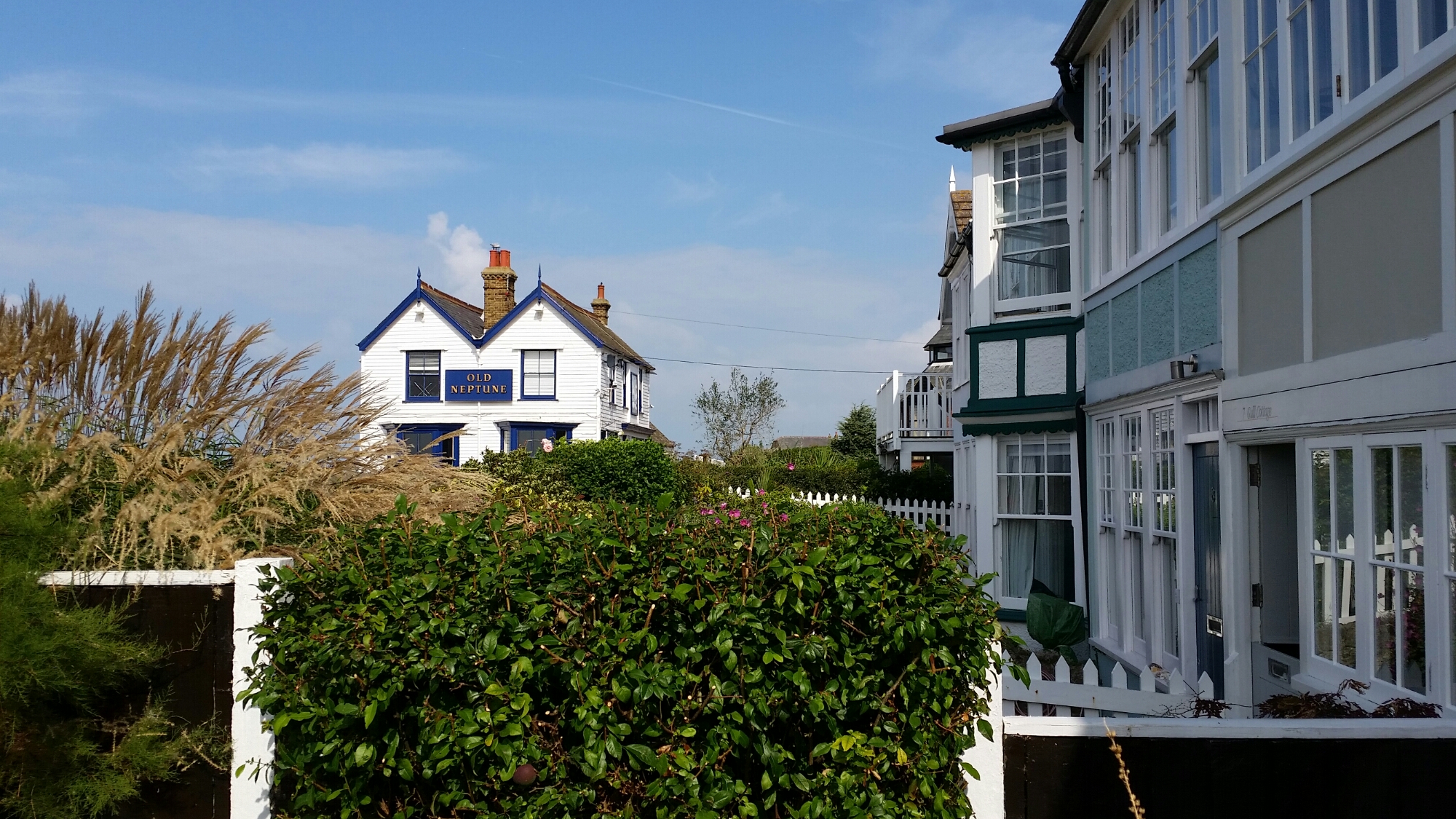
Living as we do in east London, it is relatively easy to escape for the day to Whitstable. We used to go for lunch at the Royal Native Oyster Stores. Today we had lobster in a cottage garden overlooking the sea front and afterwards walked along the shore where the houses are so much smarter and more chichi than they were twenty years ago:

Newcome’s School, Hackney
Now that I am back in London, I have been able to answer the question which had been perplexing me as to why Lord George Cavendish, the early nineteenth-century owner of Burlington House, was educated in Hackney. The answer is that he, along with a number of other children of the Whig political élite, was sent to Newcome’s School in Hackney, where Henry Newcome, the headmaster who gave the school its name, was a noncomformist minister known for his Whig principles, whilst Hackney was known for its healthy green fields. From 1756 to 1779 the headmaster was Peter Newcome, a Fellow of Queens’ College, Cambridge and of the Royal Society, and an expert on earthquakes. Pupils were taught Latin, French and natural sciences, as well as drawing and dancing; they went on excursions to study natural history; played football and cricket (there was a cricket pitch next to the school); and every three years they performed a Shakespeare play. During the 1780s, one of the masters was Coleridge’s older brother.
The High Line
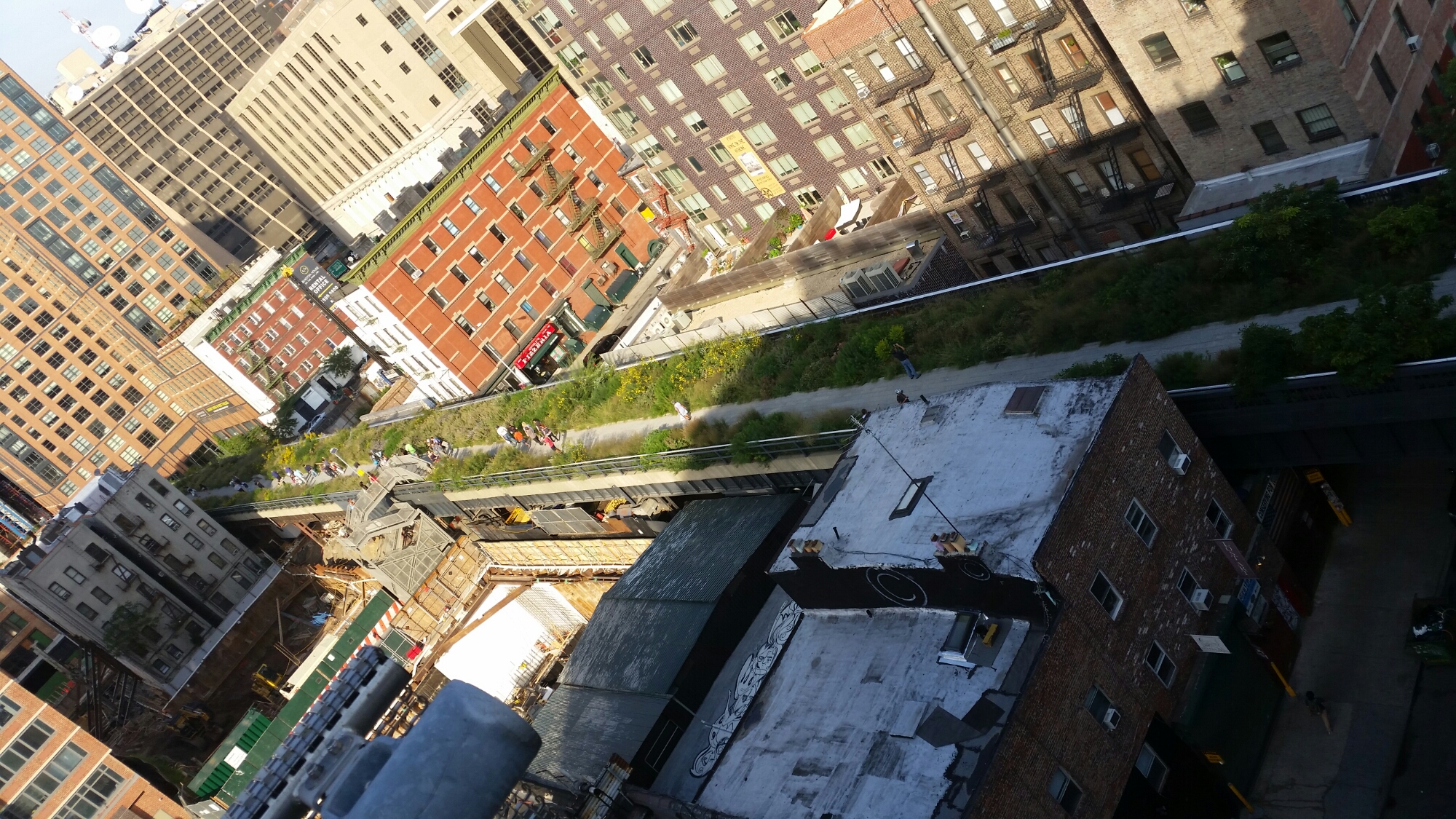
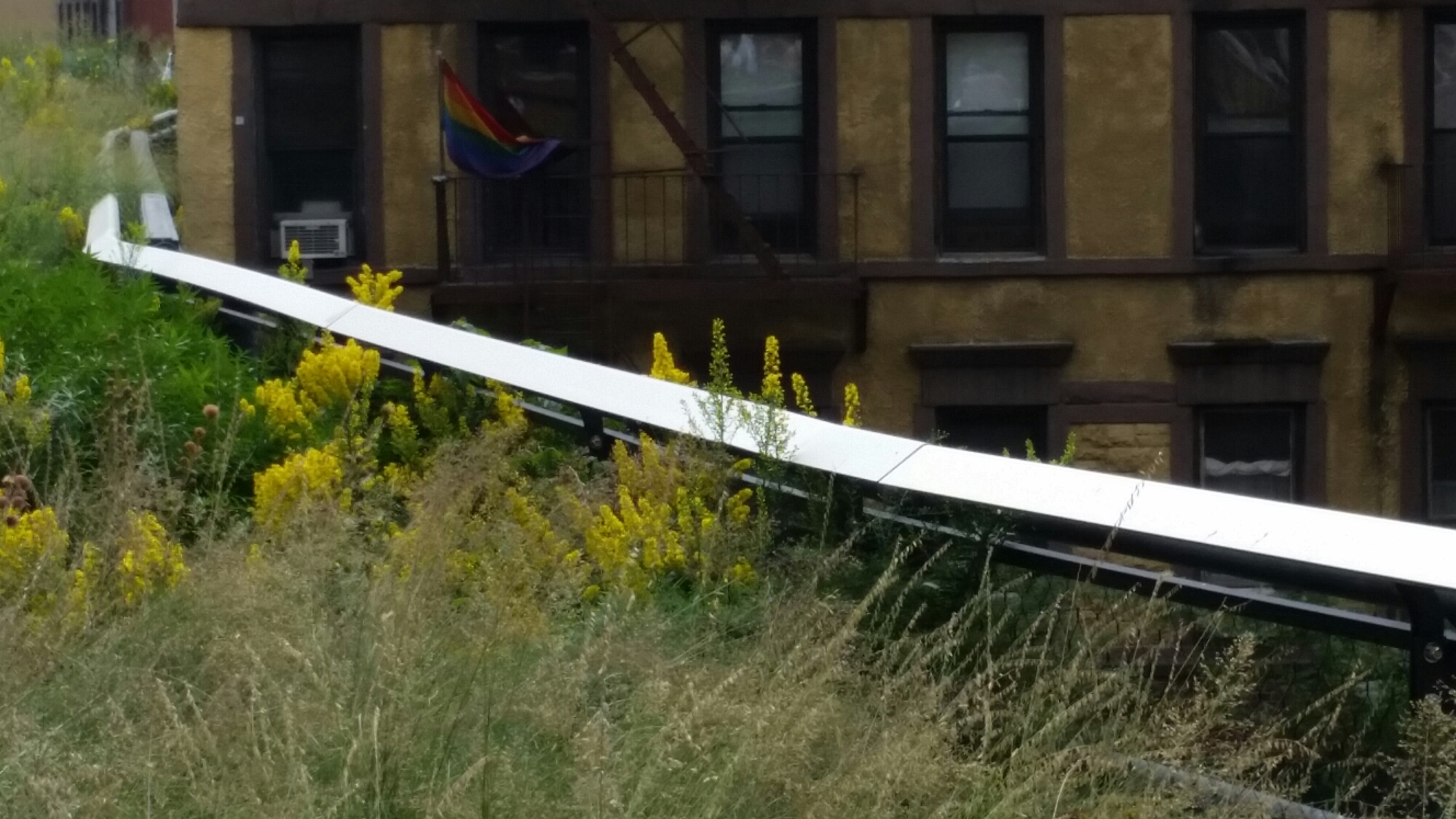
I was keen to see the High Line again a) because it has recently been extended b) because a generous benefactor has made it possible to green the space between our two buildings at the RA following the model of The High Line. I walked down it all the way from 30th and 10th to Gansevoort Street, enjoying how it weaves through the old industrial buildings and art galleries of Chelsea down to the meatpacking district:
The Morgan Library
I haven’t been to the Morgan Library much since the new (now not-so-new) extension by Renzo Piano opened a few years ago. At the time, I was slightly disappointed by it as compared to the glories of Piano’s work in Paris and Houston and equally to the robust classicism of the original J.P. Morgan interiors. But I can now see that it was probably necessary to open up the building to better and light-filled public access. I had forgotten how splendid the actual library interior is, which I first visited in 1976 with Lincoln Kirstein:


The Dwight Mansion
I ventured into Harlem for the first time since the mid-1970s to see the Dwight Mansion, an amazingly grand, late nineteenth-century mansion, which is in the process of restoration. Sold in 1925 by the Dwight family who had made a fortune from baking soda, it was bought recently with bullet holes in the windows.
This is the front door:

This is some of the decorative woodwork:

The New Whitney
Adam Weinberg, the Director of the Whitney, very kindly arranged for me to see the new Whitney which is nearing the end of a long period of planning, construction and fundraising ($700M) and is due to open next spring. It’s located right at the bottom of the High Line between Washington Street and the Hudson, with big roof terraces on nearly every floor. It’s huge and very generously proportioned, with eight floors and more than half the space devoted to back-of-house facilities – conservation studios, staff offices and teaching spaces. It should be good Piano, exhibiting his best characteristics of lightness and looseness and permeability.
These are the views from the roof terrace:


You must be logged in to post a comment.