Hepworth Wakefield (2)

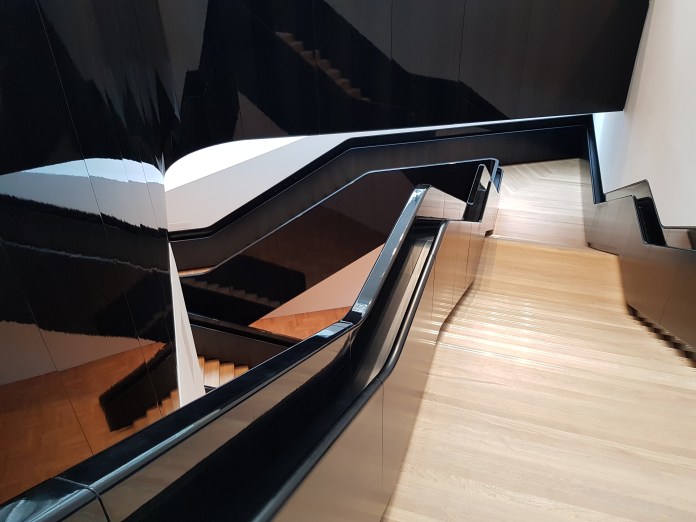
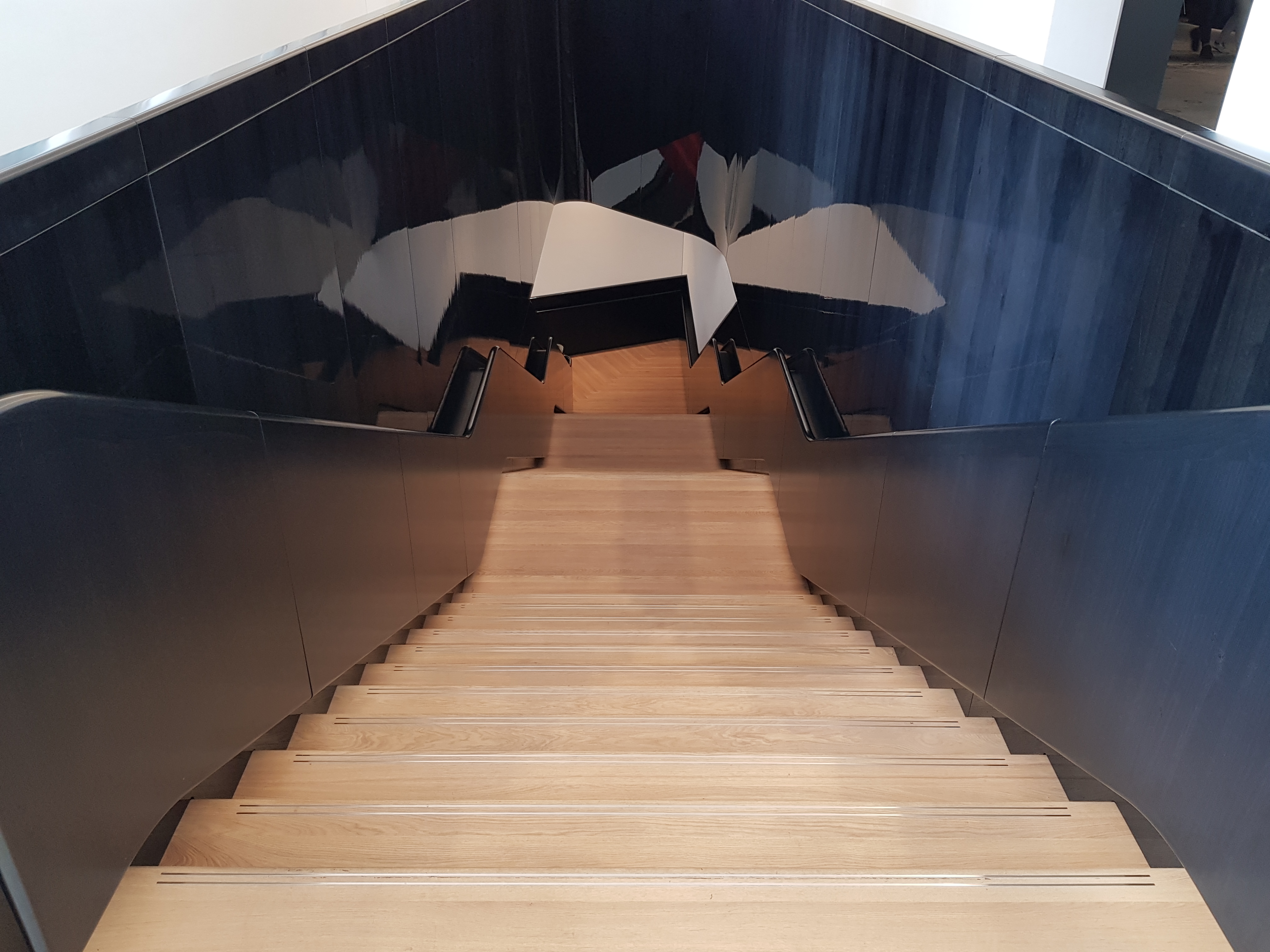
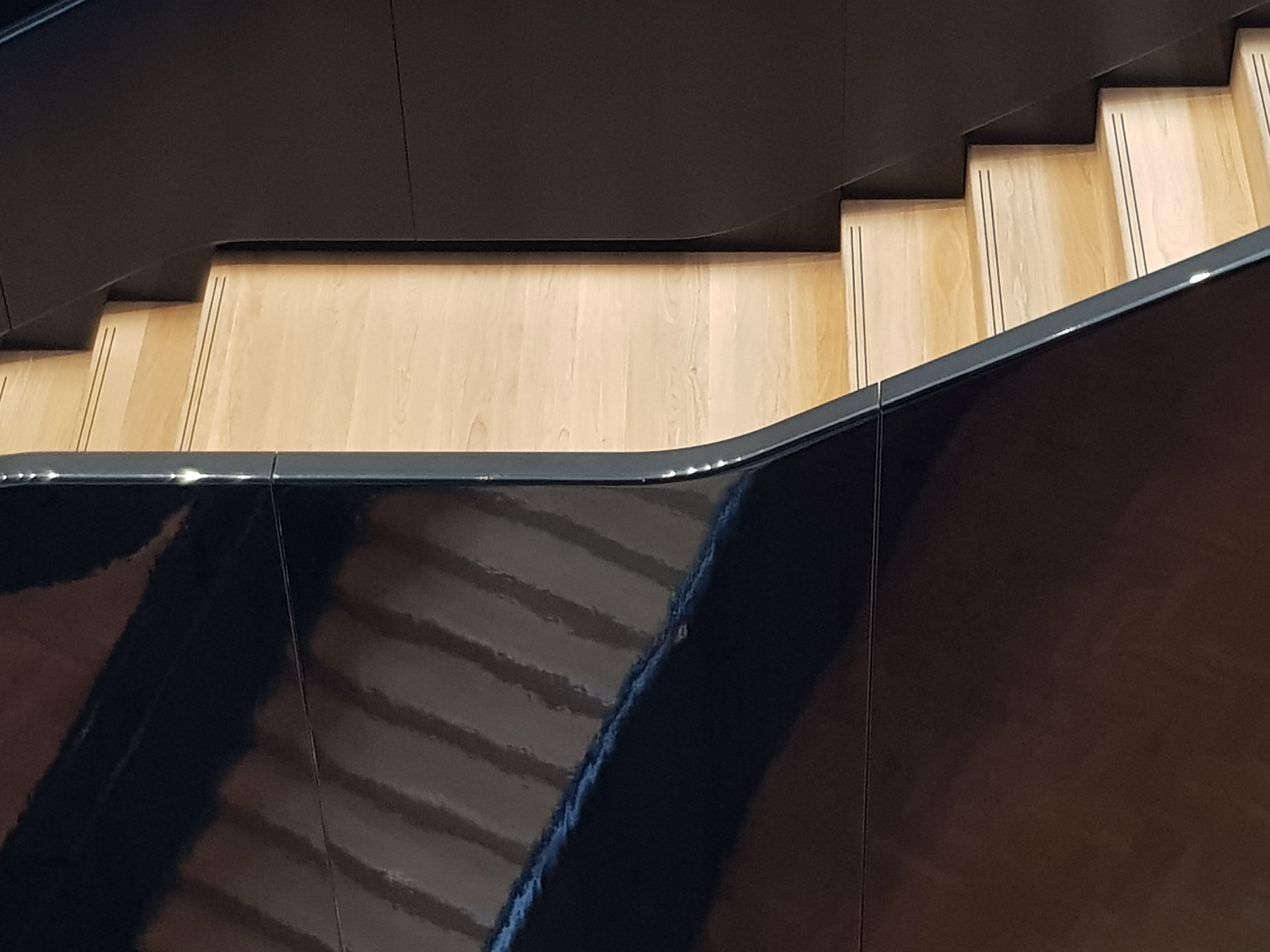
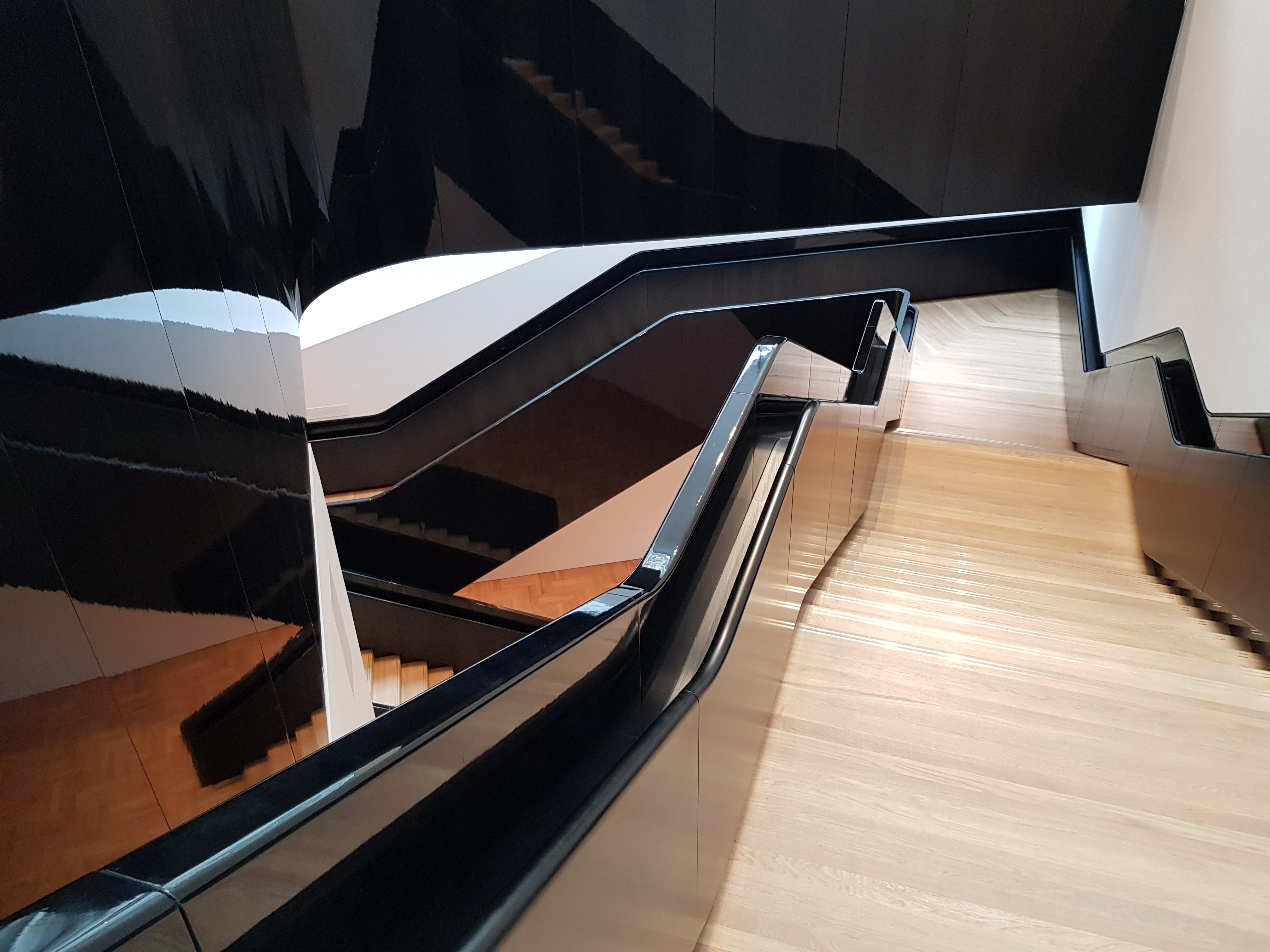
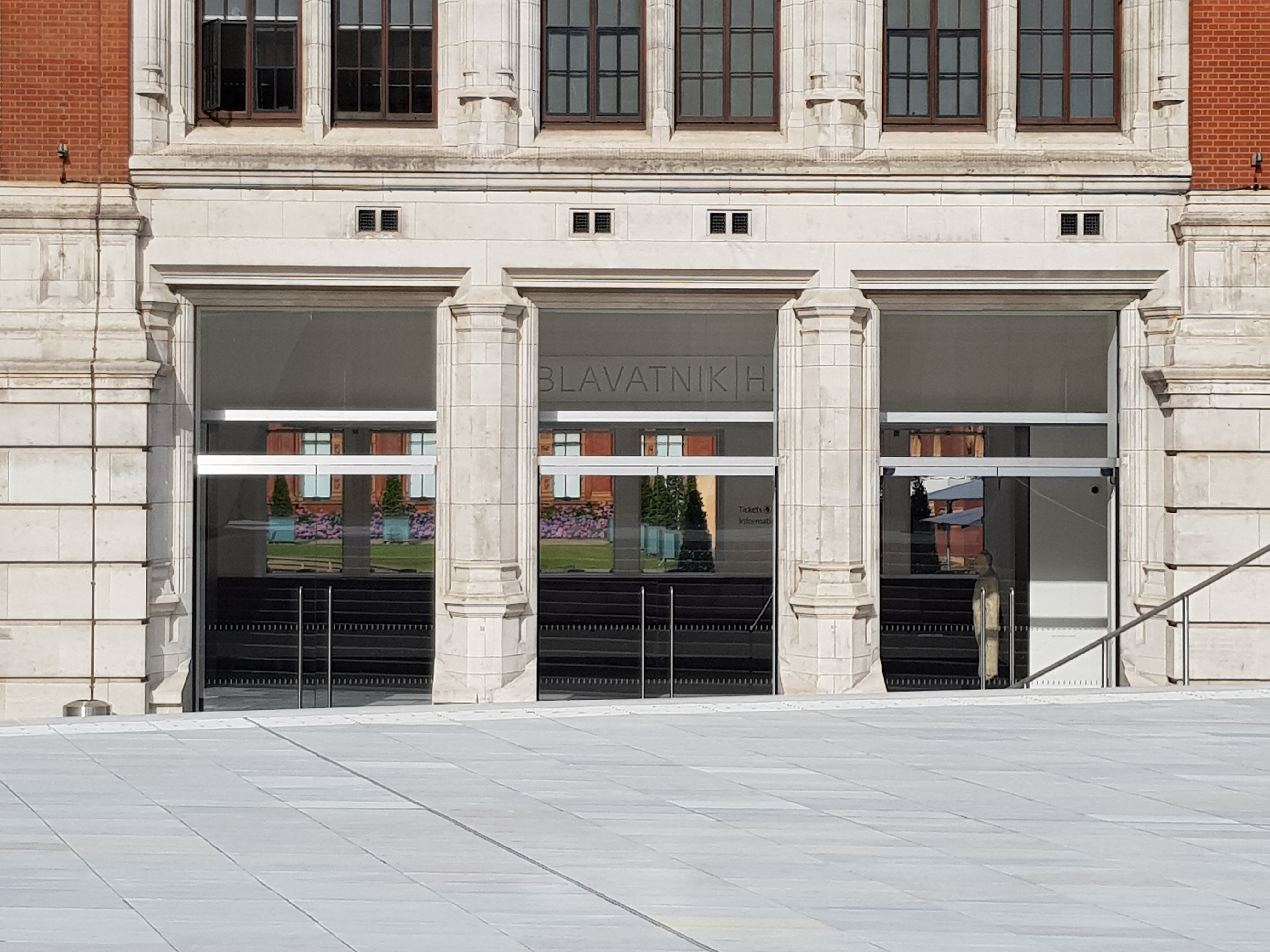
I was very pleased that Hepworth Wakefield won this year’s Museum of the Year Award:  a building and project of the utmost moral seriousness – intelligent, thoughtful, democratic.   Simon Wallis, its Director, gave a powerful speech acknowledging the award, thanking, first of all, the support of Wakefield’s civic leaders who have understood and believed in the role of art in civic life, not just in recent years, but stretching back to the idealism of the 1930s and 1950s which led to their support for the collection and for the work of Barbara Hepworth and Henry Moore.   He also – rightly – recognised the support of the Bowness family in their gift of the Hepworth Estate to the Museum and of David Chipperfield for the quality of its building.   A good choice.

Standard

Cascades

I have been corrected in my attribution of Cascades to Piers Gough by Roger Zogolovitch who was the Z in CZWG (Piers was the G).   Roger says that the key person in the design was Rex Wilkinson (the W), who based the design on apartment blocks in Miami – hence its jazzy, seaside air.   I seem to remember that the Prince of Wales was very rude about it (it appeared on the cover of A Vision of Britain), but it now looks attractively racy and re-established the idea of apartment living in tower blocks which had been discredited by social housing:-

Standard

Miriam Rothschild

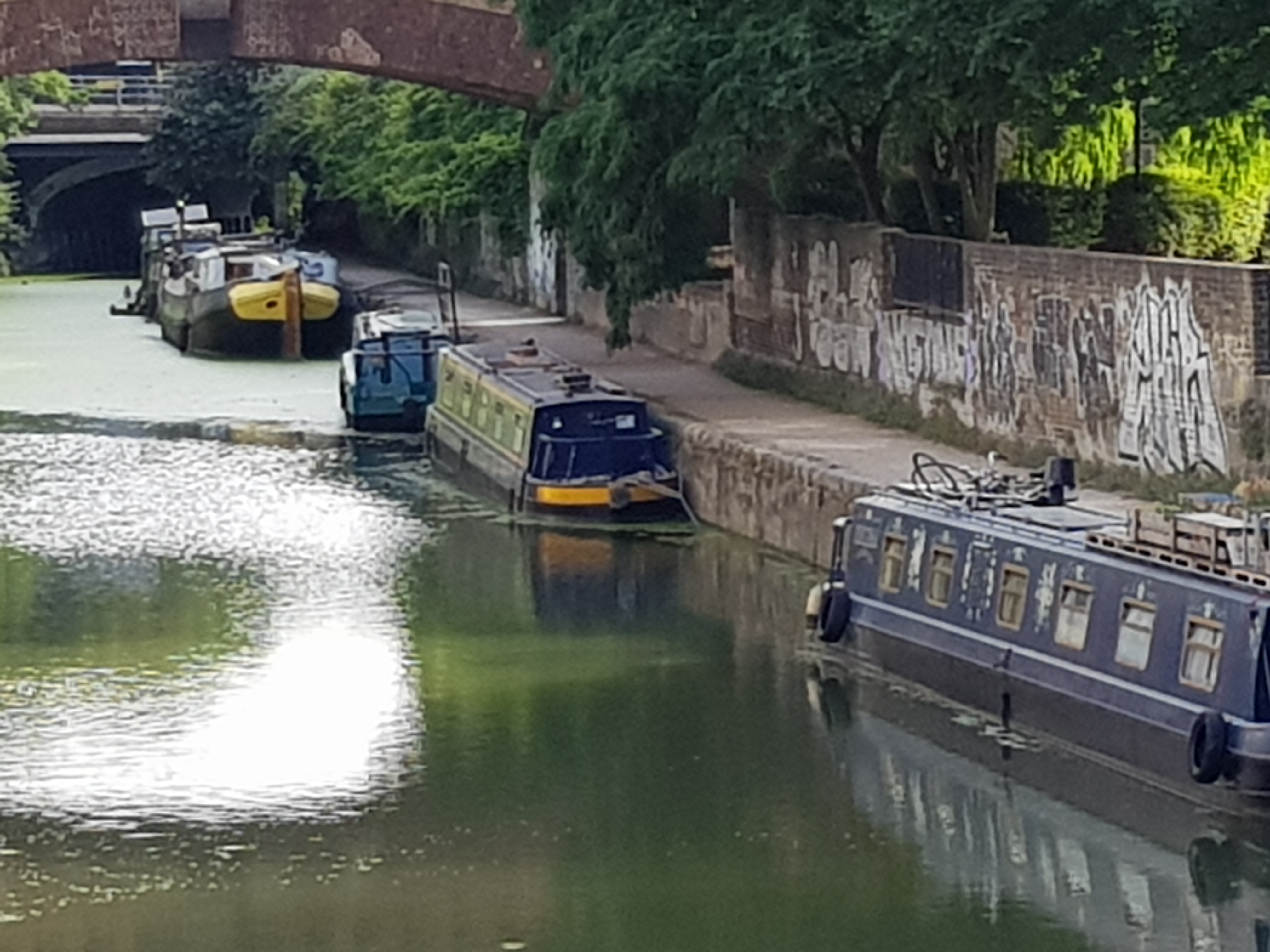
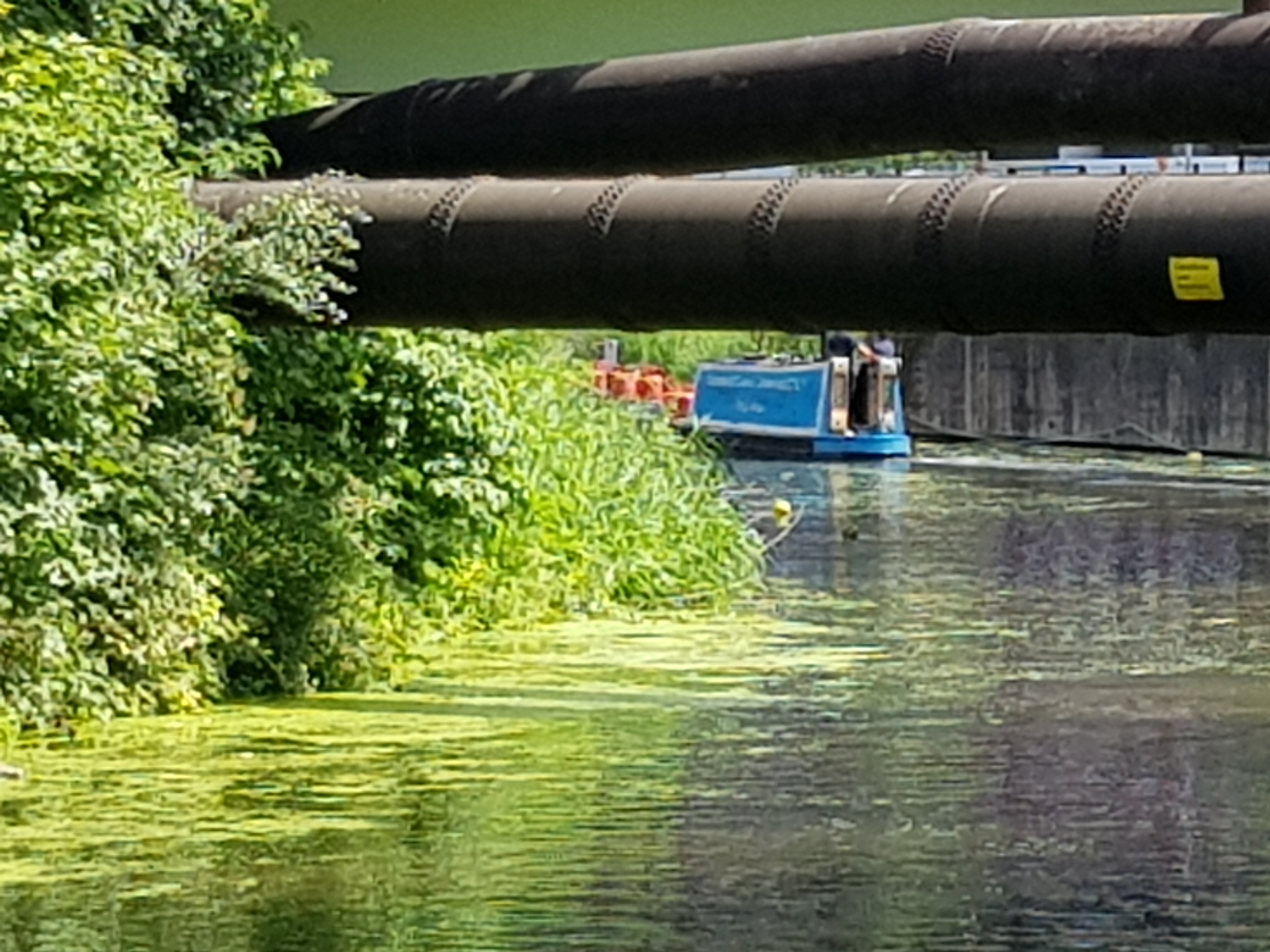
I learned at the weekend that it was Miriam Rothschild, the great student of fleas who, after the war, converted her lawn at Ashton Wold into a wild flower meadow, who later persuaded the Department of Transport not to cut the verges of main roads in order to allow species of wild flower to flourish.   In her honour, I am posting pictures from some local parks which have been allowed to grow wild:-
Standard

The Isle of Dogs (2)

As a result of the trip downriver for the Whitebait Dinner, I was able to see the Isle of Dogs from a sideways perspective, which I haven’t done for a long time.

Cascades is still dominant as one swings round southwards:-
Canary Wharf itself remains semi-sublime:-
Dundee Wharf is on the bend turning south:-

This is another of Piers Gough’s contributions to the riverside – Seacon Wharf of 2004:-

Looking further into the Isle of Dogs, there is a mass of new building whose architects I can’t identify:-

At the bottom is Dr. Barraclough’s house, designed by Stout and Litchfield and a monument of a different era:-

Looking back, I am reminded that the idea of Docklands was the result of a visit by Geoffrey Howe to Hong Kong:-

Standard

Whitebait

I have been swotting up on the history of whitebait by reading Roger Williams’s book Whitebait and the Thames Fisheries in preparation for tonight’s annual Whitebait dinner when we sail downriver in the late afternoon to eat whitebait at a gastropub in Greenwich.   The term apparently originally described any small fish, mostly sprats, which was used as bait to catch larger white fish, like pike (red bait was apparently used to catch salmon).   Whitebait first appeared as a term to describe small cooked fish in the fifth edition of Hannah Glasse’s The Art of Cookery Made Easy (1796) which recommended that they should be dusted with flour, cooked for two minutes in hog fat, and dished up with ‘plain butter and soy [sauce]’.   Then in 1829, William Yarrell, the great ichthyologist, classified whitebait as a separate species.   This was the era when it was fashionable for groups to go downriver to pubs in Greenwich or Blackwall to feast on freshly caught whitebait, as did a group of Royal Academicians in 1818 when ten oarsmen went to ‘Eel Pye house’ in Twickenham.   In 1823, Turner suggested that the Whitebait Dinner should be held in Greenwich at the Crown & Sceptre, so it was nice to be back.

Standard

A Mayfair Walk

I was asked to describe a walk through Mayfair for Mayfair Art Weekend.   Since it’s rather hard to locate on their website, I am reproducing it here (readers of the blog will recognise that I have previously written about most of the places described):-

I dearly love working in the West End. I love the fact that occasionally I can sneak out of the back gate of the Royal Academy in the late afternoon and find myself in Cork Street, enjoying an exhibition at Browse and Darby, the first of the galleries on the right, which represents Anthony Eyton, Flowers Gallery, just beyond, and Sam Fogg, on the corner of Clifford Street, where I am too timid to ring the doorbell. I regard the neighbourhood as my territory and have been pleased to watch it change and transform over recent years.

What follows is one of my standard routes, not just to see the art galleries, but to explore the locality, enjoy its history, and I freely confess that I am a voyeur of some, but not all, of the shops.

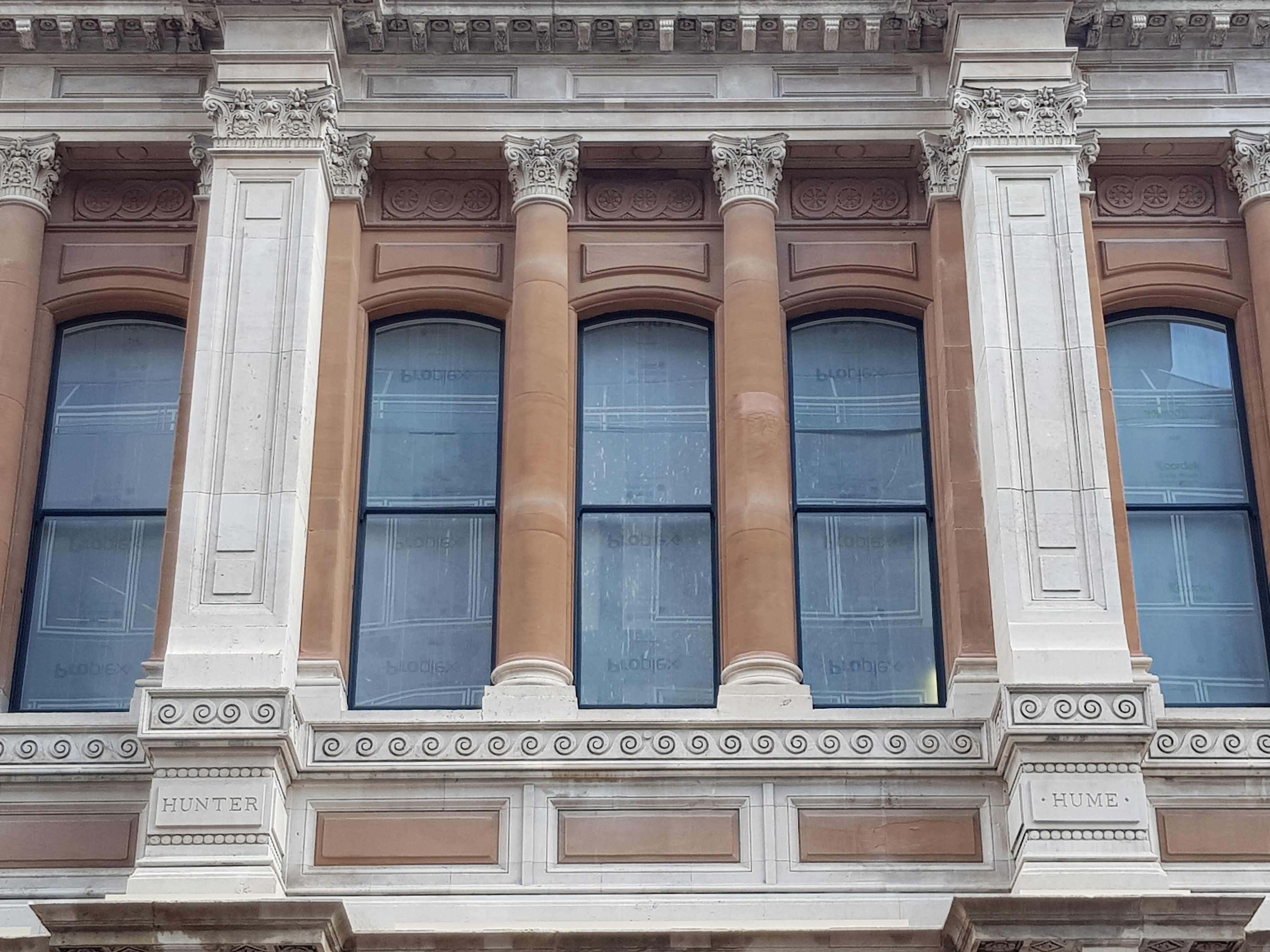
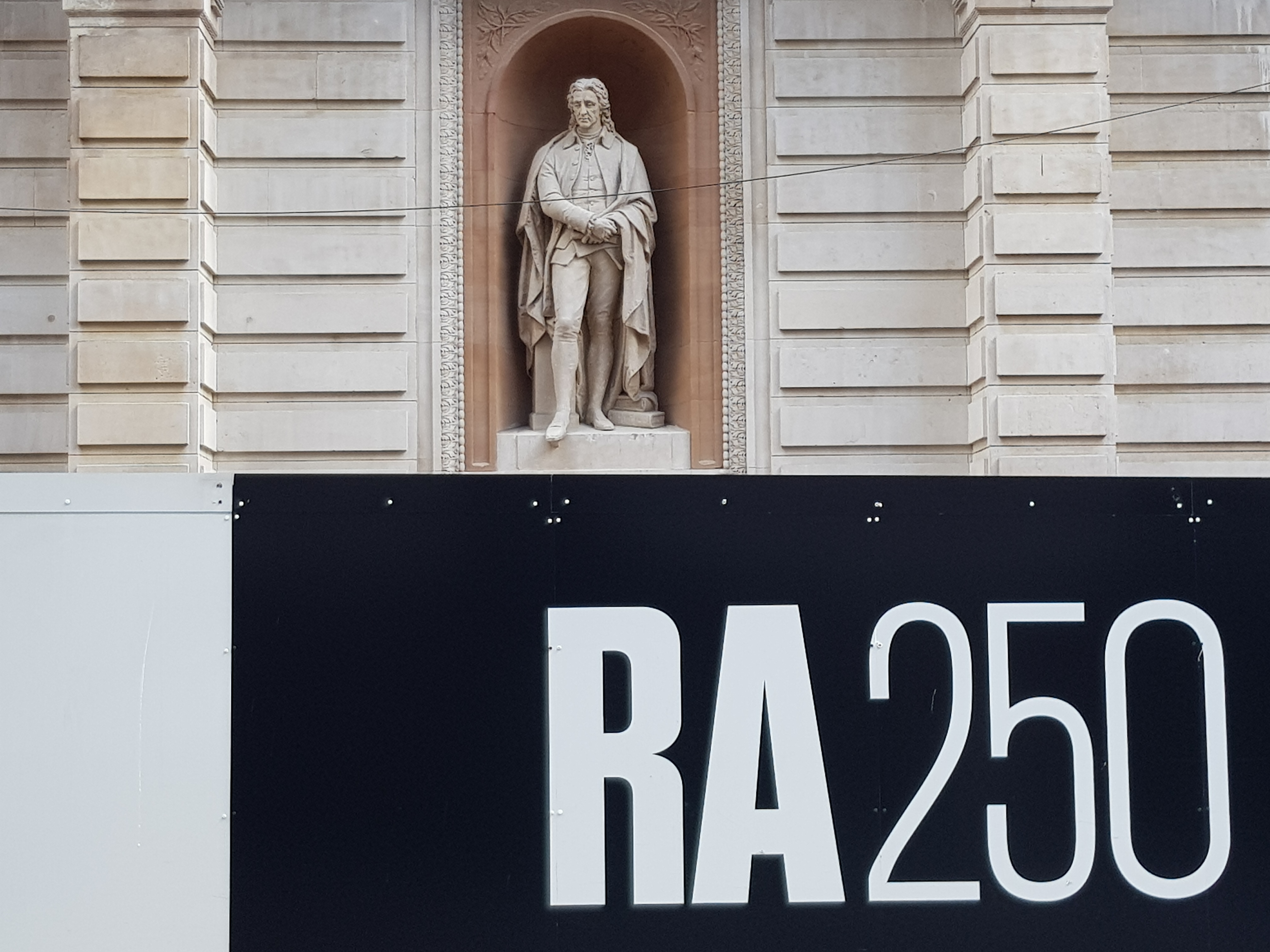
From Burlington Gardens, where the Royal Academy’s building site presides, grand and, until recently forlorn, covered in scaffolding, but beginning to emerge in its newly renovated form, I walk up Old Burlington Street, not my favourite street, but with houses in the south west corner next to Cecconi’s which were designed by Colen Campbell as part of the original layout of the third Earl of Burlington’s new urban estate. Past Stephen Friedman, I pause in front of the shop window of Drake’s, one of the best of the gentleman’s outfitters, and, next door, Richard James, where I like to buy socks in the sale. Then, I go up past Ordovas, an admirable gallery with museum quality exhibitions, run by Pilar Ordovas, with the HQ of Hauser & Wirth occupying the ground floor of a building designed by Eric Parry on the other side.

I cross Conduit Street, home of Sketch, and go up Mill Street, looking into the window of Yohji Yamamoto and past an old-fashioned barber’s shop on the left to admire the back of St. George’s, Hanover Square, with its robust detailing designed by John James as one of the Commissioner’s Churches.

Turn right into St. George Street, and on your left is Offer Waterman, one of the nicest of the galleries, beautifully fitted out in William Morris’s old showroom and currently showing work by Alison Wilding. Hanover Square is home of Blain Southern, who moved here from our building in Burlington Gardens when they branched out independently from their previous incarnation as Haunch of Venison, and is where the exit of the Bond Street CrossRail will be. I turn left down Brook Street, home of Ludwig Reiter, the posh Viennese shoe store, and cross New Bond Street, the river which separates the two halves of Mayfair.

I might turn right into Haunch Of Venison Yard to see what’s on in Bonhams, but more often turn right up South Molton Lane which leads you past the Music Room, where Margaret Howell holds her annual sale, up to the corner of Davies Street where there is the building where John Bolding & Sons made and sold their sanitary ware. Across into Weighhouse Street and through into Brown Hart Gardens, you can admire Antony Gormley’s bedroom on the roof of the Beaumont Hotel and may by now deserve a drink. But before you do so, I would urge you to keep going through to North Row, just south of Oxford Street, where you will find The New Craftsmen, my current favourite of the Mayfair galleries, where Mark Henderson has established a space where the best of crafts — mainly British, but also some international — can be seen and enjoyed as objects of the utmost affordable delectation and, if possible, bought.


Standard

Queen Anne’s Gate

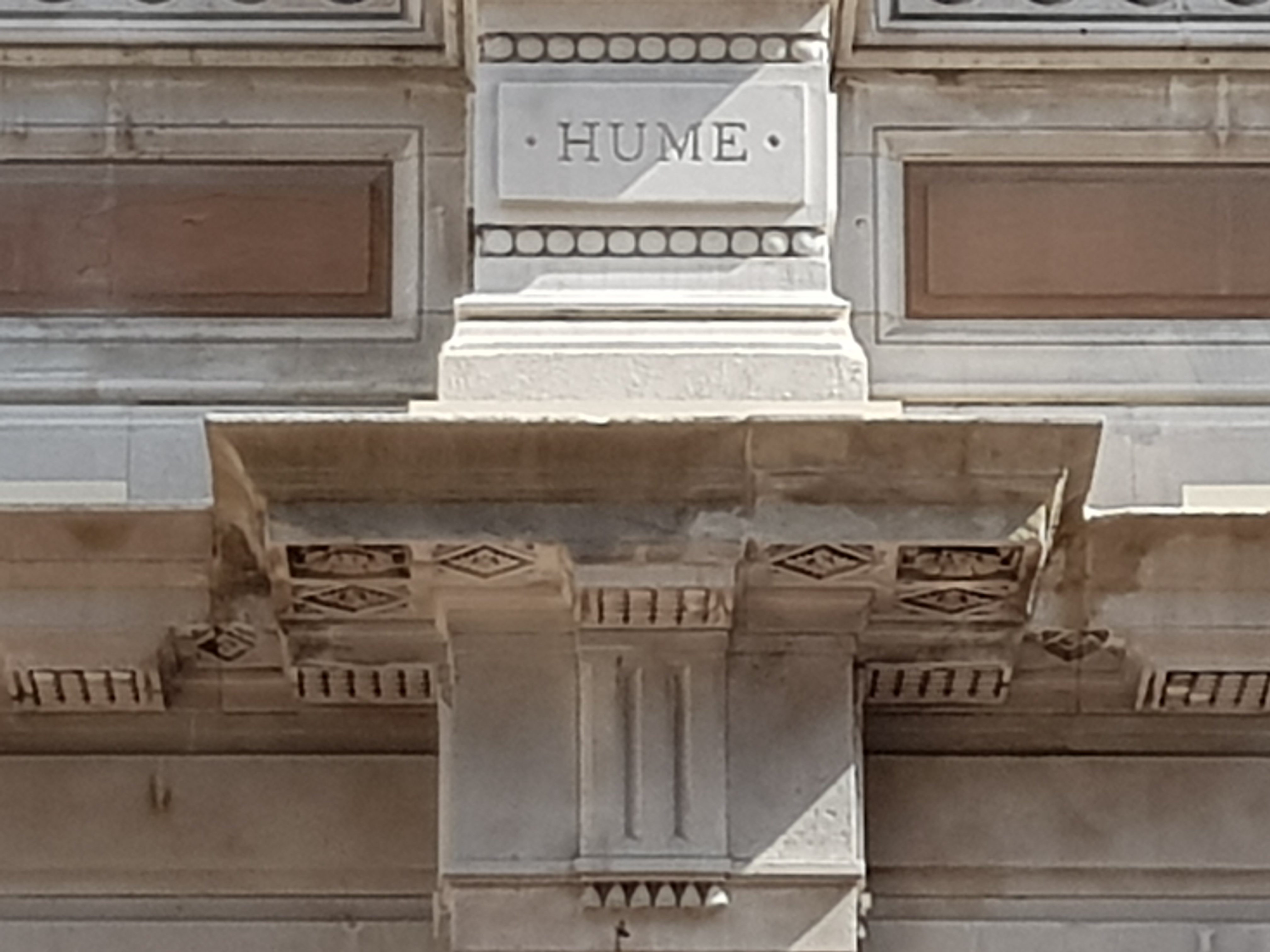
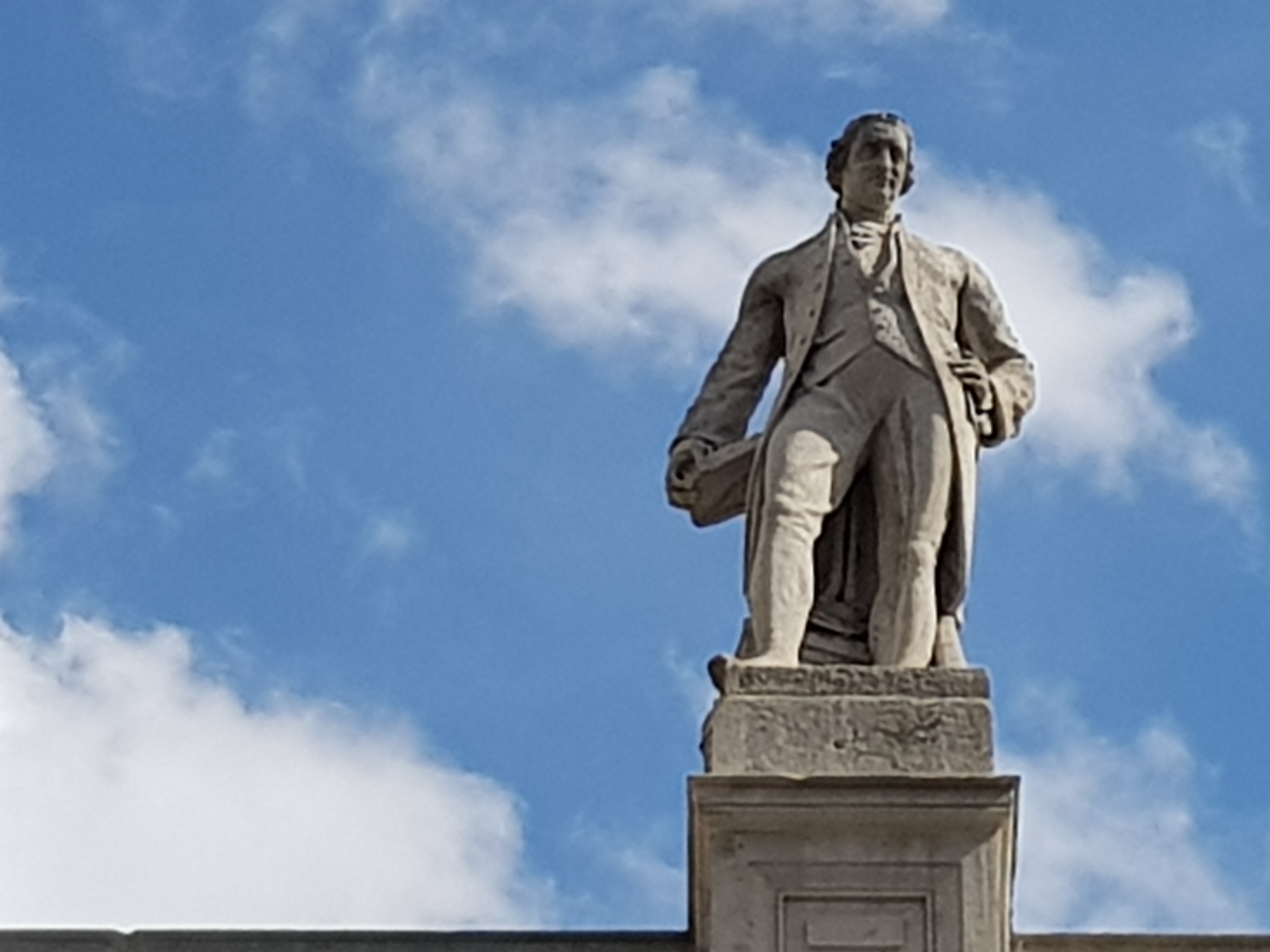
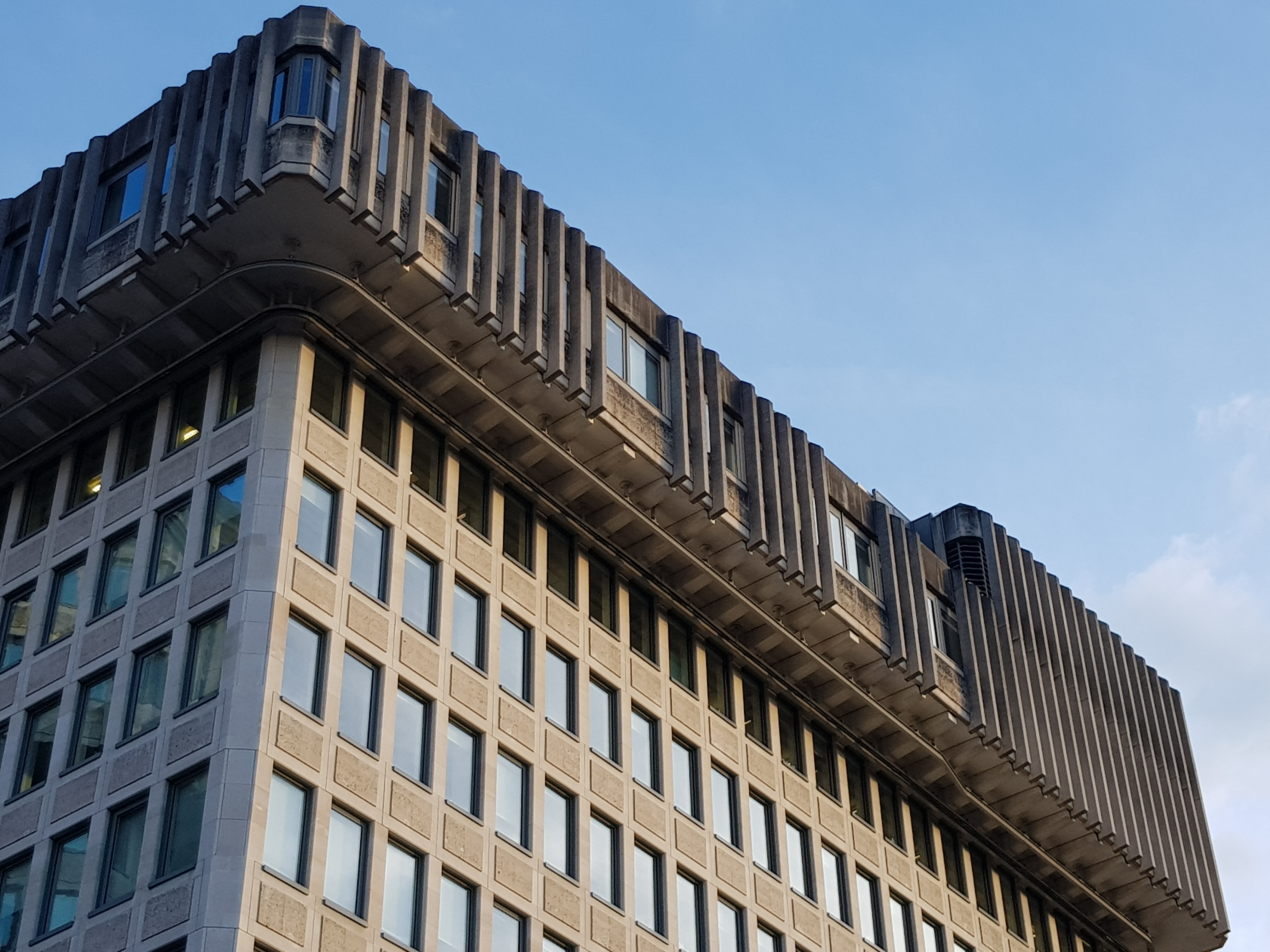
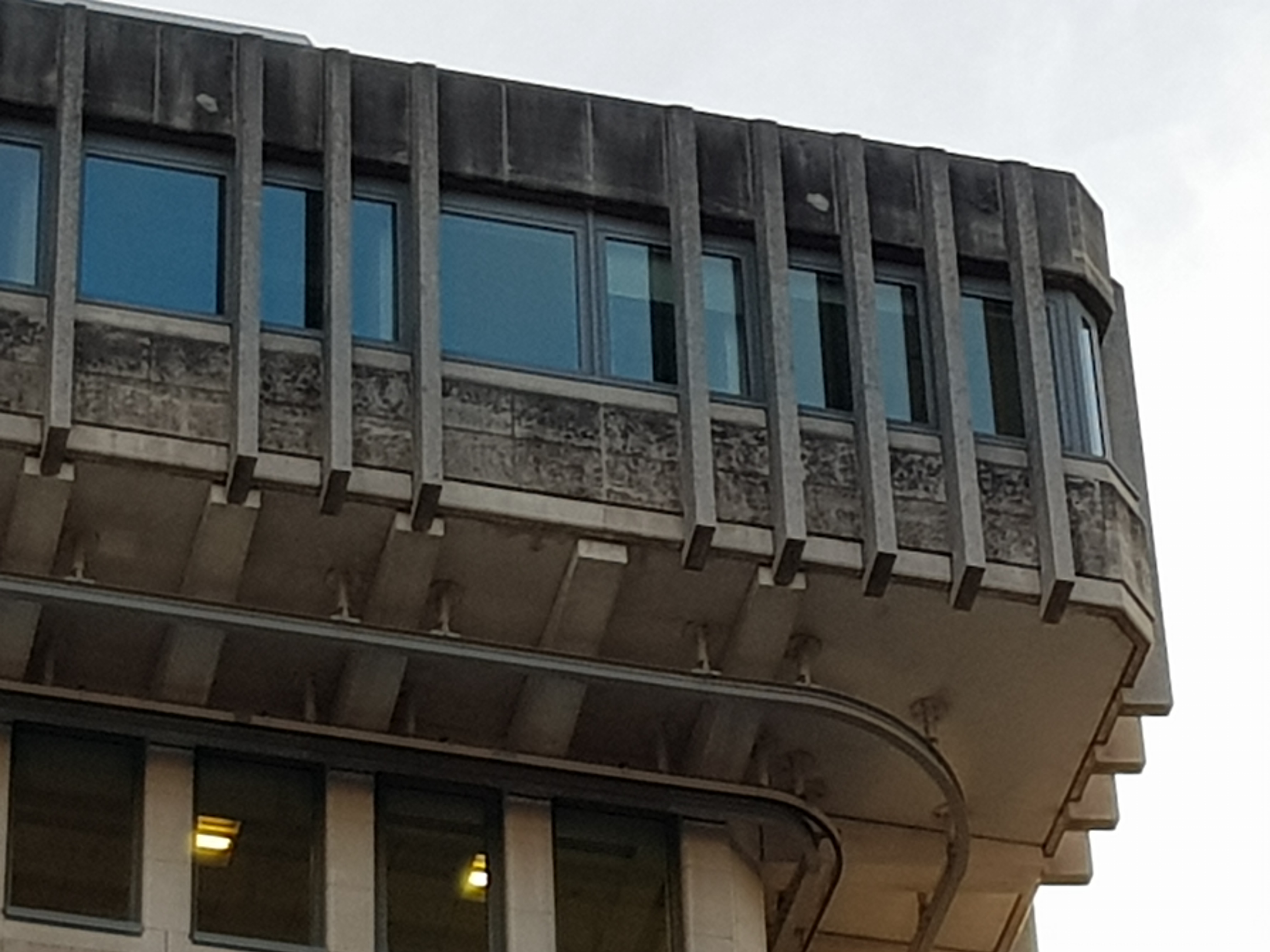
I was walking along Queen Anne’s Gate and was struck by this view of Basil Spence’s Ministry of Justice looming above the parapets of the terraced eighteenth-century houses like an escaped sputnik:-

It encouraged me to pay a bit more attention to the comic plasterwork figures and the statue of Queen Anne:-

Standard

Limehouse

I realise that I have already posted more than enough from yesterday.   My final one is of my Sunday morning walk.   Down Stepney Green:-

Past the pigs:-

Through the churchyard:-

To Limehouse Basin:-

Through Ropemakers Fields:-

Back up Regent’s Canal:-

And across Shandy Park:-

Standard

The Isle of Dogs (1)

I have been preoccupied in the last week by a contribution I have been asked to make to a volume of essays about the future of London to be published by Ben Rogers and his Centre for London.   I was asked to submit photographs which might indicate the future develooment of East London.   

By chance, yesterday morning I revisited the area just south of Canary Wharf which is the subject of one of the photographs and shows the huge and unrestrained development which is going on as Canary Wharf moves from office development to residential.   These are two of the tower blocks which will dwarf Piers Gough’s Cascades:-

From the Sir John McDougall Gardens on the west side of the Isle of Dogs, one sees the curious mixture of big business tower blocks and 1960s social housing blocks which were given hats to match Canary Wharf:-

Beyond, on Millharbour, there are a number of massive new developments, not unimpressive, but I don’t know who the architects are.   As in Vauxhall, it’s a city within a city:-

Standard

Mark Girouard

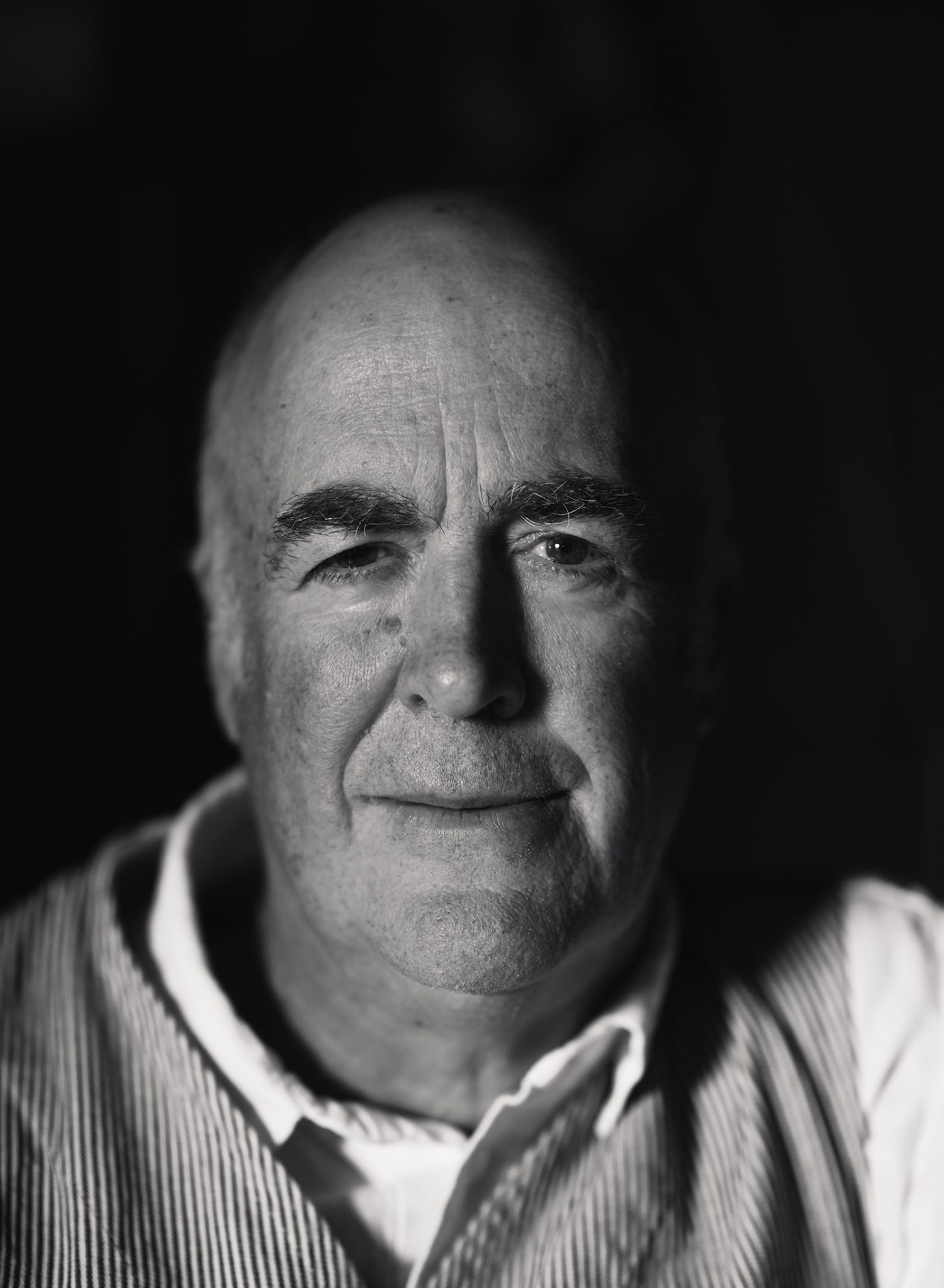
Listening to Mark Girouard speak this afternoon made me remember how much I and my generation of architectural historians owe him without him necessarily being aware of it.   In 1958, he started writing for Country Life and continued to do so over a long period, pioneering the study, in particular, of Victorian country houses and their planning, which led to the publication of The Victorian Country House by Oxford University Press in 1971.   He then turned to writing a history of the design and planning of country houses over a longer period, which led to his Slade lectures delivered in Spring 1976.   By chance, I heard the first one, delivered, as they then were, in the Oxford Playhouse.   This led to the publication in 1978 of Life in the English Country House, which was hugely and deservedly successful, both as a scholarly book and one which had big sales.   He, more than anyone, except possibly John Summerson, made the writing of architectural history into a humane and wide-ranging intellectual discipline.

Standard