Egg

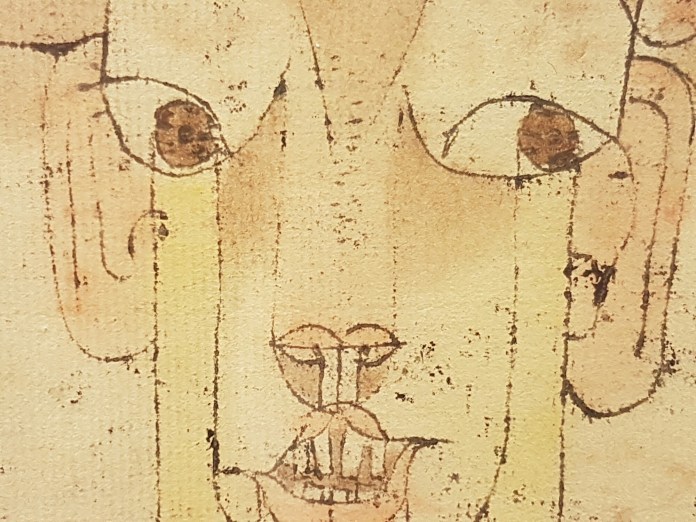
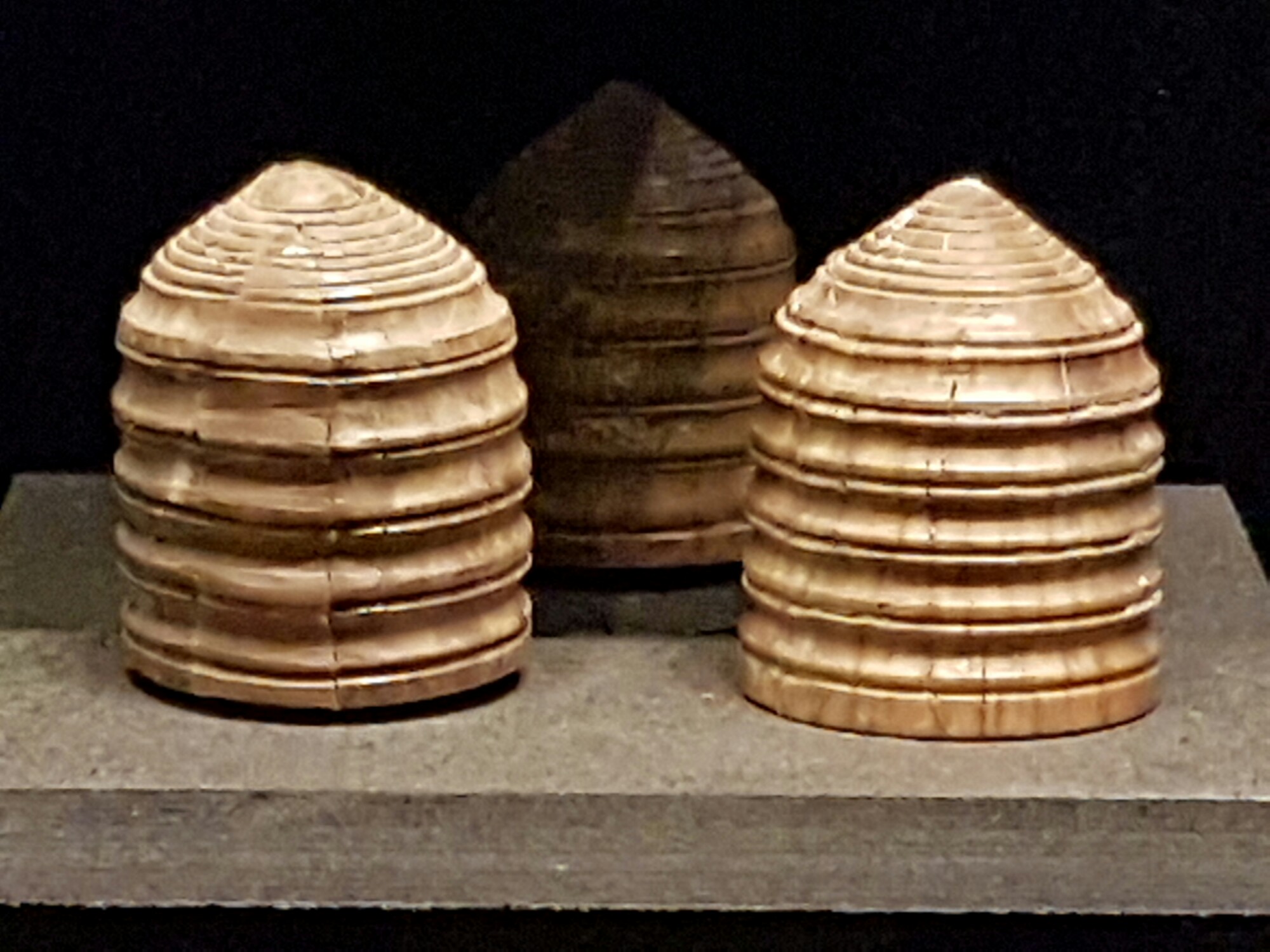
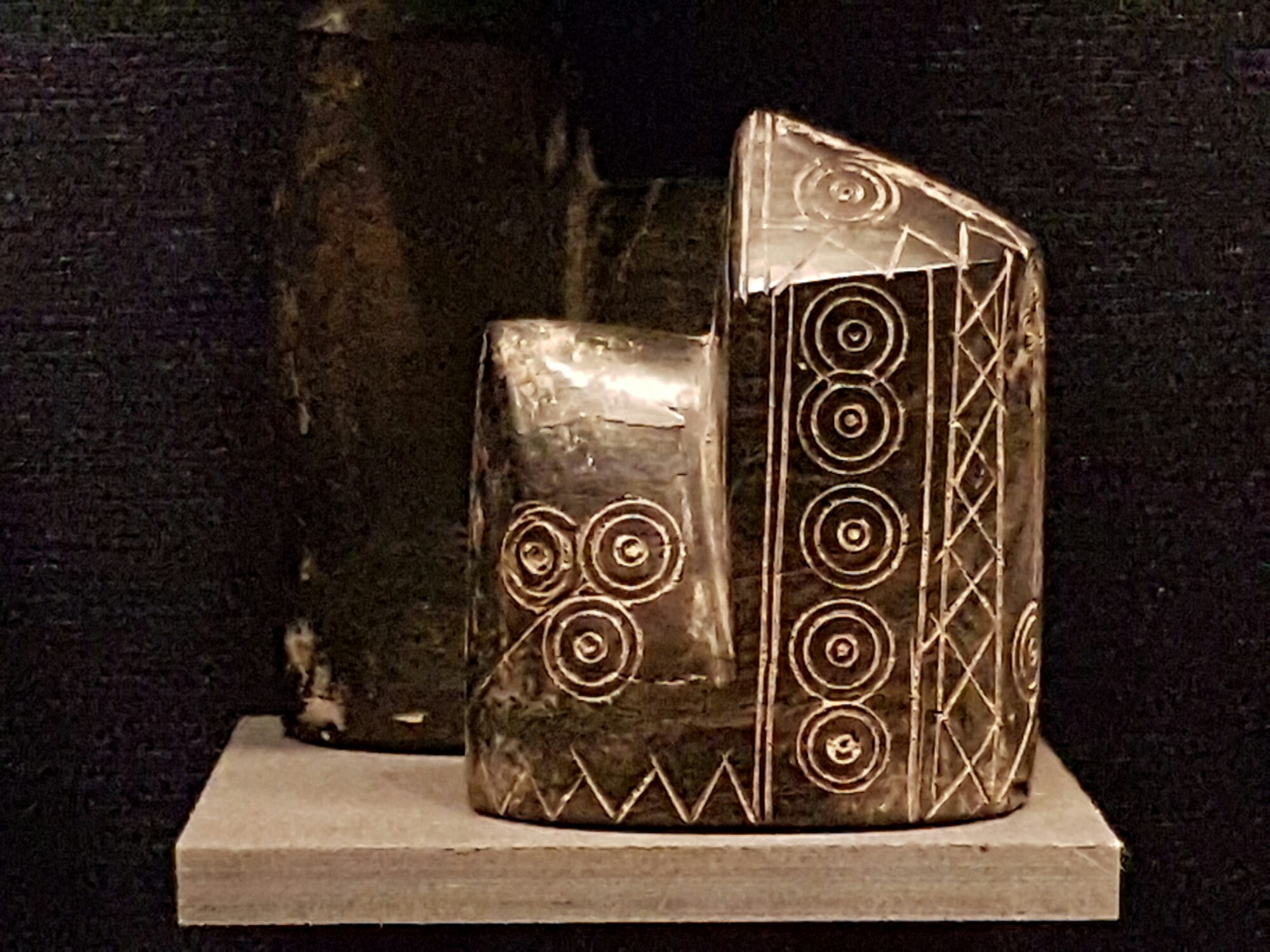
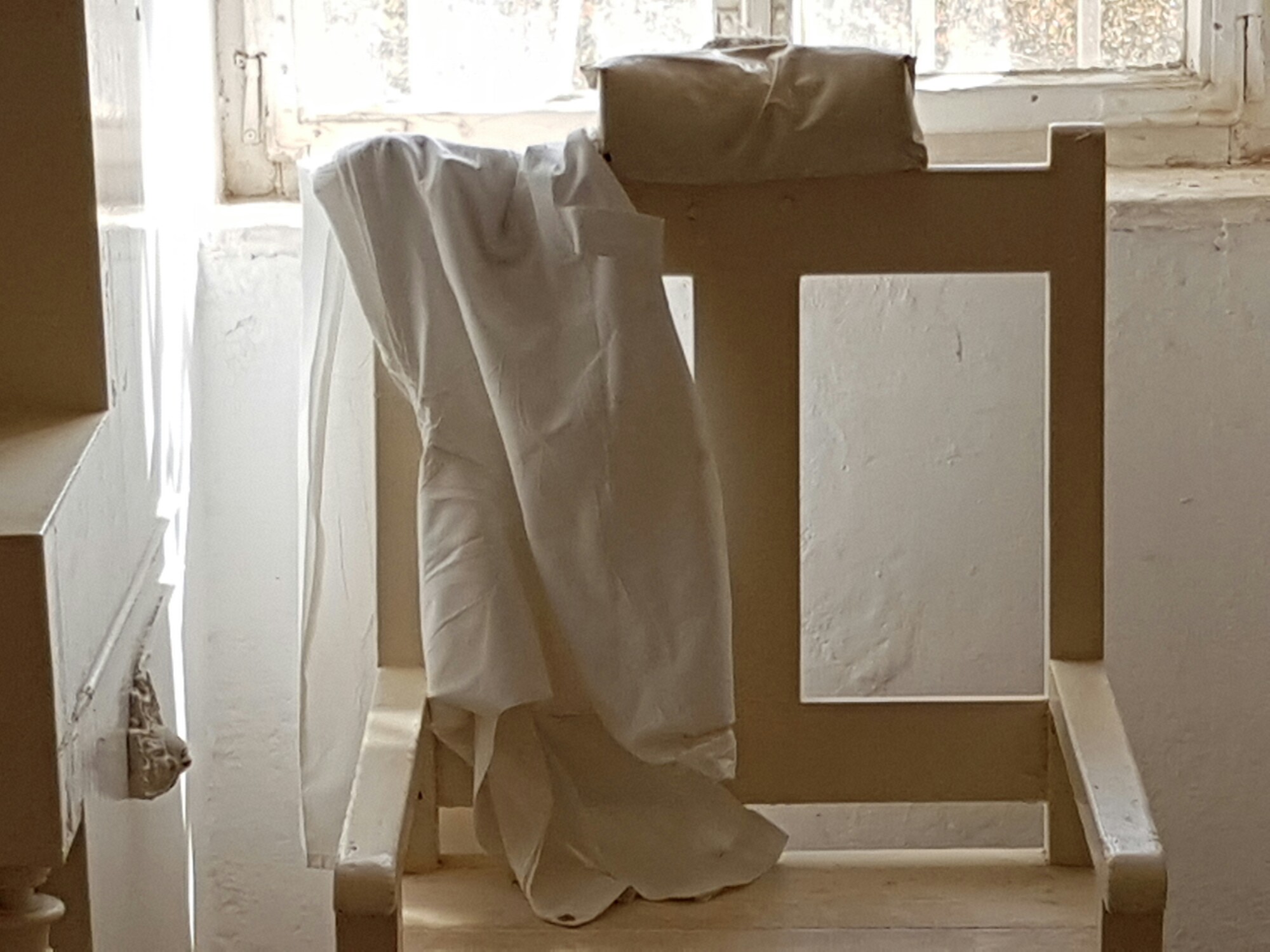
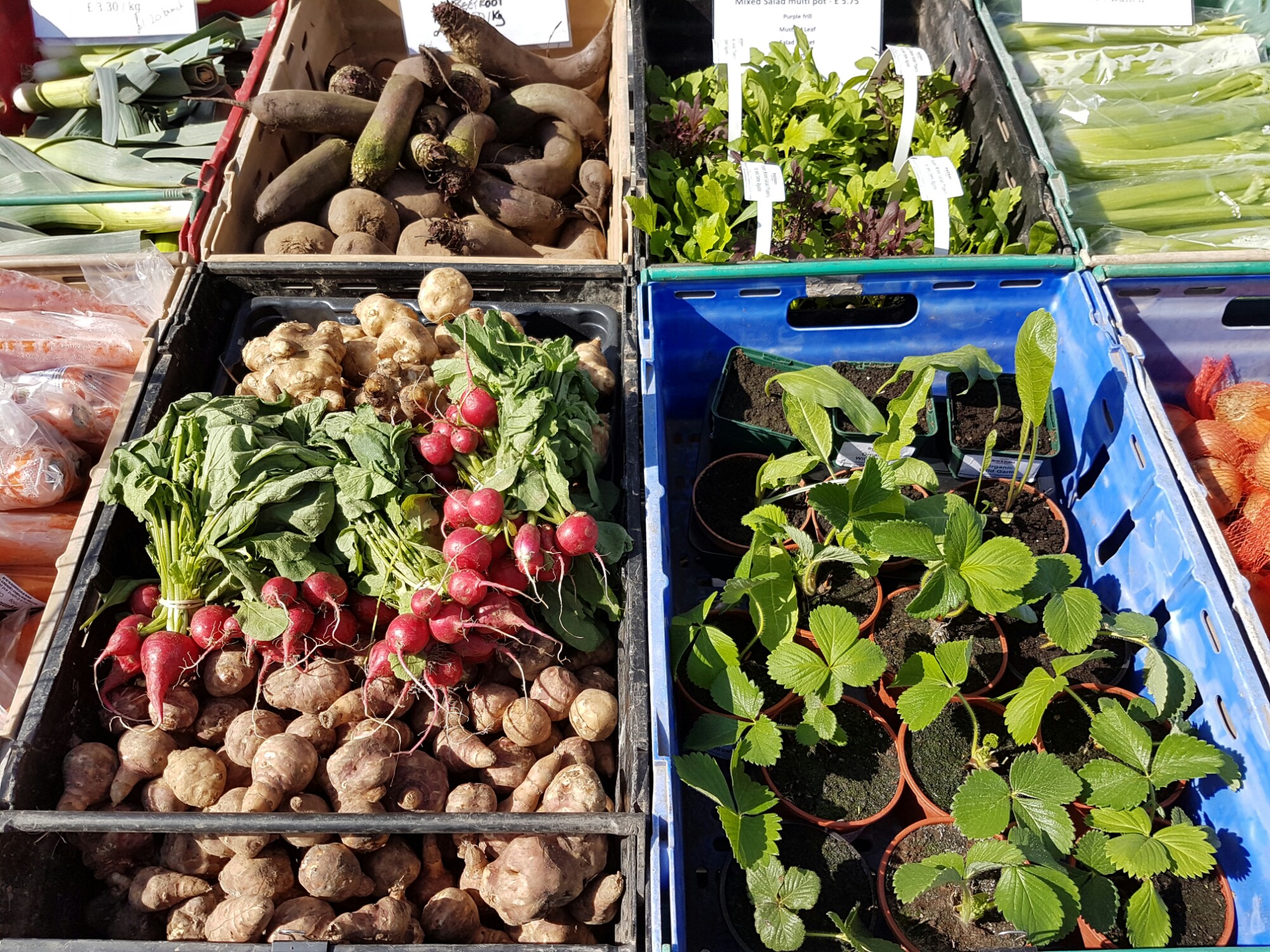
I went on one of my increasingly occasional visits to Egg Trading, Maureen Doherty’s wonderful shop in Kinnerton Street where Edmund de Waal had his first exhibition and where everything is beautifully and theatrically displayed, but where I am no longer allowed to buy anything:-
Standard

The book of the blog

Those people who have been long-term followers of this blog will know that I have had an idea that it might be turned into a book (vigorously promoted in the Comments section by Mark Fisher).   Today I finally got hold of a copy of East London which is due to be published by Thames and Hudson on April 27th. (actually the copy is on temporary loan from the editor of the RA Magazine).   It is everything I hoped it would be and more, a most beautiful piece of design and book production overseen by Harry Pearce of Pentagram, who has completely understood how to turn a blog into a book by retaining the smallness of the pictures and the casual movement of the eye across the page.   Also, he encouraged me to commission maps which provide the finishing touch, including a fold-out map as the endleaf.   I am not allowed to tell you that it can be pre-ordered from Amazon (only £19.95), but I can encourage you to buy it from John Sandoe books (http://www.johnsandoe.com/product/east-london), who are kindly also stocking fifty copies of the special edition, which Harry tells me is – as it should be – even better, as well as much more expensive (http://www.johnsandoe.com/product/east-london-special-edition/):-

The yellow stickers mark references to the RA.

Standard

Collecting

A week or so ago, I was interviewed for a German website called Fine Art Multiple.   I found it interesting to be grilled about the nature of our collection because I don’t regard myself as a collector, partly because I don’t have a deep pocket and partly because we have never collected in any particular category, except possibly modern ceramics (and books), with any consistency.   But, lo and behold, I now read about myself online and recognise that there is possibly more consistency of aesthetic intent than I had realised.   See https://fineartmultiple.com/blog/collector-interviews-charles-saumarez-smith

Standard

Piccadilly Roofscape

The attached photograph is a visual puzzle:  where was it taken ?  And what does it depict ?  The answer is that it was taken out of the window of the boardroom of Fortnum & Mason looking north across the roofscape and balustrades of E.M. Barry’s buildings in Burlington Courtyard towards the temporary roof and cranes of our building project beyond:

Standard

David Hockney

I had a chance to see the Hockney exhibition, having missed all the opening festivities.   I feel I’ve grown up with these paintings, the different phases of his career, and his never-ending visual and technical experiment and hedonism, beginning in the early 1960s with some work which is very familiar (We Two Boys Clinging Together and Flight into Italy) and some (Arizona) much less so.   One still gets the sense of discovery when he arrives in California and the room of big double portraits looks particularly good.   I had forgotten the picture of his parents in the Tate has Piero’s Baptism reflected in the mirror and Piero and Proust together with the Phaidon volume of Chardin are inherited references, like talismans.   I had never seen his early Self-Portrait drawing, done in 1954, in which he observes himself observing, looking out at the world, self conscious and determined.

Standard

Embankment

I was in the office early in an eerie light looking out of the window:-

Instead of catching the tube at Blackfriars, I walked along the Embankment, past the elaborate neo-Renaissance façade of the old City of London School (now J.P. Morgan):- 

Past Hamilton House, once the home of the Callender Cable and Construction Company:-

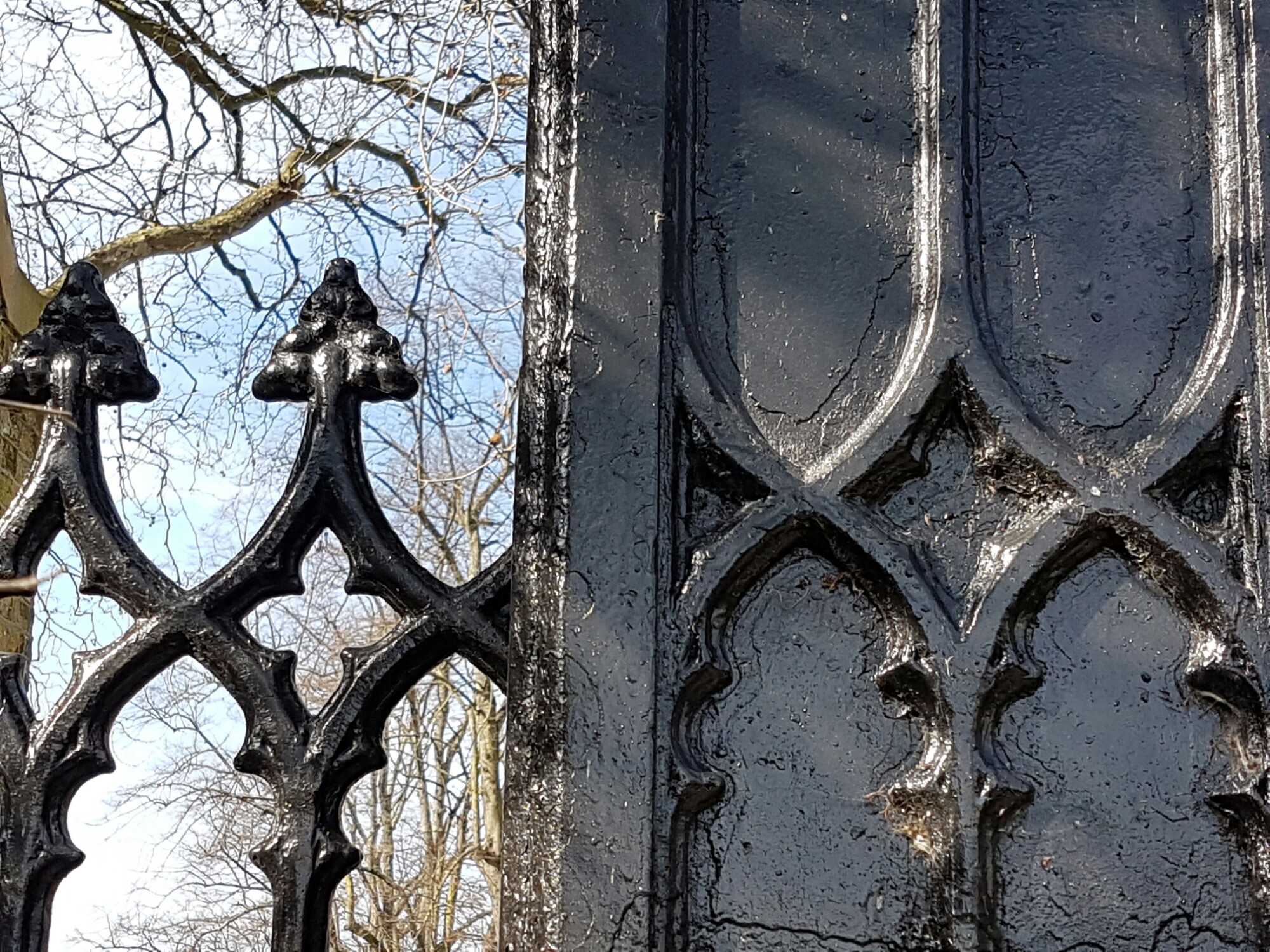
And Temple Gardens, the entrance gateway to Middle Temple Lane, designed by E.M. Barry, the son of Charles:-

Standard

Sebastiano del Piombo

I have always found Sebastiano del Piombo a hard artist to grasp.   Trained under Giorgione, he is thought to have worked on the frescoes of the façade of the Fondaco dei Tedeschi on the Grand Canal, before leaving Venice to study and work in Rome.   In Rome, he came under the influence of Michelangelo, the greatest artist of the day and made friends with him, absorbing the monumentalism of his style, using him for advice on compositions, writing him very formal and beautifully written letters (‘Dearest friend, dearer to me than a father’), and making him godfather.   The result is a somewhat hybrid style:  monumental in his figures, but still with Venetian landscapes in the background.   All of this is made clear in the National Gallery’s beautifully lucid and intellectually coherent exhibition on the lives, friendship and influence of the two artists.

Standard

The Taddei Tondo (2)

I have now seen the Taddei Tondo freshly installed in the Michelangelo & Sebastiano exhibition at the National Gallery (opens Wednesday).   It’s hung lower than it was in the Sackler Gallery – at eye height, with much clearer glass and more distant lighting to create the necessary deeper shadows.   It’s possible to appreciate much better the marks of the claw chisel, the bulk of the goldfinch held over the body of the Christ Child, the wonderful three-dimensionality of the modelling of the Virgin’s neck, and the contrasts in the marble between the half worked out rough and the fully worked out smooth.   What it shows most obviously is the extraordinary sense of contrapposto in the way that the Christ Child moves sideways in a direction opposite to the Madonna and of his muscular solidity as he writhes in the stone.   And I have also learned that it originally hung, after being presented to the RA by George Beaumont, in its library on the ground floor of the east side of the National Gallery building (where the grab-and-go now is).

Standard

Howard Hodgkin (2)

On Thursday evening, I was asked if I would write something about Howard Hodgkin.   I tried to record as much as I could from memory and what I wrote was published in abbreviated form in Saturday’s Guardian.   But since it was necessarily cut down, I am now posting the full text for the historical record:-

Howard Hodgkin

I wish I could remember how and when it was that I first got to know Howard Hodgkin.

All I can remember is that, when I was Director of the National Portrait Gallery, I knew that he had painted a portrait of Terence Conran and his then wife, Caroline, which was said to be unfinished.   I was intrigued by the idea that I might be able to persuade him to complete it, so that it could join the collection.   But I never did.

It must have been when I moved next door to the National Gallery.   Howard had been a Trustee of the National Gallery from 1978 to 1985, when Noel Annan was chairman, Michael Levey was Director and plans were being made for the development of the old bomb site next door.   In 1979, when he was a Trustee, he had done an exhibition in a series called ‘The Artist’s Eye’ in which he had wanted to cover the room with bright floral Indian cotton.   He installed Tiepolo’s great ceiling painting of An Allegory with Venus and Time on the ceiling, alongside the fragments of Manet’s Execution of Maximilian I.   Not only did he love paintings, but he also enjoyed art world gossip.   Before he was a Trustee of the National Gallery, he had been a Trustee of the Tate Gallery in the early 1970s, when Norman Reid was Director.

He never talked about his family and I note that he leaves out all reference to them in his entry in Who’s Who.   I assume that this is because he did not in any way want to be associated with his famous Hodgkin forebears, including Thomas Hodgkin who gave his name to Hodgkin’s disease, or his cousins, Sir Alan Hodgkin, the great scientist who was Master of Trinity, and Dorothy Hodgkin, who won the Nobel Prize for Chemistry.   He also leaves out the fact that he went to school at Eton.   He ran away, was stopped by a policeman who asked him what he was doing, and was told that he wanted to be an artist.   But he was certainly influenced by the art master, Wilfrid Blunt, Anthony Blunt’s polymathic older brother, who was able to borrow works from the Royal Collection and introduced him to the study of Indian painting, in which Howard became a great expert.   He then went to Bryanston, also left out of his entry, where he must have met Terence Conran and was taught art by Charles Handley-Read, an expert on the Victorian architect, William Burges.   He ran away from Bryanston as well.

I always had the impression that he had a long, relatively conventional period in his life after being a student at the Bath Academy of Art in Corsham, where he taught during the 1950s, and met his wife, Julia.   He lived in Hammersmith, then Addison Gardens in Kensington, and worked very slowly on canvases which were exhibited during the 1960s at the Arthur Tooth Gallery and by Kasmin.   Edward Lucie-Smith wrote in the first catalogue of his work that it ‘has none of the drabness which is too frequently associated by modern artists with pretension to intellect’.   This is a good assessment of his strengths as a colourist, without any of the inhibition of the Euston Road School, the tradition in which he had been trained.

It was only in the 1970s that his career really took off, when his paintings were shown at the Oxford Museum of Modern Art when Nicholas Serota was Director, he held a Fellowship at Brasenose College, Oxford, an exhibition at the Serpentine Gallery, and split up from his wife, moving to a flat near the British Museum.   Later in his life, he felt that it was a good thing not to have been successful too early, but remembered that ‘there were many bitter moments to live through when it was so long before anybody seemed to want to look at my pictures at all’.

During the 1980s, he became famous.   He told Edward Lucie-Smith in an interview for Radio 3 that ‘I know in my case that my work is entirely sustained by experiences of one sort or another.   Somebody once said, “well, you must have to live like a novelist to paint pictures like this”.   Which is true’.   He was included in The New Spirit of Painting, held at the Royal Academy in 1981, but was contemptuous of what he regarded as the revival of history painting — ‘enormous subject pictures which, as physical objects, were often produced in the most perfunctory manner’.   He represented Britain in the Venice Biennale and was awarded the second Turner Prize in 1985 in the days when the Turner Prize was not given to a young Turk, but for a lifetime achievement.

By the time I got to know him after the turn of the millennium, he was already a Grand Old Man of the art world and occasionally frail; but he was also funny, warm, wry, and deeply sympathetic.   He lived with his partner, Antony Peattie, in a converted dairy nearly opposite the British Museum and we used to have dinner with them upstairs in which the discussion was about literature, music and the art world, but not really about contemporary art from which he always felt somewhat detached, existing in a world of pure colour, at least as interested in Indian art and his collection as he was in the work of other painters.   They had a house also in Normandy, which is extraordinarily atmospheric, with large open rooms painted like a Hodgkin.   But I never ever saw him paint.   He painted in a studio in the garden when he was in Normandy and was probably deliberately secretive about his working practice, retreating to his studio and only emerging for a very delicious lunch.

In recent years we saw him at lunches held in the huge day-lit room off Museum Street, where the pictures for an exhibition were lined up face to the wall, so that we couldn’t see them while eating.   There was a ritual after lunch when they would be turned one-by-one so that one could admire them.   His output remained prodigious, done presumably at speed, but with an instinct for colour honed by long experience, acute visual sensitivity, a degree of sensuality, and a powerful awareness of the ways in which brushstrokes can activate association and memory.

What will his position be in the canon of modern art ? I view him as an aesthete and a colourist, in the tradition of Matisse.   He is not easy to categorise because although in the 1960s he knew lots of painters and was influenced by what was described as a ‘tidal wave’ of Abstract Expressionism in the late 1950s, including exhibitions of Jackson Pollock and Rothko at the Whitechapel Art Gallery, later in life he stood rather aloof from the contemporary art world.   He much preferred the company of writers, including Bruce Chatwin, James Fenton and Julian Barnes.   I assume that he will always be regarded as a great painter, as long as people appreciate the idea of pure form.   But what I will remember best about him was the way that while telling a story about his life or childhood, his face would suddenly crumple into tears.


Standard

Signs of Decay (1)

As our neighbourhood is increasingly poshed up (it’s said that the Whitechapel Bell Foundry sold for £25 million), I become increasingly attentive to the signs of industrial decay – the old East End of workshops and lock-ups and artist’s studios under the railway arches:-

Standard