
I went out first thing this morning to the new local branch of Sainsbury’s to buy a copy of the Weekend FT to check that the article I’ve written about Stepney Green has appeared in the colour magazine. It has (p.27). I found it harder than expected to write a longer piece (well, it’s not that long), having got used to the blissful superficiality of a blog entry. And it’s odd to see it illustrated with someone else’s photographs, including a basketball game in Bethnal Green Library Park and a brown and white sheep in the local farm. You can spare yourself £3.80 by reading it online (just google Saumarez Smith Stepney Green).
Category Archives: Uncategorized
Edmund de Waal
Edmund de Waal gave the biennual Leo Baeck Lecture this evening at Queen Mary on the subject of ‘On the Eve of Departure: Art and Exile’. He must have talked about the background to the writing of The Hare with Amber Eyes a hundred times, if not a thousand (it was published in 2010), but he still managed to invest the circumstances of his family history with extraordinarily vivid immediacy, as if he was only just telling the story for the first time of Charles Ephrussi in 81, rue de Monceau, Viktor von Ephrussi, his scholarly great grandfather, his grandmother Elisabeth who only died in 1991, his great uncle Ignace, who left Vienna to become a fashion designer, and Victor de Waal, his wonderful father who was chaplain of King’s and Dean of Canterbury. Maybe talking to a scholarly Jewish audience gave the narrative a different edge, because, although his father had apparently suppressed his Jewish upbringing, Edmund said that a visit to the Leo Baeck library reminded him of his upbringing. It was a tour de force.
La Barca Restaurant
I don’t normally do restaurant recommendations on my blog (unless they’re in Anglesey), but last night we were booked in to the Waterloo Bar and Kitchen next door to the Old Vic, which turned out not to have disabled access. So, after two beefy waiters failed to lift the wheelchair, we retreated to La Barca on the other side of the road. We had the nicest and most delicious meal and the warmest possible welcome, so this is a way of conveying our gratitude.
The Soane Mausoleum
It feels faintly sacriligious to write a blog this morning, or irrelevant, after the events of yesterday afternoon, but a meeting this morning took me through the graveyard of Old St. Pancras Church where I was able to pay my respects to Sir John Soane RA and the great mausoleum which he originally designed for his wife Elizabeth, following her death on 22nd. November 1815. It was apparently nearly relocated to Lincoln’s Inn Fields in 1869 and was twice restored by the Soane Monuments Trust in the 1990s. This is the old church, as much restored by Alexander Gough in the late 1840s:-
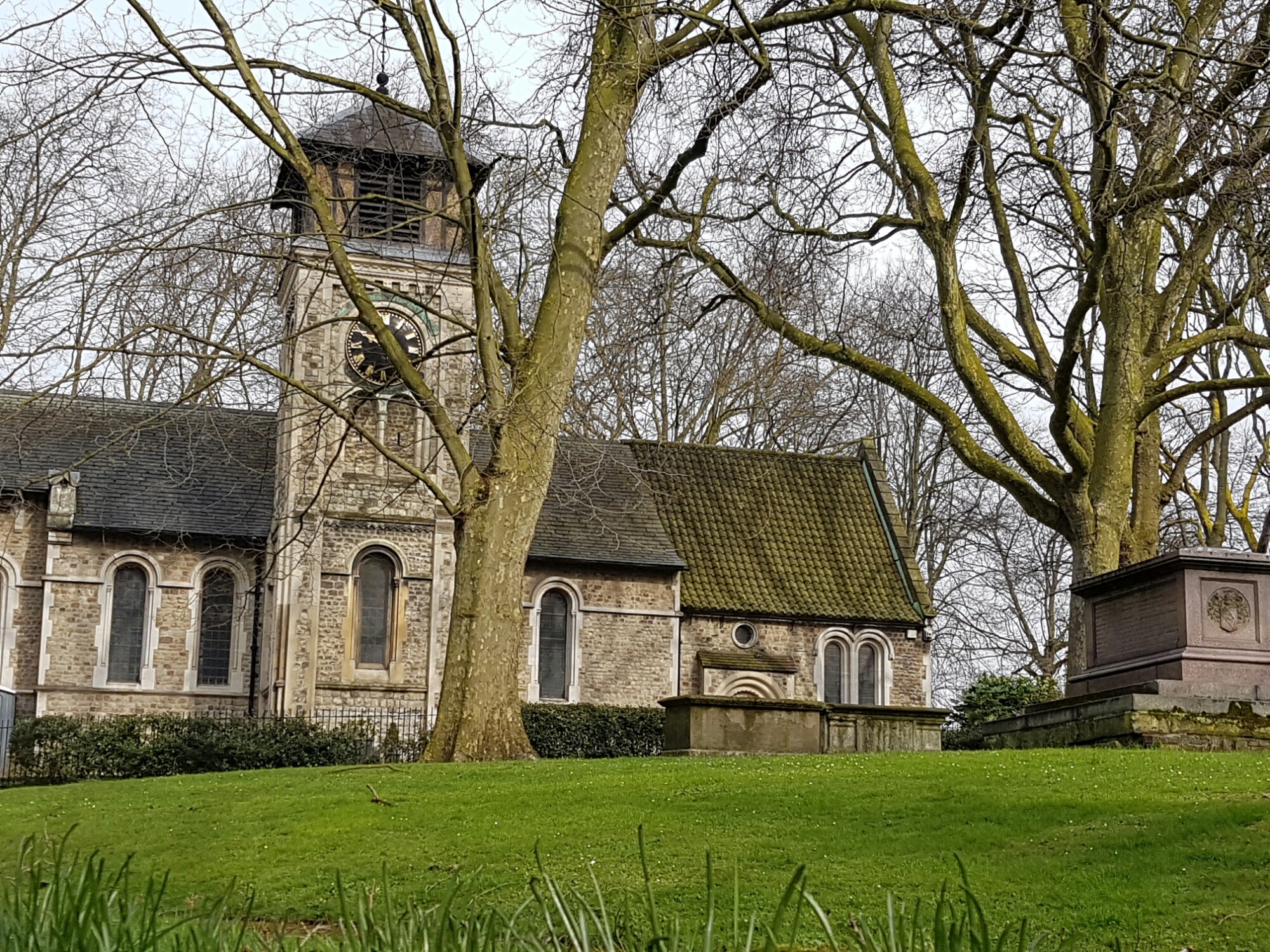
And the tomb:-


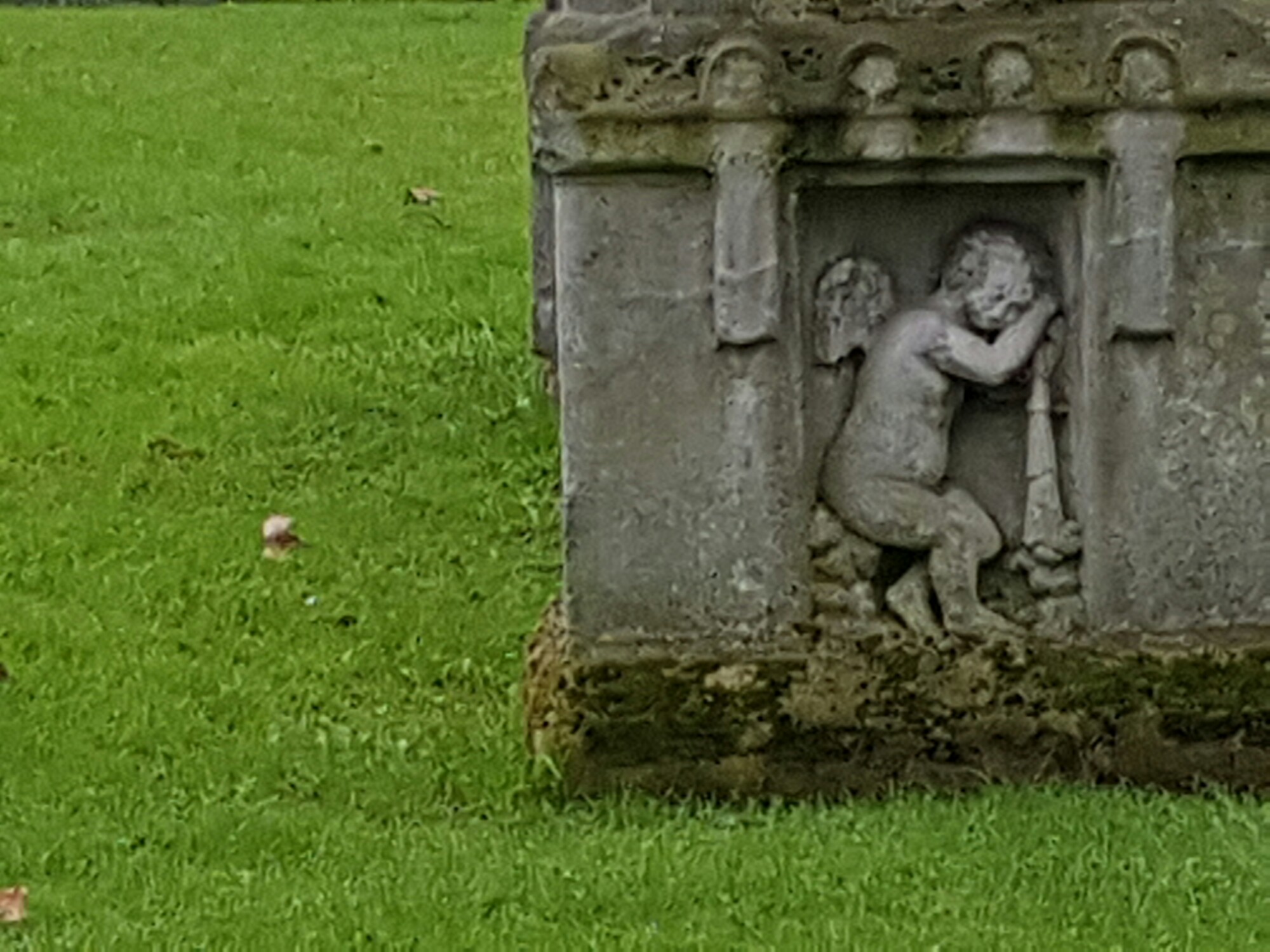
And a nice piece of lettering on the way back to the station:-

Keystone Masks
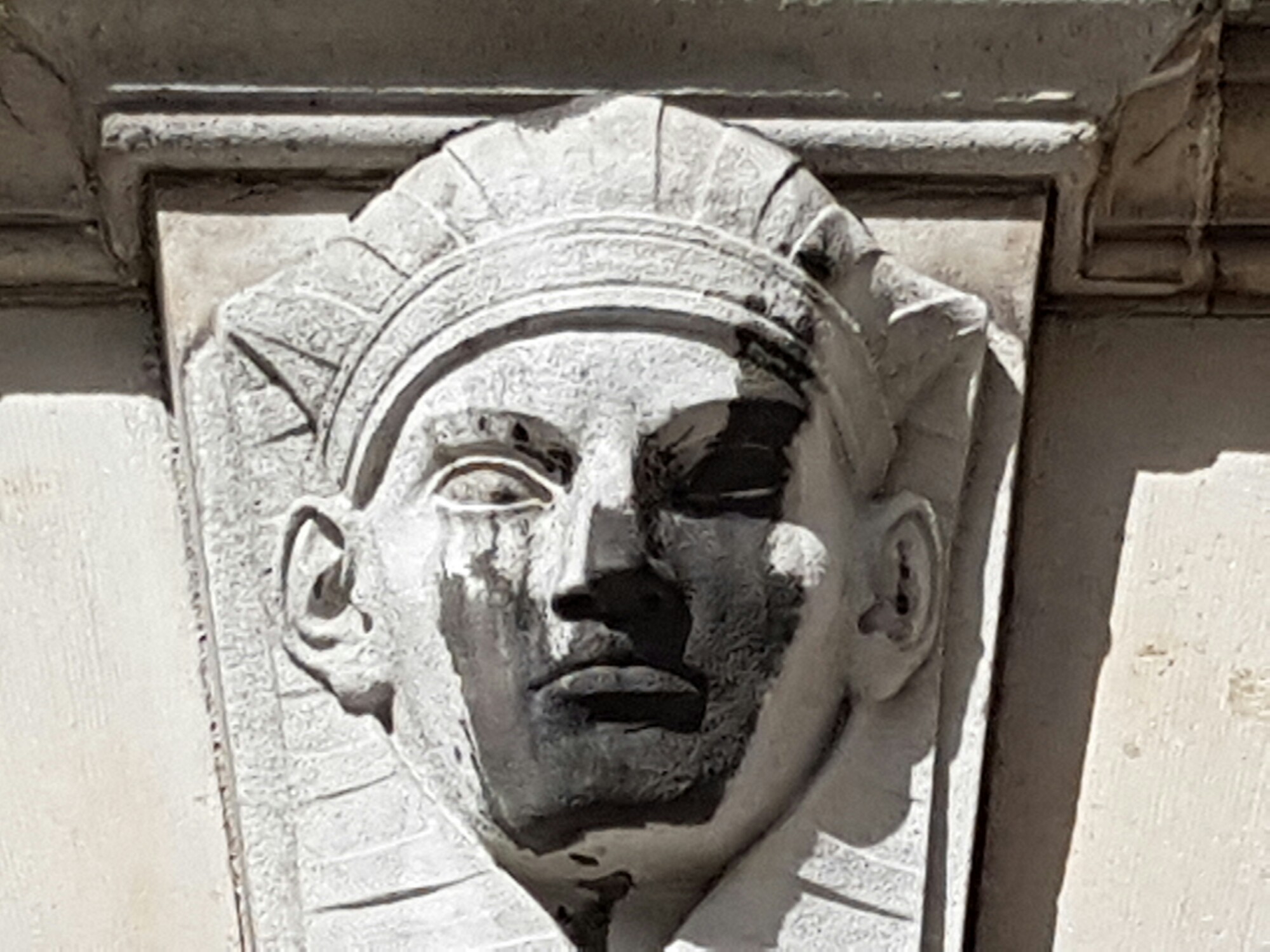
Because of the bright sun this morning, I paid more attention than usual to the face masks on the façade of Burlington House which I pass underneath on a daily basis, but I suddenly couldn’t place them. They didn’t look Victorian as I assumed they must be, but more Kent-ian which they aren’t. I’ve discovered that they are copies of the face masks in Somerset House, done by Sydney Smirke when he added the Diploma Galleries to Burlington House:-


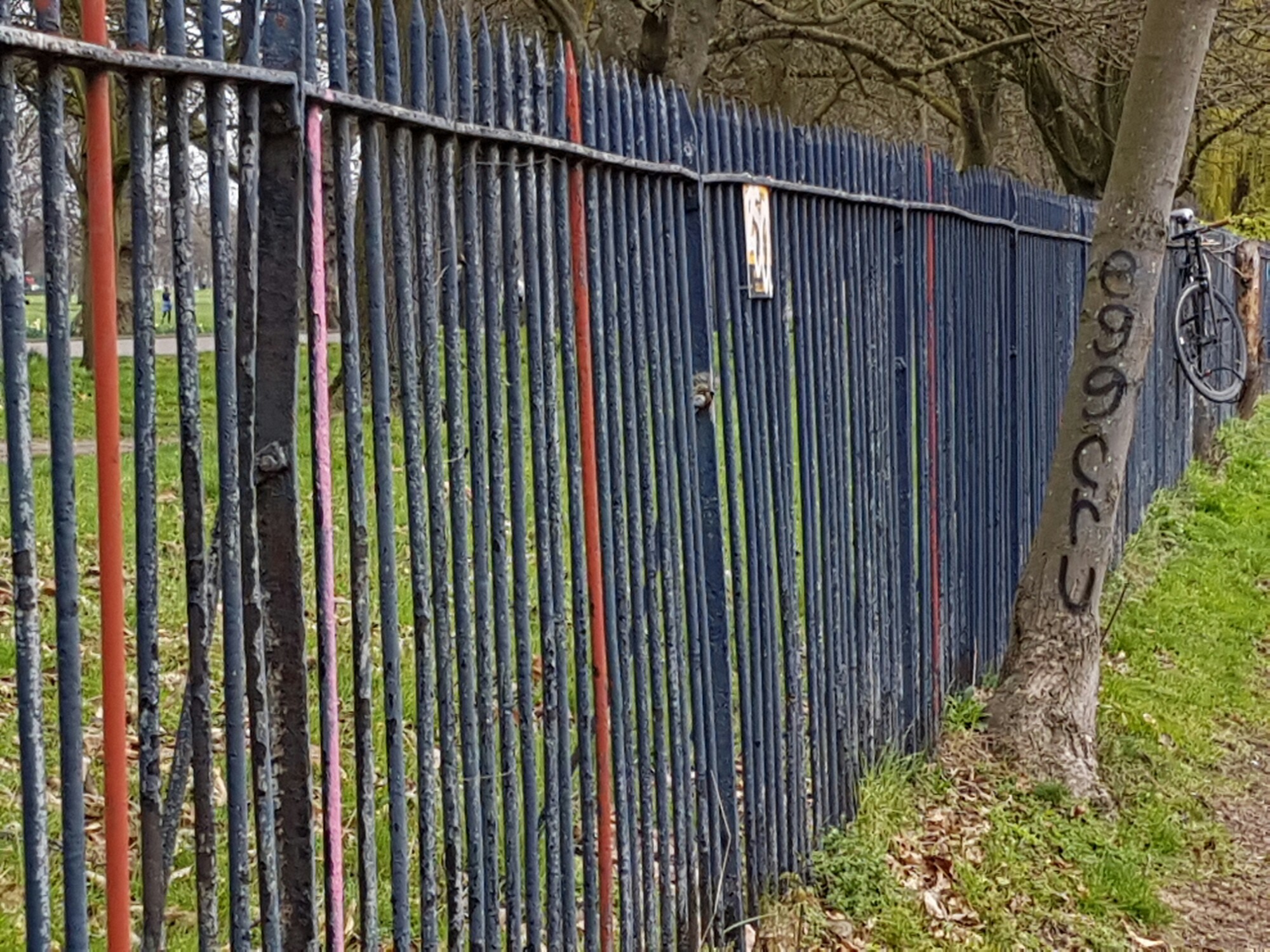
Signs of Decay (2)
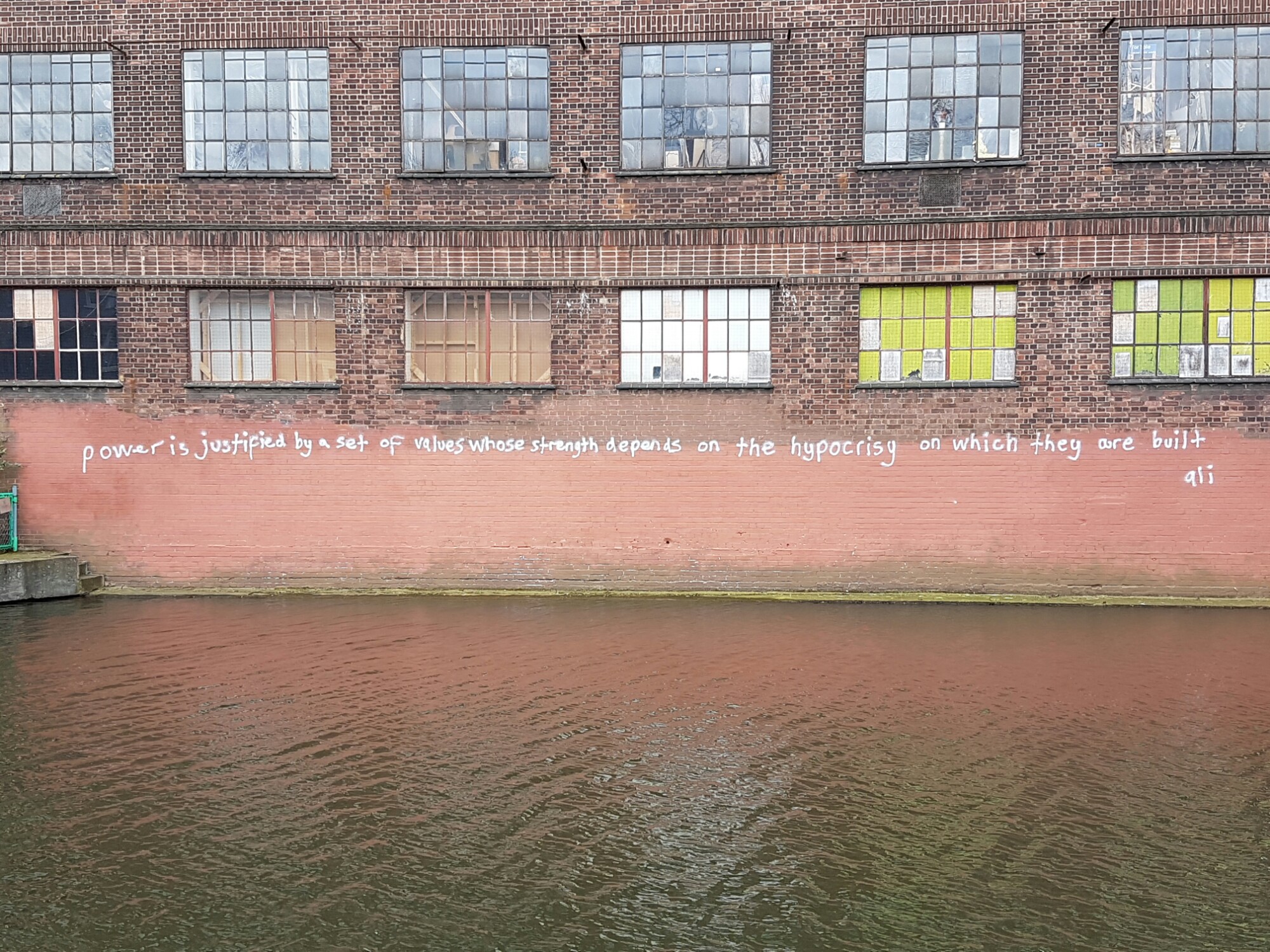
En route to the Olympic Park, I walked along the Hertford Union Canal, otherwise known as Duckett’s Cut after Sir George Duckett who introduced the Act of Parliament in 1823 which allowed him to borrow £50,000 to fund its construction. Duckett was a banker and member of parliament who went bust in 1832 and the canal was never a commercial success. It runs between Victoria Park and the Roman Road:-


Olympic Park
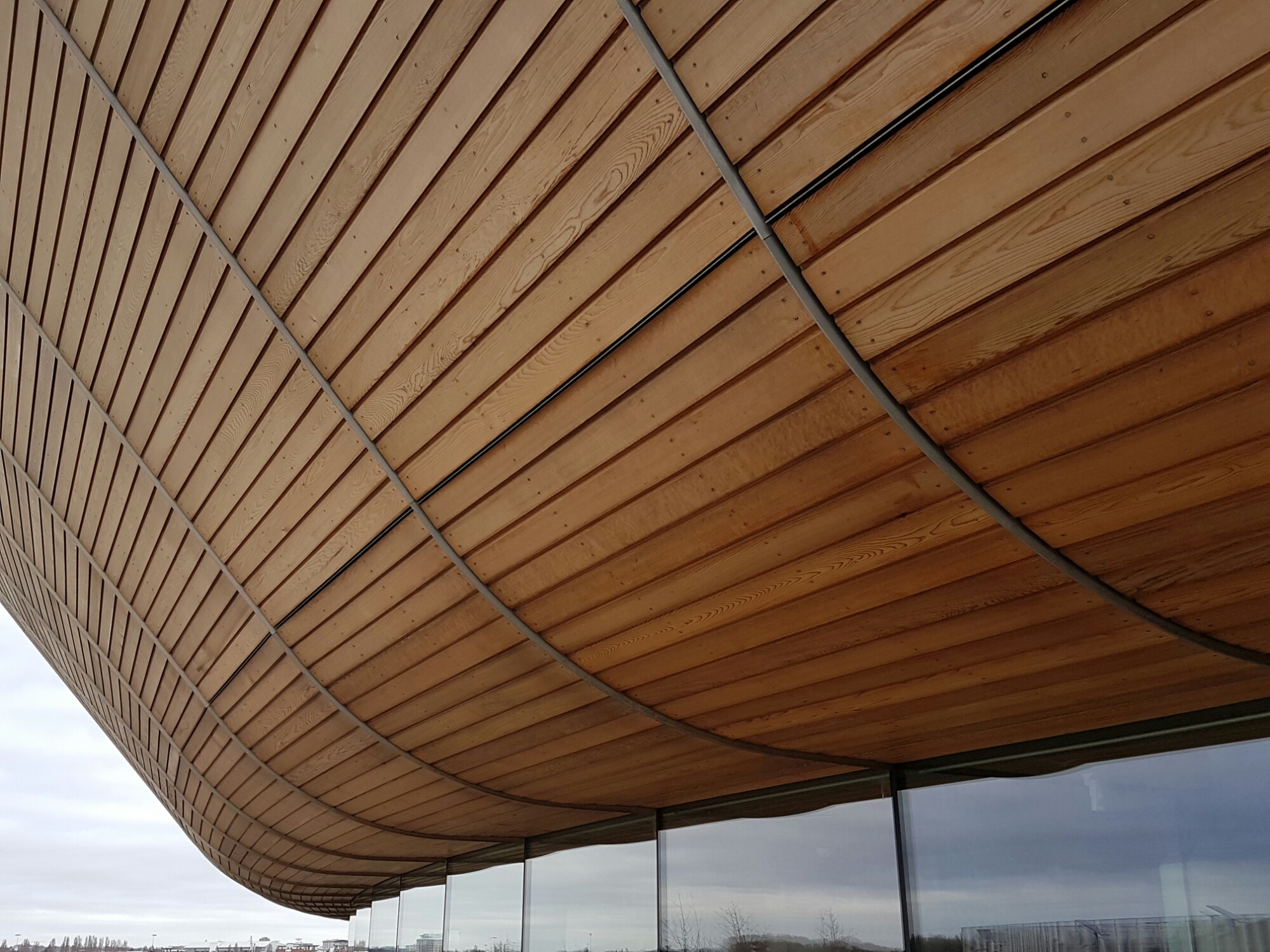
I’m never completely convinced by the Olympic Park, although I want to be. It always seems to be trying too hard, too many paths leading nowhere, too many notices encouraging one to admire it. It probably needs another fifteen years to grow into maturity and for the elaborate planting to make sense:-

Meanwhile, I was able to admire the boat-like shape of Michael and Patty Hopkins’s Velodrome close-up instead of from a distance on the motorway alongside:-

Egg
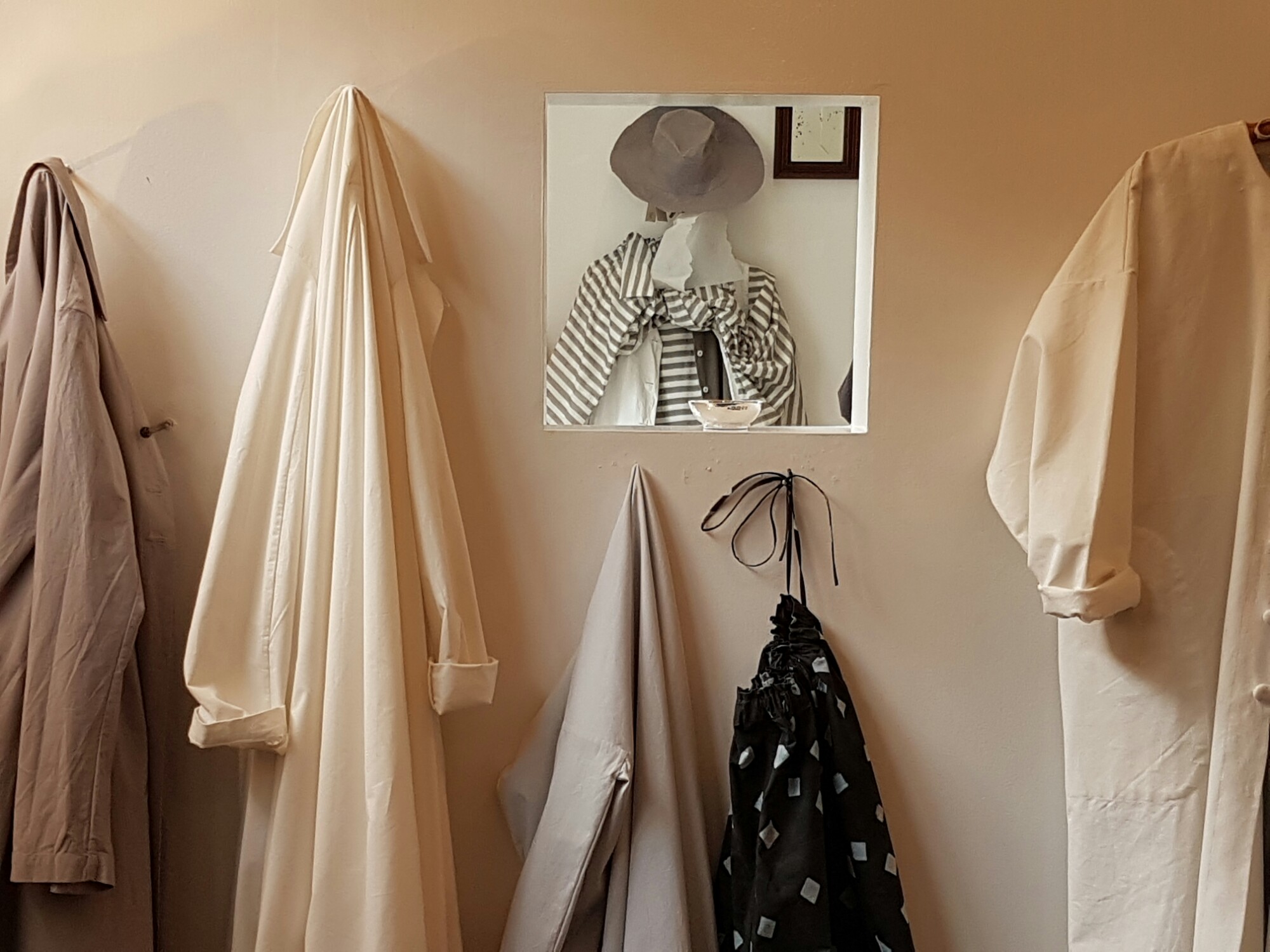
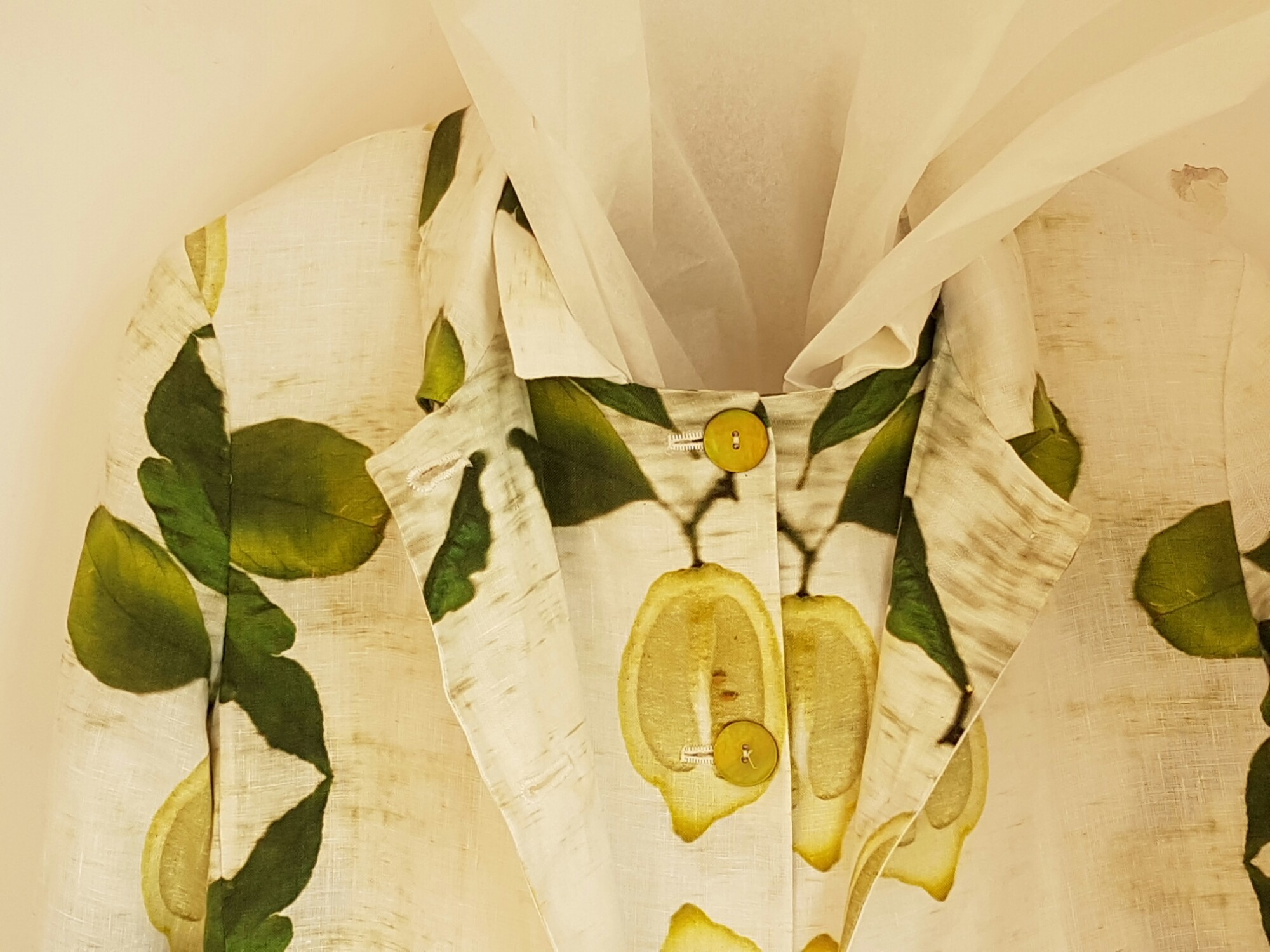
I went on one of my increasingly occasional visits to Egg Trading, Maureen Doherty’s wonderful shop in Kinnerton Street where Edmund de Waal had his first exhibition and where everything is beautifully and theatrically displayed, but where I am no longer allowed to buy anything:-



The book of the blog
Those people who have been long-term followers of this blog will know that I have had an idea that it might be turned into a book (vigorously promoted in the Comments section by Mark Fisher). Today I finally got hold of a copy of East London which is due to be published by Thames and Hudson on April 27th. (actually the copy is on temporary loan from the editor of the RA Magazine). It is everything I hoped it would be and more, a most beautiful piece of design and book production overseen by Harry Pearce of Pentagram, who has completely understood how to turn a blog into a book by retaining the smallness of the pictures and the casual movement of the eye across the page. Also, he encouraged me to commission maps which provide the finishing touch, including a fold-out map as the endleaf. I am not allowed to tell you that it can be pre-ordered from Amazon (only £19.95), but I can encourage you to buy it from John Sandoe books (http://www.johnsandoe.com/product/east-london), who are kindly also stocking fifty copies of the special edition, which Harry tells me is – as it should be – even better, as well as much more expensive (http://www.johnsandoe.com/product/east-london-special-edition/):-

The yellow stickers mark references to the RA.
Collecting
A week or so ago, I was interviewed for a German website called Fine Art Multiple. I found it interesting to be grilled about the nature of our collection because I don’t regard myself as a collector, partly because I don’t have a deep pocket and partly because we have never collected in any particular category, except possibly modern ceramics (and books), with any consistency. But, lo and behold, I now read about myself online and recognise that there is possibly more consistency of aesthetic intent than I had realised. See https://fineartmultiple.com/blog/collector-interviews-charles-saumarez-smith


You must be logged in to post a comment.