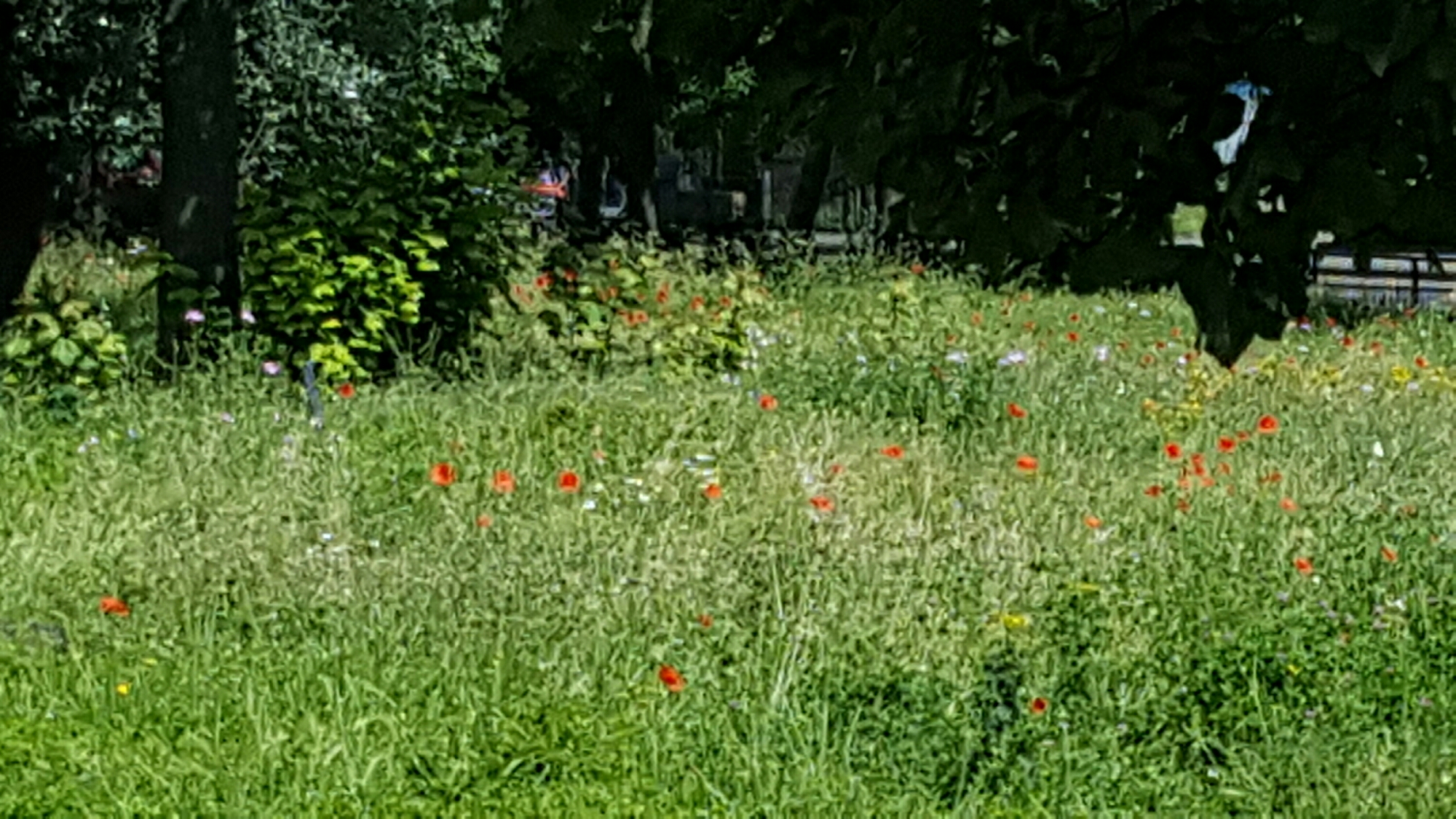
I walked down the Regent’s Canal and was struck by how hugely beneficial it is that, whether because of poverty or ecology, Tower Hamlets has allowed the verges of Mile End Park to run wild, so that Canary Wharf pops up out of an overgrown meadow:-

I walked down the Regent’s Canal and was struck by how hugely beneficial it is that, whether because of poverty or ecology, Tower Hamlets has allowed the verges of Mile End Park to run wild, so that Canary Wharf pops up out of an overgrown meadow:-
We went back to the new Tate Modern to get a better sense of it without the opening crowds. It felt better being able to navigate it on one’s own. We liked the view from outside the new south entrance:-

Kader Attia’s table reconstructing the ancient city of Ghardaïa out of couscous:-
The launch of Jean-Michel’s festschrift was held in the chapel at King’s:-

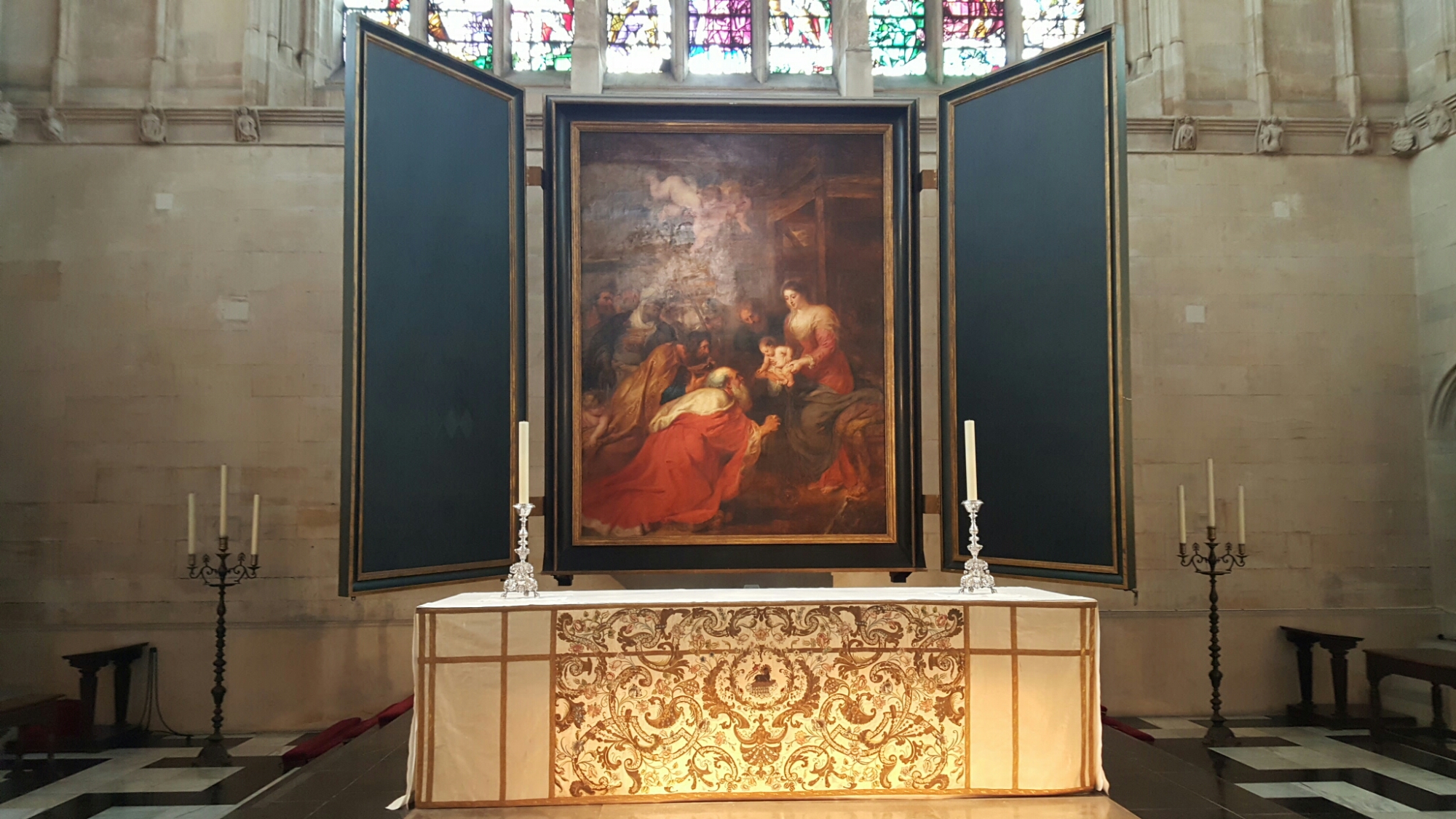
I went to have a quick look at the installation of the Rubens (plain black benches have been added to soften the gap between the choir and the ashlar where the seventeenth-century choirstalls used to be):-
I went to the launch of the festschrift for Jean Michel Massing, who is retiring as a Professor of Art History at Cambridge after nearly forty years on the teaching staff, hired the year after I graduated. It was an extraordinarily impressive occasion with paper after paper by his former students, exhibiting the formidable range of his learning, above all on the transmission of ideas through the medium of prints and the relationship of western to non-western art, including the image of the black and Oceania. More than his own work, he is interested in his extended influence on the work of his students in a way which is wholly admirable:-
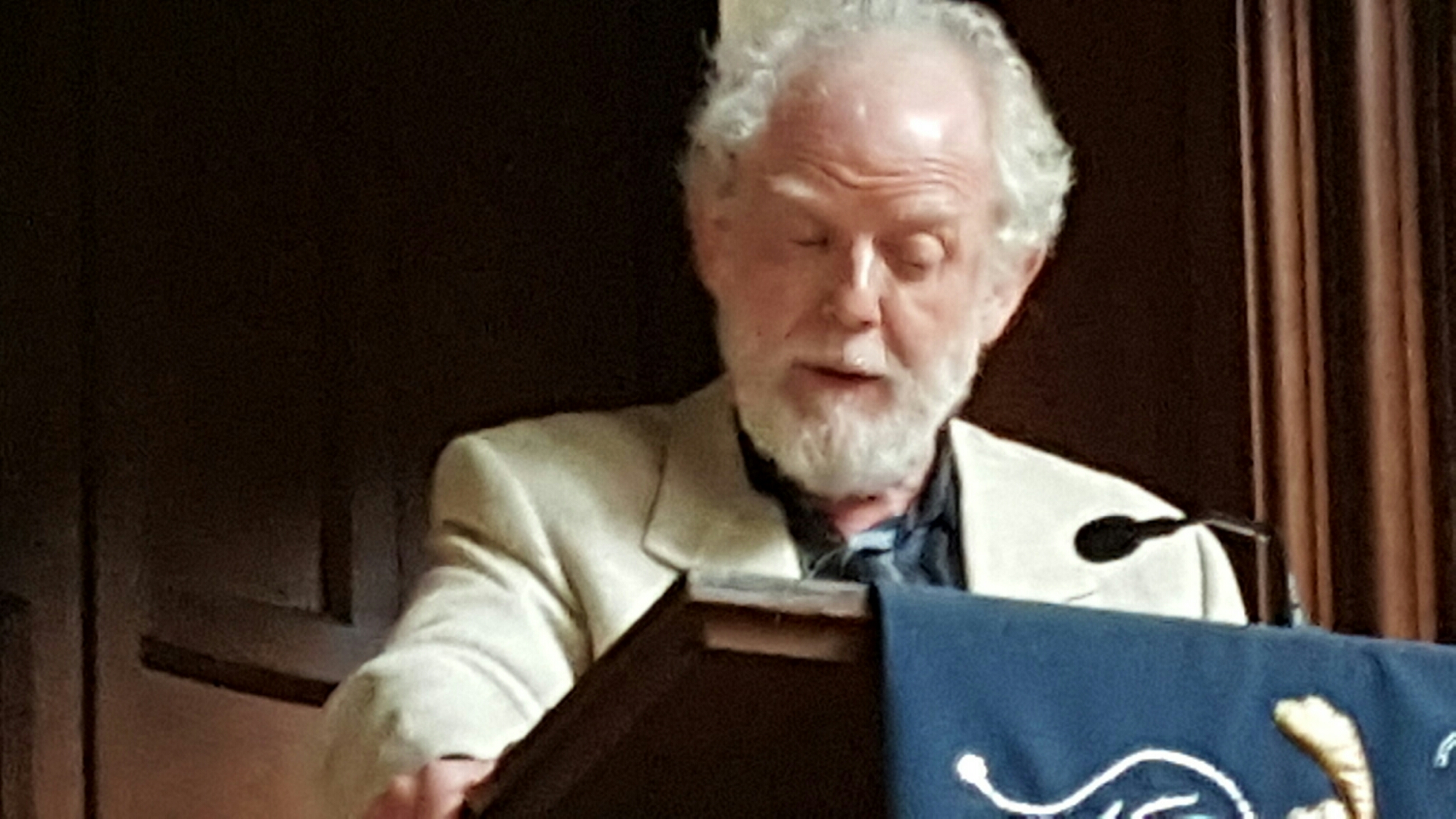
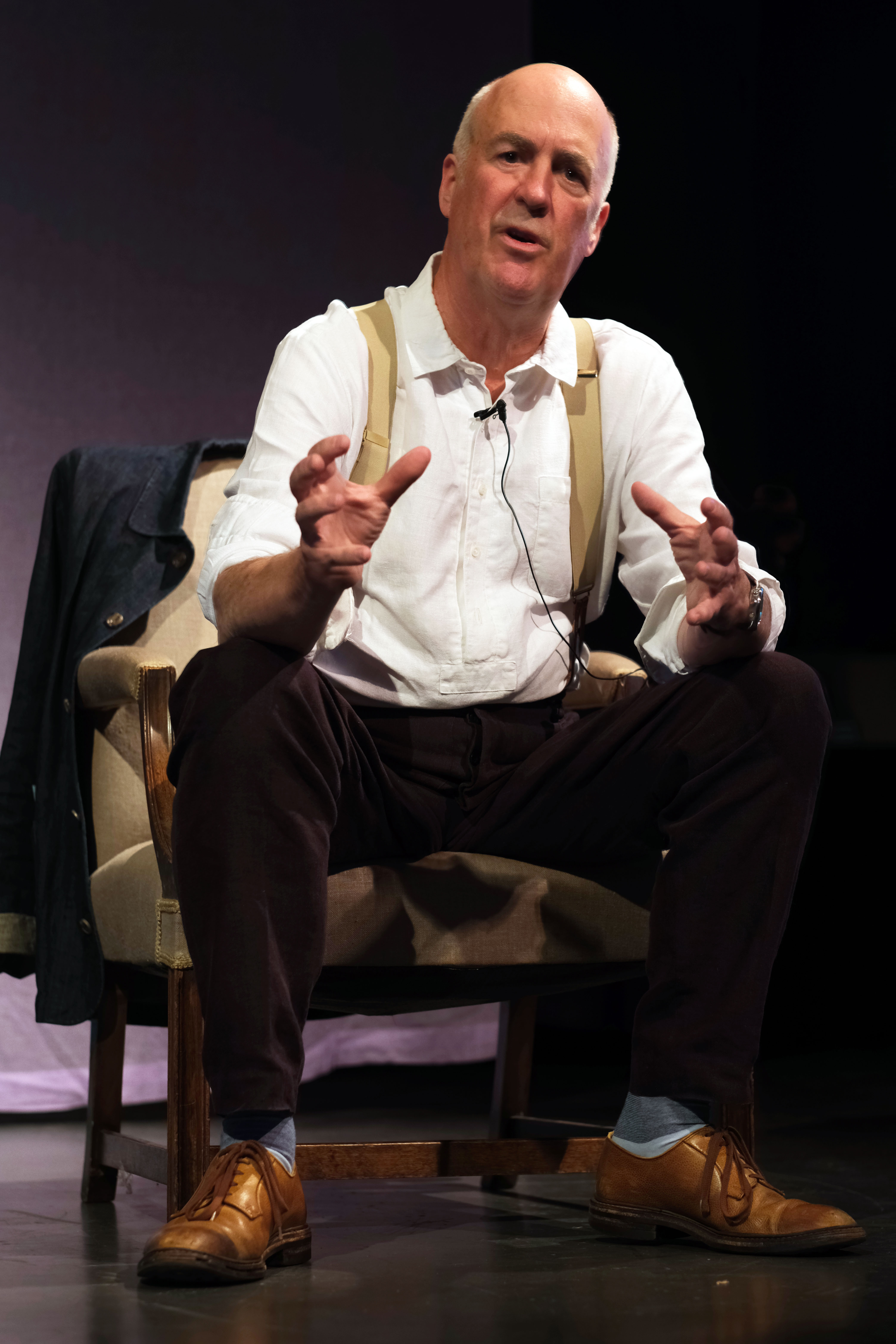
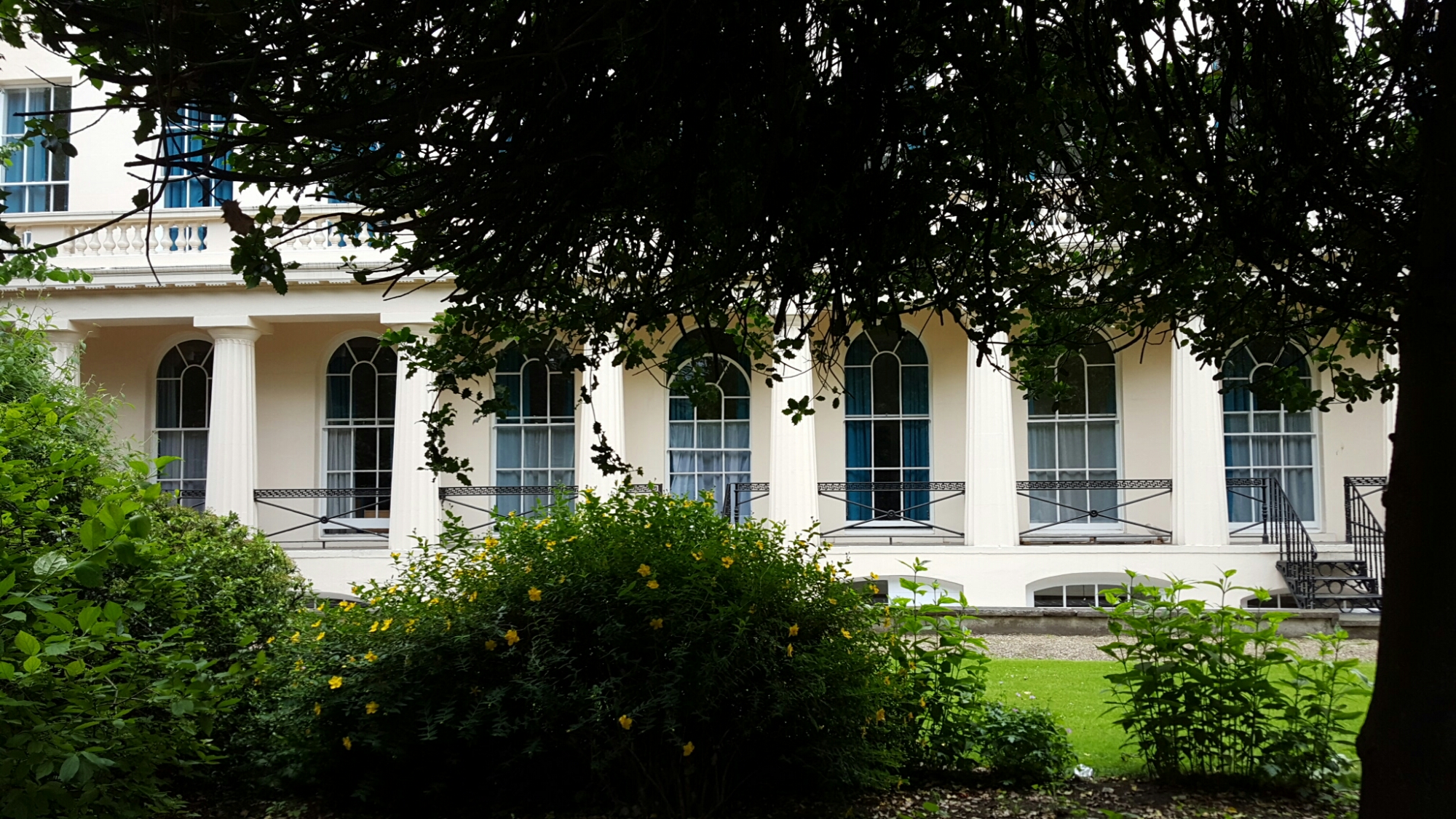
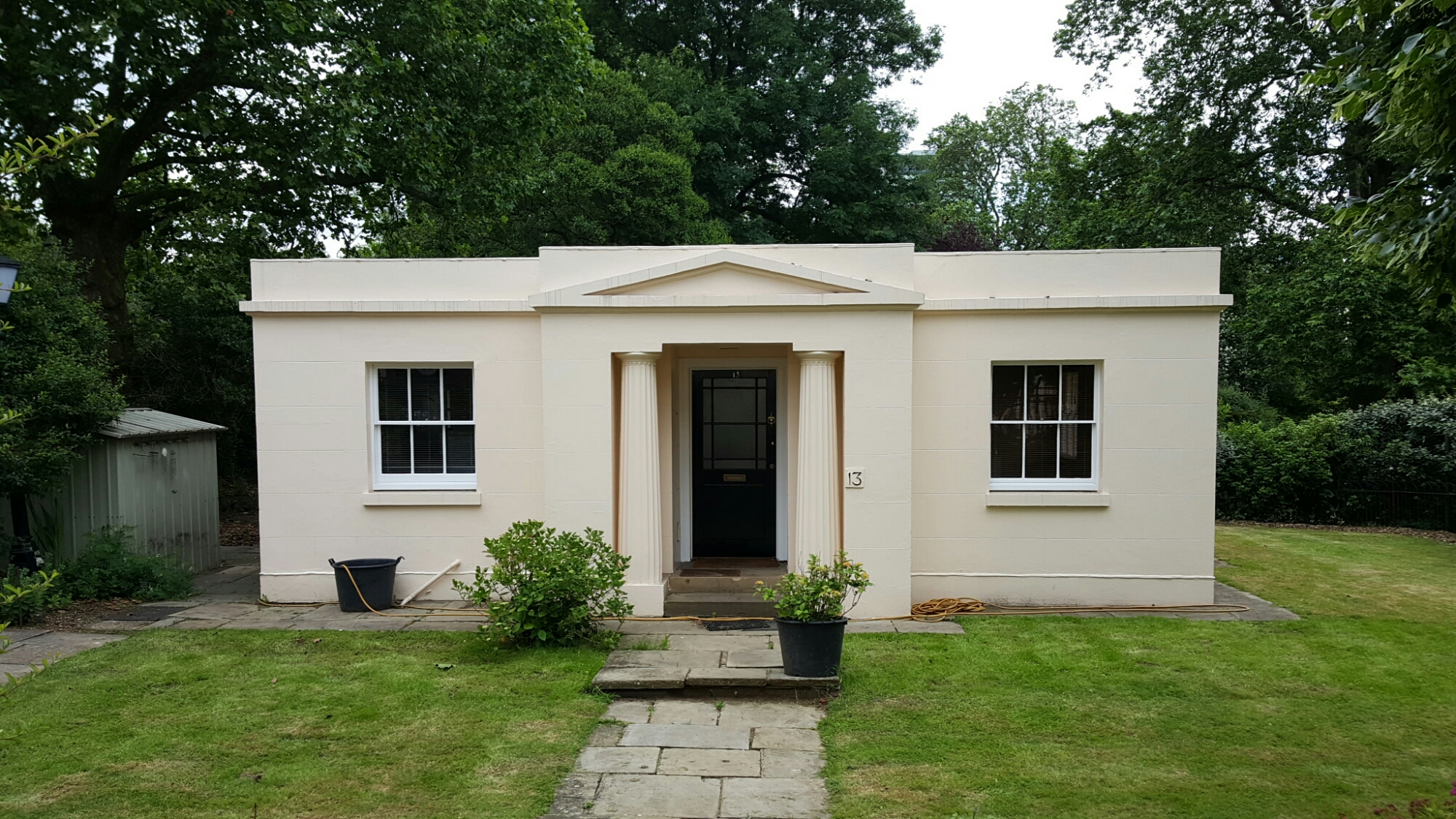
I have just been to a talk by the landscape historian, Todd Longstaffe-Gowan, about the layout of the gardens in Regent’s Park. The argument was that Nash, who worked in partnership with the landscape designer, Humphrey Repton for eight years in the 1790s, was so immersed in the literature and ways of looking of the picturesque and the writings of Richard Payne Knight and Uvedale Price, that he always thought about buildings not just on their own, but how they would be viewed from a distance from within the park as part of a visual and scenographic composition. Now, Todd is recommending that the Crown Estate Paving Commission, which has had responsibility for the gardens since it was first established in 1824, should go back as far as possible to the original scheme of planting:-
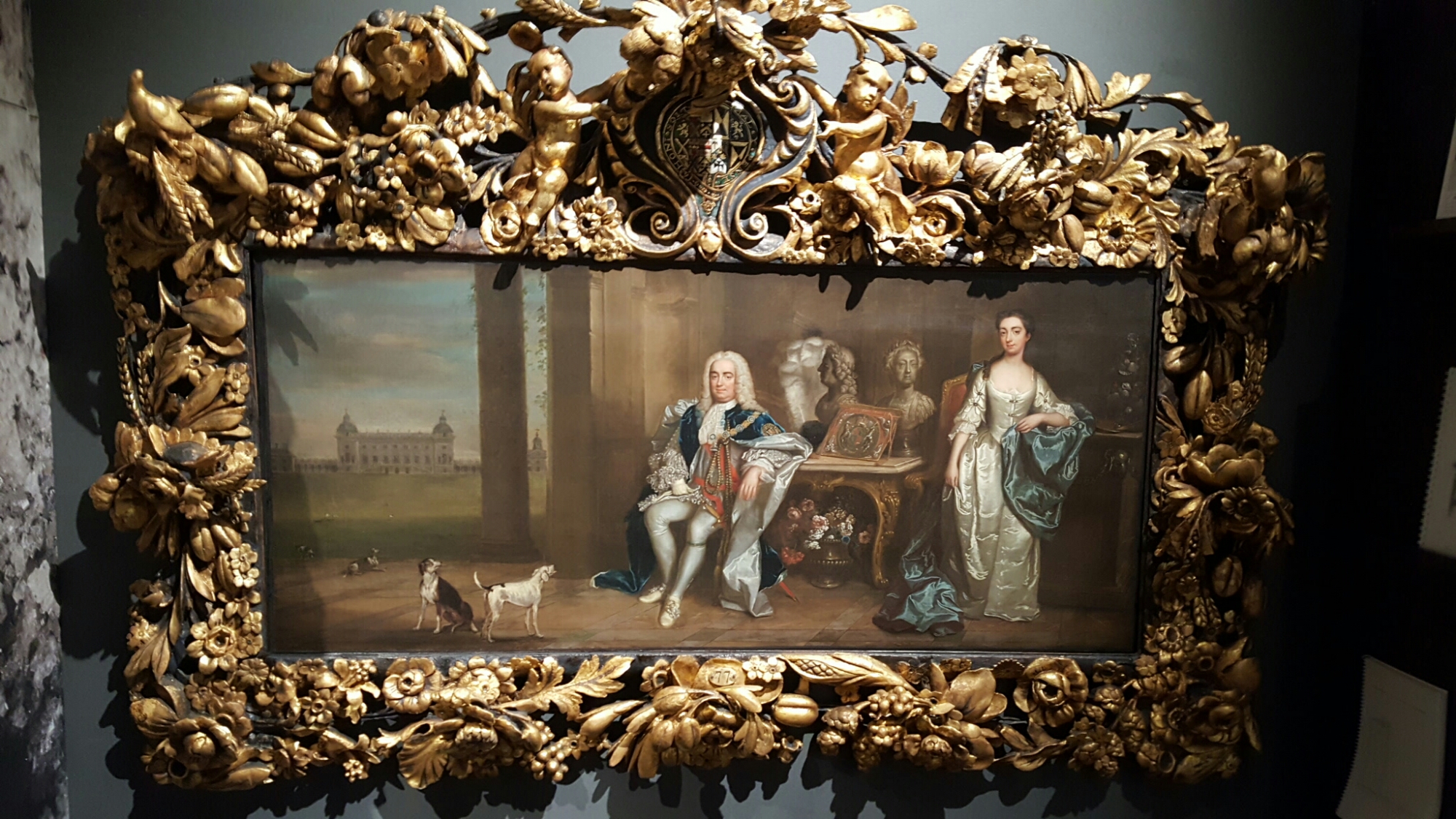
I was encouraged to go and visit the Factum Arte booth at Masterpiece. It shows the work they are doing in the highest quality digital reproduction of major works of art. A putative Grinling Gibbons frame reproduced for Strawberry Hill:-
A head of Jacob Rothschild taken on a new technology called Veronica, which makes him look uncannily like the Emperor Claudius:-
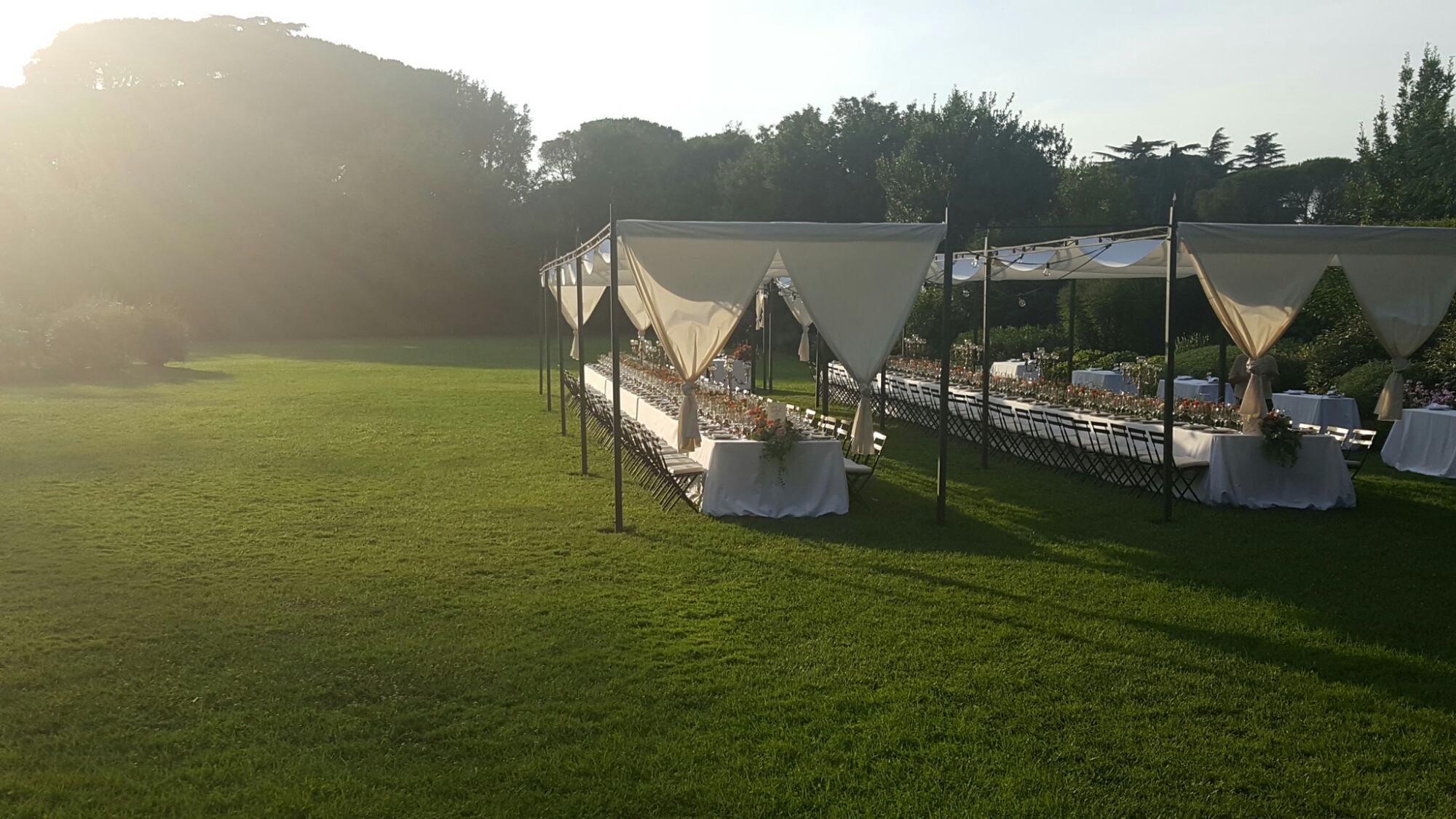
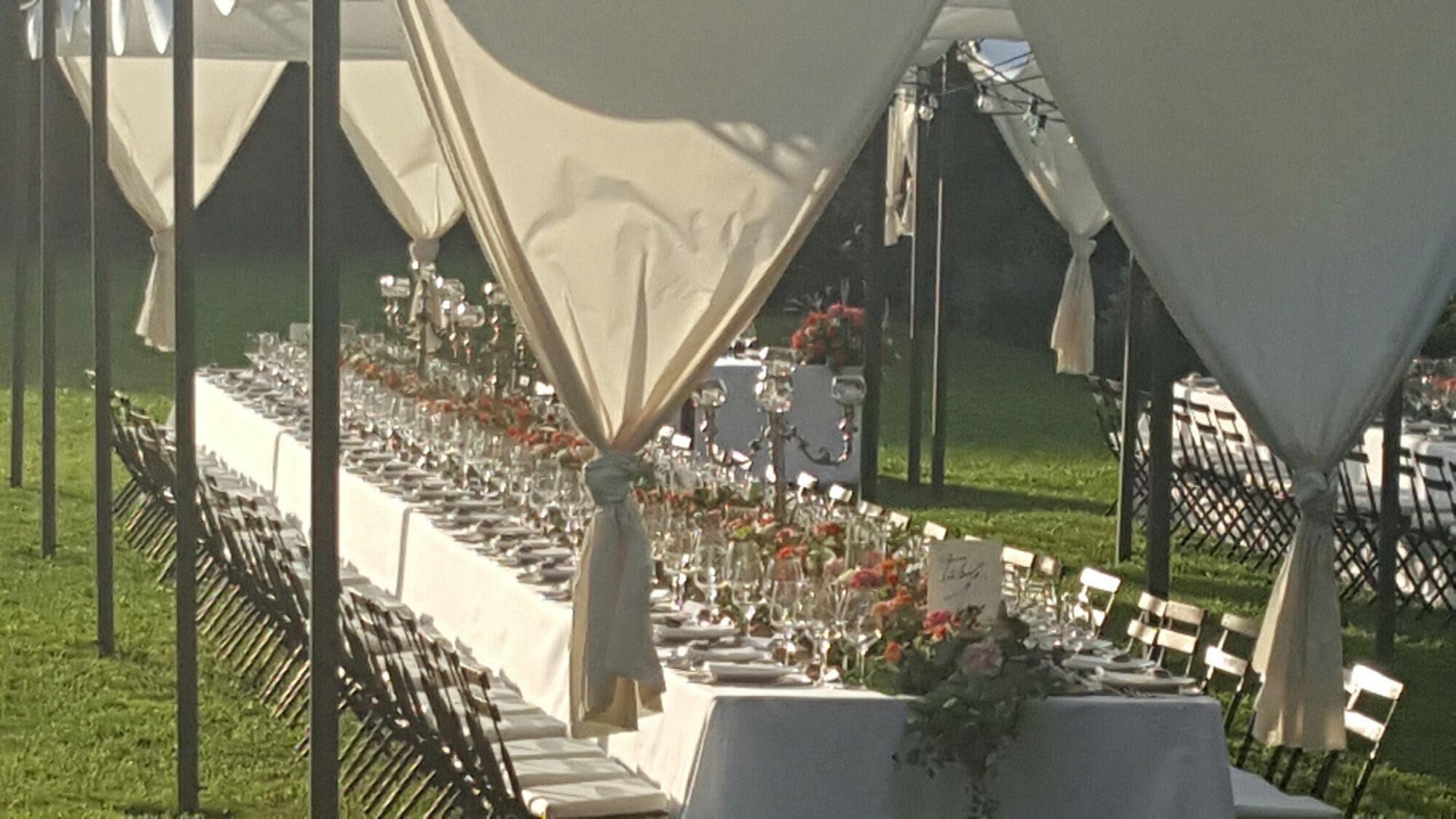
In a moment of mad enthusiasm, I decided to attend a wedding party on the Appian Way, which was fine in theory, only the British Airways flight was delayed a couple of hours, so I missed the actual ceremony. But I was able to enjoy the Appian Way as the sun went down, the gypsy band and the assembled multitude of wellwishers from all over the world:-
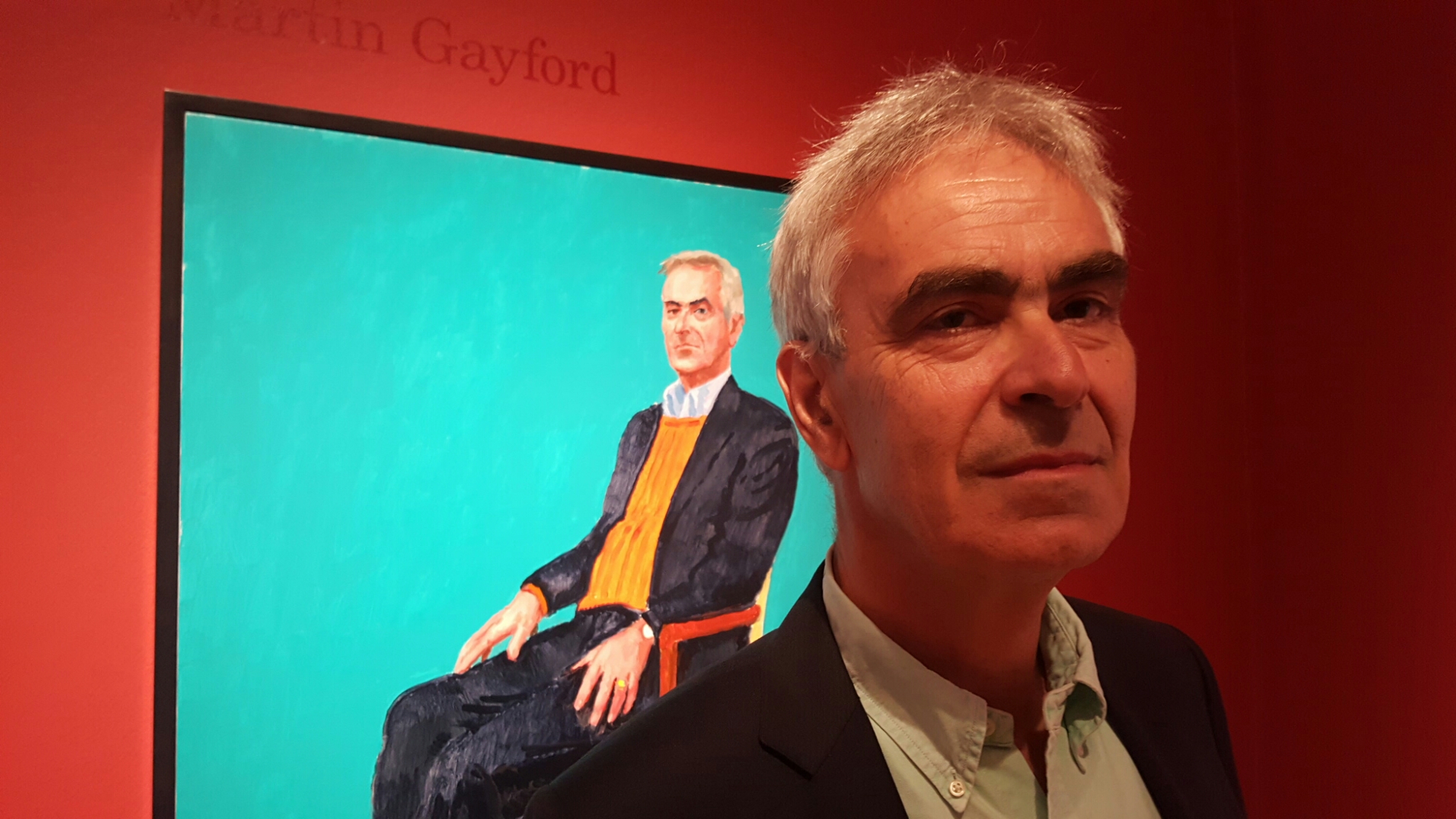
Our Hockney exhibition opened tonight: oddly compelling, because it’s very unusual to see the results of a short period of an artist’s oeuvre all displayed in chronological order together; and because it’s life enhancing to see friends, family and the local dry cleaner all displayed democratically in the same format. The only person I was able to photograph in front of his portrait was Martin Gayford, the art critic who has acted as Hockney’s interlocutor and amanuensis:-
David Hockney RA: 82 Portraits and 1 Still-Life
2 July 2016 – 2 October 2016
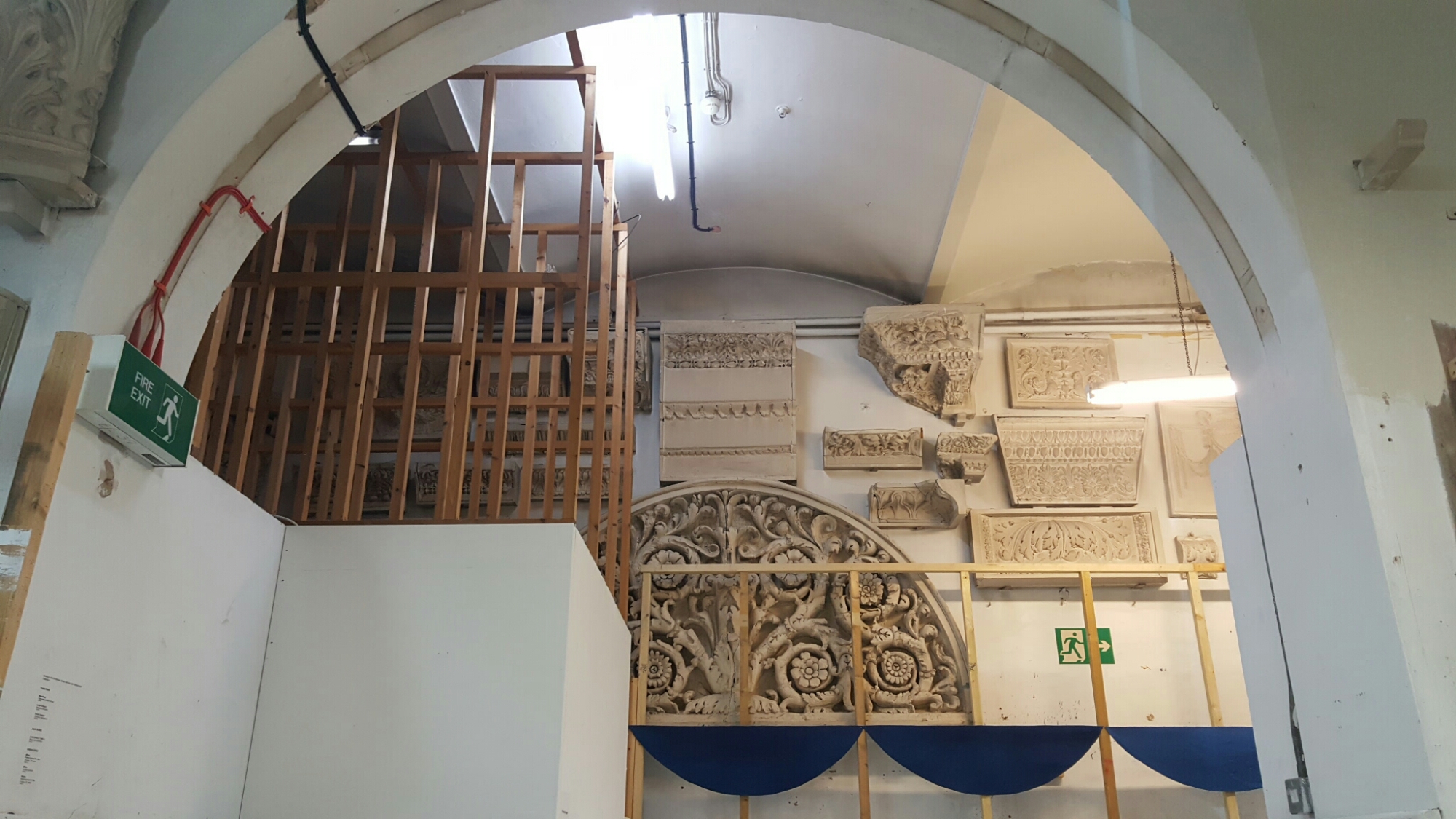
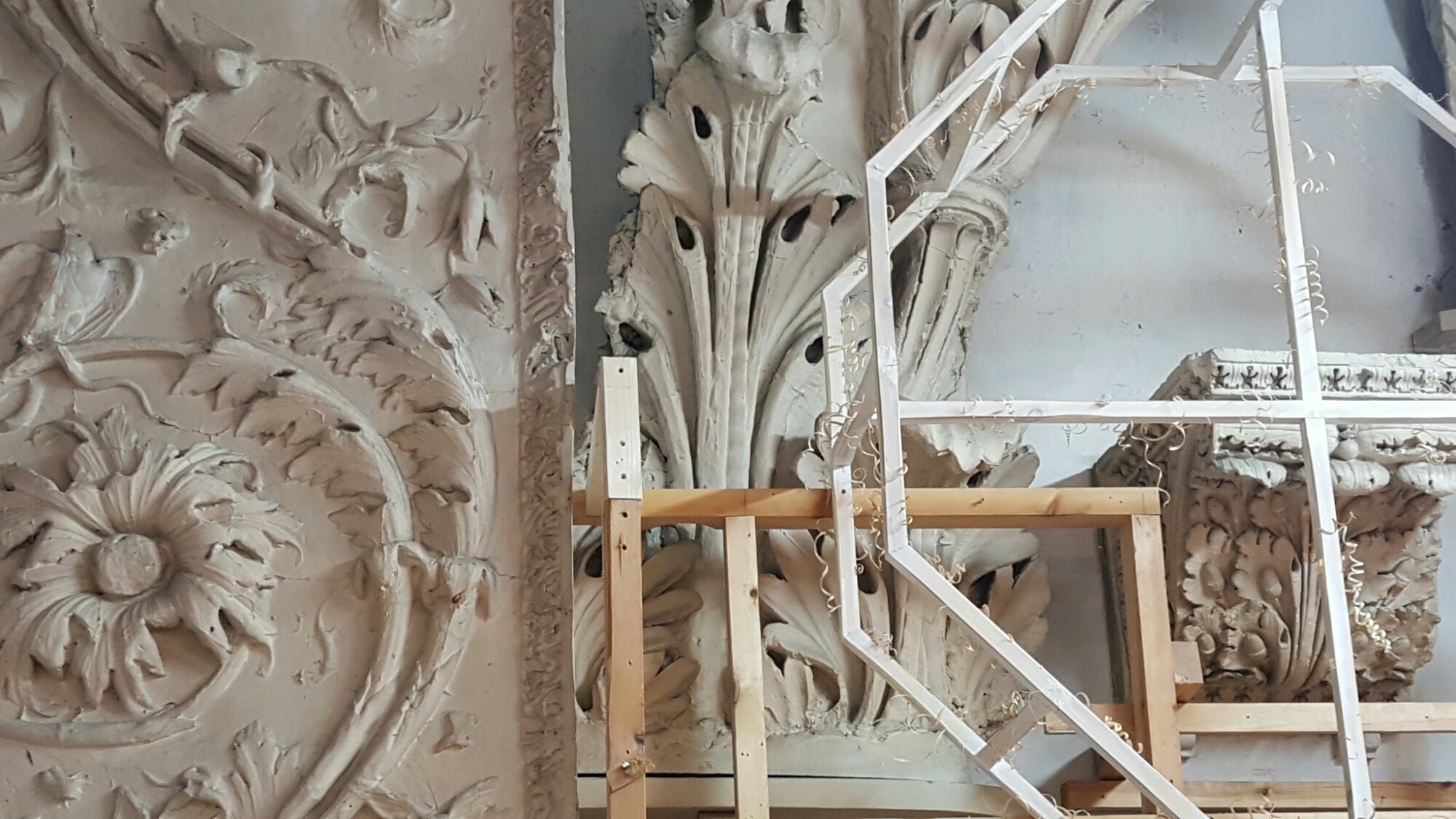
I have spent a lot of time in the last week in the Royal Academy Schools, enjoying the final exhibition of the students to mark the end of three years postgraduate study. This year, for the first time, they opened up the old Architecture Room, which hasn’t been used for the study of architecture since the mid-1950s, but which still retains behind its temporary walls Sir Thomas Lawrence’s collection of architectural casts, which he must have bequeathed following his death in 1830:-
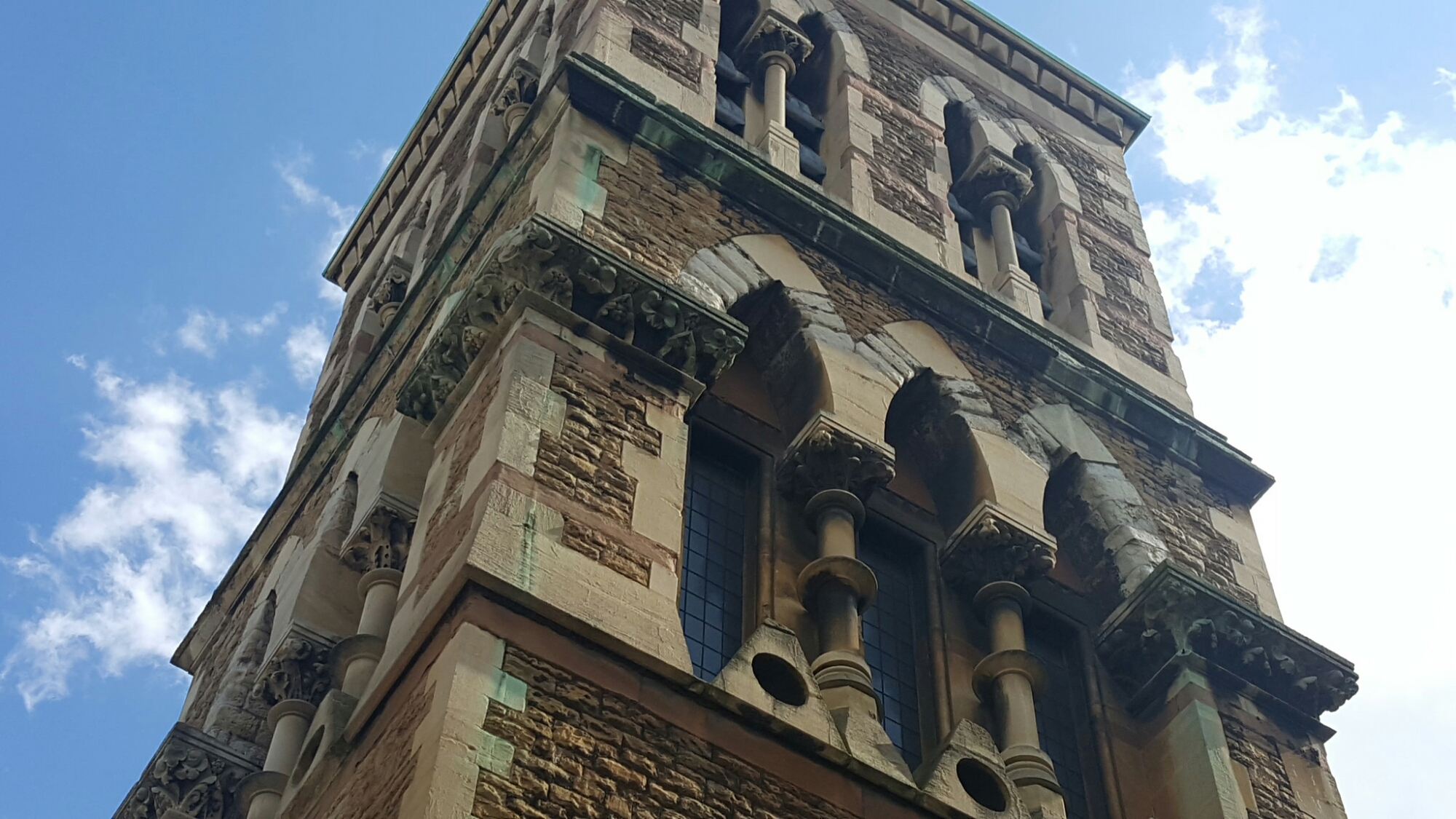
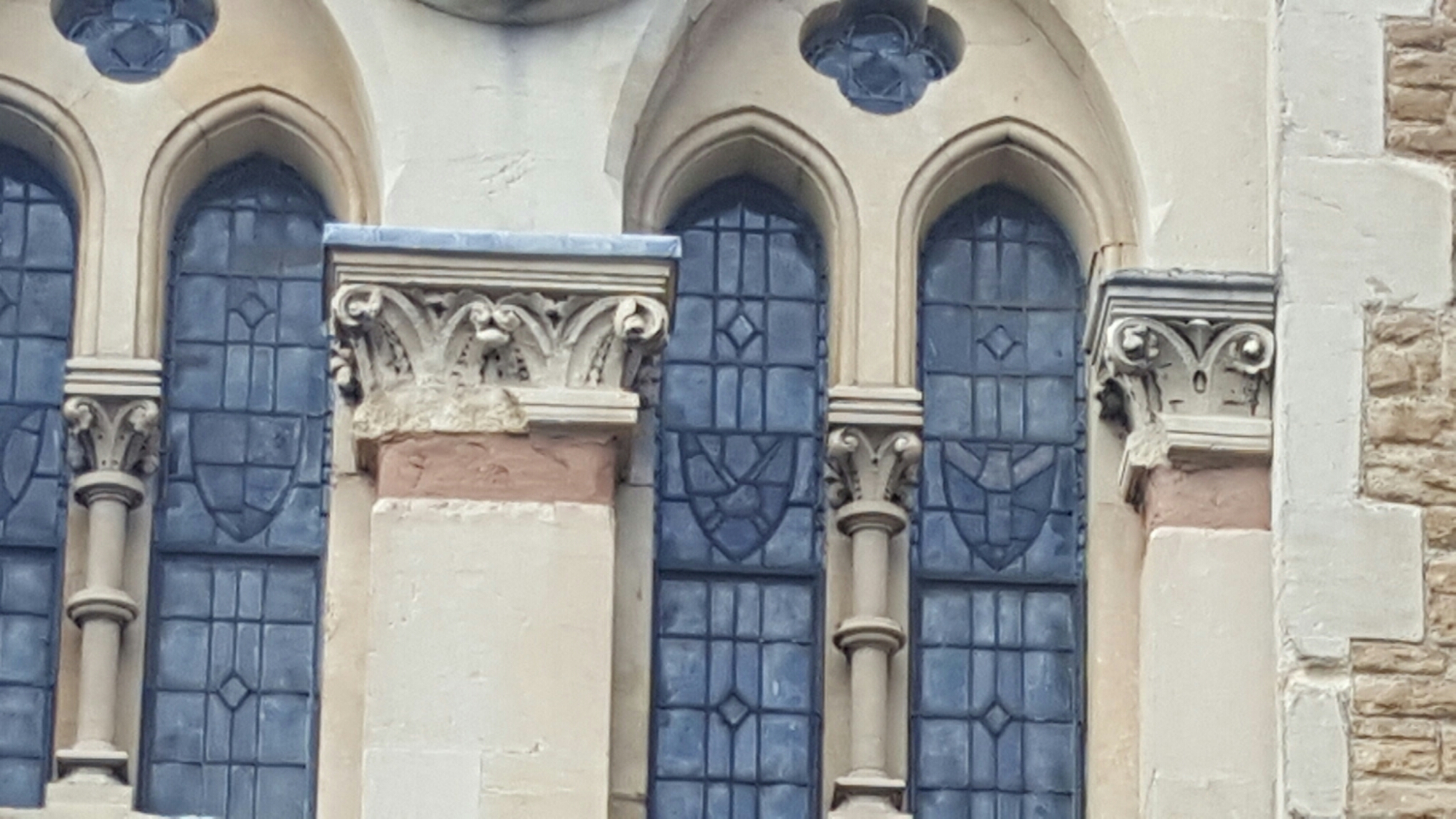
I went to a memorial service this afternoon for Lisa von Clemm, a grand stalwart of the bookbinding community who we first met in the summer of 1988 on an island off the coast of Maine (her husband, Michael, was responsible for Canary Wharf). The service was held in St. George’s, Campden Hill, a bit of Victorian Torcello in Notting Hill, designed by Enoch Bassett Keeling, a so-called ‘rogue architect, in a style which was known as ‘eclectic gothic’, with good polychromatic brickwork on leafy Aubrey Walk:-



You must be logged in to post a comment.