I realised that it was unusual for me to be at Charleston on my own, which meant that I was able to pay slightly more attention than usual to the lushness of the garden and to the unexpected number of plaster statues, perhaps not surprising given Quentin Bell’s interest in them, but did they maybe antedate his time as a potter ?
Category Archives: Uncategorized
Charleston (1)
I went to the opening event of this year’s Charleston Festival, which commemorated the centenary of the day in October 2016 when eight people, including Clive and Vanessa Bell, their children, Julian and Quentin (aged six), David Garnett and Duncan Grant and a nursemaid and cook arrived in a taxi at Charleston Farmhouse which they had rented from the Firle Estate in order that Grant and Garnett could work on a local farm as conscientious objectors. Virginia Nicholson (née Bell) spoke of her memories of the house, both inherited (the distant sound of the guns in France) and during the summers of her childhood. Claire Tomalin talked of a visit by Contance Garnett not long afterwards. Garnett didn’t make a good impression. Christopher Hampton showed extracts from his film about Carrington, which suggested that Lytton Strachey had first met Dora Carrington at Charleston when really it was at Asheham, four miles away. And Carmen Calil spoke of the long association between the Bloomsbury Group and not just the Hogarth Press, but just as much Chatto and Windus, including the work that Vanessa Bell and Duncan Grant did as book illustrators.
The talks gave a strong sense of the multiple meanings and associations of Charleston and Bloomsbury (most of all, freedom of expression) to a generation, many of whom had first discovered Bloomsbury through Michael Holroyd’s two-volume biography of Lytton Strachey published in 1967.
Art Market Regulation
I was asked to say a few words at the tail end of a conference organised by the Professional Advisors to the International Art Market (PAIAM). It is hard to speak at the end of a conference that one hasn’t been able to attend. But at least I was able to catch the debate as to whether or not the art market would benefit from greater regulation. The voting before the speeches was very evenly divided – 43 in favour of more regulation, 38 against. Ludovic de Walden and Bendor Grosvenor spoke against increased regulation. There are already plenty of rules and regulations that govern the operation of the art market and they can, and have been, reinforced where, as for example in the antiquities market, there is obvious evidence of criminal behaviour. Robert Hiscox and Corinne Herschkovitch spoke in favour of tougher regulation as has been applied to the City and Lloyds on the grounds that there is plenty of informal evidence of collusion, misattribution and money laundering. It felt as if there was a consensus in favour of enforcing existing legislation, but wariness of parliament imposing a bureaucratic body which Bendor Grosvenor thought would be called OFART.
A decorated cowshed
The last of my weekend blogs is a picture of Stephen Taylor’s extension to a purely utilitarian cowshed, which adds a touch of monumentality to the structure. It has apparently been criticised by modernists as being too pomo and by historicists as lacking any obvious historical detail, but to my eye its lineage seemed obvious, deriving from Laugier’s idea of a primitive hut through Boullée’s belief that columns can be a systematic language: a clever and provocative use of abstract classicism to decorate a cowshed (with apologies to Bob Venturi):-
Yinka Shonibare RA
Today is the day of the official launch of Yinka Shonibare’s amazing and wonderful so-called Wrap which covers the huge scaffolding over 6, Burlington Garden and reveals something of what has, does and will happen inside.
This is the work in the process of being installed:-
This is the finished work:-
Peter Smithson
We went on a pilgrimage yesterday to see the wooden obelisk which was nearly Peter Smithson’s last work, designed for a vista in Hadspen and recently re-erected in a field nearby. We had been there to celebrate its original installation, but missed the recent party to mark its move. It’s smaller than I had remembered, less monumental, a pure wooden structure of ingenious geometry, with its wooden model nearby:-
Vicar’s Close
Although I had been to Wells before, I had never seen the Vicar’s Close, the extraordinarily well preserved, still medieval group of small houses established in 1348 for the Vicars Choral, with front gardens added fifty years later by Bishop Bubwith and tall chimney stacks another fifty years after that:-
Wells Cathedral
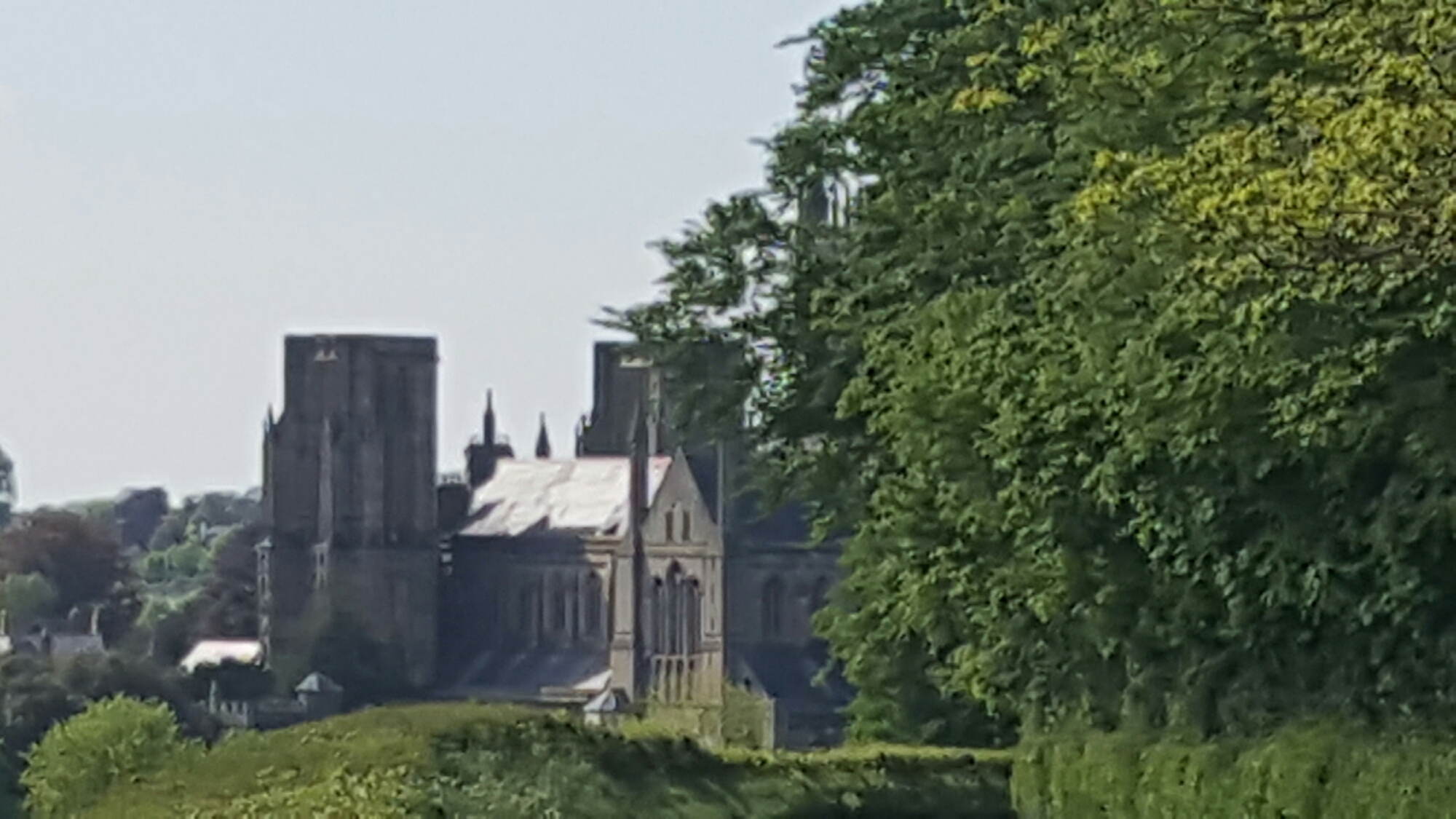
Our first view of Wells Cathedral was from the east, much larger than expected, like a monastic church in France:-
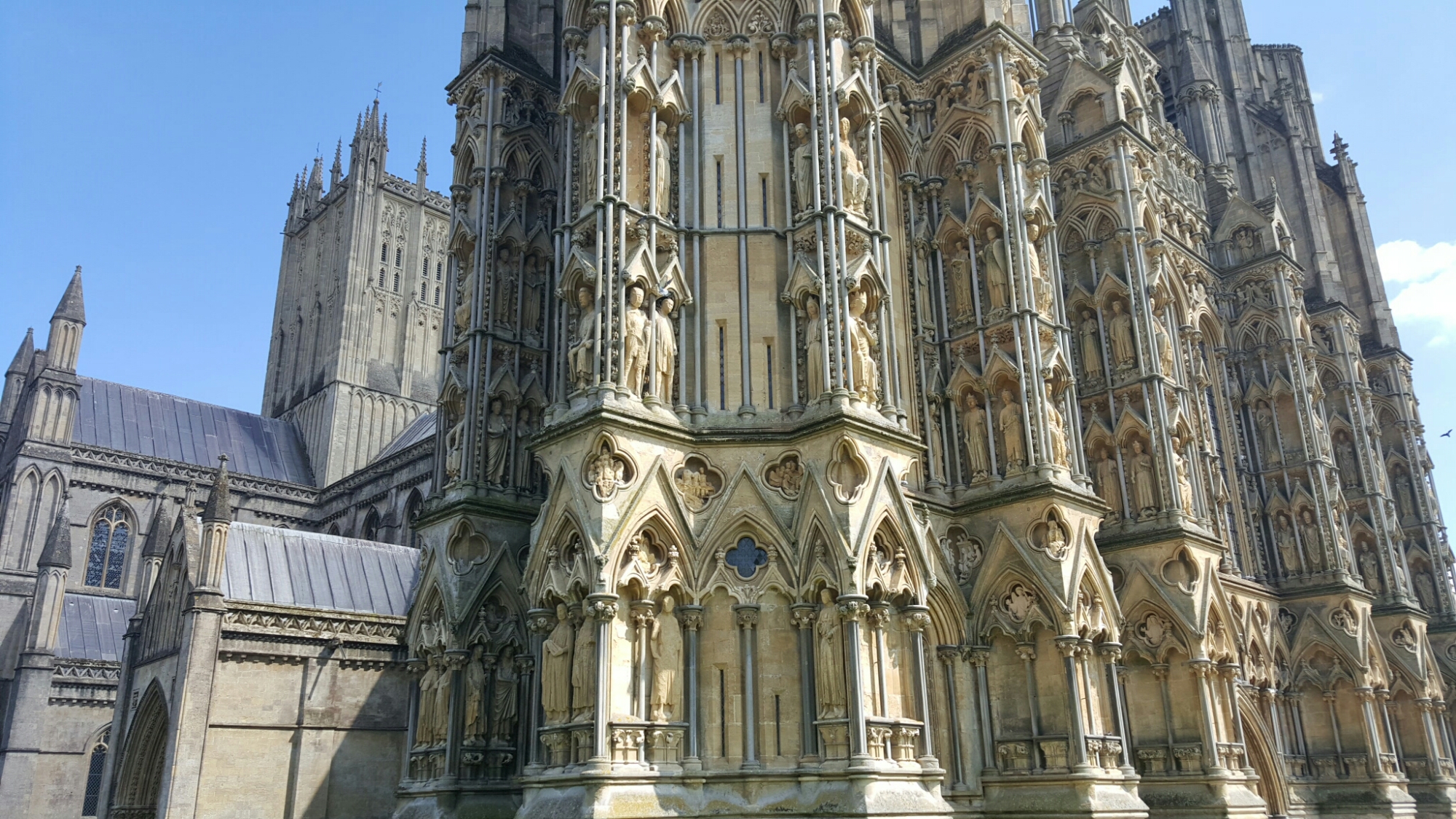
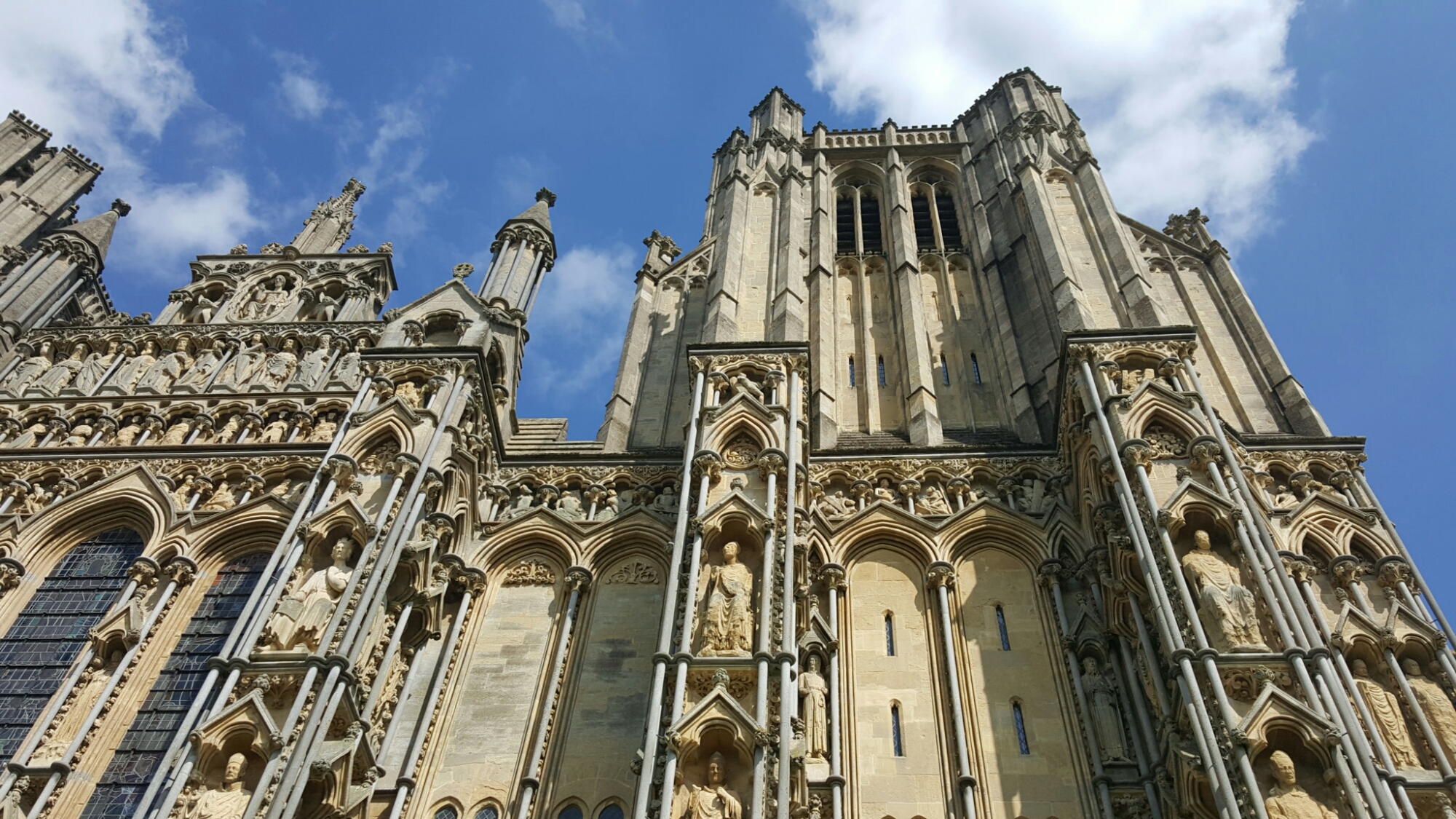
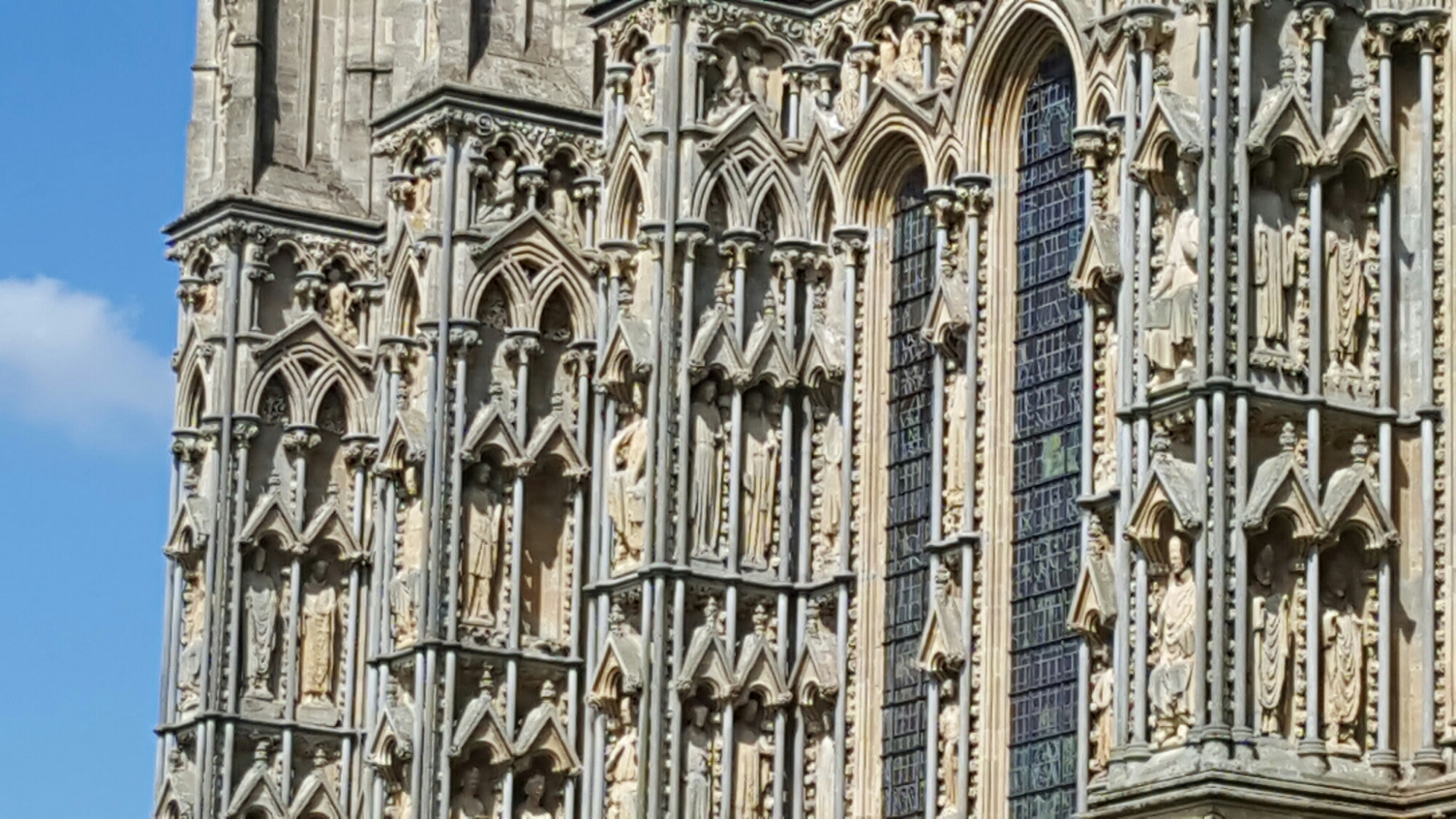
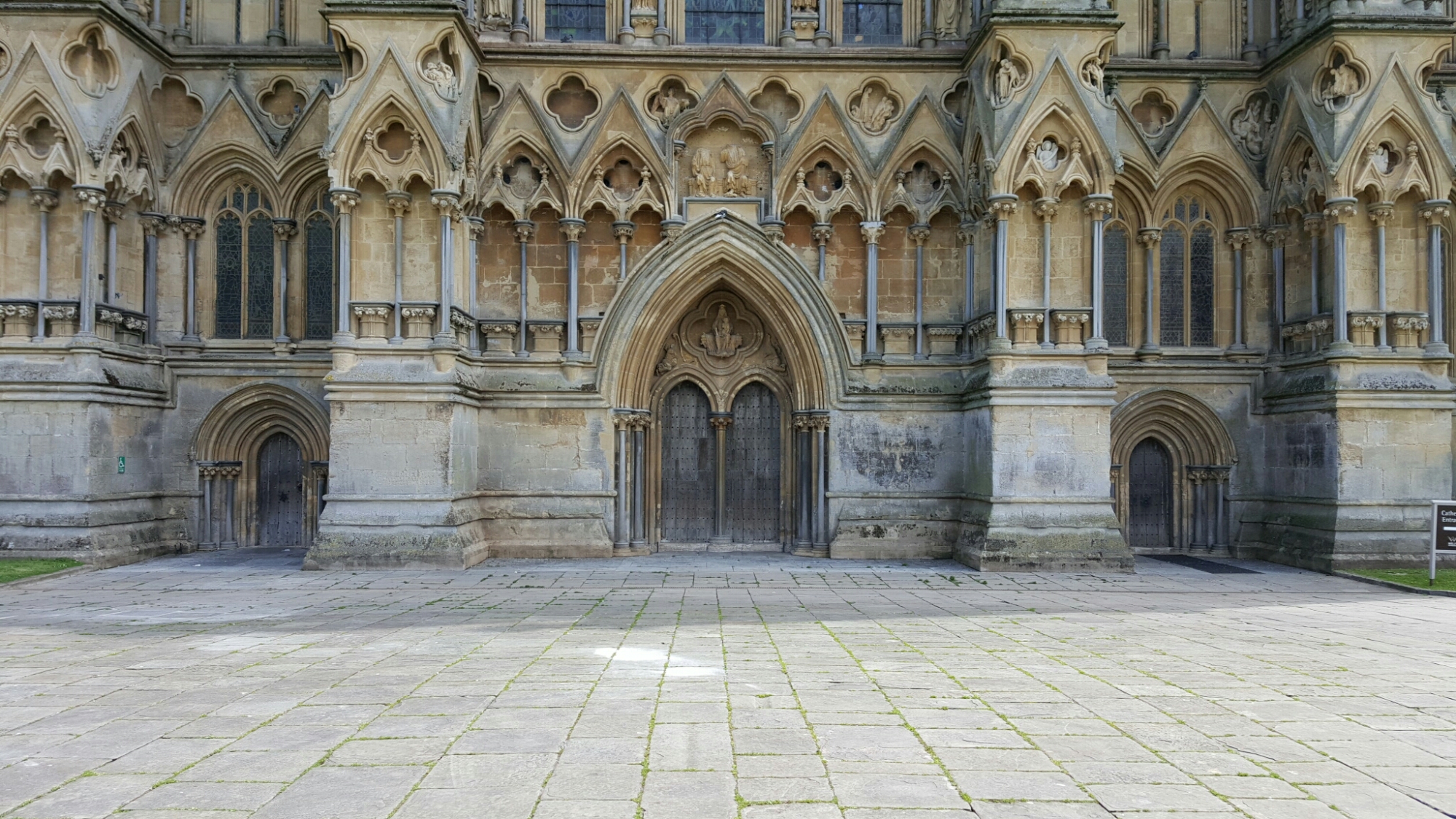
We had a guided tour of the west front, originally grandly polychromatic and constructed between 1215 and 1248 under the supervision of Adam Lock and Thomas Norreys:-
Inside is fine, squatter than many:-
There is good carving:-
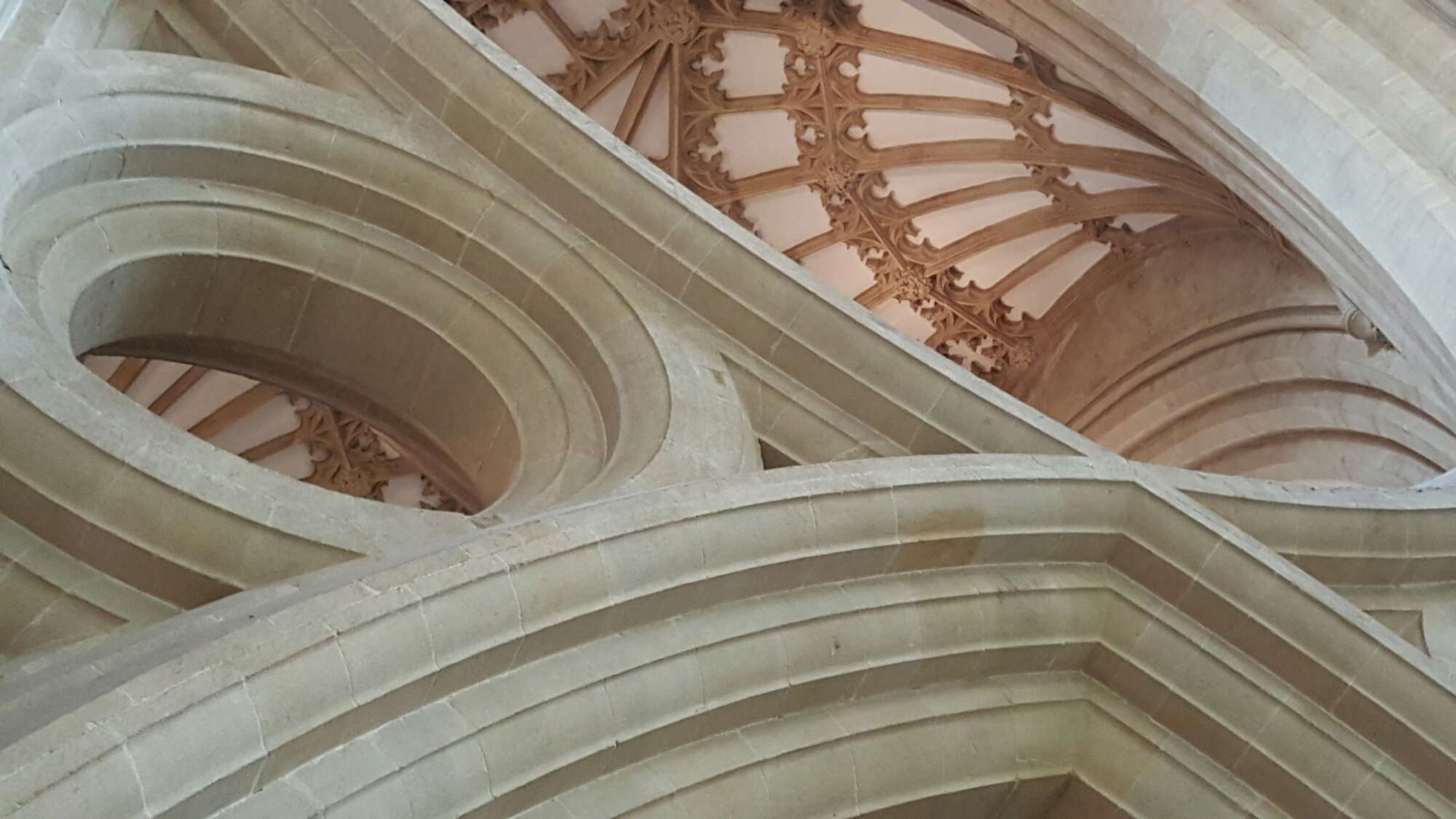
We liked the amazing scissor beam arches designed in the mid-fourteenth century to support the tower:-
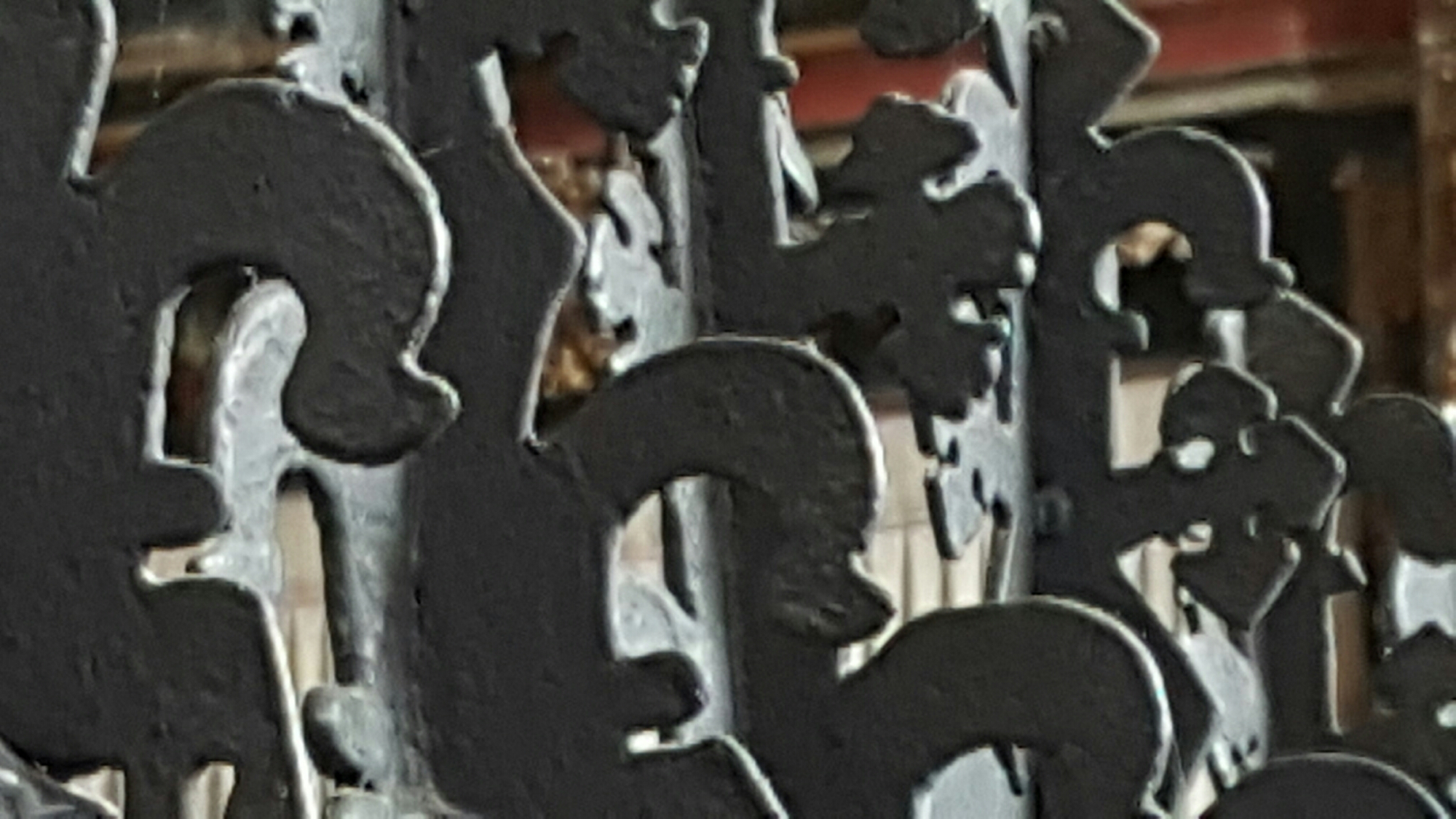
We enjoyed the transi tomb of Thomas Bekynton, the Bishop of Bath and Wells in the mid- fifteenth century with his skeleton below and Chantry Chapel above and metal railings to keep the public out:-
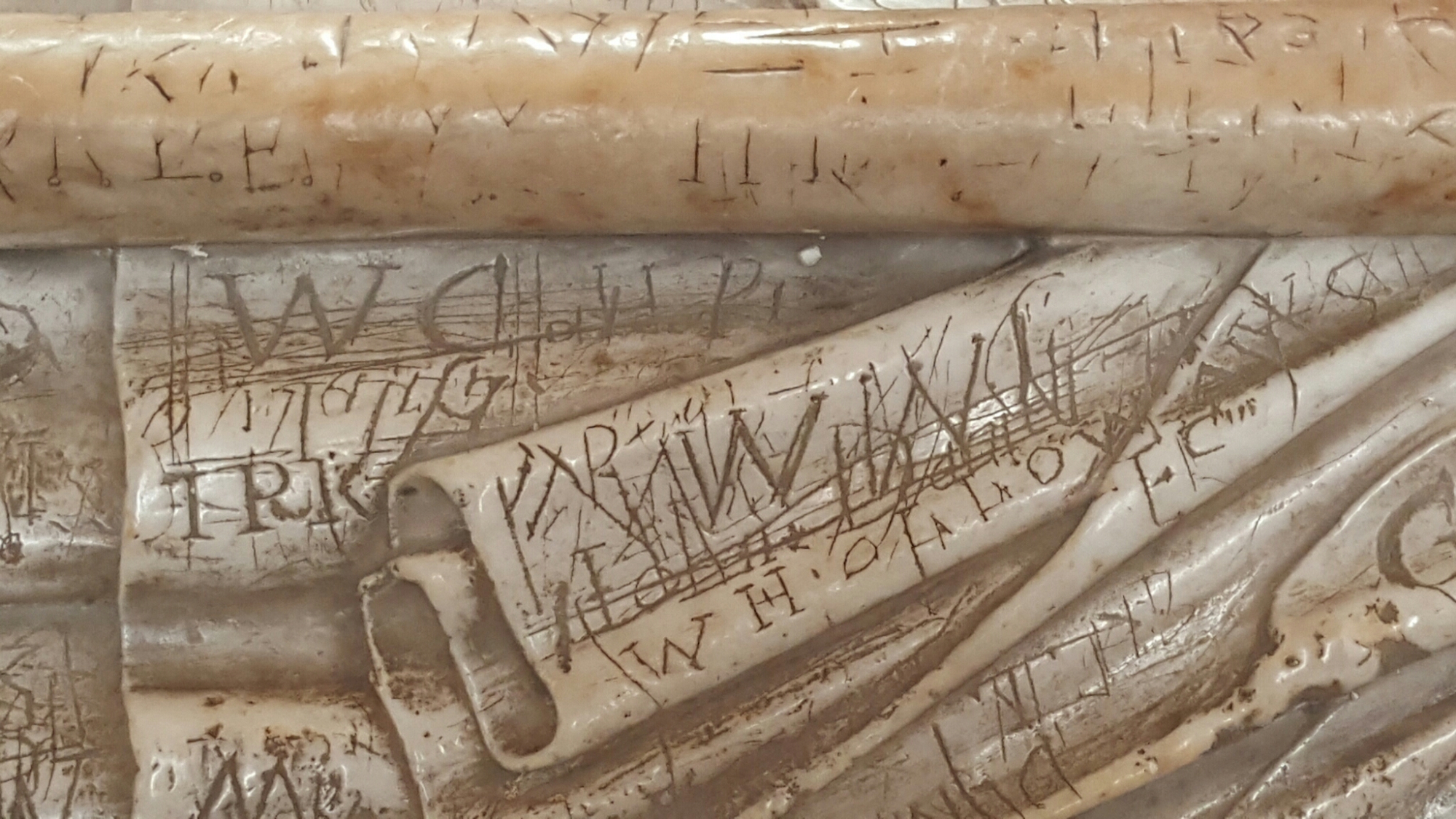
Graffiti on the tomb of Ralph of Shrewsbury:-
The door through to the Choir:-
The door into the Undercroft:-
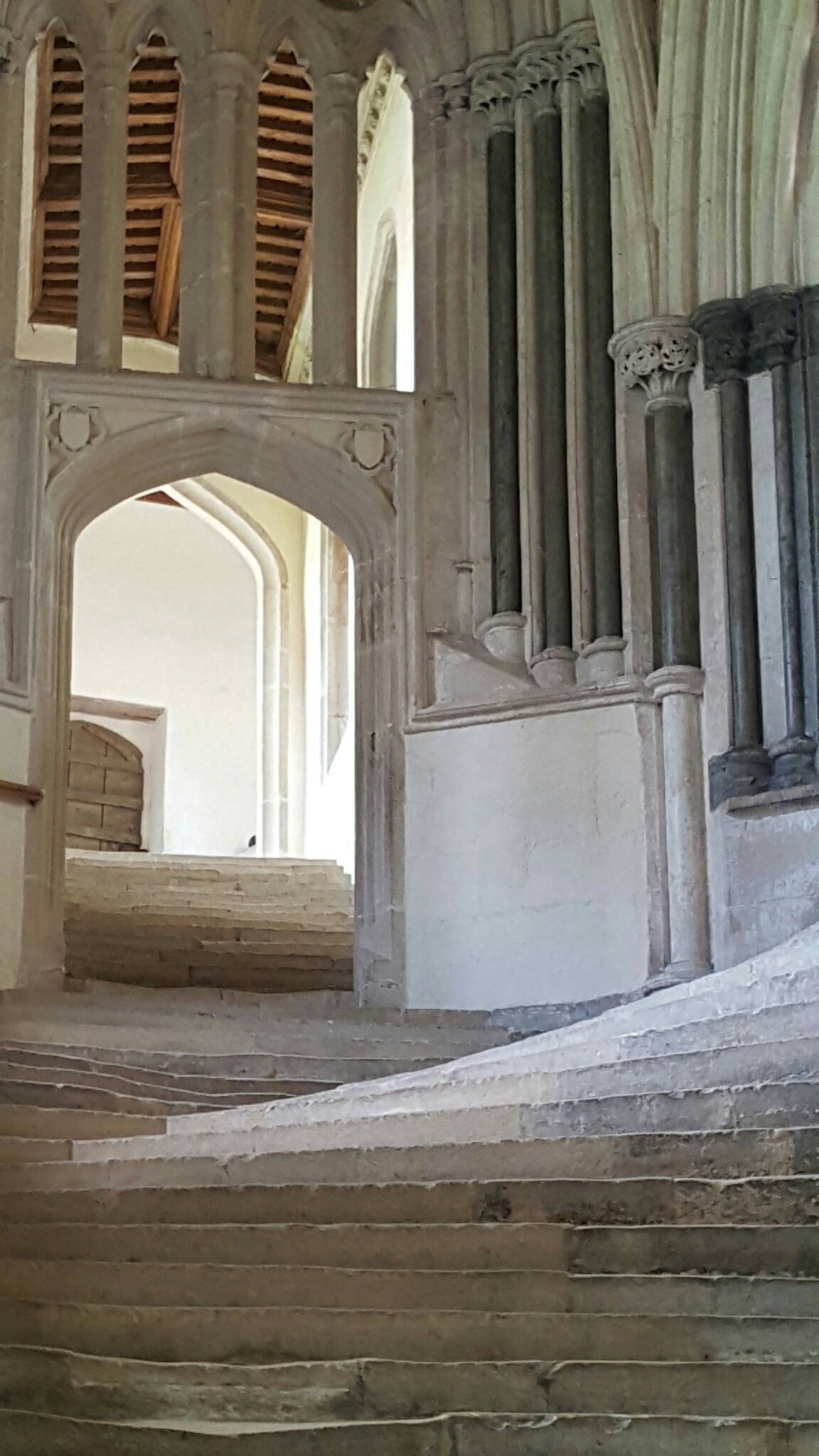
We ended by trying to recreate – without success – the famous Frederick Evans photograph of the Chapter House steps:-
Roth Bar and Grill
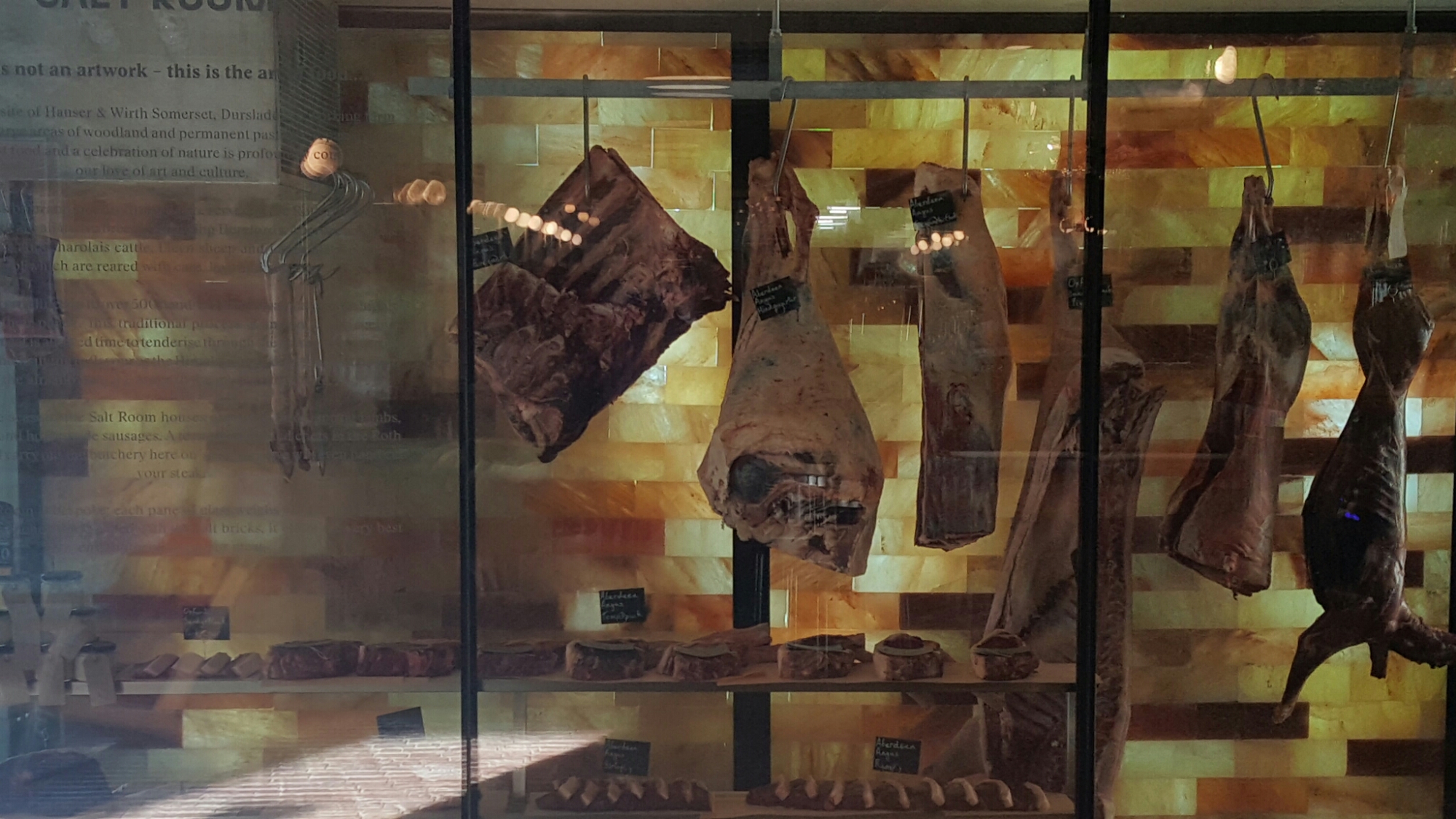
I have seldom enjoyed such delicious meat as is served by the Roth Bar and Grill. It can be seen before it is eaten in the Salt Room which looks like an art installation and is lined with hand-cut Himalayan salt bricks. Good for the steak:-
Stourhead
We went over the hill by Alfred’s Tower to see the gardens at Stourhead, but at noon there were so many people that we retreated and returned in the early evening when the crowds had gone to enjoy the Virgilian walk round the lake. The first view across the lake was picture perfect:-
The Temple of Flora, first to be completed:-
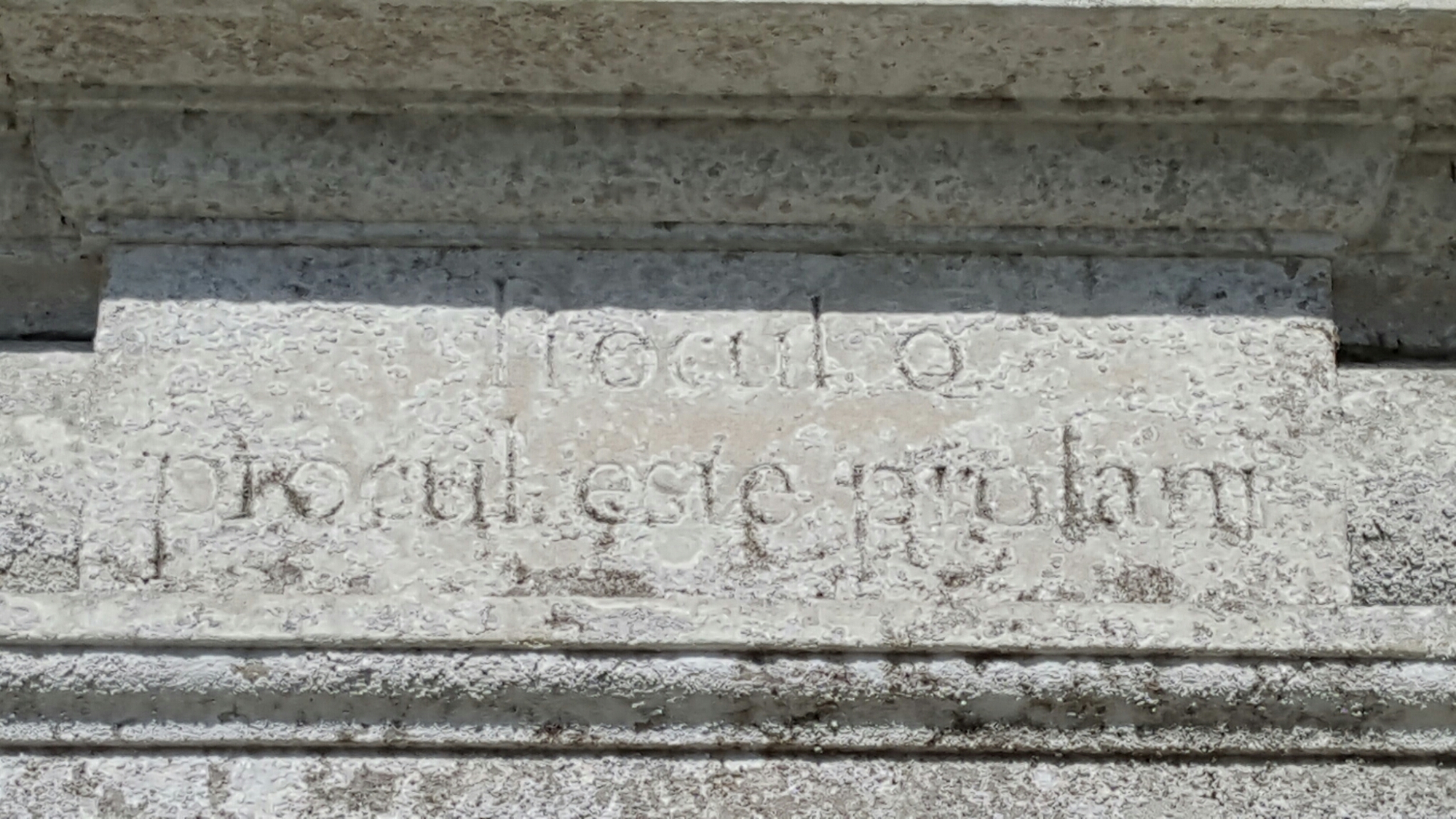
The sleeping Ariadne in the grotto with a quotation from Pope:-
The cottage orné:-
The Pantheon prominently at the end of the lake:-
The temple of Apollo inspired by Baalbec:-
If one averts one’s eyes from the virulent rhododendra and tries to forget the monkey puzzles and later pines, then it is almost possible to reconstruct the mood of meditative neoclassical reflection which inspired Henry Hoare II (‘Henry the Magnificent’) to commission Henry Flitcroft to build these temples in his garden.


You must be logged in to post a comment.