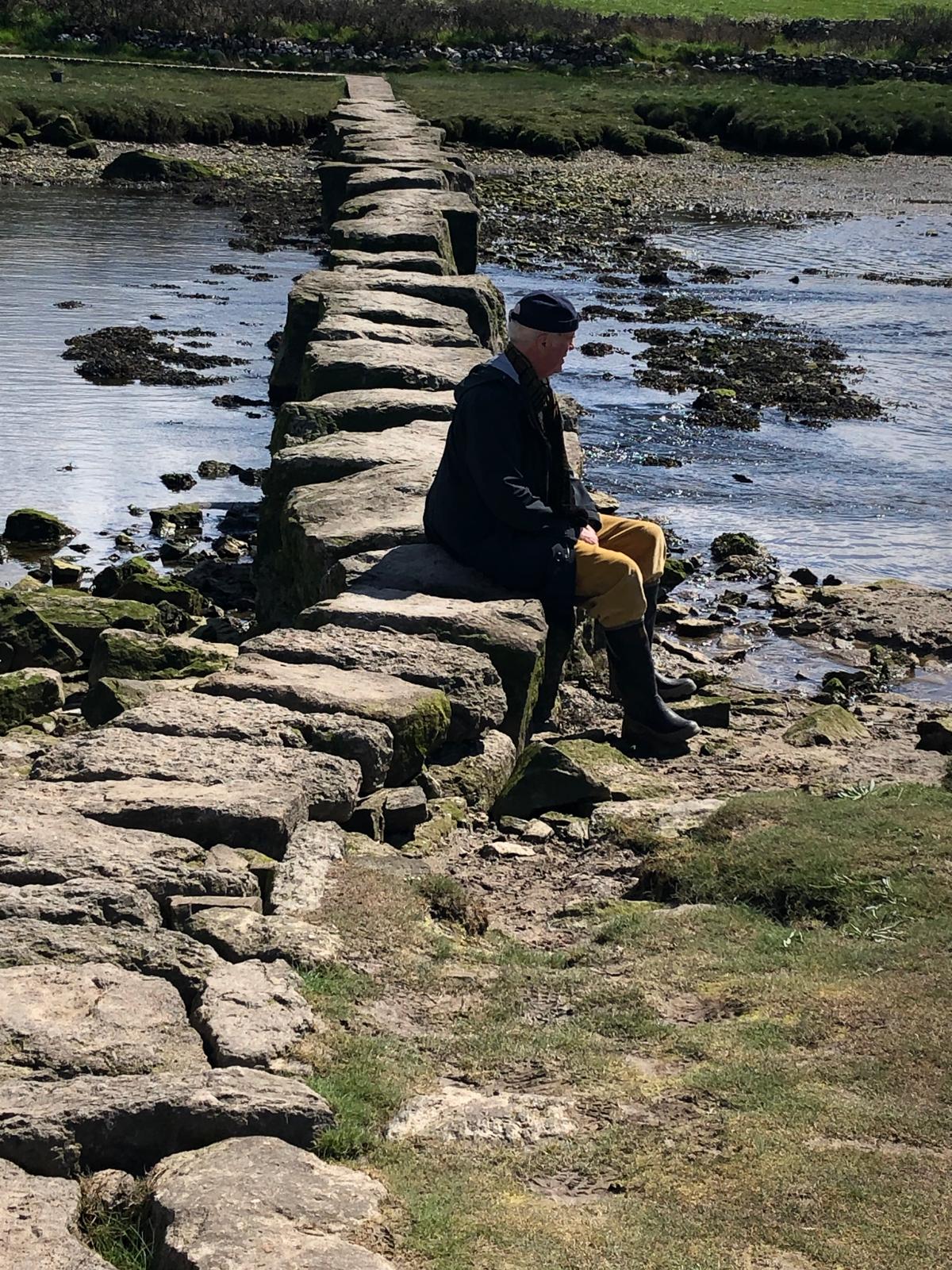
I have been thinking more about meeting Hugh Honour in the summer of 1975. I travelled to Lucca from Siena where I was staying in the Monastery of Pontignano. He had lived in Asolo in the late 1950s before moving to Lucca and at the time was working on a life of Canova which he never completed. He used to visit England every year, staying in the Traveller’s Club and getting his hair cut in Trumper’s. He talked about Mario Praz, who he and his partner John Fleming would have known as the great English scholar in Rome, author of The Romantic Agony and The House of Life. He said that Praz had the evil eye and could cause a light bulb to break if he wished. I only met him later in the bookstacks of the Warburg Institute, but retain my admiration for the quality of his writing as an independent scholar.
Category Archives: Uncategorized
Valentino
I was tipped off that there is a new and elegant building for Valentino on Old Bond Street which has been designed by David Chipperfield. Indeed, there is:-

Victoria Memorial
As I was slightly early for breakfast, I made a detour on my morning walk across the parks to inspect the Victoria Memorial, one of those great and overblown monuments which it is easy to ignore. Its design was the result of an open competition held in the summer of 1901 which was won by Thomas Brock RA, who had recently completed an equestrian statue of the Black Prince for Leeds. It was paid for not by grant from parliament, but by subscription throughout the Empire. The work took some time to complete. The bottom half was unveiled on 24 May 1909 and the final monument in March 1911. It benefits from close inspection rather than just being seen out of the car window with good bas-reliefs round the basin:-


Vogue
I went to the party to celebrate Vogue’s centenary (not the only one, I know). Two things struck me. The first was that it was founded in 1916, at the height of the first world war, when, as Nicholas Coleridge explained, there was both clothes rationing and paper rationing, not the most auspicious moment for the launch of a fashion magazine. But British readers were apparently missing the shipment of American Vogue. The second is the longevity of the Condé Nast stable. Coleridge himself has been there for as long as I can remember (although he cut his teeth on Harper’s and Queen). And Alex Shulman has been editor of Vogue for a quarter of its existence.
Hugh Honour (1)
I have only just read of the recent death last Thursday of Hugh Honour, the writer and polymathic art historian, through his obituary in the Daily Telegraph which was tweeted (I don’t normally do twitter). I greatly admired him and owe him a debt of gratitude for suggesting that I study at Harvard as he had enjoyed the hospitality of the Fogg’s common room. The Companion Guide to Venice was my first introduction to the literature of travel and I still regard it as the perfect model of a guide book. I bought the book that he commissioned from Michael Levey on the Early Renaissance when it first came out and used his book in the same series on Neoclassicism as an exemplary introduction to the topic. In fact, the books in the Penguin Style and Civilisation series remain models of literate and discursive art history. A great and admirable man of letters.
Somerset House
Another pleasure of visiting Photo London was having an opportunity to see and admire the luxuriant marine sculpture on the river front of Somerset House. I’m not sure who it’s by. John Bacon senior ?


The Norman Album
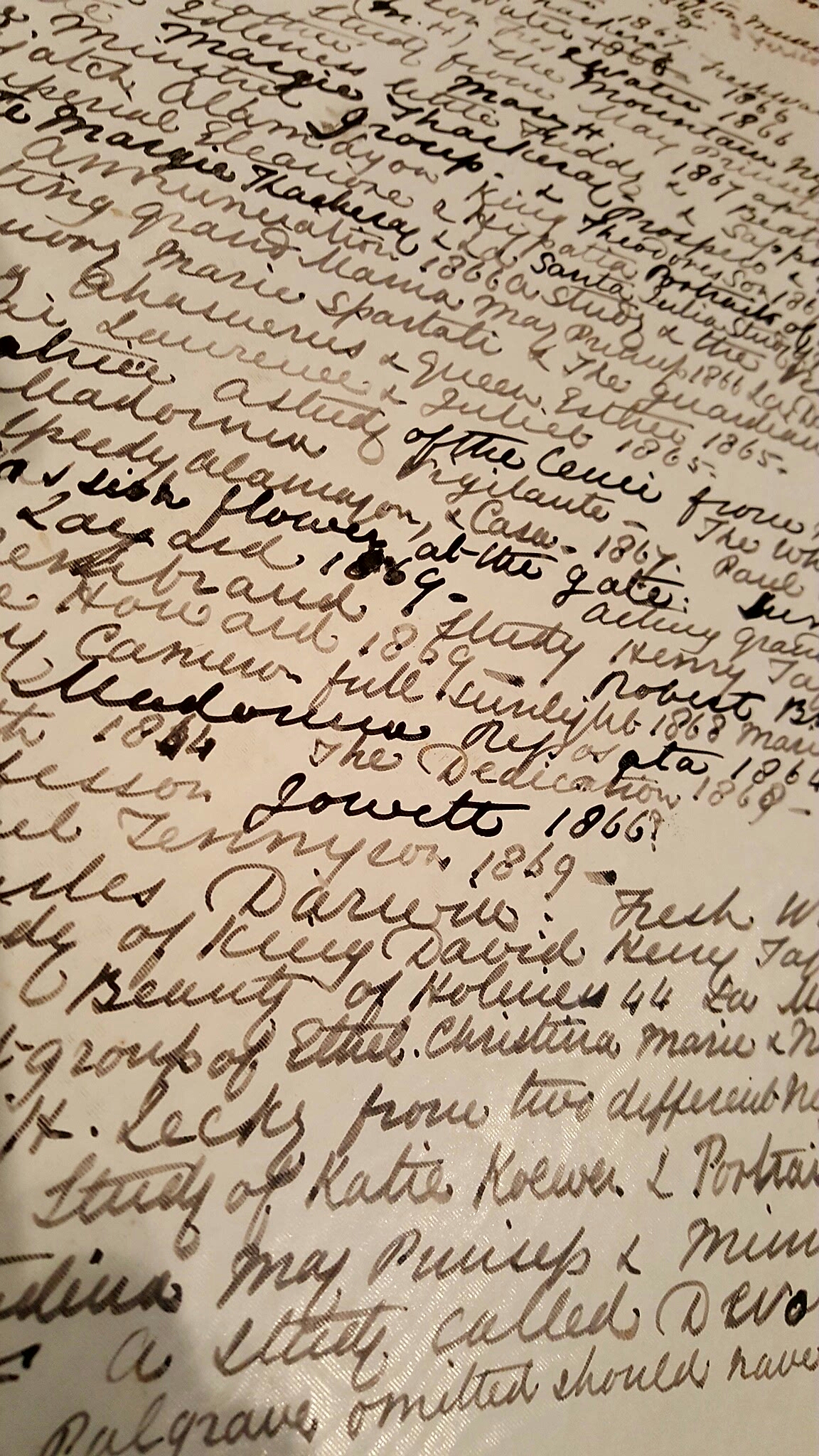
We went to Photo London. One of the great pleasures was seeing the so-called Norman Album which has been consigned for sale by the lineal descendants of Julia Margaret Cameron’s daughter, who was given a set of the best of her mother’s prints bound together in a special album which has been preserved by her family. It is peculiarly intense seeing photographs so immaculately well preserved, including many of Cameron’s most famous photographs – Darwin, Herschel, Tennyson, Henry Taylor, Benjamin Jowett, many bearded and looking like Old Testament prophets – together with her more theatrical tableaux and photographs of the local children in Freshwater Bay as beggar maids.
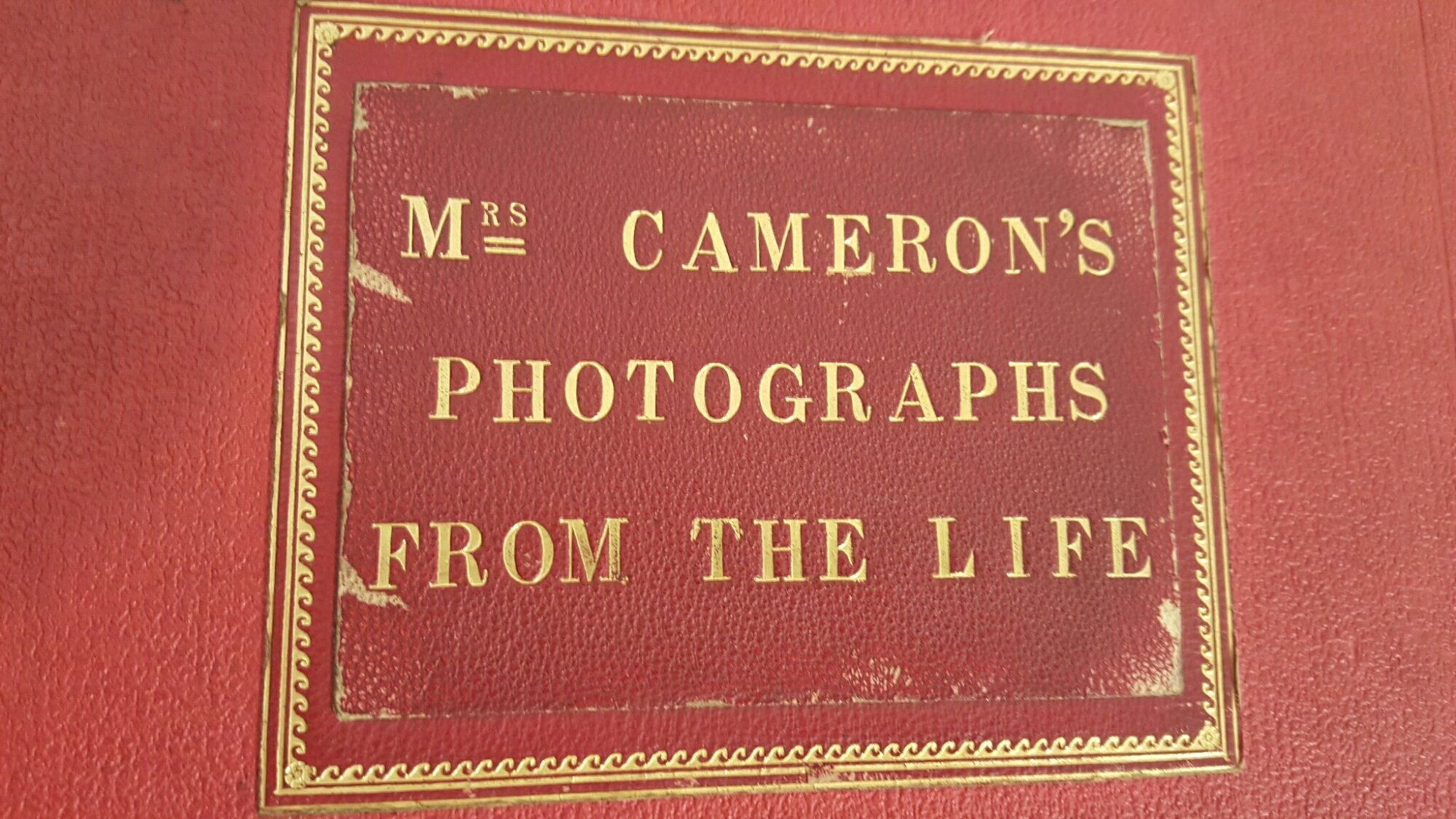
MRS. CAMERON’S PHOTOGRAPHS FROM THE LIFE:-
In the flyleaf is Cameron’s own list of the subjects:-
There is a dedication to her daughter and son-in-law, Charles Norman:-

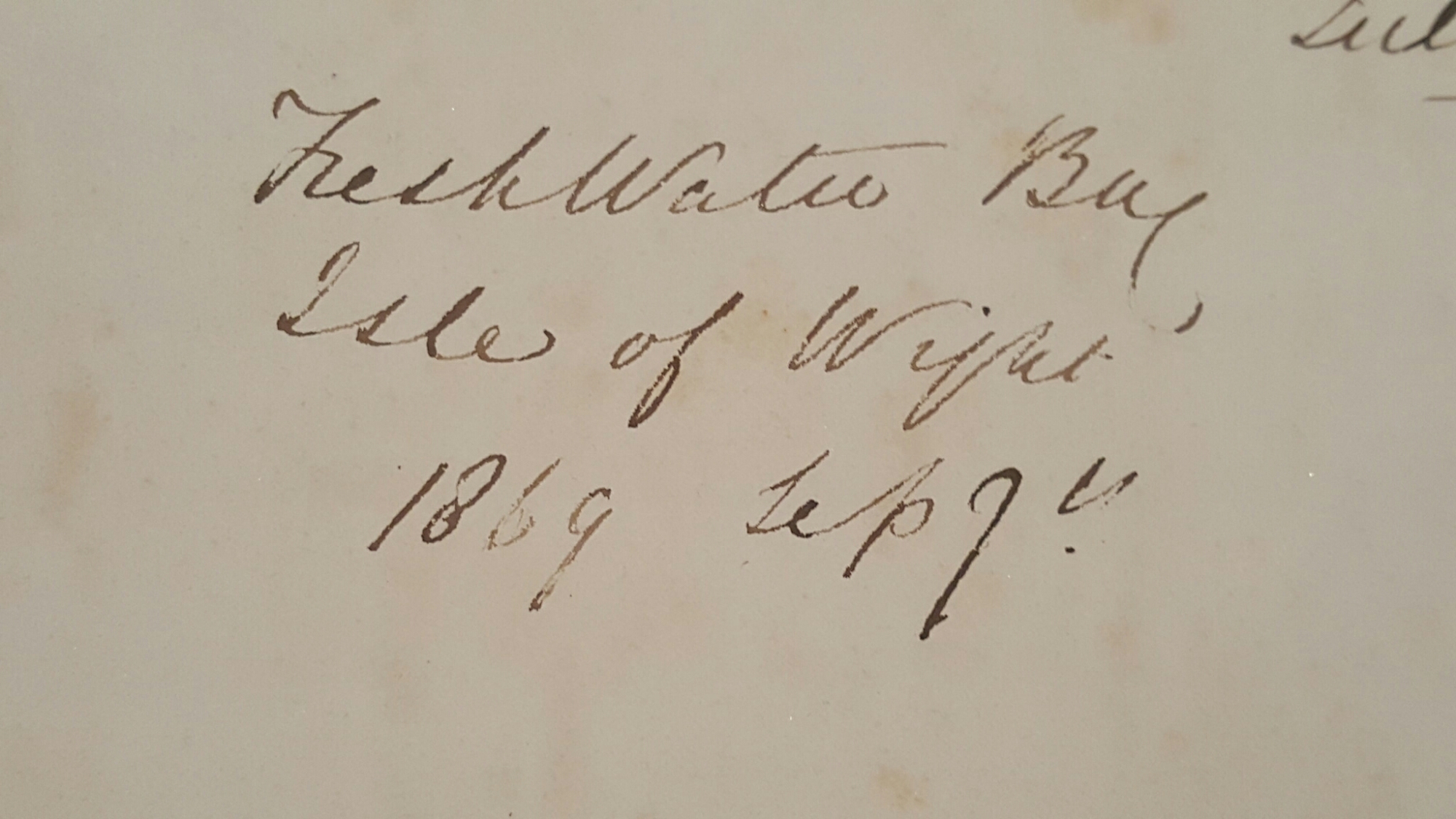
And the place and date:-
It’s a complete record of the intellectual aristocracy of the 1860s and should surely be in an English public collection, if not the Morgan Library or the Getty.
Fournier Street (2)
I have been able to find out a bit more information about the house where I had supper in Fournier Street. It was built in 1725 for a silk weaver called Peter Bourdon – a Huguenot, of course – who would have had a showroom on the ground floor and lived upstairs, with a two-storeyed timber framed building at the back which would have served as a warehouse. He took out a 99-year lease on 14 December 1725 from Wood and Mitchell who owned and were developing the surrounding estate. The date 1725 is apparently on a rainwater pipe, but I didn’t spot it. Bourdon was listed amongst The Eminent Merchants and Traders in 1744 and provided 26 workmen the following year to resist the Young Pretender. But by 1759, the lease had been taken over by another merchant called Obadiah Agace.
Leonard Manasseh RA
Today is Leonard Manasseh’s 100th. birthday He is the first RA ever to be 100. Born in Singapore in 1916 in the house which is now the luxuriously sub-tropical residence of the High Commissioner, his father was a trader in rubber and jute. Trained at the AA in the late 1930s, the era of the MARS group and high modernism, he won a competition after the war to design a restaurant for the Festival of Britain and established himself in private practice as an architect in 1949 in partnership with Ian Baker. In the 50s, they worked mainly on cafés and shop designs including the interior of the Time Life Building in New Bond Street. In the late 50s, they did the Rutherford School of Lisson Grove. He was elected an RA in 1979 and continues faithfully to attend meetings of General Assembly.
Fournier Street (1)
I had supper in Fournier Street. In the daytime its hyper genteel, a set of houses of eighteenth-century merchants from the 1720s, built by artisan developers. But in the evening, one gets more of a sense of as it was, with the tower of Christ Church lowering over the backs of silkweavers’ houses.
This is Christ Church seen in the dark:-

This is its steeple seen from Fournier Street:-

And from the garden behind:-

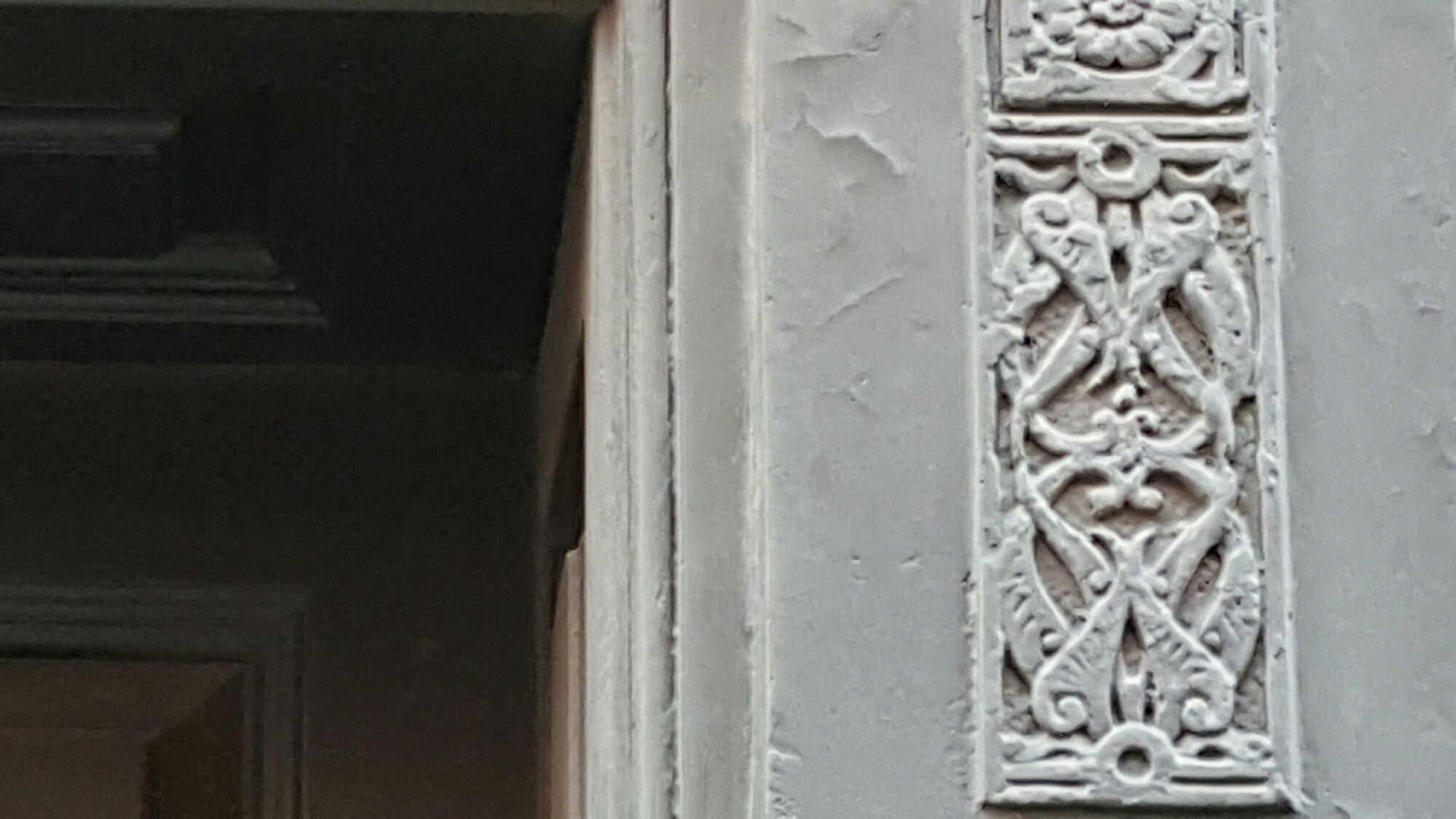
These are doorways in Fournier Street:-


Rooftops:-

And the garden:-


You must be logged in to post a comment.